Across mythologies, serpent gods and snake rituals mark thresholds of knowledge, law, and awakening, making the serpent a recurring symbol of consciousness-bestowing power.
Serpents and the Invention of Consciousness
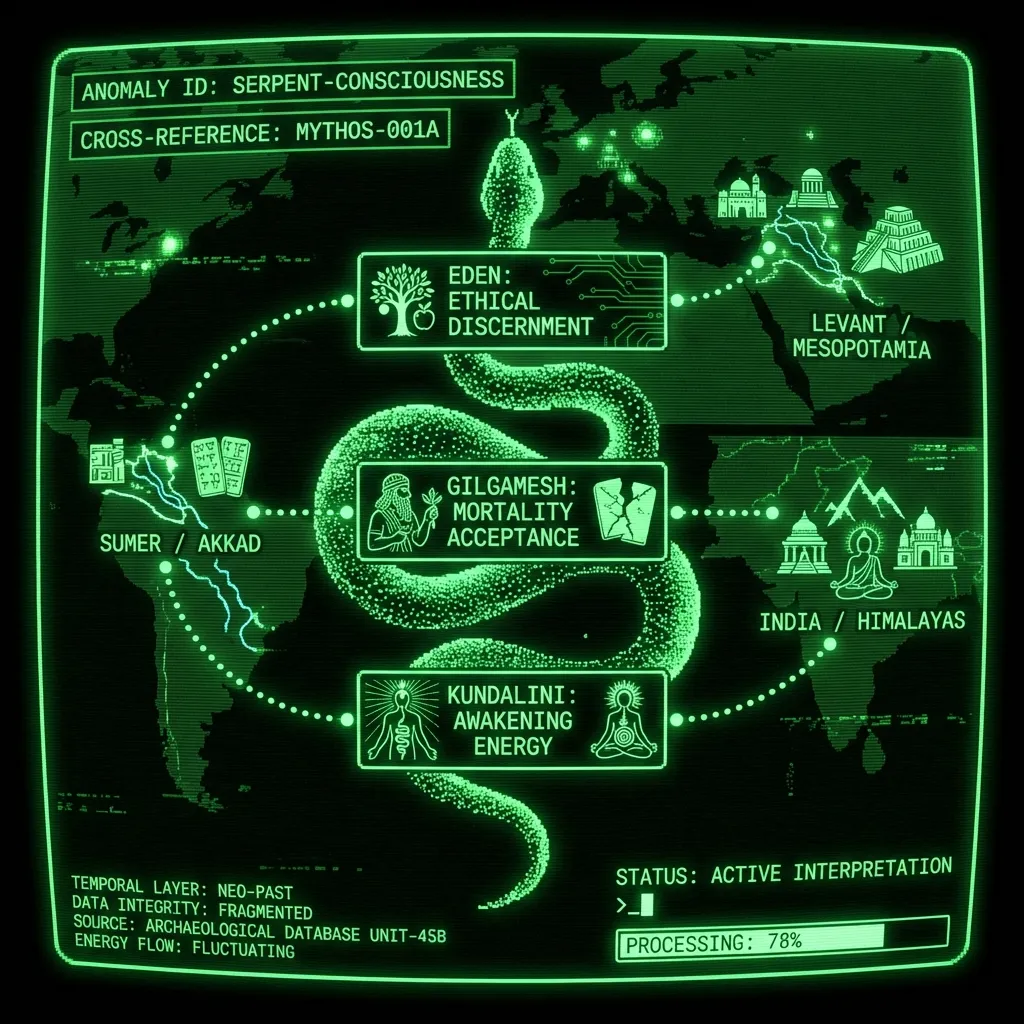
Across mythologies, serpent gods and snake rituals mark thresholds of knowledge, law, and awakening, making the serpent a recurring symbol of consciousness-bestowing power.
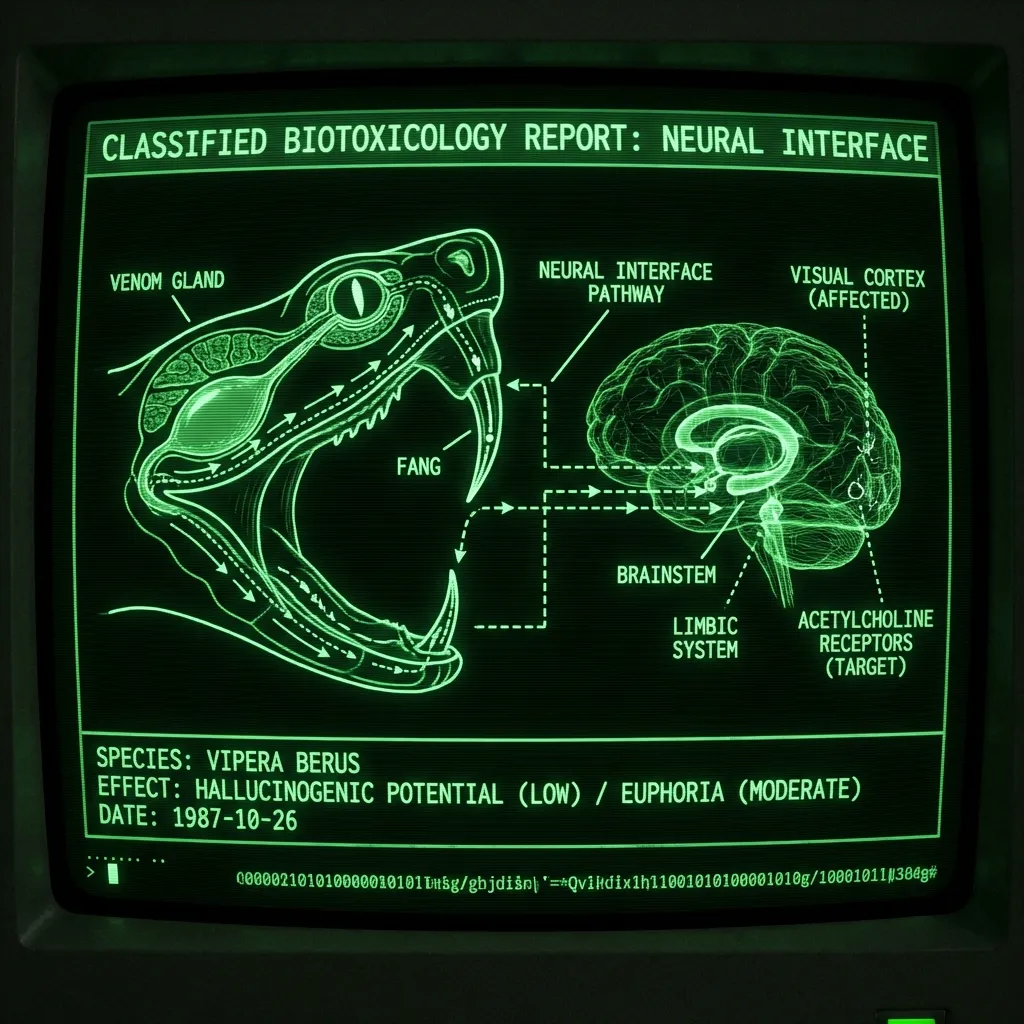
How neurotoxic snakebites, primate evolution, and mythic imagination conspired to turn a small-brained reptile into a global symbol of wisdom and awakening.
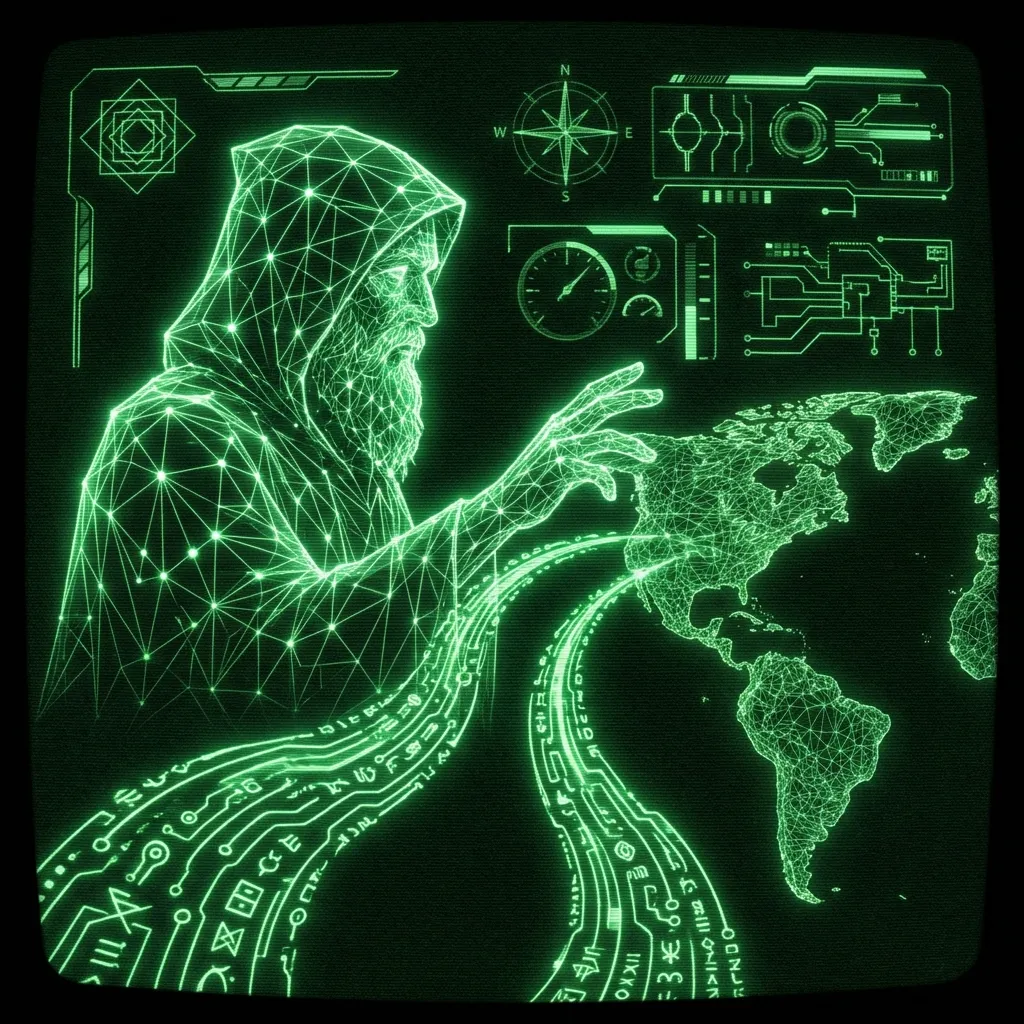
A comprehensive exploration of the bearded god archetype across the Americas, from Quetzalcoatl to Deganawida, examining how indigenous cultures imagined civilizing visitors from distant lands.

A long, neutral tour through Quetzalcoatl, Viracocha, and the recurring American myths of civilizing strangers who came from across the sea.
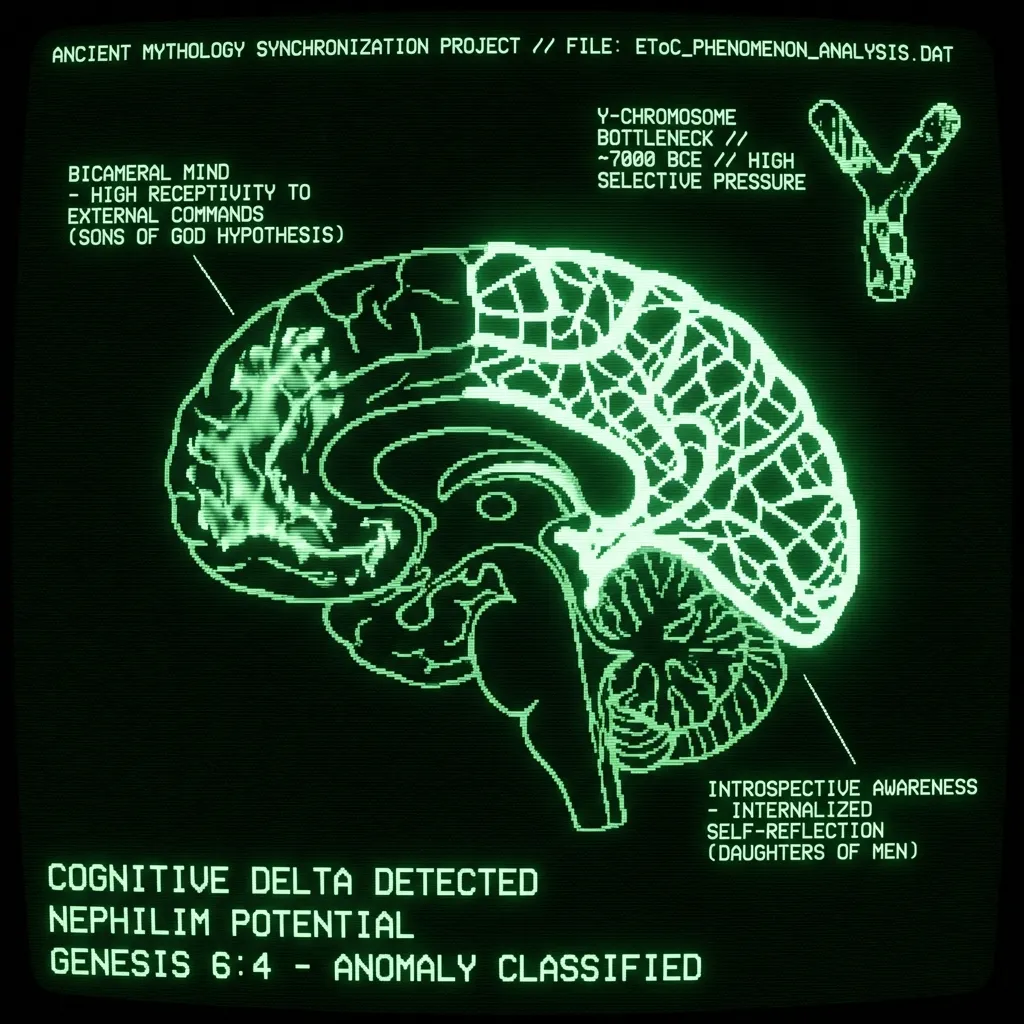
A speculative exploration of ancient ‘fallen angel’ myths through the Eve Theory of Consciousness, suggesting a bygone age when men lacked modern self-awareness while women led the way.
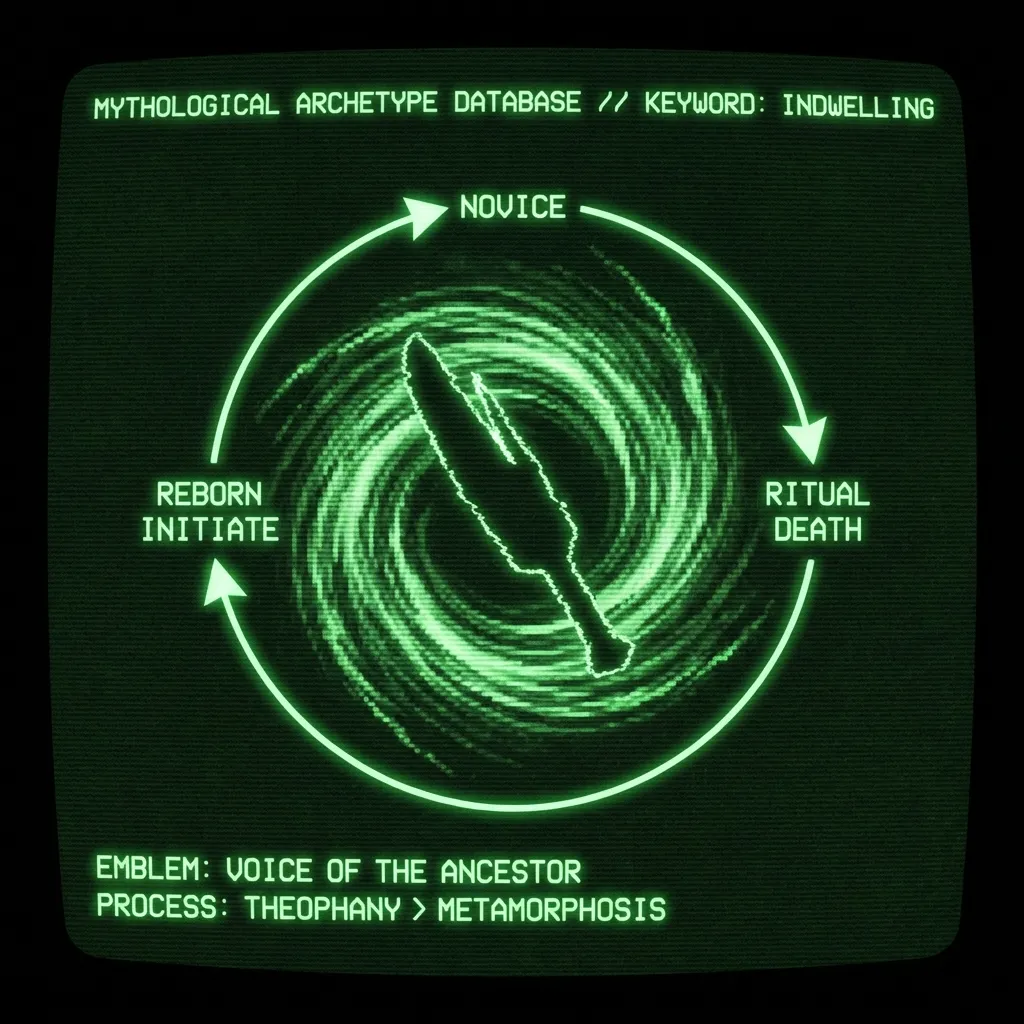
Across Australia, West Africa, Greece, and Amazonia, the bullroarer marks initiation as literal spirit indwelling—ritual death, rebirth, and presence of the god or ancestor.
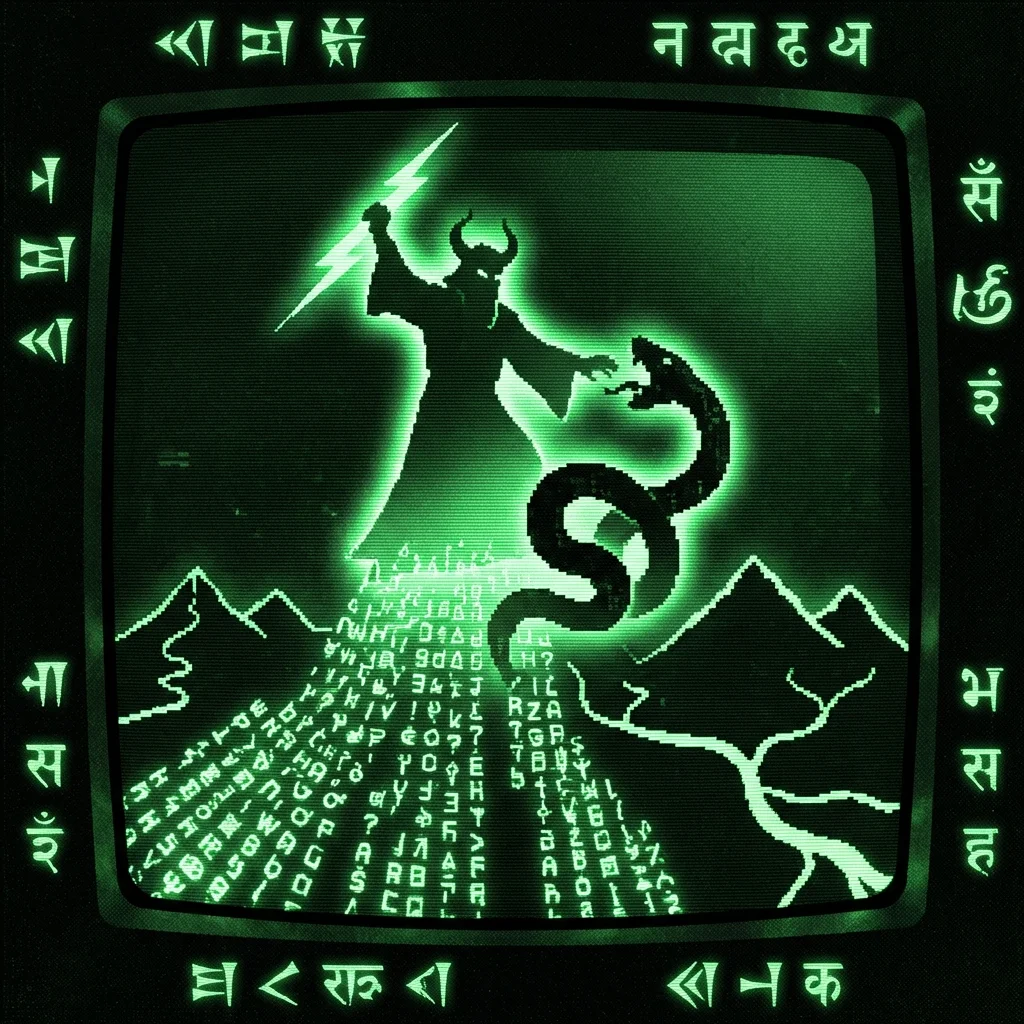
Do dragon-slaying and flood-control myths encode a deep, Paleolithic schema about taming water? Comparative myth + paleoclimate with testable predictions.
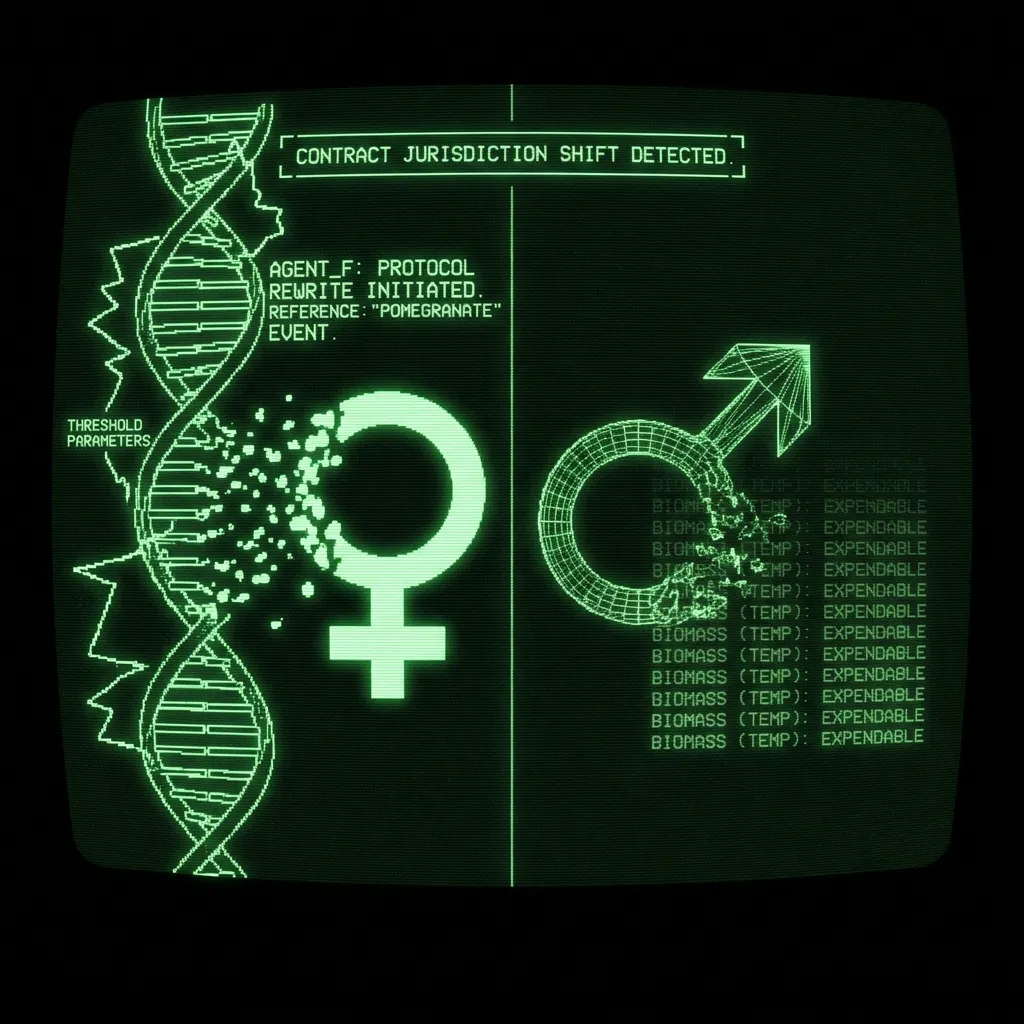
A sharp comparison of Inanna, Persephone, and Xquic with Dumuzi, Adonis, Osiris, and Telepinu—pinpointing which ritual and seasonal functions specifically track female agency.
EToC and Suddendorf–Corballis converge: human recursion and autonoetic time-travel coalesced over the last 100k years, leaving archaeological and mythic fingerprints.
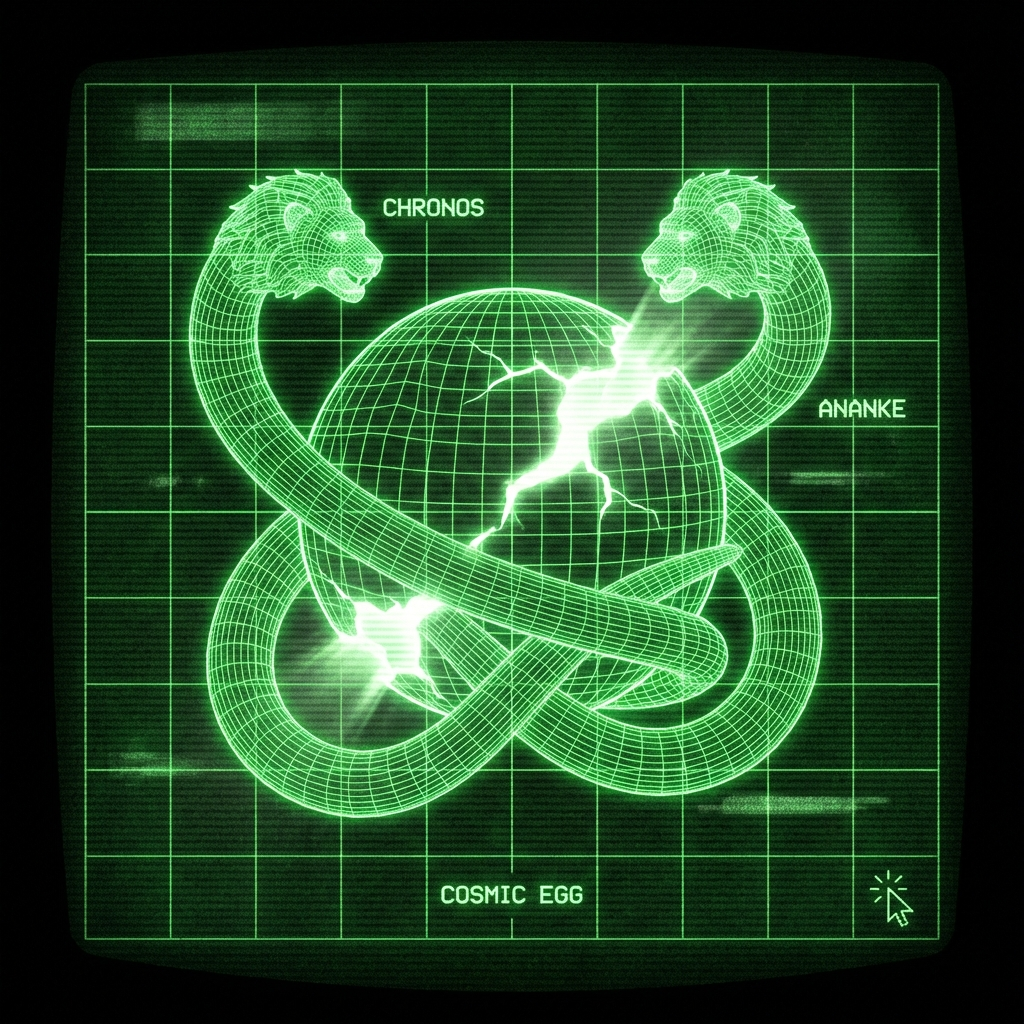
A crisp, source-heavy comparison of world‑egg cosmogonies and their serpent binders—Orphic, Vedic, Chinese, Finnish—to test whether a deeper shared structure sits beneath the oviform surface.