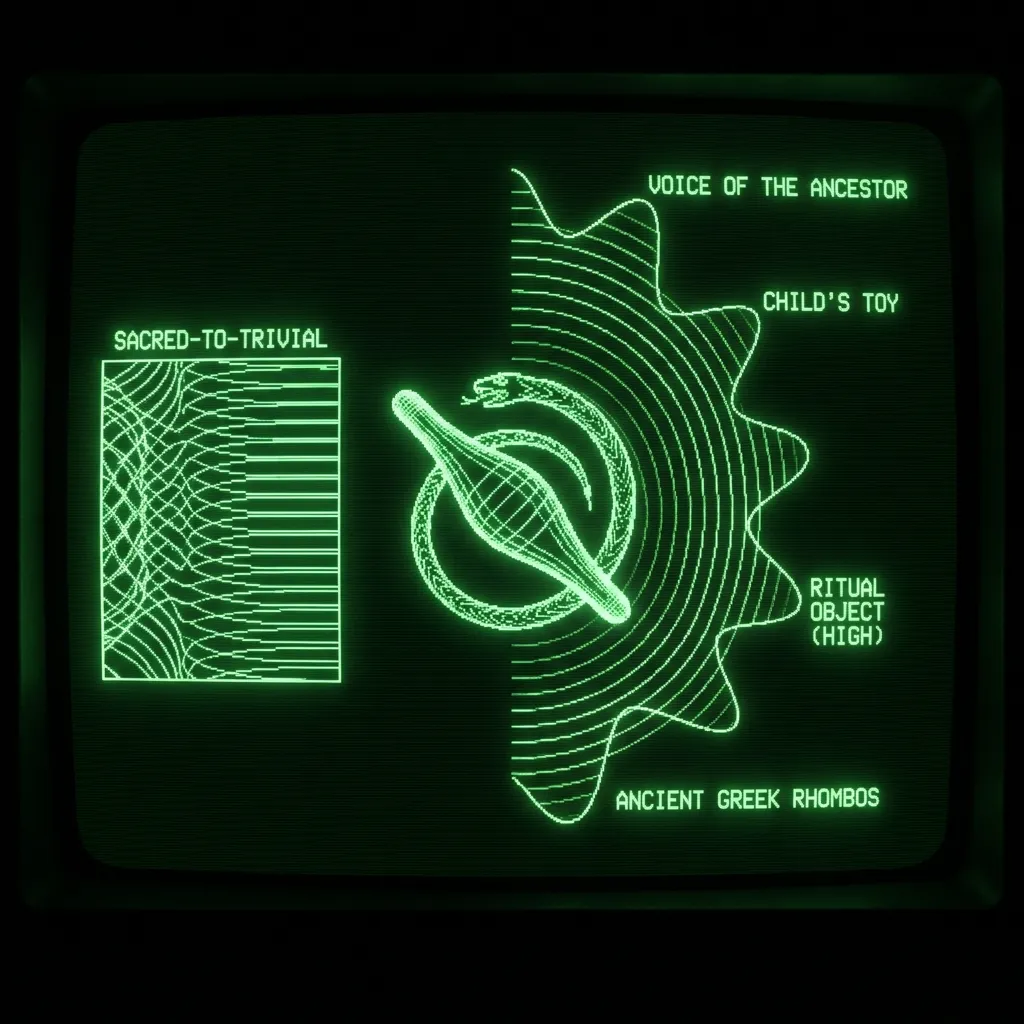
An interactive world atlas of 1,200+ bullroarer records reveals a sacred-to-toy gradient, a thin post-Ice Age archaeological record, and a snake where the wood survives.
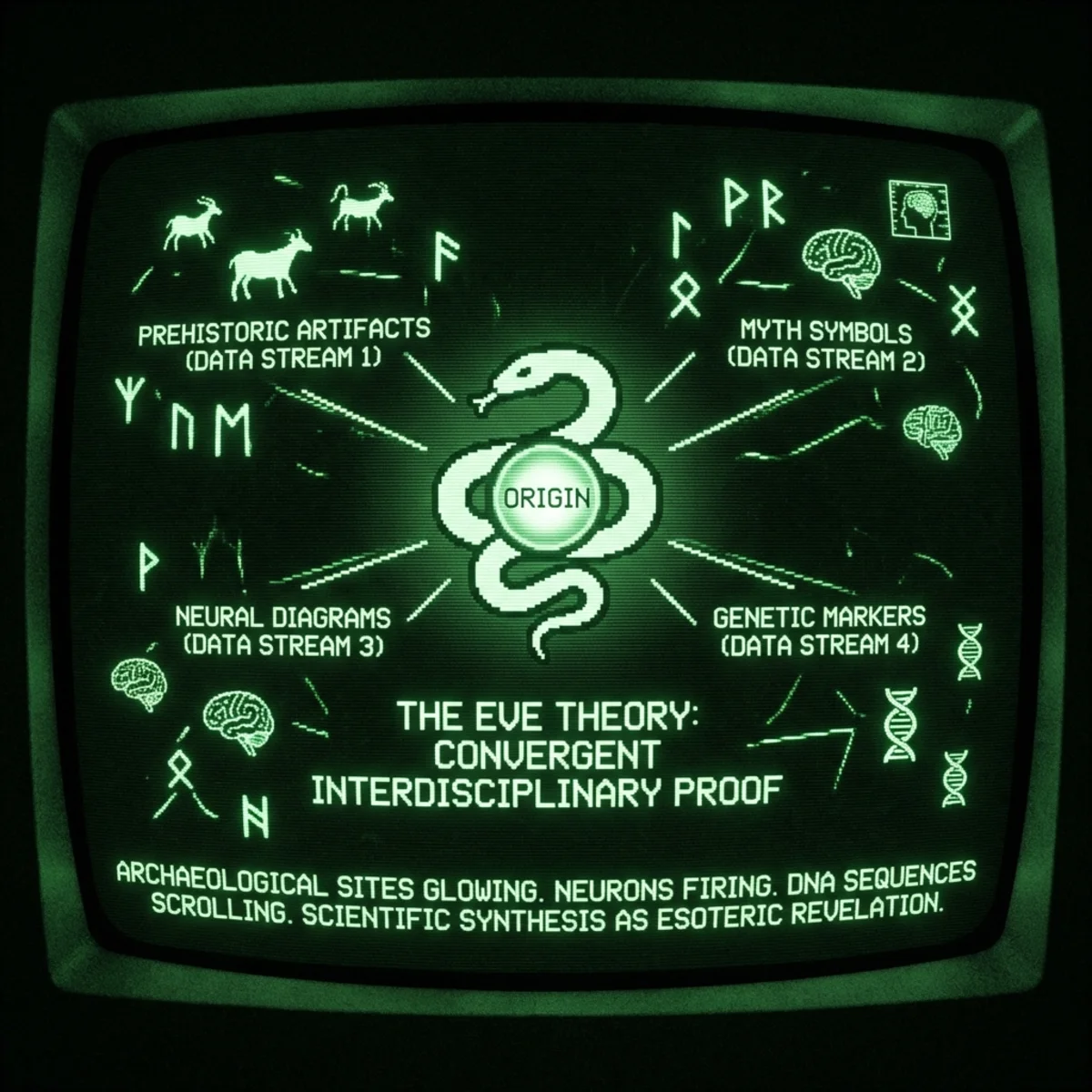
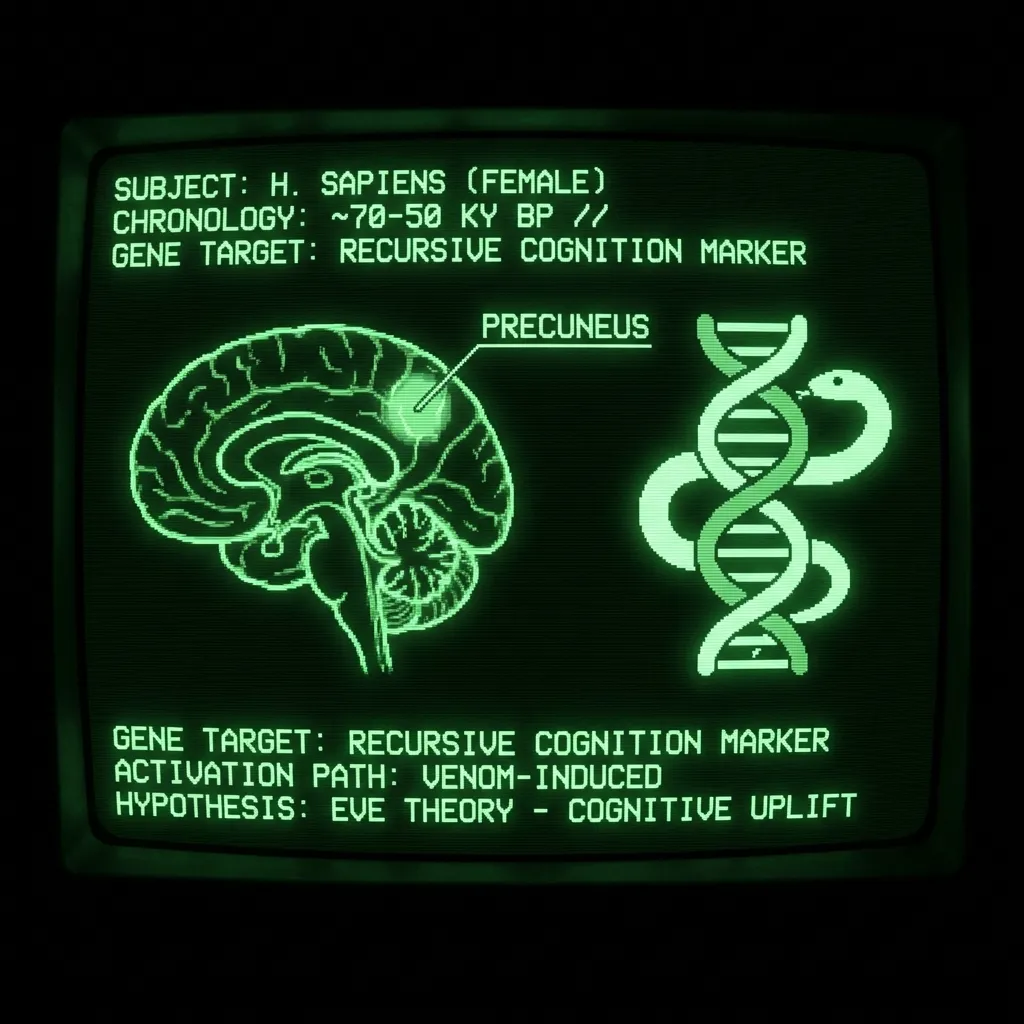
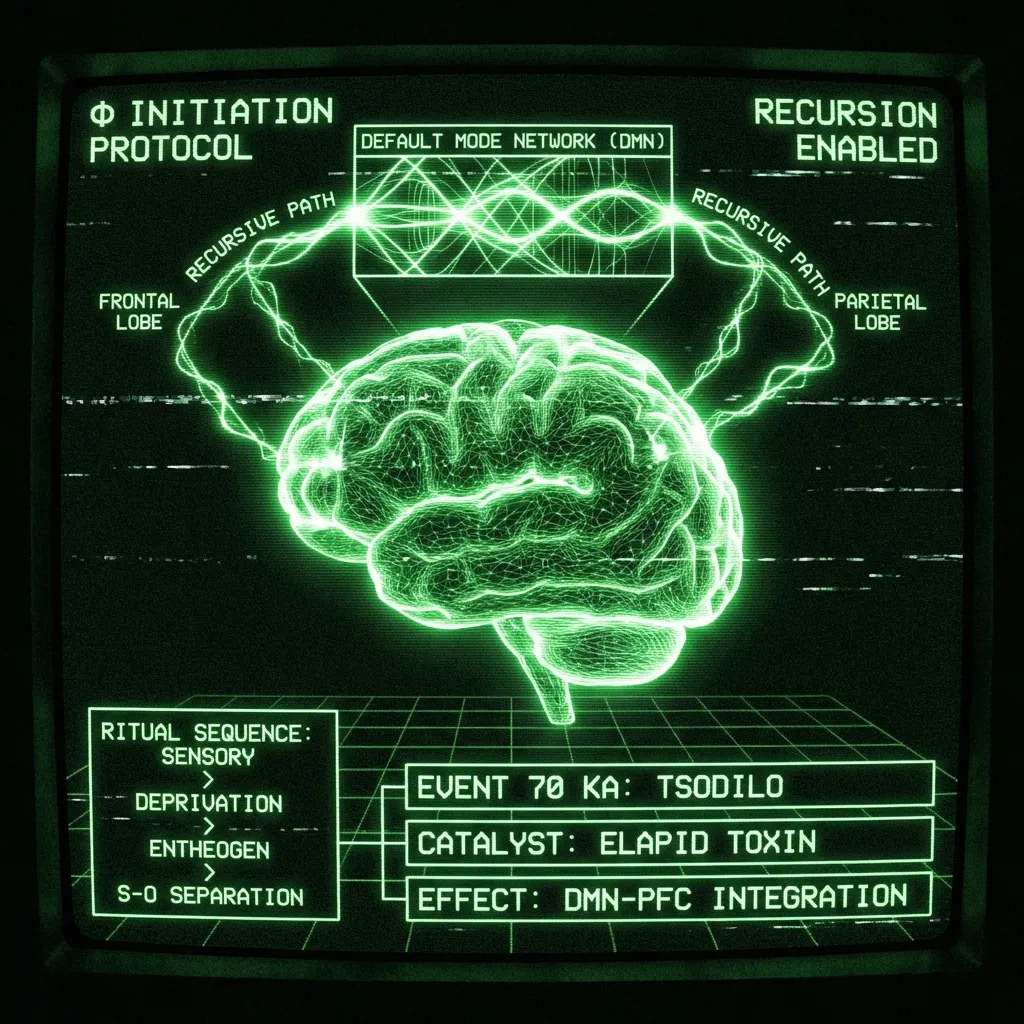
Fresh interdisciplinary evidence – from prehistoric rituals and myth to genes and neurochemistry – supports the Eve Theory of Consciousness, which posits women-led serpent venom rites ignited human self-awareness.
A diffusionist deep dive tracing masked ritual from a single Levantine hearth—stone masks and plastered skulls—to a global grammar of spirit embodiment.
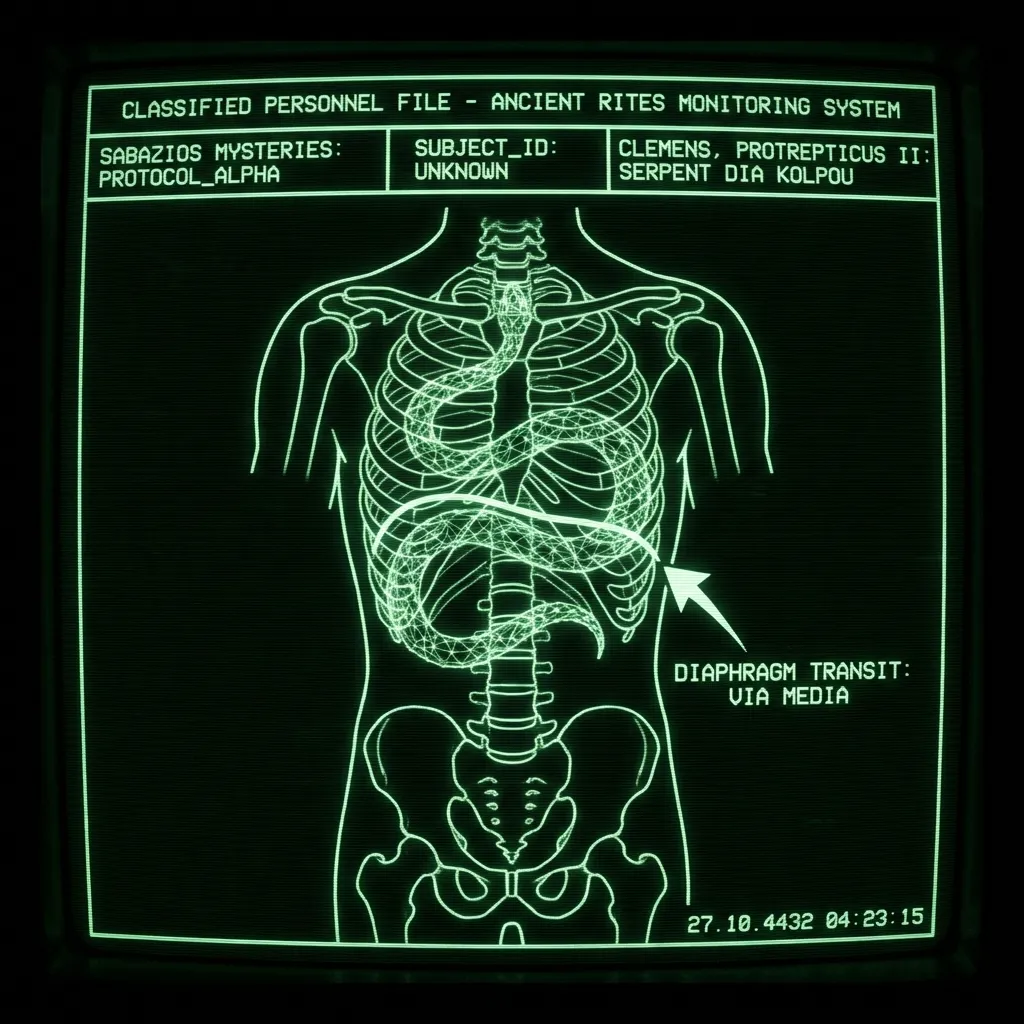
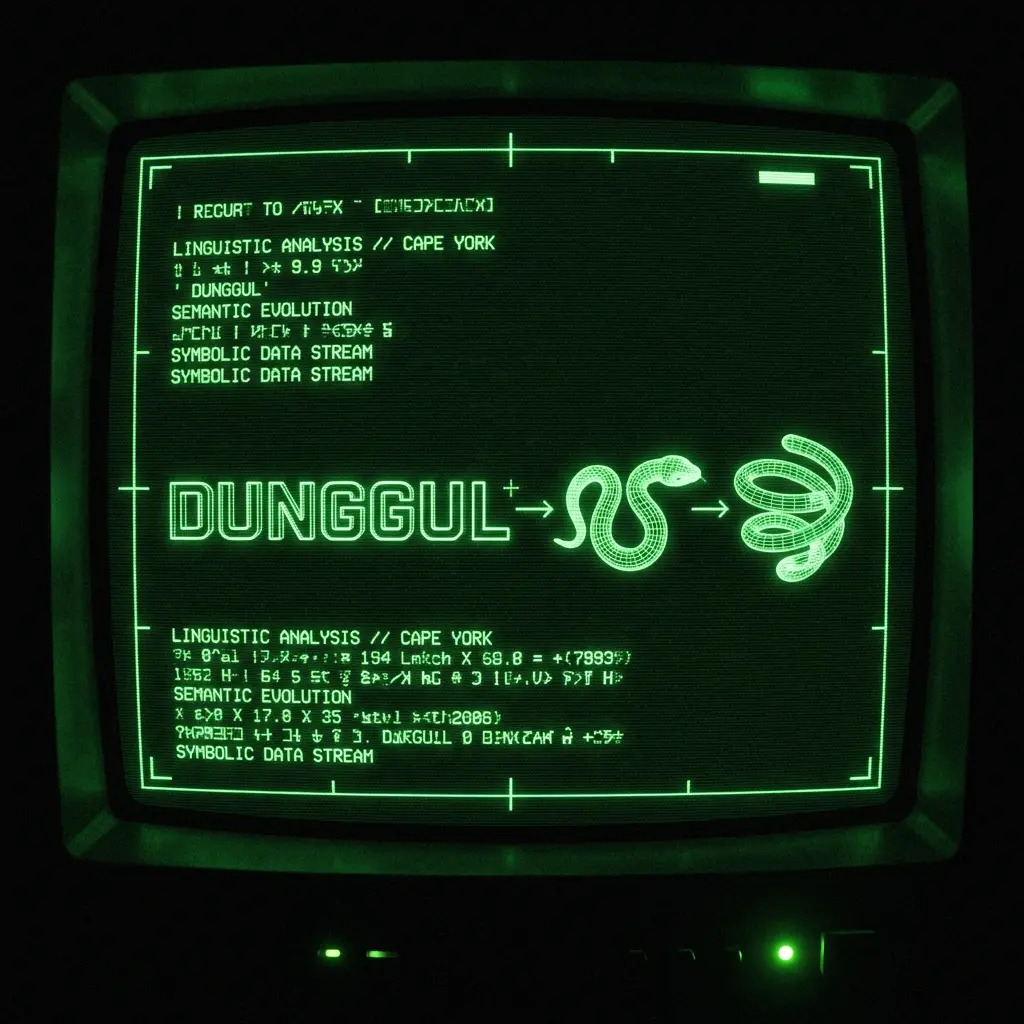
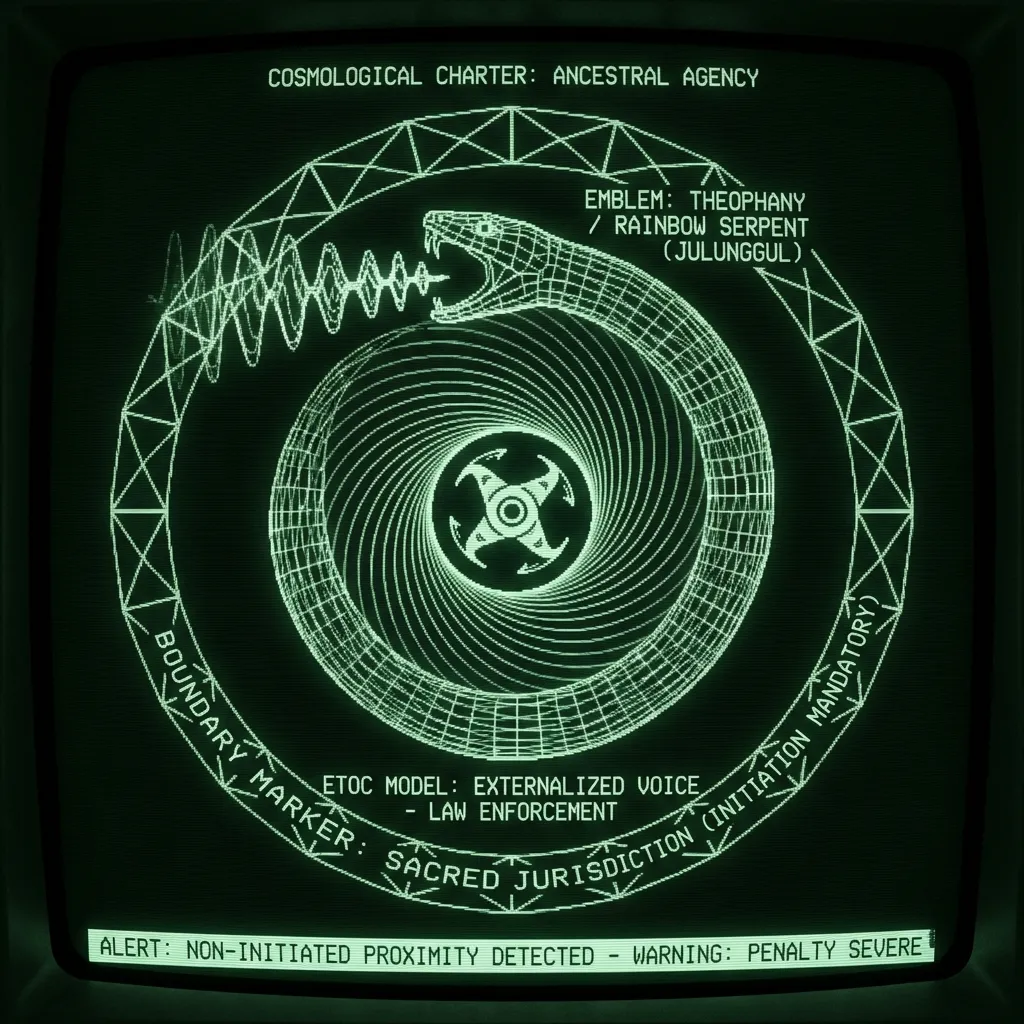
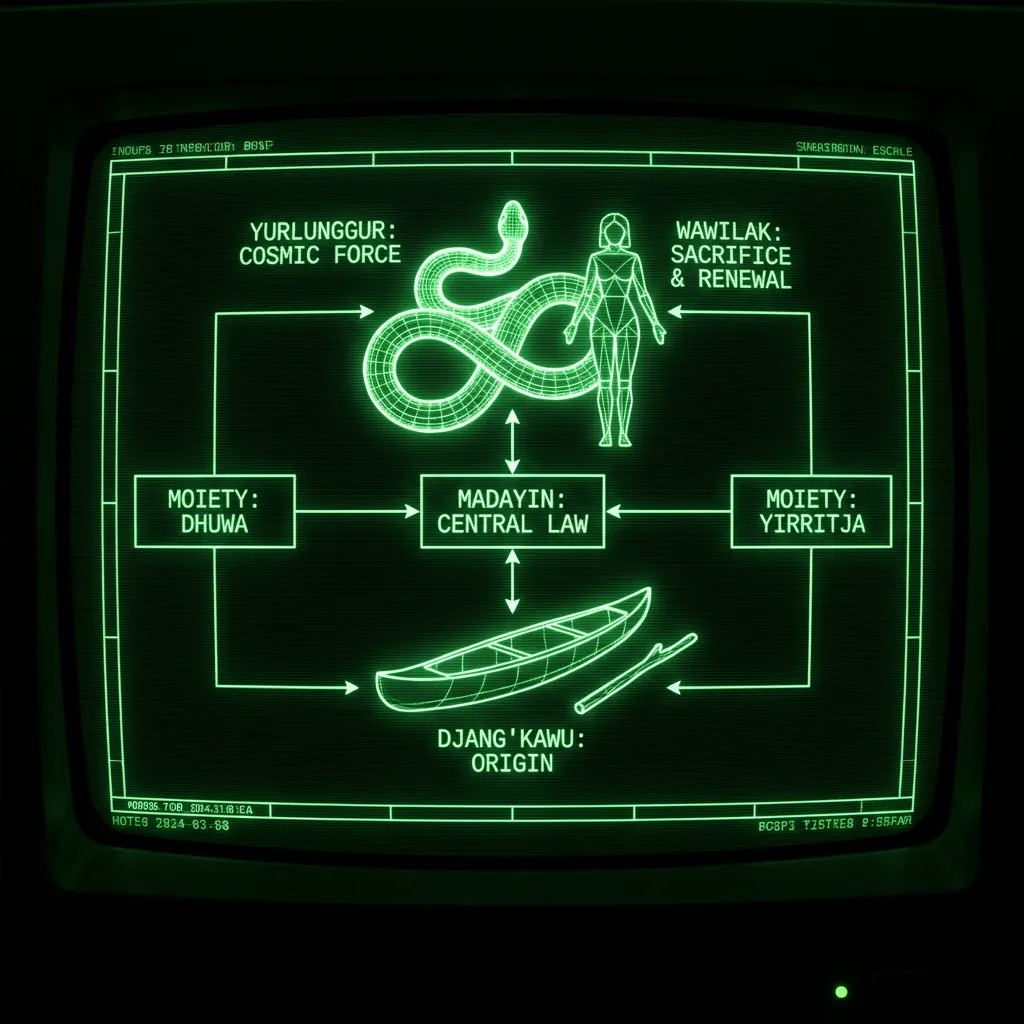
Comparative cases where initiates are called ‘snake‑bitten’ or ‘swallowed’—from Cape York’s dunggul to Sabazios, Yuruparí, the Ophites, Hopi Snake Dance, and Wawilak—w/ primary sources.
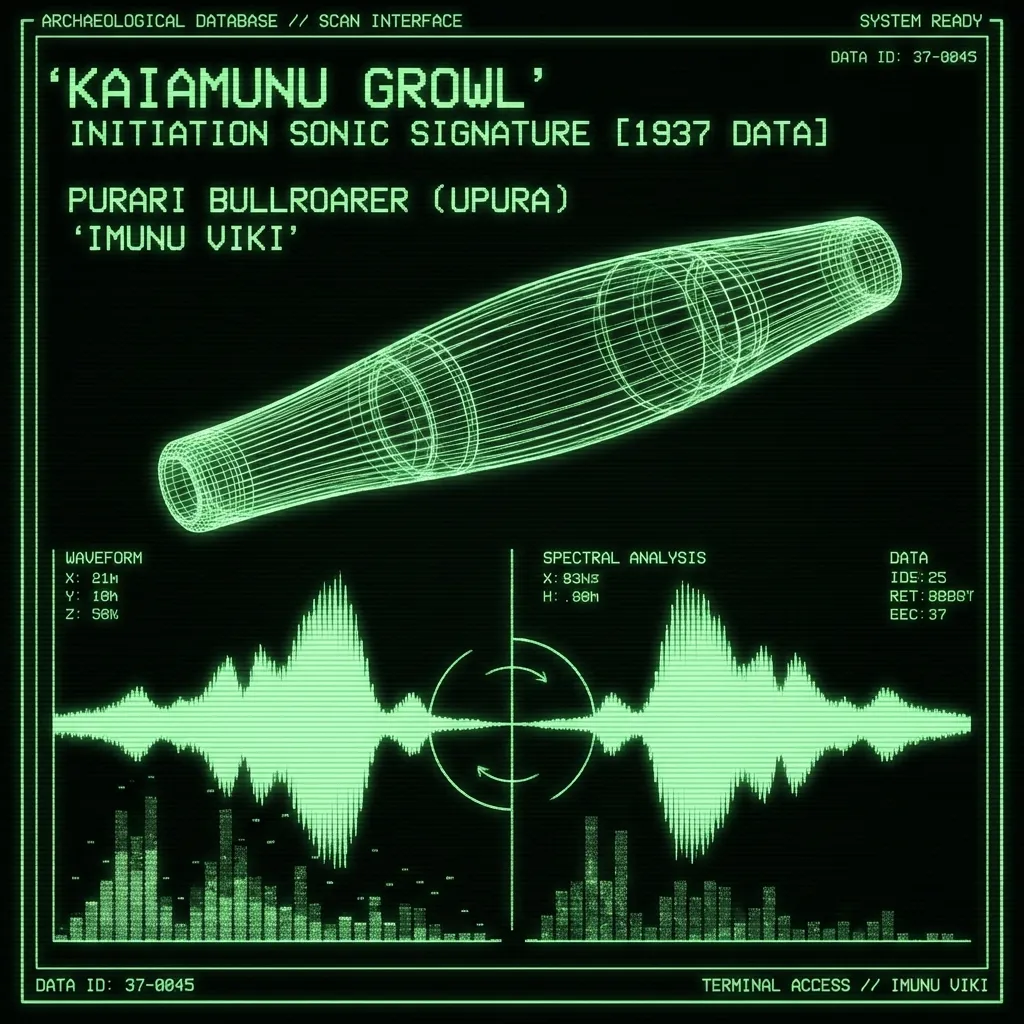
How bullroarers figure in Papua New Guinea male initiations—from Purari Delta imunu viki and kaiamunu ‘monsters’ to Sepik Tambaran houses—plus names, stages, and secrecy.
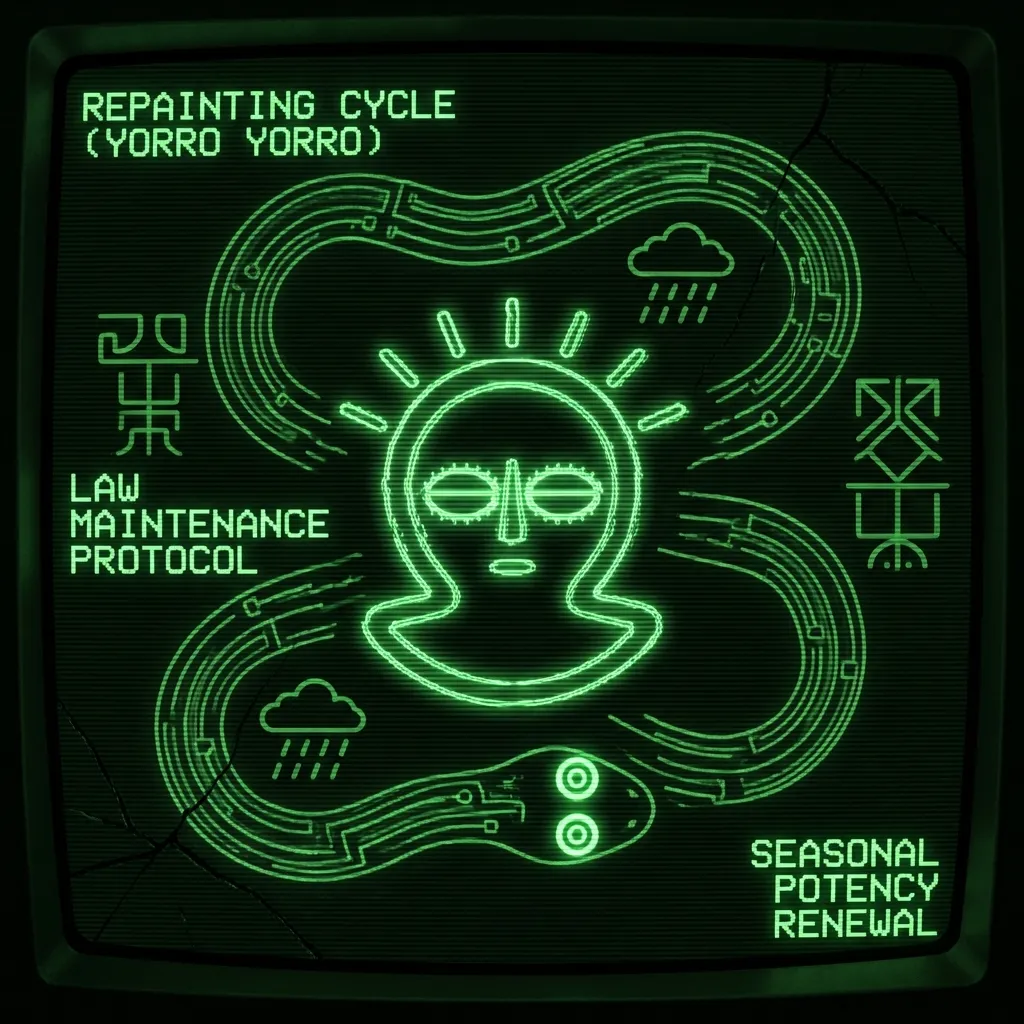
A research‑oriented account of the Wanjina Wunggurr creation complex (Worrorra–Ngarinyin–Wunambal), showing how repainting rock images sustains seasonal order and Law.
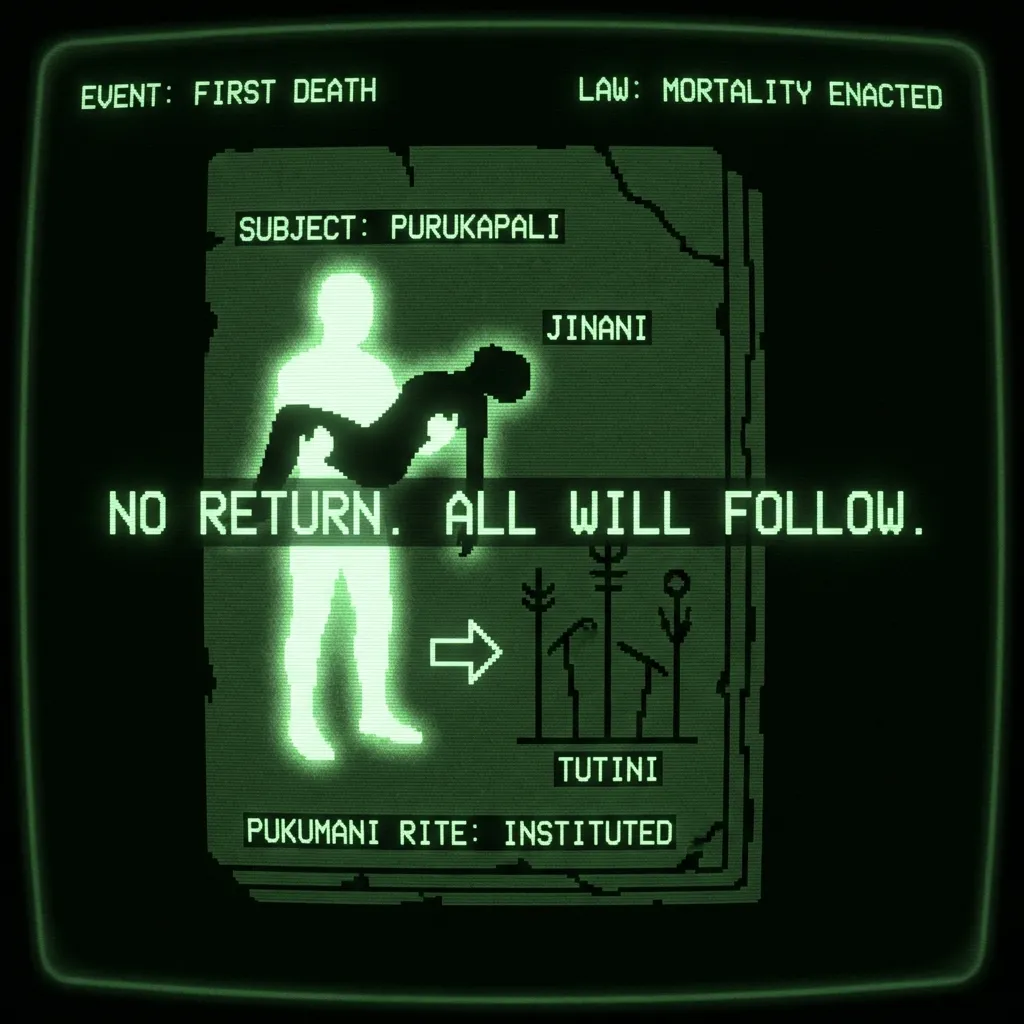
A research-first account of the Tiwi Purukapali myth and the Pukumani mortuary rite, with primary quotations, variant attestations, and a synthesis with the Eve Theory of Consciousness.
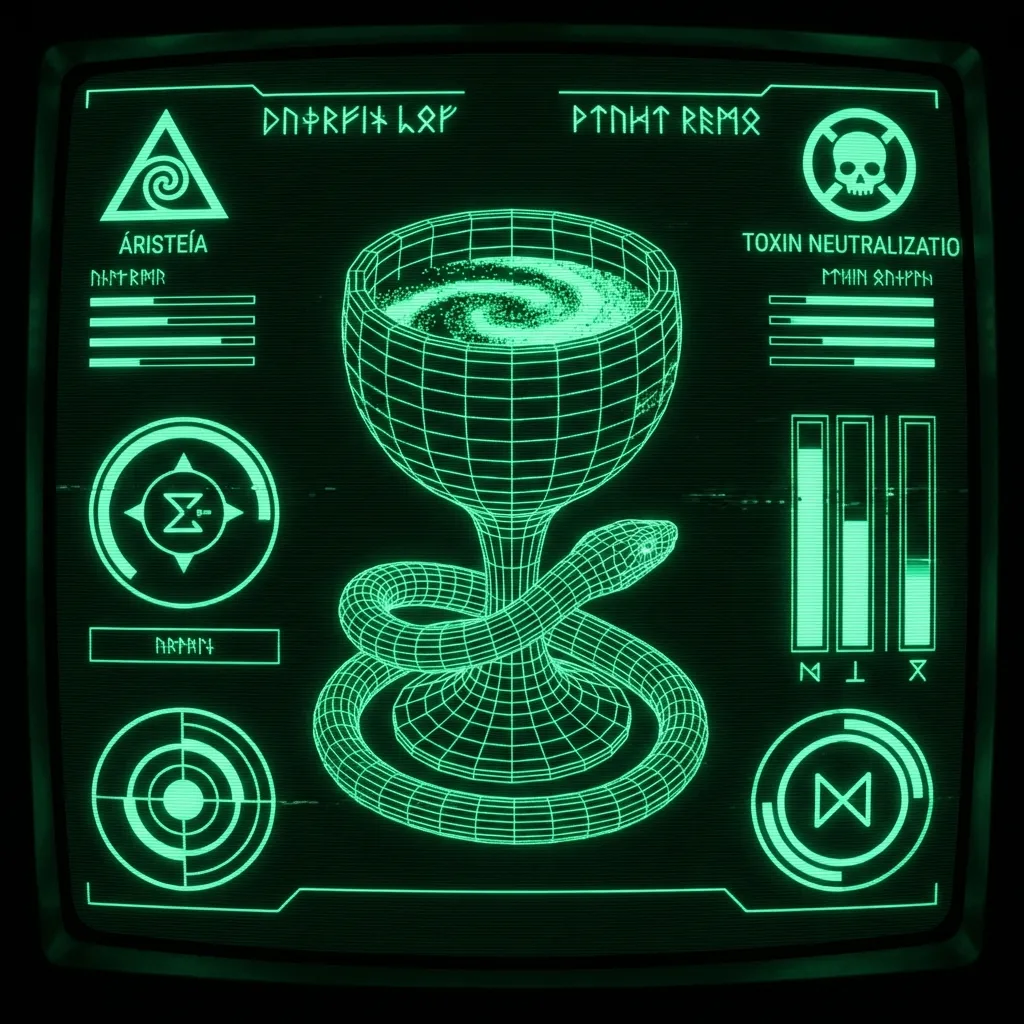
Why the legendary drink quaffed by Indo‑European dragon‑slayers is best read as a fossilised antivenom rite preserved by the Snake Cult of Consciousness.
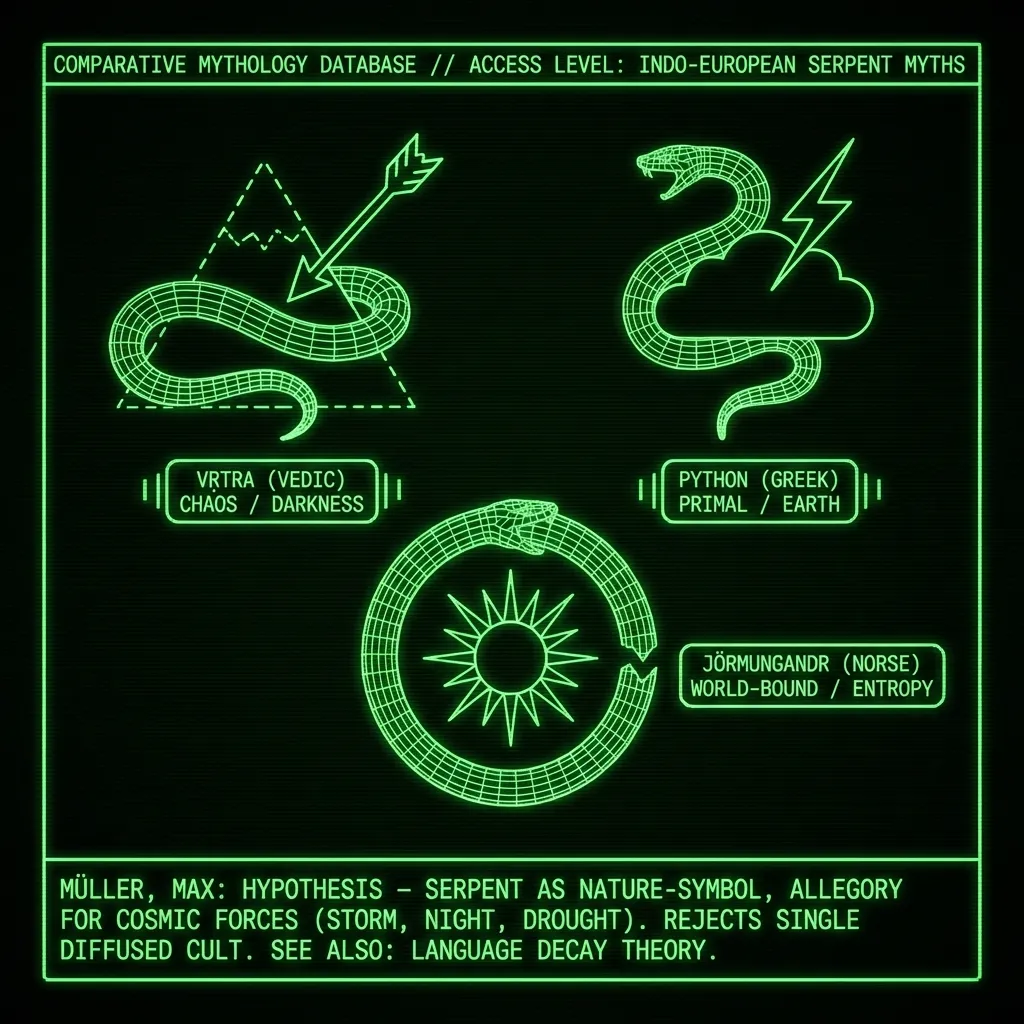
Analyzing Max Müller's 19th-century work on serpent worship, focusing on his identification of serpent symbolism in Vedic and Indo-European traditions and comparing his findings with global serpent myths relevant to the Snake Cult …
Deep synthesis of Tom Froese's Ritualised-Mind Hypothesis and Andrew Cutler's Eve/Snake-Cult Theory, resolving the Sapient Paradox through ritual-mediated recursion, female agency, and gene–culture sweeps.
Integrating Thomas Froese's insights on intersubjectivity and enactivism with the Eve Theory of Consciousness to provide a novel perspective on the Hard Problem of consciousness and the evolution of subjective experience.