Serpents and the Invention of Consciousness
Across mythologies, serpent gods and snake rituals mark thresholds of knowledge, law, and awakening, making the serpent a recurring symbol of consciousness-bestowing power.
Browse all tags · Search articles
Across mythologies, serpent gods and snake rituals mark thresholds of knowledge, law, and awakening, making the serpent a recurring symbol of consciousness-bestowing power.
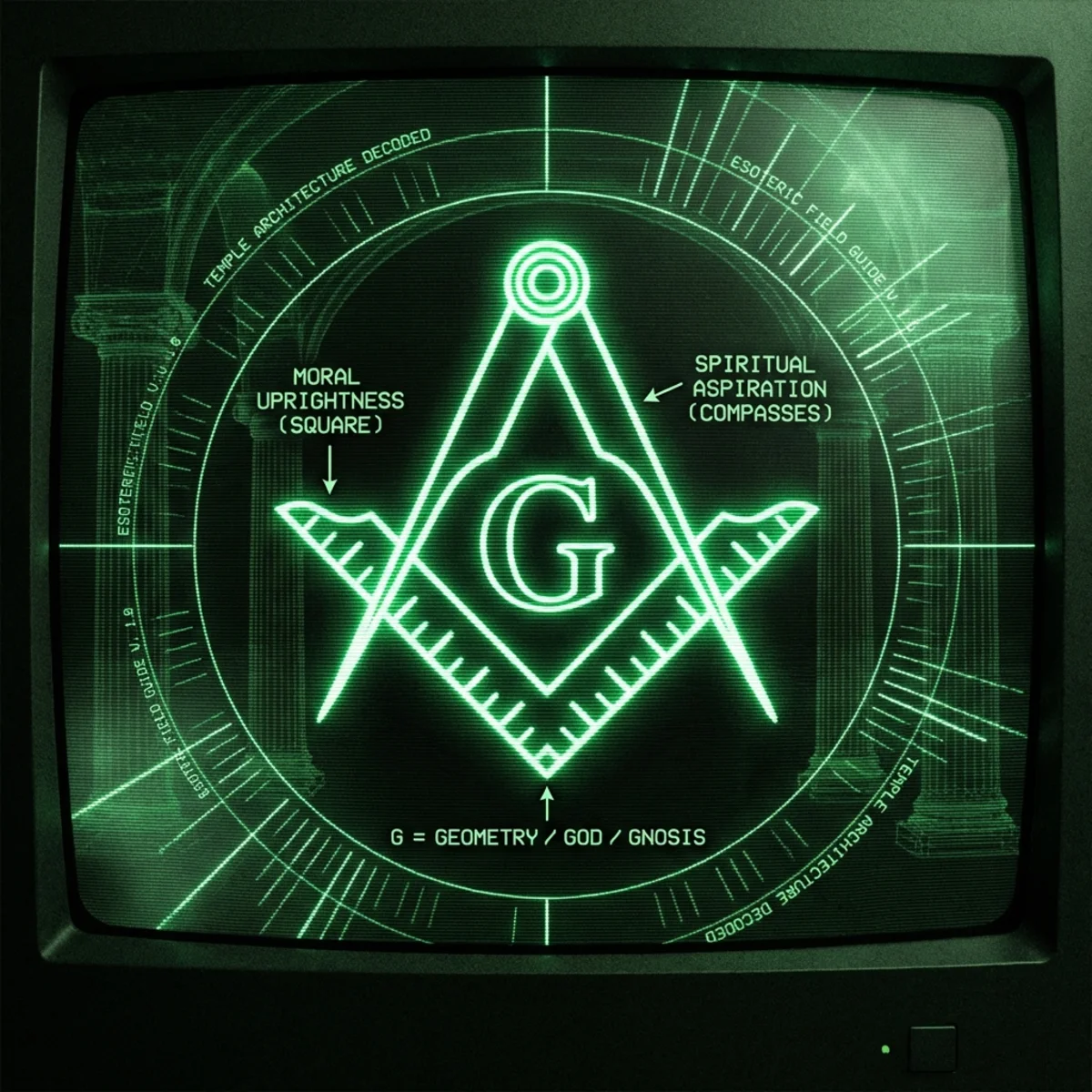
What the Masonic square and compasses and the letter G mean, where they came from in medieval stonemasonry, and what older geometry they do and do not inherit.
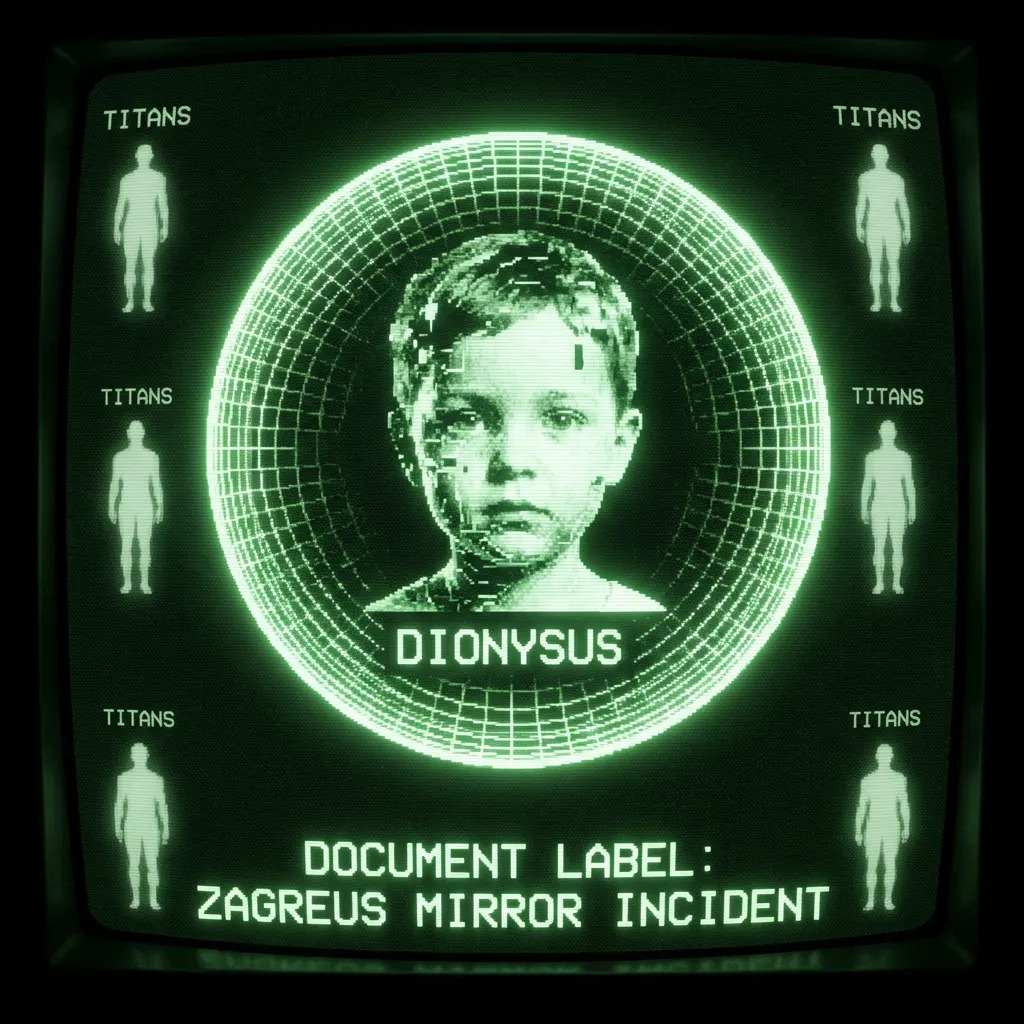
How a child-god’s fatal toy became a philosophical symbol for embodiment, matter and selfhood—from Neoplatonists to today’s classicists.
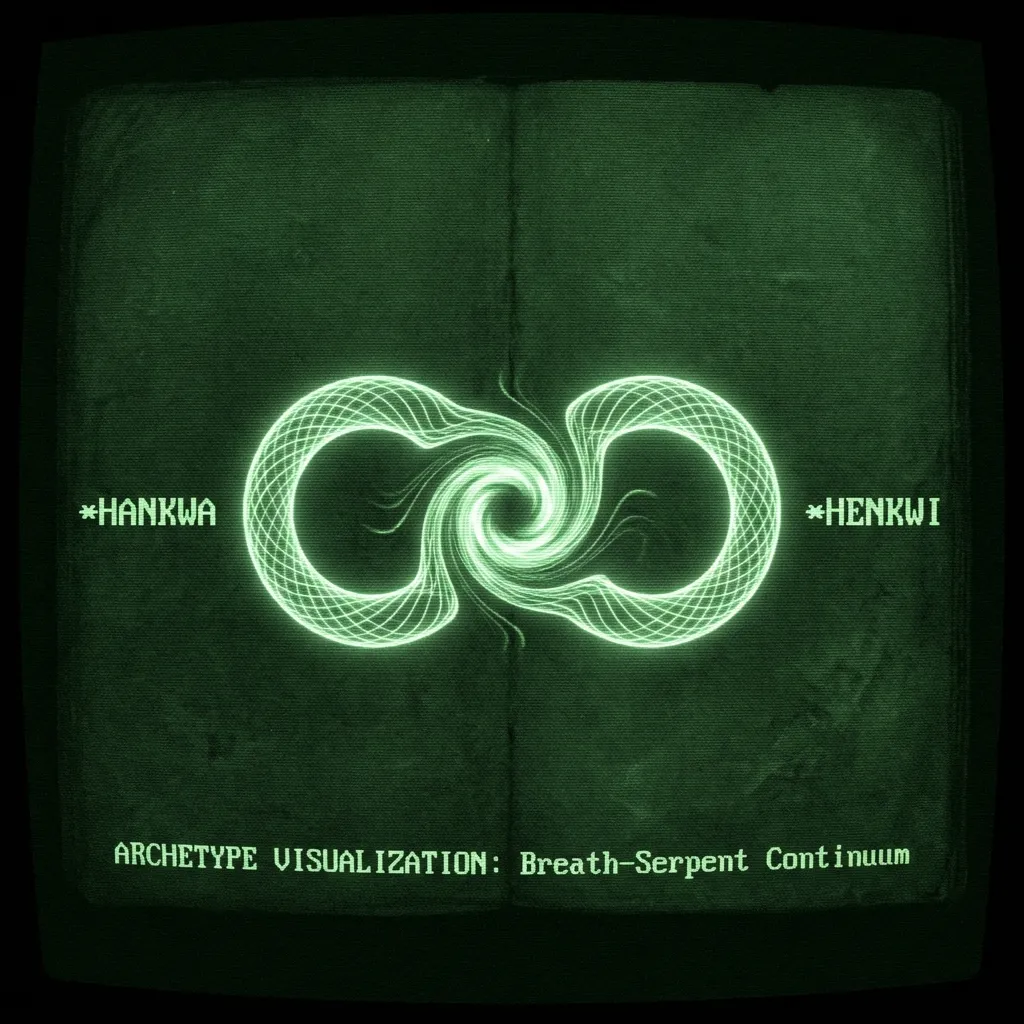
Exploring the hypothesis of two intertwined Proto-Sapiens roots, *hankwa (breath, life, soul) and *henkwi (snake, dragon), by examining proposed cognates across global language families and their implications for the Snake Cult of …
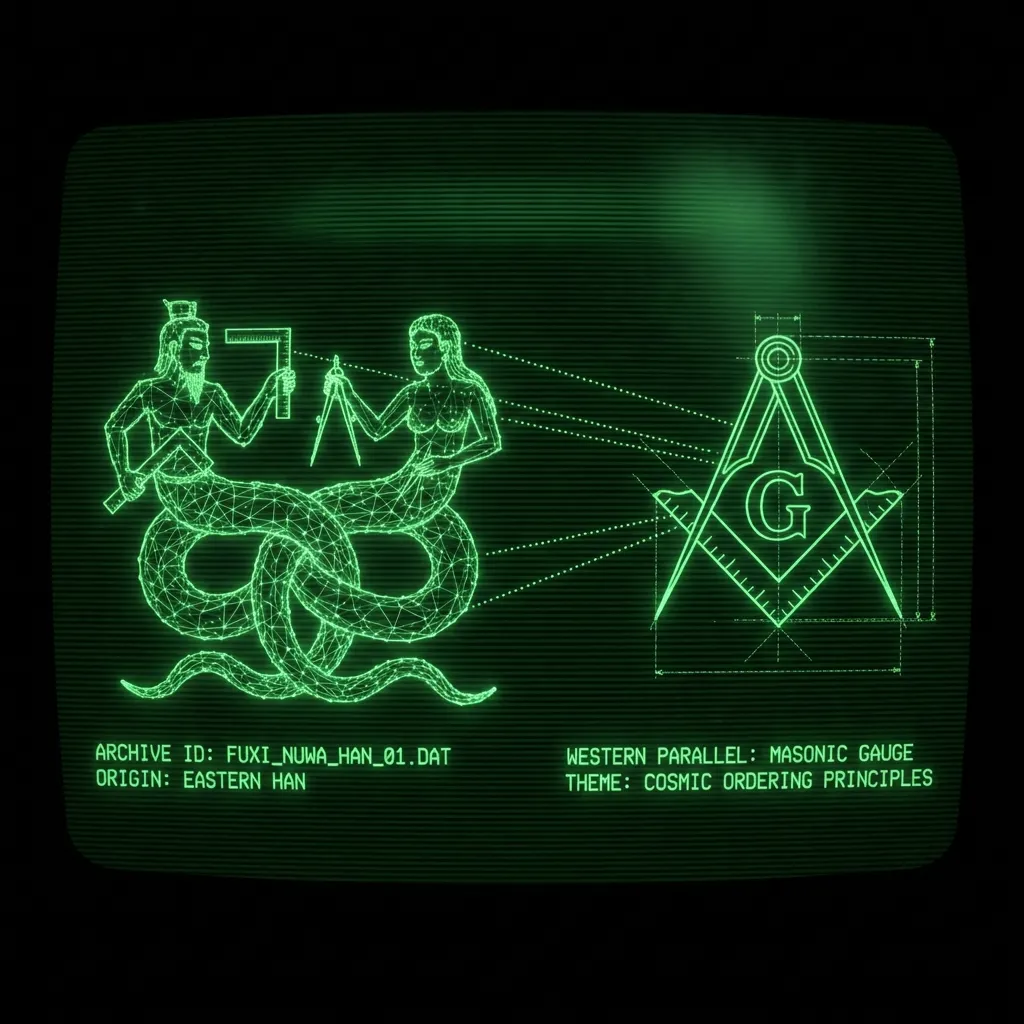
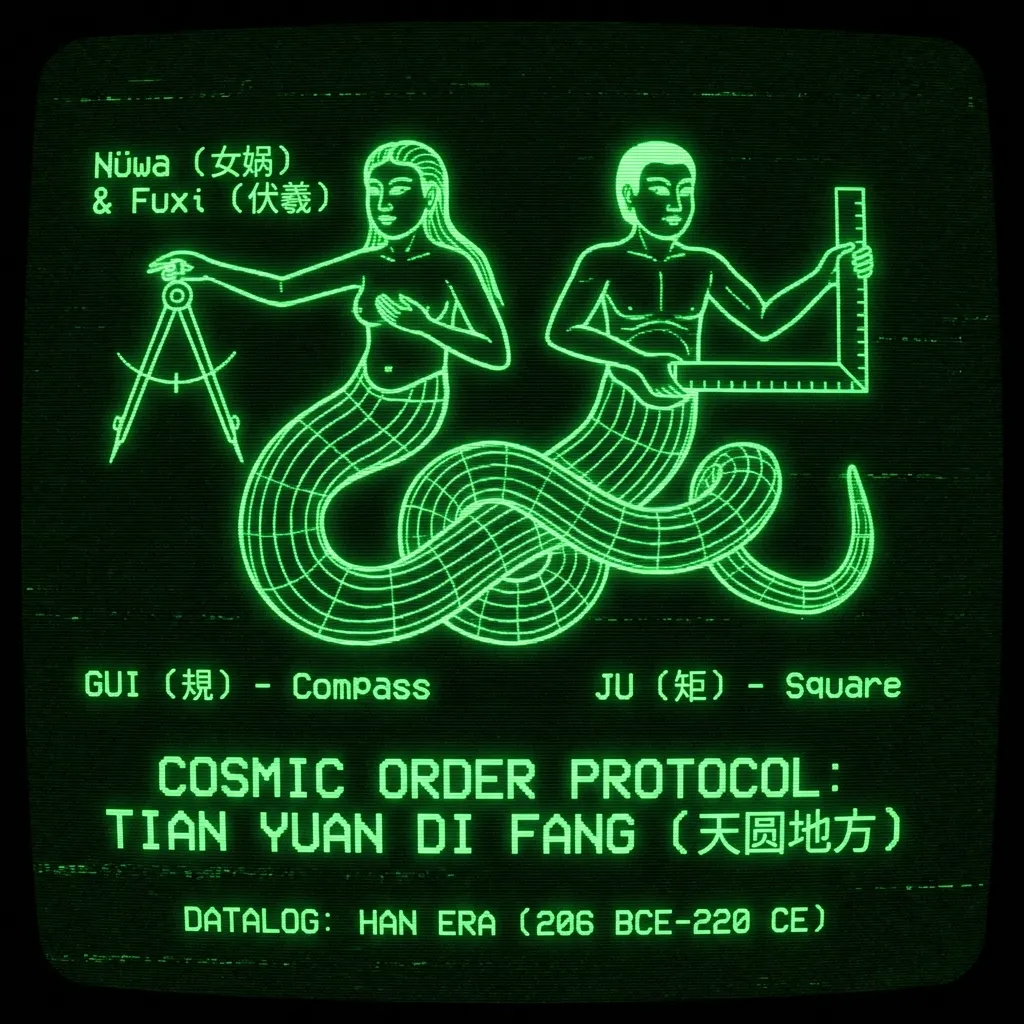
Comparative survey of the square-and-compass symbol from Han-dynasty Fuxi & Nüwa to modern Freemasonry and Latter-day Saints.
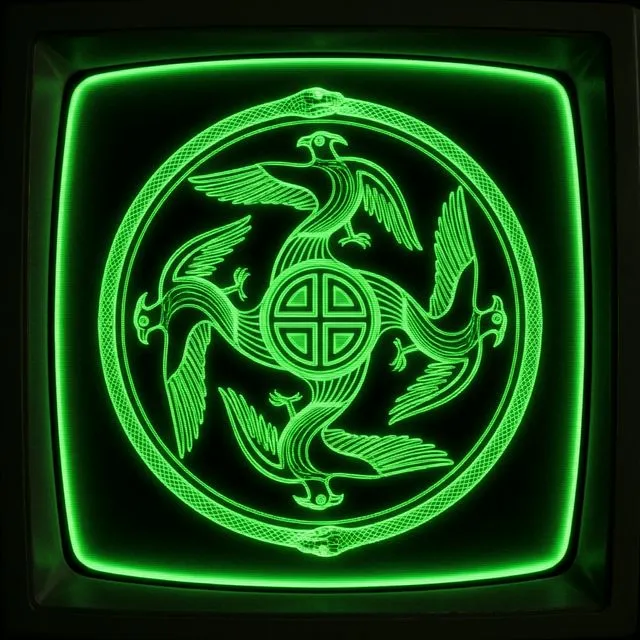
Survey of the swastika's ancient global presence and theories (diffusion vs. independent invention) explaining its origins and spread.
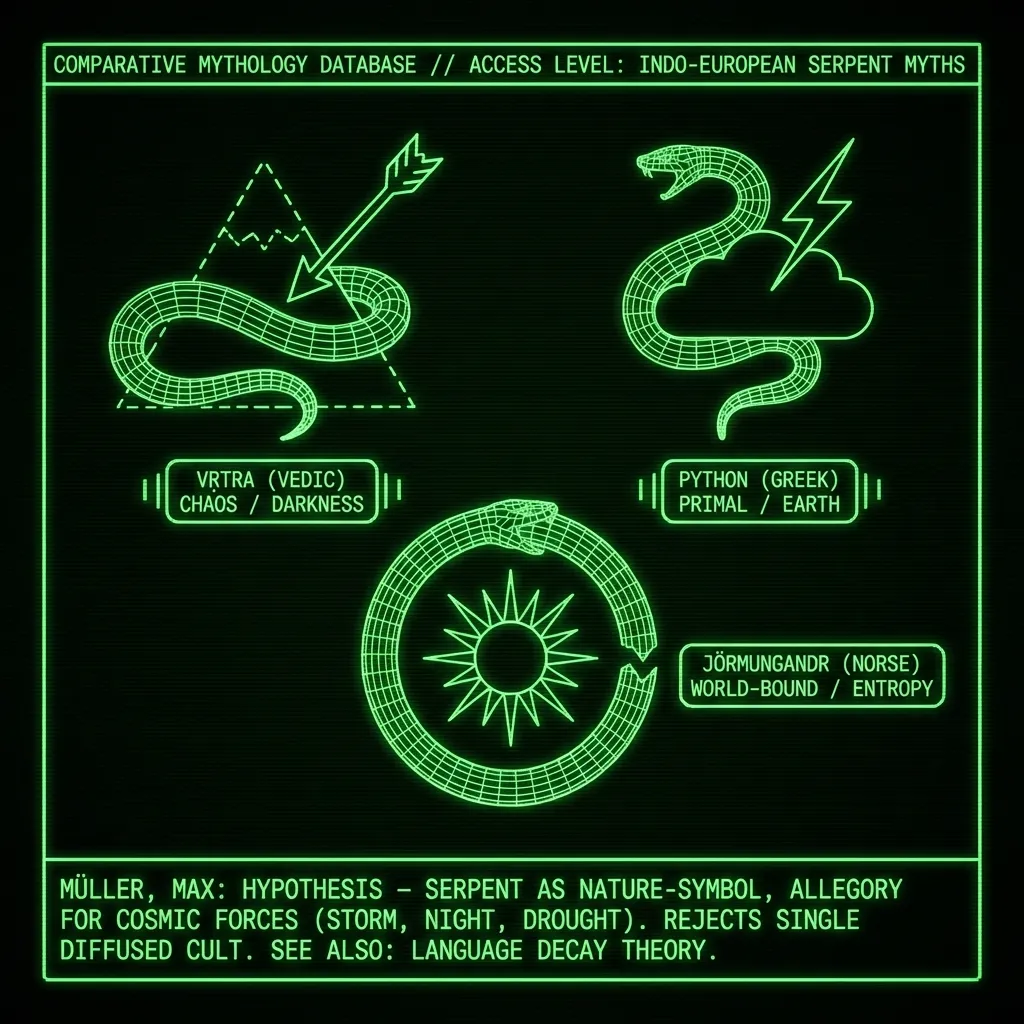
Analyzing Max Müller's 19th-century work on serpent worship, focusing on his identification of serpent symbolism in Vedic and Indo-European traditions and comparing his findings with global serpent myths relevant to the Snake Cult …
Nüwa and Fuxi, China's serpent-bodied first couple, compared with Adam, Eve, and the serpent, weighing diffusion against independent invention.