African Pearl Millet Was Not an Independent Invention
Munson named the pearl millet diffusion route in 1976. The oldest domesticated grain turned up there in 2011, weakening the independent-invention case.
Browse all tags · Search articles
Munson named the pearl millet diffusion route in 1976. The oldest domesticated grain turned up there in 2011, weakening the independent-invention case.
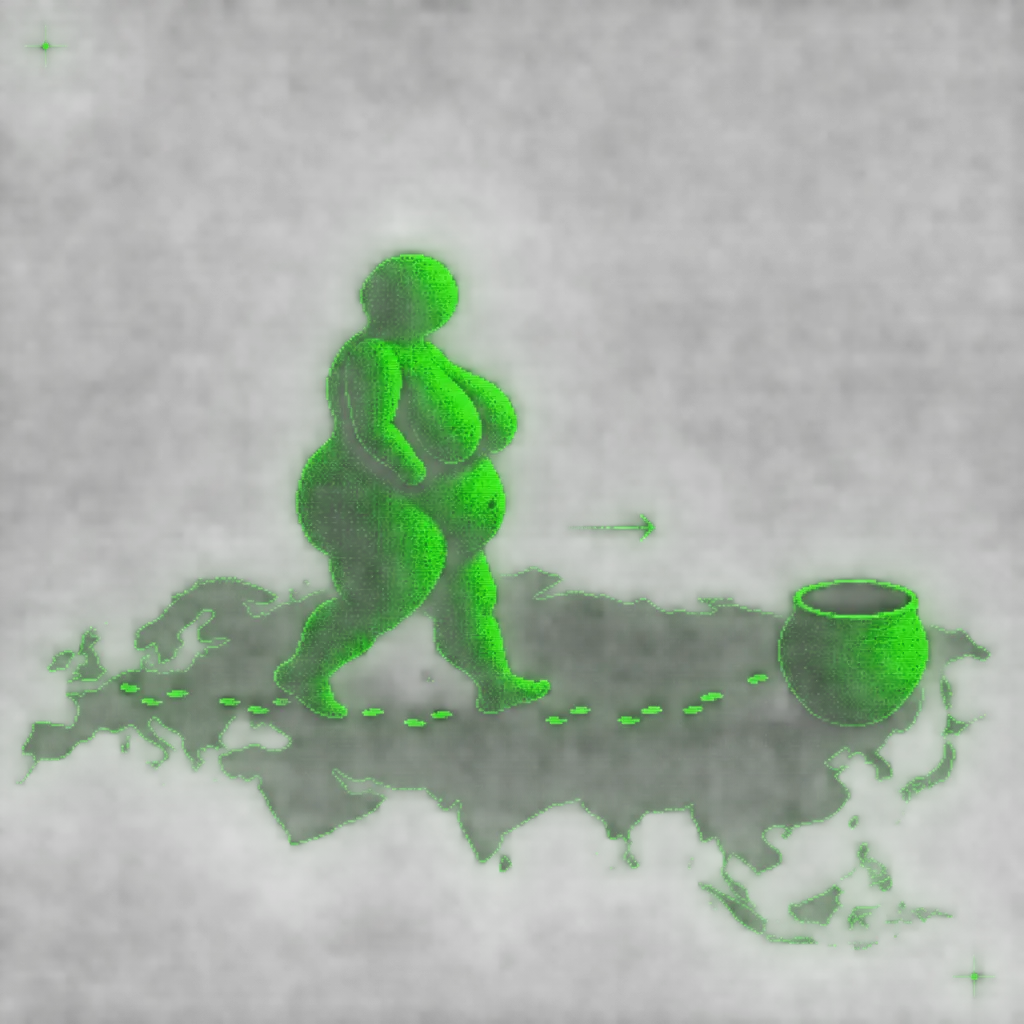
Venus figurines and East Asian pottery share a deeper history: clay, fire, and the transmission of a craft that learned to make bodies before bowls.
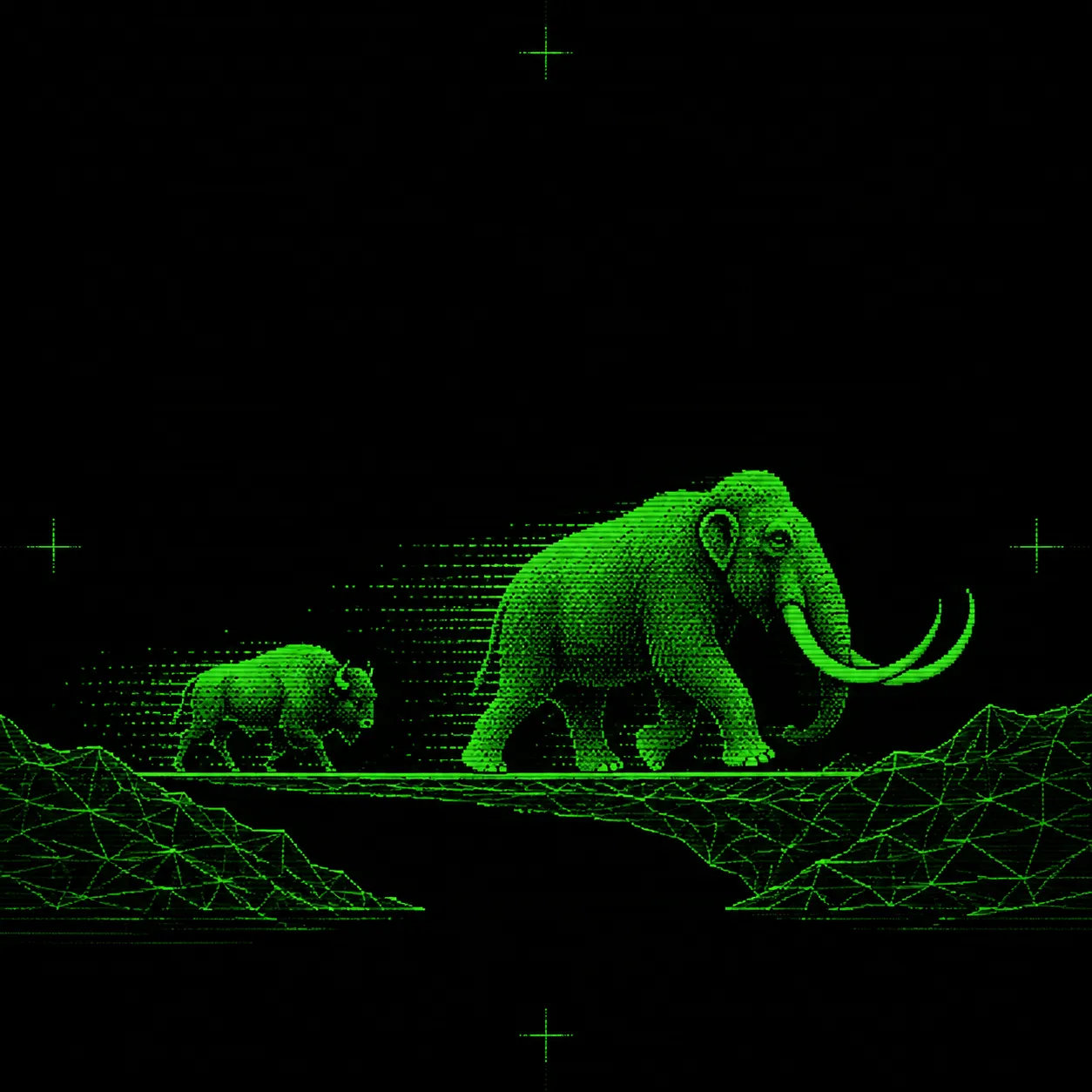
Old and New World animal migrations brought mammoths, bison, elk, birds, and parasites to the Americas in separate waves over five million years.
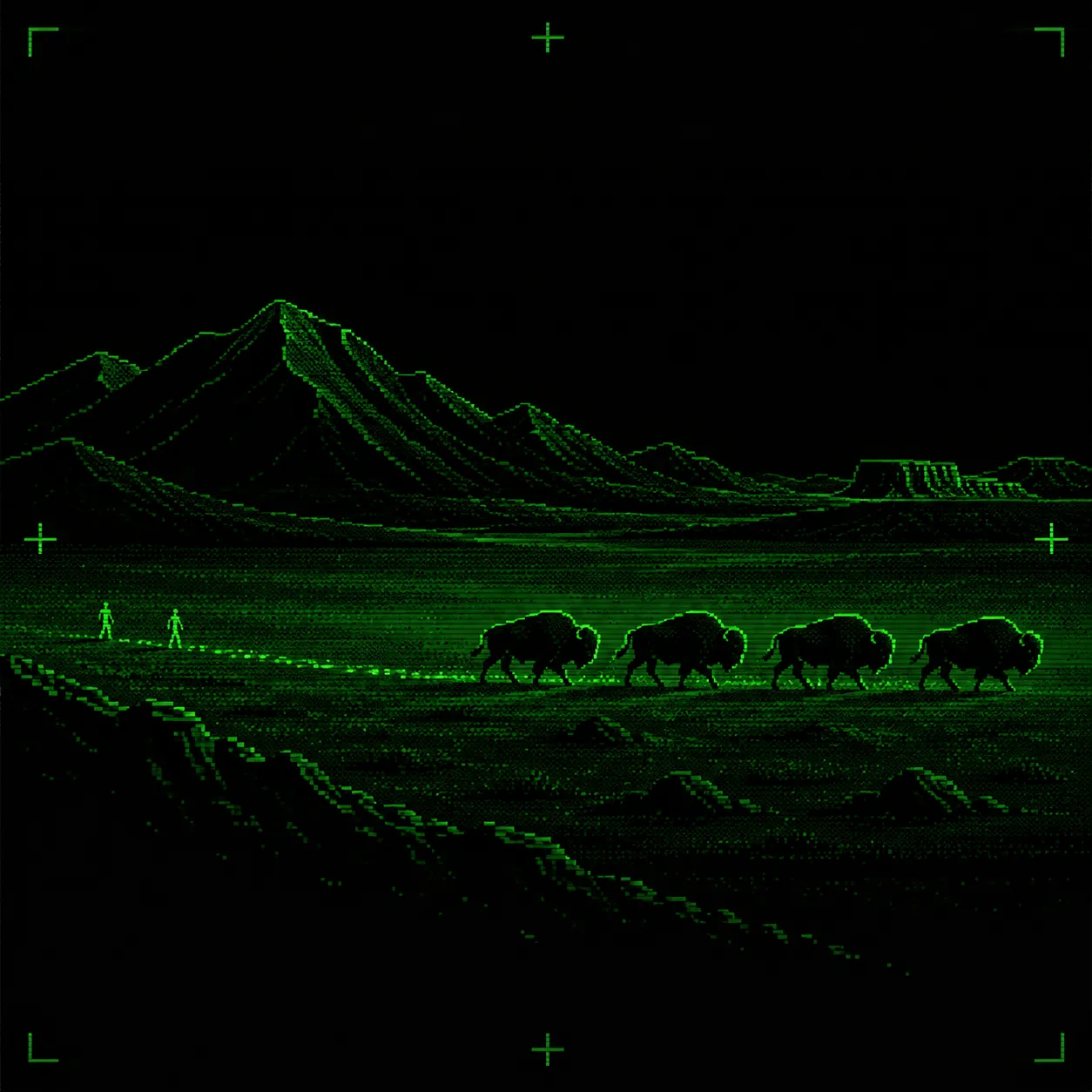
Pre-sapient humans in America: the case for sparse, technologically simple hominin arrivals long before Clovis and the faint traces they might have left.
The Hamitic hypothesis as cultural diffusion: how imported livelihoods, scriptures, and learned traditions became foundations of African cultures.
Ovid’s Greek flood myth remembers humanity’s awakening into reflective consciousness, toil, civilization, and the serpent cult.
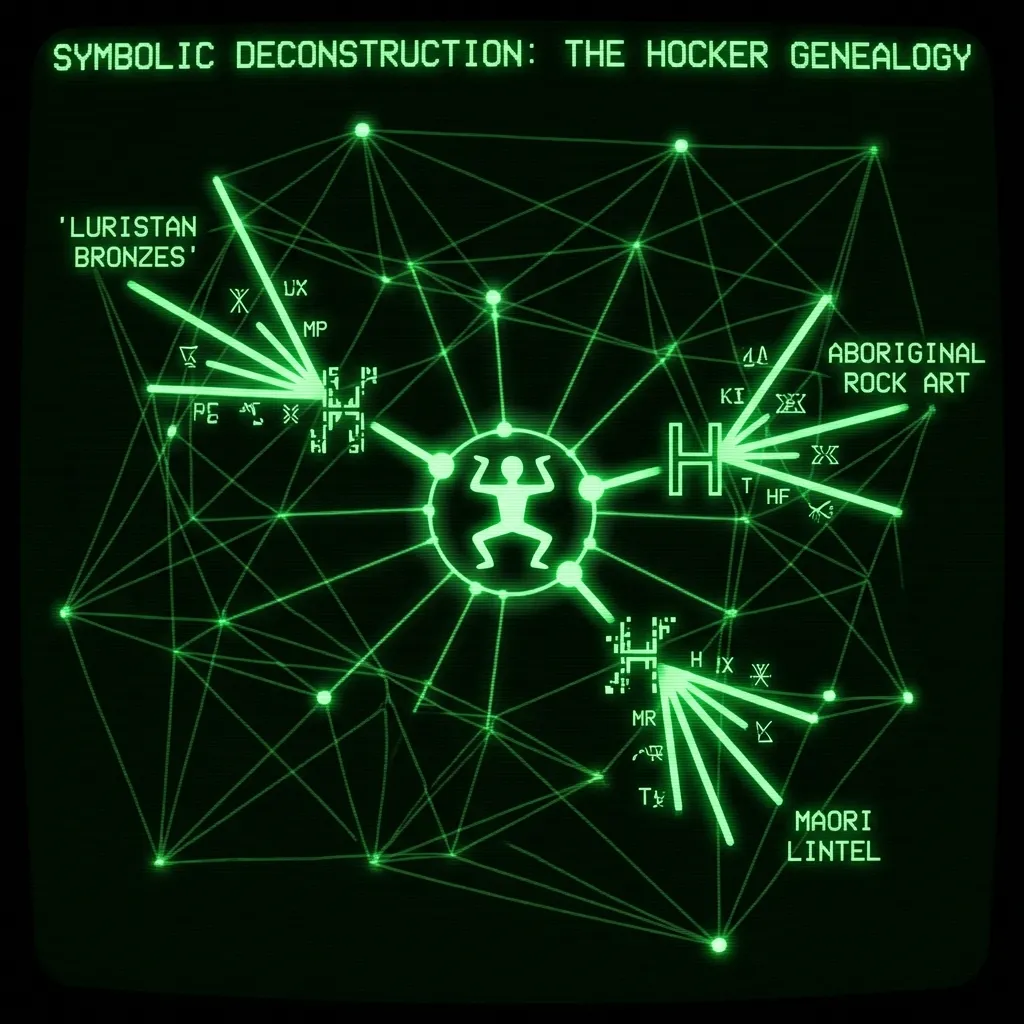
A diffusionist analysis tracing the squatting 'hocker' motif and Heraldic Woman from Göbekli Tepe through Luristan bronzes, Maori lintels, and Aboriginal Australia.
A site-by-site, table-heavy guide to Paleolithic technologies and cultural signals across North & South America, mapped to Old World lithic “modes” and traditions.
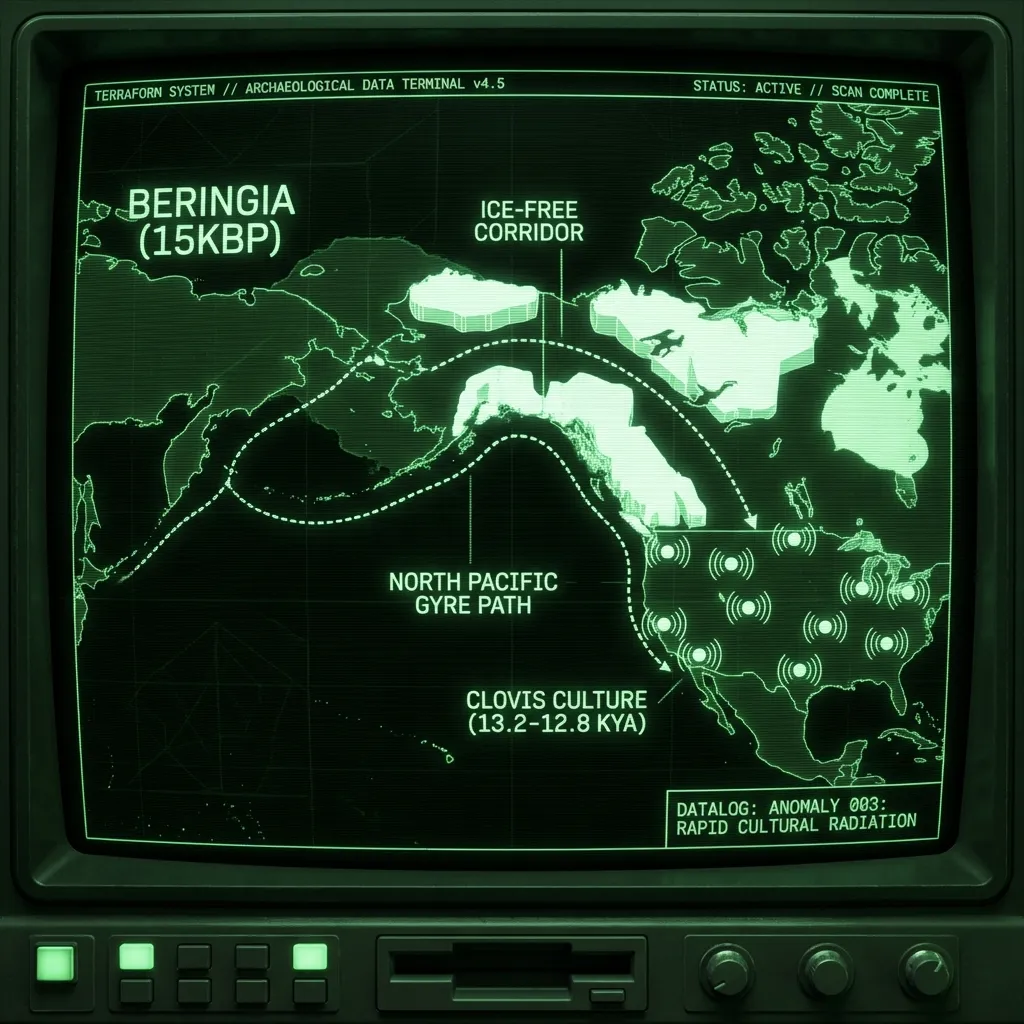
A forensic tour of mid-20th-century pre-Clovis claims—what was alleged, how it unraveled, and what finally cracked the Clovis-first orthodoxy—for readers tracking the peopling of the Americas.
A two-stage account of consciousness: language and stories coalesce ~60 ka; the narrative ‘I’ emerges in the Holocene via women-led serpent ritual networks and pronoun tech.
A diffusionist deep dive tracing masked ritual from a single Levantine hearth—stone masks and plastered skulls—to a global grammar of spirit embodiment.
A speculative synthesis: an early, enforced incest taboo scaled exogamy and alliance networks, raised effective population size and heterozygosity, and helped H. sapiens outcompete archaic cousins.
A concise case for historical links between Australian bullroarer–initiation and PNG Tambaran/flute cults, framed by Sahul-era connectivity.
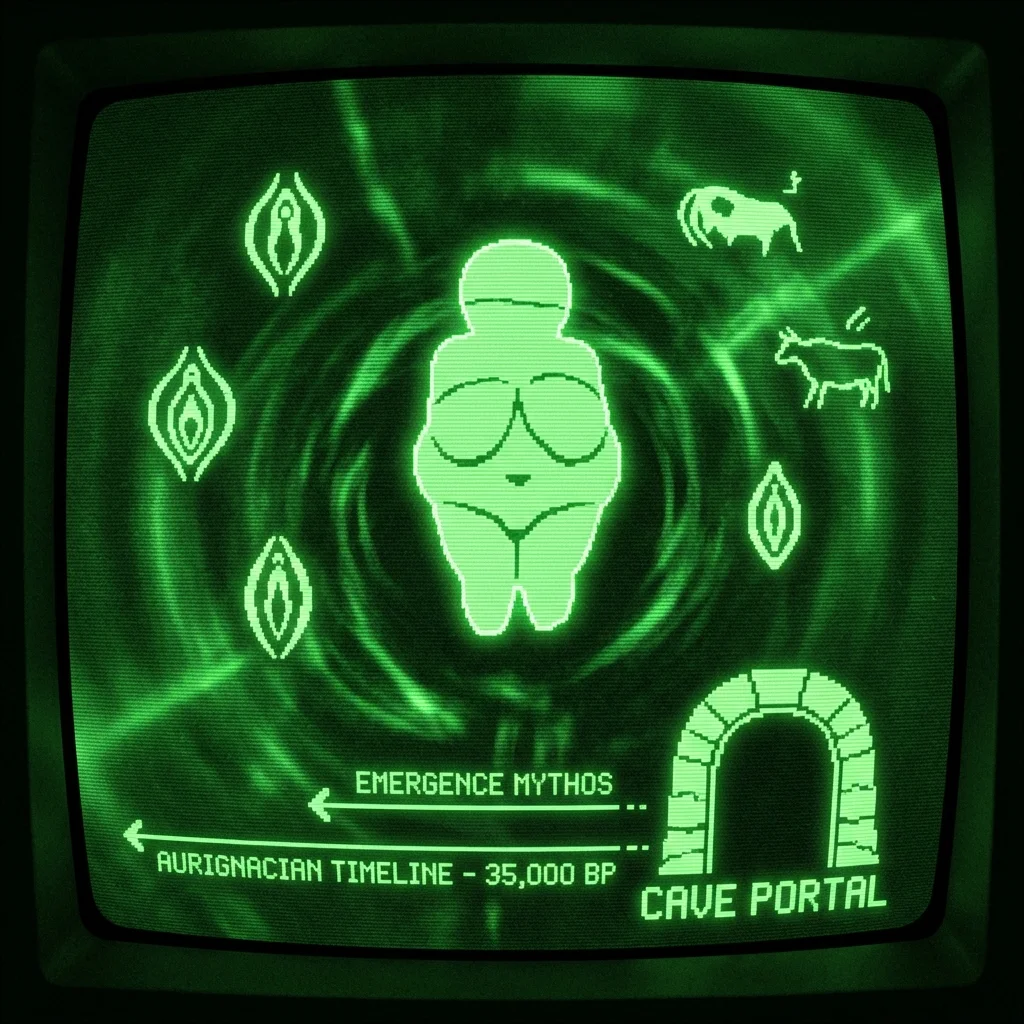
Do emergence-style creation myths reach back to the Paleolithic? A critical synthesis of phylogenetic work, Pueblo/Andean data, and Paleolithic ‘Venus’ iconography that centers women as cosmogenic agents.
Integrating Venus figurines, goddess myths, and X-chromosome sweeps to re-evaluate women’s possible leadership in early human culture.
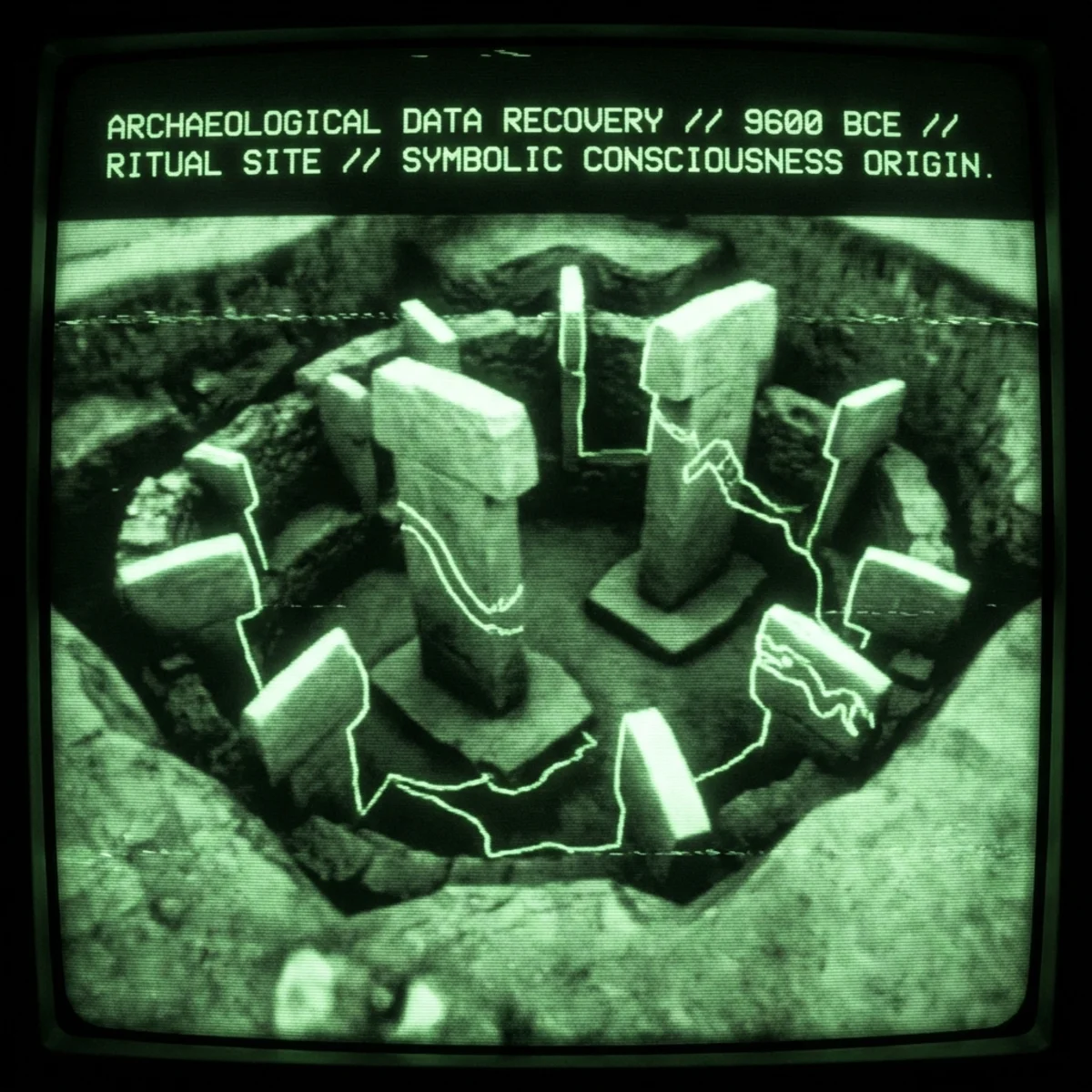
An in-depth examination of the serpent reliefs at Göbekli Tepe (c 9600–8200 BCE), their ritual context, and the possibility that they foreshadow the Eden serpent-and-tree complex—read through the lens of the Eve Theory of Consciousness.
A thought‑experiment aligning the Book‑of‑Mormon Jaredites with the Late‑Pleistocene Clovis horizon and recasting Nephite arrivals as a first‐millennium‑BC Atlantic influx.
A comprehensive interdisciplinary theory proposing that human consciousness originated as a cultural invention in prehistoric times, likely pioneered by women and spread through ritual and language.
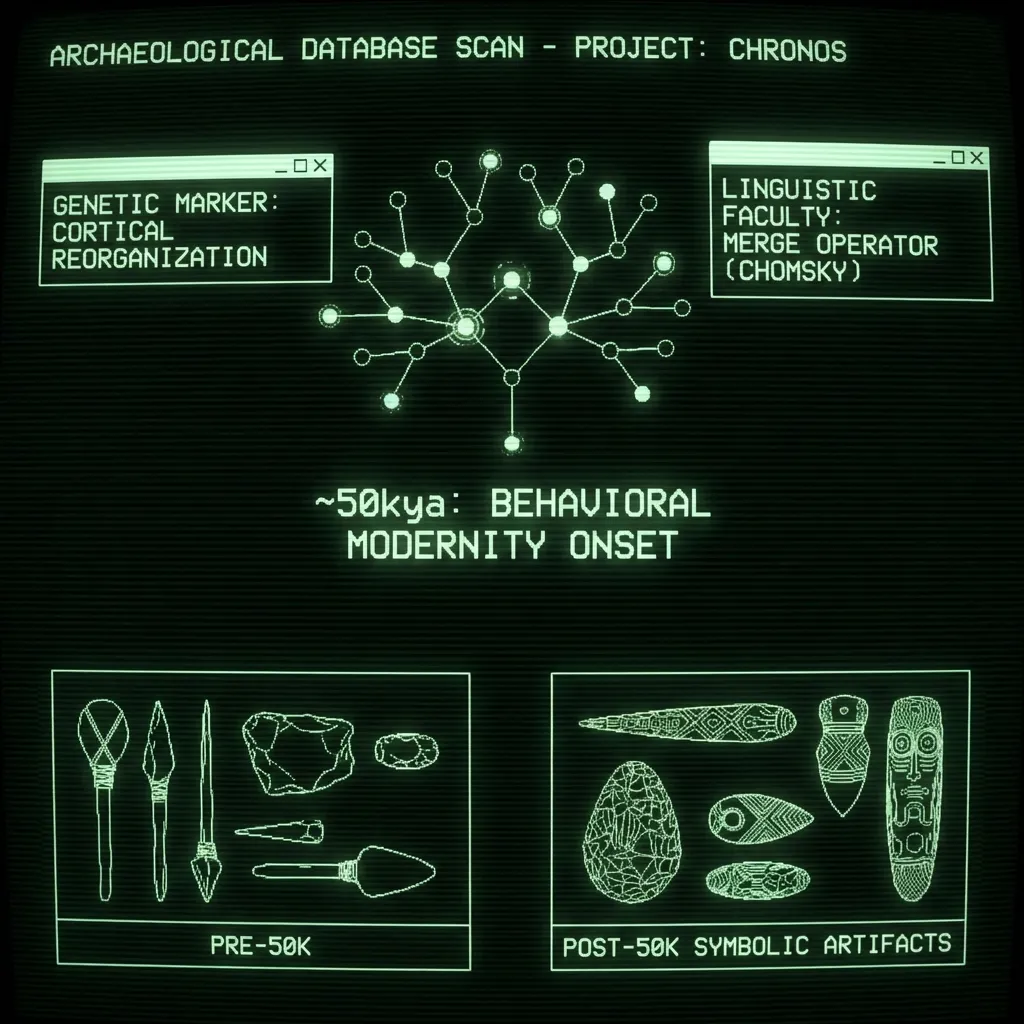
Guide to seven leading theories of the Upper Paleolithic cognitive revolution—what changed, when it happened, and why it sparked modern human behavior.
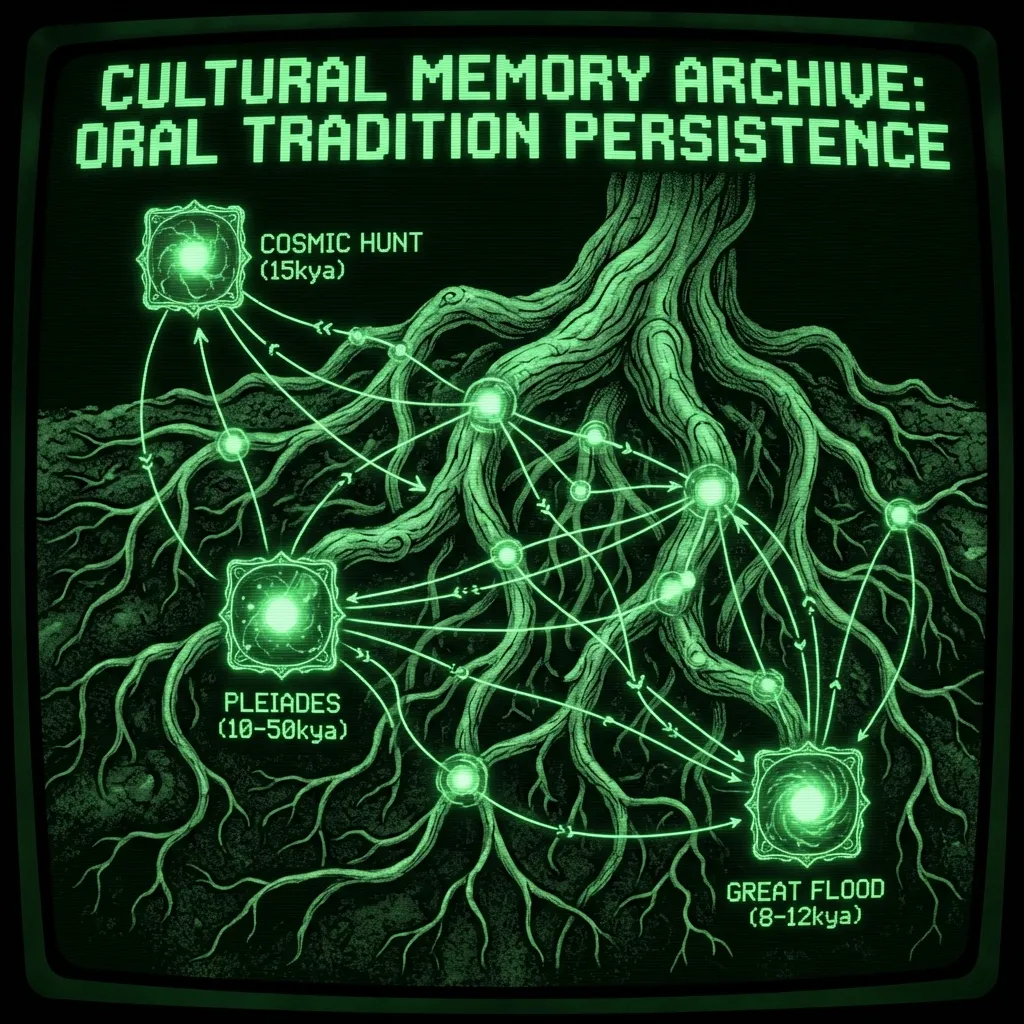
Examines the surprising stability of mythic motifs over millennia, suggesting myths like the Cosmic Hunt or Serpent symbolism could encode memories of real cognitive shifts, supporting the Eve Theory's timeframe.