Participation Mystique and the Many Ways to Be a Mind
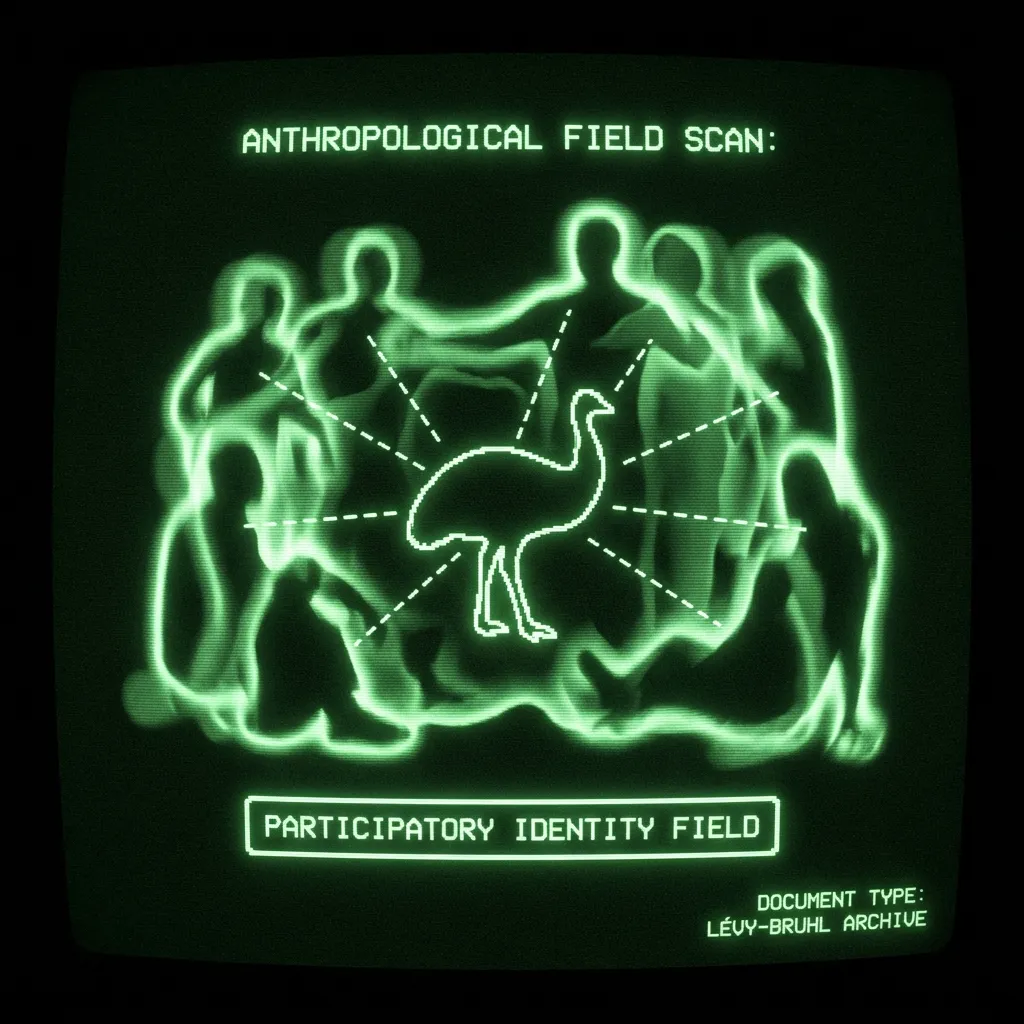
A defense of Lévy-Bruhl’s participation mystique as a real mode of consciousness that explains ritual, religion, and group minds better than its critics admit.
Browse all tags · Search articles
A defense of Lévy-Bruhl’s participation mystique as a real mode of consciousness that explains ritual, religion, and group minds better than its critics admit.
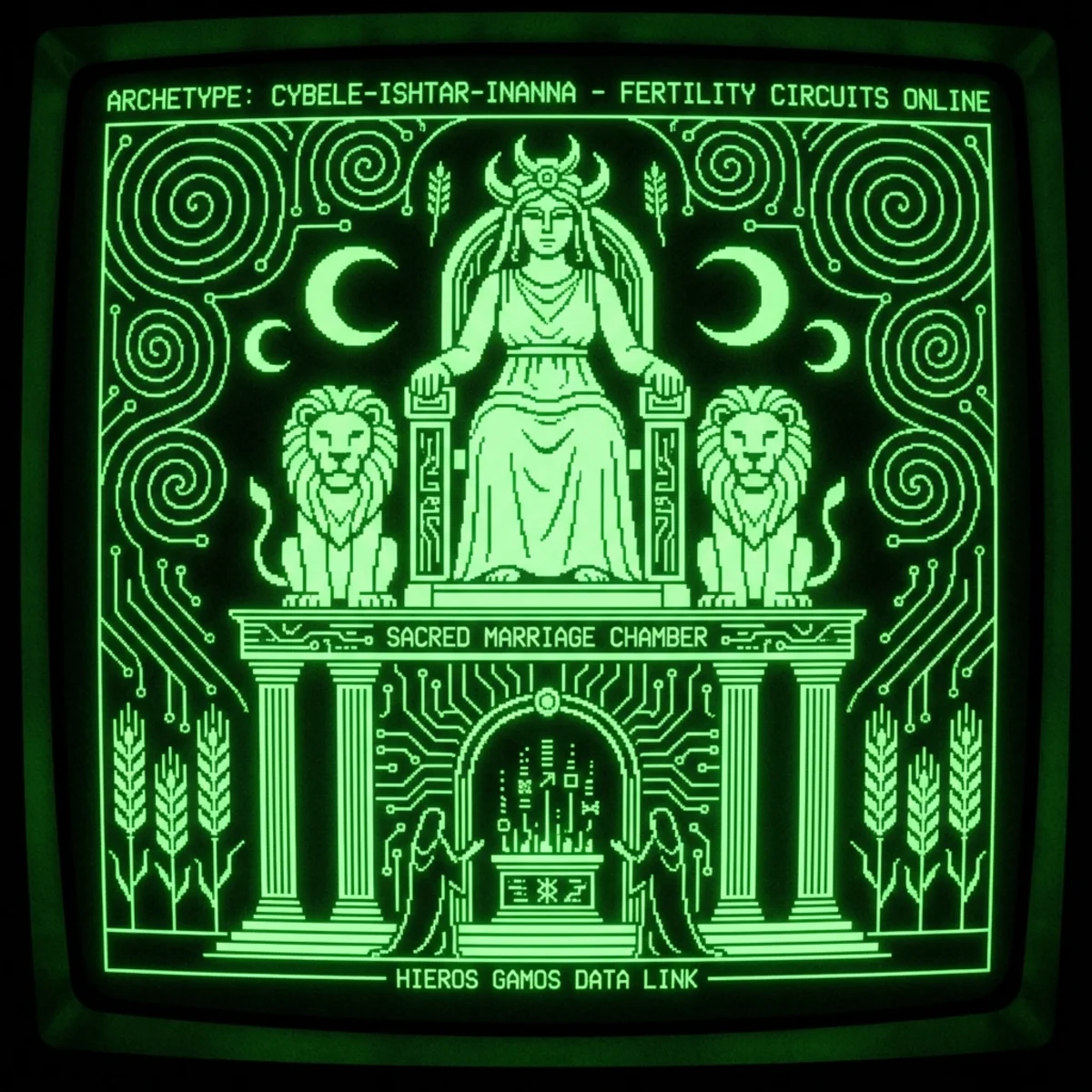
How older scholars stitched the Great Mother to temple sexuality—through hieros gamos, consecrated personnel, and fertility rites—using Greek, Near Eastern, and Roman evidence.
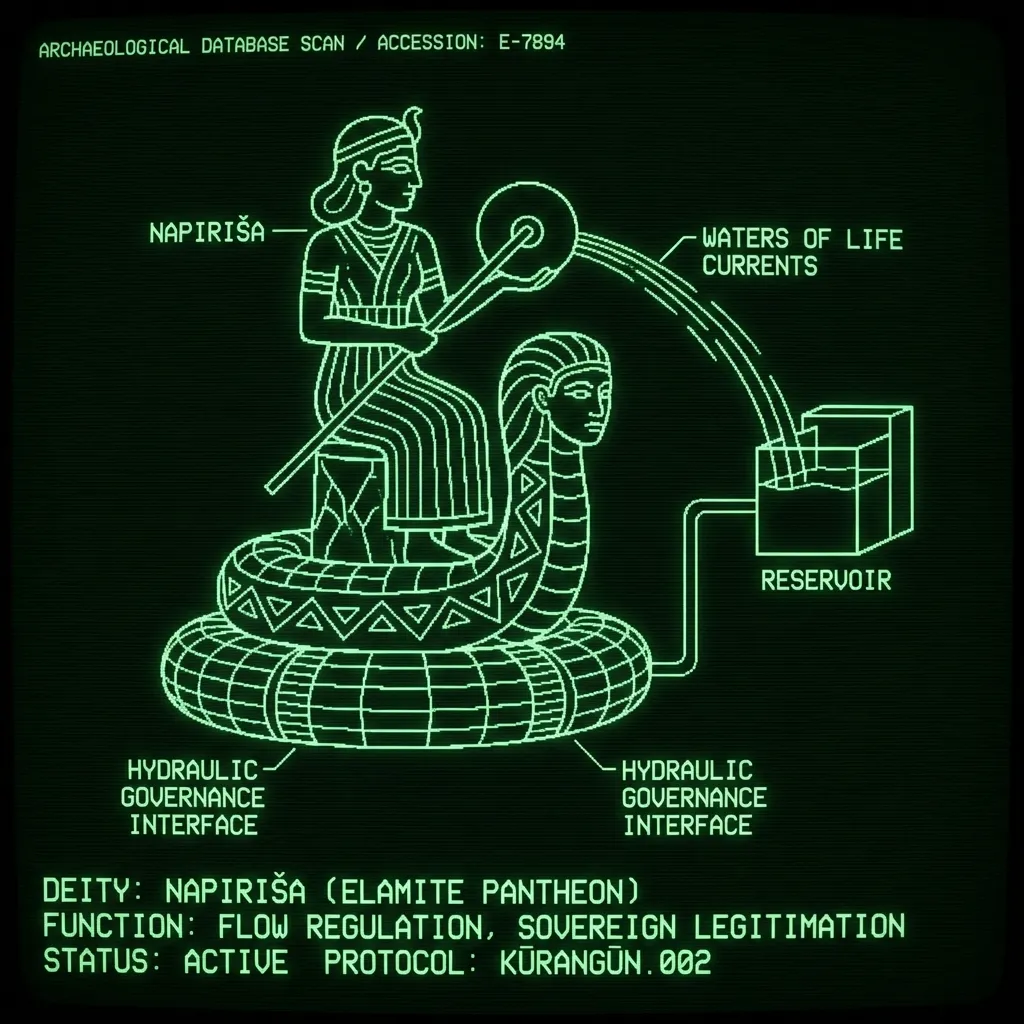
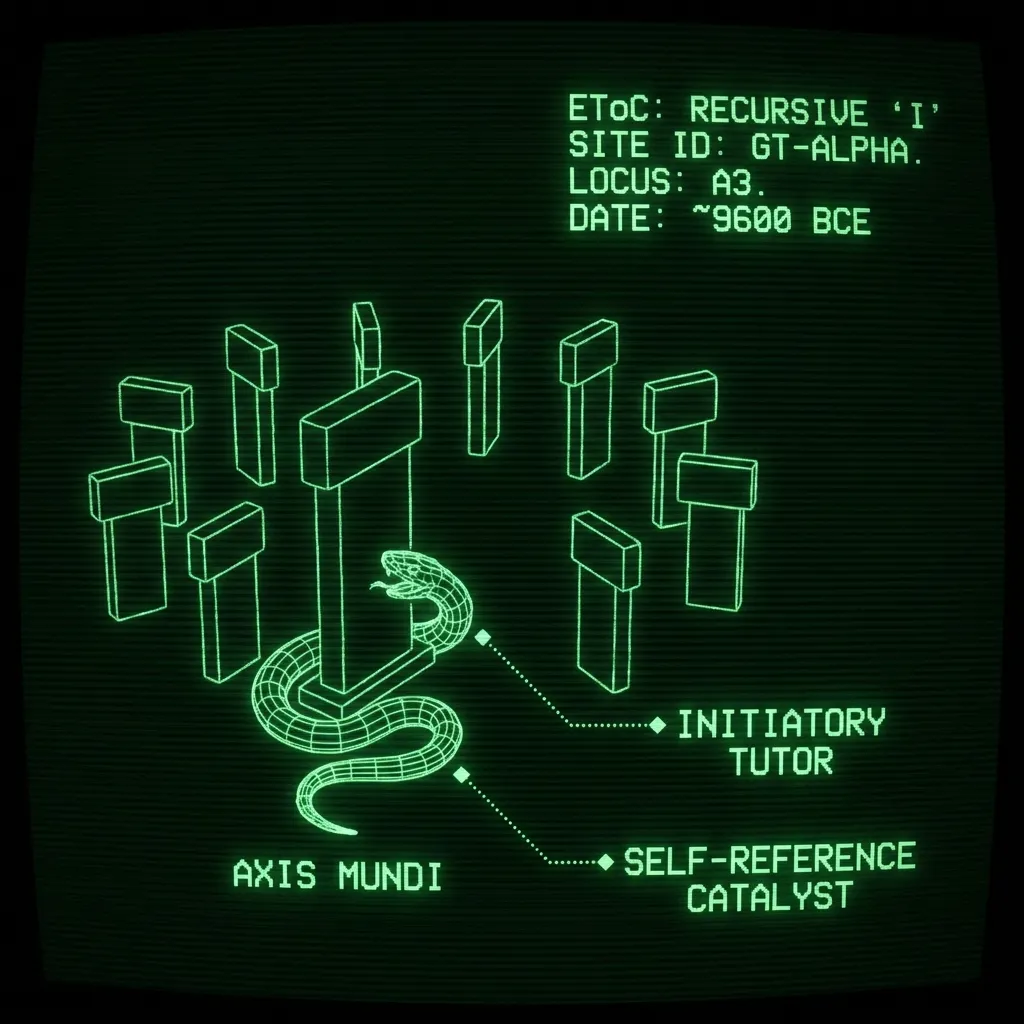
Across the Iranian Plateau, snake imagery worked as a ritual interface for water, time, and sovereignty—keys for Eve Theory and the Snake Cult of Consciousness.
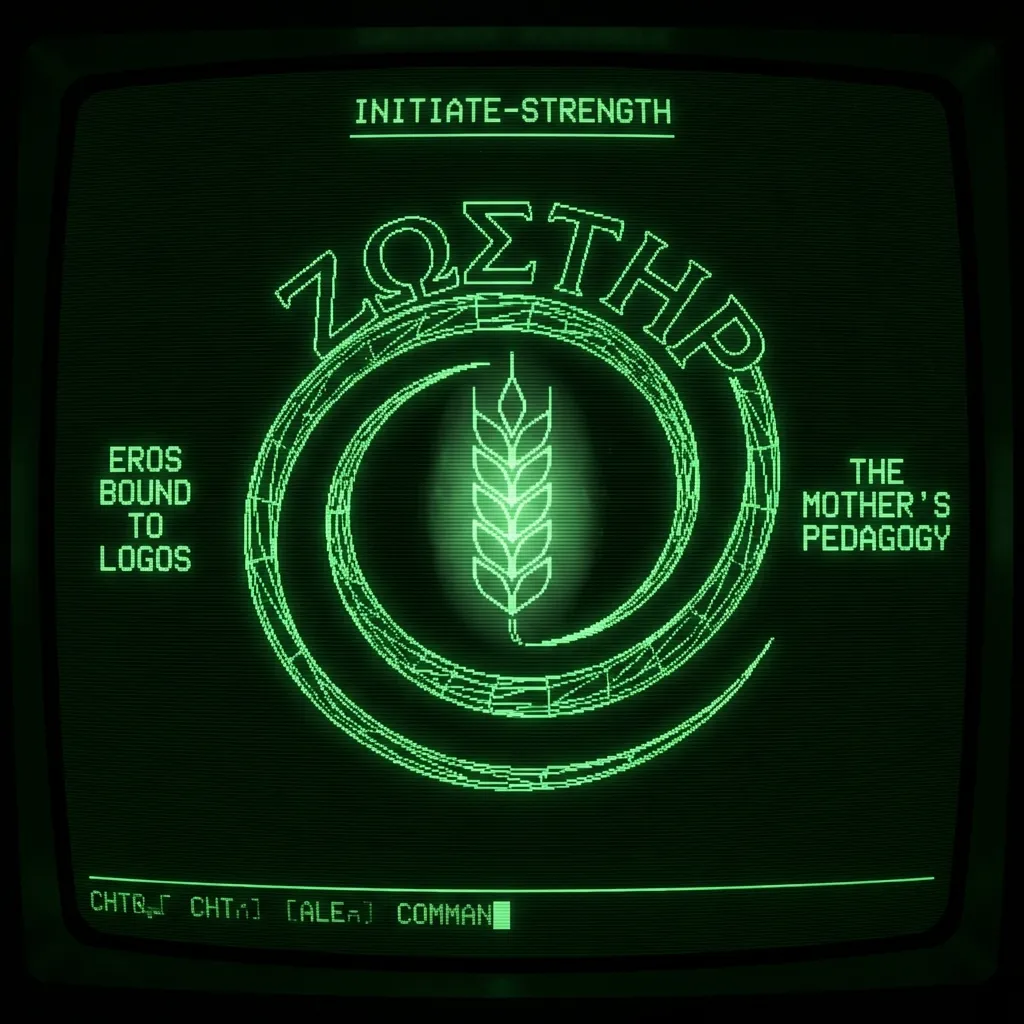
Reading Heracles’ labors—especially Hippolyta’s girdle and the Eleusinian initiation—as ritual memories where male consciousness apprentices to the Great Mother’s sovereignty.
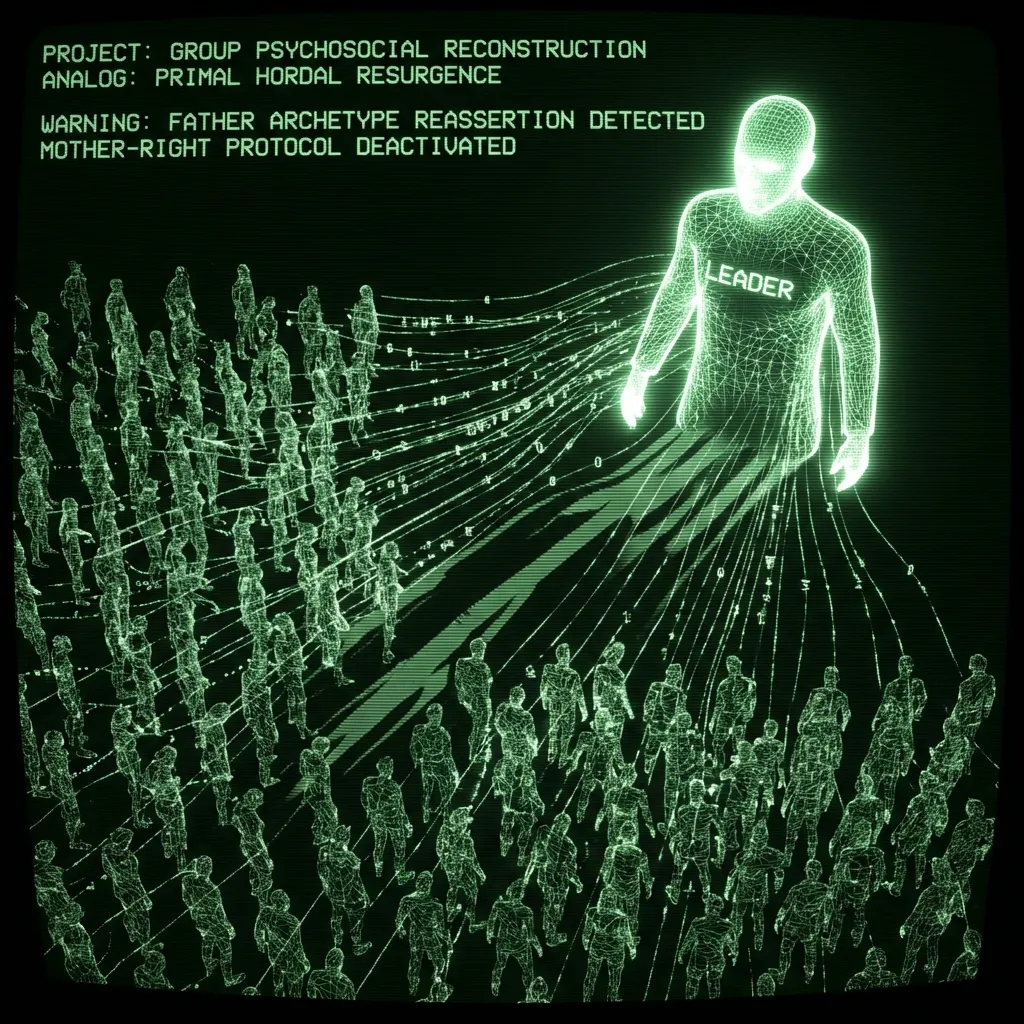
What Freud actually said about a primordial matriarchy: Darwinian horde → parricide → totemic brother‑clan with mother‑right → restitution of patriarchy, with primary‑source receipts.
Survey of African flood myths by region, with annotated sources, motif analysis, and diffusion/selection arguments for specialists in comparative mythology.
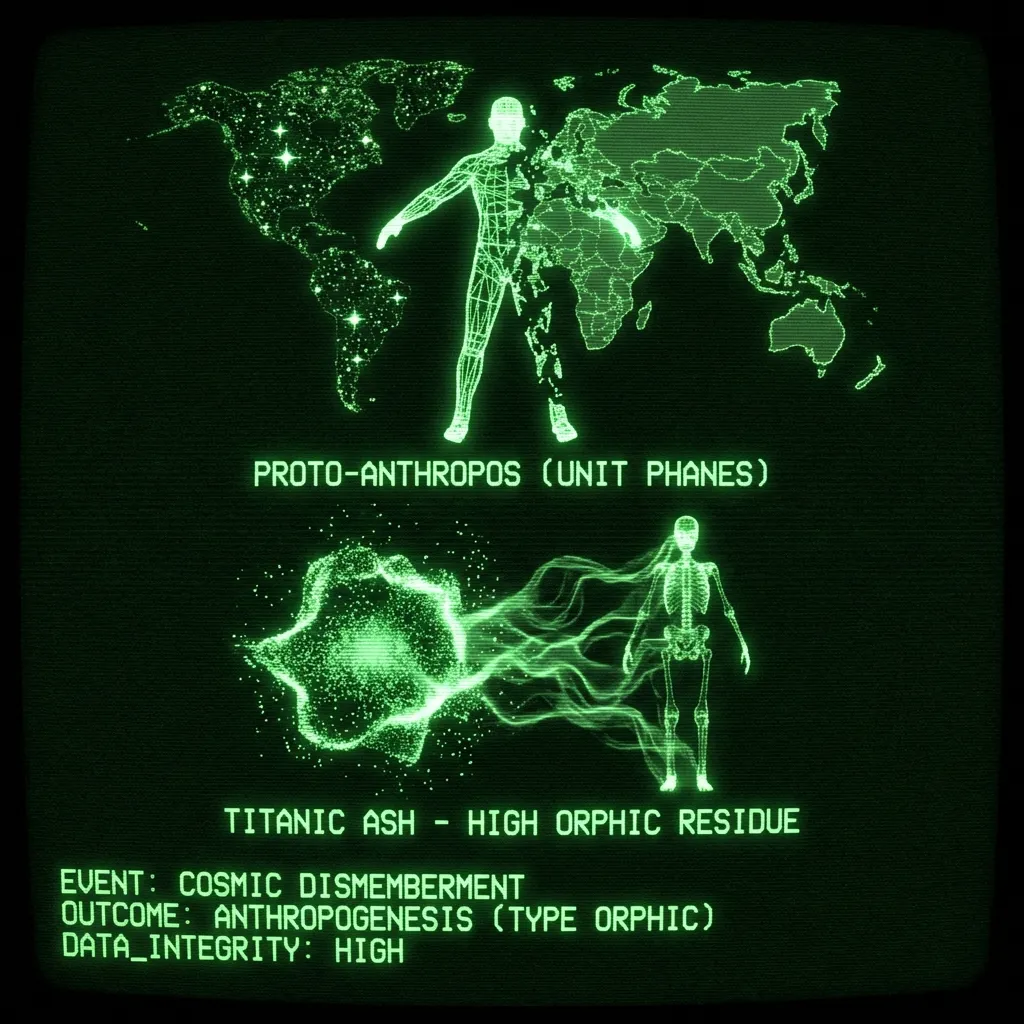
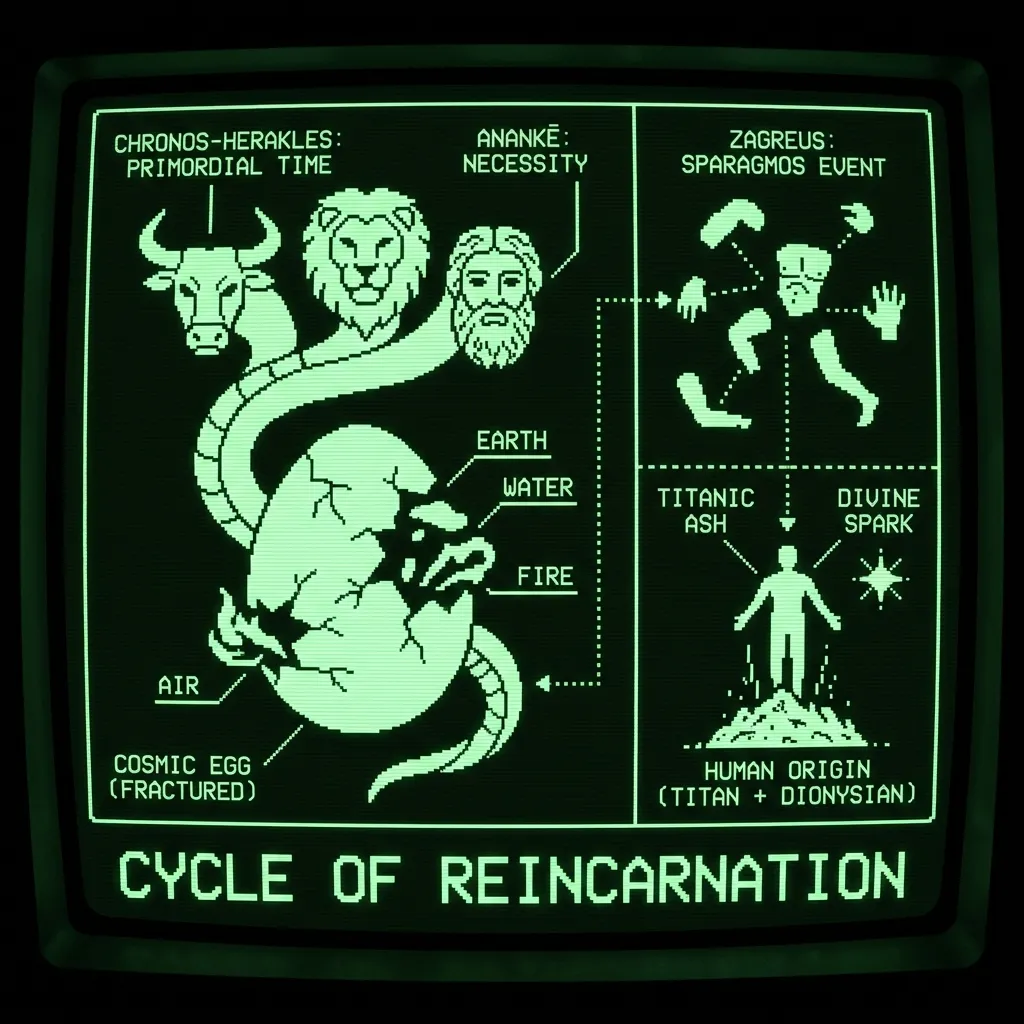
A long-form comparative study of dismemberment-cosmogonies, snake-ash anthropogenies, esoteric water-mirrors, and the solar Herakles of the Orphic hymns.
Exploring the evolution of self awareness through Genesis, John's Logos, Gnosticism, and sacrificial myths, linking the Edenic serpent to Christ and the birth of the conscious self.
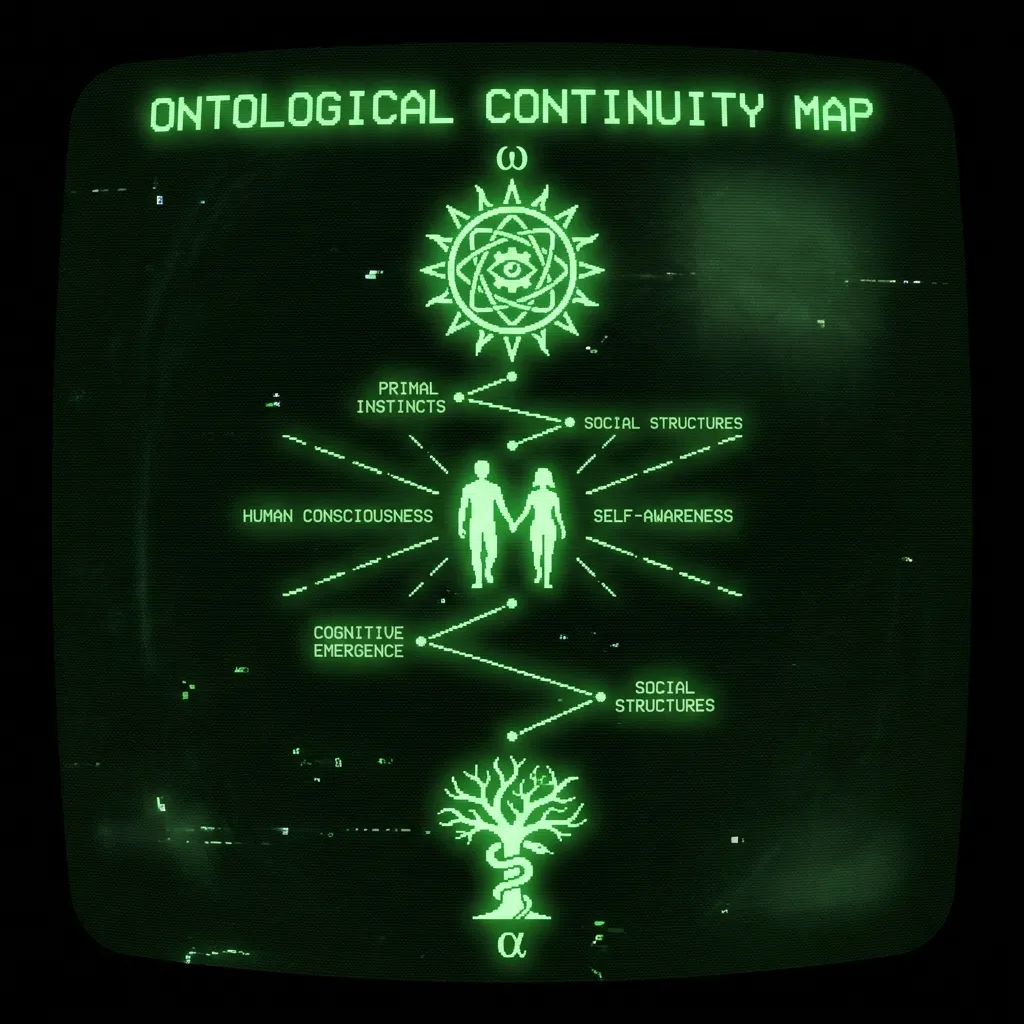
From Eden through John's *Logos* and Gnostic counter-myths to global 'hanged-god' rites, this essay reconstructs how reflexive consciousness emerged, iterated, and finally theorised itself.
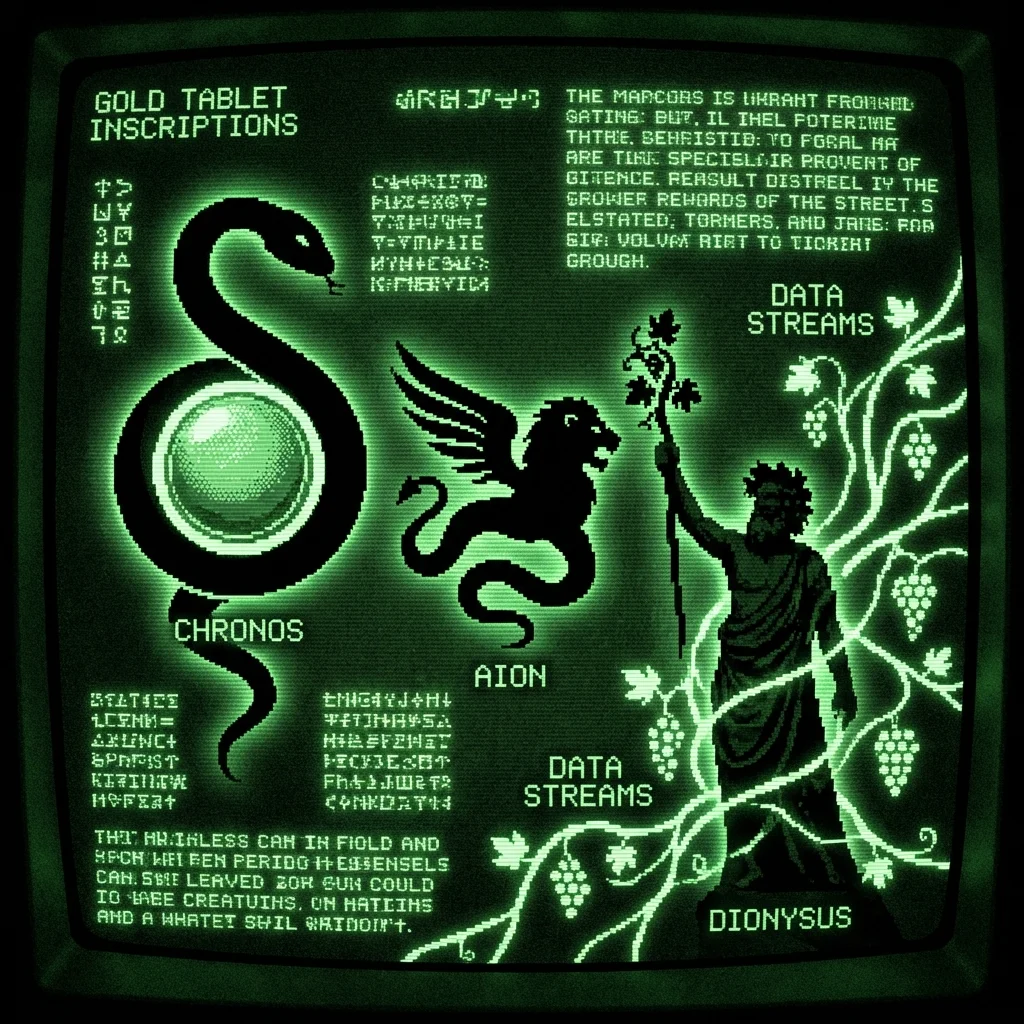
How Cosmic-Herakles sets the wheel of time while Dionysus turns it toward liberation in Orphic-Bacchic cults.
A detailed exploration of the complementary roles of Cosmic Herakles (Chronos) and Dionysus Zagreus in Orphic theogony, myth, ritual praxis, and Neoplatonic interpretation.
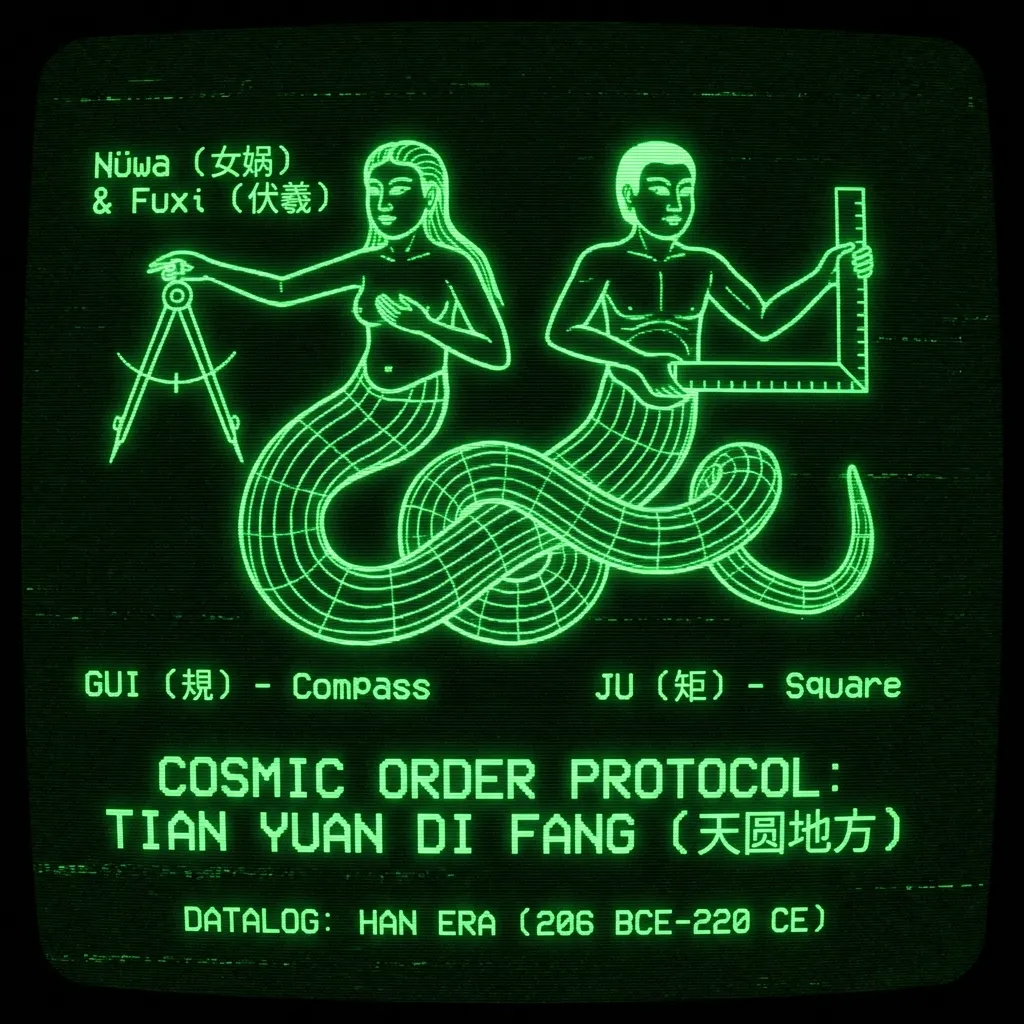
Nüwa and Fuxi, China's serpent-bodied first couple, compared with Adam, Eve, and the serpent, weighing diffusion against independent invention.