The Hands That Remember: Hiva Oa and Rapa Nui
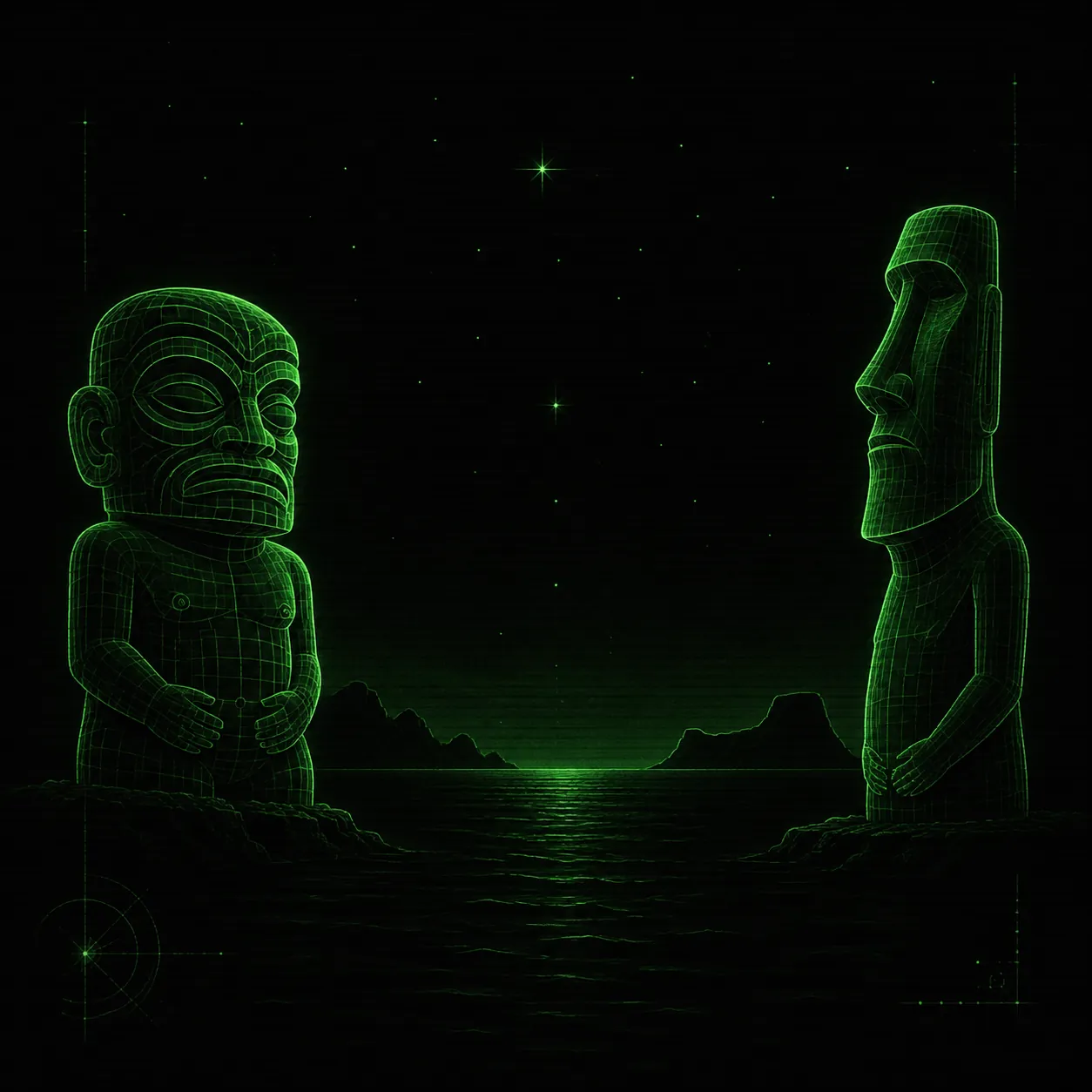
Hiva Oa's tiki and Rapa Nui's moai share a striking hand gesture—and a Polynesian history illuminated by oral tradition, archaeology, and DNA.
Browse all tags · Search articles
Hiva Oa's tiki and Rapa Nui's moai share a striking hand gesture—and a Polynesian history illuminated by oral tradition, archaeology, and DNA.
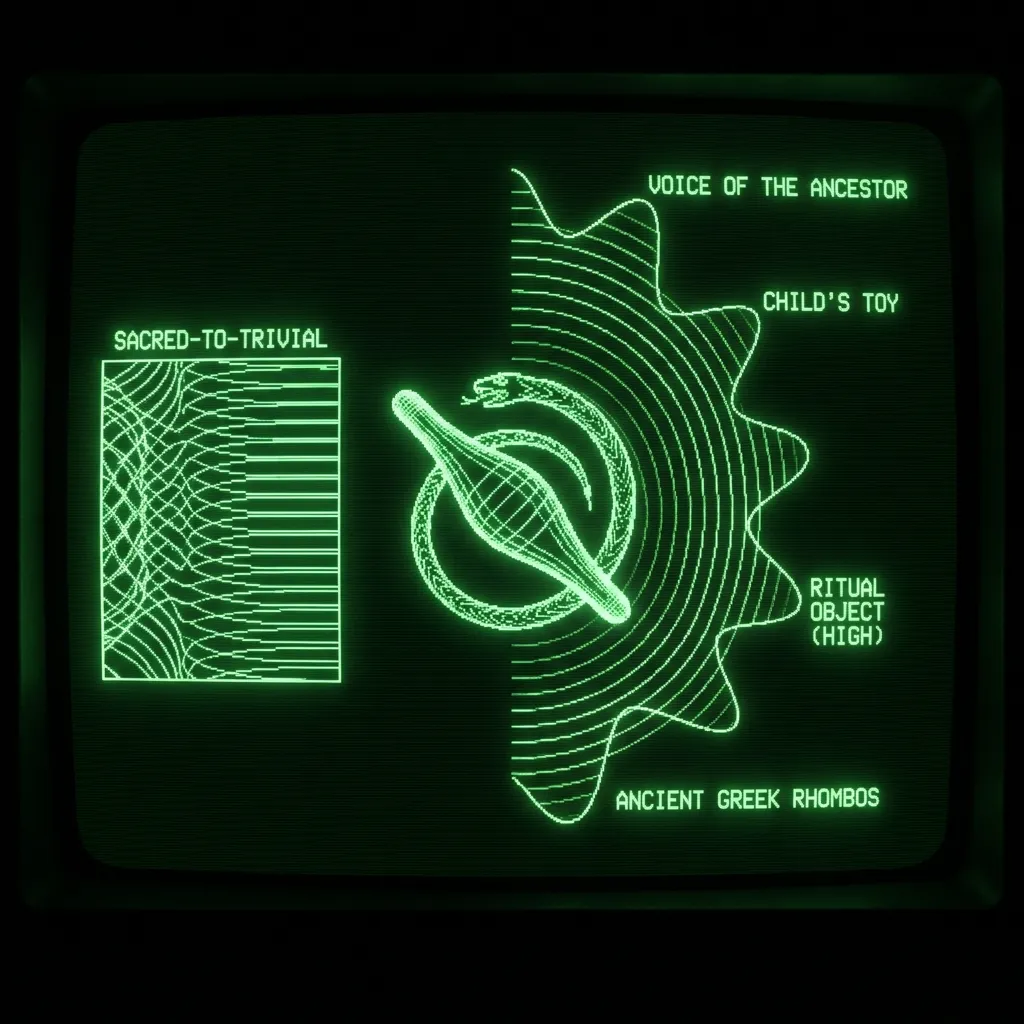
An interactive world atlas of 1,000+ bullroarer records reveals a sacred-to-toy gradient, a 9,000-year archaeological gap, and a snake where the wood survives.
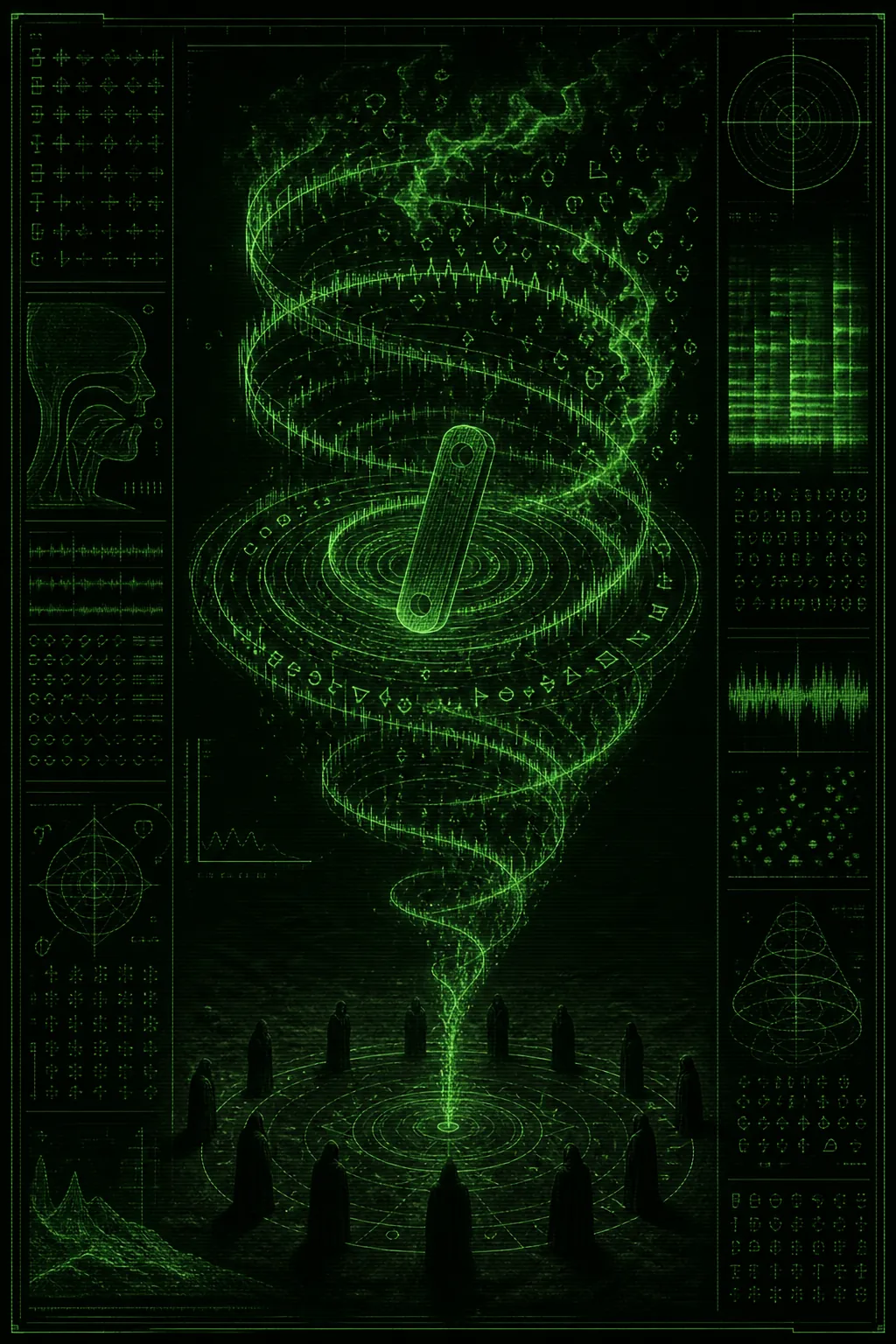
Ritual language survives after meaning dies: bullroarers, hook-swinging, magic spells, and songs sung long after words go dark.
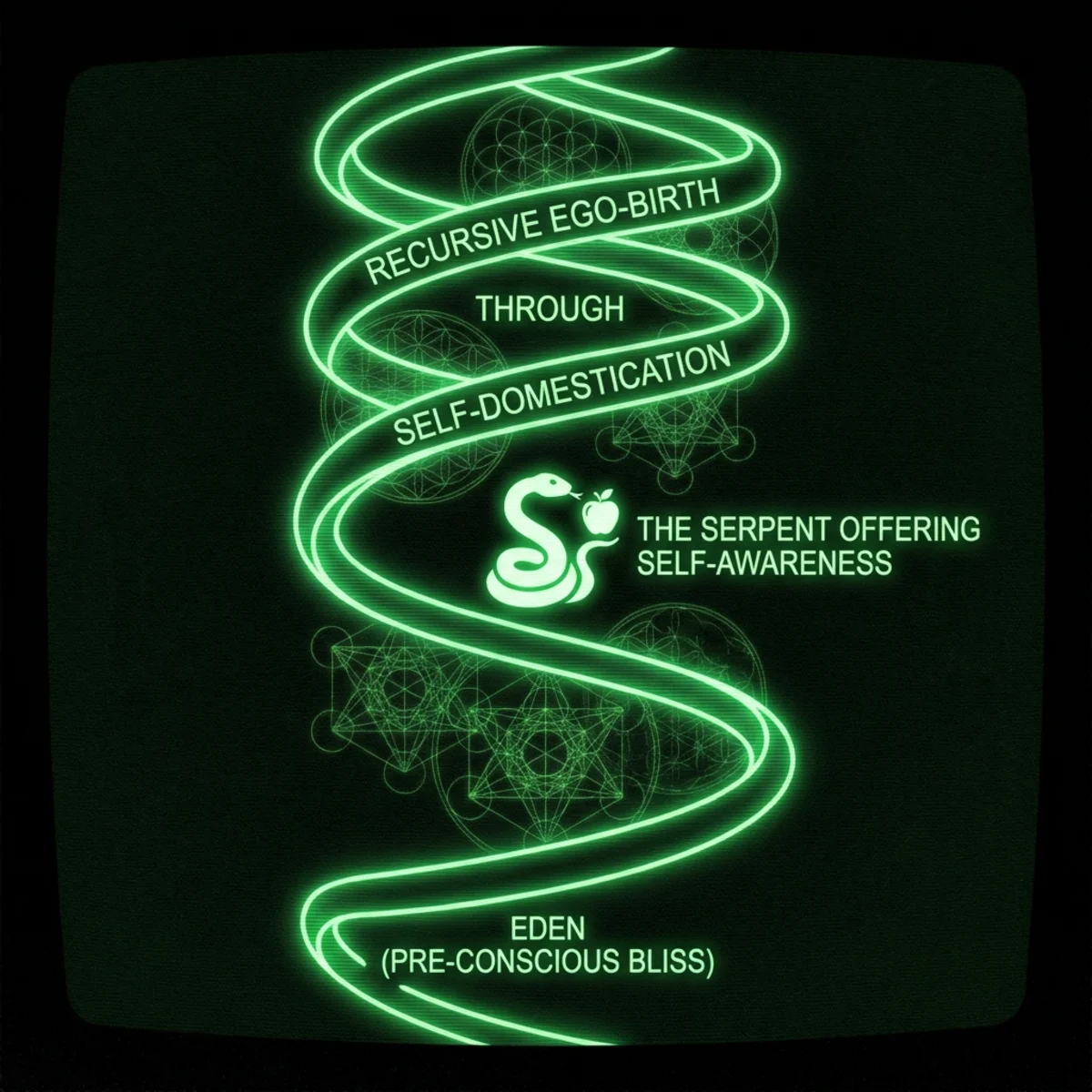
A deep dive connecting Ken Wilber’s Up from Eden to the Eve Theory of Consciousness (EToC), proposing a mechanism and timeline for ego-birth via recursion and self-domestication.
A comprehensive exploration of the bearded god archetype across the Americas, from Quetzalcoatl to Deganawida, examining how indigenous cultures imagined civilizing visitors from distant lands.
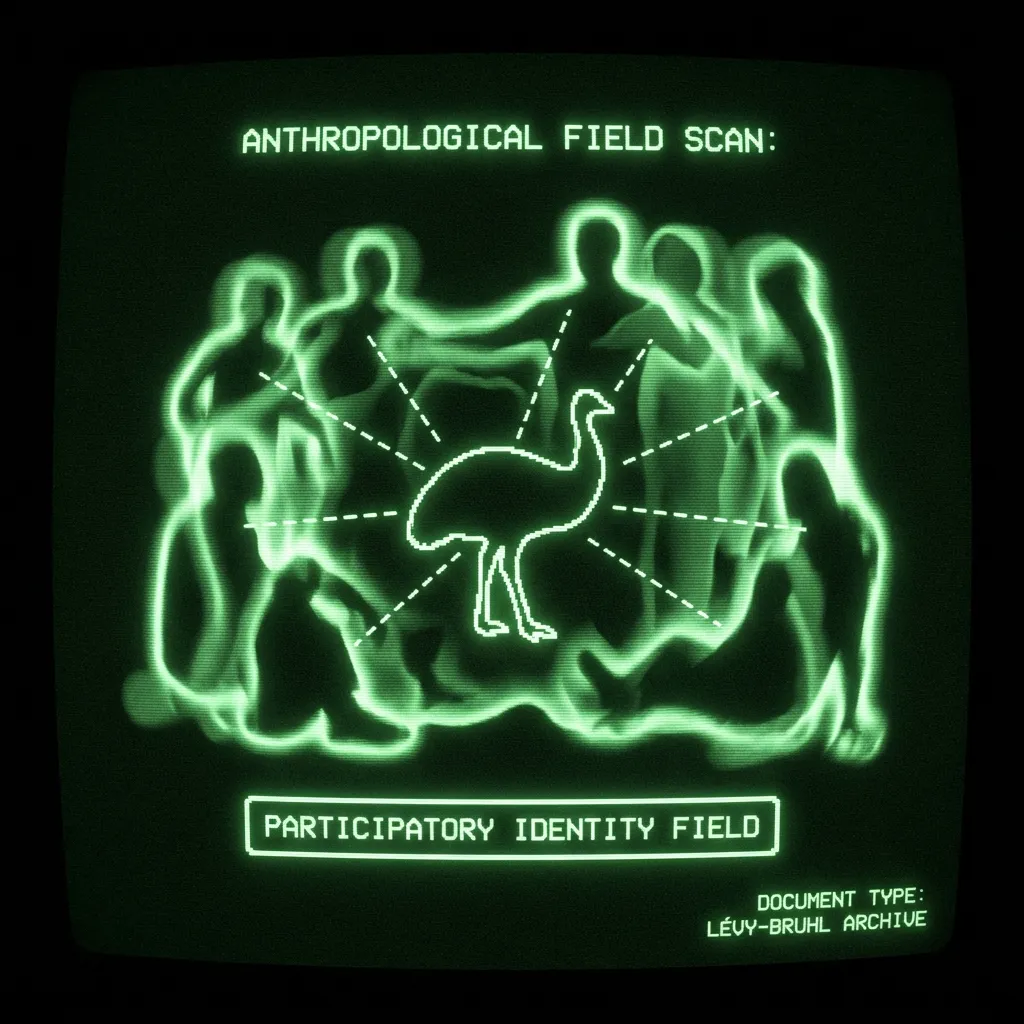
A defense of Lévy-Bruhl’s participation mystique as a real mode of consciousness that explains ritual, religion, and group minds better than its critics admit.
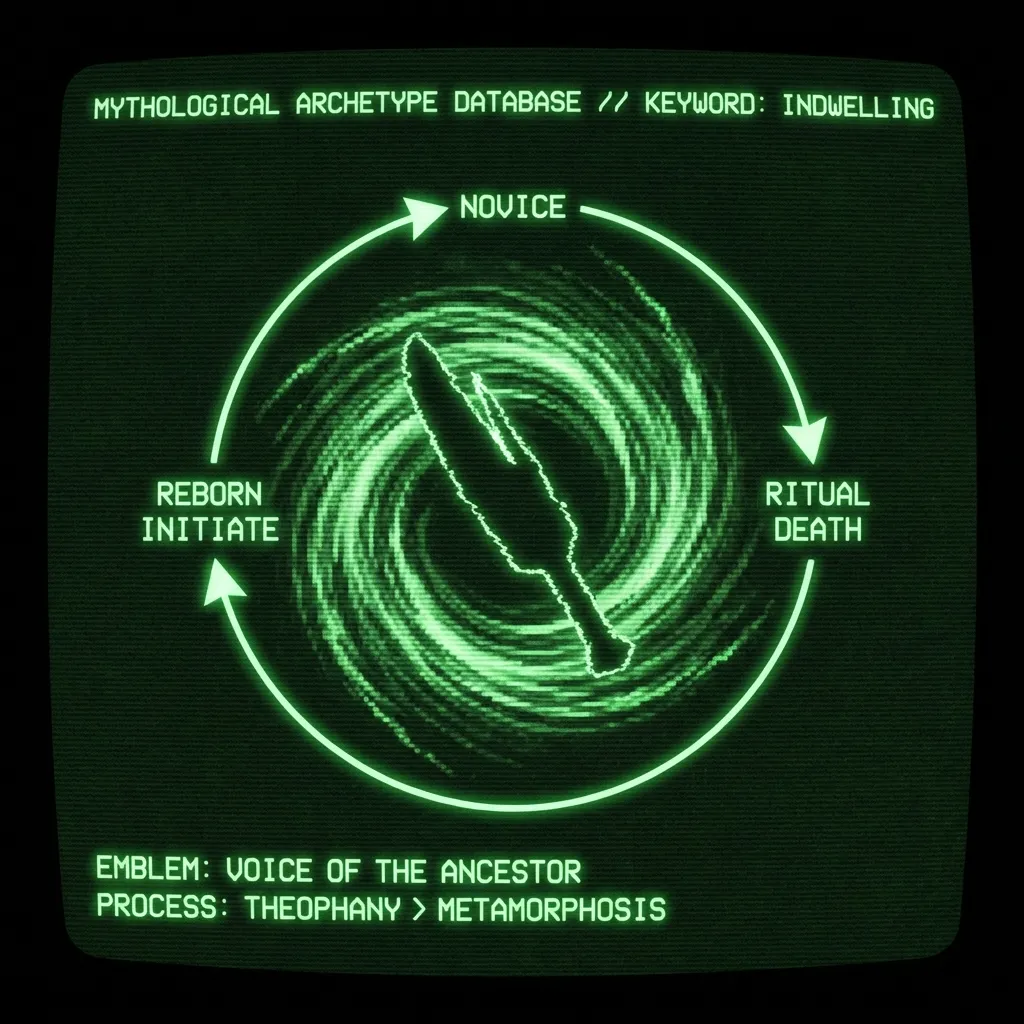
Across Australia, West Africa, Greece, and Amazonia, the bullroarer marks initiation as literal spirit indwelling—ritual death, rebirth, and presence of the god or ancestor.
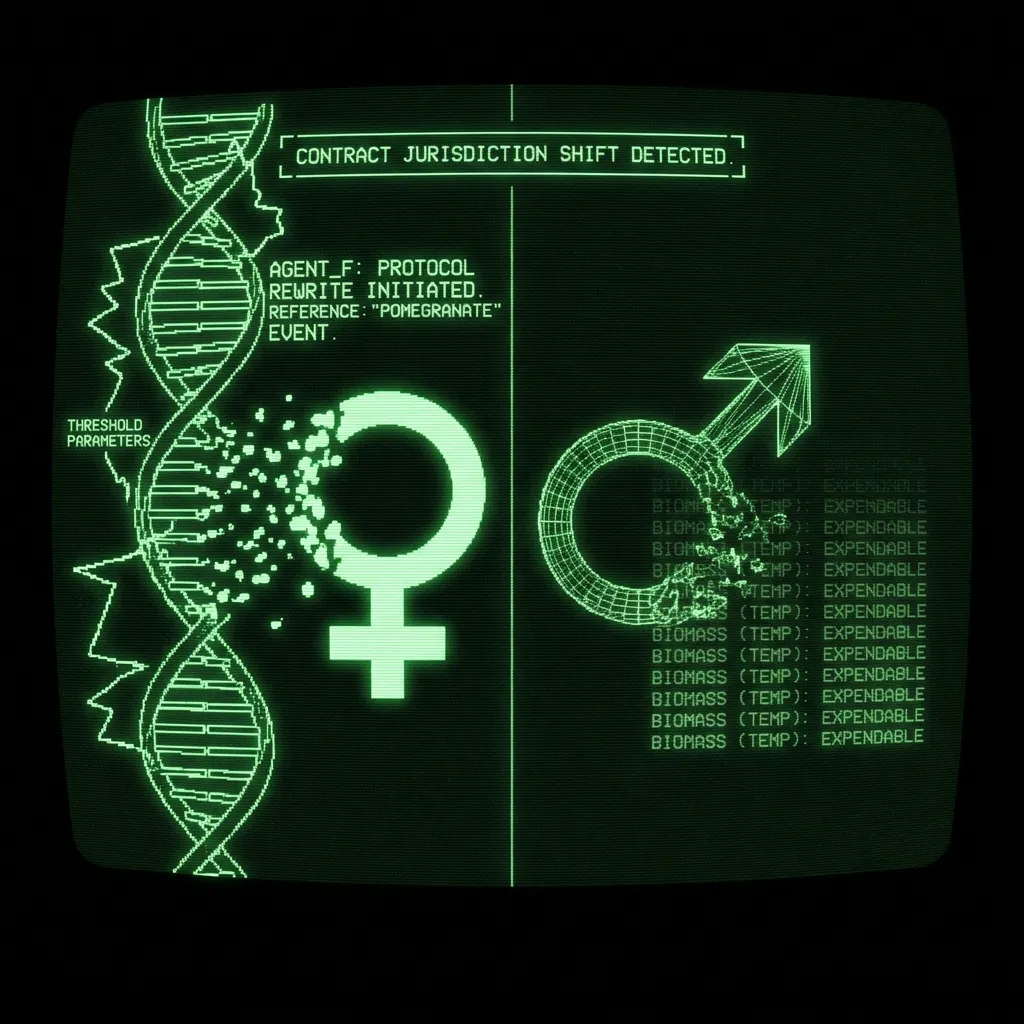
A sharp comparison of Inanna, Persephone, and Xquic with Dumuzi, Adonis, Osiris, and Telepinu—pinpointing which ritual and seasonal functions specifically track female agency.
Argues—within the Eve & Snake Cult theories—that Pirahã culture preserves a pre-Holocene mode of mind; contrasts with Clovis-era ‘apex’ consciousness; weighs genetics, ritual, and myth.
A diffusionist deep dive tracing masked ritual from a single Levantine hearth—stone masks and plastered skulls—to a global grammar of spirit embodiment.
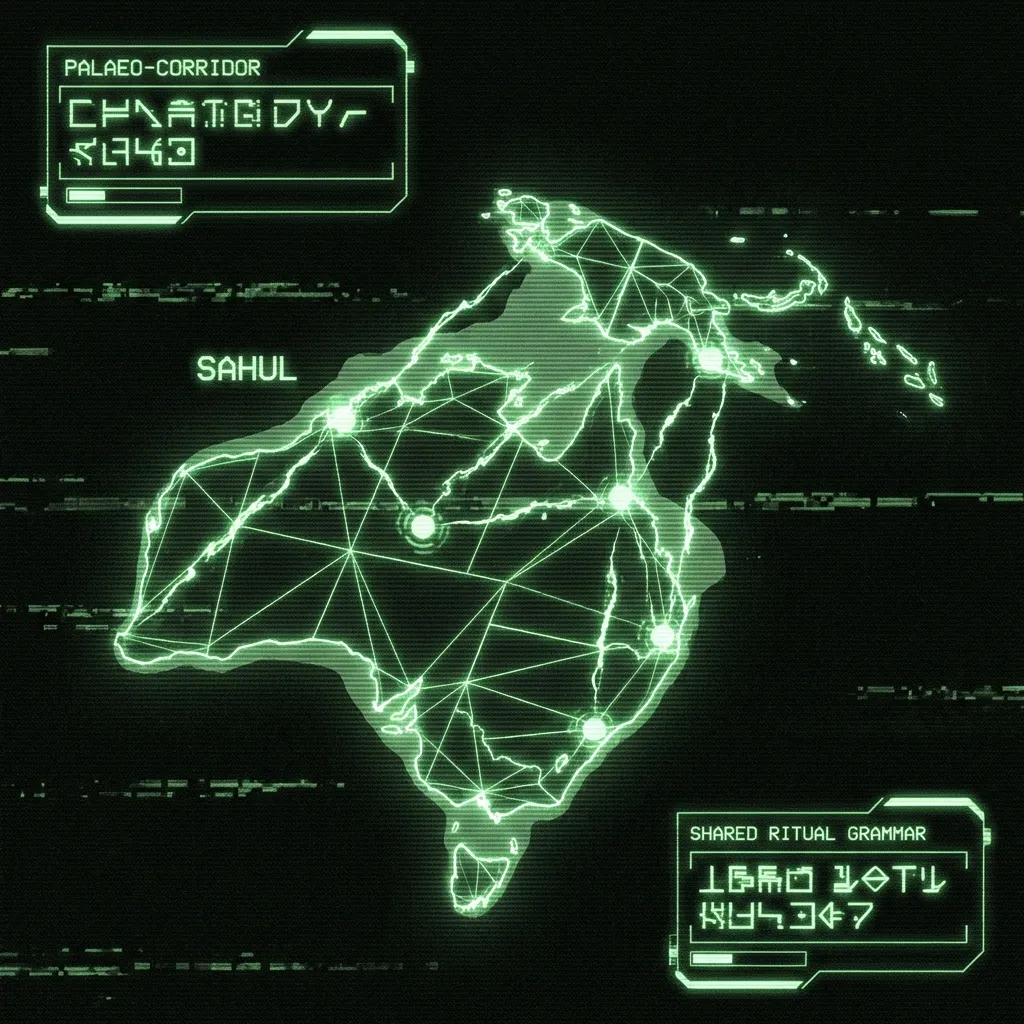
A concise case for historical links between Australian bullroarer–initiation and PNG Tambaran/flute cults, framed by Sahul-era connectivity.
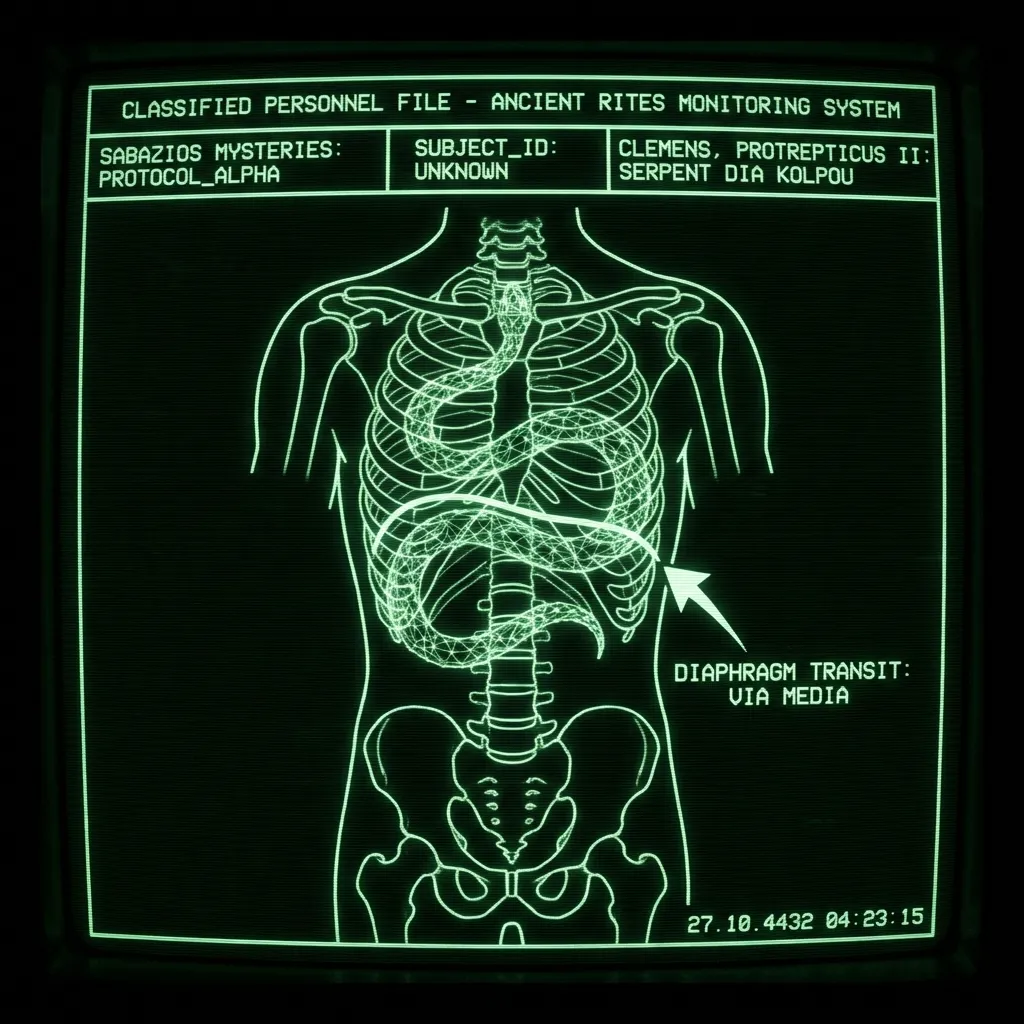
Comparative cases where initiates are called ‘snake‑bitten’ or ‘swallowed’—from Cape York’s dunggul to Sabazios, Yuruparí, the Ophites, Hopi Snake Dance, and Wawilak—w/ primary sources.
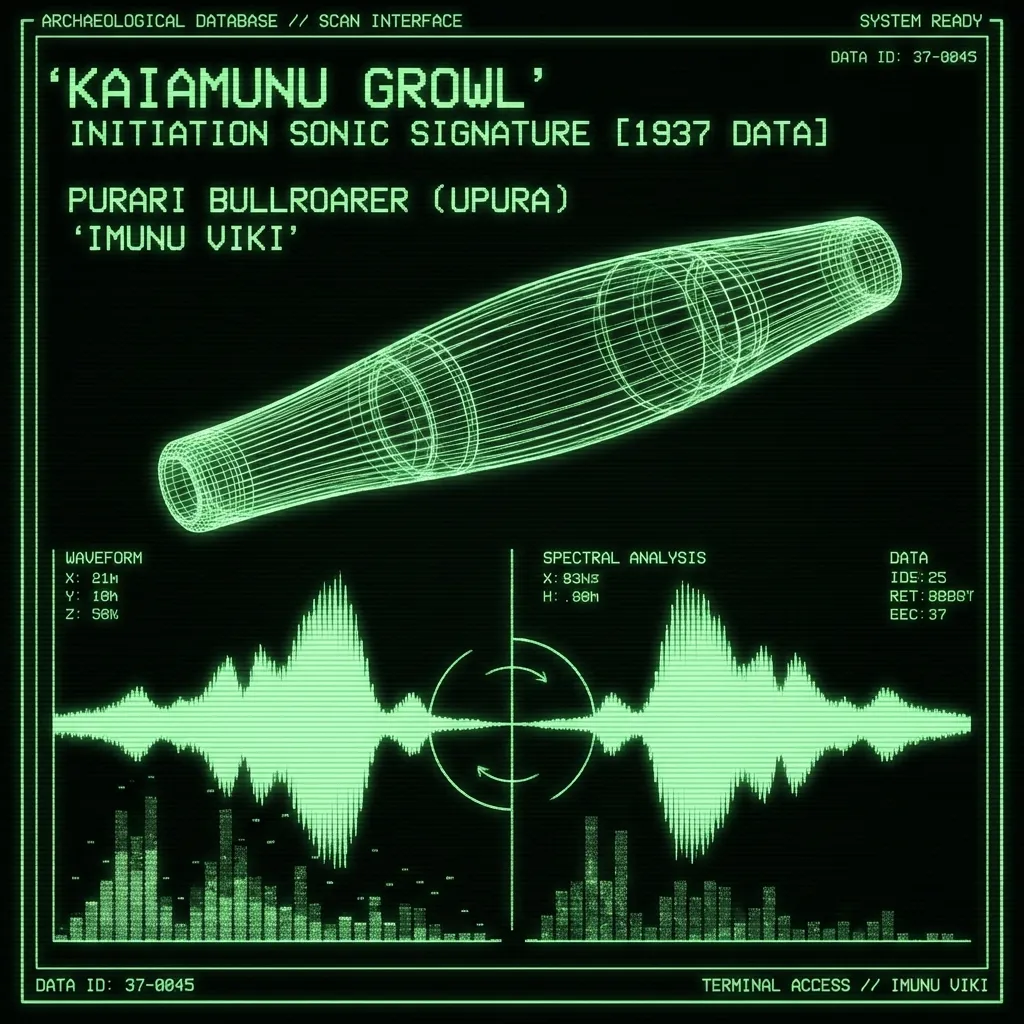
How bullroarers figure in Papua New Guinea male initiations—from Purari Delta imunu viki and kaiamunu ‘monsters’ to Sepik Tambaran houses—plus names, stages, and secrecy.
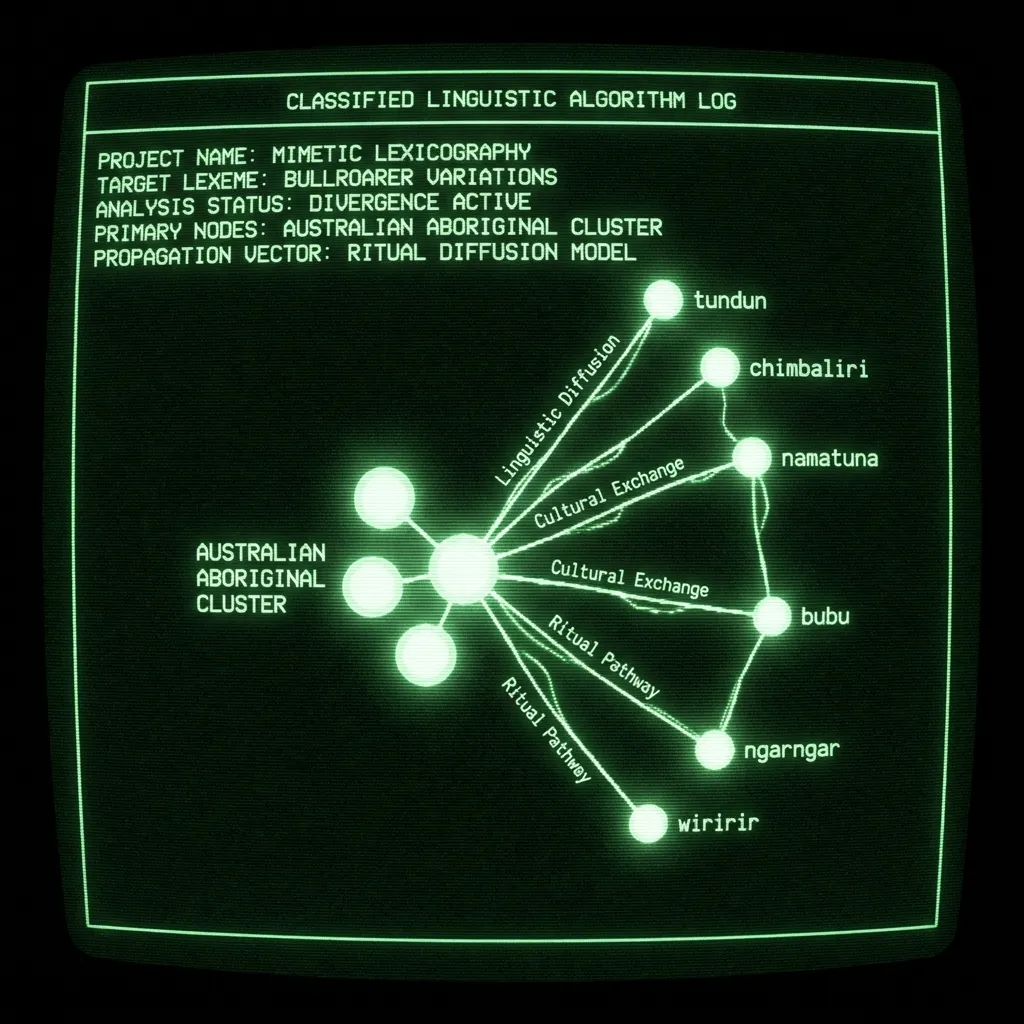
A global lexicon of bullroarer names by language and culture, with careful sourcing and notes on polysemy and secrecy.
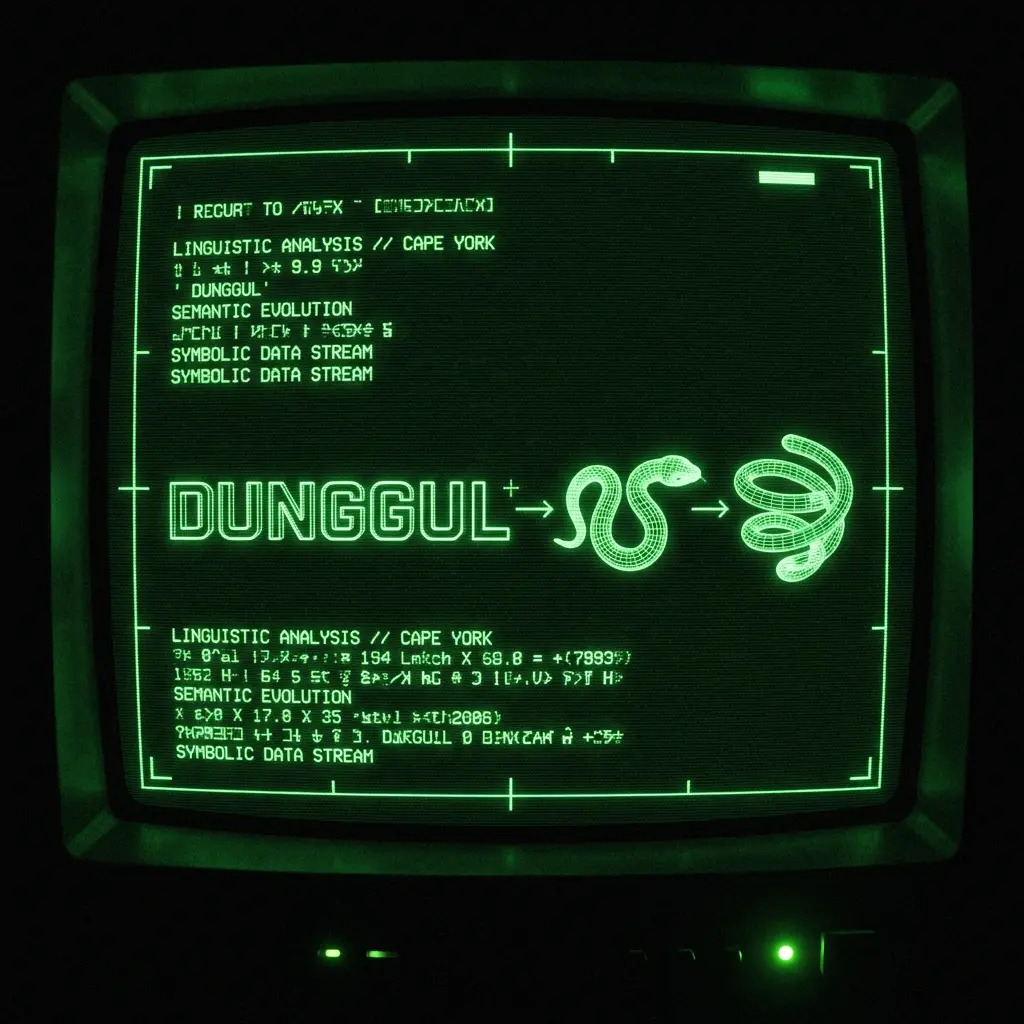
On Cape York, dunggul names both ‘snake’ and ‘bullroarer.’ What this polysemy reveals about initiation, being ‘snake‑bitten,’ and the ritual voice.
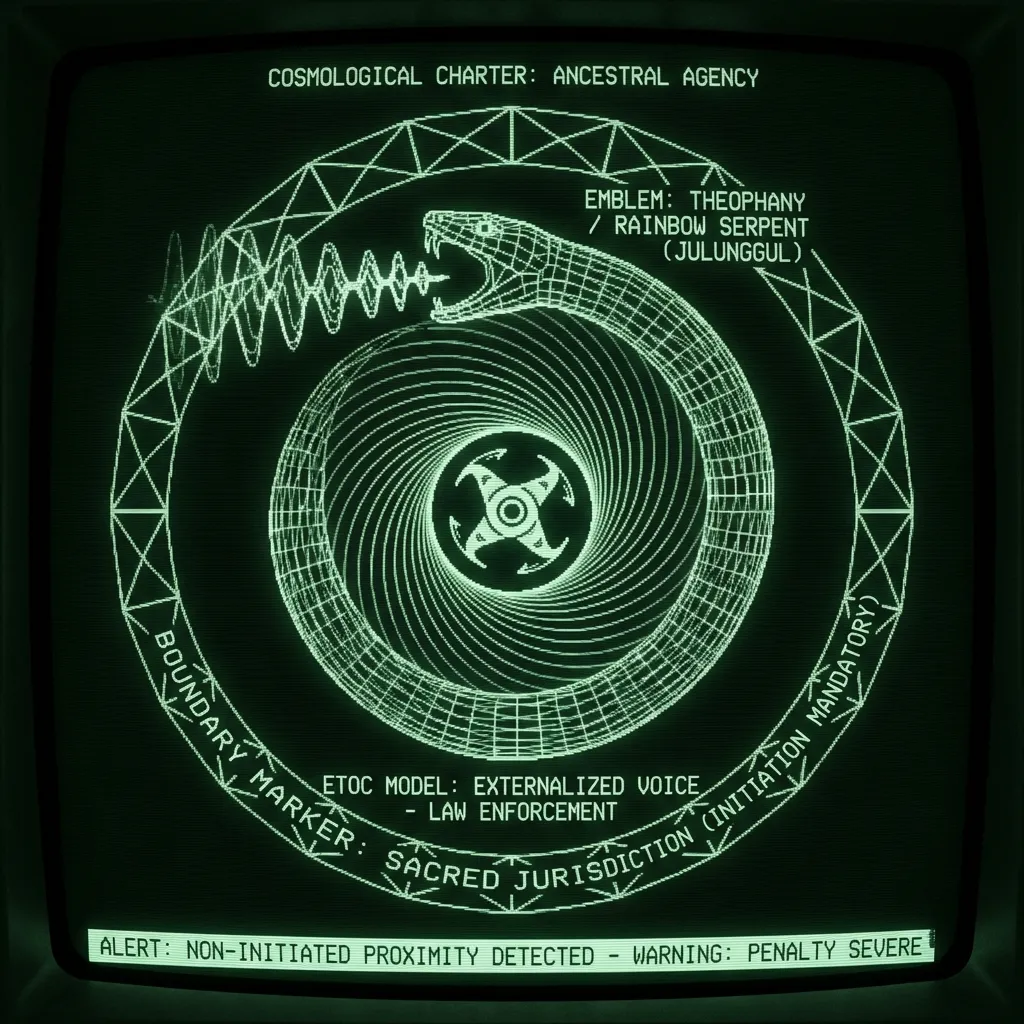
Comparative, primary-source survey of the bullroarer’s functions across Aboriginal Australia, mapped to Eve Theory of Consciousness constructs.
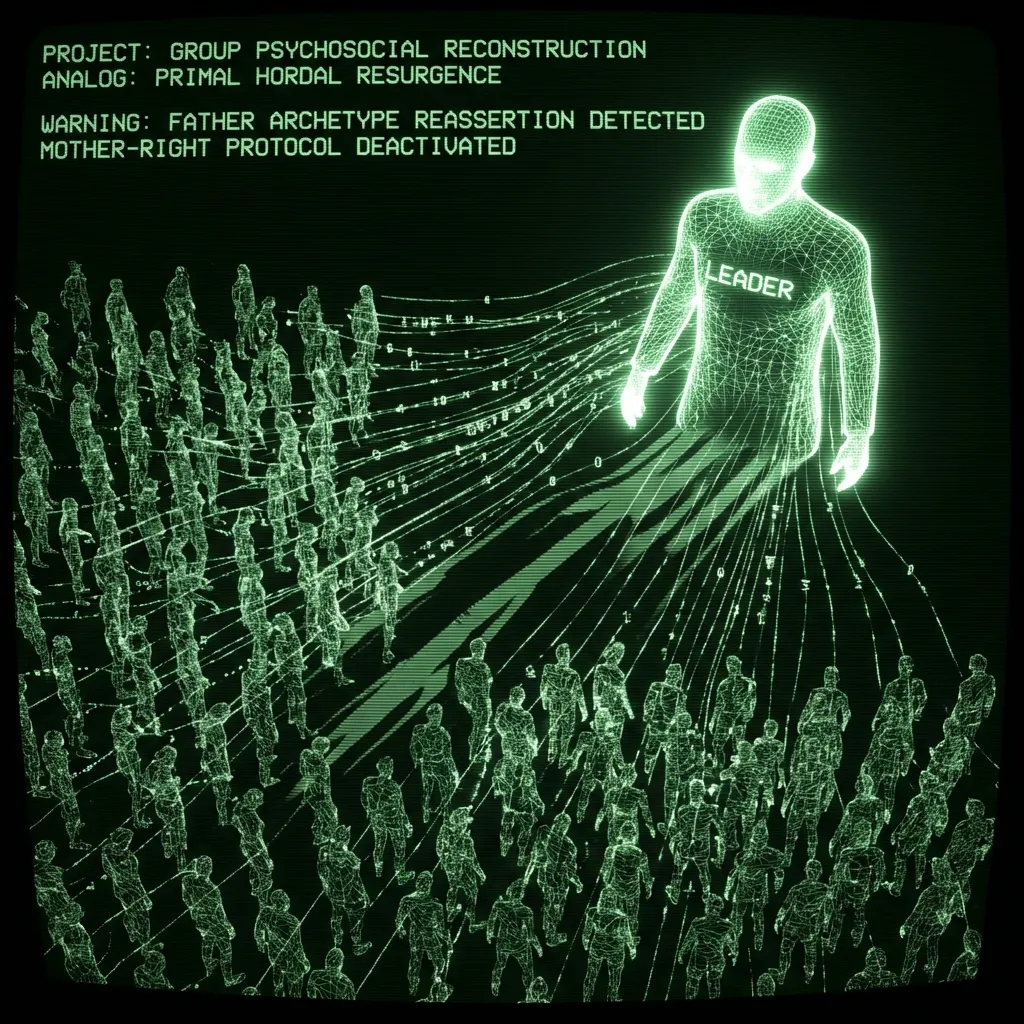
What Freud actually said about a primordial matriarchy: Darwinian horde → parricide → totemic brother‑clan with mother‑right → restitution of patriarchy, with primary‑source receipts.
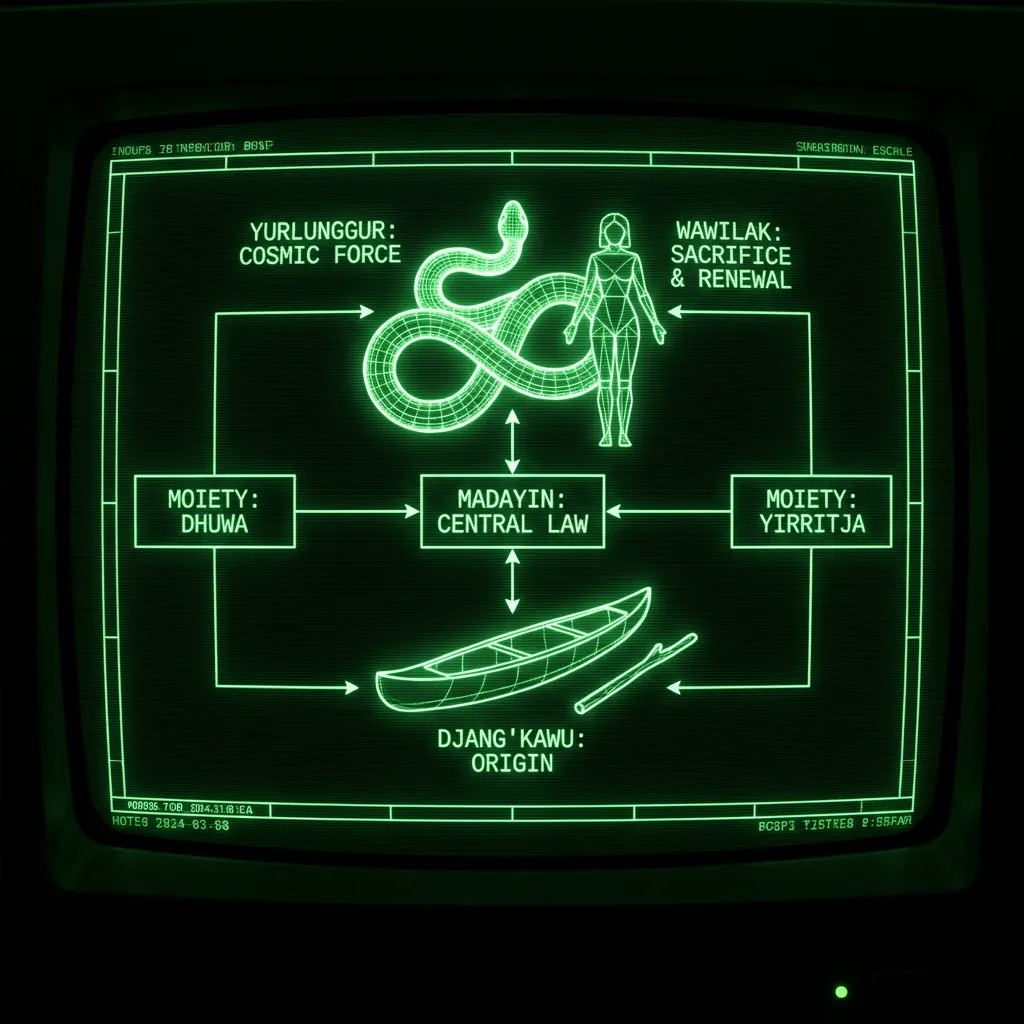
A research-oriented account of the Yolngu Djang’kawu and Wawilak Sisters cycles—origins of law, language, and ceremony—mapped to EToC.
What Darwin actually said about early human social order—monogamy, polygyny, polyandry, ‘communal marriage,’ matriliny, time depth, and gene–culture feedback—with primary-source quotes.
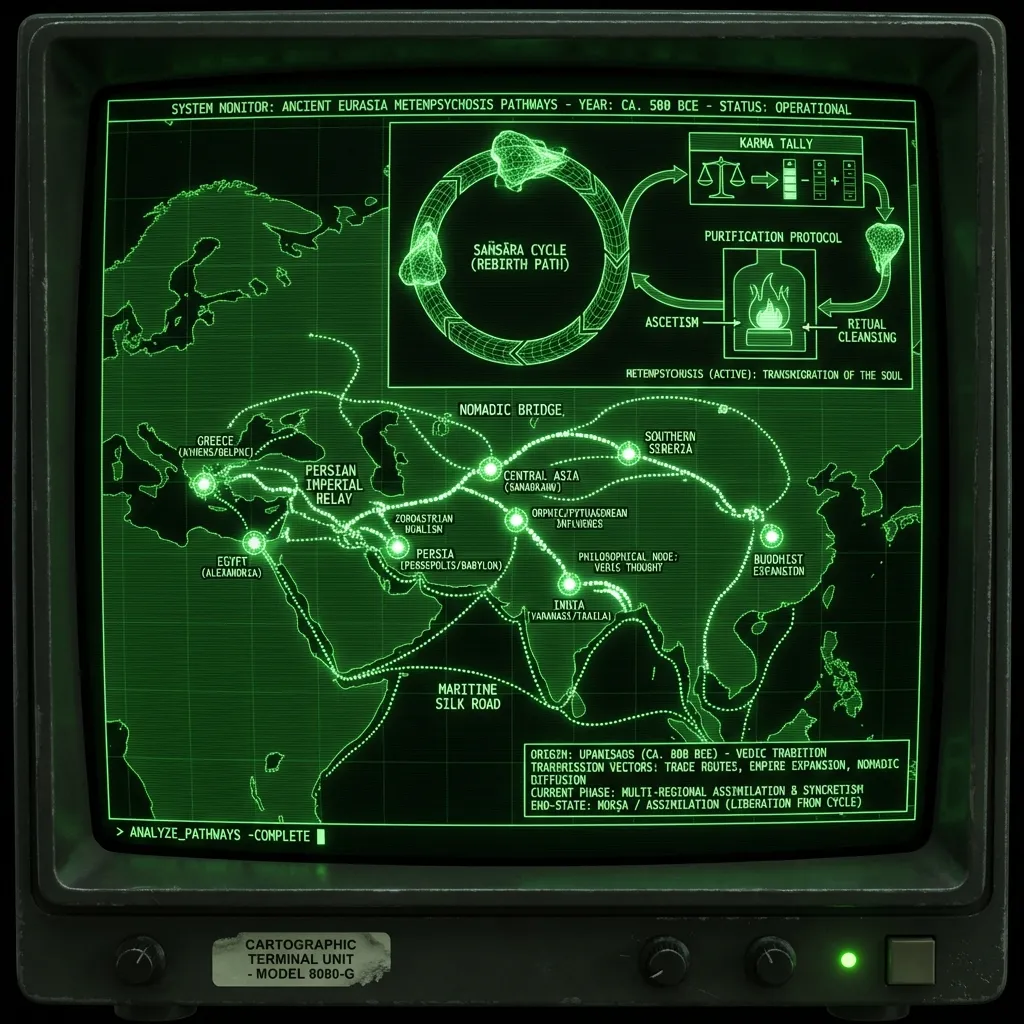
From late‑Vedic karma cycles to New‑Age past‑life therapy, a longue‑durée history of metempsychosis—plus the murky, pre‑literate hints that the doctrine may be Ice‑Age old.