~/sacred-texts/late-egyptian-literary-letters
The Tale of Woe: Flesh and Bones Lie Cast upon the Hill
- Date
- Copied in hieratic about 1000 BC, in the 21st Dynasty (c. 1070–945 BC), on a single papyrus roll
- Found
- Found in 1890 at el-Hiba in Middle Egypt, in a jar with the Report of Wenamun and the Onomasticon of Amenope; now in the Pushkin State Museum of Fine Arts, Moscow (Papyrus Pushkin 127)
- Language
- Late Egyptian · Hieratic
Wermai, god’s father of the Great Temple at Heliopolis, writes to the royal scribe Usermaatre-nakhti. After long blessings he comes to it: I have been thrown out of my own town. The woman who went up to them was killed. Her children were scattered. His office, horses and chariot are taken, and he wanders on foot through the Delta, the Libyan lands and the Great Oasis while the land was ringed with fire.
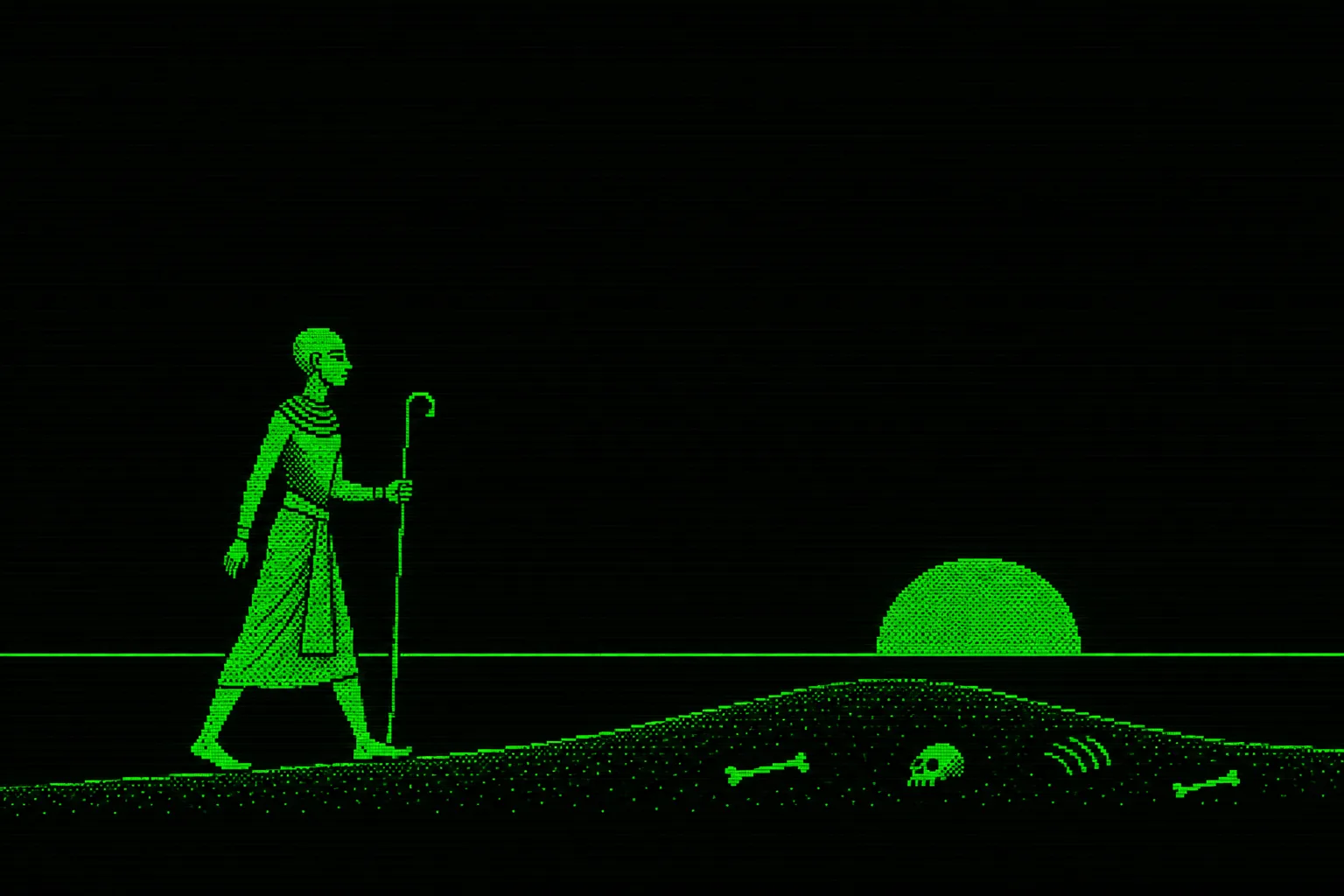
He ends up among starving villagers, under a lord whose grain measure is rigged: By that measure one sack becomes a sack and a half. No one writes to him. Flesh and bones lie cast upon the hill. Who will bury them?
- 1
𓏇𓇋𓏏𓏏𓍼 𓏏𓄿 𓈙𓂝𓏹𓍼𓏥 𓇋𓀁𓉔𓄿𓃀𓏲𓏭𓂻 𓊹𓇋𓏏𓆑𓀀𓈖O91𓏏𓉐𓅆𓅓𓉺𓏌𓊖𓅆 𓅨𓂋𓌳𓄿𓇋𓀽 𓅭 𓄑𓏛𓇋𓇋𓀀𓏥 𓁷𓏤 𓐩𓏌𓐩𓏌𓀁 𓐍𓂋𓏲𓏛𓏥 𓈖 𓌢𓌢𓏭𓏛 𓆑 𓇓𓏏𓈖𓏞 𓅓 𓄚𓈖𓏌𓏲𓉐 𓇳𓄊𓆄𓀜𓏏𓏲𓀀 𓅯𓄿𓇳𓅆𓄟𓋴𓏯𓀀 𓇳𓇓𓏏𓈖𓈖𓈖𓏏𓏯𓀔𓈖𓈖𓊖
mj,tt [n] tꜣ šꜥ(,t) j:hꜣb jt-nṯr-n-ḥw,t-ꜥ〈ꜣ,t〉-m-Jwn,w Wr-mꜣ,j zꜣ Ḥwy ḥr nḏnḏ ḫr,w n snsnj =f zẖꜣ-nsw m ẖnw Wsr-mꜣꜥ,t-Rꜥ-nḫt.ṱ 〈zꜣ〉 Pꜣ-Rꜥ-ms 〈m〉 Nn,t-{Rꜥ-}nsw
Copy of the letter Wermai son of Huy, god’s father of the Great Temple at Heliopolis, sent to ask after his confidant, the royal scribe at the Residence, Usermaatre-nakhti son of Pramose of Heracleopolis.
Note · Line 1
“God’s father” was a priestly title. The Residence was the seat of the royal court. - 2
𓆓𓂧 𓆑𓏭
ḏd =f{j}
He says:
- 3
𓋹 𓍑 𓋴 𓈖 𓎢 𓂋 𓏏𓂋𓇋𓆳𓏏𓇳𓏏𓏲 𓎢
ꜥnḫ (w)ḏꜣ s(nb) n =k r trj,t.ṱ =k
Life, prosperity and health to you in the days ahead!
- 4
𓊏𓊪𓏲𓏭𓏛𓀜 𓈖 𓎢 𓇋𓄿𓏲𓏏𓀗𓐎𓀀 𓄤𓆑𓂋𓏭𓏛 𓅓 𓊖𓏏𓏤 𓇋𓏏𓅓𓏲𓅆
šzp n =k jꜣw,t nfr(.t) m nʾ,t Jtm,w
Live to a good old age in the city of Atum!
Note · Line 4
Heliopolis was the city of Atum, the creator and sun god. - 5
𓆣𓂋𓏲𓏭𓏛𓀜 𓎛𓎿𓋴𓏮𓀁𓏏𓏲 𓎢 𓏠𓈖𓍖𓏛 𓅓𓆱𓐍𓏏𓏭𓏛𓀜 𓂓𓏤𓅆 𓇓𓏏𓈖
ḫpr ḥs.ṱ =k mn m-ḫtj kꜣ nsw
May the favor you enjoy endure through the king’s ka.
Note · Line 5
The ka was a life force; here the king’s ka is the source of royal favor. - 6
𓄤𓆑𓂋𓏭𓏛 𓏏𓏲𓎢 𓈖𓄿 𓊹𓅆𓏫 𓏇𓏏𓏏𓏭𓏛 𓈖𓄿 𓂋𓎀𓀀𓏥
nfr tw≡k nꜣ(-n) nṯr.pl mj,tt nꜣ(-n) r(m)ṯ.pl
May gods and mortals alike be good to you.
- 7
𓅱𓃀𓈖𓇳𓅆 𓇋𓏏𓈖𓏌𓏲𓇳𓅆 𓅓 𓁷𓂋𓇯𓅆𓏫
wbn jtnw m ḥr(,t)
May the sun disk rise in the sky,
Note · Line 7
The sun disk is addressed here as a living god. - 8
𓄲𓂋𓏲𓏭𓂻𓁻𓏥 𓆑 𓄣𓏤𓄹 𓎢
pẖr =f jb =k
and may he course through your heart.
- 9
𓂼𓏲𓏭𓂻 𓆑 𓅓 𓈖𓄿𓇋𓇋𓏥 𓎢 𓋴𓎛𓌰𓅓𓀢𓏭𓄑𓀁 𓇋𓏲 𓆑 𓉔𓄿𓂋𓏏𓄣𓏤𓏲𓏫
jwi̯ =f m nꜣy =k s{ḥ}nm〈ḥ〉j jw =f hꜣ~r.t{.w.pl}
May he come gladly in answer to your prayers.
- 10
𓄔𓅓𓏲𓏭𓏛𓀁 𓆑 𓄭𓂋𓏲𓏭𓂻𓏭𓄑𓀁𓏏𓏲 𓎢 𓅓𓂞𓄿𓇋𓇋 𓇼𓄿𓏲𓏲𓀢𓀁𓏏𓏲 𓎢 𓇓𓏲
sḏm =f spr.ṱ =k m-ḏꜣy dwꜣ{.ṱ} =k sw
May he hear your plea when you praise him.
- 11
𓅨𓂋𓎛𓏌𓂡𓏏𓏲 𓎢 𓅓 𓊃𓈖𓈖𓏏𓏮𓇶𓏏𓏲 𓆑 𓇋𓏲 𓆑 𓅓 𓋹𓈖𓐍𓏭𓏛
wrḥ.tw =k m snn.tj.ṱ =f jw =f m ꜥnḫ
May you be anointed with his rays while he lives.
- 12
𓊃𓈙𓐠𓄿𓏲𓏯𓂻 𓎛𓂝𓏏𓏤𓄹 𓎢 𓅓 𓋴𓈖𓃀𓏲𓏭𓏛
sšsꜣ ḥꜥ,t(.pl) =k m snb
May your limbs move in health.
- 13
𓂧𓂋𓀁 𓆑 𓏠𓈖𓅪 𓎢
dr =f mn(,t) =k
May he drive away your suffering.
- 14
𓆷𓄿𓂋𓈙𓂾𓏭𓂻 𓆑 𓂝𓈙𓇋𓏲𓏭𓄑𓀁 𓈖 𓆑 𓇋𓆛𓈖𓈖𓏏𓈖𓏏𓂢𓂻
šꜣ~ršj =f 〈n〉 ꜥš n =f jntnt
May he hasten to whoever calls to him in distress.
- 15
𓂞𓏲 𓆑 𓎸𓅓𓏲𓏭𓂻 𓆳𓏏𓏤𓇳 𓍢𓎆 𓁷𓏤𓁶𓏤 𓇾𓏤𓈇
ḏi̯ =f ẖnm rnp,t 110 ḥr-dp tꜣ
May he grant you a hundred and ten years on earth,
Note · Line 15
A hundred and ten years was the Egyptian ideal of a full lifetime. - 16
𓆓𓏏𓏤𓏏𓏲 𓎢 𓍃𓅓𓏲𓏭𓏛 𓎞𓎞𓀗𓐎𓀀 𓅓 𓄫𓏲𓃀𓏲𓏭𓏛𓄣𓏤
ḏ,t.ṱ =k tm kḥkḥ m ꜣw(,t)-{bwj-}jb
your body whole as you grow old in joy,
- 17
𓂜𓈖 𓆼𓄿𓇋𓇋𓅪 𓅓 𓎛𓂝𓏏𓏤𓄹 𓎢
nn ḫꜣy m ḥꜥ,t =k
with no sickness in your flesh.
- 18
𓃹𓈖𓆑𓀁 𓅓𓂧𓃹𓈖𓏭𓂻
wnf m-dwnj
Be ever glad;
- 19
𓂋𓈙𓏲𓏭𓂉𓏤𓏛𓏥 𓈖 𓄂𓏏𓏭𓄣𓏤𓄹 𓎢
ršu̯ n ḥꜣ,tj =k
rejoice in your heart,
- 20
𓂜𓈖 𓅱𓎼𓄿𓎤𓎤𓏭𓅪 𓇋𓄿𓏲𓏏𓀗𓐎𓀀𓏏𓏲 𓎢 𓊃𓊪𓏲𓎛𓏲𓏭𓏛𓀜 𓈖 𓊃𓋴𓏏
nn wgꜣj jꜣw,t.ṱ =k sp{w}ḥ n =sst
and catch no weakness from your old age.
- 21
𓍯𓄿𓏹𓏹𓈐𓂻 𓇋𓂋 𓎢 𓋁𓃀𓐍𓏏𓏯𓀁 𓀀 𓈖 𓌨𓂋𓏭𓏛𓅓𓏏𓏱𓏥
wꜣi̯ jr =k ꜣbḫ.t ={j} n ẖr,j-m(w)t.pl
May you be far from joining those marked for death.
- 22
𓇋𓏲 𓎢 𓂋 𓈙𓈗𓈘𓈇 𓋴𓇋𓆛𓈖𓏊𓏏𓈇𓏤𓏫 𓌨𓂋𓏭𓏛 𓌉𓌉𓌉𓏊𓏤 𓍯𓄿𓏲𓏲𓈐𓂻𓏲𓏏 𓂋 𓈙𓏲𓈗𓈘𓈇 𓈖 𓇋𓂋𓊪𓏲𓏊
jw =k r š sjn,t ẖrj ḥḏ,pl wꜣi̯.tw r š n jrp
You shall turn to the clay bowl of milk and keep far from the bowl of wine.
- 23
𓂜𓈖 𓄡𓂝𓏹𓅓𓏲𓏭𓏛𓀜 𓎢 𓇓𓏲 𓂝𓂋𓈎𓄿𓍼𓄑𓀁
nn ẖꜥm =k sw ꜥrqꜣ
You shall not come near it, the end of your life.
- 24
𓂜𓈖 𓃹𓈖𓏌𓏏𓇱𓇳𓏤𓏏𓏲 𓎢 𓌨𓂋𓏭𓏛 𓅷𓏤 𓎿𓎿𓎿𓏊𓏤 𓈗 𓂉𓏤𓄹 𓎢
nn wnw,t.ṱ =k ẖrj ⸮ṯꜣ〈,y〉? ḥs.pl (n) mw 〈r〉 fnḏ =k
Your hour has not come for a bearer to bring jars of water to your nose.
Note · Line 24
The water is a libation for the dead. Wermai is telling his friend that it is not yet time for his funeral rites. - 25
𓂝𓃀𓏲𓄏𓏤𓏱𓏥 𓅓 𓋁𓃀𓃀𓏯𓂻 𓇋𓂋 𓎢
ꜥb,w m ꜣbb jr =k
May contagion be kept far from you.
- 26
𓎛𓂝𓏏𓏤𓄹 𓎢 𓍃𓅓𓏲𓏭𓏛
ḥꜥ,t =k tm
May your body be whole.
- 27
𓌃𓂧𓏏𓏯𓀁 𓎟𓏏 𓂋 𓊨𓏏𓉐𓏏𓏲 𓆑
mdw{,t} nb{.t} r s,t.ṱ =f
May every word be in its place.
- 28
𓄣𓏤𓄹 𓎢 𓅓 𓉔𓄿𓈖𓏌𓏲𓊭𓏭𓉐 𓆑
jb =k m hꜣnw =f
May your heart rest in your chest.
Note · Line 28
The chest is pictured as the case that holds the heart. - 29
𓊃𓈙𓐠𓄿𓏲𓏯𓂻 𓈖𓄓𓏏𓏤𓄹 𓎢 𓏇𓇋 𓃹𓈖 𓆑
sšsꜣ ns{.t} =k mj wn =f
May your tongue move as it always has;
- 30
𓂜𓈖 𓈖𓍇𓏌𓏲𓂧𓅪 𓆑
nn nwd =f
may it never stray.
- 31
𓂧𓎼𓄿𓇋𓇋𓁻 𓎢 𓊨𓏏𓉐 𓊪𓂝𓏏𓈒𓀀𓁐𓏥 𓅓 𓄤𓏤𓇋𓇋𓏲𓇳
dgꜣy =k s,t pꜥ,t.pl m nfr,yw
May you look for a place among the nobles at your life’s end.
Note · Line 31
The letter opens with wishes for its recipient’s burial and life among the dead. - 32
𓍯𓄿𓏲𓏲𓈐𓂻 𓇋𓂋 𓎢 𓅠𓅓𓏲𓎛𓏲𓁻𓏥 𓃀𓏤𓉐 𓆅𓏲𓏲𓅪 𓅓 𓂋𓍿𓀀𓏥
wꜣi̯ jr =k gmḥ bw šwi̯.w m r(m)ṯ.pl
Far be it from you to seek a place where no one dwells.
- 33
𓇋𓏲 𓊹𓏏𓂋𓇋𓆳𓁻𓏹 𓎢 𓋴𓂝𓂋𓏲𓈐𓂻 𓈖 𓎢 𓅓 𓎛𓊪𓏏𓊤𓏭𓂻
jw nṯrj(,t) =k (r) sꜥr n =k m ḥp,tj
Your divine eye will be swift to bring you word,
- 34
𓇋𓏲 D410𓅓𓏲𓄔𓄔𓄹 𓎢 𓊃𓈙𓐠𓄿𓏲𓏯𓂽 𓁷𓏤 𓇋𓆛𓈖𓈖𓏏𓈖𓏏𓂽 𓆓𓏏𓏤𓄹 𓎢 𓇋𓂋𓏮𓀹 𓋴𓈖𓏥
jw smt.du =k (r) sšsꜣ ḥr jntnt ḏ,t =k jr,j(.pl) =sn
and your two ears will pass beyond whatever holds back your body and its limbs.
- 35
𓂜𓈖 𓊃𓊪𓊪𓏭𓏛𓀜 𓎢
nn spp =k
May nothing of you be left behind.
- 36
𓎸𓅓𓏲𓏭𓏛𓀜 𓎢 𓁷𓂋𓇯𓏮𓏏𓈉 𓅓 𓎙𓂧𓏹𓏹𓏭𓏛𓀜𓀀𓏥 𓅱𓍑𓄿𓏭𓏛
ẖnm =k ḥrj,t m ꜥd wḏꜣj
May you enter the necropolis safe and sound.
- 37
𓋁𓃀𓐍𓏏𓏯𓀁 𓎢 𓈖𓄿 𓀗𓏲𓇋𓇋𓀀𓏥𓅓𓉺𓏌𓊖𓅆 𓏇𓇋 𓆄𓆄𓆄
ꜣbḫ{.t} =k nꜣ sr.wy.pl-m-Jwn,w mj mꜣꜥ,t(j).pl
May you mingle with the magistrates of Heliopolis as the righteous do.
Note · Line 37
These are divine judges. The wish is that the recipient may join their company as one found just after death. - 38
𓂝𓈎𓏲𓏭𓂻 𓂋 𓎢 𓅓 𓊃𓂝𓎛𓏲𓏏𓉐
ꜥq r =k m sꜥḥw,t
Enter, then, the embalming tent.
- 39
𓄥𓄿𓅓𓏲𓏭𓏛𓀜𓏏𓏲 𓎢
zmꜣm.tw =k
May you be made whole.
Note · Line 39
Embalming was meant to reunite the dead person’s limbs so that the body could live again. - 40
𓂧𓂋𓊪𓏲𓈀𓏥𓏏𓏲 𓎢 𓅓 𓊃𓈖𓈖𓏏𓏮 𓉐𓂋𓂻 𓅓𓂺𓏛 𓅆 𓂋𓆱𓐍𓏏𓀜 𓋀𓏏𓏏𓈉𓅂𓐖𓈉𓅆 𓅓 𓄫𓏲 𓆓𓏴
drp.tw =k m snn,tj pri̯ m-bꜣḥ nṯr r-ḫt jmn,tt,tjw m ꜣw ḏ(,t)
May you be fed on the offering bread that comes from before the god and is given over to the Westerners for all eternity.
Note · Line 40
The Westerners are the dead, whose realm lay in the west. Bread presented to a god could then be offered to the dead. - 41
𓎛𓈖𓂝 𓆓𓂧 𓈖𓏏𓏮
ḥnꜥ ḏd (r-)n,tj
And now I say this:
- 42
𓏲𓏏𓁐 𓏠𓈖𓏌𓏲𓂢𓂻 𓅓𓎼𓂋𓍅𓀜
tw≡j 〈mn〉mn m-grg
I have been driven from my place by deceit.
- 43
𓏏𓏲𓀀 𓎼𓄿𓃀𓏲𓏭𓅨𓎢𓏲𓀀 𓇋𓏲 𓃀𓏲 𓌃𓂧𓏏𓏯𓀁
tw≡j gꜣ~bwj.kwj jw bw mdwi̯{.t} =〈j〉
I have been wronged without a word from me.
- 44
𓂝𓃹𓈖𓏌𓏲𓃫𓀜𓎢
ꜥwn.k(wj)
I have been robbed,
- 45
𓈖 𓀀 𓃀𓏏𓍔𓄿𓏲𓏭𓅪
〈bn〉 n =j btꜣ,w
though I am guilty of no crime.
- 46
𓆼𓄿𓂝𓂻𓎢𓏲𓀀 𓃀𓏲𓈖𓏥𓏭𓂋𓏤𓈐𓂻 𓅓 𓊖𓏏𓏤𓏲𓏏 𓀀
ḫꜣꜥ.kwj (r-)bw~n~jrʾ m nʾ,t.ṱ =j
I have been thrown out of my own town.
- 47
𓇋𓅷𓄿𓇋𓇋𓂷𓂡 𓄿𓐍𓏏𓏲𓏛𓏥
jṯꜣy ꜣḫ,wt =〈j〉
My property was stolen;
- 48
𓃀𓈖 𓋴𓏏 𓅱𓍑𓄿𓏭𓏛
bn st wḏꜣ
it did not remain intact.
- 49
𓏏𓏲𓀀 𓐍𓆑𓏮𓀒𓂡 𓉻𓏛
tw≡j ḫfj 〈r-〉ꜥꜣ
I am utterly undone.
- 50
𓇋𓇋𓏛 𓂸𓂋 𓂋𓐍𓏭𓏛 𓎟𓏏 𓈖𓏏𓏮 𓅯𓄿 𓂧𓏇𓇋𓇋𓏏𓈇𓏤𓏫𓊖
yꜣ mtr rḫ,j nb{.t} n,tj pꜣ dmy{,t.pl}
Indeed, everyone in town who knew of it bore witness.
- 51
𓋴𓏏 𓃛𓏲𓍯𓄿𓏭𓏛𓀜 𓂋 𓀀 𓅓𓏇𓇋𓏏𓏏𓏭𓏛
st jwꜣ r =j m-mj,ttj
They too have been robbed of me.
- 52
𓄡𓂧𓃀𓏲𓌫𓂡 𓏏𓄿 𓊃𓏏𓆇𓀀 𓇋𓀁𓈎𓄿𓃭𓏤𓇋𓄿𓂾𓏭𓂻 𓂋 𓊃𓋴𓏏𓏥
ẖdb tꜣ s,t j:qꜣ~rw~jꜣ r =sst
The woman who went up to them was killed.
- 53
𓐍𓏮𓈖𓏥𓏭𓂋𓏤𓈐𓏏𓏤 𓈖𓄿𓇋𓇋 𓋴𓈖𓏥 𓄟𓋴𓀔𓀀𓁐𓏫
ḫj~n~jrʾ{.t} nꜣy ={sn}〈s〉 ms.pl
Her children were scattered.
- 54
𓈖𓉔𓄿𓈖𓏌𓏲𓇋𓇋𓏛𓏥 𓇋𓅓 𓋴𓈖𓏥 𓅓𓂝𓍑𓄿𓇭𓏭𓏛𓀜 𓅓 𓏃𓋩𓀜𓏭𓅪
nhꜣ{nw}y jm =sn mḏꜣj m ḫntj
Some of them are bound in prison;
- 55
𓅷𓄿𓇋𓇋𓂷𓂡 𓎢𓏏𓐍𓏴 𓅓 𓇉𓄿𓈎𓄿𓏭𓏛𓀜 𓇋𓏲 𓏫 𓄿𓏏𓊪𓏲𓀋𓀜 𓂋𓄂𓏏𓏤𓏲𓏏 𓀀 𓅓
ṯꜣy ktḫ m ḥꜣqꜣj jw =w ꜣtp ((r-))ḥꜣ,t.ṱ =j m ꜣ[ḫ],wt
others were taken as spoils of war, laden with goods before my eyes.
- 56
𓈖𓄿𓇋𓇋 𓀀 𓅡𓎢𓇋𓏲𓏭𓏛𓀜 𓐍𓂋𓊪𓏲𓌂𓏛𓀜 𓏲𓏫
nꜣy =j bꜣkj ḫrp.w =w
My servants were led forth.
- 57
𓈖𓈞𓅓𓏲𓏭𓏛𓀜 𓇋𓄿𓏲𓏏𓊑𓏛𓏥
nḥm jꜣw,t
My office was taken from me,
- 58
𓅷𓄿𓇋𓇋𓂷𓂡 𓀀
〈bw〉 ṯꜣy =j
but I myself was not taken.
- 59
𓏏𓎢𓂻𓏲𓎢𓀀 𓃀𓏲𓈖𓏥𓏭𓂋𓏤𓈐𓂻 𓅓 𓊨𓏏𓉐𓏏𓏲 𓀀 𓈖 𓋴𓆑𓇳𓏤
tk(n).kwj (r-)bw~n~jrʾ m s,t.ṱ =j n sf
I have been driven from the place that was mine yesterday.
- 60
𓂞𓂞𓏭𓏛 𓈖 𓅓 𓈝𓏹𓇋𓏲𓏏𓈇𓏤 𓇥𓂋𓇋𓇋𓀢 𓇋𓏲 𓅯𓄿 𓇾𓏤𓈇 𓇋𓆛𓈖𓎛𓏲𓏭𓏛𓀜 𓅓 𓈖𓄓𓊃𓂋𓏥𓊮
dd =〈j〉 n ḫtjw m šmjw.t ḏry(.t) jw pꜣ tꜣ jnḥ m nsr
I was made to wander a hard road while the land was ringed with fire.
- 61
𓊤𓇋𓇋𓏱𓏥 𓇋𓅓𓈖 𓆑 𓇓𓏭𓏤𓏫 𓎔𓏏𓈇𓏤𓊖 𓋀𓏏𓏏𓈉 𓋁𓃀𓏏𓈇𓏤𓊖
ḫrwy,pl 〈n-〉jm{-n} =f (m) rs,j mḥ,t jmn,tt jꜣb,t
There was strife in it, south and north, west and east.
- 62
𓎸𓅓𓂻 𓉔𓄿𓏲𓏏𓅂𓏭𓏛𓀜𓀀𓏥 𓈖 𓊛𓏤𓆱
ẖnm =〈j〉 hꜣ~w,tjw n jmw
I joined the crew of a ship
- 63
𓂜𓈖 𓇋𓏌𓎢 𓇓𓏲
nn jnk sw
that was not mine.
- 64
𓅷𓄿𓇋𓇋𓂷𓂡 𓅯𓄿𓇋𓇋 𓀀 𓐍𓆑𓏮𓁷𓏤𓏯
ṯꜣy pꜣy =j ḫfj-ḥr =〈j〉
My own had been taken from me before my very eyes.
- 65
𓄲𓂋𓏲𓏭𓂻 𓅯𓄿 𓇾𓏤𓈇 𓅓 𓎛𓊪𓏲𓊤𓏭𓂻 𓈖 𓇋𓂋𓏏𓏯𓈗𓈘𓈇
pẖr =〈j〉 pꜣ tꜣ m ḥpw,j n j〈t〉r{t}
I crossed the land along the river’s course.
- 66
𓇋𓆑𓏮𓂧𓏥𓂾𓏭𓂻 𓅓 𓈖𓄿𓇋𓇋 𓆑 𓎓𓏏𓏤𓉐𓈗𓈘
jfj~d =〈j〉 m nꜣy =f mḏ,t
I raced over its depths.
- 67
𓏎𓈖𓏭𓂻 𓎔𓏏𓏏𓈇𓏤𓊖 𓇋𓅓 𓆑 𓅓 𓆤𓏏𓏯𓇇
jni̯ =〈j〉 mḥ,tt jm =f m ꜣḫ-bj,t
By river I reached the north at Chemmis.
Note · Line 67
Chemmis was a place in the Delta marshes where Isis was said to have hidden the infant Horus. - 68
𓄲𓂋𓈒𓏏𓏛𓀜 𓈎𓏹𓄿𓇋𓇋𓇇𓊖 𓇋𓂧𓎛𓏲𓇇𓏲𓆰𓏫 𓅓 𓅱𓃀𓈖𓏌𓏲𓇳𓏤 𓈉𓏏𓏤 𓌔𓏏𓏤𓆄𓆄𓆄𓏤𓈉𓊖
pẖr{.t} =〈j〉 qꜣy(.pl) jdḥ,w.pl m wbn ḫꜣs,t Pḏ,t-šw,pl
I skirted the hills and marshes of the Delta by way of the east, the foreign land of the desert bowmen.
Note · Line 68
The desert bowmen were counted among the Nine Bows, a traditional Egyptian grouping of foreign peoples. - 69
𓐪𓂧𓈖𓏌𓏲𓏭𓂻 𓈖𓄿𓇋𓇋 𓋴𓈖𓏥 𓈖𓉔𓄿𓏭𓂋𓏤𓏏𓏐𓏒𓏥𓇋𓇋𓅆𓅆 𓋹𓏏𓏏𓈉 𓈉𓏏𓏤 𓍘𓅓𓎛𓏲𓌙𓈉𓊖
qd{n} =〈j〉 nꜣy =sn nhꜣ~jrʾ~tʾ,y,du (m) ꜥnḫ,tt ḫꜣs,t Tjmḥ,w
I skirted their two rivers by way of the west, the foreign land of the Tjemehu.
Note · Line 69
The Tjemehu and the Tjehenu named in the next line were peoples of the lands west of Egypt. - 70
𓂝𓈎𓏲𓏭𓂻 𓍘𓎛𓈖𓏌𓏲𓇋𓇋𓌙𓈉𓊖
ꜥq =〈j〉 Tjḥn,wy
I entered Tjehenu.
- 71
𓍑𓄿𓇋𓇋𓊛 𓏏𓄿 𓆎𓅓𓏲𓏏𓊖 𓁷𓏤 𓅱𓋴𓐍𓏏𓏹𓉐 𓋴𓏏
ḏꜣy =〈j〉 tꜣ Km,t ḥr wsḫ,t =st
I crossed Egypt from side to side.
- 72
𓃀𓅯𓄿𓎼𓄿𓃀𓏲𓂾𓏭𓂻 𓅯𓄿 𓆼𓆼𓊃𓊾𓏲𓏏𓏲𓏏𓈗𓊖
bꜣ~gꜣ~bw =〈j〉 pꜣ Ḫꜣ,du-swtwt
I struggled on to Xois.
Note · Line 72
Xois stood in the central Delta, at modern Sakha. - 73
𓊃𓈙𓐠𓄿𓏲𓏯𓂻 𓀀 𓂋 𓈖𓂋𓄫𓊖
sšsꜣ =〈j〉 r Nrꜣw
I passed Tura
- 74
𓄖𓏲𓏭𓂻 𓀀 𓂋 𓌀𓃀𓌀𓃀𓏏𓊖 𓀀
pḥ =j r Wꜣb,du,t ={j}
and reached the district of Oxyrhynchus.
- 75
𓁹𓇋𓇋 𓀀 𓂝𓈎𓏲𓂝𓈎𓏲𓂾𓏭𓂻 𓎢𓈖𓅓𓏏𓏏𓊖
jry =j ꜥqꜥq Knm,tt
I entered the Great Oasis.
Note · Line 75
The Great Oasis is usually identified with Kharga, in the desert west of the Nile. - 76
𓇋𓆑𓏮𓂧𓏥𓏤𓂾𓏭𓂻 𓇾𓏤𓈇𓇘𓏏𓏤𓊖 𓅓 𓃭𓏤𓇋𓄿𓂢𓂻𓍘 𓋴𓏏 𓎟𓏏
jfj~d =〈j〉 tꜣ-šmꜥ,t m rwjꜣ.ṱ =st nb.t
I fled through Upper Egypt, along all its borders.
Note · Line 76
Upper Egypt is the southern Nile valley, upstream from the Delta. - 77
𓄲𓂋𓏲𓏭𓏛𓀜 𓏲𓎛𓆑𓏮𓌙𓈉𓊖 𓇋𓏲 𓀀 𓁷𓏤 𓂋𓂧𓂾𓂾𓄹𓏮
pẖr =〈j〉 wḥ{fj}〈,wt〉 jw =j ḥr rd.du.j
I skirted the villages on my own two feet.
- 78
𓇋𓅷𓄿𓇋𓇋𓂷𓂡 𓋴𓋴𓅓𓏏𓄛𓏤𓏫
jṯꜣy ssm,t.pl
The horses had been stolen,
- 79
𓈖𓈞𓅓𓏲𓏭𓏛𓀜 𓅨𓂋𓃭𓏤𓇋𓇋𓆱𓏥
nḥm wrrw~y
the chariot taken away.
- 80
𓈖𓄿𓇋𓇋 𓀀 𓎛𓏏𓂋𓇋𓆳𓄛𓏤𓏫 𓇋𓆎𓅓𓏲𓏭𓏛𓀜 𓅓 𓂧𓏏𓏤𓄹𓏮
nꜣy =j ḥtrj.pl {j}〈s〉km m ḏr,t =〈j〉
My teams were all gone from my hand.
- 81
𓊏𓊪𓏲𓏭𓏛𓀜 𓈖𓄿𓇋𓇋 𓏲𓏫 𓉻𓏛𓎼𓄿𓈖𓄿𓐠𓏤𓏭𓅪
šzp nꜣy =w ꜥꜣ~gꜣ~{nꜣ~}sꜣ
Their bridles had been seized;
- 82
𓎢𓄿𓇋𓇋𓀁 𓁷𓏤𓂋𓂋𓏤 𓏲𓏫
k{ꜣ}y ḥr-r-rʾ =w
someone else was driving them.
- 83
𓇋𓏌𓎢 𓂞 𓊃𓋴𓏏 𓇋𓏲 𓀀 𓌳𓄿𓎗𓏲𓂢𓂡𓎢𓏲𓀀 𓁷𓏤 𓈝𓅓𓏏𓂻
〈bn〉 jnk ḏi̯ sst jw =j mꜣwḏ.kwj ḥr šmi̯.t
It was not I who gave the chariot away. I was forced to walk.
- 84
𓅨𓂋𓏲𓈙𓇳𓏯 𓅓 𓊖𓏏𓏤𓏲𓏏𓊖 𓃀𓈖 𓇋𓏌𓎢𓀀 𓋴𓏏 𓂧𓏇𓇋𓇋𓏏𓈇𓏤𓊖 𓃀𓈖 𓂋𓐍𓏭𓏛 𓋴𓏏
wršu̯ =〈j〉 m nʾ,t{wt} bn jnk st dmy,t bn rḫ =〈j〉 st
I spent the day in a town not my own, a place I did not know.
- 85
𓇋𓂋𓏮𓀹𓏛 𓀀 𓐍𓊪𓊪𓏲𓁻𓏥
jr,j =j ḫpp.w.pl
My companions were strangers,
- 86
𓃀𓈖 𓈖𓄿𓇋𓇋 𓀀 𓇋𓇩𓋴𓏮𓇋𓇋𓅪
bn nꜣy =j js,jy
not my friends of old
- 87
𓐍𓈖𓌰𓅓𓀙𓇋𓀀𓏥 𓁹𓂋𓏮 𓅓𓌳𓄿𓇋𓏲𓏏𓈇𓏤𓏫
ḫnmj.pl jrj m-mꜣjw,t
but friends newly made.
- 88
𓈖𓄿𓇋𓇋𓏪 𓎛𓂝𓏏𓏤𓄹𓏮 𓂋𓐛𓏤 𓆓𓏏𓏤𓄹𓏮
nꜣy ḥꜥ,t r-gs ḏ,t =〈j〉
These bodies were beside mine,
- 89
𓁹𓇋𓇋 𓏲𓏏 𓋁𓃀𓃀𓏯𓂻 𓇋𓂋 𓀀 𓇋𓃹𓈖 𓋴𓏏 𓅓𓂞𓄿 𓃹𓈖𓏲 𓀀 𓅓𓂝𓎢𓏭𓏛𓇉𓄿𓁶𓏤 𓋴𓈖𓏥 𓅓 𓈖𓎼𓄿𓇋𓏲𓏭𓅪
jry =tw ꜣbb jr =j j.{w}n =st m-ḏꜣi̯ wn =j (ḥr) mkj~ḥꜣ =sn m ngꜣ,jw
but when in my need I took no heed of them, they said people should keep away from me.
- 90
𓃀𓋴 𓉔𓄿𓃀𓏲𓏭𓂻 𓂋 𓋴𓈖𓆑𓏭𓏛 𓄣𓏤𓄹𓏮 𓅓𓂞𓄿 𓄭𓂋𓏲𓂻 𓁷𓏤 𓃛𓏲𓍯𓄿𓇋𓏲𓏭𓅪
bs hꜣb r snfj jb =〈j〉 m-ḏꜣi̯ spr =〈j〉 ḥr jwꜣ
Do send word to let my heart breathe, now that I cry for help in my distress.
- 91
𓊃𓊪𓏲𓊗𓏮 𓐩𓏌𓐩𓏌𓏭𓄑𓀁 𓐍𓂋𓏲𓏛𓏥 𓂻𓏲𓏭𓂻 𓁷𓏤 𓈝𓅓𓏏𓂻
〈jn〉 zp nḏnḏ ḫrw(,t) 〈m-ḏr〉 jwi̯ =〈j〉 ḥr šmi̯.t
Did anyone ask, even once, how I fared as I wandered?
- 92
𓇋𓏲𓆑 𓌟𓏤𓄹𓏮 𓆼𓂝𓄿𓂻 𓁷𓏤 𓈎𓄿𓏭𓂋𓏤𓇋𓄿𓐎𓏏𓈇𓏤
jwf qs(.pl) ḫꜣꜥ ḥr qꜣ~jrʾ~jꜣ,t
Flesh and bones lie cast upon the hill.
- 93
𓇋𓈖𓈖𓂻𓅓𓂝𓀁 𓋴𓇉𓄿𓊪𓏲𓍱 𓆑
jn{n}-m sḥꜣp =f 〈sn〉
Who will bury them?
- 94
𓃀𓏲 𓉔𓄿𓃀𓏲𓏭𓂻 𓏲𓏫 𓂋 𓄣𓏤𓄹𓏮 𓊪𓏏𓇋𓆳𓁻𓏥 𓅓𓏏𓀀𓏥𓅪 𓋹𓈖𓐍𓏭𓏛
bw hꜣb =w r 〈ꜣms-〉jb (r) ptj 〈jn〉 m(w)t 〈jn〉 ꜥnḫ
They sent no word to hearten me, to see whether I was dead or alive.
- 95
𓃀𓏲 𓈖𓉔𓄿𓊪𓏲𓏭𓄑𓀁 𓏲𓏫 𓈖 𓀀 𓅓 𓈖𓄿𓇋𓇋 𓀀 𓍋𓅓𓂋𓏭𓅪
bw nhꜣp =w n =j m nꜣy =j mḥrj
They had no pity on me in my troubles.
- 96
𓇋𓏲 𓏫 𓇋𓐍𓏛 𓁷𓏤𓐠𓏤 𓈎𓈖𓏌𓏲𓏴𓏛𓏫 𓂋 𓀀 𓊹𓌨𓂋𓏭𓏛𓏏𓏏𓈉 𓇋𓏲 𓀀 𓅯𓄿 𓌳𓈒𓈒𓁻𓏥 𓈌𓏏𓏮𓉐𓏤𓉐𓏤
jw =w 〈r-〉jḫ ḥr-sꜣ qn,w r =j 〈⸮m?〉 ẖrj,t{t}-nṯr jw =j (m) pꜣ mꜣ,pl ꜣḫ,tj,du
What good will all their care do me later in the necropolis, when I am in the sight of the god of the two horizons?
Note · Line 96
The writer imagines receiving more care in the burial ground than he did in life. The two horizons are those of sunrise and sunset. - 97
𓄞𓂧𓏹𓏹𓏭𓏛𓀜𓏏𓏲 𓆑 𓅓 𓎙𓂧𓏹𓏹𓇋𓇋𓏏𓈇𓏤𓏫 𓅓 𓂙𓈖𓏌𓏲𓇋𓇋𓃫𓀜
šdi̯{.ṱ} =f m ꜥd{,yt.pl} m ẖnw,y
May he save me from the river’s edge and from the tumult!
- 98
𓆓𓏏𓏤𓏏𓏲 𓆑 𓍃𓅓𓏲𓏭𓏛𓏏𓈇𓏤 𓂝𓏤 𓆑 𓈖 𓋴𓆑𓇳𓏤
ḏ,t.ṱ =f tm.t (m) ꜥ =f n sf
His body is whole, just as it was yesterday.
- 99
𓊃𓈖𓇋𓏲𓂾𓏭𓂻 𓇋𓏲 𓀀 𓅱𓍑𓄿𓏭𓏛𓎢𓏲𓀀 𓁷𓏤 𓎔𓏛𓎛𓏹𓇋𓇋𓈗𓏭𓂻 𓆑
sn =〈j〉 jw =j wḏꜣ.kwj ḥr mḥy =f
I went my way unharmed on his waters.
Note · Line 99
To be on someone’s waters is to be loyal to him. - 100
𓂻𓏲𓏭𓂻 𓆑 𓇼𓄿𓏲𓇳𓏤 𓅓 𓎗𓏹𓏭𓂻 𓈖 𓆑 𓀀 𓈖 𓄣𓏤 𓀀 𓅓 𓈖𓄿𓇋𓇋 𓀀 𓂧𓃀𓈖𓃀𓈖𓏭𓄑𓀁
jwj =f (m) dwꜣw m wḏj n =f 〈ḫru̯〉 =j n jb =j m nꜣy =j dbnbn
“He will come in the morning when word reaches him,” I said to my heart as I wandered.
- 101
𓎗𓏹𓏭𓂻 𓈖 𓎢 𓇋𓄋𓊪𓏲𓂾𓏭𓂻𓀀 𓏏𓄿𓇋𓇋 𓀀 𓏇𓏏𓏏𓏭𓏛 𓈖 𓀀 𓅓 𓊨𓏏𓉐 𓎢
wḏj n =k jwpw,(t)j 〈r〉 tꜣy =j mj,ttj n =j m s,t =k
Send me a messenger from your office about my letter.
- 102
𓐍𓅓𓏲𓂜𓅪𓈖 𓀀 𓄤𓏤𓇋𓇋𓌾𓏥
ḫm.n =j nfr,y
I know nothing of grain.
- 103
𓂜𓈖 𓂋𓐍𓏭𓏛
nn rḫ =〈j〉 〈sw〉
I do not know it.
- 104
𓃀𓈖 𓇓𓏲
bn sw
There is none.
- 105
𓂋𓎀𓀀𓏥 𓇋𓏲 𓊪𓏏𓇋𓆳𓁻𓏏𓏲 𓆑 𓅓 𓄤𓆑𓂋𓏭𓏛 𓉐𓂋𓏭𓂻 𓆑 𓈖 𓀀 𓅓 𓈖𓎼𓄿𓇋𓏲𓅪 𓀀 𓎢𓏌𓏲𓇋𓇋 𓀀
r(m)ṯ{.pl} jw ptj.tw =f m nfrj ⸢prj⸣ =f n =j m ngj =j ⸮knwy? =j
Let a man whom people think well of come up to me in my need, in answer to my cry.
Note · Line 105
The poetic word for grain sounds like the word for a good man. The writer lacks the one and calls for the other. - 106
𓃹𓈖 𓆑 𓂧𓎼𓄿𓇋𓏲𓂾𓏭𓂻 𓁷𓏤𓂋𓂋𓏤 𓋴𓈖𓏥 𓂧𓄿𓏲𓁻 𓅓𓂝𓎢
wn =f (r) dgꜣ ḥr-r-rʾ =sn sjꜣw =〈j〉 mk(,t)
He would tread them down, and I would know what it is to be protected.
- 107
𓍋𓏹𓏭𓅪 𓄣𓏤 𓀀
mḥrj jb =j
My heart aches.
- 108
𓁹𓇋𓇋𓏲 𓀀 𓏤 𓐍𓈖𓈙𓏲𓍕𓎢𓏲𓀀 𓅓 𓄤𓏤𓇋𓇋𓌾𓏥
jry =j ꜣbdww 1 ḫn{š}〈r〉.kwj m nfr,y
I have spent a month cut off from grain.
- 109
𓇋𓋴𓊪𓏲𓏭𓅪 𓀀 𓃹𓈖𓏲𓁷𓏤 𓅓𓂝𓏲 𓀀
jsp =j wn-ḥr m-ꜥ =j
I have made my hunger known.
- 110
𓈖𓄿 𓂋𓎀𓀀𓏥 𓈖𓏏𓏮 𓏲𓏏𓀀 𓅓𓄚𓈖𓏌𓏲𓉐 𓏲𓏫 𓈖𓄿𓇋𓇋 𓋴𓏏 𓃀𓏲𓍯𓄿𓇋𓇋𓀙𓀀𓏥 𓂝𓈖𓂧𓏲𓅪
nꜣ r(m)ṯ.pl n,tj tw≡j m-ẖnw =w nꜣy =st bwꜣy ꜥndw
Among the people I live with, even the leading men are in want.
- 111
𓇋𓂝𓊪𓏲𓊅𓈗𓈘𓈇 𓋁𓃀𓏯𓂻
{j}〈ḥ〉ꜥpw ꜣb
The Nile flood is far off;
- 112
𓇾𓏤𓈇 𓋴𓈖𓏥 𓅓 𓅱𓆷𓄿𓁸𓇳
tꜣ =sn m wš{ꜣ}〈r〉
their land is parched.
- 113
𓂜𓈖 𓉐𓂋𓏭𓂻 𓏲𓏫 𓅓 𓄿𓂧𓏮𓏭𓅪
nn prj =w m ꜣdj
They will not escape this misery.
- 114
𓂧𓃀𓎛𓏲𓏭𓄑𓀁 𓅓 𓂝𓈖𓏭𓏛𓊛 𓅓𓂞𓏏𓇋𓇋𓏭𓏛 𓎟𓏏𓏤𓀀 𓆑 𓇋𓏲 𓇋𓏲 𓅯𓄿𓇋𓇋 𓆑 𓆷𓄿𓉻𓏛𓏭𓂋𓏤𓏭𓄑𓀁 𓂋 𓂻 𓏎𓈖𓏭𓂻 𓈖 𓆑
dbḥ.w m ꜥn m-ḏi̯{.t} nb{,t} =f jw jw pꜣy =f šꜣ~ꜥꜣ~jrʾ~j (r) jṯi̯ ⸮jni̯? n =f
A petitioner is turned away by his lord, and his own words of protest will be twisted.
- 115
𓇩𓏏𓏤𓇋𓇋𓀀𓏥 𓋴𓃹𓈖𓃹𓈖𓏭𓏛𓀁 𓇋𓏲 𓅯𓄿𓇋𓇋 𓋴𓈖𓏥 𓋴𓏠𓈖𓏌𓏲𓍖𓏛
jz,yt swnwn jw pꜣy =sn smn.w
The retinue are flattered when their own share is fixed.
- 116
𓇥𓂋𓏲𓏏𓏭𓏛𓀜𓉐 𓊃 𓈖 𓊃𓀀𓏤 𓎟𓏏 𓇋𓅓 𓋴𓈖𓏥 𓅱𓇋𓄿𓂢𓂻𓍘𓇋 𓈖𓄿𓇋𓇋 𓏲𓏫 𓐪𓂧𓆑𓄿𓏲𓏛𓏥 𓅯𓄿𓇋𓇋 𓏲𓏫 𓏏𓂋𓇋𓆳𓇋𓇋𓏛𓏥 𓎛𓌳𓄿𓅓𓏲𓏏𓈒 𓎛𓋴𓏠𓈖𓈒 𓌉𓏲𓆰𓏫 𓍯𓄿𓏭𓂋𓏤𓈖𓏥𓆰𓏫 𓇋𓏲𓐠𓏤𓏭𓂋𓏤𓆰𓏫
ḏr,wt =s n s nb{.t} jm =sn wjꜣ,ṱ nꜣy =w qdfꜣ,w.pl pꜣy =w 〈ḥ〉tr{,y} ḥmꜣmw.t ḥsmn ḥḏ,w.pl wꜣ~jrʾ~n jw~sꜣ~jrʾ
Its … belongs to every man among them, over and above their rewards and their regular pay in salt, natron, onions, reeds and rushes.
Note · Line 116
Natron is a naturally occurring mineral salt used in washing and cleaning. - 117
𓎗𓏲𓏭𓂻 𓈖 𓎢 𓇋𓏲 𓄣𓏤 𓎔𓏛 𓆓𓂧
wḏi̯ =〈j〉 n =k jw jb =〈j〉 mḥ (r-)ḏd
I sent word to you, sure in my heart
- 118
𓇋𓏲 𓆑 𓇍𓇋𓇋𓏏𓂻𓏛𓏥 𓈖 𓆄𓏲𓏲𓏭𓅪𓏲𓏫
jw =f (r) jy.t n ⸮šwwj.pl?
that he would come in time of need.
- 119
𓂞𓏏 𓍲𓈖𓏭𓏛𓀀 𓂻𓏲𓏭𓂻 𓆑 𓅓 𓐞𓊃𓐞𓊃𓏴𓂡 … 𓐞𓊃𓐞𓊃𓏴𓂡
ḏi̯{.t} šnj jwi̯ =f m gsgs [...] gsgs
Let an inspector see that the grain comes in abundance … set in order.
- 120
𓁹𓇋𓇋𓏲 𓆑 𓊢𓏤𓇋𓇋𓌾𓏥 𓅓 𓄤𓏤𓇋𓇋𓌾𓏥 𓐍𓂋𓏲𓀁 𓎟𓏏𓏤𓀀 𓆑 𓏏𓈖𓏌𓏲𓏭𓄑𓀁 𓅯𓄿𓇋𓇋 𓆑 𓐩𓏌𓐩𓏌𓏭𓄑𓀁
jry =f ꜥḥꜥ,y m nfr,y ḫru̯ nb{,t} =f tnw pꜣy =f nḏnḏ
“Let him heap up grain,” said the owner of the grain each time the inspector asked.
- 121
𓎔𓏛 𓄣𓏤𓄹 𓆑 𓋴𓆓𓂧
mḥ jb =f 〈m〉 sḏd
He trusted what he was told.
- 122
𓇋𓏲𓏭𓄑𓀁𓂻𓏲𓏭𓂻 𓆑 𓈖 𓀀
jwi̯ =f n =j
It came to me,
Note · Line 122
What comes to him appears to be a shipment of grain. - 123
𓋴𓆎𓅓𓏲𓁸 𓆑 𓇹𓇼𓄿𓏲𓏲𓇳 𓏤 𓏏𓄿𓇋𓏲𓇋𓇋 𓆑 𓎗𓏤𓇋𓇋𓏭𓂻
skm =f ꜣbdw 1 tꜣy =f wḏ,y(t)
but it had spent a full month on the road
- 124
𓋴𓆎𓅓𓏲𓁸 𓆑 𓏇𓇋 𓇋𓏲𓆑 𓆄𓏲𓏲𓅪 𓆼𓄿𓂝𓂻 𓁷𓏤 𓈎𓄿𓏭𓂋𓏤𓇋𓏲𓐎𓏏𓈇𓏤𓏫 𓏇𓇋 𓊛𓏤𓏏𓏹 𓂸𓃒 𓇥𓂋𓇋𓏲𓏛𓏫
skm =f mj jwf šwi̯.w ḫꜣꜥ ḥr qꜣ~jrʾ~jw,t mj ẖn,t kꜣ ḏrjw(.t)
and was blackened like dried meat flung on a hill, like stiff bullhide.
- 125
𓂞𓏲 𓎟𓏏𓏤𓀀 𓆑 𓎙𓂧𓏹𓏹𓂷𓂝𓏤𓏫 𓀀 𓊋𓏏𓏲𓏭𓏛𓀜𓀀𓁐𓏫
ḏi̯ nb{,t} =f ꜥd(ꜣ) =j (m) qnb,ṱ
Its owner had me found guilty in court.
- 126
𓁹𓇋𓇋𓏲 𓆑 𓈖 𓀀 𓏏𓏲𓍯𓄿𓐎𓅪 𓅓 𓊖𓏏𓏤𓏏𓏲 𓀀
jry =f n =j twꜣ m nʾ,t.ṱ =j
He did me wrong in my own town.
- 127
𓅡𓎢𓏭𓏛𓀜𓏏𓏲 𓆑 𓅱𓂧𓈖𓏌𓏹𓍖𓊌 𓀀 𓂋 𓌳𓄿𓇋𓏲𓏛 𓆑
bꜣk,ṱ =f wdn 〈m-ḏi̯〉 =j r mꜣ〈ṯ〉 =f
His tax weighed on me more heavily than he thought.
- 128
𓆈𓏏𓏥 𓋴𓇋𓆛𓈖𓏌𓏲𓍇𓂡𓏏𓏲 𓆑 𓎁𓏏𓏮𓀜𓏏𓏲 𓆑 𓎛𓂋𓈖𓂝 𓇩𓏏𓏤𓇋𓇋𓀀𓏥
ꜥšꜣ.t sjnw.ṱ =f jṯi̯.ṱ =f 〈r-〉ḥ{r}nꜥ jz,yt
Time and again he played me false and stole, with his men beside him.
- 129
𓂞𓏲 𓆑 𓊢𓂝𓂻 𓀀 𓆄𓏲𓏲𓏭𓅪𓍘𓇋 𓈖𓄿𓇋𓇋 𓀀 𓍱𓏤𓇋𓇋𓌾𓏥 𓇋𓀁𓂞𓏏 𓈖 𓀀 𓎢𓐍𓏏𓏲𓏭𓏛𓏫
ḏi̯ =f ꜥḥꜥ =j šwwj.ṱ 〈m〉 nꜣy =j šsy j:ḏi̯{.t} n =j k{ḫ}tw〈ḫ〉j
He left me standing there stripped of my grain, the grain others had given me.
- 130
𓈖𓆱𓐍𓏏𓀜 𓇓𓏲 𓏏𓄿𓇋𓇋 𓆑 𓎗𓏹𓇋𓇋𓏭𓂻
nḫt sw (m) tꜣy =f wḏ,y(t)
He was mighty on his campaign.
- 131
𓊪𓈖𓈎𓄿𓏭 𓂋𓏤 𓋴𓈖𓏥
pnqꜣ rʾ =sn
Their talk could drain a measure dry,
- 132
𓃀𓏲 𓎔𓏛 𓆑 𓅓 𓂋𓂝𓏤 𓆓𓂧 𓃀𓋴𓆝𓂻 𓅓𓂞𓏏 𓎗𓏹𓏭𓂻 𓏏𓄿𓇋𓇋 𓆑 𓇋𓊪𓏏𓆱𓉐𓏥 𓌉𓆓𓏴𓏭𓅪 𓅓 𓁹𓂋𓏲𓏮
bw mḥ =f m rʾ-ꜥ ḏd bsi̯ m-ḏi̯.t wḏj tꜣy =f jp,t ḥḏj m jrw
but smooth as it was, it filled nothing when his oipe measure was brought out, false from the day it was made.
Note · Line 132
The oipe was a measure of grain. Four oipe made a standard sack. - 133
𓂝𓍑𓄿𓇋𓏲𓏭𓅪 𓅱𓋴𓏮𓈐𓂻 𓅯𓄿 𓍍𓄿𓏲𓅓𓏲𓏭𓏛𓀜 𓇋𓀁𓁹𓂋𓏲 𓇓𓏲
ꜥḏꜣ wsj pꜣ ḥmt{ꜣwmw} j:jri̯ sw
What a cheat, the coppersmith who made it!
- 134
𓆣𓂋𓏲𓏭𓏛𓀜 𓎅 𓏤 𓇋𓅓 𓋴𓏏 𓎅 𓏤
ḫpr ẖꜣr 1 jm =st 〈m〉 ẖꜣr 1 1/2
By that measure one sack becomes a sack and a half.
- 135
𓎝𓎛𓏲𓏯𓏛 𓇋𓏏𓅓𓏲𓅆 𓌡𓂝𓏤𓅆 𓇋𓅷𓄿𓇋𓇋𓂷𓂡 𓆑 𓇓𓏲 𓇋𓏲 𓈖 𓀀 𓎙𓂧𓏹𓏹𓇋𓇋𓏭𓏛𓀜
wꜣḥ Jtm,w wꜥ jṯꜣy =((f)) sw jw n =j ꜥd(ꜣ)y
As Atum the Sole One lives, he stole it, and the blame fell on me!
- 136
𓍑𓄿𓈖𓏥𓏭𓂋𓏤𓅓𓏲𓏭𓏛𓀜 𓍱𓏤𓌾𓏥 𓅯𓄿 𓅡𓎢𓇋𓏭𓏛𓀜 𓎝𓎛𓏹𓏭𓏛𓀜 𓆑 𓉔𓄿𓂋𓏲𓇳𓏤 𓄭𓂋𓏲𓏭𓂻 𓆑 𓂋 𓀀
ḏꜣ~n~jrʾ~mw =〈j〉 sš (n) pꜣ bꜣkj wꜣḥ =f hꜣrw spr =f r =j
I struggled to find grain for the tax he laid on me the day he came to me.
- 137
𓆓𓂧 𓋴𓏏𓏥 𓈖𓄿𓇉𓄿𓆇𓅪 𓂝𓅓𓂝𓅓𓌾𓏥 𓇋𓏲 𓃀𓏲 𓂋𓐍𓏭𓏛 𓋴𓏏𓏥 𓆼𓄿𓂝𓂻 𓏏𓄿 𓋴𓂓𓏤𓄿𓏲𓍁𓌻𓂡𓏏𓈇𓏤𓏫 𓇋𓄿 𓃀𓈖 𓈖 𓏲𓏥 𓋴𓉔𓄿𓂧𓏏𓏯𓀞𓏭𓏛𓀜
⸮ḏd? =⸮st? nꜣḥꜣ ꜥmꜥm jw bw rḫ =〈j〉 〈jn〉 st (ḥr) ḫꜣꜥ tꜣ skꜣw,t jꜣ bn n =w shꜣd,tj
They said the seed was bad. I do not know whether they simply left the field when no one made them stay.
- 138
𓆓𓂧 𓀀 𓈖 𓄣𓏤 𓀀
ḏd =j n jb =j
I said to my heart:
- 139
𓅷𓄿𓇋𓇋𓂷𓂡 𓋴𓏏 𓈖𓄿 𓅷𓏤𓅷𓏤𓅯𓏥 𓏏𓄿𓇋𓇋 𓏲𓏫 𓊃𓊪𓏲𓇋𓇋𓏛𓏥 𓈖𓄿 𓂝𓅓𓂝𓅓𓌾𓏥
ṯꜣy st nꜣ ṯꜣṯꜣ.pl tꜣy =w spw,y(t) (n) nꜣ ꜥmꜥm
“Let the sparrows take it, what little seed they have left!
- 140
𓊪𓈙𓏌𓏲𓂢𓏮𓀜𓎢𓏲𓀀 𓅓 𓅡𓎢𓇋𓏲𓏭𓏛𓀜𓏫
pšn.kwj m bꜣkjw
I’m done with taxes!”
- 141
𓇩𓏏𓏤𓇋𓇋𓀀𓏥 𓂞𓏲 𓊃 𓎀𓅓𓏲𓁻𓏥 𓂋 𓉐𓂋𓏭𓏛
jz,yt ḏi̯ =s ṯm =〈j〉 r prj
His men made me too ashamed to go out.
- 142
𓉔𓄿𓈖𓂢𓀁 𓅓𓂝𓇋𓇋𓀁 𓃀𓏲 𓎗𓏹𓏭𓂻 𓂋𓐞𓏤 𓀀𓎢
hꜣn my bw wḏj =〈j〉 r-gs ={j}k
If only I did not have to send word to you!
- 143
𓃀𓏏𓍔𓄿𓏲𓅪 𓉻𓏛
btꜣ ꜥꜣ
A grave crime!
- 144
𓃹𓈖 𓆑 𓁷𓏤 𓊹𓅆 𓀀
wn =f ḥr nṯr =j
It happened in the sight of my god,
- 145
𓏏𓏲𓏲𓏏 𓄲𓂋𓏲𓏭𓏛𓀜 𓇋𓏲 𓆑 𓆣𓂋𓏲𓏭𓏛𓀜 𓅓𓂞𓄿
tw≡tw (ḥr) pẖr jw =f ḫpr.w m-ḏꜣi̯ =〈j〉
yet they twist it round as though it had happened here with me.
- 146
𓇋𓈖𓅓𓂝𓈖𓏥𓀁 𓋴𓇉𓄿𓊪𓏲𓍱𓂡 𓆑 𓇓𓏲 𓆓𓂧
jn-m{n} sḥꜣp =f sw (r-)ḏd
Who can hide it by saying this?
- 147
𓅢𓏤𓅆𓏥 𓎢 𓅯𓄿 𓊹𓅆 𓇋𓀁𓁹𓂋𓏲𓏭 𓇓𓏲
bꜣ,pl =k pꜣ nṯr j:jri̯ sw
“It is your power, O god, that can do it.
- 148
𓅓𓂝𓇋𓏭𓂻 𓄞𓂧𓏹𓏹𓏭𓏛𓀜 𓈖 𓎢 𓊃𓋴𓈖𓏥
mj šdi̯ n =k 〈m-ꜥ〉 =ssn
Come, save me from their hands!
- 149
𓃀𓋴𓆝𓂻 𓉔𓄿𓃀𓏲𓏭𓂻 𓇓𓏲 𓂋 𓈖𓉔𓄿𓏭𓂋𓏤𓌙𓈉𓊖 𓂋 𓏎𓈖𓏭𓂻 𓏏𓄿𓅓𓂝𓃭𓏤𓎼𓈖𓄿𓀔 𓇉𓄿𓊪𓏲𓍱𓀜
bsi̯ hꜣb sw r Nhꜣ~jrʾ~〈nꜣ〉 r jni̯ tꜣ~mꜥ~rw~gnꜣ ḥꜣp.w
Hurry here! Send him to Naharina to fetch the hidden Temergen,
Note · Line 149
Naharina lay in northern Mesopotamia. The name Temergen is written with the sign for a child, but the figure is otherwise obscure. - 150
𓊃𓈙𓐠𓄿𓏲𓏯𓂻 𓆑 𓂋 𓈖𓄿𓇋𓇋𓏭𓐠𓏤𓉻𓏛𓏭𓂋𓏤𓌙𓈉𓊖 𓅓𓂞 𓆑
sšsꜣ =f r nꜣy-sꜣ~ꜥꜣ~jrʾ m-ḏi̯ =f
and may he cross over to Nay-Saar with him!”
- 151
𓍚𓀜𓂽 𓈖 𓈖𓏥 𓂝𓈖𓂽
ḫsf n =n ꜥn
Come to meet us again!
- 152
𓉔𓄿𓈖𓄿𓏛𓀁 𓅓𓂝𓇋𓇋𓀁 𓄖𓏲𓏭𓂻 𓆑 𓂋 𓈖𓄿𓇋𓇋 𓀀 𓊄𓃀𓏲𓏏𓈉𓅂
hꜣnꜣ my pḥ =f r nꜣy =j sb,tjw
If only he would reach my companions!