~/sacred-texts/late-egyptian-stories
The Tale of the Doomed Prince: The Crocodile, the Snake, the Dog
- Date
- Copied in the 19th Dynasty (c. 1292–1189 BC), in hieratic on the back of Papyrus Harris 500
- Found
- Found at Thebes; now in the British Museum, London (EA 10060)
- Language
- Late Egyptian · Hieratic
A king begs the gods for a son. At the birth the Hathors pronounce the child’s fate: “He shall die by the crocodile, or by the snake, or else by the dog.” The king shuts the boy in a stone house in the desert, but the boy gets a puppy and then his freedom: “Let me go free to do as my heart bids me, until the god does what is in his heart.” In Naharina he leaps seventy cubits to a princess’s window and wins her.
His wife kills the snake. His dog speaks, he runs into the lake, and the crocodile seizes him: I am your fate, the one who has come after you. The papyrus breaks off before the ending.
- 1
𓇋𓂋 𓈖𓏏𓏲𓆑 𓂋𓐍 𓌡𓂝𓏤𓀀𓈖 𓇓𓏏𓈖𓅆 𓃀𓏲𓊪𓏲𓇋𓇋𓏛 𓏏𓏫 𓄟𓋴𓇋𓇋𓏯𓏥 𓈖 𓆑
jr (m)ntwf [{r}ḫ〈r〉u̯] =[tw] wꜥ-n nsw bw-pwy =⸮tw? msy n =f zꜣ-ṯꜣy
There was a king, they say, to whom no son had been born.
- 2
𓈖 𓆑 𓈙𓂋𓇋𓏲𓅪𓀀 𓅓𓂝 𓊹𓅆𓏫 𓈖 𓉔𓄿𓏲𓏛𓏥 𓆑
[⸮ḫr-jr?] [⸮ḥm?] =[⸮f?] [⸮ꜥnḫ-(w)ḏꜣ-s(nb)?] [⸮ḥr?] [dbḥ].t n =f šrj,w m-ꜥ nṯr.pl n hꜣw =f
So His Majesty—life, prosperity, health!—asked the gods of his day for a son of his own.
Note · Line 2
“Life, prosperity, health!” is a blessing spoken at the mention of the king or his household. - 3
𓇋𓏲 𓋴𓈖𓏥 𓁷𓏤 𓎗𓏲𓏛 𓂞𓏏 𓄟𓋴𓇋𓇋𓏲𓏏 𓈖 𓆑
jw =sn ḥr wḏ ḏi̯.t(w) msy.tw n =f
They decreed that a son should be born to him.
- 4
𓇋𓏲 𓆑 𓁷𓏤 𓋴𓇥𓂋𓁀 𓎛𓈖𓂝 𓏏𓄿𓇋𓇋 𓆑 𓈞𓏏𓁐 𓅓 𓅯𓄿 𓎼𓂋𓎛𓇰𓇳𓏤
jw =f ḥr sḏr ḥnꜥ tꜣy =f ḥm,t m pꜣ grḥ
That night he slept with his wife.
- 5
… 𓃛𓏲𓅪𓂋𓀉
jst[w] [...] jwr
And so … conceived.
- 6
𓋴𓆎𓅓𓏛 𓋴𓏏 𓈖 𓄟𓋴𓏯𓏥
skm =st ꜣb[d.pl] n ms,pl
She carried the child to term.
- 7
𓊢𓂝𓈖 𓄟𓋴𓇋𓇋𓏯𓏥 𓌡𓂝𓏤𓀀𓈖 𓅭𓏤𓀀𓅷𓄿𓇋𓇋𓂺𓀀
ꜥḥꜥ.n msy wꜥ-n zꜣ-ṯꜣy
Then a son was born.
- 8
𓇍𓇋𓇋𓏏𓂻 𓊪𓏲 𓁹𓈖 𓈖𓄿𓈖 𓉗𓏏𓉐𓁷𓂋𓇋𓇋𓏏𓏯𓅆𓏫 𓂋 𓆷𓄿𓏛 𓈖 𓆑 𓆷𓄿𓇋𓇋𓏱𓏥
jy.t pw jri̯.n nꜣ-n Ḥw,t-Ḥr,yt.pl r šꜣ n =f šꜣ,y
The Hathors came to allot him his lot.
Note · Line 8
The Hathors are forms of the goddess Hathor, often seven in number. They come at a child’s birth to pronounce its fate. - 9
𓇋𓏲 𓋴𓈖𓏥 𓁷𓏤
jw =sn ḥr [ḏd]
They said:
- 10
𓅓𓏏𓏱 𓆑 𓈖 𓅯𓄿 𓅓𓋴𓎛𓏲𓆌 𓅓𓂋𓏤𓊪𓏲 𓅯𓄿 𓎛𓆑𓄫𓏲𓆙 𓏇𓏏𓏏𓏛 𓅯𓄿 𓃛𓏲𓄛𓏤
mt =f n pꜣ msḥ,w m-rʾ-pw pꜣ ḥfꜣ,w mj,tt ((pꜣ)) ((jw))
“He shall die by the crocodile, or by the snake, or else by the dog.”
- 11
𓊢𓂝𓈖 𓄔𓅓𓏛 𓈖𓄿𓈖 𓂋𓎀𓀀𓁐𓏥 𓈖𓏏𓏭 𓂋𓐞𓏤 𓅯𓄿 𓄡𓂋𓂧𓏲𓀔𓅆
ꜥḥꜥ.n sḏm nꜣ-n r(m)ṯ.pl n,tj r-gs pꜣ ẖrd,w
The people at the child’s side heard those words.
- 12
𓋴𓈖𓏥 𓈖 𓍛𓏤𓅆 𓆑 𓋹𓍑𓋴
wn.j[n] =s[n] ⸢ḥr⸣ ⸢wḥm⸣ =sn n ḥm =f ꜥnḫ-(w)ḏꜣ-s(nb)
They repeated them to His Majesty—life, prosperity, health!
- 13
𓃹𓈖𓇋𓈖 𓍛𓏤𓅆 𓆑 𓋹𓍑𓋴 𓁷𓏤 𓆣𓂋𓏲 𓇋𓏲 𓄣𓏤 𓆑 𓈋𓏲𓏲𓅪𓏥 𓂋𓉻𓏏𓏛𓅪𓂋𓏏𓏛
wn.jn ḥm =f ꜥnḫ-(w)ḏꜣ-s(nb) ḥr ḫpr jw jb =f ḏww r-ꜥꜣ,t-wr,t
Then His Majesty—life, prosperity, health!—grew heavy of heart indeed.
- 14
𓃹𓈖𓇋𓈖 𓍛𓏤𓅆 𓆑 𓋹𓍑𓋴 𓁷𓏤 𓂞𓏏 𓈖 𓇋𓈖𓂋𓊌 𓁷𓏤 𓈉𓏏𓏤 𓇋𓏲 𓆑 𓐢𓂋𓏛 𓅓 𓂋𓎀𓀀𓁐𓏥 𓅓 𓐍𓏏𓏛𓏥 𓎟𓏏 𓄤𓆑𓂋 𓏌𓏤 𓇓𓏏𓈖𓅆𓉐𓏤 𓋹𓍑𓋴 𓇋𓏲 𓂜𓈖 𓉐𓂋𓂻 𓅯𓄿 𓄡𓂋𓂧𓏲𓀔𓅆
wn.jn ḥm =f ꜥnḫ-(w)ḏꜣ-s(nb) ḥr ḏi̯.t [qd.tw] [n] =[f] [wꜥ-n] [pr] n jnr ḥr ḫꜣs,t jw =f ꜥpr m r(m)ṯ.pl m (j)ḫ,t.pl nb.t nfr(.t) n.w pr-nsw ꜥnḫ-(w)ḏꜣ-s(nb) jw nn pri̯ pꜣ ẖrd,w r-bw~n~rʾ
His Majesty—life, prosperity, health!—had a stone house built for the boy in the desert, staffed with servants and furnished with all the fine things of the royal palace—life, prosperity, health!—so that the boy would not go outside.
- 15
𓅯𓄿 𓄡𓂋𓂧𓏲𓀔𓅆 𓉻𓂝𓄿𓇋𓇋𓏏𓏛𓏫 𓇋𓏲 𓆑 𓁷𓏤 𓎀𓊃𓇋𓇋𓍞𓂻 𓂋 𓏏𓄿𓇋𓇋 𓆑 𓁶𓏤𓉗𓏏𓉐
[ḫ]r-jr-m-ḫt pꜣ ẖrd,w ꜥꜣy{.t.pl} jw =f ḥr ṯsy r tꜣy =f tp-ḥw,t
When the boy had grown older, he climbed onto the roof of his house.
- 16
𓇋𓏲 𓆑 𓁷𓏤 𓅠𓅓𓎛𓁻 𓌡𓂝𓏤𓀀𓈖 𓍿𓊃𓅓𓏲𓄛𓏤 𓇋𓏲 𓆑 𓅓𓐠𓏤 𓌡𓂝𓏤𓀀𓈖 𓊃𓀀𓏤 𓉻𓏛 𓇋𓏲 𓆑 𓁷𓏤 𓈝𓅓𓏏𓂻 𓁷𓏤 𓏏𓄿 𓏇𓇋𓈐𓏏𓏤
jw =f ḥr gmḥ wꜥ-n ṯsm,w jw =f m-sꜣ wꜥ-n zj ꜥꜣ jw =f ḥr šmi̯.t ḥr tꜣ mj,t
He caught sight of a hound following a grown man who was walking along the road.
- 17
𓇋𓏲 𓆑 𓁷𓏤 𓆓𓂧 𓈖 𓅯𓄿𓇋𓇋 𓆑 𓄔𓅓𓏲𓀁 𓈖𓏏𓏭 𓂋𓐛𓏤 𓆑
jw =f ḥr ḏd n pꜣy =f sḏm,w n,tj r-gs =f
He said to his servant beside him:
- 18
𓇋𓐍𓏛 𓅯𓄿 𓈖𓏏𓏭 𓁷𓏤 𓈝𓅓𓏏𓂻 𓅓𓐠𓏤 𓅯𓄿 𓉻𓏛 𓈖𓏏𓏭 𓅓 𓇍𓇋𓇋𓏏𓂻 𓏇𓇋𓈐𓏏𓏤
jḫ pꜣ n,tj ḥr šmi̯.t m-sꜣ pꜣ 〈zj〉 ꜥꜣ n,tj ⸮m? ⸮jy.t? [ḥr] [tꜣ] mj,t
“What’s that walking behind the grown man coming down the road?”
- 19
𓇋𓏲 𓆑 𓆓𓂧 𓈖 𓆑
jw =f 〈ḥr〉 ḏd n =f
The servant answered him:
- 20
𓍿𓊃𓅓𓏲𓄛𓏤 𓅯𓄿𓏭
ṯsm,w pꜣj
“It’s a hound.”
- 21
𓇋𓏲 𓅯𓄿 𓄡𓂋𓂧𓏲𓀔𓅆 𓁷𓏤 𓆓𓂧 𓈖 𓆑
jw pꜣ ẖrd,w ḥr ḏd n =f
The boy said to him:
- 22
𓇋𓅓𓅓𓂝 𓏎𓈖𓏏𓏲 𓈖 𓀀 𓌡𓂝𓏤𓀀𓈖 𓏇𓇋𓐪𓂧𓏌𓏲𓏛 𓆑
jmm jni̯.tw n =j wꜥ-n mj-qd =f
“Have one just like it brought to me!”
- 23
𓃹𓈖𓇋𓈖 𓅯𓄿 𓄔𓅓𓏲𓀁 𓁷𓏤 𓈝𓅓𓏏𓂻 𓁷𓏤 𓋴𓈖𓏥 𓈖 𓍛𓏤𓅆 𓆑 𓋹𓍑𓋴
wn.jn pꜣ sḏm,w ḥr šmi̯.t ḥr wḥm =sn n ḥm =f ꜥnḫ-(w)ḏꜣ-s(nb)
The servant went and repeated the boy’s words to His Majesty—life, prosperity, health!
- 24
𓃹𓈖𓇋𓈖 𓍛𓏤𓅆 𓆑 𓋹𓍑𓋴 𓁷𓏤 𓆓𓂧
wn.jn ḥm =f ꜥnḫ-(w)ḏꜣ-s(nb) ḥr ḏd
His Majesty—life, prosperity, health!—said:
- 25
𓇋𓅓𓅓𓂝 𓍿𓏏𓏏𓀜𓏲𓏏 𓈖 𓆑 𓌡𓂝𓏤𓀀𓈖 𓎢𓏏𓎢𓏏𓏴𓂻 𓈙𓂋𓇋𓅪𓀀 𓄂𓏏𓏤𓏭𓄣 𓆑
jmm jṯi̯.tw n =f wꜥ-n ktkt šrj [⸮n?] ⸢bꜣ~gꜣ~s⸣ ḥꜣ,tj =f
“Have a little trembler caught for him, for his heart is in turmoil.”
Note · Line 25
The king means a puppy still unsteady on its feet. - 26
𓊢𓂝𓈖𓈖 𓏏𓏲 𓁷𓏤 𓎁𓏏𓏏𓀜𓏲𓏏 𓈖 𓆑 𓅯𓄿 𓍿𓊃𓅓𓏲𓄛𓏤
ꜥḥꜥ.n{n} =tw ḥr 〈ḏi̯.t〉 jṯi̯.tw n =f pꜣ ṯsm,w
So they had the hound caught for him.
- 27
𓐍𓂋𓇋𓂋𓅓𓆱𓐍𓏏𓂻 𓈖𓄿 𓉔𓂋𓏲𓇳𓏤𓏫 𓏴𓂻 𓁷𓏤 𓇑𓇑𓈖𓈖 𓅯𓄿 𓄡𓂋𓂧𓏲𓀔𓅆 𓁷𓏤 𓏏𓈖𓏌𓏲𓌙𓀗𓏲𓀀𓏥 𓅓 𓎛𓂝𓏏𓄹𓏫 𓆑 𓎟𓏏
ḫr-jr-m-ḫt nꜣ hrw.pl swꜣ ḥr nn [j]w pꜣ ẖrd,w ḥr tnw{.w.pl} m ḥꜥ{,t} =f nb{.t}
Days went by after that, and the boy grew to manhood in every limb.
- 28
𓇋𓏲 𓆑 𓁷𓏤 𓉔𓄿𓃀𓂻 𓈖 𓅯𓄿𓇋𓇋 𓆑 𓇋𓏏𓆑𓀀 𓅓𓆓𓂧
jw =f ḥr hꜣb n pꜣy =f jt m-ḏd
He sent word to his father:
- 29
𓇍𓇋𓇋𓏏𓂻 𓇋𓐍𓏛 𓇋𓏲 𓏇𓇋𓈖𓄿 𓈞𓊃𓀔𓎢𓏲𓀀
jy.t jḫ jw =〈j〉 mjnꜣ ḥmsi̯.kwj
“What will come of my sitting here like this?
- 30
𓐍𓂋 𓅓 𓂝𓎢 𓎗𓏛𓎢𓏲𓀀 𓈖
ḫr m =k [t]w≡j wḏ.kwj n [pꜣ] šꜣ,y{t}
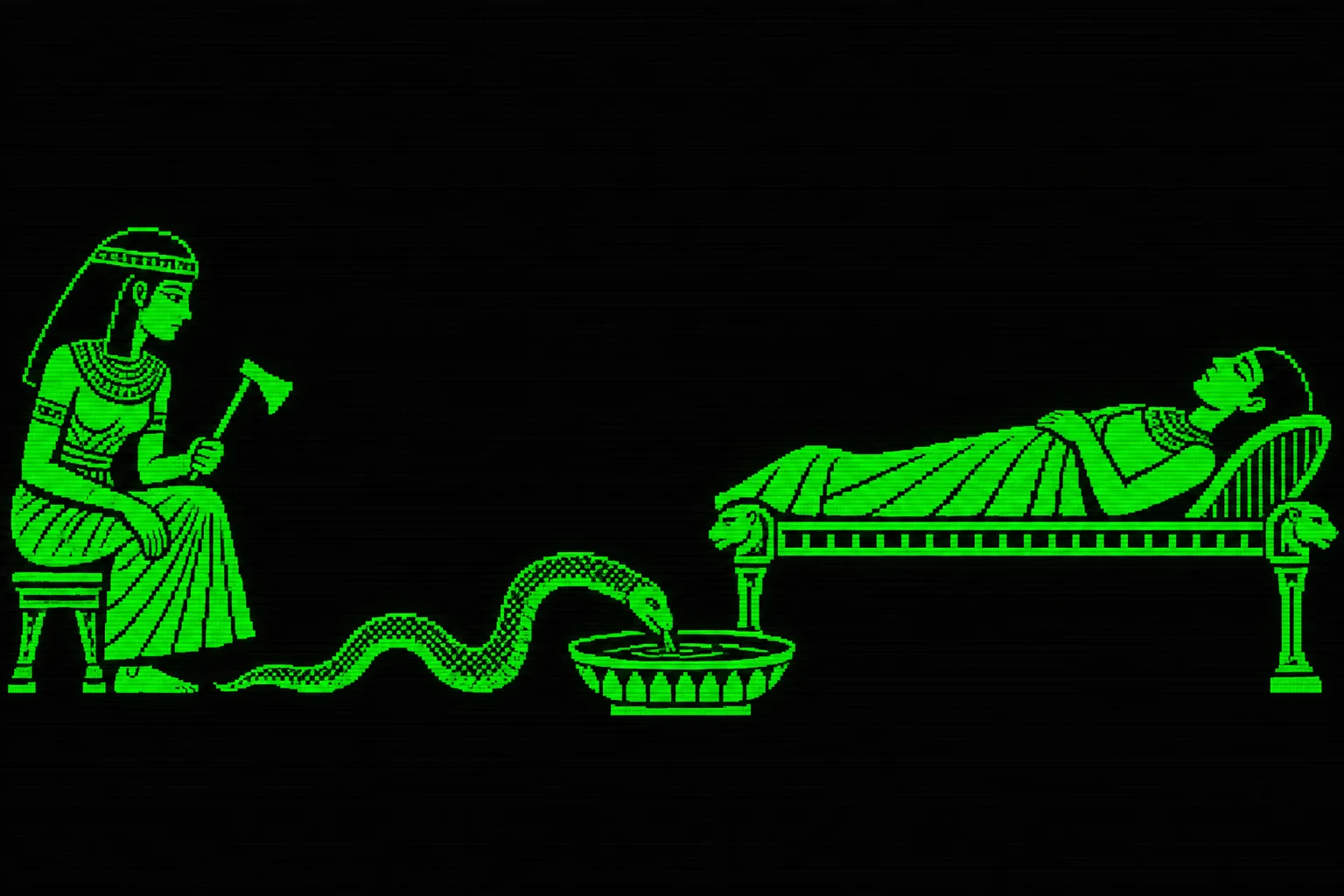
Look, I have been given over to fate!”
- 31
𓇋𓅓𓅓𓂝 𓀀 𓁹𓇋𓇋 𓀀 𓈖 𓄂𓏏𓏭𓄣 𓀀 𓇋𓀁𓁹𓂋𓏏𓏲 𓅯𓄿 𓊹𓅆 𓁹𓂋𓏏 𓅯𓄿 𓈖𓏏𓏭 𓅓 𓄣𓏤 𓆑
jmm [ḫꜣꜥ.tw] =j jry =j n ḥꜣ,tj =j j:jri̯.tw pꜣ nṯr jri̯.t pꜣ n,tj m jb =f
“Let me go free to do as my heart bids me, until the god does what is in his heart.”
Note · Line 31
The prince is speaking to his father, who has kept him in a house in the desert because it was foretold that a crocodile, a snake or a dog would kill him. - 32
𓃹𓈖𓇋𓈖 𓏏𓏲 𓁷𓏤 𓆑 𓈍𓂝𓏲𓆱𓏥 𓎟𓏏 𓏌𓏤
wn.jn =tw ḥr ⸢nḥb.t⸣ [n] =f [wꜥ-n] ⸢wr~jrʾ~y,t⸣ ⸢ꜥpr.tj⸣ [m] ḫꜥ,w.pl nb{.t}(.pl) n.w rʾ-ꜥ[-ḫt]
Then they hitched up a chariot for him, fitted out with every weapon of war.
- 33
𓇋𓏲 𓆑 𓂋 𓌞𓋴𓏲𓂻
jw =[tw] [ḥr] [ḏi̯.t] [wꜥ-n] [⸮sḏm,w?] [m-]sꜣ =f r šms,w
They sent a servant along behind him as his attendant.
- 34
𓇋𓏲 𓏏𓏲 𓁷𓏤 𓍑𓄿𓇋𓇋𓏏𓊛𓏏𓏲 𓆑 𓂋 𓅯𓄿 𓂋𓂧𓌗𓏏𓈇𓏤 𓋁𓃀𓏏𓈇𓏤
jw =tw ḥr ḏꜣy.t.ṱ =f r pꜣ r(w)d{,t} jꜣb{.t}
They ferried him across to the east bank.
- 35
𓇋𓏲 𓏏𓏲 𓁷𓏤 𓆓𓂧 𓈖 𓆑 𓇋𓐍𓏛 𓈝𓅓𓏏𓂻 𓎢 … 𓈖 𓎢 𓆑 𓍿𓊃𓅓𓏲𓄛𓏤 𓎛𓈖𓂝 𓆑
jw =tw ḥr ḏd n =f jḫ šmi̯{.t} =k [...] n ꜣb,w =k [jw] ⸢pꜣy⸣ =f ṯsm,w ḥnꜥ =f
They told him, “Go … as you please.” His hound was with him.
- 36
𓇋𓏲 𓆑 𓁷𓏤 𓐍𓂧𓊛 𓅓𓐠𓏤 𓄣𓏤 𓆑 𓁷𓏤 𓈉𓏏𓏤 𓇋𓏲 𓋹𓈖𓐍 𓆑 𓅓 𓁶𓏤𓈖𓇋𓄿𓏲𓏏𓊑𓄛𓏫 𓎟 𓈖 𓈉𓏏𓏤
jw =f ḥr ḫdi̯ m-sꜣ jb =f ḥr ḫꜣs,t jw ꜥnḫ =[[f]] m tp-n-jꜣw,t nb n ḫꜣs,t
He followed his heart north into foreign country, living on all kinds of animals of the hill country.
- 37
𓄭𓂋𓂻𓂋 𓊪𓏲 𓆑 𓂋 𓅯𓄿 𓀗𓀀 𓈖 𓈖𓄿𓉔𓄿𓂋𓈖𓀁𓈖𓄿𓌙𓈉
spr{r} pw [jri̯.n] =f r pꜣ wr n Nꜣ~hꜣ~rn~nꜣ
So he came to the prince of Naharina.
Note · Line 37
Naharina was the Egyptian name for the kingdom of Mitanni in northern Mesopotamia. - 38
𓇋𓋴𓏲𓏏 𓃀𓏲𓊪𓏲𓇋𓇋𓏛 𓏏𓏫 𓄟𓋴𓇋𓇋𓏯 𓈖 𓅯𓄿 𓀗𓀀 𓈖 𓁷𓂋𓏲𓈐𓂻 𓈙𓂋𓇋𓅪𓁐
jstw bw-pwy =⸮tw? msy n pꜣ wr n Nꜣ~hꜣ~rn~n[ꜣ] ḥr,w wꜥ-n šrj(,t) s[,t]-ḥm,t
Now only one child had been born to the prince of Naharina: a daughter.
- 39
𓇋𓋴𓏲𓏏 𓀨𓀜 𓈖 𓊃 𓌡𓂝𓏤𓀀𓈖 𓉐𓏤 𓇋𓏲 𓅯𓄿𓇋𓇋 𓆑 𓋴𓄞𓂧𓍼𓉐 𓍯𓄿𓇋𓇋𓈐𓂻 𓎆𓎆𓎆𓎆𓎆𓎆𓎆 𓈖𓂝 𓎔𓂝𓏤 𓂋 𓅯𓄿 𓃛𓏲𓏏𓈖𓈇𓏥
jstw qd n =s wꜥ-n pr jw pꜣy =f sšd wꜣy 70 n{ꜥ} mḥ r pꜣ jwtn
A house had been built for her, with its window seventy cubits above the ground.
Note · Line 39
Seventy royal cubits stood about 120 feet (37 metres) high. - 40
𓇋𓏲 𓆑 𓁷𓏤 𓂞𓏏 𓏎𓈖𓏏𓏲 𓈙𓂋𓇋𓅪𓀀𓏫 𓎟𓏏 𓈖 𓀗𓏲𓀀𓏥 𓎟 𓈖 𓅯𓄿 𓇾𓏤𓈇 𓈖 𓆼𓄿𓃭𓏤𓌙𓈉
jw =f ḥr ḏi̯.t jni̯.tw šrj.pl nb{.tt}(.pl) n wr.w.pl nb(.pl) n pꜣ tꜣ n Ḫꜣ~rw
He had every son of every prince in the land of Syria brought to him.
- 41
𓇋𓏲 𓆑 𓁷𓏤 𓆓𓂧 𓈖
jw =f ḥr ḏd n =s[n]
He said to them,
- 42
𓇋𓂋 𓅯𓄿 𓈖𓏏𓏭 𓇋𓏲 𓆑 𓂋 𓄖𓂻 𓅯𓄿 𓋴𓄞𓂧𓍼𓉐 𓈖 𓏏𓄿𓇋𓇋 𓀀 𓈙𓂋𓇋𓅪𓏏𓁐 𓇋𓏲 𓋴 𓈖 𓆑 𓂋 𓈞𓏏𓁐
jr pꜣ n,tj jw =f r pḥ pꜣ sšd n tꜣy =j šrj,t jw =s n =f r ḥm,t
“Whoever reaches my daughter’s window shall have her for his wife.”
- 43
𓐍𓂋𓇋𓂋𓅓𓆱𓐍𓏏 𓉔𓂋𓏲𓇳𓏤𓏫 𓈎𓈖𓏌𓏲𓏴𓏛𓏫 𓏴𓂻 𓇑𓇑𓈖𓈖 𓇋𓏲 𓋴𓈖𓏥 𓅓 𓅯𓄿 𓋴𓈖𓏥 𓋴𓐍𓂋𓏲𓏛𓏥 𓏏𓈖𓏌𓏲𓌙𓅯𓏛 𓉔𓂋𓏲𓇳𓏤𓏫 𓊃𓈖𓈖𓏕𓏭𓂻 𓊪𓏲 𓁹𓈖 𓅯𓄿 𓄡𓂋𓂧𓏲𓀔𓅆 𓁷𓏤𓏫 𓋴𓈖𓏥
ḫr-jr-m-ḫt hrw.pl qn,w swꜣ 〈ḥr〉 nn jw =sn m pꜣ〈y〉 =sn sḫr,w{.pl} tnw hrw{.pl} snnj pw jri̯.n pꜣ ẖrd,w ḥr{.pl} =sn
Many days passed after that. They kept at it day after day, and the boy came past them.
- 44
𓃹𓈖𓇋𓈖 𓋴𓈖𓏥 𓁷𓏤 𓎁𓏏𓏏𓀜 𓅯𓄿 𓄡𓂋𓂧𓀔𓅆 𓂋 𓅯𓄿𓇋𓇋 𓋴𓈖𓏥 𓉐𓏤
wn.jn =sn ḥr jṯi̯ pꜣ ẖrd r pꜣy =sn pr
They took the boy home with them.
- 45
𓇋𓏲 𓋴𓈖𓏥 𓁷𓏤 𓃂𓈗 𓆑
jw =sn ḥr wꜥb =f
They bathed him.
- 46
𓇋𓏲 𓋴𓈖𓏥 𓁷𓏤 𓂞𓏏 𓏶𓅓𓏲𓌾𓏥 𓈖 𓅯𓄿𓇋𓇋 𓆑 𓎛𓏏𓂋𓇋𓆵𓄛𓏫
jw =sn ḥr ḏi̯.t wnm,w n pꜣy =f ḥtrj
They fed his team of horses.
- 47
𓇋𓏲 𓋴𓈖𓏥 𓁷𓏤 𓁹𓂋𓏏 𓐍𓏏𓏛𓏥 𓎟 𓈖 𓅯𓄿 𓄡𓂋𓂧𓏲𓀔𓅆
jw =sn ḥr jri̯.t (j)ḫ,t nb(.t) n pꜣ ẖrd,w
They did everything for the boy.
- 48
𓇋𓏲 𓋴𓈖𓏥 𓁷𓏤 𓋴𓎼𓈖𓏋𓏫 𓆑
jw =sn ḥr sgn(n){.pl} =f
They anointed him.
- 49
𓇋𓏲 𓋴𓈖𓏥 𓁷𓏤 𓐎𓏏𓏲𓏛𓀜 𓂋𓂧𓂾𓂾𓄹 𓆑
jw =sn ḥr wt rd.du =f
They bound up both his feet.
- 50
𓇋𓏲 𓋴𓈖𓏥 𓁷𓏤 𓂞𓏏 𓅧𓈎𓏲𓏒𓏥 𓈖 𓅯𓄿𓇋𓇋 𓆑 𓌞𓋴𓏲𓂻
jw =sn ḥr ḏi̯.t ꜥq,w n pꜣy =f šms,w
They gave his attendant bread.
- 51
𓇋𓏲 𓋴𓈖𓏥 𓁷𓏤 𓆓𓂧 𓈖 𓆑 𓅓 𓋴𓐍𓂋𓏲𓏛𓏥 𓈖 𓋴𓆓𓂧𓀁𓏫
jw =sn ḥr ḏd n =f m sḫr,w n sḏd
As they talked, they asked him,
- 52
𓇍𓇋𓇋𓂻 𓎢 𓏏𓈖𓏌𓏲𓌙𓅯𓏛𓏫 𓅯𓄿 𓈙𓂋𓇋𓏲𓅪𓀀 𓄤𓆑𓂋
jy =k tnw pꜣ šrj,w nfr
“Where do you come from, handsome young man?”
- 53
𓇋𓏲 𓆑 𓁷𓏤 𓆓𓂧 𓈖
jw =f ḥr ḏd n =s[n]
He said to them,
- 54
𓏌𓎢𓀀 𓈙𓂋𓇋𓅪𓀀 𓈖 𓌡𓂝𓏤𓀀𓈖 𓈖 𓅯𓄿 𓇾𓏤𓈇 𓈖 𓆎𓅓𓏏𓏏𓊖
jnk šrj n wꜥ-n sn[n]j n pꜣ tꜣ n Km,t{t}
“I am the son of a chariot warrior from the land of Egypt.
Note · Line 54
The prince keeps his royal birth to himself. - 55
𓇋𓏲 𓏏𓄿𓇋𓇋 𓀀 𓅐𓏏𓏏𓁐 𓁷𓏤 𓅓𓏏𓏱
jw tꜣy =j ⸢mw,t{t}⸣ ḥr mt
My mother died.
- 56
𓇋𓏲 𓅯𓄿𓇋𓇋 𓀀 𓇋𓏏𓆑𓀀 𓁷𓏤 𓁹𓂋𓏏 𓈖 𓆑 𓎢𓏏 𓈞𓏏𓁐 𓇍𓇋𓇋𓏏𓂻𓄟𓋴𓇋𓇋𓏯𓏥
jw pꜣy =j jt ḥr jri̯.t n =f k.t ḥm,t jy,t-msy.pl
My father took another wife, my stepmother.
- 57
𓇋𓏲 𓋴 𓆣𓂋𓏲 𓁷𓏤 𓄟𓋴𓂧𓂧𓅪 𓀀
jw =s〈t〉 〈ḥr〉 ḫpr ḥr msdd =j
She came to hate me.
- 58
𓇋𓏲 𓁷𓏤 𓇍𓇋𓇋𓏏𓂻 𓈖 𓀀 𓅓 𓏲𓂝𓂋𓂾𓂻 𓂋𓄂𓏏𓏤 𓋴𓏏
jw =[j] ḥr jy.t n =j m wꜥr r-ḥꜣ,t =st
So I fled from her and came here.”
- 59
𓇋𓏲 𓋴𓈖𓏥 𓁷𓏤 𓈎𓈖𓇋𓏲𓂘𓂡 𓆑
jw =sn ḥr qnjw =f
They embraced him.
- 60
𓇋𓏲 𓋴𓈖𓏥 𓁷𓏤 𓊃𓈖𓈖𓏭𓂉𓄹 𓆑 𓁷𓏤
jw =sn ḥr snnj =f ḥr ḥ[ꜥ{,t}] =[f] [nb{.t}]
They kissed him all over his body.
- 61
𓇑𓇑𓈖𓈖 𓇋𓏲 𓆑 𓁷𓏤 𓆓𓂧 𓈖 𓈖𓄿𓈖 𓄡𓂋𓂧𓏲𓀔𓀀𓁐𓏥
[ḫr-jr-m-ḫt] [hrw.pl] [qn,w] [swꜣ] [ḥr] nn jw =f ḥr ḏd n nꜣ-n ẖrd,w.pl
When many days had passed after this, he said to the boys,
- 62
𓇋𓐍𓏛 𓅯𓄿𓏭
jḫ pꜣj jri̯ =t[n] [⸮šrj.pl?]
“What is it you’re doing, lads?”
- 63
[jw] =[sn] [ḥr] [ḏd] [n] =[f]
They said to him,
- 64
𓈖 𓇳𓏤𓏫 𓂋 𓈖𓄿𓏫 𓇋𓏲 𓈖𓈖𓏥 𓂧𓏭𓈐 𓁷𓏤 𓁹𓂋𓏏
[jstw] [jr] [⸮3?] [ꜣbd].pl n hrw.pl r nꜣw jw =nn dj ḥr jri̯.t nw [ḥr] [pwy.t]
“We’ve been here three months to the day, spending our time leaping up.
- 65
𓆑 𓂋 𓋴𓄞𓂧𓍼𓉐 𓈖 𓏏𓄿 𓈖 𓅯𓄿 𓀗𓁐 𓈖 𓂞𓏏𓏲 𓋴𓏏 𓈖 𓆑 𓂋
[⸮ḫr?] [pꜣ] [n,tj] [j]w =f r pḥ [pꜣ] sšd n tꜣ šr[j,t] n pꜣ wr n Nꜣ~hꜣ~rn~[nꜣ] [jw] =[f] [r] ḏi̯.ṱ =st n =f r [ḥm,t]
The ruler of Naharina will give his daughter in marriage to whoever reaches her window.”
Note · Line 65
The ruler has lodged his daughter high above the ground to put her suitors to the test. - 66
𓆓𓂧 𓈖 𓋴𓈖𓏥
[jw] =[f] [ḥr] ḏd n =sn
He said to them,
- 67
𓇉𓄿𓈖𓏥𓂋𓏤𓀁 𓏏𓏲𓀀 𓁷𓏤 𓂋𓂧𓂾𓂾𓄹 𓀀 𓇋𓏲 𓀀 𓈝𓅓𓏏𓂻 𓂋 𓊪𓏲𓇋𓇋𓏏𓏯𓏫 𓅓𓂞 𓏏𓈖𓏥
ḥꜣ~n~rʾ [bn] tw≡j ḥr 〈šni̯.t〉 rd.du =j jw =j 〈r〉 šmi̯.t r pwy.t m-ḏi̯ =tn
“If only my two feet didn’t hurt! I’d go and leap with you.”
- 68
𓇋𓏲 𓋴𓈖𓏥 𓁷𓏤 𓈝𓅓𓏏𓂻 𓂋 𓊪𓏲𓇋𓇋𓏏𓏭𓏫 𓏇𓇋 𓅯𓄿𓇋𓇋 𓋴𓈖𓏥 𓋴𓐍𓂋𓏲𓏛𓏥 𓏏𓈖𓏌𓏲𓌙𓅯𓏛 𓉔𓂋𓏲𓇳𓏤
jw =sn ḥr šmi̯.t r pwy.t mj pꜣy =sn sḫr,w tnw hrw
They went to leap, as they did every day.
- 69
𓇋𓏲 𓅯𓄿 𓄡𓂋𓂧𓏲𓀔𓅆 𓁷𓏤 𓊢𓂝𓂻 𓍯𓄿𓏲𓏲𓈐𓂻 𓁷𓏤 𓈖𓍇𓏌𓏲𓁻
jw pꜣ ẖrd,w ḥr ꜥḥꜥ wꜣw.w ḥr nw
The prince stood some way off and watched.
- 70
𓇋𓏲 𓁷𓏤 𓀀 𓈖 𓏏𓄿 𓈙𓂋𓇋𓅪𓏏𓁐 𓈖 𓅯𓄿 𓀗𓀀 𓈖 𓈖𓄿𓉔𓄿𓂋𓈖𓀁𓈖𓄿𓌙𓈉 𓁷𓏤𓂋 𓆑
jw ḥr ={j} n tꜣ šrj,t n pꜣ wr n Nꜣ~hꜣ~rn~nꜣ ḥr-r =f
The daughter of the ruler of Naharina had her face turned toward him.
- 71
𓐍𓂋𓇋𓂋𓅓𓆱𓐍𓏏𓂻 𓏴𓂻𓏫 𓁷𓏤 𓇑𓇑𓈖𓈖 𓃹𓈖𓇋𓈖 𓅯𓄿 𓄡𓂋𓂧𓏲𓀔𓅆 𓁷𓏤 𓇍𓇋𓇋𓏏𓂻 𓂋 𓊪𓏲𓇋𓇋𓏏𓏯 𓎛𓈖𓂝 𓈖𓄿𓈖 𓄡𓂧𓏲𓀔𓀀𓁐𓏥 𓈖𓄿𓈖 𓀗𓏲𓀀𓏥
ḫr-jr-m-ḫt 〈hrw.pl〉 〈qn,w〉 swꜣ{.pl} ḥr nn wn.jn pꜣ ẖrd,w ḥr jy.t r pwy.t ḥnꜥ nꜣ-n ẖ〈r〉d,w.pl 〈n〉 nꜣ-n wr.w.pl
When many days had passed after this, the prince came to leap with the rulers’ sons.
- 72
𓇋𓏲 𓆑 𓁷𓏤 𓊪𓏲𓇋𓇋𓏏𓏯𓏫
jw =f ḥr pwy.t
He leapt.
- 73
𓇋𓏲 𓆑 𓁷𓏤 𓄖𓂻 𓅯𓄿 𓋴𓄞𓂧𓍼𓉐 𓈖 𓏏𓄿 𓈙𓂋𓇋𓅪𓁐 𓈖 𓅯𓄿 𓀗𓀀 𓈖 𓈖𓄿𓉔𓄿𓂋𓈖𓀁𓈖𓄿𓌙𓈉
jw =f ḥr pḥ pꜣ sšd n tꜣ šrj(,t) n pꜣ wr n Nꜣ~hꜣ~rn~nꜣ
He reached the window of the daughter of the ruler of Naharina.
- 74
𓇋𓏲 𓋴𓏏 𓁷𓏤 𓊃𓈖𓈖𓏭𓂉𓄹 𓆑
jw =st ḥr snnj =f
She kissed him.
- 75
𓇋𓏲 𓋴𓏏 𓁷𓏤 𓈎𓈖𓇋𓏲𓂘𓂡 𓆑 𓁷𓏤 𓎛𓂝𓏏𓄹𓏫 𓆑 𓎟𓏏
jw =st ḥr qnjw =f ḥr ḥꜥ{,t} =f nb{.t}
She took his whole body in her arms.
- 76
𓃹𓈖𓇋𓈖 𓏏𓏲 𓆑 𓁷𓏤 𓈝𓅓𓏏𓂻 𓂋 𓋴𓇛𓅓𓏛 𓄣𓏤 𓈖 𓅯𓄿𓇋𓇋 𓋴𓏏 𓇋𓏏𓆑𓀀
wn.jn =tw ={f} ḥr šmi̯.t r snḏm jb n pꜣy =st jt
Then they went to gladden her father’s heart.
- 77
𓇋𓏲 𓏏𓏲 𓁷𓏤 𓆓𓂧 𓈖 𓆑
jw =tw ḥr ḏd n =f
They said to him,
- 78
𓄖𓂻 𓌡𓂝𓏤𓀀𓈖 𓂋𓎀𓀀𓁐𓏥 𓅯𓄿 𓋴𓄞𓂧𓍼𓉐 𓈖 𓏏𓄿𓇋𓇋 𓎢 𓈙𓂋𓇋𓅪𓁐
pḥ wꜥ-n r(m)ṯ{.pl} pꜣ sšd n tꜣy =k šrj(,t)
“A man has reached your daughter’s window.”
- 79
𓃹𓈖𓇋𓈖 𓅯𓄿 𓀗𓀀 𓁷𓏤 𓆑 𓅓𓆓𓂧
wn.jn pꜣ wr ḥr nḏnḏ ={f} m-ḏd
The ruler asked,
- 80
𓈙𓂋𓇋𓅪𓀀 𓈖𓏭𓅓𓂝𓏲𓀁 𓅓 𓈖𓄿𓈖 𓀗𓏲𓀀𓏥
šrj (n) nj~mꜥ~w m nꜣ-n wr.w.pl
“Which ruler’s son is he?”
- 81
𓏏𓏲 𓁷𓏤 𓆓𓂧 𓈖 𓆑
j[w] =tw ḥr ḏd n =f
They told him,
- 82
𓈙𓂋𓇋𓅪𓀀 𓈖 𓌡𓂝𓏤𓀀𓈖 𓊃𓈖𓈖𓏭𓏕𓀀 𓇍𓇋𓇋𓂻 𓆑 𓅓 𓏲𓂝𓂋𓂾𓂻𓏥 𓅓 𓅯𓄿 𓇾𓏤𓈇 𓈖 𓆎𓅓𓏏𓊖 𓆑 𓅐𓏏𓁐 𓇍𓇋𓇋𓏏𓂻𓄟𓋴𓇋𓇋𓏯𓏥
šrj n wꜥ-n snnj jy =f m wꜥr{.pl} m pꜣ tꜣ n K[m],t r-[ḥꜣ,t] [tꜣy] =[f] [mw],t jy,t-msy.pl
“A charioteer’s son. He came here from the land of Egypt, fleeing his mother—his stepmother.”
Note · Line 82
This is the story the prince told the other suitors. They do not know he is the Egyptian king’s son. - 83
𓃹𓈖𓇋𓈖 𓅯𓄿 𓀗𓀀 𓈖 𓈖𓄿𓉔𓄿𓂋𓈖𓀁𓈖𓄿𓌙𓈉 𓁷𓏤 𓈎𓈖𓂧𓏏𓏯𓀜 𓂋𓉻𓏏𓏛𓅨𓂋𓏏𓏛
wn.jn pꜣ wr n Nꜣ~hꜣ~rn~nꜣ ḥr qnd.t r-ꜥꜣ,t-wr,t
At that the ruler of Naharina flew into a rage.
- 84
𓃹𓈖𓇋𓈖 𓆑 𓁷𓏤 𓆓𓂧
wn.jn =f ḥr ḏd
He said,
- 85
𓇋𓀁𓂞 𓀀 𓏏𓄿𓇋𓇋 𓀀 𓈙𓂋𓇋𓅪𓏏𓁐 𓈖 𓅯𓄿 𓏲𓂝𓂋𓂾𓂻 𓈖 𓆎𓅓𓏏𓊖
jn-j[w] j:ḏi̯ =j tꜣy =j šrj,t n pꜣ wꜥr n Km{{t}},t
“Am I to give my daughter to this fugitive from Egypt?
- 86
𓇋𓅓𓅓𓂝 𓈝𓅓𓏏𓂻 𓆑 𓈖 𓆑 𓂝𓈖𓂽
jmm šmi̯{.t} =f n =f ꜥn
Send him on his way again!”
- 87
𓇋𓏲 𓏏𓏲 𓁷𓏤 𓇍𓇋𓇋𓏏𓂻 𓂋 𓆓𓂧
jw =tw ḥr jy.t r ḏd [n] =[f]
They came to tell him,
- 88
𓈝𓅓𓂻 𓂋 𓅯𓄿 𓈖𓏏𓏭 𓂻𓏲𓂻𓈖 𓎢 𓇋𓅓 𓀀
jḫ šmi̯ =k r pꜣ n,tj jwi̯.n =k jm ={j}
“Please go back where you came from.”
- 89
𓇋𓏲 𓏏𓄿 𓈙𓂋𓇋𓏲𓅪𓏏𓁐 𓁷𓏤 𓏏𓏲 𓇋𓅓 𓆑
jw tꜣ šrj,t ḥr 〈mḥ〉((.ṱ)) jm =f
But the girl held him fast.
- 90
𓇋𓏲 𓋴 𓁷𓏤 𓂝𓂋𓈎𓍼𓏥𓀁 𓊹𓅆 𓅓𓆓𓂧
jw =s ḥr ꜥrq nṯr m-ḏd
She swore by the god, saying:
- 91
𓅯𓄿𓂋𓂝𓇳𓅆𓅃𓅆𓈌𓏏𓏭𓉐𓉐𓅆𓅆 𓅓𓏏𓏲 𓏏𓏲 𓈖𓈞𓅓𓀜 𓆑 𓅓𓂞 𓀀 𓂜𓈖 𓇋𓏲 𓀀 𓂋 𓏶𓅓𓏲𓀁 𓂜𓈖 𓇋𓏲 𓀀 𓂋 𓋴𓅨𓂋𓇋𓈗𓀁 𓇋𓏲 𓁐 𓂋 𓅓𓏏𓏱 𓏏𓄿
wꜣḥ[{.pl}] Pꜣ-[Rꜥ]-Ḥr,w-[ꜣḥ],tj.du mtw =tw nḥm =f m-ḏi̯ =j nn jw =j r wnm nn jw =j r swrj jw =j r mt [m] tꜣ [wnw,t]
“As surely as Ra-Horakhty endures, if they take him from me, I will not eat, I will not drink. I will die that very hour!”
Note · Line 91
The ruler’s daughter is speaking. The young man has won her hand by reaching her high window. She swears by the sun god Ra-Horakhty, “Ra, Horus of the Two Horizons.” - 92
𓃹𓈖𓇋𓈖 𓅯𓄿 𓄋𓊪𓏲𓏏𓏴𓂾𓂻 𓁷𓏤 𓈝𓅓𓏏𓂻 𓁷𓏤 𓋴𓏇𓇋𓀁𓏫 𓎟𓏏 𓇋𓀁𓆓𓂧 𓋴𓏏 𓈖 𓅯𓄿𓇋𓇋 𓋴𓏏 𓇋𓏏𓆑𓀀
wn.jn pꜣ wpw,t(j) ḥr šmi̯.t ḥr smj 〈md,t〉.pl nb.t j:ḏd =st n pꜣy =st jt
The messenger went and reported to her father every word she had spoken.
- 93
𓇋𓏲 𓁷𓏤 𓂞𓏏 𓈝𓅓𓏏𓂻 𓂋𓎀𓀀𓁐𓏥 𓂋 𓋴𓌳𓄿𓅓𓏲𓌫𓂡 𓆑
jw pꜣ[y] =[st] 〈jt〉 ḥr ḏi̯.t šmi̯{.t} r(m)ṯ.pl r smꜣm =f
Her father sent men to kill him.
- 94
𓇓𓏲 𓅓 𓊨𓏏𓉐 𓆑
sw m s,t =f
The young man was still in his place.
- 95
𓇋𓏲 𓏏𓄿 𓈙𓂋𓇋𓅪𓏏𓁐 𓁷𓏤 𓆓𓂧 𓈖
jw tꜣ šrj,t ḥr ḏd n =〈sn〉
The daughter said to them,
- 96
𓎝𓎛𓏛𓏥 𓅯𓄿𓇳𓅆 𓅓𓏏𓏹𓏹𓏹 𓆑 𓊵𓏏𓊪𓏲𓏛 𓅯𓄿 𓆄𓏲𓇳𓅆 𓇋𓏲 𓀀 𓅓𓏏𓏱𓎢
wꜣḥ{.pl} Pꜣ-Rꜥ mt(w) =(tw) ⸢smꜣm⸣ =f ḥtp pꜣ šw jw =j mt.k(wj)
“As surely as Ra endures, if you kill him, I will be dead by sundown.
- 97
𓁹𓇋𓇋 𓁐 𓃹𓈖𓏌𓏏𓇼𓇳𓏤 𓋹𓈖𓐍𓎢𓏲𓀀 𓅓𓇉𓄿𓏲𓏛𓏥𓁷𓏤𓂋 𓆑
[nn] jry =j wnw,t ꜥnḫ.kwj m-ḥꜣ,w-ḥr-r =f
I will not outlive him by an hour.”
- 98
𓆑 𓈖 𓋴 𓇋𓏏𓆑𓀀
wn.j[n] =[tw] [ḥr] [šmi̯.t] [r] [ḏd].ṱ =f n pꜣy =s jt
They went to tell her father.
- 99
𓃹𓈖𓇋𓈖 𓅯𓄿 𓆑 𓆑 𓈙𓂋𓅪𓏏𓁐
wn.[j]n pꜣ[y] =[st] [jt] [ḥr] [ḏi̯.t] [jni̯].tw [pꜣ] [šrj] [m-bꜣḥ] =f ḥ[nꜥ] [tꜣy] =f ⸢šrj,t⸣
Then her father had the young man brought before him along with his daughter.
- 100
𓃹𓈖𓇋𓈖 𓆑
wn.jn [pꜣ] [šrj] [⸮ḥr?] [⸮jy.t?] [⸮m-bꜣḥ?] =f
The young man came before him,
- 101
𓆑 𓁷𓏤 𓅓 𓅯𓄿 𓀗𓀀
j[w] [tꜣ]y =f šf,yt ḥr ⸢ꜥq⸣ m pꜣ wr
and his bearing filled the ruler with awe.
- 102
𓇋𓏲 𓆑 𓁷𓏤 𓈎𓈖𓇋𓏲𓂘𓂡 𓆑
jw =f ḥr qnjw =f
The ruler embraced him
- 103
𓇋𓏲 𓆑 𓁷𓏤 𓊃𓈖𓈖𓏭𓂉𓄹 𓆑 𓁷𓏤 𓎛𓂝𓏏𓄹𓏫 𓆑 𓎟𓏏
jw =f ḥr snnj =f ḥr ḥꜥ{,t} =f nb{.t}
and kissed him all over his body.
- 104
𓇋𓏲 𓆑 𓁷𓏤 𓆓𓂧 𓈖 𓆑
jw =f ḥr ḏd n =f
He said to him,
- 105
𓇋𓀁𓆓𓂧 𓈖 𓀀 𓈎𓄿𓇋𓀾𓏛 𓎢
⸢j:ḏd⸣ ⸢n⸣ =⸢j⸣ qꜣj =k
“Tell me about yourself.
- 106
𓊪𓏏𓂋𓇋𓆵𓁻 𓏏𓏲𓎢 𓅓𓂞 𓀀 𓅓
ptrj tw≡k m-ḏi̯ =j m 〈šrj〉
Look, you are like a son to me.”
- 107
𓇋𓏲 𓆑 𓁷𓏤 𓆓𓂧 𓈖 𓆑
jw =f ḥr ḏd n =f
The young man answered him,
- 108
𓏌𓎢𓀀 𓌡𓂝𓏤𓀀𓈖 𓈖 𓅯𓄿 𓇾𓏤𓈇 𓈖 𓆎𓅓𓏏𓊖
jnk 〈šrj〉 〈n〉 wꜥ-n snnj n pꜣ tꜣ n Km,t
“I am the son of a charioteer from the land of Egypt.
Note · Line 108
The young man is in fact the Egyptian king’s son. - 109
𓇋𓏲 𓏏𓄿𓇋𓇋 𓀀 𓅐𓏏𓏏𓁐 𓁷𓏤 𓅓𓏏𓏱
jw tꜣy =j mw{t},t ḥr mt
My mother died,
- 110
𓇋𓏲 𓅯𓄿𓇋𓇋 𓀀 𓇋𓏏𓆑𓀀 𓁷𓏤 𓁹𓂋𓏏 𓈖 𓆑 𓎡𓏏
jw pꜣy =j jt ḥr jri̯.t n =f k.t ḥm,t
and my father took another wife.
- 111
𓇋𓏲 𓋴𓏏 𓁷𓏤 𓆣𓂋𓏲 𓁷𓏤 𓄟𓋴𓂧𓏏𓇋𓇋𓅪 𓀀
jw =st ḥr ḫpr ḥr msd{t}y =j
She came to hate me,
- 112
𓇋𓏲 𓀀 𓁷𓏤 𓇍𓇋𓇋𓏏𓂻 𓅓 𓏲𓂝𓂋𓂾𓂻 𓂋𓄂𓏏𓏤 𓋴𓏏
jw =j ḥr jy.t m wꜥr r-ḥꜣ,t =st
so I fled from her and came here.”
- 113
𓃹𓈖𓇋𓈖 𓆑 𓁷𓏤 𓂞𓏏 𓈖 𓆑 𓏏𓄿𓇋𓇋 𓆑 𓈙𓂋𓇋𓅪𓁐 𓂋 𓈞𓏏𓁐
wn.jn =f ḥr ḏi̯.t n =f tꜣy =f šrj(,t) r ḥm,t
Then the ruler gave him his daughter in marriage.
- 114
𓇋𓏲 𓆑 𓁷𓏤 𓂞𓏏 𓈖 𓆑 𓉐𓏤 𓎛𓈖𓂝 𓄿𓎛𓏏𓈇𓏫 𓅓𓏇𓏏𓏏𓏛 𓇋𓄿𓏲𓏏𓊑𓄛𓏫 𓐍𓏏𓏛𓏥 𓎟𓏏 𓄤𓆑𓂋
jw =f ḥr ḏi̯.t n =f ⸢pr⸣ ḥnꜥ ꜣḥ,t.pl m-mj,tt jꜣ,wt (j)ḫ,t nb.t nfr(.t)
He gave him a house and fields, flocks too, and every good thing.
- 115
𓐍𓂋𓇋𓂋𓅓𓆱𓐍𓏏𓂻 𓏴𓂻𓏫 𓁷𓏤 𓇑𓇑𓈖𓈖 𓃹𓈖𓇋𓈖 𓅯𓄿 𓈙𓂋𓇋𓅪𓁐𓏫 𓁷𓏤 𓆓𓂧 𓈖 𓏏𓄿𓇋𓇋 𓆑 𓈞𓏏𓁐
ḫr-jr-m-ḫt 〈hrw.pl〉 〈qn,w〉 swꜣ ḥr nn wn.jn pꜣ šrj[{.pl}] ḥr ḏd n tꜣy =f ḥm,t
When many days had passed since then, the young man said to his wife,
- 116
𓏏𓏲𓀀 𓎗𓏲𓏛𓎢𓏲𓀀 𓈖 𓆷𓄿𓇋𓇋𓏱𓏥 𓅯𓄿 𓅓𓋴𓎛𓏲𓆊 𓅯𓄿 𓎛𓆑𓄫𓏲𓆙 𓅯𓄿 𓃛𓏲𓄛𓏤
tw≡j wḏ.kwj n 3 šꜣ,y.pl pꜣ msḥ,w pꜣ ḥfꜣ,w pꜣ jw
“I have been given over to three fates: the crocodile, the snake, the dog.”
Note · Line 116
At his birth the Seven Hathors, the goddesses who pronounce a child’s fate, foretold that one of these animals would kill him. - 117
𓃹𓈖𓇋𓈖 𓊃 𓁷𓏤 𓆓𓂧 𓈖 𓆑
wn.jn =s ḥr ḏd n =f
She said to him,
- 118
𓇋𓅓𓅓𓂝 𓂞𓏏𓏲 𓏏D304𓃀𓏲𓌪𓂡 𓃛𓏲𓄛𓏤 𓈖𓏏𓏭 𓎢
jmm ḏi̯.tw ẖ{t}〈d〉b〈.tw〉 [pꜣ] jw n,tj m-sꜣ =k
“Give orders to have the dog that follows you killed.”
- 119
𓆑 𓁷𓏤 𓆓𓂧 𓈖 𓋴𓏏
j[w] =f ḥr ḏd n =s[t]
He said to her,
- 120
… 𓏲𓆼𓄿𓀁
[...] ⸢wḫꜣ⸣
“… fool.”
- 121
𓂜𓈖 𓇋𓏲 𓀀 𓂋 𓂞𓏏 𓂧D304𓏲𓌫𓂡 𓅯𓄿𓇋𓇋 𓀀 𓃛𓏲𓏏𓈖𓄛𓏤 𓇋𓀁𓁹𓂋 𓀀 𓋴𓆣𓂋 𓆑 𓇋𓏲 𓆑 𓅓 𓈙𓂋𓇋𓅪𓀀
nn jw =j r ḏi̯.t ẖdb〈.tw〉 pꜣy =j jw{tn} j:jri̯ =j sḫpr =f jw =f m šrj
“I will not have my dog killed. I raised him from a pup.”
Note · Line 121
At the prince’s birth, the seven Hathors foretold that he would die by a crocodile, a snake or a dog. His wife has just urged him to have the dog killed. - 122
𓇋𓏲 𓁷𓏤 𓆣𓂋𓏲 𓁷𓏤 𓅯𓄿𓇋𓇋 𓉔𓄿𓇋𓇋𓂺𓀀 𓂋𓇋𓈎𓂋𓏛 𓊗 𓇋𓏲 𓃀𓈖 𓇓𓏲 𓁷𓏤 𓂞𓏏 𓉐𓂋𓂻 𓆑 𓂋𓃀𓏲𓈖𓏥𓂋𓏤𓈐𓂻 𓌡𓂝𓏤𓅪
jw =s[t] ḥr ḫpr ḥr zꜣw pꜣy =s[t] hꜣy r-jqr zp-2 jw bn sw ḥr ḏi̯.t pri̯ =f r-bw~n~rʾ wꜥ
Then she began to keep a very close watch on her husband and would not let him go out alone.
- 123
𓇋𓋴𓏏𓏲 𓇋𓂋 𓆑 𓇋𓂋 𓅯𓄿 𓈖 𓅯𓄿 𓀔𓅆 𓅓 𓅯𓄿 𓇾𓏤𓈇 𓈖 𓆎𓅓𓏏𓊖 𓂋 𓆱𓐍𓏏𓅂𓂾𓂻 𓇋𓋴𓏏𓏲 𓅯𓄿 𓅓𓋴𓎛𓏲𓆊 𓅯𓄿𓇋𓇋 𓆑 …
jstw jr =f jr [pꜣ] [hr]w n [jy.t] [jri̯].n [pꜣ] [ẖrd] [m] pꜣ tꜣ n Km,t r ḫtjw jstw pꜣ msḥ,w pꜣy =f šꜣ[,y] [...] =f [j]m [...] _
Now on the day the prince set out from the land of Egypt on his travels, the crocodile that was his fate … him there …
- 124
𓇋𓏲 𓆑 𓁷𓏤 𓆣𓂋𓏲 𓅓𓂝𓈎𓄿𓇋𓇋𓂭𓂭𓏛 𓆑 𓅓 𓅯𓄿 𓂧𓏇𓇋𓏏𓈇𓏤𓊖 𓈖𓏏𓏭 𓅯𓄿 𓇋𓅓 𓆑
jw =f ḥr ḫpr m-ꜥqꜣy =f m pꜣ dmj{,t} n,tj pꜣ [šr]j jm =f [⸮m-ḏi̯.t?] [⸮tꜣy?] =[⸮f?] [⸮ḥm,t?] [⸮m-ḥr,j-jb?] [pꜣ] [yw~m]ꜥ
It came to be opposite him, in the middle of the lake in the town where the young man lived with his wife.
- 125
𓇋𓋴𓏏𓏲 𓌡𓂝𓏤𓀀𓈖 𓈖𓆱𓐍𓏏𓏲𓅆 𓇋𓅓 𓆑
jstw wꜥ-n nḫt jm =f
Now there was a Strong One in the lake.
- 126
𓃀𓏲 𓂞𓏏 𓅯𓄿 𓈖𓆱𓐍𓏏𓀜𓅆 𓉐𓂋𓇋𓇋𓂻 𓅓𓋴𓎛𓏲𓆊𓅆
bw ⸮ḏi̯.ṱ? pꜣ nḫt pry [pꜣ] msḥ,w [r-bw~]n~rʾ
The Strong One would not let the crocodile go out,
- 127
𓅯𓄿 𓅓𓋴𓎛𓏲𓆊 𓉐𓂋𓂻 𓅯𓄿 𓈖𓆱𓐍𓏏𓀜𓅆 𓂋 𓋴𓏲𓏏𓏲𓏏𓂾𓂻
[ḫr] [bw] [ḏi̯] pꜣ msḥ,w pri̯ pꜣ nḫt r swtwt
and the crocodile would not let the Strong One go out for a walk.
- 128
𓐍𓂋 𓃹𓈖𓈖 𓅯𓄿 𓆄𓏲𓇳𓅆 𓁷𓏤 … 𓊢𓂝𓂻 𓁷𓏤 𓊃𓀀 𓏏𓈖𓏌𓏲𓌙𓅯𓏛 𓉔𓂋𓏲𓇳𓏤 𓎟𓏏 𓅓 𓊢𓂝𓏲𓇳𓏤 𓈖 𓇹𓇼𓂧𓇳 𓈖 𓉔𓂋𓏲𓇳𓏤
ḫr wnn pꜣ šw ḥr wbn [jw] =[sn] [ḥr] -⸮(__)?- [...] [⸮tw?] ꜥḥꜥ ḥr [ꜥḥꜣ] [m] [pꜣ] zj 2 tnw hrw nb{.t} m ꜥḥꜥ,w n ꜣbd 3 n hrw
As soon as the sun rose, they would … The two would stand and fight each other, every single day for three full months.
- 129
𓐍𓂋𓇋𓂋𓅓𓆱𓐍𓏏𓂻 𓏴𓂻 𓁷𓏤 𓇑𓇑𓈖𓈖 𓃹𓈖𓇋𓈖 𓁷𓏤 𓈞𓊃𓀔 𓁷𓏤 𓁹𓂋𓏏 𓉔𓂋𓏲𓇳𓏤 𓄤𓆑𓂋 𓅓 𓅯𓄿𓇋𓇋 𓆑 𓉐𓏤
ḫr-jr-m-ḫt hrw[.pl] 〈qn,w〉 swꜣ ḥr nn wn.jn [pꜣ] 〈šrj〉 ḥr ḥmsi̯ ḥr jri̯.t hrw nfr m pꜣy =f pr
When many days had passed after this, the young man sat down to feast in his house.
- 130
𓐍𓂋𓇋𓂋𓅓𓆱𓐍𓏏 𓄤𓏤𓇋𓇋𓏏𓏛 𓊡𓏤 𓇰𓇳𓏤 𓃹𓈖𓇋𓈖 𓅯𓄿 𓋴𓇥𓂋𓁀 𓁷𓏤 𓅯𓄿𓇋𓇋 𓆑 𓎛𓍘𓇋𓂝𓆱
ḫr-jr-m-ḫt nfr,yt ṯꜣw grḥ wn.jn pꜣ šr[j,w] [ḥr] sḏr ḥr pꜣy =f ḥtj
When the night wind had died away, the young man lay down on his bed.
- 131
𓇋𓏲 𓏏𓄿 𓐪𓂧𓏌𓏲𓁻 𓁷𓏤 𓌂𓅓𓏲𓀜 𓅓 𓎛𓂝𓏏𓄹𓏫 𓆑
jw tꜣ qd,w(t) ḥr sḫm m ḥꜥ,t =f
Sleep took hold of his body.
- 132
𓃹𓈖𓇋𓈖 𓏏𓄿𓇋𓇋 𓆑 𓈞𓏏𓁐 𓁷𓏤 𓎔𓏛 𓌡𓂝𓏤𓀀𓈖 𓎡𓇋𓇋𓀀 𓎼𓄿𓇋𓇋𓏋 𓈖 𓎛𓈎𓏏𓏋𓏫
wn.jn tꜣy =f ḥm,t ḥr mḥ wꜥ-n [gꜣy] [n] [⸮jrp?] [⸮jw?] =[⸮s?] [⸮ḥr?] [⸮mḥ?] ky gꜣy n ḥ(n)q,t
Then his wife filled one bowl with wine and another with beer.
- 133
𓉐𓂋𓂻 𓊪𓏲 𓁹𓈖 𓏏𓊪𓎛𓏏𓉐 𓂋 𓊪𓊃𓎛𓄑𓀁 𓅯𓄿
pri̯ pw jri̯.n wꜥ-[n] [ḥfꜣ,w] [m] [tꜣy] =[f] tpḥ,t r psḥ pꜣ 〈šrj〉
Out of its hole came a snake to bite the young man.
- 134
𓇋𓋴𓏲𓏏 𓆑 𓈞𓊃𓀕𓍘𓇋 𓂋𓐞𓏤 𓆑
jstw tꜣy =f ḥm,t{.pl} ḥmsi̯.tj r-gs =f
His wife was sitting beside him,
- 135
𓂜𓈖 𓈖𓌰𓅓𓂝𓁀 𓋴𓏏
nn nmꜥ =[s]t
and she was not asleep.
- 136
𓊢𓂝𓈖 𓈖𓄿𓈖 … 𓈖 𓅯𓄿 𓎛𓆑𓄫𓏲𓆙
ꜥḥꜥ.n nꜣ-n [⸮gꜣy.pl?] [...] [ḫꜣ]ꜥ n pꜣ ḥfꜣ,w
Then the bowls … were set before the snake.
- 137
𓇋𓏲 𓆑 𓁷𓏤 𓋴𓅨𓂋𓇋𓈗𓀁
jw =f ḥr swrj
It drank.
- 138
𓇋𓏲 𓆑 𓁷𓏤 𓏏𓐍𓏲𓏋𓀜
jw =f ḥr tḫ
It grew drunk.
- 139
𓃹𓈖𓇋𓈖 𓆑 𓁷𓏤 𓋴𓇥𓂋𓁀 𓁷𓏤 𓊪𓈖𓂝𓏏𓊜𓏴𓂡
wn.jn =f ḥr sḏr ḥr pnꜥ.t
Then it rolled over and lay there.
- 140
𓆑 𓅓 𓆑𓂧𓈎𓄿𓏲𓌪𓂡𓏫 𓅓 𓅯𓄿𓇋𓇋 𓋴𓏏 𓈘𓈇𓃀𓏲𓈔
wn[.jn] [tꜣy] =[f] [ḥm,t] [ḥr] [ḏi̯.t] [jr]y.tw =f m fdq[.w].pl m pꜣy =st mjnb,w
Then his wife had it chopped to pieces with her axe.
- 141
𓃹𓈖𓇋𓈖 𓋴𓈖𓏥 𓁷𓏤 𓈖𓉔𓋴𓊨𓁻 𓅯𓄿𓇋𓇋 𓋴
wn.jn =sn ḥr nh[s] pꜣy =s hꜣy
They woke her husband.
Note · Line 141
The tale does not say who else was there to help her. - 142
… 𓇓𓏲
[...] sw
… him.
- 143
𓇋𓏲 𓋴𓏏 𓁷𓏤 𓆓𓂧 𓈖 𓆑
jw =st ḥr ḏd n =f
She said to him,
- 144
𓊪𓏏𓂋𓇋𓆵𓁻 𓂞𓏲 𓅯𓄿𓇋𓇋 𓎢 𓊹𓅆 𓌡𓂝𓏤𓀀 𓅓 𓈖𓄿𓇋𓇋𓏥 𓎢 𓆷𓄿𓇋𓇋𓏱𓏥 𓅓 𓂧𓏏𓏤 𓎢
ptrj ḏi̯ pꜣy =k nṯr wꜥ m nꜣy =k šꜣ,y.pl m ḏr,t =k
“Look! Your god has put one of your fates into your hand.
- 145
𓇋𓏲 𓆑 𓂋 …
jw =f r ⸢zꜣw⸣ =[k] [...]
He will guard you …”
- 146
𓏲𓂧𓈖𓏌𓏲𓍖𓏛 𓈖 𓁷𓏤 𓇼𓄿𓏲𓀢𓏛 𓆑 𓁷𓏤 𓋴𓈎𓄿𓀠𓏛 𓅢𓏤𓏛𓏥 𓆑 𓅓𓂝 𓌨𓂋𓏏𓏛𓉔𓂋𓏲𓇳𓏤 𓈖𓏏 𓇳𓏤𓎟𓅆
[⸮wn.jn?] =[⸮f?] [⸮ḥr?] wdn n Pꜣ[-Rꜥ] ḥr dwꜣ =f ḥr sqꜣi̯ bꜣ,w =f m{-ꜥ} ẖr,t-hrw n.t rꜥ-nb
Then he made an offering to Pre, praising him and extolling his power day after day.
Note · Line 146
Pre is the sun god, Ra. - 147
𓃹𓈖𓇋𓈖 𓅯𓄿 𓁷𓏤 𓉐𓂋𓂻 𓂋 𓋴𓏲𓏏𓏲𓏏𓂾𓂻𓏫 𓋴𓍑𓄿𓇋𓇋𓏏𓏛𓏫 𓅓 𓏏𓄿𓇋𓇋𓏫 𓆑 𓅓𓂝𓈖𓏥𓉻𓏛𓍘𓇋𓉐
ḫr-jr-m-[ḫt] [hrw.pl] [〈qn,w〉] [swꜣ{.pl}] [ḥr] [nn] wn.jn pꜣ šrj ḥr pri̯ r swtwt{.pl} [r] ⸮sḏꜣy{,t.pl}〈-ḥr〉? m tꜣy{.pl} =f mꜥ~n~ꜥꜣ,tj
When many days had passed after this, the young man went out for a walk to enjoy himself on his estate.
- 148
𓂜𓈖 …
nn pr[i̯] [...]
… did not go out.
- 149
𓇋𓋴𓏏𓏲 𓅯𓄿𓇋𓇋 𓆑 𓃛𓏲𓏏𓈖𓄛𓏤 𓅓𓐠𓏤 𓆑
jstw pꜣy =f jw{tn} m-sꜣ =f
Now his dog was at his heels.
- 150
𓃹𓈖𓇋𓈖 𓅯𓄿𓇋𓇋 𓆑 𓃛𓏲𓏏𓈖𓄛𓏤 𓁷𓏤 𓅷𓄿𓏏𓂷𓀜 𓁶𓊪𓏲𓂋𓏤 𓂋 …
wn.jn pꜣy =f jw{tn} ḥr ṯꜣi̯.t tp,w-rʾ r [...]
Then his dog began to speak …
- 151
𓆑 𓁷𓏤 𓋴𓐍𓋴𓐍𓂾𓂻 𓆑
[wn].jn =f ḥr sḫsḫ r-[ḥꜣ,t] =f
Then he ran from it.
- 152
𓄭𓂋𓂻 𓆑 𓂋 𓅯𓄿 𓇋𓇋𓅓𓂝𓈗𓈘𓈇𓏤
spr [pw] [jri̯.n] =f r pꜣ y~mꜥ
He came to the lake.
- 153
𓆑 𓁷𓏤 𓉔𓄿𓇋𓇋𓂻 𓂋 𓅯𓄿 𓃛𓏲𓏏𓈖𓄛𓏤
j[w] =f ḥr hꜣy r pꜣ [⸮mw?] [⸮jw?] =[⸮f?] [⸮m?] [⸮wꜥr?] [⸮r-ḥꜣ,t?] [⸮pꜣ?] jw{tn}
He went down into the water, fleeing the dog.
- 154
𓅯𓄿 𓅓𓋴𓎛𓏲𓆊
ꜥḥꜥ.n _ [s]w pꜣ msḥ,w
Then the crocodile seized him.
- 155
𓇋𓏲 𓆑 𓁷𓏤 𓎁𓏏𓏏𓀜 𓆑 𓂋 𓅯𓄿 𓈖𓏏𓏭 𓅯𓄿 𓈖𓆱𓐍𓏏𓅆𓀜𓀀 𓇋𓅓
jw =f ḥr jṯi̯ =f r pꜣ n,tj pꜣ nḫt jm
It took him to where the Strong One was.
Note · Line 155
The Strong One and the crocodile have each kept the other from leaving the lake. - 156
… 𓅓𓋴𓎛𓏲𓆊 𓁷𓏤 𓈖 𓅯𓄿 𓈙𓂋𓇋𓏲𓅪𓀀
[...] [pꜣ] msḥ,w ḥr [ḏd] n pꜣ šrj,w
… the crocodile said to the young man:
- 157
𓇋𓀁 𓏌𓎢𓀀 𓅯𓄿𓇋𓇋 𓎢 𓆷𓄿𓇋𓇋𓏱𓏥 𓁹𓇋𓇋𓏏𓏛 𓂻𓏲𓂻 𓅓𓐠𓏤 𓎢
j jnk pꜣy =k šꜣ,y jr{y.t} jwi̯ m-sꜣ =k
“Listen! I am your fate, the one who has come after you.
- 158
𓂋 𓈖𓄿𓏫 𓇋𓏲 𓀀 𓂚𓄿𓀜 𓎛𓈖𓂝 𓅯𓄿 𓈖𓆱𓐍𓏏𓏲𓀜𓅆
ḫr[-jr] [ꜣbd] [3] [n] [hrw].pl r nꜣ jw =j [ḥr] ⸢ꜥḥꜣ⸣ ḥnꜥ pꜣ nḫt
Day after day for three months now I have been fighting the Strong One.
- 159
𓐍𓂋 𓊪𓏏𓂋𓇋𓆵𓁻 𓇋𓏲 𓀀 𓂋 𓆼𓄿𓂝𓂻 𓎢
ḫr ptrj jw =j r ḫꜣꜥ =k
But look, I will let you go.
- 160
𓇋𓂋 𓇋𓏲 … 𓂋 𓂚𓄿𓀜
jr jw pꜣy[_] [...] r ꜥḥꜣ
If my … to fight,
- 161
… 𓎢 𓋴𓏲𓉔𓄿𓃩𓀜 𓈖 𓀀
[...] [m]tw =k swhꜣ n =j
… and you praise me.
- 162
𓂧D304𓏲𓌫𓂡 𓅯𓄿 𓈖𓆱𓐍𓏏𓀜𓅆
ẖdb pꜣ nḫt
Kill the Strong One!
- 163
𓐍𓂋 𓇋𓂋 𓊪𓏏𓂋𓇋𓆵𓁻 𓎢 …
ḫr jr ptrj =k [pꜣ] [...] [⸮ptrj?] [pꜣ] [msḥ,w]
And if you see the … see the crocodile.”
- 164
𓐍𓂋𓇋𓂋𓅓𓆱𓐍𓏏𓂻 𓇾𓏤𓈇 𓌉𓆓𓇳 𓈖 𓉔𓂋𓏲𓇳𓏤 𓆣𓂋𓏲 𓇍𓇋𓇋𓏏𓂻 𓊪𓏲 𓁹𓈖 …
ḫr-jr-m-ḫt tꜣ ḥḏ 2.n hrw ḫpr.w jy.t pw jri̯.n [⸮nḫt?] [...]
Now when the land grew light and a second day dawned, the Strong One came …
Note · Line 164
The surviving manuscript breaks off here. We do not know how the prince’s story ended.