~/sacred-texts/middle-kingdom-tales
The Story of Sinuhe: This Is the Taste of Death
- Date
- Composed in the 12th Dynasty, after the death of Amenemhat I; the main copy, Papyrus Berlin 3022, was written in the late 12th Dynasty (about 1800 BC)
- Found
- From Thebes; Papyrus Berlin 3022 is in the Ägyptisches Museum und Papyrussammlung, Berlin, and the fragments of its opening columns are in the Morgan Library, New York
- Language
- Middle Egyptian · Hieratic
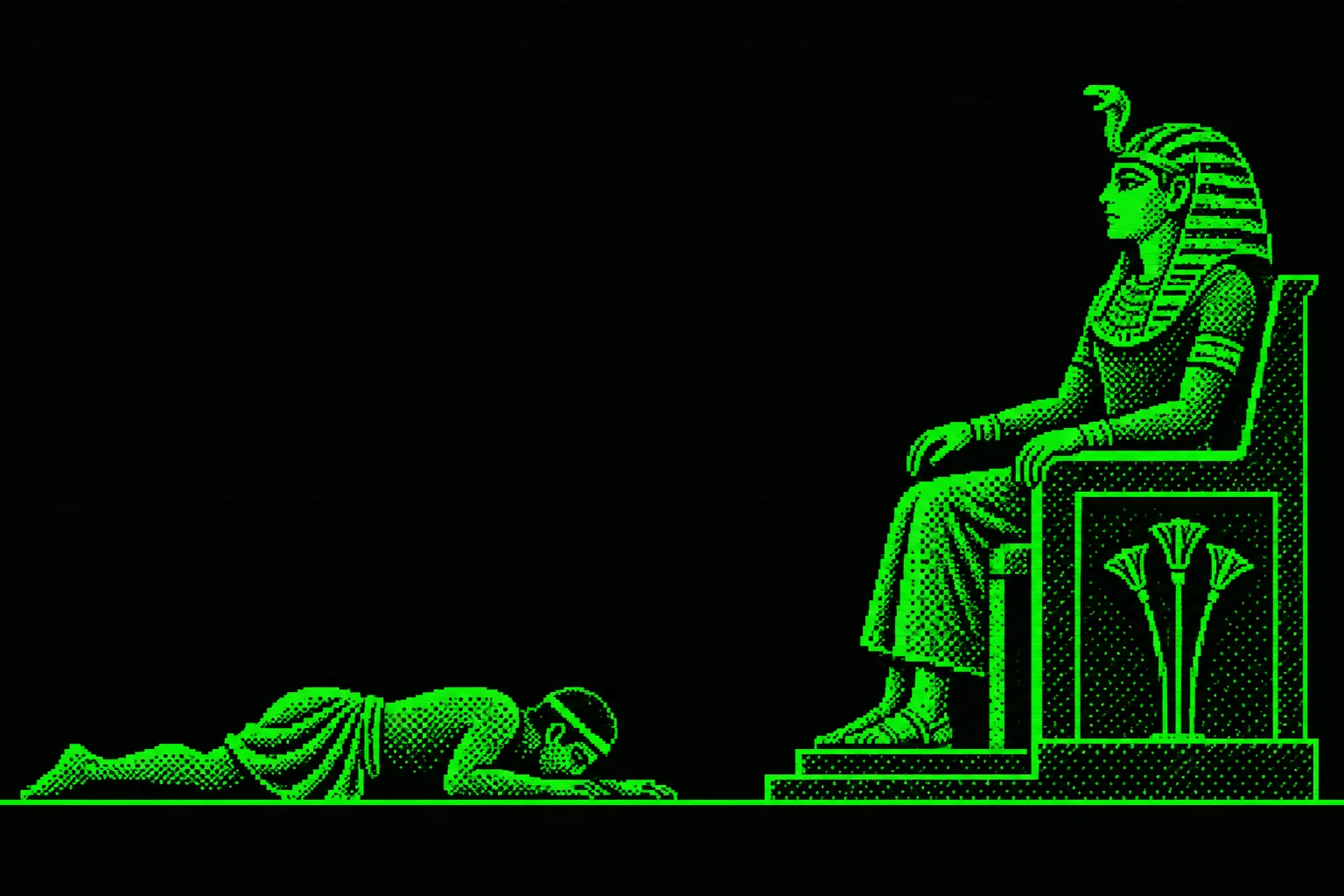
Sinuhe, a courtier of Queen Nefru, tells his own life. Overhearing a summons after King Amenemhat I dies, he runs: I bounded away to find myself a place to hide. Dying of thirst past the frontier, he says, “This is the taste of death.” Asiatics revive him; the ruler Amunenshi gives him his eldest daughter and the land of Yaa. A champion of Retjenu challenges him: I shot him. My arrow lodged in his neck.
Old, he begs the god to send him home. King Senusret I writes, You shall not die on foreign soil. At court the queen screams at the sight of him; the royal children sing for his pardon, and the king builds him a pyramid.
- 1
[...] [Nfr,w] ⸢nb,t-jmꜣḫ⸣
… Nefru, the revered.
Note · Line 1
Sinuhe served in the household of Nefru, daughter of Amenemhat I and wife of Senusret I. - 2
[rnp,t-zp] [...]
Regnal year …
- 3
[...] ⸢Sḥtp-jb-rꜥ(w)⸣
… Sehetepibre.
Note · Line 3
Sehetepibre was the throne name of Amenemhat I. - 4
𓋴𓁷𓂋 …
⸢sḥri̯⸣ =⸢f⸣ [...]
He had risen …
Note · Line 4
The king’s ascent to the sky means that he has died. - 5
[...] ⸢tp-ḥr-mꜣs,t.du⸣
… head on both knees.
Note · Line 5
To sit with head bowed to knees was a gesture of mourning. - 6
pꜥ,t[.pl]
The nobles …
- 7
… 𓀎𓀀𓏥 𓂋 𓇾𓈇𓏤
[...] ⸢mšꜥ⸣ r tꜣ
… an army against the land …
Note · Line 7
The army had gone west to fight in Libya under the king’s son Senusret. - 8
… 𓇋𓂋𓏭
[...] [ḥr,j] jr,j
… its commander.
- 9
𓊹𓄤 …
nṯr-nfr [...]
The perfect god …
Note · Line 9
A royal title, here applied to Senusret. - 10
𓆑
⸢jni̯.n⸣ =f sqr-ꜥnḫ[.pl]
He brought back prisoners of war …
- 11
… 𓂜𓈖 𓇥𓂋𓏲𓃭𓈐
[...] [nn] ⸢ḏrw⸣ =⸢s⸣
… there was no end to it.
- 12
𓆣𓂋 …
[sšm,w] ḫpr [...]
the situation that had arisen …
- 13
… 𓂋 𓏏𓂋𓆵𓇳 𓈖 𓐍𓆼𓄿𓅱𓇰
[...] [pḥ.n] =[sn] ⸢sw⸣ r tr n ḫꜣwy
… they reached him at dusk.
Note · Line 13
Messengers from the palace brought Senusret word of his father’s death. - 14
𓇋𓈖𓊃𓊪𓊗
jn-zp sj[ni̯] =[f] [rssy]
He did not wait a moment.
- 15
𓃀𓇋𓎢𓅄 𓂝𓐍𓆃 𓆑 𓎛𓈖𓂝 𓌞𓅱𓂻𓀀𓏥 𓆑
bjk ꜥḫi̯ =f ḥnꜥ šms,w.pl =f
The falcon took flight with his followers.
Note · Line 15
The falcon is Senusret: the Egyptian king was identified with Horus, the falcon god. - 16
𓈖𓇋𓋴𓀁𓈖 𓏏𓏲 𓈖 𓌡𓏲𓂝𓏤𓀀 𓇋𓅓 𓇋𓋴𓏏 𓅱
njs.n =tw n wꜥ jm ⸢jst⸣ ⸢w(j)⸣ ⸢ꜥḥꜥ⸣.kw
Someone called for one of them. I was standing there.
Note · Line 16
Other sons of the king had gone on the campaign. Sinuhe overhears a summons to one of them. - 17
𓄔𓅓𓈖 𓀀 𓆑 𓇋𓏲 𓆑 𓁷𓏤 𓌃𓂧𓏏𓀁 𓇋𓏲 𓀀 𓅓𓂝𓂋𓈐 𓍯𓄿𓈐
sḏm.n =j ⸢ḫrw⸣ =f jw =f ḥr mdwi̯.t jw =j m-ꜥr(,w) wꜣ(.w)
I heard his voice as he spoke, though I was some way off.
- 18
𓊪𓊃𓐍𓏴 𓄣𓏤 𓀀 𓊃𓈙𓂻 𓂝𓏤𓅱𓏭 𓀀
pzḫ jb =j zš ꜥ.wj =j
My heart reeled; my arms flew wide.
- 19
𓊃𓂧𓄿𓅯𓅪 𓐍𓂋𓀒 𓅓 𓂝𓏏𓄹 𓎟𓏏
sdꜣ ḫr m ꜥ,t =〈j〉 nb.t
A trembling came over every limb of my body.
- 20
𓈖𓆑𓂝𓂻 𓀀 𓂋𓅱𓀀 𓅓 𓈖𓆑𓏏𓈖𓆑𓏏𓂻 𓂋 𓎛𓎛𓂻 𓈖 𓀀 𓊨𓏏𓉐 𓂧𓎼𓀉
nfꜥ〈.n〉 =j {r}wj m nftft r ḥḥ n =j s,t dgi̯
I bounded away to find myself a place to hide.
- 21
𓂋𓂝𓏏 𓅱𓀀 𓏶𓅓𓏏 𓃀𓅡𓄿𓏏𓏭𓆰 𓂋 𓁹𓂋𓏏 𓍯𓄿𓏏𓈐 𓈝𓅓𓏲𓂻 𓋴
rdi̯.{t}〈n〉 =〈j〉 wj jm,j-t〈w〉 bꜣ,tj r jri̯.t wꜣ,t šm.w 〈ḥr〉 =s
I slipped between two bushes to leave the road clear for whoever walked it.
- 22
𓁹𓏏 𓀀 𓈝𓅓𓏏𓂻 𓅓𓏃𓈖𓏏𓇋𓇋𓏏𓊛
jri̯.t =j šmi̯.t m-ḫnt,yt
My journey south.
- 23
𓂜 𓎡𓄿𓀁 𓄭𓂋𓂻 𓂋 𓄚𓈖𓏌𓊖 𓊪𓈖 𓐍𓂸𓏏𓏫𓈖 𓀀 𓆣𓂋 𓇉𓄿𓂝𓇋𓇋𓏏𓀜
n kꜣi̯ =〈j〉 spr r ẖnw pn ḫmt.n =j ḫpr ḥꜣꜥ,yt
I had no intention of going to this royal residence: I thought an uprising would break out.
Note · Line 23
The residence was the royal capital, Itjtawy, south of Memphis. - 24
𓂜 𓆓𓂧 𓀀 𓋹𓈖𓐍 𓂋𓐟𓏤 𓆑
n ḏd =j ꜥnḫ r-sꜣ =f
I did not think I would live on after him.
Note · Line 24
Sinuhe means the dead king. - 25
𓈖𓌰𓅓𓇋𓂢𓈖 𓀀 𓌳𓐙𓂝𓏏𓏭𓈙 𓀀 𓅓𓉔𓄿𓏲𓏛𓏥 𓈖𓉔𓏏𓆭𓉐 𓄥𓏛𓈖 𓀀 𓅓 𓈀𓈇𓏤𓋴𓄤𓅱
nmj.n =j Mꜣꜥ,tj ={j} m-hꜣw Nh,t zmꜣ.n =j m Jw-Snfrw
I crossed the Maati Canal near the Sycamore and came ashore on Sneferu’s Island.
- 26
𓅨𓂋𓈙𓇳𓏤𓈖 𓀀 𓅓 𓐖𓆓𓈇𓏤 𓈖 𓇏𓏏𓈇
wrš.n =j 〈jm〉 m ꜥḏ n sḫ,t
I spent the day there at the edge of the fields.
- 27
𓎗𓆓𓇳𓂻𓈖 𓀀 𓃹𓈖 𓉔𓂋𓅱𓇳𓏤 𓐍𓊪𓂻𓈖 𓀀 𓊃𓀀𓏤 𓊢𓂝𓂻 𓅓 𓂋𓏤𓍯𓄿𓏏𓈐
wḏi̯.n =j wn hrw ḫpi̯.n =j z ꜥḥꜥ m rʾ-wꜣ,t
I set out while it was still light and came upon a man standing at the mouth of the road.
- 28
𓏏𓂋𓆵𓏛𓈖 𓆑 𓅱𓀀 𓅾𓀁 𓈖 𓆑
tr(j).n =f wj snḏ =〈j〉 n =f
He treated me with respect, though I was afraid of him.
- 29
𓆣𓂋𓈖 𓏏𓂋𓆵𓇳𓏤 𓈖 𓄟𓋴𓇋𓇋𓏏𓏒𓏥 𓋴𓐟𓄿𓎛𓃃𓂻𓈖 𓀀 𓂋 𓂧𓏇𓇋𓈇𓏤 𓈖
ḫpr.n ⸢tr⸣ n ms,yt sꜣḥ.n =j r dmj n ⸢Gꜣw⸣
When it was time for the evening meal, I reached the landing place at Gu.
- 30
𓍑𓄿𓏴𓊛𓈖 𓀀 𓅓 𓅱𓋴𓐍𓏏𓎺𓊛 𓂜𓈖 𓈞𓅓𓊦 𓋴 𓈖 𓋀𓏏𓏭𓊡
ḏꜣi̯.n =j m wsḫ,t nn ḥm(w) =s [m] ⸢swt⸣ n jmn,tj
I crossed in a cargo boat with no steering oar, borne on the breath of the west wind.
- 31
𓏴𓈐𓈖 𓀀 𓁷𓏤 𓋁𓃀𓏏𓅂𓈇𓏤
⸢swꜣ⸣.n =j ḥr jꜣb,tjw J(ꜣ)kw [m-ḥr,yt] [Nb,t]-ḏw-dšr
I skirted the east side of Iaku, above the Lady of the Red Mountain.
Note · Line 31
The Red Mountain is usually identified with Gebel Ahmar, near present-day Cairo. - 32
𓂋𓂝𓏏 𓀀 𓍯𓄿𓏏𓈐 𓈖 𓂋𓂧𓇋𓇋𓂾𓂾 𓀀 𓅓𓐍𓂧𓊛 𓂧𓏇𓇋𓂢𓈖 𓀀 𓊅𓏤𓏥𓋾𓈎𓅆 𓁹𓇋𓇋 𓂋 𓐍𓋴𓆑𓍙𓀜 𓋴𓏏𓄝𓅂𓌙𓀀𓏥
rdi̯.{t}〈n〉 =j wꜣ,t n rd,y.du =j m-ḫd dmj.n =j Jnb.pl-ḥqꜣ jri̯.y r ḫsf St,tjw.pl
I set my two feet on the road north and reached the Walls of the Ruler, built to keep the Asiatics back.
Note · Line 32
The Walls of the Ruler guarded Egypt’s northeastern frontier. “Asiatics” was an Egyptian term for peoples beyond that frontier. - 33
𓊏𓊪𓂝𓈖 𓀀 𓎢𓋴𓏲𓀗 𓀀 𓅓 𓃀𓅡𓄿𓏏𓆰 𓅓 𓅾𓀁 𓌳𓁹𓄿𓄿 𓅨𓂋𓈙𓇋𓇋𓅱𓇳𓏤𓀀𓏥 𓁶𓏤 𓉗𓏏𓉐 𓏶𓅓𓏏 𓉔𓂋𓏲𓇳𓏤 𓋴
šzp.n =j ksw =j m bꜣ,t m snḏ mꜣꜣ 〈wj〉 wrš.yw tp ḥ(w),t jm,(j)t hrw =((s))
I crouched in a thicket for fear the sentries might see me from the roof of the watchhouse on duty that day.
- 34
𓁹 𓀀 𓈝𓅓𓏏𓂻 𓏏𓂋𓆵𓇳𓏤 𓈖 𓐍𓆼𓄿𓅱𓇰
jri̯.〈t〉 =j šmi̯.t 〈r〉 tr n ḫꜣw〈y〉
I set out at nightfall.
- 35
𓌉𓆓𓇳𓈖 𓇾𓈇𓏤 𓄖𓂻𓈖 𓀀 𓊪𓏏𓈖𓈉
ḥḏ.n tꜣ pḥ.n =j Ptn
As the land grew light, I reached Peten.
- 36
𓐍𓈖𓅯𓂻𓎢𓅱𓀀 𓂋 𓈀𓈇𓏤 𓈖 𓆎𓅓𓅨𓂋𓈉 𓐍𓂋𓀒 𓈖 𓇋𓃀𓃙𓏏𓀁 𓄿𓋴𓍬𓂻𓈖 𓆑 𓅱
ḫni̯.kw r jw n Km-wr ḫr n jb,t ꜣs.n =f w(j)
I had come to rest on an island of Kem-wer when a fit of thirst overtook me.
Note · Line 36
Kem-wer, “the Great Black,” is usually identified with Lake Timsah in the eastern Delta region. - 37
𓈖𓏏𓃀𓄓𓎢𓅱𓀀 𓐍𓐍𓄈 𓀀 𓐍𓅓𓅱𓊡 𓆓𓂧𓈖 𓀀 𓂧𓊪𓏏𓄓𓀁 𓅓𓏏𓏱 𓇑𓇑
ntb.kw ḫḫ =j ḫm.w ḏd.n =j dp,t m(w)t nn
I was parched, my throat dry as dust. I said, “This is the taste of death.”
- 38
𓍿𓊃𓏏𓍞𓏛 𓀀 𓄣𓏤 𓀀 𓋴𓐟𓄿𓈎𓏏𓆌𓏛 𓀀 𓎛𓂝𓄹𓏥 𓀀 𓄔𓅓𓈖 𓀀 𓊤𓏲𓀁 𓈖𓌰𓅓𓇋𓀁 𓈖 𓏠𓈖𓏠𓈖𓏏𓃙𓏥
ṯzi̯.{t}〈n〉 =j jb =j sꜣq.〈n〉 =j ḥꜥ(w).pl =j sḏm.n =j ḫrw nmj n mnmn,t
At the sound of cattle lowing, I took heart and gathered my limbs under me.
- 39
𓅠𓅓𓎛𓁹𓈖 𓀀 𓋴𓏏𓄝𓅂𓌙𓀀𓏥 𓋴𓐟𓄿𓇋𓋷𓀁𓈖 𓅱𓀀 𓅓𓂝𓏏𓈖𓌙𓅮𓏛𓀀 𓇋𓅓 𓅮𓄿 𓃹𓈖𓈖 𓁷𓏤 𓆎𓅓𓏏𓊖
gmḥ.n 〈w〉j St,tjw.pl {sꜣj}〈sjꜣ〉.n wj mꜥtn jm pꜣu̯ wnn ḥr Km,t
Some Asiatics caught sight of me. Their chief, who had been in Egypt, recognized me.
- 40
𓊢𓂝𓈖 𓂋𓂝𓈖 𓆑 𓈖 𓀀 𓈗 𓊪𓊃𓆑𓊮 𓈖 𓀀 𓇋𓁹𓏏𓏏𓏋
ꜥḥꜥ.n rdi̯.n =f n =j mw {pzf}〈psi̯.n〉 =〈f〉 n =j jrt,t
Then he gave me water and warmed milk for me.
- 41
𓈝𓅓𓂻𓈖 𓀀 𓎛𓈖𓂝 𓆑 𓈖 𓅱𓎛𓅱𓏲𓌙𓀀𓁐𓏥 𓆑 𓄤𓆑𓂋 𓁹𓂋𓏏𓈖 𓋴𓈖𓏥
šmi̯.n =j ḥnꜥ =f n wḥ{w}〈y,t〉 =f nfr jr{r}i̯.t.n =sn 〈n〉 =〈j〉
I went with him to his clan, and they did well by me.
- 42
𓂋𓂝𓈖 𓅱𓀀 𓈉𓏏𓏤 𓈖 𓈉𓏏𓏤 𓆑𓐍𓍼𓂻𓈖 𓀀 𓂋 𓊶𓈉 𓎛𓎿𓊃𓂻𓈖 𓀀 𓂋 𓐪𓂧𓏌𓅓𓈉
rdi̯.n wj ḫꜣs,t n ḫꜣs,t fḫ.n =j r Kp〈ny〉 ḥzi̯.n =j r Q~d~nw~m
One foreign land passed me on to another. I left Byblos behind and made my way to Qatna.
- 43
𓁹𓈖 𓀀 𓆳𓏏 𓏤 𓐛𓏤 𓇋𓅓 𓏎𓈖 𓅱𓀀 𓂝𓅓𓈗𓏭𓂜𓈖𓈙𓇋𓌙𓀀 𓋾𓈎𓄿𓀀 𓊪𓏲 𓈖 𓏏𓈖𓏌𓏲𓌙𓅯𓈉𓁷𓂋𓏏𓇯
jri̯.n =j rnp,t 1 gs jm jni̯.〈n〉 wj ꜥ~m~mw{~zꜣ}~nn~šj ḥqꜣ pw n 〈R〉tnw-ḥr,(j)t
I had spent a year and a half there when Amunenshi sent for me. He was the ruler of Upper Retjenu.
Note · Line 43
Upper Retjenu was an Egyptian name for part of the inland Levant. - 44
𓆓𓂧 𓆑 𓈖 𓀀 𓄤𓆑𓂋 𓏏𓏲 𓎛𓈖𓂝 𓀀 𓄔𓅓 𓎡 𓂋𓏤𓈖𓆎𓅓𓏏𓊖
ḏd =f n =j nfr tw ḥnꜥ =j sḏm =k rʾ-n-Km,t
He said to me, “You will fare well with me. You will hear the tongue of Egypt.”
- 45
𓆓𓂧𓈖 𓆑 𓇑𓇑 𓂋𓐍𓏛𓈖 𓆑 𓐪𓂧𓏌𓏛 𓀀 𓄔𓅓𓈖 𓆑 𓈙𓋴𓐟𓄿𓃴𓏛 𓀀 𓂸𓏏𓂭𓂭𓏛𓈖 𓅱𓀀 𓂋𓍿𓀀𓁐𓏥𓆎𓅓𓏏𓊖 𓈖𓏏𓅂𓏥 𓇋𓅓 𓎛𓈖𓂝 𓆑
ḏd.n =f nn rḫ.n =f qd =j sḏm.n =f šsꜣ =j mt〈r〉.n wj r(m)ṯ.pl-Km,t n,tjw.pl jm ḥnꜥ =f
He said this because he knew my character and had heard of my skill. The Egyptians there with him had vouched for me.
- 46
𓊢𓂝𓈖 𓆓𓂧𓈖 𓆑 𓈖 𓀀 𓄖𓈖 𓎢 𓇑𓇑 𓁷𓏤𓅓𓂝𓇋𓍱𓋴𓏏𓀁𓊪𓏲 𓇋𓈖𓇋𓏲 𓃹𓈖 𓆣𓂋𓏏𓏛 𓅓 𓄚𓈖𓏌𓏲𓉐
ꜥḥꜥ.n ḏd.n =f n =j pḥ.n =k nn ḥr-{m}〈zj〉-jšst{pw} jn-jw wn ḫpr,t m ẖnw
Then he asked me, “Why have you come here? Has something happened at the Residence?”
- 47
𓇓𓆤𓏏𓏏 𓇳𓋴𓊵𓏏𓊪𓄣𓏤 𓅱𓍑𓄿𓅱𓂻 𓂋 𓈌𓏏𓉐 𓂜 𓂋𓐍𓏛𓈖 𓏏𓏲 𓆣𓂋𓏏𓏥 𓁷𓂋 𓋴
〈ꜥḥꜥ.n〉 〈ḏd.n〉 =〈j〉 〈n〉 =〈f〉 n(j)swt-bj,tj Sḥtp-jb-rꜥw 〈pw〉 wḏꜣ.w r ꜣḫ,t n rḫ.n =tw ḫpr.t.pl ḥr =s
Then I told him, “Sehetepibre, King of Upper and Lower Egypt, has gone to the horizon. No one knows what may come of it.”
Note · Line 47
In death the king passes to the horizon like the setting sun. - 48
𓆓𓂧𓈖 𓀀 𓇓𓅱𓏏 𓅓 𓇋𓏲𓄟𓋴𓀁 𓀀 𓅓 𓀎𓊛 𓇾 𓇾𓈇𓏤 𓏏𓅓𓎛𓌙𓀀𓏥 𓄙𓅓𓀁 𓏏𓏲 𓈖 𓀀
ḏd.n =j swt m jwms ⸢jji̯⸣.n =j m mšꜥ {tꜣ}〈n〉 tꜣ Tmḥ.pl wḥm =tw n =j 〈st〉
But I told him a lie: “I was on my way back from a campaign against the land of the Tjemehu when the news was brought to me.
Note · Line 48
The Tjemehu were a Libyan people. Sinuhe had in fact overheard a message meant for someone else. - 49
𓄣𓏤 𓀀 𓄿𓂧𓅱𓂻 𓄂𓏏𓏭𓄣 𓀀 𓂜 𓈖𓏏𓆑𓂉𓀁 𓅓 𓄡𓏏𓏤 𓀀 𓏎𓈖𓈖 𓆑 𓅱𓀀 𓁷𓏤 𓈐𓏥 𓅱𓂝𓂋𓏏𓂾𓈇𓏥
jb =j ꜣd.w ḥꜣ,tj =j n ntf m ẖ,t =j ⸢jni̯⸣.n =f wj ḥr wꜣ,t{pl} wꜥr,t
My heart failed me; my very heart was not in my body. It set me on the road to flight.
Note · Line 49
Sinuhe uses two words for the heart: first the seat of his will, then the heart that beats in his body. - 50
𓂜 𓅱𓆑𓄿𓏏𓅯𓀁 𓀀 𓂜 𓊪𓊃𓎼𓄑𓀁 𓀀
n wfꜣ.t〈w〉 =j n psg =[tw] [r] [ḥr] =j
No one had accused me. No one had spat in my face.
- 51
𓂜 𓄔𓅓 𓋭𓊃𓏛𓎛𓅨𓂋𓏲𓅪 𓂜 𓄔𓅓 𓏏𓏲 𓂋𓈖 𓀀 𓅓 𓂋𓏤 𓄙𓅓𓅱𓀁𓀀
n sḏm =〈j〉 ṯ(ꜣ)z-ḥwrw n sḏm =tw rn =j m rʾ wḥm,w
I had heard no slander; no one had heard my name on the herald’s lips.
- 52
𓂜 𓂋𓐍𓏛𓈖 𓀀 𓏎𓈖 𓅱𓀀 𓂋 𓈉𓏏𓏤 𓏏𓈖 𓇋𓏲 𓏇𓇋 𓋴𓐍𓂋𓏛 𓊹𓏤
n rḫ =j jni̯ wj r ḫꜣs,t tn jw mj sḫr nṯr
I do not know who brought me to this foreign land. It was as if a god had planned it.”
- 53
𓃹𓈖𓈖 𓇋𓂋𓆑 𓇾𓈇𓏤 𓊪𓆑 𓏇𓇋𓅓𓂝 𓅓𓐍𓂸𓏏𓂭𓂭𓏛 𓆑 𓊹𓏤 𓊪𓆑 𓏠𓈖𓐍𓍊𓏛 𓃹𓈖𓈖𓅱 𓅾𓀁 𓆑 𓆱𓐍𓏏𓂻 𓈉𓏏𓏤𓏥 𓏇𓇋 𓌂𓅓𓏏𓆗 𓆳𓏏𓏤 𓇋𓂧𓅱𓇯
〈ꜥḥꜥ.n〉 〈ḏd.n〉 =〈f〉 〈ḫft〉 =〈j〉 wnn jrf tꜣ pf mj-m m-ḫmt =f nṯr pf mnḫ wnn.w snḏ =f ḫt ḫꜣs,t.pl mj Sḫm,t 〈m〉 rnp,t j(ꜣ)d,w
Then he said to me, “What will become of that land, then, without him, that splendid god whom people dread throughout the foreign lands as they dread Sekhmet in a year of plague?”
Note · Line 53
Sekhmet, the lioness goddess, was feared as a bringer of pestilence. - 54
𓆓𓂧𓎢𓀀 𓂋 𓀀 𓈖 𓆑 𓅱𓈙𓃀𓏴𓀁 𓀀 𓈖 𓆑 𓈖𓈞𓅓𓂝𓈖𓏥 𓅭𓀀 𓆑 𓅧𓈎𓂻 𓂋 𓉦𓉐 𓎁𓏏𓂝𓈖 𓆑 𓃛𓅱𓂝𓂝𓏏𓈀𓏛𓏥 𓈖𓏏 𓇋𓏏𓆑𓀀 𓆑
ḏd.kj (j)r =j n =f wšb =j n =f nḥm.n{.pl} zꜣ =f ꜥq r ꜥḥ jṯi̯.n =f jwꜥ{ꜥ},t n.t jt(j) =f
I in turn spoke to him. I answered him: “Indeed, his son has entered the palace
and taken hold of his father’s inheritance.Note · Line 54
Sinuhe now praises the new king, Senusret I. - 55
𓊹 𓊪𓅱 𓎼𓂋𓏏 𓂜𓈖 𓌢𓈖𓏌𓏲𓀀𓀀 𓆑 𓂜𓈖 𓎢𓇋𓇋𓀀 𓆣𓂋 𓌨𓂋𓄂𓏏𓏤 𓆑
nṯr pw gr,t nn sn,nw =f nn ky ḫpr ẖr-ḥꜣ,t =f
He too is a god and has no equal;
none like him ever arose before him. - 56
𓎟 𓋴𓐟𓄿𓏤𓀁 𓊪𓏲 𓇋𓈎𓂋𓏛 𓊃𓐍𓂋𓅱𓏛𓏥 𓏠𓈖𓐍𓍊𓏛 𓎗𓏏𓌃𓏛𓏥 𓉐𓂋𓏏𓂻 𓉔𓄿𓏏𓂻 𓐍𓏏𓆑 𓎗𓏲𓏛 𓆑
nb sꜣ,t pw jqr sḫr.w.pl mnḫ wḏ,t-mdw.pl pri̯.t hꜣi̯.t ḫft wḏ =f
He is a lord of wisdom,
sound in his plans, sure in his commands.
At his command men set out and come home. - 57
𓈖𓏏𓆑 𓌗𓀜 𓈉𓏏𓏤𓏥 𓇋𓅱 𓇋𓏏𓆑𓀀 𓆑 𓅓𓄚𓈖𓏌𓏲𓉐 𓉦𓉐 𓆑 𓋴𓏇𓇋𓀁 𓆑 𓆷𓄿𓏏𓏛𓏥𓈖 𓆑 𓆣𓂋
ntf dꜣr ḫꜣs,t.pl jw jt(j) =f m-ẖnw ꜥḥ =f smj =f 〈n〉 =〈f〉 šꜣ.t.{pl}n =f ḫpr
It was he who subdued the foreign lands
while his father was in his palace,
and brought his father word that what he had decreed had come to pass. - 58
𓈖𓆱𓐍𓏏𓀜𓀀 𓊪𓏲 𓎼𓂋𓏏 𓁹 𓅓 𓐍𓊪𓈙𓄘𓀜 𓆑 𓉐𓂋𓂻𓂝𓏤 𓂜𓈖 𓏏𓏲𓏏𓀾𓏛 𓈖 𓆑 𓌳𓁹𓄿𓄿𓏏 𓆑 𓉔𓄿𓂻 𓆑 𓂋𓏤𓌒𓏏𓏤𓌙𓀀𓏥 𓄡𓂝𓅓𓂻 𓆑 𓂋𓏤𓍑𓄿𓅱𓀜𓏥
nḫt pw gr,t jri̯ m ḫpš =f pri̯-ꜥ nn twt n =f mꜣꜣ.t(w) =f hꜣi̯ =f rʾ-pḏ,t.pl ẖꜥm.〈n〉 =f rʾ-ḏꜣ,w
He is a warrior too, who fights with the strength of his own arm,
swift to strike, without an equal.
Men see him bear down on the bowmen
once he has entered the fray. - 59
𓅱𓂝𓆑𓀜𓂝𓃀𓄏 𓊪𓏲 𓊃𓎼𓈖𓈖𓀉 𓂧𓏏𓏤𓏥 𓂜 𓋭𓊃𓍢𓀜𓈖 𓐍𓂋𓊤𓃭𓇋𓇋𓏲𓀜𓀀𓏥 𓆑 𓎝𓀀𓏤𓏥
wꜥf-ꜥb pw sgnn dr,t.pl n ṯ(ꜣ)z.n ḫrw,yw.pl =f sk,w
He bends the horn low and makes hands go slack;
his enemies cannot join battle.Note · Line 59
The lowered horn is the image of a bull whose strength has been overcome. - 60
𓇋𓂝𓈗𓁷𓏤 𓊪𓅱 𓏏𓆷𓏴𓂝 𓄋𓏏𓏤𓏥 𓂜 𓊢𓂝𓂻𓈖 𓏏𓏲 𓅓𓉔𓄿𓏲𓏛𓏥 𓆑
jꜥi̯-ḥr pw tšꜣ wp,t.pl n ꜥḥꜥ.n =tw m-hꜣw =f
He is an avenger, a splitter of skulls;
no one can stand his ground near him.” - 61
𓌒𓂻𓂻𓂻𓂻 𓊪𓅱 𓋴𓎝𓎢𓅪 𓆑 𓃀𓉔𓄿𓏲𓂻𓀀 𓂜𓈖 𓄖𓅱𓏭 𓈖 𓂝𓂝𓀀𓈖𓆑𓐟𓏤
pḏ-nmt,t.pl pw ski̯ =f bhꜣ.w nn pḥ,wj n dd-n≡f-sꜣ
“Long is his stride when he cuts down a fleeing man;
there is no escape for the man who turns his back on him.Note · Line 61
Sinuhe, an Egyptian in exile, is praising King Senusret I to Amunenshi, the ruler who has taken him in. - 62
𓊢𓂝𓂻𓄣𓏤 𓊪𓅱 𓅓 𓄿𓏏𓏯𓇳 𓋴𓐟𓄿𓋴𓐟𓄿𓂻 𓂝𓈖𓏌𓏲𓂽 𓊪𓅱 𓂜 𓂋𓂝𓈖 𓆑 𓐟𓏤 𓆑
ꜥḥꜥ-jb pw m ꜣ,t sꜣsꜣ ꜥnn.w pw n rdi̯.n =f sꜣ =f
His heart stands firm in the press of battle;
he turns to face his foe but never turns his back. - 63
𓅱𓂸𓏏𓏛𓄣𓏤 𓊪𓏲 𓌳𓁹𓄿𓄿 𓆑 𓆈𓄿𓏏𓀀𓏥 𓂜 𓂋𓂝𓈖 𓆑 𓈞𓊃𓀔𓀀𓏥 𓇉𓄿𓁶𓏤 𓄣𓏤 𓆑
wmt-jb pw mꜣꜣ =f ꜥšꜣ,t n rdi̯.n =f ḥmsi̯ ḥꜣ jb =f
His heart is resolute when he sees a multitude;
he does not let what is in his heart sit idle. - 64
𓅱𓂧𓏴𓁷𓏤 𓊪𓅱 𓆑 𓍋𓃀𓏏𓏴 𓂋𓈙𓂉𓀁 𓆑 𓊪𓏲 𓉔𓄿𓏏𓂻 𓆑 𓂋𓏤𓌒𓌙𓀀𓏥
wdi̯-ḥr pw ={f} 〈hꜣi̯〉 =〈f〉 {ꜣb,t}〈jꜣb,tjw.pl〉 ršu̯ =f pw hꜣi̯.t =f rʾ-pḏ,t.pl
He is bold when he falls upon the peoples of the east;
to fall upon the bowmen is his joy. - 65
𓅷𓄿𓄿𓀜 𓆑 𓇋𓆎𓅓𓄛𓏤 𓆑 𓏏𓇋𓏏𓇋𓂻 𓆑 𓂜 𓄙𓅓𓈖 𓆑 𓂝𓏤 𓄡𓂧𓃀𓀜 𓆑
ṯꜣꜣ! =f jkm =f tjtj =f n wḥm.n =f ꜥ ẖdb =f
He takes up his shield and tramples them down;
he needs no second stroke to kill. - 66
𓂜𓈖𓃹𓈖 𓂋𓅱𓇋𓂻 𓂚𓅱𓌕 𓆑 𓂜𓈖 𓇋𓏏𓎛𓀜 𓌒𓏏𓏤𓆱 𓆑
nn-wn rwj ꜥḥꜣ〈.pl〉 =f nn jtḥ pḏ,t =f
No one can turn his arrows aside;
no one can draw his bow. - 67
𓃀𓉔𓄿𓂻 𓌒𓌙𓀀𓏥 𓆑𓏭 𓏇𓇋 𓅢𓏛𓏥 𓈖 𓅨𓂋𓏏𓆗
bhꜣ pḏ,t.pl ={fj} 〈ẖr-ḥꜣ,t〉 =〈f〉 mj bꜣ,w n〈.w〉 Wr,t
The peoples of the bow flee before him
as before the might of the Great One. - 68
𓂚𓀜 𓆑 𓐍𓂸𓏏𓏫𓏛𓈖 𓆑 𓄖𓅱𓏭 𓂜 𓊃𓅭𓄿𓀸𓂝𓈖 𓆑 𓂜 𓊃𓊪𓊗𓇋𓇋𓏏𓏥
ꜥḥꜣ =f ḫmt.n =f pḥ,wj n zꜣi̯.n =f n zp,yt
When he fights, he has already weighed the outcome;
he does not wait to see what follows. - 69
𓎟 𓆭𓅓𓏏𓏛 𓊪𓏲 𓉻𓂝𓄿𓏛 𓃀𓈖𓇋𓏏𓇜𓏛 𓎁𓏏𓂝𓈖 𓆑 𓌻𓂋𓏲𓏏𓀁
nb jm(ꜣ),t pw ꜥꜣ bnj,t jṯi̯.n =f 〈m〉 mr,wt
He is a lord of kindness, dearly loved;
he has conquered by love. - 70
𓌻𓂋𓀁 𓇓𓏲 𓊖𓏏𓏤 𓆑 𓂋 𓎛𓂝𓄹𓏥 𓎛𓂝𓀠 𓋴𓏏 𓇋𓅓 𓆑 𓂋 𓊹𓏤 𓋴𓈖𓏥
mri̯ sw nʾ,t =f r ḥꜥ(w) =〈sn〉 ḥꜥi̯ st jm =f r nṯr =sn
The people of his city love him more than their own flesh;
they rejoice in him more than in their god. - 71
𓏴𓂻 𓅷𓄿𓇋𓇋𓏲𓂺𓀀𓏥 𓈞𓏏𓁐𓏥 𓁷𓏤 𓂋𓈖𓈖𓅱𓏏𓀁𓏥 𓇋𓅓 𓆑 𓇋𓅱 𓆑 𓅓 𓇓𓏏𓈖𓀭
swꜣ ṯꜣy.w.pl ḥm,t.pl ḥr rnn,wt jm =f jw =f m n(j)swt
Men and women pass by singing his praises,
for he is king. - 72
𓎁𓏏𓀜𓈖 𓆑 𓅓 𓋴𓏲𓎛𓏏𓐎𓏥 𓇋𓏲 𓁷𓂋𓏤 𓆑 𓇥𓂋 𓄟𓋴𓏏𓀔 𓆑
jṯi̯.n =f m swḥ,t{.pl} jw ḥr =f 〈r〉 =〈s〉 ḏr msi̯.t(w) =f
He took the kingship while still in the egg;
his face has been set toward it since birth. - 73
𓋴𓆈𓄿𓏥 𓊪𓅱 𓄟𓋴𓇋𓇋𓏏𓁑𓏥 𓎛𓈖𓂝 𓆑 𓌡𓏲𓂝𓀀 𓊪𓅱 𓈖 𓂝𓂝 𓊹𓏤
sꜥšꜣ pw msi̯.yt.pl ḥnꜥ =f wꜥ pw n dd nṯr
He makes what was born with him grow;
he is one of a kind, a god’s gift. - 74
𓂋𓈙𓂉𓀁 𓏲𓏭 𓇾𓈇𓏤 𓊪𓆑𓈖 𓋾𓈎𓄿𓏛𓈖 𓆑 𓊃𓅱𓊃𓐍𓎺𓏛 𓏏𓍔𓄿𓈙𓅱𓏴𓈇𓏤𓏥 𓊪𓅱
ršu̯ =wj tꜣ pn ḥqꜣ.n =f swsḫ tꜣš.w.pl =〈f〉 pw
How glad is this land he has come to rule!
He widens its borders. - 75
𓇋𓏲 𓆑 𓂋 𓎁𓏏𓏏𓂝 𓇾𓇾𓇾𓈇𓈇 𓇓𓈇𓏥 𓂜𓈖 𓎢𓄿𓀁 𓆑 𓈉𓏏𓏤𓏥 𓎔𓏏𓏏𓈇𓏥
jw =f r jṯi̯.t tꜣ.pl{du} {sw}〈rs,j〉.pl nn kꜣi̯ =f 〈r〉 ḫꜣs,t.pl mḥ,(j)t(j).t.pl
He will conquer the southern lands,
but he will have no designs on the foreign lands to the north. - 76
𓁹𓈖𓏏 𓆑 𓂋 𓀗𓏏𓂝 𓋴𓏏𓄝𓅂𓌙𓀀𓏥 𓂋 𓊪𓏏𓊪𓏏𓂻 𓈖𓌰𓅓𓇋𓏲𓂢𓏥𓈙𓂝𓈒𓏥𓌙𓀀𓏥
jri̯.n.t(w) =f r ḥwi̯.t St,tjw.pl r ptpt Nmj.w.pl-šꜥ(y).pl
He was made to strike down the peoples of Asia,
to trample the Sand-runners. - 77
𓉔𓄿𓂻 𓈖 𓆑 𓇋𓐛𓅓𓂝 𓂋𓐍𓏛 𓆑 𓂋𓈖 𓎢 𓅓 𓍲𓈖𓏭𓀁 𓍯𓄿𓈐 𓂋 𓍛𓏤 𓆑
hꜣ〈b〉 n =f jmi̯ rḫ =f rn =k m šni̯.y wꜣ r ḥm =f
Send word to him. Let him know your name.
Do not plot treason against His Majesty. - 78
… 𓂜𓈖 𓍃𓅓 𓆑 𓁹 𓃀𓏲𓄤𓆑𓂋 𓈖 𓈉𓏏𓏤 𓃹𓈖𓈖𓏏𓏭 𓋴𓏭 𓁷𓏤 𓈗 𓆑
[...] nn tm =f jri̯ bw-nfr n ḫꜣs,t wnn.tj =sj ḥr mw =f
… He will not fail to do good
to a foreign land that stays loyal to him.”Note · Line 78
To be loyal to the king is, in Egyptian, to be “on his water.” - 79
𓆓𓂧𓇋𓈖 𓆑 𓐍𓏏𓆑 𓀀 𓐍𓂋 𓈞𓅓𓂝 𓆎𓅓𓏏𓊖 𓄤𓆑𓂋𓏏 𓈖𓏏𓏏 𓋴 𓂋𓐍𓏏𓏛 𓂋𓂧𓇜𓏛 𓆑
ḏd.jn =f ḫft =j ḫr ḥm Km,t nfr.t(j) 〈n〉-n.tt =s rḫ.t(j) r(w)d =f
Then he said to me, “Egypt fares well indeed, for she knows his strength!
Note · Line 79
It is Amunenshi who answers Sinuhe. - 80
𓅓𓂝𓎡 𓏏𓏲 𓉻𓂝𓄿𓈐 𓃹𓈖𓈖 𓎢 𓎛𓈖𓂝 𓀀 𓄤𓆑𓂋 𓁹𓂋𓏏 𓀀 𓈖 𓎢
mk tw ꜥꜣ wnn =k ḥnꜥ =j nfr jrr.t =j n =k
Look, you are here. You shall stay with me, and I will do well by you.”
- 81
𓂋𓂝𓈖 𓆑 𓅱𓀀 𓅓 𓄂𓏏𓏤 𓄡𓂋𓂧𓅱𓀔𓀀𓁐𓏥 𓆑 𓏠𓈖𓇋𓌙𓈖 𓆑 𓅱𓀀 𓅓 𓅭𓏏𓁐 𓆑 𓅨𓂋𓏏𓁐
rdi̯.n =f wj m ḥꜣ,t {ẖrd.w}〈wḥy,t〉 =f m(j)nj.n =f wj m zꜣ,t =f wr.t
He set me at the head of his tribe and bound me in marriage to his eldest daughter.
- 82
𓂋𓂝𓈖 𓆑 𓋴𓏏𓊪𓍉𓏛 𓀀 𓈖 𓀀 𓅓 𓈉𓏏𓏤 𓆑𓆑 𓅓 𓋴𓏏𓊪𓅱𓍉𓏛𓏥 𓈖 𓃹𓈖𓏏 𓎛𓈖𓂝 𓆑 𓁷𓏤 𓏏𓍔𓄿𓈙𓏴𓈇 𓆑 𓈖 𓎢𓏏 𓈉𓏏𓏤
rdi̯.n =f stp =j n =j m ḫꜣs,t =f m stp,w n wn.t ḥnꜥ =f ḥr tꜣš =f n k(j).t ḫꜣs,t
He let me choose for myself from the choicest land he owned in his country, where it bordered on another.
- 83
𓇾𓈇𓏤 𓊪𓏲 𓄤𓆑𓂋 𓇋𓄿𓄿𓆰𓈉 𓂋𓈖 𓆑
tꜣ pw nfr Jꜣꜣ rn =f 〈nn-wn〉 〈mj,tt〉 =〈f〉 〈m〉 〈tꜣ〉
It is a good land. Yaa is its name; it has no equal on earth.
- 84
𓇋𓏲 𓂧𓄿𓃀𓇭𓈒𓏥 𓇋𓅓 𓆑 𓎛𓈖𓂝 𓇋𓄿𓂋𓂋𓏏𓁻𓈒𓏥 𓅨𓂋 𓈖 𓆑 𓇋𓂋𓊪𓏌𓏥 𓂋 𓈗
jw dꜣb.pl jm =f ḥnꜥ jꜣrr,t.pl wr n =f jrp r mw
Figs and grapes grow there, and it has more wine than water.
- 85
𓉻𓂝𓄿𓏛 𓆤𓏏𓏋𓏥 𓆑 𓆈𓄿𓏥 𓃀𓅡𓄿𓈎𓆭𓏌𓏥 𓆑 𓂧𓈎𓂋𓂷𓈒𓏥 𓎟 𓁷𓏤 𓆱𓏏𓏤𓏥 𓆑
ꜥꜣ bj,t =f ꜥšꜣ bꜣq.pl =f dqr.pl nb ḥr ḫt.pl =f
Its honey is plentiful, its moringa trees are many, and every kind of fruit grows on its trees.
Note · Line 85
Moringa seeds yield a fine oil used in perfumes. - 86
𓇋𓏲 𓌾𓏥 𓇋𓅓 𓎛𓈖𓂝 𓇣𓂧𓏏𓌾𓏥 𓂜𓈖 𓇥𓂋𓃭𓏲𓈐 𓏠𓈖𓏠𓈖𓏏𓃙𓏥 𓎟𓏏
jw jt jm =〈f〉 ḥnꜥ bd,t nn ḏr,w mnmn,t nb.t
Barley and emmer grow there, and there is no end to its herds of every kind.
Note · Line 86
Emmer is a kind of wheat. - 87
𓉻𓂝𓄿𓏛 𓎼𓂋𓏏 𓂧𓏇𓇋𓏏𓂢 𓂋 𓀀 𓅓 𓇍𓇋𓂻 𓈖 𓌻𓂋𓏏𓀁 𓀀
ꜥꜣ gr,t dmj.t r =j m jji̯.〈t〉 n mr,wt =j
Much fell to my share, besides what came to me because I was loved.
- 88
𓂋𓂝𓏏 𓆑 𓅱𓀀 𓅓 𓋾𓈎𓀀 𓅱𓎛𓇋𓇋𓌙𓀀𓁐𓏥 𓅓 𓍉𓏛 𓈖 𓈉𓏏𓏤 𓆑
rdi̯.{t}〈n〉 =f wj m ḥqꜣ wḥy,〈t〉 m stp〈,w〉 n {ḫꜣs,t}〈wḥy,t〉 =f
He made me chief of a tribe drawn from the pick of his own tribe.
- 89
𓁹 𓈖 𓀀 𓅧𓅱𓏛𓏥 𓅓 𓏇𓇋𓈖𓏏𓏌𓏥 𓇋𓂋𓊪𓏌𓏥 𓅓 𓌨𓂋𓏏𓏛𓏥𓉔𓂋𓅱𓇳𓏤 𓇋𓆑𓄹𓏥 𓊪𓆑𓊃𓊮 𓄿𓊪𓂧𓅬 𓅓 𓄿𓈙𓂋𓊮 𓁷𓂋𓏲𓐡𓈐𓂋 𓋿𓅱𓏏𓃙𓏥 𓈉𓏏𓏤
〈jw〉 jri̯ n =j ꜥq,w.pl m mjn,t jrp m ẖr,t-hrw j(w)f p{f}si̯ ꜣpd m ꜣšr ḥrw-r ꜥw,t ḫꜣs,t
Loaves were baked for me daily, and I had my daily ration of wine, boiled meat and roast fowl, besides game from the hills.
- 90
𓇋𓏲 𓎼𓂋𓍅𓍢𓂝 𓏏 𓈖 𓀀 𓇋𓏲 𓎝𓎛𓂝 𓏏 𓈖 𓀀 𓁷𓂋𓂋𓏲𓈐𓂋 𓏎𓏌𓏥 𓈖 𓍿𓊃𓅓𓅱𓄛𓏤𓏥 𓀀
jw grg =t(w) n =j jw {wꜣḥ}〈wḥꜥ〉 =t(w) n =j ḥr{r}w-r jn,w n ṯzm.w.pl =j
They set snares for me; they caught fish and birds for me, besides what my hounds brought in.
- 91
𓇋𓏲 𓁹 𓏏 𓈖 𓀀 𓆈𓄿𓏲𓏥 𓇋𓁹𓏏𓏏𓏋𓏤𓏥 𓅓 𓊪𓆑𓋴𓏏𓊮 𓎟𓏏
jw jri̯ =t(w) n =j 〈bnj,t.pl〉 ꜥšꜣ.w jrt,t m p{f}s,t nb.t
Sweets were often made for me, and milk went into every cooked dish.
- 92
𓁹𓈖 𓀀 𓆳𓏏𓏤𓏥 𓆈𓄿𓏏𓏥 𓄡𓂋𓂧𓅱𓀔𓀀𓁐𓏥𓏥 𓀀 𓆣𓂋 𓅓 𓈖𓆱𓐍𓏏𓅱𓀜𓀀𓏥 𓊃𓀀𓏤𓎟 𓅓 𓂧𓄿𓇋𓂋𓌗𓂝𓀜 𓅱𓎛𓇋𓇋𓏏𓌙𓀀𓁐𓏥 𓆑
jri̯.n =j rnp,t.pl ꜥšꜣ.t.pl 〈jm〉 ẖrd.w.pl =j ḫpr m nḫt.w.pl z-nb m dꜣ{j}r wḥy,t =f
I spent many years there. My children grew into warriors, each ruling his own clan.
- 93
𓄋𓊪𓏏𓏭𓂻𓀀 𓐍𓂧𓂧𓊛 𓏃𓈖𓏏𓊛 𓂋 𓄚𓈖𓏌𓏲𓉐 𓍋𓃀𓂻 𓆑 𓁷𓂋𓏤𓂋 𓀀
wpw,tj ḫdd ḫnti̯ r ẖnw ꜣb =f ḥr{r} =j
Any messenger travelling north, or south to the Residence, would stop with me.
- 94
𓇋𓅱 𓊃𓍋𓃀𓏛 𓀀 𓂋𓍿𓀀𓁐𓏥𓏥𓎟𓏏 𓇋𓏲 𓀀 𓂝 𓀀 𓈗 𓈖 𓇋𓃀𓃙𓀁𓀀
jw sꜣb =j r(m)ṯ.pl-nb.t 〈ḥr〉 =〈j〉 jw =j di̯ =j mw n jbi̯
I welcomed everyone to stay with me; I gave water to the thirsty.
- 95
𓂋𓂝𓈖 𓀀 𓏏𓈖𓌰𓅓𓂻𓀀 𓁷𓏤 𓍯𓄿𓏏𓈐 𓈖𓈞𓅓𓂝𓈖 𓀀 𓂝𓍯𓄿𓂝𓀀
rdi̯.n =j tnm ḥr wꜣ,t nḥm.n =j ꜥwꜣi̯
I set the lost traveller back on the road and rescued the man who had been robbed.
- 96
𓋴𓏏𓄝𓅂𓌙𓀀𓏥 𓍯𓄿𓈐 𓂋 𓈙𓍃𓅓𓀜 𓂋 𓋴𓍙𓂝𓂝𓏤 𓋾𓈎𓄿𓏲𓀀𓏥 𓈉𓏏𓏤𓏥 𓍑𓄿𓋴𓇋𓀁𓈖 𓀀 𓈝𓅓𓏏𓂻 𓋴𓈖𓏥
St,tjw.pl wꜣi̯ r štm r 〈ḫ〉sf-ꜥ ḥqꜣ.w.pl ḫꜣs,t.pl {ḏꜣsj}〈ḏꜣjs〉.n =j šm,t =sn
When the men of Asia were preparing to attack to drive back the rulers of foreign lands, I advised them what course to take.
- 97
𓇋𓏲 𓋾𓈎𓄿𓀀 𓊪𓈖 𓈖 𓏏𓈖𓏌𓏲𓌙𓅯𓈉 𓂝 𓆑 𓁹𓇋𓇋 𓀀 𓆳𓏏𓏤𓏥 𓆈𓄿𓏥 𓅓 𓋭𓊃𓅱𓍢𓂝𓀀 𓈖 𓀎𓀀𓏥 𓆑
jw ḥqꜣ pn n (R)tnw di̯ =f jri̯.y =j {rnp,t}〈wpw,t〉.pl ꜥšꜣ.〈t〉.pl m ṯ(ꜣ)z,w n mšꜥ =f
This ruler of Retjenu sent me on many missions as commander of his army.
Note · Line 97
Retjenu was the Egyptian name for a region of the Levant. - 98
𓈉𓏏𓏤 𓎟𓏏 𓂋𓅱𓏏𓂻𓈖 𓀀 𓂋 𓋴 𓁹𓈖 𓀀𓀀 𓉔𓂧𓂝 𓀀 𓇋𓏲 𓋴 𓂧𓂧𓏏𓀜 𓁷𓏤 𓋴𓄧𓅓𓅱𓆰𓏥 𓎸𓅓𓏏𓈙𓏥 𓋴
ḫꜣs,t nb.t rwi̯.t.n =j r =s jri̯.n =j hd =j jm =s d{d}〈r〉.t(j) ḥr sm,w.pl =〈s〉 ẖnm,t.pl =s
In every foreign land I marched against, I pressed my attack and drove the people from their pastures and wells.
- 99
𓇉𓄿𓈎𓂝𓈖 𓀀 𓏠𓈖𓏠𓈖𓏏𓃙𓏥 𓋴 𓏎𓈖 𓀀 𓌨𓂋𓀀𓁐𓏥 𓋴 𓈖𓈞𓐝𓂝 𓏶𓏏𓀁𓏐𓏒𓏥 𓋴𓈖𓏥 𓋴𓌳𓄿𓅓𓌪𓂝𓈖 𓀀 𓂋𓍿𓀀𓁐𓏥 𓇋𓅓 𓋴 𓅓 𓐍𓊪𓈙𓄗𓀜 𓀀 𓅓 𓌒𓏏𓏤𓆱 𓀀 𓅓 𓂻𓏏𓏤𓏥 𓀀 𓅓 𓊃𓐍𓂋𓅱𓏛𓏥 𓀀 𓇋𓈎𓂋𓅱𓏛𓏥
ḥꜣq.n =j mnmn,t =s jni̯.〈n〉 =j ẖr,(w).pl =s nḥm.〈n〉 =〈j〉 wnm,t.pl =sn smꜣ.n =j r(m)ṯ.pl jm =s m ḫpš =j m pḏ,t =j m nmt,t.pl =j m sḫr.w.pl =j jqr.w.pl
I seized its cattle, carried off its households and took away their food. I killed the people there with my strong arm, with my bow, with my strides, with my skilful plans.
- 100
𓅜𓐍𓏛𓈖 𓅓 𓄣𓏤 𓆑 𓌻𓂋𓀁𓈖 𓆑 𓅱𓀀 𓂋𓐍𓏛𓈖 𓆑 𓈎𓈖𓀜𓈖 𓀀
ꜣḫ.n =(j) m jb =f mri̯.n =f wj rḫ.n =f qnn =j
I stood high in his heart. He loved me, for he had come to know my prowess.
- 101
𓂋𓂝𓏏 𓆑 𓅱𓀀 𓅓 𓄂𓏏𓏤 𓀀 𓄡𓂋𓂧𓅱𓀔𓀀𓁐𓏥 𓆑 𓌳𓁹𓄿𓈖 𓆑 𓂋𓂧𓇟𓏛 𓂝𓏤𓅱𓏭 𓀀
rdi̯.{t}〈n〉 =f wj m ḥꜣ,t ={j} ẖrd.w.pl =f mꜣ.n =f r(w)d ꜥ,wj =j
He set me above his own children, for he had seen the strength of my two arms.
- 102
𓂻𓅱𓏏 𓈖𓆱𓐍𓏏𓀜𓀀 𓈖 𓏏𓈖𓏌𓏲𓌙𓅯𓈉 𓅓𓅷𓄿𓀁 𓆑 𓅱𓀀 𓅓 𓇋𓌳𓄿𓅓𓉐 𓀀
jwi̯.t nḫt n (R)tnw mṯꜣ〈.n〉 =f wj m jmꜣ =j
Then came a warrior of Retjenu. He challenged me in my tent.
- 103
𓉐𓂋𓇋𓇋𓂻𓀀 𓊪𓅱 𓂜𓈖 𓌢𓈖𓏌𓏲𓀀𓀀 𓆑 𓂧𓂋𓀜𓈖 𓆑 𓋴 𓂋𓇥𓂋 𓋴
pr,y pw nn sn,nw.du =f d(ꜣ)r.n =f s(j) r-ḏr =s
He was a champion in single combat, a man without an equal. He had subdued the whole land.
- 104
𓆓𓂧𓈖 𓆑 𓂚𓀜 𓆑 𓎛𓈖𓂝 𓀀 𓐍𓂸𓏏𓏫𓈖 𓆑 𓎛𓅱𓏏𓀜𓆑 𓅱𓀀
ḏd.n =f ꜥḥꜣ =f ḥnꜥ =j ḫmt.n =f ḥwtf ={w}j
He said he would fight me. He meant to rob me.
- 105
𓎢𓄿𓀁𓈖 𓆑 𓇉𓄿𓈎𓂝 𓏠𓈖𓏠𓈖𓃙𓏥 𓀀 𓌨𓂋 𓉲𓏛 𓈖 𓅱𓎛𓇋𓇋𓏏𓌙𓀀𓁐𓏥 𓆑
kꜣi̯.n =f ḥꜣq mnmn,〈t〉 =j ẖr zḥ n wḥy,t =f
On the advice of his clan, he planned to seize my cattle.
- 106
𓋾𓈎𓀀 𓊪𓆑 𓈖𓆓𓈖𓆓𓐩𓏌𓀁 𓆑 𓎛𓈖𓂝 𓀀 𓆓𓂧𓎢𓀀 𓂜 𓂋𓐍𓏛 𓀀 𓇓𓏲
ḥqꜣ pf nḏnḏ.〈n〉 =f ḥnꜥ =j ḏd.kj n rḫ =j sw
That ruler took counsel with me, and I said, “I do not know him.
- 107
𓂜 𓏌𓎢𓀀 𓏏𓂋𓆵 𓄥𓏛𓀀 𓆑 𓅱𓊃𓏏𓈖𓂻 𓀀 𓅓 𓂝𓆑𓄿𓇋𓉐 𓆑
n jnk tr zmꜣ(.y) =f wstn =j m ꜥfꜣj =f
I am no ally of his, free to come and go in his camp!
- 108
𓇋𓈖 𓈖𓏏𓊪𓏲 𓃹𓈖𓉿𓂝𓈖 𓀀 𓐟𓏤𓉐 𓆑 𓋴𓃀𓂻𓈖 𓀀 𓇋𓆛𓈖𓃀𓏏𓆱𓏥 𓆑
jn n,t-pw wn.n =j sꜣ =f z〈n〉b.n =j jnb,t =f
Have I opened his back entrance? Have I broken through his fence?
Note · Line 108
The back entrance gave access to the private quarters of the household. - 109
𓂋𓈎𓏏𓂷𓄣𓏤 𓊪𓏲 𓁷𓏤 𓌳𓁹𓄿𓄿 𓆑 𓅱𓀀 𓁷𓏤 𓁹𓂋𓏏 𓄋𓊪𓅱𓏏𓂻 𓆑
rq,t-jb pw ḥr mꜣꜣ =f wj ḥr jr{r}i̯.t wpw,t.〈pl〉 ={f}〈k〉
It is envy: he sees me carrying out your missions.
- 110
𓈖𓈞𓅓𓂝𓈖 𓅱𓀀 𓏇𓇋 𓃒 𓈖 𓎗𓅱𓅱𓃒𓏥 𓅓𓁷𓂋𓄣 𓎢𓇋𓇋 𓈞𓏏𓏤𓃒𓏥
nḥm,n wj mj kꜣ n {wḏw}〈ḥw,w〉.pl m-ḥr(,j)-jb ky {jd,t}〈jdr,t〉
After all, I am like a bull of the Hu cattle in the midst of another herd.
- 111
𓉔𓂧𓂝 𓇓𓏲 𓂓𓂸𓃒𓈖𓋿𓅱𓏏𓃒 𓈖𓎼𓄿𓏲𓃒 𓁷𓏤 𓄿𓅓𓂝 𓂋 𓆑
hd sw kꜣ-n-{ꜥw,t}〈jdr,t〉 ngꜣ,w ḥr ꜣm〈m〉 r =f
The herd bull charges him;
the longhorn lunges to seize him. - 112
𓇋𓈖𓇋𓏲 𓃹𓈖 𓏏𓍯𓄿𓀃𓀀 𓌻𓂋𓂋𓅱𓀁 𓈖 𓆷𓄿𓏛 𓈖 𓁶𓏤𓁷𓂋𓀀
jn-jw wn twꜣ mrr.w n šꜣ(,w) n tp-ḥr(,j)
Is a lowly man ever loved for being destined to be chief?
- 113
𓂜𓈖 𓌒𓏏𓏭𓌙𓀀 𓋴𓌳𓄿𓄥𓏛 𓅓 𓇇𓅱𓀀 𓊪𓏏𓂋𓆵 𓊃𓏠𓈖𓏛 𓂧𓇋𓇋𓏏𓇇 𓂋 𓈋𓏏
nn pḏ,tj zmꜣ m mḥ,w(j) ptr smn dy,t r ḏw,t
No bowman makes common cause with a man of the Delta.
Who can bind papyrus to a mountain?Note · Line 113
The bowman is a man of the desert hills. Papyrus grows in the marshes of the Nile Delta. - 114
𓇋𓈖𓇋𓏲 𓂓𓏤𓃒 𓌻𓂋𓀁 𓆑 𓂚𓀜 𓉐𓂋𓇋𓇋𓂻𓃒 𓌻𓂋𓀁 𓆑 𓄙𓅓𓀁𓐟𓏤 𓅓 𓎛𓁷𓂋𓐡𓀜 𓈖𓏏 𓅓𓂝𓆼𓄿𓂭𓂭𓏛 𓆑 𓇓𓏲
jn-jw kꜣ mri̯ =f ꜥḥꜣ pr,y mri̯ =f wḥm-sꜣ m ḥr,yt n,t mḫꜣ =f sw
Does a bull love a fight?
Does a lone bull love to turn tail for fear of meeting his match? - 115
𓇋𓂋 𓃹𓈖𓈖 𓄣𓏤 𓆑 𓂋 𓂚𓀜 𓇋𓐛𓅓𓂝 𓆓𓂧 𓆑 𓐍𓂋𓏏𓏛𓄣𓏤 𓆑
jr wnn jb =f r ꜥḥꜣ jmi̯ ḏd =f ḫr,t-jb =f
If his heart is set on a fight, let him say what is in his heart.
- 116
𓇋𓈖𓇋𓏲 𓊹𓏤 𓐍𓅓𓂜 𓆷𓄿𓏏𓏛𓏥
jn-jw nṯr ḫmi̯ šꜣ.t.pl
Does the god not know what has been decreed?
- 117
𓈖𓆑 𓂋𓐍𓏛 𓈖𓏏𓊪𓏲 𓏇𓇋𓅓𓂝
n〈t〉f rḫ n,t-pw mj-m
It is he who knows how things stand.”
- 118
𓋴𓇥𓂋𓈖 𓈎𓄿𓋴𓍢𓂝𓈖 𓀀 𓌒𓏏𓏤𓆱 𓀀 𓅱𓂧𓏴𓂝𓂡𓈖 𓀀 𓂚𓅱𓌕𓏥 𓀀 𓂝𓈖 𓀀 𓊃𓈙𓂻 𓈖 𓃀𓅡𓎼𓇓𓏲𓈔 𓀀 𓊃𓄡𓎢𓂋𓐬𓈖 𓀀 𓈍𓂝𓅱𓏛𓏥 𓀀
sḏr.n =〈j〉 qꜣs.n =j pḏ,t =j wdi̯.n =j ꜥḥꜣ,w.pl =j di̯.n =j zn n bꜣgs,w =j sẖkr.n =j ḫꜥ,w.pl =j
I strung my bow, laid out my arrows, put an edge on my dagger and set my weapons in order. Then I lay down for the night.
- 119
𓌉𓆓𓇳𓈖 𓇾𓈇𓏤 𓏏𓈖𓏌𓏲𓌙𓅯𓈉 𓇍𓇋𓏏𓂻 𓆓𓂧𓃀𓂝𓈖 𓋴 𓏲𓎛𓏲𓇋𓇋𓏏𓌙𓀀𓁐𓏥 𓋴
ḥḏ.n tꜣ (R)tnw jji̯.t(j) ḏdb.n =s wḥ{w}y,t.pl =s
By the time the land grew light, Retjenu had come. It mustered its clans.
- 120
𓋴𓎛𓏲𓅯𓀁𓈖 𓋴 𓈉𓏏𓏤𓏥 𓈖𓏏 𓐛𓏤 𓋴𓏭 𓎢𓄿𓀁𓈖 𓋴 𓂚𓀜 𓊪𓈖
sḥwi̯.n =s ḫꜣs,t.pl n,t gs =sj kꜣi̯.n =s ꜥḥꜣ pn
It gathered the neighbouring lands, for it had planned this fight.
- 121
𓄂𓏏𓏭𓄣 𓎟 𓌳𓄿𓄡𓊮 𓈖 𓀀 𓈞𓏏𓁐𓏥𓅷𓄿𓇋𓇋𓏲𓂺𓀀𓏥 𓁷𓏤 𓂝𓂝𓇋𓀁
ḥꜣ,tj nb mꜣẖ n =j ḥm,t.pl-ṯꜣy.w.pl ḥr ꜥꜥj
Every heart burned for me;
the married women wailed.Note · Line 121
Sinuhe, an Egyptian living in Retjenu, in the Levant, is about to face a local champion in single combat. - 122
𓄣𓏤 𓎟 𓍋𓅓𓂋𓅪 𓈖 𓀀 𓆓𓂧 𓋴𓈖𓏥 𓇋𓈖𓇋𓏲 𓃹𓈖 𓎢𓇋𓇋𓀀 𓈖𓆱𓐍𓏏𓀜𓀀 𓂚𓀜 𓂋 𓆑
jb nb mr n =j ḏd =sn jn-jw wn ky nḫt ꜥḥꜣ r =f
Every heart ached for me. They said,
“Is there another champion to fight him?” - 123
𓊢𓂝𓈖 𓇋𓆎𓅓𓄛𓏤 𓆑 𓈙𓈇𓈖𓃀𓈔 𓆑 𓎛𓊪𓏏𓂘 𓆑 𓈖 𓈖𓏏𓄓𓋴𓏲𓏭𓅱𓏏𓈔𓏤𓏥
ꜥḥꜥ,n 〈⸮jṯi̯.n?〉 =〈f〉 jkm =f mjnb =f ḥpt =f n n{t}syw,t.pl
Then he took up his shield, his axe and his armful of spears.
- 124
𓐍𓂋𓀒𓅓𓆱𓐍𓏏𓂻 𓊃𓉐𓂋𓂻𓈖 𓀀 𓈍𓂝𓅱𓏛𓏥 𓆑 𓂋𓂝𓈖 𓀀 𓏴𓈐 𓁷𓂋 𓀀 𓂚𓅱𓌕𓏥 𓆑 𓊃𓊪𓊕𓈖𓂜𓏏𓏏𓅪 𓌡𓏲𓂝𓏤 𓁷𓏤 𓄚𓈖𓂻 𓅓 𓌡𓏲𓂝𓏤
ḫr-m-ḫt {spri̯}〈spr〉.n =j 〈m〉-{ḫꜥ,w.pl}〈hꜣw〉 =f rdi̯.n =j swꜣ ḥr =j ꜥḥꜣ,w.pl =f zp-n-jw,tt wꜥ ḥr ẖn m wꜥ
Once I had drawn near him, I let his arrows fly past me. Not one struck home. We closed on each other.
- 125
𓄡𓅓𓂝𓂻𓈖 𓆑 𓅱𓀀 𓋴𓏏𓄝𓂝𓈖 𓀀 𓇓𓏲 𓂚𓅱𓌕 𓀀 𓏠𓈖𓏛 𓅓 𓈖𓅘𓎛𓃀𓏏𓄹 𓆑
{ẖmꜥ}〈ẖꜥm〉.n =f wj sti̯.n =j sw ꜥḥꜣ,w =j mn m nḥb,t =f
He came at me. I shot him. My arrow lodged in his neck.
- 126
𓋴𓃀𓎛𓄑𓀁𓈖 𓆑 𓐍𓂋𓀒𓈖 𓆑 𓁷𓏤 𓆑𓈖𓂧𓂉 𓆑 𓊃𓐍𓂋𓀒𓂝𓈖 𓀀 𓈖𓇓𓏲 𓈙𓈖𓃀𓈔 𓆑
sbḥ.n =f ḫr.n =f ḥr fnd =f sḫr.n =j {n}sw 〈m〉 mjnb =f
He cried out and fell nose first. I felled him with his own axe.
- 127
𓅱𓂧𓏴𓈖𓀁𓈖 𓀀 𓇋𓍲𓈖𓈖𓀁 𓀀 𓁷𓏤 𓄦𓏏𓏤 𓆑 𓌙𓅓𓀀 𓎟 𓁷𓏤 𓈖𓌰𓅓𓇋𓀁
wdi̯.n =j jšnn =j ḥr jꜣ,t =f ꜥꜣm nb ḥr nmj
From his back I raised my victory cry,
while every Asiatic roared.Note · Line 127
“Asiatic” here means a man of the Levant. - 128
𓂋𓂝𓈖 𓀀 𓎛𓎢𓈖𓏌𓏲𓀁 𓈖 𓏠𓈖𓏏𓏲𓅆 𓈙𓈇𓀀𓏥 𓆑 𓎛𓃀𓎱𓀜 𓈖 𓆑
rdi̯.n =j ḥkn,w n Mnt,w mrw.pl =f ḥ(ꜣ)bi̯ n =f
I gave praise to Montu,
while the dead man’s household mourned him.Note · Line 128
Montu was the Egyptian god of war. - 129
𓋾𓈎𓀀 𓊪𓈖 𓂝𓅓𓈗𓏭𓂜𓈖𓈙𓇋𓌙𓀀 𓂋𓂝𓈖 𓆑 𓅱𓀀 𓂋 𓎛𓊪𓏏𓂘 𓆑
ḥqꜣ pn ꜥ~m~mw{y}~nn~šj rdi̯.n =f wj r ḥpt =f
This ruler, Ammunenshi, took me in his arms.
Note · Line 129
Ammunenshi is Sinuhe’s host, the ruler of Upper Retjenu. - 130
𓊢𓂝𓈖 𓏎𓈖𓈖 𓀀 𓐍𓏏𓏛𓏥 𓆑 𓇉𓄿𓈎𓂝𓈖 𓀀 𓏠𓈖𓏠𓈖𓏏𓃙𓏥 𓆑
ꜥḥꜥ,n jni̯.n =j (j)ḫ,t.pl =f ḥꜣq.n =j mnmn,t =f
Then I carried off the dead man’s goods and seized his cattle.
- 131
𓎢𓄿𓏏𓀁𓈖 𓆑 𓁹𓏏 𓋴𓏏 𓂋 𓀀 𓁹𓈖 𓀀 𓋴𓏏 𓂋 𓆑
kꜣi̯.t.n =f jri̯.t st r =j jri̯.n =j st r =f
What he had meant to do to me, I did to him.
- 132
𓎁𓏏𓂝𓈖 𓀀 𓈖𓏏𓏏 𓅓 𓇋𓌳𓄿𓅓𓉐 𓆑 𓎢𓆑𓋳𓂝𓈖 𓀀 𓂝𓆑𓄿𓇋𓇋𓉐 𓆑
jti̯.n =j n,t.t m jmꜣ =f kfi̯.n =j ꜥfꜣ,y =f
I took what was in his tent and stripped his camp bare.
- 133
𓉻𓂝𓄿𓏛𓈖 𓇋𓅓 𓎺𓏛𓈖 𓅓 𓊢𓂝𓉴𓏛𓏥 𓀀 𓆈𓄿𓏥𓈖 𓅓 𓏠𓈖𓏠𓈖𓏏𓃒𓏥 𓀀
ꜥꜣi̯.n =(j) jm wsḫ.n =(j) m ꜥḥꜥ,w.pl =j ꜥšꜣ.n =(j) m mnmn,t =j
So I grew great,
rich in goods, rich in cattle. - 134
𓐍𓂋 𓁹𓈖 𓊹𓏤 𓂋 𓎛𓊵𓏏𓊪 𓈖 𓍿𓊃𓍞𓏛𓈖 𓆑 𓇋𓅓 𓆑 𓏏𓉔𓂾𓂻𓈖 𓆑 𓂋 𓎢𓏏 𓈉𓏏𓏤
ḫr jri̯.n nṯr 〈nn〉 r ḥtp n ṯzi̯.n =f jm =f thi̯.n =f r k(y).t ḫꜣs,t
The god did this to show favor to one he had rebuked,
one he had led astray into another land.Note · Line 134
He fled Egypt on hearing of the death of King Amenemhat I. - 135
𓇋𓏲 𓏇𓈖𓇳 𓄣𓏤 𓆑 𓇋𓂝𓈗
jw mjn jb =f jꜥi̯
Today his heart is at peace.
- 136
𓅱𓂝𓂋𓂾𓂻 𓅱𓂝𓂋𓂾𓂻𓀀 𓈖 𓉔𓄿𓏲𓏛𓏥 𓆑
wꜥr wꜥr n hꜣw =f
A fugitive flees when times are hard;
- 137
𓇋𓏲 𓂸𓂋𓏏𓂭𓂭𓏛𓏥 𓀀 𓅓 𓄚𓈖𓏌𓏲𓉐
jw mtr =j m ẖnw
yet they speak well of me at the Residence.
- 138
𓀸𓄿𓄿𓂻 𓀸𓄿𓄿𓇋𓇋𓂻𓀀 𓈖 𓎛𓈎𓂋𓅪
zꜣꜣ zꜣꜣ,y n ḥqr
A wanderer wanders for want of food;
- 139
𓇋𓏲 𓀀 𓂞 𓀀 𓏐𓏒𓏥 𓈖 𓐛𓏤𓇋𓇋𓀀
jw =j ((di̯)) =((j)) tʾ n gs,y
yet I give my neighbor bread.
- 140
𓂋𓅱𓅱𓂻 𓊃𓀀 𓇾𓈇𓏤 𓆑 𓈖 𓇉𓄿𓇋𓇋𓏏𓋳𓏥
rww z tꜣ =f n ḥꜣ,yt
A man leaves his land because he goes naked;
- 141
𓏌𓎢𓀀 𓌉𓆓𓇳𓋳𓏥 𓆁𓈎𓏏𓏯𓋳𓏥
jnk ḥḏ,t pꜣq,t
yet mine are white garments and the finest linen.
- 142
𓃀𓏏𓍔𓄿𓂾𓂻 𓊃𓀀𓏤 𓈖 𓎼𓄿𓏲𓎣𓅪 𓉔𓄿𓃀𓂻 𓆑
btꜣ z n gꜣ,w hꜣb =f
A man runs for lack of anyone to send;
- 143
𓏌𓎢𓀀 𓆈𓄿𓏥 𓌻𓂋𓏏𓀀𓁐𓏥𓏥
jnk ꜥšꜣ mr,t.pl
yet I have servants in plenty.
- 144
𓄤𓆑𓂋 𓉐 𓀀
nfr pr(,w) =j
My house is fair,
- 145
𓅱𓊃𓐍𓎺𓏛 𓊨𓏏𓉐 𓀀
wsḫ s,t =j
my dwelling spacious,
- 146
𓋴𓆼𓄿𓏲𓇋𓇋𓀁 𓀀 𓅓 𓉦𓉐
sḫꜣ,w{y} =j m ꜥḥ
and I am remembered in the palace.
- 147
𓊹𓏤𓏥 𓎟 𓆷𓄿𓏛 𓅱𓂝𓂋𓏏𓂾𓂻𓏥 𓏏𓈖 𓎛𓊵𓏏𓊪 𓎢 𓂝 𓎢 𓅱𓀀 𓂋 𓄚𓈖𓏌𓏲𓉐
nṯr{pl} nb šꜣ wꜥr,t tn ḥtp =k di̯ =k wj r ẖnw
O god, whoever you are who decreed this flight,
may you be gracious and bring me back to the Residence! - 148
𓋴𓅓𓃹𓈖𓀁 𓎢 𓂋 𓂋𓂝𓏏 𓌳𓁹𓄿 𓀀 𓃀𓏲 𓅨𓂋𓈙𓅱𓇳𓏤 𓄣𓏤 𓀀 𓇋𓅓
smwn =k r rdi̯.t mꜣ =j bw wršu̯.w jb =j jm
Surely you will let me see the place where my heart spends its days.
- 149
𓊪𓏏𓂋𓆵 𓅨𓂋𓏏 𓂋 𓂝𓃀𓏏𓄏𓏛𓆞𓄿𓏏𓐎𓏥 𓀀 𓅓 𓇾𓈇𓏤 𓄟𓋴𓀔𓎢𓅱𓀀 𓇋𓅓 𓆑
ptr wr.t r ꜥb,t-ẖꜣ,t =j m tꜣ msi̯.kw jm =f
What matters more than for my body to be buried in the land where I was born?
Note · Line 149
Burial in Egypt held out the promise of the funeral rites and offerings that would sustain Sinuhe after death. - 150
𓅓𓂝𓇋𓂻𓅓𓐟𓏤 𓊪𓅱 𓆣𓂋 𓊃𓊪𓊗𓄤𓆑𓂋 𓂝 𓈖 𓀀 𓊹 𓊵𓏏𓊪𓏛
mj-m-sꜣ pw ḫpr zp-nfr di̯ n =j nṯr ḥtp
This is my cry: “Come to my aid!”
May good come of it; may the god grant me mercy. - 151
𓁹𓂋 𓆑 𓏇𓇋𓐍𓏏𓏛𓏥 𓂋 𓋴𓏠𓈖𓐍𓍊𓏛 𓄖𓏲𓏭 𓈖 𓊃𓆑𓈖𓅪𓈖 𓆑 𓄣𓏤 𓆑 𓍋𓅓𓂋𓅪 𓈖 𓂧𓈎𓂋𓂷𓂻𓈖 𓆑 𓂋 𓋹𓈖𓐍 𓁷𓏤 𓈉𓏏𓏤
jrr =f mj-(j)ḫ,t r smnḫ pḥ,wy n sfn.n =f jb =f mr n dqr.n =f r ꜥnḫ ḥr ḫꜣs,t
Does he do this to grant a worthy end to the man he afflicted,
his heart aching for the one he transplanted
to live on foreign soil?Note · Line 151
He longs to go home to be buried. - 152
𓇋𓈖 𓏇𓈖𓇳 𓂋𓆑 𓈖𓏏𓏏 𓆑 𓎛𓊵𓏏𓊪𓏛 𓄔𓅓 𓆑 𓈖𓅘𓎛𓀁 𓈖 𓍯𓄿𓈐
jn mjn rf n,tt =f ḥtp sḏm =f nḥ n wꜣi̯
Is it today, then, that he is appeased
and hears the plea of one far away? - 153
𓅱𓂧𓃀𓄶𓂻 𓆑 𓂝𓏤 𓂋 𓎛𓀗𓂝𓈖 𓆑 𓇾𓈇𓏤 𓇋𓅓 𓆑 𓂋 𓃀𓏲 𓏎𓈖𓈖 𓆑 𓇓𓏲 𓇋𓅓
wdb =f ꜥ r ḥwi̯.n =f tꜣ jm =f r bw jni̯.n =f sw jm
Will he turn his hand toward the man through whom he shook the land,
toward the place where he brought him? - 154
𓊵𓏏𓊪𓏛 𓈖 𓀀 𓇓𓏏𓈖𓀭 𓈖 𓆎𓏏𓊖𓏏𓏤 𓋹𓈖𓐍 𓀀 𓅓 𓊵𓏏𓊪𓏏𓏛𓏥 𓆑 𓈖𓆓𓐩𓏌𓀁 𓀀 𓐍𓂋𓏏𓏛 𓎛𓏌𓏏𓇾𓈇𓏤𓆗 𓈖𓏏𓏏 𓅓 𓉦𓉐 𓆑 𓄔𓅓 𓀀 𓄋𓊪𓅱𓏏𓀁𓏥 𓈖𓏏 𓄡𓂋𓂧𓅱𓀁𓀀𓁐𓏥 𓋴
ḥtp n =j n(j)swt n Km,t ꜥnḫ =j m ḥtp =f nḏ =j ḫr,t ḥn,wt-tꜣ n,t.t m ꜥḥ =f sḏm =j wp,wt.pl n,t ẖrd.w.pl =s
May the king of Egypt look on me with favor,
that I may live in his favor,
greet the Lady of the Land who is in his palace,
and hear the messages of her children.Note · Line 154
The Lady of the Land is the queen. - 155
𓇋𓐍𓏛 𓂋𓈖𓊪𓇋𓇋𓆳𓀻𓏛 𓎛𓂝𓄹𓏥 𓀀 𓈖𓏏𓏏 𓆑 𓇋𓄿𓅱𓀗 𓉔𓄿𓏲𓂻
jḫ rnpi̯.y ḥꜥ.w.pl =j 〈n〉-n,tt 〈r〉f jꜣw hꜣi̯.w
If only my limbs would grow young again,
for old age has come down upon me! - 156
𓅱𓎤𓍱𓅪 𓄿𓋴𓍬𓂻𓈖 𓆑 𓅱𓀀
wgg ꜣs.n =f wj
Frailty has overtaken me.
- 157
𓁹𓁹 𓀀 𓂧𓈖𓋴𓍖𓏛
jr,t.du =j dns
My eyes have grown heavy.
- 158
𓂝𓏤𓅱𓏭 𓀀 𓈖𓍇𓏌𓏲𓀔
ꜥ,wj =j nw
My arms have grown weak.
- 159
𓂾𓂾 𓀀 𓆑𓐍𓈖𓍼𓂻 𓋴𓈖𓏥 𓌞𓋴𓂻
rd.du =j fḫ.n =sn šms
My feet no longer follow.
- 160
𓄣𓏤 𓅨𓂋𓂧𓀉
jb wrd
My heart is weary.
- 161
𓏏𓎢𓈖𓂻 𓅱𓀀 𓈖 𓅱𓍑𓄿𓂻
tkn wj n wḏꜣ
I am close to my departure.
- 162
𓊄𓃀𓂻 𓋴𓈖𓏥 𓈖𓅱𓀀 𓂋 𓊖𓏏𓏤𓏥𓈖𓅘𓎛𓎛𓇳 𓌞𓋴𓂻 𓀀 𓎟𓏏𓂋𓇥𓂋𓆗
zbi̯ =sn {n}wj r nʾ,t{pl}-n,〈t〉-nḥḥ šms =j nb,t-r-ḏr
May they lead me to the City of Eternity,
that I may follow the Lady of All.Note · Line 162
The City of Eternity is the burial ground. - 163
𓇋𓐍𓏛 𓆓𓂧 𓋴 𓈖 𓀀 𓄤𓂋 𓈖 𓄟𓋴𓏲𓀔𓀀𓁐𓏥 𓋴
jḫ ḏd =s n =j nfr n ms,w.pl =s
If only she would tell me that all is well with her children!
- 164
𓊄𓃀𓂻 𓋴 𓈖𓅘𓎛𓎛𓇳 𓁷𓏤𓂋 𓀀
zbi̯ =s nḥḥ ḥr =j
May she pass eternity above me!
Note · Line 164
The image recalls Nut, the sky goddess, whose figure on a coffin lid watched over the dead. - 165
𓇋𓋴𓏏 𓂋𓆑 𓆓𓂧 𓈖 𓍛𓏤 𓇓𓆤𓏏𓏏 𓇳𓆣𓂓𓏤𓏥 𓌴𓐙𓊤 𓁷𓏤 𓋴𓌫𓅓𓏛𓏥 𓊪𓈖 𓈖𓏏𓏭 𓅱𓀀 𓌨𓂋 𓆑
jst rf ḏd n ḥm n(j)swt-bj,t(j) Ḫpr-kꜣ{.pl}-Rꜥ(,w) mꜣꜥ-ḫrw ḥr sšm pn n,tj wj ẖr =f
Now His Majesty the King of Upper and Lower Egypt, Kheperkare, justified, had been told of my plight.
Note · Line 165
“Justified” is an honor paid to the dead: the king is named here as one who has passed judgment in the afterlife. - 166
𓃹𓈖𓇋𓈖 𓍛𓏤 𓆑 𓉔𓄿𓃀𓂻 𓆑 𓈖 𓀀 𓌨𓂋 𓄫𓅱𓏏𓂝𓏤𓏛𓏥 𓈖𓏏 𓇓𓏏𓈖𓐍𓂋 𓋴𓄫𓅱 𓆑 𓄣𓏤 𓈖 𓅡𓎢𓇋𓀀𓅓 𓏇𓇋 𓋾𓈎𓄿𓀀 𓈖 𓈉𓏏𓏤 𓎟𓏏
wn.jn ḥm =f hꜣb =f n =j ẖr ꜣw,t-ꜥ.pl n,t ḫr-n(j)swt sꜣwi̯ =f jb n bꜣk-jm mj ḥqꜣ n ḫꜣs,t nb.t
Then His Majesty sent me gifts from the royal estate to gladden the heart of this servant as he would that of the ruler of any foreign land.
Note · Line 166
“This servant” is Sinuhe’s formal way of referring to himself before the king. - 167
𓇓𓏏𓈖𓄟𓊃𓅱𓁒𓀀𓁐𓏥 𓈖𓏏𓏭 𓅓 𓉦𓉐 𓆑 𓁷𓏤 𓂋𓂝𓏏 𓄔𓅓 𓀀 𓄋𓅱𓏏𓀁 𓋴𓈖𓏥
ms,w-n(j)swt.pl ((n,tj)) m ꜥḥ =((f)) ḥr rdi̯.t sḏm =j wp,wt.〈pl〉 =sn
The royal children in his palace let me hear their messages.
- 168
𓏇𓏏 𓈖 𓎗𓏲𓏛 𓏎𓇋𓇋 𓈖 𓅡𓎢𓀀𓇋𓅓 𓁷𓏤 𓏎𓈖𓏏 𓆑 𓂋 𓆎𓏏𓊖
mj,t(j) n wḏ,w jni̯.y n bꜣk-jm ḥr jni̯.t =f r Km,t
Copy of the decree brought to this servant concerning his being brought back to Egypt:
- 169
𓅃 𓋹𓄟𓅱𓏏𓏥
Ḥr,w ꜥnḫ-ms,wt.pl
Horus: Ankhmesut.
Note · Line 169
The decree opens with the king’s five formal names. - 170
𓅒 𓋹𓄟𓅱𓏏𓏥
Nb,tj ꜥnḫ-ms,wt.pl
The Two Ladies: Ankhmesut.
Note · Line 170
The Two Ladies are Nekhbet, the vulture goddess of Upper Egypt, and Wadjet, the cobra goddess of Lower Egypt. - 171
〈Ḥr,w-nbw〉 〈ꜥnḫ-ms,wt.pl〉
Golden Horus: Ankhmesut.
- 172
𓇓𓆤𓏏𓏏 𓇳𓆣𓂓
N(j)swt-bj,t(j) Ḫpr-kꜣ-Rꜥw
King of Upper and Lower Egypt: Kheperkare.
- 173
𓇳𓅭 𓇋𓏠𓈖𓅓𓄂𓏏𓏤 𓋹 𓆓𓏏 𓂋𓈖𓅘𓎛𓎛𓇳
Zꜣ-Rꜥ,w {Jmn-m-ḥꜣ,t}〈Z-n-wsr,t〉 ꜥnḫ ḏ,t r-nḥḥ
Son of Ra: Senusret, living forever and ever.
- 174
𓇓𓏏𓈖𓀭𓎗𓏲𓏛 𓈖 𓌞𓏲𓂻𓀀 𓅭𓈖𓉔𓏏𓆮𓉐𓀀
wḏ,w-n(j)swt n šms,w Zꜣ-nh,t
Royal decree to the retainer Sinuhe.
- 175
𓅓𓂝𓎢 𓏎𓈖 𓏏 𓈖 𓎢 𓎗𓏲𓏛 𓊪𓈖 𓈖 𓇓𓏏𓈖𓀭 𓂋 𓂋𓂝𓏏 𓂋𓐍𓏛 𓎢 𓈖𓏏𓏏
mk jni̯ =t(w) n =k wḏ,w pn n n(j)swt r rdi̯.t rḫ =k n,tt
Look, this decree of the king is brought to you to let you know the following:
- 176
𓄲𓂻𓈖 𓎢 𓈉𓏏𓏤𓏤𓏥 𓉐𓂋𓏏𓂻 𓅓 𓐪𓂧𓅓𓂝𓈉 𓂋 𓏏𓈖𓏌𓏲𓌙𓅮𓈉𓏏𓏤
dbn.n =k ḫꜣs,t.pl pri̯.t(j) m Q~d~〈nw〉~m r (R)tn,w
You have ranged through foreign lands, setting out from Qatna for Retjenu.
Note · Line 176
Qatna was a city in what is now Syria. - 177
𓂝𓂝 𓏏𓏲 𓈉𓏏𓏤 𓈖 𓈉𓏏𓏤 𓌨𓂋 𓉲𓏛 𓈖 𓄣𓏤 𓎢 𓈖 𓎢
dd tw ḫꜣs,t n ḫꜣs,t ẖr zḥ n jb =k n =k
One foreign land passed you on to another, on the counsel your own heart gave you.
- 178
𓊪𓏏𓂋𓆵 𓁹𓏏𓈖 𓎢 𓁹 𓏏𓏲 𓂋 𓎢
ptr jri̯.t.n =k jri̯ =tw r =k
What have you done that anyone should act against you?
- 179
𓂜 𓅱𓉻𓂝𓄿𓀁 𓎢 𓍙𓀜 𓏏𓏲 𓌃𓂧𓏲𓀁 𓎢
n wꜥꜣ =k ḫsf =tw mdw =k
You spoke no slander that anyone should punish you for your words.
- 180
𓂜 𓌃𓂧𓏲𓀁 𓎢 𓅓 𓋴𓎛𓉲𓏛 𓈖 𓋴𓂋𓏲𓀔𓀀𓏥 𓇋𓏏𓈖𓀜 𓏏𓏲 𓋭𓊃𓏲𓏛𓏥 𓎢
n mdwi̯ =k m sḥ n sr.w.pl jtn =tw ṯz,w =k
You did not speak in the council of high officials that anyone should challenge what you said.
- 181
𓊃𓐍𓂋𓏛 𓊪𓈖 𓏎𓈖𓈖 𓆑 𓄣𓏤 𓎢
sḫr =〈k〉 pn jni̯.n =f jb =k
It was this resolve of your own that carried your heart away.
Note · Line 181
King Senusret I is writing to Sinuhe, who fled Egypt when the king’s father died. - 182
𓂜 𓈖𓏏𓆑 𓅓 𓄣𓏤 𓂋 𓎢
n ntf m jb =〈j〉 r =k
No such thought was in my heart against you.
- 183
𓊪𓏏𓇯 𓎢 𓏏𓈖 𓈖𓏏𓏏 𓅓 𓉥𓉐 𓏠𓈖𓏛 𓋴 𓌗𓀜 𓋴 𓅓𓏇𓈖𓇳 𓂧𓊪𓏏𓋴𓁶𓏤 𓋴 𓅓 𓇓𓏏𓈖𓇋𓇋𓏏𓏛𓏥 𓈖𓏏 𓇾𓈇𓏤
p,t =k tn n,t.t m ꜥḥ mn =s rwḏ =s m-mjn 〈mj〉 {dp}〈tp〉,t =s 〈ꜥ〉 m nsw,yt n,t tꜣ
This sky of yours in the palace endures; she stands firm as queen of the land today, just as she did of old.
Note · Line 183
Sinuhe’s “sky” is Queen Neferu, whom he once served. - 184
𓄟𓏲𓁑𓀀𓁐𓏥 𓋴 𓅓 𓂝𓄚𓈖𓏌𓏏𓍖𓉐
ms,w.pl =s m ꜥ-ẖnw,tj
Her children are in the audience hall.
- 185
𓎝𓎛𓏛 𓎢 𓀻𓋴𓋴𓏛𓏥 𓈖 𓂝𓂝 𓋴𓈖𓏥 𓈖 𓎢
wꜣḥ =k špss.pl n dd =sn n =k
You shall long enjoy the treasures they give you;
- 186
𓋹𓈖𓐍 𓎢 𓅓 𓄫𓅱𓏏 𓋴𓈖𓏥
ꜥnḫ =k m ꜣw,t-〈ꜥ〉.pl =sn
you shall live on their gifts.
- 187
𓁹 𓈖 𓎢 𓂻𓅱𓏏 𓂋 𓆎𓏏𓊖 𓌴𓁹𓄿 𓎢 𓄚𓈖𓏌𓏲𓉐 𓆣𓂋𓈖 𓎢 𓇋𓅓 𓆑 𓊃𓈖𓂉𓀁 𓎢 𓇾𓈇𓏤 𓂋 𓂋𓅱𓏏𓏭𓇯𓅨𓂋𓏏𓏭𓇯 𓎸𓅓𓏛 𓎢 𓅓 𓋴𓍋𓅓𓂋𓏲𓀻𓀀𓏥
jri̯ n =k jwi̯.t r Km,t mꜣ =k ẖnw ḫpr.n =k jm =f sn =k tꜣ r rw,tj-wr,tj ẖnm =k m smr.w.pl
Make your way back to Egypt, that you may see the Residence where you grew up, kiss the ground at the great double gate, and take your place among the courtiers.
Note · Line 187
To kiss the ground at its gate is to pay homage to the king. - 188
𓇋𓏲 𓏇𓈖𓇳 𓇋𓋴 𓆷𓄿𓂝𓏛𓈖 𓎢 𓏏𓈖𓇋𓀗
jw mjn js šꜣꜥ.n =k tnj
For today you have begun to grow old;
- 189
𓆑𓐍𓍼𓂻𓈖 𓎢 𓃀𓅡𓄿𓄿𓏲𓏏𓂺
fḫ.n =k bꜣꜣ,wt
you have lost the power to father children.
- 190
𓋴𓆼𓄿𓀁𓈖 𓎢 𓉔𓂋𓏲𓇳𓏤 𓈖 𓈎𓂋𓊃𓀾𓀜 𓊄𓃀𓏏𓂻 𓂋 𓇋𓌳𓐍𓄪𓏤
sḫꜣ.n =k hrw n qrs zbi̯.t r jmꜣḫ
Your thoughts have turned to the day of burial, to becoming one of the honored dead.
- 191
𓐣𓂝 𓏏𓏲 𓈖 𓎢 𓆼𓄿𓏲𓏭𓇰 𓅓 𓋴𓆑𓏏𓏋𓏤𓏥 𓅱𓏏𓍔𓄿𓏲𓋳𓏤𓏥 𓅓 𓂝𓏤𓏲𓏭 𓏏𓍔𓄿𓇋𓇋𓏏𓆗
wḏꜥ =tw n =k ḫꜣwy m sft wtꜣ.w.pl m ꜥ.wj Tꜣy,t
They will keep the night vigil for you with embalming oil and linen wrappings from the hands of Tayet.
Note · Line 191
Tayet is the goddess of weaving; the linen wound around the dead is her work. - 192
𓁹 𓏏𓏲 𓈖 𓎢 𓌞𓋴𓂻𓏲𓍑𓄿𓂻 𓇳𓏤 𓄥𓄿𓂝𓇾𓈇𓏤
jri̯ =tw n =k šms-wḏꜣ hrw zmꜣ-tꜣ
They will hold a funeral procession for you on the day you are laid in the earth:
- 193
𓅱𓇋𓀾 𓅓 𓋞𓈒𓏥
wj m nbw
a mummy case of gold,
- 194
𓁶𓏤 𓅓 𓐍𓊃𓃀𓂧𓈒𓏥
tp m ḫsbd
a head of lapis lazuli,
Note · Line 194
The head is the funerary mask; lapis lazuli is a deep blue stone. - 195
𓊪𓏏𓇯 𓁷𓏤𓂋 𓎢 𓂝𓏏 𓅓 𓄟𓋴𓏏𓊪𓏏𓆱
p,t ḥr =k di̯.t(j) m mstp,t
the sky above you as you lie on the funeral sledge,
Note · Line 195
The canopy over the sledge represents the sky. - 196
𓃒𓏤𓏥 𓁷𓏤 𓇋𓏏𓎛𓂝 𓎢
jḥ.pl ḥr jtḥ =k
oxen drawing you,
- 197
𓇗𓂝𓅱𓀁𓀀𓏥 𓌨𓂋𓄂𓏏𓏤 𓎢
šmꜥ,w.pl ẖr-ḥꜣ,t =k
singers going before you.
- 198
𓁹 𓏏𓏲 𓐍𓃀𓃀𓀤 𓈖𓈖𓇋𓇋𓏲𓀉𓀀𓏥 𓂋𓂋𓏤 𓇋𓇩𓋴𓉐 𓎢
jri̯ =tw ḫbb nn,yw.pl r-rʾ js =k
Beside your tomb they will dance the dance of the Weary Ones.
Note · Line 198
The Weary Ones are the dead. - 199
𓈖𓇋𓋴𓀁 𓏏𓏲 𓈖 𓎢 𓂧𓃀𓎛𓏏𓄑𓏥𓎛𓊵𓏏𓊪𓏒𓏥
njs =tw n =k dbḥ,t.pl-ḥtp.pl
They will call out the offerings for you
- 200
𓋴𓆑𓏏𓌪𓂝 𓏏𓏲 𓂋𓂋𓏤 𓂝𓃀𓄿𓏲𓌂𓊌𓏥 𓎢
sft =tw r-rʾ ꜥbꜣ.w.pl =k
and slaughter animals beside your offering stones.
- 201
𓉺𓏤𓏥 𓎢 𓐍𓂝𓊃𓏲𓏛 𓅓 𓊌𓏥𓌉𓆓𓇳 𓅓𓈎𓄿𓃀𓄲𓏛 𓇓𓄟𓋴𓏲𓀔𓀀𓁐𓏥
jwn.pl =k ḫwzi̯.w m jnr-ḥḏ m-qꜣb 〈mr.w.pl〉 ms,w-n(j)swt
Your pillars will be built of white limestone among the pyramids of the king’s children.
- 202
𓂜𓈖𓃹𓈖 𓅓𓏏𓏱 𓎢 𓁷𓏤 𓈉𓏏𓏤
nn-wn m(w)t =k ḥr ḫꜣs,t
You shall not die on foreign soil.
- 203
𓂜𓈖 𓃀𓋴𓆟 𓏏𓏲 𓌙𓅓𓏲𓀀𓏥
nn bsi̯ tw ꜥꜣm.w.pl
Asiatics shall not bury you.
Note · Line 203
Here “Asiatics” means the people of the Levant, among whom Sinuhe has made his home. - 204
𓂜𓈖 𓂞𓏏 𓎢 𓅓 𓇋𓆛𓈖𓌰𓅓𓁸 𓈖 𓊃𓂋𓃝
nn di̯.t(w) =k m jnm n zr
You shall not be laid in a ram’s hide.
- 205
𓁹 𓏏𓏲 𓇥𓂋𓊅 𓎢
〈nn〉 jri̯ =tw ḏr(j) =k
No one shall build an enclosure around your grave.
- 206
𓇋𓏲 𓈖𓄿 𓄫𓏲 𓂋 𓎛𓏏𓀗𓂝 𓇾𓈇𓏤
jw nꜣ 〈r〉-ꜣw 〈wr〉 r ḥwi̯.t tꜣ
All that is worse than striking a blow against the land itself!
Note · Line 206
The king likens burial abroad to an act of treason against Egypt. - 207
𓎔𓂝𓀁 𓁷𓏤 𓆼𓄿𓏏𓐎𓏥 𓂻𓅱𓏏 𓎢
mḥi̯ ḥr ḫꜣ,t =〈k〉 jwi̯.t =k
Give thought to your corpse and come home!
- 208
𓄭𓂋𓂻𓈖 𓎗𓏲𓏛 𓊪𓈖 𓂋 𓀀 𓊢𓂝𓂻𓎡𓏲𓀀 𓅓 𓁷𓂋𓄣 𓏲𓎛𓏲𓏏𓌙𓀀𓁐𓏥 𓀀
spr.n wḏ,w pn r =j ꜥḥꜥ.kw m ḥr,j-jb wḥ{w}y,t =j
This decree reached me as I stood in the midst of my clan.
- 209
𓄞𓂧𓂝𓈖𓏏 𓆑 𓈖 𓀀 𓂝𓈖 𓏲𓀀 𓁷𓏤 𓄡𓏏𓏤 𓀀
šdi̯.n.tw =f n =j di̯.n =(j) wj ḥr ẖ,t =j
When it had been read aloud to me, I lay flat on my belly.
- 210
𓂧𓏇𓇋𓂢𓈖 𓀀 𓊃𓅭𓄿𓏏𓏲𓈇𓏤 𓂝𓈖 𓀀 𓇓𓏲 𓊃𓈙𓂻 𓁷𓏤 𓍲𓈖𓃀𓇋𓇋𓁸 𓀀
dmj.n =j zꜣt,w di̯.n =j sw zš ḥr šnb,{y}〈t〉 =j
I touched the earth and spread it over my chest.
- 211
𓄲𓂻𓈖𓈖 𓀀 𓂝𓆑𓄿𓇋𓇋𓉐 𓀀 𓁷𓏤 𓈖𓉔𓅓𓀁 𓂋𓆓𓂧 𓁹 𓏏𓏲 𓇑𓇑 𓏇𓇋𓅓𓂝 𓈖 𓅡𓎢𓀀 𓏏𓉔𓂾𓂻𓈖 𓄣𓏤 𓆑 𓂋 𓈉𓏏𓏤𓏥 𓇥𓂋𓇥𓂋𓇋𓇋𓏏𓀔𓏤𓏥
dbn.n =j ꜥfꜣ,y =j ḥr nhm r-ḏd jri̯ =tw nn mj-m n bꜣk-〈jm〉 thi̯.n jb =f r ḫꜣs,t.pl ḏrḏr.yt.pl
I circled my camp shouting for joy: “How can this be done for this servant, whose own heart led him astray into strange lands?
Note · Line 211
Sinuhe has received the king’s summons to return to Egypt. - 212
𓐍𓂋 𓈞𓅓𓂝 𓄤𓆑𓂋 𓎝𓎛𓏛𓄣𓏤 𓈖𓈞𓅓𓂝 𓏲𓀀 𓅓𓂝 𓅓𓏏𓏱
ḫr ḥm nfr wꜣḥ-jb nḥm wj m-ꜥ m(w)t
Yet how good he is, the kindhearted one who snatched me from death!
- 213
𓇋𓏲 𓂓𓏤 𓎢 𓂋 𓂋𓂝𓏏 𓁹𓇋𓇋 𓀀 𓄖𓏲𓏭 𓎛𓂝𓄹𓏥 𓀀 𓅓 𓄚𓈖𓏌𓏲𓉐
jw kꜣ =k r rdi̯.t jri̯.y =j pḥ,wj ḥꜥ,(w) =j m ẖnw
Your ka will let me live out my days in the Residence!”
Note · Line 213
The ka is the life-force of a person. Sinuhe addresses the king through his ka; the Residence is the seat of the royal court. - 214
𓏇𓏏 𓈖 𓋴𓏇𓇋𓀁 𓈖 𓎗𓏲𓏛 𓊪𓈖
mj,t(j) n smj n wḏ,w pn
Copy of the reply to this decree.
- 215
𓅡𓎢 𓈖𓉦𓉐 𓅭𓈖𓉔𓏏𓆮𓀀 𓆓𓂧 𓅓𓎛𓊵𓏏𓊪 𓄤𓆑𓂋 𓅨𓂋𓏏
bꜣk ꜥḥ Zꜣ-nh,t ḏd m-ḥtp nfr wr,t
Sinuhe, servant of the palace, says: In the most perfect peace!
- 216
𓂋𓐍𓏏𓏛 𓅱𓂝𓂋𓏏𓂾 𓏏𓈖 𓁹𓏏𓈖 𓅡𓎢𓀀𓇋𓅓 𓅓 𓐍𓅓𓂜 𓆑
r-(j)ḫ,t wꜥr,t tn jri̯.t.n bꜣk-jm m ḫm =f
Concerning this flight that this servant undertook in his ignorance:
- 217
𓇋𓈖 𓂓𓅆 𓎢 𓊹𓄤 𓎟𓇾𓇾𓈇𓈇 𓌻𓂋𓏲𓀁 𓂋𓂝𓇳𓀭 𓎛𓎿𓋴𓏲𓀁 𓏠𓈖𓏏𓏲𓅆 𓎟𓌀𓏏𓈈 𓇋𓏠𓈖𓅆 𓎟𓎼𓏏𓏤𓇾𓇾𓈇𓈇 𓆊𓅆𓂋𓂝𓇳𓀭 𓅃𓀭 𓉗𓁷𓂋𓁥 𓍃𓅓𓀭 𓎛𓈖𓂝 𓄧𓏏𓊹 𓆑 𓇮𓏲𓀭 𓄤𓆑𓂋𓅢𓀭 𓋴𓅓𓋴𓂋𓏲𓀭 𓅃𓋁𓃀𓏏𓏭𓈉𓀭 𓎟𓏏𓇋𓐛𓅓𓎛𓏏𓆗 𓎸𓅓𓏛 𓋴 𓁶𓏤 𓎢 𓍑𓍑𓏌𓏏𓐖𓀀𓏥 𓁶𓏤𓊪𓏏 𓈖𓍇𓏌𓏲𓈗 𓈾𓀭𓅃𓀭 𓁷𓂋𓄣 𓈉𓏏𓏤𓏥 𓅨𓂋𓂋𓏏𓀭𓎟𓏏𓊪𓃹𓈖𓏏𓈉 𓏌𓏏𓇯𓀭 𓅃𓀗𓂋𓂝𓇳𓏤𓀭 𓊹 𓎟𓏲 𓇾𓈇𓏤𓌻𓂋𓇋𓆳𓈉 𓈀𓈇𓏤𓏥 𓏌𓏤 𓇆𓅨𓂋𓈘 𓂞 𓋴𓈖𓏥 𓋹 𓌀 𓂋 𓂉 𓎢 𓎸𓅓𓏛 𓋴𓈖𓏥 𓏏𓏲 𓅓 𓄫𓅱𓏏𓂝𓏤 𓋴𓈖𓏥 𓂝 𓋴𓈖𓏥 𓈖 𓎢 𓈖𓅘𓎛𓎛𓇳𓏤 𓂜𓈖 𓇥𓂋𓃭𓏲𓈐 𓆑 𓆓𓏏𓇿 𓂜𓈖 𓎛𓆰𓈖𓏏𓏭𓈐 𓋴 𓄙𓅓𓀁 𓅾𓀁 𓎢 𓅓 𓇾𓇾𓇾𓈇𓏥𓈇𓏥 𓈉𓏏𓏤𓏤𓏥 𓅱𓂝𓆑𓀜𓈖 𓎢 𓍲𓈖𓈖𓏏𓂻𓇋𓏏𓈖𓇳𓏤 𓈖𓅘𓎛𓀁 𓊪𓏲 𓈖 𓅡𓎢𓀀𓇋𓅓 𓈖 𓎟𓅆 𓆑 𓄞𓂧𓂝 𓅓 𓋀𓏏𓈉 𓎟𓋷𓀁 𓋷𓀁 𓂋𓐍𓏏𓅚𓀀𓁐𓏥𓏥 𓋷𓀁 𓆑 𓅓 𓍛𓏤 𓈖 𓍉𓊃𓉐 𓃹𓈖𓏏 𓅡𓎢𓀀𓇋𓅓 𓅾𓀁 𓆓𓂧 𓋴𓏏
jn kꜣ =k nṯr-nfr nb-tꜣ.du mri̯.w Rꜥ(,w) ḥzi̯.w Mnt,w nb-Wꜣs,t Jmn nb-ns,t-tꜣ.du Sbk-Rꜥ(,w) Ḥr,w Ḥw,t-Ḥr,w (J)tm(,w) ḥnꜥ Psḏ,t =f Spd,w nfr-bꜣ,w smsr,w Ḥr,w-jꜣb,tj Nb,t-jm{ḥ},t ẖnm =s 〈m〉 tp =k ḏꜣḏꜣ,t tp(,j).t nw Mnw-Ḥr,w ḥr(,j)-jb ḫꜣs,t.pl Wrr,t-nb,t-Pwn,t Nw,t Ḥr,w-wr-Rꜥ(,w) nṯr.pl nb.w〈.pl〉 Tꜣ-mrj jw.pl n,w wꜣḏ-wr di̯ =sn ꜥnḫ wꜣs r fnḏ =k ẖnm =sn tw m ꜣw,t-ꜥ.〈pl〉 =sn di̯ =sn n =k nḥḥ nn ḏrw =f ḏ,t nn ḥn,tj =s wḥm snḏ =k m tꜣ.pl ḫꜣs,t.pl wꜥf.n =k šnn.t-jtn nḥ pw n bꜣk-jm n nb =f šdi̯ 〈sw〉 m jmn,t〈t〉 nb-sjꜣ sjꜣ rḫ,yt.pl sjꜣ =f m ḥm n stp-zꜣ wn.t bꜣk-jm snḏ ḏd st
It is your ka, O perfect god, lord of the Two Lands,
beloved of Ra, favored by Montu, lord of Thebes—
Amun, lord of the throne of the Two Lands,
Sobek-Ra, Horus, Hathor, Atum with his Ennead,
Sopdu-Neferbau-Semseru, Horus of the East,
the Lady of Imet (may she join herself to your brow),
the council over the waters, Min-Horus who dwells amid the foreign lands,
Wereret, lady of Punt, Nut, Horus the Elder-Ra,
all the gods of Egypt and of the islands of the Great Green:
may they bring life and well-being to your nostrils,
may they unite you with their gifts,
may they grant you eternity without bounds, everlasting time without end.
The dread of you is proclaimed in the lowlands and the highlands,
for you have subdued all that the sun encircles.
Such is this servant’s prayer for his lord, who rescued him from the West—
it is your ka, lord of understanding, who understands his people,
that will understand, in the majesty of the palace, that this servant fears to say it.Note · Line 217
The Two Lands are Upper and Lower Egypt. - 218
𓇋𓏲 𓏇𓇋 𓐍𓏏𓏛𓏥 𓉻𓂝𓄿𓏛 𓄙𓅓𓀁 𓋴𓏏
jw mj (j)ḫ,t ꜥꜣi̯ wḥm st
It is like something too great to tell.
- 219
𓊹𓉻𓂝𓄿𓏛 𓏇𓏏𓏲𓏛 𓂋𓂝𓇳𓏤𓀭 𓁷𓏤 𓊃𓈙𓋴𓐟𓄿𓄃𓏛 𓅡𓎢𓂝 𓈖 𓆑 𓆓𓊃 𓆑
nṯr-ꜥꜣ mj,tw Rꜥ(,w) ḥr sšsꜣ bꜣk n =f ḏs =f
A great god, the equal of Ra, is teaching wisdom to one who served only himself.
- 220
𓇋𓏲 𓅡𓎢𓀀𓇋𓅓 𓅓 𓂝 𓈖𓆓𓐩𓏌𓀁𓂋𓏤 𓁷𓂋𓏤𓂋 𓆑
jw bꜣk-jm m ꜥ nḏ-rʾ ḥr{r} =f
This servant is in the hand of him who asks after him.
- 221
𓂝 𓏏𓏲 𓄿 𓌨𓂋 𓋴𓐍𓂋𓀁 𓆑
di̯ =tw 〈n〉ꜣ ẖr sḫr =f
May these matters be left to his judgment.
- 222
𓇋𓏲 𓍛𓏤 𓎢 𓅓 𓅃𓀭 𓎁𓏏𓂝
jw ḥm =k m Ḥr,w jṯi̯
Your Majesty is Horus the Conqueror.
- 223
𓈖𓆱𓐍𓏏𓀜 𓂝𓏤𓏲𓏭 𓎢 𓂋 𓇾𓇾𓇾𓈇𓈇𓈇 𓎟𓏲𓏭
nḫt ꜥ,wj =k r tꜣ.pl nb.w.pl
Your two arms prevail against all lands.
- 224
𓎗𓏲𓏛 𓎼𓂋𓏏 𓍛𓏤 𓎢 𓂋𓂝𓏏 𓏎𓈖 𓏏𓆑 𓅓𓂝𓎢𓇋𓌙𓀀 𓅓 𓐪𓂧𓅓𓂝𓈉 𓏃𓈖𓏏𓅂𓇋𓂝𓅱𓈙𓌙𓀏 𓅓 𓏃𓈖𓏏𓂉𓉐 𓎢𓈙𓏲𓌙𓈉 𓏠𓈖𓏌𓏲𓋴𓌙𓀀 𓅓 𓇾𓇾𓈇𓈇 𓆑𓈖𓐍𓏲𓍼𓏥
wḏ gr,t ḥm =k rdi̯.t jni̯ =t{f}〈w〉 Mkj〈m〉 m Q~d~〈nw〉~m Ḫntw-j-ꜥ-w-š m ḫnt(,j) K-š-w (J)-mn-nw-s m tꜣ.{du}〈pl〉 Fnḫ.w.pl
May Your Majesty also give orders to have the Mekim of Qatna brought, the Khantawatis from southern Kawizza, and the Amumines from the lands of the Fenkhu.
Note · Line 224
Mekim, Khantawatis, and Amumines are foreign rulers’ titles. The Fenkhu are a people of the Levant. - 225
𓌙𓈎𓄿𓏲𓀀𓏥 𓊪𓏲 𓂸𓏏𓂋𓏲𓂭𓂭𓏛𓀀𓏥 𓂋𓈖𓏌𓏲𓏤𓏥 𓆣𓂋𓏥 𓅓 𓌻𓂋𓏲𓏏𓀁𓏥 𓎢
ḥqꜣ.w.pl pw mtr.w.pl rn.w.pl =〈sn〉 ḫpr.pl m mrw,t =k
They are rulers who can vouch for their names and who owe their very being to your favor.
- 226
𓂜𓈖 𓊃𓆼𓄿𓀁 𓏏𓈖𓏌𓏲𓌙𓅯𓈉 𓈖 𓎢𓇋𓅓 𓋴 𓏇𓏏𓏏𓏛 𓍿𓊃𓅓𓏲𓄛𓏤𓏥 𓎢 𓇋𓋴
nn sḫꜣ (R)tnw n =k-jm(,j) s(j) mj,tt ṯzm.w.pl =k js
There is no need to speak of Retjenu: it is yours as surely as your greyhounds are.
- 227
𓏲𓂝𓂋𓏏𓂾𓏤𓏥 𓏏𓈖 𓁹𓏏𓈖 𓅡𓎢𓀀 𓂜 𓐍𓂸𓏏𓏫𓏛 𓋴
wꜥr,t tn jri̯.t.n bꜣk-〈jm〉 n ḫmt =〈j〉 s(j)
This flight that this servant undertook—I did not plan it.
- 228
𓂜𓈖 𓋴 𓅓 𓄣𓏤 𓀀
nn s(j) m jb =j
It was not in my heart.
- 229
𓂜 𓈎𓅓𓂧𓀁 𓀀 𓋴
n qmd =j s(j)
I did not think it up.
- 230
𓂜 𓂋𓐍𓏛 𓀀 𓃛𓂧𓏲𓂻 𓀀 𓂋 𓊨𓏏𓉐
n rḫ =j jwd wj r s,t =〈j〉
I do not know who parted me from my place.
- 231
𓇋𓏲 𓏇𓇋 𓋴𓌫𓅓𓏛𓂋𓋴𓅱𓏏𓍟𓁹 𓏇𓇋 𓌴𓁹𓄿𓄿 𓇓𓏲 𓇋𓂧𓎛𓇋𓇋𓇇𓀀 𓅓 𓍋𓃀𓏲𓎶𓈉 𓊃𓀀𓏤 𓈖 𓆼𓄿𓏏𓈇𓏤 𓅓 𓇾𓈇𓏤𓐮𓏏𓏭𓈉𓈉
jw mj sšm-rs,wt mj mꜣꜣ sw jdḥ,y m Ꜣbw z n ḫꜣ,t m Tꜣ-ztj
It was like a dream, as if a man of the Delta saw himself on Elephantine, a man of the lagoons in Nubia.
Note · Line 231
Elephantine is an island at Egypt’s southern frontier, far from the marshes of the northern Delta. Nubia lies farther south still. - 232
𓂜 𓅾𓀁
n snḏ =〈j〉
I had no fear.
- 233
𓂜 𓊃𓐍𓊃𓏏𓂻 𓏏 𓅓𓐟𓏤 𓀀
n zḫz =t(w) m-sꜣ =j
No one ran after me.
- 234
𓂜 𓄔𓅓 𓀀 𓋭𓊃𓏛𓎛𓅨𓂋𓏲𓅪
n sḏm =j ṯ(ꜣ)z-ḥwrw
I had heard no slander.
- 235
𓂜 𓄔𓅓 𓏏𓏲 𓂋𓈖 𓀀 𓅓 𓂋𓏤 𓄙𓅓𓏲𓀁
n sḏm =tw rn =j m rʾ wḥm,w
No one had heard my name on the herald’s lips.
- 236
𓄋𓊪𓏲𓏴𓁷𓏤 𓈖𓆑 𓈖 𓆓𓂧𓆑𓅪 𓎛𓂝𓄹𓏥 𓀀
wpw-ḥr nf n ḏdf ḥꜥ(,w).pl =j
There was only that shudder in my limbs.
- 237
𓂋𓂧𓂾𓂾 𓀀 𓁷𓏤 𓉔𓏲𓉔𓏲𓂻
rd.du =j ḥr hwhw
My two feet were running away,
- 238
𓄣𓏤 𓀀 𓁷𓏤 𓐍𓂋𓊪𓂝 𓀀
jb =j ḥr ḫrp =j
my heart was leading me,
- 239
𓊹 𓆷𓄿𓏛 𓅱𓂝𓂋𓏏𓂾 𓏏𓈖 𓁷𓏤 𓋴𓏏𓍔𓄿𓍬𓂻𓋴𓂻 𓀀
nṯr šꜣ wꜥr,t tn ḥr stꜣ{s} =j
and the god who had ordained this flight was drawing me on.
- 240
𓂜 𓏌𓎡𓀀 𓇋𓋴 𓈎𓄿𓀠𓐟𓏤 𓏃𓈖𓏏
n jnk js qꜣ-sꜣ ḫnt
I had never been haughty before.
- 241
𓅾𓀁 𓊃𓀀𓏤 𓂋𓐍𓏛 𓇾𓈇𓏤 𓆑
snḏ z rḫ tꜣ =f
A man who knows his land knows fear.
Note · Line 241
Sinuhe, an Egyptian living abroad, is answering King Senwosret I’s invitation to return home. - 242
𓂝𓈖 𓂋𓂝𓇳𓏤𓀭 𓅾𓀁 𓎢 𓆱𓐍𓏏𓂻 𓇾𓈇𓏤 𓎛𓁷𓂋𓐡𓀜 𓎢 𓅓 𓈉𓏏𓏤 𓎟𓏏
di̯.n Rꜥ(,w) snḏ =k ḫt tꜣ ḥr,〈yt〉 =k m ḫꜣs,t nb.t
Ra has spread the fear of you throughout the land,
the dread of you in every foreign land. - 243
𓅓𓂝 𓅱𓀀 𓅓 𓄚𓈖𓏌𓏲𓉐 𓅓𓂝 𓅱𓀀 𓅓 𓊨𓏏𓉐 𓏏𓈖 𓈖𓏏𓎢 𓇋𓋴 𓎛𓃀𓋴𓋳 𓈌𓏏𓉐 𓏏𓈖
m wj m ẖnw m wj m s,t tn ntk js ḥbs ꜣḫ,t tn
Whether I am at the Residence
or here in this place,
it is you who cloak this horizon. - 244
𓅱𓃀𓈖𓇳 𓇋𓏏𓈖𓇳𓏤 𓈖 𓌻𓂋𓏏𓀁 𓎢
wbn jtn n mrw,t =k
The sun disk rises for love of you.
- 245
𓈗 𓅓 𓇋𓏏𓂋𓏲𓈙𓏥 𓋴𓅨𓂋𓇋𓏏𓀁 𓆑 𓌻𓂋𓀁 𓎢
mw m jtr,w sw{r}j.t(w) =f mri̯ =k
The water in the river is drunk when you will it.
- 246
𓊡𓏲 𓅓 𓊪𓏏𓇯 𓐍𓈖𓌰𓅓𓏏𓂉𓀁 𓆑 𓆓𓂧 𓎢
ṯꜣw m p,t ḫnm.t(w) =f ḏd =k
The air in the sky is breathed when you say the word.
- 247
𓇋𓏲 𓅡𓎢𓀀𓇋𓅓 𓂋 𓋴𓎗𓆓𓏏𓏛 𓅷𓏏𓏤𓀀𓁐𓏥 𓀀 𓁹𓈖 𓅡𓎢𓀀𓇋𓅓 𓅓 𓊨𓏏𓉐 𓏏𓈖
jw bꜣk-jm r swḏ.t 〈n〉 ṯꜣ,t.pl ={j}〈f〉 jri̯.n bꜣk-jm m s,t tn
This servant will hand on his estate to his fledglings, whom this servant fathered in this place.
Note · Line 247
His fledglings are his children. - 248
original not preserved
[gap in the text]
- 249
𓁹𓂋 𓍛𓏤 𓎢 𓅓 𓌻𓂋𓏏𓀁 𓆑
jrr ḥm =k m mr(w.)t =f
Your Majesty acts according to his own will.
- 250
𓋹𓈖𓐍 𓏏𓏲 𓅓 𓊡𓏲 𓈖 𓂞𓂞 𓎢 𓌻𓂋𓀁 𓇳𓏤𓀭 𓅃𓀭 𓉗𓁷𓂋𓁥
ꜥnḫ =tw m ṯꜣw n dd =k mri̯〈.w〉 Rꜥ,w Ḥr,w Ḥw,t-Ḥr,w
People live on the breath you give,
beloved of Ra, Horus and Hathor. - 251
𓆑𓈖𓂧𓂉 𓎢 𓊪𓏲 𓀻𓋴𓋴𓏛 𓌻𓂋𓂋𓏲𓀁 𓏠𓈖𓏏𓏲𓅆 𓎟𓌀𓏏𓊖 𓋹𓈖𓐍 𓆑 𓆓𓏏𓇿
fnd =k pw špss mrr.w Mnt,w nb-wꜣs,t ꜥnḫ =f ḏ,t
May that noble nose of yours,
which Montu, lord of Thebes, loves,
live forever!Note · Line 251
The blessing returns to the image of the king as the giver of breath. - 252
〈jwi̯.t〉 〈pw〉 〈jri̯.y〉 〈r〉 〈bꜣk-jm〉
Then they came to this servant.
Note · Line 252
Here Sinuhe’s letter ends and he takes up his story again. - 253
𓂋𓂝 𓏏 𓁹𓇋𓇋 𓀀 𓉔𓂋𓅱𓇳 𓏤 𓅓 𓇋𓄿𓄿𓆰𓈉 𓁷𓏤 𓋴𓎗𓆓𓏏𓏛 𓐍𓏏𓏛𓏥 𓀀 𓈖 𓄟𓋴𓏲𓁑𓀀𓁐𓏥 𓀀
rdi̯〈.jn〉 =t(w) jri̯.y =j hrw 1 m Jꜣꜣ ḥr swḏ.t (j)ḫ,t.pl =j n ms,w.pl =j
They let me spend one day in Yaa handing over my property to my children.
Note · Line 253
Yaa is the land in Syria-Palestine where Sinuhe made his home. - 254
𓅭𓀀 𓀀 𓀗𓀀 𓅓𓐟𓏤 𓅱𓎛𓇋𓇋𓏏𓌙𓀀𓏥 𓀀 𓀀
zꜣ =((j)) wr m-sꜣ wḥy,t =j ={j}
My eldest son took charge of my clan.
- 255
𓐍𓏏𓏛𓏥 𓀀 𓎟𓏏 𓅓𓂝 𓆑 𓆓𓏏𓇿𓀀𓁐𓏥 𓀀 𓏠𓈖𓏠𓈖𓏏𓃙𓏥 𓀀 𓎟𓏏 𓂧𓈎𓂋𓂷𓈒𓏥 𓀀 𓆱𓏏𓏤 𓀀 𓎟 𓃀𓈖𓂋𓇋𓇜
(j)ḫ,t =j nb.t m-ꜥ =f ḏ,t.pl =j mnmn,t =j nb.t dqr.pl =j ḫt =j nb bn{r}j
All I owned was in his hands: my bondservants, all my livestock, my fruit, and every tree of mine that bore sweet fruit.
- 256
𓂻𓅱𓏏 𓊪𓏲 𓁹𓈖 𓅡𓎢𓀀𓇋𓅓 𓅓𓏃𓈖𓏏𓇋𓇋𓏏𓊛
jwi̯.t pw jri̯.n bꜣk-jm m-ḫnt,yt
Then this servant came south.
- 257
𓎛𓂧𓃀𓂻𓈖 𓀀 𓁷𓏤 𓅃𓈐𓈉𓏥
ḥdb.n =j ḥr wꜣ,t-Ḥr,w.pl
I halted at the Ways of Horus.
Note · Line 257
The Ways of Horus were the fortified route across Egypt’s northeastern frontier. - 258
𓋭𓊃𓏲𓀜𓀀 𓇋𓅓 𓈖𓏏𓏭 𓅓𓐟𓏤 𓄲𓏏𓏤𓀜𓀀𓏥 𓉔𓄿𓃀𓂻 𓆑 𓄋𓊪𓅱𓏏𓀁 𓂋 𓄚𓈖𓏌𓏲𓉐 𓂋 𓂋𓂝𓏏 𓂋𓐍𓏛 𓏏𓏲
ṯ(ꜣ)z,w jm n,tj m-sꜣ pẖr,t hꜣb =f wpw,t r ẖnw r rdi̯.t rḫ =tw 〈n,tt〉 〈wj〉 〈jji̯.kw〉
The officer there in charge of the border patrol sent word to the Residence to let them know I had arrived.
- 259
𓂋𓂝𓇋𓈖 𓍛𓏤 𓆑 𓂻𓅱𓏏 𓅓𓂋𓇏𓏏𓅂𓀀𓏥 𓏠𓈖𓐍𓍊𓏛 𓈖 𓇓𓏏𓈖𓉐
rdi̯.jn ḥm =f jwi̯.t (j)m(,j)-rʾ-sḫ,tjw.pl mnḫ n pr-n(j)swt
His Majesty then sent a distinguished overseer of the royal farmworkers.
- 260
𓊢𓂝𓅱𓊛𓏤𓏥 𓅓𓆱𓐍𓏏𓂻 𓆑 𓌨𓂋 𓄫𓅱𓏏𓂝𓏤 𓈖𓏏 𓇓𓏏𓈖𓐍𓂋 𓈖 𓋴𓄝𓅂𓌙𓀀𓏥 𓂻𓏲𓀀𓏥 𓅓𓐟𓏤 𓀀 𓁷𓏤 𓊄𓃀𓏏𓂻 𓀀 𓂋 𓅃𓈐𓏥
ꜥḥꜥ.w.pl m-ḫt =f 〈ꜣtp.w〉 ẖr ꜣw,t-ꜥ〈.pl〉 n,t ḫr-n(j)swt ((n)) St,tjw.pl jwi̯.w m-sꜣ =j ḥr zbi̯.t =j r wꜣ,t-Ḥr,w.pl
Ships came in his wake, laden with gifts from the king’s own stores for the men of Asia who had followed me as my escort to the Ways of Horus.
- 261
𓂧𓅓𓌪𓀁𓈖 𓀀 𓌡𓏲𓂝𓀀 𓇋𓅓 𓎟 𓅓 𓂋𓈖 𓆑 𓆑 𓊏𓊪𓂝𓈖 𓀀 𓀋𓂝𓈖 𓀀 𓊡𓏲
dm.n =j wꜥ jm nb m rn =f ={f} šzp.n =j 〈wꜣ,t〉 fꜣi̯.n =j ṯꜣw
I called each one by name, set out and hoisted sail.
- 262
〈nꜥi̯.t〉 〈pw〉 〈jri̯.n〉 〈bꜣk-jm〉 〈m-ḫnt,yt〉
Then this servant sailed south.
- 263
〈jw〉 〈wdp,w〉 〈nb〉 〈ḥr〉 〈jr,t〉 =〈f〉
Every attendant was at his task.
- 264
𓈙𓃀𓃀𓏴𓂝 𓂝𓏏𓐍𓀜 𓁶𓏤𓌴𓐙𓂝𓆀 𓀀 𓂋 𓄖𓏏𓂻 𓀀 𓂧𓏇𓇋𓈇𓏤 𓈖 𓎁𓏏𓏲𓀜𓏯
šbb ꜥtḫ tp-mꜣꜥ =j r pḥ.t =j dmj n Jti̯-〈tꜣ.du〉
They mashed bread and strained beer at my side until I reached the harbor of Itjtawy.
Note · Line 264
Itjtawy was the royal capital. Its name means “Seizer of the Two Lands,” Upper and Lower Egypt. - 265
𓌉𓆓𓇳𓈖 𓂋𓆑 𓇾𓈇𓏤 𓇼𓄿𓇳 𓊗𓏭 𓇋𓏲 𓂻𓏲 𓇋𓄿𓈙𓀁 𓈖 𓀀
ḥḏ.n rf tꜣ dwꜣ(,w) zp-sn,wj jw jwi̯ jꜣš n =j
As the land grew light, very early in the morning, a summons came for me.
- 266
𓊃𓀀 𓎆 𓅓 𓂻𓅱𓏏 𓊃𓀀 𓎆 𓅓 𓈝𓅓𓏏𓂻 𓁷𓏤 𓍬𓂻 𓀀 𓂋 𓉦𓉐
z 10 m jwi̯.t z 10 m šmi̯.t ḥr stꜣ =j r ꜥḥ
Ten men came and ten men went to usher me into the palace.
- 267
𓂧𓉔𓁶𓏤𓈖 𓀀 𓇾𓈇𓏤 𓏶𓅓𓏏 𓊏𓊪𓏲𓏯𓂝
dh〈n〉.n =j tꜣ jmj-t(w) šzp,w.pl
Between the sphinxes I touched my forehead to the ground.
- 268
𓇓𓄟𓋴𓏲𓀔𓀀𓁐𓏥 𓊢𓂝𓂻 𓅓 𓅱𓂸𓏫𓉐 𓁷𓏤 𓁹𓏏 𓍙𓏲𓂻 𓀀
ms,w-n(j)swt.pl ꜥḥꜥ m wmt ḥr jri̯.t ḫsf,w =j
The royal children who stood in the gateway came to meet me.
- 269
𓋴𓍋𓅓𓂋𓏲𓀻𓀀𓏥 𓋴𓏏𓍔𓄿𓏲𓍬𓂻𓀀𓏥 𓂋 𓍯𓄿𓐍𓇇𓉐 𓁷𓏤 𓂋𓂝𓏏 𓀀 𓁷𓏤 𓈐𓏏𓏤 𓂝𓄚𓈖𓏌𓏏𓍘𓉐
smr.w stꜣ.w.pl 〈wj〉 r wꜣḫ〈j〉 ḥr rdi̯.t =j ḥr wꜣ,t ꜥ-ẖnw,tj
The courtiers who led me into the pillared hall set me on the way to the audience chamber.
- 270
𓅠𓅓𓈖 𓀀 𓍛𓏤 𓆑 𓁷𓏤 𓊨𓏏𓉐𓅨𓂋𓏏𓉐 𓈖𓏏 𓌀𓅓𓋞𓈒𓏥
gmi̯.n =j ḥm =f ḥr s,t-wr.t n,t ḏꜥm 〈m〉 〈ꜥ-ẖnw,tj〉
In the audience chamber I found His Majesty on the great throne of electrum.
Note · Line 270
Electrum is an alloy of gold and silver. - 271
𓃹𓈖𓎢𓀀 𓂋𓆑 𓂧𓃹𓈖𓂻𓎢𓏲𓀀 𓁷𓏤 𓄡𓏏 𓀀 𓐍𓅓𓂜𓈖 𓏲𓀀 𓅓𓃀𓅡𓄿𓎛𓂺𓏛 𓆑
wn.kj rf dwn.kw ḥr ẖ,t =j ḫmi̯.n =(j) wj m-bꜣḥ =f
There I lay, stretched out on my belly. In his presence I did not know myself.
- 272
𓊹 𓊪𓈖 𓁷𓏤 𓅱𓄞𓂧𓀁 𓀀 𓐍𓈖𓌰𓅓𓅱𓂉
nṯr pn ḥr wšd =j ḫnm,w
This god spoke sweetly to me.
Note · Line 272
The god is the king, Senwosret I. - 273
𓇋𓏲 𓀀 𓏇𓇋 𓊃𓀀𓏤 𓎁𓏏𓏲𓀜 𓅓 𓂝𓐍𓐍𓏲𓇰
jw =j mj z jti̯.w m ꜥḫḫ,w
I was like a man seized by twilight.
- 274
𓊸𓅡𓏱 𓀀 𓊄𓏲𓅪
bꜣ =j zbi̯.w
My ba had gone,
Note · Line 274
The ba was the part of a person that could move about apart from the body. - 275
𓎛𓂝𓄹𓏥 𓀀 𓄿𓂧𓏲𓂻
ḥꜥ(,w).pl =j ꜣd.w
my limbs were limp,
- 276
𓄂𓏏𓏭𓄣 𓀀 𓂜 𓈖𓏏𓆑 𓅓 𓄡𓏏 𓀀
ḥꜣ,tj =j n ntf m ẖ,t =j
my heart was not in my body.
- 277
𓂋𓐍𓏛 𓀀 𓋹𓈖𓐍 𓂋 𓅓𓏏𓏱
〈n〉 rḫ =j ꜥnḫ r mt
I could not tell life from death.
- 278
𓆓𓂧𓇋𓈖 𓍛𓏤 𓆑 𓈖 𓌡𓏲𓂝𓏤 𓅓 𓇑𓇑 𓈖 𓋴𓍋𓅓𓂋𓏲𓀢𓀀𓏥 𓍿𓊃𓍞𓂝 𓇓𓏲 𓇋𓐛𓅓𓂝 𓌃𓂧𓏲𓀁 𓆑 𓈖 𓀀
ḏd.jn ḥm =f n wꜥ m nn n smr.w.pl ṯzi̯ sw jmi̯ mdwi̯ =f n =j
Then His Majesty said to one of these courtiers, “Lift him up. Let him speak to me.”
- 279
𓆓𓂧𓇋𓈖 𓍛𓏤 𓆑 𓅓𓂝𓎢 𓏏𓏲 𓂻𓅱𓏏 𓎛𓀗𓂝𓈖 𓎢 𓈉𓏏𓏤𓏥 𓁹𓈖 𓂾𓏏𓏥 𓉔𓂧𓂢 𓇋𓅓 𓎢
ḏd.jn ḥm =f mk tw jwi̯.t(j) ḥwi̯.n =k ḫꜣs,t.pl jri̯.n wꜥr,t hd =〈s〉 jm =k
Then His Majesty said, “Look, you have come back. You beat your way through foreign lands, for flight had fallen upon you.
- 280
𓏏𓈖𓇋𓀗 𓄖𓂻𓈖 𓎢 𓇋𓄿𓏲𓏭𓀗
tnj.〈tj〉 pḥ.n =k jꜣwy
You have grown old; you have reached old age.
- 281
𓂜𓈖 𓈙𓂋𓂋𓅪 𓂝𓃀𓏏𓄏𓏛 𓆼𓄿𓏏𓐎 𓎢
nn šrr ꜥb,t ḫꜣ,t =k
Your body shall have no mean burial.
- 282
𓂜𓈖 𓃀𓋴𓆟 𓎢 𓇋𓈖 𓌒𓏏𓅂𓌙𓀀𓏥
nn bz =k jn pḏ,tjw.pl
It shall not be bowmen who lay you to rest.
Note · Line 282
The bowmen are the desert peoples among whom Sinuhe lived. The king promises him burial in Egypt. - 283
𓅓 𓁹 𓂋 𓎢 𓊗𓏭 𓎼𓂋
m jri̯ r =k zp-sn,wj gr
Do not act against yourself, then! Do not act against yourself!
- 284
𓂜 𓌃𓂧𓏲𓀁 𓎢 𓂧𓅓𓏏𓌪𓀁 𓏏 𓂋𓈖 𓎢
n mdwi̯ =k dm =t(w) rn =k
You did not speak when your name was called.
- 285
𓅾𓀁 𓄿 𓈖 𓍙𓀜
snḏ =〈k〉 ꜣ n ḫsf
Is it punishment you fear?”
- 286
𓅱𓈙𓃀𓏴𓀁𓈖 𓀀 𓋴𓏏 𓅓 𓅱𓈙𓃀𓏴𓀁 𓅾𓏲𓀁𓀀 𓊪𓏏𓂋𓆵 𓆓𓂧𓏏 𓈖 𓀀 𓎟𓀀 𓀀
wšb.n =j st m wšb snḏ.w ptr ḏd.t n =j nb =j
I answered that with a frightened man’s answer: “What is my lord saying to me?
- 287
𓇋𓂋𓏛 𓅱𓈙𓃀𓏴𓀁 𓀀 𓋴𓏏 𓂜𓈖 𓁷𓂋 𓀀 𓂝𓏤 𓈖 𓊹𓏤 𓇋𓋴 𓊪𓏲
jr wšb =j st nn ḥr =j ꜥ n nṯr js pw
If I answer, it is not my face but the hand of a god.
Note · Line 287
Sinuhe denies that he acts of his own accord: he feels a god at work in his answer as in his flight. - 288
𓎛𓁷𓂋𓐡𓀜 𓊪𓏲 𓃹𓈖𓈖 𓋴 𓅓 𓄡𓏏 𓀀 𓏇𓇋 𓋴𓆣𓂋 𓂾𓏏𓏥 𓆷𓄿𓄿𓏏𓏛
ḥr,〈yt〉 pw wnn =s m ẖ,t =j mj sḫpr〈.t〉 wꜥr,t šꜣꜣ.t
It is terror I feel in my body, like the terror that brought about my fated flight.
- 289
𓅓𓂝𓎢 𓅱𓀀 𓅓𓃀𓅡𓄿𓎛𓂺𓏛 𓎢
mk wj m-bꜣḥ =k
Look, I am here before you.
- 290
𓈖𓏏𓎢 𓋹𓈖𓐍
ntk ꜥnḫ
Life is yours.
- 291
𓁹𓂋 𓍛𓏤 𓎢 𓅓 𓌻𓂋𓏏𓀁 𓆑
jrr ḥm =k m mr(w),t =f
Your Majesty does as he wishes.”
- 292
𓂋𓂝𓇋𓈖 𓍬𓂻 𓏏𓏲 𓇓𓄟𓋴𓏲𓁒𓀀𓁐𓏥
rdi̯.jn 〈ḥm〉 =〈f〉 stꜣ =tw ms,w-n(j)swt.pl
Then His Majesty had the royal children brought in.
- 293
𓆓𓂧𓇋𓈖 𓍛𓏤 𓆑 𓈖 𓇓𓈞𓏏𓁐 𓅓𓂝 𓏏 𓅭𓈖𓉔𓏏𓆭𓀀 𓂻𓏲 𓅓 𓌙𓅓𓀀 𓈎𓌳𓄿𓅓𓌙𓏛 𓈖 𓄝𓏏𓅘𓌙𓀀𓏥
ḏd.jn ḥm =f n ḥm,t-n(j)swt m =t Zꜣ-nh,t jwi̯.w m ꜥꜣm qmꜣ n St,tjw.pl
Then His Majesty said to the queen, “Look, Sinuhe has come back an Asiatic, a creature of the Bedouin!”
- 294
𓅱𓂧𓏴 𓋴 𓋴𓃀𓎛𓄑𓀁 𓉻𓏛 𓅨𓂋𓏏
wdi̯ =s sbḥ ꜥꜣ wr,t
She let out a tremendous scream.
- 295
𓇓𓄟𓋴𓏲𓁒𓀀𓁐𓏥 𓅓 𓍸𓇋𓇋𓏏𓀁𓏤𓏥 𓌡𓏲𓂝𓏏𓏤
ms,w-n(j)swt.pl m dnj,yt wꜥ.t
The royal children shrieked as one.
- 296
𓆓𓂧𓇋𓈖 𓋴𓈖𓏥 𓐍𓏏𓆑 𓍛𓏤 𓆑 𓂜 𓈖𓏏𓆑 𓊪𓏲 𓅓𓌴𓐙𓂝𓏏𓏯𓏛 𓆊𓆊𓀭 𓎟𓀀 𓀀
ḏd.jn =sn ḫft ḥm =f n ntf pw m-mꜣꜥ,t jty nb =j
Then they said before His Majesty, “It isn’t really him, O sovereign, my lord!”
- 297
𓆓𓂧𓇋𓈖 𓍛𓏤 𓆑 𓈖𓏏𓆑 𓊪𓏲 𓅓𓌴𓐙𓂝𓏏𓏯𓏛
ḏd.jn ḥm =f ntf pw m-mꜣꜥ,t
His Majesty said, “It really is him!”
- 298
𓇋𓋴𓏏 𓂋𓆑 𓏎𓈖𓈖 𓋴𓈖𓏥 𓏠𓈖𓇋𓏏𓋧𓏥 𓋴𓈖𓏥 𓌂𓏤𓏥 𓋴𓈖𓏥 𓊃𓈙𓈙𓏏𓌂𓂝𓏥 𓋴𓈖𓏥 𓅓𓂝 𓋴
jst rf jni̯.n =sn mnj,t.pl =sn sḫm.pl =sn zšš,t.pl =sn m-ꜥ =s〈n〉
Now they had brought their menat necklaces and their arched sistra; their shrine-shaped sistra were in their hands.
Note · Line 298
Sistra were ritual rattles. The beaded necklaces, too, could be shaken to make music. - 299
𓅓𓂝𓊄𓂻𓇋𓈖 𓋴𓈖𓏥 𓋴𓏏 𓈖 𓍛𓏤 𓆑
mz.jn =sn st n ḥm =f
Then they presented them to His Majesty.
- 300
𓂝𓏤𓏲𓏭 𓎢 𓂋 𓄤𓆑𓂋𓏏 𓇓𓏏𓈖𓀭 𓎝𓎛𓏛 𓄡𓎢𓂋𓇋𓇋𓏏𓐬𓏥 𓈖𓏏 𓎟𓏏𓊪𓏏𓇯𓆗
〈ḏd.jn〉 =〈sn〉 〈ḫft〉 〈ḥm〉 =〈f〉 ꜥ,wj =k r nfr,t n(j)swt wꜣḥ ẖkr,yt n,t Nb,t-p,t
Then they said before His Majesty:
“Your two hands to beauty, enduring king,
to the adornments of the Lady of Heaven!”Note · Line 300
The Lady of Heaven is Hathor, the goddess whose worshippers shook these instruments. - 301
𓂝 𓋞𓈒𓏥𓆗 𓋹𓈖𓐍 𓂋 𓆑𓈖𓂧𓂉𓏤 𓎢
di̯ Nbw ꜥnḫ r fnd =k
“May the Golden One bring life to your nose!
Note · Line 301
The king’s children sing to their father on behalf of Sinuhe, newly returned from exile. - 302
𓎸𓅓𓏛 𓏏𓏲 𓎟𓏏𓇼𓏤𓏥
ẖnm tw Nb,t-sbꜣ.pl
May the Lady of the Stars embrace you!
- 303
𓐍𓂧𓊛 𓇗𓂝𓏯𓋴 𓏃𓈖𓏏𓊛 𓎔𓎛𓈗𓋴𓀭 𓄥𓄿𓏛 𓏏𓏏𓀾𓏛 𓅓 𓂋𓏤 𓈖 𓍛𓏤 𓎢
ḫdi̯ šmꜥ,(w)-s(j) ḫnti̯ mḥ,w-s(j) smꜣ twt m rʾ n ḥm =k
Downstream sails the crown of Upper Egypt,
upstream sails the crown of Lower Egypt,
the two united and whole at Your Majesty’s word.Note · Line 303
The Nile flows north from Upper Egypt to Lower Egypt. The two crowns meet as emblems of a single kingship. - 304
𓂝 𓏏𓏲 𓇅𓏤 𓅓 𓄋𓏏𓏤 𓎢
di̯ =tw wꜣḏ,〈t〉 m wp,t =k
May Wadjet be set on the crown of your head!
Note · Line 304
Wadjet is the cobra goddess who rears above the king’s brow to protect him. - 305
𓋴𓎛𓁷𓂋𓐡𓈐 𓈖 𓎢 𓏏𓍯𓄿𓏲𓀃𓀀𓏥 𓅓 𓈋𓅱𓏏𓅪
sḥri̯ n =k twꜣ.w.pl m ḏw,t
Keep far from you those who come pleading but mean harm.
- 306
𓎛𓊵𓏏𓊪𓏛 𓈖 𓎢 𓇳𓏤𓀭 𓎟𓇾𓇾𓈇𓏥𓈇𓏥
ḥtp n =k Rꜥ,w nb-tꜣ.du
Be gracious, Ra, lord of the Two Lands!
Note · Line 306
The children address the king as Ra, the sun god. - 307
𓉔𓇋𓇋𓀁 𓈖 𓎢 𓏇𓇋 𓎟𓏏𓂋𓇥𓂋𓆗
hy n =k mj Nb,t-r-ḏr
Hail to you as to the Lady of All!
- 308
𓈖𓆑𓏏𓀜 𓂝𓃀𓄏 𓎢
nft ꜥb =k
Slacken your horn bow,
- 309
𓋴𓆑𓐍𓍼𓂻 𓍱𓋴𓂋𓌕 𓎢
sfḫ šsr.〈pl〉 =k
lay down your arrows,
- 310
𓇋𓐛𓅓𓂝 𓊡𓏲 𓈖𓏏𓏭 𓅓 𓇋𓍃𓅓𓏲𓅪𓏥
jmi̯ ṯꜣw 〈n〉 n,tj m jtm,w
give breath to one who gasps for breath.
- 311
𓇋𓐛𓅓𓂝 𓈖 𓈖𓏥 𓐍𓈖𓏏𓅬𓏛𓏥 𓏏𓈖𓏥 𓄤𓆑𓂋𓏏 𓅓
jmi̯ n =n ḫni̯.t ={tn}〈n〉 nfr.t m 〈hrw〉 〈pn〉 〈nfr〉
Grant us our beautiful music on this beautiful day.
- 312
𓅭 𓎔𓎛𓇋𓇋𓏏𓀭 𓌒𓏏𓏭𓌙𓀀 𓄟𓋴𓀔 𓅓 𓇾𓈇𓏤𓌻𓂋𓇋𓆵𓊖
〈mtn〉 〈n〉 〈m〉 zꜣ mḥ,yt pḏ,tj msi̯.w m Tꜣ-mrj
Give us the son of the North Wind,
the bowman born in the Beloved Land.Note · Line 312
Egyptians called foreigners bowmen, but Sinuhe, for all his years abroad, was born in Egypt, the Beloved Land. - 313
𓁹𓈖 𓆑 𓅱𓂝𓂋𓏏𓂾𓏥 𓈖 𓅾𓀁 𓎢
jri̯.n =f wꜥr,t n snḏ =k
He took flight for fear of you;
- 314
𓂋𓅱𓇋𓂻𓈖 𓆑 𓇾𓈇𓏤 𓈖 𓎛𓁷𓂋𓐡𓀜𓏥 𓎢
rwj.n =f tꜣ n ḥr,〈yt〉 =k
he left the land for dread of you.
- 315
𓐎𓈖 𓄿𓇋𓇋𓏏𓅪 𓁷𓏤 𓈖 𓌴𓁹𓄿 𓁷𓏤 𓎢
nn ꜣyt ḥr n mꜣ ḥr =k
Let the face that sees your face not pale;
- 316
𓂜𓈖 𓅾𓀁 𓁹𓏏𓏤 𓂧𓎼𓏏𓁹 𓈖 𓎢
nn snḏ jr,t dgi̯.t n =k
let the eye that looks on you know no fear.”
- 317
𓆓𓂧𓇋𓈖 𓍛𓏤 𓆑 𓂜𓈖 𓅾𓀁 𓆑
ḏd.jn ḥm =f nn snḏ =f
Then His Majesty said, “He shall not be afraid.
- 318
𓂜 𓂝𓀁 𓆑 𓂋 𓎛𓁷𓂋𓐡𓀜
n〈n〉 ꜥ〈ꜥj〉 =f r ḥr,〈yt〉
He shall not tremble with dread.
- 319
𓇋𓏲 𓆑 𓂋 𓋴𓍋𓅓𓂋𓀙𓀀 𓅓𓂝𓅓𓂝 𓋴𓂋𓅱𓀕𓀀𓏥
jw =f r smr m-m sr.w.pl
He shall be a Companion among the high officials.
Note · Line 319
Companion was a rank at the royal court. - 320
𓂋𓂝𓏏 𓆑 𓅓𓈎𓄿𓃀𓄲𓏛 𓍲𓈖𓇋𓇋𓏏𓀙𓀀𓏥
{r}di̯.t(w) =f m-qꜣb šn,yt
Let him be given a place among the courtiers.
- 321
𓅱𓍑𓄿𓂻𓏥 𓏏𓈖𓏥 𓂋 𓂝𓄚𓈖𓏌𓏲𓍘𓉐𓇼𓄿𓏏𓀁 𓂋 𓁹𓂋𓏏 𓊢𓂝𓅱𓏛𓏥 𓆑
wḏꜣ.pl tn r {ꜥ-ẖnw,tj}〈pr〉-dwꜣ,t r jr{r}i̯.t ꜥḥꜥ,w =f
Go, all of you, to the House of Morning and fit him out.”
Note · Line 321
The House of Morning was the palace chamber for washing and dressing. - 322
𓉐𓂋𓏏𓂻 𓀀 𓂋𓆑 𓅓𓄚𓈖𓏌𓏲𓉐 𓂝𓄚𓈖𓏌𓏏𓍘𓉐 𓇓𓄟𓋴𓏲𓁒𓀀𓁐𓏥 𓁷𓏤 𓂋𓂝𓏏 𓈖 𓂝𓏤𓅱 𓋴𓈖𓏥
pri̯.{t}〈n〉 =j rf m-ẖnw ꜥ-ẖnw,tj ms,w-n(j)swt.pl ḥr rdi̯.t n =〈j〉 ꜥ,w(j) =sn
Then I came out of the audience hall, the king’s children each holding out both hands to me.
- 323
𓈝𓅓𓂻𓈖𓏥 𓅓𓆱𓐍𓏏𓂻 𓂋 𓂋𓅱𓏏𓏭𓇯𓅨𓂋𓏯𓏏𓏭𓇯
šmi̯.n m-ḫt r rw,tj-wr,tj
We went on to the great double gate.
- 324
𓂋𓂝𓎢𓅱𓀀 𓂋 𓉐 𓇓𓏏𓈖𓅭𓀀
rdi̯.kw r pr zꜣ-n(j)swt
I was taken to the house of a king’s son.
- 325
𓀼𓋴𓋴𓏛𓏥 𓇋𓅓 𓆑 𓋴𓈎𓃀𓃀𓏲𓏭𓏁𓈗𓉐 𓇋𓅓 𓆑 𓂝𓄡𓅓𓈒𓏥 𓏌𓏤 𓈌𓏏𓉐
špss.pl jm =f sqbb,wj jm =f ꜥẖm.pl n,w ꜣḫ,t
There were treasures in it; there was a bathing room in it, and divine images of the horizon.
- 326
𓋨𓏏𓏛𓏥 𓇋𓅓 𓆑 𓈖𓏏 𓉐𓌉𓉐 𓎛𓃀𓋴𓏲𓋳𓏥 𓏌𓏤 𓍱𓏤𓏛𓏥𓇓𓏏𓈖𓀭 𓂝𓈖𓅂𓏋 𓁶𓏤𓊪𓏏𓏋𓏥𓇓𓏏𓈖𓀭
ḫtm,t.pl jm =f n,t pr-ḥḏ ḥbs.w.pl n,w šsr-n(j)swt ꜥntjw tp,t-n(j)swt
There were sealed treasures from the treasury, garments of royal linen, myrrh and the finest royal oil.
- 327
𓋴𓂋𓅱𓀙𓀀𓏥 𓌻𓂋𓏏𓀁 𓆑 𓅓 𓂝𓏏𓉐 𓎟𓏏
sr.w.pl 〈n,w〉 mr(w),t =f m ꜥ,t nb.t
Nobles dear to the king were in every room,
- 328
𓏋𓏲𓀀 𓎟 𓁷𓏤 𓇋𓂋𓏏𓀹𓏛 𓆑
wdp,w nb ḥr jr,t =f
and every attendant was at his task.
- 329
𓂋𓂝 𓏴𓈐 𓆵𓏏𓏥 𓁷𓏤 𓎛𓂝𓄹𓏥 𓀀
rdi̯ swꜣ rnp,t.pl ḥr ḥꜥ,w.pl =j
They made the years fall away from my limbs.
- 330
𓅷𓄿𓂝𓎢𓅱𓀀 𓂝𓂝𓃀𓄏𓂝 𓍲𓈖𓏌𓏲𓁸 𓀀
ṯꜣi̯.kw ꜥꜥb šnw =j
I was dressed, and my hair was washed.
- 331
𓇋𓏲 𓂋𓂝 𓊄𓃀𓏏𓂻𓏛𓏥 𓈖 𓈉𓏏𓏤 𓎛𓃀𓊃𓅱𓋳𓏤𓏥 𓈖 𓌰𓅓𓇋𓏲𓂢𓌙𓀀𓏥𓈙𓂝𓈒𓏥
jw rdi̯ zb,t n ḫꜣs,t ḥbs.w.pl n nmj.w.pl-šꜥ(j).pl
My past was given back to the desert, my clothes to the sand-crossers.
Note · Line 331
The sand-crossers are the nomads among whom he lived. - 332
𓊃𓂧𓋳𓂝𓎢𓅱𓀀 𓅓 𓆁𓈎𓏏𓏯𓋳𓏥
sd.kw m pꜣq,t
I was clad in the finest linen.
- 333
𓎼𓊃𓂝𓎢𓅱𓀀 𓅓 𓁶𓏤𓊪𓏏𓏋𓏥
gs.kw m tp,t
I was anointed with the finest oil.
- 334
𓊃𓇥𓂋𓎢𓅱𓀀 𓁷𓏤 𓎛𓆰𓈖𓎢𓇋𓇋𓏏𓂢𓋳𓏤
sḏr.kw ḥr ḥnk,yt
I slept on a bed.
- 335
𓂞𓈖 𓀀 𓈙𓂝𓈒𓏥 𓈖 𓏶𓅓𓅱𓀀𓏥 𓆑 𓌻𓂋𓎛𓏏𓏋𓏥𓈖𓆱𓏏𓏤 𓈖 𓅨𓂋𓎛𓏋 𓇋𓅓 𓋴
di̯.n =j šꜥ(y) n {jm,j.w}〈nmj.w〉.pl =f mrḥ,t-n-ḫt n wrḥ〈.pl〉 jm =s
I gave the sand to those who cross it, the tree oil to those who rub it on their skin.
- 336
𓇋𓏲 𓂋𓂝 𓈖 𓀀 𓉐 𓈖 𓎟𓈙𓀀 𓅓 𓃹𓈖 𓅓𓂝 𓋴𓍋𓅓𓂋𓀭𓀀
jw rdi̯ n =j pr n nb-š m wn〈.t〉 m-ꜥ smr
I was given a landowner’s house, with the possessions of a courtier.
- 337
𓇋𓏲 𓍍𓀀𓏥 𓆈𓄿𓏥 𓁷𓏤 𓊅𓀢𓂝 𓆑
jw ḥmw,w.pl ꜥšꜣ.pl ḥr qd =f
Many craftsmen were at work building it.
- 338
𓆱𓏏𓏤 𓆑 𓎟 𓋴𓇟𓂋𓂧𓏛 𓅓𓌳𓅱𓏏𓏛
ḫt =f nb s((rd)) m-mꜣw,t
Every tree on the estate was newly planted.
- 339
𓇋𓏲 𓏎𓈖𓈖 𓈖 𓀀 𓆷𓄿𓃀𓇭𓈒𓏥 𓅓 𓉦𓉐 𓊃𓊪𓊗 𓊃𓊪𓊗 𓈖 𓉔𓂋𓅱𓇳𓏤
jw jn{n}i̯ n =j šꜣb(,w).pl m ꜥḥ zp-3 zp-4 n hrw
Meals were brought to me from the palace three times, four times a day,
- 340
𓎛𓁷𓂋𓅱𓐡𓈐𓂋 𓂝𓂝𓏏 𓇓𓄟𓋴𓏲𓀔𓀀𓁐𓏥
ḥrw-r dd.t 〈n〉 =〈j〉 ms,w-n(j)swt
besides what the king’s children used to give me.
- 341
𓂜𓈖 𓄿𓏏𓏯𓇳 𓈖𓏏 𓁹𓏏 𓍋𓃀𓅱𓂻
nn ꜣ,t n,t jri̯.t ꜣb,w
Never for a moment did it cease.
- 342
𓇋𓏲 𓐍𓂝𓋴𓏲𓂝 𓈖 𓀀 𓍋𓅓𓂋𓉴 𓅓 𓇋𓈖𓂋𓊌 𓅓𓈎𓄿𓃀𓄲𓏛 𓍋𓅓𓂋𓅱𓉴𓏥
jw ḫwzi̯.w n =j mr m jnr m-qꜣb mr.w.pl
A pyramid of stone was built for me among the pyramids.
- 343
𓎀𓏏𓎛𓏲𓏯𓂝𓀀𓏥 𓍋𓂋𓏯 𓁷𓏤 𓊏𓊪𓂝 𓊃𓅭𓄿𓏏𓅱𓈇𓏤 𓆑
〈ẖr,tjw-nṯr.pl〉 {jtḥ.w}〈mḏḥ.w〉.pl mr ḥr {šzp}〈psš〉 zꜣt,w =f
The masons of the necropolis who designed the pyramid laid out its foundations.
- 344
𓅓𓂋𓋨𓏏𓅂𓀀𓏥 𓁷𓏤 𓏞𓏛
(j)m,(j)-rʾ-{ḫtm,tjw}〈zẖꜣ,w-qd,wt〉.pl ḥr zẖꜣ 〈jm〉 =〈f〉
The overseers of the draftsmen drew the outlines inside it.
- 345
𓊹𓏏𓏭𓅂𓀀𓏥 𓁷𓏤 𓆱𓐍𓏏𓏏𓌪𓂝
〈(j)m,(j)-rʾ〉-{nṯr}〈qs,tjw〉.pl ḥr ḫti̯.t 〈jm〉 =〈f〉
The overseers of the sculptors carved the reliefs inside it.
- 346
𓅓𓂋𓂓𓏏𓀋𓀀𓏥 𓈖𓏏𓏭𓅂𓏥 𓁷𓏤 𓁷𓂋𓏏𓇯𓈉 𓁷𓏤 𓍑𓄿𓏏𓏴𓇾𓈇𓏤 𓂋 𓋴
(j)m,(j)-rʾ-kꜣ,t.pl n,tjw.pl ḥr ḥr,t ḥr ḏꜣi̯.t-tꜣ r ={s}〈f〉
The overseers of works in the necropolis went to great lengths for it.
- 347
𓈍𓂝𓅱𓏛𓏥 𓎟 𓂝𓂝𓅱 𓂋 𓂋𓅱𓂧𓌗𓉐 𓁹 𓌨𓂋𓏏𓏛𓏥 𓆑 𓇋𓅓
ḫꜥ,w nb dd.w r rwd jri̯ ẖr,t =f jm
Of all the furnishings that go into a burial chamber, everything it needed was provided.
- 348
𓂋𓂝 𓈖 𓀀 D375𓀀𓁐𓏥
rdi̯ n =j ḥm-kꜣ.pl
Priests were appointed to serve my ka.
Note · Line 348
After Sinuhe’s death these priests would bring it offerings of food and drink. - 349
𓁹 𓈖 𓀀 𓈙𓈇𓁷𓂋𓏏𓇯
jri̯ n =j š-ḥr,t
A funerary estate was established for me.
- 350
𓄿𓎛𓏏𓈇𓏥 𓇋𓅓 𓆑 𓅓 𓏃𓈖𓏏𓂊 𓂋 𓂧𓏇𓇋𓈇𓏤 𓏇𓇋 𓁹𓂋𓏏 𓈖 𓋴𓍋𓅓𓂋𓀙𓀀 𓁶𓏤𓊪
ꜣḥ,t.pl jm =f m ḫnt-〈š〉 r dmj =〈s〉 mj jrr.t n smr tp(.j)
It included fields as an endowment there, as is customary for a courtier of the first rank.
Note · Line 350
The produce of the fields would support the priests and supply the offerings. - 351
𓇋𓏲 𓏏𓏲𓏏𓀾 𓀀 𓋴𓄡𓂋𓌕𓂝 𓅓 𓋞𓈒𓏥 𓋯 𓆑 𓅓 𓌀𓅓𓋞𓈒𓏥
jw twt =j sẖr m nbw šnḏ,wt =f m ḏꜥm
My statue was overlaid with gold, its kilt with electrum.
- 352
𓇋𓈖 𓍛𓏤 𓆑 𓂋𓂝 𓁹𓏏 𓆑
jn ḥm =f rdi̯ jri̯.t(w) =f
It was His Majesty who had it made.
- 353
𓂜𓈖 𓈙𓍯𓄿𓅱𓅪𓀀𓏥 𓁹𓇋𓇋 𓈖 𓆑 𓏇𓏏𓏏𓏛
nn šwꜣ,w{pl} jri̯.y n =f mj,tt
No poor man has ever had the like done for him.
- 354
𓇋𓏲 𓀀 𓌨𓂋 𓎿𓋴𓏏𓀁𓏥 𓈖𓏏 𓇓𓏏𓈖𓐍𓂋 𓂋 𓂻𓅱𓏏 𓉔𓂋𓏲𓇳𓏤 𓈖 𓏠𓈖𓇋𓊧𓏱
jw =j ẖr ḥz,wt n,t ḫr-n(j)swt r jwi̯.t hrw n m(j)nj
I remained in the king’s favor until the day of mooring should come.
Note · Line 354
To moor is to die: life’s voyage ends when the boat ties up. - 355
𓂻𓏲 𓆑 𓊪𓅱 𓄂𓏏𓏤 𓆑 𓂋 𓄖 𓆑𓏭 𓏇𓇋 𓅠𓅓𓇋𓇋𓏏 𓅓 𓏞𓏛
jwi̯ =f pw ḥꜣ,t =f r pḥ(,wj) =fj mj gmi̯.yt m zẖꜣ,w
So it has come from its beginning to its end, just as it was found in writing.
Note · Line 355
This is the copyist’s closing formula, not Sinuhe’s farewell.