~/sacred-texts/royal-inscriptions-of-the-amarna-period
Restoration Stela of Tutankhamun: Their Temples Were Footpaths
- Date
- Decreed by Tutankhamun (about 1332–1323 BC) from the palace at Memphis and carved on a stela at Karnak; Horemheb later cut his own names over the king's
- Found
- Found by Georges Legrain in 1905 in the Hypostyle Hall of the temple of Amun at Karnak; now in the Egyptian Museum, Cairo (CG 34183)
- Language
- Egyptian (Middle Egyptian, hieroglyphic) · Hieroglyphic
The king took up the one that moves on its belly, the cobra on his brow, and the inscription tells what he found: The land was passing through a sickness. The gods had turned their backs on this land. Armies sent to Djahy failed; If anyone prayed to a god to ask something of him, he never came.
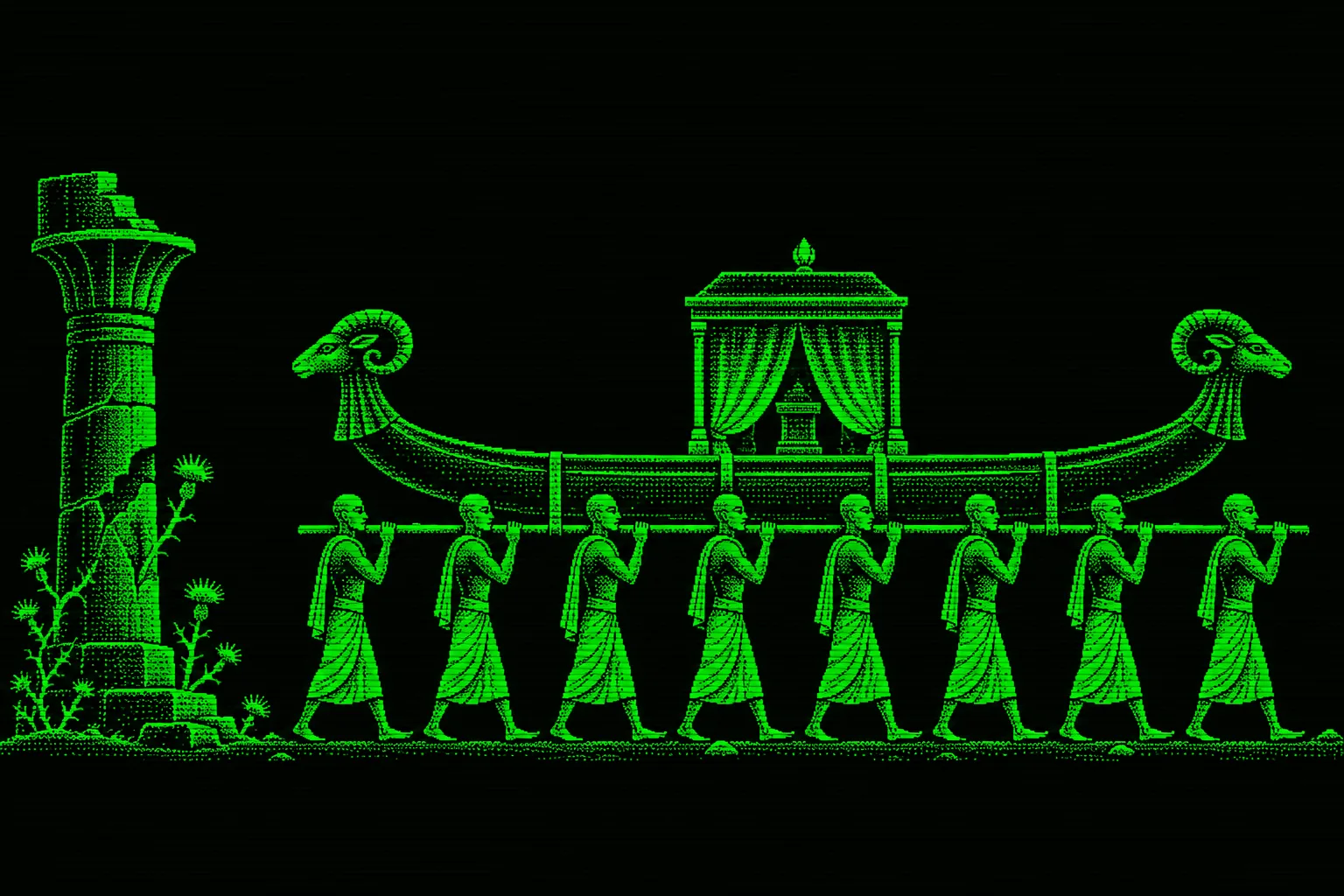
From his palace the king answers with metal and people: Amun on thirteen carrying poles, images of electrum, barques sheathed in gold, temple workhouses filled with slaves, men and women. Once he speaks himself: I have them guarded and protected for my fathers, all the gods. Every cartouche now reads Horemheb, who cut his names over Tutankhamun’s.
- 1
𓇹 𓏤𓏤𓏤𓏤 𓆷𓇳 𓎆𓏥𓏥𓏥 𓐍𓂋 𓍛𓏤 𓈖 𓅃 𓃒𓂡𓏏𓅱𓏏𓀙𓄟𓋴𓏲𓀔𓏏𓏥 𓅒 𓅉 𓆶𓈍𓏥𓊃𓊵𓏏𓊪𓊹 𓇓𓏏𓆤𓏏 𓅭𓇳 𓏙 𓋹 𓏇 𓇳𓏤 𓆓𓏏𓇿
[rnp,t-zp] [-(Zahl)-] ꜣbd 4 ꜣḫ,t 19 ḫr ḥm n ⸢Ḥr,w⸣ Kꜣ-nḫt-twt-msw,t Nb,tj ⸢Nfr⸣-[hp,w-sgrḥ]-tꜣ.du Ḥr,w-nbw Wṯz-ḫꜥ,w-sḥtp-nṯr,w nzw-bjt {{Nb-ḫpr,pl-Rꜥw}} [[Ḏsr-ḫpr,pl-Rꜥw-stp-n-Rꜥw]] zꜣ-Rꜥw {{Twt-ꜥnḫ-Jmn-⸮ḥqꜣ-Jwn,w-šmꜥ,w?}} [[Ḥr,w-m-ḥꜣb-mri̯-n-Jmn]] ⸢ḏi̯⸣ ⸢ꜥnḫ⸣ mj Rꜥw ⸢ḏ,t⸣ [nḥḥ]
Regnal year …, fourth month of the Inundation, day nineteen, under the Majesty of the Horus “Strong Bull, Perfect of Birth”; the Two Ladies “Whose Laws Are Perfect, Who Brings Peace to the Two Lands”; the Golden Horus “Who Raises the Crowns, Who Contents the Gods”; the King of Upper and Lower Egypt Djeserkheperure Setepenre, son of Ra, Horemheb, beloved of Amun, given life like Ra for ever and ever,
Note · Line 1
Horemheb had his names carved over those of the king who issued the inscription: Nebkheperure Tutankhamun, Ruler of Southern Heliopolis (Thebes). The first three royal names were left unchanged. - 2
𓌸𓇋𓇋𓀁 𓎟𓎽𓎽𓎽𓇿𓇿 𓏃𓇋𓊪𓏏𓊨𓏏𓏥𓊖 𓏏𓍃𓐝𓅱 𓇔𓊅𓆑 𓎟𓊹𓌃𓏪
mri̯.y [Jmn-Rꜥw] nb-ns,t.pl-Tꜣ.du ḫnt,j-jp,t-s,wt (J)tm,w nb-Tꜣ.du-⸢Jwn,w⸣ ⸢Rꜥw-Ḥr,w-ꜣḫ,tj⸣ ⸢Ptḥ⸣ ⸢rs,j-jnb≡f⸣ nb-[ꜥnḫ-Tꜣ.du] Ḏḥw,tj nb-mdw,pl-nṯr
beloved of Amun-Ra, lord of the thrones of the Two Lands, foremost in Karnak; of Atum, lord of the Two Lands and of Heliopolis; of Ra-Horakhty; of Ptah, South of His Wall, lord of Ankhtawy; and of Thoth, lord of divine words,
Note · Line 2
“Divine words” was also the Egyptian name for hieroglyphs. Thoth was the god of writing. - 3
𓏇𓇋 𓇋𓏏𓆑𓀭𓀰 𓁛 𓇳𓏤𓎟
ḫꜥ.w [ḥr] [s,t]-⸢Ḥr,w⸣ [n.t] [ꜥnḫ],w mj jt(j) Rꜥw rꜥw-nb
who appears each day on the throne of Horus over the living, like his father Ra:
- 4
𓅭𓏤𓇋𓏠𓈖 𓄟𓋴𓏏𓅂𓀾𓈖𓃒𓅐𓏏𓆗𓆑 𓉐𓂋𓏏𓍁𓈒𓏥 𓇋𓏠𓈖 𓆓𓊃 𓀨 𓀨 𓇓𓅱 𓄟𓋴 𓄟𓋴 𓇓𓅱
[nṯr]-nfr zꜣ-Jmn msṯ,w-n-Kꜣ-mw,t≡f pr,t ⸢ꜣḫ.t⸣ swḥ,t [ḏsr.t] ⸢wtt⸣.n Jmn ḏs =f [jt(j)] [Tꜣ.du] ⸢qd⸣ qd sw msi̯ msi̯ sw
The perfect god, son of Amun, offspring of Kamutef,
potent seed, sacred egg that Amun himself begot,
father of the Two Lands,
who fashioned him who fashioned him,
who begot him who begot him.Note · Line 4
Kamutef means “Bull of His Mother,” a name for the god who begets himself. The king, in turn, gives his own maker bodily form by fashioning his sacred image. - 5
𓋬𓂧𓏛 𓂋 𓄟𓋴𓅱𓏏 𓆑 𓂋 𓁹𓏏 𓇓𓏏𓀰 𓈖 𓎛𓇳𓎛 𓅃 𓎝𓎛 𓈖 𓆓𓏏𓇿 𓋾𓈎𓀰𓄤𓆑𓂋 𓁹𓂋 𓅜𓐍𓏏𓏛𓏥 𓈖
dmḏ bꜣ,pl-⸢Jwn,w⸣ r msi̯.tw =f r jri̯.t nzw n nḥḥ Ḥr,w wꜣḥ n ḏ,t ḥqꜣ-nfr jri̯ ⸢ꜣḫ.t⸣ n ⸢jt(j)-nṯr,pl-nb,pl⸣
The ba-spirits of Heliopolis came together to bring him to birth,
to make him king for all time,
a Horus who endures for ever,
a perfect ruler who does what is good for the father of all the gods.Note · Line 5
The ba-spirits are divine powers; Heliopolis was the city of the sun god Ra. - 6
𓈖𓏏𓏮 𓋆𓅓𓏲𓅨 𓅓 𓏠𓈖𓏌𓏌𓏌 𓎛𓇳𓎛
⸢srwḏ⸣.n =[f] n,tj wꜣsi̯ m mn,w ḥn,tj nḥḥ
Whatever had fallen into ruin among the monuments, he made firm to the end of eternity.
- 7
𓂧𓂋𓂡𓈖 𓆑 𓇋𓏛𓋴𓆑𓏭𓅨𓏪 𓆱𓐍𓏏𓂻 𓇿𓇿𓈅𓈅 𓌷𓏏𓂝𓁧 𓏠𓈖𓍘
dr.n =f jsf ḫt tꜣ.du mꜣꜥ,t mn.tj [m] [s,t] =[s]
He drove out injustice throughout the Two Lands, and Justice stands firm in her place.
Note · Line 7
Justice is Maat, the goddess who embodies the right order of the world. The Two Lands are Upper and Lower Egypt. - 8
𓃹𓈖 𓅓 𓃀𓅱𓏏𓆟𓏥 𓇿𓏤𓈅 𓏇𓇋 𓊃𓊪𓊗 𓆑
⸢ḏi̯⸣ =⸢f⸣ wn ⸢grg⸣ m bw,t tꜣ mj zp+ =f +⸢tp,j⸣
He made falsehood an abomination, and the land was as it had been at the First Time.
Note · Line 8
The First Time is the moment of creation, when the world first took its proper form. - 9
𓈍𓂝𓏛𓈖 𓍛𓀰 𓐝 𓇓𓏏𓀰 𓂋𓏤𓏥𓉐𓏤𓏪𓊖𓏥 𓏌𓏤 𓊹 𓊹𓏏𓂋𓇋𓇋𓏏𓆗𓏥 𓆷𓄿𓂝𓏛𓅓 … 𓏲𓈐 𓂋 𓍉𓊪𓅨
⸢jst⸣ ⸢r⸣ =⸢f⸣ ḫꜥi̯.n ḥm =f m nzw ⸢jw⸣ rʾ.pl-pr n.w nṯr.pl nṯr,yt.pl šꜣꜥ-m ⸢Ꜣbw⸣ [nfr,yt-r] ⸢ẖꜣ,t⸣ ⸢jdḥw⸣ [...] wꜣi̯ r stp
Now when His Majesty appeared as king, the temples of the gods and goddesses, from Elephantine to the lagoons of the Delta …, were on the verge of ruin.
Note · Line 9
The account now looks back to the aftermath of Akhenaten’s reign, when worship of the sun disk Aten had displaced the cults of other gods. - 10
𓋴𓈖𓏥 𓍯𓄿𓅱𓈐 𓂋 𓌻𓂋𓎛𓅨 𓆣𓂋 𓅓 𓇋𓄿𓄿𓈅𓏥
⸢ḫm.w⸣ =sn wꜣi̯.w r mrḥ ḫpr m jꜣꜣ ⸢rd⸣ ⸢m⸣ ⸢kṯ⸣
Their shrines were going to ruin, turned to mounds overgrown with thistles.
- 11
𓃛𓅱𓈖𓈖𓉐𓏤𓏥 𓋴𓈖𓏥 𓏇𓇋 𓈖𓏏𓏮 𓂜 𓆣𓂋
jwnn.pl =sn mj n,tj n ḫpr
Their sanctuaries were as if they had never been.
- 12
𓉞𓏏𓉐 𓋴𓈖𓏥 𓐝 𓈐𓏏𓏤𓂾𓏤𓂻
ḥw,t.pl =sn m wꜣ,t-rd
Their temples were footpaths.
- 13
𓅓 𓊃𓈖𓏕𓏭𓂻 𓏠𓈖𓏏𓏴𓅨𓏥
⸢wnn⸣ tꜣ m zni̯ mn,t
The land was passing through a sickness.
- 14
𓊹 𓐝𓂝𓎡𓇉𓄿𓁶 𓋴𓈖𓏥 𓇿𓏤𓈅 𓊪𓈖
nṯr.pl mkḥꜣ =sn tꜣ pn
The gods had turned their backs on this land.
- 15
𓇋𓂋 𓂋 𓍑𓉔𓌙𓈉 𓂋 𓋴𓅱𓋴𓐍𓎺 𓏏𓍔𓈙𓏴𓏛𓏪 𓆎𓏏𓊖 𓂜 𓆣𓂋𓈖 𓂋𓅱𓂧𓏏𓌗𓏛 𓋴𓈖𓏥 𓎟
jr ⸢hꜣb⸣ =[tw] ⸢mšꜥ⸣ r ḏh r swsḫ tꜣš.pl Km,t n ḫpr.n rwḏ,t =sn nb
If an army was sent to Djahy to extend Egypt’s borders, the troops met with no success at all.
Note · Line 15
Djahy was in the southern Levant. - 16
𓇋𓂋 𓊃𓈖𓌱𓅓𓎛𓀢𓏛 𓏏𓏲 𓋔 𓊹𓀭 𓂋 𓐩𓏌𓀁 𓐍𓏏𓏛𓏥 𓆑 𓂜𓈖 𓇍𓇋𓂻𓈖
jr snmḥ =tw n nṯr r ꜣbi̯ (j)ḫ,t m-ꜥ =f nn jy.n =⸢f⸣ [rsj]
If anyone prayed to a god to ask something of him, he never came.
- 17
𓊃𓈙𓄿𓏭𓀁 𓏏𓅱 𓈖 𓂜 𓇍𓇋𓂻𓈖 𓋴 𓂋𓏤𓏭𓈐
⸢jr⸣ sšꜣ =tw n nṯr,t [nb] ⸢m-mj,tt⸣ n jy.n =s rsj
If anyone pleaded in the same way with any goddess, she never came.
- 18
𓄣𓏤 𓋴𓈖𓏥 𓆑𓈖𓅨 𓁷𓏤 𓆓𓏏𓏤 𓊃𓈖𓏥
jb =sn fn ḥr ḏ,t =sn
Their hearts were faint within their bodies.
- 19
𓌌𓏴𓅨 𓋴𓈖𓏥 𓁹𓇋𓇋𓏏𓏥
ḥḏi̯ =sn jr,yt
They undid what had been done.
- 20
𓐍𓂋𓐝𓆱𓐍𓏏𓂻 𓉔𓂋𓅱𓇳𓏥 𓏴𓂻 𓁷𓏤 𓊨𓏏𓉐 𓇋𓏏𓆑𓀭𓀰
ḫr-m-ḫt hrw.pl swꜣi̯ ḥr ⸢nn⸣ ⸢ḫꜥi̯.yt⸣ [ḥm] =[f] [ḥr] s,t jt(j)
When days had passed after this, His Majesty appeared on his father’s throne.
- 21
𓋾𓂝𓈖 𓆑 𓈅𓉐𓈅𓉐𓈅𓉐 𓅃
ḥqꜣ.n =f jdb.pl Ḥr,w
He ruled the banks of Horus.
Note · Line 21
The banks are the lands along the Nile, the realm of Horus. - 22
𓆎𓐝𓏏𓊖 𓂧𓈙𓂋𓅠𓏏𓌙𓈉 𓌨𓂋𓊨𓏏𓉐𓁷𓏤 𓆑
Km,t dšr,t ẖr-s,t-ḥr =f
The Black Land and the Red Land were under his eye.
Note · Line 22
The Black Land is Egypt’s dark, fertile soil; the Red Land is the desert. - 23
𓇿𓈅𓏤 𓎟 𓐝 𓎡𓊃𓀓𓏲𓏥 𓈖 𓅢𓏛𓏥 𓆑
tꜣ nb m ks,w n bꜣ,pl =f
Every land bowed before his power.
- 24
𓇋𓋴𓏏𓅱 𓍛𓏤𓀰 𓆑 𓅓 𓉦𓉐 𓆑 𓏶𓐝 𓉐𓏤𓇳𓉻𓆣𓂓 𓇳𓏤𓀭 𓅓𓄚𓈖𓏌𓉐 𓊪𓏏𓇯
jstw ḥm =f m ꜥḥ =f jm,j Pr-ꜥꜣ-ḫpr-kꜣ-Rꜥw ⸢mj⸣ ⸢Rꜥw⸣ m-ẖnw p,t
Now His Majesty was in his palace in the House of Aakheperkare, like Ra in the midst of the sky.
Note · Line 24
Aakheperkare was the throne name of Thutmose I. - 25
𓃹𓈖𓇋𓋔 𓍛𓀰 𓆑 𓁷𓏤 𓁹𓏏 𓋴𓐍𓂋𓏛𓏪 𓏌𓏤 𓇿𓏤𓈅 𓊪𓈖 𓏌𓏤 𓈅𓎼𓈅𓎼
wn,jn ḥm =f ḥr jri̯.t sḫr.pl n.w tꜣ pn ẖr,t-hrw n.w jdb.du
Then His Majesty began laying plans for this land and for the daily needs of the Two Banks.
- 26
𓃹𓈖𓈖𓐍𓂋 𓍛𓀰 𓆑 𓁷𓏤 𓍯𓄿𓍯𓄿𓏛 𓉲𓏤𓉐 𓎛𓈖𓂝 𓄣𓏤 𓆑 𓁷𓏤 𓆓𓂝𓂋𓌙𓂻 𓊃𓊪𓊗 𓎟 𓏠𓈖𓐍𓍊𓏝 𓁷𓏤 𓅜𓐍𓏏𓏪 𓈖 𓏏𓆑 𓇋𓏠𓈖 𓁷𓏤 𓄟𓋴𓏏𓀉 𓏏𓇋𓏏𓂇 𓆑 𓀼𓋴𓏏𓏛 𓐝 𓋡𓈒𓏥 𓌷𓂝𓏛
wnn,ḫr ḥm =f ḥr wꜣwꜣ zḥ ḥnꜥ jb =f ḥr ḏꜥr zp nb mnḫ ⸢ḥr⸣ ⸢ḥḥ⸣ ꜣḫ,t n (j)t(j) Jmn ḥr msi̯.t tj,t =f šps.t m ḏꜥm mꜣꜥ
His Majesty took counsel with his own heart, weighing every worthy course, seeking what would benefit his father Amun, fashioning his august image in genuine electrum.
Note · Line 26
Electrum is an alloy of gold and silver. - 27
𓂞𓈖 𓆑 𓇉𓏲𓄿𓏥𓏛 𓁷𓏤 𓁹𓇋𓇋𓏏𓏥 𓇥𓂋𓂸𓏛
ḏi̯.n =f ḥꜣ,w ḥr jri̯.yt ḏr-bꜣḥ
He added to what had been done before.
- 28
𓄟𓋴𓁒𓈖 𓆑 𓇋𓏏𓆑𓀭𓀭 𓇋𓏠𓈖 𓁷𓏤 𓇋𓋔𓇋𓅱𓊸𓅡𓏤𓆱 𓎆𓏥 𓏏𓇋𓏏𓂇 𓅓 𓋡𓈒𓏥 𓉻𓏏𓊌𓏥 𓎟𓏏 𓀼𓋴𓏏𓏛
msi̯.n =f jt(j) Jmn ḥr jn~jw~bꜣ 13 tj,t =f ⸢ḏsr.t⸣ m ḏꜥm ḫsbd [mfk,t] ꜥꜣ,t nb.t šps.t
He fashioned his father Amun on thirteen carrying poles, his sacred image of electrum, lapis lazuli, turquoise and every kind of precious stone.
Note · Line 28
In procession, priests shouldered the poles that bore the god’s sacred barque and the image it enshrined. - 29
𓇋𓅱 𓎼𓂋𓏏 𓃹𓈖 𓍛𓏤 𓈖 𓊹𓀭 𓊪𓈖 𓀼𓋴𓏛 𓌨𓂋𓄂𓏏𓏤 𓁷𓏤 𓇋𓋔𓇋𓅱𓊸𓅡𓏤𓆱 𓎆𓏤
jw gr,t wn ḥm n nṯr pn šps ẖr-ḥꜣ,t ḥr jn~jw~bꜣ 11
Formerly the majesty of this august god had been borne on eleven carrying poles.
- 30
𓄟𓋴𓈖 𓆑 𓊪𓏏𓎛𓁱 𓇔𓊅𓆑 𓏏𓇋𓏏𓂇 𓆑 𓀼𓋴𓏏𓏛 𓐝 𓏏𓇋𓏏𓂇 𓆑 𓂦𓂋𓏛 𓅓 𓋡𓈒𓏥 𓐍𓊃𓃀𓂧𓈒𓏥 𓅖𓆑𓎡𓏏𓈒𓏥 𓉻𓊌𓏏𓏥 𓎟 𓀼𓋴𓏏𓏛
msi̯.n =f Ptḥ rs,j-jnb≡f ⸢nb-ꜥnḫ-Tꜣ.du⸣ tj,t =f šps,t m ⸢ḏꜥm⸣ [ḥr] [jn~jw~bꜣ] ⸢11⸣ tj,t =f ḏsr.(t) m ḏꜥm ḫsbd mfk,t ꜥꜣ,t nb šps.t
He fashioned Ptah, South of His Wall, lord of Ankhtawy: his august image of electrum on eleven carrying poles, his sacred image of electrum, lapis lazuli, turquoise and every kind of precious stone.
- 31
𓇋𓅱 𓎼𓂋𓏏 𓃹𓈖 𓍛𓏤 𓋔 𓊹𓀭 𓊪𓈖 𓀼𓋴𓏏 𓌨𓂋𓄂𓏏𓏤 𓁷𓏤
jw gr,t wn ḥm n nṯr pn šps.t ẖr-ḥꜣ,t ḥr jn~jw~bꜣ ⸮⸢7⸣?
Formerly the majesty of this august god rested on seven carrying poles.
Note · Line 31
The god was carried in procession in the form of his sacred image. - 32
𓃹𓈖𓇋𓋔 𓍛𓀰 𓆑 𓁷𓏤 𓁹𓏏 𓏠𓈖𓏌𓏌𓏌 𓋔 𓅄𓀭𓏪 𓋴𓈖𓏥 𓅓 𓋡𓈒𓏪 𓌷𓂝𓏛 𓈖 𓁶𓏤 𓈉𓏏𓏥 𓁷𓏤 𓀨𓂡 𓃛𓅱𓈖𓈖𓉐𓏤𓏥 𓋴𓈖𓏥 𓅓 𓐝 𓏠𓏌𓏌𓏌𓎛𓆰𓏏𓎨𓎨 𓋴𓏠𓈖𓐍𓍊 𓁷𓏤 𓐍𓂋𓏛𓈓 𓆓𓏏𓇿 𓁷𓏤 𓎝𓎛 𓈖 𓊃𓈖𓏥 𓊹𓊵𓏏𓊪𓈀𓏥 𓅓 𓇋𓏠𓈖𓇋𓇋𓏏𓀢𓏛𓏪 𓈖𓏏 𓇳𓏤𓎟 𓁷𓏤 𓋴𓆓𓆑𓅭𓏥 𓅮𓏏𓅱𓏖𓏥𓈀 𓊃𓈖𓏥 𓁶𓏤 𓇿𓏤𓈅
wn,jn ḥm =f ḥr jri̯.t mn,w n ⸢nṯr.pl⸣ [ḥr] [msi̯.t] ⸢ḫm,w.pl⸣ =sn m ḏꜥm mꜣꜥ n tp ḫꜣs,t.pl ḥr qd jwnn.pl =sn m ⸢mꜣw,t⸣ m mn,w ḥn,tj [nḥḥ] smnḫ ḥr ḫr(,t) ḏ,t ḥr wꜣḥ n =sn ḥtp-nṯr m jmn,yt n.t rꜥw-nb ḥr sḏf pꜣw,t.pl =sn tp tꜣ
Then His Majesty made monuments for the gods. He fashioned their images in genuine electrum, the finest the foreign lands had to offer. He built their sanctuaries anew as monuments to last the span of eternity, splendidly furnished with all that eternity requires. He established divine offerings for them as a standing provision for every day and supplied their offering loaves on earth.
- 33
𓂞𓈖 𓆑 𓇉𓅱𓏛𓏥 𓁷𓏤 𓐝𓂸𓏛
ḏi̯.n =f ḥꜣ,w ḥr ⸢wn.t⸣ m-bꜣḥ
He added to what there had been before.
- 34
𓇥𓂋 𓂋𓎡𓇳 𓏶𓅓𓅱𓄂𓏤𓏏𓀼𓏪
sni̯.[n] =[f] ⸢jr,yt⸣ ḏr rk jm.w-ḥꜣ,t
He surpassed all that had been done since the days of the ancestors.
- 35
𓃀𓋴𓆟𓂻𓈖 𓆑 𓊹𓍛𓏤𓀀𓏪 𓅓 𓄟𓋴𓅱𓀔𓏪 𓀙𓅱𓏪 𓏌𓏤 𓊖 𓋴𓈖𓏥 𓅓 𓅭𓏤𓊃𓀀𓏤 𓂋𓐍𓏛 𓂋𓐍𓏛 𓂋𓈖𓀁 𓆑
bsi̯.n =f ⸢wꜥb.pl⸣ ḥm.pl-nṯr m ms.w sr.w n.w nʾ,t =sn m zꜣ-z rḫ rḫ rn =f
He inducted wab-priests and god’s servants from among the children of the high officials of their city, each a man of good birth, known himself and known by name.
Note · Line 35
Wab means “pure.” A wab-priest attended to the daily rites; “god’s servant” was the title of a higher rank of priest. - 36
𓆑 𓊃𓈖𓏥 𓅓 𓋞𓈒𓏥 𓋠𓈒𓏥 𓍑𓏤𓈒𓏥 𓆠𓊌𓈒𓏥 𓂜𓈖 𓇥𓂋𓅱𓈐𓏥
⸢sꜥšꜣ⸣.n =f [wdḥ,w.pl] =sn m nbw ḥḏ ḥzmn ḥmt nn ḏr m [(j)ḫ,t] [nb.t]
He multiplied their offering stands of gold, silver, bronze and copper, with no limit to any of these materials.
- 37
𓎔𓏛𓈖 𓆑 𓃭𓂝𓉐𓏥 𓊃𓈖𓏥 𓅓 𓍛𓏤𓀀𓏪 𓍛𓏏𓏤𓁐𓏥 𓅓 𓏎𓈖𓏌𓏲𓏋𓏥 𓋔 𓇉𓄿𓈎𓏏𓂡 𓍛𓀰 𓆑
mḥ.n =f pr-šnꜥ.pl =sn m ḥm.pl ḥm,t.pl m jn,w n ḥꜣq.t ḥm =f
He filled their workhouses with slaves, men and women, brought in as tribute from His Majesty’s spoils of war.
- 38
𓎟 𓈖 𓂋𓏤𓏥𓉐𓏤𓏥𓏪𓊖𓏥 𓈎𓃀𓄲𓏛 𓐍𓂸𓏏𓈗𓂜 𓇋𓆑𓂧𓏭𓂢𓏥𓏤 𓅓 𓋠𓈒𓏥 𓐍𓊃𓃀𓂧𓈒𓏥 𓅖𓆑𓎡𓏏𓈒𓏥 𓉻𓏏𓊌𓏥 𓎟𓏏 𓀼𓋴𓏏 𓇓𓏏𓈖𓋳𓏤 𓌉𓏏𓋳𓏪 𓊪𓈎𓏏𓋳𓏥 𓃀𓈎𓏊𓏪 𓈎𓏇𓇋𓇋𓏏𓈒𓏥 𓎙𓂧𓏮𓏋𓏥 … 𓊹𓌢𓈖𓏏𓂋𓈒𓏥 𓇋𓉔𓐝𓏏𓈒𓏥 𓂝𓈖𓏏𓄿𓏋𓏪 𓂜𓈖 𓇥𓂋𓂝𓏤 𓅓 𓐍𓏏𓏛𓏥 𓎟𓏏 𓄤𓆑𓂋𓏏𓏛
[sꜥꜣi̯.n] =[f] ⸢bꜣk,t⸣ nb n rʾ.pl-pr qb ḫmt jfdi̯ m ḥḏ ⸢nbw⸣ ḫsbd mfk,t ꜥꜣ,t nb.t šps.t sšr,w-nzw ḥḏ,t pq,t bq qmy,t ꜥḏ [...] snṯr jhm,t ꜥnt,w nn ḏr-ꜥ m (j)ḫ,t nb.t nfr.t
He increased all the dues to the temples twofold, threefold, fourfold: silver, gold, lapis lazuli, turquoise and every precious stone; royal linen, white linen and fine linen; moringa oil, resin, fat, … frankincense, balsam and myrrh—every good thing without limit.
- 39
𓍛𓀰 𓆑 𓋹𓍑𓋴 𓅱𓇋𓄿𓏥 𓋴𓈖𓏥 𓈖 𓁶𓏤 𓇋𓏏𓂋𓏲𓈗𓈘𓏤𓈅 𓅓 𓂝𓈙𓐎𓆮 𓅁𓏛 𓈖 𓅓 𓍉𓊪𓏛 𓈖 𓈖𓎼𓄿𓏲𓌪𓌙𓈉 𓅡𓎡𓅱𓂡 𓅓 𓋞𓈒𓏥 𓈖 𓁶𓏤 𓈉𓏏𓏥 𓋴𓌉𓆓𓇳 𓋴𓈖𓏥
mḏḥ.n ḥm =f ꜥnḫ-(w)ḏꜣ-s(nb) wjꜣ.pl =sn n tp jtr,w m ꜥš mꜣ〈ꜥ〉 n Tp-ḫt,w m stp n Ngꜣ,w bꜣk.w m nbw n tp ḫꜣs,t.pl sḥḏ =sn jtr,w
His Majesty—may he live, prosper and be well—built their river barques of genuine fir from Lebanon and choice timber from Negau. He sheathed them in gold, the finest the foreign lands had to offer, so that they might light up the Nile.
- 40
𓇋𓅱 𓋴𓃂𓈗𓏛𓈖 𓍛𓏤𓀰 𓆑 𓋹𓍑𓋴 𓍛𓀀𓏥 𓍛𓏏𓁐𓏥 M159𓏏𓅱𓀁𓁐𓏥 𓐍𓃀𓅡𓄿𓇋𓇋𓏏𓏭𓂻𓁐𓏥 𓃹𓈖 𓅓 𓐩𓏌𓏏𓏮𓁐𓏥 𓐝 𓉐𓏤𓇓𓏏𓈖 𓇋𓊪𓏛 𓏏𓅱 𓅡𓎡𓏛𓏪 𓋴𓈖𓏥 𓂋 𓈖 𓎟𓇿𓇿
jw swꜥb.n ḥm =f ꜥnḫ-(w)ḏꜣ-s(nb) ḥm.pl ḥm,t.pl šmꜥ,wt.pl ḫbꜣ,yt.pl wn m nḏ,t m pr-nzw jp =tw bꜣk,w =sn r ⸢ꜥḥ⸣ [r] [pr-ḥḏ] n nb-Tꜣ.du
His Majesty—may he live, prosper and be well—purified the slaves, male and female, and the women singers and dancers who had been dependants of the royal household. Their labor had been credited to the palace and to the treasury of the Lord of the Two Lands.
Note · Line 40
The king is consecrating people previously in royal service to serve the gods. - 41
𓂞 𓀰 𓃹𓈖 𓊃𓈖𓏥 𓐍𓂤𓅱𓏛 𓅓𓂝𓎡𓅱𓏛𓏪 𓋔 𓇋𓏏𓆑𓀰𓀰𓀰𓏥 𓊹 𓎟𓅱𓏥 𓅓𓌻𓂋𓇋𓇋𓀁 𓋴𓊵𓏏𓊪 𓊃𓈖𓏥 𓐝 𓁹𓏏 𓌻𓂋𓂋𓏏𓀁 𓂓𓏤 𓊃𓈖𓏥 𓐍𓂤𓅱
ḏi̯ =j wn =sn ḫwi̯.w mki̯.w n jt(j).pl =j nṯr.pl nb.w m-mry,(t) sḥtp =sn m jri̯.t mrr.t kꜣ =sn ḫwi̯ =⸢sn⸣ [Tꜣ-mrj]
I have them guarded and protected for my fathers, all the gods, so that they may please the gods by doing what their ka desires, and the gods in turn may protect Egypt.
Note · Line 41
The king speaks here in his own voice. The ka is the vital presence of a god or a person, sustained by offerings. - 42
𓊹𓏪 𓊹𓏏𓂋𓇋𓇋𓏏𓆗𓏥 𓏶𓅱𓏥 𓇾𓏤𓈅 𓊪𓈖 𓄣𓏤 𓊃𓈖𓏪 𓐝 𓂋𓈙𓏲𓏏𓂉𓏛
nṯr.pl nṯr,yt.pl jm.w tꜣ pn jb =sn m rš,wt
The gods and goddesses in this land rejoice in their hearts.
- 43
𓎟𓏥 𓊃𓐍𓐝𓅱𓂜𓉐𓏥 𓅓 𓎛𓂝𓏲𓏏𓀠𓏛
nb.pl ḫm.w m ḥꜥ,wt
The lords of the shrines exult.
- 44
𓈅𓈅𓈅 𓐝 𓉔𓇋𓇋𓀁 𓉔𓈖𓏌𓅱𓀊
jdb.pl m hy hn,w
The riverbanks ring with cheers and shouts of joy.
- 45
𓍿𓎛𓎛𓅱𓏏𓀁𓏥
ṯḥḥw,t ḫt [tꜣ] [r-ḏr] =[f]
Cries of joy throughout the land!
- 46
𓄤𓆑𓂋 𓆣𓂋
[sḫr].pl nfr ḫpr
Good things have come to pass.
- 47
𓇸𓏏𓊹 𓏶𓅓𓏲𓏪𓉟𓏏𓉐 𓂝𓂝 𓋴𓈖𓏥 𓅓 𓇋𓏥𓀢 𓂧𓏏𓏥 𓊃𓈖𓏥 𓎔𓏛 𓐝 𓉳 𓎛𓇳𓎛 𓆓𓏏𓇿
psḏ,t jm.w-ḥw,t-ꜥꜣ.t ꜥ.du =sn m jꜣ,w ḏr,t.pl =sn mḥ m ḥꜣb.pl-sd [n,w] nḥḥ ḏ,t
The gods of the Ennead in the Great Temple each raise both arms in praise; their hands are full of Sed festivals for ever and ever.
Note · Line 47
The Ennead is a company of nine gods. The Sed festival was the jubilee at which the king’s power was renewed; the gods hold a whole succession of jubilees to give him. - 48
𓋹 𓌀 𓎟 𓐍𓂋 𓋴𓈖𓏥 𓂋 𓆑𓈖𓂧𓂉𓏛 𓈖 𓇓𓏏𓈖𓂡𓅃𓄙𓄟𓋴𓏏𓅱𓏥
ꜥnḫ wꜣs nb ḫr =sn r fnd n Ḥr,w-wḥm-msw,t
They hold all life and dominion to the nose of Horus who renews birth,
Note · Line 48
In temple scenes a god holds the sign for life to the king’s nose, giving him the breath of life. Horus here is the king. - 49
𓅭𓏤 𓌻𓂋𓀁 𓄟𓋴𓈖 𓆑 𓇓𓅱 𓂋 𓄟𓋴𓏏 𓆑
zꜣ mri̯ [n] [jt(j)] [Jmn-Rꜥw] [nzw-nṯr.pl] msi̯.n =f sw r msi̯.t =f
the beloved son of his father Amun-Ra, king of the gods, who gave his son being so that his son in turn might give him being:
Note · Line 49
The king gives the god visible form by fashioning his image. - 50
𓇓𓏏𓆤𓏏 𓇳𓂥𓆣𓇳𓏥𓍉𓈖 𓌻𓂋𓀁𓈖 𓇋𓏠𓈖 𓅭𓏤 𓆑 𓌷𓂝𓏛 𓌸𓇋𓇋𓀁 𓆑 𓐩𓏌𓂡 𓁷𓏤 𓇋𓏏𓆑 𓄟𓋴 𓇓𓅱 𓇓𓏏𓈖𓇋𓇋𓏛 𓆑
nzw-bjt {{Nb-ḫpr,pl-Rꜥw}} [[Ḏsr-ḫpr,pl-Rꜥw-stp-n-Rꜥw]] mri̯.n Jmn zꜣ =f sms,w mꜣꜥ mri̯.y =f nḏ ḥr jt(j) msi̯ sw nzw,yt =f ⸢nzw,yt⸣ [n.w] [jt(j)] [(W)sr(,w)]
the King of Upper and Lower Egypt, Djeserkheperure Setepenre, whom Amun loves, his true eldest son whom he loves, who pays homage to the father who begot him, whose kingship is the kingship of his father Osiris;
Note · Line 50
Horemheb had his own names cut over Tutankhamun’s on this monument. Here his throne name replaces Tutankhamun’s, Nebkheperure. - 51
𓅭𓇳 𓇋𓏠𓈖𓈘𓅃𓋔𓐝𓎱 𓅭𓏤 𓅜𓐍𓏛 𓈖 𓄟𓋴 𓇓𓅱 𓏠𓈖𓏌𓏌𓏌𓇋𓇋𓏛𓏥 𓆈𓏥 𓁹 𓏠𓏌𓏌𓏌 𓐝 𓈎𓂝𓌙𓌙 𓄣𓏤 𓆑 𓋔 𓇋𓏏𓆑 𓇋𓏠𓈖 𓏏𓅱𓏏𓀾 𓄟𓋴𓅱𓏥
zꜣ-Rꜥw {{Twt-ꜥnḫ-Jmn-⸮ḥqꜣ-Jwn,w-šmꜥ,w?}} [[Ḥr,w-m-ḥꜣb-mri̯-n-Jmn]] zꜣ ꜣḫ n msi̯ sw mn,wy ꜥšꜣ bjꜣ,yt jri̯ mn,w m ꜥq(ꜣ) jb =f n jt(j) Jmn twt ms,w ⸢jty⸣ [grg] [Km,t]
the Son of Ra, Horemheb, beloved of Amun, a son whose deeds serve the one who begot him, rich in monuments, manifold in wonders, who makes monuments with an upright heart for his father Amun, perfect from birth, the ruler who founded Egypt.
Note · Line 51
The name replaced here was “Tutankhamun, ruler of Southern Heliopolis.” Southern Heliopolis is Thebes. - 52
𓊪𓈖 𓇋𓅱 𓏏𓅱 𓅓 𓉦𓉐 𓄤 𓏶 𓉐𓏤𓇳𓉻𓆣𓂓𓌷𓂝𓊤𓅱𓀁
⸢hrw⸣ pn jw =tw m ꜥḥ nfr jm,j pr-Ꜥꜣ-ḫpr-kꜣ-Rꜥw-mꜣꜥ-ḫrw
On this day the court was in the beautiful palace within the House of Aakheperkare, the justified.
Note · Line 52
“Justified” marks him as one of the vindicated dead. - 53
𓇋𓋴𓏏𓅱 𓂋𓈖𓊪𓇋𓀔𓏪 𓍿𓏏𓂡 𓃹𓈖𓏭𓂻𓁷𓏤𓆓𓏏𓏤𓆑 𓀨𓂡𓈖 𓇓𓅱 𓎸𓅓𓏲𓏤 …
jstw [ḥm] =[f] [ꜥnḫ-(w)ḏꜣ-s(nb)] rnpi̯ (j)ṯi̯.t wn-ḥr-ḏ,t≡f qd.n sw H̱nm,w [...]
Now His Majesty—may he live, prosper and be well—was young again and took up the one that moves on its belly, he whom Khnum had fashioned …
Note · Line 53
The one that moves on its belly is the cobra worn on the king’s brow. Khnum was the god who shaped living bodies on a potter’s wheel. - 54
𓍿𓌳𓂝𓏛𓂝𓏤 𓊪𓅱 𓉻 𓄇𓏏𓏮 𓐝 𓏏𓈖𓏌𓅱𓌙𓅯𓏛 𓂋 𓈖𓆱𓐍𓏏𓂡 𓅨𓂋 𓄇𓏏𓏮 𓏇𓇋 𓍿𓌳𓋴𓏤 𓏇𓇋 𓅃
⸢ṯmꜣ-ꜥ⸣ pw ꜥꜣ pḥ,tj m tni̯.w r nḫt wr pḥ,tj mj ⸢zꜣ⸣ [Nw,t] ṯmꜣ-ꜥ mj Ḥr,w
Strong of arm is he, great in might, surpassing strength itself, mighty as the son of Nut, strong of arm as Horus.
- 55
𓂜𓈖 𓆣𓂋 𓈖 𓆑 𓏮𓏌 𓐝 𓈎𓈖𓏌𓅱𓂡𓏥 𓏌𓏤 𓇿𓏤𓈅 𓎟 𓋬𓂧
nn ḫpr.n n =f sn,w m qn.w n.w tꜣ nb 〈m〉 dmḏ
No equal of his has arisen among the valiant of all lands together.
- 56
𓂋𓐍𓏛 𓏇 𓂋𓂝𓇳𓏤 𓋷𓄿𓄿𓀁 𓏇𓇋 𓅝𓏏𓏮 𓆷𓄿𓏛 𓉔𓊪𓅱𓏛𓏪 𓏠𓈖𓐍𓍊 𓎘𓅱 … 𓇋𓈎𓂋𓏛 𓉐𓂋𓂻𓈖𓂋𓏤
rḫ mj Rꜥw [ḥmu̯.w] [jb] [mj] ⸢Ptḥ⸣ sjꜣꜣ mj Ḏḥw,tj šꜣ hp.w mnḫ wḏ [...] jqr pr-n-rʾ
He knows as Ra knows, is inventive of heart like Ptah, discerning like Thoth; he lays down laws, excels in command … excels in speech.
- 57
𓇓𓏏𓆤𓏏 𓎟𓇿𓇿 𓎟𓁹𓐍𓏏 𓎟𓄘 𓇳𓂥𓆣𓏪𓍉𓈖𓇳 𓋴𓊵𓏏𓊪 …
nzw-bjt nb-tꜣ.du nb-jri̯-(j)ḫ,t nb-ḫpš {{Nb-ḫpr,pl-Rꜥw}} [[Ḏsr-ḫpr,pl-Rꜥw-stp-n-Rꜥw]] sḥtp ⸮tꜣ.du? [...]
The King of Upper and Lower Egypt, Lord of the Two Lands, Lord of Ritual, Lord of Strength, Djeserkheperure Setepenre, who brings contentment to the Two Lands …
- 58
𓈘𓏤 𓆑 𓎟𓈖𓈉𓎟𓏏 𓎟𓈍𓏥 𓇋𓏠𓈖𓈘𓅃𓋔𓐝𓎱 𓏙 𓋹 𓊽 𓌀 𓏇𓇋 𓇳𓏤
[zꜣ-Rꜥw] ⸢n⸣ ⸢ẖ,t⸣ =⸢f⸣ mri̯ =f nb-n-ḫꜣs,t-nb,t nb-ḫꜥ,pl {{Twt-ꜥnḫ-Jmn-⸮ḥqꜣ-Jwn,w-šmꜥ,w?}} [[Ḥr,w-m-ḥꜣb-mri̯.n-Jmn]] ḏi̯ ꜥnḫ ḏd wꜣs mj Rꜥw [ḏ,t] [r] [nḥḥ]
the Son of Ra, of his own body, whom he loves, Lord of Every Foreign Land, Lord of Crowns, Horemheb, beloved of Amun, given life, stability and dominion like Ra, for ever and ever.