~/sacred-texts/ramesseum-papyri-medical-texts
Ramesseum Papyrus III: Charms for a Baby Who Won’t Suckle
- Date
- Copied in hieratic on papyrus in the late Middle Kingdom, 13th Dynasty (about 1750–1650 BC)
- Found
- Found in 1896 in a shaft tomb beneath the Ramesseum at Thebes; now in the British Museum, London
- Language
- Middle Egyptian · Hieratic
The papyrus lists remedies under short headings. Tilapia entrails are applied for the hunger of both knees. A split apenenet animal charred in oil is rubbed on a sore spot on the head, but only if the flesh does not grow hot. Wax and burnt rush ash are prepared for a burn.
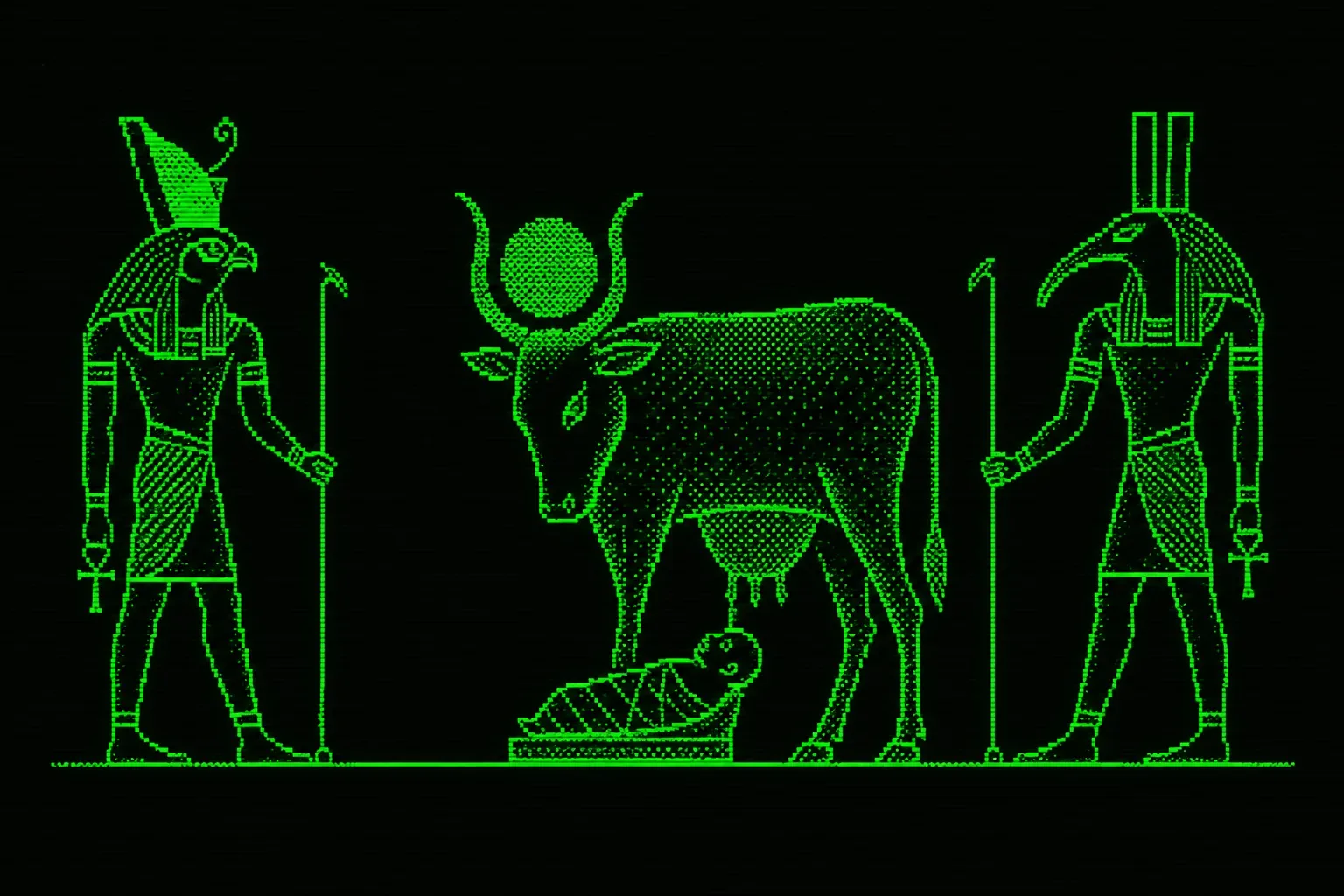
For a baby who will not feed, two rival gods speak with one voice: “Swallow!” said Horus. “Chew!” said Seth. A later spell takes away a child’s thirst: Your thirst is in my fist. Your hunger is in my grip. The cow goddess Hesat is called in, her teat is in your mouth, and the words are spoken over a paste of earth.
- 1
… 𓁷𓏤 𓈘𓊃𓏏𓄹𓏤 𓌴𓂝𓊤𓅱𓀁 𓅱𓆑𓄿𓏲𓅯𓄹𓏤 𓂋 𓇑𓇑𓈝𓅓𓄹𓏤 …
[...] ḥr mjz,t mꜣꜥ-ḫrw wfꜣ r nnšm mẖt,w [...] [___].pl
… over the liver. The wefa lung is true of voice against the spleen. The entrails …
- 2
𓂧𓂋𓂡 𓎛𓈎𓂋𓅪 𓌳𓊨𓏏𓂾𓂾 𓄤
dr ḥqr mꜣs,t.du ((nfr))
To drive out the hunger of both knees. Good!
Note · Line 2
“Hunger” is the name given to the knee complaint. “Good!” is a mark of approval beside the prescription. - 3
𓅓𓄡𓏏𓅂𓄹𓏤𓏥 𓇋𓆛𓈖𓏏𓆟
mẖt,w jn,t
The entrails of a bulti fish (tilapia):
- 4
𓂋𓂞 𓂋 𓋴
rdi̯ r =s
they are to be applied to the spot.
- 5
𓊪𓂝𓈖𓈖𓏏𓆙 𓊪𓎛𓂧𓏏𓏴 𓅓 𓐞𓏤𓅱𓏭
{p}ꜥ〈p〉nn,t pḥd.t m gs.wj
An apenenet animal, split into two halves:
Note · Line 5
The species has not been identified. - 6
𓂋𓂞𓏏 𓂋 𓋴
rdi̯.t(w) r =s
it is to be applied to the spot.
- 7
𓅱𓏏𓐎𓂡 𓁷𓂋 𓋴
wt ḥr =s
A bandage is to be wrapped over it.
- 8
𓅱𓂧𓂧𓄹𓏤 𓈖 𓃒𓏤 𓋴𓎛𓇋𓎛𓏏𓅬
wdd n(,j) jḥ sḥjḥ.t
An ox’s gallbladder and a sehihet bird:
- 9
𓈎𓈖𓈎𓈖𓏏𓏴
qnqn.t(w)
they are to be pounded.
- 10
wt [ḥr] =[s] [...] [___]s
A bandage is to be wrapped over it …
- 11
𓊃𓌳𓄿𓄿𓌪 𓆑𓈖𓏏𓆑 𓅓 𓄲𓏏𓈒𓏥
⸢smꜣm⸣ fnt m pẖr,t
To kill the fenet worm with a remedy:
- 12
𓈖𓇋𓄿𓇋𓄿𓆰𓏥 𓈎𓈖𓈎𓈖𓏴
njꜣjꜣ qnqn
the niaia plant is to be pounded,
- 13
𓋴𓐟𓄿𓂋𓂡 𓅓 𓎛𓃀𓋴𓏲𓋳𓏥
sꜣr m ḥbs
sifted through cloth,
- 14
𓂋𓂞 𓅓 𓅓 𓈖 𓊃𓀀 𓏠𓈖𓅪 …
rdi̯ m ___ n(,j) z n,[tj] [ḥr] ⸢mn⸣ [...]
and applied to the … of a man who is suffering from …
- 15
… 𓌉𓅱𓆰𓏥 𓈎𓈖𓈎𓈖𓏴
[...] ⸢ḥḏ⸣,w qnqn
… Onions are to be pounded.
- 16
𓏏𓎛𓍯𓄿𓆰𓏥 𓇹𓃟𓃟𓏥 𓂓𓏤𓄿𓂓𓏤𓆰𓏥 …
tḥwꜣ ___ kꜣkꜣ z[__] [...]
Peas, …, the kaka plant …
- 17
… 𓂋 𓂻𓅱 𓈗 𓆑
[...] ⸢r⸣ jwi̯ mw =f
… until its juice runs out.
- 18
𓅱𓃀𓂧𓏏𓊮
ssnb ⸢wbd,t⸣
To heal a burn:
- 19
𓏠𓈖𓎛𓈒𓏥 𓊃𓈖𓍇𓏌𓅱𓐍𓊮 …
mnḥ snwḫ [...]
wax is to be burnt down …
- 20
… 𓈖 𓇗𓏏𓏤𓆰𓏥 𓋴𓏏𓄝𓅱𓊮 𓁷𓏤 𓂧𓏏𓏤 𓂋 𓐍𓂋𓏏𓀒 𓋴𓋴𓇋𓊮 𓇋𓂋𓏭 …
[...] [n]hj n(,j) sw,t st.w ḥr ḏr,t r ḫr.⸮t? ss⸮j? ⸢jr,j⸣ [...]
… a little of the sut rush is to be kindled on the hand until its ash falls off …
- 21
… 𓎢 𓄿𓂋𓂡 𓅓 𓄞𓂧𓊌
[...] =k ꜣr m šd
… you crush it in a mortar.
- 22
𓂋𓂞 𓅓 𓁶𓏤 𓈖 𓏏𓍔𓄿𓉐 𓈖 𓐪𓏌𓏲𓅪𓏏𓈒𓏥𓀀 𓄤 …
rdi̯ m tp n(,j) tꜣ n(,j) (j)qd,w-nḏs,t ⸮((nfr))? [...] ___
It is to be set on top of a potter’s kiln. Good! …
- 23
𓁷𓂋 𓋴
[w]t ḥr =s
A bandage is to be wrapped over it.
- 24
𓂧𓂋𓂡 … 𓄤
dr n[__] [...] ((nfr))
To drive out … Good!
- 25
𓇣𓏏𓏭𓌽𓏥 𓋹𓈖𓐍𓏏𓄛𓏤 𓊃𓈖𓍇𓏌𓏲𓐍𓏏𓊮 𓁷𓏤 𓊃𓆑𓏏𓏊𓏥
bd,t ꜥnḫ,t snwḫ.t(w) ḥr sft
Emmer and ankhet grain are to be charred in sefet oil.
Note · Line 25
Emmer is a kind of wheat. Sefet oil was also one of the seven sacred oils used in ritual. - 26
𓂋𓂞𓏏 𓂋 𓆑 𓂋 𓋴𓈖𓃀 𓆑
rdi̯.t(w) r =f r snb =f
The mixture is to be applied to him so that he may recover.
- 27
𓂧𓂋𓂡 𓏏𓊪𓅯𓄿𓈒𓏤𓏥
dr tpꜣ jt[_]
To drive out the tepa disease …
Note · Line 27
The name for this complaint of the head is also used below for an individual affected spot. - 28
𓊃𓈖𓍇𓏌𓏲𓐍𓏏𓊮 𓁷𓏤
{[p]}ꜥ〈p〉nn,t pḥḏ[.t(w)] snwḫ.t(w) ḥr mrḥ,t
An apenenet animal is to be split open and charred in oil.
- 29
𓂋𓂞𓐍𓂋 𓎢 𓈖𓉔𓅪𓈒𓏥 𓇋𓅓 𓂋 𓌡𓂝𓏤𓈖 𓏏𓊪𓅯𓄿𓈒𓏤
rdi̯.ḫr =k nhj jm r wꜥ-n tpꜣ
Then you are to apply a little of it to a tepa spot on the head.
- 30
𓇋𓂋 𓈙𓅓𓅓𓊮 𓎛𓂝𓄹𓏥 𓆑 𓌨𓂋 𓋴 𓅓 𓁹 𓂋 𓆑
jr šmm ḥꜥ,w =f ẖr =s m ⸢jri̯⸣ [st] ⸢r⸣ =⸢f⸣
If his flesh grows hot from it, do not use it on him.
- 31
𓇋𓂋 𓍃𓅓 𓆑 𓌨𓂋 𓋴 𓆈𓄿𓏛𓏥 𓅓𓆱𓐍𓏏𓂻 𓊶𓂡 𓆑 𓇼𓄿𓇳𓏲𓏭
⸢jr⸣ ⸢tm⸣ [šmm] [ḥ]⸢ꜥ,w⸣ =⸢f⸣ ⸢ẖr⸣ =s wrḥ [zp.pl] ⸢ꜥšꜣ⸣ m-ḫt kꜣp =f dwꜣ.wj
If his flesh does not grow hot from it, anoint him many times after he has been fumigated in the early morning.
- 32
𓂧𓂋𓂡 𓊃𓂋𓆑𓏏𓐎𓏥
dr srf,t
To clear an inflammation of the skin.
- 33
𓉐𓂋𓏏𓍁𓈒𓏥 𓂧𓎛𓂝𓎛𓂋𓏏𓆰𓏥
pr,t ⸮dḥꜥḥr,t?
Fruits of the dehaa plant:
- 34
𓂋𓂞 𓇋𓅓 𓆑 𓁷𓏤 𓈗 𓋴
rdi̯ ⸢jm⸣ =⸢f⸣ [__] ḥr ⸮mw? =s
Some of the fruit is to be put … into the plant’s juice.
- 35
𓂋𓂞 𓂋 𓊃𓂋𓆑𓏏𓐎
rdi̯ r srf,t
It is to be applied to the inflamed skin.
- 36
𓂋𓂞𓏏 𓊏𓊪𓂡 𓄡𓂋𓂧𓀔𓀀 𓍃𓅓 𓆑 𓊃𓈖𓈎𓏲𓄑𓀁
rdi̯.t šzp ⸢ẖrd⸣ tm =f snq.w ((nfr)) ((jri̯))
To get a child to take the breast when he does not suck. (Good! Do it!)
- 37
𓂡𓅓𓀁 𓇋𓈖 𓅃𓅆
ꜥm j.n Ḥr,w
“Swallow!” said Horus.
- 38
𓅱𓎼𓄑𓀁 𓇋𓈖 𓃫𓀭
wgi̯ ⸢j.n⸣ Stẖ
“Chew!” said Seth.
Note · Line 38
Horus and Seth, usually rivals, both urge the child to feed. - 39
𓈖𓈞𓅓𓂝𓈖 𓂋𓂝 𓈖 𓎡 …
nḥm,n rdi̯ ⸢n⸣ =⸢k⸣ ⸮j[b,t]? [...]
After all, thirst has been given to you …
- 40
… 𓅓 𓄡𓂋𓂧𓀔𓀀 𓅓 𓊃𓀀 𓂋𓏤𓊪𓅱 …
[...] m ẖrd m z rʾ-pw [...]
… in a child or a man …
- 41
𓎛𓌳𓄿𓏏𓍖𓈒𓏥 𓅱𓈙𓏏𓈒𓏥 …
⸢ḥmꜣ,t⸣ wš,t [_]⸮ꜥ?[_] [...]
Salt; splinters of …
- 42
𓇋𓀁 𓎛𓎛𓂻 𓈖𓍇𓏌𓅱𓎛𓅱𓍢𓏥 𓅓𓁷𓏤 𓆑 𓅓 𓂋𓂞 𓎛𓅱𓂝𓅪 𓄣𓏤 𓀀 𓊪𓈖 𓄂𓏏𓏭𓄣 𓀀 𓊪𓈖 …
j ḥ(j)ḥ(j) nwḥ.w.pl m-ḥr =f m rdi̯ ḥwꜥ jb =j pn ḥꜣ,tj =j p⸢n⸣ [...]
O you who seek the ropes before you,
do not let this heart of mine shrink, this beating heart of mine. …Note · Line 42
Egyptian names the heart twice, first as the seat of feeling, then as the bodily organ. A shrinking heart is an image of fear. - 43
… 𓁷𓏤
[...] [z]wš.t ḥr jꜣb
… It is to be twisted to the left.
- 44
𓅓 𓎛𓋴𓐟𓄿𓈗 𓆼
[jw]ḥ.w m ḥsꜣ ((ḫꜣ))
It is to be moistened with plant mucilage.
- 45
𓁹 𓋭𓏏𓏤 𓇋𓅓 𓆑
jri̯ ṯz,t jm =f
A knot is to be tied in it.
- 46
𓂋𓂞 𓂜 𓄡𓂋𓂧𓀔𓀀 𓂜 𓅨𓂋𓀀 𓂋𓏤𓊪𓏲
rdi̯ n ẖrd n wr rʾ-pw
It is to be given to the child or the adult.
- 47
𓂢
grḥ
End.
- 48
𓂝𓐍𓅓𓊮 𓇋𓃀𓏏𓃙𓈗 𓈖𓏏 𓄡𓂋𓂧𓀔𓀀
ꜥḫm jb,t ⸢n.t⸣ ⸢ẖrd⸣
To quench a child’s thirst.
- 49
𓎁𓏏𓀜 𓎛𓈎𓂋𓅪 𓎢
(j)ṯi̯ ḥqr =⸢k⸣ [jn] [___]
May your hunger be carried off by …
- 50
𓇋𓃀𓏏𓃙𓈗 𓎢 𓇋𓈖 𓄿𓎼𓃀𓏴𓅨𓂋𓀭 𓂋 𓊪𓏏𓇯 𓊪𓐍𓅬
[(j)ṯi̯] jb,t =k jn Ꜣgb-wr r p,t pḫ
May your thirst be carried off by the Great Flood to the sky of the pekh-bird.
Note · Line 50
The Great Flood is the Nile’s inundation in the form of a god. - 51
𓇋𓅱 𓇋𓃀𓏏𓃙𓈗 𓎢 𓅓 𓐍𓆑𓂡𓂬 𓀀
⸢jw⸣ ⸢jb,t⸣ =k m ⸢ḫfꜥ⸣ =j
Your thirst is in my fist.
- 52
𓇋𓅱 𓎢 𓅓 𓄿𓅓𓅓𓂬𓂡 𓀀
⸢jw⸣ ḥ[qr] =k m ꜣmm =⸢j⸣
Your hunger is in my grip.
- 53
… 𓎛𓋴𓐟𓄿𓏏𓃒 𓏠𓈖𓆓𓂑𓄹 𓋴 𓅓 𓂋𓏤 𓎢
[...] Ḥsꜣ.t mnḏ =s m rʾ =k
… Hesat: her teat is in your mouth.
Note · Line 53
Hesat is a goddess in the form of a cow who gives milk. - 54
𓇋𓅱 𓂋𓏤 𓎢 𓂋𓏤 𓈖 𓐍𓆼𓄿𓃀𓋴𓅱𓅬𓏥 𓁷𓏤 𓂋𓅱𓇋𓇋𓏏𓐎 𓈖𓏏 𓁹𓊨𓅆
jw rʾ =k rʾ n(,j) ḫbs,w ḥr rwy,t n.t Wsr(,w)
Your mouth is the mouth of the khebes-bird over the fluid that flows from Osiris.
Note · Line 54
The khebes is a fish-catching bird. The fluid from Osiris’s body was associated with the waters of the Nile. - 55
𓂜 𓏶𓀁 𓎢 𓎛𓈎𓂋𓅪 𓎢
n wnm =k ḥqr =k
You do not eat your hunger.
- 56
𓂜 𓊃𓅨𓂋𓇋𓀁
n swrj =[k] [jb,t] =[k]
You do not drink your thirst.
- 57
𓂜 𓁹 𓐍𓐍𓄈𓄹 𓎢 𓉔𓅱𓉔𓇋𓇋𓏏𓄔𓏥
n jri̯ ḫḫ =k hwhy.t
Your throat does not cause deafness.
Note · Line 57
The name of the ailment is written with the sign for an ear. - 58
𓆓𓂧 𓊃𓀀 𓂋𓏤 𓊪𓈖 𓁷𓏤 𓈖
ḏd z rʾ pn ḥr ⸢šd⸣ ⸢n⸣(,j) ⸢sꜣt⸣
A man is to speak this spell over a paste of earth.
- 59
𓂋𓂞 𓁷𓏤 𓉻𓏏𓍢 𓈖𓏏 …
rdi̯ ḥr ꜥꜣ,t ⸢n.t⸣ ⸢z⸣[__] [...]
It is to be laid on linen of …
- 60
𓁹 𓅓 …
⸢jri̯⸣ ⸢m⸣ ⸢ḥ_z⸣ [...]
It is to be made into …
- 61
… 𓃹𓈖𓌳𓐙𓂝𓏛
[...] [m] ⸢wn-mꜣꜥ⸣
… in truth.
- 62
𓂢
grḥ
End.
Note · Line 62
This marks the close of the preceding passage. - 63
𓂧𓂋𓂡 𓇋𓃀𓏏𓃙𓈗 𓄡𓂋𓂧𓀔𓀀
dr jb,t [n.t] [z] ⸢ẖrd⸣
To quench the thirst of a man or a child:
- 64
… 𓁷𓏤 𓈗
⸮s__? ⸮⸢gn⸣? [...] sḏr ḥr mw
… Let it stand in water overnight.
- 65
𓄞𓂧𓂧𓏏𓂡 𓇼𓄿𓇳 𓊗
šdd.t(w) dwꜣ,w zp-2
Let it be taken out first thing in the morning.
- 66
𓉔𓃀𓈎𓂡 𓅓
⸢hbq⸣ [s]⸢ẖꜣk.w⸣ m ⸢ḥ⸣[bs]
Let it be pounded and strained through a cloth.
- 67
𓂋𓂞 𓈖 𓆑 𓅓 𓉔𓈖𓏌𓅱𓏊𓏤
rdi̯ n =f m hnw
Let it be given to him in a hin-vessel.
Note · Line 67
A hin was a measure of about half a liter.