~/sacred-texts/new-kingdom-letters
Egyptian Army Letter: Hauling Three Stelae for Ramesses II
- Date
- Written in regnal year 33 of Ramesses II (19th Dynasty, c. 1247–1246 BC)
- Language
- Late Egyptian · Hieratic
- 1
[...] jdn,w ꜣ~n,pl~y n pꜣ mšꜥ jdn,w Bꜣk-n-Jmn n pꜣ mšꜥ 〈n〉 wdp,w-⸢nsw⸣ Mꜣꜥ,t-mn
… Ani, deputy commander of the army, and Bakenamun, deputy commander of the army, to the royal cupbearer Maatmen:
- 2
m ꜥnḫ (w)ḏꜣ s(nb)
In life, prosperity and health!
- 3
m ḥs(w,t) Jmn-Rꜥ nsw-nṯr,pl kꜣ{.pl} n nsw-bj,tj Wsr-mꜣꜥ,t-Rꜥ-stp.n-Rꜥ [ꜥnḫ-(w)ḏꜣ-s(nb)] pꜣy =k nb ꜥnḫ-(w)ḏꜣ-s(nb) nfr
In the favor of Amun-Ra, king of the gods, and of the ka of the King of Upper and Lower Egypt, Usermaatre Setepenre (life, prosperity and health!), your good lord (life, prosperity and health!).
Note · Line 3
Usermaatre Setepenre is the throne name of Ramesses II. His ka is his enduring life force. - 4
tw≡j [ḥr] [ḏd] [n] [P]ꜣ-Rꜥ-Ḥr-ꜣḫ,tj,du
I say to Ra-Horakhty:
Note · Line 4
Ra-Horakhty is the sun god as Horus of the Two Horizons, east and west. - 5
ssnb Pr-ꜥꜣ ꜥnḫ-(w)ḏꜣ-s(nb) pꜣy =n nb ꜥnḫ-(w)ḏꜣ-s(nb) 〈nfr〉
“Keep Pharaoh (life, prosperity and health!), our good lord (life, prosperity and health!), in good health!
- 6
jmm jri̯.[y] =[f] ⸢ḥḥ⸣ n ḥb-sd jw =k m ḥsj.ṱ =f m-mn,t
Grant that he may celebrate a million Sed festivals!” And you, day after day, are in his favor.
Note · Line 6
The Sed festival was a royal jubilee that renewed the king’s power to rule. - 7
ky-ḏd r-n,tj tw≡n wḏi̯.n m pꜣ [n,tj] [tw]≡tw [...] jm [...] ẖr.j 3 ꜥḥꜥ.w.pl ḥnꜥ nꜣy =sn jsp.w nꜣy =sn jnr-zmꜣm [...]
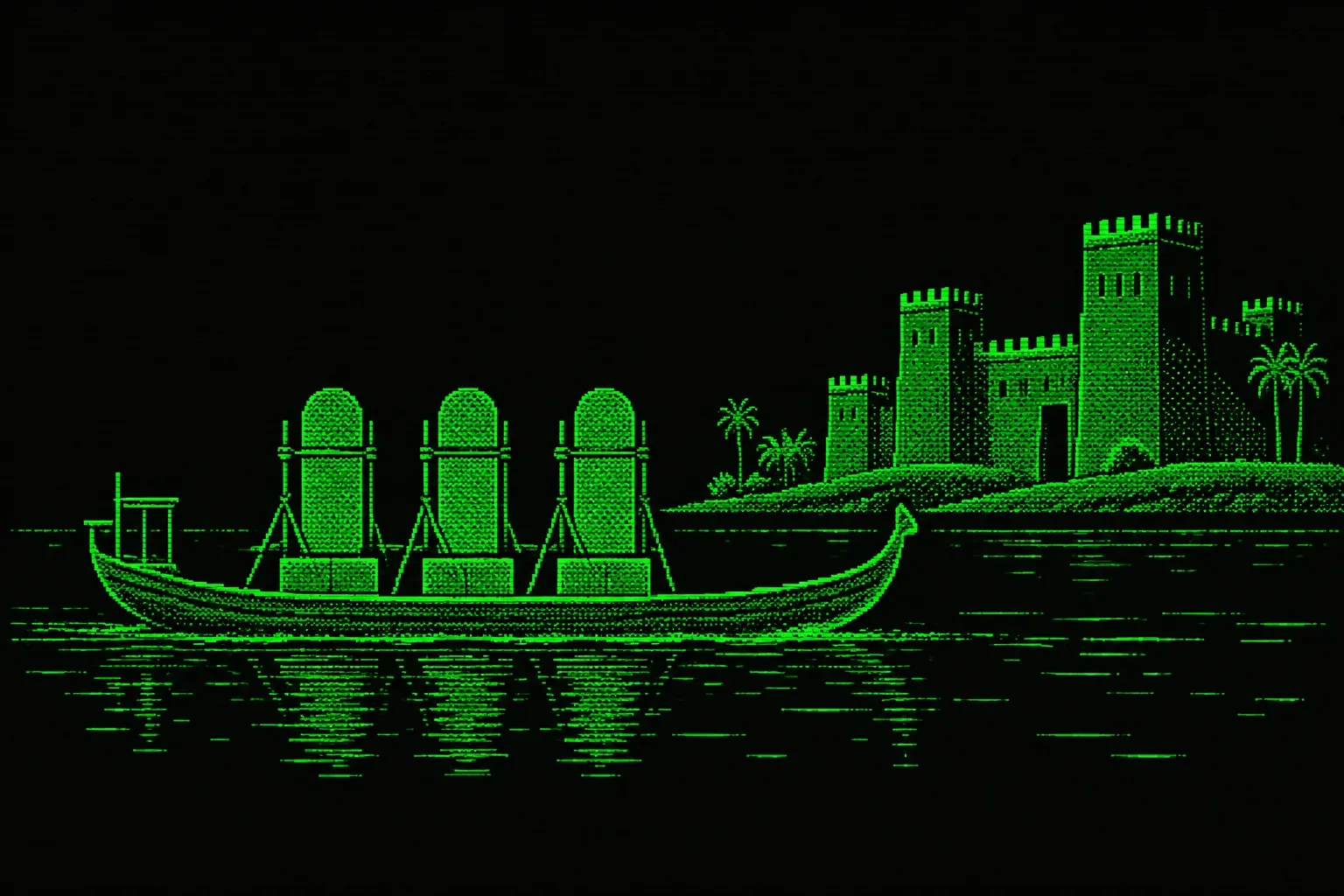
Another matter: we have set out from the place where Pharaoh … was …, carrying three stelae with their wooden supports and their stone plinths …
Note · Line 7
The stelae are upright stone monuments. Here and in the order that follows, the writers refer to Pharaoh indirectly, without naming him. - 8
[⸮mt?]w =tw ḥr ḏd n =n
And we were told:
- 9
j:šm.t m-sꜣ pꜣ wdp,w-n-Pr-ꜥꜣ ꜥnḫ-(w)ḏꜣ-s(nb) ꜣs zp-2 zp-2 ẖr.j nꜣ [ꜥḥ]ꜥ.w.pl
“Follow the cupbearer of Pharaoh (life, prosperity and health!) with the stelae, as fast as ever you can!
- 10
spr.pl r =f ꜣs zp-2 ẖr.j-r-rʾ =sn
Lose no time in catching up with him, stelae and all!
- 11
sḏm =tn m pꜣ j:ḏd =f nb j:jr[i̯]〈.t〉 =f smn =sn ḥr s,t =sn ḏ,t
Heed everything he says until he has set them in their place for all eternity.”
- 12
j.n =t(w) [...]
So said Pharaoh. …
- 13
pt[r]j tw≡n ḥr sš pꜣ ḫtm n Rꜥ-msi̯-[sw-mri̯]-Jmn ꜥnḫ-(w)ḏꜣ-s(nb) n,tj ((m)) Ṯꜣrw m rnp,t-zp 33 ꜣbd 2 šm,w sw 23
Look, we are passing the fortress of Ramesses-Meryamun (life, prosperity and health!) at Tjaru in regnal year 33, second month of the harvest season, day 23.
Note · Line 13
Tjaru guarded Egypt’s northeastern frontier. Meryamun means “beloved of Amun.” - 14
jw =n r šm[.t] r šwi̯ nꜣ ꜥḥꜥ,w.pl m tꜣ-ꜥ,t-Rꜥ-msi̯-s[w]-mri̯-Jmn-ꜥnḫ-(w)ḏꜣ-[s(nb)]
We shall go on to unload the cargo boats at the Place of Ramesses-Meryamun (life, prosperity and health!).
Note · Line 14
The Egyptian words for the stelae and the boats that carry them sound alike. - 15
mtw =tn jtḥ nꜣ mn,w.pl m-[⸮bꜣḥ?] [wdp,w]-n-Pr-ꜥꜣ (ꜥnḫ-wḏꜣ)-s(nb)
You are then to haul the monuments before the cupbearer of Pharaoh (life, prosperity and health!).
- 16
spr tn r =f jmm hꜣb n =n pꜣ wdp,w-n-Pr-ꜥꜣ ꜥnḫ-(w)ḏꜣ-s(nb) ḥr pꜣ ⸢n,tj⸣ nb jw =n r jri̯ =f
Go to him! Have the cupbearer of Pharaoh (life, prosperity and health!) send us word of everything we are to do.