~/sacred-texts/pyramid-texts
Pyramid Texts Utterance 479: Sky Doors Open for Pepi II
- Text
- Pyramid Texts, Utterance 479
- Date
- Carved in the 6th Dynasty, in the reign of Pepi II Neferkare (c. 2278–2184 BC), on the inner walls of his pyramid at Saqqara
- Found
- Pyramid of Pepi II, South Saqqara, Egypt, where the inscribed walls remain in place
- Language
- Old Egyptian · Hieroglyphic
- 1

ḏ(d)-mdw
Recitation:
- 2
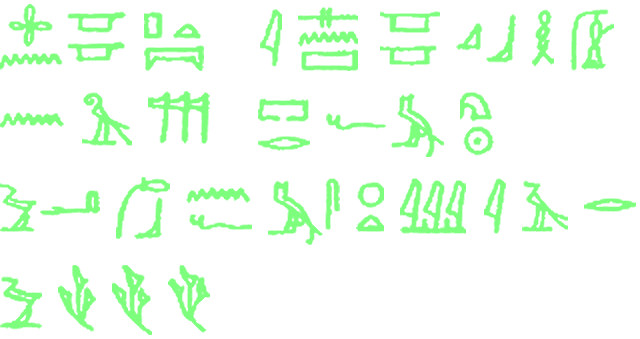
wn ꜥꜣ.du p,t j:zn.y ꜥꜣ.du qbḥ(,w) n Ḥr,w-nṯr,pl pri̯ =f m tp hrw wꜥb.n =f m sḫ,t-jꜣr,w
The doors of the sky are opened,
the doors of the cool waters are thrown open
for Horus of the Gods,
that he may go forth at daybreak,
having purified himself in the Field of Reeds.Note · Line 2
This spell opens the gates of heaven at dawn. - 3
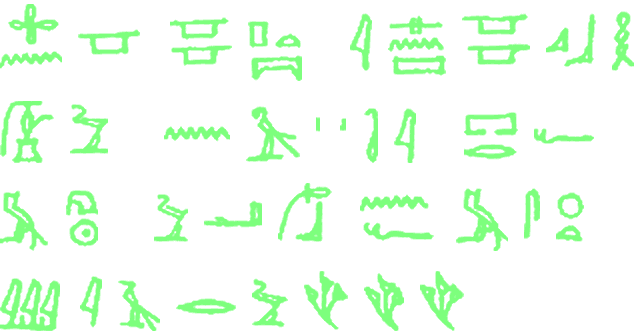
wn ꜥꜣ.du p,t j:zn ꜥꜣ.du qbḥ,w n Ḥr,w-jꜣb,tj pri̯ =f m tp hrw(,w) wꜥb.n =f m sḫ,t-jꜣr.w
The doors of the sky are opened,
the doors of the cool waters are thrown open
for Eastern Horus,
that he may go forth at daybreak,
having purified himself in the Field of Reeds.Note · Line 3
Eastern Horus is the Horus of the eastern horizon, where the sun is reborn each morning. - 4
wn.y ꜥꜣ.du p,t j:zn ꜥꜣ.du qbḥ(,w) n Ḥr,w-šz(m),t(j) pri̯ =f m tp hrw(,w) wꜥb.n =f m sḫ,t-jꜣr.w
The doors of the sky are opened,
the doors of the cool waters are thrown open
for Horus of Shezmet,
that he may go forth at daybreak,
having purified himself in the Field of Reeds.Note · Line 4
Shezmet is a land in the east, linked with the dawn and with precious minerals. - 5
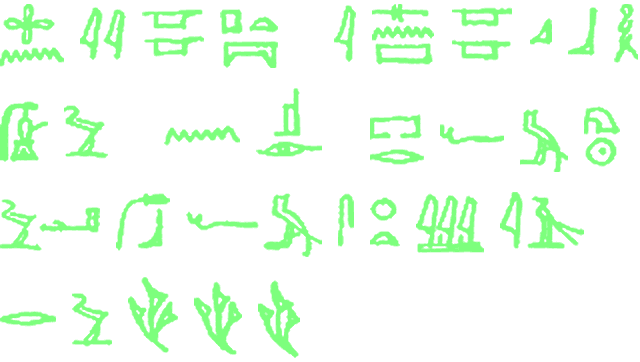
wn.y ꜥꜣ.du p,t j:zn ꜥꜣ.du qbḥ,w n (W)sr(,w) pri̯ =f m tp hrw wꜥb =f m sḫ,t-jꜣr,w
The doors of the sky are opened,
the doors of the cool waters are thrown open
for Osiris,
that he may go forth at daybreak
and purify himself in the Field of Reeds.Note · Line 5
Here the wording shifts slightly: Osiris goes forth and then purifies himself, where the Horus gods have already been washed. - 6
wn.y ꜥꜣ.du p,t j:zn ꜥꜣ.du qbḥ(,w) n Ppy Nfr-kꜣ-Rꜥw pn pri̯ =f m tp hrw wꜥb =f m sḫ,t-jꜣr,w
The doors of the sky are opened,
the doors of the cool waters are thrown open
for this Pepi Neferkare,
that he may go forth at daybreak
and purify himself in the Field of Reeds.Note · Line 6
Neferkare is the throne name of Pepi II, the king buried in this pyramid. He now takes his place after the gods. - 7

jj
Utterance:
Note · Line 7
The single word here (jj) is obscure. It seems to introduce the second part of the spell, a litany that repeats the first part’s pattern. - 8
pri̯ jr =f pri̯ m tp hrw wꜥb.n =f m sḫ,t-jꜣr.w pri̯ Ḥr,wnṯr,pl m tp hrw(,w) wꜥb.n =f m sḫ,t-jꜣr.w
He has gone forth, then, who goes forth at daybreak,
having purified himself in the Field of Reeds:
Horus of the Gods has gone forth at daybreak,
having purified himself in the Field of Reeds.Note · Line 8
Each stanza first states the general case, “the one who goes forth at dawn has gone forth,” and then names who that one is. - 9
〈pri̯〉 〈jr〉 =〈f〉 〈pri̯〉 〈m〉 〈tp〉 〈hrw(,w)〉 〈wꜥb.n〉 =〈f〉 〈m〉 〈sḫ,t-jꜣr.w〉 pri̯ Ḥr,w-šzm,t(j) m tp hrw wꜥb.n =f m sḫ,t-jꜣr,w
He has gone forth, then, who goes forth at daybreak,
having purified himself in the Field of Reeds:
Horus of Shezmet has gone forth at daybreak,
having purified himself in the Field of Reeds.Note · Line 9
The first half of this stanza was left out by the scribe and is supplied from the parallel stanzas. - 10
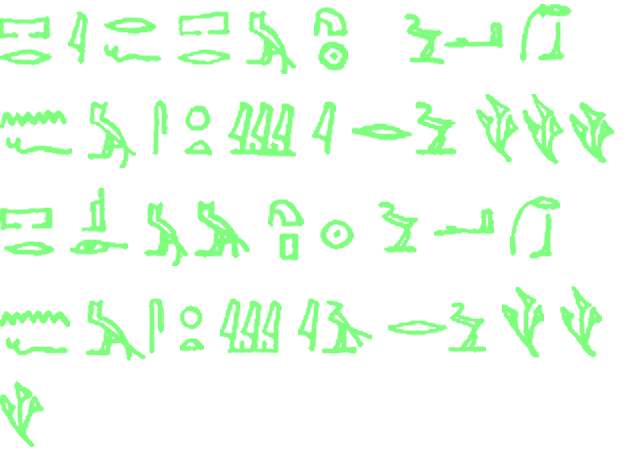
pri̯ jr =f pri̯ m tp hrw wꜥb.n =f m sḫ,t-jꜣr,w pri̯ (W)sr(,w) m tp hrw(,w) wꜥb.n =f m sḫ,t-jꜣr,w
He has gone forth, then, who goes forth at daybreak,
having purified himself in the Field of Reeds:
Osiris has gone forth at daybreak,
having purified himself in the Field of Reeds. - 11
pri̯ jr =f pri̯ m tp hrw wꜥb.n =f m sḫ,t-jꜣr.w pri̯ Ppy Nfr-kꜣ-Rꜥw m tp hrw(,w) wꜥb.n =f m sḫ,t-jꜣr.w
He has gone forth, then, who goes forth at daybreak,
having purified himself in the Field of Reeds:
Pepi Neferkare has gone forth at daybreak,
having purified himself in the Field of Reeds. - 12
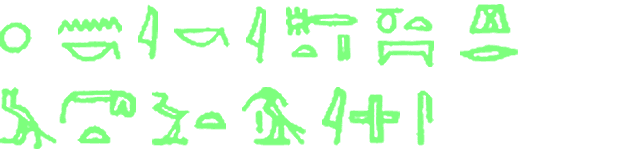
Rꜥw nkjkj ẖ,t Nw,t ẖr mtw,t ꜣḫ jm(,j) =s
O Ra, Nut's belly is swollen with the semen of the akh who is within her.
Note · Line 12
Nut is the sky goddess, who swallows the sun at evening and gives birth to it at dawn. The akh is the transfigured, luminous spirit of the dead, here the king himself. - 13

tꜣ qꜣi̯ =f ẖr rd.du Ppy Nfr-kꜣ-Rꜥw
The earth rises high beneath the feet of Pepi Neferkare.
- 14

Tfn,wt nḏri̯ =s ꜥ n(,j) Ppy Nfr-kꜣ-Rꜥw
Tefnut takes hold of Pepi Neferkare's arm.
Note · Line 14
Tefnut, goddess of moisture, is Nut’s mother. She takes the newborn king by the arm to help him up. - 15

jn Zkr wꜥb =f Ppy Nfr-kꜣ-Rꜥw
It is Sokar who will purify Pepi Neferkare.
Note · Line 15
Sokar is a falcon god of the Memphite necropolis, the burial ground where Pepi’s pyramid stands. - 16

jn Rꜥw ḏi̯ =f ꜥ =f n Ppy Nfr-kꜣ-Rꜥw
It is Ra who will give his hand to Pepi Neferkare.
- 17
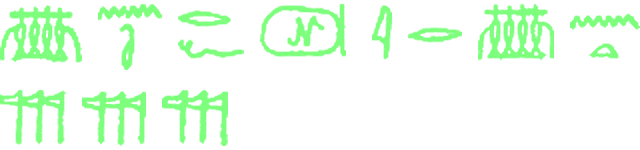
ḫntj r =f Ppy Nfr-kꜣ-Rꜥw ḫnt psḏ,t
So Pepi Neferkare shall be foremost, at the fore of the Ennead.
- 18
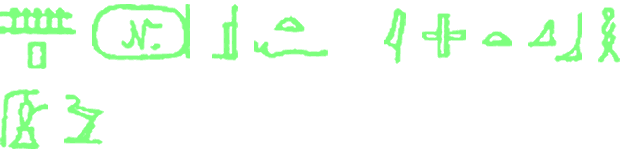
šzp Ppy Nfr-kꜣ-Rꜥw s,t =f jm.t qbḥ,w
Pepi Neferkare shall take his seat in the cool waters of the sky.
Note · Line 18
The cool waters (Egyptian qebehu) are the watery reaches of the sky where the dead king hopes to dwell among the gods. - 19
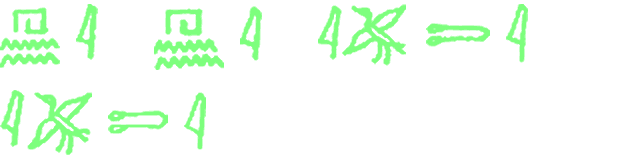
hn(j)nj hn(j)nj jpꜣṯj jpꜣṯj
Hennini, Hennini! Ipatji, Ipatji!
Note · Line 19
The speaker turns to address four beings directly, or two, each called twice. - 20
jṯi̯.y Ppy Nfr-kꜣ-Rꜥw ḥnꜥ =ṯn
Take Pepi Neferkare with you!
Note · Line 20
The command is plural: the beings just called on are asked to carry the king up with them.