~/sacred-texts/pyramid-texts
Pyramid Texts Utterance 260: The King’s Cobra Burns the Gods
- Text
- Pyramid Texts, Utterance 260 (PT 260)
- Date
- Carved in the 5th Dynasty, in the reign of Unas (c. 2375–2345 BC), on the walls of his pyramid at Saqqara
- Found
- Pyramid of Unas, Saqqara, Egypt; still in place
- Language
- Old Egyptian · Hieroglyphic
- 1

j Gbb kꜣ Nw,t
O Geb, bull of Nut!
Note · Line 1
Geb, the earth god, is the husband of the sky goddess Nut; “bull” here means her mate and begetter. - 2

⸢Ḥr,w⸣ pj Wnjs j(w)ꜥ jt(j) =f
Unas is Horus, his father's heir.
Note · Line 2
Unas, the king buried in this pyramid, takes the role of Horus, who inherits the throne of his father Osiris, and through him the throne of Geb. - 3
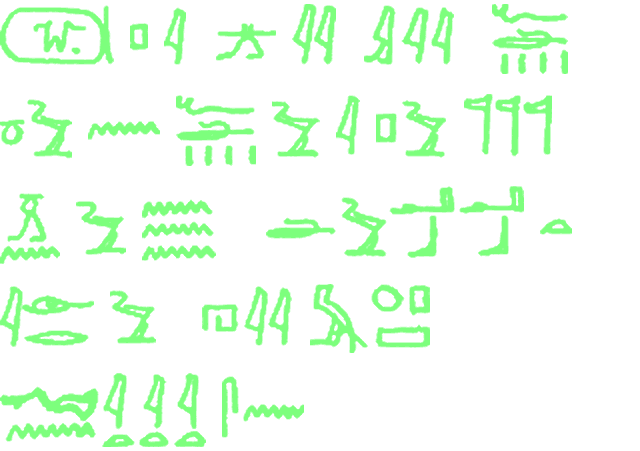
Wnjs pj zy jy fd.nw n(,j) fd.w jpw nṯr.pl jni̯.w mw di̯.w ꜥbꜥb,t jrr.w hy m ḫpš n(,j) jt(j).pl =sn
Unas is the one who went away and came back, the fourth of these four gods who brought water, who performed the cleansing, who raise the shout of joy with the foreleg of their fathers,
- 4
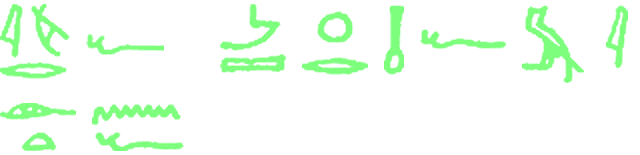
j:mr =f mꜣꜥ-ḫr,w =f m jri̯.tn =f
he who wishes to be true of voice through what he has done.
Note · Line 4
“True of voice” translates the term for winning a case before a divine court, which became the standard epithet of the blessed dead. - 5
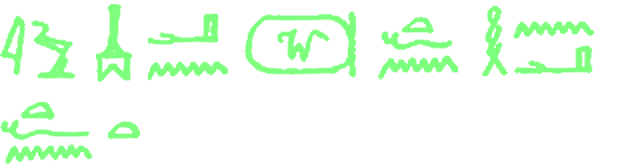
jw wḏꜥ.n Wnjs tfn ḥnꜥ tfn,t
Unas has judged between the orphan boy and the orphan girl.
Note · Line 5
In Egyptian the “orphan boy” and “orphan girl” are tefen and tefenet, an echo of Tefnut, Shu’s sister and consort. - 6

jw sḏm.n mꜣꜥ,tj
The Two Truths have heard it.
Note · Line 6
The Two Truths are Maat, the goddess of right order and justice, here doubled to form a court of judgment. - 7

jw Šw m mtr,w
Shu was witness.
Note · Line 7
Shu, god of air and light, is the son of Atum and the father of Geb. - 8
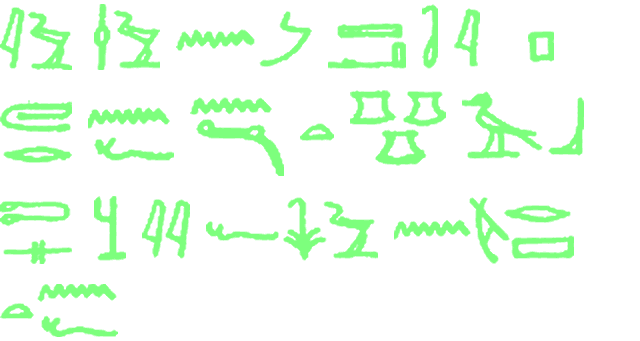
jw wḏ.n mꜣꜥ,tj pẖr n =f ns,t.pl Gbb ṯzi̯.y =f sw n mri̯.tn =f
The Two Truths have commanded that the thrones of Geb pass to him, so that he may rise to what he desires.
- 9
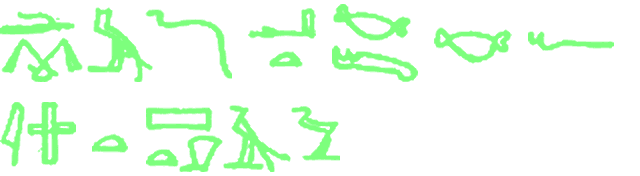
dmḏ ꜥ,t.pl =f jm.t štꜣ,w
His limbs, which were in hiding, have been joined together.
Note · Line 9
This recalls Osiris, whose dismembered body was put back together. The dead king’s body is made whole again. - 10

zmꜣ =f jm(,j).w Nw,w
He will gather those who are in the Nun.
Note · Line 10
The Nun is the dark primeval water that existed before creation and still surrounds the ordered world. - 11

rḏi̯ =f pḥ.w mdw.pl m Jwn,w
He will bring the disputes in Heliopolis to an end.
Note · Line 11
Heliopolis, the city of the sun god, was the seat of the divine tribunal where the gods’ quarrels, above all that of Horus and Seth, were settled. - 12
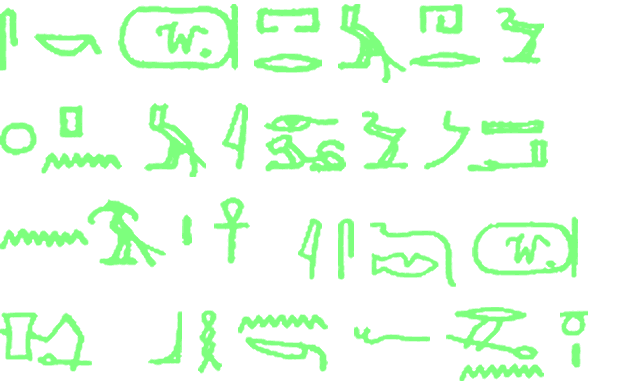
sk Wnjs pri̯ m hrw pn m jr,w mꜣꜥ n(,j) ꜣḫ,j ꜥnḫ j:sḏ Wnjs ꜥḥꜣ bḥn =f ẖnn,w
For Unas has come forth on this day in the true form of a living akh, so that Unas may break up the fighting and cut short the uproar.
Note · Line 12
An akh is a spirit of the blessed dead, transfigured and effective in the next world. - 13
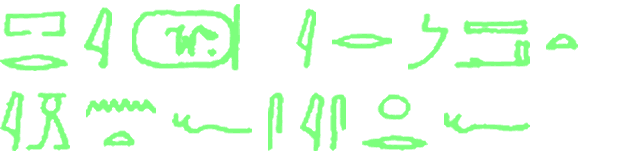
prj Wnjs jr(,j) Mꜣꜥ,t jnt =f s(j) j(w) =s ḫr =f
Unas comes forth as Maat's own, to bring her, and she is with him.
- 14
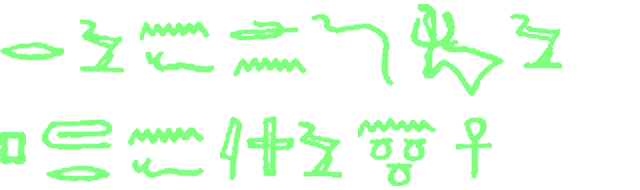
rwi̯ n =f dnḏ.w pẖr n =f jm(,j).w Nw,w ꜥnḫ
The angry make way for him; those in the Nun turn life toward him.
- 15

jw nh,t Wnjs m jr,t =f
Unas's shield is his Eye;
Note · Line 15
The Eye is the Eye of Horus, the god’s eye torn out by Seth and restored, a potent emblem of protection and wholeness. - 16

jw mk,t Wnjs m jr,t =f
Unas's safeguard is his Eye.
- 17

jw nḫt Wnjs m jr,t =f
The strength of Unas is his Eye.
Note · Line 17
It was the great emblem of royal power, and the king possesses it. - 18

jw wsr Wnjs m jr,t =f
The might of Unas is his Eye.
- 19
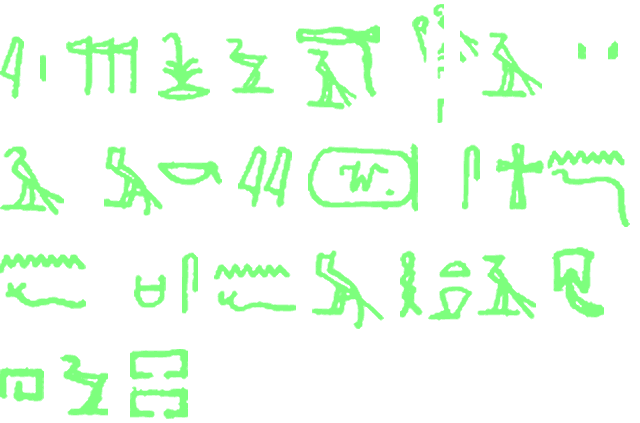
j nṯr.pl rs(,j).w mḥ,t(j).w jmn,t(j).w jꜣb,t(j).w mki̯.y Wnjs snḏ n =f ḥmsi̯.n =f m ḥtꜣ hʾ.w
O gods of the south, the north, the west and the east, respect Unas, fear him, now that he has taken his seat in the heta of the Two Courts!
Note · Line 19
Heta (ḥtꜣ) is an obscure word, apparently the place in the Two Courts where the king takes his seat. - 20
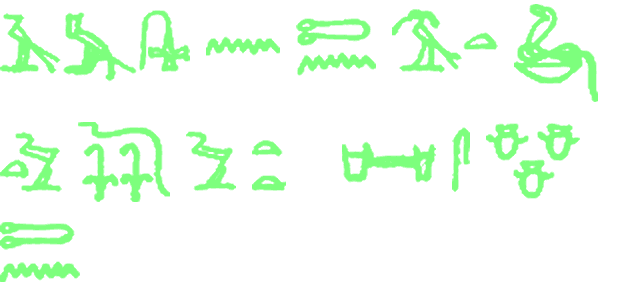
ꜣm n =ṯn ꜣḫ,t tw ḏnn,wtt mḏd =s jb.pl =ṯn
This blazing serpent, the Djenenutet-snake, will burn you, she will crush your hearts.
Note · Line 20
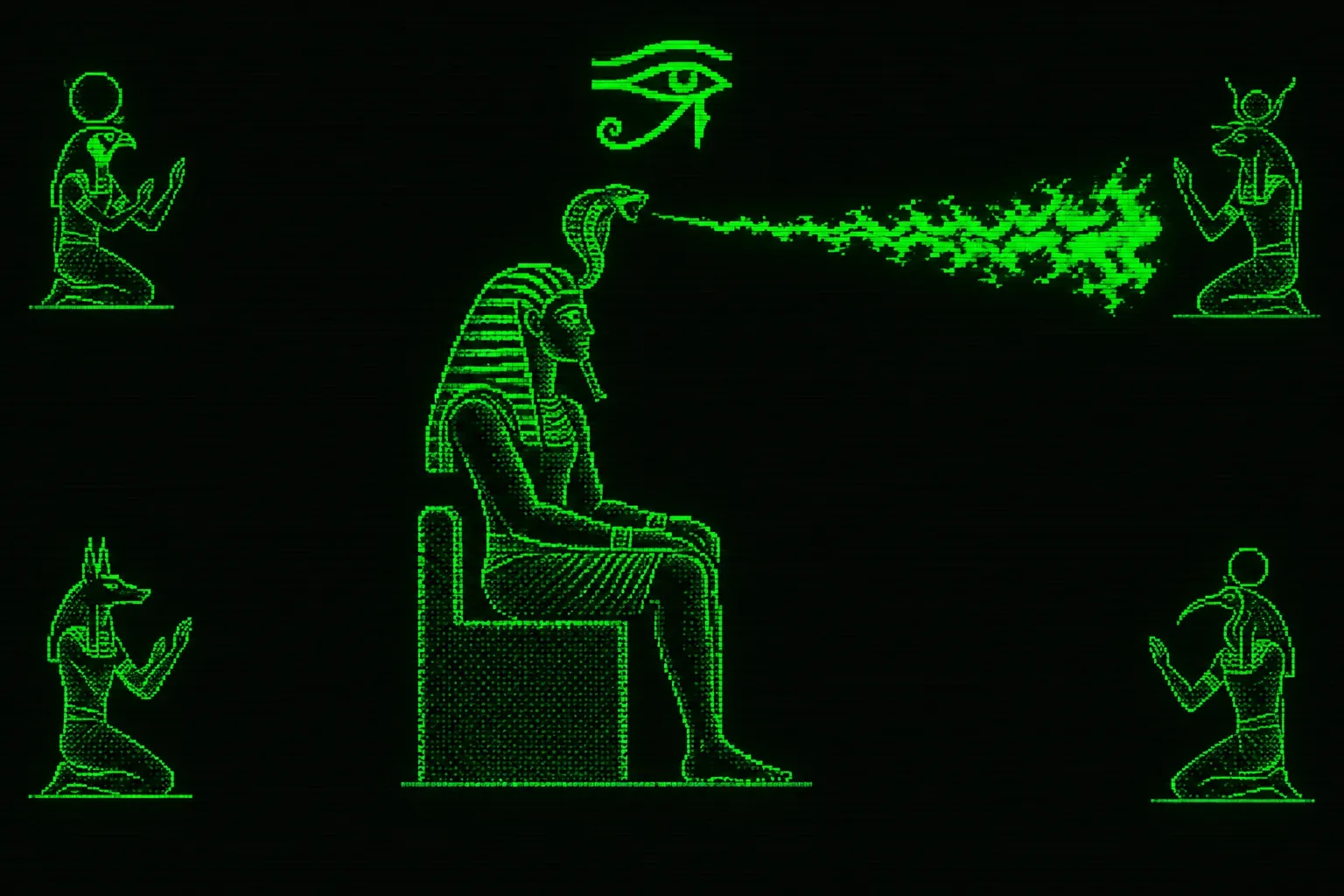
The serpent is the uraeus, the rearing cobra worn on the king’s brow, which spits fire at his enemies. Djenenutet is one of its names. - 21
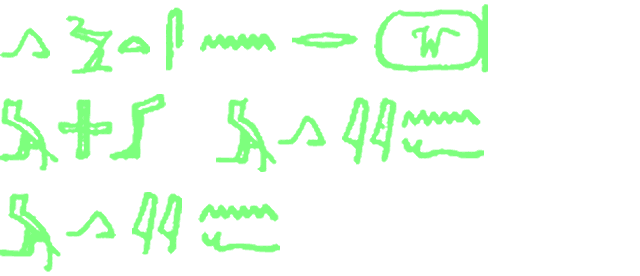
jwi̯.t =sn r Wnjs m jm(,j)-rd mi̯.y n =f mi̯.y n =f
You who would come at Unas as his enemies, come to him, come to him!
Note · Line 21
The king is taunting his would-be attackers, daring them to come on against him. - 22
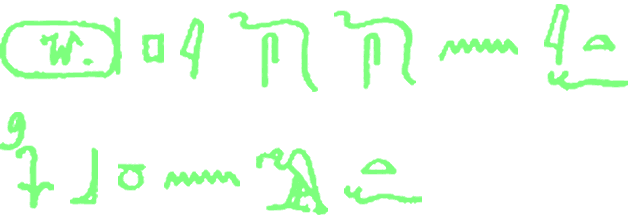
Wnjs pj ḏsḏs n(,j) jt(j) =f nḫb n(,j) mʾw,t =f
Unas is his father's second self, his mother's lotus.
Note · Line 22
The rare word ḏsḏs, here “second self”, seems to be built on ḏs, “self”; its exact sense is uncertain. - 23
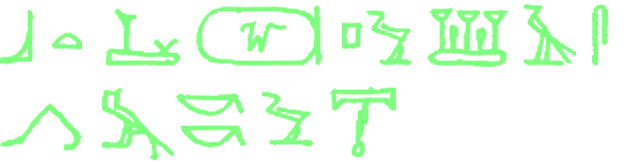
b(w),t Wnjs pw šꜣs m kk,w
What Unas abhors is to walk in darkness;
- 24

n mꜣꜣ =f sḫd.w
he does not see the Upside-Down Ones.
Note · Line 24
The Upside-Down Ones are the damned in the netherworld. They walk on their heads, their whole existence turned on its head, and are made to eat their own excrement. - 25
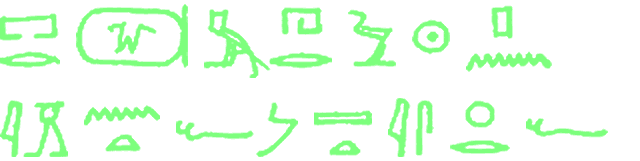
pri̯ Wnjs m hrw pn jnt =f Mꜣꜥ,t j(w) =s ḫr =f
Unas goes forth on this day to bring Maat, for she is with him.
Note · Line 25
Maat is order, truth and right, personified as a goddess. Bringing her means restoring the right order of the world, which was the king’s foremost duty. - 26
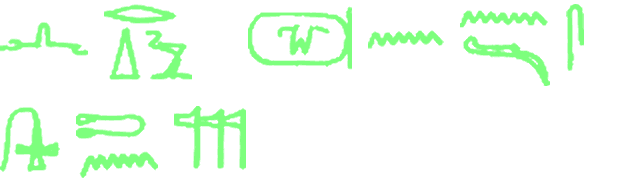
n rḏi̯.w Wnjs n ns(r) =tn nṯr.pl
Unas will not be handed over to your fire, you gods.