~/sacred-texts/egyptian-laments-and-prophecies
The Prophecy of Neferti: I Will Show You the Bottom on Top
- Date
- Composed in the early 12th Dynasty (about 1950 BC); this copy was written in the 18th Dynasty under Amenhotep II (about 1427–1400 BC) on the back of Papyrus Petersburg 1116B
- Found
- Findspot unrecorded; acquired by Vladimir Golenishchev; now in the State Hermitage Museum, St Petersburg (Papyrus 1116B, verso)
- Language
- Middle Egyptian · Hieratic
King Sneferu asks his council for a man to speak a few fine words. They bring Neferti, lector-priest of Bastet, and the king takes a papyrus roll and writes down the answer himself. Neferti foretells an Egypt undone: Egypt’s rivers have run dry, The disk of the sun is veiled, Asiatics come down into the Delta, and he shows the king a man killing his father.
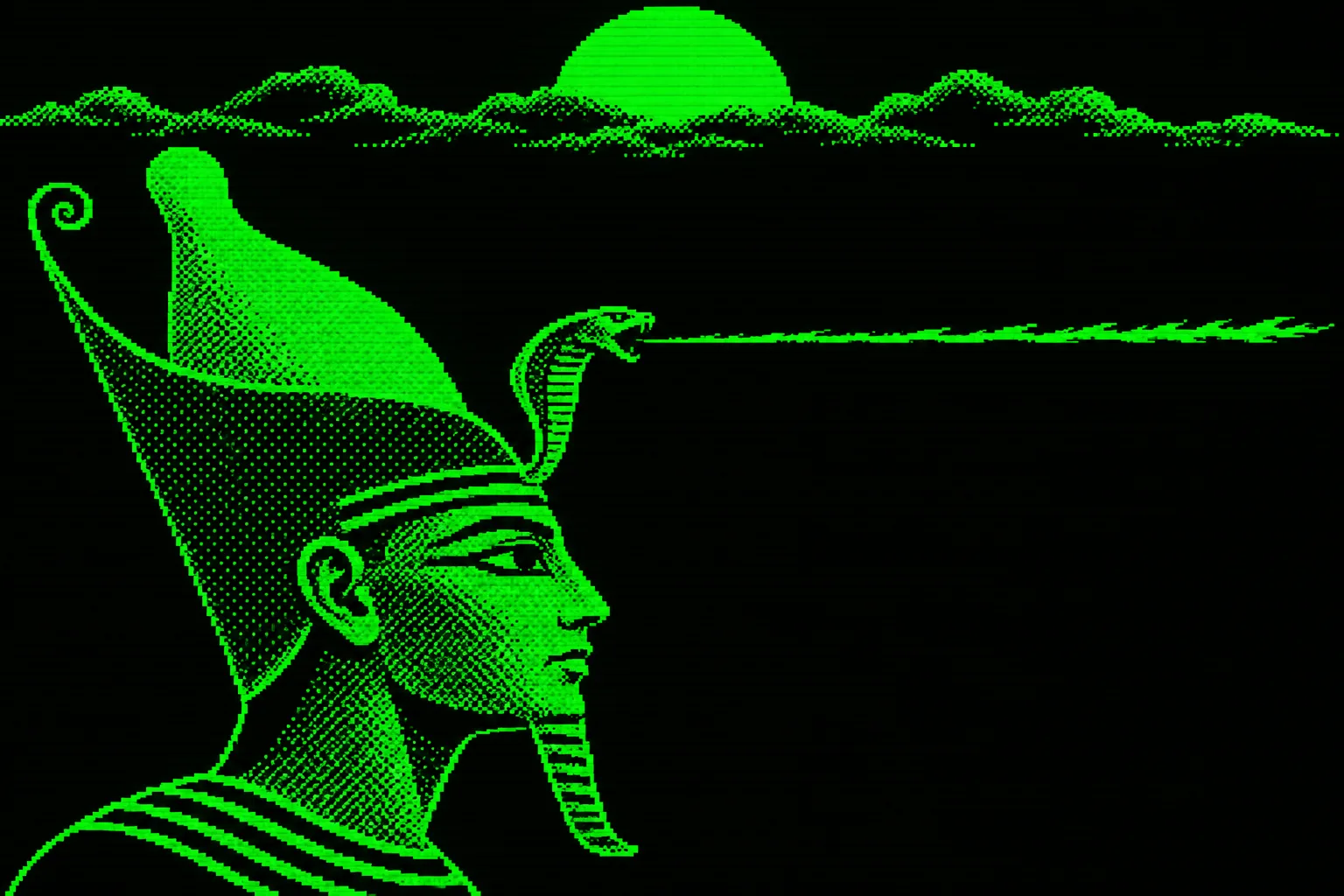
Then a king comes from the south: Ameny, the justified, is his name. He takes both crowns, the Asiatics fall in the slaughter he wreaks, and The uraeus on his brow quells the malcontents for him. Justice will return to her seat.
- 1
… 𓆣𓂋𓈖 𓇓𓏲𓏏 𓃹𓈖𓈖 … 𓃹𓈖𓈖 𓍛𓏤 𓈖 𓇓𓆤 𓋴𓄤𓆑𓂋𓏲 𓌷𓂝𓊤𓏲𓀁 𓅓 𓇓𓏏𓈖𓅆 𓏠𓈖𓐍𓍊𓏛 𓅓 𓇾𓏤𓈇 𓊪𓈖 𓂋𓇥𓂋 𓆑
[...] ḫpr.n swt wnn [...] wn ḥm n(,j) nsw-bjtj Snfr,w mꜣꜥ-ḫrw m nsw mnḫ m tꜣ pn r-ḏr =f
… Now it came to pass … that His Majesty the King of Upper and Lower Egypt, Sneferu, vindicated, was an excellent king throughout this land.
Note · Line 1
“Vindicated” is an honor paid to the dead. The storyteller is looking back on Sneferu’s reign. - 2
𓌡𓂝𓏤 𓅓 𓇑𓇑𓈖𓈖 … 𓉔𓂋𓏲𓇳𓏤 𓆣𓂋𓏲 𓅧𓈎𓂻 𓊪𓏲 𓁹𓈖 𓊋𓏏𓀀𓏥 𓈖𓏏 𓄚𓈖𓏌𓏲𓊖 𓂋 𓉻𓉐𓉐𓏤 𓂋 𓐩𓏌𓀁 𓐍𓂋𓏏𓏛𓏥
wꜥ m nn [...] hrw ḫpr ꜥq pw jri̯.n qnb,t n.t ẖnw r pr-ꜥꜣ [ꜥnḫ-wḏꜣ]-snb r nḏ ḫr,t
When one of those … days came, the council of the Residence entered the palace (life, prosperity, health!) to pay their respects.
Note · Line 2
The Residence was the seat of royal government. “Life, prosperity, health!” is a blessing on the king, pronounced even at the mention of his palace. - 3
𓉐𓂋𓏏𓂻 𓊪𓏲 𓁹𓈖 𓋴𓈖𓏥 𓐩𓏌𓀁 𓋴𓈖𓏥 𓐍𓂋𓏏𓏛𓏥 𓏇𓇋 𓈖𓏏𓂝𓏤𓏫 𓋴𓈖𓏥 𓈖𓏏 𓂋𓂝𓇳𓏤𓎟
pri̯.t pw jri̯.n =sn nḏ〈.n〉 =sn ḫr,t mj n,t-ꜥ =sn n.t rꜥ-nb
Their respects paid, they went out again, as was their daily custom.
- 4
𓆓𓂧𓇋𓈖 𓍛𓏤𓅆 𓆑 𓋹𓍑𓋴 𓈖 𓋩𓏲𓀀 𓈖𓏏𓏭 𓂋𓐛𓏤 𓆑
ḏd.jn ḥm =f ꜥnḫ-wḏꜣ-snb n ḫtm,w n,tj r-gs =f
Then His Majesty (life, prosperity, health!) said to the seal-bearer at his side:
Note · Line 4
A seal-bearer was an official entrusted with a seal for authenticating documents or securing goods. - 5
𓇋𓊄𓏭𓂻 𓏎𓈖 𓈖 𓀀 𓈖𓏏 𓄚𓈖𓏌𓏲𓊖 𓉐𓂋𓏏𓂻 𓉻𓈐 𓐩𓏌𓀁 𓐍𓂋𓏏𓏛𓏥 𓅓 𓊪𓈖
jzj jni̯ n =j qnb,t n.t ẖnw pri̯.t ꜥꜣ 〈ḥr〉 nḏ ḫr,t m [hrw] pn
“Go and fetch me the council of the Residence. They have just left here after paying their respects today.”
- 6
𓆑 𓁷𓏤𓂝𓏤
〈stꜣ.jn.tw〉 〈n〉 =f ḥr-ꜥ
They were brought to him at once.
- 7
𓃹𓈖𓇋𓈖 𓋴𓈖𓏥 𓁷𓏤 𓄡𓏏𓏤 𓋴𓈖𓏥 𓅓𓂺𓂝𓏤 𓍛𓏤𓅆 𓆑 𓋹𓍑𓋴 𓅓𓄙𓅓𓏛𓂝𓏤
wn.jn =sn ḥr ẖ,t =sn m-bꜣḥ-ꜥ ḥm =f ꜥnḫ-wḏꜣ-snb m-wḥm-ꜥ
Once more they lay on their bellies before His Majesty (life, prosperity, health!).
- 8
𓍛𓏤𓅆 𓆑 𓋹𓍑𓋴 𓈖 𓋴𓈖𓏥
ḏd.[jn] ḥm =f ꜥnḫ-wḏꜣ-snb n =sn
Then His Majesty (life, prosperity, health!) said to them:
- 9
𓂋𓎛𓏲𓀀𓏥 𓅓𓂝 𓏏𓈖𓏥 𓂋𓂞𓈖 𓀀 𓇋𓄿𓂝𓈙𓀁 𓏏𓏲 𓈖 𓏏𓈖𓏥 𓂋 𓂋𓂝𓏏 𓆓𓂝𓂋𓂾𓂻 𓏏𓈖𓏥 𓈖 𓀀 𓅭𓀀𓏤 𓏏𓈖𓏥 𓅓 𓌢𓀀 𓏏𓈖𓏥 𓅓 𓇋𓈎𓂋𓏛 𓐍𓈖𓌰𓅓𓋴𓀙𓏛𓀀 𓏏𓈖𓏥 𓏲𓂧𓏴𓀜 𓊃𓊪𓊗𓄤𓆑𓂋 𓆓𓂧𓏏𓏭 𓆑 𓈖 𓀀 𓈖𓉔𓏭𓅪𓈒𓏥 𓈖 𓌃𓂧𓏏𓀁𓏫 𓄤𓆑𓂋𓏏𓏛 𓋭𓊃𓏛𓏲𓀁𓏫 𓍉𓊪𓏲𓏛𓏥 𓍑𓄿𓇋𓇋𓏴𓏛 𓁷𓏤 𓈖 𓅆 𓈖 𓄔𓅓 𓋴𓏏
rḥ.w.pl m =tn rḏi̯.n =j jꜣꜥš =tw n =tn r rḏi̯.t ḏꜥr =tn n =j zꜣ =tn m s[ꜣ]ꜣ sn =tn m jqr ḫnms =tn 〈m〉 wdi̯ sp-nfr ḏd.tj =f n =j nhj.pl n(,j) md,t.pl nfr.t ṯs.w.pl stp.w.pl ḏꜣy ḥr n(,j) [ḥm] =j n sḏm st
“Gentlemen, look: I sent for you to have you seek out for me a son of yours who is wise, a brother of yours who excels, a friend of yours who does a thing well—someone who will speak a few fine words to me, choice sayings to divert My Majesty as I hear them.”
- 10
𓂋𓂝𓇋𓈖 𓋴𓈖𓏥 𓁷𓏤 𓄡𓏏𓏥 𓋴𓈖𓏥 𓅓𓂺𓂝𓏤 𓍛𓏤𓅆 𓆑 𓋹𓍑𓋴 𓅓𓄙𓅓𓏛𓂝𓏤
rḏi̯.jn =sn ḥr ẖ,t.pl =sn m-bꜣḥ-ꜥ ḥm =f ꜥnḫ-wḏꜣ-snb m-wḥm-ꜥ
Once more they lay down on their bellies before His Majesty (life, prosperity, health!).
- 11
𓆓𓂧𓇋𓈖 𓋴𓈖𓏥 𓐍𓆑𓏏 𓍛𓏤𓅆 𓆑 𓋹𓍑𓋴
ḏd.jn =sn ḫft ḥm =f ꜥnḫ-wḏꜣ-snb
Then they spoke before His Majesty (life, prosperity, health!):
- 12
𓌨𓂋𓎛𓃀𓎱𓇳𓀀 𓉻𓂝𓄿𓏛 𓈖 𓃀𓅡𓄿𓊨𓏏𓏯𓆗 𓇋𓀁𓍘𓇋𓇋 𓎟𓅆 𓈖𓏥
j[w] ẖr(,j)-ḥ(ꜣ)b(,t) ꜥꜣ n Bꜣs,t jty nb =n
“There is a great lector-priest of Bastet, O sovereign, our lord.
Note · Line 12
A lector-priest recited sacred texts aloud in rituals. Bastet was the goddess of Bubastis in the Nile Delta. - 13
𓄤𓆑𓂋𓏏𓏭𓏛𓀀 𓂋𓈖𓀁 𓆑
Nfr,tj rn =f
His name is Neferti.
Note · Line 13
Neferti’s name echoes the Egyptian word for “fine” in the king’s request for fine words. - 14
𓈖𓆓𓊃𓅪𓀀 𓊪𓏲 𓈎𓈖𓂡 𓎼𓄿𓃀𓂢𓏤𓄹 𓆑
nḏs pw qni̯ [n(,j)] gꜣb(,t) =f
He is a commoner with a strong arm;
- 15
𓏟𓀀 𓊪𓏲 𓇋𓈎𓂋𓏛 𓈖 𓂭𓂭𓂭𓏭 𓆑
zẖꜣ,w pw jqr n(,j) ḏbꜥ.pl.j =f
he is a scribe with deft fingers;
- 16
𓀼𓋴𓋴𓏛𓀀 𓊪𓏲 𓉻𓂝𓄿𓏛 𓈖 𓆑 𓐍𓏏𓏛𓏥 𓂋 𓏇𓏏𓏭𓏛 𓆑 𓎟
špss pw ꜥꜣ n =f ḫ,t r mj,tj =f nb
he is a man of standing, richer than any of his peers.
- 17
𓎛𓏲𓏭𓀁 𓆑 𓌳𓁹𓄿𓄿 𓍛𓏤𓅆 𓆑
ḥwj ⸢jni̯⸣[.tw] =⸢f⸣ mꜣꜣ ḥm =f 〈sw〉
May he be brought here so that His Majesty may see him.”
- 18
𓆓𓂧𓇋𓈖 𓍛𓏤𓅆 𓆑 𓋹𓍑𓋴
ḏd.jn ḥm =f ꜥnḫ-wḏꜣ-snb
Then His Majesty (life, prosperity, health!) said:
- 19
𓇋𓊄𓂻 𓈖 𓀀 𓇓𓏲
jzi̯ [jni̯] n =j sw
“Go and fetch him for me!”
- 20
𓋴𓏏𓍔𓄿𓍬𓂻𓇋𓈖𓏏 𓆑 … 𓈖 𓆑 𓁷𓏤𓂝𓏤𓏲𓏭
stꜣ.jn.t(w) =f [...] n =f ḥr-ꜥ.wj
He was brought … to him at once.
- 21
𓃹𓈖𓇋𓈖 𓆑 𓁷𓏤 𓄡𓏏𓏤 𓆑 𓅓𓂺𓂝𓏤 𓍛𓏤𓅆 𓆑 𓋹𓍑𓋴
wn.jn =f ḥr ẖ,t =f m-bꜣḥ-ꜥ ḥm =f ꜥnḫ-wḏꜣ-snb
He lay on his belly before His Majesty (life, prosperity, health!).
- 22
𓆓𓂧𓇋𓈖 𓍛𓏤𓅆 𓆑 𓋹𓍑𓋴
ḏd.jn ḥm =f ꜥnḫ-wḏꜣ-snb
Then His Majesty (life, prosperity, health!) said:
- 23
𓅓𓂝𓇋𓂻 𓅓𓂝 𓄤𓆑𓂋𓏏𓏭𓏛𓀀 𓐍𓈖𓌰𓅓𓋴𓀙𓏛 𓀀
mj m Nfr,tj ḫnms =j
“Come now, Neferti, my friend!
- 24
𓆓𓂧 𓎢 𓈖 𓀀 𓈖𓉔𓏭𓅪𓈒𓏥 𓈖 𓌃𓂧𓏏𓀁𓏫 𓄤𓆑𓂋𓏏𓏛 𓋭𓊃𓏲𓏛𓀁𓏪 𓍉𓊪𓏲𓏛𓏥 𓍑𓄿𓇋𓇋𓏴𓏛 𓁷𓏤 𓈖 𓍛𓏤𓅆 𓅆 𓈖 𓄔𓅓 𓋴𓏏
ḏd =k n =j nhj n(,j) md,t.pl nfr.t ṯz.w.pl stp.w.pl ḏꜣy ḥr n(,j) ḥm =j n sḏm st
Speak a fine word or two to me, choice sayings to divert My Majesty as I hear them.”
- 25
𓆓𓂧𓇋𓈖 𓌨𓂋𓎛𓎱𓇳 𓄤𓆑𓂋𓏏𓏭𓏛𓀀
ḏd.jn ẖr(,j)-ḥꜣb(,t) Nfr,tj
Then Neferti the lector-priest said:
- 26
𓇋𓈖 𓇋𓅱 𓅓 𓆣𓂋𓏏𓏥
jn jw m ḫpr.t.pl
“Shall I speak of things that have come to pass?
- 27
𓇋𓈖 𓇋𓏲 𓅓 𓆣𓂋𓏏𓏥 𓆑 𓋴𓏭 𓇋𓀁𓍘𓇋𓇋𓅆 𓋹𓍑𓋴 𓎟𓅆 𓀀
jn jw m ḫpr.t(j){.pl} ={f} =sj jty ꜥnḫ-wḏꜣ-snb nb =j
Or of what is yet to come, O sovereign (life, prosperity, health!), my lord?”
- 28
𓆓𓂧𓇋𓈖 𓍛𓏤𓅆 𓆑 𓋹𓍑𓋴
ḏd.jn ḥm =f ꜥnḫ-wḏꜣ-snb
Then His Majesty (life, prosperity, health!) said:
- 29
𓅓 𓆣𓂋𓏏 𓋴𓏏 𓇓𓏲𓏏
m ḫpr.t(j) =s{t}〈j〉 swt
“Of what is yet to come, of course!
- 30
𓏇𓇋𓈖𓇳 𓇋𓋴 𓆣𓂋 𓏴𓂻 𓆑
mjn js ḫpr swꜣi̯ [ḥr] =f
Today has already come to pass. Pass it by!”
- 31
𓊢𓂝𓈖 𓂧𓃹𓈖𓂻𓈖 𓆑 𓂧𓏏𓏤 𓆑 𓂋 𓉔𓈖𓏯𓆱 𓈖
ꜥḥꜥ.n dwn.n =f ḏr,t =f r hn n(,j) ẖr,t-ꜥ
Then he reached out his hand to the writing box.
Note · Line 31
The man reaching for the box is King Sneferu. He has asked Neferti to speak of things to come and will take down his words himself. - 32
𓊢𓂝𓈖 𓄞𓂧𓂡𓈖 𓆑 𓈖 𓆑 𓈙𓆑𓂧𓏲𓍼𓏤 𓎛𓈖𓂝 𓐛𓊃𓍘𓇋
ꜥḥꜥ.n šdi̯.n =f n =f šfd,w ḥnꜥ gstj
Then he took out a papyrus roll and a palette for himself.
Note · Line 32
A scribe’s palette held ink and rush pens. - 33
𓃹𓈖𓇋𓈖𓈖 𓆑 𓁷𓏤 𓁹𓏏 𓅓 𓏟𓏛𓏥 𓆓𓂧𓏏𓈖 𓄤𓆑𓂋𓏏𓏭𓏛𓀀
wn.jn{.n} =f ḥr jri̯.t m zẖꜣ.pl ḏd.t.n ẖr(,j)-ḥ[ꜣb(,t)] Nfr,tj
He began to set down in writing what the lector priest Neferti had said.
Note · Line 33
A lector priest was trained to read ritual texts aloud. - 34
𓂋𓐍𓏛𓐍𓏏𓏛𓏥 𓊪𓏲 𓈖 𓋁𓃀𓈇𓏤𓈉
rḫ-ḫ,t.pl pw n(,j) jꜣb(,t)
Neferti was a learned man from the East.
- 35
𓈖𓄓𓊃𓇓𓏲 𓅓 𓏲𓃀𓈖𓇳 𓋴
n(,j)-sw B[ꜣ]s,t m wbn =s
He belonged to Bastet in her rising.
Note · Line 35
Bastet’s city, Bubastis, lay in the eastern Nile Delta. As the Eye of Ra, the goddess was closely linked to the sun. - 36
𓄟𓋴𓏲𓏯𓀀 𓊪𓏲 𓈖
ms,w pw n(,j) Ḥqꜣ-ꜥnḏ
He was a child of the province of Heliopolis.
- 37
𓆑 𓎔𓂝𓎛𓏭𓄧𓀁𓏫 𓆑 𓁷𓏤 𓆣𓂋𓏏𓏮 𓅓 𓇾𓏤𓈇
[jw] =f mḥj =f ḥr ḫpr.t{j} m tꜣ
He worried over what was happening in the land.
- 38
𓇋𓏲 𓆑 𓋴𓆼𓄿𓀁 𓆑 𓈎𓈖𓇋𓏯𓏛 … 𓈎𓈖𓇋𓏯𓏛 𓈖 𓋁𓃀𓏏𓏏𓈇𓏤𓈉 𓐍𓊪𓂻 𓋿𓅓𓏲𓀀𓏥 𓅓 𓐍𓊪𓈙𓏏𓏲𓄗𓌛𓏯𓌛𓏏𓏲 𓋴𓈖𓏥 𓋴𓉔𓂢𓂡 𓋴𓈖𓏥 𓄣𓏤𓏫 𓈖𓏏𓏭𓅂𓏥 𓁷𓏤 𓈙𓈗𓇳𓌽𓏥 𓈖𓈞𓅓𓀜 𓋴𓈖𓏥 𓎛𓏏𓂋𓏲𓃩𓄜𓏫 𓁷𓏤 𓋴𓂓𓄿𓍁𓌻𓂡 𓆓𓂧 𓆑
jw =f sḫꜣ =f q{n}j [...] qnj n(,j) jꜣbt,t ḫpi̯ ꜥꜣm.w.pl m ḫpš{,tw} =sn sh =sn jb.pl [⸮n.w?] n,tj.pl ḥr šmw nḥm =sn ḥtr.w.pl ḥr skꜣ ḏd =f
He kept calling to mind the state … the suffering of the East, as men from Asia roamed with their sickle-swords, struck fear into the hearts of the reapers, and drove off the teams as they plowed. He said:
Note · Line 38
The men come from the lands east of Egypt. The sickle-sword takes its name from its curved blade. - 39
𓐍𓂤𓏲𓋴𓏛 𓄣𓏤 𓀀 𓂋𓅓𓏲𓁿 𓎢 𓇾𓏤𓈇 𓊪𓈖 𓆷𓄿𓂝𓏛𓏛𓈖 𓎢 𓇋𓅓 𓆑
ḫwzi̯ jb =j rmi̯.w =k tꜣ pn šꜣꜥ.n =k jm =f
“Stir yourself, my heart,
and weep for this land where your life began. - 40
𓎼𓂋𓀁 𓅓 𓃛𓏲𓎛𓏌𓀜
gr m jwḥ
To keep silent is to water it.
Note · Line 40
Silence feeds the trouble as water feeds a crop. - 41
𓅓𓂝 𓎢 𓃹𓈖 𓆓𓂧𓍘𓇋 𓂋 𓆑 𓅓 𓋴𓏏𓂋𓇋𓇋𓏏𓆵𓀢𓏛
m =k wn ḏd.tj r =f m str,yt
Look, what must be spoken of will command awe.
- 42
𓅓𓂝 𓎢 𓂋 𓆑 𓃹𓈖 𓀙𓀀 𓅓 𓊪𓏏𓐍𓂻 𓎢
m =k r =f wn wr m ptḫ 〈m〉 〈tꜣ〉 ={k}
Look, then: a great man will be brought low in the land.
- 43
𓅓 𓅨𓂋𓂧𓀉𓅪
m wrd
Do not grow weary.
- 44
𓅓𓂝 𓎢 𓋴𓏏 𓐍𓏏𓆑𓁷𓏤 𓎢
m =k st ḫft-ḥr =k
Look, it is there before your eyes.
- 45
𓊢𓂝𓂻 𓎢 𓂋 𓈖𓏏𓏏 𓅓𓂺 𓎢
ꜥḥꜥ =k r n,tt m-bꜣḥ =k
Stand against what stands before you.
- 46
𓅓𓂝 𓎢 𓂋 𓆑 𓃹𓈖 𓀙𓏲𓀀𓏥 𓅓 𓋴𓐍𓂋𓏲𓏛𓏥 𓏌𓏤 𓇾𓏤𓈇
m =k r =f 〈nn〉-wn wr.w.pl m sḫr.w.pl n.w tꜣ
Look, then: no great men have a hand in the affairs of the land.
- 47
𓁹𓇋𓇋𓏏𓏥 𓅓 𓏏𓍃𓅓𓏏 … 𓏏𓍃𓅓𓏏 𓁹
jri̯.yt.pl m tm.t [...] tm〈m〉.t jri̯
What was done is as what was not … what was never done.
- 48
𓆷𓄿𓂝𓏛 𓅓 𓎼𓂋𓍅𓏛
šꜣꜥ 〈Rꜥ〉 m grg
May Ra begin creation anew!
- 49
… 𓇾𓏤𓈇 𓄿𓈎𓏲𓅪 𓂋𓄫𓏲𓏛𓏥
[...] tꜣ ꜣq.w r-ꜣw.pl
… The whole land has perished.
- 50
𓂜 𓆣𓂋 𓍑𓏏𓏯𓏫
n ḫpr ḏꜣ,t.pl
Not a remnant remains.
- 51
𓂜 𓊃𓊪𓊗 𓆎𓅓𓏛𓏥 𓈖 𓂝𓈖𓏏𓂷 𓅓 𓆷𓄿𓏏𓏛𓏥 𓆑 … 𓆷𓄿𓏏𓏛𓏥 𓆑
n spi̯ km.pl n(,j) ꜥn,t m šꜣ.t.pl =f [...] šꜣ.t.pl =f
Of its dues not so much as the black under a fingernail is left … what was allotted to it.
- 52
… 𓌉𓆓𓏴𓅪 𓇾𓏤𓈇 𓊪𓈖
[...] ḥḏi̯ tꜣ pn
… This land is laid waste.
- 53
𓂜𓈖 𓎔𓂝𓎛𓏭𓄧𓀁 𓁷𓂋 𓆑 𓂜𓈖 𓆓𓂧 𓂜𓈖 𓁹 𓂋𓅓𓏲𓁿
nn mḥj ḥr =f nn ḏd nn jri̯ rm,w
No one cares for it,
no one speaks, no one weeps. - 54
𓃹𓈖𓈖 𓇾𓏤𓈇 𓊪𓈖 𓅓 𓅓𓂝 … 𓏇𓇋 𓅓𓂝
wnn tꜣ pn m m [...] mj m
What will become of this land? … What will it be like?
- 55
𓇋𓏏𓈖𓇳𓅆 𓎛𓃀𓋴𓏲𓍱𓀜
jtn ḥbs.w
The disk of the sun is veiled.
- 56
𓂜𓈖 𓆑 𓌴𓁹𓄿𓄿
nn 〈psd〉 =f mꜣꜣ rḫ,yt.pl
It will not shine for the people to see.
- 57
𓂜𓈖 𓋹𓈖𓐍 𓏏𓏲 𓎛𓋴𓏲𓍱𓀜 𓍲𓈖𓂝𓍁𓇲
nn ꜥnḫ =tw ḥ〈b〉s.w šnꜥ
No one will be able to live when storm clouds veil it.
- 58
𓃹𓈖𓇋𓈖 𓋴 𓁷𓏤𓎟𓀀𓁐𓏥 𓇋𓂧𓄔𓏛 𓅓 … 𓈖 𓎼𓄿𓐎𓅪 𓆑
wn{.jn}〈n〉 〈j〉s ḥr-nb.pl jdi̯ m [...] n gꜣ =f
Everyone will be deaf in … for lack of it.
- 59
𓇋𓏲 𓀀 𓂋 𓆓𓂧 𓈖𓏏𓏭 𓀀
jw =j r ḏd n,t{j}〈t〉 ḫf[t]-ḥr =j
I will tell what lies before my eyes.
- 60
𓂜 𓋴𓂋𓏯𓀁𓈖 𓀀 … 𓂜𓈖 𓋴𓂋𓏯𓀁 𓀀 𓈖𓏏𓏏 𓂜 𓇍𓇋𓇋𓂻
n sr.n =j [...] nn sr =j n,tt n jy〈.t〉
I cannot foretell … I will not foretell what has not yet come.”
Note · Line 60
Neferti speaks as though the future the king asked him to describe were already in plain sight. - 61
𓏌𓏤 𓆎𓅓𓏏𓊖
jtrw〈.pl〉 〈šwi̯〉 n.w Km,t
Egypt’s rivers have run dry.
Note · Line 61
In the story, Neferti speaks to King Sneferu. The rivers are the branches of the Nile in the Delta. - 62
𓍑𓄿 𓏏𓏲 𓈗 𓁷𓏤 𓂋𓂧𓂾𓂾𓂻
ḏꜣi̯ =tw mw ḥr rd.du
People cross the water on their own two feet.
- 63
𓏏𓏲 𓂋 𓈗 𓈖 𓊢𓂝𓏲𓊛𓏥 𓂋 𓋴𓐪𓂧𓏌𓊛𓏥 𓆑
tw r [ḥḥ]j mw n ꜥḥꜥ.w.pl r sqdi̯{.pl} =f
They will search for water for the ships to sail on.
- 64
𓈘𓏏𓏤 𓆑 𓅓 𓎗𓃀𓄷𓈇𓏤
wꜣ,t =⸢⸮f?⸣ [ḫp]r.tj m wḏb
Its bed has become a bank.
- 65
𓇋𓏲 𓎗𓃀𓄷𓈇𓏤 𓂋 𓈖𓏏𓏯𓈗 𓊨𓏏𓉐 𓈗 𓂋 𓊨𓏏 𓎗𓃀𓏲𓄷𓈇𓏤
jw wḏb r n,t s,t mw r n,t[t] [⸮m?] s,t wḏb
The bank will turn to floodwater; where the water was, there will be what now lies on the bank.
- 66
𓇋𓏲 𓂋𓏤𓇓𓏲 𓂋 𓍙𓆑𓀜 𓅓 𓎔𓇋𓇋𓏏𓊡
jw rsw r ḫsf ⸮[m]? mḥ,yt
The south wind will blow against the north wind;
- 67
𓂜𓈖 𓊪𓏏𓇯 𓅓 𓊡𓏲𓏫 𓌡𓂝𓏤 𓀀
nn p,t m ṯꜣw.pl wꜥ ={j}
there will be no sky with a single wind.
- 68
𓇋𓏲 𓅬𓏥 𓂋 𓄟𓋴𓏏𓏯 𓅓 𓆞𓄿𓏏𓐎𓈇𓏤 𓈖𓏏 𓇾𓎔𓎛𓏲𓇇𓆰𓏥𓊖 𓁹𓈖 𓆑 𓅹𓏲𓈇𓏤 𓁷𓏤 𓐛𓏤𓏲𓏭𓀀𓁐𓏥 … 𓂋𓐛𓏤 𓀀𓁐𓏥𓊖𓏏𓏤𓀀𓁐𓏥 𓋴𓏏𓎢𓈖𓂻 … 𓋴𓏏𓎢𓈖𓂻𓈖 𓇓𓏲 𓂋𓎀𓀀𓁐𓏥 𓈖 𓎼𓄿𓏲𓐎𓅪 … 𓎼𓄿𓐎𓅪 𓆑
jw ꜣpd{.pl} ḏrḏrj{t} r msi̯.t m ẖꜣ,t n.t Tꜣ-mḥ,w jri̯.n =f zš,w ḥr gs.wj.pl [...] r-gs nʾ,tj.w.pl stkn [...] stkn.n sw r(m)t.pl n gꜣ,w [...] gꜣ,w =f
A foreign bird will breed in the lagoon of Lower Egypt,
having made its nest among the people who live there … beside the townspeople.
They let it draw near … people have let it draw near out of need … its need.Note · Line 68
Lower Egypt is the Nile Delta. Here and below, some broken phrases preserve two wordings of the same line. - 69
𓌌𓏴𓅪 𓈞𓅓𓂡 𓈖𓆑𓄿𓏭𓈐 𓈖 𓃀𓏲𓄤𓆑𓂋 𓈖𓄿𓈖 𓈙𓏤𓈇𓏫𓈎𓂝𓎛𓏲𓂢𓂻𓏫 𓃹𓈖𓇋𓇋𓏲𓀀𓏥 … 𓃹𓈖𓈖𓇋𓇋𓏲𓏫 𓌨𓂋 𓅱𓎼𓋴𓏲𓌪𓈒𓏥 𓅱𓃀𓈖𓇳𓏫 𓌨𓂋 𓂋𓅓𓏲𓆟𓏥 𓄿𓊪𓂧𓏲𓅬𓏥
ḥḏi̯ ḥm nfꜣj n(,j) bw-nfr nꜣ-n(,j) š.pl-qꜥḥ.w.pl wn.y.w.pl [...] wnn.y.w.pl ẖr wgs.w.pl wbn.pl ẖr rm.w.pl ꜣpd.w.pl
Yet those good things lie in ruins:
those fishing pools that were … that were full of game for the gutting,
that brimmed with fish and birds. - 70
𓃀𓏲𓄤𓆑𓂋 𓎟 𓂋𓏲𓏲𓇋𓂻 𓊪𓏏𓐍𓏲𓂻 𓇾𓏤𓈇 𓈖 𓌟𓈖𓏏𓅪𓏥 𓅓𓂝 𓈖𓆑𓄿𓏭𓈐 𓈖 𓆓𓆑𓄿𓏲𓅬𓏒𓏥 𓄝𓄿𓌙𓀀𓁐𓏥 𓆱𓐍𓏏𓅂𓂻𓏥 𓇾𓏤𓈇 … 𓅓 𓆱𓐍𓏏𓂻𓅂𓌙𓀀𓁐𓏥𓈉
bw-nfr nb rwwj ptḫ.w tꜣ n qsn,t.pl m-ꜥ nfꜣj n(,j) ḏfꜣ.w.pl St,tj.pl ḫti̯.jw.pl tꜣ [...] m ḫt.jw.pl〈-tꜣ〉
All that is good has gone. The land has been cast into misery
by those provisions for the Asiatics who roam the land … as nomad tribes.Note · Line 70
“Asiatics” here means peoples from lands to Egypt’s northeast. The foreign bird nesting in the Delta foreshadows their arrival. - 71
𓇋𓏲 𓊤𓏲𓂡𓀀𓏥 𓆣𓂋 … 𓂋 𓆣𓂋 𓁷𓏤 𓋁𓃀𓏏𓏏𓈇𓏤𓈉
jw ḫrw(y).pl ḫpr [...] r ḫpr ḥr jꜣbt,t
Enemies have risen … will rise in the east.
- 72
𓇋𓏲 𓌙𓅓𓏲𓀀𓁐𓏥 𓉔𓄿𓏏𓂻 … 𓂋 𓂋 𓆎𓅓𓏏𓊖
jw ꜥꜣm,w.pl hꜣi̯{.t} [...] r hꜣi̯.t r Km,t
Asiatics have come down … will come down into Egypt.
- 73
𓎼𓄿𓐎𓅪 𓏏𓏲 … 𓈖𓎼𓄿𓏲𓐎𓅪 𓏏𓏲 𓎢𓇋𓇋𓀀 𓂋𓐛𓏤 … 𓂋𓐛𓏤 𓆑 𓂜𓈖 𓄔𓅓 𓅓𓂝𓏲𓈖𓆑 … 𓅓𓂝𓈖𓆑𓏛𓀜𓀀𓏥 𓆑
gꜣu̯ =tw [...] ngꜣi̯ =tw 〈⸮rtḥ?〉 ky r-gs [...] r-gs =f nn sḏm mwnf〈.pl〉 [...] mwnf.pl =f
When a fortress is hard pressed … when a fortress is breached,
with another close by … beside it,
the defenders will not hear … its defenders. - 74
𓏏𓏲 𓂋 𓇋𓋴𓈎𓂾𓂻 𓌳𓄿𓈎𓏏𓆱𓏤 𓅓 𓎼𓂋𓎛𓇰
tw r jsq 〈r〉 mꜣq,t m grḥ
People will wait for a ladder in the night;
- 75
𓏏𓏲 𓂋 𓅧𓈎𓂻 𓍕𓏏𓉐𓏫 … 𓅧𓈎𓏲𓂻 𓂋 𓍕𓏏𓉐
tw r ꜥq ḫnr,t{.pl} [...] ꜥq r ḫnr,t
they will enter the stronghold … go into the stronghold.
- 76
𓏏𓏲 𓂋 𓋴𓈖𓃀𓏏𓏛 𓐪𓂧𓂧𓏌𓁹 𓅓 𓁹𓁹 𓀀
tw r snb(⸮i̯?).t qdd m jr,t.du ={j}
They will shake sleep from both eyes.
- 77
… 𓋴𓇥𓂋𓁀 𓎢𓏲𓀀 … 𓋴𓇥𓂋𓁀𓍘𓇋 𓁷𓏤 𓇋𓏲 𓀀 𓍟𓁹𓎢𓏲𓀀
[...] sḏr =k{wj} [...] sḏr.tj ḥr (ḏd) jw =j rs.kwj
… May you pass the night … lying there, saying, “I am awake.”
- 78
𓋿𓏲𓏏𓃶𓏫 𓈉𓏏𓏤 𓂋 𓋴𓅨𓂋𓇋𓈗𓀁 𓁷𓏤 𓇋𓏏𓂋𓏲𓈗𓀁𓈘𓈇 𓏌𓏤 𓆎𓅓𓏏𓊖
ꜥw,t.pl ḫꜣs,t r swrj 〈mw〉 ḥr jtrw〈.pl〉 n.w Km,t
The desert herds will drink water at the rivers of Egypt.
- 79
𓋴𓈖𓏥 … 𓋴𓈎𓃀𓃀𓏁𓈗𓏛𓏥 𓁷𓏤 𓇅𓄷𓈇𓏫 𓋴𓈖𓏥 𓈖 𓎼𓄿𓏲𓐎𓅪 𓋴𓏏𓂋𓇋𓆵𓀢𓂻𓏛𓏥 𓋴𓏏𓂻 … 𓋴𓈖𓏥
qbb =sn [...] sqbb =〈sn〉 ḥr wḏb =sn n gꜣ,w strj{.pl} ⸮st? [...] sn
They will be cool … cool themselves on the riverbanks,
for want of anyone to drive them off … them. - 80
𓇋𓏲 𓊪𓈖 𓎁𓀜 𓏎𓈖𓏏
jw tꜣ pn 〈r〉 jṯi̯(.t) jni̯.t
This land will sway to and fro.
- 81
𓂜 𓂋𓐍𓏛 𓃀𓋴𓏲𓆟𓂻
n rḫ bs,w
The outcome is unknown.
- 82
𓆣𓂋𓏏 𓆑𓏭 𓇋𓏠𓈖𓏛 𓅓 𓆓𓂧
ḫpr.tj =f(j) jmn m ḏd
What is to come is hidden, as the saying goes:
- 83
𓄔𓅓 𓁷𓏤 𓇋𓂧𓏲𓄔𓏛
ptr.w sḏm ḥr jd
“Look, the one who hears turns a deaf ear;
- 84
𓇋𓏲 𓎼𓂋𓀁 𓐍𓆑𓁷𓏤
jw gr ḫf〈t〉-ḥr
the one who keeps silent stands in front.”
- 85
𓂞 𓀀 𓈖 𓎢 𓇾𓏤𓈇 𓊪𓈖 𓅓 𓊃𓈖𓏭𓏕𓂻 𓏠𓈖𓏴𓅪
di̯ =j n =k tꜣ pn m snj mn(.t)
I will show you this land in the grip of sickness:
- 86
𓏏𓍃𓅓 𓆣𓂋 𓆣𓂋 … 𓏏𓍃𓅓𓏏 𓆣𓂋 𓆣𓏏
tm ḫpr ḫpr [...] tm.t ḫpr ḫpr.t(j)
what never happened has happened … what never happened has happened.
- 87
𓏏𓏲 𓂋 𓊏𓊪𓂡 𓈍𓂝𓏲𓆱𓏥 𓏌𓏤 𓂚𓄿𓀜
tw r šzp ḫꜥ,w.pl n.w ꜥḥꜣ
People will take up weapons of war;
- 88
𓋹𓈖𓐍 𓇾𓏤𓈇 𓅓 𓋴𓉔𓄿𓃫𓀜
ꜥnḫ tꜣ m shꜣ
the land will live in revolt.
- 89
𓇋𓏲 𓏏𓏲 𓂋 𓁹𓏏 𓂚𓄿𓏲𓌕𓆱𓏫 𓅓 𓈔𓏤𓈒𓏥
jw =tw r jri̯.t ꜥḥꜣ,w.pl m ḥmt
People will make arrows of copper;
- 90
𓂧𓃀𓎛𓄑𓀁 𓏏𓏲 𓏏𓏐𓏒𓏥 𓊃𓈖𓆑𓂐𓏥
dbḥ =tw tʾ.pl 〈m〉 znf
they will demand loaves at the price of blood.
- 91
𓋴𓃀𓏏𓄑𓀁 𓏏𓏲 𓅓 𓋴𓏏𓄑𓀁 𓈖 𓍋𓅓𓂋𓅪
sbt =tw m s〈b〉t n m(ḥ)r
People will roar with laughter at pain.
- 92
𓂜𓈖 𓂋𓅓𓏲𓁿 𓏏𓏲 𓈖 𓅓𓏏𓏱
nn rm.w =tw n m(w)t
No one will weep for a death;
- 93
𓂜𓈖 𓋴𓇥𓂋𓁀 𓏏𓏲 𓎛𓈎𓂋𓅪 𓈖 𓅓𓏏𓏱
nn sḏr =tw ḥqr n m(w)t
no one will fast the night through for a death.
- 94
𓄣𓏤 𓈖 𓊃𓀀𓏤 𓅓𓐟𓏤 𓆑 𓆓𓊃 𓆑
jb n(,j) z m-sꜣ =f ḏs =f
A man’s heart is set on himself.
- 95
𓂜𓈖 𓁹 𓏏𓏲 𓋴𓐟𓄿𓅐𓁸𓏥 𓏇𓇋𓈖𓇳
nn jri̯ =tw sꜣmt mjn
Today no one will wear the hair of a mourner;
Note · Line 95
Mourners are often shown with their hair hanging loose as a sign of grief. - 96
𓄣𓏤 𓋴𓎀𓈖𓇋𓂻 𓁷𓂋 𓋴 𓂋𓄫𓏲𓏛𓏥
jb sṯnj ḥr =s r-ꜣw.pl
the heart has turned away from it altogether.
- 97
𓈞𓊃𓀉 𓊃𓀀𓏤 𓂋 𓆑 𓐟𓏤 𓆑
ḥmsj z r 〈qꜥḥ〉 =f sꜣ =f
A man will sit down to turn his back
- 98
𓎢𓇋𓇋𓀀 𓁷𓏤 𓋴𓌳𓄿𓅓𓌪𓂡 𓎢𓇋𓇋𓀀
ky ḥr smꜣm ky
while one man kills another.
- 99
𓂞 𓀀 𓈖 𓎢 𓅭𓀀𓏤 𓅓 𓊤𓏲𓇋𓇋𓏲𓂡𓀀 𓌢𓀀 𓅓 𓐍𓆑𓏏𓏱 𓊃𓀀𓏤 𓁷𓏤 𓋴𓌳𓄿𓅓𓌪𓂡 𓇋𓏏𓆑𓀀 𓆑
di̯ =j n =k zꜣ m ḫrwy,w sn m ḫft(,j) z ḥr smꜣm jt =f
I will show you a son as an adversary,
a brother as a foe,
a man killing his father.Note · Line 99
Neferti is speaking to King Sneferu, who has asked him to tell what is to come. - 100
𓂋𓏤 𓎟 𓎔𓏛 𓅓 𓌻𓂋𓏲𓀁 𓏲𓀀
rʾ nb mḥ m mri̯.w =⸮{w}j?
Every mouth is full of “I want!”
- 101
𓃀𓏲𓄤𓆑𓂋 𓎟 𓂋𓏲𓏲𓇋𓂻
bw-nfr nb rwwj
All that is good is gone.
- 102
… 𓇾𓏤𓈇 𓆷𓄿𓏛 𓂋 𓆑
ꜣ[q],ww [...] tꜣ šꜣ =[tw] r =f hp.pl
Ruined … is the land, though laws are laid down.
- 103
𓌉𓆓𓆓𓏴𓅪 … 𓌉𓆓𓆓𓏴𓅪 𓅓 𓁹𓇋𓇋𓏏𓏥
ḥḏḏ〈.t〉 [...] ḥḏḏ =[tw] m jri̯.yt.pl
What is destroyed … what people destroy is what was once made.
- 104
… 𓏲𓈙𓁸𓅪 𓏏𓏲 𓅓
wš.[t]{w} [...] wš =tw m gmi̯.y[t.pl]
What stands empty … what people leave empty is what was once found.
- 105
… 𓁹 𓏏𓏲 𓅓 𓏏𓍃𓅓𓅓𓏏 𓁹𓂋
[jri̯].yt.pl [...] jri̯ =tw m tmm.t jri̯
What has been done … what people do is what was never done before.
- 106
𓏏𓏲 𓈖𓈞𓅓𓀜 𓊃𓀀𓏤 𓂋 𓆑 𓂋𓂝𓏲 𓈖 𓈖𓏏𓏭 𓅓 𓂋𓏲𓏏𓏭𓇯
tw 〈r〉 nḥm ḫ,t[.pl] z r =f rdi̯.w n n,tj m rw,tj
A man’s goods will be taken from him and given to a stranger.
- 107
𓂞 𓈖 𓎢 𓎟𓀀 𓅓 … 𓂋𓏲𓏏𓏭𓇯 𓊵𓏏𓊪
di̯ =j n =k nb m ⸮nh[p.pl]? [...] nh[,w] rw,tj ḥtp
I will show you the owner grieving … his loss, and the stranger content.
- 108
𓏏𓍃𓅓 𓁹 𓎔𓏛 𓆑
tm jri̯ mḥ.n =f
The man who did no work has had his fill;
- 109
𓁹
jri̯ [š]wi̯
the man who worked is empty-handed.
- 110
𓏏𓏲 𓅓 𓄟𓋴𓂧𓂧𓅪 𓂋 𓋴𓎼𓂋𓀁 … 𓋴𓎼𓂋𓏏𓀁 … 𓂋𓏤 𓌃𓂧𓏲𓀁
tw [r] r[ḏi̯.t] ḫ[,t].pl m msdd r sgr [...] sgr.t [...] [sgr]ḥ rʾ mdwi̯
People will give grudgingly of their goods to silence … to silence … to quiet a mouth that speaks.
- 111
𓏏𓏲 𓂝𓏤 𓉐𓂋𓏲𓂻 𓌨𓂋 𓆱𓏏𓏤
wšb =tw ṯ(ꜣ)s ꜥ pri̯.w ẖr ḫt
When someone answers a word, out shoots an arm, stick in hand.
- 112
𓅓 𓋴𓌳𓄿𓅓𓌪𓂡 𓇓𓏲
[mdwi̯] =[t]w m smꜣm sw
Whoever speaks is like a man killing the one he speaks to.
- 113
𓌃𓂧𓏏𓀁𓏫 𓁷𓏤 𓄣𓏤 𓏇𓇋 𓐍𓏏𓊮
ḫn [n(,j)] md,t.pl ḥr jb mj ḫ,t
Spoken words are like fire on the heart:
- 114
𓂜𓈖 𓏲𓐍𓂧𓐎𓏛𓈖 𓏏𓏲 𓉐𓂋𓂻 𓈖 𓂋𓏤 𓀀
nn wḫd.n =tw pri̯ n(,j) rʾ ={j}
no one can bear what comes out of a mouth.
- 115
𓂝𓈖𓂧𓅪 𓇾𓈇𓏤
ꜥnd tꜣ
The land is small,
- 116
𓆈𓏥 𓐍𓂋𓊪𓂡𓀀𓏥 𓆑
ꜥšꜣ ḫrp.pl =f
its rulers many.
- 117
𓉻𓂝𓄿𓏛 𓆑
wš =〈f〉 ꜥꜣ 〈bꜣk,w.pl〉 =f
It is empty, yet its taxes are heavy.
- 118
𓎢𓏏𓏏𓅪 𓌽𓏥
ktt jt
The barley is scant,
- 119
𓅨𓂋 𓇋𓊪𓏏𓆱 𓆼𓄿𓂷𓂡𓏏𓏲 𓋴 𓅓
wr jp,t ḫꜣi̯.tw =s m wbn
the oipe measure large, and it is heaped above the brim.
Note · Line 119
An oipe was a grain measure of about nineteen litres. The barley is scarce, but the tax is collected in heaped measures. - 120
𓂋𓂝𓇳𓅆 𓃛𓏲𓂧𓂻 𓆑 𓇓𓏲 𓂋𓍿𓀀𓁐𓏥
[jw] Rꜥ jwd =f sw r(m)t.pl
Ra draws away from humankind.
Note · Line 120
Ra is the sun god, whose daily course sustains the living. - 121
𓆑 𓃹𓈖 𓃹𓈖𓏌𓏏𓇼𓇳𓏤
[wb]n =f wn wnw,t
When he rises, the hour will come,
Note · Line 121
He foretells a time when even the sun will lose its brilliance. - 122
𓂜𓈖 𓂋𓐍𓏛 𓏏𓏲 𓆣𓂋 𓂸𓏏𓂋𓏏𓇳
nn rḫ =tw ḫpr mtr,t
but no one will know when noon comes;
- 123
𓂜𓈖 𓋼𓏏𓏤𓇳 𓆑
nn tni̯ =[tw] šw,t =f
no one will be able to make out his shadow.
- 124
𓂜𓈖 𓁷𓏤 𓂧𓎼𓄿𓁹 𓏏𓏲 … 𓂧𓎼𓄿𓁹𓏏𓏲
nn bꜣq ḥr dgꜣ =tw [...] dgꜣ.tw =[f]
No face will light up when people look up … when he is seen;
- 125
𓂜𓈖 𓁹𓁹 𓀀 𓅓 𓈗
nn jbḥ{.pl} jr,t.du ={j} m mw
neither eye will water.
- 126
𓃹𓈖𓈖 𓆑 𓅓 𓊪𓏏𓇯 𓏇𓇋
wnn =f m p,t mj jꜥḥ
He will be in the sky like the moon.
- 127
𓏏𓉔𓂾𓂻 𓈖𓍇𓏌𓏲𓂡 𓆑
[nn] thi̯ nw =f n.w 〈sšsꜣ(,t)〉
His hour of nightfall will not shift.
- 128
𓃹𓈖𓈖 𓇋𓋴 𓆑 𓅓 𓁷𓏤 𓅓 𓊃𓊪𓏲𓊗 … 𓊃𓊪𓏲𓊗𓏫 𓆑
wnn js st[w,t].pl =f m ḥr m sp [...] sp =f ⸮〈n(,j)〉? jmj.w.pl-ḥꜣ,t
For his rays on a face will be a thing … a thing of his from the days of the ancestors.
- 129
𓂞 𓀀 𓈖 𓎢 𓇾𓏤𓈇 𓅓 𓊃𓈖𓏭𓏕𓂻
di̯ =j n =k tꜣ m snj [mn]j(,t)
I will show you the land as it passes through sickness:
- 130
𓋴𓐠𓄿𓐎𓅪𓂝𓏤 𓅓 𓎟 𓂝𓏤
sꜣ(w)-ꜥ m nb ꜥ
the man once weak of arm now has a mighty arm.
- 131
𓏏𓏲 𓐩𓏌𓀁 𓐍𓂋𓏏𓏛𓏥 𓐩𓏌𓀁 𓐍𓂋𓏏𓏛𓏥
tw 〈r〉 nḏ ḫr,t.pl nḏ ḫr,t.pl
People will greet the man who used to greet them.
- 132
𓂞 𓀀 𓈖 𓎢 𓂋𓁷𓂋𓏭𓇯
di̯ =j n =k [ẖr,j] r-ḥr,j
I will show you the bottom on top:
- 133
𓄷𓂋𓂻𓍘𓇋 𓅓𓐠𓏤 𓄷𓂋𓂻 𓄡𓏏𓏤 𓀀
pẖr.tj m-sꜣ pẖr ẖ,t ={j}
she who was tended follows the one who tended her body.
- 134
𓋹𓈖𓐍 𓏏𓏲 𓅓 𓊹𓌨𓂋𓈉
ꜥnḫ =tw m ẖr(,t)-nṯr
People will live in the necropolis.
- 135
𓇋𓏲 … 𓎛𓅨𓂋𓏲𓀔𓀀 𓂋 𓁹𓏏 𓅨𓂋𓏏 𓂋 𓆣𓂋
jw [...] ḥwr,w r jri̯.t ꜥḥꜥ(,w) wr{.t} ⸮〈r〉? ⸮[t]r[j]? r ḫpr
… the wretch will heap up wealth; the great man will pay his respects to stay alive.
- 136
𓇋𓈖 𓈙𓍯𓄿𓏲𓏲𓀢𓅪𓏥 𓏶𓅓𓀁 𓊃𓈖 𓏏𓏐𓏒𓏥
jn šwꜣ,w.w.pl wnm =sn tʾ
It is the poor who will eat bread;
- 137
𓅡𓎢𓏲𓀀𓁐𓏥 𓃀𓎛
bꜣk,w.pl bḥ qꜣi̯.w{.pl}
those who toil at forced labor hold their heads high.
- 138
𓂜𓈖𓃹𓈖 𓋾𓎚𓊾𓈘𓈇 𓂋 𓄟𓋴𓐍𓈖𓏏𓏯𓆗 𓈖𓏏 𓊹𓅆 𓎟
nn-wn Ḥqꜣ-ꜥnḏ r tꜣ msḫn,t n.t nṯr nb
The land no longer has the province of Heliopolis, the birthplace of every god.
Note · Line 138
Heliopolis was the center of the sun god’s worship. There, the creator Atum was said to have brought forth the first pair of gods. - 139
𓇓𓏏𓈖𓅆 𓊪𓏲 𓂋 𓇍𓇋𓇋𓏏𓂻 … 𓇍𓇋𓏏𓂻 𓈖 … 𓈖
nsw pw r jy.yt [...] jy.t n(,j) [...] n rsj
A king will come … one who comes … from the south.
- 140
𓇋𓏠𓈖𓇋𓇋 𓌷𓂝𓊤𓏲𓀀 𓂋𓈖𓀁 𓆑
Jmn,y mꜣꜥ-ḫrw rn =f
Ameny, the justified, is his name.
Note · Line 140
Ameny is a short form of Amenemhat, here Amenemhat I, founder of the Twelfth Dynasty. - 141
𓅭𓀀𓏤 𓈞𓏏𓏯𓁐 𓊪𓏲 𓈖 𓇾𓏤𓈇𓐮𓏏𓉐
zꜣ ḥm,t pw n(,j) Tꜣ-ztj
He is the son of a woman of Ta-Seti;
Note · Line 141
Ta-Seti, “Land of the Bow,” is the southernmost province of Upper Egypt, on the border with Nubia. - 142
𓄟𓋴𓏯 𓊪𓏲 𓈖
ms pw n(,j) H̱n-[nḫn]
he is a child of southern Upper Egypt.
- 143
𓇋𓏲 𓆑 𓂋 𓊏𓊪𓂡
jw =f r šzp [ḥḏ],t
He will receive the White Crown;
Note · Line 143
The White Crown belongs to Upper Egypt, the Red Crown to Lower Egypt. Worn together, they form the Double Crown, called the Two Mighty Ones. - 144
𓇋𓏲 𓆑 𓂋 𓏲𓎀𓊃𓍟𓀜 𓂧𓈙𓂋𓏏𓏯𓅆
jw =f r wṯs dšr,t
he will bear the Red Crown.
- 145
𓇋𓏲 𓆑 𓄥𓄿𓏛 𓌂𓐍𓏏𓏭𓏯𓏯𓅆𓅆
jw =f 〈r〉 zmꜣ sḫm,tj.du
He will unite the Two Mighty Ones;
- 146
𓇋𓏲 𓆑 𓂋 𓅅𓃫𓅆𓅆 𓅓 𓋴𓈖𓏥 … 𓌻𓂋𓂋𓏏𓀁
jw =f r sḥtp nb.du m 〈mr.t〉 =sn [...] mrr.t =[sn]
he will satisfy the Two Lords with what they love … what they love.
Note · Line 146
The Two Lords are Horus and Seth, rivals for the throne, here reconciled under one king. - 147
𓄴𓂋𓂻𓇋𓎛𓏭𓈇𓏤 𓅓 𓆑𓐍𓂝𓂬𓀜
pẖr-jḥj m {f}ḫ〈f〉ꜥ
The field-circler is in his fist;
Note · Line 147
The field-circler and the oar are emblems carried in royal rites in which the king lays claim to the land. - 148
𓄊𓋴𓂋𓆱 𓅓
wsr m nwd,t
the oar swings.
- 149
𓂋𓈙𓇋𓇋𓂊𓏛𓏥 𓂋𓍿𓀀𓁐𓏥 𓈖𓏏 𓉔𓄿𓏲𓏛𓏥 𓆑
rš.y.pl r(m)t.pl n.t hꜣw =f
Rejoice, people of his day!
- 150
𓅭𓀀𓏤 𓈖 𓊃𓀀𓏤 𓂋 𓁹𓏏 𓂋𓈖𓀁 𓆑 𓂋 𓈖𓅘𓎛𓇳𓎛 𓎛𓈖𓂝 𓆓𓏏𓇾
zꜣ n(,j) z r jri̯.t rn =f r nḥḥ ḥnꜥ ḏ,t
A man’s son will make a name for himself for all time and all eternity.
- 151
𓂋 𓈋𓏲𓏏𓅪𓏥 𓎢𓄿𓇋𓇋𓀁 𓋴𓃀𓇋𓏲𓌙𓏱𓏥 𓈖 𓋴𓈖𓏥 𓂋𓏤𓏫 𓋴𓈖𓏥 𓈖 𓅾𓏲𓀁𓏫 𓆑
wꜣi̯.y.w.pl r ḏw,t.pl kꜣ.y sbj.w.pl 〈sgr〉.n =sn rʾ.pl =sn n snḏ.w.pl =f
Those who turned to evil, those who plotted revolt,
have shut their mouths for fear of him. - 152
𓇋𓏲 𓌙𓅓𓏲𓀀𓁐𓏥 𓂋 𓐍𓂋𓀒 𓈖 𓈙𓂝𓏏𓄧𓌪𓏥 𓆑 … 𓈙𓂝𓂧𓏏𓄧𓌪𓏥𓂡 𓆑 𓍘𓅓𓎛𓏲𓌙𓀀𓁐𓏥𓈉 𓂋 𓐍𓂋𓀒 𓈖 𓈖𓄓𓊃𓏲𓏏𓊮𓏫 𓆑
jw ꜥꜣm.w.pl r ḫr n šꜥ,t.pl =f [...] šꜥd{.t.pl} =f Tjmḥ.w.pl r ḫr n nsw,t.pl =f
The Asiatics will fall in the slaughter he wreaks … his sword;
the Libyans will fall in his flames. - 153
𓇋𓏲 𓋴𓃀𓇋𓏲𓌙𓏱𓏥 𓏌𓏤 𓆑 𓆞𓄿𓎢𓏲𓐎𓄣𓏤𓀐𓏥 𓏌𓏤 𓆑
jw sbj.w.pl n.w 〈dndn〉 =f ẖꜣk.w-jb.pl n.w šfš{t}f[y],t =f
The rebels belong to his wrath,
the malcontents to his majesty. - 154
𓇋𓏲 𓂝𓂋𓂝𓏏𓏯𓆗 𓏶𓅓 𓁷𓏤 𓋴𓉔𓂋𓇋𓇋𓏏𓏛 𓆑 𓆞𓄿𓎢𓏲𓐎𓄣𓏤𓏱𓏥
jw ꜥrꜥ,t jm,j〈.t〉 〈ḫnt〉 =〈f〉 ḥr shr.yt 〈n〉 =f ẖꜣk.w-jb.pl
The uraeus on his brow quells the malcontents for him.
Note · Line 154
The uraeus is the rearing cobra worn on the king’s brow, believed to spit fire at his enemies. - 155
𓏏𓏲 𓂋 𓀨𓀜 𓇋𓆛𓈖𓃀𓏲𓊅𓈇𓏥𓋾𓈎𓅆 𓋹𓍑𓋴
tw r qd jnb.w.pl-ḥqꜣ ꜥnḫ-(w)ḏꜣ-s(nb)
They will build the Walls of the Ruler—life, prosperity and health to him!—
Note · Line 155
The Walls of the Ruler were a line of fortifications on Egypt’s northeastern frontier. - 156
𓂜𓈖 𓂋𓂝𓏏 𓉔𓄿𓇋𓇋𓂻 𓌙𓅓𓏲𓀀𓁐𓏥 … 𓂋 𓆎𓅓𓏏𓊖
nn rḏi̯.t hꜣi̯.y ꜥꜣm.w.pl [...] r Km,t
to keep the Asiatics from coming down … into Egypt.
- 157
𓂧𓃀𓎛𓄑𓀁 𓋴𓈖𓏥 𓈗 𓏇𓇋 𓋴𓐍𓂋𓏲𓏛𓏥 𓊃𓈙𓐠𓄿𓏲𓏯𓏛𓏥 … 𓋴𓆷𓄿𓏭𓅯𓀁 𓂋 𓂋𓂝𓏏 𓋴𓅨𓂋𓇋𓈗𓀁 𓋿𓏲𓏏𓏯𓏫 𓋴𓈖𓏥
dbḥ =sn mw mj sḫr.w.pl sšsꜣ.w.pl [...] sšꜣ r rḏi̯.t swrj ꜥw,t =sn
They will beg for water as is their custom,
… pleading to let their flocks drink. - 158
𓇋𓅱 𓌷𓂝𓏏𓏯𓏛𓏥 𓂋 𓇍𓇋𓏏𓂻 𓂋 𓊨𓏏𓉐 𓋴
jw mꜣꜥ,t.pl r jy.t r s,t =s
Justice will return to her seat.
Note · Line 158
Maat, the right order of the world, was also a goddess. - 159
𓂧𓂋𓂡 𓋴𓏭 … 𓂧𓂋𓂡𓍘𓇋 𓂋𓂋𓏲𓏏𓏭𓇯
j[sf,t].pl dr sj [...] dr.tj r-rw,tj
Wrong is banished … driven out.
- 160
𓂋𓈙𓇋𓇋𓂊𓏛 𓅠𓅓𓎛𓁹𓏏 𓆑𓏭 𓁷𓏤 𓌞𓋴𓂻 𓇓𓏏𓈖𓅆
rš.y gmḥ.t(j) =[fj] [wn]n.t(j) =fj ḥr šms nsw
How glad he will be who sees it,
who follows the king! - 161
𓇋𓏲 𓂋𓐍𓏛𓐍𓏏𓏛𓏥 𓂋 𓆣𓂋
jw rḫ-ḫ,t r sti̯[.t] [n] =[j] [mw] [mꜣꜣ] =[f] [ḏd.t.n] =[j] ḫpr
The learned man will pour water for me
when he sees that what I said has come to pass.Note · Line 161
Neferti foresees a libation in his memory: the reader who lives to see his words come true will honor him with an offering of water. - 162
𓂻𓏲𓋴𓊪𓏲 𓇋𓈖 𓏟 …
jwi̯≡s-pw m-[ḥt]p jn ⸮zẖꜣ,w? [...]
It has come to its end in peace, by the hand of the scribe …