~/sacred-texts/late-egyptian-miscellanies-papyrus-anastasi-iii
Praise of Pi-Ramesses: Its Granaries All But Touch the Sky
- Date
- Copied in hieratic by the scribe Pabes in year 3 of Merneptah (about 1210 BC, 19th Dynasty); the song praises the city as the seat of Ramesses II (1279–1213 BC)
- Found
- Found at Memphis (Saqqara); bought from the Anastasi collection in 1839; now in the British Museum, EA 10246 (Papyrus Anastasi III, recto 1.11–3.9)
- Language
- Late Egyptian (hieratic) · Hieratic
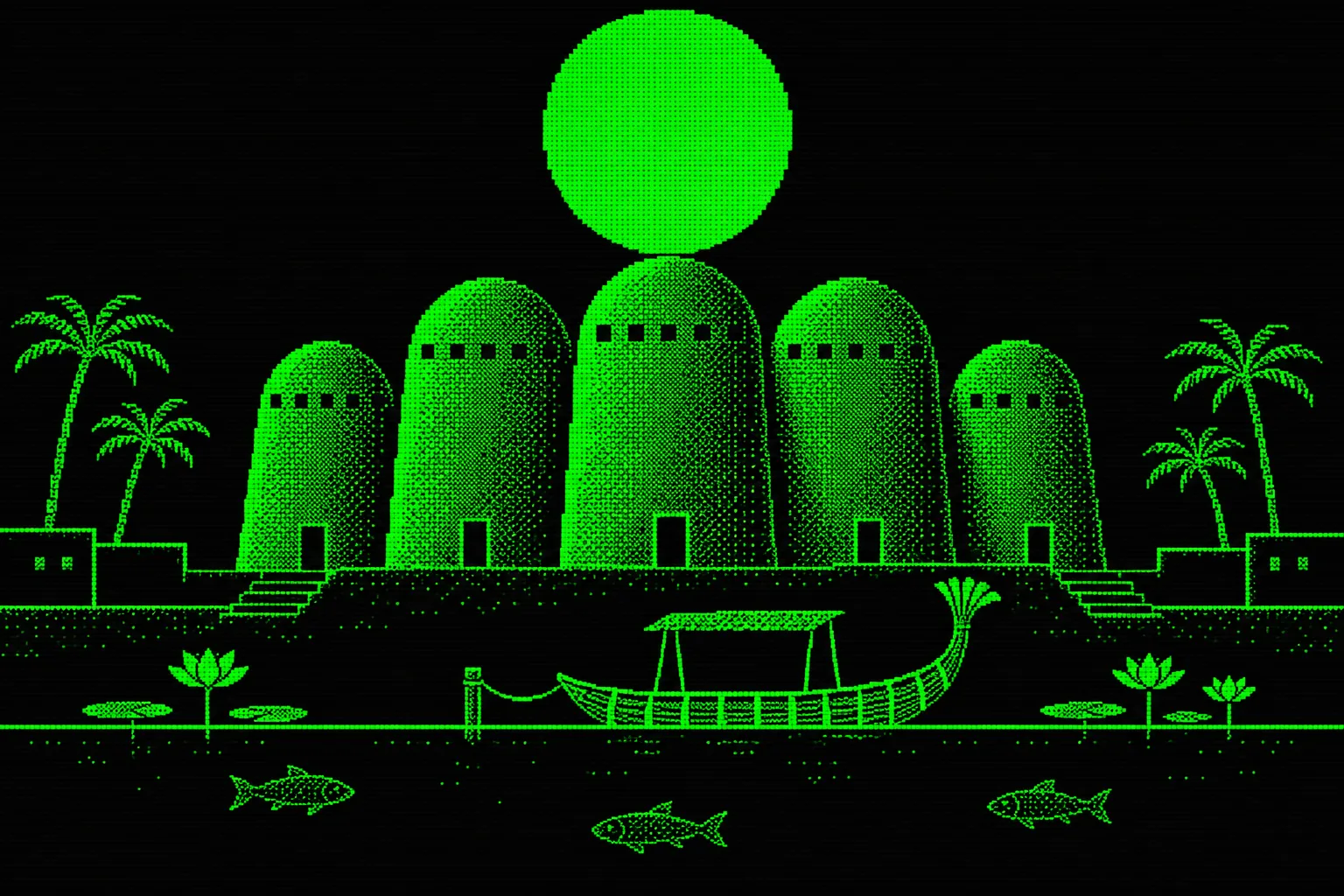
The scribe Pabes writes to his superior, the scribe Amenemope: I have reached Pi-Ramesses, and I found it in the very best of condition. The report turns into a song for the Delta capital of Ramesses II. Its ponds teem with fish, its lakes with fowl. Its granaries are full of barley and emmer; they all but touch the sky. Wine from the estate Egypt’s Sustenance outdoes honey. The lowly there are like the great.
On the morning of the Khoiak feast the king enters. The young men stand at their doors, moringa oil on their heads, hands bent under flowers. The song ends by telling Ramesses to stay: walk freely, never stirring from the city.
- 1
[...] zẖꜣ,w Pꜣj-bꜣj~sꜣ ḥr swḏꜣ jb n nb =f zẖꜣ,w Jmn-m-jp,t
… the scribe Pabes sends word to his lord, the scribe Amenemope,
Note · Line 1
To send someone word is, in the language of Egyptian letters, to set his heart at ease. - 2
m ꜥnḫ-(w)ḏꜣ-(s)nb
in life, prosperity and health!
- 3
hꜣb pw r rḏi̯.t rḫ [pꜣy] =j nb
This letter is to let my lord know.
- 4
ky swḏꜣ-jb n pꜣy =j nb r-n,tj
A further word for my lord:
- 5
tw≡j spr.kwj r Pr-Rꜥ-msi̯-sw-mri̯-Jmn-ꜥnḫ-(w)ḏꜣ-s(nb)
I have reached Pi-Ramesses—life, prosperity and health!
Note · Line 5
The city’s full name means “House of Ramesses, Beloved of Amun.” It was the royal seat of Ramesses II in the eastern Nile Delta. - 6
gmi̯ =〈j〉 sw m-šs [jqr] [zp-2]
I found it in the very best of condition.
- 7
spꜣ[,t] nfr.t nn mj,tt =st m snnj(t) n Wꜣs,t
A fair district without equal, laid out on the plan of Thebes.
- 8
jn [Rꜥ] [grg] [sw] ḏs =f pꜣ ẖnw nḏm ꜥnḫ
It was Ra himself who founded it, this royal residence where life is sweet.
- 9
tꜣy =f sḫ,t mḥ.tj m b(w)-nb{.t}-nfr
Its farmland is full of every good thing;
- 10
sw ⸮〈mḥ〉? m ḥw.pl kꜣ.pl rꜥ-nb
the city is full of food and provisions every day.
- 11
nꜣy =f mꜥ~ḥw~ḏꜣ~jrʾ~[tj] ⸢m⸣ rm.w
Its ponds teem with fish,
- 12
nꜣy =f š.w.pl m ꜣpd.w
its lakes with fowl.
- 13
nꜣy =f ḥsbp.t (ḥr) ꜣḫꜣḫ m sm.w
Its garden beds grow green with herbs;
- 14
tꜣ [j]ꜣds m mḥ [1] gs
the iades plant stands a cubit and a half high.
Note · Line 14
The iades has not been securely identified. A cubit and a half is roughly two and a half feet. - 15
pꜣ jdn~rʾ~gꜣ mj dp(,t) bj,t m ꜣḥ,t mꜣ~qꜣ~qꜣ
In the damp soil of the field the melon tastes of honey.
- 16
nꜣy =f šnw,t mḥ m jt ḥr b,tj
Its granaries are full of barley and emmer;
Note · Line 16
Emmer is a kind of wheat. - 17
st (ḥr) tkn r ḥr(,t)
they all but touch the sky.
- 18
ḥḏ.w jꜣq.t n nꜣ tʾ~rʾ ꜥb.w n tꜣ dd
Onions and leeks from the hill fields, lettuce from the ded garden;
- 19
jwn~hꜣ~mꜣꜣ dpḥ.w ḏd~[t]w d(ꜣ)b n ꜥ,t-ḫt
pomegranates, apples and olives, and figs from the orchard;
- 20
jrp.w nḏm n Kꜣ.pl-n-Km,t jw =((w)) (ḥr) jṯi̯ bj,t
sweet wines from Egypt’s Sustenance that outdo honey itself;
Note · Line 20
Egypt’s Sustenance is the name of a wine estate in the Delta. - 21
wḏ(j) dšr{.t} n mr n [ẖnw] 〈ꜥnḫ〉 ⸢m⸣ sšnj
red perch from the canal of the royal residence, living among the lotuses;
- 22
bꜣ~⸮d?j~jn n hꜣ~jrʾ bꜣ~jrʾ~y šbn ḥr bꜣ~gꜣ [__]n n pw~hꜣ~jrʾ~tj
betin fish from the Her Canal, buri mullet mingling with baga mullet, and … fish from the Peheret pond;
Note · Line 22
Several of these fish are known by their Egyptian names but cannot be matched to a particular species. - 23
ꜥdw ⸢n⸣ ḫ_-n-Bꜥ~jrʾ hꜣ~wꜣ~ṯꜣ~nꜣ n ḥꜣ,t [pꜣ]-[d(ꜣ)b.w]-n-ꜥꜣ-nḫṱ
adu mullet from the … of Baal, hawtjen fish from the river mouth called the Bank of Great-in-Victories.
Note · Line 23
“Great-in-Victories” is a name for Pi-Ramesses itself. - 24
Pꜣ-š-Ḥr ẖr.j ḥmꜣmy
The Lake of Horus holds salt,
- 25
Pꜣ-ḥw~jrʾ ẖr.j ḥsmn
the Pa-Her Canal holds natron.
Note · Line 25
Natron is a natural mixture of soda salts, used for washing and in embalming. - 26
nꜣy =[f] [ꜥḥꜥ.w] ḥr wḏi̯ mnjw
Its ships cast off and come to moor;
- 27
pꜣ 〈ḥw.pl〉 kꜣ.pl jm =f rꜥ-nb
there is food and provision in the city every day.
- 28
ršw,t ḥmsi̯.ṱ m-ẖnw =f
Joy is at home within it;
- 29
nn ḏd.w n =f [ḥ]ꜣ~n.pl~rʾ
no one says of it, “If only!”
- 30
šrj.w jm =st mj ꜥꜣ.yw
The lowly there are like the great.
- 31
my n jri̯.y =n n =f nꜣy =f ḥ(ꜣ)b.w n.w p,t ḥnꜥ nꜣy =f tp{.j}-trj
Come, let us keep for the city its feasts of heaven
and its feasts of the seasons.Note · Line 31
Pi-Ramesses was the royal residence of Ramesses II in the eastern Nile Delta. The feasts of heaven followed the moon; the seasonal feasts followed the civil calendar. - 32
jwi̯.t n =f Pꜣ-ṯwfj m mnḥ Pꜣ-š-Ḥr m jsj
The Papyrus Thicket will come to it with papyrus,
the Lake of Horus with reeds. - 33
sꜣ~bꜣ~jrʾ [n] [ꜥ,t]-ḫt mꜣḥ.w n nꜣ kꜣm.w
Boughs from the orchard,
garlands from the vineyards. - 34
[...] pꜣ ꜣpd.w m qbḥ rhꜣn =f ⸢ḥr⸣ [...]
… the fowl from the marshes,
that it may rest on … - 35
pꜣ ym m bꜣ~gꜣ ḥr ꜥdw 〈ḫrp〉 n =f pḥ.ww =sn
The sea teems with baga mullet and adu mullet,
which their backwaters bring to the city. - 36
nꜣ rnn.w n ꜥꜣ-nḫṱ m wnḫ.w rꜥ-nb
The young men of Great-in-Victories
wear their feast clothes every day, - 37
bꜣq nḏm r ḏꜣḏꜣ =sn 〈jw〉 =〈sn〉 m nbtj n-mꜣw,t jw =sn ꜥḥꜥ r-gs sbꜣ =sn
sweet moringa oil on their heads,
their hair freshly dressed,
as they stand beside their doors. - 38
ḏr,t =sn hꜣn m dby,t m wꜣḏ,t n Pr-Ḥw,t-Ḥr mꜥḥ n Pꜣ-Ḥw~jrʾ hrw ꜥq,y n Wsr-Mꜣꜥ,t-Rꜥ-stp-n-Rꜥ ꜥnḫ-(w)ḏꜣ-s(nb) Mntjw-m-tꜣ,du dwꜣ,w ḥ(ꜣ)b kꜣ-ḥr-kꜣ jw z nb tw(t) 2.nw =f ḥr ḏd nꜣy =sn spr.w
Their hands bend under the weight of debyt flowers,
greens from the House of Hathor,
flax from the Pa-Hor canal,
on the day of the entry of Usermaatre Setepenre
—may he live, prosper and be well!—Montu in the Two Lands,
on the morning of the Khoiak feast,
when every man is his fellow’s equal
as they voice their petitions.Note · Line 38
Usermaatre Setepenre is the throne name of Ramesses II. - 39
srm,t nḏm n ꜥꜣ-nḫṱ
Sweet date mash from Great-in-Victories!
- 40
nꜣy =f db,yt mj šꜣꜥ.w
Its fig drinks are like shaa fruit.
Note · Line 40
Shaa and inu are fruits not securely identified today. - 41
nꜣy =f ḫj~wꜣ~wꜣ mj dp(,t) jnw ḥr jṯi̯ bj,t
Its syrups taste like inu fruit
and outdo honey. - 42
ḥ(n)q,t Qdj n tꜣ mnj,t jrp.w n nꜣ kꜣm
Qadi beer from the harbor,
wine from the vineyards,Note · Line 42
Qadi was in Cilicia, on the southern coast of present-day Turkey. - 43
sgnn nḏm n sꜣ~gꜣ~bꜣ~y~nꜣ mꜣḥ.w n tꜣ dd
sweet oil from the Segabina waterway,
garlands from the Ded garden, - 44
ḥs.y(t).pl nḏm n ꜥꜣ-nḫṱ m sbꜣ n Ḥw,t-kꜣ-Ptḥ
sweet-voiced women singers from Great-in-Victories,
schooled in Memphis. - 45
ḥmsi̯ nḏm jb tw wstn nn ktkt r =s Wsr-Mꜣꜥ,t-Rꜥ-stp-n-Rꜥ ꜥnḫ-(w)ḏꜣ-s(nb) Mntjw-m-tꜣ,wj Rꜥ-msi̯-sw-mri̯-[Jm]n-ꜥnḫ-(w)ḏꜣ-s(nb)-pꜣ-nṯr
Sit, be glad of heart,
walk freely, never stirring from the city,
Usermaatre Setepenre—may he live, prosper and be well!—
Montu in the Two Lands,
Ramesses, beloved of Amun—may he live, prosper and be well!—the god. - 46
grḥ [...]
End. …