~/sacred-texts/royal-inscriptions-of-the-25th-kushite-dynasty
Stela of Piye: Amun Makes a Nubian King Ruler of Egypt
- Date
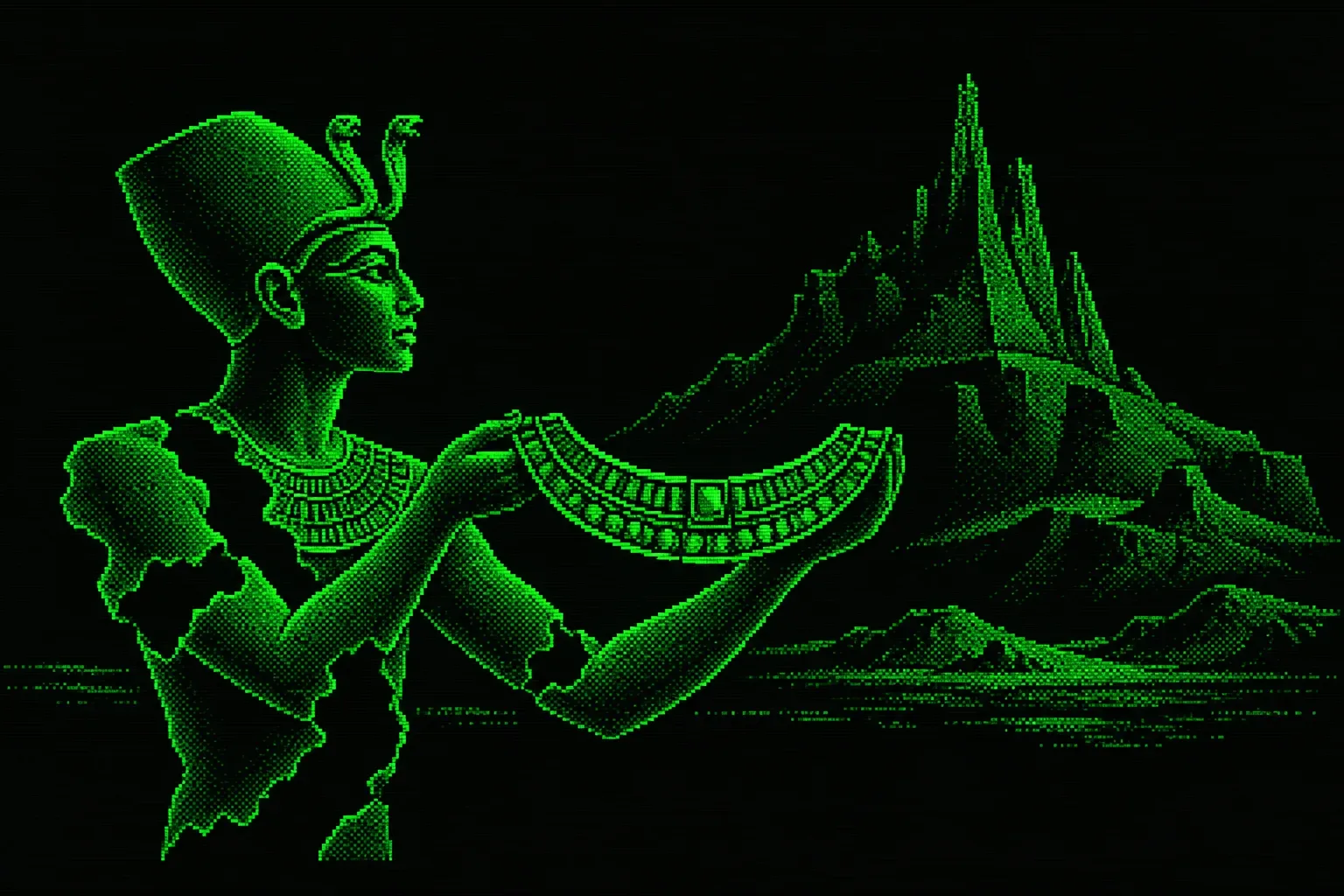
- Carved in the 25th Dynasty, in the reign of Piye (c. 744–714 BC), on a royal stela. The figure of the king presenting jewellery was later hacked out.
- Found
- Found at the Temple of Amun at Gebel Barkal (ancient Napata), Sudan
- Language
- Egyptian · Hieroglyphic
- 1
… 𓆓𓂧 𓆑
[...] ḏd =f
… he said:
Note · Line 1
The speaker is Piye, the Kushite king from Nubia who conquered Egypt around 730 BC. - 2
𓏙 𓈖 𓀀 𓇋𓏠𓈖𓈖𓈗𓊖𓊪 𓁹 𓋾𓀯 𓈖 𓈉 𓎟
di n =j Jmn-Np jri̯ ḥqꜣ n ḫꜣs,t nb
Amun of Napata has granted me to be ruler of every foreign land.
Note · Line 2
Napata, at the Holy Mountain of Gebel Barkal in Nubia, was the Kushite kings’ great cult centre of Amun. Its Amun was worshipped as a southern form of the Amun of Thebes in Egypt. - 3
𓅮 𓈖𓏏𓏏 𓏏𓅱𓀀 𓆓𓂧 𓈖 𓆑
pꜣ n,t.t tw≡j ḏd n =f
He to whom I say,
- 4
𓈖𓏏𓎡
ntk wr
'You are a chief,'
- 5
𓇋𓅱 𓆑 𓁹
jw =f jri̯ wr
he is a chief.
Note · Line 5
The word for “chief” (wr, literally “great one”) was the usual title of the local rulers of Libyan descent who divided Egypt among themselves in Piye’s day. - 6
𓅮 𓈖𓏏𓏏 𓏏𓅱𓀀 𓆓𓂧 𓈖
pꜣ n,t.t tw≡j ḏd n =〈f〉
He to whom I say,
- 7
𓃀𓈖 𓈖𓏏𓎡 𓇋𓈖𓄿𓀁
bn ntk wr jnꜣ
'You are no chief,'
- 8
𓃀 𓁹 𓆑 𓁹
bw jri̯ =f jri̯ wr
he is no chief.
- 9
𓏙 𓈖 𓀀 𓇋𓏠𓈖𓐝𓌀𓏏𓊖 𓁹 𓋾𓀭 𓈖 𓆎𓊖
di n =j Jmn-m-Wꜣs,t jri̯ ḥqꜣ n Km
Amun in Thebes has granted me to be ruler of the Black Land.
- 10
𓅮 𓈖𓏏𓏏 𓏏𓅱𓀀 𓆓𓂧
pꜣ n,t.t tw≡j ḏd [n] =[f]
He to whom I say,
- 11
[jri̯] [ḫꜥi̯] [jri̯] =[f] [ḫꜥi̯]
'Rise in glory!' he rises in glory.
- 12
𓈖𓏏𓏏 𓏏𓅱𓀯 𓆓𓂧 𓈖 𓆑
[pꜣ] n,t.t tw≡j ḏd n =f
He to whom I say,
- 13
𓅓𓁹 𓈍 𓃀 𓁹 𓆑 𓈍
m-jri̯ ḫꜥi̯ b(w) jri̯ =f ḫꜥi̯
'Do not rise in glory!' he does not rise in glory.
- 14
𓅮 𓈖𓏏𓏏 𓏏𓅱 𓏙 𓀀 𓁷𓏤 𓀀 𓂋 𓆑 𓎟
pꜣ n,t.t tw≡〈j〉 di ={j} ḥr =j r =f nb
Anyone to whom I turn my face,
- 15
𓅓𓈖𓂜 𓈎𓀾 𓈖 𓐍𓆑𓊊 𓅮𓇋𓇋 𓆑 𓂧𓊖𓏇 𓇋𓅱 𓃀𓈖 𓇓 𓐝 𓂧𓏏𓏤 𓀀 𓇋𓈖𓄿𓀁
mn qj n fḫ pꜣy =f dmj jw bn sw m ḏr,t =j jnꜣ
there is no way his town can be destroyed, even when it is not in my hand.
- 16
𓊹 𓁹𓂋 𓏲𓏥 𓇓𓏏𓈖 𓂋𓍿𓀀𓁐 𓁹 𓏲𓏥 𓇓𓏏𓈖𓀯
nṯr.pl jri̯ =w nsw,t rmṯ jri̯ =w nsw,t
Gods make kings, men make kings;
Note · Line 16
Piye sets the usual ways a king is made, by gods or by men, against his own case, which the next line states: it is Amun himself who made him. - 17
𓇋𓈖 𓇋𓏠𓈖 𓁹 𓀀
jn Jmn jri̯ (w)j
It is Amun who made me.
- 18
𓅮 𓈖𓏏𓏏 𓃀𓊪𓏛 𓈖𓄿 𓏏𓄂𓏥 𓁹 𓆑 𓏎𓈖 𓏲𓏥 𓈖 𓀀 𓅨𓂋𓎛𓂓𓏏𓏏𓆇 𓂋 … 𓈖𓏏 … 𓊢 𓄤
pꜣ n,t.t b(w)-p(w) nꜣ ḥꜣ,t.pl jri̯ =f jni̯ =w n =j Wr-ḥkꜣ.t r [...] nt [...] ꜥḥꜥ nfr
As for what the chiefs have never brought me, Weret-hekau … to … … a good span of life …
- 19
[Py]
Piye
- 20
𓋹 𓎃 𓈖𓇉 𓎡 𓏇 𓇳𓏤 𓆓𓏏𓇿
ꜥnḫ sꜣ n-ḥꜣ =k mj Rꜥw ḏ,t
Life and protection are behind you, as for Ra, forever.
Note · Line 20
This is a standard protective formula, written in the space behind the king’s figure, that wraps him in divine safeguard.