~/sacred-texts/papyrus-bremner-rhind
Papyrus Bremner-Rhind Colophon: Curse on Scroll Thieves
- Date
- Written in Year 12 of Alexander IV (305 BC), fourth month of the Inundation (Khoiak), for the priest Nesmin of Karnak and Hu
- Found
- Found at Thebes, Egypt; now in the British Museum, London (pBM EA 10188)
- Language
- Middle Egyptian · Hieratic
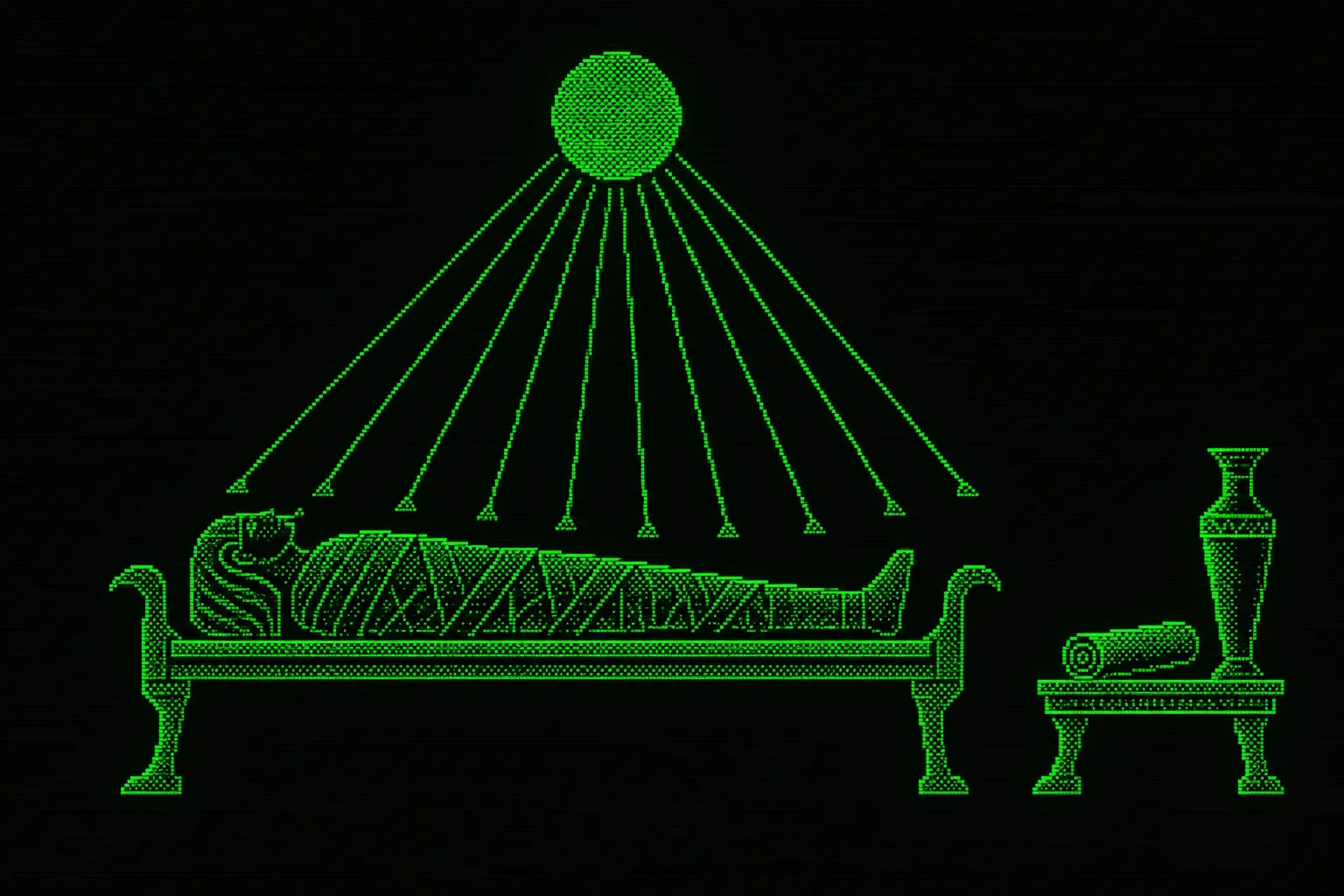
Dated to year twelve of Alexander IV, this colophon lists over twenty temple offices at Karnak and Hu—including priest of the gods who have no priest in the temple at Hu—before naming its owner, Nesmin, and his parents. Before Osiris and the underworld gods, their names endure: They are called aboard the barque of Ra. Daily offerings follow, and each day the rays of the sun disk fall on their dead bodies.
Nesmin then speaks directly to curse thieves from Nubia, Kush, or Syria: their bodies shall not be buried. They shall never see the rays of the sun disk. Whoever preserves his ka and name is promised the same favor in death.
- 1
𓏞𓏲𓏲𓍼𓏥 𓈖 𓆳𓇳 𓎆𓏮𓏏 𓇹 𓏤𓏤𓏤𓏤 𓆷𓇳 𓈖 𓉐𓉻𓅆𓅆 𓇋𓂋𓎡𓊃𓈖𓂧𓂋𓊃𓌙𓈉𓅆 𓅭𓏤𓀀 𓈖 𓇋𓂋𓎡𓊃𓈖𓂧𓂋𓊃
sẖꜣ.ww n rnp,t 12 ꜣbd 4 ꜣḫ,t n Pr-ꜥꜣ Jrksndrs sꜣ n Jrksndrs
Written in year twelve, in the fourth month of the Inundation, under Pharaoh Alexander, son of Alexander.
Note · Line 1
This is Alexander IV, son of Alexander the Great. The fourth month of the Inundation was Khoiak. - 2
𓄂𓂝 𓊹𓇋𓏏𓆑𓀀𓊹𓍛𓏤𓀀𓈖𓇋𓏠𓈖𓅆𓇳𓅆𓇓𓏏𓈖𓅆𓊹𓊹𓊹𓅆𓏫
ḥꜣ,tj-ꜥ jt(j)-nṯr-ḥm-nṯr-n-Jmn-Rꜥw-nswt-nṯr.pl
The count, god’s father and priest of Amun-Ra, king of the gods;
Note · Line 2
The titles that follow all belong to Nesmin, who is named at the end of the list. “God’s father” is a priestly title, not a claim of kinship. - 3
𓊹𓍛𓏤𓀀𓈖𓄑𓂋𓅆𓊪𓇳𓅆𓅯𓄿𓀔𓅆𓉻𓂝𓅨𓂋𓁶𓊪𓈖𓇋𓏠𓈖𓅆
ḥm-nṯr-Ḥr-p(ꜣ)-Rꜥw-pꜣ-ẖrd-ꜥꜣ-wr-tp,j-n-Jmn
priest of Harpre the Child, great beyond measure, firstborn of Amun;
- 4
𓊹𓍛𓏤𓀀𓈖𓇋𓏠𓈖𓅆𓇮𓄏𓄏
ḥm-nṯr-n-Jmn-spd-ꜥb.du
priest of Amun of the two sharp horns;
- 5
𓊹𓍛𓏤𓀀𓈖𓐍𓈖𓇓𓏲𓅆𓁷𓂋𓄣𓏤𓃀𓈖𓈖𓏏𓉐𓅆
ḥm-nṯr-n-Ḫns,w-ḥr,j-jb-Bnn,t
priest of Khonsu, who dwells in Benenet;
Note · Line 5
Benenet is the temple of Khonsu at Karnak. - 6
𓊹𓍛𓏤𓀀𓊨𓇳𓅆𓅨𓂋𓅯𓄿𓇋𓈙𓇾𓆭𓏫
ḥm-nṯr-n-Wsjr-wr-pꜣ-jštꜣ
priest of Osiris, the Great One of the Ished Tree;
Note · Line 6
The ished was a sacred tree associated with kingship and renewal. - 7
𓊹𓍛𓏤𓀀𓈖𓊨𓇳𓅆𓁷𓄣𓏤𓇋𓈙𓂋𓃭𓏤𓈗𓊖
ḥm-nṯr-n-Wsjr-hr,j-jb-Jšr
priest of Osiris, who dwells in Asheru;
Note · Line 7
Asheru is the sacred lake in the precinct of the goddess Mut at Karnak. - 8
𓊹𓍛𓏤𓀀𓈖𓇋𓏠𓈖𓅆𓀠𓋛𓏤𓅆𓁷𓄣𓏤𓇋𓊪𓏭𓊨𓏥𓊖
ḥm-nṯr-n-Jmn-qꜣi̯-šw.du-ḥr,j-jb-jpy-s,t.pl
priest of Amun of the two tall plumes, who dwells in Ipet-sut;
Note · Line 8
Ipet-sut is the Egyptian name for the great sanctuary of Amun at Karnak. - 9
𓃂𓈗𓀀𓈖𓊪𓇳𓅆𓁶𓏤𓉗𓏏𓉐𓈖𓉐𓏤𓇋𓏠𓈖𓅆𓁷𓏤𓎃𓏮𓏌
wꜥb-n-p(r)-Rꜥw-tp,(j)-ḥw,t-n-pr-Jmn-ḥr-sꜣ-2,nw
wab-priest of the chapel of Ra on the roof of Amun’s temple, in the second priestly company;
Note · Line 9
A wab, or “pure one,” was a priest required to maintain ritual purity. The priestly companies took turns serving in the temple. - 10
𓏞𓏲𓏲𓍼𓏥𓊹𓋨𓏲𓀀𓈖𓇋𓏠𓈖𓅆𓁷𓏤𓎃𓏮𓏌
sẖꜣ,ww-ḫtm,t-nṯr-n-Jmn-ḥr-sꜣ-2,nw
scribe of Amun’s sacred property in the second priestly company;
- 11
𓇋𓏏𓈖𓏌𓏲𓀁𓈖𓇋𓏠𓈖𓅆𓈖𓎃𓏮𓏌𓎃𓏤𓏤𓏤𓏤𓏌
jtn,w-n-Jmn-n-sꜣ-2,nw-4,nw
deputy of Amun for the second and fourth priestly companies;
- 12
𓊹𓍛𓏤𓀀𓈖𓄤𓊵𓏏𓊪𓅆𓅯𓄿𓊹𓅆𓉻𓂝𓏛
ḥm-nṯr-n-Nfr-ḥtp-pꜣ-nṯr-ꜥꜣ
priest of Neferhotep, the great god;
- 13
𓊹𓍛𓏤𓀀𓈖𓄤𓊵𓏏𓊪𓅆𓅯𓄿𓀔𓅆
ḥm-nṯr-n-Nfr-ḥtp-pꜣ-ẖrd
priest of Neferhotep the Child;
- 14
𓊹𓍛𓏤𓀀𓈖𓊨𓇳𓅆𓄑𓂋𓅆𓊨𓏏𓆇𓅆𓉠𓏏𓆇𓅆𓈖𓊹𓉗𓏏𓉐𓅆𓈖𓉗𓏏𓉐𓊖
ḥm-nṯr-n-Wsjr-Ḥr-ꜣs,t-Nb,t-ḥw,t-n-ḥw,t-nṯr-n-Ḥw
priest of Osiris, Horus, Isis and Nephthys of the temple at Hu;
- 15
𓊹𓍛𓏤𓀀𓈖𓈾𓅆
ḥm-nṯr-n-Mnw
priest of Min;
- 16
𓊹𓍛𓏤𓀀𓈖𓉗𓏏𓁷𓂋𓏏𓆇𓅆𓎟𓏏𓉗𓏏𓉐𓌂𓏤𓏥𓊖
ḥm-nṯr-n-Ḥw,t-Ḥr-nb,t-Ḥw,t-sḫm.pl
priest of Hathor, lady of Hut-sekhem;
Note · Line 16
Hut-sekhem is another name for Hu. - 17
𓊹𓍛𓏤𓀀𓈖𓎔𓎛𓇋𓇋𓏏𓆇𓁗
ḥm-nṯr-n-Mḥy,t
priest of Mehit;
- 18
𓊹𓍛𓏤𓀀𓈖𓇋𓏏𓅓𓏛𓅆𓎟𓏏𓉗𓏏𓉐𓌂𓏤𓅆𓏥𓊖
ḥm-nṯr-n-Jtm-nb-Ḥw,t-sḫm.pl
priest of Atum, lord of Hut-sekhem;
- 19
𓇋𓏏𓈖𓏌𓏲𓀁𓈖𓄤𓊵𓏏𓊪𓅆𓈖𓅯𓄿𓏤𓏤𓏤𓏤𓎃𓏤𓏫
jtn,w-n-Nfr-ḥtp-n-pꜣ-4-sꜣ
deputy of Neferhotep for the four priestly companies;
- 20
𓊹𓍛𓏤𓀀𓈖𓁶𓏤𓊪𓏭𓈖𓄤𓊵𓏏𓊪𓅆
ḥm-nṯr-{n}tp,j-n-Nfr-ḥtp
first priest of Neferhotep;
- 21
ḥm-nṯr-[n]-nꜣ-nṯr.pl-n,tt-jw-mn-mṱ≡w-ḥm-nṯr-n-ḥw,t-nṯr-n-Ḥw
priest of the gods who have no priest in the temple at Hu;
- 22
𓏞𓏲𓏲𓍼𓏥𓀀𓈖𓇋𓏠𓈖𓅆𓈖𓎃𓏥𓏌
sẖꜣ,ww-n-Jmn-n-sꜣ-3,nw
scribe of Amun for the third priestly company;
- 23
𓊹𓍛𓏤𓀀 𓈖𓄓𓊃𓈾𓀀 𓅭𓏤𓀀 𓈖 𓊹𓍛𓏤𓀀 𓊪𓂞𓇋𓏠𓈖𓅆𓇓𓏏𓈖𓅆𓇾𓇾𓈇𓏰𓈇𓅆𓏫𓀀 𓁹𓏏 𓈖 𓇋𓎛𓇋𓇋𓁐𓈖𓇋𓏠𓈖𓅆𓇳𓅆 𓏏𓄿𓀔𓀀𓈖𓏏𓄿𓃒𓀀 Z115 𓏏𓏲 𓈖 𓊃 𓁹𓏥𓏲𓏏𓏲𓂋𓏥𓁐
ḥm-nṯr Ns-Mnw sꜣ n ḥm-nṯr P(ꜣ)-dj-Jmn-〈nb〉-nswt-tꜣ.du jri̯ n jḥy-n-Jmn-Rꜥw Tꜣ-šrj,t-n-tꜣ-jḥ,t ḏd =tw n =s Jrwṱ-r≡w
the priest Nesmin, son of the priest Padiamunnebnesuttawy, born to the sistrum player of Amun-Ra, Tasheritentaihet, whom they call Iataru.
Note · Line 23
A sistrum is a rattle shaken in worship. - 24
𓇋𓏲 𓂋𓈖𓀁 𓋴𓈖𓏥 𓏠𓈖𓍖 𓎝𓎛𓏛 𓂜𓈖 𓋴𓎝𓎡𓅪 𓂋 𓅘𓎛𓎛𓇳 𓅓𓂺 𓊨𓇳𓅆 𓄑𓂋𓅆 𓊨𓏏𓆇𓅆 𓉠𓏏𓆇𓁗 𓊹𓊹𓊹𓅆𓏫 𓊹𓏏𓆇𓅆𓏫 𓇋𓊪𓏲𓏥 𓈖𓏏𓏏 𓁷𓏤 𓈙𓆑𓏏𓍼𓏤 𓊪𓈖 𓅓𓂺 𓊹𓊹𓊹𓅆𓏫 𓊹𓏏𓆇𓅆𓏫 𓂋𓄫𓏲𓏛 𓋴𓈖𓏥 𓈖𓏏𓏏 𓅓 𓊹𓌨𓂋𓏏𓏏𓈉 𓋴𓃀𓐍𓏏𓏰𓉪𓏏𓉐𓏫 𓈙𓇾𓏴𓏫 𓉻𓂝𓏛𓏥 𓏶𓅓𓏭𓏲𓏫 𓇼𓄿𓏲𓏏𓉐 𓇋𓏲 𓁹𓂋𓏲 𓋴𓈖𓏥 𓉔𓂻 𓂋𓈖𓀁 𓇋𓊪𓏲𓏥 𓏶𓅓 𓇼𓄿𓏲𓏏𓉐 𓇋𓈎𓂋𓏏𓏛
jw rn =sn mn wꜣḥ nn ski̯ r nḥḥ m-bꜣḥ Wsjr Ḥr ꜣs,t Nb,t-ḥw,t nṯr.pl nṯr,t.pl jpw n,tt ḥr šft pn m-bꜣḥ nṯr.pl nṯr,t.pl r-ꜣw =sn n,tt m ẖr,t-nṯr sbḫ,t.pl štꜣ.pl ꜥꜣ.pl jm,jw.pl dwꜣ,t jw jr =sn hi̯ rn jpw {jm,j}〈m〉 dwꜣ,t jqr.t
Their names stand fast and endure, never to perish in all eternity, before Osiris, Horus, Isis and Nephthys, these gods and goddesses on this scroll, and before all the gods and goddesses who are in the realm of the dead and at the great secret gates of the Duat, when they descend with these names into the splendid Duat.
Note · Line 24
The names are those of Nesmin and his parents. The Duat is the underworld through which the sun travels at night. - 25
𓈖𓇋𓋴𓀞 𓏲𓏏 𓂋 𓊃𓈖𓏥 𓅓 𓏲𓇋𓄿𓊛 𓈖 𓇳𓅆
njs =tw r =sn m wjꜣ n Rꜥw
They are called aboard the barque of Ra.
- 26
𓇋𓏲 𓂋𓂝𓏏 𓈖 𓊃𓈖𓏥 𓉐𓂋𓏏𓊤𓏲𓏒𓏥 𓁷𓏤 𓂝𓃀𓌂 𓈖 𓊹𓅆𓉻𓂝𓏛 𓅓𓌨𓂋𓏏𓈇𓏤𓏥𓇳𓏤 𓈖𓏏 𓇳𓏤𓎟
jw rdi̯ =〈tw〉 n =sn pr,t-ḫrw.pl ḥr ꜥbꜣ n nṯr-ꜥꜣ m-ẖr,t-hrw n,t rꜥw-nb
Invocation offerings are given to them on the altar of the great god, day after day.
Note · Line 26
These offerings were called out by name so that the dead could receive them. - 27
𓇋𓏲 𓂋𓂝 𓈖 𓊃𓈖𓏥 𓈎𓃀𓏁𓈗 𓊸𓈒𓏫 𓏇𓇋 𓇓𓏏𓈖𓅆𓏫 𓆤𓏏𓏰𓏏𓏰𓅆𓅆𓏫 𓇋𓈎𓂋𓏭𓏛𓀭𓏥 𓏶𓅓𓏲𓏫 𓊹𓌨𓂋𓏏𓏏𓈉
jw rdi̯ =〈tw〉 n =sn qbḥ snṯr mj nswt.pl bj,tj.pl jqr.pl jm,jw.pl ẖr,t-nṯr
They are given libations and incense, as are the illustrious kings of Upper and Lower Egypt who dwell in the realm of the dead.
- 28
𓇋𓏲 𓂋𓂝𓏏 𓋴𓈖𓏥 𓉐𓂋𓂻 𓉔𓂻 𓅓𓌨𓂋 𓎛𓎿𓋴𓀁𓏫 𓈖𓏏 𓊨𓇳𓅆𓂉𓋀𓏏𓏏𓅆𓏫
jw rdi̯ =〈tw〉 〈n〉 =sn pri̯ hi̯ m-ẖr ḥs n,t Wsjr-ḫnt,j-jmn,tt.pl
They are granted leave to come forth and to descend in the favor of Osiris, foremost of the Westerners.
Note · Line 28
The Westerners are the dead: the west, where the sun sets, was their land. - 29
𓇋𓏲 𓂋𓂝𓏏 𓋴𓈖𓏥 𓉔𓂻 𓄝𓏏𓏭𓇶 𓇋𓏏𓈖𓇳𓅆 𓁷𓏤 𓆞𓐎𓅆 𓋴𓈖𓏥 𓇳𓏤𓎟
jw rdi̯ =〈tw〉 〈n〉 =sn hi̯ stj jtn ḥr ẖꜣ,t =sn rꜥw-nb
They are granted this: each day the rays of the sun disk fall on their dead bodies.
- 30
𓇋𓂋 𓊃𓏤𓀀𓎟𓏏 𓈖 𓈉𓏏𓏤𓈉𓏥 𓎟𓏏 𓈖𓅘𓎛𓋴𓌙𓈉 𓎡𓈙𓌙𓈉 𓆼𓄿𓃭𓏤𓌙𓈉 𓏠𓈖𓏠𓈖𓂢𓂻 𓈙𓆑𓏏𓍼𓏤 𓊪𓈖 𓂋𓏲𓇋𓄿𓂢𓂻𓆑𓋴 𓎛𓈖𓂝 𓀀 𓂜𓈖 𓂝𓃀𓎺𓏲𓏏 𓆞𓐎𓏱 𓋴𓈖𓏥 𓂜𓈖 𓂷𓏏𓏤 𓋴𓈖𓏥 𓏁𓈗 𓂜𓈖 𓋴𓋴𓈖𓏭𓂉 𓏲𓏏 𓊸𓈒𓏫 𓂜𓈖 𓊢𓂝𓂻 𓈖 𓏲𓏥 𓅭𓏤𓀀 𓅭𓏏𓏏𓁐 𓂋 𓄝𓏏𓏏𓂐 𓈖 𓏲𓏥 𓈗𓈘𓈇 𓂜𓈖 𓋴𓆼𓄿𓏲𓀁𓏲𓏏 𓂋𓈖 𓋴𓈖𓏥 𓁶𓏤 𓇾 𓇋𓏲𓄫𓏲𓏛 𓆑 𓂜𓈖 𓌳𓂂𓂂 𓏲𓏫 𓄝𓏏𓏏𓇶𓏫 𓇋𓏏𓈖𓇳𓅆
jr s-nb n ḫꜣs,t nb Nḥs Kš Ḫꜣ~rw mnmn šft pn rwjꜣ ḥnꜥ =j nn ꜥb.tw ẖꜣ,t =sn nn šsp =sn qbḥ nn ssnj ={tw}〈w〉 snṯr nn ꜥḥꜥ n =w sꜣ sꜣ,t r sti̯ n =w mw nn sḫꜣw.tw rn =sn tp tꜣ jw-ꜣw =f nn mꜣꜣ =w stt jtn
As for anyone from any foreign land—Nubia, Kush, Syria—who moves this scroll and takes it from my keeping: their bodies shall not be buried. They shall receive no libation; they shall breathe no incense. Neither son nor daughter shall rise to pour water for them. Nowhere on earth shall their names be remembered. They shall never see the rays of the sun disk.
Note · Line 30
Nesmin now speaks as the scroll’s owner. The curse denies whoever takes it the very rites and sunlight promised to his family. - 31
𓇋𓂋 𓋴𓏤𓀀𓎟𓏏 𓌳𓂂𓂂 𓈙𓆑𓏏𓍼𓏤 𓊪𓈖 𓁹𓈖 𓆑 𓏠𓈖𓍖 𓂓𓏤 𓅆 𓂋𓈖𓀁 𓀀 𓌨𓂋 𓎛𓎿𓋴𓀁𓏫 𓁹𓂋𓏏 𓈖 𓆑 𓏇𓏏𓏏 𓅓𓆱𓐍𓏭𓂻 𓏠𓇋𓈖𓇋𓏲𓊧𓊛 𓆑 𓅓𓌥𓃀𓏲𓏛𓏥 𓇋𓂋𓏥 𓁹𓈖 𓆑 𓈖 𓀀
jr s-nb mꜣꜣ šft pn jri̯.n =f mn kꜣ =j rn =j ẖr ḥs jri̯ =〈tw〉 n =f mj,tt m-ḫt mnjnjw =f m-ḏbw jr,j jri̯.n =f n =j
If anyone who sees this scroll has kept my ka and my name in favor, let the same be done for him once he has reached his mooring, in return for what he has done for me.
Note · Line 31
The ka is a person’s life force, which receives offerings after death. The favor sought is that of Osiris, lord of the dead. To reach one’s mooring is to die.