~/sacred-texts/gurob-papyri-pberlin-9784
Papyrus Berlin 9784: A Bronze Jug for Two Days of a Maid
- Date
- Written in the 18th Dynasty, Regnal Year 3 of Amenhotep IV (later Akhenaten), on the Birth of Isis (c. 1350 BC)
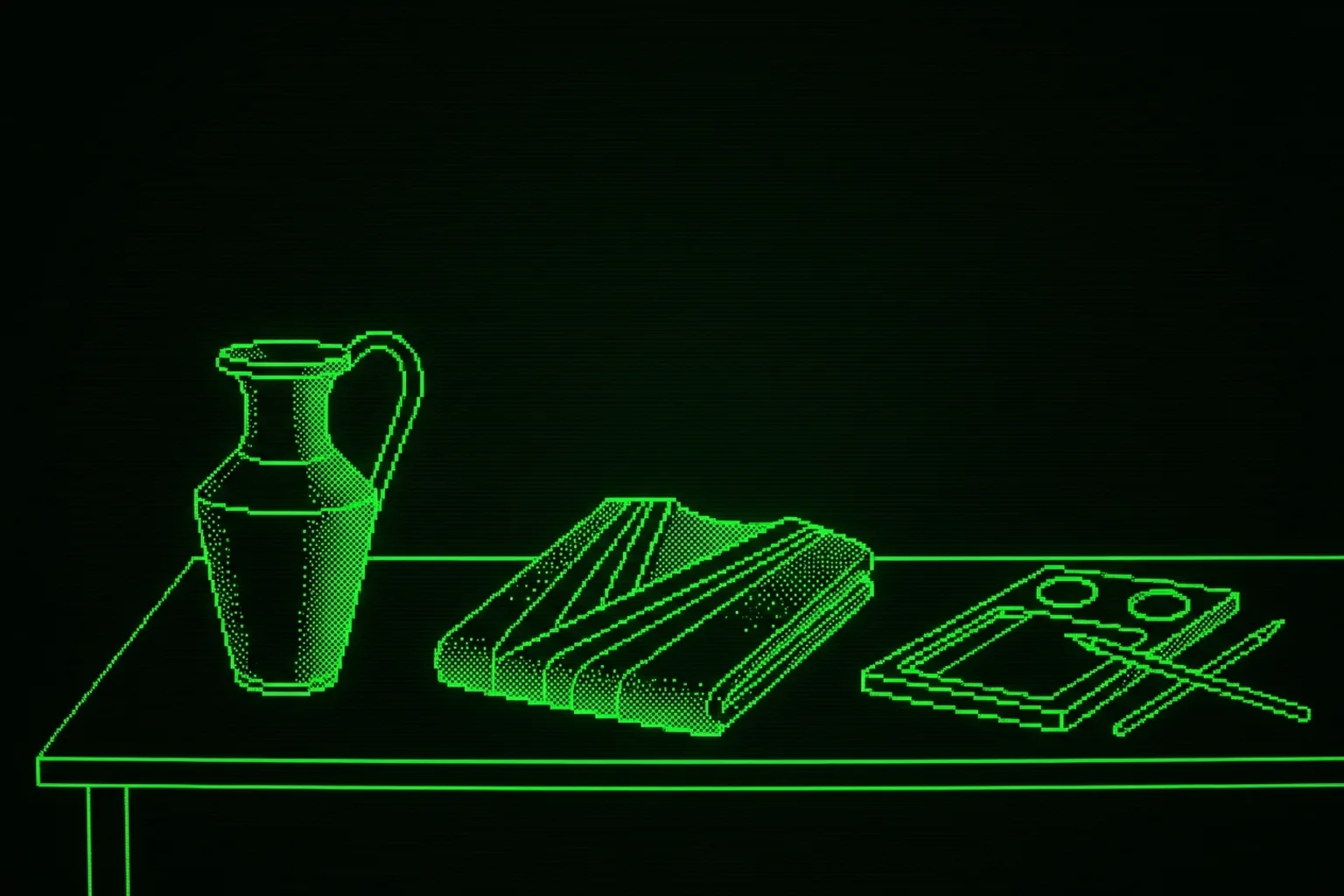
- Found
- Found at Medinet Gurob (Fayum, Egypt); now in the Ägyptisches Museum, Berlin
- Language
- Late Egyptian · Hieratic
- 1
𓆳𓏏𓇳 𓏥 𓄟𓋴𓏏𓊨𓏏𓆇 𓐍𓂋 𓍛𓏤 𓈖 𓇓𓆤 𓋹𓍑𓋴 𓅭𓇳 𓇋𓏠𓈖𓊵𓏏𓊪 𓋹𓍑𓋴 𓊹 𓋾𓋆 𓋹 𓆓𓏏𓇿 𓂋 𓈖𓅘𓎛𓇳𓎛 𓏇𓇋 𓀭
rnp,t-zp 3 msw,t-Ꜣs,t ḫr ḥm n nswt-bj,tj Nfr-ḫpr,pl-Rꜥw-wꜥ-n-Rꜥw ꜥnḫ-wḏꜣ-s(nb) zꜣ-Rꜥw Jmn-ḥtp,w ꜥnḫ-wḏꜣ-s(nb) nṯr ḥqꜣ-Wꜣs,t!! ꜥnḫ ḏ,t r nḥḥ mj jtj =f Rꜥw rꜥw-nb
Regnal year 3, on the Birth of Isis, under the Majesty of the King of Upper and Lower Egypt, Neferkheperure Waenre—life, prosperity, health!—Son of Ra, Amenhotep—life, prosperity, health!—the god, ruler of Thebes, who lives for ever and ever like his father Ra, day after day.
Note · Line 1
The Birth of Isis was the fourth of the five extra days at the end of the Egyptian year. This is Amenhotep IV, who later took the name Akhenaten. - 2
𓉔𓂋𓏲𓇳𓏤 𓊪𓈖 𓄭𓂋𓂻 𓁹𓈖 𓄿𓏏𓏯𓄦𓄼𓀀 𓅭 𓏲𓂝𓏲𓏛𓀜 𓏠𓈖𓆣𓂋𓀀 𓂋 𓁶𓏤𓈖𓀦𓏲𓀜 𓄟𓋴𓇓𓏲𓇋𓄿𓀀 𓂋𓆓𓂧 𓏎𓈖 𓈖 𓎡 𓉔𓂋𓏲𓇳𓏤𓇳 𓏮 𓅓 𓍛𓏤𓁐 𓎛𓏌𓏏𓏯𓁐
hrw pn spr jri̯.n ꜣ,t zꜣ wꜥ,w Mn-ḫpr r tp,j-n-mnj,w Mss-jꜣ r-ḏd jni̯ n =k hrw 2 m ḥm,t Ḥnw,t
On this day At, son of the soldier Menkheper, came before Mesesya, the chief herdsman, and said, “Take for yourself two days of the maidservant Henut’s work.
- 3
𓇋𓅓𓅓𓂝 𓂞𓏏𓏲 … 𓈖𓄿𓇋𓇋 𓎟𓏲𓏥 𓈖𓏥 𓅓𓐠𓏤 𓁷𓏤 𓅮𓄿 𓅘𓎛𓏴𓂡
jmi̯ rḏi̯.tw [...] nꜣy nb.pl =n m-sꜣ ḥr pꜣ nḥ
Have … handed over. Our lords are attending to the request.”
- 4
𓊢𓂝𓈖 𓀦𓏲𓀜 𓄟𓋴𓇓𓏲𓇋𓄿𓀀 𓂋𓂝 𓈖 𓆑 𓇋𓂋𓏭 𓎼𓄿𓇋𓇋𓂉𓏊𓏤 𓁹 𓈖 𓋩𓏤𓊌 𓏮 𓐝 … 𓏤 𓁹 𓈖 𓋩𓏤𓊌 𓏤 𓈚𓏏𓇋𓇋𓏏𓍱𓏤 𓁹 𓈖 𓋩𓏤𓊌 𓐝 𓏛 𓋩𓏤𓊌 𓏤𓏤𓏤𓏤
ꜥḥꜥ,n mnj,w Mss-jꜣ rḏi̯ n =f swn,w jr,j ḥzmn gꜣy jri̯ n šnꜥ,tj 2 gs ḥbs [...] 1 jri̯ n šnꜥ,tj 1 šty,t jri̯ n šnꜥ,tj gs dmḏ šnꜥ,tj 4
Then the herdsman Mesesya paid him the price: a bronze jug worth two and a half shenati; one garment … worth one shenati; a shetyt worth half a shenati. Total: four shenati.
Note · Line 4
The shenati was a unit of silver value. Mesesya paid in goods, not silver. The last item is known only by its name here. - 5
𓆓𓂧𓈖 𓆑 𓏏𓏲𓇋𓇋𓀀 𓎖𓏛𓎡 𓎼𓂋𓎛𓀁𓎡 𓅓 𓏏𓄿 𓋴𓃹𓈖𓌕𓏛𓏥
ḏd.n =f tw=j mḥ.k grḥ.k m tꜣ swn,w tꜣy [=j] [ḥm,t]
He said, “I have been paid in full and am satisfied with the fee for my maidservant’s work.
Note · Line 5
At, who received the goods, now acknowledges payment and swears to the terms. - 6
𓎝𓎛𓏛 𓇋𓏠𓈖 𓎝𓎛𓏛 𓅮𓄿𓋾𓈎𓀭 𓇋𓂋 𓈚𓅓𓏲𓊮 𓅮𓄿 𓉔𓂋𓏲𓇳 𓏮 𓈖𓏏𓏭 𓏏𓏲𓇋𓇋𓀀 𓂋𓂝 𓈖 𓎡 𓅓 𓍛𓏤𓁐 𓎛𓏌𓏏𓏰𓁐 𓁹 𓈖 𓋩𓏤𓊌 𓁷𓏤 𓋩𓏤𓊌 𓐍𓆑𓏏𓁷𓏤 𓂸𓏏𓂋𓏲𓇋𓇋𓌙𓌙𓀁𓏫 𓆈𓏏𓏥 𓐍𓆑𓏏𓁷𓏤 𓏲𓂝𓏲𓏛𓀜 𓎟𓎖𓎛𓇋𓇋𓊡𓏲𓀀 𓐍𓆑𓏏 𓐢𓂋𓏛𓁐 𓐍𓆑𓏏𓁷𓏤 𓊡𓏲𓀀 𓃩𓇋𓀀 𓐍𓆑𓏏 𓅓𓂝𓇋𓄿𓀀 𓐍𓆑𓏏 𓅭𓏏𓍘𓇋𓄿𓁐 𓅭𓏏𓁐 𓋴𓅓𓂝 … 𓐍𓆑𓏏 𓈖𓄿𓈖𓏥𓀀 𓐍𓆑𓏏𓁷𓏤 𓍘𓇋𓄿𓁐 𓐍𓆑𓏏𓁷𓏤 𓊪𓏲𓈖𓄿𓌽𓁐 𓐍𓆑𓏏 𓊪𓏭𓃒𓁐 𓐍𓆑𓏏𓁷𓏤 𓇋𓀁𓎀𓏲𓈀𓏥𓁐 𓐍𓆑𓏏 𓃂𓈗 … 𓐍𓆑𓏏 𓈞𓏏𓁐 𓆑 𓄤𓆑𓂋𓃭𓏤𓁐 𓐍𓆑𓏏 𓅭𓏏𓏤 𓆑 𓏏𓏲𓇋𓇋𓁐 𓐍𓆑𓏏
wꜣḥ Jmn wꜣḥ Pꜣ-ḥqꜣ jr šmm pꜣ hrw 2 n,tj tw=j rḏi̯ n =k m ḥm,t Ḥnw,t jri̯ n šnꜥ,tj ḥr šnꜥ,tj ḫft-ḥr mtr,w.y ꜥšꜣ.pl ḫft-ḥr wꜥ,w Nb-mḥy ḫft-ḥr ꜥpr ḫft-ḥr Nf,w Stẖ,j ḫft-〈ḥr〉 Mjꜣ ḫft-〈ḥr〉 Zꜣ-tjꜣ zꜣ,t sm M[_] [...] ḫft-〈ḥr〉 Nn ḫft-ḥr Tjꜣ ḫft-ḥr Pn ḫft-ḥr Pꜣ-jḥj ḫft-ḥr Jṯw ḫft-〈ḥr〉 wꜥb Jrr[_] [...] ḫft-〈ḥr〉 ḥm,t =f Nfr-rw ḫft-〈ḥr〉 zꜣ,t =f Twy ḫft-〈ḥr〉 Ptḥ-mj
As surely as Amun endures, as surely as the ruler endures, if the two days of Henut the maidservant’s work that I am giving you come into dispute, repayment shall be made, shenati for shenati.” Before many witnesses: before the soldier Nebmehy; before Aper; before the boatman Seti; before Mia; before Satia, daughter of the sem-priest M…; before Nen; before Tia; before Pen; before Paihi; before Itju; before the wab-priest Irer…; before his wife Neferru; before his daughter Tuy; before Ptahmi.
Note · Line 6
The ruler invoked in the oath is the king. Sem and wab are priestly titles. - 7
𓁹𓈖 𓏞 𓅭 𓇋𓀁𓈖𓄿 𓈖 𓇳𓏤 𓊪𓈖
jri̯.n zẖꜣ Ṯwṯw zꜣ Jn n hrw pn
Drawn up on this day by the scribe Tjutju, son of In.
- 8
𓈖𓄿 𓂸𓏏𓂋𓏲𓇋𓇋𓀁𓏫 𓂋 𓅮𓄿 𓋴𓃹𓈖𓌕𓏛𓏥 𓁹𓂋𓇋𓇋𓏏𓏛 𓏏𓄿 𓍛𓏤𓁐 𓎟𓎖𓎛𓇋𓇋𓊡𓏲𓀀 𓇍𓇋𓇋𓏭𓂻𓁷𓏤𓐠𓏤𓀀 𓐍𓆑𓏏 𓅓𓂝𓏲𓇋𓇋𓁐 𓐍𓆑𓏏
nꜣ mtr,w.ypl r pꜣ swn,w jr.yt tꜣ ḥm,t Nb-Mḥy Jy-ḥr-sꜣ ḫft-〈ḥr〉 My ḫft-〈ḥr〉 Tj[_]ꜣ
Witnesses to the price paid for the maidservant: Nebmehy; Iyhersa; before My; before Ti…a.
Note · Line 8
This entry is on the back of the papyrus.