~/sacred-texts/late-egyptian-miscellanies-papyrus-anastasi-v
Egyptian Papyrus Anastasi V: Chasing Two Runaway Servants
- Date
- Copied in the reign of Seti II (c. 1203–1197 BC), 19th Dynasty, in hieratic on Papyrus Anastasi V, a scribal schoolbook of model letters
- Found
- Probably from Memphis (Saqqara); now in the British Museum, London (EA 10244)
- Language
- Late Egyptian · Hieratic
- 1
[...] ḥr,j-pḏ,t Kꜣ-km{,t}-wr n Ṯkw n ḥr,j-pḏ,t J~nj~y ḥr,j-pḏ,t Bꜣk-n-Ptḥ
… Kakemwer, troop commander of Tjeku, to the troop commanders Iny and Bakenptah:
Note · Line 1
Tjeku was a district on Egypt’s eastern frontier. - 2
m ꜥnḫ (w)ḏꜣ s(nb)
In life, prosperity and health!
Note · Line 2
The same threefold blessing follows mentions of the king and his palace. - 3
m ḥs(,wt) Jmn-Rꜥ nsw-nṯr,pl kꜣ n nsw-bj,tj Wsr-ḫpr,pl-Rꜥ-stp.n-Rꜥ ꜥnḫ-(w)ḏꜣ-s(nb) pꜣy =n nb ꜥnḫ-(w)ḏꜣ-s(nb) nfr
In the favor of Amun-Ra, king of the gods, and of the ka of the King of Upper and Lower Egypt, Userkheperure Setepenre (life, prosperity and health!), our good lord (life, prosperity and health!).
Note · Line 3
The ka is the king’s vital power. Userkheperure Setepenre is the throne name of Seti II. - 4
tw≡j ḥr ḏd n Pꜣ-Rꜥ-Ḥr-ꜣḫ,tj,du
I say to Ra-Horakhty:
Note · Line 4
Ra-Horakhty is the sun god in his form as Horus of the Two Horizons. - 5
ssnb Pr-ꜥꜣ ꜥnḫ-(w)ḏꜣ-s(nb) pꜣy =n nb ꜥnḫ-(w)ḏꜣ-s(nb) nfr
“Keep Pharaoh in good health (life, prosperity and health!), our good lord (life, prosperity and health!).
- 6
jmm jri̯.y =f ḥḥ n ḥb-sd jw =n m ḥz,((ṱ)) =f m-mn,t
Let him celebrate a million Sed festivals, with us in his favor every day.”
Note · Line 6
The Sed festival was a royal jubilee that renewed the king’s power to rule. - 7
ḥnꜥ-ḏd r-n,tj tw≡j wḏi̯.kwj m nꜣ wsḫ,t pr-nsw ꜥnḫ-(w)ḏꜣ-s(nb) m ꜣbd 3 šm,w sw 9 ḥr trj n rʾ~wj~hꜣ m-sꜣ pꜣj bꜣk 2
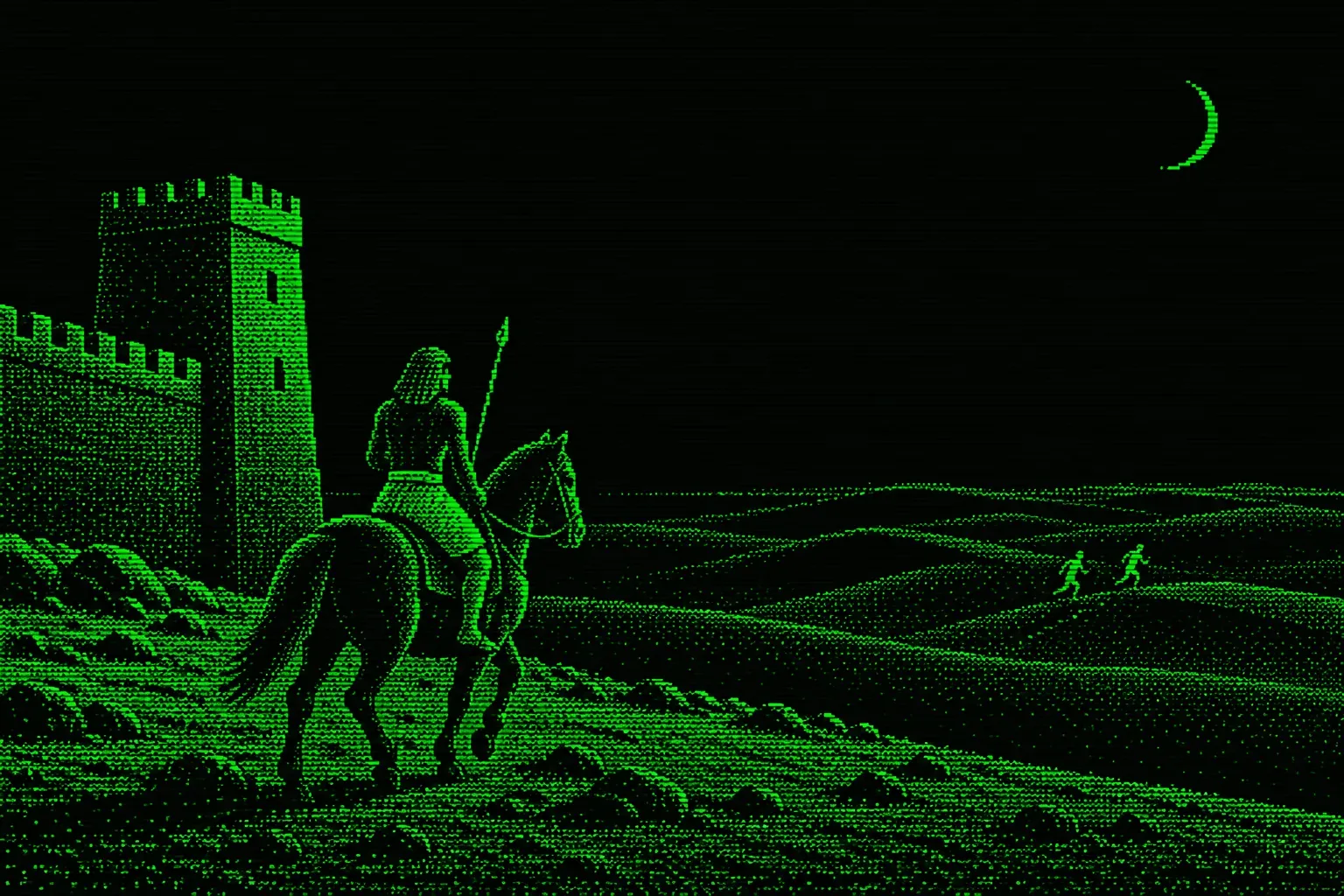
Further, I report as follows: On the evening of day nine of the third month of summer, I set out from the halls of the royal palace (life, prosperity and health!) in pursuit of these two servants.
- 8
ḫr jr tw≡j ḥr spr r pꜣ sgꜣ~jrʾ n Ṯkw ⸢m⸣ ꜣbd 3 šm,w sw 10 jw =w ḥr ḏd n =[j]
When I reached the fort of Tjeku on day ten of the third month of summer, they told me:
- 9
st (ḥr) {s}〈m〉dwi̯ ḥr rsj r-ḏd sš =〈w〉 m ꜣbd 3 šm,w [sw] ⸢10⸣
“People in the south say the two passed through on day ten of the third month of summer.”
- 10
[ḫr] ⸢j⸣[r] [tw≡j] ḥr spr r pꜣ ḫt[m] jw =w ḥr ḏd n =j
When I reached the fortress, they told me:
- 11
⸢pꜣ⸣ ⸢mꜥ⸣~{šꜥ~}rw~jw jwi̯ ḥr ḫꜣs,t [r-ḏd]
“The groom has come in from the desert, saying,
- 12
⸢s⸣š =w tꜣ jnb,t mḥ,(wj)t ⸢n⸣ pꜣ mꜥk~tj~jrʾ n Stẖ,y-mri̯.n-Ptḥ ꜥnḫ-(w)ḏꜣ-s(nb) m[ri̯.y] ⸢mj⸣ Stẖ
‘They passed the northern bastion of the Migdol of Seti-Merenptah (life, prosperity and health!), beloved like Seth.’”
Note · Line 12
A migdol was a fortified tower. This one bore the king’s name. - 13
wnn tꜣy =j šꜥ,t ḥr spr r-r =tn hꜣb n =j ḥr pꜣ ḫpr nb m-dj =[w]
As soon as my letter reaches you, send me word of all that has happened to them.
- 14
⸢m⸣ nj~〈m〉 gmi̯ ꜥ =⸢w⸣
Who picked up their trail?
- 15
m jw~ṯꜣ sfḫ,y gmi̯ ꜥ =w
Which patrol picked up their trail?
- 16
jḫ m r(m)ṯ.pl m-sꜣ =w
What sort of people are after them?
- 17
j:hꜣb n =j ḥr pꜣ ḫpr nb m-⸢dj⸣ =⸢w⸣
Send me word of all that has happened to them.
- 18
ḏi̯ =tn ḥnw wr r(m)ṯ.pl m-sꜣ =w
How many men have you sent hurrying after them?
- 19
nfr [snb] =[tn]
May you be in good health!
- 20
[...] 〈grḥ〉
… The end.