~/sacred-texts/egyptian-tales
King Neferkare and General Sasenet: The King Goes Out at Night
- Date
- Copied in the 25th Dynasty (c. 747–656 BC) on Papyrus Chassinat I; the tale is older, already copied in the New Kingdom, and is set in the reign of Pepi II Neferkare of the 6th Dynasty
- Found
- Papyrus Chassinat I is in the Louvre, Paris (E 25351). Two older fragments of the tale survive: a wooden tablet in Chicago (OIC 13539) and an ostracon from Deir el-Medina (O. DeM 1214).
- Language
- Middle Egyptian · Hieratic
- 1
… 𓅓𓂋𓍱𓏤𓀀𓏥
[...] wn [...] (j)m,(j)-rʾ-mšꜥ Zꜣ-[sn,t]
… General Sasenet.
- 2
𓆑 𓂸𓏏𓂸𓏏𓄔 …
[wn].jn =f (ḥr) mtmt j[__] [...] [ḥm] [n] [nsw-bj,tj] Nfr-kꜣ-[Rꜥ]
Then he debated back and forth … the Majesty of Neferkare, King of Upper and Lower Egypt.
- 3
𓅭𓏤𓌢𓏏𓆱𓀀 𓅓 … 𓇓𓏏𓈖𓅆𓅓𓂋𓍕 … 𓇓𓏏𓈖𓏞𓀀 𓅓𓂋𓄿𓎛𓏏𓈇𓏤𓏫 … 𓈖𓏏 𓈖𓏏 𓏠𓈖𓄤𓉴𓊖 𓂜𓈖 … 𓏠𓈖𓄤𓉴𓊖
šm[i̯] [pw] [jri̯.n] (j)m,(j)-rʾ-mšꜥ Zꜣ-sn,t ⸮m? [...] [___]-wr (j)m,(j)-rʾ-⸮ḫnr,t?-nsw [(j)m,(j)-rʾ]-pr-wr (j)m,(j)-rʾ-ꜥẖnwtj [...] zẖꜣ-nsw ṯꜣ[w-n]-zẖꜣ-ꜥnn-[nsw] (j)m,(j)-rʾ-ꜣḥ,t.pl [...] [⸮šn?],y(t) n.t ẖn[w] [⸮qnb,t?] n.t Mn-nfr nn [...] Mn-nfr
Then General Sasenet went into … the great …, the overseer of the royal harem, the high steward, the chamberlain, … the royal scribe, the assistant to the keeper of the king’s records, the overseer of the fields, … the courtiers of the Residence and the council of Memphis, without … Memphis.
Note · Line 3
The Residence was the seat of the royal court. - 4
𓇋𓋴 𓈖 𓏠𓈖𓄤𓉴𓊖 𓂋 …
js [r] =[f] [spr,w] n Mn-nfr (ḥr) spr r [...]
Meanwhile the petitioner from Memphis came before …
- 5
𓆑 𓅓 𓎛𓎿𓋴𓀁 𓅓 𓏏𓇋𓄿𓄑𓀁 𓉐𓂋𓂻 𓄭𓂋𓏲𓀁𓀀 𓈖 … 𓋴𓈖𓏥
_ =f m ḥsi̯ ḥs[.pl] [m] [šmꜥ] šmꜥ,w.pl m tjꜣ t[jꜣ.pl] [m] [g]ꜣwꜣ gꜣw[ꜣ.pl] [r] pri̯ spr,w n Mn-nfr [...] =sn
He … with the singers singing, the chanters chanting, the cheerers cheering and the shouters shouting, until the petitioner from Memphis went out on account of their …
- 6
ꜥḏn =[sn] [...]
They stopped …
- 7
𓇋𓂋 𓂋 𓆑 𓂻𓏲 𓄭𓂋𓏲𓀁𓀀 𓈖 𓂋 𓐍𓆑𓏏 𓅓𓂋𓃭𓏤𓂋𓇋𓇋𓏏𓉐 𓆑 𓎛𓎿𓋴𓀁 𓇘𓀁 𓇘𓏲𓀁𓀀𓏥 𓏏𓇋𓄿𓄑𓀁 𓎼𓄿𓍯𓄿𓀁 𓂋 𓉐𓂋𓂻 𓄭𓂋𓏲𓀁𓀀 𓈖 𓏠𓈖𓄤𓉴𓊖 𓂜𓈖 𓄔𓅓𓏛 𓋴𓈖𓏥 𓐖𓈖𓏌𓏲𓂻 𓋴𓈖𓏥 𓈖 𓁷𓏤 𓋴𓃹𓈖𓐍𓄑 𓂋 𓆑
jr r =f jwi̯ spr,w n Mn-[nfr] r [⸮ḏd?] ḫft (j)m,(j)-rʾ-rw,yt [⸮rḏj?] =f ḥsi̯ ḥs.pl šmꜥ šmꜥ,w.pl tjꜣ tj[ꜣ].pl gꜣwꜣ g[ꜣ]wꜣ.pl r pri̯ spr,w n Mn-nfr nn sḏm =sn ꜥḏn =sn ⸮n? ⸢ḥr⸣ swnḫ r =f
Whenever the petitioner from Memphis came to speak before the overseer of the gatehouse, the overseer had the singers sing, the chanters chant, the cheerers cheer and the shouters shout until the petitioner from Memphis went out. They had given him no hearing. Only then did they stop shouting him down.
- 8
𓉐𓂋𓂻𓈖 𓄭𓂋𓏲𓀁𓀀 𓈖 𓏠𓈖𓄤𓉴𓊖 𓁷𓏤 𓂋𓅓𓏏𓁿 𓂋𓉻𓏛𓅨𓂋𓏏 𓆑 𓅓 …
pri̯.n spr,w n Mn-nfr ḥr rmi̯.t r-ꜥꜣ-wr.t šnw =f m ⸢w⸣[_] [...]
The petitioner from Memphis went out weeping bitterly, his hair in …
- 9
… 𓊢𓂝𓈖 𓍛𓏤𓀀 𓈖 𓆤 𓇳𓄤𓂓 𓁷𓏤 𓈝𓅓𓂻 𓅓 𓎼𓂋𓎛 𓅓 𓐪𓂧𓏭𓇋𓇋𓏏𓏛 𓌡𓂝𓏤𓅪 𓂜𓈖 𓂋𓏏𓀀𓏥 𓎟 𓎛𓈖𓂝 𓆑
[...] ꜥḥꜥ.n [___.n] =[f] ḥm n nsw-bj,tj Nfr-kꜣ-Rꜥ ḥr šmi̯ m grḥ m qd,yt wꜥ nn r(m)t nb ḥnꜥ =f
… Then he caught sight of His Majesty Neferkare, King of Upper and Lower Egypt, out on his rounds at night, alone, with no one beside him.
Note · Line 9
The man watching the king is Tjeti, son of Henet. The part of the tale that introduced him is lost. - 10
𓊢𓂝𓈖 𓂋𓏲𓇋𓄿𓂢𓂻𓈖 𓆑 𓇓𓏲 𓂋 𓆑 𓂜𓈖 𓂋𓂝𓏏 𓌳𓁹𓄿𓄿𓏛 𓆑 𓇓𓏲
ꜥḥꜥ.n rwjꜣ.n =f sw r =f nn rḏi̯.t mꜣꜣ =f sw
He drew back from the king without letting the king see him.
- 11
𓊢𓂝𓈖 𓊪𓏲 𓁹𓏏𓈖 𓎛𓆰𓈖𓏏𓏐𓏒𓏥𓀀 𓅭 𓎀𓏏𓇋𓀀 𓁷𓏤 𓎔𓏛𓎛𓄧𓀁 𓁷𓏤𓆓𓂧
ꜥḥꜥ{.n} pw jri̯.t.n Ḥntʾ zꜣ Ṯtj ḥr mḥ ḥr-ḏd
Tjeti son of Henet stood still, turning it over uneasily in his mind:
- 12
𓇋𓂋 𓇋𓋴 𓈖𓏏𓏭 𓌷𓂝𓆄𓏛𓏥 𓊪𓏲 𓅯𓄿 𓆓𓂧 𓇓𓏲 𓉐𓂋𓂻 𓅓 𓎼𓂋𓎛
jr js n,tj-pw mꜣꜥ,t pw pꜣ ḏd sw (ḥr) pri̯ m grḥ
“If that is so, then what they say is true: he goes out at night.”
- 13
𓈝𓅓𓂻 𓊪𓏲 𓁹𓏏𓈖 𓎛𓆰𓈖𓏏𓏐𓏒𓏥𓀀 𓅭 𓎀𓏏𓇋𓀀 𓌨𓂋 𓄖 𓈖 𓊹𓅆 𓊪𓈖 𓂜𓈖 𓂋𓂝𓏏 𓅷𓄿𓂷𓂡 𓄣𓏤 𓆑𓀀 𓂋 𓆑 𓂋 𓌳𓁹𓄿𓄿𓏛 𓁹𓂋𓏭𓇋𓇋𓏛𓏥 𓆑 𓎟
šmi̯ pw jri̯.t.n Ḥntʾ zꜣ Ṯtj ẖr pḥ,(wj) n nṯr pn nn rḏi̯.t ṯꜣi̯ jb =f r =f r mꜣꜣ jri̯.y =f nb
Tjeti son of Henet followed at the heels of this god, without letting his heart reproach him, to see everything the king did.
Note · Line 13
“This god” is the king himself. - 14
𓄭𓂋𓂻 𓊪𓏲 𓁹𓈖 𓆑 𓂋 𓉐𓏤 G17_𓂋𓍱𓏤𓀀𓏥
spr pw jri̯.n =f r pr (j)m,(j)-rʾ-mšꜥ Zꜣ-[sn],t
The king came to the house of General Sasenet.
- 15
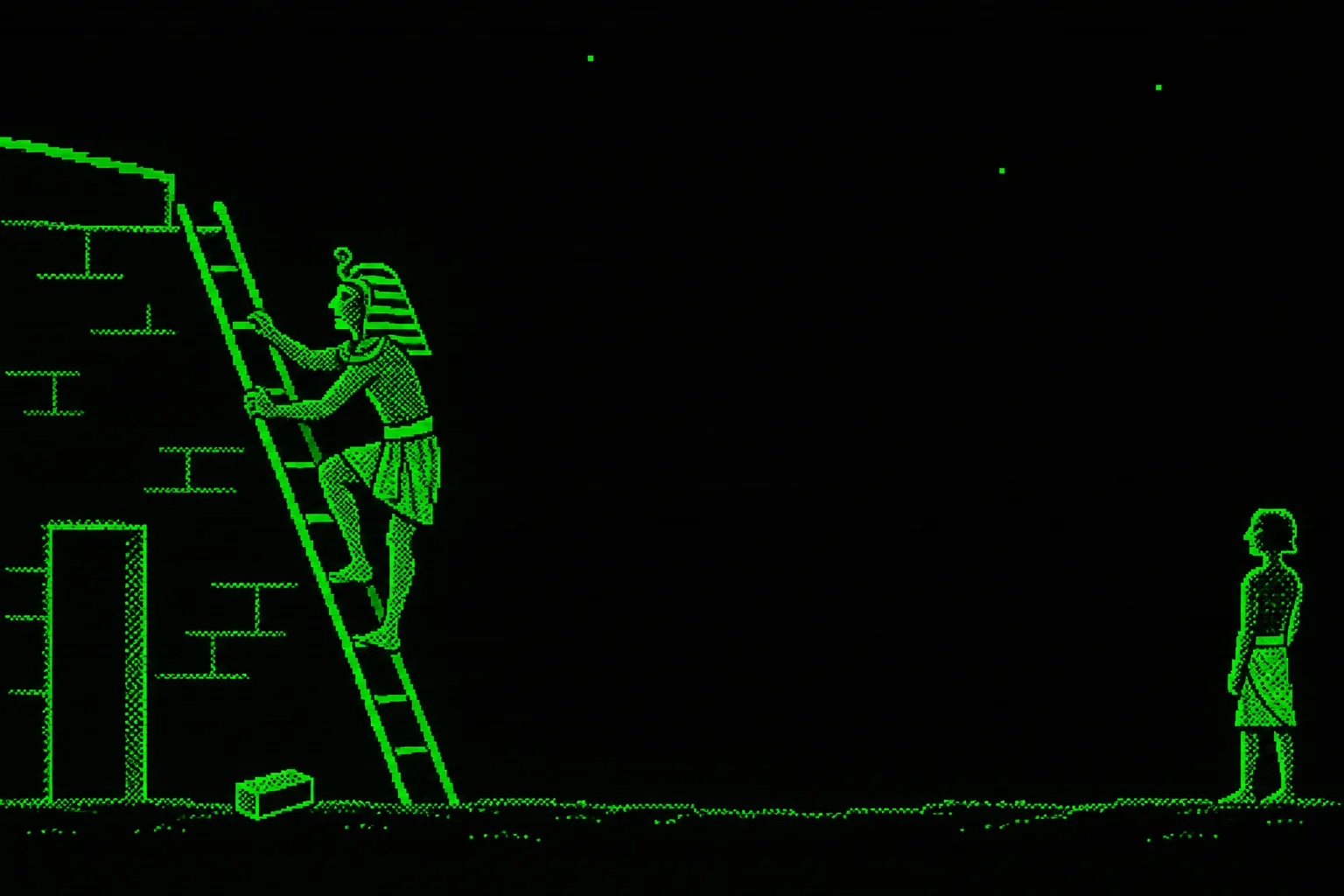
𓊢𓂝𓈖 𓆼𓄿𓂝𓂻 𓆑 𓂧𓃀𓏏𓊌 𓉔𓄿𓃀𓀜𓈖 𓆑 𓅓 𓂋𓂧𓂾 𓆑
ꜥḥꜥ.n ḫꜣꜥ =f db,t hꜣb.n =f m rd =f
He stamped his foot, then threw a brick.
- 16
𓎢𓄿𓀁 𓂋𓂝𓏏 𓉔𓄿𓂻 𓈖 𓆑 𓌳𓄿𓈎𓏏𓆱
kꜣ rḏi̯.t(w) hꜣi̯ n =f ⸢mꜣq.t⸣
At that a ladder was lowered to him.
- 17
𓉐𓂋𓂻 𓊪𓏲 𓁹𓏏𓈖 𓆑 𓂋𓁷𓂋𓇯
pri̯ pw jri̯.t.n =f r-ḥr
He climbed up.
- 18
𓇋𓋴 𓂋 𓆑 𓎛𓆰𓈖𓏏𓏐𓏒𓏥𓀀 𓅭 𓂋 𓏲𓍑𓄿𓂻 𓍛𓏤𓅆 𓆑
js r =f Ḥntʾ zꜣ Ṯt[j] (ḥr) ꜥḥꜥ r wḏꜣ ḥm =f
Meanwhile Tjeti son of Henet stood waiting until His Majesty left.
- 19
𓐍𓂋𓀒𓅓𓆱𓏏𓐍𓂻 𓁹𓏏 𓍛𓏤𓅆 𓆑 𓌻𓂋𓀁𓈖 𓆑 𓐍𓂋 𓆑 𓏲𓍑𓄿𓂻 𓆑 𓂋 𓉥𓂝𓏏𓉐 𓆑 𓈝𓅓𓂻𓈖 𓎀𓏏𓍘𓇋𓀀 𓅓𓐠𓏤 𓆑
ḫr-m-ḫt jri̯.t ḥm =f mri̯.n =f ḫr =f wḏꜣ =f r ꜥḥ,t =f šmi̯.n Ṯtj m-sꜣ =f
When His Majesty had done what he desired with the general, he set out for his palace, and Tjeti followed him.
Note · Line 19
The tale hints here that the king and Sasenet had sex, without saying so outright. - 20
𓇋𓂋 𓅓𓆱𓐍𓂻 𓏲𓍑𓄿𓂻 𓍛𓏤𓅆 𓆑 𓂋 𓉐𓉻𓅆 𓋹𓍑𓋴 𓈝𓅓𓂻𓈖 𓎀𓏏𓇋𓀀 𓂋 𓉐𓏤 𓆑
jr m-ḫt wḏꜣ ḥm =f r pr-ꜥꜣ ꜥnḫ-(w)ḏꜣ-s(nb) šmi̯.n Ṯtj r pr =f
Only after His Majesty had gone to the Great House—life, prosperity, health!—did Tjeti go home.
Note · Line 20
The Great House is the royal palace. The words that follow are a customary blessing. - 21
𓇋𓋴𓎢 𓏲𓍑𓄿𓂻 𓇋𓈖 𓍛𓏤𓅆 𓆑 𓂋 𓉐𓏤 𓈖 𓅓𓂋𓂾𓏤𓀀𓏥 𓅭𓏤𓌢𓏏𓆱𓀀 𓇋𓏲 𓃹𓈖𓏌𓏏 𓄲𓂋𓂻 𓅓 𓎼𓂋𓎛
jsk wḏꜣ jn ḥm =f r pr n (j)m,(j)-rʾ-mšꜥ Zꜣ-sn,t jw wnw,t 4 pẖr m grḥ
Now four hours of the night had passed when His Majesty went to the house of General Sasenet.
- 22
𓁹𓈖 𓆑 𓎢𓏏 𓃹𓈖𓏌𓏏𓇳 𓅓 𓉐𓏤 𓈖 𓅓𓂋𓂾𓏤𓀀𓏥 𓅭𓏤𓌢𓏏𓆱𓀀
jri̯.n =f k.t wnw,t 4 m pr n (j)m,(j)-rʾ-mšꜥ Zꜣ-sn,t
He spent another four hours in the house of General Sasenet.
- 23
𓂝𓈎𓂻 𓆑 𓂋 𓉐𓉻𓅆 𓇋𓏲 𓃹𓈖𓏌𓏏𓇳 𓃹𓈖𓏲 𓂋 𓌉𓆓𓇳𓇾𓏤𓈇
ꜥq =f r pr-ꜥꜣ jw wnw,t 4 wn.w r ḥḏ-tꜣ
When he entered the Great House, four hours remained until daybreak.
Note · Line 23
The Egyptians divided the night into twelve hours. The king spent the middle third of the night with Sasenet. - 24
𓃹𓈖𓇋𓈖 𓎛𓆰𓈖𓏏𓏐𓏒𓏥𓀀 𓅭 𓎀𓏏𓇋𓀀 𓈝𓅓𓂻 𓁷𓏤 … 𓆑 𓏏𓈖𓏌𓏲𓌙𓅯𓏛 𓎼𓂋𓎛 𓂜𓈖 𓂋𓂝 𓅷𓄿𓂷𓂡𓂷𓀜 𓄣𓏤 𓆑 𓂋 𓆑
wn.jn Ḥntʾ zꜣ Ṯtj (ḥr) šmi̯ ḥr [...] =f tnw grḥ nn rḏi̯ ṯꜣi̯ jb =f r =f
From then on Tjeti son of Henet went after him every night, without letting his heart reproach him.
- 25
𓇋𓂋 𓐠𓏤 𓅧𓈎𓂻 𓍛𓏤𓅆 …
jr sꜣ ꜥq ḥm [...]
Only after His Majesty had entered …