~/sacred-texts/kawa-stelae
Kawa Stela III: Pharaoh Taharqa’s Offerings to Amun-Ra
- Date
- Carved in the 25th Dynasty, in or shortly after Year 8 of Taharqa (683 BC), for the temple of Amun-Ra at Gematen (Kawa)
- Found
- Found at Temple T in Kawa (ancient Gematen, Sudan); now in the Ny Carlsberg Glyptotek, Copenhagen
- Language
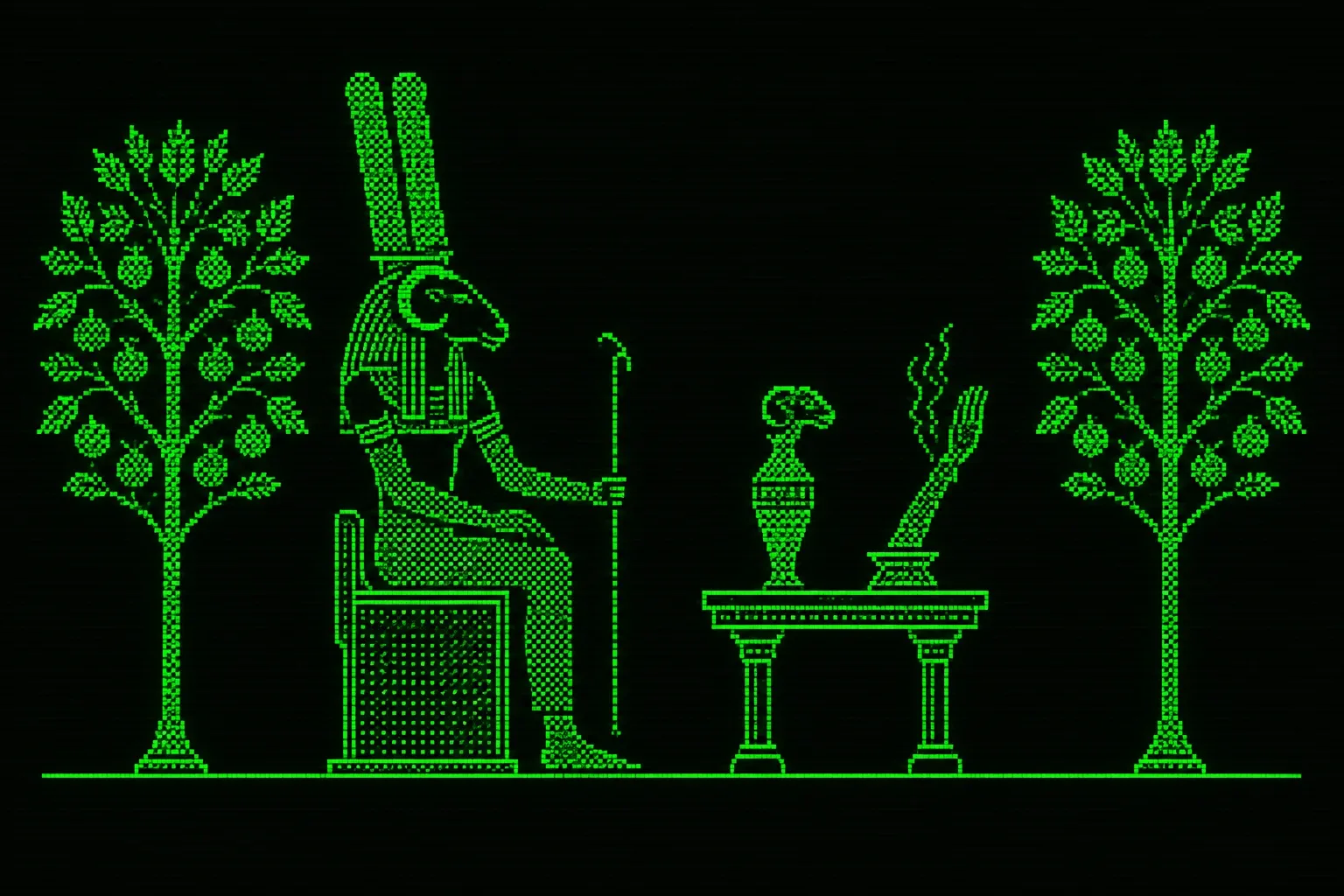
- Egyptian · Hieroglyphic
Written in the third person, this stela lists seven years of offerings (Years 2–8) that Pharaoh Taharqa dedicated as his monument for his father Amun-Ra, lord of Gematen. Each entry tallies weighed gold, silver, copper, gemstones, incense and linen, plus four priests who kept the hours and two instruments for sighting the stars and one copper statue of the king slaughtering the foreign lands.
In Year 8, Taharqa equips his new temple with over 1,891 deben of silver, including one chest for the Opening of the Mouth, stocks the storehouse with male and female servants from among the children of the rulers of Libya, and fills it with women musicians in great number.
- 1
𓆳 𓈎𓈍𓅱 𓅒 𓈎𓅱𓈍 𓅉 𓐍𓂤𓇿𓇿 𓇓𓏏𓆤𓏏 𓇳F134𓐍𓅱 𓅭𓇳 𓇿𓉔𓃭𓈎 𓋹 𓆓𓏏𓇿 𓁹𓈖 𓆑 𓅓 𓏠𓈖𓏌𓏌𓏌 𓆑 𓈖 𓏏 𓎟𓅠𓅓𓇋𓏏𓈖𓇳 𓋠𓈓 𓆼𓐍𓄿𓇋𓇋𓏏 𓏤 𓁹 𓈖 𓄳𓈖𓊌 𓍢𓍢𓎆𓎆 𓋞𓈓 𓏤 𓁹 𓈖 𓄳𓈖𓊌 𓎆 𓋞 𓏤 𓁹 𓈖 𓄳𓈖𓊌 𓎆 𓐪 𓏤𓏤𓏤𓏤𓏤 𓋞𓈓 𓃹𓈖𓎛𓊌 𓏤 𓁹 𓈖 𓄳𓈖𓊌 𓐪 𓏤𓏤 𓆠𓈓 𓏤𓏤𓏤𓏤𓏤𓏤𓏤 𓊪𓎼𓋳 𓐍𓏭𓃭𓂧𓋳 𓎆𓎆𓎆𓎆𓎆 𓍲𓈖𓂧𓏏𓋳 𓎆𓎆𓎆𓏤𓏤𓏤𓏤𓏤𓏤𓏤𓏤 𓂋𓂧𓌗𓇋𓇋𓋳 𓎆𓏤𓏤 𓏠𓈖𓐍𓏏𓋳 𓎆𓎆 𓁹 𓈖 𓍢𓎆𓎆 𓐍𓊃𓃀𓂧𓈓 𓂋𓊪𓏏𓁐 𓐙𓏏𓁦𓏤 𓉐𓂋𓏏𓏥 𓆼𓍢𓍢 𓈖𓉔𓏏𓆭 𓊹𓌢𓏏𓂋𓈒𓈒𓈒 𓋴𓂋N90 𓏤 𓃀𓈖𓅱𓏌𓆱 𓏤 𓁹 𓆑 𓏙 𓋹 𓎟 𓊽𓏏 𓎟 𓋴𓈖𓃀 𓎟 𓄫𓏏𓄣 𓎟 𓁹𓏏 𓁏 𓅓 𓆈𓏥 𓅨𓂋 𓈍𓂝𓅱 𓅓 𓇓𓏏𓆤𓏏 𓁷 𓊨𓅃 𓏇 𓇳𓏤 𓆓𓏏𓇿
rnp,t [2] Ḥr,w qꜣ-ḫꜥ,w Nb,tj qꜣ-ḫꜥ,w Ḥr,w-nbw Ḫw-Tꜣ.wj nswt-bj,tj Ḫwi̯-Nfr-tm-Rꜥw sꜣ-Rꜥw Thr-qꜣ ꜥnḫ ḏ,t jri̯.n =f m mn,w =f n jtj [=f] ⸢J⸣[mn]-Rꜥw nb-Gm-Jtn ḥḏ ḫꜣy,t 1 jri̯ n dbn 220 nbw ꜥ 1 jri̯ n dbn 10 nbw nms,t 1 jri̯ n dbn 10 qd,t 5 nbw wnḥ 1 jri̯ n dbn 〈1〉 qd,t 2 ḥmt šꜣm 7 pg ḫrd 50 šnd,t 38 rwḏ,y 12 mnḫ,t 20 jri̯ n 120 ḫsbd rpj,t Mꜣꜥ,t pr,t ꜥwn,w 1200 nh,t snṯr sr 1 bnw 1 jri̯ =f ḏi̯ ꜥnḫ nb ḏd,t nb snb nb ꜣw,t-jb nb jri̯.t ḥḥ m ḥꜣb-sd.pl ꜥšꜣ.pl wr ḫꜥi̯.w m nswt-bj,t ḥr s,t-Ḥr,w mj Rꜥw ḏ,t
Year 2 of the Horus Qakhau, the Two Ladies Qakhau, the Golden Horus Khutawy, the King of Upper and Lower Egypt Khunefertumre, the Son of Ra Taharqa, who lives forever. What he made as his monument for his father Amun-Ra, lord of Gematen: one silver offering table weighing 220 deben; one gold arm-shaped censer weighing 10 deben; one gold nemset jar weighing 10 deben and 5 kite; one gold weneh weighing 1 deben and 2 kite; seven large copper sham jars; 50 bundles of fine linen, 38 of shendyt cloth, 12 of rudj cloth and 20 of menkhet cloth, making 120 bundles in all; a statuette of Maat in lapis lazuli; 1,200 fruits of the awenet tree; a frankincense tree; one hand drum and one harp. May the god grant him all life, all stability, all health and all gladness of heart, that he may celebrate a million Sed festivals, a vast multitude, appearing as King of Upper and Lower Egypt on the throne of Horus like Ra forever.
Note · Line 1
The five royal names belong to one king. - 2
𓆳 𓏤𓏤𓏤 𓇓𓏏𓆤𓏏 𓇿𓉔𓃭𓈎 𓋹 𓆓𓏏𓇿 𓁹𓈖 𓆑 𓅓 𓏠𓈖𓏌𓏌𓏌 𓆑 𓈖 𓏏 𓆑 𓇋𓏠𓈖𓇳 𓎟𓅠𓇋𓏏𓈖𓇳 𓋠𓈓 𓆼𓄿𓇋𓇋𓏏 𓏤 𓆼𓄿𓇋𓇋𓏏 𓏤 𓈖𓌰𓊨𓏏 𓁷𓏤 𓄆 𓎆𓎆𓎆𓎆𓎆 𓆠𓈒 𓆄𓅱 𓎆𓎆 𓆠𓈒 𓆼𓄿𓅱𓏭 𓉻 𓎆𓎆 𓆠𓈒 𓂧𓈖𓏏𓎺 𓎆𓎆𓎆 𓆠𓈒 𓊪𓈙𓈖𓏭 𓎆𓏤𓏤𓏤𓏤 𓆠𓈒 𓉻𓂝𓎼𓈖𓏮𓈓 𓏤𓏤𓏤 𓆠𓈒 𓂧𓈖𓇋𓏏 𓈖 𓐍 𓉻𓂝 𓏤 𓆠𓈒 𓏴𓏏 𓆠𓈒 𓉻𓂝𓏏𓏛 𓏤 𓏠𓈖𓎛𓏬 𓄳𓈖𓊌 𓎆𓎆𓎆𓎆𓎆 𓌸𓂋𓎛𓅱𓈒𓏥 𓄳𓈖𓊌 𓎆𓎆 𓊹𓋴𓈖𓍿𓂋𓇠 𓂝𓈎𓏛𓏥 𓏤𓏤𓏤𓏤𓏤𓏤𓏤 𓃭𓂧𓈖𓅱𓏌𓈓 𓏤𓏤𓏤𓏤𓏤 𓏶𓃹𓈖𓏌𓏏𓏏𓇼𓇳𓀀 𓏤𓏤𓏤𓏤 𓌸𓂋𓅱𓐍𓆱 𓏤𓏤
rnp,t 3 nswt-bj,tj Thr-qꜣ ꜥnḫ ḏ,t jri̯.n =f m mn,w =f n jtj =f Jmn-Rꜥw nb-Gm-Jtn ḥḏ ḫꜣy,t 1 nhp ḫꜣy,t 1 nms,t ḥr šf,t 50 ḥmt šw 20 ḥmt ḫꜣ,w ꜥꜣ 20 ḥmt dnj,t 30 ḥmt pšn,j 14 ḥmt ꜥꜣgnj 3 ḥmt dnj,t n ḫj ꜥꜣ 1 ḥmt wḥꜣ,t ḥmt ꜥꜣ,t 1 mnḥ dbn 50 mrḥ dbn 20 snṯr ꜥq,w 7 rdn,w 5 jm,j-wnw,tt 4 mrḫ,w 2
Year 3 of Taharqa, King of Upper and Lower Egypt, who lives forever. What he made as his monument for his father Amun-Ra, lord of Gematen: one silver measuring bowl and one lid for a measuring bowl; 50 nemset jars with rams’ heads; 20 copper beer jars, 20 large copper measuring bowls, 30 copper denit bowls, 14 copper pesheni jars, three copper jar stands, one copper denit bowl for the great khi, a copper cauldron and one large copper vessel; 50 deben of wax, 20 deben of bitumen, seven cakes of frankincense and five lumps of labdanum; four priests who kept the hours and two instruments for sighting the stars.
Note · Line 2
The priests observed the stars to tell the hours of the night and keep the temple rites at their appointed times. - 3
𓆳 𓏤𓏤𓏤𓏤 𓇓𓏏𓆤𓏏 𓇿𓉔𓃭𓈎 𓋹 𓆓𓏏𓇿 𓁹𓈖 𓆑 𓅓 𓏠𓈖𓏌𓏌𓏌 𓆑 𓈖 𓏏 𓆑 𓇋𓏠𓈖𓇳 𓎟𓅠𓅓𓇋𓏏𓈖𓇳 𓋞𓈓 𓄳𓈖𓊌 𓍢 𓋠𓈓 𓏤𓏤𓏤𓏤𓏤 𓅓 𓁷𓏤 𓁹 𓈖 𓄳𓈖𓊌 𓏤𓏤𓏤𓏤𓏤𓏤𓏤𓏤 𓋠𓈓 𓈖𓌰𓊨𓏏 𓏤 𓁹 𓈖 𓄳𓈖𓊌 𓎆𓏤𓏤𓏤𓏤𓏤 𓋞𓈓 𓎿 𓏤 𓁷𓏤 𓊃 𓅓 𓁷𓏤 𓈖 𓄅 𓁹 𓈖 𓄳𓈖𓊌 𓏤𓏤𓏤𓏤𓏤𓏤𓏤 𓋞𓈓 𓌰𓊨𓏏 𓏤 𓁷𓏤 𓊃 𓅓 𓁷𓏤 𓈖 𓄅 𓁹 𓈖 𓄳𓈖𓊌 𓏤𓏤𓏤 𓐪 𓏤𓏤𓏤𓏤𓏤 𓆠𓈒 𓌨𓂋𓋴𓏏𓍔𓊮 𓏤 𓆠𓈒 𓆼𓄿𓅱𓏭 𓏤𓏤𓏤 𓆠𓈒 𓆸 𓈖 𓆼𓄿𓅱𓏭 𓏤𓏤𓏤 𓆠𓈒 𓂝𓎼𓈖𓏮𓆠 𓏤𓏤𓏤 𓁹 𓈖 𓄳𓈖𓊌 𓏤𓏤𓏤𓏤𓏤𓏤𓏤𓏤𓏤 𓌊𓅱𓏭𓊮 𓏤𓏤𓏤 𓁹 𓆑 𓏙 𓋹 𓊽 𓌀 𓎟 𓋴𓈖𓃀 𓎟 𓄫𓏏𓄣 𓎟 𓆓𓏏𓇿
rnp,t 4 nswt-bj,tj Thr-qꜣ ꜥnḫ ḏ,t jri̯.n =f m mn,w =f n jtj =f Jmn-Rꜥw nb-Gm-Jtn nbw dbn 100 ḥḏ nms,t 5 m ḥr šf,t jri̯ n dbn 8 ḥḏ nms,t 1 jri̯ n dbn 15 nbw ḥz,t 1 ḥr =s m ḥr n šf,t jri̯ n dbn 7 nbw nms,t 1 ḥr =s m ḥr n šf,t jri̯ n dbn 3 qd,t 5 ḥmt ẖr-stꜣ 1 ḥmt ḫꜣ,w 3 ḥmt sšn n ḫꜣ,w 3 ḥmt ꜥgnj 3 jri̯ n dbn 9 ḥḏw,j 3 jri̯ =f ḏi̯ ꜥnḫ 〈nb〉 ḏd 〈nb〉 wꜣs nb snb nb ꜣw,t-jb nb ḏ,t
Year 4 of Taharqa, King of Upper and Lower Egypt, who lives forever. What he made as his monument for his father Amun-Ra, lord of Gematen: 100 deben of gold; five silver nemset jars with rams’ heads, together weighing 8 deben; one silver nemset jar weighing 15 deben; one gold libation flask, its face the face of a ram, weighing 7 deben; one gold nemset jar, its face the face of a ram, weighing 3 deben and 5 kite; one copper brazier stand, three copper measuring bowls, three copper lotus blossoms for the bowls, three copper jar stands weighing 9 deben, and three lamps. May the god grant him all life, all stability, all prosperity, all health and all gladness of heart forever.
- 4
𓆳 𓏤𓏤𓏤𓏤𓏤 𓇓𓏏𓆤𓏏 𓇿𓉔𓃭𓈎 𓋹 𓆓𓏏𓇿 𓁹𓈖 𓆑 𓅓 𓏠𓈖𓏌𓏌𓏌 𓆑 𓈖 𓏏 𓆑 𓇋𓏠𓈖𓇳 𓎟𓅠𓅓𓇋𓏏𓈖𓇳 𓋞𓈓 𓃀𓃀𓏏𓈓 𓏤 𓁹 𓈖 𓋞𓈓 𓎆𓎆𓏤 𓐪 𓏤𓏤𓏤𓏤𓏤𓏤 𓐍𓊃𓃀𓂧𓈓 𓄳𓈖𓊌 𓎆𓏤𓏤𓏤𓏤𓏤 𓐪 𓇋𓀁𓈖𓄿𓏥𓈎 𓁦 𓄳𓈖 𓎆𓎆𓎆𓎆𓎆𓏤𓏤𓏤𓏤𓏤𓏤 𓅖𓆑𓎡𓈓 𓄳𓈖𓊌 𓎆𓎆𓎆𓎆𓎆𓎆𓏤 𓐍𓏭𓃭𓂧𓋳 𓎆 𓍲𓂧𓋳 𓏤𓏤𓏤𓏤𓏤 𓌗𓋳 𓏤𓏤𓏤𓏤𓏤 𓉔𓄿𓃭𓍘𓋳 𓎆𓎆 𓁹 𓈖 𓎆𓎆𓎆𓎆
rnp,t 5 nswt-bj,tj Thr-qꜣ ꜥnḫ ḏ,t jri̯.n =f m mn,w =f n jtj =f Jmn-Rꜥw nb-Gm-Jtn nbw bb,t 1 jri̯ n nbw 21 qd,t 6 ḫsbd dbn 15 qd,t 〈1〉 j~nꜣ~q mꜣꜥ dbn 56 mfkꜣ,t dbn 61 ḫrd 10 šd 5 rwḏ 5 hꜣr.tj 20 jri̯ n 40
Year 5 of Taharqa, King of Upper and Lower Egypt, who lives forever. What he made as his monument for his father Amun-Ra, lord of Gematen: one gold bebet weighing 21 deben and 6 kite of gold; 15 deben and 1 kite of lapis lazuli, 56 deben of genuine onyx and 61 deben of turquoise; ten bundles of linen, five of shendyt cloth, five of rudj cloth and twenty of harti cloth, making forty bundles in all.
- 5
𓆳 𓏤𓏤𓏤𓏤𓏤𓏤 𓇓𓏏𓆤𓏏 𓇿𓉔𓃭𓈎 𓋹 𓆓𓏏𓇿 𓁹𓈖 𓆑 𓅓 𓏠𓈖𓏌𓏌𓏌 𓆑 𓈖 𓏏 𓆑 𓇋𓏠𓈖𓇳 𓎟𓅠𓅓𓇋𓏏𓈖𓇳𓀭 𓋞𓈓 𓎛𓃀𓋴𓋳 𓏤 𓇋𓅱 𓅱𓏏𓀰 𓈖 𓇓𓏏𓈖 𓏞 𓁷𓂋 𓆑 𓁹 𓈖 𓄳𓈖𓊌 𓏤𓏤𓏤𓏤𓏤 𓐪 𓋠 𓋞𓈓 𓆓𓃀𓂝𓂭 𓏤 𓁹 𓆑 𓏙 𓋹 𓊽 𓌀 𓎟 𓋴𓈖𓃀 𓎟 𓄫𓏏𓄣 𓎟 𓏇 𓇳𓏤 𓆓𓏏𓇿
rnp,t 6 nswt-bj,tj Thr-qꜣ ꜥnḫ ḏ,t jri̯.n =f m mn,w =f n jtj =f Jmn-Rꜥw nb-Gm-Jtn nbw ḥbs 1 jw tw n nswt zẖꜣ ḥr =f jri̯ n dbn 5 qd,t 〈1〉 ḥḏ nbw ḏbꜥ 1 jri̯ =f ḏi̯ ꜥnḫ 〈nb〉 ḏd 〈nb〉 wꜣs nb snb nb ꜣw,t-jb nb mj Rꜥw ḏ,t
Year 6 of Taharqa, King of Upper and Lower Egypt, who lives forever. What he made as his monument for his father Amun-Ra, lord of Gematen: one gold lid with the figure of the king drawn on it, weighing 5 deben and 1 kite; one signet ring of silver and gold. May the god grant him all life, all stability, all prosperity, all health and all gladness of heart, like Ra forever.
- 6
𓆳 𓏤𓏤𓏤𓏤𓏤𓏤𓏤 𓇓𓏏𓆤𓏏 𓇿𓉔𓃭𓈎 𓋹 𓆓𓏏𓇿 𓁹𓈖 𓆑 𓅓 𓏠𓈖𓏌𓏌𓏌 𓆑 𓈖 𓏏 𓆑 𓇋𓏠𓈖𓇳 𓎟𓅠𓅓𓇋𓏏𓈖𓇳 𓋞𓈓 𓈖 𓄂𓏏𓏤𓏤 𓏤 𓋞𓈓 𓅄 𓏤 𓇋𓅱 𓏏𓏏𓅱𓀰 𓅓𓂺𓏤 𓆑 𓇋𓅱 𓏥 𓁷𓏤 𓆳𓏏𓏤 𓋞𓈓 𓋴𓊏𓊪𓃭 𓈖 𓁷𓏤 𓄆 𓏤 𓎛𓈖𓂝 𓂋𓊪 𓅐 𓇋𓅱 𓏥 𓁷𓏤 𓌡𓏏𓏤 𓆳𓏏𓏤 𓋞𓈓 𓈙𓊪𓀭 𓈖 𓐍𓈖𓇓𓅱 𓇋𓅱 𓏥 𓁷𓏤 𓌡𓂝 𓆳𓏏 𓋞𓈓 𓅱𓏏𓏏 𓈖 𓇋𓏠𓈖𓇳 𓎟𓅠𓅓𓇋𓏏𓈖𓇳 𓇋𓅱 𓏤𓏤 𓁷𓏤 𓇥𓂋𓅱𓅱 𓆑 𓅱𓏏𓏏𓀙 𓈖 𓇓𓏏𓈖𓀲 𓅓𓂺𓏤 𓆑 𓋞𓈓 𓄟𓋴𓇋𓇋N90𓏥 𓏤 𓋞𓈓 𓁷𓏤 𓄆 𓁷𓏤 𓊾 𓏤 𓋞𓈓 𓁷𓏤 𓄆 𓁷𓏤 𓃀𓇋𓈖𓂋𓇜𓏏𓏥 𓋞𓈓 𓈙𓊪𓈙𓀭 𓈖 𓇋𓏠𓈖𓇳 𓁷𓏤 𓃀𓍘𓈖𓂋𓇜𓏏 𓏤 𓋞𓈒𓈒𓈒 𓂋𓊪𓏏𓁐 𓊨𓏏𓁐 𓏤 𓁹 𓈖 𓋞𓈓 𓄳𓈖𓊌 𓎆𓏤 𓐪𓏏𓊌 𓏤𓏤𓏤 𓐛 𓇋𓋴𓉔𓋋 𓏤𓏤 𓁹𓈖 𓅭𓇳 𓇿𓉔𓃭𓈎 𓋹 𓆓𓏏𓇿 𓈖 𓏏 𓆑 𓇋𓏠𓈖𓇳 𓁹 𓆑 𓏙 𓋹 𓎟 𓊽𓏏 𓎟 𓌀𓏏 𓎟 𓋴𓈖𓃀 𓎟 𓄫𓏏𓄣 𓎟 𓏇 𓇳 𓆓𓏏𓇿
rnp,t 7 nswt-bj,tj Thr-qꜣ ꜥnḫ ḏ,t jri̯.n =f m mn,w =f n jtj =f Jmn-Rꜥw nb-Gm-Jtn nbw ꜥj n ḥꜣ,t 1 nbw bjk 1 jw twt ns[wt] m-bꜣḥ =f jw =w ḥr rnp,t nbw šsp n ḥr šf,t 1 ḥnꜥ rpj nr jw =w ḥr wꜥ.t rnp,t nbw šp n Ḫns,w jw =w ḥr wꜥ rnp,t nbw twt n Jmn-Rꜥw nb-Gm-Jtn jw šw[b] 2 ḥr ḏr,w =f twt n nswt m-bꜣḥ =f nbw msy 1 nbw ḥr šf,t ḥr jꜣ,t 1 nbw ḥr šf,t ḥr bjnr,t 〈1〉 nbw špš n Jmn-Rꜥw [nb]-⸢Gm⸣-Jtn ḥr b{tj}nr,t 1 nbw rp,t ꜣs,t 1 jri̯ n nbw dbn 11 qd,t 3 gs jsh 2 jri̯.n sꜣ-Rꜥw Thr-qꜣ ꜥnḫ ḏ,t n jtj =f Jmn-Rꜥw nb-[G]m-Jtn jri̯ =f ḏi̯ ꜥnḫ nb ḏd,t nb wꜣs.t nb snb nb ꜣw,t-jb nb mj Rꜥw ḏ,t
Year 7 of Taharqa, King of Upper and Lower Egypt, who lives forever. What he made as his monument for his father Amun-Ra, lord of Gematen: one gold censer in the shape of a lion’s forequarters; one gold falcon with a figure of the king before it, both on a palm rib; one gold ram-headed sphinx with a figure of a vulture, both on a single palm rib; a gold figure of Khonsu, the figures on a single palm rib; a gold statue of Amun-Ra, lord of Gematen, with two persea trees, one on either side of him, and a figure of the king before him; one gold mes-table; one gold ram’s head on a standard; one gold ram’s head on a date palm; one gold statue of Amun-Ra, lord of Gematen, on a date palm; one gold statuette of Isis. The gold came to 11 deben and 3½ kite. Two strips of linen made by the Son of Ra Taharqa, who lives forever, for his father Amun-Ra, lord of Gematen. May the god grant him all life, all stability, all prosperity, all health and all gladness of heart, like Ra forever.
Note · Line 6
A notched palm rib was the Egyptian sign for a year. It could carry a wish for long years of kingship. - 7
𓆳 𓏤𓏤𓏤𓏤𓏤𓏤𓏤𓏤 𓇓𓏏𓆤𓏏 𓇿𓉔𓃭𓈎 𓋹 𓆓𓏏𓇿 𓁹𓈖 𓆑 𓅓 𓏠𓈖𓏌𓏌𓏌 𓆑 𓇋𓏠𓈖𓇳 𓎟𓅠𓅓𓇋𓏏𓈖𓇳 𓆠𓈒 𓅱𓏏𓏏𓀙 𓈖 𓇓𓏏𓈖 𓇋𓅱 𓆑 𓋴𓌳𓌪𓂡 𓈉𓏏𓏥 𓏤 𓎛𓃀𓋴𓎤𓏥 𓆑 𓏤𓏤𓏤𓏤𓏤𓏤 𓋠𓈓 𓋞𓈓 𓇋𓀁𓅡𓂋𓏤𓇋𓇋N90𓈓 𓏤𓏤𓏤𓏤𓏤𓏤𓏤𓏤
rnp,t 8 nswt-bj,tj Thr-qꜣ ꜥnḫ ḏ,t jri̯.n =f m mn,w =f 〈n〉 〈jtj〉 〈=f〉 Jmn-Rꜥw nb-Gm-Jtn ḥmt twt n nswt jw =f smꜣ ḫꜣs,t.pl 1 ḥbs.w =f 6 ḥḏ nbw j~bꜣ~r,y 8
Year 8 of Taharqa, King of Upper and Lower Egypt, who lives forever. What he made as his monument for his father Amun-Ra, lord of Gematen: one copper statue of the king slaughtering the foreign lands, with six garments for the statue; eight iber vessels of silver and gold;
- 8
𓅮 𓎼𓂋𓍅𓈓 𓈖 𓅮 𓂋𓏤𓉐𓏤 𓈖𓅁𓏛 𓂋𓀨 𓍛𓏤 𓆑
pꜣ grg n pꜣ rʾ-pr n-mꜣ j:qd ḥm =f
and the furnishings of the new temple that His Majesty built:
- 9
𓋞𓈓 𓏤 𓋞𓈒𓈒𓈒 𓎛𓎿𓏏𓈓 𓏤 𓋞𓈓 𓌰𓋴𓏏 𓏤 𓋞𓈓 𓂝𓃀𓈙 𓏤𓏤 𓋞𓈓 𓆷𓈖𓃀𓏏𓍋𓈓 𓏤 𓋞𓈒𓈒𓈒 𓂎𓏏𓏤 𓊹𓋴𓈖𓍿𓈓 𓏤 𓋞𓈒𓈒𓈒 𓈙𓆑𓂧 𓏤 𓋠𓈓 𓆼𓄿𓇋𓇋𓏏 𓐍𓏤 𓏤 𓅱𓏏𓏏𓀛 𓈖 𓇓𓏏𓈖 𓁷𓏤 𓊃 𓅓 𓋞𓈓 𓏤 𓋞𓈓 𓅱𓏏𓏏 𓈖 𓎛𓂝𓊪𓈘 𓈖𓏏𓏏 𓁷𓏤 𓊃 𓏤 𓁹 𓈖 𓋞𓈓 𓇋𓊪𓂧𓆠 𓎆 𓁹 𓈖 𓋞𓈒𓈒𓈒 𓄳𓈖𓊌 𓎆𓎆𓎆𓎆𓎆𓏤 𓐪 𓏤𓏤𓏤𓏤 𓋠𓈓 𓏤 𓋠𓈓 𓆼𓄿𓅱𓏭 𓎆𓏤𓏤𓏤𓏤𓏤 𓋠𓈓 𓆼𓄿𓅱𓏭N90 𓏤 𓋠𓈓 𓏤 𓋠𓈓 𓎛𓎿𓏏𓈓 𓏤 𓋠𓈓 𓂎𓏏𓏤 𓊹𓌢𓈖𓍿𓈓 𓏤 𓋠𓈓 𓈙𓆑𓂧 𓏤 𓋠𓈓 𓆷𓈖𓃀𓏤𓍋 𓏤 𓍐 𓏤 𓋠𓈓 𓄟𓋴𓇋𓇋𓏏𓎺 𓏤 𓋠𓈓 𓂝𓃀𓈙𓎺 𓏤 𓋠𓈓 𓈎𓃀𓏏𓏊 𓏤 𓋠𓈓 𓉔𓅓𓏏𓏊 𓏤𓏤 𓋠𓈓 𓅱𓆷𓅓𓏊 𓏤𓏤𓏤𓏤 𓋠 𓏤 𓋠𓈓 𓊪𓈙𓈖𓏭𓏊 𓏤 𓋠𓈒𓈒𓈒 𓎘𓅱𓂧𓎛𓎹 𓏤 𓋠𓈓 𓉔𓈖𓊬 𓈖 𓄋𓂋𓏤𓏛𓏥 𓏤 𓈖𓏏𓏏 𓇋𓅓 𓆑 𓋠𓈓 𓂧𓈙𓏏𓏭𓏊𓏊 𓏤𓏤𓏤𓏤 𓋠𓈓 𓃀𓋴𓌇 𓏤𓏤 𓋠𓈓 𓂝𓂋𓆑𓏊 𓏤𓏤 𓋠𓈒𓈒𓈒 𓂋𓂋𓅓𓇠 𓏤𓏤𓏤𓏤 𓇋𓄟𓋴𓌂 𓏤𓏤𓏤𓏤 𓁹 𓈖 𓂧𓃀𓎛 𓎆𓏤𓏤𓏤𓏤𓏤𓏤𓏤 𓋠𓈓 𓌉𓆓𓏏𓇳𓈓 𓏤 𓁹 𓈖 𓄳𓈖𓊌 𓆼𓍢𓍢𓍢𓍢𓍢𓍢𓍢𓍢𓎆𓎆𓎆𓎆𓎆𓎆𓎆𓎆𓎆𓏤 𓐪𓏏𓊌 𓋞𓈒𓈒𓈒 𓊪𓎼𓆁 𓈖 𓅷 𓎆𓎆𓎆𓏤𓏤𓏤𓏤𓏤 𓆱𓏏𓏤 𓎟 𓍲𓈖𓂧𓆭 𓂝𓈙𓐎 𓆷𓍯𓃀𓆭
nbw hd[n] 1 nbw ḥz,t 1 nbw nms,t 1 nbw ꜥbš 2 nbw šnb.t 1 nbw sp,t snṯr 1 nbw šfd 1 ḥḏ ḫꜣy,t ḫj 1 twt n nswt ḥr =s m nbw 1 nbw twt n Ḥꜥpj n,tt ḥr =s 1 jri̯ n nbw jpd 10 jri̯ n nbw dbn 51 qd,t 4 ḥḏ ḥtp 1 ḥḏ ḫꜣ,w 15 ḥḏ ḫꜣ,w 1 ḥḏ ꜥj 1 ḥḏ ḥz,t 1 ḥḏ sp,t snṯr 1 ḥḏ šfd 1 ḥḏ šnb 1 ꜥbꜥ 1 ḥḏ msy,t 1 ḥḏ ꜥbš 1 ḥḏ qb.t 1 ḥḏ hm,t 2 ḥḏ wšm 4 ḥḏ zšn 1 ḥḏ pšnj 1 ḥḏ wdḥ 1 ḥḏ hn n wp-rʾ 1 n,tt jm =f ḥḏ dš〈r〉,tj 4 ḥḏ bs 1 ḥḏ ꜥrf 2 ḥḏ rrm 4 jms 4 jri̯ n dbḥ 17 ḥḏ ḥḏ,t 1 jri̯ n dbn 1891 qd,t nbw pꜣq n ṯꜣ 35 ḫt nb šnd ꜥš šwb
In gold: one hand broom, one libation flask, one nemset jar, two wine jars, one trumpet, one incense cup and one shefed vessel. One high silver offering table, with two gold figures on it, one of the king and one of Hapi. Ten pieces of goldwork in all, weighing 51 deben and 4 kite of gold. In silver: one offering table, fifteen measuring bowls, one tall measuring bowl, one arm-shaped censer, one libation flask, one incense cup, one shefed vessel, one trumpet, one aba implement, one mesyt vessel, one wine jar, one qebet jar, two hemet measures, four weshem beer measures, one ointment vessel, one pesheni jar, one libation ewer and one chest for the Opening of the Mouth. Inside it: four silver desheret jars, one silver ointment pot, two silver pouches, four silver rerem vessels and four ames sceptres, making seventeen implements in all. One silver hedjet. The silver came to 1,891 deben and 1 kite. Thirty-five sheets of gold for carrying, and wood of every kind: acacia, cedar and persea.
Note · Line 9
Hapi personified the Nile flood. The Opening of the Mouth was a rite performed on a statue or mummy to give it the power to breathe, speak and receive offerings. - 10
𓋴𓏠𓈖𓈖 𓆑 𓊹𓊵𓏏𓏖𓃾𓆁 𓋴𓆓𓆑𓄿𓅨 𓆼𓄿𓅱𓏭𓊰𓏥 𓆑 𓋴𓇆𓏛 𓍁𓂝𓉐 𓆑 𓅓 𓍛𓀀𓏥 𓍛𓁐𓏥 𓅓 𓋾𓈎𓏥 𓏌𓏤 𓍘𓎛𓈖𓏌𓅱𓌙𓈉𓏥 𓌨𓂋𓍅 𓊹𓉗𓏏𓉐 𓏏𓈖 𓁹𓈖 𓆑 𓈖 𓆑 𓌳𓄿𓅱𓏛 𓎔𓏛𓈖 𓆑 𓇓𓅱 𓅓 𓐍𓈖𓏏𓇋𓇋𓁐𓈓 𓆈𓏥 𓋴𓐍𓅓𓏣𓏥 𓋴𓈖𓏥 𓅓 𓂝𓂝𓅱𓏭 𓋴𓈖𓏥 𓂋 𓊃𓈙𓈙𓏣 𓈖 𓁷𓏤 𓆑 𓄤𓆑𓂋 𓁹 𓆑 𓈖 𓆑 𓇋𓋴𓅱𓏭𓄯 𓅓 𓇑𓇑𓈖𓈖 𓅓 𓂋𓂝 𓈖 𓆑 𓋹 𓎟 𓐍𓂋 𓆑 𓊽𓏏 𓎟 𓐍𓂋 𓆑 𓌀𓏏 𓎟 𓐍𓂋 𓆑 𓋴𓈖𓃀 𓎟 𓐍𓂋 𓆑 𓄫𓏏𓄣 𓎟 𓐍𓂋 𓆑 𓁹 𓆑 𓁨 𓅓 𓉲𓎱𓋴𓂧𓄢𓉲𓎱𓉳𓉳 𓆈𓏥 𓅨𓂋 𓈍𓂝 𓁷𓏤 𓊨𓏏𓉐𓅃 𓈖𓏏 𓋹𓅱𓏥 𓄫 𓄣 𓆑 𓎛𓈖𓂝 𓂔 𓆑 𓏇 𓇳𓏤 𓆓𓏏𓇿 𓎛𓇳𓎛
smn.n =f ḥtp-nṯr sḏfꜣ ḫꜣw =f swꜣḏ šnꜥ =f m ḥm.pl ḥm,t.pl m ms.w ḥqꜣ.pl n.w Tḥn,w grg ḥw,t-nṯr tn jri̯.n =f n =f mꜣw mḥ.n =f sw m ḫn,ty.pl ꜥšꜣ.pl sḫm.pl =sn m ꜥ.du =sn r zšš n ḥr =f nfr jri̯ =f n =f jsw m nn m rḏi̯ n =f ꜥnḫ nb ḫr =f ḏd,t nb ḫr =f wꜣs,t nb ḫr =f snb nb ḫr =f ꜣw,t-jb nb ḫr =f jri̯ =f ḥḥ m ḥꜣb-sd.pl ꜥšꜣ.pl wr ḫꜥi̯.w ḥr s,t-Ḥr,w n,t ꜥnḫ.pl ꜣwi̯ jb =f ḥnꜥ kꜣ =f mj Rꜥw ḏ,t nḥḥ
He established the divine offerings. The god’s altars were supplied, and his storehouse was made to flourish with male and female servants from among the children of the rulers of Libya. Thus was this temple furnished, which the king had built anew for the god. He filled it with women musicians in great number, their sistra in their two hands, to shake them before the god’s beautiful face. May Amun-Ra repay the king for these things by giving him all life in his gift, all stability in his gift, all prosperity in his gift, all health in his gift and all gladness of heart in his gift. May the king celebrate a million Sed festivals, a vast multitude, appearing on the throne of Horus over the living. May his heart rejoice together with his ka, like Ra forever and ever.
Note · Line 10
A sistrum was a sacred rattle played in the god’s presence. The ka was the life force of a person or a god.