~/sacred-texts/egyptian-wisdom-literature
The Instruction of Ptahhotep: No One Is Born Wise
- Date
- Composed in the Middle Kingdom, about 1900 BC, and set in the reign of King Isesi of the 5th Dynasty; the one complete copy, Papyrus Prisse, was written in the 12th Dynasty (about 1800 BC)
- Found
- Papyrus Prisse comes from Dra Abu el-Naga at Thebes and is now in the Bibliothèque nationale de France, Paris; later partial copies are in the British Museum and the Egyptian Museum, Cairo
- Language
- Middle Egyptian (hieratic) · Hieratic
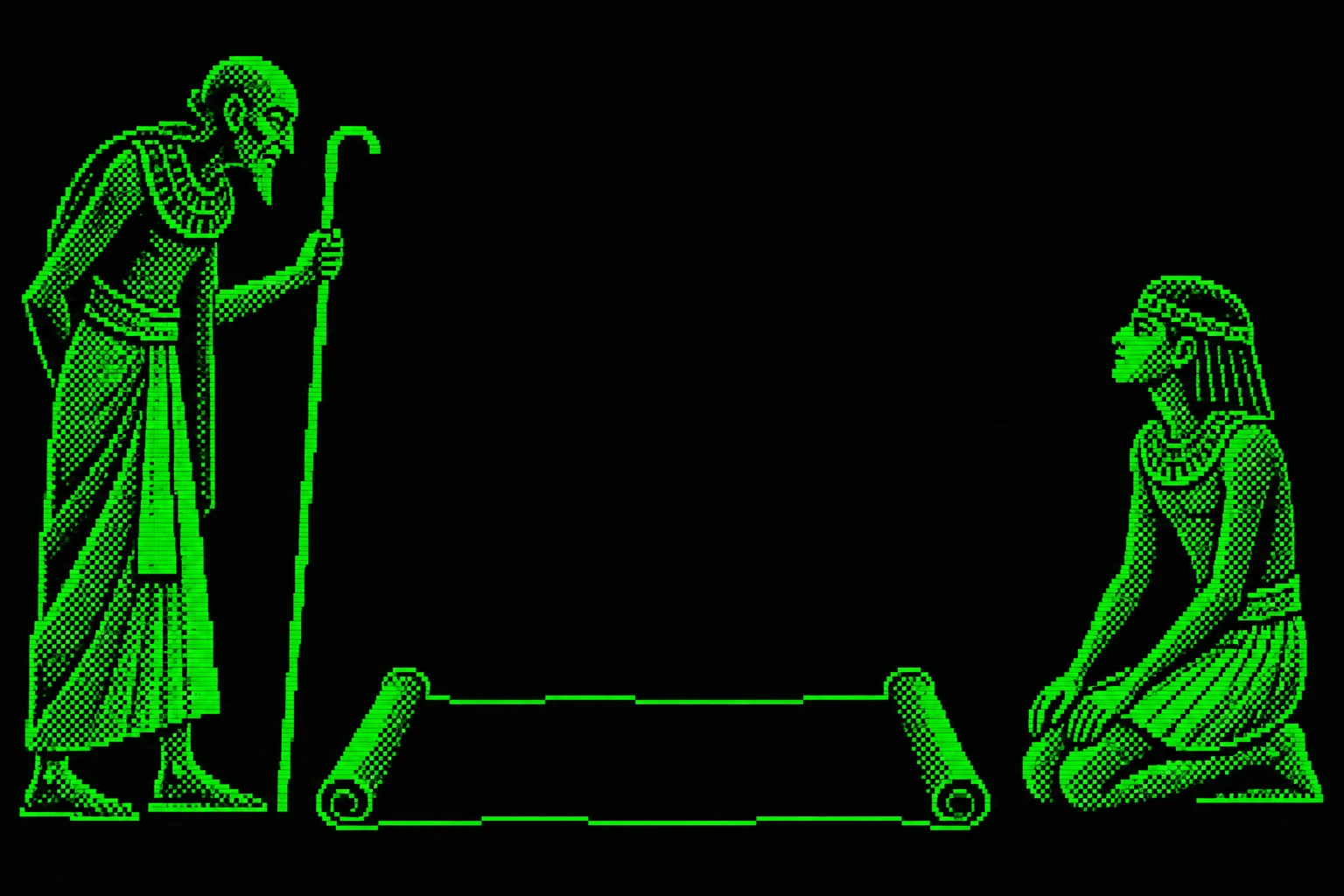
Greed, the old vizier warns, is the grievous sickness of the Betju snake: no remedy finds a way in. Ptahhotep speaks first to King Isesi: his eyes are dim, his ears deaf, and he asks leave to train his son as a staff for his old age. The king agrees: No one is born wise.
Then the father teaches the son, maxim after maxim: how to argue, eat at a great man’s table, judge, keep a wife and listen. Fine speech is better hidden than greenstone, yet it is found among the serving women at the millstones. Of sons: Semen can beget an enemy. He ends at a hundred and ten years old.
- 1
… 𓇼𓄿𓇋𓇋𓏏𓏛 𓈖𓏏 𓅓𓂋𓊖𓏏𓏤 𓅷𓏏𓏤 𓊪𓏏𓎛𓊵𓏏𓊪𓀻 𓐍𓂋 𓍛𓏤 𓈖 𓇓𓆤𓏏𓏏 𓇋𓋴𓋴𓇋 𓋹 𓆓𓏏𓇿 𓂋𓈖𓅘𓎛𓎛𓇳
[...] sbꜣy,t n.t (j)m(,j)-rʾ-nʾ,t ṯꜣ,tj Ptḥ-ḥtp ḫr ḥm n nsw,t-bj,tj Jssj ꜥnḫ ḏ,t r-nḥḥ
… The Instruction of Ptahhotep, overseer of the city and vizier, under the Majesty of the King of Upper and Lower Egypt, Isesi—may he live for ever and ever.
Note · Line 1
The vizier was the king’s chief minister. The instruction is set in the reign of Isesi, a king of the Fifth Dynasty. - 2
𓅓𓂋𓊖𓏏𓏤 𓅷𓏏𓏤 𓊪𓏏𓎛𓊵𓏏𓊪𓀻 𓆓𓂧 𓆑
(j)m(,j)-rʾ-nʾ,t ṯꜣ,tj Ptḥ-ḥtp ḏd =f
Ptahhotep, overseer of the city and vizier, says:
- 3
𓆊𓆊𓅆 𓎟𓀀
jty nb =(j)
“Sovereign, my lord!
- 4
𓏏𓈖𓇋𓀗 𓆣𓂋
tnj ḫpr
Age has set in;
- 5
𓇋𓄿𓅱𓀘 𓉔𓄿𓏲𓂻
jꜣw hꜣi̯.w
old age has descended.
- 6
𓅱𓎤𓎤𓅪 𓂻𓅱
wgg jwi̯
Weakness has come;
- 7
𓇋𓎛𓅱𓅪 𓁷𓏤 𓌳𓄿𓅱𓏛
jḥw ḥr mꜣwi̯
helplessness is returning.
- 8
𓋴𓇥𓂋𓁀 𓈖 𓆑 𓄡𓂧𓂋𓅪 𓂋𓂝𓇳𓎟
sḏr n =f ẖdr rꜥ-nb
It keeps a man who is a child again abed day after day.
- 9
𓁹𓁹 𓈖𓆓𓋴𓏲𓅪
jr,t.du nḏs.w
Both eyes are dim,
- 10
𓋹𓋹𓄔𓄔 𓇋𓌻𓂋𓅱𓄔
ꜥnḫ.du jmr.w
both ears deaf.
- 11
𓊪𓎛𓄖𓏏𓏭𓀜 𓁷𓏤 𓄿𓈎𓅪 𓂜 𓅨𓂋𓂧𓀉 𓄣𓏤 𓀀
pḥtj ḥr ꜣq n wrd jb =j
Strength is ebbing, for my heart is weary.
- 12
𓂋𓏤 𓎼𓂋𓀁
rʾ gr
The mouth has fallen silent;
- 13
𓂜 𓌃𓂧𓅱𓀁𓈖 𓆑
n mdwi̯.n =f
it cannot speak.
- 14
𓄣𓏤 𓍃𓅓𓏲𓅪
jb tm.w
The heart has failed;
Note · Line 14
The heart was the seat of thought and memory as well as feeling. - 15
𓂜 𓋴𓆼𓄿𓀁𓈖 𓆑 𓋵𓇳
n sḫꜣ.n =f sf
it cannot recall yesterday.
- 16
𓈎𓋴𓌟 𓏠𓈖𓈖𓅪 𓆑 𓈖 𓄫𓅱𓅱𓏛
qs mn{n} =f n ꜣww
My bones ache with the length of years.
- 17
𓃀𓏲𓄤𓆑𓂋 𓆣𓂋 𓅓 𓃀𓏲𓃀𓇋𓈖𓅪
bw-nfr ḫpr m bw-bjn
What was good has turned bad;
- 18
𓂧𓊪𓏏𓄓𓀁 𓎟𓏏 𓈝𓅓𓏏𓂻
dp,t nb.t šm.t(j)
all taste is gone.
- 19
𓁹𓂋𓏏 𓇋𓄿𓏲𓀘𓏤 𓈖 𓂋𓍿𓀀𓁐𓏥 𓃀𓇋𓈖𓅪 𓅓 𓐍𓏏𓏛𓏥𓎟𓏏
jrr.t jꜣw n r(m)t.pl bjn m ḫ,t-nb.t
What old age does to people is bad in every way.
- 20
𓆑𓈖𓂧𓂉 𓌥𓏛
fnd ḏbꜣ
The nose is stopped up;
- 21
𓂜 𓋴𓋴𓈖𓂉𓈖 𓆑
n ssn.n =f
it cannot breathe.
- 22
𓈖𓏏𓈖𓏌𓅱𓅪 𓊢𓂝𓂻 𓈞𓋴𓏏𓀉
⸮ntnw? ꜥḥꜥ ḥmsi̯.t
It is hard to stand up, hard to sit down.
- 23
𓎗𓅱𓏛 𓏏 𓈖 𓅡𓎢𓀀𓇋𓅓 𓁹𓏏 𓌃𓀗𓀀
wḏ =t(w) n bꜣk-jm jri̯.t mdw-jꜣw
May this servant be commanded to make a staff for his old age.
Note · Line 23
Ptahhotep calls himself “this servant. - 24
𓇋𓐍𓀀 𓆓𓂧 𓀀 𓈖 𓆑 𓌃𓂧𓅱𓀁 𓄔𓅓𓇋𓇋𓅱𓀀𓏥 𓊃𓐍𓂋𓅱𓏛𓏥 𓏶𓅓𓅱𓏥𓄂𓏏𓏤 𓊪𓅯𓄿𓏲𓏥 𓄔𓅓 𓈖 𓊹
jḫ ḏd =j n =f mdw sḏm.yw.pl sḫr.w.pl jm(,j).w.pl-ḥꜣ,t pꜣu̯.w sḏm n nṯr.pl
Then may I tell him the words of those who hear cases,
the counsels of the ancestors who once gave ear to the gods. - 25
𓇋𓐍𓏛 𓁹 𓏏 𓈖 𓎢 𓏇𓏏𓏏𓏛 𓂧𓂋𓀜𓏏𓅱 𓍲𓈖𓏌𓏲𓅪𓏥 𓅓 𓂋𓐍𓇋𓇋𓏏𓅛𓀀𓁐𓏥 𓅡𓎢𓀜 𓈖 𓎢 𓈅𓈅𓅱𓏭
jḫ jri̯ =t(w) n =k mj,tt dr.tw šnw m rḫy,t bꜣk n =k jdb.wj.du
May the same be done for you,
so that distress may be driven from the people
and the Two Banks may work for you.”Note · Line 25
Ptahhotep is addressing the king. The Two Banks are the banks of the Nile: together they stand for all Egypt. - 26
𓆓𓂧𓇋𓈖 𓍛𓏤 𓈖 𓊹𓏤 𓊪𓈖
ḏd.jn ḥm n nṯr pn
Then the Majesty of this god said:
Note · Line 26
The god who answers is the king himself. - 27
𓇼𓄿𓀜 𓂋 𓎢 𓇓𓅱 𓂋 𓌃𓂧𓏏𓀁 𓌨𓂋𓄂𓏏𓏤
sbꜣ r =k sw r md,t ẖr-ḥꜣ,t
“First, then, teach him how to speak.
- 28
𓇋𓐍𓏛 𓁹 𓆑 𓃀𓇋𓈞𓄑𓏛𓏥 𓈖 𓄟𓋴𓅱𓁓𓀀𓁐𓏥 𓀙𓅱𓀀𓏥
jḫ jri̯ =f bj(ꜣ) n ms.w.pl sr.w.pl
Then may he set an example for the children of high officials.
- 29
𓅧𓈎𓂻 𓄔𓅓 𓇋𓅓 𓆑 𓂸𓏏𓏏𓂭𓂭𓀀𓄣𓏤 𓎟 𓆓𓂧 𓈖 𓆑
ꜥq sḏm jm =f mt(y),t-jb nb ḏd n =f
May listening enter into him,
as he is taught uprightness of heart in all things. - 30
𓂜𓈖 𓄟𓋴𓇋𓇋𓁓 𓋴𓐟𓄿𓏲𓀁
nn msi̯.y sꜣw
No one is born wise.”
- 31
𓄂𓂝𓅓 𓋭𓊃𓅱𓏛𓏥 𓈖 𓌃𓂧𓏏𓀁 𓄤𓆑𓂋𓏏 𓆓𓂧𓏏𓈖 𓂋𓊪𓂝𓏏 𓄂𓂝 𓊹𓇋𓏏𓆑 𓊹𓌻𓂋𓇋𓇋𓀁 𓇓𓏏𓈖𓅭𓀘𓈖𓄡𓏏𓏤𓆑 𓅓𓂋𓊖𓏏𓏤 𓅷𓏏𓏤 𓊪𓏏𓎛𓊵𓏏𓊪𓀼 𓅓 𓇼𓄿𓀜 𓐍𓅓𓏲𓂜𓀀𓏥 𓂋 𓂋𓐍𓏛 𓂋 𓁶𓏤𓐎𓏛 𓈖 𓌃𓂧𓏏𓀁 𓄤𓆑𓂋𓏏 𓅓 𓅜𓐍𓏏𓏛 𓈖 𓄔𓅓𓏏𓏭 𓆑 𓅓 𓎤𓎤𓏏𓅪 𓈖 𓈖𓏏𓏭 𓂋 𓏏𓉔𓏏𓂾𓂻 𓋴𓏏
ḥꜣ(,t)-ꜥ-m ṯz.w.pl n md,t nfr.t ḏd.t.n (j)r(,j)-pꜥ,t ḥꜣ(,tj)-ꜥ jt-nṯr mri̯.y-nṯr zꜣ-nsw,t-smsw-n-ẖ,t≡f (j)m(,j)-rʾ-nʾ,t ṯꜣ,tj Ptḥ-ḥtp m sbꜣ ḫm.w.pl r rḫ r tp-ḥsb n md,t nfr.t m ꜣḫ,t n sḏm.tj =f m 〈w〉gg,t n ntj r thi̯.t st
Here begin the maxims of fine speech spoken by the hereditary prince and count, father of the god and beloved of the god, the king’s eldest son of his own body, overseer of the city and vizier, Ptahhotep. He teaches those who do not know to know the measure of fine speech. His teaching will profit whoever listens and harm whoever flouts it.
Note · Line 31
“Father of the god” is a priestly title. - 32
𓆓𓂧𓇋𓈖 𓆑 𓐍𓂋 𓅭𓀀 𓆑
ḏd.jn =f ḫr zꜣ =f
Then he said to his son:
- 33
𓅓 𓉻𓂝𓄿𓏛 𓄣𓏤 𓎢 𓁷𓏤 𓂋𓐍𓏛 𓎢
m ꜥꜣi̯ jb =k ḥr rḫ =k
Do not let your heart swell with what you know.
- 34
𓈖𓆓𓈖𓆓𓐩𓀁 𓂋 𓎢 𓎛𓈖𓂝 𓐍𓅓𓂜𓀀 𓏇𓇋 𓂋𓐍𓏛𓂻
nḏnḏ r =k ḥnꜥ ḫm mj rḫ
Take counsel with one who does not know as with one who knows.
- 35
𓂜 𓏎𓈖𓏏𓅱 𓇥𓂋𓅱𓈐 𓍍𓏏𓏤𓏛
n jni̯.tw ḏr,w ḥmw,t
No one has reached the limits of craftsmanship;
- 36
𓂜𓈖 𓍍𓅱𓅱𓀀 𓂝𓊪𓂋𓐢𓏛 𓅜𓐍𓅱𓏛𓏥 𓆑
nn ḥmw,w ꜥpr ꜣḫ,w =f
no craftsman commands all his powers.
- 37
𓂧𓎼𓄿𓀄 𓌃𓂧𓏏𓀁 𓄤𓆑𓂋𓏏 𓂋 𓇆𓊌
dgw md,t nfr.t r wꜣḏ
Fine speech is better hidden than greenstone,
Note · Line 37
Greenstone is a general term for a green mineral such as malachite. - 38
𓇋𓅱 𓅠𓅓𓏏 𓋴 𓅓𓂝 𓍛𓏏𓏤𓁐𓏥 𓁷𓏤 𓃀𓈖𓏌𓅱𓏏𓊌𓏥
jw gmi̯.t(w) =s m-ꜥ ḥm,t.pl ḥr bnw,t.pl
yet it is found among the serving women at the millstones.
- 39
𓇋𓂋 𓅠𓅓 𓎢 𓍑𓄿𓇋𓋴𓅱𓀁𓀀 𓅓 𓄿𓏏𓏯𓇳 𓆑 𓐍𓂋𓊪𓂝 𓄣𓏤 𓅓 𓇋𓈎𓂋𓏛 𓂋 𓎢 𓐍𓆼𓄿𓅓𓂢 𓂝𓏤𓅱𓏭 𓎢
jr gmi̯ =k ḏꜣjs,w m ꜣ,t =f ḫrp jb m jqr r =k ḫꜣm ꜥ.wj =k
If you meet an opponent in full flow,
a man of commanding mind, more able than you,
fold your arms.Note · Line 39
Folding the arms and bowing the back are gestures of deference to a superior. - 40
𓄡𓅓𓋴 𓐟𓏤 𓎢
ẖms sꜣ =k
Bow your back.
- 41
𓅓 𓅷𓄿𓀁 𓄣𓏤 𓎢 𓂋 𓆑
m ṯꜣ jb =k r =f
Do not let your heart rise up against him;
- 42
𓂜𓈖 𓏠𓈖𓂢𓈖 𓆑 𓈖 𓎢
nn 〈r〉mni̯.n =f n =k
it cannot even the scales for you.
- 43
𓊃𓂝𓈖𓂧𓅪 𓎢 𓆓𓂧 𓃀𓇋𓈖𓅪 𓅓 𓍃𓅓 𓍚𓀜 𓇓𓅱 𓅓 𓄿𓏏𓏯𓇳 𓆑
sꜥnd =k ḏd bjn m tm ḫsf sw m ꜣ,t =f
You will humble the man who speaks evil
by not opposing him while he speaks. - 44
𓈖𓇋𓋴𓏏𓀁 𓆑 𓅓 𓐍𓅓𓂜 𓐍𓏏𓏛𓏥 𓊪𓏲 𓂋𓏠𓈖𓂢𓈖 𓂧𓄿𓇋𓂋𓌗𓀜 𓄣𓏤 𓎢 𓊢𓂝𓇤𓏛𓏥 𓆑
njs.t(w) =f m ḫm ḫ,t pw rmni̯.n dꜣjr jb =k ꜥḥꜥ =f
People will say of him, “He knows nothing,”
for your self-command has weighed as much as his wealth. - 45
𓇋𓂋 𓅠𓅓 𓎢 𓍑𓄿𓇋𓋴𓄿𓀁𓀀 𓅓 𓄿𓏏𓏯𓇳 𓆑 𓏇𓏏𓅱𓏛 𓎢 𓈖𓏏𓏭 𓅓 𓂋𓏠𓈖𓏌𓅱𓏏𓂢𓏥 𓎢 𓂝𓂝 𓎢 𓆣𓂋 𓇋𓈎𓂋𓏛 𓎢 𓂋 𓆑 𓅓 𓎼𓂋𓀁 𓇋𓏲 𓆑 𓁷𓏤 𓌃𓂧𓏏𓀁 𓃀𓇋𓈖𓏏𓅪
jr gmi̯ =k ḏꜣjs,w m ꜣ,t =f mj,tw =k n,tj m rmnw,t =k ḏḏ =k ḫpr jqr =k r =f m gr jw =f ḥr md(w)i̯.t bjn,t
If you meet an opponent in full flow,
your equal, a man of your own standing,
you will prove yourself his better by keeping silent
while he speaks evil. - 46
𓅨𓂋 𓅱𓆑𓄿𓅪𓀁 𓇋𓈖 𓄔𓅓𓇋𓇋𓅱𓀀𓏥
wr wfꜣ jn sḏm,yw.pl
There is much talk among those who listen,
- 47
𓂋𓈖 𓎢 𓄤𓆑𓂋 𓅓 𓂋𓐍𓏛 𓈖 𓀙𓅱𓀀𓏥
rn =k nfr m rḫ n sr.w.pl
but your name stands high in the eyes of the high officials.
- 48
𓇋𓂋 𓅠𓅓 𓎢 𓍑𓄿𓇋𓋴𓅱𓀁𓀀 𓅓 𓄿𓏏𓏯𓇳 𓆑 𓅓 𓎛𓅨𓂋𓅱𓅨𓀀 𓂜 𓇋𓋴 𓏇𓏏𓅱𓀀 𓎢 𓅓 𓄿𓂧𓆊 𓄣𓏤 𓎢 𓂋 𓆑 𓐍𓏏𓆑 𓄡𓊃𓊃𓅪 𓆑
jr gmi̯ =k ḏꜣjs,w m ꜣ,t =f m ḥwr,w n js mj,tw =k m ꜣd jb =k r =f ḫtf ẖss =f
If you meet an opponent in full flow,
a weak man, no equal of yours,
do not let your heart rage against him for his weakness. - 49
𓇋𓐝𓅓𓂝 𓇓𓅱 𓂋 𓇾𓈇𓏤 𓍚𓀜 𓆑 𓈖 𓆑 𓆓𓊃 𓆑
jmi̯ sw r tꜣ ḫsf =f n =f ḏs =f
Leave him be, and he will punish himself.
- 50
𓅓 𓅱𓄞𓂧𓀁 𓇓𓅱 𓂋 𓇋𓋴𓇋𓇋 𓄣𓏤 𓎢
m wšd sw r jsy jb =k
Do not answer him to ease your heart.
- 51
𓅓 𓇋𓂝𓈗 𓄣𓏤 𓈖 𓈖𓏏𓏭 𓐍𓏏𓆑 𓎢
m jꜥi̯ jb n n,tj ḫtf =k
Do not gladden the heart of the man who faces you.
- 52
𓈎𓋴𓌟𓈖𓅪 𓊪𓏲 𓎛𓆓𓆓𓅱𓏴 𓎛𓅨𓂋𓅱𓅪 𓄣𓏤
qsn pw ḥḏḏ.w ḥwr,w jb
It is a sorry plight to be hurt by a man of feeble mind.
- 53
𓏏𓅱 𓂋 𓁹𓏏 𓈖𓏏𓏏 𓅓 𓄣𓏤 𓎢
tw r jri̯.t n,tt m jb =k
People will do what is in your heart;
- 54
𓎛𓀜 𓎢 𓇓𓏲 𓅓 𓍚𓀜 𓈖 𓀙𓅱𓀀𓏥
ḥ(w)i̯ =k sw m ḫsf n sr.w.pl
you will strike him with the punishment the high officials mete out.
- 55
𓇋𓂋 𓃹𓈖𓈖 𓎢 𓅓 𓋴𓌮𓅓𓇋𓇋𓂻 𓁷𓏤 𓎗𓅱𓏛 𓊃𓐍𓂋𓏛 𓈖 𓆈𓄿𓏏𓀀𓁐𓏥 𓎛𓎛𓂻 𓈖 𓎢 𓊃𓊪𓊗 𓎟 𓏠𓈖𓐍𓍊𓏛 𓂋 𓃹𓈖𓏏 𓊃𓐍𓂋𓏛 𓎢 𓂜𓈖 𓃛𓅱𓅪 𓇋𓅓 𓆑
jr wnn =k m sšm,y ḥr wḏ sḫr n ꜥšꜣ,t ḥḥ n =k sp nb mnḫ r wn.t sḫr =k nn jw jm =f
If you are a leader setting a course for the people,
seek out for yourself every sound measure,
so that there is no fault in your plan. - 56
𓅨𓂋 𓌳𓐙𓂝𓏏𓏯𓏛
wr mꜣꜥ,t
Great is Maat.
Note · Line 56
Maat is truth and justice, the right order of the world, personified as a goddess. - 57
𓎝𓎛𓏛 𓇮𓏏𓏛
wꜣḥ spd,t
Her force endures.
- 58
𓂜 𓂙𓈖𓈖𓏏𓃫 𓋴 𓇥𓂋 𓂋𓎢 𓇳𓁹𓊨𓅆
n ẖnn.t(w) =s ḏr rk Wsjr
She has not been disturbed since the days of Osiris.
Note · Line 58
Osiris was said to have ruled Egypt before he became king of the dead. - 59
𓇋𓅱 𓍚𓀜 𓏏𓏲 𓈖 𓏴𓂻 𓁷𓏤 𓉔𓊪𓅱𓏛𓏥
jw ḫsf =tw n swꜣ ḥr hp.w.pl
Whoever bypasses the laws is punished.
- 60
𓏴𓏏𓂻 𓊪𓏲 𓅓 𓁷𓏤 𓈖 𓂝𓃹𓈖𓀜𓄣𓏤𓀀
swꜣ.t pw m ḥr n ꜥwn-jb
This passes unseen before the greedy man’s eyes.
- 61
𓇋𓈖 𓈖𓆓𓇋𓇋𓏏𓅪𓏥 𓎁𓏏𓏏𓀜 𓊢𓂝𓇤𓏛𓏥
jn nḏy,t jtt ꜥḥꜥ
It is injustice that seizes wealth,
- 62
𓂜 𓊪𓅯𓄿 𓍑𓄿𓇋𓇋𓏏𓅪𓏥 𓏠𓈖𓇋𓐪𓊛 𓊃𓊪𓊗 𓋴
n pꜣu̯ ḏꜣy,t mnj sp =s
but wrongdoing has never brought its venture to shore.
- 63
𓇋𓏲 𓆑 𓆓𓂧 𓆑 𓊃𓐍𓏏𓌧𓏛 𓀀 𓂋 𓀀 𓆓𓊃 𓀀
jw =f ḏd =f sḫt =j r =j ḏs =j
He says, “I shall net it for myself.”
Note · Line 63
The speaker is the man who seizes wealth. - 64
𓂜 𓆓𓂧𓈖 𓆑 𓊃𓐍𓏏𓌧𓏛 𓀀 𓁷𓏤 𓎛𓆰𓈖𓏏𓎨𓏛 𓀀
n ḏd.n =f sḫt =j ḥr ḥn,t =j
He cannot say, “I shall net it in the course of my duties.”
- 65
𓃹𓈖 𓄖𓅱𓏭 𓌳𓐙𓂝𓏏𓏯𓏛 𓎝𓎛𓏛 𓋴
wn pḥwj mꜣꜥ,t wꜣḥ =s
When the end comes, Maat endures.
- 66
𓆓𓂧 𓅱 𓊃𓀀𓏤 𓅱 𓇋𓏏𓆑𓀀 𓊪𓏲
ḏd w z w jt =(j) pw
No man can say, “This is my father’s land.”
Note · Line 66
A father’s land is an inheritance, something a man can claim by right. - 67
𓏶𓅓𓂜 𓎢 𓁹 𓎛𓁷𓂋𓐡𓀜 𓅓 𓂋𓍿𓀀𓁐𓏥
jmi̯ =k jri̯ ḥr m r(m)t.pl
Lay no treacherous plot among people;
- 68
𓐍𓋴𓍚𓀜 𓊹𓏤 𓅓𓏇𓏏𓏏𓏛
ḫsf nṯr m-mj,tt
the god strikes back in kind.
- 69
𓇋𓅱 𓊃𓀀𓏤 𓆓𓂧 𓆑 𓋹𓈖𓐍 𓇋𓅓
jw z ḏd =f ꜥnḫ =(j) jm
A man says, “I shall live by this,”
- 70
𓇋𓏲 𓆑 𓆄𓏲𓅪 𓆑 𓅓 𓏏𓏐𓏕𓏥 𓈖 𓁶𓏤𓂋𓏤
jw =f šwi̯ =f m tʾ n tp-rʾ
and for saying it he goes without bread.
- 71
𓇋𓅱 𓊃𓀀𓏤 𓆓𓂧 𓆑 𓄊𓋴𓂋𓂝
jw z ḏd =f wsr =(j)
A man says, “I shall be powerful.”
- 72
𓇋𓅱 𓆑 𓆓𓂧 𓆑 𓋴𓐍𓏏𓌧𓏛 𓀀 𓂋 𓀀 𓋷𓄿𓏏𓀁 𓀀
jw =f ḏd =f sḫt =j r =j sjꜣ.t =j
He says, “I shall net for myself what I recognize.”
- 73
𓇋𓅱 𓊃𓀀𓏤 𓆓𓂧 𓆑 𓎛𓅱𓏏𓀜 𓆑 𓎢𓇋𓇋𓀀
jw z ḏd =f ḥwt〈f〉 ={f} =(j) ky
A man says, “I shall rob another,”
- 74
𓇋𓏲 𓆑 𓄖𓂻 𓆑 𓂋𓂝𓏏 𓆑 𓈖 𓐍𓅓𓂜𓈖 𓆑
jw =f pḥ =f rḏi̯.t =f n ḫm.n =f
and ends by giving to someone he never knew.
- 75
𓂜 𓊪𓅯𓄿 𓎛𓁷𓂋𓐡𓀜 𓈖 𓂋𓍿𓀀𓁐𓏥 𓆣
n pꜣu̯ ḥr n r(m)t.pl ḫpr
No plot that people have laid has ever come to pass;
- 76
𓎗𓅱𓏏𓏛 𓊹𓏤 𓊪𓏲 𓆣𓂋𓏏
wḏ.t nṯr pw ḫpr.t
what comes to pass is what the god decrees.
- 77
𓎢𓄿𓀁 𓋹𓈖𓐍 𓅓𓄚𓈖𓏌𓅱𓉐 𓉔𓂋𓏏𓏛 𓇍𓇋𓇋𓂻 𓂝𓂝𓏏 𓋴𓈖𓏥 𓆓𓊃 𓇋𓏛
kꜣi̯ ꜥnḫ m-ẖnw hr,t jyi̯.y ḏḏ.t =sn ḏs j〈r.j〉
Resolve to live in contentment;
what they give will come of itself.Note · Line 77
“They” are the gods. - 78
𓇋𓂋 𓃹𓈖𓈖 𓎢 𓅓 𓊃𓀀 𓈖 𓈞𓅓𓋴𓀉𓀀𓁐𓏥 𓂋 𓊨𓏏𓉐 𓊳𓏏𓏤 𓅨𓂋𓀀 𓂋 𓎢 𓊏𓊪𓂝 𓂝𓏏 𓆑 𓂝𓅱 𓂋 𓆑𓈖𓂉 𓎢
jr wnn =k m z n ḥmsi̯.pl r s,t ṯ,t wr r =k šzp ḏi̯.t =f ḏi̯.w r fn〈ḏ〉 =k
If you are one of those seated
at the table of a man greater than you,
accept what he gives, set before your nose. - 79
𓅠𓅓𓎛𓁹 𓎢 𓂋 𓈖𓏏𓏏 𓅓𓂺𓏛 𓎢
gmḥ =k r n,tt m-bꜣḥ =k
Look at what lies before you.
- 80
𓅓 𓋴𓏏𓄝𓅱𓌕 𓇓𓅱 𓅓 𓅠𓅓𓎛𓁹 𓆈𓄿𓏥
m sti̯.w sw m gmḥ ꜥšꜣ
Do not keep shooting glances at him;
- 81
𓃀𓅱𓏏𓆜𓀁 𓂓𓏤 𓊪𓏲 𓅱𓂧𓏏𓏴𓂝 𓇋𓅓 𓆑
bw,t kꜣ pw wdi̯.t jm =f
to cast them at him is hateful to the ka.
Note · Line 81
The ka is a person’s vital force. Here it is the host’s ka that moves him to give. - 82
𓅓 𓌃𓂧𓅱𓀁 𓈖 𓆑 𓂋 𓇋𓄿𓈙𓏏𓀁 𓆑
m mdwi̯ n =f r jꜣš.t =f
Do not speak to him until he calls on you;
- 83
𓂜 𓂋𓐍𓏛𓈖 𓏏𓅱 𓃀𓇋𓈖𓏏𓅪 𓁷𓏤 𓄣𓏤
n rḫ.n =tw bjn,t ḥr jb
no one can know what will trouble the heart.
- 84
𓌃𓂧𓅱𓀁 𓎢 𓐍𓏏𓆑 𓅱𓄞𓂧𓀁 𓆑 𓏏𓅱
mdwi̯ =k ḫft wšd =f tw
Speak when he addresses you;
- 85
𓇋𓅱 𓆓𓂧𓏏 𓎢 𓂋 𓄤𓆑𓂋 𓁷𓏤 𓄣𓏤
jw ḏd.t =k r nfr ḥr jb
then what you say will please the heart.
- 86
𓇋𓂋 𓀗𓀀 𓃹𓈖𓈖 𓆑 𓇉𓄿𓁶 𓏏𓏐𓅪𓏥 𓊃𓐍𓂋𓏛 𓆑 𓐍𓏏𓆑 𓎗𓅱𓏛 𓂓𓏤 𓆑
jr wr wnn =f ḥꜣ tʾ sḫr =f ḫft wḏ kꜣ =f
When a great man sits with bread before him,
his plan follows the bidding of his ka. - 87
𓇋𓏲 𓆑 𓂋 𓂋𓂝𓏏 𓈖 𓎛𓎿𓊃𓊃𓇋𓇋𓏛 𓆑
jw =f r rḏi̯.t n ḥss.y =f
He will give to the one he favors.
- 88
𓊃𓐍𓂋𓏛 𓊪𓏲 𓈖 𓎼𓂋𓎛 𓆣𓂋
sḫr pw n grḥ ḫpr
What comes to pass is the plan of the night.
Note · Line 88
The image suggests a choice already made before the guests sit down. - 89
𓇋𓈖 𓂓𓏤 𓂧𓃹𓈖𓍢 𓂝𓅱𓏭 𓆑
jn kꜣ dwn ꜥ.wj =f
It is the ka that stretches out both the great man’s arms.
- 90
𓀗𓀀 𓂝 𓆑 𓂜 𓄖𓂻𓈖 𓊃𓀀𓏤
wr ḏi̯ =f n pḥ.n z
A great man gives when a guest does not press him.
- 91
𓇋𓏲 𓏶𓀁 𓏏𓏐𓏕𓏥 𓌨𓂋 𓊃𓐍𓂋𓏛 𓊹𓏤
jw wnm tʾ ẖr sḫr nṯr
Bread is eaten as the god ordains.
Note · Line 91
The pupil is a guest at a great man’s table, where the host decides each guest’s share. - 92
𓇋𓈖 𓐍𓅓𓂜 𓂝𓈖𓂝𓇋𓇋𓀁 𓆑 𓁷𓂋 𓋴
jn ḫm ꜥnꜥy =f ḥr =s
Only a fool grumbles at that.
- 93
𓇋𓂋 𓃹𓈖𓈖 𓎢 𓅓 𓊃𓀀 𓈖 𓅧𓈎𓂻 𓉔𓄿𓃀𓅱𓂻 𓀗𓀀 𓈖 𓀗𓀀 𓂸𓏏𓂭𓂭𓏛 𓁷𓏤𓐪𓂧𓏌𓏛 𓉔𓄿𓃀𓂻 𓆑 𓏏𓅱
jr wnn =k m z n ꜥq hꜣb.w wr n wr mt(j) ḥr-qd hꜣb =f tw
If you are a man with the right of entry,
whom one great man sends to another,
be exact in every detail when he sends you.Note · Line 93
A man freely admitted to a great man’s presence enjoyed his confidence. - 94
𓁹 𓈖 𓆑 𓄋𓅱𓏏𓀁 𓏇𓇋 𓆓𓂧 𓆑
jri̯ n =f wpw,t mj ḏd =f
Deliver the message for him just as he gives it.
- 95
𓂚𓄿𓀜 𓏏 𓅓 𓊃𓈋𓅱𓅪 𓅓 𓌃𓂧𓏏𓀁 𓊃𓎢𓈖𓍘𓇋𓀁 𓀗𓀀 𓈖 𓀗𓀀
ꜥḥꜣ t(w) m sḏw m md,t skn.tj wr n wr
Watch yourself. Do not speak slanderous words
that will set one great man against another. - 96
𓈖𓂧𓂋𓀜 𓌳𓐙𓂝𓏏𓏯𓏛
ndri̯ mꜣꜥ,t
Hold fast to Maat;
Note · Line 96
For the messenger, it means keeping faith with the words entrusted to him. - 97
𓅓 𓊃𓈖𓏕𓏛 𓋴
m sn s(j)
do not step beyond her.
- 98
𓂜 𓂾𓅓𓀁 𓏏 𓇋𓋴 𓇋𓂝𓈗𓈖 𓄣𓏤
n wḥm =t(w) js jꜥi̯.n jb
To give a report is not to pour out your heart.
Note · Line 98
The Egyptian image for giving vent to feelings is of the heart washing itself. - 99
𓅓 𓌃𓂧𓇋𓇋𓅱𓀁 𓂋𓍿𓀀𓁐𓏥 𓎟𓏏 𓀗𓀀 𓎢𓏏𓏏𓅪𓀀
m md(w)y.w r(m)t.pl nb.t wr ktt
Speak ill of no one, great or small.
- 100
𓃀𓅱𓏏𓆜𓀁 𓂓𓏤 𓊪𓏲
bw,t kꜣ pw
The ka abhors it.
- 101
𓇋𓂋 𓊃𓂓𓍁𓂝 𓎢 𓂧𓂋𓇜𓏛 𓅓 𓇏𓏏𓈇 𓂝 𓋴𓏏 𓊹𓏤 𓅨𓂋 𓅓𓂝 𓎢 𓅓 𓋴𓐟𓄿𓀁 𓂋𓏤 𓎢 𓂋𓐞𓏤 𓉔𓄿𓏲𓏛𓏥 𓎢
jr skꜣ =k {d}r〈d〉 m sḫ,t ḏi̯ st nṯr wr m-ꜥ =k m sꜣi̯ rʾ =k r-gs hꜣw =k
If you plow and the crop grows in the field,
and the god gives it in abundance into your hand,
do not talk your fill among your neighbors. - 102
𓅨𓂋 𓁹𓏏 𓎛𓁷𓂋𓇋𓇋𓏏𓐡𓅪𓏥 𓈖𓏏 𓎼𓂋𓀁
wr jri̯.t ḥry,t n.t gr
The awe a silent man inspires can do much.
- 103
𓇋𓂋 𓎟 𓐪𓂧𓏌𓏛 𓅓 𓎟 𓐍𓏏𓏛𓏥 𓎁𓏏𓏏𓀜 𓆑 𓏇𓇋 𓆊 𓅓 𓈎𓈖𓃀𓏏𓊋𓀀𓏥
jr nb qd m nb ḫ,t jtt =f mj mzḥ m qnb,t
When a man of character is also a man of means,
he takes hold like a crocodile in court. - 104
𓅓 𓏏𓍯𓄿𓀁 𓈖 𓂜𓏏𓅱𓅪 𓄟𓋴𓅱𓁓𓀀𓁐𓏥 𓆑
m twꜣ n jw,tw ms.w.pl =f
Do not lord it over a man who has no children.
- 105
𓅓 𓎛𓅨𓂋𓅱𓀁
m ḥwrw
Do not belittle him.
- 106
𓅓 𓂝𓃀𓂝𓀁 𓇋𓅓
m ꜥbꜥ jm
Do not boast of your own.
- 107
𓇋𓅱 𓃹𓈖 𓅨𓂋 𓇋𓏏𓆑𓀀 𓅓 𓄿𓉔𓅱𓅪𓏥 𓅐𓏏𓁐 𓄟𓏏𓁓 𓊵𓏏𓊪 𓎢𓏏𓁐 𓂋 𓋴
jw wn wr jt m ꜣhw mw,t msi̯.t ḥtp k.t r =s
Many a father grieves;
many a mother has borne a child, yet another woman is more content than she. - 108
𓇋𓈖 𓌡𓂝𓀀𓏤 𓋴𓆣𓂋𓅱𓏛 𓊹𓏤
jn wꜥ sḫpr.w nṯr
It is the man who stands alone whom the god makes prosper.
- 109
𓇋𓅱 𓎟 𓅱𓎛𓇋𓇋𓏏𓀀𓁐𓏥 𓈖𓅘𓎛𓀁 𓋴 𓌞𓋴𓂻 𓆑
jw nb wḥy,t nḥi̯ =s šms =f
But the head of a clan must serve when his clan asks for something.
- 110
𓇋𓂋 𓄡𓊃𓅪 𓎢 𓌞𓋴𓂻 𓊃𓀀𓏤 𓇋𓈎𓂋𓏛
jr ẖzi̯ =k šms z jqr
If you are weak, serve a man of ability.
- 111
𓄤𓆑𓂋 𓋴𓌮𓅓𓏛𓏥 𓎢 𓎟 𓐍𓂋 𓊹𓏤 𓅓 𓂋𓐍𓏛𓈖 𓎢 𓈖𓆓𓋴𓅱𓅪𓀀𓏥 𓏃𓈖𓏏𓅱𓏛
nfr sšm =k nb ḫr nṯr m rḫ.n =k nḏs.w.pl ḫntw
All your ways are good in the god’s sight
if you have known humble folk in days past. - 112
𓏶𓅓𓂜 𓎢 𓉻𓂝𓄿𓏛 𓄣𓏤 𓎢 𓂋 𓆑 𓁷𓏤 𓂋𓐍𓏏𓏛𓈖 𓎢 𓇋𓅓 𓆑 𓏃𓈖𓏏𓅱𓏛
jmi̯ =k ꜥꜣi̯ jb =k r =f ḥr rḫ.t.n =k jm =f ḫntw
Do not let your heart swell with pride against him
because of what you knew of him then. - 113
𓅾𓀁 𓈖 𓆑 𓐍𓏏𓆑 𓆣𓂋𓏏 𓈖 𓆑
snḏ n =f ḫtf ḫpr.t n =f
Respect him for what has fallen to his lot.
- 114
𓂜 𓇍𓇋𓇋𓂻 𓇋𓋴 𓐍𓏏𓏛𓏥 𓆓𓊃
n jyi̯.y js ḫ,t ḏs
Wealth does not come of its own accord.
- 115
𓉔𓊪𓏛 𓋴𓈖𓏥 𓊪𓏲 𓈖 𓌻𓂋𓂋𓅱𓀁 𓋴𓈖𓏥
hp =sn pw n mrr.w =sn
That is the gods’ law for the one they love.
- 116
𓇋𓂋 𓍿𓏏𓆑𓂻 𓇋𓅱 𓆌𓏛𓈖 𓆑 𓆓𓊃
jr ṯtf jw sꜣq.n =f ḏs
His abundance he has amassed himself,
- 117
𓇋𓈖 𓊹𓏤 𓁹 𓇋𓈎𓂋𓏛 𓆑
jn nṯr jri̯ jqr =f
but it is the god who gave him his ability.
- 118
𓍚𓀜 𓆑 𓁷𓂋𓏤 𓆑 𓇋𓏲 𓆑 𓋴𓇥𓂋𓁀
ḫsf =f ḥr =f jw =f sḏr
The god defends him while he sleeps.
- 119
𓌞𓋴𓂻 𓄣𓏤 𓎢 𓏏𓂋𓆵𓇳 𓈖 𓃹𓈖𓈖 𓎢
šms jb =k tr n wnn =k
Follow your heart as long as you live.
- 120
𓅓 𓁹 𓇉𓅱𓏛𓏥𓁷𓏤 𓌃𓂧𓂧𓅱𓏏𓀁𓏥
m jri̯ ḥꜣw-ḥr mdd.wt
Do no more than you are told.
- 121
𓅓 𓐍𓃀𓏴 𓏏𓂋𓆵𓇳 𓈖 𓌞𓋴𓂻 𓄣𓏤
m ḫbi̯ tr n šms jb
Do not cut short the time for following your heart.
- 122
𓃀𓅱𓏏𓆜𓀁 𓂓𓏤 𓊪𓏲 𓌉𓆓𓏏𓏴 𓄿𓏏𓏯𓇳 𓆑
bw,t kꜣ pw ḥḏi̯.t ꜣ,t =f
The ka abhors the waste of its moment.
Note · Line 122
Here, time spent doing what the heart desires is time that belongs to the ka. - 123
𓅓 𓈖𓎼𓃀𓏴 𓊃𓊪𓊗 𓌨𓂋𓏏𓏛𓏥𓉔𓂋𓅱𓇳𓏤 𓅓𓇉𓅱𓏛𓏥𓈖 𓎼𓂋𓍅𓏛 𓉐𓏤 𓎢
m ngb sp ẖr,t-hrw m-ḥꜣw-n grg pr =k
Do not lose a moment to daily tasks
beyond what it takes to provide for your household. - 124
𓆣𓂋 𓐍𓏏𓏛𓏥 𓌞𓋴𓂻 𓄣𓏤
ḫpr ḫ,t šms jb
When wealth comes, follow your heart.
- 125
𓂜𓈖 𓆎𓅓𓏛𓈖 𓐍𓏏𓏛𓏥 𓇋𓅱 𓊃𓆑𓄿𓅭𓀁 𓆑
nn km.n ḫ,t jw sfꜣ =f
Wealth falls short when it breeds neglect.
- 126
𓇋𓂋 𓃹𓈖𓈖 𓎢 𓅓 𓊃𓀀𓏤 𓇋𓈎𓂋𓏛 𓁹 𓎢 𓅭𓀀 𓈖 𓋴𓌳𓄿𓅓𓆭𓏛 𓊹𓏤
jr wnn =k m z jqr jri̯ =k zꜣ n s(j)mꜣm nṯr
If you are a man of worth,
may you father a son whom the god makes kind. - 127
𓇋𓂋 𓂸𓏏𓂭𓂭𓏛 𓆑 𓊪𓄡𓂋𓆑𓄲𓂻 𓈖 𓐪𓂧𓏌𓏛 𓎢 𓈖𓍇𓏌𓏲𓍢𓂝 𓆑 𓐍𓏏𓏛𓏥 𓎢 𓂋 𓊨𓏏𓉐 𓇋𓂋𓏭 𓁹 𓈖 𓆑 𓃀𓏲 𓎟 𓄤𓆑𓂋
jr mt(y) =f pẖr{f} =〈f〉 n qd =k nwi̯ =f ḫ,t =k r s,t jr,j jri̯ n =f bw nb nfr
If he is trustworthy and takes after you in character,
if he tends your possessions and keeps each in its place,
do him all the good you can. - 128
𓅭𓀀 𓎢 𓊪𓏲
zꜣ =k pw
He is your son.
- 129
𓈖 𓄓𓇓𓏲 𓋴𓏏𓄝𓂺 𓂓𓏤 𓎢
n(.j) sw sti̯ kꜣ =k
He comes of the semen your ka shed.
- 130
𓏶𓅓𓂜 𓎢 𓃛𓅱𓂧𓂻 𓄣𓏤 𓎢 𓂋 𓆑
jmi̯ =k jwd jb =k r =f
Do not turn your heart away from him.
- 131
𓇋𓅱 𓂸𓏏𓅱𓏏𓂺 𓁹 𓋴 𓍲𓈖𓍘𓇋𓇋𓀁
jw mtw,t jri̯ =s šnty
Semen can beget an enemy.
- 132
𓇋𓂋 𓈖𓈖𓌰𓅓𓅪 𓆑 𓏏𓉔𓂾𓂻 𓆑 𓊃𓐍𓂋𓏛 𓎢 𓃀𓏏𓈖𓂉𓀜𓈖 𓆑 𓆓𓂧 𓎟𓏏 𓈝𓅓𓂻 𓂋𓏤 𓆑 𓅓 𓌃𓂧𓏏𓀁 𓄡𓊃𓏏𓅪 𓎢 𓇓𓅱 𓂋 𓂋𓏤 𓆑 𓏇𓇋𓐪𓂧𓏌𓏛 𓆑
jr nnm =f thi̯ =f sḫr =k btn.n =f ḏd.t nb.t šm rʾ =f m md,t ẖs.t 〈bꜣk〉 =k sw r rʾ =f mj-qd =f
If he strays and flouts your counsel,
if he has defied every word spoken
and his mouth runs on with vile talk,
take him to task for all that comes out of his mouth. - 133
𓅱𓂧𓏴𓂝 𓂋 𓎢 𓅓 𓐍𓃀𓂧𓅪𓈖 𓋴𓈖𓏥
wdi̯ r =k m ḫbd.n =sn
Whoever sets himself against you is one the gods have rejected.
- 134
𓎗𓅱𓂧𓂧𓏛 𓋴𓂧𓃀𓏛 𓈖 𓆑 𓊪𓏲 𓅓 𓄡𓏏𓏤
wdd sdb n =f pw m ẖ,t
He is one for whom misfortune was decreed in the womb.
- 135
𓂜 𓈖𓈖𓌰𓅓𓅪𓈖 𓋴𓌮𓅓𓂻 𓋴𓈖𓏥
n nnm.n sšm =sn
No one they guide goes astray.
- 136
𓂜 𓅠𓅓𓈖 𓃛𓅱𓅱𓊛 𓋴𓈖𓏥 𓍑𓄿𓏏𓏴𓊛
n gmi̯.n jww =sn ḏꜣ.t
No one they leave boatless finds a ferry.
- 137
𓇋𓂋 𓃹𓈖𓈖 𓎢 𓅓 𓃭𓂋𓇋𓇋𓏏𓉐 𓊢𓂝𓂻 𓈞𓋴𓀉 𓂋 𓂻𓂻𓂻 𓎢 𓎗𓅱𓂧𓂧𓏛 𓈖 𓎢 𓉔𓂋𓅱𓇳𓏤 𓁶𓏤
jr wnn =k m rwy,t ꜥḥꜥ ḥmsi̯ r nmt.pl =k wdd n =k hrw tp(.j)
When you are in the gatehouse,
stand and sit according to the rank
assigned to you on the first day.Note · Line 137
This is an official hall where a man’s place marks his rank. - 138
𓅓 𓋴𓍯𓄿𓈐 𓆣𓂋 𓍲𓈖𓂝𓏏𓀜 𓎢
m swꜣ ḫpr šnꜥ.t(w) =k
Do not go beyond your place, or you will be turned back.
- 139
𓊃𓊪𓂧𓇮𓏛 𓁷𓏤 𓈖 𓅧𓈎𓂻 𓋴𓏇𓇋𓀁
spd ḥr n ꜥq smj
Keen is the gaze of the man who enters announced;
- 140
𓅱𓊃𓐍𓎺𓏛 𓊨𓏏𓉐 𓈖𓏏 𓇋𓄿𓈙𓀁 𓈖 𓆑
wsḫ s,t n.t jꜣš n =f
wide is the seat of the man who is called.
- 141
𓇋𓅱 𓃭𓂋𓇋𓇋𓏏𓉐 𓂋 𓁶𓏤𓎛𓋴𓃀𓐎𓏛 𓊃𓐍𓂋𓏛 𓎟 𓐍𓏏𓆑 𓆼𓄿𓇋𓇋𓍢
jw rwy,t r tp-ḥsb sḫr nb ḫft ḫꜣy
The gatehouse has its rule;
every act is measured against the line. - 142
𓇋𓈖 𓊹𓏤 𓋴𓏃𓈖𓏏𓊛 𓊨𓏏𓉐
jn nṯr sḫnt s,t
It is the god who moves a seat forward.
- 143
𓂜 𓂋𓏙𓅱𓀀𓁐𓏥 𓈎𓂝𓎛𓂢
n 〈jri̯〉 =〈tw〉 rḏi̯.w.pl qꜥḥ
No one appoints those who are shouldered forward.
Note · Line 143
The shoulder seems to suggest a shove into a better place, as against advancement granted by the god. - 144
𓇋𓂋 𓃹𓈖𓈖 𓎢 𓎛𓈖𓂝 𓂋𓍿𓀀𓁐𓏥 𓁹 𓈖 𓎢 𓈘𓈇𓀀𓁐𓏥 𓈖 𓄖𓏛𓄣𓏤𓀀
jr wnn =k ḥnꜥ r(m)ṯ.pl jri̯ n =k mr n kfꜣ-jb
When you are among people,
win for yourself the following of a man they trust. - 145
𓄖𓏛𓄣𓏤𓀀 𓂜𓏏𓅱𓅪 𓊪𓄡𓂋𓄲𓂻 𓆑 𓆓𓂧 𓅓 𓄡𓏏𓏤 𓆑 𓆣𓂋 𓆑 𓅓 𓋭𓊃𓅱𓀀 𓆓𓊃 𓆑
kfꜣ-jb jw,tw pẖr =f ḏd m ẖ,t =f ḫpr =f m ṯsw ḏs =f
A trusted man who does not twist words in his belly
will himself become a commander.Note · Line 145
The belly, like the heart, was a seat of thought and feeling. - 146
𓎟 𓐍𓏏𓏛𓏥 𓂝 𓀀 𓅓𓂝 𓅓 𓊃𓐍𓂋𓏛 𓆑
nb ḫ,t ḏi̯ =j m m sḫr =f
A man of property asks, “What shall I entrust to his judgment?”
- 147
𓂋𓈖 𓎢 𓄤𓆑𓂋 𓂜𓈖 𓌃𓂧𓅱𓇋𓇋𓀁 𓎢
rn =k nfr nn mdwy =k
Your name is good without a word from you.
- 148
𓎛𓂝𓄹𓏥 𓎢 𓆓𓆑𓄿𓅬𓏛𓏥
ḥꜥ.pl =k ḏfꜣ
Your limbs are well nourished.
- 149
𓁷𓏤 𓎢 𓂋 𓉔𓄿𓏲𓀀𓁐𓏥 𓎢
ḥr =k r hꜣw =k
Your face is turned toward your kin.
- 150
𓏏𓏲 𓈖 𓎢 𓅓 𓐍𓅓𓏏𓂜𓈖 𓎢
〈ꜥbꜥ〉 =tw n =k m ḫm.t.n =k
People praise you for things you knew nothing of.
- 151
𓃹𓈖𓈖 𓄣 𓄔𓅓 𓈖 𓄡𓏏𓏤 𓆑 𓂝 𓆑 𓎢𓈖𓏏𓅪𓏥 𓆑 𓅓 𓊨𓏏𓉐 𓌻𓂋𓅱𓏏𓀁 𓆑
wnn jb sḏm n ẖ,t =f ḏi̯ =f kn,t =f m s,t mrw,t =f
The heart of a man who listens to his belly
earns him dislike in place of love.Note · Line 151
To listen to the belly is to let appetite tell one what to do. - 152
𓄣𓏤 𓆑 𓄿𓎢𓅱𓁸
jb =f ꜣkw
His heart is bald,
- 153
𓎛𓂝𓄹𓏥 𓆑 𓄡𓊃𓐟𓄿𓁸
ḥꜥ.pl =f ẖsꜣ
his limbs unanointed.
Note · Line 153
Oil was part of ordinary care for the body. To go without it was to go ungroomed. - 154
𓅨𓂋 𓄣𓏤 𓂋𓏙𓏲𓀀𓁐𓏥 𓊹𓏤
wr jb rḏi̯.w nṯr
Those to whom the god gives are great of heart;
- 155
𓇋𓅱 𓄔𓅓 𓈖 𓄡𓏏𓏤 𓆑 𓈖𓍇𓇓𓅱 𓐍𓏏𓆑𓀏
jw sḏm n ẖ,t =f n,(j)-sw ḫft,(j)
the man who listens to his belly belongs to the enemy.
- 156
𓋴𓏇𓇋𓀁 𓋴𓌮𓅓𓏛𓏥 𓎢 𓂜𓈖 𓂝𓅓𓀁𓄣𓏤
smj sšm =k nn ꜥm-jb
Take care to give a full report on your charge.
- 157
𓂝 𓊃𓐍𓂋𓏛 𓎢 𓅓 𓋴𓎛𓉲𓏛 𓈖 𓎟𓀀 𓎢
ḏi̯ sḫr =k m sḥ n nb =k
Give your counsel in your lord’s council.
- 158
𓇋𓂋 𓎀𓏏𓆑𓂻 𓂋 𓆑 𓐍𓏏𓆑 𓆓𓂧 𓆑 𓂜𓈖 𓈎𓋴𓌟𓈖𓅪 𓂋 𓄋𓊪𓅱𓏏𓏭𓂻𓀁 𓋴𓏇𓇋𓏏𓀁
jr ṯtf r =f ḫft ḏd =f nn qsn r wpw,tj smj.t
If a man goes beyond his charge when he speaks,
reporting it brings no trouble on the messenger. - 159
𓂜𓈖 𓅱𓈙𓃀𓏏𓏴𓀁 𓅓𓂝 𓄿 𓂋𓐍𓏛 𓀀 𓋴𓏏
nn wšb.t m ꜣ rḫ =j st
No one will answer, “What, then? I want to know.”
- 160
𓇋𓈖 𓀗𓀀 𓂋 𓐍𓏏𓏛𓏥 𓆑 𓈖𓈖𓌰𓅓𓅪
jn wr r ḫ,t =f nnm
It is the man of great wealth who errs.
- 161
𓇋𓂋 𓎢𓄿𓀁 𓆑 𓂋 𓍚𓀜 𓆑 𓁷𓂋 𓋴 𓇋𓅱 𓆑 𓎼𓂋𓀁 𓆑 𓁷𓏤 𓇋𓅱 𓆓𓂧𓈖 𓀀
jr kꜣi̯ =f r ḫsf =f ḥr =s jw =f gr =f ḥr jw ḏd.n =j
If he thinks of punishing the messenger for it,
the messenger says, “I have spoken,” and falls silent. - 162
𓇋𓂋 𓃹𓈖𓈖 𓎢 𓅓 𓋴𓌮𓅓𓇋𓇋𓀀 𓅱𓋴𓏏𓈖𓂻 𓊃𓐍𓂋𓅱𓏛𓏥 𓅓 𓎗𓅱𓏏𓏛𓈖 𓎢 𓁹 𓂋 𓎢 𓐍𓏏𓏛𓏥 𓏏𓈖𓏌𓏲𓌙𓅯𓀁
jr wnn =k m sšm,y wstn sḫr.w m wḏ.t.n =k jri̯ r =k ḫ,t tnw
If you are a leader whose plans reach far
in the orders you have given,
do a deed of distinction. - 163
𓋴𓆼𓄿𓀁 𓈖 𓆑 𓉔𓂋𓅱𓇳𓏥 𓇍𓇋𓂻 𓁷𓏤𓐟𓏤
sḫꜣ n =f hrw.pl jyi̯ ḥr-sꜣ
Think, as you do it, of the days to come.
- 164
𓂜 𓇍𓇋𓇋𓂻 𓌃𓂧𓏏𓀁 𓅓𓈎𓄿𓃀𓄲𓏛 𓎛𓎿𓊃𓏏𓏥𓏛
n jyi̯.y md,t m-qꜣb ḥs,(w)t
No ill talk ever arose amid praise.
- 165
𓃀𓋴𓋴𓆜𓂻 𓎢𓄿𓊪𓏲𓆊 𓆣𓂋 𓋴𓆑𓄿𓏏𓅪
bss kꜣp,w ḫpr sfꜣ,t
When the hidden crocodile surfaces, hatred rises.
Note · Line 165
The warning is for the leader who hears only praise: hostility may not show itself until later. - 166
𓇋𓂋 𓃹𓈖𓈖 𓎢 𓅓 𓋴𓌮𓅓𓇋𓇋𓀁 𓉔𓂋 𓄔𓅓 𓎢 𓌃𓂧𓅱𓀁 𓋴𓊪𓂋𓅱𓄭𓀁𓀀
jr wnn =k m sšm,y hru̯ sḏm =k mdw spr,w
If you are a leader,
be patient as you hear a petitioner’s words. - 167
𓅓 𓎼𓈖𓀁 𓆑 𓇓𓏲 𓂋 𓋴𓎝𓎢𓏏𓂝 𓄡𓏏𓏤 𓆑 𓅓 𓎢𓄿𓏏𓀁𓏏 𓆑 𓆓𓂧 𓈖 𓎢 𓋴𓏏
m gn〈f〉 ={f} sw r sk.t ẖ,t =f m kꜣi̯.t.n =f ḏd n =k st
Do not turn him away until his belly is swept clean
of what he meant to tell you. - 168
𓌻𓂋𓀁 𓌨𓂋𓃛𓅱𓅪 𓇋𓂝𓏏𓈗 𓄣𓏤 𓆑 𓂋 𓁹𓏏 𓇍𓇋𓏏𓂻𓈖 𓆑 𓁷𓂋 𓋴
mri̯ ẖr(,j)-jw jꜥi̯.t jb =f r jri̯.t jy.t.n =f ḥr =s
A man bowed down by grief would rather wash his heart clean
than have the thing he came for done.Note · Line 168
To wash the heart is to speak one’s grief aloud to someone who will listen. - 169
𓇋𓂋 𓁹 𓎼𓈖𓏌𓅱𓀁 𓋴𓊪𓂋𓏏𓄭𓀁𓏥 𓇋𓅱 𓆓𓂧 𓏏𓅱 𓇋𓅱 𓏏𓂋𓆵𓏛 𓂋𓅓𓂝 𓏏𓉔𓂾𓂻 𓆑 𓋴𓏏
jr jri̯ gnw〈f〉 spr.t.pl jw ḏd =tw jw tr r-m thi̯ =f st
Of a man who turns petitions away, people say,
“Why ever does he handle it so badly?” - 170
𓂜𓈖 𓋴𓊪𓂋𓏏𓄭𓀁𓈖 𓆑 𓎟𓏏 𓁷𓂋 𓋴 𓅓 𓆣𓂋𓏏 𓋴𓈖𓏥 𓊃𓈖𓂝𓂝𓉐𓏛 𓄣𓏤 𓊪𓏲 𓄔𓅓 𓄤𓆑𓂋
nn spr.t.n =f nb.t ḥr =s m ḫpr.t(j) =sn snꜥꜥ jb pw sḏm nfr
Even if nothing he came to ask for comes to pass,
to listen well is to soothe the heart. - 171
𓇋𓂋 𓌻𓂋𓀁 𓎢 𓋴𓍯𓄿𓎛𓎝𓏛 𓐍𓈖𓌰𓅓𓋴𓀉𓏛 𓅓 𓄚𓈖𓏌𓅱𓉐 𓅧𓈎𓂻 𓎢 𓂋 𓆑 𓅓 𓎟𓀀 𓅓 𓋴𓈖𓏥 𓅓 𓐍𓈖𓌰𓅓𓋴𓀉𓀀 𓂋𓏤𓊪𓏲 𓂋 𓃀𓏲 𓎟 𓅧𓈎𓂻 𓎢 𓇋𓅓 𓂚𓄿𓏏𓀜 𓅓 𓏏𓎢𓈖𓂻 𓅓 𓈞𓏏𓁐𓏥
jr mri̯ =k swꜣḥ ḫnms m ẖnw ꜥq =k r =f m nb m sn m ḫnms rʾ-pw r bw nb ꜥq =k jm ꜥḥꜣ.t(j) m tkn m ḥm,t.pl
If you want friendship to last
in the private rooms you enter
as master, brother or friend,
then wherever you enter, be on your guard:
do not approach the women. - 172
𓂜 𓄤𓆑𓂋𓈖 𓃀𓏲 𓁹𓂋𓅱 𓋴𓏏 𓇋𓅓
n nfr.n bw jrr.w st jm
No place where this is done can fare well.
- 173
𓂜 𓋴𓊪𓂧𓇮𓏛𓈖 𓁷𓏤 𓁷𓏤 𓊪𓐍𓆼𓄿𓍸𓏛 𓋴𓏏
n spd.n ḥr ḥr pḫꜣ st
No man keeps his wits sharp as he penetrates them.
- 174
𓇋𓅱 𓈖𓎼𓃀𓏴𓏏𓏲 𓊃𓀀 𓆼 𓂋 𓅜𓐍𓏏𓏛 𓈖 𓆑
jw ngb.tw z ḫꜣ r ꜣḫ,t n =f
A thousand men are cut off, each from what would do him good.
- 175
𓄿𓏏𓏯𓇳 𓎢𓏏𓏏𓅪 𓏇𓏏𓏏𓏛 𓂋𓋴𓅱𓏏𓍞𓁹 𓇋𓅱 𓄖𓂻𓏏𓅱 𓅓𓏏𓏱 𓁷𓏤 𓂋𓐍𓏛 𓋴𓏏
ꜣ,t kt.t mj,tt rsw,t jw pḥ.tw mt ḥr rḫ st
One brief moment, like a dream,
and to know it is to meet death. - 176
𓋭𓊃𓏛 𓊪𓏲 𓄡𓊃𓅪 𓋴𓏏𓄝𓌕 𓐍𓏏𓆑𓀏
ṯs pw ẖs sti̯ ḫft(,j)
A wretched saying, this: “Shoot the enemy!”
Note · Line 176
The word for shooting an arrow could also mean ejaculating. - 177
𓉐𓂋𓂻 𓏏𓏲 𓁷𓏤 𓁹𓏏 𓆑 𓄣𓏤 𓁷𓏤 𓅱𓇋𓆛𓈖𓂢 𓆑
pri̯ =tw ḥr jri̯.t =f jb ḥr wjn =f
Let a man turn from what the saying bids him do
while his heart still rejects it. - 178
𓇋𓂋 𓅱𓉔𓉔𓅪 𓅓 𓊃𓎢𓈖𓆊 𓁷𓂋 𓋴 𓂜 𓅓𓂝𓂋𓏛𓈖 𓊃𓐍𓂋𓏛 𓎟 𓅓𓂝 𓆑
jr whh m skn ḥr =s n mꜥr.n sḫr nb m-ꜥ =f
As for the man who goes astray through lust for it,
no plan prospers in his hands. - 179
𓇋𓂋 𓌻𓂋𓀁 𓎢 𓄤𓆑𓂋 𓋴𓌮𓅓𓏛𓏥 𓎢 𓈖𓈞𓅓𓀜 𓏏𓅱 𓅓𓂝 𓈋𓅱𓏏𓅪 𓎟𓏏
jr mri̯ =k nfr sšm =k nḥm tw m-ꜥ ḏw,t nb.t
If you want your conduct to be good,
save yourself from every evil. - 180
𓂚𓄿𓀜 𓏏 𓁷𓏤 𓊃𓊪𓊗 𓈖 𓂝𓃹𓈖𓀜𓄣𓏤
ꜥḥꜣ t(w) ḥr sp n ꜥwn-jb
Guard yourself against a fit of greed.
- 181
𓐍𓆼𓄿𓏏𓐎 𓊪𓏲 𓍋𓅓𓏏𓅪 𓈖𓏏 𓃀𓎁𓏏𓅱𓆙 𓂜 𓆣𓂋𓈖 𓅧𓈎𓂻 𓇋𓅓 𓋴
ḫꜣ,t pw mr.t n.t bjṯw n ḫpr.n ꜥq jm =s
It is the grievous sickness of the Betju snake: no remedy finds a way in.
Note · Line 181
The sickness is greed. Betju is an incurable disease pictured as a snake. - 182
𓇋𓅱 𓋴𓋴𓇋𓃀𓏏𓅪 𓇋𓏏𓆑𓅱𓀀𓏥 𓂸𓏏𓁐𓏥 𓎛𓈖𓂝 𓌢𓈖𓏌𓅱𓀀𓏥 𓏌𓏤 𓂸𓏏𓁐
jw ssjb.t(w) jt.w.pl mw,t.pl ḥnꜥ sn.w.pl n.w mw,t
Fathers and mothers are set at odds with the mother’s brothers.
- 183
𓇋𓅱 𓈖𓈙𓂻 𓋴 𓈞𓏏𓁐 𓅷𓄿𓇋𓇋𓂺𓀀
jw nš =s ḥm,t ṯꜣy
It drives wife and husband apart.
- 184
𓅷𓄿𓅱𓏏𓀜 𓊪𓅱 𓃀𓇋𓈖𓏏𓅪𓏥 𓎟𓏏
ṯꜣw,t pw 〈n.t〉 bjn,t nb.t
It is a hoard of every evil,
- 185
𓂝𓂋𓆑𓎤 𓊪𓏲 𓈖 𓐍𓃀𓂧𓏏𓅪𓏥 𓎟𓏏
ꜥrf pw n ḫbd,t nb.t
a sack of all that deserves blame.
- 186
𓍯𓄿𓎛𓎝𓏛 𓊃𓀀𓏤 𓂝𓈎𓄿𓂭𓂭𓏛 𓆑 𓌳𓐙𓂝𓏏𓏯𓏛
wꜣḥ z ꜥqꜣ =f mꜣꜥ,t
A man endures if he holds true to Maat.
- 187
𓈝𓅓𓂻 𓂋 𓈖𓌰𓅓𓏏𓏏𓂻𓏥 𓆑 𓇋𓅱 𓆑 𓁹 𓆑 𓏶𓅓𓏏𓉐𓏛𓏥 𓇋𓅓
šmi̯ r nmt,t =f jw =f jri̯ =f jm(,j)t-pr jm
He who walks the path proper to him can thus pass on his estate by deed.
Note · Line 187
A “house deed” named the person to whom property was to pass. - 188
𓂜𓈖𓃹𓈖 𓇋𓇋𓉐 𓂝𓃹𓈖𓀜𓄣𓏤
nn-wn j{j}〈s〉 ꜥwn-jb
The man of greedy heart has no tomb.
- 189
𓅓 𓂝𓃹𓈖𓀜 𓄣𓏤 𓎢 𓁷𓏤 𓊪𓊃𓈙𓏏𓏴𓏛𓏥
m ꜥwn jb =k ḥr psš,t
Do not be greedy of heart when the shares are dealt.
- 190
𓅓 𓎛𓆰𓈖𓏏𓀜 𓂜𓇋𓋴 𓂋 𓌨𓂋𓏏𓏛𓏥 𓎢
m ḥnt n-js r ẖr,t =k
Do not grasp at more than your share.
- 191
𓅓 𓂝𓃹𓈖𓀜 𓄣𓏤 𓎢 𓂋 𓉔𓄿𓏲𓀀𓁐𓏥 𓎢
m ꜥwn jb =k r hꜣw =k
Do not be greedy of heart with your kin.
- 192
𓅨𓂋 𓏏𓍯𓄿𓀢 𓈖 𓋴𓆑𓅱𓂉𓀁 𓂋 𓈖𓆱𓐍𓏏𓀜
wr twꜣ n sf,w r nḫt
The gentle man’s claim is greater than the strong man’s.
- 193
𓂝𓈖𓂧𓅪 𓊪𓏲 𓉐𓂋𓂋𓂻 𓌨𓂋 𓉔𓄿𓏲𓀀𓁐𓏥 𓆑 𓆄𓅱𓅪 𓅓 𓏎𓏏𓈖 𓌃𓂧𓏏𓀁
ꜥnd pw prr ẖr hꜣw =f šwi̯ m jni̯.t.n md,t
A sorry man is he who cheats his kin, left with nothing that words have won.
- 194
𓇋𓈖 𓈖𓉔𓅪𓈒𓏥 𓈖 𓂝𓃹𓈖𓏏𓀜 𓁷𓂋 𓋴 𓋴𓆣𓂋 𓍲𓈖𓍘𓇋𓇋𓀜 𓅓 𓈎𓃀𓏁𓈗 𓄡𓏏𓏤
jn nh n ꜥwn.t ḥr =s sḫpr šnty m qb ẖ,t
Even a trifle, if coveted, makes an enemy of a man whose belly was cool.
Note · Line 194
A cool belly means an even temper. - 195
𓇋𓂋 𓇋𓈎𓂋𓏛 𓎢 𓎼𓂋𓍅𓏛 𓎢 𓉐𓏤 𓎢
jr jqr =k grg =k pr =k
If you are able, establish your household.
- 196
𓌻𓂋𓀁 𓎢 𓈞𓏏𓁐 𓎢 𓅓𓄚𓈖 𓐎𓏛
mri̯ =k ḥm,t =k m-ẖn(w) ḥsb
Love your wife as you ought.
- 197
𓎔𓏛 𓄡𓏏𓏤 𓋴
mḥ ẖ,t =s
Fill her belly.
- 198
𓎛𓃀𓋴𓋳 𓐟𓏤 𓋴
ḥbs sꜣ =s
Clothe her back.
- 199
𓊪𓄡𓂋𓏏𓄲𓏛𓏥 𓊪𓏲 𓈖𓏏 𓎛𓂝𓄹𓏥 𓋴 𓌻𓂋𓎛𓏏𓏊𓏥
pẖr,t pw n.t ḥꜥ.pl =s mrḥ,t
Anointing oil is a balm for her limbs.
- 200
𓋴𓄫𓅱 𓄣𓏤 𓋴 𓏏𓂋𓆵𓆵𓇳 𓈖 𓃹𓈖𓈖𓏏 𓎢
sꜣwi̯ jb =s tr n wnn{.t} =k
Gladden her heart as long as you live.
- 201
𓄿𓎛𓏏𓈇𓏥 𓊪𓏲 𓅜𓐍𓏏𓏛 𓈖 𓎟𓀀 𓋴
ꜣḥ,t pw ꜣḫ.t n nb =s
She is a field that yields for her lord.
- 202
𓏶𓅓𓂜 𓎢 𓐣𓂝𓏛 𓋴 𓂋𓇋𓇋𓏏𓏛
jmi̯ =k ⸮wḏꜥ? s(j) ry,t
Do not judge her at the gate.
Note · Line 202
The gate was a place where disputes were heard. - 203
𓋴𓁷𓂋𓐡𓈐 𓊃 𓂋 𓌂𓅓𓀜
sḥri̯ s(j) r sḫm
Keep her from power.
- 204
𓄿𓂋𓂧𓇋 𓋴
ꜣr{d}j s(j)
Hold her in check.
- 205
𓆓𓂝𓊡 𓋴 𓊪𓏲 𓁹𓏏𓏤 𓋴 𓌳𓁹𓄿𓄿 𓋴
ḏꜥ =s pw jr,t =s mꜣꜣ =s
Her eye is her storm when she looks.
- 206
𓋴𓍯𓄿𓎛𓎝𓏛 𓋴 𓊪𓏲 𓅓 𓉐 𓎢
swꜣḥ =s pw m pr =k
This is how you keep her in your house.
- 207
𓍲𓈖𓂝𓇋𓇋𓀜 𓎢 𓋴 𓈗 𓊪𓏲
šnꜥy =k s(j) mw pw
If you turn her away, there is water.
- 208
𓂓𓄿𓏏𓄹 𓂝𓏏 𓋴 𓈖 𓂝𓏤𓅱𓏭 𓋴
kꜣ,t ḏi̯.t(w) =s n ꜥ.wj =s
A vulva—let her be left to her own two hands.
- 209
𓍲𓈖𓈖𓏏𓀁 𓋴 𓁹𓈖 𓋴 𓈘𓈇
šnn.t(w) =s jri̯.n =s mr
She is questioned once she has made a canal.
- 210
𓋴𓊵𓏏𓊪𓏛 𓅧𓈎𓀀𓁐𓏥 𓎢 𓅓 𓆣𓂋𓏏𓏛𓏥 𓈖 𓎢
sḥtp ꜥq =k m ḫpr.t n =k
Satisfy those you trust with what has come to you.
- 211
𓆣𓂋 𓈖 𓎿𓊃𓊃𓅱𓀁 𓊹𓏤
ḫpr n ḥss.w nṯr
It falls to one whom the god praises.
- 212
𓇋𓂋 𓅱𓉔𓉔𓅪 𓅓 𓋴𓊵𓏏𓊪𓏛 𓅧𓈎𓀀𓁐𓏥 𓆑 𓇋𓅱 𓆓𓂧 𓏏𓅱 𓂓𓏤 𓊪𓏲 𓉻𓂝𓄿𓃀𓇎𓏛𓏥
jr whh m sḥtp ꜥq =f jw ḏd =tw kꜣ pw ꜥꜣb
Of a man who keeps failing to please his friends, people say,
“There’s a ka well pleased with itself!”Note · Line 212
Here it stands for the man himself, judged by how he treats his friends. - 213
𓂜 𓂋𓐍𓏛𓈖 𓏏𓅱 𓆣𓂋𓏏𓏥 𓋷𓀁 𓆑 𓇼𓄿𓇳
n rḫ.n =tw ḫpr.t sjꜣ =f dwꜣ
No one knows what will happen, though he looks ahead to tomorrow.
- 214
𓂓𓏤 𓊪𓏲 𓂓𓏤 𓈖 𓂸𓏏𓂭𓂭 𓊵𓏏𓊪𓅱𓏛 𓇋𓅓 𓆑
kꜣ pw kꜣ n mt(j) ḥtp.w jm =f
A true ka is a sound ka, one that others are pleased with.
- 215
𓇋𓂋 𓆣𓂋 𓊃𓊪𓅱𓊗𓏥 𓏌𓏤 𓎛𓎿𓊃𓏏𓏥 𓇋𓈖 𓅧𓈎𓀀𓁐𓏥 𓆓𓂧 𓇍𓇋𓂻𓅱𓏭
jr ḫpr sp.w.pl n.w ḥs.(w)t.pl jn ꜥq ḏd jy.wj
When favors are shown, it is the friends who say, “Welcome!”
- 216
𓂜 𓏎𓈖𓏏𓅱 𓊵𓏏𓊪𓏏𓏛 𓂋 𓂧𓏇𓇋𓈇𓏤
n jni̯.tw ḥtp,t r dmj
Has no peace been brought to the landing place?
- 217
𓇋𓅱 𓏎𓈖𓏏𓅱 𓅧𓈎𓀀𓁐𓏥 𓃹𓈖 𓄿𓈎𓅪
jw jni̯.tw ꜥq wn ꜣq
Friends are brought in when ruin comes.
Note · Line 217
The Egyptian words for “friends” and “ruin” sound much alike. - 218
𓏶𓅓𓂜 𓎢 𓄙𓅓𓀁 𓄟𓋴𓎢𓇋𓀁 𓈖 𓌃𓂧𓏏𓀁
jmi̯ =k wḥm mskj n md,t
Do not repeat a rumor about a matter.
- 219
𓂜 𓄔𓅓 𓎢 𓇓𓅱
n sḏm =k sw
You did not hear it yourself.
- 220
𓉐𓂋𓅱𓂻 𓊪𓏲 𓈖 𓏏𓍔𓄿𓊮𓄡𓏏𓏤
pri̯.w pw n tꜣ-ẖ,t
It comes from a hothead.
Note · Line 220
The Egyptian puts the heat in the belly, not the head. - 221
𓄙𓅓𓀁 𓌃𓂧𓏏𓀁 𓌳𓁹𓄿
wḥm md,t mꜣ
Repeat what you have seen.
- 222
𓂜 𓄔𓅓𓈖 𓋴𓏏
n sḏm.n st
Can no one judge it?
- 223
𓂋 𓇾𓈇𓏤
r tꜣ
To the ground with it!
- 224
𓅓 𓆓𓂧 𓂋𓋴𓋴𓏏𓈐
m ḏd rsst
Say nothing about it at all.
- 225
𓅓𓂝 𓎢 𓐍𓏏𓆑𓁷𓏤 𓎢
m =k ḫft-ḥr =k
Look: there before you!
- 226
𓂋𓐍𓏛 𓇋𓈎𓂋𓏛
rḫ jqr
Recognize skill.
- 227
𓇋𓅱 𓎗𓅱𓏛𓏏𓅱 𓅷𓄿𓅱𓏏𓀜 𓁹𓏏 𓋴
jw wḏ.tw ṯꜣw.t jri̯.t =s
Orders are given to seize what it produces.
- 228
𓋴𓆣𓂋𓅱𓏛 𓂋 𓎁𓏏𓀜 𓋴 𓅓 𓄟𓋴𓏏𓀁 𓏇𓇋 𓉔𓊪𓏛
sḫpr.w r jṯi̯〈.t〉 =s m msd,t mj hp
What is devised to seize it is hateful in the eyes of the law.
- 229
𓅓𓂝 𓎢 𓋴𓋴𓃹𓈖𓌕𓅪 𓂋𓋴𓅱𓏏𓍞𓁹 𓊪𓏲
m =k szwn rs,wt pw
Look: the dream is shattered.
- 230
𓎛𓃀𓋴𓋳 𓁷𓂋 𓋴
ḥbs 〈t〉(w) ḥr =s
Cover yourself against it.
- 231
𓇋𓂋 𓃹𓈖𓈖 𓎢 𓅓 𓊃𓀀𓏤 𓇋𓈎𓂋𓏛 𓈞𓋴𓀉 𓅓 𓋴𓎛𓉲𓏛 𓈖 𓎟𓀀 𓆑 𓋴𓄿𓈎𓆌𓀀 𓄣𓏤 𓎢 𓂋 𓃀𓅱𓇋𓈎𓂋𓏛
jr wnn =k m z jqr ḥmsi̯ m sḥ n nb =f sꜣq jb =k r bw-jqr
If you are a man of skill who sits in his lord’s council,
set your whole heart on doing the work well. - 232
𓎼𓂋𓀁 𓎢 𓅜𓐍𓏛 𓋴𓏏 𓂋 𓏏𓆑𓏏𓆑𓆰𓏥
gr =k ꜣḫ st r tftf
If you keep silent, your silence has more power than the teftef plant.
- 233
𓌃𓂧𓇋𓇋𓀁 𓎢 𓂋𓐍𓏛 𓈖 𓎢 𓊠𓂝𓏛 𓎢
md(w)y =k rḫ n =k wḥꜥ =k
When you speak, be sure you can untangle the matter.
- 234
𓇋𓈖 𓍍𓅱𓅱𓀁 𓌃𓂧𓅱𓅱𓀁 𓅓 𓋴𓎛𓏯𓏛
jn ḥmw,w mdw.w m sḥ
It is the master craftsman who speaks in council.
- 235
𓈎𓋴𓌟𓈖𓅪 𓌃𓂧𓏏𓀁 𓂋 𓂓𓏏𓀋𓏛𓏥 𓎟𓏏
qsn md,t r kꜣ,t nb.t
Speaking is harder than any other work.
- 236
𓇋𓈖 𓊠𓂝𓍢𓀁 𓋴 𓂝𓂝 𓋴 𓂋𓐍𓏏𓏤
jn wḥꜥ s(j) ḏḏ s(j) r-ḫt
It is the man who can untangle speech who brings it under his command.
- 237
𓇋𓂋 𓄊𓋴𓂋𓂝 𓎢 𓂝𓂝 𓎢 𓅾𓀁 𓎢 𓅓 𓂋𓐍𓏛 𓅓 𓉔𓂋𓏏𓏛 𓆓𓂧
jr wsr =k ḏḏ =k snḏ =k m rḫ m hru̯.t ḏd
If you are powerful, inspire fear by what you know
and by the calm with which you speak. - 238
𓅓 𓎗𓅱𓏛 𓁶𓏤 𓂜𓇋𓋴 𓂋 𓋴𓌮𓅓𓏛𓏥
m wḏ tp n-js r sšm
Do not give orders on your own authority, but only as your charge requires.
- 239
𓇋𓅱 𓈙𓍃𓅓𓀁 𓅧𓈎𓂻 𓆑 𓈖 𓃛𓅱𓏏𓅪𓏥
jw štm ꜥq =f n jw,t
A man who provokes others puts himself in the wrong.
- 240
𓅓 𓈎𓄿𓀠 𓄣𓏤 𓎢 𓍃𓅓 𓆑 𓂧𓎛𓇋𓅪
m qꜣi̯ jb =k tm =f dḥj
Do not let your heart rise in pride, lest it be brought low.
- 241
𓅓 𓎼𓂋𓀁
m gr
Do not keep silent.
- 242
𓊃𓅭𓄿𓏲𓀸𓀜 𓐍𓈖𓂾𓂻 𓎢 𓅱𓈙𓃀𓏴𓀁 𓎢 𓌃𓂧𓏏𓀁 𓅓 𓈖𓈖𓄓𓋴𓂋𓀁
zꜣw ḫn〈d〉 =k wšb =k md,t m {n}nsr
Take care not to tread on another
when you answer words with fire.Note · Line 242
when you speak: the image of being trodden on returns a few lines below. - 243
𓋴𓁷𓂋𓐡𓏛 𓎢
sḥri̯ 〈ḥr〉 =k
Turn your face away.
- 244
𓎛𓆰𓈖𓎨𓏛 𓏏𓅱
ḥn tw
Master yourself.
- 245
𓇋𓅱 𓈖𓄓𓋴𓅱𓏏𓊮𓏥 𓈖𓏏 𓏏𓍔𓄿𓀜 𓄣𓏤 𓊃𓄡𓂋𓌕𓂝 𓆑
jw nsw,t n.t tꜣ jb sẖr ={f} =〈s〉
The flame of the hot-hearted man spreads.
- 246
𓂝𓈖𓁺𓏛𓀀 𓐍𓈖𓂧𓅱𓂾𓂻 𓅓𓂝𓏏𓈖𓌙𓅯𓈐 𓆑
ꜥn ḫnd.w 〈ḥwi̯〉 mtn =f
For the gentle man who has been trodden on, the way is cleared.
- 247
𓏠𓈖𓈙𓐎𓏤 𓈖 𓉔𓂋𓅱𓇳 𓂋𓄫𓏲 𓆑 𓂜𓈖 𓁹𓈖 𓆑 𓄿𓏏𓏯𓇳 𓄤𓆑𓂋𓏏
mnš 〈jb〉 n hrw r-ꜣw =f nn jri̯.n =f ꜣ,t nfr.t
A man heavy of heart all day spends not one happy moment.
- 248
𓃹𓈖𓆑𓋳 𓄣𓏤 𓈖 𓉔𓂋𓅱𓇳 𓂋𓄫𓏲 𓆑 𓂜𓈖 𓎼𓂋𓍅𓏛𓈖 𓆑 𓉐
wnf jb n hrw r-ꜣw =f nn grg.n =f pr
A man light of heart all day never founds a household.
- 249
𓋴𓏏𓄝𓅱𓌕𓂝 𓎔𓏛 𓏇𓇋 𓁹 𓈞𓅓𓅱𓊦 𓊃𓊪𓊗 𓂋 𓇾𓈇𓏤 𓎢𓇋𓇋 𓈖𓇥𓂋𓅱𓀜
st.w mḥ mj jri̯ ḥmw zpi̯ r tꜣ ky nḏr.w
Whoever spills a full measure is like a man plying a steering oar
left ashore while another is held fast.Note · Line 249
The man’s effort is wasted: his is not the oar that steers the boat. - 250
𓇋𓅱 𓄔𓅓 𓈖 𓄣𓏤 𓆑 𓂋 𓎛𓆰𓈖𓀁 𓄿
jw sḏm n jb =f r ḥn ꜣ
Whoever listens to his heart will say, “If only!”
- 251
𓅓 𓍚𓀜 𓏏𓅱 𓅓 𓄿𓏏𓏯𓇳 𓀗𓀀
m ḫsf tw m ꜣ,t wr
Do not set yourself against a great man when it is his time to act.
- 252
𓅓 𓋴𓎛𓆓𓈖𓏌𓅱𓅪 𓄣𓏤 𓈖 𓈖𓏏𓏭 𓄿𓏏𓊪𓅱𓀋𓂝
m sḥḏn.w jb n n,tj ꜣtp.w
Do not vex the heart of a man who bears a load.
- 253
𓆣𓂋 𓋴𓂧𓃀𓇋𓏛 𓆑 𓂋 𓍲𓈖𓏏𓀜 𓇓𓏲 𓋴𓆑𓐍𓍼𓂻 𓂓 𓅓 𓌻𓂋𓂋𓀁 𓇓𓏲
ḫpr sdbj =f r šnt sw sfḫ kꜣ m mrr sw
When his ill will rises against the man who reviles him,
the ka withdraws from the man who loves him.Note · Line 253
Here its power to sustain others can be given or withdrawn. - 254
𓂝𓂝 𓂓𓏥 𓊪𓏲 𓎛𓈖𓂝 𓊹𓏤
ḏḏ kꜣ.pl pw ḥnꜥ nṯr
It is the ka that gives provisions together with the god.
- 255
𓌻𓂋𓂋𓏏𓀁 𓆑 𓈖 𓆑
mrr.t =f 〈jrr.t〉 n =f
What he wishes is what is done for him.
- 256
𓋴𓐪𓂋𓏛 𓂋 𓎢 𓁷𓏤 𓅓𓆱𓐍𓏏𓂻 𓈖𓈙𓈖𓃫𓀜
sqd{r} r =k ḥr m-ḫt nšn
Keep watch, then, when the fury has passed.
- 257
𓇋𓅱 𓊵𓏏𓊪 𓐍𓂋 𓂓𓏤 𓆑
jw ḥtp ḫr kꜣ =f
Peace rests with his ka;
- 258
𓇋𓅱 𓋴𓂧𓃀𓇋𓅪 𓐍𓂋 𓐍𓆑𓏏𓀏
jw sdbj ḫr ḫft(,j)
harm rests with the enemy.
- 259
𓂓𓏥 𓊪𓏲 𓋴𓂋𓂧𓇜 𓌻𓂋𓅱𓏏𓀁
kꜣ.pl pw srd mrw,t
It is provisions that make affection grow.
- 260
𓋴𓃀𓇼𓄿𓀜 𓀗𓀀 𓂋 𓅜𓐍𓏏𓏛𓏥 𓈖 𓆑
sbꜣ wr r ꜣḫ,t n =f
Teach a great man what will serve him well.
- 261
𓋴𓆣𓂋 𓊏𓊪 𓂝𓏤 𓆑 𓅓𓁷𓂋𓄣 𓂋𓍿𓀀𓁐𓏥
sḫpr šzp ⸮ꜥ? =f m-ḥr(,j)-jb r(m)t
See that the people take his hand.
Note · Line 261
To take his hand is to accept him. - 262
𓂝 𓎢 𓐍𓂋𓀒 𓋴𓐟𓄿𓄿𓀁 𓆑 𓁷𓏤 𓎟𓀀 𓆑
ḏi̯ =k ḫr sꜣꜣ =f ḥr nb =f
See that his wisdom reaches his lord.
- 263
𓃹𓈖𓈖 𓆓𓆑𓄿𓅬𓏛 𓎢 𓐍𓂋 𓂓𓏤 𓆑
wnn ḏfꜣ =k ḫr kꜣ =f
Your food will be in the keeping of his ka.
- 264
𓇋𓅱 𓄡𓏏𓏤 𓈖𓏏 𓂋 𓊵𓏏𓊪𓅱𓏛𓏥
jw ẖ,t n.t 〈mr.y〉 r ḥtp.w
The belly of a man well loved is set on offerings,
- 265
𓇋𓏲 𓐟𓏤 𓎢 𓂋 𓎛𓃀𓋴𓋳 𓌨𓂋 𓋴
jw sꜣ =k r ḥbs ẖr =s
and that will put clothes on your back.
- 266
𓃹𓈖 𓊏𓊪 𓂝𓏤 𓆑 𓁷𓏤 𓎢 𓂋 𓋹𓈖𓐍 𓈖 𓉐 𓎢 𓐍𓂋 𓋴𓂝𓎛𓀻 𓎢 𓌻𓂋𓂋𓀁 𓎢
wn šzp ⸮ꜥ? =f ḥr =k r ꜥnḫ n pr =k ḫr sꜥḥ =k mrr =k
When his hand is accepted, you look for your household’s livelihood
to your nobleman, the man you love. - 267
𓋹𓈖𓐍 𓇓𓏲 𓌨𓂋 𓋴 𓁹 𓆑 𓈎𓂝𓎛𓂢 𓄤𓆑𓂋 𓇋𓅓 𓎢 𓎼𓂋𓀁
ꜥnḫ sw ẖr =s jri̯ =f qꜥḥ nfr jm =k gr
He lives by it, and he in turn will lend you a strong shoulder.
- 268
𓎝𓎛𓏛 𓎼𓂋𓏏 𓌻𓂋𓅱𓏏𓀁 𓎢 𓊪𓏲 𓅓 𓄡𓏏𓏤 𓈖𓏏 𓌻𓂋𓂋𓅱𓀁𓏥 𓏏𓅱
wꜣḥ gr.t mrw,t =k pw m ẖ,t n.t mrr.w.pl tw
So too will love for you endure in the bodies of those who love you.
- 269
𓅓𓂝 𓎢 𓂓𓏤 𓊪𓏲 𓌻𓂋𓂋𓀁 𓄔𓅓
m =k kꜣ pw mrr sḏm
Look: one who loves to listen is a ka.
- 270
𓇋𓂋 𓁹 𓎢 𓅭𓊃𓀀 𓈖 𓈎𓈖𓃀𓏏𓊋𓀀𓏥 𓄋𓊪𓅱𓏏𓏭𓂻𓀀 𓈖 𓉔𓂋𓏏𓏛 𓆈𓄿𓏏𓀀𓁐𓏥 𓄞𓂧𓂝 𓌳𓄿𓂧𓅱𓏠𓏥 𓏌𓏲 𓂝𓏛
jr jri̯ =k zꜣ-z n qnb,t wpw,tj n hr.t ꜥšꜣ,t šd mꜣd.w n.w 〈wḏ〉ꜥ
If you serve on the court as a man of good birth,
a messenger charged with the people’s peace,
keep the arms of the scales of justice level.Note · Line 270
Judgment is pictured as a pair of scales entrusted to the court. - 271
𓌃𓂧𓇋𓇋𓀁 𓎢 𓅓 𓂋𓂝 𓁷𓏤 𓐞𓏤
md(w)y =k m rḏi̯ ḥr gs
When you speak, do not take sides.
- 272
𓊃𓅭𓄿𓏲𓀸𓀜 𓆓𓂧 𓆑 𓊃𓐍𓂋𓏛 𓆑
zꜣw ḏd =f sḫr =f
Beware lest a man say of his case:
Note · Line 272
The speaker here is one of the parties before the judge. - 273
𓋴𓂋𓅱𓀙𓀀𓏥 𓂋𓂝 𓆑 𓌃𓂧𓏏𓀁 𓁷𓏤 𓐞𓏤 𓇋𓂋𓏭
sr.w.pl rḏi̯ =f md,t ḥr gs jr.j
“Magistrates, he will favor one side in this case!”
- 274
𓅱𓂧𓃀𓄲𓂻 𓊃𓊪𓊗 𓎢 𓂋 𓅱𓆓𓂝𓏏𓐣𓀁𓏥
wdb sp =k r wḏꜥ.t
Then your own conduct will come to trial.
- 275
𓇋𓂋 𓋴𓆑𓂉 𓎢 𓁷𓏤 𓊃𓊪𓊗 𓆣𓂋𓅱𓏛 𓎼𓋴𓐟𓄿𓄹 𓎢 𓈖 𓊃𓀀𓏤 𓁷𓏤 𓂝𓈎𓄿𓂭𓂭𓏛 𓆑
jr sf =k ḥr sp ḫpr.w gsꜣ =k n z ḥr ꜥqꜣ =f
If you show lenience in a case that has arisen,
let a man’s uprightness incline you toward him. - 276
𓋴𓍯𓄿𓈐 𓁷𓂋𓏤 𓆑
swꜣ ḥr =f
Let the matter pass.
- 277
𓅓 𓋴𓆼𓄿𓏲𓀁 𓇓𓅱 𓇥𓂋 𓎼𓂋𓀁 𓆑 𓈖 𓎢 𓉔𓂋𓅱𓇳𓏤 𓁶𓊪𓏭
m sḫꜣ.w sw ḏr gr =f n =k hrw tp,j
Do not call it to mind again: he kept silent before you on the first day.
- 278
𓇋𓂋 𓉻𓂝𓄿𓏛 𓎢 𓅓𓆱𓐍𓏏𓂻 𓈖𓆓𓋴𓅱𓅪𓏥 𓎢 𓁹 𓎢 𓐍𓏏𓏛𓏥 𓅓𓆱𓐍𓏏𓂻 𓎼𓄿𓏏𓎣𓅪 𓁶𓏤𓇋𓅓 𓅓 𓊖𓏏𓏤 𓂋𓐍𓏏𓏛𓈖 𓎢 𓅓 𓊃𓆷𓄿𓏲𓏛𓏥 𓆣𓂋𓏏 𓈖 𓎢 𓏃𓈖𓏏𓅱𓏛
jr ꜥꜣi̯ =k m-ḫt nḏs,w =k jri̯ =k ḫ,t m-ḫt gꜣ(w),t tp-jm m nʾ,t rḫ.t.n =k m sšꜣ.w ḫpr.t n =k ḫntw
If you rise high after being lowly
and gain wealth after living in want
in the town you knew,
do not plead what befell you in former days. - 279
𓅓 𓎢𓆑𓄿𓄖𓏛 𓄣𓏤 𓎢 𓁷𓏤 𓊢𓂝𓇤𓏛𓏥 𓎢
m kfꜣ jb =k ḥr ꜥḥꜥ =k
Do not lay your heart bare on the strength of your wealth.
- 280
𓆣𓂋 𓈖 𓎢 𓅓 𓂋𓏙𓅱𓏛𓏥 𓊹𓏤
ḫpr n =k m rḏi̯.w nṯr
It comes to you as a gift from the god.
- 281
𓂜𓈖 𓏏𓅱 𓇉𓄿𓁶 𓎢𓇋𓇋 𓏇𓏏𓅱𓀀 𓎢 𓆣𓂋𓅱 𓈖 𓆑 𓏇𓏏𓏏𓏛𓇋𓂋𓏭
nn tw ḥꜣ ky mj,tw =k ḫpr.w n =f mj,tt-jr,j
You stand no lower than another man like you
to whom the like has come. - 282
𓄡𓅓𓋴𓂢 𓐟𓏤 𓎢 𓈖 𓁷𓂋𓁶 𓎢 𓅓𓂋𓀀 𓎢 𓈖 𓇓𓏏𓈖𓉐
ẖms sꜣ =k n ḥr(,j)-tp =k jm(,j)-rʾ =k n pr-nswt
Bend your back before your superior,
your overseer in the royal palace.Note · Line 282
The palace was also the seat of the royal administration; the overseer is the official this man answers to. - 283
𓃹𓈖𓈖 𓉐 𓎢 𓏠𓈖𓏛 𓁷𓏤 𓐍𓏏𓏛𓏥 𓆑 𓌥𓃀𓄿𓏲𓏛𓏥 𓎢 𓅓 𓊨𓏏𓉐 𓇋𓂋𓏭
wnn pr =k mn ḥr ḫ,t =f ḏbꜣ.w.pl =k m s,t jr,j
Then your household will endure on his estate,
and you will be paid accordingly. - 284
𓈎𓋴𓌟𓈖𓅪 𓊪𓏲 𓇋𓏏𓈖𓏌𓅱𓀜𓀀 𓅓 𓁷𓂋𓁶𓀀
qsn pw jtn,w m ḥr(,j)-tp
It is hard to have an adversary for a master.
- 285
𓋹𓈖𓐍 𓏏𓅱 𓏏𓂋𓆵𓇳 𓈖 𓋴𓆑𓏏𓂉𓀁 𓆑
ꜥnḫ =tw tr n sf,t =f
One lives as long as his forbearance lasts.
- 286
𓂜 𓐍𓆼𓄿𓃀𓏴𓈖 𓈎𓂝𓎛𓂢 𓈖 𓎢𓆑𓏏𓆑𓋳
n ḫꜣb.n qꜥḥ n kfi̯.t{f} =〈f〉
No man puts his shoulder out of joint by baring it.
Note · Line 286
Baring the shoulder was a gesture of respect when greeting a superior. - 287
𓅓 𓅷𓄿𓏲𓇋𓇋𓅱𓀜 𓉐 𓋴𓐟𓎛𓅱𓃅𓀀𓁐𓏥
m ṯꜣwy.w pr sꜣḥ.w
Do not rob your neighbors’ house.
- 288
𓅓 𓂧𓄿𓇋𓂋𓌗𓀜 𓐍𓏏𓏛𓏥 𓏏𓎢𓈖𓂻 𓇋𓅓 𓎢
m dꜣjr ḫ,t tkn jm =k
Do not seize the goods of one who lives close by.
- 289
𓏶𓅓𓂜 𓆑 𓋴𓃛𓅱𓀁 𓂋 𓎢 𓂋 𓄔𓅓𓏏 𓎢
jmi̯ =f sjw r =k r sḏm.t =k
May he not bring a charge against you before you have heard him out.
- 290
𓏶𓅓𓂜 𓊪𓏲 𓈖 𓄣𓏤 𓃀𓈎𓃀𓈎𓏲𓂻
jmi̯ pw n jb bqbq.w
That is the end of a headstrong heart.
- 291
𓇋𓂋 𓂋𓐍𓏛 𓆑 𓋴𓏏 𓇋𓅱 𓆑 𓂋 𓍲𓈖𓇋𓇋𓀜
jr rḫ =f st jw =f r šny
If he finds out, he will fight the case.
- 292
𓈎𓋴𓌟𓈖𓅪 𓊪𓏲 𓈖 𓇋𓏏𓈖𓏌𓏲𓀜 𓅓 𓊨𓏏𓉐 𓏏𓎢𓈖𓏏𓂻
qsn pw n jtn,w m s,t tkn.t(j)
It goes hard with one who picks a quarrel close to home.
- 293
𓏶𓅓𓂜 𓎢 𓈖𓎢𓂺 𓈞𓏏𓁐 𓄡𓂋𓂧𓀔𓀀 𓂋𓐍𓏛𓈖 𓎢 𓐍𓋴𓍚𓏏𓀜𓏥 𓂋 𓈗 𓁷𓏤 𓄂𓏏𓏭𓄹 𓆑
jmi̯ =k nk ḥm,t ẖrd rḫ.n =k ḫsf.t r mw ḥr ḥꜣ,tj =f
Do not have sex with a woman or a child
when you have read on their brow their resistance to semen.Note · Line 293
The word for semen here is “water.” The resistance is something one can see in the other person’s face. - 294
𓂜𓈖 𓈎𓃀𓏁𓈗 𓈖 𓈖𓏏𓏭 𓅓 𓄡𓏏𓏤 𓆑
nn qb n n,tt m ẖ,t =f
There is no cooling what is in their belly.
- 295
𓏶𓅓𓂜 𓆑 𓋴𓏲𓐍𓅱 𓂋 𓁹𓏏 𓍚𓀜𓀀𓏥
jmi̯ =f swḫ.w r jri̯.t ḫsf.t
May they not spend the night resisting.
- 296
𓈎𓃀𓏁𓈗 𓆑 𓅓𓆱𓐍𓏏𓂻 𓌉𓆓𓏴 𓆑 𓄣𓏤 𓆑
qb =f m-ḫt ḥḏi̯ =f jb =f
They would cool only after hurting their own heart.
- 297
𓇋𓂋 𓆓𓂝𓂋𓌙𓂻 𓎢 𓐪𓂧𓏌𓏛 𓈖 𓐍𓈖𓌰𓅓𓋴𓀉𓏛 𓅓 𓍲𓈖𓈖𓀁 𓂋 𓎢 𓏏𓎢𓈖𓂻 𓇋𓅓 𓆑
jr ḏꜥr =k qd n ḫnms m šnn r =k tkn jm =f
If you would know a friend’s character,
do not question someone close to him. - 298
𓁹 𓊃𓊪𓊗 𓎛𓈖𓂝 𓆑 𓌡𓂝𓅱𓅪 𓂋 𓍃𓅓𓏏 𓎢 𓏠𓈖𓅪 𓐍𓂋𓏏𓏛𓏥 𓆑
jri̯ sp ḥnꜥ =f wꜥ.w r tm.t =k mn ḫr,t =f
Settle the matter with him alone
until his ways no longer trouble you. - 299
𓍑𓄿𓇋𓋴𓀁 𓎛𓈖𓂝 𓆑 𓅓𓆱𓐍𓏏𓂻 𓊢𓂝𓅱𓇳
ḏꜣjs ḥnꜥ =f m-ḫt ꜥḥꜥ,w
When some time has passed, talk it over with him.
- 300
𓅱𓈙𓅓𓆀 𓄣𓏤 𓆑 𓅓 𓊃𓊪𓊗 𓈖 𓌃𓂧𓏏𓀁
wšm jb =f m sp n md,t
Sound his heart in conversation.
- 301
𓇋𓂋 𓉐𓂋𓂻 𓌳𓁹𓄿𓏏𓈖 𓆑 𓅓𓂝 𓆑 𓁹 𓆑 𓊃𓊪𓊗 𓈙𓊪𓏏𓆜𓀁 𓎢 𓁷𓂋𓏤 𓆑 𓐍𓈖𓌰𓅓𓋴𓀉𓏛 𓇋𓏲 𓂋𓏤𓊪𓏲 𓅓 𓎁𓏏𓅱𓀜 𓁷𓏤
jr pri̯ mꜣ.t.n =f m-ꜥ =f jri̯ =f sp špt =k ḥr =f ḫnms sw rʾ-pw m jṯi̯.w ḥr
If he lets slip what he has seen
and does something that angers you,
treat him as a friend, or at least do not clutch at your face. - 302
𓋴𓐟𓄿𓈎𓏲𓏛
sꜣq{.w} 〈tw〉
Master yourself.
- 303
𓅓 𓍏𓅡𓏛 𓈖 𓆑 𓌃𓂧𓏏𓀁
m wbꜣ n =f md,t
Do not bring the matter up with him.
- 304
𓅓 𓅱𓈙𓃀𓏴𓀁 𓅓 𓊃𓊪𓊗 𓈖 𓊃𓉔𓄿𓀜
m wšb m sp n shꜣ
Do not answer with an outburst.
- 305
𓅓 𓅱𓇋𓂻 𓏏𓅱 𓂋 𓆑
m wj(ꜣ) tw r =f
Do not draw away from him.
- 306
𓅓 𓉔𓃀𓏲𓍁 𓇓𓏲
m hb.w sw
Do not trample on him.
- 307
𓈖 𓊪𓅯𓄿 𓊃𓊪𓊗 𓆑 𓍃𓅓 𓂻𓅱
n pꜣu̯ sp =f tm jwi̯
His time has never failed to come.
- 308
𓂜 𓅱𓉔𓂢𓈖 𓏏𓅱 𓅓 𓆷𓄿𓏛 𓇓𓏲
n whi̯.n =tw m šꜣ sw
No one escapes the one who decreed his fate.
- 309
𓌉𓆓𓇳 𓁷𓏤 𓎢 𓏏𓂋𓆵𓇳 𓈖 𓃹𓈖𓈖 𓎢
ḥḏ ḥr =k tr n wnn =k
Keep a bright face as long as you live.
Note · Line 309
A bright face shows a readiness to give, not just good cheer. - 310
𓇋𓂋 𓉐𓂋𓂻 𓅓 𓅓𓂝𓌨𓂋𓉐𓏤 𓈖 𓅧𓈎𓂻𓈖
jr pri̯ m mẖr n ꜥq.n
What goes out of the granary does not go back in.
- 311
𓇋𓈖 𓏏𓏐𓏕𓏥 𓈖 𓊪𓊃𓈙𓏏𓏴𓏛𓏥 𓎛𓆰𓏏𓏭𓎨𓀜 𓁷𓂋𓏤 𓆑
jn tʾ n psš.t ḥntj ḥr =f
It is their share of the bread that people crave.
- 312
𓊃𓂋𓐍𓇋𓇋𓀁 𓊪𓏲 𓆄𓅱𓅪 𓅓 𓄡𓏏𓏤 𓆑
srḫ,y pw šwi̯ m ẖ,t =f
A man with an empty belly is an accuser.
- 313
𓆣𓂋 𓇋𓏏𓈖𓏌𓅱𓀜 𓅓 𓋴𓄿𓉔𓉔𓅱𓅪
ḫpr jtn,w m sꜣhh.w
A man brought low becomes an adversary.
- 314
𓅓 𓁹 𓇓𓏲 𓂋 𓏏𓎢𓈖𓂻 𓇋𓅓 𓎢
m jri̯ sw r tkn jm =k
Do not make him your neighbor.
- 315
𓋴𓆼𓄿𓏲𓀁 𓊪𓏲 𓈖 𓊃𓀀𓏤 𓆭𓅓𓏏𓏛𓏥 𓈖 𓆳𓏏𓏥 𓏶𓅓𓏏𓆱𓐍𓏏𓂻 𓌀𓏤𓆱
sḫꜣ,w pw n z jmꜣ,t n rnp,t.pl jm(,j)t-ḫt wꜣs
Kindness is what a man is remembered for
in the years after he lays down the scepter. - 316
𓂋𓐍𓏛 𓆄𓏏𓏤𓀀𓏥 𓎢 𓃹𓈖𓈖 𓐍𓏏𓏛𓏥 𓎢
rḫ šw,t =k wnn ḫ,t =k
Know your helpers, and your possessions will last.
- 317
𓅓 𓄡𓊃𓅪 𓃀𓇋𓏏𓈞𓄑𓀁 𓎢 𓂋 𓐍𓈖𓌰𓅓𓋴𓀉𓀀𓏥 𓎢
m ẖs bj(ꜣ),t =k r ḫnms.pl =k
Show no meanness to your friends.
- 318
𓊪𓏲 𓎔𓎛𓏛 𓆑
〈wḏb〉 =〈f〉 pw mḥ =f
It is his own field by the river that he waters.
Note · Line 318
A man who cares for his friends is like a farmer watering his own land. - 319
𓅨𓂋 𓇓𓏲 𓂋 𓀻𓋴𓋴𓏛𓏥 𓆑
wr sw r špss =f
It is worth more than his treasures.
- 320
𓐍𓏏𓏛𓏥 𓎢𓇋𓇋𓀀 𓈖 𓎢𓇋𓇋𓀀
〈jw〉 ḫ,t ky n ky
What one man owns belongs to another.
- 321
𓅜𓐍𓏛 𓃀𓇋𓏏𓈞𓄑 𓈖𓏏 𓅭𓀀𓊃𓀀𓏤 𓈖 𓆑
ꜣḫ bj(ꜣ),t n.t zꜣ-z n =f
A well-born man’s character serves him well.
- 322
𓇋𓏲 𓐪𓂧𓏌𓏛 𓄤𓆑𓂋 𓂋 𓋴𓆼𓄿𓏲𓀁
jw qd nfr r sḫꜣ,w
Good character will be remembered.
- 323
𓐍𓋴𓍚𓀜 𓁷𓏤𓁶𓏤
ḫsf ḥr-tp
Punish promptly.
- 324
𓇼𓄿𓀜 𓁷𓏤𓐪𓂧𓏌𓏛
sbꜣ ḥr-qd
Teach thoroughly.
- 325
𓇋𓏲 𓈖𓇥𓂋𓏏𓀜 𓐍𓂝𓅱𓅪 𓂋 𓏠𓈖𓏏𓏛 𓃀𓇋𓈞𓄑𓀁
jw nḏri̯.t ḫw(w) r mn,t bj(ꜣ)
To check wrongdoing is to set an example.
- 326
𓇋𓂋 𓊃𓊪𓊗 𓂜𓇋𓋴 𓁷𓏤 𓇍𓇋𓇋𓏏𓅪 𓂧𓂝 𓆣𓂋 𓂝𓈖𓂝𓇋𓇋𓀁 𓊪𓏲 𓅓 𓇋𓏏𓈖𓏌𓏲𓀜
jr sp n-js ḥr jy,t rḏi̯.〈t〉 ḫpr ꜥnꜥy pw m jtn,w
To punish where there is no wrong
is to make an adversary of the man who objects. - 327
𓇋𓂋 𓁹 𓎢 𓈞𓏏𓁐 𓅓 𓈙𓊪𓈖𓏏𓐎 𓃹𓈖𓆑𓏏𓋳 𓄣𓏤 𓂋𓐍𓏏𓏛𓈖 𓊖𓀀𓁐𓏥 𓋴 𓇋𓅱 𓋴 𓅓 𓉔𓊪𓏛𓅱𓏭 𓂝𓈖𓁺 𓈖 𓋴 𓈖𓍇𓏌𓏲𓇳
jr jri̯ =k ḥm,t m špn.t wnf.t jb rḫ.t.n nʾ,t(j).pl =s jw =s m hp.wj ꜥni̯ n =s nw
If you take a full-figured woman for your wife,
glad of heart and known to her townsfolk,
and she lives by two laws,
the moment is sweet to her.Note · Line 327
The two laws are not named. - 328
𓅓 𓈖𓈙𓂻 𓋴
m nš s(j)
Do not cast her out.
- 329
𓇋𓐝𓅓𓂝 𓂋 𓎢 𓏶𓀁 𓋴
jmi̯ r =k wnm =s
See to it that she eats.
- 330
𓇋𓅱 𓃹𓈖𓆑𓏏𓋳 𓄣𓏤 𓋴𓇋𓊪𓏛 𓋴 𓂝𓈎𓄿𓄿𓈗
jw wnf.t jb sjp =s ꜥqꜣꜣ
A glad-hearted woman measures out the aqaa water.
Note · Line 330
Aqaa is written with the sign for water; just what liquid it names is unknown. - 331
𓇋𓂋 𓄔𓅓 𓎢 𓇑𓇑 𓆓𓂧𓈖 𓀀 𓈖 𓎢 𓃹𓈖𓈖 𓊃𓐍𓂋𓏛 𓎢 𓎟 𓂋𓄂𓏏𓏤
jr sḏm =k nn ḏd.n =j n =k wnn sḫr =k nb r-ḥꜣ,t
If you listen to what I have told you,
every plan you make will be of the first rank.Note · Line 331
Ptahhotep, the vizier, is drawing his instruction to his son to a close. - 332
𓇋𓂋 𓊃𓊪𓊗 𓈖 𓌳𓐙𓂝𓏏𓏯𓏛 𓇋𓂋𓏭 𓀻𓋴𓋴𓏛 𓋴𓈖𓏥 𓊪𓏲
jr zp n mꜣꜥ,t jr,j špss =sn pw
The truth in these words is their treasure.
Note · Line 332
The Egyptian word for truth is maat: it is what is true in speech, right in conduct, and just in the world. - 333
𓂋𓅱𓇋𓂻 𓋴𓆼𓄿𓀁 𓋴𓈖𓏥 𓅓 𓂋𓏤 𓈖 𓂋𓍿𓀀𓁐𓏥 𓅓𓂝 𓄤𓆑𓂋 𓈖 𓋭𓊃𓅱𓏛𓏥 𓋴𓈖𓏥
rwj sḫꜣ =sn m rʾ n r(m)t.pl m-ꜥ nfr n ṯs.w.pl =sn
The memory of them flows from people's lips,
so finely are the sayings phrased. - 334
𓏎𓈖𓈖𓏏𓅱 𓌃𓂧𓏏𓀁 𓎟𓏏 𓂜 𓋴𓎝𓎢𓅪𓈖 𓅓 𓇾𓈇𓏤 𓊪𓈖 𓆓𓏏𓇿
jnn.tw md,t nb.t n ski̯.n m tꜣ pn ḏ,t
No word, once quoted,
can ever perish in this land. - 335
𓁹𓏏 𓋴𓍱𓋴𓂋𓏏𓏛 𓂋𓄤𓆑𓂋 𓌃𓂧𓅱𓀁 𓋴𓂋𓅱𓀙𓀀𓏥 𓂋 𓋴
jri̯.t(w) ⸮sšsr,t? r-nfr mdwi̯ sr.w.pl r =s
When a saying is well wrought,
high officials will speak of it. - 336
𓋴𓃀𓇼𓂝𓀜 𓊃𓀀𓏤 𓊪𓏲 𓂋 𓆓𓂧 𓈖 𓅓𓆱𓐍𓏏𓂻
sbꜣ z pw r ḏd n m-ḫt
This is how a man is taught to speak to those who come after him.
- 337
𓄔𓅓 𓆑 𓋴𓏏 𓆣𓂋 𓅓 𓍍𓅱𓅱 𓄔𓅓𓅱
sḏm =f st ḫpr m ḥmw,w sḏm.w
May he hear it and become a master of his craft who listens.
- 338
𓄤𓆑𓂋 𓆓𓂧 𓈖 𓅓𓆱𓐍𓏏𓂻
nfr ḏd n m-ḫt
It is good to speak to those who come after us:
- 339
𓈖𓏏𓆑 𓄔𓅓 𓆑 𓋴𓏏
ntf sḏm =f st
they are the ones who will hear it.
- 340
𓇋𓂋 𓆣𓂋 𓊃𓊪𓊗𓄤𓆑𓂋 𓅓𓂝 𓃹𓈖𓈖 𓅓 𓁷𓂋𓁶𓏤 𓃹𓈖𓈖 𓆑 𓏠𓈖𓐍𓍊𓏛 𓈖 𓈖𓎛𓎛𓇳
jr ḫpr zp-nfr m-ꜥ wnn m ḥr(,j)-tp wnn =f mnḫ n nḥḥ
If a good deed comes from the hand of one who leads,
he will be of worth forever. - 341
𓇋𓅱 𓋴𓐟𓄿𓄿𓀁 𓆑 𓎟 𓂋 𓆓𓏏𓇿
jw sꜣꜣ =f nb r ḏ,t
All his wisdom will endure for eternity.
- 342
𓇋𓈖 𓂋𓐍𓏛𓀀 𓋴𓄧𓅓𓀁 𓐐𓅡 𓆑 𓅓 𓋴𓏠𓈖𓏏𓏛 𓄤𓆑𓂋𓏛 𓆑 𓇋𓅓 𓆑 𓁶𓏤 𓇾𓈇𓏤
jn rḫ sm bꜣ =f m smn.t nfr =f jm =f tp tꜣ
It is the wise man who sustains his ba with what is made to last;
through it he fares well on earth.Note · Line 342
The ba is a part of a person that can move freely and remain active after death. - 343
𓋴𓐟𓄿𓀁𓏏𓅱 𓂋𓐍𓏛𓀀 𓁷𓏤 𓂋𓐍𓏏𓏛𓈖 𓆑
sꜣ.tw rḫ ḥr rḫ.t.n =f
A wise man is known by what he knows.
- 344
𓇋𓈖 𓋴𓂋𓀙𓀀 𓁷𓏤 𓊃𓊪𓊗 𓆑 𓄤𓆑𓂋 𓅓𓂝𓈖 𓄣𓏤 𓆑 𓈖𓄓𓄹 𓆑
jn sr ḥr zp =f nfr ⸮mꜥn? jb =f ns =f
It is the high official who, in doing good,
weaves his heart and tongue together. - 345
𓂝𓈎𓄿𓂭𓂭𓏛 𓊃𓊪𓏏𓊗 𓆑𓏭 𓇋𓏲 𓆑 𓁷𓏤 𓆓𓂧
ꜥqꜣ sp,t.du =fj jw =f ḥr ḏd
Both his lips are true when he speaks.
- 346
𓁹𓁹 𓆑𓏭 𓁷𓏤 𓌳𓁹𓄿𓄿
jr,t.du =fj ḥr mꜣꜣ
Both his eyes are watching.
- 347
𓄔𓄔 𓆑 𓏏𓏏𓀾𓏛 𓁷𓏤 𓄔 𓄿𓅜𓐍𓏏𓏛 𓈖 𓅭𓀀 𓆑 𓁹𓂋 𓌳𓐙𓂝𓏏𓏯𓏛 𓆄𓅱𓅪 𓅓 𓎼𓂋𓍅𓅪
msḏr.du =f t(w)t ḥr sḏm ꜣḫ,t n zꜣ =f jrr mꜣꜥ,t šwi̯ m grg
His two ears listen as one
for what will serve his son,
who does what is right, free of falsehood. - 348
𓅜𓐍𓏛 𓄔𓅓 𓈖 𓅭𓀀 𓄔𓅓𓅱
ꜣḫ sḏm n zꜣ sḏm.w
Listening is of use to the son who listens.
- 349
𓅧𓈎𓂻 𓄔𓅓 𓅓 𓄔𓅓𓏲 𓆣𓂋 𓄔𓅓𓏲 𓅓 𓄔𓅓𓇋𓀀
ꜥq sḏm m sḏm.w ḫpr sḏm.w m sḏm,j
Listening enters the one who listens,
and the one who listens becomes one who hears cases.Note · Line 349
The same Egyptian verb means both to listen and to obey. The final “hearer” seems to be a title for an official who heard cases. - 350
𓄤𓆑𓂋 𓄔𓅓 𓄤𓆑𓂋 𓌃𓂧𓏏𓀁
nfr sḏm nfr md,t
He who listens well speaks well.
- 351
𓄔𓅓𓅱 𓎟 𓅜𓐍𓏏𓏛
sḏm.w nb ꜣḫ,t
He who listens is master of what is useful.
- 352
𓅜𓐍𓏛 𓄔𓅓 𓈖 𓄔𓅓𓅱
ꜣḫ sḏm n sḏm.w
Listening is of use to the one who heeds.
- 353
𓄤𓆑𓂋 𓄔𓅓 𓂋 𓈖𓏏𓏏 𓎟𓏏 𓆣𓂋 𓌻𓂋𓅱𓏏𓀁 𓄤𓆑𓂋𓏏
nfr sḏm r n,tt nb.t ḫpr mrw,t nfr.t(j)
Nothing is finer than listening:
from it springs love in all its beauty. - 354
𓄤𓆑𓂋𓅱𓏭 𓊏𓊪𓂝 𓅭𓏏 𓆓𓂧 𓇋𓏏𓆑𓀀 𓆑
nfr.wj šzp zꜣ ḏd jt =f
How good it is when a son takes to heart what his father says!
- 355
𓆣𓂋 𓈖 𓆑 𓇋𓄿𓅱𓏏𓀗 𓌨𓂋 𓋴
ḫpr n =f jꜣw,t ẖr =s
Through it he will reach old age.
- 356
𓌻𓂋𓂋𓅱𓀁 𓊹𓏤 𓊪𓏲 𓄔𓅓
mrr.w nṯr pw sḏm
One who listens is beloved of the god;
- 357
𓂜 𓄔𓅓𓈖 𓄟𓂧𓂧𓅱𓀁 𓊹𓏤
n sḏm.n msdd.w nṯr
one whom the god hates cannot listen.
- 358
𓇋𓈖 𓄣𓏤 𓋴𓆣𓂋𓏛 𓎟𓀀 𓆑 𓅓 𓄔𓅓 𓅓 𓍃𓅓 𓄔𓅓
jn jb sḫpr nb =f m sḏm m tm sḏm
It is the heart that makes its master
one who listens or one who does not. - 359
𓋹𓍑𓋴 𓈖 𓊃𓀀𓏤 𓄣𓏤 𓆑
ꜥnḫ-(w)ḏꜣ-s(nb) n z jb =f
A man's heart is his life, prosperity, and health.
Note · Line 359
“Life, prosperity, and health” is a traditional Egyptian blessing. - 360
𓇋𓈖 𓄔𓅓𓏲 𓄔𓅓 𓆓𓂧
jn sḏm.w sḏm ḏd
It is the one who heeds who hears what is said.
- 361
𓌻𓂋𓂋𓀁 𓄔𓅓 𓊪𓏲 𓁹𓂋 𓆓𓂧𓏏𓏥
mrr sḏm pw jrr ḏd.t
Whoever loves to listen does what is said.
Note · Line 361
Here listening and obeying are two senses of the same word. - 362
𓄤𓆑𓂋𓅱𓏭 𓄔𓅓 𓅭𓀀 𓈖 𓇋𓏏𓆑𓀀 𓆑
nfr.wj sḏm zꜣ n jt =f
How good it is when a son listens to his father!
- 363
𓂋𓈙𓂉𓀁𓅱𓏭 𓆓𓂧𓂧𓏭 𓈖 𓆑 𓇑𓇑
rš.wj ḏdd.j n =f nn
How glad the man of whom this is said:
- 364
𓅭𓀀 𓂝𓈖𓁺𓏛 𓆑 𓅓 𓎟𓀀 𓄔𓅓
zꜣ ꜥni̯ =f m nb sḏm
“A son is a delight when he has mastered listening.”
- 365
𓄔𓅓𓅱 𓆓𓂧𓅱 𓈖 𓆑 𓋴𓏏 𓏠𓈖𓐍𓏛 𓆑 𓅓 𓄡𓏏𓏤 𓇋𓌳𓐍𓄪𓇋𓇋 𓐍𓂋 𓇋𓏏𓆑𓀀 𓆑
sḏm.w ḏd.w n =f st mnḫ =f m ẖ,t jmꜣḫ,y ḫr jt =f
The listener of whom this is said
proves his worth even in the womb
and is honored by his father. - 366
𓇋𓅱 𓋴𓆼𓄿𓀁 𓆑 𓅓 𓂋𓏤 𓈖 𓋹𓈖𓐍𓅱𓀀𓏥 𓈖𓏏𓅂𓏥 𓁶𓏤 𓇾𓈇𓏤 𓃹𓈖𓈖𓏏 𓋴𓈖𓏥
jw sḫꜣ =f m rʾ n ꜥnḫ.w.pl n,tjw tp tꜣ wnn.t(j) =sn
His memory is on the lips of the living,
those on earth now and those yet to be. - 367
𓇋𓂋 𓊏𓊪𓂝 𓅭𓀀𓊃𓀀𓏤 𓆓𓂧 𓇋𓏏𓆑𓀀 𓆑 𓂜 𓈖𓈖𓌰𓅓𓅪𓈖 𓊃𓐍𓂋𓏛 𓆑 𓎟
jr šzp zꜣ-z ḏd jt =f n nnm.n sḫr =f nb
If a well-born son takes his father’s words to heart,
not one of his plans can go astray. - 368
𓇼𓄿𓀜 𓎢 𓅓 𓅭𓀀 𓎢 𓄔𓅓𓅱𓀀 𓇋𓈎𓂋𓏏𓏛 𓆑𓏭 𓁷𓏤 𓄣𓏤 𓈖 𓋴𓂋𓅱𓀙𓀀𓏥
sbꜣ =k m zꜣ =k sḏm.w jqr.t(j) =fj ḥr jb n sr.w.pl
Train your son to be a listener,
one the high officials will judge able. - 369
𓋴𓌮𓅓𓏛 𓂋𓏤 𓆑 𓂋 𓆓𓂧𓂧𓏏 𓈖 𓆑 𓌳𓁹𓄿𓏲 𓅓 𓄔𓅓𓅱
sšm rʾ =f r ḏdd.t n =f mꜣ.w m sḏm.w
Whoever guides his tongue by what he is told
is seen to be a listener. - 370
𓅭𓀀 𓇋𓈎𓂋𓏛 𓆑 𓈖𓌰𓅓𓏏𓏏𓂻𓏥 𓆑 𓏏𓈖𓏌𓏲𓌙𓅯𓀁 𓈖𓈖𓌰𓅓𓅪 𓃀𓋴 𓈖 𓍃𓅓 𓄔𓅓
zꜣ jqr =f nmt,t.pl =f tni̯.w nnm bs n tm sḏm
An able son walks with distinction,
but the induction of one who will not listen goes awry. - 371
𓇼𓄿𓇳 𓐍𓂋𓏛𓀀 𓂋 𓋴𓏠𓈖𓏏𓏛 𓆑
dwꜣ rḫ r smn.t =f
The wise man rises early to establish himself;
- 372
𓇋𓅱 𓅱𓐍𓆼𓄿𓅪𓀀 𓅓𓆓𓂧𓐥𓀜 𓆑
jw wḫꜣ mḏd =f
the fool follows along.
- 373
𓇋𓂋 𓅱𓐍𓆼𓄿𓅪𓀀 𓂜𓏏𓏲 𓄔𓅓 𓆑 𓂜𓈖 𓁹𓈖 𓆑 𓐍𓏏𓏛𓏥𓎟𓏏
jr wḫꜣ jw,tw sḏm =f nn jri̯.n =f ḫ,t-nb.t
As for the fool who will not listen,
he can accomplish nothing. - 374
𓌳𓁹𓄿 𓆑 𓂋𓐍𓏛 𓅓 𓅜𓐍𓏏𓏛𓏥 𓅓 𓏠𓈖𓏏𓅪𓏥 𓁹𓂋 𓆑 𓐍𓃀𓂧𓏏𓅪𓏥 𓎟𓏏 𓂋 𓍿𓋴𓋴𓏏𓍞𓀁𓏥 𓇋𓅓 𓆑 𓂋𓂝𓇳𓎟
mꜣ =f rḫ m ḫm ꜣḫ,t m mn,t jrr =f ḫbd,t nb.t r ṯss.t jm =f rꜥ-nb
He takes knowledge for ignorance,
what helps for what hurts.
He does everything that calls for reproach
and is reproached for it day after day. - 375
𓋹𓈖𓐍 𓆑 𓅓 𓅓𓏏𓏏𓏱 𓌨𓂋 𓋴
ꜥnḫ =f m mt.t ẖr =s
He lives on what people die of.
- 376
𓅧𓏲𓏕𓏥 𓆑 𓊪𓏲 𓐍𓃀𓈖𓏴 𓆓𓂧
ꜥq,w =f pw ḫbn ḏd
The misuse of words is his bread.
- 377
𓃀𓇋𓏏𓈞𓄑𓀁 𓆑 𓇋𓅓 𓅓𓂋𓐍𓏛 𓈖 𓋴𓂋𓅱𓀙𓀀𓏥 𓁷𓏤 𓅓𓏏𓏱 𓋹𓈖𓐍 𓂋𓂝𓇳𓎟
bj(ꜣ),t =f jm m-rḫ n sr.w.pl ḥr mt ꜥnḫ rꜥ-nb
The high officials know him by this conduct and say,
“A dead man living, day after day.” - 378
𓋴𓍯𓄿𓏴𓈐 𓏏 𓁷𓏤 𓊃𓊪𓊗𓏥 𓆑 𓅓𓂝 𓆈𓄿𓏥 𓈖 𓇍𓇋𓇋𓏏𓅪𓏥 𓁷𓏤 𓆑 𓂋𓂝𓇳𓎟
swꜣ =t(w) ḥr sp.pl =f m-ꜥ ꜥšꜣ n jy,t ḥr =f rꜥ-nb
People pass over his deeds,
so many are the ills that befall him day after day. - 379
𓅭𓀀 𓄔𓅓𓅱 𓅓 𓌞𓋴𓂻 𓅃𓅆
zꜣ sḏm.w m šms Ḥr
A son who listens is a follower of Horus.
Note · Line 379
Horus is the god whom the reigning king embodies. A follower of Horus stands in the king’s service. - 380
𓄤𓆑𓂋 𓈖 𓆑 𓅓𓆱𓏏𓐍𓂻 𓄔𓅓 𓆑
nfr n =f m-ḫt sḏm =f
It goes well with him once he has listened.
- 381
𓇋𓄿𓏲𓅱𓀗 𓆑 𓄖𓂻 𓆑 𓄪𓏤 𓋴𓆓𓂧𓀁 𓆑 𓅓𓏇𓏏𓏏𓏛 𓈖 𓀔𓀀𓁐𓏥 𓆑 𓅓 𓋴𓌳𓄿𓏲𓏛 𓇼𓄿𓏲𓀜 𓇋𓏏𓆑𓀀 𓆑
jꜣwi̯ =f pḥ =f jmꜣḫ sḏd =f m-mj,tt n ẖrd.pl =f m smꜣwi̯ sbꜣ.w jt =f
When he grows old and attains honor,
he will tell it in turn to his children,
making his father’s teaching new again. - 382
𓊃𓀀𓏤 𓎟 𓇼𓄿𓀁 𓏇𓆭 𓁹 𓆑 𓋴𓆓𓂧𓀁 𓆑 𓐍𓂋 𓄟𓋴𓅱𓁓𓀀𓁐𓏥
z nb sbꜣ mj jri̯ =f sḏd =f ḫr ms.w.pl
Every man who teaches as he acts
will pass it on to the next generation. - 383
𓇋𓐍𓏛 𓆓𓂧𓈖 𓋴𓈖𓏥 𓀔𓅱𓀀𓁐𓏥 𓋴𓈖𓏥
jḫ ḏd{.n} =sn 〈n〉 ẖrd.w.pl =sn
May they in turn tell their children!
- 384
𓁹 𓃀𓇋𓈞𓄑𓀁
jri̯ bj(ꜣ)
Set an example.
- 385
𓅓𓂋𓂝 𓂝𓏥𓆓𓎙𓏏𓀁 𓎢
m-rḏi̯ ⸮ꜥḏ.t(w)? =k
Let no one find fault with you.
- 386
𓋴𓂋𓅱𓂧𓌗𓏛 𓌳𓐙𓂝𓏏𓏯𓏛𓏥 𓋹𓈖𓐍 𓄟𓋴𓅱𓁓𓀀𓁐𓏥 𓎢
srwd mꜣꜥ,t ꜥnḫ ms.w.pl =k
Strengthen Maat, that your children may live.
- 387
𓇋𓂋 𓁶𓏤𓊪𓇋𓏛 𓇍𓇋𓇋𓂻 𓌨𓂋 𓇋𓋴𓆑𓏏𓅪𓏥 𓇋𓐍𓏛 𓆓𓂧 𓂋𓍿𓀀𓁐𓏥 𓌳𓁹𓄿𓄿𓏏𓏥 𓋴𓈖𓏥 𓏇𓏏𓏏𓏛 𓇋𓋴 𓊪𓆑𓄿 𓊪𓏲 𓆓𓂧𓈖 𓄔𓅓𓏏𓏭𓏥 𓋴𓈖𓏥 𓏇𓏏𓏏𓏛 𓇋𓋴 𓊪𓆑𓄿 𓊪𓏲 𓎼𓂋
jr ⸮tp,j? jyi̯.y ẖr jsf,t jḫ ḏd r(m)t.pl mꜣꜣ.t(j) =sn mj,tt js pfꜣ pw ḏd.n sḏm.tj =sn mj,tt js pfꜣ pw gr
As for the first who comes bearing a wrong,
let the people who see it say, “Just like his father!”
once those who hear of it have said the same:
“Just like his father!”Note · Line 387
The people judge the father by what his child does. - 388
𓌳𓁹𓄿𓄿 𓃀𓏲𓎟𓀀𓁐𓏥 𓋴𓈖𓏥 𓋴𓎼𓂋𓎛𓂢𓀀 𓆈𓄿𓏏𓀀𓁐𓏥
mꜣꜣ bw-nb 〈___〉 =sn sgrḥ ꜥšꜣ,t
Watch all the people, … them;
quiet the crowd. - 389
𓂜𓈖 𓆎𓅓𓏛 𓈖 𓀻𓋴𓋴𓏛𓏥 𓅓𓐍𓂸𓏏𓏫𓏛 𓋴𓈖𓏥
nn km n špss m-ḫmt =sn
Without them no wealth is complete.
- 390
𓅓 𓎁𓏏𓀜 𓌃𓂧𓏏𓀁 𓅓 𓏎𓈖 𓊃
m jṯi̯ md,t m jni̯ s(j)
Do not take a word away; do not bring it back.
- 391
𓅓 𓂋𓂝 𓎢𓏏 𓅓 𓊨𓏏𓉐 𓎢𓏏
m rḏi̯ k.t m s,t k.t
Do not put one thing in place of another.
- 392
𓂚𓄿𓀜 𓏏𓅱 𓅓 𓃹𓈖𓉿𓂝 𓇋𓆛𓈖𓇋𓆰𓏥 𓇋𓅓 𓎢
ꜥḥꜣ tw m wn jn,j jm =k
Brace yourself; do not loosen the cords within you.
Note · Line 392
The cords are an image of self-command: keep them taut and you hold yourself together. - 393
𓊃𓅭𓄿𓏲𓀸𓀜 𓏏𓅱 𓂋 𓆓𓂧 𓂋𓐍𓏛𓐍𓏏𓏛𓏥𓀀
zꜣw tw r ḏd rḫ-ḫ,t
Take care that a wise man has no cause to say:
- 394
𓄔𓅓 𓂋 𓎢 𓌻𓂋𓀁 𓎢 𓊃𓏠𓈖𓏏𓏛 𓎢 𓅓 𓂋𓏤 𓈖 𓄔𓅓𓇋𓇋𓅱𓀀𓏥
sḏm r =k mri̯ =k smn.t =k m rʾ n sḏm,y.w.pl
“Listen well, if you would have a lasting place on the lips of those who hear cases.”
Note · Line 394
The Egyptian word for judges calls them “hearers.” - 395
𓌃𓂧𓅱𓇋𓇋𓀁 𓎢 𓅧𓈎𓂻𓈖 𓎢 𓅓 𓊃𓊪𓊗 𓂜 𓍍𓅱𓅱𓀀
mdwy =k ꜥq.n =k m sp n ḥmw,w
Speak once you have mastered the craftsman’s art.
Note · Line 395
The craft here is speech itself. - 396
𓌃𓂧𓅱𓀁 𓎢 𓂋 𓊃𓊪𓊗 𓈖 𓐖𓈖𓏛 𓃹𓈖𓈖 𓊃𓐍𓂋𓏛 𓎢 𓎟 𓂋 𓊨𓏏𓉐 𓆑
mdwi̯ =k r sp n qn wnn sḫr =k nb r s,t =f
If you speak with consummate skill,
every plan of yours will fall into place. - 397
𓉔𓂋𓊪𓈗 𓄣𓏤 𓎢
hrp jb =k
Keep your heart below the surface.
- 398
𓎛𓆰𓈖𓎨𓅪 𓂋𓏤 𓎢
ḥn rʾ =k
Govern your mouth.
- 399
𓇋𓐍𓏛 𓊃𓐍𓂋𓏛 𓎢 𓅓𓂝𓅓 𓋴𓂋𓅱𓀙𓀀𓏥
jḫ sḫr =k m-m sr.w.pl
Then may your bearing be that of the high officials.
- 400
𓂸𓏏𓂋𓂭𓂭𓏛 𓁷𓏤𓐪𓂧𓏌𓏛 𓐍𓂋 𓎟𓀀 𓎢
mtr ḥr-qd ḫr nb =k
Be exact in all things before your lord.
- 401
𓁹 𓂋 𓆓𓂧𓈖 𓆑 𓅭𓀀 𓊪𓆑𓄿 𓊪𓏲 𓂋 𓆓𓂧𓈖 𓄔𓅓𓏏𓏭𓏥 𓋴𓈖𓏥 𓋴𓏏 𓎛𓎿𓊃𓏛 𓎼𓂋𓏏 𓄟𓋴𓇋𓇋𓁓 𓈖 𓆑 𓇓𓏲
jri̯ r ḏd.n =f zꜣ pfꜣ pw r ḏd.n sḏm.tj =sn st ḥsi̯ gr.t msi̯.y n =f sw
Act so that he will say, “This is that man’s son,”
and those who hear it will say,
“Praise too to the man to whom he was born!” - 402
𓎝𓎛𓏛 𓄣𓏤 𓎢 𓏏𓂋𓆵𓇳 𓈖 𓌃𓂧𓅱𓇋𓇋𓀁 𓎢 𓆓𓂧 𓎢 𓐍𓏏𓏛𓏥 𓏏𓈖𓏌𓏲𓌙𓅯𓀁
wꜣḥ jb =k tr n mdwy =k ḏd =k ḫ,t tni̯.w
Pay heed when it is time for you to speak,
that you may say something of distinction. - 403
𓇋𓐍𓏛 𓆓𓂧 𓋴𓂋𓅱𓀙𓀀𓏥 𓄔𓅓𓏏𓏭𓏥 𓋴𓈖𓏥
jḫ ḏd sr.w.pl sḏm.tj =sn
Then may the high officials who hear you say:
- 404
𓄤𓆑𓂋𓅱𓏭 𓉐𓂋𓅱𓂻 𓈖 𓂋𓏤 𓆑
nfr.wj pri̯.w n rʾ =f
“How fine is what has come from his mouth!”
- 405
𓁹 𓂋 𓆓𓂧𓏏 𓎟𓀀 𓎢 𓂋 𓎢
jri̯ r ḏd.t nb =k r =k
Live up to what your lord says of you:
- 406
𓄤𓆑𓂋𓅱𓏭 𓇼𓄿𓀜𓈖 𓇋𓏏𓆑𓀀 𓆑
nfr.wj sbꜣ.n jt =f
“How fine is the man his father taught!
- 407
𓉐𓂋𓂻𓈖 𓆑 𓇋𓅓 𓆑 𓏃𓈖𓏏 𓎛𓂝𓄹𓏥 𓆑 𓆓𓂧𓈖 𓆑 𓈖 𓆑 𓇋𓅱 𓆑 𓅓 𓄡𓏏𓏤 𓂋𓄫𓏛
pri̯.n =f jm =f ḫnt ḥꜥ.pl =f ḏd.n =f n =f jw =f m ẖ,t r-ꜣw
He came forth from his father, from his very flesh;
his father spoke to him while he was still wholly in the womb. - 408
𓅨𓂋 𓁹𓏏𓈖 𓆑 𓂋 𓆓𓂧𓂧𓏏𓏥 𓈖 𓆑
wr jri̯.t.n =f r ḏdd.t n =f
He has done more than he was told.”
- 409
𓅓𓂝 𓎢 𓅭𓀀 𓄤𓆑𓂋 𓈖 𓂝𓂝 𓊹𓏤 𓂋𓂝 𓇉𓅱𓏛𓏥𓁷𓏤 𓆓𓂧𓂧𓏏𓏥 𓈖 𓆑 𓐍𓂋 𓎟𓀀 𓆑 𓁹 𓆑 𓌳𓐙𓂝𓏏𓏯𓏛 𓁹𓈖 𓄣𓏤 𓆑 𓂋 𓈖𓌰𓅓𓏏𓏏𓂻𓏥 𓆑
m =k zꜣ nfr n ḏḏ nṯr rḏi̯ ḥꜣw-ḥr ḏdd.t n =f ḫr nb =f jri̯ =f mꜣꜥ,t jri̯.n jb =f r nmt,t.pl =f
See the good son the god gives,
who gives more than his lord asks of him:
he does Maat;
his heart has kept pace with his steps.Note · Line 409
To do Maat is to uphold that order by acting justly. - 410
𓏇𓇋 𓄖𓂻 𓎢 𓅱𓀀 𓎛𓂝𓄹𓏥 𓎢 𓅱𓍑𓄿𓏛 𓇓𓏏𓈖𓅆 𓊵𓏏𓊪𓏛 𓅓 𓆣𓂋𓏏𓏛𓏥 𓎟𓏏 𓎁𓏏𓀜 𓎢 𓆳𓏏𓏥 𓅓 𓋹𓈖𓐍
mj pḥ =k wj ḥꜥ.pl =k wḏꜣ nswt ḥtp m ḫpr.t nb.t jṯi̯ =k rnp,t.pl m ꜥnḫ
If you come as far as I have come,
your limbs sound,
the king content with all that has come to pass,
you will gain years of life. - 411
𓂜𓈖 𓈙𓂋𓅪 𓁹𓏏𓈖 𓀀 𓁶𓏤 𓇾𓈇𓏤
nn šri̯ jri̯.t.n =j tp tꜣ
What I have done on earth will be no small thing.
- 412
𓎁𓏏𓀜𓈖 𓀀 𓆳𓏏 𓍢𓎆 𓅓 𓋹𓈖𓐍 𓈖 𓂝𓂝 𓈖 𓀀 𓇓𓏏𓈖𓅆 𓎛𓎿𓊃𓀀𓏥 𓏃𓈖𓏏 𓁶𓏤𓊪𓅱𓏥𓂝𓏤𓅱𓏭𓀻𓏥 𓅓𓂝 𓁹𓏏 𓌳𓐙𓂝𓏏𓏯𓏛 𓈖 𓇓𓏏𓈖𓅆 𓂋 𓊨𓏏𓉐 𓇋𓌳𓐍𓄪𓏤
jṯi̯.n =j rnp,t 110 m ꜥnḫ n ḏḏ n =⸢j⸣ nswt ḥs,(w)t ḫnt tp,(j).w.pl-ꜥ.wj.pl m-ꜥ jri̯.t mꜣꜥ,t n nswt r s,t jmꜣḫ
I have gained a hundred and ten years of life,
years the king grants me,
with honors beyond those of my forebears,
for doing Maat for the king
until I reached the rank of the revered.Note · Line 412
A hundred and ten years was the Egyptian ideal of a full life. Ptahhotep presents his own old age as the proof of his teaching. - 413
𓂻𓅱 𓆑 𓊪𓏲 𓄂𓏏𓏤 𓆑 𓂋 𓄖 𓆑𓏭 𓏇𓇋 𓅠𓅓𓇋𓇋𓏏 𓅓 𓏞𓏛 …
jwi̯ =f pw ḥꜣ,t =f r pḥ〈.wj〉 =f{j} mj gmi̯.yt m zẖꜣ,w [...]
It is finished, from its beginning to its end, as it was found in writing …