~/sacred-texts/royal-hymns-of-the-ramesside-period-papyrus-turin-cat.-1892-+-1886-+-1893
Hymns to Ramesses VI and VII: Your Uraeus Will Burn Their Corpses
- Date
- Written in the 20th Dynasty, in the reign of Ramesses VII (about 1138–1131 BC), on a hieratic papyrus roll at Thebes
- Found
- From Thebes; now in the Museo Egizio, Turin (Cat. 1892 + 1886 + 1893, published as Papyrus Turin CG 54031)
- Language
- Late Egyptian (hieratic) · Hieratic
A singer praises Ramesses VII, arriving by river at Thebes, and his father Ramesses VI. The new reign is a fair age: The land has turned to cool water. Plotters who boasted “We ourselves will bail the sea dry.” are dead: Your power killed them. The bird and the fish speak for themselves, home from exile, and orphans have become nobles.
The royal fleet moors at Karnak with gods for its crew: Atum is your helmsman. The singer sends the king against Syria and Hatti: may you lay Lebanon waste! The last hymn greets him crown by crown: you who rise in the White Crown!
- 1
𓎢𓏭𓏛 𓉔𓄿𓏲𓏲𓏛𓏥 𓄤𓆑𓂋 𓏭𓂻𓏲𓂻 𓂢
[m] =⸢kj⸣ hꜣw,w nfr jwi̯.w grḥ
See, a fair age has come!
Note · Line 1
A pause mark closes the stanza here and recurs throughout the hymn. - 2
𓇋𓄿𓏲𓏏𓀢𓏛 𓏏𓏲𓅆
jꜣ,wt tw
Praise to you!
- 3
𓆓𓂧 𓇋𓏠𓈖𓅆 𓂋 𓎢𓅆
ḏd Jmn r =k
Amun has spoken of you.
- 4
𓈖𓄓𓊃 𓃀𓏲𓌡𓂝𓏤
ns 〈m-〉bw-wꜥ mꜥ~hꜣ~j =[k]
It belongs to all your kin.
- 5
𓋴𓏏𓊪𓏲𓍉𓏛 𓏏𓏲𓅆 𓇋𓅓 𓏪 𓂋 𓁹𓂋𓏏 𓄔𓈖𓏌𓏲𓏛 𓉻𓏛 𓈖 𓆎𓐛𓏏𓊖 𓇓𓆤 𓎟𓇾𓇾 𓇳𓄊𓆄𓍉𓇳𓌸𓇋𓏠𓈖𓅆 𓇳𓅭𓏤 𓏹𓏹𓏹
stp ⸢t⸣w jm =w r jri̯.t jdn,w ꜥꜣ n Km,t nsw-byt nb-tꜣ,du Wsr-mꜣꜥ,t-Rꜥ-stp-n-Rꜥ-mri̯-Jmn zꜣ-Rꜥ [nb-ḫꜥ,pl] [Rꜥ-]mss-jt(≡j)-Jmn-nṯr-ḥqꜣ-Jwn,w (ꜥnḫ-wḏꜣ-snb) 〈grḥ〉
You are chosen from among them
to be Egypt’s chief deputy,
O King of Upper and Lower Egypt, Lord of the Two Lands,
Usermaatre Setepenre Meryamun,
Son of Ra, Lord of Crowns,
Ramesses Itamun, god and ruler of Heliopolis—life, prosperity, health!Note · Line 5
The king is the god’s deputy in Egypt. The titles that follow introduce the throne name and the birth name of Ramesses VII. - 6
𓏏𓏲𓅆 𓅯𓄿 𓂝𓈖𓏲𓁻 𓁷𓏤 𓁹𓂋𓏏 𓉔𓍼𓄿𓊪𓏤𓏥 𓄤𓆑𓂋
[j]ꜣ,wt tw pꜣ ꜥn.w ḥr jri̯.t hꜣp.pl nfr[.pl]
Praise to you, gracious in applying good laws!
- 7
𓇾𓏤𓈇 𓆣𓂋𓏲𓊪𓏲 𓅓 𓈎𓃀𓃀𓏲𓏏𓈗 𓅧𓈎𓏲𓂻 𓎢𓅆 𓂋 𓉥𓂝𓏏𓉐 𓂢
[p]ꜣ tꜣ ḫprw~pw m qbb,wt [jw] ꜥq =k r ꜥḥ,t grḥ
The land has turned to cool water
since you entered the palace.Note · Line 7
Entering the palace marks the beginning of the king’s reign. - 8
𓇋𓄿𓏲𓏏𓀢𓏛 𓏏𓏲 𓅯𓄿 𓈍𓇋𓇋𓏛 𓅓 𓉺𓏌𓊖𓅆𓎔𓎛𓇋𓇋𓇇 … 𓅯𓄿𓇳𓂋𓂝𓅆 𓇋𓅱 𓎢 𓅓 𓎛𓃀𓋴𓎱𓇳𓅆𓏫 𓈎𓈖𓏌𓏲𓏴𓏛 𓇋𓏲 𓎢𓅆 𓂋 𓌀𓏏𓊖𓅆𓀜𓍘𓇋 𓂢
jꜣ,wt tw ((pꜣ)) ((ḫꜥy)) m Jwn,w-mḥ,y [⸮(r-)mꜣꜣ?] [...] [r] [ptr] Pꜣ-Rꜥ jw =k mꜣwḏ.tj m ḥbs.pl qn,w.pl jw =k r Wꜣs,t-nḫt,tj grḥ
Praise to you, who appeared in northern Heliopolis,
in the sight of … to behold Ra,
adorned with jubilee after jubilee
as you go to Victorious Thebes!Note · Line 8
The Sed festival was a royal jubilee that renewed the king’s power. Many jubilees held out the promise of a long reign. - 9
𓇋𓄿𓏲𓏏𓀢 𓉺𓏌𓊖𓇗𓂝𓏲𓊖
jꜣ,wt [tw] [m] Jwn,w-šmꜥ,w
Praise to you in southern Heliopolis!
Note · Line 9
Heliopolis in the north was Ra’s city. Here its southern counterpart is Thebes. - 10
𓊏𓊪𓀜 𓍘𓇋𓅆 𓏏𓄿
šsp tj ⸢tꜣ⸣ ⸢psḏ,t⸣
The Ennead has welcomed you;
Note · Line 10
The Ennead is the company of nine gods. - 11
𓈖𓂝𓇋𓇋𓄿𓏏𓌼𓏏𓆱 𓎢 𓋴𓏠𓈖𓍖𓏛𓍘𓇋 𓅓 𓌀𓏏𓊖𓅆
nꜥyꜣ,t{.t} =k smn.tj m Wꜣs,t
your mooring stake stands firm in Thebes;
- 12
𓇓𓏏𓈖𓅆𓉐𓏤𓅆 𓏹𓏹𓏹 𓂢
pr-nsw (ꜥnḫ-wḏꜣ-snb) s[__] ⸢grḥ⸣
the royal palace—life, prosperity, health!—is …
- 13
𓇋𓄿𓏲𓏏𓀢𓏛 𓏏𓏲𓅆 𓅯𓄿 𓌷𓂝𓆄𓏏𓆇𓅆 𓇋𓇋𓋴𓆑𓏏𓏴𓅪
jꜣ,wt tw pꜣ ⸢mrr⸣ mꜣꜥ,t p[ꜣ] [m]sdd jsf,t
Praise to you, lover of truth, hater of chaos!
Note · Line 13
The Egyptian word for truth, maat, also means justice and the right ordering of the world. - 14
𓂞𓏲 𓎢𓅆 𓃹𓈖 𓂝𓍑𓄿𓏴𓅪 𓎟𓏏 𓂢
ḏi̯ =k wnn mꜣꜥ,t (ḥr) [⸮ḫsr?] ꜥḏꜣ nb{.t} grḥ
You have made truth drive out every lie.
- 15
𓈖𓄿 𓇋𓄿𓂧𓂋𓇳𓏪 𓁷𓏤 𓆎𓅓𓏏𓊖
⸢nꜣ⸣ [dp.y(.pl)] jꜣd,t ḫpr[w~pw] ḥr Km,t
Great days have dawned over Egypt!
- 16
𓇾𓇾𓇾𓈇𓈇𓈇 𓎟𓎟𓎟 𓅓 𓎛𓃀𓎱𓇳
tꜣ,pl nb.pl m ḥb
All lands keep festival.
- 17
𓁷𓏤 𓏪 𓂋𓇥𓂋𓏲𓏛𓏥 𓂋𓈖𓀁 𓀁
[___].pl ḥr ⸢ꜥš⸣w =w r-ḏr,w _ ⸢rn⸣ =⸢k⸣
… call them all in your name.
- 18
𓇋𓊪𓏏𓆇𓆗𓅨𓂋𓏏𓅆 𓄋𓏴𓀁𓀀𓁐𓏥 𓆓𓂧 𓂋𓏤 𓋴𓆗 𓊏𓊪𓀜 𓅓 𓂝𓂝𓏤𓏲𓏭 𓏪 𓅯𓄿 𓅭𓏤𓅆𓇳𓂋𓂝𓅆 𓇋𓅱 𓎢 𓂋 …
Jp,t-wr,t ⸢ms⸣[,t-nṯr,pl] _ ⸢wp⸣,wt [jw] =[s] [ḥr] ḏd [m] rʾ =s ⸢j⸣[w] =[w] [ḥr] šsp m ꜥ.wj.du =w pꜣ zꜣ-Rꜥ jw =k r [...]
Ipet the Great, who bore the gods, … the household,
as she speaks with her own mouth
and they receive the Son of Ra in both arms,
as you go to … - 19
… 𓊄𓏭𓂻𓏏𓏲 𓈖 𓁷𓏤 𓎢
[...] sj.ṱ n ḥr =k
… is led before your face.
- 20
… 𓇋𓀁𓃹𓈖𓉿𓂡 𓎢 …
[...] j:wn =k [...]
… which you have opened …
- 21
… 𓆈𓏏 …
[...] ꜥšꜣ.t [...]
… many …
- 22
… 𓂝𓂋𓍼𓈎𓏤 …
[...] ꜥrq [...]
… an oath …
- 23
… 𓋴𓈖𓏥 𓅓 …
[...] [___] =sn m q[__] [...]
… they … in …
- 24
… 𓀼𓋴𓏭𓏛𓅆
[...] šps,j
… the noble one.
- 25
… 𓎔𓎛𓏲𓀜 …
[...] [___] mḥ [...]
… seize …
- 26
… 𓈖 𓂋𓈖𓀁 …
[...] n rn =k [...]
… for the sake of your name …
- 27
… 𓁷𓂋𓏏𓇯 …
[...] ḥr,t [...] [_]rw~[_] [...]
… the sky …
- 28
… 𓇛𓅓𓏛 𓋴𓏏𓏭𓈒𓏥 𓏲𓏪 𓈖 𓁷𓏤𓅆 𓎢 𓌻𓂋𓇋𓇋𓏏𓏭𓀁 𓇋𓏲 𓏥 𓂋 𓐍𓐍𓄈𓄹 𓈖 𓅯𓄿𓎟𓅆𓈖𓌀𓏏𓊖𓅆
[...] nḏm stj =w n ḥr =k mry,tj jw =w r ḫḫ n Pꜣ-nb-n-Wꜣs,t
…—sweet is their scent—to your beloved face,
as they lie at the neck of the Lord of Thebes.Note · Line 28
The scented things may be flowers or garlands; their name is lost. - 29
𓐟𓄿𓄿𓄑𓀁 𓆑 𓅓 𓏏𓄿𓇋𓇋 𓅆𓎢 𓌻𓂋𓏲𓏏𓀁𓅆 𓎟𓇾𓇾 𓇳𓄊𓆄𓇳𓍉𓈖𓌸𓇋𓏠𓈖𓅆 𓋴𓏲𓂋𓂧𓏲𓌗 𓏇𓇋𓇋𓀁 𓇋𓇋𓎛𓇇𓆰𓏫 𓂢
sꜣꜣ =f m ⸢tꜣ⸣y =k mrw,t [nsw]-byt nb-tꜣ,du Wsr-mꜣꜥ,t-Rꜥ-stp-n-Rꜥ-mri̯-Jmn srwd.w mj jyḥ.pl grḥ
He takes his fill of your love,
O King of Upper and Lower Egypt, Lord of the Two Lands,
Usermaatre Setepenre Meryamun,
flourishing like iyekh marsh plants. - 30
𓈖𓄿 𓇋𓈖𓂋𓊌𓏥 𓆄𓏏𓆇𓅆 𓉐𓂋𓇋𓇋𓂻 𓅓 𓇋𓆛𓈖𓏏𓈉𓏪
nꜣ jnr.pl mꜣꜥ{.t} pry m jn,t.pl
The genuine stones have come forth from the desert valleys.
- 31
𓄲𓏛 𓏲𓏪 𓌷𓂝𓆄𓏛𓏥 𓆓𓂧𓏲𓈒𓏥 𓅓𓐪𓂧𓏌𓏲𓏛 𓏲𓏪 𓇋𓏲 𓏏𓏲 𓁹𓏏𓂋 𓏲𓏪 𓅓 𓆷𓄿𓅱𓏏𓏛𓏥 𓄤𓆑𓂋𓏏𓏛𓏫 𓂋 𓅯𓄿 𓂀 𓈖𓏏𓏭 𓂋 𓐍𓐍𓄈𓄹 𓎢𓅆
qb =w mꜣꜥ.pl ḏd.w.pl m-qd =w jw =tw (ḥr) jri̯.t =w m šꜣw,t.pl nfr.t.pl r pꜣ wḏꜣ n,tj r ḫḫ =k
They doubled the foreign wares, and the djedu with them;
as fine tribute these are fashioned into the amulet at your throat.Note · Line 31
Djedu are named among the tribute goods, but what they were is unknown. - 32
𓈖𓄿𓇋𓇋 𓏲𓏪 𓋴𓏏𓊪𓍉𓏛𓏛𓏥 𓍘𓎛𓈖𓏌𓏲𓇳𓏥 𓇋𓃹𓈖𓏌𓏲𓁸𓏪 𓂋 𓈖𓄿 𓈍𓂝𓇋𓇋𓏪𓅆 𓈖𓏏𓏭 𓁷𓏤 𓁶𓏤
nꜣy =w stp.pl tjḥn jwn.w.pl r nꜣ ḫꜥ,y.pl n,tj ḥr dp =k
Their choicest pieces, brilliant in color,
are on the crowns upon your head. - 33
𓈖𓄿𓇋𓇋 𓏲𓏪 𓅓𓂝𓂋𓂧𓎝𓈒𓏥 𓏲𓂸𓏏𓏯𓏛𓏥 𓅓 𓋴𓏏𓏥 𓅓 𓍿𓏏𓃀𓏲𓏊𓏥 𓈖 𓋴𓊢𓂝𓂻𓂷𓂡 𓂧𓏏𓏯𓄹 𓏊𓏲𓏲𓀜𓀀𓏥 𓂋 𓉥𓂝𓏏𓉐 𓀼𓋴𓏏𓀀𓅆 𓈖 𓅃𓅆 𓃓𓂡 𓂢
nꜣy =w mrd.pl wmt.pl m jn[r] st m ṯ{t}b,w.pl n sꜥḥꜥ 〈m〉 ḏr,t ⸮wbꜣ?,w.w.pl ⸮{r}? ⸮〈n〉? ꜥḥ,t šps.t n Ḥr,w kꜣ-nḫt grḥ
Their thick mered pieces of stone
are vessels for the attendants of the splendid temple
to hold upright in their hands
for Horus, the Strong Bull.Note · Line 33
Horus is the king in his divine aspect; “Strong Bull” is a royal title. The exact form of the stone objects called mered is unknown. - 34
𓈖𓄿 𓁹 𓌴𓄿𓍯𓄿𓄔𓏥 𓅆𓎢 𓏇𓇋 𓌳𓄿𓍯𓄿𓏲𓂷𓂡 𓏲𓏪
nꜣ jri̯ mꜣwꜣ jry =k mj mꜣwꜣ =w
Those who laid plots—you acted even as they plotted.
- 35
𓄡𓂧𓃀𓏲𓌪𓂡 𓈖 𓋴𓈖𓏥 𓅢𓏤𓏫𓏛𓏥 𓎢
ẖd⸢b⸣ n =sn bꜣ,pl =k
Your power killed them.
- 36
𓆓𓂧 𓏲𓏪 𓅓 𓄣𓏤 𓏲𓏪
ḏd =w m jb =w
They said in their hearts:
- 37
𓇋𓀁𓈖𓈖𓏥 𓁷𓏤 𓆓𓊃 𓏲𓏪 𓇋𓏲 𓈖𓏥 𓂋 𓅯𓄿 𓇋𓇋𓅓𓂝𓈗𓈘𓈇
jnn ḥr ḏs ={w}〈n〉 jw =n r p[nq] pꜣ yw~mꜥ
“We ourselves will bail the sea dry.”
- 38
𓂡 𓈖 … 𓂞𓈖 𓊹𓏤𓅆 𓅓𓂡 𓋴𓈖𓏥
⸮nḫt? n [...] ⸮rḏi̯?.n nṯr m-ḏi̯ =sn
The strength of … the god had given them.
- 39
𓃀𓏲 𓄔𓅓𓏛 𓆑 𓆓𓂧𓏏 𓏲𓏪
bw sḏm =f ḏd.ṱ =w
He paid no heed to what they said.
- 40
𓁹𓏲𓇋𓇋 𓆑 𓈖𓄿𓇋𓇋 𓋴𓈖𓏥 𓌻𓂋𓈗𓈘𓈇 𓃀𓈖𓏥𓂋𓏤𓈐𓂻
jry =f nꜣy =sn mr ⸢ḫpr⸣w~pw (r-)b~n~rʾ
He made their canals overflow.
- 41
𓈖𓄿𓇋𓇋 𓋴𓈖𓏥 𓄚𓈖𓏌𓏲𓉐 𓅓 𓈐𓏏𓏤𓂻𓏥 … 𓅓 𓈐𓏏𓏤𓂻𓏥
nꜣy =sn ẖnw m wꜣ,t.pl [...] m wꜣi̯.t
Their homes became pathways,
… slipping away. - 42
𓏲𓂝𓆑𓀕 𓋴𓏏𓏥 𓃀𓏲𓂋𓐍𓏛𓏲𓏪 𓂋 𓃹𓈖𓏌𓏲𓏏𓇳 𓏲𓏪
wꜥf =st bw-rḫ≡w r wnw,t =w
Those who knew nothing were brought low when their hour came.
- 43
𓊤𓏲𓀁 𓏲𓏫 𓅓 𓂝𓈙𓏲𓀁𓏫 𓄤𓆑𓂋𓏲𓏭 𓂋𓈖𓀁 𓅆𓎢 𓂋𓁨𓏫 𓈖𓊃𓊪𓊗
ḫrw =w [ḫ]ꜣ~n~rʾ m ꜥš.w.pl nfr.wj rn =k r-(n)ḥḥ n-zp
Their voices are hoarse from crying out forever in unison:
“How beautiful is your name!” - 44
𓉻𓉐𓉐𓏤 𓏹𓏹𓏹𓋴 𓂧𓏏𓏤𓄹𓅆 𓈖 𓇋𓏠𓈖𓅆 𓅓𓂞 𓅆𓎢
pr-ꜥꜣ (ꜥnḫ-wḏꜣ)-s(nb) ḏr,t n Jmn m-⸢ḏi̯⸣ =⸢k⸣
Pharaoh—life, prosperity, health!—Amun’s hand is with you.
- 45
𓂝𓈙𓏲𓀁 𓎢𓅆 𓈖 𓆑 𓅓 𓅠𓅓𓏛 𓎢 𓇓𓏲 𓊢𓂝𓂻 𓇉𓄿𓁶𓂻 𓎢
ꜥš =k n =f m ⸢nfr⸣,pl-grḥ gmi̯ =k sw ꜥḥꜥ ḥꜣ =k
When you call to him at night’s end,
you will find him standing behind you. - 46
𓁹𓏲𓇋𓇋𓏲 𓆑 𓈖 𓎢𓅆 𓅯𓄿 𓌡𓂝𓏤 𓅓 𓆐𓏥
jry =f n =k pꜣ wꜥ m ḥfn,pl
He will act for you,
the one among hundreds of thousands. - 47
𓁹𓇋𓇋𓏲 𓆑 𓁨𓏫 𓅓 𓌡𓂝𓏤
jry =f ḥḥ m wꜥ
He will make millions one.
- 48
𓆣𓂋𓏲𓊪𓏲 𓄿𓏏𓏯𓇳𓏤 𓈖 𓉔𓂋𓏲𓇳𓏤 𓀾𓏛 𓈖 𓎢𓅆 𓇾𓍃𓅓𓅓𓀀𓁐𓏥
ḫprw~pw ꜣ,t n hrw tw(t) n =k tꜣ-tmm,pl
A moment came in the day
when all people were gathered for you. - 49
𓅯𓄿 𓈎𓈖𓎛𓂢𓏥 𓈖 𓊪𓇯
pꜣ 4 qꜥḥ.pl n p(,t) s[mn]
The four corners of the sky are fixed in place.
- 50
𓈖 𓇋𓏏𓆑𓅆 𓎢
[rḏi̯.w] [n] =[k] [jꜣ]⸢w,t⸣ n jt =k
Your father’s office was given to you.
- 51
𓅯𓄿 𓇋𓀁𓆓𓂧𓏲 𓇋𓏠𓈖𓅆 𓇋𓏲 𓆑 𓂋𓎛𓇳𓎛
pꜣ j:ḏd Jmn jw =f ⸢r⸣-(n)ḥḥ
What Amun has spoken will last forever.
- 52
𓇓𓏲 𓏠𓈖𓍖𓏛 𓁷𓏤 𓄿𓋴𓍬𓂻 𓁷𓂋𓏤 𓇋𓈖𓂋𓍼𓊌 𓈖 …
sw mn ḥr ꜣs ḥr ⸮jnr? ⸢n⸣ [...]
It keeps rushing over the stone of …
- 53
𓆑𓄿𓀋𓀜 𓇓𓏲 𓈖 𓎢𓅆 𓅯𓄿 𓇋𓇋𓅓𓂝𓈗𓈘𓈇 𓂋 𓈖𓉔𓄿𓅓𓏲𓀁𓏪
fꜣi̯ sw n =k pꜣ yw~mꜥ r nhꜣm
The sea rose up for you to shout for joy.
- 54
𓅯𓄿𓃹𓈖𓏲𓏏𓈉 𓂞𓏲 𓆑 …
Pꜣ~wnw,t ḏi̯ =f ḫnm,w [...]
Punt gave its fragrance …
Note · Line 54
Punt, a trading land to Egypt’s southeast, was famed for its incense. - 55
… 𓁷𓂋𓏏𓇯
[...] [rwḏ] ḥr,t
… the firmness of the sky.
- 56
𓈖𓄿 𓈖𓂝𓇋𓇋𓂷𓂡𓏪 𓁷𓏤 𓁹𓂋𓏏 𓍯𓄿𓈖𓏥𓂋𓏤𓆰𓏫
nꜣ nꜥ,y.pl ḥr jri̯⸢.t⸣ wꜣ~n~rʾ.pl
The ropemakers are making cords.
- 57
𓇋𓈖 𓊪𓏏𓎛𓅆 𓇋𓀁𓁹 𓊃𓏏𓏥 𓆓𓊃 𓆑 𓂋
jn Ptḥ j:jri̯ st ḏs =f r snḏm [jb] =[k]
It is Ptah himself who makes them
to gladden your heart.Note · Line 57
Ptah was the patron god of craftsmen. - 58
𓊹𓅆 𓎟 𓆐𓏥 𓈖 𓂋𓈖𓀁𓅆 𓎢 𓇳𓄊𓆄𓍉𓇳𓈖𓅆𓌸𓇋𓏠𓈖𓅆 𓋴𓏠𓈖𓍖𓏛 𓁷𓏤 𓈖 𓆎𓅓𓏏𓊖 𓉔𓂋𓏛 𓇋𓆮𓅓𓏲𓀁𓏛𓏫 𓂢
[___].n nṯr nb ḥfn (n) ((ḥb〈.pl〉)) n rn =k Wsr-mꜣꜥ,t-Rꜥ-stp-n-Rꜥ-mri̯-Jmn smn ḥr n Km,t Rꜥ-mss-sw[-jt(≡j)-Jmn-nṯr-ḥqꜣ-Jwn,w] [(ꜥnḫ-wḏꜣ-snb)] [nṯr,j] [m]s,t hru̯ jꜣm,w grḥ
Every god has … a hundred thousand festivals for your name,
Usermaatre Setepenre Meryamun, who watch over Egypt,
Ramesses Itamun, god and ruler of Heliopolis—life, prosperity, health!—
divine by birth, delightful in your grace.Note · Line 58
Usermaatre Setepenre Meryamun is his throne name; his birth name follows. - 59
𓇋𓄿𓏲𓏏𓀢𓏛 𓏏𓏲𓅆 𓐍𓂋 𓏲𓏫𓅆 𓊹𓅆𓏫 𓎟𓏲𓏥𓅆 𓈖𓏏𓏭 𓐍𓏏𓊪𓏛 𓅓
jꜣ,wt tw ḫru̯ =w (jn) nṯr.pl nb.pl n,tj ḥtp m j⸢tr⸣[,t.pl] =[sn]
“Praise be to you!” say all the gods
who rest in their shrines. - 60
𓁷𓂋𓏤 𓂋𓈙𓏲𓏏𓂊𓏛𓏥 𓊗
[jb.pl] =[sn] ḥr ršw.t zp-2
Their hearts rejoice, rejoice!
- 61
𓂧𓏇𓇋𓆈 𓍿𓎛𓎛𓏲𓏏𓄔𓀁 𓏲𓏪 𓎟𓇾𓇾 𓇳𓄊𓆄𓍉𓇳𓈖𓏤𓅆𓌸𓇋𓏠𓈖𓅆 … 𓅭𓏤𓇳 𓇳𓄟𓋴𓋴𓇋𓏏𓅆𓇋𓏠𓈖𓅆 𓈗 𓊹𓏏𓂋𓏭𓏛𓅆 𓈖 𓇳𓅆 𓂢
dmj ṯḥḥw,t =w nb-tꜣ,du Wsr-mꜣꜥ,t-Rꜥ-stp-n-Rꜥ-mri̯-Jmn [...] ⸮zꜣ-Rꜥ? Rꜥ-mss-jt(≡j)-Jmn〈-nṯr-ḥqꜣ-Jwn,w〉 〈ꜥnḫ-w(ḏꜣ)-s(nb)〉 mw nṯr,j n Rꜥ grḥ
To you their shouts of joy belong, Lord of the Two Lands,
Usermaatre Setepenre Meriamun, …
Son of Ra, Ramesses Itiamun, god and ruler of Heliopolis
—life, prosperity and health to you!—divine semen of Ra.Note · Line 61
The Two Lands are Upper and Lower Egypt. The hymn addresses Ramesses VII first by his throne name, then by his birth name. - 62
𓈖𓅀 𓊪𓂧𓏲𓅬𓏥 𓈖𓄿 𓈖𓏏𓏭 𓅓 𓈎𓃀𓎛𓏁𓈗𓏥𓈉 𓏏𓈖𓏌𓏲𓅯 𓏭𓂻𓏲𓂻 𓈖 𓏲𓏥 𓁷𓂋𓏤 𓆎𓅓𓏏𓊖
nꜣ ꜣpd.w.pl nꜣ n,tj m qbḥ.pl [ḫni̯] =[w] [m] tnw jwi̯ n =w ḥr Km,t
The birds of the wetlands settled in great numbers
once they had come to Egypt.Note · Line 62
when0 - 63
𓋴𓃹𓈖𓏌𓏲𓌕𓈇𓏤 𓎟 𓎔𓏛
swn,w nb mḥ
Every fishpond is full.
- 64
𓇾𓌻𓇋𓇋𓏏𓊖 𓆣𓊪𓏲𓍘𓏤 𓅓 … 𓇳𓅆
Tꜣ-mrj,t ḫprw~pw.tj m [...] Rꜥ
The Beloved Land has become … Ra.
Note · Line 64
The Beloved Land is Egypt. - 65
𓂞 𓏲𓏪 𓁷𓂋𓏤 𓏲𓏪 𓂋 𓈖𓄿𓅯𓄿𓄿𓏏𓏭𓏲𓈇𓏤𓈗
ḏi̯ =w ḥr =w r Nꜣ~pꜣ~ꜣtj,w
They turned their faces toward Napata.
Note · Line 65
Napata lay far up the Nile in Nubia, in what is now Sudan. - 66
𓎔𓏛 𓏲𓏪 𓐖𓏏𓏤 𓍑𓄿𓂝𓏤𓈖𓈗𓏏𓈗𓈘𓈇
mḥ =w spꜣ,t ⸮⸢Ḏꜣ⸣?-ꜥ-n-mw,t
They filled the district of Dja-a-en-mu.
- 67
Pꜣ-š[-Ḥr,w] [...]
The Lake of Horus …
- 68
… 𓈘𓈇 𓆑
[...] ⸢⸮mr(,wt)?⸣ =f
… his subjects.
- 69
𓌨𓂋𓏭𓏛 𓎗𓏲𓆟𓏪
Tj-n[,t]-šꜣ ẖrj wḏ.w.pl
There are perch in Tentsha.
- 70
𓇋𓏲 𓏪 𓂋 𓊪𓏏𓂋𓇋𓇋𓁻 𓅯𓄿 𓎟𓅆 𓏹𓏹𓋴 𓈖 𓆎𓅓𓏏𓊖 𓇋𓏲 𓆑 𓅓 𓈖𓄿𓇋𓇋𓏥 𓆑 𓎛𓃀𓋴𓎱𓇳𓏫
jw =w r ptrj pꜣ nb (ꜥnḫ-wḏꜣ)-s(nb) n Km,t jw =f m nꜣy =f ḥbs.pl qn,w[.pl]
They will see the lord of Egypt—life, prosperity and health to him!—
as he celebrates his many Sed festivals. - 71
… 𓐍𓏏𓆑 𓅓 𓅯𓄿 𓄿𓊪𓂧𓏲 𓂋𓅓𓆛
[...] ⸮ḫft? ⸮〈ḫru̯〉? =⸮〈w〉? m pꜣ ꜣpd{.w.pl} rm
… so say the bird and the fish:
Note · Line 71
Each speaks for its kind, so together they speak as “we.” - 72
𓈖𓄿 𓉻𓂝𓏛𓏫 𓈖𓄿𓏭𓏪 𓆣𓂋𓏤𓊪𓏲 𓏏𓏲𓈖𓈖𓏥
nꜣ ꜥꜣ.pl nꜣj ḫprw~pw tw≡nn
“These are the great things that have happened to us.
- 73
𓃹𓈖𓏲 𓇋𓅷𓄿𓂷𓂡𓏲 𓇋𓅓 𓈖𓏥 𓁹𓂋𓏏 𓌷𓈎𓏲𓊮𓏥 𓈖
wn (ḥr) ⸢jṯ⸣ꜣ.ṱ ⸢jm⸣ =n (ḥr) ((jri̯.t)) mꜣꜥq.w.pl n _ [ḫꜣ]rj.pl
Those who used to steal from us
now prepare cuts of roast meat for … and widows. - 74
𓂝𓏲𓍑𓄿𓍘𓇋𓂷𓂡 𓄂𓏏𓏤 𓈖 𓊃𓂋𓏲𓇋𓇋𓅬𓏥 𓅓𓂧𓏏𓏤𓄹 𓈖𓄿 𓐍𓈖𓌰𓅓𓏏𓏭𓁐𓁐𓏥 𓇋𓏲 𓈖𓏥 𓆼𓄿𓂝𓂻 𓅯𓄿 𓇾𓏤𓈇 𓈖 𓇋𓏏𓆑 𓈖𓏥 𓅓𓏏𓆇𓁐
ꜥw~ḏꜣ~tj ḥꜣ,t n sr,w.y.pl m-ḏr,t nꜣ ḫnm((,tj)).pl jw =n (ḥr) ḫꜣꜥ pꜣ tꜣ n jt =n m,t
The prostitutes cut the breasts from the greylag geese
as we left the land of our father and mother. - 75
𓇋𓏲 𓈖𓏥 …
jw =n [...] ⸢mr⸣,w
We … the desert.”
- 76
𓊪𓏏𓂋𓇋𓆵𓁻 𓊪𓈖𓂝𓊜 𓇓𓏲 𓇋𓏠𓈖𓅆 𓈖 𓆎𓅓𓏏𓊖
ptrj pnꜥ sw Jmn n Km,t
Look, Amun has turned toward Egypt!
- 77
𓃹𓈖𓏲 𓈖𓌰𓅓𓎛𓀕𓅪𓏥 𓅓 𓃀𓍯𓄿𓀙𓀀𓏥 𓂞𓏲 𓈖 𓈖𓏥 𓇋𓏠𓈖𓅆 … 𓈞𓄟𓋴𓀔 𓅓 𓁹𓁹𓏲𓏭 𓏏𓈖𓏥
wn 〈m〉 nmḥ.pl m bwꜣ⸢.pl⸣ ⸢j⸣[w] ḏi̯ n =n Jmn ⸮nḏnḏ? ⸮[rʾ]? [...] ⸮ḥmsi̯.w? m jr,t.du ={t}n
Those who were orphans are nobles now,
now that Amun has given us counsel,
… seated before our own two eyes. - 78
𓁹 𓈖𓄿𓇋𓇋 𓆑 𓏲𓋴𓐍𓏏𓏯𓏏𓎺𓏏𓉐𓏫 𓅓 𓉔𓄿𓈖𓏌𓏲𓈗 𓉻𓂝𓏤𓇋𓇋𓏲𓏛𓏥 𓋴𓏏𓊪𓍉𓏛𓏲𓏫 𓎟 𓈖 𓇾𓏤𓈇
jri̯ nꜣy =f wsḫ,t{tt}.pl m hꜣn,w ꜥꜣy.w.pl [m] stp.w.pl nb(.pl) n tꜣ [r-ḏr] =[f]
His courts were laid out in great waves
with all the choicest things in the whole land. - 79
𓄿𓊪𓂧𓏲𓅬 𓇋𓅓
[nꜣ] ꜣpd.w〈.pl〉 jm snm
The birds there have been fattened.
- 80
𓅯𓄿𓇋𓇋 𓆑 𓈙𓈗𓌽𓈓𓏊𓏫 𓊃𓌴
pꜣy =f šm,w{.pl} smꜣ
The land’s harvest is renewed.
- 81
𓇋𓏲 𓆑 𓂋 𓂞𓏏 𓇋𓅷𓄿𓂷𓂡𓏏𓏲 𓄂𓏏𓏤𓏲𓏥 𓂋 𓊖𓏏𓏤𓅆 𓈖 𓇋𓏠𓈖𓅆 𓅓𓏏𓆇𓆗
jw =f r ḏi̯.t jṯꜣ.tw ḥꜣ,t.w.pl r nʾ,t n Jmn M,t ⸢Ḫn⸣[s,w]
It will have the choicest portions taken to Thebes,
the city of Amun, Mut and Khonsu. - 82
𓆑 𓂝𓃀𓏏𓏲𓏯𓏒𓏥 𓏏𓄿 𓆼𓄿𓏲𓏏𓊯𓏏𓉐 𓈖 𓅯𓄿𓇳𓅆 𓅯𓄿 𓅨𓂋𓂧𓏲𓅯 𓈖 𓊪𓏏𓎛𓅆
[sꜥq] =f ꜥ(ꜣ)b,t 〈r〉 tꜣ ḫꜣw,t{t} n Pꜣ-Rꜥ pꜣ wrd,w n Ptḥ
It brings an offering to the altar of Ra
and a waterbird to Ptah. - 83
𓅯𓄿 𓇾𓏤𓈇 𓉔𓄿𓏲𓂻 𓂋 𓅯𓄿𓇋𓇋 𓆑 𓂝𓏤
pꜣ tꜣ hꜣi̯.w r pꜣ⸢y⸣ =f ꜥ ⸢mtj⸣
The land has settled back into its proper state.
- 84
𓏏𓏲𓈖𓏥 𓏭𓂻𓏲𓂻 𓂋 𓅯𓄿𓇋𓇋 𓈖𓏥 𓂧𓏇𓇋𓏏𓊖 𓂋 𓈖𓄿𓇋𓇋𓏥 𓎢 𓊨𓏏𓉐𓅱𓏏𓉐𓏫 𓂋 𓆈𓏏𓏥 𓇛𓅓𓏛 … 𓏏𓏲 𓁹𓂋 𓏲𓏪 𓅓 𓊪𓊃𓏏𓊮 𓎟𓏏 𓂋 𓅯𓄿𓇋𓇋𓅆 𓎢 𓊵𓏏𓊪𓎅 𓃂𓈗𓏏 𓇓𓆤 𓎟𓇾𓇾 𓏹𓏹𓏹 𓇉𓄿𓅓𓏲𓅬𓀜 𓈖𓄿 𓇳𓄟𓋴𓋴𓇋𓏠𓈖𓅆𓄗𓁷𓏤𓆑𓊹𓋾𓉺𓏌𓊖 𓏹𓏹𓋴 𓇉𓄿𓈎𓂷𓂡 𓆑 𓈖𓄿 𓄿𓊪𓂧𓏲𓇋𓇋𓅬𓏥 𓂢
tw≡n jwi̯ ⸢r⸣ pꜣy =n dmj{,t} r nꜣy =k s,t{wt}.pl ⸢sḏm,y,pl⸣ r ꜥšꜣ,t.pl nḏm stj [...] [__] jw =tw (ḥr) jri̯ =w m ps,t nb.t r pꜣy =k ḥtp{,t} wꜥb{.t} nsw-byt nb-tꜣ,du [Nb]-mꜣꜥ,t-[Rꜥ]-mri̯-J[mn] (ꜥnḫ-wḏꜣ-snb) ḥꜣm.w nꜣ [rm.w.pl] [r] trj{,t} Rꜥ-mss-Jmn-ḥr-ḫpš≡f-nṯr-ḥqꜣ-Jwn,w (ꜥnḫ-wḏꜣ)-s(nb) ḥꜣqꜣ ={f} nꜣ ꜣpd.wy.pl grḥ
We have come back to our town,
to your halls of judgment,
to a wealth of sweet-smelling things …
that are cooked in every way for your pure offering,
O King of Upper and Lower Egypt, Lord of the Two Lands,
Nebmaatre Meriamun—life, prosperity and health to you!—
you who catch the fish in their season,
Ramesses Amunherkhepeshef, god and ruler of Heliopolis
—life, prosperity and health to you!—you who take the birds.Note · Line 84
The royal names here belong to Ramesses VI, the father and predecessor of Ramesses VII. - 85
𓈖𓄿 𓏠𓈖𓈙𓏲𓊛𓏤𓏫 𓈖𓄿 𓈖𓏏𓏭 𓅓 𓁶𓏛𓏛 𓈖 𓇆𓅨𓂋𓇋𓈗𓈘𓈇 𓆼𓄿𓂝𓂻 𓏲𓏫 𓇉𓄿𓏲𓁶𓏥 𓂋 𓈖𓄿𓇋𓇋 𓏲𓏫 𓊹𓅆𓏫 𓋴𓐍𓅓𓂜 𓏲𓏪 𓂋𓏥𓉐𓏤𓏫𓊖𓏥
nꜣ mnš.w.pl nꜣ n,tj m ⸢pꜣ⸣ [ym] [⸮jni̯?] ⸢pꜣ⸣ ⸢dp⸣ n wꜣḏ-wrj ḫꜣꜥ =w ḥꜣ.w.pl r nꜣy =w nṯr.pl sḫm =w rʾ.pl-⸢pr⸣
The cargo ships at sea that brought the best of the Great Green
turned their backs on their gods
and forgot the temples.Note · Line 85
The Great Green is an Egyptian name for the sea. - 86
𓎔𓀜 𓈖𓄿 𓅓 𓂋𓈖𓀁 𓎢 𓁷𓏤 𓂧𓊪𓏲𓊛𓏪 𓏇𓇋 𓂋𓏲𓂧𓌗𓍢 𓍯𓄿𓈖𓏥𓂋𓏤𓎅 𓇓𓆤 𓇳𓄊𓆄𓍉𓈖𓇳𓅆𓌸𓇋𓏠𓈖𓅆 … 𓈎𓈖𓂧𓅪𓏯𓀜 𓇳𓅭𓏤𓅆 𓇳𓄟𓋴𓋴𓇋𓏏𓅆𓇋𓏠𓈖𓅆𓊹𓋾𓉺𓏌𓊖 𓏹𓏹 𓏎𓈖 𓈖𓄿 𓏠𓈖𓈙𓏲𓊛𓏪 𓂋 𓆎𓏏𓊖 𓂢
⸢mḥ⸣ =⸢f⸣ ⸢nꜣ⸣ ⸢n,tj⸣ [⸮m?] [⸮wꜥr?] m rn =k ḥr dp,w.pl mj rwd ⸢wꜣ⸣~n~rʾ.pl nsw-byt Wsr-mꜣꜥ,t-Rꜥ-stp-n-Rꜥ-mri̯-Jmn s⸢ḥtp⸣ [...] qnd zꜣ-Rꜥ Rꜥ-⸢ms⸣s-jt(≡j)-Jmn-nṯr-ḥqꜣ-Jwn,w (ꜥnḫ-wḏꜣ)〈-snb〉 jni̯ nꜣ mnš.w.pl r Km,t grḥ
He caught those who fled by ship from your name,
like a bowstring and a snare,
O King of Upper and Lower Egypt, Usermaatre Setepenre Meriamun,
you who calm … the angry one,
Son of Ra, Ramesses Itiamun, god and ruler of Heliopolis
—life, prosperity and health to you!—
you who bring the cargo ships back to Egypt. - 87
s[tj] =[k] [mj] [Rꜥ]
You send out rays like Ra.
- 88
𓊪𓊃𓂧𓇯𓇳 𓎢 𓆣𓇋𓅆
psd =k m[j] Ḫpr,j
You shine like Khepri.
Note · Line 88
Khepri is the rising sun, pictured as a scarab beetle. - 89
𓅯𓄿𓇋𓇋 𓅆𓎢 𓀎𓀜𓏪 𓊢𓂝𓂻 𓂋𓈙𓏲𓏏𓀤𓀜 𓏲𓏪
pꜣy =k mšꜥ ꜥḥꜥ 〈m〉 rš,wt ={w}
Your army stands rejoicing.
- 90
𓋴𓋴𓅓𓏏𓄜𓏤𓏫 𓁷𓂋 𓇾𓏤𓈇 … 𓇋𓅷𓄿𓂷𓂡 𓌻𓂋𓏲𓏏𓀁 𓎢 𓅓 𓐍𓂋𓏏𓏲𓅆 𓂋 𓂋𓂝𓏤 𓇾𓏤𓈇 𓈖 𓇾𓏤𓈇
ssm,t.pl ḥr tꜣ [...] jṯꜣ mrw,t =k m ḫr,tw r rʾ-ꜥ tꜣ n tꜣ
The horses in the land …
carry your love, as the oracle says,
from the bounds of one land to the bounds of the next. - 91
𓇑𓏏𓃀𓏖𓈖𓏏𓊖𓏏𓏤 𓇆𓇋𓇋𓏏𓆇𓆗 𓅓 𓎃𓏤𓏛𓏥 𓎛𓂝𓏏𓄹𓏥 𓎢 … 𓂢
Nḫb,t-Nḫn{,ttt} Wꜣḏ,yt m sꜣ ḥꜥ,t =k [...] grḥ
Nekhbet of Nekhen and Wadjet guard your body …
Note · Line 91
Nekhbet, the vulture goddess of Upper Egypt, and Wadjet, the cobra goddess of Lower Egypt, together protect the king. - 92
𓄝𓏏𓏏𓇋𓇋𓌕𓂡 𓌕𓂡𓂚𓄿𓌕𓌒𓏪 𓂋 𓅯𓄿 𓇾𓏤𓈇 𓈖 𓆼𓃭𓏤𓌙𓈉 𓆑𓈎𓄿𓂷𓂡 𓎢 𓅯𓄿
stt.y ꜥḥꜣ.pl r pꜣ tꜣ n Ḫꜣrw fqꜣ =k pꜣ Rʾ~bw[~rn~nꜣy]
You who shoot arrows into the land of Syria,
may you lay Lebanon waste! - 93
𓅧𓈎𓏲𓂻 𓅓 𓅯𓄿 𓇾𓏤𓈇 𓈖 𓐍𓏏𓍔𓄿𓏲𓌙𓀀𓁐𓏥𓈉 𓊪𓈖𓂝𓊜𓂷𓂡 𓎢𓅆 𓈖𓄿𓇋𓇋𓏥 𓆑 𓈋𓏤𓊌𓏥
ꜥq.w m pꜣ tꜣ n Ḫtꜣ,w pnꜥ =k nꜣy =f ḏw.pl
You who enter the land of Hatti,
may you topple its mountains!Note · Line 93
Hatti was the land of the Hittites. - 94
𓇋𓀁𓁹𓂋 𓏲𓏪 𓂝𓍯𓄿𓇋𓇋𓀜 𓅓 𓉐𓂋𓏏𓏯𓇳 𓁹𓇋𓇋𓏲 𓎢𓅆 𓋴𓏏𓏲𓀾𓏛 𓋹𓈖𓐍 𓋴𓈖𓏥
j:jri̯ =w [skꜣ] [m] [š]m,w ꜥwꜣy m pr,t jry =k stw(t) ꜥnḫ =sn
Even if they plow in summer and reap in winter,
you will provide for them.Note · Line 94
This reverses the Egyptian farming year: plowing normally followed the flood, and harvest came in the dry season. - 95
𓇋𓀁𓏶𓅓𓏲𓀁 𓏲𓏫 𓅓 𓏲𓏪 𓅓 𓊃𓈖𓆑𓂐𓏥 𓋴𓈖𓏥 𓏲𓃀𓂧𓏏𓊮 𓇆𓇋𓇋𓏏𓆇𓅆𓏏𓏲 𓎢 𓆞𓇋𓏲𓐎𓏥𓏏 𓏲𓏪 𓅓𓄚𓈖𓏌𓏲𓉐 𓈖𓄿𓇋𓇋 𓄞𓂧𓏲𓏲𓀜 𓅓 𓈖𓄿𓇋𓇋 𓏲𓏪 𓍋𓅓𓂋𓉴𓏪 𓋴𓊃𓂻𓃀𓂻 𓈖 𓅯𓄿 𓊡𓏲𓏫
j:wnm =w m jw[f] =[sn] [j:ꜥm] =w m snf =sn wbd{.t} wꜣḏy,t.ṱ =k ẖꜣ,t.jw.pl.ṱ =w m-ẖnw nꜣy =[⸮w?] _ [jw] =[w] šdi̯ m nꜣy =w mḥr.pl ssbi̯ n pꜣ ṯꜣw
Those who eat their flesh and drink their blood—
your uraeus will burn their corpses inside their …,
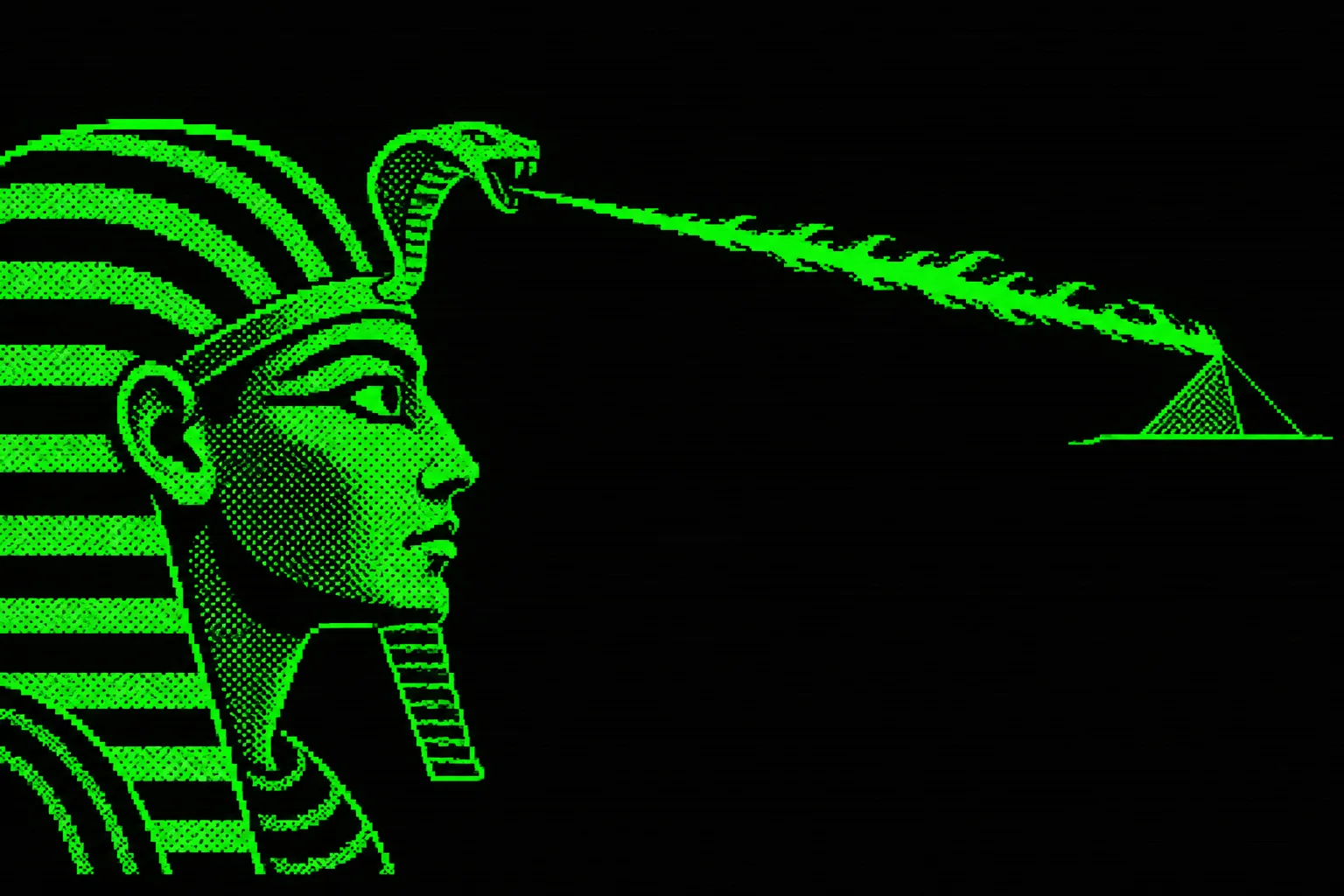
torn from their pyramids and given to the wind.Note · Line 95
The uraeus is the cobra on the king’s brow, believed to spit fire at his enemies. - 96
𓅓𓈖𓏏𓎢𓅆 𓃀𓂝𓂋𓏯𓅆 𓅓 𓅓 𓍯𓄿𓇋𓇋𓈐𓂻 𓁷𓂋𓄣 𓆎𓅓𓏏𓊖
mntk Bꜥr ḫꜥy m _ [sḫm] m 〈tꜣ,pl〉 wꜣy〈.pl〉 ḥr,j-jb Km,t
You are Baal, who appears in …,
who holds sway over distant lands
and dwells in the heart of Egypt.Note · Line 96
Baal was a storm god of the Levant, renowned for his might in battle. - 97
𓅯𓄿𓇋𓇋𓅆 𓎢 𓃂𓈗
pꜣy =k 〈ḥtp〉 wꜥb
Your offering is pure.
- 98
𓌻𓂋𓇋𓇋𓀁 …
mry ⸮J[mn]? [...]
Amun loves …
- 99
… 𓊠𓂝𓏤𓏲𓀜
[...] ⸢n,tj⸣ ⸮wḥꜥ?.ṱ
… those who have been set free.
- 100
𓅯𓄿𓇋𓇋 𓏲𓏪 𓋹𓈖𓐍 𓄤𓆑𓂋
pꜣy =w ꜥnḫ nfr
Their life is good.
- 101
𓏭𓂻𓏲𓂻 𓎛𓂝𓊪𓊅𓈗𓈘𓈇 𓂋 𓏏𓂋𓇋𓆵𓇳 𓆑 𓈖𓏏𓏭𓈘𓏥 𓆣𓂋𓏲𓏪 𓅓 𓄚𓈖𓏌𓏲𓉐 𓎢
jwj ḥꜥpj r trj =f n,t{j}.pl ḫpr.w m ẖnw =k
When the Nile flood comes in its season,
floodwaters rise in your royal residence. - 102
𓇋𓆛𓈖𓃀𓏲𓊅𓈇𓏤𓂾𓂻 𓈖 𓇾𓏤𓈇 𓇳𓆄𓎟𓌸𓇋𓏠𓈖𓅆 𓏹𓏹𓏹 𓏎𓈖 𓈉𓏏𓏥 𓏹𓏹𓋴 𓅭𓏤𓅆𓇋𓏠𓈖𓅆 𓈖 𓄡𓏏𓏤𓄹 𓆑 𓅓𓂝𓈖𓏥𓂜𓅪 𓄯𓏏𓏥 𓈖 𓄖𓂻 𓏏𓏲 𓈖 𓋹𓈖𓐍 𓐍𓂋𓏴𓂡 𓌨𓂋𓏭𓏛 𓂧𓃀𓋸𓋸𓏏𓏲 𓎢 𓂢
[p]ꜣ jnb n tꜣ Nb-mꜣꜥ,t-Rꜥ-mri̯-Jmn (ꜥnḫ-wḏꜣ-snb) jni̯ 〈pḥ,wj〉 ḫꜣs,t.pl 〈Rꜥ-〉mss,w-Jmn-[ḥr]-ḫpš≡f-nṯr-ḥqꜣ-Jwn,w (ꜥnḫ-wḏꜣ)-s(nb) [p]ꜣ zꜣ-Jmn n ẖ,t =f mn jwꜥ,t n pḥ tw n ꜥnḫ ḫr ẖrj db,du.ṱ =k grḥ
O rampart of the land, Nebmaatre Meryamun—life, prosperity, health!—
you who reach the ends of foreign lands,
Ramesses Amunherkhepeshef, god and ruler of Heliopolis—life, prosperity, health!—
son of Amun, of his very body:
no inheritance remains for one who attacks you under oath
and falls beneath your two sandals.Note · Line 102
The hymn addresses Ramesses VI first by his throne name, then by his birth name. Each is followed by the customary wish for the king’s well-being. - 103
𓇋𓄿𓏲𓏏𓀢𓏛 𓏏𓏲𓅆 𓇍𓇋𓇋𓂻 𓈖 𓇋𓏠𓈖𓅆
jꜣ,wt tw [p]ꜣ jy n Jmn
Praise to you, who have come to Amun!
- 104
𓅯𓄿𓇋𓇋 𓎢 𓊣𓏲𓏏𓊛𓏤𓏫 𓄿𓏏𓊪𓀋𓀜 𓁷𓏤 𓈖𓉔𓄿𓅓𓏲𓀁
pꜣy =k ꜥḥꜥ,w{t} ꜣtp ḥr nhꜣm
Your fleet is laden amid cheers.
- 105
𓅓 𓅯𓄿𓇳𓅆 𓂋𓂋𓂞 𓈖 𓎢 𓈘𓏏𓏤
m Pꜣ-Rꜥ r:rḏi̯ n =k wꜣ,t 〈ꜥpr〉
It was Ra who made the way ready for you.
- 106
𓅓 𓂋𓎘𓏲𓂻 𓏏𓏲
m Jwi̯≡[s]-ꜥꜣ≡s{,t} r:wḏi̯ tw
It was Iusaas who sent you forth.
- 107
𓇋𓏏𓍃𓐛𓅆 𓅯𓄿𓇋𓇋𓅆 𓎢 𓇋𓂋𓏭𓀸𓏛𓊦𓊦
Jtm 〈m〉 pꜣy =k jr,j-ḥmw,du
Atum is your helmsman.
- 108
𓏏𓄿𓊪𓇯 𓅱𓂝𓏲𓏛𓀜𓁷𓈍𓂝𓏛𓇋𓇋𓈔𓏫 𓂢
Tꜣ-p(,t) 〈m〉 wꜥ,w-ḥr-ḫꜥ,y grḥ
The Sky is your sailmaster.
Note · Line 108
The sky is personified here as a goddess tending the sail. - 109
𓇋𓄿𓅱𓏏𓀢𓏏 𓏏𓏲𓅆 𓂋 𓇋𓊪𓏏𓉐𓊨𓊨𓊨𓊖𓏥 𓊏𓊪𓀜 𓈖𓄿𓇋𓇋 𓋴𓈖𓏥 𓊹𓅆𓏫
jꜣ,wt tw [mn]j.ṱ r Jp,t-s,t,pl šsp nꜣy ={sn}〈st〉 nṯr.pl
Praise to you as you moor at Karnak,
you whom its gods welcome! - 110
𓈖𓄿𓇋𓇋 𓋴𓏏 𓏠𓈖𓏌𓏲𓏛𓏥𓅆 𓁷𓏤 𓋴𓎼𓄿𓃀𓄔𓀁𓏫 𓁷𓏤 𓈖𓉔𓄿𓅓𓏲𓀁𓏪
nꜣy =st mn,w.pl ḥr sgꜣb ḥr nhm
Its monuments cry out and shout for joy.
- 111
𓈖 𓈖𓂝𓇋𓇋𓄿𓂻𓏏𓆱 𓎢
[nḏm.wj] [ḫr]w n nꜥyꜣ,t =k
How sweet the sound of your mooring stake!
- 112
𓇛𓅓𓏛 𓅱𓋴𓏭𓈐 𓊤𓏲𓀁 𓅯𓄿 𓆼𓄿𓊪𓏲 𓈖 𓈎𓈖𓏭𓀜 𓎟𓄗𓅆 𓂢
nḏm wsj ḫrw (n) pꜣ ḫꜣp,w n qnj nb-ḫpš grḥ
How sweet the sound of the mallet of the valiant one, the lord of strength!
Note · Line 112
The mallet drives the stake into the bank so the ship can be made fast. - 113
𓇋𓄿𓅱𓏏𓀢𓏛 𓏏𓏲𓅆
jꜣ,wt tw
Praise to you!
- 114
𓏏𓄿 𓌻𓂋𓇋𓇋𓏏𓈇 𓈖 𓌀𓏏𓊖 𓅓 𓈖𓄿𓇋𓇋𓏥 𓎢 𓎛𓏏𓍔𓄿𓊡𓏫 𓍱𓏫
tꜣ mr,yt n Wꜣs,t [⸮ḏbꜣ?.tj] m nꜣy =k ḥtꜣ.pl ⸮sšr?
The quay of Thebes is decked with your linen sails.
- 115
𓈖𓄿 𓈀𓏲𓏲𓈇𓏤𓏫 𓈖 𓁷𓏤 𓈖 𓁷𓏤 𓇋𓏠𓈖𓅆 𓂋 𓏏𓄿 𓎢𓊃𓃀𓏏𓆮 𓇋𓊪𓉐 𓋴𓏏𓏥 𓏇𓇋 𓇼𓏤𓅆𓏫 𓈖𓏏𓏭 𓅓 𓈖 𓎢 𓇾𓏤𓈇𓃀𓈖𓏥𓂋𓏤𓈐𓂻𓎅 𓂢
nꜣ jw.w.pl n ⸮{ḥr}? ⸮{n}? ⸮{ḥr}? ⸮{Jmn}? ⸮〈Ḥr≡j-ḥr-Jmn〉? r tꜣ ksb,t (n) Jp,t st mj sbꜣ.pl n,tj m ḥr[,t] ⸢mꜣꜥ⸣.w.pl n =k tꜣ-b~n~rʾ grḥ
The islands from My-Face-Is-Toward-Amun to the acacia grove of Opet—
they are like stars in the sky
that foreign lands have brought you.Note · Line 115
The two landmarks mark a stretch of the Nile at Thebes. Opet here is Luxor Temple. - 116
𓇋𓄿𓅱𓏏𓀢𓏛 𓏏𓏲𓅆 𓅯𓄿 𓇍𓇋𓇋𓂻 𓈖 𓇋𓏏𓆑𓅆 𓆑
jꜣ,wt tw pꜣ jy n jt =f
Praise to you, the one who has come to his father!
- 117
𓈖𓆱𓐍𓏏𓀜𓏏𓏲𓏪 𓈎𓈖𓏌𓏲𓏴𓏛𓏪 𓂋𓄂𓏏𓏤 𓆑
nḫt.ṱ.pl qn,w.pl r-ḥꜣ,t =f
Many victories lie before him.
- 118
𓈖 𓆑 𓆳𓏏𓏥 𓏇𓇋 𓈙𓂝𓏭𓈒𓏫 𓎛𓃀𓋴𓎱𓇳𓏪 𓏇𓇋 𓆼𓄿𓃀𓏲𓐟𓏤𓇼𓏤𓅆𓏫
[dd.tw] n =f rnp,t.pl mj šꜥj ḥbs.pl mj ḫꜣ~bw~sꜣ,pl
He has been granted years like grains of sand,
Sed festivals like stars. - 119
𓅯𓄿 𓏠𓈖𓍘𓏲𓅆𓏫 𓂞𓂞𓏏𓏲 𓌡𓂝𓏤 𓁷𓏤 𓈎𓈖𓂢𓄹 𓆑 𓅓 𓏴𓏲𓏲𓈇𓏤 𓎟 𓈖 𓆎𓏏𓊖
pꜣ 4 Mntj.pl dd.ṱ wꜥi̯ ḥr qꜥḥ =⸮f? m swꜣw,w nb n Km,t
The four Montus are set as one upon his shoulder
in every district of Egypt.Note · Line 119
The war god Montu had four local forms, worshipped at four sanctuaries in the Theban region. - 120
𓏎𓈖 𓈖 𓎢 𓈉𓏏𓏤 𓎟𓏏 𓅓 𓏎𓈖𓏌𓏲𓏛𓏥
jni̯ n =k ḫꜣs,t nb.t m jn,w
Every foreign land brings you tribute.
- 121
𓉐𓏤 𓊪𓈖 𓊃𓇛𓅓𓏛 𓄣𓏤𓅆 𓂢
pr pn (ḥr) snḏm jb grḥ
This temple gladdens the heart.
Note · Line 121
The scribe marks the close of a stanza here. - 122
… 𓏲𓇋𓄿𓊛𓏤𓅆 𓅯𓄿 𓂝𓈖𓁻 𓅓 𓉐𓂋𓇋𓇋𓂻 𓅯𓄿 𓂝𓈙𓏲𓆮𓆱
[⸮ꜥn.wj?] [⸮tw?] [...] wjꜣ pꜣ ꜥn m pr,y (n) pꜣ ꜥš,w
How fair you are, … sacred bark,
glad when the fir wood comes!Note · Line 122
A sacred bark was a ceremonial boat that carried a god’s image in procession. - 123
𓏏𓄿 … 𓎼𓄿𓋴𓊊𓏴𓂻 𓋴𓏏𓏥 𓈖 𓆑 𓈖𓄿 𓍴𓏌𓆮𓏫 𓅯𓄿 𓏲𓃀𓐍𓏏 𓆑 𓁷𓏤𓅆 𓇋𓏲 𓆑 𓅓
tꜣ [...] gꜣs =st n =f nꜣ šn,w.pl pꜣ wbḫ{,t} ={⸮f?} ḥr jw =f m ꜥq [r] [ꜥḥ,t]
The … to whom the trees bow,
the one whose face shines as he enters the palace. - 124
… 𓅯𓄿 𓆇𓏤𓅆 𓈖 𓇳𓅆 𓏏𓄿 𓋴𓏲𓎛𓏲𓏏𓆇𓅆 𓈖 𓇋𓍃𓐛𓅆 𓍿𓊃𓍢𓀜
[...] pꜣ zꜣ n Rꜥ tꜣ swḥw,t n Jtm ṯsi̯ mnmn[,t] [Wsr-mꜣꜥ,t-Rꜥ-stp-n-Rꜥ-mri̯-Jmn] [grḥ]
… O son of Ra, egg of Atum,
you who bind the herd together, Usermaatre Setepenre Meriamun!Note · Line 124
The egg is an image of the king as Atum’s offspring. Usermaatre Setepenre Meriamun is the throne name of Ramesses VII. - 125
𓏏𓏲𓅆 𓐍𓂋 𓏲𓅆 𓇴𓏏𓅆𓏫
[ꜥn].wj tw ḫru̯ =w (jn) psḏ,t
“How fair you are!” they say, the gods of the Ennead.
- 126
𓅯𓄿𓇋𓇋𓅆 𓎢 𓊣𓅱𓏏𓊛𓏤𓏫 𓁷𓏤
pꜣy =k ꜥḥꜥ,w{t} ḥr mr(,yt)
Your fleet lies at the quay.
- 127
[...] [nꜣy] =[w] [ḥr.pl]
… their figureheads.
- 128
𓐍𓂋 𓏎𓏹𓏹𓏹𓏹𓎅𓏫 𓅓 𓎛𓃀𓋴𓎱𓇳𓏫
ḫr ⸮{jnw,w.ṱ.pl}? ⸮〈jni̯.tw〉? =⸮〈f〉? m ḥbs.pl
So it is brought in at the Sed festivals.
- 129
𓈖𓄿𓇋𓇋 𓏲𓏪 𓋴𓌷𓂝𓌙𓆱𓏥 …
nꜣy =w smꜣꜥ.pl [...]
Their punting poles …
- 130
… 𓂋 𓇋𓊪𓏏𓉐 𓂋 𓏠𓈖𓇋𓌙𓊛𓀜 𓎢
[...] r Jp,t r mnj =k Rꜥ-mss-jt(≡j)-Jmn-nṯr-ḥqꜣ-Jwn,w [(ꜥnḫ-wḏꜣ-snb)]
… to Opet to bring you ashore,
Ramesses Itiamun, god and ruler of Heliopolis—life, prosperity, health! - 131
… 𓎢 𓇾𓇾𓈇𓏤 𓌻𓂋𓏲𓏏𓇋𓇋𓀁𓏪 𓈖 𓎢 𓇋𓏠𓈖𓅆
[...] [nꜣ]y =k tꜣ,du mrw,ty.pl [s]wḏ.w n =k Jmn
… your two beloved lands, which Amun has bequeathed to you.
- 132
𓎼𓄿𓋴𓂾 𓎢
gꜣs [n] =⸢k⸣ [ḫꜣs,t] [nb.t]
Every foreign land hastens to you.
- 133
… 𓆅𓏲𓏲𓏴𓅪 𓈖𓁷𓏤𓅆 𓎢 𓂢
[...] šww n-ḥr =k grḥ
… emptied before you.
- 134
𓂝𓈖𓁻𓏲𓏭 𓏏𓏲𓅆 𓈍𓂝𓏛𓅆𓏏𓏲 𓁷𓏤 𓋀𓅓𓏭𓂢 𓂋𓈙𓈖𓏭𓏯𓁣𓀜𓏏𓏲 𓁷𓂋𓏤 𓅯𓄿𓇋𓇋𓅆 𓎢 𓋁𓃀𓏭𓂢
ꜥn.wj tw ḫꜥi̯.ṱ ḥr trj =[k] [ḫꜥr.ṱ] [ḥr] [pꜣy] =[k] wnm,j ršni̯.t.ṱ ḥr pꜣy =k jꜣb,j
How fair you are when you rise at your hour,
furious on your right, raging on your left! - 135
𓈙𓂝𓈒𓏥 … 𓇓𓏏𓈖𓇋𓇋𓏏𓏥𓅆 𓂢
šꜥj [...] nsw,yt grḥ
Sand … kingship.
- 136
𓂝𓈖𓁺𓏲𓏭
ꜥn.wj [tw]
How fair you are!
- 137
𓅓𓈖𓏏𓎢
mntk zꜣ-Jmn
You are the son of Amun.
- 138
𓅓𓈖𓏏𓎢 …
⸢mntk⸣ [...]
You are …
- 139
𓁷𓏤 𓅆𓎢
[j:]nḏ ḥr =k
Hail to you,
- 140
𓈍𓂝𓏛 𓍘𓇋 𓅓 𓌉𓏲𓏏𓏯𓋑
ḫꜥi̯ tj m ḥḏ,t
you who rise in the White Crown!
Note · Line 140
The White Crown was the crown of Upper Egypt. Its name also means “the Bright One,” a word heard again as the sky grows light. - 141
𓌉𓆓𓇳 𓍑𓄿𓇋𓇋𓊛 𓎢 𓁷𓂋𓇯
ḥḏ ḏꜣy =k ḥr(,t)
It grows bright as you cross the sky.
- 142
𓇋𓐩𓏌𓆓𓏛 𓁷𓏤 𓅆𓎢
j:nḏ ḥr =k
Hail to you,
- 143
𓈍𓂝𓏛 𓏏𓏲𓅆 𓅓 𓌂𓏏𓏯𓋖𓏏𓏲𓅆
ḫꜥi̯ tw m sḫm,t(j){.ṱ}
you who rise in the Two Mighty Ones!
Note · Line 143
The Two Mighty Ones are the White Crown of Upper Egypt and the Red Crown of Lower Egypt, worn together as the Double Crown. - 144
[sḫm] =[k] [m] [tꜣ,du] [...]
You are mighty in the Two Lands …
- 145
𓁷𓂋𓏤 𓅆𓎢
[j:]nḏ ḥr =k
Hail to you,
- 146
𓈍𓂝𓏛 𓏏𓏲𓅆 𓅓 𓈖𓌰𓅓𓋴𓏛
ḫꜥi̯ tw m nms
you who rise in the nemes!
Note · Line 146
The nemes was the royal linen headcloth, with two long ends falling over the chest. - 147
𓈖𓌰𓅓𓋴𓂾𓂻 𓈖 𓎢 𓇾𓍃𓅓𓅓𓀀𓁐𓏥
nms n =k tꜣ-tmm,pl
May all people come to you:
- 148
𓇋𓄿𓏲𓏏𓀢𓏛𓏥 𓊗
jꜣ,wt tw zp-2
“Praise to you! Praise to you!”
- 149
[⸮j:nḏ?] [⸮ḥr?] =[⸮k?]
Hail to you,
- 150
[⸮ḫꜥi̯?] [⸮tw?] [⸮m?] [⸮ḫꜥ,w?]
you who rise in the royal crowns!
- 151
𓈍𓂝𓏛𓅆 𓁶𓊪𓏛𓅆 𓈖 𓇳𓂋𓂝𓏤𓅆 𓂋 𓂋𓂝 𓇋𓄿𓏲𓏏𓊑𓏛𓏥𓏏𓏲 𓆑 𓈖 𓅭𓏤𓅆 𓆑 𓌻𓂋𓇋𓇋𓀁 𓆑 … 𓇳𓄊𓆄𓍉𓇳𓈖𓌸𓇋𓏠𓈖𓅆 𓂞𓏏 𓍑𓄿𓇋𓇋𓊛 𓋴𓎝𓎢𓏏𓏏𓊛𓅆 𓏹𓏹𓏹 … 𓅓 𓂋𓈙𓏲𓏏𓂉𓏏𓏥 …
ḫꜥ{ꜥ} dp(,j) n Rꜥ r rḏi̯[.t] ⸢jꜣ⸣w,t.ṱ =f n zꜣ =f mry =f [...] Wsr-mꜣꜥ,t-Rꜥ-stp-n-Rꜥ-mri̯-Jmn ḏi̯.t ḏꜣy skt,t Rꜥ-mss-jt(≡j)-Jmn-[nṯr-ḥqꜣ]-Jwn,w (ꜥnḫ-wḏꜣ-snb) [...] [nṯr.pl] [nb.w.pl] m rš,wt [...]
Ra’s firstborn rose
to pass his office to the son he loves, …
Usermaatre Setepenre Meriamun,
who sent the evening bark across,
Ramesses Itiamun, god and ruler of Heliopolis—life, prosperity, health! …
All the gods rejoice …Note · Line 151
Ra’s firstborn is Shu, god of the air. The evening bark carries the sun through the night. Usermaatre is the throne name of Ramesses VII. - 152
𓅭𓏤𓅆𓇳𓏤 𓎟𓈍𓏤𓇋𓇋𓅆𓏫 𓋴𓌉𓆓𓇳 𓂋 𓍛𓏤𓅆 𓏹𓏹𓋴 𓋴𓏏𓊪𓍉𓎃𓏤𓅆𓏫 𓂋 𓏠𓈖𓏌𓏲𓐪𓀁 𓈖𓄿 𓅯𓄿 𓐍𓂋𓉐 𓍟𓅱𓏏𓁻 𓎢 …
[nsw-byt] [Wsr-mꜣꜥ,t-Rꜥ-stp-n-Rꜥ-mri̯-J]mn zꜣ-Rꜥ nb-ḫꜥ,y Rꜥ-mss-jt(≡j)-J[mn]-nṯr{.pl}-ḥqꜣ-Jwn,w [ꜥnḫ-wḏꜣ]-s(nb) sḥḏ [tꜣ,du] [m] [nfr,pl] =[k] [sḫꜥ]y r ⸮ḥm? (ꜥnḫ-wḏꜣ)-s(nb) (n) stp-sꜣ r mnw nꜣ r(m)ṯ⸢,pl⸣ [n] ⸢pꜣ⸣ ḫr rs =⸢k⸣ [...]
O King of Upper and Lower Egypt, Usermaatre Setepenre Meriamun,
Son of Ra, lord of crowns,
Ramesses Itiamun, god and ruler of Heliopolis—life, prosperity, health!—
you who light the Two Lands with your beauty,
enthroned as Majesty of the palace—life, prosperity, health!—
to bring the workmen of the royal tomb to shore,
you wake …Note · Line 152
The workmen of the royal tomb were the craftsmen who cut and decorated the kings’ tombs. - 153
… 𓅓 𓏌 …
[...] m ⸮⸢_⸣nw? [...]
… in …
- 154
[...] ms,t [...]
… offspring …
- 155
… 𓁷𓂋𓏤𓇋𓇋𓍘 …
[...] ḥry⸢⸮.tj?⸣ [...]
… ready for battle …
- 156
[...] jwi̯ [...]
… come …
- 157
[...] ⸢⸮Wsr?⸣-[mꜣꜥ,t]-⸢Rꜥ⸣[-stp-n-Rꜥ-mri̯-Jmn] [...]
… Usermaatre Setepenre Meriamun …