~/sacred-texts/hittite-myths
Zalpa Text: The Queen of Kanesh, 30 Sons and Hattusa’s War
- Text
- Hittite myths, CTH 3, KBo 22.2; duplicates KBo 53.304+
- Date
- Composed in the Old Hittite period, c. 1650-1500 BC; the main tablet KBo 22.2 is in Old Hittite script, and the duplicates are later copies
- Found
- Hattusa
- Language
- Hittite · Cuneiform
The Zalpa text is an Old Hittite story that begins as a legend and ends as war history. The main tablet, KBo 22.2, is written in Old Hittite script and is one of the oldest Hittite literary manuscripts. A later duplicate, KBo 53.304+, fills in and varies a few lines. The colophon line Finished shows the tale was copied as a complete composition.
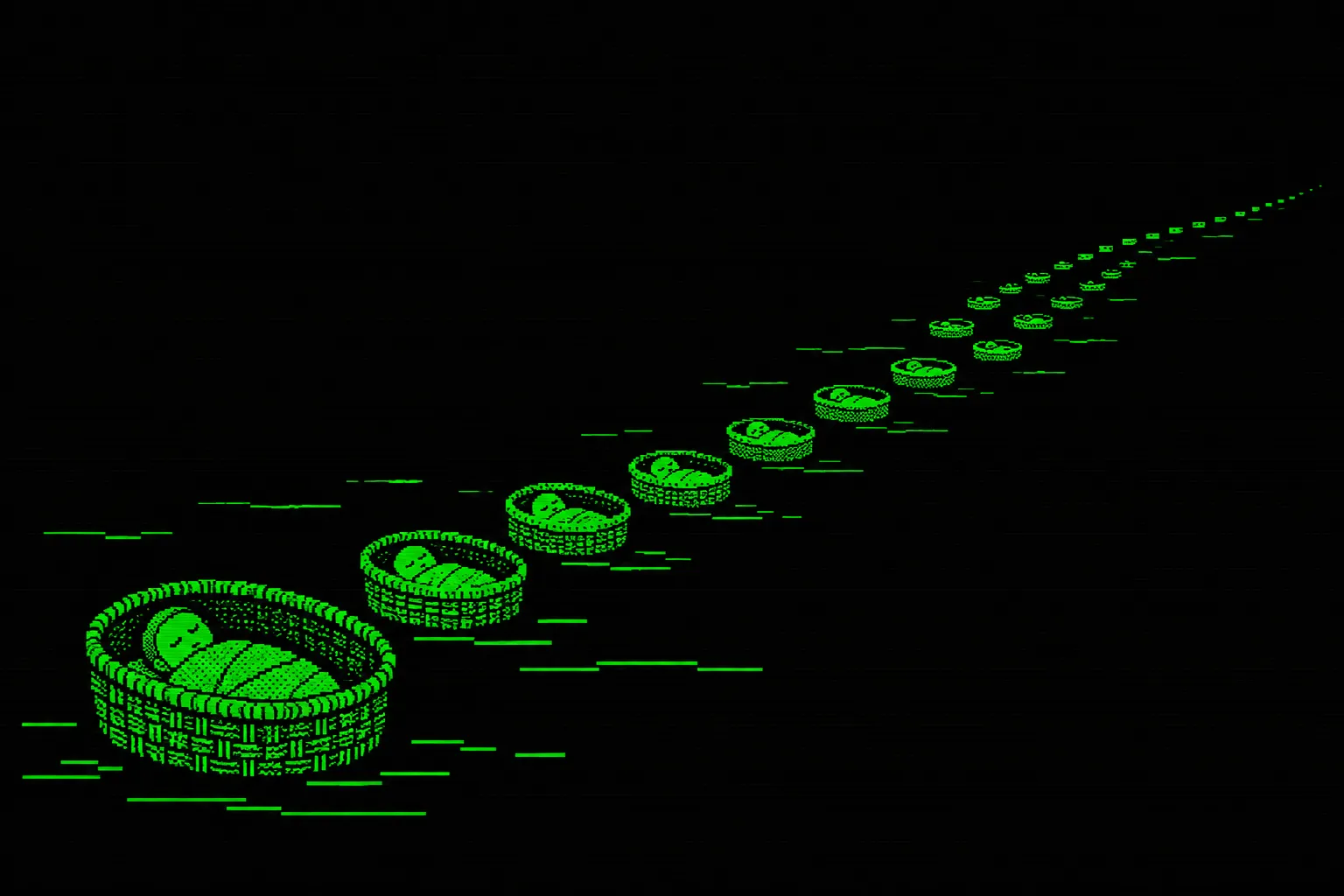
The queen of Kanesh bears thirty sons in one year and calls them a walkuan, a word of unknown meaning that is plainly an insult. She fills baskets with grease, puts the boys inside and lets them go into the river, which carries them to the sea at Zalpuwa. The gods take them out of the sea and raise them. Later the queen bears thirty daughters and raises them herself. The grown sons travel back toward Nesa driving a donkey. At Tamarmara they talk about the donkey mounting to mate and about a woman who bore them all at once, and they learn that their queen has thirty daughters. When they reach Nesa, the gods put another character into them, so their mother does not recognize them. She gives her daughters to her sons. The older brothers do not recognize their sisters, but the youngest objects: do not have sex with them!
The tablet breaks at this point. Before the break, the text says that someone had sex with the sisters, but the subject is lost. When the text resumes, Zalpa has become hostile to Hattusa. A Hittite king fights the troops of Zalpa at Harahsu, captures Tamnassu and besieges Zalpa for two years, demanding that the town hand over Tabarna and Happi. The besieged die, and an old king left behind destroys the city. How the myth of the thirty sons connects to this war history lies in the broken middle of the tablet. The older edition read the baskets as filled with dung rather than grease.
The page gives 36 tablet lines. Square brackets mark breaks in the clay and restorations; ... is a lost stretch. Hover over or tap a Hittite word for its meaning and the English words it becomes.
- 1Vs. 1–4
𒊩𒈗𒌷𒅗𒉌𒅖𒌍𒌉𒈨𒌍 𒁹𒂗 𒈬𒀭𒋾 𒄩𒀀𒀸𒋫 𒌝𒈠 𒅆𒈠 𒆠𒄿𒉿 𒂉𒀉 𒉿𒀠𒂉𒀭 𒄩𒀀𒀸𒄷𒌦 𒁾𒁍𒍑 𒊭𒃷𒁕 𒋗𒌦𒈾𒀸 𒉡 𒌉𒈨𒌍𒋗𒀭𒁕𒀭𒍣𒆠𒂊𒀉𒋗𒍑𒀀𒇉𒀀𒋻𒈾𒀸𒀀 𒇉𒊭 𒀀𒈾 𒀀𒀊𒁀 𒆳 𒌷𒍝𒀠𒁍𒉿 𒁉𒂊𒁕𒀸𒀭𒐀𒊭𒌉𒈨𒌍𒍑 𒀀𒀊𒁀𒊍
MUNUS.LUGAL queen Kanesh Kanesh 30 thirty DUMU child 1-EN one MU year ḫaš- to give birth UMMA thus said ŠĪ she ka- this kui- what walkuan brood (?) ḫaš- to give birth tuppa- basket šakan- grease šunna- to fill nu and DUMU child andan inside zikke- to put šu=uš and them ÍD river tarna- to let go ÍD river ANA to A.AB.BA sea KUR land Zalpuwa Zalpuwa peda- to carry DINGIR god DUMU child A.AB.BA sea
[The queen] of Kanesh bore 30 sons in one year. Thus she (said): "[Wh]at walkuan is this that I have borne!" She filled baskets with grease, and placed her sons inside, and released them into the river. And the river carried (them) to the sea, to the land of Zalpuwa. [And the gods] took the sons from the sea
Note · Line 1
[Vs. 2] walkuan is left in transliteration because its meaning is unknown. It is the queen’s word for her own 30 offspring born at once, and it is plainly pejorative (“monstrosity”?). [Vs. 2] I read ša-kán-da as šakan “fat, grease”, which is also the CHD’s rendering. Otten’s German has “Kot” (excrement), but that is not what the sign sequence gives as read here. tuppuš are the containers (“baskets/chests”) the sons are set into. [Vs. 2] The earlier edition reads “containers with dung,” taking ša-kán-da with šakkar “dung,” but we read it with šakan “fat, oil,” a reading the CHD also supports; grease suits baskets made fit to float down the river, so this is a lexical choice and not a softening. [Vs. 3] ÍD-a tarnaš means “she let them into the river”. In other words, the mother casts away her newborn sons to the water. [Vs. 4] This manuscript has DUMU.MEŠ-uš “the sons” as the object of “took up”. One earlier edition version (Otten 1973) omits it; the StBoT 17 rendering and the CHD include it. - 2Vs. 5
𒊭𒊏𒀀 𒁕𒀀𒅕 𒋗𒍑 𒊭𒀠𒆷𒉡𒍑𒄫
šara up dā- to take šu=uš and them šallanu- to raise
up, and raised them.
- 3Vs. 6
𒈠𒀀𒀭 𒈬⬚ 𒅖𒋻𒈾 𒉺𒀀𒅕 𒉡 𒊩𒈗 𒉆𒈠 𒌍 𒊩𒌉 𒄩𒀀𒀸𒋫
mān when MU year ištarna in between pai- to go nu and MUNUS.LUGAL queen namma again 30 thirty MUNUS.DUMU daughter ḫaš- to give birth
When the years passed in between, the queen again gave birth to 30 daughters.
- 4Vs. 7–9
𒋗𒍑 𒀀𒉺𒅆𒆷 𒊭𒀠𒆷𒉡𒍑𒃰 𒌉𒍑𒈨 𒌍𒀀𒀊𒉺 𒌷𒉈𒂊𒊭 𒅀𒀭𒍣 𒉡 𒀲𒅔 𒈾𒀭𒉌𒀭𒍣 𒈠𒀀𒀭 𒌷𒋫𒈠𒅈𒈠𒊏 𒀀𒊑𒅕 𒉡 𒋻𒅆𒃷𒍣 𒅗𒀀𒉌𒉿 𒌅𒌦𒈾𒀝𒆠𒅖 𒄿𒉡𒌓𒋼𒂗 𒉡𒉿 𒀲 𒅖 𒅈𒃰𒋫
šu=uš and them apašila she herself šallanu- to raise DUMU.NITA son appa back Neša Neša iya- to make nu and ANŠE donkey nanniya- to drive mān when Tamarmara Tamarmara ar- to arrive nu and taršikke- to say kāni here tunnakkeššar inner chamber inu- to heat nu and ANŠE donkey -iš arka- to mount sexually
She herself raised them. The sons make (their way) b[ac]k to Nesa, and they drive a donkey. When they arrived at Tamar[mara], they say: "Here you have heated an inner chamber, and the [donkey] mounts (to mate)!"
Note · Line 4
[Vs. 8–10] ark- (ar-kat-ta, middle) is the verb for an animal mounting to mate. The donkey’s mating is the sons’ cue for talking about procreation and birth. - 5Vs. 10
𒌝𒈠 𒇽𒈨 𒌍𒌷𒅆𒂉𒉿𒁉𒀉𒀀𒌑𒈨𒂗𒉡𒀲𒅖𒅈𒃰𒋫▒▒
UMMA thus said LÚ man URU-LIM town kuwapit where auš- to see nu and ANŠE donkey arka- to mount sexually [ ]
Thus (said) the men of the town: "Where have we seen the donkey [mou]nt (to mate) [...]?"
Note · Line 5
[Vs. 10–11] a-ú-me-en is “we saw.” The earlier edition’s “gelangt” (arrived) is looser. kuwapit is taken here as “wherever.” - 6Vs. 11–14
𒌝𒈠 𒌉𒈨 𒌍𒌑𒂊𒊭𒂉𒉿𒁉𒀉𒀀𒌑𒈨𒂗𒉡𒊩𒍝▒𒌉𒍑𒄩𒀀𒅆 𒉡𒊻𒍝 𒀭𒍝𒀸 𒁹𒋗 𒄩𒀀𒀸𒋫 𒌝𒈠 𒇽𒈨 𒌍𒌷𒅆𒀀𒀸𒈠𒀭𒍣𒂖 𒊩𒈗 𒌷𒅗𒉌𒅖 𒌍 𒊩𒌉 𒁹𒋗 𒄩𒀀𒀸𒋫 𒅇 𒌉𒍑𒈨 𒌍𒈨𒊑𒅕𒉡𒊻𒍝𒌉𒍑𒈨𒌍𒋼 𒀀𒋾𒅖𒈪 𒁉𒊏𒀭 𒈨𒂊𒈪𒅕 𒂉𒅔𒉿 𒊭𒀭𒄭𒅖𒆠𒌋𒂊𒉌 𒌝𒈠𒉌 𒊭𒀭 𒌑𒂊𒈪𒅀𒌋𒂗
UMMA thus said DUMU child weš we kuwapit where auš- to see nu and MUNUS woman ] DUMU.NITA son ḫaš- to give birth nu and weš we 1-ŠU once ḫaš- to give birth UMMA thus said LÚ man URU-LIM town ašma look weš we MUNUS.LUGAL queen Kanesh Kanesh 30 thirty MUNUS.DUMU daughter 1-ŠU once ḫaš- to give birth U and DUMU.NITA son mer- to disappear nu and DUMU.NITA son ker in their hearts peran before mema- to speak kui- what šanḫ- to seek UMMU mother š=an and her wemiya- to find
Thus (said) the sons: "Wherever we have seen, a wom[an ...] gives [birth to a son ...], but us she bore at one time!" Thus (said) the men of the town: "Look, our [queen] of Kanesh gave birth to 30 daughters at one time, and the sons disappeared." Then the sons, in their hearts, said: "Whom are we seeking? Our mother! And we have found her!"
Note · Line 6
[Vs. 11] The woman clause is broken. The earlier edition restores “[only once a year one] child.” Here only “son” and “gives birth” are legible. [Vs. 12] nu=zza anzaš: the =za is reflexive, so “us she bore (for herself).” [MUNUS.LUGAL] “queen” in “our [queen] of Kanesh” is restored. [Vs. 13–14] kartiš=mi peran memer is an idiom, literally “spoke before their heart,” meaning “said to themselves.” The sons recognize the queen as their mother. This sets up the coming marriage to their sisters. - 7Vs. 15–17
𒌑𒉿𒀜𒋼𒂗 𒌷𒉈𒂊𒊭 𒉺𒄿𒉿𒉌 𒈠𒀀𒀭 𒌷𒉈𒂊𒊭 𒉺𒀀𒅕 𒉡𒍑𒈠𒀸 𒀭𒐀𒌍 𒋫𒈠𒄿𒅔 𒅗𒊏𒀀𒋫𒀭 𒁕𒄿𒅕 𒉡 𒂼𒋗𒉡 𒀀𒁍𒌋𒍑𒈾𒀜𒋫𒂵𒉌𒌍𒍣𒉡𒊻𒍝𒌉𒊩𒈨𒌍𒊭𒀀𒈾𒌉𒍑𒈨𒌍𒊭 𒉺𒅖
uwe- to come Neša Neša pai- to go mān when Neša Neša pai- to go nu=šmaš then; to them DINGIR god tamāi- another karat- character dai- to put nu and AMA mother apa- that one natta not kaneš- to recognize nu and DUMU.MUNUS daughter ANA to DUMU.NITA son pai- to go
Come! Let us go to Nesha!" When they went to Nesha, the gods put another character into them, and their mother [them] did not recognize. And she gave her daughters to her sons.
Note · Line 7
[Vs. 16] karatan is literally “inner parts” or “nature”. The gods change the sons’ inner nature, so their mother does not recognize them. This makes possible the marriage of brothers to their sisters (incest). - 8Vs. 18–19
𒄩𒀭𒋼𒄑𒍣𒀸𒌉𒈨𒌍 𒉌𒂉𒍑𒈬𒍑 𒈾𒀜𒋫 𒂵𒉌𒌍𒋓 𒀊𒁉𒄑𒍣𒅀𒊭𒀸𒊭𒀭 ▒▒𒍑𒍝𒉌𒂊𒂉𒋳𒈬𒍑𒁕𒀸𒆠𒂊𒌋𒂊𒉌𒉡 𒇷𒂊 𒊭𒇷𒅅𒌅𒈠𒊑
ḫantezziya- first DUMU child nika- sister natta not kaneš- to recognize appezziya- last [ =za reflexive particle nika- sister dā- to take nu and lē do not šalik- to have sex with
The [first] sons did not recognize their sisters. But the last one [...] ... we (are to) take our sisters for ourselves. And do not have sex with them!
Note · Line 8
[Vs. 19] The break before ]x-uš=za probably held a negation. The earlier edition restores “[Not] shall we take our sisters”. šalik- is “touch, approach, transgress”, rendered here as “commit an outrage” with lē. - 9Vs. 20–3′
▒▒𒀀𒀀𒊏𒉡𒃰𒋾𒅖𒈪𒊺 𒌷𒍝𒀠𒉺𒀸𒊭 𒅅𒄫 𒌷 𒁹𒄩𒀊𒁉𒅖𒊭𒌷𒀠𒄭𒌑𒋫▒
[ ] āra proper nu and katti with them šeš- to have sex [ ]x x x x[ Zalpa Zalpa NAKĀRU to become hostile URU city Ḫappi Happi Alḫiuta Alhiuta [
[...] proper. And with them [he/they] h[ad sex ...] [...] ... [...] [And Zalpa] became hostile. The city of [...] [And Happi] [...] to the city of Alhiuta [...]
Note · Line 9
[Vs. 20] The verb š[e-… with katti=šmi is broken. Read as šeš- “had sex with them”. The subject (one son or all) is lost. - 10Rs. 4′–5′
𒁹𒄩𒀀𒀊𒁉𒅖𒀀𒈾𒇽𒈨𒌍𒌷𒍝𒀠𒉺𒋻𒅆𒆠𒄑𒍣𒌑𒊌𒉿𒀜𒋾𒈪 𒈾𒀜𒋫 𒀀𒀸𒋗𒍑 𒋗𒉿 𒌷𒄩𒀜𒌅𒊭 𒃶𒂗𒂵𒉌 𒉺𒀀𒌦
Ḫappi Happi ANA to LÚ man Zalpa Zalpa taršikke- to say uk I atta- father natta not aššu- good; dear šu=wa and; quotative particle Ḫattuša Hattusa ḫenkan- death pai- to go
[Happi] keeps saying to the men of Zalpa: "I to [my] father [am] not dear. šuwa I went to Hattusa, to doom.
Note · Line 10
[Rs. 5′–6′] šuwa is unclear and left untranslated. The duplicate KBo 53.304+ has “šuwa Hattuši hingani paun” and, in Rs. 22′, ŠU-SI kuit Ú-UL akkir in place of “ÉRIN-za-e-a natta šuwa kuit natta aker”. The translation follows this manuscript. - 11Rs. 6′
𒅇 𒌉𒈨 𒌍𒌷𒍝𒀠𒉺𒃰𒁴𒈪𒁹𒈨𒂟𒈨𒌍𒍝𒂊𒀀 𒈾𒀜𒋫 𒋗𒉿 𒂉𒀉 𒈾𒀜𒋫 𒀀𒄫
U and DUMU child Zalpa Zalpa katti=mi with me 1 one MĒ hundred ÉRIN troops natta not šuwa meaning unclear kuit why natta not akk- to die
And the sons of Zalpa with me, and 100 troops, šuwa not. Why did they not die?"
- 12Rs. 7′–8′
𒈗𒊭 𒅖𒈨 𒊭𒀸 𒅀𒀭𒉌𒅖 𒌷𒄩𒊏𒄴𒋗𒀸 𒀀𒅈𒊭 𒅇 𒂟𒈨 𒌍 𒌷𒍝𒀠𒉺 𒈨𒈾𒄴𒄩𒀭𒁕 𒌑𒀉 𒊭𒀭 𒈗𒍑 𒄷𒌌𒇷𒀉 𒁹𒄩𒀀𒀊𒁉𒊭 𒅖𒁇𒍝𒀸𒋫
LUGAL king ŠEMÛ to hear š=aš and he iyanna- to set out Ḫaraḫšu Harahsu ar- to arrive U and ÉRIN troops Zalpa Zalpa menaḫḫanda against uwa- to come š=an and her LUGAL king ḫulliya- to fight Ḫappi Happi išpart- to escape
And the king heard. He set out, he arrived at Harahsu. And the troops of Zalpa came against (him), and the king fought them. But Happi escaped.
- 13Rs. 9′
𒁹𒋫𒄠𒈾𒀸𒋗𒈾 𒄷𒋗𒉿𒀭𒋫𒀭 𒄑𒁀𒌅 𒊭𒀭 𒌷𒄩𒀜𒌅𒊭 𒌑𒉿𒋼𒀉
Tamnaššu Tamnassu ḫušwant- alive ṢABĀTU to seize š=an and her Ḫattuša Hattusa uwate- to bring
They seized Tamnassu alive, and he brought him to Hattusa.
Note · Line 13
IṢBATU is formally a plural, “they seized”. The earlier edition’s “man fing” (one seized) agrees. - 14Rs. 10′
𒄿𒈾 𒈬 𒐈𒄰 𒈗𒍑 𒉺𒀉 𒌷𒍝𒀠𒉺𒀭 𒀀𒊏𒄴𒍝𒀭𒁕 𒌑𒂊𒋼𒀉
INA in MU year 3{KAM} third LUGAL king pai- to go Zalpa Zalpa araḫzanda around wete- to build
In the third year the king went (and) built around Zalpa (i.e., surrounded it).
Note · Line 14
araḫzanda wete- literally means “built around (outside)”. It probably refers to siege works. The earlier edition’s paraphrase has no exact equivalent for this line. - 15Rs. 11′–13′
𒈬 𒁹 𒁹𒄰 𒃰𒋫𒀭 𒂊𒌍𒋫 𒁹𒋫𒁀𒅈𒈾𒀭 𒁹𒄩𒀊𒁉𒅔𒈾 𒃰𒋫 𒌑𒅅𒋫 𒅇 𒇽𒈨 𒌍 𒌷𒅆 𒈾𒀜𒋫 𒁉𒀭𒍣 𒋗𒍑 𒋫𒈨𒌍𒋓 𒊺 𒀀𒄫 𒈗𒍑 𒌷𒄩𒀜𒌅𒊭 𒀭𒐀𒀸 𒀀𒊒𒉿𒀭𒍣 𒌑𒂊𒀉
MU year 2 two kattan down; before eš- to sit Tabarna Tabarna Ḫappi Happi katta down wek- to demand U and LÚ man URU-LIM town natta not pai- to go š=uš and them damašš- to press š=e and they akk- to die LUGAL king Ḫattuša Hattusa DINGIR god aruwāi- to bow uwa- to come
For two years he was (encamped) down (before it). Tabarna and Happi he demanded down (i.e., for surrender). But the men of the city do not give (them). Then they pressed them, and they died. The king came to Hattusa to bow to the gods.
Note · Line 15
[Rs. 11′] kattan ešta literally means “was/sat down below”. In context this means “besieged”, as the earlier edition’s “belagerte” has it. [Rs. 12′] katta wekta literally means “demanded down”, i.e. demanded the handover of Tabarna and Happi. The verb “do not give” is in the present tense in the Hittite, and I have kept it. [Rs. 13′] še akir means “and they died”. The text describes the people of Zalpa dying after being pressed (besieged/starved). The subject is “they”, unspecified. - 16Rs. 14′–15′
𒅇 𒈗 𒋗𒄀 𒀀𒁉𒅀 𒋫𒀀𒇷𒅖 𒊭𒀸 𒊭𒊏𒀀 𒌷𒅀 𒉺𒀉 𒌑𒊌𒉿 𒈗𒍑𒈪𒅖 𒆠𒅖𒄩 𒅇 𒂟𒈨 𒌍 𒃰𒋾𒅖𒈪 𒉡 𒌷𒀭 𒄯𒉌𒅅𒋫
U and LUGAL king ŠU.GI old apīya there dāliya- to leave š=aš and he šarā up URU city pai- to go uk I LUGAL king kiš- to become U and ÉRIN troops katti=šmi with them nu and URU city ḫarnink- to destroy
But the old king he left there. He went up to the city: "I will become your king!" And the troops (were) with them, and he destroyed the city.
Note · Line 16
[Rs. 15′] Who “them” refers to in katti=šmi is ambiguous: it could mean the troops were with the old king’s party or with the townspeople. “He” in “he destroyed the city” most naturally refers to the old king, who is the actor in Rs. 14′. - 17Rs. 16′
𒁁𒆷
TIL.LA finished
Finished.