~/sacred-texts/hittite-myths
Song of Release: Hurro-Hittite Parables of the Ungrateful
- Text
- Hittite myths, CTH 789, KBo 32.14 (dupl. KBo 32.12, KBo 32.47a+, KBo 32.50)
- Date
- Composed in the Middle Hittite period (c. 1400 BC) as a Hurrian-Hittite bilingual; copies in Middle Hittite script
- Found
- Hattusa
- Language
- Hittite · Cuneiform
The Song of Release is a Hurrian epic that survives at Hattusa in a bilingual edition, with the Hurrian original in one column and a Hittite translation beside it. This page gives the Hittite of its wisdom section: a chain of short parables, each closed with the refrain Leave that word behind! And to you another word I will tell. Hear the message! But I will tell you wisdom. The main tablet is KBo 32.14, with duplicates in KBo 32.12, KBo 32.47a+ and KBo 32.50. The tablets were found in the Upper City of Hattusa and are written in Middle Hittite script, about 1400 BC.
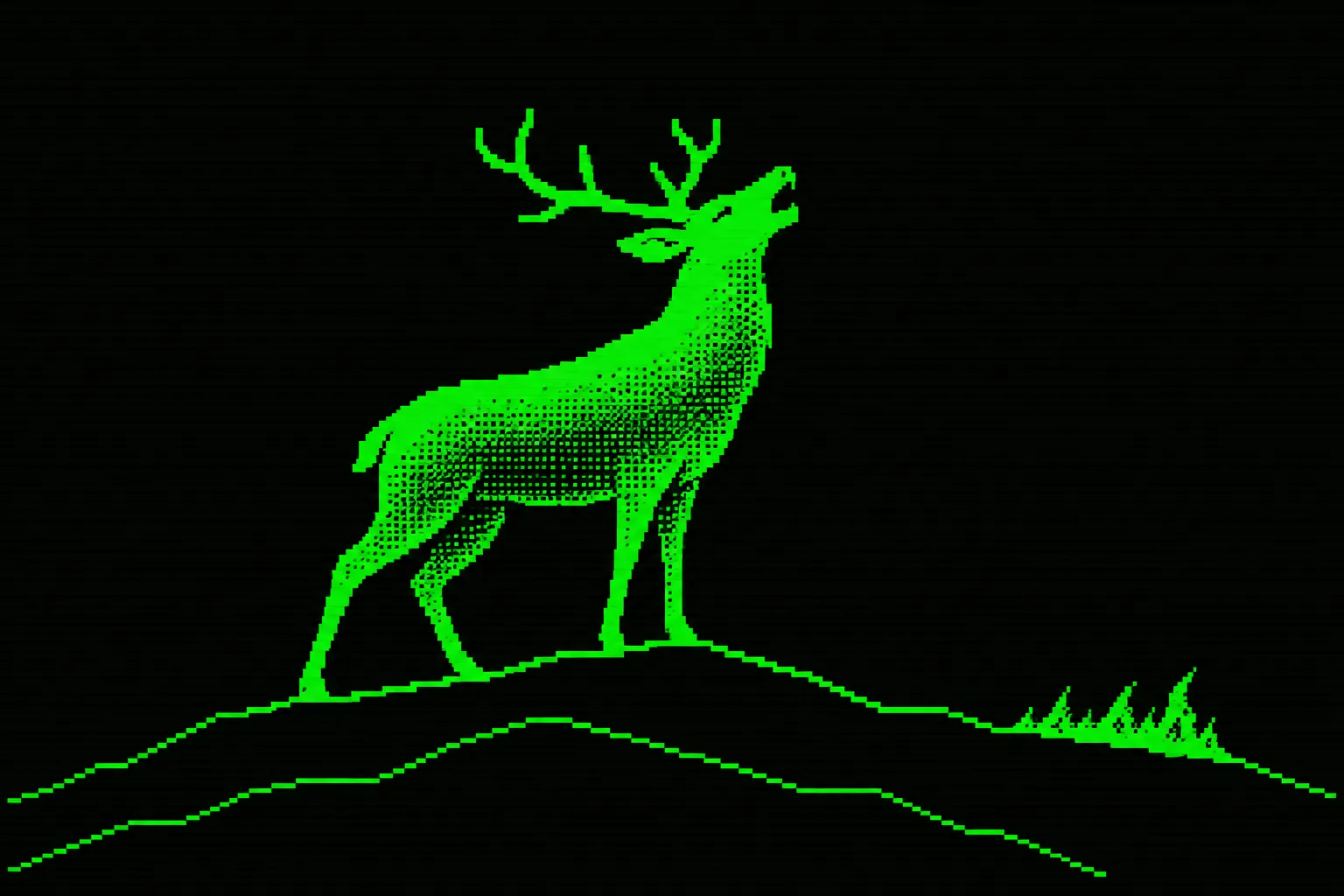
Each parable tells of an animal or a made thing and then says what it really is. A deer driven out by one mountain grows fat on another and curses it; the mountain curses it back and gives its fat to the hunters and its hide to the bird-catchers. It is “not a deer” but a man who fled his city and plotted against it. A roebuck eyes the pastures on both sides of the river and reaches neither; it is an official who covets a second district. A smith casts a cup, the “foolish copper” curses him, and he curses it into the ditch and its ornaments into the river; it is a son hostile to his father. A dog drags a bread out of the oven, dips it in oil and in dung and eats it; it is a governor who swallows tributes until he is denounced and must pour them out before his lord.
The same patterns repeat. A second version of the bread parable has an unidentified animal, the giluši, dipping the bread in oil and fat. A carpenter builds a tower whose foundations reach the Sun-goddess of the Earth and whose top reaches the sky; the wall curses him and he calls the Storm-god to tear it up. On the edges of the tablet a pile of crushed wood curses the man who stacked it.
The text is damaged. One line of the obverse is lost, there are gaps between the reverse sections, and the edges are badly broken. The last parable breaks off just as its subject grows great, dies during the digging, and dies like a dog under a chair. Several words (šalleštal, meyani, elašna, zazgāi) are still not understood.
The page gives 111 tablet lines; 1 keep no readable signs; the 108 Hurrian lines of the bilingual are left out. Square brackets mark breaks in the clay and restorations; ... is a lost stretch. Hover over or tap a Hittite word for its meaning and the English words it becomes.
- 1Vs. 1b–3b
𒀀𒇷𒅀𒈾𒀭𒍝𒀀𒁉𒂖𒌅𒂊𒅅𒂵𒊍𒊺𒀉 𒄯𒊕𒀸 𒀀𒉿𒀭 𒅈𒄩 𒋗𒌑𒂊𒀉 𒉡𒍑𒊭𒀭 𒀀𒇷𒅀𒀸 𒉺𒊏𒀀 𒋫𒈨𒂊𒁕𒉌 𒄯𒊕𒄿 𒉺𒀉
aliyan- deer apā- he; it tuekka- body ḪUR.SAG mountain awan along arḫa away šūe- to push nu=ššan and; then aliyan- deer parā forth tamā(i)- other ḪUR.SAG mountain pai- to go
A deer, from its body the mountain pushed away. And the deer went forth to another mountain.
Note · Line 1
[Vs. 2b] šu-ú-e-et is taken as šuwe- “push, drive away”: the mountain expels the deer from its own body. - 2Vs. 4b–7b
𒈾𒀸 𒉿𒅈𒆠𒌍𒋫 𒈾𒀸 𒋗𒌋𒌌𒇷𒂊𒀉 𒉡 𒀀𒀊𒉺 𒄯𒊕𒀭 𒄷𒌨𒍝𒆠𒌋𒀭 𒁕𒅖 𒌑𒂊𒅆𒅀𒄴𒄩𒊑 𒂉𒂊𒁕𒉌 𒄯𒊕𒄿 𒈠𒀀𒈾𒀭 𒉺𒄴𒄷𒂊𒈾𒀭𒍝 𒅈𒄩 𒉿𒅈𒉡𒍣 𒀭𒅎𒀸𒈠𒈾𒀭
nu=aš and it warkeš- to grow fat nu=aš and it šulliya- to become arrogant nu and; then appa back; again ḪUR.SAG mountain ḫurzake- to curse repeatedly dai- to put; begin wešiya- to graze kui- who; which ḪUR.SAG mountain mān=an if; him paḫḫuenant- fire arḫa away warnu- to burn IŠKUR Storm-god
And it grew fat, and it became arrogant, and it began to curse the mountain in return: "The mountain on which I graze, if only fire would burn (it) up! And may the Storm-god
Note · Line 2
[Vs. 4b] šullēt means “became arrogant/rebellious”, not “hostage”: the fattened deer turns presumptuous. [Vs. 6b]-[Vs. 8b] mānan / =ma=n=an carry the optative-irrealis man with =an “it”. These lines are the deer’s curse wishing that the mountain that feeds it be burned and struck by the Storm-god. - 3Vs. 8b
𒉿𒆷𒄴𒍣 𒉺𒄴𒄷𒂊𒈾𒀭𒍝𒈠𒈾𒀭 𒅈𒄩 𒉿𒅈𒉡𒍣
walḫ- to strike paḫḫuenant- fire arḫa away warnu- to burn
strike it, and may fire burn it up!"
- 4Vs. 9b–10b
𒄯𒊕𒀸𒊭 𒈠𒄴𒄩𒀭 𒅖𒋫𒈠𒀸𒋫 𒉡𒍑𒅆𒃷 𒊮𒋗 𒀭𒁕 𒅖𒋻𒀝𒆠𒀜
ḪUR.SAG mountain maḫḫan when; as ištamaš- to hear nu and; then ŠÀ-ŠU its heart anda within ištarakkiya- to fall sick
And when the mountain heard its heart became sick within it.
Note · Line 4
[Vs. 10b] pēššiyandu=ya=an: “let them throw him (down)”, i.e. let the deer be felled. The subject is not stated, but it is presumably the hunters of [Vs. 12b]. [Vs. 6b] and [Vs. 10b] are the curse motif of the parable. The fattened deer curses the mountain that fed it, and the mountain curses it back with death at the hands of hunters and bird-catchers. - 5Vs. 11b–13b
𒉡 𒄯𒊕𒀸 𒀀𒇷𒅀𒈾𒀭 𒀀𒀊𒉺 𒄷𒉿𒅈𒍝𒀸𒋫 𒀀𒇷𒅀𒈾𒀭 𒂉𒅔 𒉿𒅈𒂵𒉡𒉡𒌦 𒆠𒉡𒈾𒈬 𒀀𒀊𒉺 𒄷𒌨𒍝𒆠𒍣 𒁉𒌍𒅆𒀭𒁺𒅀𒀭
nu and; then ḪUR.SAG mountain aliyan- deer appa back; again ḫuwarzaš- to curse aliyan- deer kui- who; which warkanu- to fatten kinun now appa back; again ḫurzake- to curse repeatedly peššiya- to throw
And the mountain cursed the deer back: The deer which I fattened, now curses me back. And let them throw him down!
Note · Line 5
[Vs. 12b] dāndu=ma=an: “but let them take him”, with the enclitic =an resuming “the deer”. - 6Vs. 14b
𒀀𒇷𒅀𒈾𒀭 𒇽𒈨𒌍𒍝𒀀𒄿𒁺𒁴 𒁕𒀀𒀭𒁺𒈠𒀭
aliyan- deer ṢĀʾIDU hunter dā- to take
Let the hunters take the deer!
Note · Line 6
{UZU}Ì is animal fat, not oil. The {LÚ.MEŠ}MUŠEN.DÙ-TIM at the start of the line looks out of place, possibly anticipating [Vs. 16b]. KUŠ is the deer’s hide. - 7Vs. 15b–16b
𒇽𒈨𒌍𒄷𒆕𒁴𒍜𒉌𒇽𒈨𒌍𒍝𒀀𒄿𒁺𒁴 𒁕𒀭𒁺 𒋢𒈠 𒇽𒈨𒌍𒄷𒆕𒁴 𒁕𒀭𒁺
MUŠEN.DÙ-TIM bird-catcher Ì fat ṢĀʾIDU hunter dā- to take KUŠ hide MUŠEN.DÙ-TIM bird-catcher dā- to take
The bird-catchers ... the fat let the hunters take, but let the bird-catchers take the hide."
- 8Vs. 17b–18b
𒌑𒌌𒈠 𒀀𒇷𒅀𒈾𒀸 𒉡 𒀭𒌅𒉿𒄴𒄩𒀸 𒀀𒉺𒀀𒀸 𒇽𒀸 𒀀𒁉𒂖𒃷 𒌷𒊍 𒂉𒅖 𒅈𒄩 𒄷𒉿𒅖
UL not aliyan- deer nu and; then antuwaḫḫa- human being apa- that LÚ man apa- that URU city kui- who; which arḫa away ḫuwai- to run
But (it is) not a deer; it is a man, that man who ran away from his city.
Note · Line 8
[Vs. 17b]: the deer of the parable is explained as a man. It is “not a deer” but a man who fled his city. - 9Vs. 19b–20b
𒈾𒀸 𒋫𒈨𒂊𒁕𒉌 𒆳𒅀 𒀀𒅈𒀸 𒈠𒈾𒀸 𒋗𒌋𒌌𒇷𒀉 𒉡𒍑𒊭𒀭 𒂕𒉺 𒌷𒊑 𒄿𒁕𒀀𒇻 𒁖𒆠𒅖𒆠𒌋𒀭 𒁕𒅖
nu=aš and it tamā(i)- other KUR land ar-/er- to arrive mān=aš when he šulliya- to become arrogant nu=ššan and; then EGIR-pa again; back URU city idalu- evil takkišk- to put together dai- to put; begin
And he arrived in another land, when he became presumptuous, and he began to plot evil back against the city.
Note · Line 9
[Vs. 19b]: ma-na-aš is taken as man=aš, “and he”. The irrealis sense of man (“would”) does not fit this narrative past. šullit is read as šulliye/a- “become presumptuous, rebellious”. - 10Vs. 21b
𒌷𒅀𒊭𒀭 𒀭𒈨 𒌍 𒄷𒉿𒅈𒋫𒀭 𒄯𒃷𒍣
URU=an city; him DINGIR god ḫuwart- to curse ḫar(k)- to hold
And the gods of the city hold him cursed.
Note · Line 10
: URU-ia-ša-an is read as URU-iaš=an, “of the city … him”. This gives “the gods of the city hold him cursed” (ḫuwartan ḫarkanzi). - 11Vs. 22b
This line is missing from the open Hittite text we translate from.
Paraphrase No signs preserved.
Taken from published translations until we can translate the Hittite ourselves.
- 12Vs. 23b–24b
𒅈𒄩 𒁕𒀀𒇷𒌍𒁷 𒀀𒉺𒀀𒀜 𒌓𒋻 𒉡𒍑𒈠𒀸 𒋫𒈠𒄿 𒌓𒋻 𒈨𒈪𒅖𒆠𒈪 𒄩𒀜𒊑𒌍𒊬 𒅖𒋫𒈠𒀸𒆠𒁷
arḫa away dāliya- to leave apā- he; it uttar word; matter nu=šmaš and to you tamā(i)- other uttar word; matter memišk- to speak ḫatreššar message ištamaške/a- to keep listening
leave that word behind! And to you (pl.) another word I am speaking. The message [you (pl.)] must keep [lis]tening to!
Note · Line 12
[Vs. 23b] → [Vs. 24b]: “another” (tamai) agrees with uttar “word” at the start of the next line. [Vs. 23b]: =šmaš is taken as “to you” because the speaker is addressing listeners with the imperatives. [Vs. 24b]: iš-ta-ma-aš-[ke-t]én is an imperfective 2nd plural imperative. - 13Vs. 25b
𒄩𒀜𒋫𒀀𒋻𒈠𒀸𒈠𒀸 𒈨𒈪𒅖𒆠𒈪
ḫattatar=ma=šmaš wisdom; but; you memišk- to speak
But wisdom I am speaking to you (pl.).
- 14Vs. 26b–27b
𒀀𒇷𒅀𒈾𒀸 𒈾𒀸𒋫 𒀀 𒇉𒀭 𒋫𒁍𒊭 𒂉𒄿𒂊𒌍 𒌑𒂊𒊺𒌍 𒉡 𒀀𒁍𒌋𒍑 𒌑𒂊𒅆𒅀𒀜𒋫𒊑
aliyan- deer nu and; then ÍD river tapuša beside kui- who; which weši- pasture nu and; then apa- that wešiya- to graze
A roebuck: and which (pastures) beside the river (are) pastures, and it grazes those.
- 15Vs. 28b–30b
𒆠𒂊𒍣𒅀𒃷𒂉𒄿𒂊𒌍𒌑𒂊𒊺𒌍𒉡𒍑𒊭𒀭𒀀𒁉𒂊𒁕𒀸𒊭▒▒ 𒊭𒀀𒂉𒉿 𒍣𒅅𒆠𒍣 𒈾𒀸𒊭𒀭 𒋫𒁍𒊭𒀸 𒌑𒂊𒅆𒅀𒀸 𒀀𒅈𒀸 𒌑𒌌 𒆠𒈠 𒌑𒂊𒈪𒀉 𒌑𒌌
ka- this kui- who; which weši- pasture nu and; then apa- that [ ] šakuwa- eye zikke/a- to keep setting nu and; then tapuš- side weši- pasture ar- to arrive Ú-UL not ka- this wemiya- to find Ú-UL not
And which pastures (are) on this side, and on those also [...] it keeps setting [eyes]. And it to the side pastures did not arrive, this it did not find.
Note · Line 15
[Vs. 28b] ke-e-zi-ia-kan … a-pé-e-da-aš-ša: “on this side” and “on those”. The clause breaks off. Read with [Vs. 29b] š[a-a-ku-wa] zikkezzi (“it keeps setting [eyes]”), the roebuck seems to keep eyeing the pastures on both sides. [Vs. 30b] a-ar-aš: this is read as 3sg. preterite of ar- “arrive”. It is not the divine name Ara or “washed”. It pairs with ú-e-mi-et “found”, so the roebuck neither reached the far pastures nor found these. - 16Vs. 31b–32b
𒌑𒌌𒈠 𒀀𒇷𒅀𒀸 𒉡 𒀭𒌅𒉿𒄴𒄩𒀸 𒀀𒉺𒀀𒀸 𒇽𒀸 𒁁𒂖𒋗 𒂉𒅔 𒀀𒌑𒊑𒀸 𒅖𒄩𒀀𒀭 𒄿𒂊𒍣
Ú-UL not aliyan- deer nu and; then antuwaḫḫa/i- human apa- that LÚ man BĒLU lord kui- who; which auri- tower išḫa- lord iye/a- to make
But (it is) not a deer, but a man, that man whom his lord makes lord of the tower.
Note · Line 16
[Vs. 31b]: aliyaš is rendered “deer”. It refers back to the preceding deer parable, which ends with the same “araš UL … wemiet UL”. [Vs. 32b], [Vs. 33b]: aurias išḫān means “lord of the tower”, i.e. a watchtower or district commander. - 17Vs. 33b–36b
𒈾𒀭 𒅆𒂊𒁕𒉌 𒋼𒇷𒁍𒌋𒊑𒅀 𒀀𒌑𒊑𒀸 𒅖𒄩𒀀𒀭 𒄿𒂊𒅕 𒋫𒀀𒀭𒈠𒀸𒊭𒀭 𒋼𒇷𒁍𒌋𒊑𒅀 𒊭𒀀𒂉𒉿 𒍣𒅅𒆠𒍣 𒉡𒍝 𒀀𒁉𒂊𒁕𒉌 𒇽𒉌 𒀭𒈨 𒌍 𒊺𒂊𒅕 𒄩𒀜𒋫𒀀𒋻 𒅆𒅖𒄭𒅕 𒈾𒀸𒃷 𒀀𒁉𒂊𒁕𒉌 𒋼𒇷𒁍𒌋𒊑𒅀
nu=an and him šiye- one telipuri- district auri- tower išḫa- lord iye/a- to make dān=ma=ššan second; but; on telipuri- district šakuwa- eye zikke/a- to keep setting nu=za and; then apa- that LÚ man DINGIR god šer above ḫattatar wisdom šišḫ- to select nu=aš=kan and he apa- that telipuri- district
And him in one district (as) lord of the tower they made. But on a second district (his) eyes he keeps setting. And for that man the gods above designated (his) wisdom(?). And in that district he
Note · Line 17
[Vs. 35b]–[Vs. 36b]: the clause “the gods above … designated ḫattatar” is uncertain. ḫattatar (“wisdom, cleverness”) may refer to the man’s scheme. The man covets a second district and in the end gets neither. - 18Vs. 37b–38b
𒀀𒅈𒀸 𒌑𒌌 𒀹 𒋫𒀀𒀭𒈠 𒋼𒇷𒁍𒌋𒊑 𒌑𒂊𒈪𒀉 𒌑𒌌
ar-/er- to arrive UL not 𒀹 dān=ma second; and telipuri- district wemiya- to find UL not
did not arrive, and in a second district he did not find.
- 19Vs. 39b–40b
𒅈𒄩 𒁕𒀀𒇷𒌍𒁷 𒀀𒉺𒀀𒀜 𒌓𒋻 𒉡𒍑𒈠𒀸 𒋫𒈠𒄿 𒌓𒋻 𒈨𒈪𒅖𒆠𒈪 𒄩𒀜𒊑𒌍𒊬 𒅖𒋫𒈠𒀸𒆠𒁷
arḫa away dāliya- to leave apā- he; it uttar word; matter nu=šmaš and to you tamāi- other uttar word; matter memišk- to speak ḫatreššar message ištamaške- to keep hearing
leave (it) behind! That word, and to you another word I am telling; the message, keep hearing!
Note · Line 19
- [Vs. 39b] da-a-li-eš-tén is a 2nd plural imperative, “leave!”. With arḫa it means “leave behind, let go”. The plural addressees are also the ones meant by =šmaš “to you” in [Vs. 39b] and [Vs. 41b]. 4. [Vs. 40b] me-mi-iš-ke-mi and iš-ta-ma-aš-ke-tén are imperfective forms: “I am telling”, “keep hearing”. The present tense can also be read as future (“I will tell”).
- 20Vs. 41b
𒄩𒀜𒋫𒀀𒋻𒈠𒀸𒈠𒀸 𒈨𒈪𒅖𒆠𒈪
ḫattatar=ma=ašmaš wisdom; but; you memišk- to speak
But wisdom to you I am telling.
- 21Vs. 42b
𒋼𒌍𒋳𒈪𒅔 𒇽𒌣 𒉿𒀠𒇷𒅀𒀭𒉌 𒆷𒀀𒄷𒍑
teššummi- clay cup SIMUG smith walliyatar fame laḫu- to pour
A smith cast a cup for (his) fame.
- 22Vs. 43b–46b
𒆷𒀀𒄷𒊭𒀭 𒋾𒅖𒊭𒀀𒀉 𒈾𒀭 𒋗𒌒𒁉𒅖𒁺𒉿𒊑𒀉 𒁕𒅖 𒈾𒀭 𒄢𒀸𒋫 𒉡𒍑𒅆𒌍𒋫 𒈠𒅖𒋾 𒀭𒁕 𒆷𒀀𒇻𒊌𒆠𒅖𒉡𒌓 𒆷𒀀𒄷𒍑𒈠𒀭 𒂉𒅖 𒈾𒀭 𒀀𒀊𒉺 𒈥𒆷𒀀𒀭𒍝 𒍏𒀸 𒄷𒌨𒍝𒆠𒌋𒀭 𒁕𒅖
laḫu-=an to pour; it tiššā- to fashion nu=an and him šuppištuwara/i- decoration dai- to put; begin nu=an and him gulš- to engrave nu=šši=ašta and; on it maešta- fiber (?) anda within lalukkišnu- to make shine laḫu-=ma=an to cast; but it kui- who; which nu=an and him appa back; again marlant- foolish URUDU copper ḫurzake- to curse repeatedly dai- to put; begin
He cast it, he fashioned it, and with decoration he set it; he engraved it, and on it, in (its) maišti, he made (it) shine. But the one who cast it, him in turn the foolish copper began to curse.
Note · Line 22
[Vs. 43b] lāḫušan is lāḫuš “he cast” + =an “it”, not the noun “vessel”. The same holds for lāḫušman (=man “it”) in [Vs. 45b], which is the relative “the one who cast it”. [Vs. 44b] The sense of maišti (D/L of maešta-, glossed “fibre(?)”) is unclear here. It may name a part or surface of the cup, so it is kept untranslated. [Vs. 46b] marlanza URUDU-aš is “the foolish copper”, meaning the cup itself. appa … ḫurzakewan dāiš is “began to curse (him) back”: the object turns against its maker. - 23Vs. 47b–49b
𒈠𒀀𒀭𒉿𒈬 𒆷𒀀𒄷𒍑 𒂉𒅖 𒈠𒀭𒉿𒀸𒅆𒃷 𒆠𒅖𒊬𒀸 𒅈𒄩 𒁺𒉿𒅈𒈾𒀜𒋫𒊑 𒂉𒌦𒈾𒀸𒈠𒀭𒉿𒀸𒅆𒃷 𒅖𒄷𒈾𒌑𒍑 𒅈𒄩 𒌑𒄿𒋗𒌋𒊑𒅀𒀜𒋫𒊑
mān=wa=mu if only; me laḫu- to pour kui- who; which mān=wa=šši=kan if only; his keššar hand arḫa away duwarna- to break kunna-=mān=wa=šši=kan right; if only išḫunau- upper arm arḫa away uišuriya- to crush
"If only the one who cast me, if only his hand would be broken off! If only his right upper arm would be crushed!"
Note · Line 23
[Vs. 47b]: la-a-ḫu-uš ku-iš is “the one who poured/cast (me)”. The speaker is the object the smith cast from metal, cursing its maker. [Vs. 48b]: ku-un-na-aš-ma-an… is kunna- “right”, not “copper ore”. The two “if only” curses (man) are wishes. The hand would be broken off (arḫa duwarnattari) and the right upper arm crushed (arḫa wišuriyattari). [Vs. 49b]: iš-ḫu-na-ú-uš is the noun “upper arm”, not the imperative “degrade”. - 24Vs. 50b–51b
𒈠𒄴𒄩𒀭 𒇽𒌣 𒅖𒋫𒈠𒀸𒋫 𒉡𒍑𒅆𒌍𒋫 𒊮𒋗 𒀭𒁕 𒅖𒋻𒀝𒆠𒀜
maḫḫan when; as SIMUG smith ištamaš- to hear nu=šši=šta and to him ŠÀ-ŠU its heart anda within ištarakkiya- to fall sick
When the smith heard (this), his heart became sick within him.
Note · Line 24
[Vs. 51b]: ištarakkiat is “became sick”. The smith’s heart becomes sick within him on hearing the curse. - 25Vs. 52b–55b
𒉡𒍝 𒇽𒌣 𒉺𒉌 𒊮𒋗 𒈨𒈪𒅖𒆠𒌋𒀭 𒁕𒅖 𒂉𒉿𒀜𒉿 𒍏𒀭 𒂉𒅔 𒆷𒀀𒄷𒌦 𒉡𒉿𒈬 𒀀𒀊𒉺 𒄷𒌋𒌨𒍝𒆠𒍣 𒉡 𒋼𒌍𒋳𒈪𒅀 𒇽𒌣 𒄷𒌋𒌨𒋫𒀀𒅔 𒋼𒀉 𒉿𒀠𒄴𒁺𒅀𒀭
nu=za and; then SIMUG smith PANI before ŠÀ-ŠU its heart memiške- to speak dai- to put; begin kuwat=wa why URUDU copper kui- who; which lāḫu- to pour nu=wa=mu and me appa back; again ḫurzake- to curse repeatedly nu and; then teššummi- clay cup SIMUG smith ḫurtai- curse te- to speak walaḫḫ- to strike
And the smith began to speak before his heart: "Why does the copper which I cast, me in return keep cursing?" And over the cup the smith spoke a curse: "And let him strike it,
Note · Line 25
[Vs. 53b]: URUDU-an “the copper” is the object the smith cast, that is, the cup. lāḫḫun is taken as 1sg. past of laḫḫu- “to pour, cast (metal),” not as the vessel noun. [Vs. 53b]–[Vs. 54b]: the clause runs across both lines: “Why does the copper … curse me in return?” ḫurzakezi is imperfective, so the cup keeps on cursing. [Vs. 54b]: teššummi- is a clay cup. The Hurrian lines have kazi “cup” ([Vs. 54a], [Vs. 56a]) for the same vessel. [Vs. 55b]: walaḫdu=ya=an has no subject in the Hittite line. The Hurrian line [Vs. 56a] contains te-eš-šu-u-pa-aš, which points to Teshub (the Storm-god) as the one who is to strike. The Hittite here does not name him. - 26Vs. 56b–59b
𒀭𒅎𒀸 𒋼𒌍𒋳𒈪𒅔 𒉡𒍑𒅆 𒋗𒌒𒁉𒅖𒁺𒉿𒊑𒍑 𒅈𒄩 𒊭𒀝𒂉𒊑𒂊𒀉𒁺 𒋼𒌍𒋳𒈪𒅖𒃷 𒀭𒁕 𒀀𒈪𒅀𒊑 𒈠𒍑𒁺 𒋗𒌒𒁉𒅖𒁺𒉿𒊑𒄿𒂊𒌍𒈠𒃷 𒀭𒁕
IŠKUR Storm-god teššummi- clay cup nu=šši and its šuppištuwara/i- decoration arḫa away šakkuriya- to strip teššummi- clay cup anda within amiyara- irrigation ditch mau(š)- to fall šuppištuwara/i- decoration anda within
The Storm-god ... the cup, and its ornaments let him strip away; and the cup let it fall into the irrigation ditch; but the ornaments
Note · Line 26
[Vs. 56b]: No Hittite verb survives in this line. The parallel Hurrian clause in [Vs. 56a] has “itee”, so the Storm-god’s action against the cup is supplied only by the verb in [Vs. 57b]. [Vs. 57b]: The scribe omitted -du; it is restored as ša-ak-ku-ri-e-ed-〈du〉. šakkuriya- means “subdue, overwhelm”. With arḫa I read it as “strip away” (the ornaments from the cup). [Vs. 58b]: amiyara- here means “irrigation ditch, canal”. The cup and its ornaments are thrown away in separate places: the cup into the ditch, the ornaments into the river ([Vs. 60b]). - 27Vs. 60b
𒀀 𒇉𒄿 𒈬𒉿𒀀𒀭𒋫𒊒
ÍD river muwa- to fall
let them fall into the river.
Note · Line 27
: mu-wa-a-an-ta-ru is the 3pl. imperative of mau(š)- “fall”, in agreement with the plural “ornaments”. - 28Rs. 1b–4b
𒌑𒌌 𒋼𒌍𒋳𒈪𒅖 𒉡 𒀭𒌅𒉿𒄴𒄩𒀸 𒀀𒉺𒀀𒀸 𒌉𒋗 𒀀𒈾 𒀀𒁉𒋗 𒂉𒅖 𒈨𒈾𒄴𒄩𒀭𒋫 𒂉𒌋𒊒𒌨 𒊩𒇷𒌍𒋫𒀠 𒈾𒀸 𒈨𒂊𒀀𒉌 𒀀𒅈𒀸 𒈾𒀸𒋫 𒉆𒈠 𒀜𒋫𒀸𒊭𒀭 𒀭𒁕 𒌑𒌌 𒀀𒍑𒍣
UL not teššummi- clay cup nu and; then antuwaḫḫa/i- human apa- that DUMU-ŠU his son ANA to; toward ABI-ŠU his father kui- who; which menaḫḫanda toward; facing kurur hostility šalleštal meaning uncertain nu=aš and it meani- course ar- to arrive nu=ašta and namma then; further atta- father anda within UL not auš- to see
It is not a clay cup, but a man: that son of his who towards his father hostility šalleštal, and he arrived at the meyani; and then he no longer looks in upon his father.
Note · Line 28
[Rs. 1b]: the cup (teššummiš) is the image of the parable. The text applies it to a person: a son hostile to his father. [Rs. 3b]: šal-le-eš-ta-al is unclear. It may contain a form of šalli- “grow great”, giving “hostility grew”. It is left untranslated. [Rs. 3b]: me-e-a-ni (D/L of mean-, “course” or “surface”) is unclear in this context. It is left in transliteration. [Rs. 4b]: at-ta-aš-ša-an is taken as attaš plus the local particle =šan, “upon his father”. KBo 32.12 duplicates only [Rs. 1a] and adds nothing. - 29Rs. 5b
𒊭 𒀀𒁉𒋗 𒀭𒈨 𒌍 𒂉𒅔 𒄷𒉿𒅈𒋫𒀭 𒄯𒃷𒍣
ŠA of ABU father DINGIR god kui- who; which ḫuwart- to curse ḫark- to hold
whom the gods of his father hold cursed.
- 30Rs. 6b–7b
𒅈𒄩 𒁕𒀀𒇷𒌍𒁷 𒀀𒉺𒀀𒀜 𒌓𒋻 𒉡𒍑𒈠𒀸 𒋫𒈠𒄿 𒌓𒋻 𒈨𒈪𒅖𒆠𒈪 𒄩𒀜𒊑𒌍𒊬 𒅖𒋫𒈠𒀸𒁷
arḫa away dāla- to leave apa- that uttar word; matter nu=šmaš and to you tamāi- other uttar word; matter memiške- to speak ḫatreššar message ištamaš- to hear
Leave that word behind! And to you another word I will tell. Hear the message!
Note · Line 30
[Rs. 6b] =šmaš is read as “to you” (plural) because the speaker addresses the audience with the imperatives dalešten and ištamašten. tamai uttar is the object of memiškimi in [Rs. 7b]. [Rs. 7b] and [Rs. 8b]: memiškimi is present-imperfective and is rendered as the future “I will tell”. - 31Rs. 8b
𒄩𒀜𒋫𒀀𒋻𒈠𒀸𒈠𒀸 𒈨𒈪𒅖𒆠𒈪
ḫattatar wisdom memiške- to speak
But I will tell you wisdom.
- 32Rs. 9b
𒃻𒂉𒄢𒆷𒀭 𒌨𒂠𒀸 𒌋 𒈬𒉌𒅀 𒁉𒊏𒀭 𒅈𒄩 𒁁𒋼𒉡𒌓
kukulla- kugulla bread UR.GI₇ dog UDUN oven peran in front of arḫa away pittenu- to make run
A dog carried a kugulla-bread off from in front of an oven.
- 33Rs. 10b–12b
𒉺𒊏𒀀𒀭𒃷 𒄷𒀉𒋾𒀜 𒌋 𒈬𒉌𒅀𒊍 𒈾𒀭𒃷 𒉌𒄿 𒀭𒁕 𒋗𒌑𒉌𒀜 𒊭𒀝𒉌𒅀𒀭𒃷 𒀭𒁕 𒋗𒌑𒉌𒀜 𒈾𒀸𒍝 𒂊𒊭𒀜 𒈾𒀭 𒀀𒁕𒀀𒀭𒈾 𒁕𒅖
parā forth ḫuittiya- to pull UDUN oven n=an=kan and it Ì fat anda within šuniya- to dip šakkar shit anda within šuniya- to dip n=aš=za and he eš- to sit n=an and it ēd-/ad- to eat dai- to put; begin
He dragged it out from the oven, and it in oil he dipped. In dung (šakniyan) he dipped [it], and he sat down and began to eat it.
Note · Line 33
[Rs. 10b] parān=kan ḫuittiyat: “pulled/dragged out”. Here UDUN-niyaz is read as an ablative, “from the oven”, despite the gloss. [Rs. 11b] šakniyan: the glosses allow either “anointed” or “defecated” (šakniye/a-). The parallel Hurrian ḫāšarri “oil” favours the oily sense: the dog dips the bread a second time in oil or fat. [Rs. 12b] adanna dāiš: “set (himself) to eat”, an ingressive construction. - 34Rs. 13b–15b
𒌑𒌌 𒌨𒂠𒀸 𒉡 𒀭𒌅𒉿𒄴𒄩𒀸 𒈠𒉌𒅀𒄴𒄭𒀸 𒅖𒄩𒀀𒀭 𒂉𒅔 𒁁𒂖𒋗 𒄿𒂊𒍣 𒉡𒍑𒊭𒀭 𒀀𒁉𒂊𒁕𒉌 𒌷𒊑 𒂕𒀭 𒅆𒂃𒄭𒀀 𒁕𒀀𒀭𒈾 𒈠𒀝𒉡𒌓
UL not UR.GI₇ dog nu and; then antuwaḫḫa/i- human maniaḫḫai- administrative district išḫa- lord kui- who; which BĒL-ŠU his lord iya- to make nu=ššan and; then apa- that URU city EGIR-an afterwards IGI.DU₈ tribute dā- to take maknu- to increase
(It is) not a dog, but a man; lord of the administrative district whom his lord makes, and in that town afterwards he increased the taking of tributes.
Note · Line 34
[Rs. 13b]/[Rs. 14b]: ma-ni-ia-aḫ-ḫi-aš iš-ḫa-a-an is taken as “lord of the administrative district”. It is an accusative, the object that his lord “makes” him (that is, appoints him) in the relative clause of [Rs. 14b]. [Rs. 15b]: da-a-an-na is taken as an infinitive governed by ma-ak-nu-ut, “increased the taking of tributes”. It could also be read “increased the tributes to be taken”. - 35Rs. 16b–17b
𒈾𒀸 𒈨𒅅𒆠 𒋗𒌋𒌌𒇷𒀉 𒈾𒀸𒋫 𒉆𒈠 𒌷𒀭 𒀭𒁕 𒌑𒌌 𒀀𒍑𒍣 𒈾𒀭𒍝 𒉺𒉌 𒁁𒉌𒋗 𒄿𒅆𒅀𒄴𒄷𒌋𒀭𒍣 𒋻𒄷𒅕
nu=aš and it mekki very; much šulliya- to become arrogant nu=aš=ta and he namma then; further URU city anda within UL not auš- to see nu=an=za and him PĀNI before BĒLU lord išiyaḫḫ- to announce; denounce tarḫu- to be able
And he became very presumptuous, and then into the town not does he look. And they were able to denounce him before his lord.
- 36Rs. 18b–19b
𒉡 𒅆𒂃𒄭𒀀 𒂉𒂊 𒉺𒀀𒅆𒅖𒆠𒀉 𒈾𒀜 𒉺𒉌 𒁁𒉌𒋗 𒇷𒅋𒄷𒉿𒀭 𒁕𒅖
nu and; then IGI.DU₈ tribute kui- who; which pašške- to keep swallowing nu=at and them PĀNI before BĒLU lord lilḫuwa- to pour out dai- to put; begin
And the tributes that he had kept swallowing, them before his lord he began to pour out.
Note · Line 36
[Rs. 18b]–[Rs. 19b]: pa-a-ši-iš-ke-et (“he kept swallowing”) is the dog’s eating applied to the governor’s tributes. The supine with da-iš is ingressive: “began to pour out”, that is, to disgorge them. - 37Rs. 20b–22b
𒅈𒄩 𒁕𒀀𒇷𒌍𒁷 𒀀𒉺𒀀𒀜 𒌓𒋻 𒉡𒍑𒈠𒀸 𒋫𒈠𒀀𒄿 𒌓𒋻 𒈨𒈠𒄴𒄭 𒄩𒀜𒊑𒌍𒊬 𒅖𒋫𒈠𒀸𒁷 𒄩𒀜𒋫𒀀𒋻𒈠𒀸𒈠𒀸 𒈨𒈪𒅖𒆠𒈪
arḫa away dāla- to leave apā- he; it uttar word; matter nu=šmaš and to you tamāi- other uttar word; matter mema- to speak ḫatreššar message ištamaš- to hear ḫattatar wisdom memēške- to speak repeatedly
Leave that matter behind! And to you another matter I will tell. Hear the message! But wisdom to you I will tell.
Note · Line 37
In [Rs. 20b] and [Rs. 21b], -šmaš is “to you (pl.)” because the listeners are addressed with 2pl imperatives (dalešten, ištamašten). The present tense memaḫḫi and memiškemi is rendered as future: “I will tell”. The damaged ta-⸢ma⸣-a-i in [Rs. 20b] is confirmed by KBo 32.47a+ (ta-⸢ma⸣-i). No break needed restoring. - 38Rs. 28–29
𒄀𒄿𒇻𒅆𒅖𒃷𒃻𒂉𒄢𒆷𒀭𒌋𒈬𒉌𒅀𒊍𒉺𒊏𒀀𒊩𒆷𒀭𒈾𒄿𒉺𒊏𒀀𒀭𒃷𒌋 𒈬𒅀𒊍 𒄷𒀉𒋾𒀜 𒈾𒀭𒃷 𒀭𒁕 𒉌𒄿 𒋗𒌑𒉌𒀜 𒊭𒀝𒉌𒅀𒀭𒃷 𒀭𒁕 𒋗𒌑𒉌𒀜 𒈾𒀸𒍝 𒂊𒊭𒀜 𒈾𒀭 𒀀𒁕𒀀𒀭𒈾 𒁕𒅖
giluši kind of animal kukulla- kugulla bread UDUN oven parā forth šallanna- to drag parā forth UDUN oven ḫuittiya- to pull nu=an=kan and it anda within Ì fat šunniya- to dip šākan fat anda within šunniya- to dip nu=aš=za and it eš- to sit nu=an and him ēd-/ad- to eat dai- to put; begin
A giluši drags a kugulla-bread forth out of the oven; out of the oven it pulled it, [and] it dipped [it] in oil; it dipped it in fat, and it sat down and set to eating it.
Note · Line 38
[Rs. 28] giluši- is an animal whose identity is unclear: Neu renders it “dog” in places, while CHD leaves it as giluši. It is left untranslated here. [Rs. 29] ša-ak-ni-ia-an is taken as šakniya-/šakni- “fat, oil”, which parallels Ì “oil” in the first clause. The gloss “defecated” offered for this form does not fit the context. a-da-a-an-na da-iš is literally “set it to eating”, meaning it began to eat it. - 39Rs. 30–32
𒌑𒌌 𒄀𒄿𒇻𒌑𒅆𒅖 𒉡 𒀭𒌅𒉿𒄴𒄩𒀸 𒇽𒌓𒉌𒅀𒀸𒄩𒀭 𒂉𒅔 𒁁𒂖𒋗 𒄿𒂊𒍣 𒉡𒍑𒊭𒀭 𒀀𒁉𒂊𒁕𒉌 𒌷𒊑 𒂕𒀭 𒅆𒂃𒄭𒀀 𒁕𒀀𒀭𒈾 𒈠𒀝𒉡𒌓 𒈾𒀸 𒈨𒅅𒆠 𒋗𒌋𒌌𒇷𒀉 𒈾𒀸𒋫 𒉆𒈠 𒌷𒀭 𒀭𒁕 𒌑𒌌 𒀀𒍑𒍣 𒈾𒀭𒍝 𒉺𒉌 𒁁𒉌𒋗 𒄿𒅆𒅀𒄴𒄷𒌋𒀭𒍣 𒋻𒄷𒅕 𒉡 𒅆𒂃𒄭𒀀 𒂉𒂊 𒉺𒀀𒅆𒅖𒆠𒀉 𒈾𒀜 𒉺𒉌 𒁁𒉌𒋗 𒇷𒅋𒄷𒉿𒀭 𒁕𒅖
UL not giluši kind of animal nu and; then antuwaḫḫa- human being utniyašḫa- mayor kui- who; which BĒLU lord iya- to make nu=ššan and; then apa- that URU city EGIR-an afterwards IGI.DU₈ tribute dā- to take maknu- to increase nu=aš and it mekki- much šulliya- to become arrogant nu=ašta and namma then; further URU city anda within UL not au(š)- to see nu=an=za and him PĀNI before BĒLĪŠU his lord išiyaḫḫ- to announce; denounce tarḫu- to be able nu and; then IGI.DU₈ tribute kui- who; which paški- to keep swallowing nu=at and them PĀNI before BĒLĪŠU his lord lilḫu- to pour out dai- to put; begin
[Not] a giluši (is it), but a human whom his lord makes mayor; and in that [town] afterwards he increased the taking of tributes, and he became very arrogant, and then the town not [does he look after] (any more). They managed to denounce him before his lord, and the tributes which he kept swallowing, he began to pour them out before his lord.
Note · Line 39
[Rs. 31] šu-u-ul-li-it is taken as the verb šulle- “became arrogant/quarrelsome”, not as šulla- “hostage”. me-ek-ki “very” goes with this verb. [Rs. 32] IGI.DU₈ … pa-a-ši-iš-ke-et … li-il-ḫu-wa-an da-iš: the mayor is made to “vomit back” the tributes he had swallowed. This completes the image of the animal that took the bread. - 40Rs. 34
𒅈𒄩𒁕𒀀𒇷𒌍𒁷𒀀𒉺𒀀𒀜𒌓𒋻𒉡𒍑𒈠𒀸𒋫𒈠𒄿𒌓𒋻𒈨𒈠𒄴𒄭𒄩𒀜𒊑𒌍𒊬𒅖𒋫𒈠𒀸𒁷𒄩𒀜𒋫𒀀𒋻𒈠𒀸𒈠𒀸 𒈨𒈪𒅖𒆠𒈪
arḫa away dāliya- to leave apā- he; it uttar word; matter nu=šmaš and to you tamāi- other uttar word; matter mema- to speak ḫatreššar message ištamaš- to hear ḫattatar=ma=šmaš wisdom; but; you memišk- to speak
Leave that story aside! I will tell you another story. Hear the message! But I will tell you wisdom.
- 41Rs. 41
𒇽𒉄𒀭𒍝𒃼𒀭𒉿𒀠𒇷𒅀𒀭𒉌𒌑𒂊𒋼𒀉𒉡𒍑𒅆𒃷𒄷𒌋𒋫𒉡𒍑𒃰𒋫𒀭𒋫𒁖𒈾𒀀𒀸𒀭𒌓𒄿𒃰𒋫𒅈𒉡𒌓
NAGAR carpenter AN.ZA.GÀR tower walliyatar fame wete- to build nu=šši=kan and, for it ḫutanu- excavation kattanda down toward tekan earth UTU sun deity katta down arnu- to bring
[A carpenter] built a tower for glory, and for it he brought the excavations down, down to the Sun-goddess of the Earth.
Note · Line 41
–[Rs. 43] The excavations reach down to the Sun-goddess of the Earth, the underworld deity, while the tower’s top reaches the sky. “[wall]” (kuzza) restores a break following Neu. The object that does the cursing is the masonry, not the tower itself. - 42Rs. 42–44
▒𒌌𒇻𒌓𒁺𒍑𒈠𒊭𒊏𒀀𒉈𒁉𒅆𒈠𒀭𒉌𒅔𒂉𒉿𒄴𒄩𒀸𒌑𒂊𒋼𒀉𒈠𒀭𒂉𒅖𒈾𒀭𒈥𒆷𒀀𒀭𒍝 𒂉𒊻𒍝𒀀𒀊𒉺𒄷𒌋𒌨𒍝𒆠𒌋𒀭𒁕𒅖𒌑𒂊𒋼𒀉𒉿𒈬𒂉𒅖𒈠𒀭𒉿𒀸𒅆𒃷𒆠𒅖𒊬𒀸𒅈𒄩𒁺𒉿𒅈𒈾𒀜𒋫𒊑 𒂉𒌦𒈾𒀸𒈠𒀭𒅆𒃷𒅖𒄷𒈾𒀀𒍑𒅈𒄩𒌑𒄿𒋗𒌋𒊑𒅀𒀜𒋫𒊑𒅖𒈨𒇽𒉄𒉡𒍑𒅆𒃷𒊮𒋗𒀭𒁕𒄿𒁕𒀀𒆷𒌋𒌍𒋫
[ šulluttu-=ma battlement, but šarā up nepiš sky manninkuḫḫ- to bring near wete-=ma=an to build, but, it kui- who; which nu=an and him marlant- foolish kutt- wall appa back; again ḫurzake- to curse repeatedly dai- to put; begin wete-=wa=mu to build, me kui- who; which mān=wa=šši=kan if only; his keššar hand arḫa away duwarnai- to break kunna- right išḫunau- upper arm arḫa away uišuriya- to crush ŠEMÛ to hear NAGAR carpenter nu and; then ŠÀ-ŠU its heart anda within idalawēš- to become evil
But the [...]s he made approach up to the sky. But the one who built it, him the foolish [wall] began afterwards to curse: "He who built me, may his hand break off [and] may his [right] upper arm be squeezed off!" The carpenter heard, and in his heart it became [e]vil.
Note · Line 42
[Rs. 44] kunnaš “right” is partly restored. išḫunauš is rendered “arm-tendons” following Neu (“Armsehne”). The curse wishes that the builder’s hand and arm be crippled. - 43Rs. 45–46
𒉡𒍝𒇽𒉄 𒉺𒉌 𒍣𒋗 𒈨𒈪𒅖𒆠𒍣 𒂉𒉿𒀜 𒌑𒂊𒋼𒉡𒌦 𒂉𒅔 𒂉𒌓𒋫𒀭 𒉡𒈬 𒄷𒌋𒌨𒍝𒆠𒍣 𒉡 𒇽𒉄 𒀀𒈾 𒀭𒍝𒃼 𒄷𒌋𒌨𒋫𒅔 𒋼𒀉 𒉿𒀠𒄴𒁺𒅀𒀭 𒀭𒅎𒀸 𒀭𒍝𒃼 𒉡𒍑𒅆 𒊭𒀀𒈠𒉡𒍑 𒊺𒅕 𒄷𒄿𒉡𒌓𒁺
nu and; then NAGAR carpenter PANI before ZI-ŠU his soul memišk- to speak kuwat why wete- to build kui- who; which kutt- wall nu=mu and; me ḫurzake- to curse repeatedly nu and; then NAGAR carpenter ANA to; toward AN.ZA.GÀR tower ḫurtai- curse te- to speak walaḫḫ- to strike IŠKUR Storm-god AN.ZA.GÀR tower nu=šši and its šamana- foundation šer above ḫuinu- to make run
[The carpenter] speaks before his soul: "Why does the wall that I built curse me?" And the carpenter spoke a curse to the tower: "Let the Storm-god strike it, the tower, and let him make its foundations run up above it!
Note · Line 43
[Rs. 46] “Make its foundations run up above it” is the literal sense of šamanuš šer ḫuinu-, meaning “tear up its foundations” (CHD). - 44Rs. 47
▒𒅈𒅆𒃷𒃰𒋫𒀭𒋫𒀀𒈪𒅀𒊑𒈠𒍑𒁺𒋞𒈠𒃷𒃰𒋫𒀭𒋫𒀀 𒇉𒄿 𒈠𒍑𒁺
[ =ši his; its kattanda down toward amiyara- irrigation ditch mauš- to fall SIG₄ mudbrick kattanda down toward ÍD river mauš- to fall
Let its [...] fall down into the ditch, but let the brickwork fall down into the river!"
- 45Rs. 50–52
𒌑𒌌 𒀭𒍝𒃼 𒉡 𒀭𒌅𒉿𒄴𒄩𒀸 𒀀𒉺𒀀𒀸 𒌉𒀸 𒀜𒋾𒅖𒅆 𒂉𒅖 𒈨𒈾𒄴𒄩𒀭𒋫 𒇽𒉽𒀸 𒈾𒀸 𒊩𒇷𒌍𒋫 𒈾𒀸𒂊𒆷𒀸𒈾𒀀𒅈𒀸𒈾𒀸𒋫𒉆𒈠𒀜𒋫𒀸𒊭𒀭𒀭𒁕𒌑𒌌𒀀𒍑𒍣𒊭𒀀𒁉𒋗𒈠𒀭𒀭𒈨𒌍 ▒▒ 𒄷𒉿𒅈𒋫𒀭 𒄯𒃷𒍣
UL not AN.ZA.GÀR tower nu and; then antuwaḫḫa- human being apa- that DUMU child; son atta- father kui- who; which menaḫḫanda toward; facing KÚR enemy nu=aš and it šalleš- to grow up nu=aš and it elašna elašna ar- to arrive nu=aš=ta and he namma then; further atta- father anda within UL not auš- to see ŠA of ABI-ŠU his father DINGIR god [ ] ḫuwart- to curse ḫark- to hold
It is not a tower, but a human being: that son who is an enemy toward his father. He grew up [and he] reached elašna, and then he no longer looks at his father, but the gods of his father [...] hold him cursed.
Note · Line 45
[Rs. 51] elašna is left untranslated. Neu and the CHD understand it as a status or rank (“Ansehen”, elaššar). - 46Rs. 54
𒅈𒄩𒁕𒀀𒇷𒌍𒁷𒀀𒉺𒀀𒀜𒌓𒋻 𒉡𒍑𒈠𒀸 𒋫𒈠𒄿 𒌓𒋻 𒈨𒈠𒄴𒄭 𒄩𒀜𒊑𒌍𒊬 𒅖𒋫𒈠𒀸𒁷 𒄩𒀜𒋫𒀀𒋻𒈠𒀸𒈠𒀸 𒈨𒈪𒅖𒆠𒈪
arḫa away dāliya- to leave apa- that uttar word; matter nu=šmaš and to you tamāi- other uttar word; matter mema- to speak ḫatreššar message ištamaš- to hear ḫattatar wisdom memišk- to speak
[Leave] that story [aside]! I will tell you another story. Hear the message! But I will tell you wisdom.
- 47u. Rd. 66–69
𒄯𒊏𒀭𒃷 𒄑𒊒 ▒𒊭𒊏𒀀▒ 𒀲𒈠𒀜𒃷 ▒▒𒋾 ▒𒋾𒀉𒉡𒌓𒈠𒀭𒂉𒅖 𒉡 𒈥𒆷𒀀𒀭𒍝 𒄑𒊒𒉿𒀭𒍝
ḫarr- to crush GIŠ wood x[ šarā up [ ANŠE donkey [ ]x-ti-[ pí-[ ]x x[ ]x-ta [ ]x-⸢zi⸣ x x x x(-)al-d[i?(-) [ titnu- to set in place kui- who; which nu and; then marlant- foolish GIŠruwant- tethered to a stake
The crushed wood ... up [...] But a donkey ... it ... [...] ... ... ... ... ... ... ... [But the one] who [set him in place], the foolish one tethered to a stake
Note · Line 47
[u. Rd. 66] ḫarran is the participle of ḫarra- “crush, grind”, so the phrase is “the crushed wood”. The rest of the clause is broken. [u. Rd. 69]–[u. Rd. 71] begin the curse of the stacked wood on the man who stacked it. In the text the wood is called “foolish”. The restorations (“stacked”, “cursed”, “hand”, “off”) follow Neu’s edition, not a duplicate. - 48u. Rd. 70–71
▒▒ 𒋾𒀉𒉡𒌓𒈬 𒂉𒅖 𒈠𒀭𒉿𒀸𒅆𒃷𒆠𒅖𒊬𒀸𒅈𒄩 𒁺𒉿𒅈𒈾𒀜𒋫𒀜
[ ]x titnu- to set in place kui- who; which mān if; would that keššar hand arḫa away duwarnāi- to break
[cursed ...]: "The one who set me in place, [would that] his [ha]nd [had] broken [off]!"
Note · Line 48
[u. Rd. 71] man with the preterite middle duwarnattat is read as a wish: “would that his hand had broken off”. - 49lk. Rd. 1–4
𒂉𒌦𒈾𒀸𒈠𒀭𒅆𒃷 𒅖𒄷𒈾𒀀𒍑 𒅈𒄩 ▒𒊮𒋗𒀭𒁕𒀭 𒄿𒁕𒀀𒆷𒌋𒌍𒋫 𒉡𒍝 𒄩𒀭𒁕𒀀𒀭𒍝 𒉺𒉌 𒍣𒋗 𒈨𒈪𒅖𒆠𒍣 𒉡 𒄑𒄿 𒄩𒀭𒁕𒀀𒀭𒍝 𒄷𒌋𒌨𒋫𒅔 𒋼𒀉 𒉿𒀠𒄴𒁺𒅀𒀜𒀭𒅎𒀸𒄑𒊒▒𒀀𒈾𒉽 𒂊 𒈬𒉿𒀭𒋫𒊒 𒄑𒁇𒀸𒌅𒂊𒌍𒈠𒃷 𒀭𒁕 𒌑𒂊𒋼𒉌 𒅖𒄷𒉿𒀀𒀭𒋫𒊒▒ 𒍝𒊍𒂵𒀀𒄿
kunna- right išḫunau- upper arm arḫa away [ ŠÀ heart andan inside idalaweš- to become bad nu and; then ḫandant- upright; true PĀNI before ZI soul memiške- to speak nu and; then GIŠ wood ḫandant- upright; true ḫurtai- curse te-/tar- to say walḫ- to strike IŠKUR Storm-god GIŠ wood ] ANA to; toward PA₅ canal muwa- to fall paraštu- shoot anda within wātar water išḫuwāi- to pour ]x zazgāi meaning uncertain
and would that his right upper arm(s) [be cut] away! ... [in his heart] it became bad. The upright one speaks before his soul. And to the wood the upright one spoke a curse: "Let [the Storm-god] strike it, [the wood ...]; into the canal let them fall! But let the shoots [be poured] into the water!" ... zazgāi
Note · Line 49
[lk. Rd. 1] kunnaš is taken as “right (arm)” with išḫunauš “sinew(s), upper arm”, not “copper ore”. The verb of the curse is broken; “be cut” follows the earlier edition. The earlier edition’s “the stacker heard” falls in the gap before [ŠÀ-ŠU andan]. [lk. Rd. 2] ḫandānza is taken as “the stacker”, the one who piled the wood, following the earlier edition. The stacker’s question that the earlier edition gives (“Why does the wood that I piled keep cursing me?”) does not appear in this manuscript’s lines. Here the text goes straight on to “and to the wood”. [lk. Rd. 3] walaḫdu=at means “let him strike it/them”. The Storm-god is restored. The earlier edition notes that -at should probably be -ri. [lk. Rd. 4] zazgāi, which also occurs in [lk. Rd. 5], is unanalysed and left untranslated. The earlier edition takes {GIŠ}parašduēš “shoots” as the moss-lichens on top of the woodpile. - 50lk. Rd. 5–7
𒈾𒀸 𒃲𒇷𒌍𒋫 𒈾𒀸 𒂊𒆷𒀸𒉌 𒀀𒅈𒀸 𒉡𒍝 𒌝𒈪𒀀𒀭𒋗 𒍝𒊍𒂵𒀀𒄿 ▒▒▒▒ 𒄩𒄴𒊏𒀭𒉌 𒀀𒆠 𒌨𒂠𒊭𒀸𒃷 𒄿𒉿𒅈▒ 𒊭𒁄 𒄑𒋙𒀀𒀀𒆠▒
nu and; then GAL-leš- to grow big nu and; then elaššar maturity ar- to arrive nu and; then UMMIĀNU master; craftsman zazgāi- meaning uncertain [ ]x x[ ]x ḫaḫratar digging akk- to die UR.GI₇ dog iwar like ]x[ ŠAPAL under ŠÚ.A chair akk- to die ]x[
He grew big, and he arrived at maturity. His master he zazgāi-s ... ... During the digging he dies. Like a dog [...] ... under the [chair he] dies ...
Note · Line 50
[lk. Rd. 5] A new parable begins here. Its subject grows up and gains standing (“arrived at growth/prominence”). He then dies on the threshing floor and, like a dog, under a chair. Both are death images.