~/sacred-texts/hittite-oracles
Hittite Snake Oracles (CTH 575): Will the King Live?
- Text
- Hittite oracles, CTH 575, IBoT 1.33, KUB 22.38, KBo 23.117, KBo 58.86+, KBo 53.107+, KUB 49.1, KBo 63.61+
- Date
- Hittite Empire period, 13th century BC; copies in New Hittite script, IBoT 1.33 and KBo 23.117 in Late New Hittite script
- Found
- Hattusa
- Language
- Hittite · Cuneiform
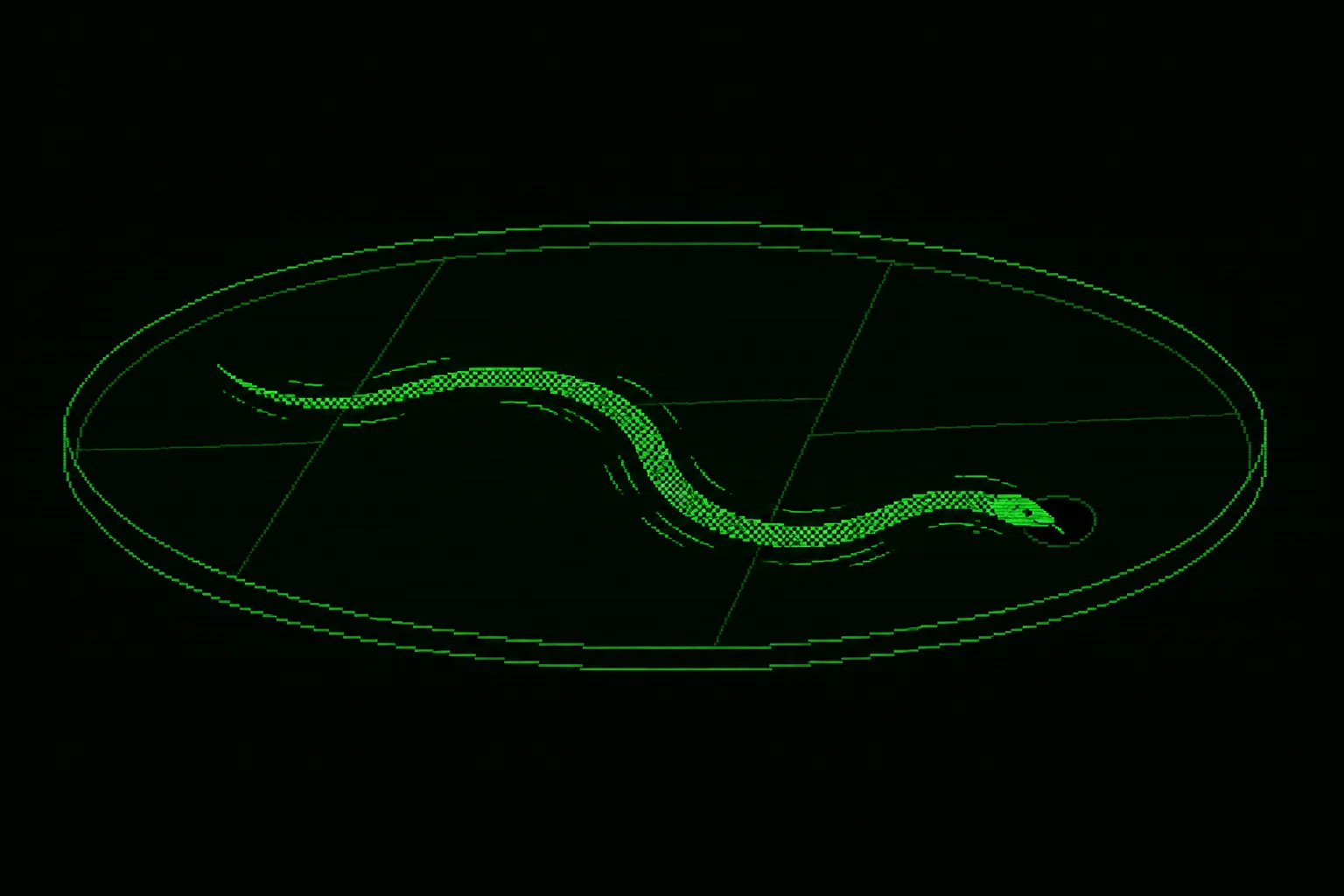
CTH 575 is the Hittite snake oracle: a set of records in which diviners put questions to the gods by watching a water snake move through a basin. The basin was divided into fields, each carrying a name: ‘Life’, ‘Long Years’, ‘Joy’, ’the Hearth’, ’the King’s Gate’, ‘Sickness’, ‘Revolt’, ‘Blood’, ’the Spirits of the Dead’, ’the Hole of the Gods’. The diviners “called” a snake to one field, watched where it went, where it held itself up, where it hid and where it seized and ate a fish, and read the verdict, favourable or unfavourable. Each snake stands for something: “the snake of the Head” is the king himself, and others are the snake of ’the Year’, of the hearth, of Hepat, of ’the Name of the King’ and of the oracle.
The best-preserved tablet, IBoT 1.33, in Late New Hittite script of the 13th century BC, was written because evil omens had occurred again in Kummaḫa, where evil subsequently happened. The diviners ask year by year, for twenty years, whether the king will die, then test the warning of Mizulla and the Old Women that the 4th year (and) the 8th year are unfavourable for him. They ask whether the lands of Hatti will perish, whether the god is hiding the perishing of the head from the king, why the servants are dying, and finally is the year of dying already near? Every answer comes out favourable.
The other tablets are fragments. In KUB 22.38, hearth-snakes go to ‘Sin’, ‘Blood’, ’the Oath’, ’the Prison’ and down to ’the Spirits of the Dead’, and the result is unfavourable. The same question is then checked by the Old Woman’s lot oracle and by an augur watching eagles. KBo 23.117 runs series of four tests about Hepat, the offerings at Kummanni and a sick woman. KBo 58.86+ follows a snake called ‘Name of the King’ between the hearth and the pillar while another snake seizes a fish and perished down. KBo 53.107+ ends with a list of men, Nerikkaili among them, each given a number of years and a verdict. KUB 49.1 names snakes of the purulli festival, of Nerik and of Kummanni, and has one snake that bit his neck. The remaining pieces keep little more than “let it be unfavourable”.
The page gives 616 tablet lines, 1 restored from a duplicate; 10 keep no readable signs. Square brackets mark breaks in the clay and restorations; ... is a lost stretch. Hover over or tap a Hittite word for its meaning and the English words it becomes.
Key terms #
- MUŠ: the snake
- SIG₅ / SIG₅-ru: favourable / let it be favourable
- KI.MIN: ditto
- NU.SIG₅ / NU.SIG₅-du: unfavourable / let it be unfavourable
- TI / TI-tar: ‘Life’
- MUŠ SAG.DU (ŠA DUTU-ŠI): the snake of the Head (of His Majesty)
- lamniya- / ŠUM-en (… -ya): “we called (the snake) to ‘X’”
- DUGUD / nakkiyatar: ‘Importance’
- GUNNI: ’the Hearth’
- UGU ep- / UGU DAB-za / UGU IṢ-BAT: held itself up (at ‘X’)
- É / É.LUGAL: ’the House’ / ’the Royal House’
- lulut(i)-: ‘Thriving’
- KÁ LUGAL: ’the King’s Gate’
- GIDIM: ’the Spirits of the Dead’
- KASKAL: series (“in the second series”)
- BAL: ‘Revolt’
- GIG: ‘Sickness’
- GIŠ.MAḪ: ’the Beam’
- anda pai-: went into
- BAL-nu-: thrashed
IBoT 1.33: will the king live?: obverse
- 1Vs. 1–3
𒂊𒉌𒍝 𒂉𒀉 𒅆𒁾𒄭𒀀𒅆 𒌨𒄭𒀀 𒀸 𒌷𒄣𒈠𒄭 𒆠𒅅𒆧𒊭𒀜 𒉡𒍝 𒀀𒁁𒁷 𒂉𒀉 𒂕𒀭 𒅆 𒌨 𒆕𒀜 𒆠𒉡𒌦𒈠𒍝 𒉆𒈠 𒂉𒀉 𒅆𒁾𒄭𒀀𒅆𒌨𒄭𒀀𒆠𒅅𒆧𒊭𒊑𒊭𒊕𒁺𒀭𒌓𒅆𒅆 𒌨
aši that kuit that; because GISKIM omen ḪUL evil INA in Kummaḫa Kummaḫa kikkišš- to occur nu and; then apaddan there kuit that; because EGIR-an afterward ḪUL evil DÙ to happen kinun now namma again kuit that; because GISKIM omen ḪUL evil kikkišš- to occur ŠA of SAG.DU head UTU-ŠI His Majesty ḪUL evil
As for the fact that evil omens occurred in Kummaḫa, and since evil subsequently happened there, but since now again evil omens are occurring: do they announce evil for the Head of His Majesty?
Note · Line 1
[Vs. 2] The earlier edition takes apattan as “as a result” (“harm occurred afterward as a result”); we read it as “there”, one of its recognised senses, and that reading fits the oracle context equally well. - 2Vs. 4
𒄿𒊺𒄴𒄭𒅖𒃷𒍣 𒉡 𒈲 𒊕𒁺 𒀭𒌓𒅆 𒉡𒅆𒂟𒄴𒁺
išeḫḫ- to announce nu and; then MUŠ snake SAG.DU head UTU-ŠI His Majesty NU.SIG₅ to be unfavourable
Then let the snake of the Head of His Majesty be unfavourable.
- 3Vs. 5–8
𒈲 𒊕𒁺𒃷 𒑱𒇻𒇻𒋾𒋳𒌋𒂗𒈾𒀸𒃷𒌋 𒅗 𒁳𒍝 𒈬𒄭𒀀 𒁍𒁕 𒈾𒀸 𒂂𒉌 𒈬𒌦𒈾𒀉 𒁹 𒁹𒀀𒈾𒆠𒉈 𒌋 𒅗 𒄑𒁁 𒈾𒀸𒃷 𒂂𒉌 𒈬𒌦𒈾𒀉 𒐈 𒄯𒆠 𒀝𒃷𒉌 𒄩𒁕𒀭𒁕𒍝 𒃵𒁕 𒌑𒀉 𒀭𒄢𒊭𒀸 𒂂𒉌 𒈬𒌦𒈾𒀉 𒅆 𒂟
MUŠ snake SAG.DU head lulu(t)- thriving ŠUMU to call nu and; then UGU above DAB to take hold MU year GÍD.DA long nu and; then DUGUD importance munnā(e)- to hide 2 two ANA to; at GUNNI hearth UGU above ṢABĀTU to grasp nu and; then DUGUD importance munnā(e)- to hide 3 three ḫarki- white akk- to die ḫatant- dry land GAM-ta down wē-/uwa- to come GUL Gulš goddesses DUGUD importance munnā(e)- to hide SIG₅ favourable
We called the snake of the Head to 'Thriving', and it took hold above at 'Long Years' and it hid in 'Importance'. Second: it held itself up at 'the Hearth' and it hid in 'Importance'. Third: it [c]ame down from 'dry land' to 'white death' and it hid in 'Importance' of the Gulš-goddesses: favourable.
Note · Line 3
[Vs. 5]–[Vs. 16]: This is a snake oracle. The snake (MUŠ) moves through named fields of the basin, and each field is given in quotation marks. ‘The previous snake’ (MUŠ annalli-) in [Vs. 11] is a second snake in the same procedure. [Vs. 7], [Vs. 12]: ḫadandaza (ablative of ḫadant-, “dried” or “dry land”) is left in transliteration as a field name. The earlier edition renders it “the Weapon”. [Vs. 7]: ḫarki akkanni is a field name, roughly “Destruction of Dying”. It is kept in transliteration. The earlier edition has “to Death”, but the Hittite has akkanni (verbal noun of “to die”), not ÚŠ. [Vs. 7] The earlier edition renders ḫadantaza as “from Weapon”; we read “from ‘dry land’” because the form looks like the participle of ḫat- “dry”, though the sense of the term remains uncertain. - 4Vs. 9–10
𒆠𒂊𒁕𒉌 𒈬𒋾 𒉡𒅆𒂟𒁺 𒈲 𒊕𒁺𒃷 𒀭𒌋 𒋳𒂗 𒀠𒁕𒉌 𒀭𒁕 𒉿𒄴𒉡𒌓 𒈾𒀸𒃷 𒀀𒈾 𒀭𒅆 𒀲𒆳𒊏𒈨 𒌍 𒂂𒉌 𒈬𒌦𒈾𒀉
ka- this MU-TI year NU.SIG₅ to be unfavourable MUŠ snake SAG.DU head 10 Storm-god ŠUMU to call altani- spring anda in; into waḫnu- to turn nu and; then ANA to; at DINGIR deity ANŠE.KUR.RA horse DUGUD importance munnā(e)- to hide
Let it be unfavourable for this year. We called the snake of the Head to 'the Storm-god'; into 'the Spring' it turned, and it hid in 'Importance' to the Deity of the Horses.
Note · Line 4
[Vs. 9]: al-da-ni, from altanni- “spring, basin”, is taken as the field ’the Spring’ that the snake turned into. The earlier edition reads it as the basin. - 5Vs. 11–12
𒁹 𒁹𒈪𒉭𒍝𒌑𒀉𒀭𒌍𒅆𒂟𒈬𒌦𒈾𒀉𒈲𒀭𒈾𒇺𒅖𒃷 𒀀𒈾 𒂍 𒄩𒁕𒀭𒁕𒍝 𒃵𒀭𒁕 𒌑𒀉 𒈬𒄰𒋾 𒈬𒌦𒈾𒀉 𒅆 𒂟
2 two GIG sickness wē-/uwa- to come 30 Moon-god SIG₅ favourable munnā(e)- to hide MUŠ snake annali- previous ANA to; at É house ḫatant- dry land GAM-anda down wē-/uwa- to come MU-TI year munnā(e)- to hide SIG₅ favourable
Second: it came from 'Sickness'; it hid in 'the Favourable Moon-god'. The previous snake came down from 'dry land' to 'the House'; it hid in 'the Year': favourable.
Note · Line 5
[Vs. 12] The earlier edition renders ḫadantaza as “from Weapon”; we read “from ‘dry land’” because the form looks like the participle of ḫat- “dry”, though the term remains uncertain. - 6Vs. 13–14
𒉡 𒀸 𒈬 𒁹𒁹𒄰𒈠𒉡𒊺𒁺𒈲𒊕𒁺𒃷𒀀𒈾𒆠 𒉈 𒋳𒂗 𒉡𒃷 𒀀𒈾 𒀭𒌋 𒄩 𒄑𒁁 𒉺𒆷 𒋾𒉌 𒂊𒄑𒍝𒀸
nu and; then INA in MU year 2 two NU.ŠE be unfavourable MUŠ snake SAG.DU head ANA to; at GUNNU hearth ŠUMU to call nu=kan and ANA to; at 10 Storm-god KU₆ fish ṢABĀTU to grasp Palla Palla TI life ēd- to eat
And let it be unfavourable in the second year. We called the snake of the Head to 'the Hearth', and it seized a fish at 'the Storm-god'; it ate (it) at 'palla of Life'.
Note · Line 6
[Vs. 14]: This manuscript writes pa-la. The CHD cites pal-la!. I follow the agreed rendering ‘palla of Life’. - 7Vs. 15
𒁹 𒁹𒆷𒄴𒆷𒄭𒈠𒍝𒌑𒀉𒈾𒀸𒃷𒀀𒈾⬚𒈨𒌍𒀭𒈨𒌍 𒈬𒌦𒈾𒀉
2 two laḫlaḫima- agitation uw(a)- to come nu=aš=kan and it ANA to; at EZEN₄ festival DINGIR deity munnā(e)- to hide
Second: it came from 'Agitation', and it hid in 'the Festivals of the Gods'.
- 8Vs. 16
𒐈 𒁺𒍑𒂵𒊏𒈾𒍝 𒌑𒀉 𒂍𒊑 𒀭▒▒ 𒈬𒌦𒈾𒀉
3 three dušgaratar joy uw(a)- to come É house DINGIR deity x munnā(e)- to hide
Third: it came from 'Joy'; it hid in 'the House' of the god ...
- 9Vs. 17
𒉡 𒀸 𒈬 𒐈𒄰𒈠 𒉡𒅆𒂟𒁺 𒈲 𒊕𒁺𒃷 𒀀𒈾 𒀭𒌋 𒄯𒊭𒈾𒀸 𒋳𒌋𒂗
nu and; then INA in MU year 3 three NU.SIG₅ to be unfavourable MUŠ snake SAG.DU head ANA to; at 10 Storm-god ḫaršana- head ŠUMU to call
And in the third year let it be unfavourable. We called the snake of the Head to 'the Storm-god of the Head'.
Note · Line 9
/[Vs. 20] ḫaršanaš / ḫaršannaš is taken as a Storm-god “of the Head” (ḫaršan- “head”), as in the earlier edition. The field may be read the same way in both lines despite the variant spelling. - 10Vs. 18
𒉡𒃷 𒄩 𒀀𒈾 𒆍 𒈗 𒄑𒁁 𒈾𒀭𒃷 𒀀𒈾 𒈬𒄰𒋾 𒂊𒄑𒍝𒀸
nu=kan and KU₆ fish ANA to; at KÁ gate LUGAL king ṢABĀTU to grasp nu=an=kan and him or it ANA to; at MU year ēd- to eat
And it seized a fish at 'the King's Gate', and it ate it at 'the Year'.
- 11Vs. 19
𒁹 𒁹 𒂕 𒋧𒍝 𒌑𒀉 𒁺𒍑𒂵𒊏𒉌 𒈬𒌦𒈾𒀉
2 two EGIR behind or back SUM onion or give uw(a)- to come dušgaratar joy munnā(e)- to hide
Second: it came from 'EGIR.SUM', it hid in 'Joy'.
Note · Line 11
The verb ú?-et? “came” is damaged and uncertain. EGIR SUM-za is taken as the field ‘EGIR.SUM’, whose meaning is unknown. - 12Vs. 20
𒐈 𒁄𒍝 𒅈𒄩 𒌑𒀉 𒀭𒌋 𒄯𒊭𒀭𒈾𒀸 𒈬𒌦𒈾𒀉
3 three BAL revolt arḫa away uw(a)- to come 10 Storm-god ḫaršanna- thunderstorm munnā(e)- to hide
Third: it came out of 'Revolt', it hid in 'the Storm-god of the Thunderstorm'.
- 13Vs. 21
𒉡 𒀸 𒈬 𒐼𒄰𒈠 𒉡𒅆𒂟𒁺 𒈲 𒊕𒁺𒃷 𒀀𒈾 𒂍𒈗 𒋳𒂗
nu and; then INA in MU year 4 four NU.SIG₅ to be unfavourable MUŠ snake SAG.DU head ANA to; at É.LUGAL royal house ŠUMU to call
And in the fourth year let it be unfavourable. We called the snake of the Head to 'the Royal House'.
- 14Vs. 22–24
𒈾𒀸𒃷 𒌋 𒅗𒁳𒍝𒀀𒈾𒀭𒌋𒄬𒉺𒈬𒌦𒈾𒀉𒁹𒁹𒈪 𒉭𒍝 𒌑𒀉 𒈾𒀸𒃷 𒀭𒈨𒌍𒀸⬚𒈨𒌍𒈬𒌦𒈾𒀉𒐈𒀭𒈨𒌍𒀸 𒅖𒂵𒊏𒈾𒍝 𒌑𒀉 𒀀𒈾 𒀭𒄤𒁀𒀀𒀀 𒆠𒈫 𒅆 𒂟
nu=aš=kan and it UGU above DAB to take hold ANA to; at 10 Storm-god Ḫalpa Aleppo munnā(e)- to hide 2 two GIG sickness uw(a)- to come nu=aš=kan and it DINGIR deity EZEN₄ festival munnā(e)- to hide 3 three DINGIR deity iškaratar hole uw(a)- to come ANA to; at Gazbaya Gazbaya KI.MIN ditto SIG₅ favourable
And it held itself up, it hid in 'the Storm-god of Aleppo'. Second: it came from 'Sickness', and it hid in 'the Festivals of the Gods'. Third: it came from 'the Hole of the Gods', ditto to 'Gazbaya'. Favourable.
Note · Line 14
[Vs. 23]/[Vs. 28] iškaratar is glossed “hole” and is rendered ’the Hole of the Gods’ here. The earlier edition has “Pointe” (from iškar- “pierce”). It is a different word from ḫapalla, which the fixed renderings also give as ‘Hole of the Gods’. - 15Vs. 25
𒉡 𒈬 𒐊𒄰𒈠 𒉡𒅆𒂟𒁺 𒈲 𒊕𒁺𒃷 𒂼𒍜𒋛⬚ 𒋳𒂗
nu and; then MU year 5 fifth NU.SIG₅ to be unfavourable MUŠ snake SAG.DU head AMA.UZU.SI.NIM×Ú omentum ŠUMU to call
And in the fifth year let it be unfavourable. We called the snake of the Head to 'AMA.UZU.SI.NIM×Ú'.
- 16Vs. 26–27
𒈾𒀸𒃷 𒌋 𒅗𒁳𒍝𒁄𒆷𒋾𒉌𒆠𒈫𒁹𒁹𒀭𒄢𒊭𒍝𒅈𒄩𒌋 𒅗 𒁳𒍝 𒂕𒌓𒈪 𒆠𒈫 𒐈 𒋫 𒈠𒈨𒋾 𒌑𒀉 𒑱 𒇻𒇻𒋾 𒆠𒈫
n=aš=kan and it UGU above DAB to take hold Palla Palla TI life KI.MIN ditto 2 two GUL Gulš goddesses arḫa away UGU above DAB to take hold EGIR.UD-MI future KI.MIN ditto 3 three TA from MĀMĪTU oath uwe-/uwa- to come lulut- thriving KI.MIN ditto
[And it held itself up], ditto at 'palla of Life'. Second: it held itself up away from 'the Gulš-goddesses', ditto at 'the Future'. Third: it came from 'the Oath', ditto at 'Thriving'.
Note · Line 16
[Vs. 26] The bracketed opening “[and it held itself up]” is a restoration already marked in the transliteration. It is not taken from the duplicate. - 17Vs. 28
𒉡 𒈬 𒐋𒄰𒈠 𒉡𒅆𒂟𒁺𒈲𒊕𒁺𒃷𒀭𒈨𒌍𒀸 𒅖𒂵𒊏𒈾𒀸 𒋳𒂗
nu and; then MU year 6 sixth NU.SIG₅ to be unfavourable MUŠ snake SAG.DU head DINGIR deity iškaratar hole ŠUMU to call
And in the sixth year let it be unfavourable. We called the snake of the Head to 'the Hole of the Gods'.
- 18Vs. 29–30
𒈾𒀸𒃷 𒌋 𒅗𒁳𒍝𒀭𒄭𒅖𒄷𒊏𒈬𒌦𒈾𒀉𒁹 𒁹 𒋫 𒄑𒈤 𒌑𒀉 𒀭𒌍 𒅆 𒂟 𒂂𒉌 𒆠𒈫 𒋫 𒈬𒄰𒋾 𒌑𒀉 𒁺𒍑𒂵𒊏𒉌 𒆠𒈫
n=aš=kan and it UGU above DAB to take hold Ḫišḫura Ḫišḫura munnāi- to hide 2 two TA from GIŠ.MAḪ beam uwe-/uwa- to come 30 Moon-god SIG₅ favourable DUGUD importance KI.MIN ditto TA from MU year uwe-/uwa- to come dušgaratar joy KI.MIN ditto
And it held itself up, it hid in 'Hišhura'. Second: it came from 'the Beam', ditto at 'the Importance' of 'the Favourable Moon-god'. It came from 'the Year', ditto at 'Joy'.
Note · Line 18
[Vs. 30] No numeral “3” is written before the third movement (TA MU.KAM-TI ú-et). It is translated as written, without “Third:” supplied. - 19Vs. 31–33
𒈬 𒐌𒄰 𒉡𒊺𒁺 𒈲 𒊕𒁺𒃷 𒀀𒈾 𒀭𒌓 𒇥𒈾 𒋳𒂗 𒈾𒀸𒃷 𒌋 𒅗 𒁳𒍝 𒀀𒈾 𒈬𒄭𒀀 𒁍𒁕 𒆠𒈫 𒁹 𒁹 𒀀𒈾 𒈬𒋾 𒄩𒁕𒀭𒁕𒍝 𒌑𒀉 𒉡𒃷 𒀠𒁕𒉌 𒀭𒁕 𒉿𒄴𒉡𒌓 𒂍𒈗 𒂂𒉌 𒆠𒈫
MU year 7 seventh NU.ŠE be unfavourable MUŠ snake SAG.DU head ANA to; at UTU Sun-goddess Arinna Arinna ŠUMU to call n=aš=kan and it UGU above DAB to take hold ANA to; at MU year GÍD.DA long KI.MIN ditto 2 two ANA to; at MU year ḫatant- dry land uwe-/uwa- to come nu and; then altani- spring anda in; into waḫnu- to turn É.LUGAL royal house DUGUD importance KI.MIN ditto
The seventh year: let it be unfavourable. We called the snake of the Head to 'the Sun-goddess of Arinna', and it held itself up (and) ditto at 'Long Years'. Second: it came from 'dry land' and it turned into the spring. Ditto at 'the Importance of the Royal House'.
Note · Line 19
[Vs. 31] [Vs. 35] In both questions the snake “held itself up” (UGU DAB-za / UGU IṢ-BAT) before moving on. The duplicates KBo 53.107+ and KUB 49.1 agree with [Vs. 35] (“we called to ‘Life’”), so nothing needed restoring. [Vs. 32] ḫa-da-an-da-za is an ablative from the field ḫadant-, left in transliteration. The glosses allow “dried (land)” or “pierced”. The earlier edition reads it as “the Weapon” (“l’Arme”). [Vs. 33] [Vs. 36] [Vs. 37] aldanni is rendered “the basin”, the water vessel in which the snake moves; it can also mean “spring”. Here it appears to be the vessel itself, not a named field. - 20Vs. 34
𒐈 𒀀𒈾 𒀭𒌋 𒃲 𒌋 𒅗 𒄑𒁁 𒀭𒄢𒊭𒀸 𒂂𒉌 𒆠𒈫
3 three ANA to; at 10 Storm-god GAL great UGU above ṢABĀTU to grasp GUL Gulš goddesses DUGUD importance KI.MIN ditto
Third: it held itself up at 'the Great Storm-god'; ditto at 'the Importance of the Gulš-goddesses'.
- 21Vs. 35–36
𒈬 𒐍𒄰 𒉡𒅆𒂟𒁺𒈲𒊕𒁺𒃷𒋾𒉌𒋳𒂗𒉡𒌋 𒅗 𒄑𒁁 𒀠𒁕𒉌 𒀭𒁕 𒉿𒄴𒉡𒌓 𒈬𒄭𒀀 𒁍𒁕 𒂂𒉌 𒆠𒈫
MU year 8 eighth NU.SIG₅ to be unfavourable MUŠ snake SAG.DU head TI life ŠUMU to call nu and; then UGU above ṢABĀTU to grasp altani- spring anda in; into waḫnu- to turn MU year GÍD.DA long DUGUD importance KI.MIN ditto
The eighth year: let it be unfavourable. We called the snake of the Head to 'Life', and it held itself up; it turned into the spring. Ditto at 'the Importance of Long Years'.
- 22Vs. 37
𒁹 𒁹𒋫𒄇𒄭𒀀𒌑𒀉𒀠𒁕𒉌𒀭𒁕𒉿𒄴𒉡𒌓𒀭𒌍𒅆 𒂟
2 two TA from GIDIM spirit of the dead wa-/uwa- to come altani- spring anda in; into waḫnu- to turn 30 Moon-god SIG₅ favourable
Second: it came from 'the Spirits of the Dead'; it turned into the spring; 'the Favourable Moon-god'.
Note · Line 22
The snake comes from ’the Spirits of the Dead’ (GIDIM{ḪI.A}). The sign 30 is marked uncertain (!?), and the line has no KI.MIN before ’the Favourable Moon-god’. The earlier edition supplies “?”; I translate only what is written. - 23Vs. 38
𒐈 𒂕 𒋧𒍝 𒌑𒀉 𒂍𒈗 𒂂𒉌 𒈬𒌦𒈾𒀉 𒅆 𒂟
3 three EGIR behind or back SUM onion or give wa-/uwa- to come É.LUGAL royal house DUGUD importance munnāi- to hide SIG₅ favourable
Third: it came from 'EGIR.SUM'; it hid in 'the Importance of the Royal House'. Favourable.
- 24Vs. 39–40
𒈬 𒑆𒄰 𒉡𒅆𒂟𒁺 𒈲 𒊕𒁺𒃷 𒂼𒍜𒋛⬚ 𒋳𒌋𒂗 𒉡 𒌋 𒅗 𒄑𒁁 𒀠𒁕𒉌𒃷 𒀭𒁕 𒉿𒄴𒉡𒌓 𒀭𒌓 𒃲 𒆠𒈫
MU year 9 nine NU.SIG₅ to be unfavourable MUŠ snake SAG.DU head AMA.UZU.SI.NIM×Ú omentum ŠUMU to call nu and; then UGU above ṢABĀTU to grasp altani- spring anda in; into waḫnu- to turn UTU Sun-goddess GAL great KI.MIN ditto
Ninth year: let it be unfavourable. We called the snake of the Head to 'AMA.UZU.SI.NIM×Ú', and it held itself up; it turned into the basin. Ditto at 'the Great Sun-god'.
Note · Line 24
[Vs. 39] AMA.UZU.SI.NIM×Ú is an unexplained field name of the snake oracle. It is left in transliteration. - 25Vs. 41
𒁹 𒁹𒀀𒀸𒅗𒍝𒁉𒀭𒂕𒉺𒌑𒀉𒀭𒈨𒌍𒀸 𒅖𒂵𒊏𒋻 𒀭𒁕 𒉺𒀉
2 two aškaza from outside pean in front EGIR-pa back; again wa-/uwa- to come DINGIR deity iškaratar hole anda in; into pai-/pā- to go
Second: it came back forward from outside; it went into 'the Hole of the Gods'.
Note · Line 25
aškaza is taken as “from outside”. The earlier edition reads “from the Gate”. iškaratar (glossed “hole”; the earlier edition has “Pointe”) is left untranslated, because it is not the ḫapalla of the fixed ‘Hole of the Gods’. - 26Vs. 42–43
𒀭𒌋 𒌷𒄣𒈠 𒂂𒉌 𒆠𒈫 𒐈 𒋫 𒋗 𒇽𒌷𒇻 𒅈𒄩 𒌑𒀉 𒈾𒀸𒃷 𒌋 𒅗 𒁳𒍝 𒀭𒌋 𒄬𒉺 𒂂𒉌 𒆠𒈫
10 Storm-god Kumma Kumma DUGUD importance KI.MIN ditto 3 three TA from ŠU hand LÚ.U₁₉.LU human being arḫa away wa-/uwa- to come nu=aš=kan and it UGU above DAB to take hold 10 Storm-god Ḫalab Aleppo DUGUD importance KI.MIN ditto
Ditto at 'the Importance of the Storm-god of Kumma'. Third: it came out of 'the Hand of Man', and it held itself up. Ditto at 'the Importance of the Storm-god of Aleppo'.
- 27Vs. 44
𒈬 𒌋𒄰 𒉡𒊺𒁺 𒈲 𒊕𒁺𒃷 𒀭𒌋 𒄬𒉺 𒋳𒌋𒂗 𒉡𒃷 𒀠𒁕𒉌 𒀭𒁕 𒉿𒄴𒉡𒌓
MU year 10 Storm-god NU.ŠE be unfavourable MUŠ snake SAG.DU head 10 Storm-god Ḫalab Aleppo ŠUMU to call nu and; then altani- spring anda in; into waḫnu- to turn
Tenth year: let it be unfavourable. We called the snake of the Head to 'the Storm-god of Aleppo', and it turned into the basin.
Note · Line 27
Here the oracle has NU.ŠE-du instead of NU.SIG₅-du. Both are rendered “let it be unfavourable”. - 28Vs. 45
𒋾𒉌 𒆠𒈫 𒁹 𒁹 𒋫 𒄯𒊕𒁕𒅈𒌑𒋼𒈾 𒌑𒀉 𒋾𒉌 𒆠𒈫
TI life KI.MIN ditto 2 two TA from Darutena Mount Darutena wa-/uwa- to come TI life KI.MIN ditto
Ditto at 'Life'. Second: it came from Mount Darutena. Ditto at 'Life'.
- 29Vs. 46
𒐈 𒆷𒄴𒆷𒄴𒄭𒈠𒍝 𒌑𒀉 𒂕𒌓𒈪 𒆠𒈫
3 three laḫlaḫḫima- agitation wa-/uwa- to come EGIR.UD-MI future KI.MIN ditto
Third: it came from 'Agitation'. Ditto at 'the Future'.
- 30Vs. 47–49
𒈬 𒌋𒁹𒄰𒉡𒅆𒂟𒁺 𒈲 𒊕𒁺𒃷 𒈬𒄭𒀀 𒁍𒁕 𒋳𒂗 𒀠𒁕𒉌 𒀭𒁕 𒉿𒄴𒉡𒌓 𒂍𒈗 𒈬𒌦𒈾𒀉 𒁹 𒁹 𒀀𒈾 𒈬 𒄰𒋾 𒄩𒁕𒀭𒁕𒍝 𒃵𒁕 𒌑𒀉 𒑱𒇻𒇻𒋾𒆠𒈫𒐈𒋫𒆬 𒀭 𒌑𒀉 𒀭𒌋 𒃲 𒆠𒈫
MU year 11 eleven NU.SIG₅ to be unfavourable MUŠ snake SAG.DU head MU year GÍD.DA long ŠUMU to call altani- spring anda in; into waḫnu- to turn É.LUGAL royal house munnāi- to hide 2 two ANA to; at MU year {KAM}_-TI ḫatant- dry land GAM-ta down wa-/uwa- to come lulu(t)- thriving KI.MIN ditto 3 three TA from AZAG taboo uwa- to come 10 Storm-god GAL great KI.MIN ditto
Eleventh year: let it be unfavourable. We called the snake of the Head to 'Long Years'; it turned into the basin; it hid in 'the Royal House'. Second: to 'the Year' it came down from 'the Dried' Ditto at 'Thriving'. Third: it came from 'Taboo'. Ditto at 'the Great Storm-god'.
Note · Line 30
[Vs. 48] ḫadandaza is ambiguous. It can be read as “from the Dried / Dry Land” (from ḫat- “dry up”) or from ḫat- “pierce”. The earlier edition reads “from the Weapon”. The field name is uncertain. - 31Vs. 50–51
𒈬 𒌋𒁹𒁹𒄰𒉡𒅆𒂟𒁺𒈲𒊕𒁺𒃷𒀀𒈾𒄑𒈤𒋳𒌋𒂗𒉡𒌋 𒅗 𒄑𒁁 𒈾𒀸𒃷 𒀠𒁕𒉌 𒀭𒁕 𒉿𒄴𒉡𒌓 𒂂𒉌 𒆠𒈫
MU year 12 twelve NU.SIG₅ to be unfavourable MUŠ snake SAG.DU head ANA to; at GIŠ.MAḪ beam ŠUMU to call nu and; then UGU above ṢABĀTU to grasp nu=aš=kan and it altanni- spring, basin anda in; into waḫnu- to turn DUGUD importance KI.MIN ditto
Twelfth year: let it be unfavourable. We called the snake of the Head to 'the Beam', and it held itself up, and it turned into the basin. Ditto at 'Importance'.
- 32Vs. 52
𒁹 𒁹 𒋫 𒆍 𒈗 𒌑𒀉 𒀸 𒂕𒌓𒈪 𒆠𒈫 𒐈 𒂊𒌍𒈾𒍝 𒌑𒀉
2 two TA from KÁ gate LUGAL king uwa- to come INA in EGIR.UD future KI.MIN ditto 3 three ešḫar blood uwa- to come
Second: it came from 'the King's Gate'. Ditto in 'the Future'. Third: it came from 'Blood'.
Note · Line 32
e-eš-na-za is read as ešnaza, “from Blood” (ešḫar), following the earlier edition’s “Sang?”. The TLHdig gloss (Hurrian “earth”) is unlikely here. - 33Vs. 53
𒀀𒈾 𒀭𒌋 𒁯 𒆠𒈫
ANA to; at Ištar Ishtar KI.MIN ditto
Ditto at Ishtar.
Reverse
- 34Rs. 54
𒈬 𒌋𒁹𒁹 𒁹𒄰 𒉡𒊺𒁺 𒈲 𒊕𒁺𒃷 𒀭𒌓 𒃲 𒋳𒂗 𒀠𒁕𒉌 𒀭𒁕 𒉿𒄴𒉡𒌓
MU year 13 thirteen NU.ŠE be unfavourable MUŠ snake SAG.DU head UTU Sun-goddess GAL great ŠUMU to call altanni- spring, basin anda in; into waḫnu- to turn
The thirteenth year: let it be unfavourable. We called the snake of the Head to 'the Great Sun-god'. It turned into 'the Spring'.
Note · Line 34
The verb is written NU.ŠE-du, a variant spelling of NU.SIG₅-du “let it be unfavourable”. - 35Rs. 55–56
𒄑𒈤 𒆠𒈫 𒁹 𒁹𒀀𒀸𒅗𒍝𒁉𒀭𒂕𒉺𒌑𒀉𒈾𒀸𒃷𒀭𒈨𒌍 𒅖𒂵𒊏𒋻 𒀭𒁕 𒉺𒀉 𒀭𒆗 𒆠𒈫
GIŠ.MAḪ beam KI.MIN ditto 2 two aškaza from outside pean in front EGIR-pa back; again uwa- to come nu=aš=kan and it DINGIR deity iškaratar hole anda in; into pā- to go KAL protective god KI.MIN ditto
'The Beam': ditto. Second: it came back in front from outside, and into 'the Hole (iškaratar) of the Gods' it went. 'The Protective God': ditto.
Note · Line 35
[Rs. 55] iš-ga-〈ra〉-tar is emended. The glosses give “hole”, but this is not the ḫapalla of the fixed field ’the Hole of the Gods’; the earlier edition has “Pointe”. a-aš-ka-za is taken as “from outside”, whereas the earlier edition has “from the Gate”. - 36Rs. 57
𒈬 𒄰𒉡𒅆𒂟𒁺𒈲𒊕𒁺𒃷𒀭𒌋𒉿𒀠▒𒉿𒀸 𒋳𒂗
MU year 14 fourteen NU.SIG₅ to be unfavourable MUŠ snake SAG.DU head 10 Storm-god wal-x-wa place name ŠUMU to call
The fourteenth year: let it be unfavourable. We called the snake of the Head to 'the Storm-god of wal-x-wa'.
Note · Line 36
The Storm-god’s epithet wa-al-x-wa-aš is damaged and unanalysed. - 37Rs. 58
𒉡 𒌋 𒅗 𒄑𒁁 𒀠𒁕𒀭𒉌 𒀭𒁕 𒉿𒄴𒉡𒌓 𒀭𒆗 𒆠𒈫
nu and; then UGU above ṢABĀTU to grasp altanni- spring, basin anda in; into waḫnu- to turn KAL protective god KI.MIN ditto
And it held itself up. It turned into 'the Spring'. 'The Protective God': ditto.
- 38Rs. 59
𒁹 𒁹 𒁺𒍑𒂵𒊏𒈾𒍝 𒌑𒀉 𒁺𒍑𒂵𒊏𒉌 𒈬𒌦𒈾𒀉
2 two dušgaratar joy uwa- to come dušgaratar joy munnā- to hide
Second: it came from 'Joy'. It hid in 'Joy'.
- 39Rs. 60
𒐈 𒋫 𒂍𒊮 𒀭𒈗𒈠 𒌑𒀉 𒂼𒍜𒌑𒈦 𒆠𒈫
3 three TA from É.ŠÀ inner chamber Šarrumma Šarrumma uwa- to come AMA.UZU.Ú.MAŠ end of the omentum KI.MIN ditto
Third: it came from 'the Inner Chamber of Šarrumma'. 'The End of the Omentum': ditto.
- 40Rs. 61
𒈬 𒄰𒉡𒅆𒂟𒁺𒈲𒊕𒁺𒃷𒀀𒈾𒆠 𒉈 𒋳𒂗 𒀭𒌋 𒃲 𒄩 𒄑𒁁
MU year 15 fifteen NU.SIG₅ to be unfavourable MUŠ snake SAG.DU head ANA to; at GUNNI hearth ŠUMU to call {D}10 Storm-god GAL great KU₆ fish ṢABĀTU to grasp
The fifteenth year: let it be unfavourable. We called the snake of the Head to 'the Hearth'. At 'the Great Storm-god' it seized a fish.
- 41Rs. 62
𒁄𒆷 𒋾𒉌 𒆠𒈫 𒁹 𒁹 𒆷𒄴𒆷𒄴𒄭𒈠𒍝 𒄩𒁕𒀭𒁕𒍝 𒃵𒀭𒁕 𒌑𒀉
Palla Palla TI life KI.MIN ditto 2 two laḫlaḫḫima- agitation ḫatant- dry land GAM-anda down uwa- to come
'palla of Life': ditto. Second: from 'Agitation', from 'ḫadanda' it came down.
Note · Line 41
and [Rs. 65]: ḫa-da-an-da-za is a field name and is left untranslated. The earlier edition appears to render it “the Weapon”. EGIR-pa SUM-ti is taken as the field ‘EGIR.SUM’. - 42Rs. 63
𒀭𒄢𒊭𒀸 𒈬𒌦𒈾𒀉 𒐈 𒈪 𒉭𒍝 𒅈𒄩 𒌑𒀉 𒀭𒌍 𒆠𒈫
{D}GUL Fate goddesses munnā- to hide 3 three GIG sickness arḫa away uwa- to come {D}30 Moon-god KI.MIN ditto
It hid in 'the Gulš-goddesses'. Third: it came out of 'Sickness'. 'The Moon-god': ditto.
- 43Rs. 64
𒈬 𒄰𒉡𒅆𒂟𒁺 𒈲 𒊕𒁺𒃷 𒀀𒈾 𒂍𒋾 𒋳𒂗
MU year 16 sixteen NU.SIG₅ to be unfavourable MUŠ snake SAG.DU head ANA to; at É house ŠUMU to call
The sixteenth year: let it be unfavourable. We called the snake of the Head to 'the House'.
- 44Rs. 65–66
𒈾𒀸𒃷 𒌋 𒅗𒁳𒍝𒀭𒌋𒉺𒋾𒆠𒈫𒁹 𒁹 𒂕𒉺 𒋧𒋾 𒄩𒁕𒀭𒁕𒍝 𒃵𒀭𒁕 𒌑𒀉 𒀀𒈾 𒆍 𒈗 𒆠𒈫
nu=aš=kan and it UGU above DAB to take hold {D}10 Storm-god Ḫatti Hatti KI.MIN ditto 2 two EGIR-pa back; again SUM onion or give ḫatant- dry land GAM-anda down uwa- to come ANA to; at KÁ gate LUGAL king KI.MIN ditto
And it held itself up. 'The Storm-god of Hatti': ditto. Second: to 'EGIR.SUM', from 'ḫadanda' it came down. To 'the King's Gate': ditto.
- 45Rs. 67
𒈬 𒄰𒉡𒅆𒂟𒁺𒈲𒊕𒁺𒃷𒀭𒃲𒋳𒂗𒉡𒌋 𒅗 𒄑𒁁
MU year 17 seventeen NU.SIG₅ to be unfavourable MUŠ snake SAG.DU head DINGIR deity GAL great ŠUMU to call nu and; then UGU above ṢABĀTU to grasp
The seventeenth year: let it be unfavourable. We called the snake of the Head to 'the Great God', and it held itself up.
- 46Rs. 68
𒈾𒀸𒃷𒌋𒅗𒁳𒍝𒀭𒌓𒇥𒈾𒆠𒈫𒐈𒋫𒆠 𒉈 𒌑𒀉
nu=aš=kan and it UGU above DAB to take hold {D}UTU Sun-goddess Arinna Arinna KI.MIN ditto 3 three TA from GUNNI hearth uwa- to come
[And] it held itself up. 'The Sun-goddess of Arinna': ditto. Third: it came from 'the Hearth'.
Note · Line 46
The seventeenth entry goes straight from the first procedure to “Third”; there is no “Second”. In [Rs. 69] the verb is lost in the break, and dammeli DUGUD-ni (“fresh/other Importance”) is uncertain. - 47Rs. 69
𒈾𒀸𒃷 𒀭𒌍 𒁮𒈨𒇷 𒂂𒉌 𒆠𒈫
nu=aš=kan and it {D}30 Moon-god dammeli- fresh DUGUD importance KI.MIN ditto
[And it] ... 'the Moon-god', 'Fresh Importance': ditto.
- 48Rs. 70
𒈬 𒄰𒈲𒊕𒁺𒃷𒀀𒈾𒆍𒈗𒋳𒂗𒉡𒌋 𒅗 𒄑𒁁
MU year 18 eighteen MUŠ snake SAG.DU head ANA to; at KÁ gate LUGAL king ŠUMU to call nu and; then UGU above ṢABĀTU to grasp
For the 18th year: we called the snake of the Head to 'the King's Gate', and it held itself up.
Note · Line 48
[Rs. 71] altanni is rendered ’the Spring’ (glossed “Quelle”); the earlier edition has “bassin”. In [Rs. 70], unlike the 19th and 20th years, the 18th year carries no “let it be unfavourable”. - 49Rs. 71
𒉡𒃷𒀠𒁕𒀭𒉌𒀭𒁕𒉿𒄴𒉡𒌓𒈾𒀸𒃷𒌋 𒅗 𒁳𒍝 𒀀𒈾 𒂍 𒈗 𒆠𒈫
nu=kan and altanni- spring, basin anda in; into waḫnu- to turn nu=aš=kan and it UGU above DAB to take hold ANA to; at É house LUGAL king KI.MIN ditto
[And] it turned into 'the Spring', and it held itself up; ditto to 'the Royal House'.
- 50Rs. 72–74
𒁹𒁹𒀀𒈾𒄇𒄩𒁕𒀭𒁕𒍝𒃵𒁕𒌑𒀉𒈾𒀸𒃷𒌋 𒅗 𒁳𒍝 𒀭𒅆 𒀲𒆳𒊏𒈨 𒌍 𒆠𒈫 𒐈 𒄯𒃷𒈾𒍝 𒀝𒃷𒈾𒍝 𒌑𒀉 𒈾𒀸𒃷𒀭𒈨𒌍𒀸𒅖𒂵𒊏𒋻𒀭𒁕𒉺𒀉 𒀭𒃶𒁁 𒀭𒈗𒈠 𒆠𒈫
2 two ANA to; at GIDIM spirit of the dead ḫatant- dry land GAM-ta down uwa- to come nu=aš=kan and it UGU above DAB to take hold DINGIR-LIM deity ANŠE.KUR.RA horse KI.MIN ditto 3 three ḫargatar destruction akk- to die uwa- to come nu=aš=kan and it DINGIR deity iškaratar hole anda in; into pā- to go Ḫepat Ḫepat Šarruma Šarruma KI.MIN ditto
[Second]: from 'ḫadant-' it came down to 'the Spirits of the Dead', and it held itself up; ditto to 'the Deity of the Horses'. Third: from 'Destruction' (and) 'Death' it came, [and] it went into 'the Hole of the Gods'; ditto to 'Hepat' and 'Šarruma'.
Note · Line 50
[Rs. 72] [Rs. 78] ḫadant- (ḫa-da-an-da-za / ḫa-da-an-te-za) is an unclear field name, left in transliteration. The glosses offer “dried” or “pierced”. The earlier edition renders it “Arme” (weapon). [Rs. 73] ḫarkannaza akkannaza is taken as two ablative fields, ‘Destruction’ and ‘Death’. The earlier edition renders the pair simply “la Mort”. [Rs. 74] [Rs. 76] [Rs. 81] iškaratar (iš-ga-ra-tar) is glossed “Loch” and is rendered ’the Hole of the Gods’ here. It is a different word from the fixed term ḫapalla, and the earlier edition translates it “Pointe des Dieux”. - 51Rs. 75–77
𒈬 𒄰𒉡𒅆𒂟𒁺𒈲𒊕𒁺𒃷𒋾𒉌𒋳𒂗𒉡𒃷𒌋 𒅗𒍝 𒁳𒍝 𒀠𒁕𒀭𒉌 𒀭𒁕 𒉿𒄴𒉡𒌓 𒁄𒆷 𒋾𒉌 𒆠𒈫 𒁹 𒁹𒀭𒈨𒌍𒀸 𒅖𒂵𒊏𒈾𒍝 𒌋 𒅗 𒁳𒍝 𒌑𒀉 𒀠𒁕𒀭𒉌 𒀭𒁕 𒉿𒄴𒉡𒌓 𒂼𒍜𒌑𒈦 𒂂𒉌 𒆠𒈫
MU year 19 nineteen NU.SIG₅ to be unfavourable MUŠ snake SAG.DU head TI life ŠUMU to call nu=kan and UGU above DAB to take hold altanni- spring, basin anda in; into waḫnu- to turn Palla Palla TI life KI.MIN ditto 2 two DINGIR deity iškaratar hole UGU above DAB to take hold uwa- to come altanni- spring, basin anda in; into waḫnu- to turn AMA.UZU.Ú.MAŠ end of the omentum DUGUD importance KI.MIN ditto
For the 19th year let it be unfavourable: we called the snake of the Head to 'Life', and it held itself up from above; it turned into 'the Spring'; ditto to 'palla of Life'. Second: from 'the Hole of the Gods' it came, holding itself up; it turned into 'the Spring'; ditto to 'the AMA.UZU.Ú.MAŠ' (and) 'Importance'.
- 52Rs. 78
𒐈 𒁺𒍑𒂵𒊏𒉌 𒄩𒁕𒀭𒋼𒍝 𒃵𒁕 𒌑𒀉 𒀀𒈾 𒈬𒋾 𒂂𒉌 𒆠𒈫
3 three dušgaratar joy ḫatant- dry land GAM down uwa- to come ANA to; at MU year DUGUD importance KI.MIN ditto
Third: from 'ḫadant-' it came down to 'Joy'; ditto to 'the Year' (and) 'Importance'.
- 53Rs. 79–82
𒈬 𒌋𒌋𒄰𒉡𒊺𒁺𒈲𒊕𒁺𒃷𒀀𒈾𒀭𒌋𒋳𒌋𒂗𒉡𒌋 𒅗 𒄑𒁁 𒈾𒀸𒃷 𒌋 𒅗𒁳𒍝𒄑𒈤𒋾𒉌𒆠𒈫𒁹 𒁹 𒀀𒀸𒅗𒍝 𒁉𒀭 𒂕𒉺 𒌑𒀉 𒀭𒈨 𒌍 𒅖𒂵𒊏𒋻 𒀭𒁕 𒉺𒀉 𒀭𒆗 𒆠𒈫 𒈲 𒀭𒈾𒀠𒇷𒈠𒃷 𒋫 𒁄 𒌑𒀉 𒆍 𒈗 𒂂𒉌 𒆠𒈫 𒅆 𒂟
MU year 20 twenty NU.ŠE be unfavourable MUŠ snake SAG.DU head ANA to; at 10 Storm-god ŠUMU to call nu and; then UGU above ṢABĀTU to grasp nu=aš=kan and it UGU above DAB to take hold GIŠ.MAḪ beam TI life KI.MIN ditto 2 two aškaza from outside pean in front EGIR-pa back; again uwa- to come DINGIR deity iškaratar hole anda in; into pā- to go KAL protective god KI.MIN ditto MUŠ snake annalli- previous TA from BAL revolt uwa- to come KÁ gate LUGAL king DUGUD importance KI.MIN ditto SIG₅ favourable
For the 20th year let it be unfavourable: we called the snake of the Head to the Storm-god, and it held itself up, and it held itself up; ditto to 'the Beam' (and) 'Life'. Second: from outside it came back in front; it went into 'the Hole of the Gods'; ditto to 'the Protective God'. But the previous snake came from 'Revolt'; ditto to 'the King's Gate' (and) 'Importance'. Favourable.
Note · Line 53
[Rs. 81] [Rs. 82] This passage introduces the previous snake (MUŠ annalli-), and the question ends favourable. - 54Rs. 83–84
𒂊𒉌 𒂉𒀉 𒊩𒈪𒄑𒍪𒌌𒆷𒀸 𒊩𒈨𒌍𒋗𒄀𒅀 𒈨𒈪𒅕 𒀀𒈾 𒀭𒌓𒅆𒉿 𒈬 𒐼𒄰 𒈬 𒐍𒄰 𒉡𒅆 𒂟𒂊𒉌𒅖𒊭𒀭𒍝𒄿𒉿𒅈𒊩𒋗𒄀𒆕𒊑𒉡𒅆𒂟𒁺
aši that kuit that; because Mizulla Mizulla ŠU.GI old woman mema- to say ANA to; at UTU-ŠI His Majesty MU year 4 four MU year 8 eighth NU.SIG₅ to be unfavourable eniššan thus iwar as; like ŠU.GI old woman DÙ to happen NU.SIG₅ to be unfavourable
As for the fact that Mizulla and the Old Women said: "To His Majesty the 4th year (and) the 8th year (are) unfavourable": will it turn out thus, as the Old Woman (said)? Let it be unfavourable.
Note · Line 54
[Rs. 84] e-ni-iš-ša-an-za iwar {MUNUS}ŠU.GI DÙ-ri is read as the oracle question: will it turn out as the Old Woman said? The singular “Old Woman” stands against the plural “Old Women” in [Rs. 83]. [Rs. 84] The earlier edition labels these lines “Vo” (obverse), but the manuscript here has “Rs.” (reverse). I follow the manuscript. - 55Rs. 85
𒈲 𒊕𒁺 𒀀𒈾 𒀭𒌋 𒋳𒂗 𒉡𒃷 𒁺𒍑𒂵𒊏𒉌 𒌋 𒅗 𒄑𒁁
MUŠ snake SAG.DU head ANA to; at D10 Storm-god ŠUMU to call nu=kan and dušgaratar joy UGU above ṢABĀTU to grasp
We called the snake of the Head to 'the Storm-god', and it held itself up at 'Joy'.
Note · Line 55
MUŠ SAG.DU is “the snake of the Head”. Here no “of His Majesty” is written. The snake is the moving oracle animal, and its movements through the named fields are the omen. - 56Rs. 86
𒈾𒀸𒃷𒌋𒅗𒁳𒍝𒀀𒈾𒈬𒋾𒆠𒈫𒁹𒁹𒋫𒈬𒄭𒀀𒁍𒁕𒅈𒄩𒌋 𒅗 𒁳𒍝 𒌑𒀉
nu=aš=kan and it UGU above DAB to take hold ANA to; at MU year KI.MIN ditto 2 two TA from MU year GÍD.DA long arḫa away UGU above DAB to take hold uwa- to come
[And] it held itself up; ditto at 'the Year'. Second: it came out of 'Long Years', holding itself up.
Note · Line 56
UGU DAB-za is taken as a participle, “holding itself up”. TA MU{ḪI.A} GÍD.DA arḫa … ú-et is “came out of ‘Long Years’”. - 57Rs. 87–88
𒄿𒈾 𒂕𒌓𒈪 𒆠𒈫 𒐈 𒄑𒈤 𒌑𒀉 𒈾𒀸𒃷 𒀭𒄢𒊭𒀸 𒂂𒉌 𒆠𒈫 𒅆 𒂟
INA in EGIR.UD-MI future KI.MIN ditto 3 three GIŠ.MAḪ beam uwa- to come nu=aš=kan and it Gulš Fate goddesses DUGUD importance KI.MIN ditto SIG₅ favourable
(Then) ditto at 'the Future'. Third: it came to 'the Beam', and it (came) ditto to 'Importance' of 'the Gulš-goddesses'. Favourable.
Note · Line 57
[Rs. 87]–[Rs. 88] {D}GUL-ša-aš DUGUD-ni is read as “to ’the Importance’ of the Gulš-goddesses” (genitive plural). KI.MIN stands in for the verb, so “came” is supplied. The earlier edition reads it the same way. - 58Rs. 89–92
𒂊𒉌𒍝 𒂉𒂊 𒅆𒁾 𒈨𒌍 𒅆𒌨𒈨𒌍 𒆠𒅅𒆧𒊭𒊑 𒉡𒍝 𒈠𒀀𒀭 𒂉𒀉 𒅎𒈠 𒂉𒀉 𒈾𒀜 𒃵 𒅈𒄩 𒃻𒊒 𒈠𒀀𒀭𒈠𒀭 𒌓𒈪 𒀭𒌓𒅆 𒈠𒀀𒀭𒍝 𒇻𒌋𒊑𒅔 𒋼𒅁𒉡𒌝𒈥𒊏 𒌌 𒌋𒄴𒄭 𒅆 𒂟𒊒 𒈲 𒊕𒁺𒃷 𒑱𒇻𒇻𒋾𒋳𒂗𒉡𒌋 𒅗 𒄑𒁁 𒀠𒁕𒀭𒉌 𒀭𒁕 𒉿𒄴𒉡𒌓 𒈾𒀸𒃷 𒂼𒍜𒌑𒈦
aši that kui- which GISKIM omen ḪUL evil kikkišš- to occur nu=za and mān if kui- which imma ever kui- which nu=at and it GAM down arḫa away GAR to put mān=ma=an but if UD-MI day UTU-ŠI His Majesty mān=za if luri- disgrace tepnumar bringing low UL not auš- to see SIG₅ favourable MUŠ snake SAG.DU head lulut- thriving ŠUMU to call nu and; then UGU above ṢABĀTU to grasp altanni- spring, basin anda in; into waḫnu- to turn nu=aš=kan and it AMA.UZU.Ú.MAŠ end of the omentum
As for the evil omens which keep occurring: if it is anything whatsoever, let it be put down and away. But if for the day(s) of His Majesty, if I do not see disgrace and humiliation, let it be favourable. The snake of the Head we called to 'Thriving', and it held itself up; it turned into the spring, and it to the AMA.UZU.Ú.MAŠ,
Note · Line 58
[Rs. 89] e!-ni-za is an emended sign. The clause is a relative clause with ku-e and the plural noun GISKIM ḪUL (“the evil omens which”). This differs from the fixed formula e-ni-za kuit “As for the fact that”. [Rs. 90] mān=man is read as “but if”, following the earlier edition. The irrealis/optative sense of man is possible but unclear here. [Rs. 92] altanni “spring, pool” (earlier edition: bassin) may be a field name in this snake oracle. AMA.UZU.Ú.MAŠ is an omen term of unknown meaning and is left in transliteration. - 59Rs. 93
𒂂𒉌 𒆠𒈫 𒁹 𒁹𒋫𒆍𒈗𒅈𒄩𒌋 𒅗 𒁳𒍝 𒌑𒀉 𒁺𒍑𒂵𒊏𒉌 𒆠𒈫
DUGUD importance KI.MIN ditto 2 two TA from KÁ gate LUGAL king arḫa away UGU above DAB to take hold uwa- to come dušgaratar joy KI.MIN ditto
to 'Importance', ditto. Second: out of 'the [King's Gate]', holding itself up, it came; to 'Joy', ditto.
Note · Line 59
The ending “ar-ḫa]” shows that ’the King’s Gate’ and “out” are partly restored. Here UGU DAB-za “holding itself up” is a participle phrase modifying “came”. - 60Rs. 94
𒐈 𒋫 𒈬𒋾 𒊭𒊏𒀀 𒁳𒍝 𒌑𒀉 𒉡𒑱𒇻𒇻𒋾𒆠𒈫𒅆 𒂟
3 three TA from MU year šarā up DAB to take hold uwa- to come nu and; then lulut- thriving KI.MIN ditto SIG₅ favourable
Third: from 'the Year', holding itself up, it came, and to 'Thriving', ditto. Favourable.
Note · Line 60
ša-ra-a here goes with ú-et, so “came up” from ’the Year’. The earlier edition has only “il est venu”. - 61Rs. 95
𒂊𒉌𒍝 𒅆𒁾 𒈨𒌍 𒅆𒌨𒈨𒌍 𒂉𒉿𒀜𒁷 𒊺𒅕 𒆠𒅅𒆧𒊭𒊑 𒆳𒄭𒀀 𒉺𒋾 𒄯𒀝𒍣
aši that GISKIM omen ḪUL evil kuwattan where šer on account of kikkišš- to occur KUR land Ḫatti Hatti ḫark- to perish
Those evil omens: on account of what do they occur? Will the lands of Hatti perish?
Note · Line 61
I read ku-wa-at-tanₓ še-er as “on account of what”, following the earlier edition’s “pourquoi”, rather than the local “where”. There is no kuit here, so the fixed formula “As for the fact that” does not apply. - 62Rs. 96
𒉡𒅆𒂟𒁺𒈲𒊕𒁺𒆳𒉺𒋾𒃷𒀀𒈾𒀭𒈨𒌍⬚𒈨𒌍𒋳𒂗𒉡𒌋 𒅗 𒄑𒁁
NU.SIG₅ to be unfavourable MUŠ snake SAG.DU head KUR land Ḫatti Hatti ANA to; at DINGIR deity EZEN₄ festival ŠUMU to call nu and; then UGU above ṢABĀTU to grasp
Let it be unfavourable. The snake of the Head of the Land of Hatti we called to 'the Festivals of the Gods', and it held itself up.
Note · Line 62
The enclitic =kan stands on KUR ḪAT-TI. This marks MUŠ SAG.DU KUR ḪATTI as the clause’s first phrase, so I render it as one name: “the snake of the Head of the Land of Hatti”. - 63Rs. 97
𒉡𒃷 𒀠𒁕𒀭𒉌 𒀭𒁕 𒉿𒄴𒉡𒌓 𒈾𒀸𒃷 ▒𒁕 𒆠𒈫
nu=kan and altanna/i- spring anda in; into waḫnu- to turn nu=aš=kan and it [ ]-da KI.MIN ditto
And it turned into the spring, and it [...] ditto.
Note · Line 63
al-da-an-ni (D/L of altanna-/altanni- “spring, basin”) is rendered “the basin”, as in the earlier edition. The goal after na-aš-kán is broken; only ]-da survives. - 64Rs. 98
𒁹 𒁹𒀀𒀸𒅗𒍝𒁉𒀭𒂕𒉺𒌑𒀉𒈾𒀸𒃷𒌋𒅗▒▒ 𒈗 𒆠𒈫
2 two aškaza from outside pean in front EGIR-pa back; again wē-/uwa- to come nu=aš=kan and it UGU above [ ] LUGAL king KI.MIN ditto
Second: it came back in front from outside, and it [held itself] up [... at 'the] King['s Gate'] ditto.
Note · Line 64
The break after UGU probably held DAB-za and a field ending in LUGAL. I restore ’the King’s Gate’ after KÁ LUGAL in Rs. 93, but this is uncertain. The earlier edition has “au Palais”. - 65Rs. 99–100
𒐈 𒀀𒀸𒅗𒍝 𒁉𒀭 𒂕𒉺 𒌑𒀉 𒉡𒃷 𒌋 𒅗𒁳𒍝𒀠𒁕𒀭𒉌𒀭𒁕𒉿𒄴𒉡𒌓 𒈾𒀸𒃷 𒀀𒈾 𒈬𒄭𒀀 𒁍𒁕 𒆠𒈫
3 three aškaza from outside pean in front EGIR-pa back; again wē-/uwa- to come nu=kan and UGU above DAB to take hold altanna/i- spring anda in; into waḫnu- to turn nu=aš=kan and it ANA to; at MU year GÍD.DA long KI.MIN ditto
Third: it came back in front from outside, and it held itself up, and it turned into the spring, and it ditto to 'Long Years'.
Note · Line 65
[Rs. 100] _A-NA MU{ḪI.A} GÍD.DA is the field ‘Long Years’. Here it is written with MU.ḪI.A instead of MU.KAM. - 66Rs. 101–103
𒉡 𒊭 𒊕𒁺 𒀭𒌓𒅆𒈠 𒊕𒁺𒀸 𒄯𒃷 𒍑𒆠𒅆 𒀭𒈝𒈠𒀜𒅆𒃷 𒊭𒀭𒉌𒅖𒆠𒅆 𒉡 𒈲 𒊕𒁺 𒀭𒌓𒅆 𒉡𒅆𒂟𒄴𒁺 𒈲 𒊕𒁺 𒀭𒌓𒅆𒃷 𒀀𒈾 𒈬𒄭𒀀 𒁍𒁕 𒋳𒂗 𒈾𒀸𒃷 𒋾𒉌 𒑱 𒇻𒇻𒋾 𒉡 𒊭𒊏𒀀 𒂊𒅁𒋫
nu and; then ŠA of SAG.DU head UTU-ŠI His Majesty SAG.DU head ḫarga- destruction, perishing ušk- to see DINGIR-LUM god šannai- to conceal nu and; then MUŠ snake SAG.DU head UTU-ŠI His Majesty NU.SIG₅ to be unfavourable MUŠ snake SAG.DU head UTU-ŠI His Majesty ANA to; at MU year GÍD.DA long ŠUMU to call nu=aš=kan and it TI life lulu(t)- thriving nu and; then šara up ēp(p)-/ap(p)- to seize
But concerning the Head of His Majesty: do you see the perishing of the head, and you, O god, from him it are concealing? Then let the snake of the Head of His Majesty be unfavourable. The snake of the Head of His Majesty we called to 'Long Years'. And it (was) at 'Life', at 'Thriving', and it held itself up.
Note · Line 66
[Rs. 101] ḫar-kán is read as the noun ḫarkan “perishing” (of the head), the object of “you see”. DINGIR-LUM-ma-at-ši-kán carries =at “it” and =ši “from him”: the god is asked whether he is hiding this death from His Majesty. [Rs. 101–102] The question has no question word. Its interrogative force comes from the oracle formula, where the following NU.SIG₅-aḫ-du means “if so, let it be unfavourable”. [Rs. 103] na-aš-kán TI-ni lu-lu-ti has no verb, so the snake’s position is given only as “it (was) at ‘Life’, at ‘Thriving’”. šarā ēpta “held itself up” is rendered like the fixed UGU ep-. - 67Rs. 104–105
𒈾𒀸𒃷 𒌋 𒅗𒁳𒍝𒀀𒈾𒆍𒈗𒂂𒉌𒆠𒈫𒀀𒈾𒆠 𒉈 𒄩 𒂊𒅁𒋫 𒑱𒇻𒇻𒋾𒂊𒄑𒍝𒐈𒋫𒀭𒅆𒂟𒌑𒀉𒋾𒉌𒆠𒈫𒅆 𒂟
nu=aš=kan and it UGU above DAB to take hold ANA to; at KÁ gate LUGAL king DUGUD importance KI.MIN ditto ANA to; at GUNNI hearth KU₆ fish ēp(p)-/ap(p)- to seize lulu(t)- thriving ēd-/ad- to eat 3 three TA from DINGIR deity SIG₅ favourable wē-/uwa- to come TI life KI.MIN ditto SIG₅ favourable
And it held itself up at 'the King's Gate', at 'Importance'; ditto. At 'the Hearth' it seized a fish; at 'Thriving' it ate (it). Third: it came from 'the Favourable God'; to 'Life' ditto. Favourable.
Note · Line 67
[Rs. 104–105] The snake seizes a fish at ’the Hearth’ and eats it at ‘Thriving’. The earlier edition reads e-ez-za as “il (l’)a mangé”, and it is translated here as a past action to match. [Rs. 105] DINGIR SIG₅ is not among the fixed field names, so it is rendered literally as ’the Favourable God’. It is not the ‘Favourable Moon-god’ (D30 SIG₅). - 68Rs. 106–109
𒀴𒈨 𒌍𒍣𒉌𒃷 𒂉𒀉 𒀝𒆧𒃷𒋫𒊑 𒀭𒈝𒀜 𒀀𒈾 𒅎𒋼 𒀭𒌓𒅆 𒅆𒌨𒋻𒌑𒁕𒀭𒄯𒋾𒉡𒅆𒂟𒁺 𒉡 𒈲 𒊕𒁺 𒀭𒌓𒅆 𒉡𒅆𒂟𒁺𒈲𒊕𒁺𒃷𒀀𒈾𒆠𒉈𒋳𒂗𒉡𒌋 𒅗 𒄑𒁁 𒉡𒃷 𒀠𒁕𒀭𒉌 𒀭𒁕 𒉿𒄴𒉡𒌓 𒂼𒍜𒌑𒈦 𒆠𒈫
ARAD servant ZI soul kuit that; because akkiške/a- to die DINGIR-LUM god ANA to; at NÍ.TE body UTU-ŠI His Majesty ḪUL evil uda- to bring ḫar(k)- to have NU.SIG₅ to be unfavourable nu and; then MUŠ snake SAG.DU head UTU-ŠI His Majesty NU.SIG₅ to be unfavourable MUŠ snake SAG.DU head ANA to; at GUNNI hearth ŠUMU to call nu and; then UGU above ṢABĀTU to grasp nu=kan and altanna- spring anda in; into waḫnu- to turn AMA.UZU.Ú.MAŠ end of the omentum KI.MIN ditto
As for the fact that the servants are dying in the soul, O god, on the body of His Majesty have you brought evil? Let it be unfavourable. And the snake of the Head of His Majesty, let it be unfavourable. We called the snake of the Head to 'the Hearth', and it held itself up, and it turned into 'the Spring'; AMA.UZU.Ú.MAŠ: ditto.
Note · Line 68
[Rs. 106] ARAD{MEŠ} ZI-ni-kan akkiškantari: the servants’ dying is linked to “the soul” (ZI, dative-locative), so the sense is literally “in the soul”. The earlier edition leaves this word untranslated. [Rs. 109], [Rs. 112] altanni “spring/basin” is not among the fixed renderings and is given here as ’the Spring’. AMA.UZU.Ú.MAŠ is an omen term and is left in transliteration. - 69Rs. 110
𒁹 𒁹𒆷𒄴𒆷𒄭𒈠𒍝𒌋 𒅗𒍝 𒁳𒍝 𒌑𒀉 𒀭𒌓 𒇥𒈾 𒂂𒉌 𒆠𒈫
2 two laḫlaḫima- agitation UGU above DAB to take hold uwa- to come UTU Sun-goddess PÚ Arinna DUGUD importance KI.MIN ditto
Second: from 'Agitation', it held itself up and came; to 'Importance' of the Sun-goddess of Arinna: ditto.
- 70Rs. 111
𒂊𒉌 𒊭 𒀭𒆗 𒈾𒀭 𒊭 𒀭𒆗 𒀀𒈾 𒊕𒁺 𒀭𒌓𒅆 𒅆 𒁾𒅖 𒀝𒃷𒈾𒀸𒈠 𒈬 𒅗𒊒𒌑 𒈠𒉌𒅔𒂉𒌋𒉿𒀭
aši that ŠA of KAL protective god nu=an and it ŠA of KAL protective god ANA to; at SAG.DU head UTU-ŠI His Majesty GISKIM omen akk- to die MU year karū already; formerly maninkuan near
That is of the Protective God, and it is an omen of the Protective God for the head of His Majesty. But is the year of dying already near?
Note · Line 70
The question asks whether the “year of dying” (akkannaš MU) of His Majesty is already near. The omen is attributed to the Protective God ({D}KAL) “for the head of His Majesty”. - 71Rs. 112
nu and; then MUŠ snake SAG.DU head UTU-ŠI His Majesty NU.SIG₅ to be unfavourable MUŠ snake SAG.DU head ANA to; at GUNNI hearth ŠUMU to call nu and; then UGU above ṢABĀTU to grasp altani- spring anda in; into waḫnu- to turn AMA.UZU.Ú.MAŠ end of the omentum DUGUD importance KI.MIN ditto
[And let the snake of the Head of His Majesty be unfavourable. We called the snake of the Head] to 'the Hearth', and it held itself up, turned into 'the Spring'; to 'Importance' of AMA.UZU.Ú.MAŠ: ditto.
Note · Line 71
The break is restored from the parallel [Rs. 107–108] and from KBo 53.107+ (NU.SIG₅-du MUŠ SAG.DU-kán). Restored from KBo 53.107+, a duplicate manuscript; the main tablet is broken here. - 72Rs. 113
𒁹 𒁹𒁄𒆷𒋾𒉌𒄩𒁕𒀭𒁕𒍝𒃵𒀭𒁕𒌑𒀉𒆍𒈗𒂂𒉌𒆠𒈫𒐈𒋫𒀭𒌍𒅆 𒂟 𒅈𒄩 𒌑𒀉 𒋾𒉌 𒈬𒌦𒈾𒀉
2 two palla- Palla TI life ḫatant- dry land GAM-anda down uwa- to come KÁ gate LUGAL king DUGUD importance KI.MIN ditto 3 three TA from 30 Moon-god SIG₅ favourable arḫa away uwa- to come TI life munnā- to hide
Second: from 'the Dry (Land)' it came down to 'palla of Life'; to 'Importance' of 'the King's Gate': ditto. Third: it came out of 'the Favourable Moon-god' and hid in 'Life'.
Note · Line 72
ḫa-da-an-da-za is unclear. It is read here as ḫatant- “dried, dry land” as a field name. The earlier edition renders it “l’Arme”. - 73Rs. 114
𒅆 𒂟
SIG₅ favourable
Favourable.
KUB 22.38: obverse
- 74Vs. I 1–4
▒▒𒂉𒀉𒀭𒃲𒌇𒌇𒌋𒀭𒍝𒉡𒀀𒈾𒀭𒅆𒆕𒀉 ▒𒅅𒋡𒍑 𒅅𒊑𒁉𒄭𒀀 𒈨𒈠𒀭 𒄯𒈪 𒈾𒀜 𒃵𒀭 𒅈𒄩 𒃻𒊒 𒈠𒀀𒀭𒈠𒃷 𒌅𒊌 𒀀𒈾 𒀭𒅆 𒋫𒈨𒂊𒁕𒊍 𒌑𒌌 𒂉𒀉𒆠 𒁕𒇷𒅀𒀭
x x kuit that; because DINGIR deity GAL great TUKU.TUKUwant- angry nu and; then ANA to; at DINGIR deity DÙ to happen ikkau- unclear word IKRIBU vow mema- to say ḫar(k)- to have nu=at and it GAM-an down arḫa away GAR to put mān if zik you ANA to; at DINGIR deity tamāi- other UL not kuitki anything daliya- to leave
[...] because the great deity is angry, and to the deity he/she made [...] [many?] ...-ikkauš vows I have spoken: let it be set aside. But if for you, the deity, nothing has been neglected by another,
Note · Line 74
[Vs. I 2] The broken word before IKRIBI is probably “many” (the earlier edition reads “nombreux vœux”). IKRIBI is rendered “vows” here, though it can also mean “prayers”. - 75Vs. I 5–8
𒉡𒍑 𒀠𒆗𒉌𒌍 𒅆𒂟𒊒𒈲𒆠𒉈𒅖𒃷 𒉿𒀸𒁺𒇷 𒉺𒀉 𒉺𒊏𒀀𒈠𒀸 𒅖𒄩𒈾𒀸 𒇷𒂗𒆠𒅀𒀸 𒀀𒈾 𒉌 𒌓▒▒▒ 𒀭𒁕𒀭 𒉺𒀉 𒋫𒈠𒅖𒈠𒃷 𒈲𒆠𒉈𒅖 𒅖𒌅 𒂍 𒈗 𒉺𒊏𒀀 𒌑𒀉 𒈾𒀸𒃷 𒆷𒄴𒆷𒄭𒈪 𒉺
nu=uš then, them altanni- spring, basin SIG₅ favourable MUŠ.GUNNI hearth-snake waštul sin pai- to go parā further išḫar blood lengai- oath ANA to; at NA₄ stone x x x andan inside pai- to go tamāi- other MUŠ.GUNNI hearth-snake IŠTU from É house LUGAL king parā further uwa- to come nu=aš=kan and it laḫlaḫima- agitation pai- to go
then let the basins be favourable. The hearth-snake went to 'the Sin'; and further it, to the Stone(?) of 'the Blood' (and) of 'the Oath' ... went in. But another hearth-snake came out from 'the Royal House', and it [went] to 'the Agitation';
Note · Line 75
[Vs. I 5] altanniš is translated “basins” (springs or pools), following the earlier edition. The hearth-snakes (MUŠ.GUNNI) move between symbolic fields: ‘Sin’, ‘Blood’, ’the Oath’, ‘Agitation’, ’the Prison’ and ’the Spirits of the Dead’. [Vs. I 6] The stone’s name after NA₄ is broken. The earlier edition reads “Stèle du Sang (et) du Serment”; here the genitives išḫanaš and linkiyaš are kept as “of ‘Blood’ (and) of ’the Oath’”. [Vs. I 6] The earlier edition takes the object of ’the Blood’ and ’the Oath’ as a stela, but the signs after NA₄ are damaged and do not confirm that reading, so we keep the neutral ‘Stone(?)’. [Vs. I 8] The earlier edition has “en face”; parā with IŠTU É LUGAL is rendered “came out from”. The verb after laḫlaḫimi is broken: only pa-[ survives, restored as “[went]”. - 76Vs. I 9–12
𒀀𒁉𒄑𒈠𒀸𒃷 𒊮 𒂍𒂗𒉡𒌦 𒉺𒀉 𒉺𒊏𒀀𒈠𒀸 𒀀𒈾 𒄇𒄭𒀀 𒃵𒀭 𒉺𒀉 𒁹 𒈲𒆠𒉈𒅖𒈠𒃷 𒉿𒍝𒉺𒊑𒀭𒌑𒀉𒈾▒▒𒄩𒁕▒▒▒▒ ▒𒀉𒉡𒅆𒂟
apa- that one ŠÀ inside É.EN.NU.UN prison pai- to go parā further ANA to; at GIDIM spirit of the dead GAM-an down pai- to go 1 one MUŠ.GUNNI hearth-snake =wa=za quotative and reflexive pariyan across uwa- to come na-x(-)x ḫada- unclear word x x [ ]x-it NU.SIG₅ to be unfavourable
from there it went into 'the Prison'; further it went down to 'the Spirits of the Dead'. But one hearth-snake came across [from ...]-waza, and ... ḫada-... [...] [...] ... Unfavourable.
Note · Line 76
[Vs. I 10] The second snake ends its path “down” (GAM-an) to ’the Spirits of the Dead’, the ominous field before the unfavourable result in [Vs. I 12]. [Vs. I 11] The earlier edition has the snake come “from beyond” a lost place and makes its next goal something “of the Weapon”, but ḫa-da-x is too broken to support that, so we leave it untranslated. - 77Vs. I 13
▒𒇷𒅀𒌋𒅈 ⬚𒀜
liyawar liyawar SI×SÁ to determine
[...] ...-liyawar was determined.
- 78Vs. I 14–15
▒𒋫𒈠𒀀𒄿𒉡𒅅▒▒ 𒀠𒆗𒉌𒌍𒅆 𒂟𒊒
] tamā(i)- another NU.GÁL not to exist x [ altanni- spring, basin SIG₅ favourable
[...] another is not there ... [...] [...] let the basins be favourable.
- 79Vs. I 16
▒𒌑𒂊𒅕𒈾▒
]x uwa- to come nu and; then
[...] ... they came, and ... [...]
- 80Vs. I 17–20
▒▒𒀀𒈾𒀭𒅆𒅗 ▒▒𒀠𒆗𒉌𒅖▒▒ 𒅈𒄩 𒉺𒀀𒅕
[ ] ANA to; at DINGIR deity ka-[ [ ] altanni- spring, basin x [ arḫa away pai- to go n=an and him or it dāliya- to leave
[...] to the deity ka-[...] [...] the spring(s) ... [...] [... ] went away [a]nd it/him leav[e/left ...]
Note · Line 80
[Vs. I 17] ka-[ is broken and left untranslated. The earlier edition’s “la Langue” (Tongue) is not supported by the signs preserved here. [Vs. I 18], [Vs. I 21] al-dan-ni-iš/-eš (altanni-) is rendered “basin(s)” with the earlier edition’s “bassin”. It is kept distinct from the fixed ’the Spring’ (TÚL/wattaru). The form may be singular or plural. [Vs. I 20] da-li-[ may be a 2sg imperative “leave!” or a broken past form. The text is too damaged to decide. - 81Vs. I 21–23
𒉡𒍑 𒀠𒆗𒉌𒌍 ▒ 𒅈𒄩 𒌑𒀉 ▒ 𒁹 𒁹𒈲𒈠𒃷▒▒
nu=uš then, them altanni- spring, basin [ arḫa away uwa- to come [ 2 two MUŠ snake x [
and them the spring [...] came out [...] Second: but the snake ... [...]
Note · Line 81
[Vs. I 21] nu-uš is “and them” (acc. pl. c.). The earlier edition’s “let the basins be favourable” restores a verb that is not preserved. [Vs. I 23] 2 MUŠ-ma-kán follows the fixed “Second:” and the earlier edition. It could also read “but two snakes”, which would mean two snakes in the basin. Only the snake word itself is certain. - 82Vs. I 24–1′
𒉡𒍝𒃷 𒀭𒈝 ▒ 𒉡𒅆𒂟𒁺▒▒
nu=za=kan and; then DINGIR deity [ NU.SIG₅ to be unfavourable x [ [ ] x x [ ] x x [
And the god [ let it be unfavourable. ... [ [ ] ... ... [ ] ... ... [
Note · Line 82
[Vs. I 25] The earlier edition reads “Le MU[Š” (the snake) after “let it be unfavourable.” The transliteration here has only an unread sign (x), so no snake is translated in this line. - 83Rs. IV 2′
This line is missing from the open Hittite text we translate from.
Paraphrase (no text preserved)
Taken from published translations until we can translate the Hittite ourselves.
- 84Rs. IV 3′–4′
▒𒉡𒅆𒂟 ▒ 𒂊𒁕𒀭
] NU.SIG₅ to be unfavourable ] ēd-/ad- to eat
] unfavourable ] ate (it)(?)
Note · Line 84
[Rs. IV 4′] e-da-an is ambiguous: it could be ed- “eat” (“ate it”) or iya- “make”. It is rendered by the fixed rendering “ate (it)” with a query, since the earlier edition leaves it untranslated. Also, the earlier edition’s line numbers on the reverse run one line behind this transliteration: its Vo 3 is Rs. IV 3′, but its “est allé devant. Le MUŠ” is Vo 8, which matches Rs. IV 8′ here. - 85Rs. IV 5′–6′
]x-iš pai-/pā- to go pai-/pā- to go
]... went [ ] went(?)
- 86Rs. IV 7′–9′
𒆷𒄭𒋾 𒊭𒀭𒄭𒅖𒃰𒋼 𒆠 𒉺𒊏𒀀 𒉺𒀉 𒈲𒈠𒀸 𒉡𒅆 𒂟
-l]a-ḫi-ti šanḫ- to seek ]-ki parā further pai-/pā- to go MUŠ snake NU.SIG₅ to be unfavourable
...-l]aḫiti šanḫiškatte-[ ]... went forth. But the snake unfavourable.
Note · Line 86
[Rs. IV 7′] -laḫiti and šanḫiškatte- are left in transliteration. The second word looks like an iterative of šanḫ- “seek”, but it is broken and unanalysed. The first might be a field name ending in -laḫi-, but that cannot be confirmed. [Rs. IV 8′] parā pait is rendered “went forth”. The earlier edition has “est allé devant” (went forward). The clause beginning “But the snake” breaks off at the line end. - 87Rs. IV 10′
𒅆𒂟𒊒𒅆 𒂟
SIG₅ favourable SIG₅ favourable
Let it be favourable: favourable.
- 88Rs. IV 11′
𒈠𒀠▒▒▒𒋾▒▒
mal understanding x x x TI life x [
]mal ... 'Life' ... [
Note · Line 88
mal (“boldness/skill”?) and TI are fragmentary. TI is taken as the field ‘Life’, following the fixed renderings. - 89Rs. IV 12′–15′
▒𒍣𒂕𒉺𒌑𒁕𒀭𒍣𒆠 ▒𒀭𒂕𒉺𒌑𒀉𒋫𒈠▒ ▒▒▒▒▒▒▒𒇻𒇻𒋾𒉺𒀉𒁹𒁹𒉡𒌑𒈠𒃷 ▒𒅆𒂟𒉺𒊑▒▒▒▒𒂍𒈗𒉺𒀉𒅆 𒂟
]x-[z]i EGIR-pa back; again uda- to bring KI earth ]x-an EGIR-pa back; again wē-/uwa- to come tamai- other [ ]x x x [ ] x-lu-lu-ti pai- to go 2-NU-Ú second x SIG₅ favourable pa-ri-x(-)x [ ] É house LUGAL king pai- to go SIG₅ favourable
...] they bring back. The Earth [... ...] came back. Another(?) ... [...] ... [...] went to 'Thriving'. Second: ... favourable ... [...] went to 'the Royal House'. Favourable.
Note · Line 89
[Rs. IV 14′]: x-lu-lu-ti is read as [lu]-lu-ti, the field ‘Thriving’, which fits the earlier edition’s “lulut-”. - 90Rs. IV 16′–19′
𒅖𒌅 𒊩𒋗𒄀 𒅕𒌈 𒋡𒌓𒈠𒁁 𒉡 𒆥 𒅆𒂟𒊒𒈗𒍑𒍝𒍠𒋻𒁕𒁉𒀭 ▒𒀸𒉡𒃷𒂕𒉺𒄑𒁖𒋾𒄿𒈾𒌓𒁹 𒁹𒄰 𒉺𒀭𒂉𒍑𒍝 𒍠𒋻 𒂍𒀸𒊭 ▒𒁕𒀀𒀸𒉡𒃷𒀭𒅆𒉌𒁕𒁉𒄿𒍣𒉌𒄿𒈾𒌓𒐈𒄰𒈗𒍑𒍝▒▒ 𒂕𒀭 𒅈𒄩 𒉿𒀸𒇥 𒁕𒀀𒀸 𒈾𒀜 𒀀𒈾 𒀭𒌓 𒀭𒂊 𒉺𒅖 𒅆 𒂟
IŠTU from ŠU.GI old woman ERIŠTU oracle question QĀTAMMA likewise nu and; then KIN KIN oracle SIG₅ favourable LUGAL king ZAG rightness DA.BI whole dā- to take nu and; then EGIR-pa back; again DAG throne INA in UD day 2 two panku- assembly ZAG rightness É house x dā- to take nu and; then DINGIR-LIM deity DA.BI whole ZI soul INA in UD day 3 three LUGAL king x [ EGIR-an afterward arḫa away waštul- sin dā- to take nu=at and it ANA to; at UTU Sun-goddess AN-E heaven pai- to go SIG₅ favourable
By the Old Woman, the question: exactly the same. And let the KIN-oracle be favourable. The king took for himself the Rightness, the whole [... [took(?)] ..., and back to the Throne. On the second day the Assembly for itself the Rightness and of 'the House' ... took, and to the Deity, to the whole Soul. On the third day the king for himself ... [... took away 'Sin' afterwards, and gave it to the Sun-god of Heaven. Favourable.
Note · Line 90
[Rs. IV 16′]–[Rs. IV 19′]: This is a KIN (lot) oracle conducted by the Old Woman. The symbols (Rightness, Sin) are taken by the actors (the king, the Assembly) and given to the receivers (the Throne, the Deity, the Soul, the Sun-god of Heaven) over three days. [Rs. IV 17′]: The earlier edition supplies “(he) re(gave) it” for the bare “EGIR-pa {GIŠ}DAG-ti”. The Hittite here has only “back to the Throne”; the verb at the line start is damaged (x-aš, possibly dāš “took”). [Rs. IV 17′]: É-aš-ša is genitive “of the House” with -a “and/also”. The earlier edition takes it as “Rightness of the House”. [Rs. IV 18′]: ZI-ni DA.BI-i means “to the whole Soul”. It is one of the receivers of the lots, alongside the Deity. Reverse
- 91Rs. IV 20′–23′
𒅖𒌅 𒇽𒅆𒆕 𒅕𒌈 𒋡𒌓𒈠𒁁 𒉡 𒄷𒄭𒀀 ⬚𒀭𒁺 𒀉𒄷𒃷 𒁉𒀭 𒅆𒂟𒍝𒌑𒀉 𒈾𒀸𒁹𒁹𒀭𒅈𒄩𒉺𒀉𒈜𒀀𒈠𒃷𒂕𒌋𒅗𒅆𒂟𒍝𒌑𒀉▒▒ 𒈾𒀸𒃷𒁉𒀭𒅈𒄩𒉺𒀉𒂕𒆜𒉌𒀉𒄷𒃷𒂕𒌋𒅗 𒅆 𒂟𒍝 𒌑𒀉 𒈾𒀸𒃷 𒁉𒀭 𒅈𒄩 𒉺𒀉 ▒
IŠTU from IGI.DÙ augur ERIŠTU oracle question QĀTAMMA likewise nu and; then MUŠEN bird SI×SÁ to determine TI₈ eagle pean in front SIG₅-za on the right uwe- to come nu=aš and it 2-an in the middle arḫa away pai- to go KA₅.A fox-bird EGIR behind or back UGU above SIG₅-za on the right uwe- to come [ ] nu=aš and it pean in front arḫa away pai- to go EGIR.KASKAL-NI on the way back TI₈ eagle EGIR behind or back UGU above SIG₅-za on the right uwe- to come nu=aš and it pean in front arḫa away pai- to go [
By the augur: the question likewise. Let the birds determine (it). An eagle [came] in front from the favourable side and it went away through the middle. But a 'fox-bird' came behind, up, from the favourable side [ ] and it went away in front. On the way back an eagle, behind, up, from the favourable side came, and it went away in front. [
Note · Line 91
[Rs. IV 20′] ERTUM rendered “the question” per fixed renderings; pé-an is taken as the adverb pean “in front”, not the participle of “send”; ú-et is restored from the parallel phrasing in [Rs. IV 22′]–[23′]. [Rs. IV 21′] 2-an arḫa pai- “went away through the middle” (takšan); KA₅.A is the “fox-bird”, an unidentified bird of augury. - 92Rs. IV 24′
𒌝𒈠 𒁹𒅕𒄩𒀀𒀀 ⬚𒀜𒉿 ▒▒▒▒▒
UMMA thus says Irḫamuwa Irḫamuwa SI×SÁ to determine [ ]
Thus (says) Irḫa-A.A: "It has been determined." [ ]
Note · Line 92
The name {m}ir-ḫa-A.A is left as written (Lefèvre-Mouton restores Irha-[muwa?]); =wa marks his quoted report that the oracle was confirmed. KBo 53.107+: obverse
- 93Vs. I 1–4
𒄢𒊭𒀸𒂂𒆠𒈫𒊺𒅕▒ ⬚ 𒀭𒅆 𒌑𒀉 𒋾𒉌 𒀸 ▒▒ ▒𒋾𒅗𒊒𒌑𒈨𒅅𒋡𒍑▒▒
-ma but maninkuan near Gulša fate goddess DUGUD importance KI.MIN ditto šer on account of [ EZEN₄ festival DINGIR-LIM deity uwa- to come TI life INA in x [ ]x-ti karū already; formerly mekki- many x [
... but ... near [ ... ... [of the Gu]lš-goddesses, 'Importance', ditto. Up on [ ... ... the Festival of the God came; to/in life; in ... [ ... ... formerly many ... [ ...
Note · Line 93
[Vs. I 1] maninkuwan can mean “near” or “short”. The earlier edition reads “court” (“short”). The context is broken, so “near” is tentative. [Vs. I 2] ]gul-ša-aš is taken as the genitive of the Gulš-goddesses, with DUGUD rendered by the fixed term ‘Importance’. The earlier edition agrees: “à l’Importance des Gulšeš”. [Vs. I 3] EZEN₄ DINGIR-LIM is singular here (“of the God”), unlike the fixed field EZEN₄ DINGIR.MEŠ ’the Festivals of the Gods’. The Hittite has no case ending to show whether the snake came “to” or “from” the field. The earlier edition reads “de”; I take it as the destination. - 94Vs. I 5–6
▒ 𒈬𒄰 𒁍𒁕 𒈾𒀸𒃷 𒀀𒈾 𒀭 𒉡𒃷▒▒𒂂𒄿𒆠𒈫𒋫▒▒
]x MU year GÍD.DA long nu=aš=kan and it ANA to; at DINGIR deity nu=kan and x x DUGUD importance KI.MIN ditto TA from x [
... the Long Year, and it ... to the god [ ... and ... ... to 'Importance', ditto. From ... [ ...
Note · Line 94
[Vs. I 5] In na-aš-kán, the =aš (“it”) is presumably the snake. The verb is lost in the break. - 95Vs. I 7–10
𒈠𒈨𒅅𒋡𒍑𒀀𒊭𒀭𒍣▒▒▒▒▒ ▒⬚𒀭𒅆𒁳𒋫𒈾𒀭𒃷▒▒▒ 𒈾𒀸𒈬𒄰𒁍𒁕𒆠𒈫𒄯𒁕▒𒌑𒀉▒ ▒𒀭𒅆𒂟𒍣▒𒈲𒊕𒁺𒃷𒋾𒉌𒋳𒌋𒂗
-ma but mekki- many aš- to remain x [ ] x [ ]x EZEN₄ festival DINGIR-LIM deity DAB to take hold nu=an=kan and him or it ] x [ nu=aš and it MU year GÍD.DA long KI.MIN ditto ḫarda unclear ] uwa- to come [ ]x-an SIG₅ favourable [ MUŠ snake SAG.DU head TI life ŠUMU to call
[...] but many remain ... [...] ... [ [...] ... it seized 'the Festival of the God', and [...] it ... [ [...] and it ... 'Long Years' ditto; ḫarda-[...] came [ [...] ... becomes favourable. [...] We called the snake of the Head to 'Life' [
Note · Line 95
[{€1+2} Vs. I 10] The snake of the Head is called to ‘Life’, as in IBoT 1.33 (Vs. 35, Rs. 75). There it then “held itself up”. The continuation here is broken. [{€1+2} Vs. I 8] EZEN₄ DINGIR-LIM is singular, so it is rendered ’the Festival of the God’. The fixed field is plural (’the Festivals of the Gods’). DAB-ta is taken as the snake “seized/took” this field. The earlier edition reads “s’est tenu à”. [{€1+2} Vs. I 9] ḫar-da-[ is broken, either “had/held” (ḫark-) or another form, so it is left in transliteration. [{€1+2} Vs. I 11] ud-da-a-za is read as an ablative of uttar, “from the word/matter” (earlier edition: “de la Parole”). It may be an oracle field ’the Word’. The parsing is uncertain. [{€1+2} Vs. I 12] Final ŠE is the oracle result term “favourable”, not “barley”. - 96Vs. I 11–12
▒𒂂𒆠𒈫▒𒍝𒁺𒍑𒋡𒊏𒋼𒌓𒁕𒀀𒍝▒▒ ▒𒉆𒈠▒𒉌 𒆠𒈫 𒊺
]x DUGUD importance KI.MIN ditto ]x-za dušgaratt- joy uttar word; matter x [ ] namma again [ ]-ni KI.MIN ditto ŠE favourable
[...] ... 'Importance' ditto [...]-za to 'Joy', from the word ... [ [...] then [...] ... ditto. Favourable.
- 97Vs. I 13–16
▒▒𒉡𒅆𒂟𒁺𒈲𒊕𒁺𒃷▒▒ 𒆠𒈫 𒊺𒅕 𒅕𒍝𒈠𒃷 𒆷𒄴𒆷 𒆠𒈫 𒂕𒉺 𒋧𒍝 𒌑𒀉 𒁺𒍑 ▒𒊑𒌍𒆠𒄑𒍣𒁁𒌅𒇷▒▒
]x [ NU.SIG₅ to be unfavourable MUŠ snake SAG.DU head x [ KI.MIN ditto šer on account of ERĒŠU request laḫlaḫḫima- agitation KI.MIN ditto EGIR-pa back; again SUM onion or give wē-/uwa- to come dušgaratt- joy -ške- repeatedly pittuli- anguish x [
... [...] let it be unfavourable. The snake of the Head ... [...] ... ditto. Above; but from ER ... 'Agita[tion' ...] ... ditto. It came from 'EGIR.SUM' ... 'Jo[y'(?) ...] ... it keeps ...-ing; to 'Anguish' ... [...]
Note · Line 97
[{€1+2} Vs. I 13] The snake of the Head is restored from the duplicate formula NU.SIG₅-du MUŠ SAG.DU-kán, which in IBoT 1.33 is followed by “we called it to ‘X’”. Here the field is broken, so nothing is restored from IBoT 1.33. [{€1+2} Vs. I 14] _ER-za-ma-kán is unclear: either an ablative of “request” or a field. la-aḫ-l[a- is read as laḫlaḫḫima- ‘Agitation’, following the earlier edition. [{€1+2} Vs. I 15] EGIR-pa SUM-za is taken as the ablative of the field ‘EGIR.SUM’, following the earlier edition, rather than as “given back”. du-u[š?- is probably dušgaratar ‘Joy’. [{€1+2} Vs. I 16] pít-tu-li is taken as the field ‘Anguish’ (pittuliya-), the snake’s goal here. The earlier edition renders it “à l’Angoisse”. [{€1+2} Vs. I 18] ḫar-kán may be a participle “perished” or the field “Destruction”. {LÚ}pít-ni-x-it[ is unread. - 98Vs. I 17–19
𒀸𒈾𒀸𒃷𒂍𒊮𒈗𒈠▒ ▒𒄯𒃷𒇽𒁁𒉌▒𒀉 𒈠𒄯𒍣𒉡𒅆𒂟
-a]š nu=aš=kán and it É.ŠÀ inner chamber LUGAL king [ ]x ḫark- to perish LÚ man -ma but ḫar(k)- to have NU.SIG₅ to be unfavourable
... and it ... the King's Inner Chamber [...] ... ḫarkan (perished?) ... the {LÚ}pitni-x-it[...] ... but it holds ... Unfavourable.
- 99Vs. I 20–22
▒𒄩𒁳𒋫𒀭▒▒ ▒𒆷𒍝𒌑𒀉▒ ▒ 𒆠𒈫
]x-ḫa DAB to take hold DINGIR deity [ -az from wē-/uwa- to come [ ] KI.MIN ditto
... it seized ... the god ... [...] ... it came from ...-la ... [...] ... ditto.
- 100Vs. I 23–3′
𒂕𒀭 𒉺𒀉 𒈾𒀸𒃷 𒀭 ▒
] x x [ nu and; then x[ EGIR-an afterward pai-/pā- to go n=aš=kan and it DINGIR deity [
] ... [ and ... [ went behind [ and it ... 'the God' [
- 101Vs. II 4′–7′
𒌓𒁕𒀀𒍝 𒌑𒀉 ▒ 𒉡𒅆𒂟𒁺𒈲𒅕𒃷𒀀▒ 𒈾𒀭𒃷 𒀀𒈾 𒀭𒌋 𒌷𒀸 ▒ 𒀸 𒂍𒈗 𒄑 𒋀𒋻 𒈾𒀸𒃷
uttar word; matter uwa- to come x[ NU.SIG₅ to be unfavourable MUŠ snake ER-kán unclear A unclear [ n=an=kan and it ANA to; at D10 Storm-god URU town [ INA in É.LUGAL royal house GIŠ wood ŠEŠ-tar brotherhood n=aš=kan and it
came from 'the Word' ... [ Let it be unfavourable. The snake ER-kán A? [ and it to 'the Storm-god' of the town [ in 'the Royal House', 'Wood', 'Brotherhood'; and it [
Note · Line 101
[Vs. II 4′]: ud-da-a-za is taken as the ablative of uttar, “from ’the Word’”, with the earlier edition (“de la Parole”). The glossed verb “bring” is not used. [Vs. II 5′] and [Vs. II 9′]: _ER-kán after MUŠ is unclear. The gloss “request/ask” does not fit a snake’s movement, so it is left in transliteration. A? may be water or the start of a word. [Vs. II 6′]: na-an-kán is the accusative “it”, the snake. Its verb is lost; it may have been “we called (it) to”, but that is not restored. [Vs. II 7′]: GIŠ ŠEŠ-tar is rendered as two fields, ‘Wood’ and ‘Brotherhood’, following the earlier edition. It could also be a single term. It is not šeš- “sleep with”. - 102Vs. II 8′–11′
𒋫 𒀭𒌓 𒌷𒇥𒈾 𒀀𒈾 𒈬𒄰 𒉡𒅆𒂟𒁺𒈲𒅕𒃷𒀀𒈾▒ 𒈾𒀸𒃷 𒌋 𒅗𒁳𒀭𒍝𒋾𒉌▒ 𒇻𒇻𒌋𒋾 𒁺𒍑𒂵𒊏𒋾▒▒
TA from UTU Sun-goddess Arinna Arinna ANA to; at MU year NU.SIG₅ to be unfavourable MUŠ snake ER-kán unclear ANA to; at [ n=aš=kan and it UGU above DAB to take hold TI life [ lulu(t)- thriving dušgaratt- joy x [
from 'the Sun-goddess of Arinna' to 'the Year' [ Let it be unfavourable. The snake ER-kán to [ and it held itself up; at 'Life' [ at 'Thriving', 'Joy' ... [
Note · Line 102
[Vs. II 10′]: UGU DAB-an-za is given with the fixed rendering “held itself up”. Here ‘Life’, ‘Thriving’ and ‘Joy’ are oracle fields. - 103Vs. II 12′–2′
▒ 𒁁𒁺𒇷 𒅖𒀸 𒀸 𒂍𒈗 ▒𒀀𒄭𒌍𒃷𒍣𒉡𒇷 𒀭𒌓𒅆𒈠 𒋫 ▒
]x pittuli- anguish SAḪAR earth INA in É.LUGAL royal house ]x-a ḫeš- to open nu and; then l[i- ] x[ UTU-ŠI=ma my sun, but TA from x[
] ... to 'the Anguish of the Earth' in 'the Royal House' [ ] ... they keep opening, and li[... ] ... [ But His Majesty from ... [
Note · Line 103
[{€1+2}Vs. II 12′] píd-du-li SAḪAR-aš is taken, with the earlier edition, as a field name, ’the Anguish of the Earth’ (pittuli- “anguish, constriction” in the dative-locative). The glosses also allow “noose” or “cramp”. [{€1+2}Vs. II 13′] ḫe-eš-kán-zi is the imperfective of ḫeš- “open”, so “they keep / are opening”. The object is lost in the break. [{€1} Rs. III 3′] na-aš-kán UGU is probably the snake formula “held itself up (at ‘X’)” (UGU ep-). The verb is broken, so only “up” is rendered. [{€1} Rs. III 4′] KI is damaged and uncertain. It may be ’the Earth’ as a field, or an abbreviation; the reading is unsure. [{€1} Rs. III 5′] ú-it is read as “came” (uwa-), not “cried out”. This follows the snake-oracle movement formula: the snake came from the field ’the Year’. - 104Rs. III 3′–5′
𒈾𒀸𒃷𒌋𒅗▒▒ 𒀸 𒂍𒈗 𒆠 ▒ 𒋫 𒈬𒄰 𒌑𒀉 ▒
nu=aš=kan and it UGU above x [ INA in É.LUGAL royal house KI earth [ TA from MU year uwa- to come [
and it ... up ... [ in 'the Royal House' 'the Earth'(?) [ came from 'the Year' [
- 105Rs. III 6′–1′
▒▒𒉈𒋳𒌋𒂗 𒆠𒈫 𒁹𒉈𒊑𒅅𒋡𒀭𒅆 𒈬 𒌍 𒅆 𒂟𒀀𒈾𒁹𒋾𒈗𒈠▒
-ma but pittuli- anguish ] x IZI fire ŠUMU to call ]x-a x [ KI.MIN ditto Nerikkaili Nerikkaili MU year 30 Moon-god SIG₅ favourable ANA to; at Tišarruma Tišarruma [
] but ... 'Anguish' [ ] ... we called [the snake] to 'Fire' [ ] ... [ Ditto: Nerikkaili, year 30: favourable. For Tišarruma [
Note · Line 105
[Rs. III 6′]: I take píd-du-l[i as pittuliya- ‘Anguish’, a field of the snake oracle, following the earlier edition’s « l’Angoisse ». The ending is broken, so the case is uncertain. [Rs. III 7′]: _ŠUM-u-[en is the snake-oracle formula “we called (the snake) to ‘X’”. “[the snake]” is restored from the formula, as in the earlier edition; the word is not preserved. [Rs. IV 1′–3′]: “year N” renders MU N. The earlier edition reads these as ordinal years (“the thirtieth year”). They might instead be spans of years asked about for each person. - 106Rs. IV 2′–4′
𒆠𒈫 𒁹𒀭𒇺𒀭𒆗 𒈬 ▒𒄰𒅆𒂟𒀀𒈾𒃲𒈨𒊺𒁲▒ 𒆠𒈫 𒃲 𒁾𒊬 𒄑 𒈬 𒑆𒄰 𒅆 𒂟𒆷𒄴𒆷𒄭𒈠 𒆠𒈫 𒁹𒊕𒂵𒁉 𒅆𒂟𒅔▒▒▒
KI.MIN ditto LIŠ-dKAL LIŠ-dKAL MU year KAM ordinal marker SIG₅ favourable ANA to; at GAL great MEŠĒDU bodyguard x[ KI.MIN ditto GAL great DUB.SAR scribe GIŠ wood MU year 9 nine SIG₅ favourable laḫlaḫima- agitation KI.MIN ditto Šakkapi Šakkapi SIG₅ favourable
Ditto: LIŠ-{d}KAL, year ...: favourable. For the chief of the bodyguards ... [ Ditto: the chief of the wood-scribes, year 9: favourable. 'Agitation' [ Ditto: Šakkapi: favourable.
Note · Line 106
[Rs. IV 2′]: The name {D}LIŠ-{D}KAL is left in transliteration because the reading of the divine element (Kurunta/LAMMA) is uncertain. [Rs. IV 3′]: GAL DUB.SAR GIŠ is “chief of the wood-scribes”, i.e. scribes on wooden tablets. la-aḫ-la-ḫi-m[a is the field ‘Agitation’ with =ma “but”. KUB 49.1
- 107Vs.? I 2′–5′
▒▒𒀭𒌓𒅆▒▒𒉌𒄷 𒈲 𒊕𒁺𒃷 𒋾𒆷▒ 𒈲 𒁍𒊒𒌌𒇷𒃷 𒂍𒈗
]-ká[n [ ] UTU-ŠI His Majesty x x-ni ḫu-[ MUŠ snake SAG.DU head ti-la-x[ MUŠ snake purulli- purulli festival É.LUGAL royal house
...[...] [...] His Majesty ... ḫu-[...] The snake of the Head: ... ti-la-x[...] The snake of the purulli(-festival): ... 'the Royal House' [...]
Note · Line 107
[Vs.? I 4′]–[Vs.? I 8′]: this is a snake oracle. Each line opens with a snake (MUŠ) named by a category: the Head, the purulli-festival, the AN.DAḪ.ŠUM-festival, the eighth month, and the tarna-festivals. The particle =kan on that word ends the snake’s name. The verb of movement in each line is lost. [Vs.? I 4′] É.LUGAL and [Vs.? I 6′] EGIR.UD-MI are oracle fields, given as ’the Royal House’ and ’the Future’. Lefèvre-Mouton has “au Palais” for the first. [Vs.? I 4′] ti-la-x[ and [Vs.? I 8′] ti-[ are left in transliteration. [Vs.? I 8′] ti-[ might be the field ‘Life’ (TI), but the text breaks off. - 108Vs.? I 6′–8′
𒈲 𒀭𒈭𒋳𒃷 𒂕𒌓𒈪 𒈲 𒌗 𒐍𒄰𒃷 𒁺𒍑𒅗 𒈲 ⬚𒈨 𒌍𒋻𒈾𒀸𒃷𒋾
MUŠ snake AN.DAḪ.ŠUM crocus festival EGIR.UD-MI future MUŠ snake ITU month 8 eighth duška- joy MUŠ snake EZEN₄ festival tarna- half measure ti-[
The snake of the AN.DAḪ.ŠUM(-festival): ... 'the Future' [...] The snake of the eighth month: ... 'Joy' [...] The snake of the festivals of tarna-: ... ti-[...]
Note · Line 108
[Vs.? I 7′] du-uš-k[a-…]: I restore this as dušk[aratar] ‘Joy’, following the earlier edition’s “Joi[e”. The grammatical form is unclear. [Vs.? I 8′] tar-na-aš: this is taken as a genitive, “festivals of tarna-”, following the earlier edition’s “fêtes du tarna-”. The exact sense of the term is uncertain. - 109Vs.? I 9′–12′
𒀭𒈨𒌍𒍝𒂉𒀉𒅆𒂟𒁹𒋾𒊏 𒈲 𒊕𒁺𒃷 𒂍𒈗 ▒ 𒈲 𒋾𒀸𒃷 𒈬𒄭𒀀 𒁍𒁕 ▒ 𒈲 𒌷𒍣𒉺𒆷𒃷 𒂕𒌓𒈪
DINGIR deity kuit that; because SIG₅ favourable 1 one ti-r[a- MUŠ snake SAG.DU head É.LUGAL royal house x[ MUŠ snake TI life MU year GÍD.DA long x[ MUŠ snake Zipalanda Zipalanda EGIR.UD-MI future
Because the gods [are] favourable: First: tir[a-...] the snake of the Head ... 'the Royal House' ...[...] the snake of Life ... 'Long Years' ...[...] the snake of Zipala(nda) ... 'the Future'
Note · Line 109
[Vs.? I 9′]: tir[a-…] is broken and has no analysis, so it is left in transliteration. DINGIR{MEŠ}-za ku-it is read with the earlier edition as “because the gods (are) favourable”. The -za could also be an ablative (“from the gods”). [Vs.? I 10′–12′]: these are snake-oracle entries. Each snake (“of the Head”, “of Life”, “of Zipala(nda)”) is followed by its field (’the Royal House’, ‘Long Years’, ’the Future’). The verbs of movement are not written or are lost (x[ is broken), so they are marked with “…” rather than supplied. [Vs.? I 12′]: {URU}zi-pa-la is an abbreviated form of the town name Zip(p)alanda. - 110Vs.? I 13′
𒊺𒅕 𒌦𒈠𒃷 𒀭𒄢𒍝 𒅆 𒂟
šer on account of UN person GUL Gulš goddesses SIG₅ favourable
up; but the Man ... the Gulš-goddesses: favourable.
Note · Line 110
: še-er “up / on top” probably finishes the clause of the previous line. UN-ma-kán “but the Man/human being” may be a further oracle term. Its role is unclear, and its verb is not given. {D}GUL-za is rendered as ’the Gulš-goddesses’ (fate goddesses), as the fixed renderings require. - 111Vs.? I 14′–17′
𒉡 𒌷𒉈𒊑𒅅𒋡𒈠 𒂉𒉿𒁉 ▒ 𒈲 𒊕𒁺𒃷 𒋾𒉌 𒋳𒂗 ▒ 𒈲 𒋾𒀸𒃷 𒂍𒈗 𒋳𒂗 𒈾𒀸𒃷 𒈲 𒌷𒉈𒊑𒋡 ▒▒𒍑𒃷𒈬▒
nu and; then Nerik Nerik kuwapi when or where [ MUŠ snake SAG.DU head TI life ŠUMU to call x[ MUŠ snake TI life É.LUGAL royal house ŠUMU to call nu=aš=kan and it MUŠ snake Nerik Nerik x x-uš-kán MU year [
And as for Nerik, when/where [... the snake of the Head: we called it to 'Life' ...[... the snake of Life: we called it to 'the Royal House', and it [... the snake of Nerik: ... to 'the Year' [...
Note · Line 111
[Vs.? I 14′–18′] This is a snake oracle. In it, snakes named “of the Head”, “of Life” and “of Nerik” move between symbolic fields (‘Life’, ’the Royal House’, ’the Year’, ’the Gods’). [Vs.? I 14′] kuwapi can mean “when” or “where”, and the break leaves both open. The earlier edition takes it as “where”. [Vs.? I 15′] IBoT 1.33 has the same formula, “the snake of the Head: we called it to ‘Life’”, followed by “and it held itself up (at ‘X’)”. The damaged sign here (x[) cannot be confirmed as that continuation, so nothing is restored. [Vs.? I 16′] TI-aš could also be read as the genitive of TI “rib” or of TI “(stone)”. It is taken here as “of Life”, which parallels “the snake of the Head”. [Vs.? I 17′–18′] The damaged signs (x x-uš-kán; x x before TI) are left untranslated. In [Vs.? I 17′] MU could also mean “the Year-term”, and in [Vs.? I 18′] DINGIR{MEŠ} could also mean “the Gods” as a plain noun rather than a field. - 112Vs.? I 18′
𒈾𒀸𒃷 𒀭𒈨 𒌍▒▒ 𒋾 𒈾𒀸𒃷
nu=aš=kan and it DINGIR deity x x TI life nu=aš=kan and it
and it ... 'the Gods' ... 'Life', and it [...
- 113Vs.? I 19′–22′
𒉡𒍝 𒀸 𒂍𒄭𒌍𒋾 ▒▒▒𒂉𒉿𒁉𒀸𒋾 𒈲 𒊕𒁺𒃷 ▒▒▒𒁉𒊏𒋾𒋳𒂗▒ 𒈲 𒋾𒀸𒃷 𒂕𒌓𒈪 𒋳𒂗 𒈾𒀸𒃷 𒈲 𒁍𒊒𒌌𒇷𒈠 𒊭 𒂍𒄭𒌍𒋾𒃷 ▒
nu=za and INA in ḫešta- ḫešti-house [ ] x kuwapi when or where INA in TI life MUŠ snake SAG.DU head [ ] perati meaning uncertain ŠUMU to call [ MUŠ snake TI life EGIR.UD-MI future ŠUMU to call nu=aš=kan and it MUŠ snake purulli-=ma festival; but ŠA of ḫešta- ḫešti-house x
And in the ḫešti-house [...] ... when [...] in 'Life' [...] The snake of the Head [...] we called to '...perati' [...] The snake of 'Life' we called to 'the Future', and it [...] But the snake of the purulli of the ḫešti-house ...
Note · Line 113
[Vs.? I 19′] The restoration [k]u?-[w]a?-pí is uncertain. I take it as “when”, but “where” is also possible. TI is read as the field ‘Life’. [Vs.? I 20′] The broken x(-)pé-ra-ti is unanalysed and left in transliteration as the name of the field the snake was called to. Lefevre-Mouton also leaves it untranslated. [Vs.? I 22′] purulli- is left untranslated. It may be the purulli-festival, or a Hurrian word for “temple”. It is linked to the ḫešti-house, a mausoleum-like house connected with the dead. This gives a snake “of the purulli of the ḫešti-house”. - 114Vs.? I 23′–24′
𒉡𒃷 𒄑𒆍 𒈗 𒅥 𒀸 ▒ 𒈾𒀸𒃷 𒄑𒆍 𒈗 𒆠𒈫 ▒
nu=kan and KÁ gate LUGAL king GU₇ to eat INA in [ nu=aš=kan and it KÁ gate LUGAL king KI.MIN ditto [
and at 'the King's Gate' ate (it); in [...] and it [...] at 'the King's Gate': ditto [...]
Note · Line 114
[Vs.? I 23′] GU₇ is a bare logogram that the gloss marks as 3sg present. I render it with the fixed past “ate (it)” to match the oracle’s report style. The earlier edition’s “manger” also leaves the tense open. - 115Vs.? I 25′–2′
▒▒▒𒃷𒆳𒌷𒊍𒍣▒ 𒈲 ▒𒋡𒃷▒▒ ▒ 𒁄𒆷 𒋾𒉌 𒋳𒂗
x x x-kán KUR land Azzi Azzi [ MUŠ snake x-ka₄-kán x [ [ ] x ] Palla Palla TI life ŠUMU to call
... ... the land of Azzi [...] The snake ...-ka [...] ... [...] [...] ... [...] we called [the snake] to 'palla of Life'.
Note · Line 115
[Vs.? I 25′] Azzi is a place name, given here as “the land of Azzi”. The traces before it are unread. [Rs.? IV 2′] palla TI-ni is the oracle field ‘palla of Life’. The earlier edition’s “le [MUŠ …]” is a restoration, which is why “[the snake]” is in brackets. - 116Rs.? IV 3′–4′
▒ 𒁹 𒈗 𒋳𒂗 𒈾𒀸𒃷 𒀭𒌋 𒈲 ▒𒆷𒃷 𒈬𒄭𒀀 𒁍𒁕 𒋳𒂗 𒈾𒀸𒃷
] ANA to; at LUGAL king ŠUMU to call nu=aš=kan and it 10 Storm-god MUŠ snake =kan local particle MU year GÍD.DA long ŠUMU to call nu=aš=kan and it
[...] we called [the snake] to 'the King', and it [...] 'the Storm-god' [...] The snake ...-la we called to 'Long Years', and it [...]
Note · Line 116
[Rs.? IV 3′] LUGAL could also be read as the god Šarrumma. Here it is taken as the field ’the King’. The verb describing what the snake did at ’the Storm-god’ is broken away. [Rs.? IV 4′] The first word of the snake’s designation is lost; “…-la” is an unread epithet. The CHD sense offered for x-la-kán (“unbind”) is a false match and is not used. The duplicate IBoT 1.33 has “the snake of the Head” with ‘Long Years’, but the signs differ, so nothing is restored from it. - 117Rs.? IV 5′–8′
𒀭𒌓𒅆 𒆧𒀭 𒆕𒍣 𒀀𒈾 𒈬𒋾𒃷 𒍑 𒉡𒍝 𒀸 𒌷𒄣𒌋𒌋𒉌𒀬𒈨𒌍𒆕𒍣𒉡𒍝𒀭▒ 𒈾𒀸 𒀸 𒌷𒄣𒌋𒌋𒉌𒉺𒄑𒍣𒈾𒀸𒃷𒄑▒ 𒉡𒃷 𒌷𒉺𒋾 𒌋 𒅗𒌑𒄑𒍣𒉡𒍝𒆷
UTU-ŠI His Majesty kišan thus DÙ to happen ANA to; at MU year uš-[ nu=za and INA in Kummanni Kummanni SISKUR offering DÙ to happen nu=za and DINGIR deity nu=aš and it INA in Kummanni Kummanni pai- to go nu=aš=kan and it IZ x[ nu=kan and ḪATTI Ḫattuša UGU above uwa- to come nu=za and la-[
His Majesty does thus: to 'the Year' ... uš-[...] and he performs the offerings in Kummanni, and the god ...[...] and he went to Kummanni, and he ... IZ ...[...] and he came up to Hattusa, and la-[...]
Note · Line 117
[Rs.? IV 5′] The parallel line in KBo 23.117 Rs. 11′ reads “to ’the Spirits of the Dead’” and “great lords” where this tablet has “to ’the Year’”. It was not used for restoration. The first lines (5′–9′) are the question being put to the oracle: the king’s planned acts. [Rs.? IV 6′–14′] These lines are the snake oracle. Each snake is named after a field and “called” to another field: the Royal House, the Future, palla of Life. Their names are damaged in [Rs.? IV 12′] and [Rs.? IV 14′]. [Rs.? IV 7′] IZ and the following sign are unread and are left as they stand. - 118Rs.? IV 9′–12′
𒉡 𒌷𒉈𒊑𒅅 𒄯𒁉𒍑 𒉡 𒀸 𒌷𒄣𒌋𒌋𒉌▒ 𒈲 𒊕𒁺𒃷 𒂍𒈗 𒋳𒂗 𒈾𒀸𒃷 ▒ 𒈲 𒈬𒋾𒃷 𒂕𒌓𒈪 𒋳𒂗 𒈾𒀸𒃷 ▒ 𒈲 𒀭𒃶𒁁 ▒▒𒃷𒋳𒂗𒈾𒀸𒃷▒
nu and; then Nerik Nerik ḫarpi- heap nu and; then INA in Kummanni Kummanni [ MUŠ snake SAG.DU head É.LUGAL royal house ŠUMU to call nu=aš=kan and it [ MUŠ snake MU-TI year EGIR.UD-MI future ŠUMU to call nu=aš=kan and it [ MUŠ snake Ḫepat Ḫepat x =kan local particle ŠUMU to call nu=aš=kan and it [
and Nerik, the heaps(?), and in Kummanni [...] We called the snake of the Head to 'the Royal House', and it [...] We called the snake of 'the Year' to 'the Future', and it [...] We called the snake of Hepat to '...', and it [...]
Note · Line 118
[Rs.? IV 9′] ḫar-pí-uš is uncertain. “Heaps” (ḫarpa-) is only a guess, and the form does not fit the gloss’s dative well. - 119Rs.? IV 13′–16′
𒈲 𒀭𒈝 𒌷𒀀𒊒𒍑𒈾𒃷 𒂕𒌓𒈪 𒈲 ▒▒𒆷𒍑𒃷𒁄𒆷𒋾𒉌▒ 𒌝𒈠 𒁹 ▒𒆠𒄿𒉿𒂉𒀉▒ 𒀭𒈝 𒌷𒀀𒊒𒍑𒈾 𒌉𒊩 ▒▒
MUŠ snake DINGIR-LUM god Arušna Arušna EGIR.UD-MI future MUŠ snake x x-la-uš-kán Palla Palla TI life [ UMMA thus says {m} x ka- this kui- which [ DINGIR-LUM god Arušna Arušna DUMU.MUNUS daughter x [
The snake of the God of Arušna to 'the Future' [...] The snake of ... to 'palla of Life' [...] Thus (says) ...: "This, what [...] the God of Arušna, the daughter ... [...]
Note · Line 119
[Rs.? IV 13′] No verb survives. “We called” (ŠUM-en) is not written here, so it is not supplied. - 120Rs.? IV 17′
x x -ške- repeatedly [
... keeps ...-ing [...]
- 121Rs.? IV 18′–21′
𒉡 𒆧𒀭𒈠 𒆕𒀭𒍣 𒆠𒂊𒁕𒉌 𒁉𒁲 ▒▒ 𒉡 𒌷𒉈𒊑𒅅𒋡 ▒ 𒉡𒃷 𒌷𒄣𒌋𒌋𒉌
nu and; then kišan thus DÙ to happen ka- this peda- place x [ nu and; then Nerik Nerik [ nu=kan and Kummanni Kummanni
And they will do it thus: [...] in this place ... [...] and Nerik [...] and in Kummanni [...]
Note · Line 121
[Rs.? IV 18′] kiš-an-ma is read as kišan “thus” with =ma. DÙ-anzi is present-future “they will do”. The earlier edition takes it as a question (“fera-t-on ainsi ?”). That fits an oracle query, but nothing in the broken line marks it as one. - 122Rs.? IV 22′–25′
𒈲 𒊕𒁺𒃷 ▒ 𒈲 𒀬𒈨 𒌍𒌷 𒄘𒋙 𒉿𒂵𒀸 ▒ 𒈲 𒌷𒄣𒌋𒌋𒉌
MUŠ snake SAG.DU head [ MUŠ snake SISKUR offering URU town GÚ-ŠÚ his neck wak- to bite [ MUŠ snake Kummanni Kummanni
the snake of the Head [...] the snake of the offerings of the town [...] it bit his neck [...] the snake of Kummanni [...]
Note · Line 122
[Rs.? IV 22′] MUŠ SAG.DU is given in the fixed rendering “the snake of the Head”. It is probably the Head of His Majesty, but the rest of the phrase is broken away. =kan is a local particle and is not rendered. [Rs.? IV 23′] The town name after {URU} is broken, as in the earlier edition’s “…”. [Rs.? IV 24′] GÚ-ŠÚ wagaš: “bit his/its neck”. The subject is probably a snake, given the snake context. The owner of the neck (-ŠÚ “his/its”) is lost in the break. KBo 63.61+
- 123Vs. I! 1′–4′
▒▒𒍣𒀀𒈾▒▒𒈨𒌍𒃵𒀭𒁇𒃷𒍝𒀭𒆠𒆷𒋻 ▒𒀭𒋾𒀭𒍣𒀀𒈾⬚𒉋▒▒ 𒇷𒅎
] x x x [ dai- to place ] x x -šši to him/her -uwar verbal noun ]x x ZI soul ANA to; at x MEŠ plural marker GAM-an down park- to raise zankilatar punishment ]x-an dai- to place ANA to; at EZEN₄ festival GIBIL new x x LĪM thousand
... [ placed(?) ... his/her ... of ...-ing [... ... soul to the ...s below, raised(?), punishment ... they place. For the new festival ... thousand
Note · Line 123
[Vs. I! 3′]: pár-kán is unclear. It may be a participle “raised” or a divine name (Pargaš/Para). ZI is taken as “soul”. - 124Vs. I! 5′–8′
▒𒈗▒▒ 𒋡𒌓𒈠𒁁 𒂊𒌍𒊭𒀭𒍣 ▒𒌷𒉈𒊑𒅅𒋡𒅀𒑱𒁕𒄩𒂵𒀭▒𒌍 ▒𒀭𒉺𒊏𒀀𒈠𒃷𒈬𒆧𒊹𒋾𒀭𒍣▒▒ 𒅈𒂉𒌋𒉿𒅈 𒋾𒄿𒅀𒌋𒉿𒀸 𒁉𒂊𒁕𒀭𒍣
]x LUGAL king x x QĀTAMMA likewise ešša- to do ]x Nerik Nerik taḫagan meaning uncertain ]x-an parā further mukeššar invocation dai- to place x x arkuwar plea tiye/a- to step peda- place
... the king ... they do likewise ... and of Nerik ... taḫagan- ... ...; but further they set up an invocation ... ... they bring the plea of stepping (forward)(?)
Note · Line 124
[Vs. I! 8′]: arkuwar tiyawaš is uncertain. It may be “plea of stepping (forward)” or “plea of placing”. - 125Vs. I! 9′–12′
▒𒃷𒍝𒀭𒆠𒆷𒋻𒋡𒌓𒈠𒁁𒁉𒌍𒆠𒌋𒉿 ▒𒅖𒌅𒀭𒅆𒆧𒀭𒈠𒆷𒀀𒀭𒉡𒅆𒂟𒊒▒ 𒌅▒𒊕𒁺▒𒀀𒈾𒀭𒌋𒇴𒈠𒉌𒅕▒ 𒉡𒃷 ▒▒𒀉𒁳𒊭𒉡𒃷𒁳▒▒
-kán local particle zankilatar punishment QĀTAMMA likewise peške- to give repeatedly ] IŠTU from DINGIR deity kišan thus malā(e)- to approve NU.SIG₅ to be unfavourable [ ]tu-x SAG.DU head ANA to; at D10 Storm-god lammaniye/a- to name [ nu and; then x x-it DAB to take hold ŠA of nu and; then DAB to take hold [
... the punishment likewise giving [... ... approved by the deity in this way, let it be unfavourable [ ... the Head ... we called to 'the Storm-god' [ and ... seizes ... of ...; and ... seizes(?) [
Note · Line 125
[Vs. I! 11′]: SAG.DU and lammanier (“they called”) suggest a snake oracle, perhaps about the snake of the Head. MUŠ itself is not preserved, so I did not supply it. - 126Vs. I! 13′–16′
𒉡𒃷 𒀀𒈾 ⬚𒄭𒀀 𒀭𒅆 ▒▒▒𒋫 ▒▒𒀭𒈾𒀠𒇷𒅖𒈠𒃷𒅖𒌅𒋗 𒈾𒀸𒃷 𒆷𒄴𒆷𒄴𒄭𒈪𒈾𒀸𒃷𒀀 𒉡𒅆 𒂟
nu and; then ANA to; at EZEN₄ festival DINGIR deity x x x(-)ta(-)[ x x annalli- previous IŠTU from ŠU hand nu=aš=kan and it laḫlaḫḫima- agitation nu=aš=kan and it a-[ NU.SIG₅ to be unfavourable
and to 'the Festivals of the God' ... [ ... but the previous snake from the Hand(?) [ it [...] in 'Agitation'; and it [... unfavourable.
Note · Line 126
[Vs. I! 14′]: annalliš is “the previous (one)”. By the fixed formula this is probably the previous snake, but MUŠ is broken away. ŠU[ may be “Hand” or the start of a longer word. [Vs. I! 15′]: laḫlaḫḫimi is a dative-locative of the field ‘Agitation’. The verb of movement into that field is lost. - 127Vs. I! 17′–20′
𒉡 ⬚𒈨 𒌍▒▒▒▒▒𒅖𒌅𒆕𒀭 𒁹𒉡𒁴 ⬚ ▒𒀀𒈾𒊕𒁺▒ 𒁉𒀭 𒉺𒀸▒▒▒▒ 𒐈𒋙 𒁹𒈠
nu and; then EZEN₄ festival x [ ] x x IŠTU from DÙ to happen IŠTĒNŪTU one set EZEN₄ festival ] ANA to; at SAG.DU head [ pean in front pa-aš-x [ ] x 3-ŠÚ three times 1 one x x x pa-x [ ](-)x-pát ki-x [
And the festivals ... from the made/performed ...[ [One set of festivals ...] to the Head [ in front pa-aš-x [ ... ] ... three times; but one ... ... ... ...
Note · Line 127
[{€1} Vs. I! 18′]: “1-NU-TIM EZEN₄” (“one set of festival(s)”) is partly inside the break, so the restoration is uncertain. “to the Head” may belong to the snake of the Head, but that phrase is not preserved here. [{€1} Vs. I! 19′]: “pa-aš-x” could be a form of paš- “swallow” (the formula “swallowed it down”), but the sign is damaged, so it is left untranslated. “3-ŠÚ … 1-ma” may be counting or the First/Second/Third sequence. [{€1} Vs. I! 21′]: MUŠ “the snake” opens a new snake movement, but its verb is lost. [{€2} Vs. II! 5]: du-uš-ka₄-ra-an-[ is taken as dušgaratar ‘Joy’, the field into which the snake moves (“and it [went into] ‘Joy’”). The verb is broken. [{€2} Vs. II! 1–3]: “If His Majesty … we fear something … from the second year” looks like the opening of a new oracle question. The exact sense of ḪUŠ-ueni (“we fear”) is unclear because the clause is broken. - 128Vs. I! 21′–2
𒈲 ▒▒▒▒▒ 𒈠𒀀𒀭 𒀭𒌓𒅆 𒂉𒀉𒆠 𒄭𒄊𒌋𒂊𒉌▒
MUŠ snake x [ ]x x [ nu=aš and it [ mān if UTU-ŠI His Majesty kuitki anything ḪUŠ to fear [
The snake ... [ ... ] ... [ And it ... [ If concerning His Majesty we fear something [
- 129Vs. II! 3–6
𒅖𒌅 𒈬 𒁹𒁹𒄰▒ 𒊺𒅕 ▒▒▒▒𒍝▒ 𒈾𒀸𒃷 𒁺𒍑𒋡𒊏𒀭 𒅖𒌅 ⬚𒄭𒀀 𒀭𒈨 𒌍▒
IŠTU from MU year 2-KAM second [ šer on account of x x x x(-)za(-)x[ nu=aš=kan and it duškaratt- joy IŠTU from EZEN₄ festival DINGIR deity [
from the second year [ above ... [ and it [... to] 'Joy' [ from 'the Festivals of the Gods' [
- 130Vs. II! 7–10
𒅗 𒉈 𒂉𒀉 𒈬 𒉡𒃷 ▒▒▒𒌋𒅗𒇻▒ 𒈾𒀸𒃷 𒁕𒀸𒊺𒌍𒉌 ▒
INIM word; matter IZI fire kuit that; because MU year SUD unclear x x ḫalli- unclear nu=kan and x [ ]x UGU above LU unclear [ nu=aš=kan and it daššeššar heaviness [
As for the matter of 'Fire', because 'the Year' ... SUD-x ... ḫalli[- ... and ... [...] ... up ... [... and it ... in 'Heaviness' [...
Note · Line 130
[{€2} Vs. II! 7]: INIM IZI is the field ‘Fire’. MU is taken as the field ’the Year’, after MU 2 KAM and EZEN₄ DINGIR.MEŠ in the preceding lines. The subordinate kuit-clause breaks off. [{€2} Vs. II! 10]: daššešni is the D/L of daššeššar “heaviness”. It may be a field name. I kept it distinct from the fixed rendering DUGUD ‘Importance’. [{€2} Vs. II! 11–12]: ÉRIN.MEŠ ašanduli refers to troops “in garrison”. The enclitic =an (him/it) has an unclear referent; it may be the moving token. [{€2} Rs. III! 2′]: BAD-an is read as mān “if/when” with =ma=kan. apel is “his/that one’s”; the possessed noun is lost. [{€2} Rs. III! 4′–6′]: SAG.DU “the Head” and É “the House” may be fields, as may DINGIR-LIM “of the deity”. The context is too broken to confirm this. - 131Vs. II! 11–14
𒈾𒀭𒂟𒈨𒌍𒀀𒊭𒀭𒁺𒆷 ▒▒𒂟𒈨𒌍𒀀𒊭𒀭𒁺𒇷▒
nu=an and it ÉRIN troops ašandula/i- garrison [ ]x ÉRIN troops ašandula/i- garrison [ [ ]x išḫiul- treaty [ ] x x [
and it the troops ... in the garr[ison ... [...] ... the troops in the garrison [... [...] ... the treat[y ... [...] ... [...
- 132Rs. III! 1′–4′
𒂉▒▒▒𒂉𒂊𒅆▒ 𒂕𒀭𒁕 𒌑𒌌 ▒▒𒊕𒁺𒃷▒
ku- unclear [ ]x kui- which ši- unclear BAD-an=ma=kan but if apa- that one EGIR-anda afterwards UL not [ ] SAG.DU head [
ku-... [...] ... which ši-...[... But if ... his/that one's [... afterwards not [... [...] the Head [...
- 133Rs. III! 5′–6′
𒈾𒀸𒃷 𒀸 𒂍 ▒ ▒▒𒂊𒌍 𒀭𒅆
nu=aš=kan and it INA in É house x[ [ ]x-e-eš DINGIR-LIM deity
and it ... in(to) the House ...[... [...] ...-eš of the deity
- 134Rs. III!
This line is missing from the open Hittite text we translate from.
Paraphrase ...
Taken from published translations until we can translate the Hittite ourselves.
- 135Rs. IV!
This line is missing from the open Hittite text we translate from.
Paraphrase ...
Taken from published translations until we can translate the Hittite ourselves.
- 136Rs. IV! 1′–4′
▒𒁉𒌍𒀭𒈠𒆕𒀭𒍣𒇽▒▒▒ 𒉈𒅀𒀭𒍣 𒉡 𒀀𒈾 𒀭𒈨 𒌍𒀜 𒁉𒂊𒁕𒀭𒍣 𒈬𒆧𒊬𒄭𒀀 ▒ 𒉡 ⬚𒄭𒀀 𒊕𒍑 𒌌 𒆕𒀭𒍣
[ peš-=ma to rub; but DÙ to happen LÚ man x x [ nai- to turn nu and; then ANA to; at DINGIR deity at-[ peda- place mukeššar invocation [ nu and; then EZEN₄ festival SAG.UŠ regular UL not DÙ to happen
But they make (it) rubbed(?); the man ... [ they turn; and to the gods at-[... they carry. The invocations [ and the regular festivals they do not perform [
Note · Line 136
[{€3} Rs. IV! 1′] p]é-eš-an-ma(?) is read as the participle of peš- “rub”. The reading is uncertain, so “rubbed(?)” is tentative. LÚ could also be a personal name or “manhood”. I have taken it as “the man”. [{€3} Rs. IV! 2′] neyanzi could also mean “they send”. The broken at-[ has no secure analysis. [{€3} Rs. IV! 4′] This line is the core oracle finding: the regular (SAG.UŠ) festivals are not being performed. It points to cultic neglect as the cause of divine anger. [{€3} Rs. IV! 5′] [ ]-ma-an-ku-u-wa-ar is an unidentified verbal noun. DÙ-at may be active (“he did”) or mediopassive (“was done / became”). [{€3} Rs. IV! 6′] pár-kán{ḪI.A}(-)za-[ is unanalysed and left in transliteration. A link with purification (parkui-) is possible but not secure. - 137Rs. IV! 5′
▒𒈠𒀭𒂉𒌋𒉿𒅈 𒆕𒀜
[ mankuwar neglect DÙ to happen
[...]-mankuwar was done.
- 138Rs. IV! 6′–9′
▒𒃷𒌗𒈪𒌗𒈪▒ ⬚ 𒌗𒅀𒊍 𒌗𒈪 ▒𒀉𒈠𒀭𒃷𒀭▒▒
mukeššar invocation pár-kán{ḪI.A}(-)⸢za⸣-[ x-kán ITU month ITU month [ EZEN₄ festival ITU month ITU month x-it-ma-an-kán AN heaven x [
The invocations, pár-kán{ḪI.A}(-)za-[... ... month by month [ the festival, month by mon[th x-it-ma-an-kán heaven(?) ... [
- 139Rs. IV! 10′
x-tu ḫu(-)x-keš(-)an
x-tu ḫu(-)x-keš(-)an
- 140Rs. IV! 11′–14′
𒈲 𒊕𒁺𒃷 𒀀 𒊕𒍑 ⬚𒄭𒀀 𒀭𒈨 𒌍 ▒▒▒ 𒋡𒌓𒈠
MUŠ snake SAG.DU head a-[ SAG.UŠ regular EZEN₄ festival DINGIR deity [ ]x x QĀTAMMA likewise x-e-ka₄-an-⸢za⸣ [
The snake of the Head ...[ regular ... 'the Festivals of the Gods' [...] ... likewise ...-ekanza [
Note · Line 140
[Rs. IV! 11′] MUŠ SAG.DU is the oracle snake “of the Head” (of His Majesty), the snake moving in the basin; a-[ is too broken to read (a verb or the start of a field name). [Rs. IV! 12′] SAG?.UŠ is taken as “regular” qualifying the field ’the Festivals of the Gods’; the reading of SAG is uncertain. - 141Rs. IV! 15′
𒂕 ▒▒
EGIR behind or back x [
back ... [
- 142Rs. IV!
This line is missing from the open Hittite text we translate from.
Paraphrase No signs preserved.
Taken from published translations until we can translate the Hittite ourselves.
- 143Rs. IV 1′–4′
𒄿𒅀𒀭 ▒ 𒉡𒃷 𒅆 𒂟▒▒▒▒ ▒𒀉𒀀𒈾𒀬𒈨𒌍𒀸𒃷 𒋾𒅀𒀜
iye/a- to make [ kuitman while [ nu and; then SIG₅ favourable [ [ ]-it ANA to; at SISKUR offering tiye/a- to step
made [ while [ and favourable [ [...] went(?) ... to the offerings it stepped(?)
Note · Line 143
[Rs. IV 4′] ]-it is glossed as the 2sg imperative of pai- “go”, which fits a snake movement poorly; it may be the end of a past-tense verb. ti-ia-at is read here as “stepped”, from tiya-, with the snake as subject; the gloss “set” (dai-) is also possible. - 144Rs. IV 5′–6′
▒▒𒊑𒀀𒈾𒂍𒈨𒌍 𒌷𒄠𒈬𒉌𒃷 𒌷𒍣𒅁𒉺𒆷𒀭𒁕⬚𒈨𒌍𒊕▒
[ ]x-ri ANA to; at É house Ammuna Ammuna Zippalanda Zippalanda EZEN₄ festival SAG first [
[...] ... to the houses in Ammuna [Zi]ppalanda the festivals, first(?) [
Note · Line 144
[Rs. IV 5′–6′] The houses in Ammuna and Zippalanda, with their festivals, are presumably fields or places named in the oracle; SAG could be “first” or “palace official”. KBo 23.117: obverse
- 145Vs. 1–4
𒀭𒌓𒅆𒍝𒃷▒𒌅𒊌𒀭𒌋𒋾𒂕𒉺▒ 𒈠𒀀𒀭𒈠𒍝 𒀭𒌓𒅆 𒈬𒄭𒀀 𒂉𒀉 𒀀𒁉𒄑 𒌌 𒈲 𒀭𒌋𒋾 𒈲 𒊕𒁺 𒈲 𒈬𒄭𒀀 𒂉𒀉 ▒ 𒅕𒌈 𒆧𒀭𒁁 𒈠𒀀𒀭𒈠𒍝 𒀭𒌓𒅆 𒁁𒀭 ▒
UTU-ŠI His Majesty ] zik you 10 Storm-god EGIR-pa back; again [ mān if UTU-ŠI His Majesty MU year kuit that; because apa- that one UL not MUŠ snake 10 Storm-god MUŠ snake SAG.DU head MUŠ snake MU year kuit that; because [ ERIŠTU oracle question kišan thus mān if UTU-ŠI His Majesty ÚŠ death x
His Majesty ... to you, the Storm-god, back [... But if His Majesty, 'the Years' which/because ... from that not [find ... the snake of the Storm-god, the snake of the Head, the snake of 'the Years', which/because [... The question is just thus: But if His Majesty [finds] 'Death' ...
Note · Line 145
[Vs. 1] The earlier edition addresses the Sun-god here, but we read D10-ti as the dative of the Storm-god, since DUTU-ŠI is “His Majesty” and not a deity. [Vs. 2], [Vs. 4]: MU{ḪI.A} is rendered as the oracle field ’the Years’. ku-it is ambiguous between “which” and “because” (the earlier edition reads “du fait que”). [Vs. 3], [Vs. 5], [Vs. 6], [Vs. 7], [Vs. 8], [Vs. 10]: {D}10-ti is the Storm-god. The earlier edition’s “dieu Soleil” does not fit the sign 10. I follow the Hittite, as the earlier edition itself does at [Vs. 10]. - 146Vs. 5–8
𒈲 𒀭𒌋𒋾 𒈲 𒊕𒁺 𒈲 𒁁𒀸 𒅆 𒂟𒊺𒅕 𒅕𒌈 𒆧𒀭𒁁 𒈠𒀀𒀭𒈠𒍝 𒈗 𒈪 𒉭𒀀𒁉𒄑𒌌𒋼 𒀀𒍣 𒈲 𒀭𒌋𒋾 𒈲 𒊕𒁺 𒈲 𒈪 𒉭 𒅆𒂟𒊺𒅕▒ 𒅕𒌈 𒆧𒀭𒁁 𒈠𒀀𒀭𒈠𒍝 𒀭𒌓𒅆 𒑱 𒅈𒉺𒀭
MUŠ snake 10 Storm-god MUŠ snake SAG.DU head MUŠ snake ÚŠ death SIG₅ favourable šer on account of ERIŠTU oracle question kišan thus mān if LUGAL king GIG sickness apa- that one UL not KAR to find MUŠ snake 10 Storm-god MUŠ snake SAG.DU head MUŠ snake GIG sickness SIG₅ favourable šer on account of x[ ERIŠTU oracle question kišan thus mān if UTU-ŠI His Majesty arpa- confusion
the snake of the Storm-god, the snake of the Head, the snake of 'Death': favourable. On [... The question is just thus: But if the king does not find 'Sickness' from that, the snake of the Storm-god, the snake of the Head, the snake of 'Sickness': favourable. On ...[ The question is just thus: But if His Majesty [finds] 'Confusion'
- 147Vs. 9
𒈲 𒀭𒌋𒋾 𒈲 𒊕𒁺 𒈲 𒑱𒅈𒉺𒀸𒅆 𒂟
MUŠ snake 10 Storm-god MUŠ snake SAG.DU head MUŠ snake arpa- confusion SIG₅ favourable
the snake of the Storm-god, the snake of the Head, the snake of 'Confusion': favourable.
Note · Line 147
: 𒑱ar-pa-an / ar-pa-aš is a Luwian-marked arpa-, glossed “confusion” and perhaps “misfortune”. The field name is left in transliteration. [Vs. 9] The earlier edition leaves arpa- untranslated, and our rendering ‘Confusion’ is only a tentative label for this oracle symbol, whose exact meaning is uncertain. - 148Vs. 10–13
𒌅𒊌𒍝𒃷 𒀭𒌋 𒅗 𒉈 𒂕𒉺 ▒▒ 𒀀𒁉𒄑 𒌌 𒋼𒀀𒍣𒐈𒊺▒▒ 𒈲 𒊕𒁺 𒈲 𒈬𒄭𒀀 ▒▒▒ ▒▒𒈠𒀀𒀭𒈠𒍝𒈗𒁁𒀭▒
zik you 10 Storm-god INIM word; matter IZI fire EGIR-pa back; again x [ apa- that one UL not KAR to find 3 three ŠE favourable x [ MUŠ snake SAG.DU head MUŠ snake MU year x x [ [ ] mān if LUGAL king ÚŠ death [
You, the Storm-god, the matter (?) of 'Fire' back ... [ from that he does not find. Three favourable ... [ the snake of the Head, the snake of 'the Years' ... [ [...] But if the king [finds] 'Death' [...
Note · Line 148
[Vs. 11]: kar-zi is read as KAR-zi “finds”, parallel to [Vs. 6], not as the divine name Karzi. “3 ŠE” is unclear; 3 is taken as “Third”, and ŠE (perhaps “favourable”) is left as is. [Vs. 11] The earlier edition reads “thirdly,” but the sign is the bare numeral 3 without the adverbial ending -ŠU, so we keep “three.” - 149Vs. 14–3′
𒅆 𒂟 ▒▒▒ 𒋳 𒇴𒉌𒅀𒌋▒▒▒𒉡▒
SIG₅ favourable [ ] x [ [ ] x ŠUMU to call lamniya- to name [ ] nu and; then [
favourable [...] ... [...] [...] ... the Name we called ... [...] and [...]
Note · Line 149
The KUB 49.1 duplicate does not overlap this stretch closely enough to restore any break, so it is not used. [Rs. 3′] lam-ni-ia-u-x is damaged. It is taken as a form of lamniya-, so the fixed rendering “we called (the snake)” applies. The target field is lost. - 150Rs. 4′–7′
𒈾𒀸𒃷 𒀀𒈾 𒈪 𒉭𒈾 𒀸 𒁹 𒁹𒆜𒉌𒐼𒅆 𒂟𒊒 𒈲 𒈲 𒈬𒋾𒈠𒃷 𒂕𒉺 ▒▒ 𒀸 𒐈 𒆜𒉌 𒐼 𒅆𒂟𒊒𒈲▒
nu=aš=kan and it ANA to; at GIG sickness na-[ INA in 2 two KASKAL road; series 4 four SIG₅ favourable MUŠ snake MUŠ snake MU year EGIR-pa back; again x [ INA in 3 three KASKAL road; series 4 four SIG₅ favourable MUŠ snake [
and it ... to 'Sickness' ...[...] In the second series: let four be favourable. The snake the snake, however, ... back in 'the Year' ... [...] In the third series: let four be favourable. The snake [...]
Note · Line 150
[Rs. 5′]–[Rs. 10′] Each series ends with MUŠ and the next line begins with MUŠ again. The edition reads this as “the snake of the Year” and “the snake of Hepat”. Here it is rendered as the snake’s movement among fields, which the verbs are missing to confirm. - 151Rs. 8′–10′
𒈲 𒀭𒃶𒁁𒈠𒃷 𒀀𒈾 𒄇 𒀸 𒐼 𒆜𒉌 𒐼 𒅆𒂟𒊒𒈲𒃶𒁁▒▒ 𒈲 𒈬𒋾𒈠𒃷 𒀭𒈨𒌍𒀸𒌇𒌇𒋾𒈾𒀸𒃷
MUŠ snake Ḫepat Ḫepat ANA to; at GIDIM spirit of the dead INA in 4 four KASKAL road; series 4 four SIG₅ favourable MUŠ snake Ḫepat Ḫepat x [ MUŠ snake MU year DINGIR deity TUKU.TUKU anger nu=aš=kan and it
the snake; Hepat, however, ... to 'the Spirits of the Dead' In the fourth series: let four be favourable. The snake ... Hepat ... [...] the snake, however, in 'the Year', in 'the Anger of the Gods', and it [...]
Note · Line 151
[Rs. 8′] {D}ḫé-pát-ma-kán: it is unclear whether Hepat is a field or a qualifier of the snake (“snake of Hepat”). The verb linking it to ’the Spirits of the Dead’ is lost. [Rs. 10′] DINGIR{MEŠ}-aš TUKU.TUKU-ti is rendered ’the Anger of the Gods’, taken as a field name. The edition supplies “(est allé)”, but the verb is not preserved here. - 152Rs. 11′–14′
𒀭𒌓𒅆 𒆧𒀭 𒆕𒍣 𒀀𒈾 𒄇𒃷 𒁁𒇻𒄭𒀀 𒃲 ▒ 𒀸 𒌷𒄣𒌋𒌋𒉌𒈠𒍝𒀬𒈨𒌍𒁉𒀭𒅈𒄩𒁳𒀭𒋫 𒉡 𒀭𒃶𒁁 𒆜𒀭𒍣 𒀭𒌓𒅆𒈠𒍝 𒀬𒈨 𒌍𒈬𒀭 𒈠𒀀𒀭𒈠 𒊩 𒈪𒉭𒀸𒀀𒁉𒄑𒍝𒋾𒌍𒍣𒄇𒌓▒
UTU-ŠI His Majesty kišan thus DÙ to happen ANA to; at GIDIM spirit of the dead BĒLU lord GAL great [ INA in Kummanni Kummanni SISKUR offering pean in front arḫa away DAB to take hold nu and; then Ḫepat Ḫepat KASKAL road; series UTU-ŠI His Majesty SISKUR offering MU year mān if MUNUS woman GIG sickness apa- that one TI life GIDIM spirit of the dead UD day [
His Majesty will act thus: to 'the Spirits of the Dead' the great lords [ But in Kummanni the offerings [are] held back beforehand [ and they send Hepat on the road, but His Majesty [...] the offerings [for] the year [ But if the sick woman recovers from that, 'the Spirits of the Dead' ... day [
Note · Line 152
[Rs. 11′] KUB 49.1 runs parallel to this line ({D}UTU_-ŠI kiš-an DÙ-zi). There it continues _A-NA MU-ti-kán, “to the Year”, instead of _A-NA GIDIM, “to the spirit of the dead”. This translation follows the manuscript at hand. - 153Rs. 15′–16′
𒀀𒌓𒈠 𒅈𒄩 𒋾𒅀𒍣 𒐼 𒅆𒂟𒊒𒈲𒀭𒃶𒁁 𒈲 𒄇 𒈲 𒈬𒋾 𒅆 𒂟
ADAMU red blood arḫa away tiye/a- to step 4 four SIG₅ favourable MUŠ snake Ḫepat Ḫepat MUŠ snake GIDIM spirit of the dead MUŠ snake MU year SIG₅ favourable
steps away from the red blood. Let four be favourable. The snake of Hepat [ the snake of 'the Spirits of the Dead', the snake of 'the Year': favourable.
Note · Line 153
[Rs. 15′] _A-DÁM-MA ar-ḫa ti-ia-zi is rendered literally as “steps away from the blood” (ADAMMA, “red; blood”). The earlier edition’s “désertera” (“will desert”) leaves the blood unexpressed. The subject is presumably the spirit of the dead from [Rs. 14′]. - 154Rs. 17′–1
▒𒉌𒐼𒅆𒂟𒊒𒈲𒀭𒃶𒁁𒈲𒋳𒈲𒄇▒ ▒𒉌𒐼𒅆𒂟𒊒𒈲𒀭𒃶𒁁𒈲▒▒▒ ▒𒉌𒐼𒅆𒂟𒊒𒈲𒀭𒃶𒁁▒▒▒▒ ▒𒌌𒁄𒉡𒍣𒁹𒁹𒅆 𒂟𒊒
[ -n]i? 4 four SIG₅ favourable MUŠ snake Ḫepat Ḫepat MUŠ snake ŠUMU to call MUŠ snake GIDIM spirit of the dead [ [ -n]i? 4 four SIG₅ favourable MUŠ snake Ḫepat Ḫepat MUŠ snake x x [ [ ]-ni 4 four SIG₅ favourable MUŠ snake Ḫepat Ḫepat [ ]x UL not BAL revolt 2 two SIG₅ favourable
[In the ... seri]es(?) let four be favourable. The snake of Hepat, the snake of 'the Name', the snake of 'the Spirits of the Dead' [ [In the ... seri]es(?) let four be favourable. The snake of Hepat, the snake ... [ [In the ... seri]es let four be favourable. The snake of Hepat [ ] ... does not thrash. Let two be favourable.
Note · Line 154
[Rs. 17′]–[Rs. 19′] Only the end of a word survives (-ni), presumably KASKAL-NI, “series”. The ordinal numbers (5th–7th) are the earlier edition’s conjecture and are not restored here. [lk. Rand 1] BAL-nu-zi follows the fixed rendering “thrash”, a snake movement. The earlier edition’s “ne se rebelle pas” (“does not rebel”) instead takes BAL in its sense of ‘Revolt’. - 155lk. Rand 2
𒈲 𒈗 𒌦 𒈬𒋾 𒅆 𒂟
MUŠ snake LUGAL king UN person MU year SIG₅ favourable
The snake of the King, man(?), 'the Year': favourable.
Note · Line 155
The reading UN? is uncertain, and the sequence MUŠ LUGAL UN MU-ti is unclear. It is rendered sign by sign. - 156lk. Rand 3
𒈲 𒉺𒀉
MUŠ snake pai- to go
The snake went [
KBo 58.86+
- 157Vs. I 1–4
]x [ ]x ITU month x[ tiya- to step ] QA-TAM-MA likewise tiya- to step
... ... month ... ... he steps ... ... likewise [it] st[eps] ...
Note · Line 157
[{€2} Vs. I 9]–[{€2} Vs. I 16]: This is a snake (MUŠ) oracle. The snake ‘Name of the King’ moves between symbolic places or fields: ‘Long Years’, ‘Hearth’ (GUNNI), ‘Pillar’ (kurakki), ‘Life’ (TI-anni) and ‘Mouth’ (KA×U-iš). [{€2} Vs. I 9]: SI×SÁ-du ends in -du, so I read it as 3sg imperative “let (her) confirm”, not the 3pl the gloss gives. Hishhura is the named deity. [{€2} Vs. I 14]: 𒑱pa-aš-ta is read as paš- “swallow”, with GAM “down”. The object is presumably the fish from the previous line. [{€2} Vs. I 15]–[{€2} Vs. I 16]: KA×U-iš arḫa [ēpt]a is uncertain. Either the snake seized the ‘Mouth’ away, or ‘Mouth’ is a field term. BAL-nut is read as waḫnu- “turn”, so EGIR-pa BAL-nut means “turned back”, not “libated”. [{€2} Vs. I 7]–[{€2} Vs. I 8]: The owner of the deity in x-x-⸢ša?⸣-aš is unreadable. Ú-UL neyaši is taken as a statement (“you do not turn”). It may be an oracle question put as a statement. [{€2} Vs. I 3] The earlier edition restores the Throne Deity as the place where the snake moves, but only tiyazi survives, so we leave the subject and destination open. [{€2} Vs. I 9] The earlier edition reads “let the KIN be favorable,” but Hishhura is named at the end of the preceding line and is the better subject, so we read “let Hishhura confirm (it).” - 158Vs. I 5–6
]-ia parā further arḫa away Ú-UL not zaluganu- to postpone
... forth ... [we will not post]pone [it].
- 159Vs. I 7–10
nu-kán and x-x-⸢ša?⸣-aš DINGIR-LUM god ḪUL evil andan inside Ú-UL not nai- to turn nu and; then Ḫišḫura Ḫišḫura SI×SÁ to determine MUŠ snake ŠUM name LUGAL king IŠ-TU from MU year GÍD.DA long uwa- to come nu-aš-kán and it GUNNI hearth pai- to go
[And] you, deity of ..., to evil [within] you do not turn; and let Hishhura [confirm (it)]. The snake 'Name of the King' from 'Long Years' [came]; and it went to the 'Hearth';
- 160Vs. I 11–12
nu-aš-kán and it kurakki- pillar pai- to go nu-aš-za and it itself kurakki- pillar karp- to lift
[and] it went to the 'Pillar'; [and] it lifted itself to the 'Pillar'.
- 161Vs. I 13–16
]x nu-kán and GUNNI hearth KU₆ fish epp- to seize ]x GUNNI hearth GAM down paš- to swallow nu and; then TI life pai- to go nu and; then KA×U mouth arḫa away ep- to seize; hold nu and; then EGIR-pa back; again BAL revolt
... and at the 'Hearth' it seized a fish; ... at the 'Hearth' itself it swallowed (it) down; [and] it went to 'Life', and the 'Mouth' away [it held]; and it turned back.
- 162Vs. I 17–18
nu and; then ]x GUNNI hearth uwā- to come nu and; then namma again KU₆ fish ep- to seize; hold nu and; then GAM down paš- to swallow
[And] ... came [to] the hearth, and again [it] seized [a fish], and swallowed it down.
Note · Line 162
This is a snake oracle. Snakes (MUŠ) move between named fields of the basin: the hearth, “life”, the pillar, the king’s house. They seize and swallow fish, and “the Storm-god of Aleppo” is also a field or token found there. [{€2} Vs. I 19]: “MUŠ ŠUM LUGAL” is read as the snake designated “Name of the King”. a-ra-aš is uncertain. Glossed as nom. “friend”, it would be the subject (“the Friend lifted”), so the line’s syntax is unclear. It may also be a token name or a form of ar-. [{€2} Vs. I 20]: ariyašešnaš is a genitive, “the snake of the oracle inquiry”. This is the snake representing the question itself. [{€2} Vs. I 17–18]: in GAM pašta, “swallowed down”, the subject is presumably the snake that swallowed the fish. [{€2} Vs. I 25–26]: laḫlaḫimma- is “agitation, anxiety”, here probably a named field or token. EGIR-pa ME-aš with =za is taken as “took back for itself”. - 163Vs. I 19
MUŠ snake ŠUM name LUGAL king ara- friend karāp- to lift
The friend, however, lifted the snake 'Name of the King' for themself.
- 164Vs. I 20–21
MUŠ snake ariyašeššar oracle inquiry GUNNI hearth uwā- to come nu and; then D10 Storm-god Ḫalpa Aleppo anda in; into KAR to find
But the snake of the oracle came from the hearth, [and] found the Storm-god of Aleppo inside.
- 165Vs. I 22–25
]x pai- to go nu and; then GUNNI hearth ]x-ta-ri nu and; then kurakki- pillar pai- to go nu and; then ŠA of É.LUGAL royal house pai- to go -n]u-ut nu and; then laḫlaḫḫima- agitation
... it went, and it ... the hearth ... -tari, and it ... to the pillar [went, and] it went [to the ...] of the king's house ... -nut, and agitation
- 166Vs. I 26–28
▒𒉺𒀉𒉡𒉆𒈠𒄩𒌦 𒂊𒅁𒋫𒈾𒀭𒂉𒊏𒀝𒆠▒
]x nu and; then EGIR behind or back ME to take ] pā- to go nu and; then namma again KU₆ fish ēp- to seize nu and; then kurakki- pillar [
... and it took back for itself ... went, and again [a] fish [it seized, and it(?)] ... to the pillar ...
Obverse
- 167Vs. I 1–2
▒𒅆 𒂟
]x-ia-x x ]x SIG₅ favourable
... ... favourable.
- 168Vs. I 3–6
𒍣 𒉡𒃷 𒈠𒄴𒄩𒀭 𒋳 𒈗𒌓𒋾 𒍣 𒉡𒍑𒅆𒃷 𒉺𒊏𒀀
uttar word; matter -z]i nu and; then maḫḫan as ŠUMU to call LUGAL-UT-TI kingship -z]i nu and; then parā further
[...] but in the matter [...]s, and as [...] the name of kingship [...]s, and out to him
Note · Line 168
[{€3} Vs. I 8] ariyašešnaza SI×SÁ-ri: “is determined/ascertained by oracle” (ariyašešnaza is the ablative of “oracle”). [{€3} Vs. I 9–10] =za=kan apūn pean arḫa peššiya-: “reject, cast away that one from before oneself”. Given the “name of kingship” in {€3} Vs. I 5, the passage seems to concern displacing a person, possibly a rival or substitute. The text is too broken to say more. [{€3} Vs. I 11] apāš=ma=za=kan QATAMMA ešari: “but that one sits likewise”. In this context “sits” may mean sitting on the throne, but that reading is not certain. [{€3} Vs. I 12] malān ḫar-[…]: probably the participle with ḫark- (“has approved”). The signs after ḫar- are damaged. [{€3} Vs. I 3] uddanī=ma: dative/locative “in the matter/word” with =ma “but”. It is not “drink”. - 169Vs. I 7–10
𒍣 𒉡 𒁶𒀭 𒀀𒈾 𒀭𒌓𒅆 𒀀𒊑𒅀𒊺𒌍𒈾𒍝 ⬚𒊑 𒉡𒍝𒃷 𒀀𒁍𒌋𒌦 𒁉𒀭 𒅈𒄩 𒁉𒌍𒅆𒅀𒍣 𒀀𒉺𒀀𒀸𒈠𒍝𒃷
-z]i nu and; then GIM as ANA to; at UTU-ŠI His Majesty ariyašeššar oracle inquiry SI×SÁ to determine nu and; then apa- that one pēan before arḫa away peššiya- to throw apa- that one
[...]s, and as for His Majesty it is determined by oracle, and he throws that one away from before (himself), but that one
- 170Vs. I 11–14
𒋡𒌓𒈠 𒂊𒊭𒊑 𒈠𒀀𒀭𒈠𒍝 ▒▒ 𒋡𒌓𒈠 𒈠𒆷𒀀𒀭 𒄯▒▒▒ 𒀀𒈾 𒀭𒌓𒅆 𒌓𒄰𒄭𒀀 𒌗𒄰𒄭𒀀 𒆠𒂊𒄑𒍝 𒅗𒍝 𒌑𒌌
QĀTAMMA likewise eš- to sit mān if x x QĀTAMMA likewise malā- to approve ḫar(k)- to have x x? ANA to; at UTU-ŠI His Majesty UD day ITU month ka- this INIM word; matter UL not
sits likewise. But if ... ... likewise approved ... ... for His Majesty days (and) months [...] by this matter not [...]
- 171Vs. I 15
𒈠𒉌𒅔𒂉𒉿▒▒▒▒▒▒ 𒍣
maninkuwa near x x x x x ZI soul
maninkuwa- ... soul(?)
Note · Line 171
This is a snake (MUŠ) oracle. Snakes are named after the matters they stand for, and their movements are recorded. In [{€3} Vs. I 17] “Name of Kingship” is read as such a snake-name, but the line is broken. In [{€3} Vs. I 23] there is the “snake of the oracle”. In [{€3} Vs. I 21] a snake moves to the hearth (GUNNI). [{€3} Vs. I 18]: ḫar-a[k-ta?] “perished” is restored from a damaged sign. It may describe the snake. [{€3} Vs. I 19]: kurakki is taken as dative-locative “at the pillar” rather than the imperative “keep!”. In [{€3} Vs. I 20] the subject of karapta “lifted” is lost. [{€3} Vs. I 24]: piḫammin is an accusative participle, “endowed with radiance”. It is most likely an epithet of the Storm-god, whose reading {D}10 is itself uncertain. [{€3} Vs. I 26]: KAR-at “found” is taken as active, but the object is lost. [{€3} Vs. I 15] ZI “soul” is uncertain, and [{€3} Vs. I 25] -ezza is a fragmentary word, left untranslated. - 172Vs. I 16
𒉡 𒀭 ▒▒⬚▒▒▒▒𒅆𒂟▒𒁺
nu and; then {D} x xₓ x SIG₅ favourable x-⸢du?⸣
and the god(?) ... favourable ... let it ...(?)
- 173Vs. I 17–20
𒈲 𒋳 𒈗𒌓𒋾▒▒▒𒀀𒌑𒌝𒈨𒂗 𒃵 𒄯𒀝𒋫▒▒▒𒉡𒃷𒀭𒌓𒀭▒▒ ▒▒▒𒈾𒀸𒃷𒂉𒊏𒀝𒆠▒▒ ▒▒▒𒀸𒋼 𒀀𒀊𒋫
MUŠ snake ŠUMU to call LUGAL-UT-TI kingship au(š)- to see GAM down ḫark- to perish nu and; then UTU Sun-goddess {D}x x nu and; then kurakki- pillar x x AŠ? karp- to lift
the snake "Name of Kingship"(?)] we saw down(?) it per[ished(?)]; and the Sun-god, the god ... and it ... at the pillar ... ... it lifted
- 174Vs. I 21–24
▒▒▒𒈲𒀀𒈾𒆠 𒉈 ▒▒▒ 𒈾𒀭 𒀀𒁉𒅀𒁁 ▒▒▒ 𒈲 𒀀𒊑𒅀𒊺𒌍𒈾𒀸𒈠𒃷 ▒▒▒ 𒉺𒀉 𒉡 𒀭𒌋 𒁉𒄩𒄠𒈪𒅔
MUŠ snake ANA to; at GUNNI hearth nu and; then apiya there; then MUŠ snake ariyašeššar oracle inquiry pai- to go nu and; then 10 Storm-god piḫamma/i- radiant
the snake to the hearth and it right there but the snake of the oracle went(?); and the Storm-god(?) the radiant one (acc.)
- 175Vs. I 25–26
▒▒▒ 𒂊𒄑𒍝𒈠 ▒▒▒𒈲𒀭𒁕𒋼𒀀𒀜▒▒▒
-ma but MUŠ snake anda in; into KAR to find
but ...-ezza the snake found inside
- 176Vs. II 1–4
] KAL protective god pai- to go ]x UTU Sun-goddess AN heaven pai- to go Gulšeš Fate-goddesses pai- to go ]x[ ]x GUNNI hearth pai- to go UGU above
... went [to] the Protective Deity ... went [to] the Sun-god of Heaven ... went [to] the Fate-goddesses (Gulšeš) ... ... went [to] the hearth; up
Note · Line 176
[{€1} Vs. II 1-9] This is a snake oracle. The snake, named by the previous lines’ MUŠ, moves between symbolic stations: the Protective Deity, the Sun-god of Heaven, the Fate-goddesses, the hearth, Thriving (lulu) and Life (TI-anni). Each station is read as a sign. [{€1} Vs. II 6] MUŠ ŠUM LUGAL is the snake designated “Name of the King”, the snake standing for the king. I take ku-ra-ag-ga-[az] as kurakkaz, “from the pillar” (ablative of kurakki-). The gloss’s “aufbewahren, 2sg. imperative” does not fit a snake’s movement. [{€1} Vs. II 5, 8] lu-lu-ti means “to Thriving”. The CHD notes it as a location name used in snake oracle texts, so it is rendered as a station rather than an abstract noun. [{€1} Vs. II 3] {D}GUL-ša-aš is taken as the dative plural “to the Gulšeš”, the Fate-goddesses. [{€1} Vs. II 10] ]x-ta-at is unreadable. SIG₅ gives the result: favourable. - 177Vs. II 5–7
]-ta nu=-aš=-kan and it lulu- thriving pai- to go MUŠ snake ŠUM name LUGAL king kuragga- pillar TI life pai- to go
... and it went to Thriving (lulu) But the snake "Name of the King" [went] from the pillar ... It went to Life.
- 178Vs. II 8–9
lulu- thriving pai- to go nu and; then EGIR-pa back; again ]x GUNNI hearth pai- to go
[...] went [to Th]riving, and back ... went [to] the hearth.
- 179Vs. II 10
]x-ta-at SIG₅ favourable
... Favourable.
- 180Vs. II 11–1
]x-ni-in x[ ]x mān if [ ]_-TUM x[ x [
... [...] ... ... if/as [...] ...-TUM ... [...] ... [...]
Note · Line 180
[{2} Vs. II 2], [{2} Vs. II 4], [{2} Vs. II 10]: this is a snake oracle (MUŠ). The snake’s movements are observed (“we saw”, “went, and back”), as in the previous lines (GUNNI, SIG₅). [{2} Vs. II 10]: MUŠ _ŠUM LUGAL is taken as a named oracle-snake, “Name of the King”, as in snake oracles where snakes stand for persons. -m[a] is read as “but”; it could also be LUGAL-m[a “but the king”. [{2} Vs. II 9]: ḫadanti (D/L) may be “dried” or “dry land”. It probably refers to a place in the basin where the snake moves. [{2} Vs. II 5], [{2} Vs. II 8]: tiyanza / ti-a[n- may mean “placed” (dai-) or “stepped” (tiya-). The breaks leave this unresolved. [{2} Vs. II 12]: ME?⸣-[ is uncertain. It may be “water” (MÊ), relevant to the basin, or a verb. - 181Vs. II 2–5
nu and; then MUŠ snake apā- that one MUŠ snake kuiš who; which dai- to place x[
and the snake [...] that one [...] the snake which [...] (is) placed ... [...]
- 182Vs. II 6–9
auš- to see pai- to go nu and; then EGIR behind or back nu_-aš_-kan and it dai- to place ḫatant- dry land x[
we saw [...] went, and back [...] and it [...] plac[ed ...] in the dry [...] ... [...]
- 183Vs. II 10–12
𒈲 𒋳 𒈗𒈠 𒉡𒃷 𒀀𒉺𒀀𒀸 𒅈𒄩 𒈨
MUŠ snake ŠUMU to call LUGAL=ma king; but nu=kan and apa- that one arḫa away ME to take
the snake "Name of the King", bu[t ...] and tha[t one ...] away ... [...]
- 184Vs. II 13–16
nu=aš=kan and it nu=aš=kan and it nu=aš and it nu=aš and it
and it ... [ and it ... [ and it [... and i[t ...
Note · Line 184
This is a snake oracle: the snakes are named, as in [{€3} Vs. II 3] MUŠ _ŠUM LUGAL “snake ‘Name of the King’” (compare [{2} Vs. II 10]). The repeated n=aš=kan (_A-NA …) clauses most likely give this snake’s moves from place to place. [{€3} Vs. II 2] ku-ra-a[k-ki] is taken as dative-locative “at the pillar”, a spot in the basin. It could also be read as the imperative “keep!”, but a location fits a snake oracle better. [{€3} Vs. II 1] ME-aš is read as “took”, with =za “for itself” and EGIR-pa “back”. The subject is presumably a snake, which suggests a move back to an earlier position, but the break prevents certainty. [{€3} Vs. II 7] ⸢lu?-lu?⸣ is a damaged reading. It is left as lulu because it may be the location named lulu in snake oracles, rather than “thriving”. - 185Vs. II 17
x[
[gap in the text]
Obverse
- 186Vs. II 1–4
𒉡𒍝 𒂕𒉺 𒈨𒀸 𒈾𒀸𒃷 𒂉𒊏𒀝𒆠 𒈲 𒋳 𒈗𒈠 𒈾𒀸𒃷 𒀀𒈾 ▒
nu=za and EGIR-pa back; again ME to take nu=aš=kan and it kurakki- pillar MUŠ snake ŠUMU to call LUGAL=ma king; but nu=aš=kan and it ANA to; at [
and back it took for itself [... and it [...] at the pil[lar ... but the snake "Name of the King" [... and it [...] to [...
- 187Vs. II 5–8
𒈾𒀸𒃷 𒀀𒈾 ▒ 𒈾𒀸𒃷 𒀀𒈾 ▒ 𒈾𒀸𒃷𒀀𒈾▒
nu=aš=kan and it ANA to; at [ nu and; then ANA to; at [ x x x lulu- thriving nu and; then ANA to; at [
and it [...] to [... and it [...] to [... ... ⸢prosperity⸣[... and i[t ... to? [...
- 188Vs. II 9
x [ ]x[
[gap in the text]
Obverse
- 189Vs. II 19?–22?
nu and; then nu and; then nu and; then nu and; then
and [...] and [...] and them [...] and them [...]
- 190Vs. II 23?–26?
𒈲
MUŠ snake nu and; then nu and; then nu and; then
snake and (reflexive) [...] and he/it [...] and he/it [...]
Obverse
- 191Rs. III 5–8
x[ nu and; then x[ x[
... [...] and he/it [...] ... [...] ... [...]
Reverse
- 192Rs. III 1′–4′
𒀀𒈾 𒀭𒌋
nu and; then nu=an and it nu=kan and ] ANA to; at {D}10 Storm-god
and ...[ and it/him ...[ and ...[ ] to the Storm-god ...
Note · Line 192
This is a snake oracle: the movements of named snakes are observed. “MUŠ ŠUM LUGAL” [{€2+1} Rs. III 7′/1′] is a snake named “Name of the King”. “MUŠ ariyašešnaš” [{€2+1} Rs. III 10′/4′; {€1} Rs. III 9′] is “the snake of the oracle”. [{€2+1} Rs. III 9′/3′] [ku-r]a-ag-ga-za-ma is taken as the ablative kurakkaz “from the pillar” + =ma, not as a participle. This fits kurakki “to the pillar” in [{€1} Rs. III 7′]. [{€1} Rs. III 6′] EGIR-pa BAL-nu-ut: BAL is glossed “libate”, but in this snake movement it is more likely the Akkadian sense “cross over, overturn”. It is rendered “turned (it) back over”; the reading is uncertain. [{€1} Rs. III 5′–6′] kar-a]p-ta and pé-e-d]a-aš are restored as “lifted” and “carried”. In this reading, the oracle snake lifts the other snake (=an) and carries it into a place. GUNNI [{€1} Rs. III 8′] is the hearth as a location in the basin, not a divine name here. - 193Rs. III 5′–8′/2′
𒈲 𒋳 𒈗𒈠𒃷
nu=an=kan and him or it nu=an and it ANA to; at MUŠ snake ŠUMU to call LUGAL king -ma=kan but au(š)- to see nu=aš=kan and it
and it/him ...[ and it/him to ... the snake "Name of the King" [...] but ... we saw; and it [...
- 194Rs. III 9′/3′–6′
𒉺𒀉 𒉡 𒂉𒊏𒀝𒂵𒍝𒈠▒ 𒈾𒀭 𒈲 𒀀𒊑𒅀𒊺𒌍𒈾𒀸 𒋼𒀀𒀊𒋫𒈾𒀭𒃷𒄿𒈾▒ 𒁉𒂊𒁕𒀸𒉡𒂕𒉺𒁄𒉡𒌓▒
pai- to go nu and; then kurakki-=-ma pillar, but [ nu=an and it MUŠ snake ariyašeššar oracle inquiry karp- to lift nu=an=kan and him or it INA in x[ pēda- to carry nu and; then EGIR-pa back; again BAL revolt [
went, and but from the [pil]lar [... and it the snake of the oracle [lif]ted, and it into ...[ [carri]ed, and turned (it) back over [...
- 195Rs. III 7′
𒈾𒀸𒃷𒉆𒈠𒂉𒊏𒀝𒆠𒉺𒀉
nu=aš=kan and it namma again kurakki- pillar pā- to go
[and] it then went to the pillar.
- 196Rs. III 8′
𒈾𒀸𒃷𒆠 𒉈 𒌑𒀉
nu=aš=kan and it GUNNI hearth uwa- to come
[and it] came to the hearth.
- 197Rs. III 9′
𒈾𒀭𒍝𒀭𒉆𒈠𒈲𒀀𒊑𒅀𒊺𒌍𒈾𒀸
nu=an=za=šan and it namma again MUŠ snake ariyašeššar oracle inquiry
and it again the snake of the [oracle ...
- 198Rs. III 10′
▒𒋼 𒀀𒀊𒋫
] karp- to lift
[...] lifted [it] up.
Note · Line 198
[{€3} Rs. IV 1]–[{€3} Rs. IV 4], [{€3} Rs. IV 10]: “Prosperity” (lulut-), “the Next Day”, “Life”, “Long Years”, “Hearth”, “Name of the King” and “House of the King” are taken as named fields or tokens of a snake oracle. pé-e-da-aš is read as the verb “carried” in [{€3} Rs. IV 1] and [{€3} Rs. IV 8], not as “place”. [{€3} Rs. IV 2]: the scribe omitted 〈pé〉 and wrote 〈〈pa-it〉〉 in error; the verb is repeated in the next line. [{€3} Rs. IV 5]–[{€3} Rs. IV 9]: a second snake (MUŠ tamāiš) seizes a fish (KU₆) at the Hearth (GUNNI) and carries it to the Storm-god of Talmaliya. [{€3} Rs. IV 9]: GAM ḫarakta means “perished, died”. It is unclear whether the subject is the fish or the snake; “it” is left ambiguous. [{€3} Rs. IV 11]–[{€3} Rs. IV 12]: MUŠ ariyašešnaš means “the snake of the oracle (inquiry)”. karapta, “lifted (up)”, repeats the formula of the preceding entry and ends with a favourable result. Reverse
- 199Rs. IV 1–4
𒁶𒀭𒃷 𒇻𒇻𒋾 𒁉𒂊𒁕𒀸 𒀀𒁉𒂊𒄑𒍝𒈠𒀸𒃷 𒄿𒈾 𒂕 𒌓𒄰 𒉺𒀉 𒈾𒀸𒃷 𒋾𒀭𒉌 𒉺𒀉 𒈾𒀸𒃷 𒀀𒈾 𒈬𒄰𒄭𒀀 𒁍𒁕 𒉺𒀉
GIM-an when lulut- thriving pēda- to carry apa- that one INA in EGIR behind or back UD day pā- to go pā- to go nu=aš=kan and it TI life pā- to go nu=aš=kan and it ANA to; at MU year GÍD.DA long pā- to go
When it carried [it] to the place "Prosperity", but from there it 〈〈went〉〉 to "the Next Day", it went; and it went to "Life"; and it went to "Long Years".
- 200Rs. IV 5–8
𒈲 𒋫𒈠𒀀𒅖𒈠𒃷 𒀀𒈾 𒆠 𒉈 𒄩𒌦 𒂊𒅁𒋫 𒈾𒀭𒃷 𒀀𒈾 𒀭𒌋 𒌷𒊑𒈠𒇷𒅀 𒁉𒂊𒁕𒀸 𒈾𒀭 𒀀𒁉𒅀
MUŠ snake tamāi- other ANA to; at GUNNI hearth KU₆ fish ēp- to seize nu=an=kan and him or it ANA to; at {D}10 Storm-god Talmaliya Talmaliya pēda- to carry nu=an and it apiya there; then
But another snake, at the Hearth, seized a fish, and carried it to the Storm-god of Talmaliya, and it there
- 201Rs. IV 9–12
𒃵 𒄯𒀝𒋫 𒈲 𒋳 𒈗𒈠𒃷 𒊭 𒂍𒈗 𒉺𒀉 𒈾𒀭𒍝𒀭 𒈲 𒀀𒊑𒅀𒊺𒌍𒈾𒀸 𒋼𒀀𒀊𒋫𒅆 𒂟
GAM down ḫark- to perish MUŠ snake ŠUMU to call LUGAL=ma=kan king; but ŠA of É.LUGAL royal house pai- to go nu=an=za=šan and it MUŠ snake ariyaššar oracle karp- to lift SIG₅ favourable
perished down. But the snake "Name of the King" went to the "House of the King", and the snake of the oracle lifted it up: favourable.
KUB 22.43
- 202Vs. 1′–3′
▒▒▒ 𒈾𒀭𒃷 𒀀𒈾 ▒𒅆 𒂟
] x x [ ] x x n=an=kan and it ANA to; at ] SIG₅ favourable
] ... [ ] ... and him/it ... to ] favourable.
- 203Vs. 4′–6′
▒▒𒄷 𒄭 𒉺𒀭𒂉𒍑 𒆕𒍣 ▒▒𒄰𒍝𒅈𒄩𒌑𒀉𒈾𒀭▒ 𒉡𒅆 𒂟
] x MUD blood panku- assembly DÙ to happen ] KAM ordinal marker arḫa away uwa- to come n=an and him or it [ NU.SIG₅ to be unfavourable
] ... blood; the assembly makes [...] ] ... came out of the ...-th [...], and him/it [...] Unfavourable.
Note · Line 203
[Vs. 4′] MUD is taken as “blood” (noun), not the verb “make bloody(?)”. pa-an-ku-uš is taken as the noun “the assembly/the people”, subject of DÙ-zi “makes”. The adjective “all” (with a lost noun) is also possible. [Vs. 5′] arḫa ú-et is given the fixed rendering “came out”. The ablative x{KAM}-za is broken, so its referent (perhaps a day or another counted unit) is uncertain. - 204Vs. 7′–9′
▒𒅈𒄩𒈠𒂉𒄿𒂊𒌍𒋡▒▒ ▒𒋧𒋾𒉡𒅆𒂟
] arḫa=ma away, but kuiški some x [ ] x(-)ir-na(-)x du-uš-ka₄-x[ ]x SUM onion or give NU.SIG₅ to be unfavourable
] but away some ... [ ] ... [ ] ... given. Unfavourable.
Note · Line 204
[Vs. 8′], [Vs. 10′] x(-)ir-na(-)x, du-uš-ka₄-x[ and ku-x-ka₄-ka₄ are too damaged to translate. du-uš-ka₄-[ might belong to dušk- “rejoice” or dušgaratar ‘Joy’, but this is not certain. [Vs. 9′] SUM-ti is a participle in the dative-locative, “given”, as in the KIN-oracle formula “given to …”. The recipient is lost. - 205Vs. 10′
▒▒𒃲𒂉▒𒋡𒋡▒
] x GAL great ku-x-ka₄-ka₄ [
] ... great ... [
- 206Vs. 11′
This line is missing from the open Hittite text we translate from.
Paraphrase No signs preserved.
Taken from published translations until we can translate the Hittite ourselves.
- 207Vs. 12′–13′
▒ 𒇽𒈠 𒂉𒅖𒆠 ▒▒𒅆 𒂟
] LÚ=ma man, but kuiški some ] x SIG₅ favourable
] but some man ] ... favourable.
- 208Vs. 14′–15′
▒▒▒𒄷𒄭𒀀𒍑𒅆 ▒𒉡𒅆𒂟
] x x MUŠEN bird uš-ši-[ NU.SIG₅ to be unfavourable NU.SIG₅
] ... the birds ... [ ] unfavourable.
Note · Line 208
[Vs. 14′] MUŠEN{ḪI.A} “birds” may point to a bird-oracle passage. uš-ši-[ is broken and unanalysed. - 209Vs. 16′
▒▒▒𒅀𒉡𒅆𒂟𒁺
] x -ya and NU.SIG₅ to be unfavourable
] ... and ... let it be unfavourable.
- 210Vs. 17′
▒▒𒊒𒄭𒀀𒉡𒅆𒂟𒁺
] ḪI.A plural marker NU.SIG₅ to be unfavourable
... ...-ru (pl.): let it be unfavourable.
Note · Line 210
x-ru{ḪI.A}: only the plural marker and the ending -ru survive, so the noun cannot be identified. - 211Vs. 18′
𒅆 𒂟
SIG₅ favourable
Favourable.
- 212Vs. 19′
] x x x [
[gap in the text]
Reverse
- 213Rs. 1′
▒▒𒉡𒅆𒂟𒁺
] x NU.SIG₅ to be unfavourable
... ...: let it be unfavourable.
Note · Line 213
–[Rs. 5′?]: each entry ends in the requested result NU.SIG₅-du, “let it be unfavourable”. Only the outcomes remain; the questions are lost. Reverse
- 214Rs. 2′?
▒▒𒉡𒅆𒂟𒁺
] x NU.SIG₅ to be unfavourable
... ...: let it be unfavourable.
Reverse
- 215Rs. 3′?
▒𒄷𒌋▒▒▒𒀸𒉡𒅆𒂟𒁺
] ḫu-u-x x x-aš NU.SIG₅ to be unfavourable
... ḫu-u-... ...-aš: let it be unfavourable.
Note · Line 215
ḫu-u-x x x-aš: too damaged to read. It is left in transliteration. Reverse
- 216Rs. 4′?
▒▒▒𒉡𒅆𒂟𒁺
] x x NU.SIG₅ to be unfavourable
... ... ...: let it be unfavourable.
Reverse
- 217Rs. 5′?
▒𒉡𒅆𒂟𒁺
] NU.SIG₅ to be unfavourable
...: let it be unfavourable.
Reverse
- 218Rs. 6′?
] MEŠ plural marker
... ... (pl.)
- 219Rs. 7′?
] x-iš
... ...-iš
- 220Rs. 8′?–9′?
𒄭𒀀▒𒄭𒀀𒂉𒀉𒉡𒅆𒂟𒁺▒𒆷𒂊𒈾𒀸𒉡𒅆𒂟𒁺 ▒𒉡𒅆𒂟𒁺𒉡𒅆𒂟
ḪI.A plural marker ḪI.A plural marker kuit that; because NU.SIG₅ to be unfavourable x-la-e-na-aš NU.SIG₅ to be unfavourable ]x NU.SIG₅ to be unfavourable NU.SIG₅ to be unfavourable
...s ...s which / because, let it be unfavourable; x-la-e-na-aš: let it be unfavourable ... let it be unfavourable: unfavourable.
Note · Line 220
[Rs. 8′?] ku-it may be the conjunction “because” or the relative/interrogative “which/what”; the broken context does not decide. x-la-e-na-aš is damaged and unanalysed, perhaps a genitive or dative-locative plural; it is left in transliteration. Reverse
- 221Rs. 10′?
▒▒ 𒉡𒊺
] x NU.ŠE be unfavourable
... unfavourable.
Note · Line 221
, [Rs. 11′?] NU.ŠE is the bird-oracle equivalent of NU.SIG₅, “unfavourable”. The x-du in [Rs. 11′?] is probably a damaged imperative such as SIG₅-du or NU.SIG₅-du. - 222Rs. 11′?
▒▒𒁺 𒉡𒊺
] -du let it NU.ŠE be unfavourable
... let it be ...: unfavourable.
Reverse
- 223Rs. 12′?
▒▒𒉡𒅆𒂟𒁺𒅆 𒂟
] x NU.SIG₅ to be unfavourable SIG₅ favourable
... let it be unfavourable: favourable.
Note · Line 223
The question asks for an unfavourable outcome (NU.SIG₅-du) but gets the result “favourable” (SIG₅). In this kind of oracle that means a negative answer to the question. Reverse
- 224Rs. 13′?
▒▒𒀸𒈠𒉡𒅆𒂟𒁺
] -ma but NU.SIG₅ to be unfavourable
... but ... let it be unfavourable.
Reverse
- 225Rs. 14′?
▒▒𒉡𒅆𒂟
] x NU.SIG₅ to be unfavourable
... unfavourable.
KUB 22.42
- 226Vs. 0′–2′
▒𒅖▒▒▒▒ ▒𒉺𒋧𒋾𒈾𒀸𒃷▒▒
] x [ ] IŠ unclear fragment x x x [ -pa unclear fragment SUM onion or give nu=aš=kan and it x [
... ... IŠ ... ... ... -pa to the given ... and it ...
Note · Line 226
[Vs. 1′] IŠ is an isolated sign fragment with no analysis, so it is left in transliteration. [Vs. 2′] SUM-ti is parsed as the dative-locative singular participle of “give”, so “to the given (one)”. The broken sign before ]x-pa means the full phrase cannot be recovered. [Vs. 2′] na-aš-kán is n=aš=kan. It can be “and it/he” (nominative singular common) or “and them” (accusative plural common). The break leaves this undecided, and the local particle =kan cannot be rendered without its verb. - 227Vs. 3′–6′
▒𒅀𒀭𒌌𒂉𒅔𒆠▒▒ ▒▒𒅖𒌅▒𒈗▒𒅈𒄩▒ 𒅕𒅕𒍝𒈠𒀸𒅖𒌅𒃢𒍜▒▒ ▒𒁺𒍑𒋡𒊏𒋾𒀸▒▒▒𒈾𒀸𒈠▒
]x-ia-an UL not kuiški some x [ ]x x IŠTU from x LUGAL king x arḫa away [ -er third-person plural past ERĒŠU request IŠTU from SILA₄ lamb UZU meat [ ] dušgaratt- joy x x našma or [
...] ... not any [... ...] ... from ... the King ... away [... ...] they ...-ed. But by request(?) it [...] with a lamb, the ... (meat) [... ...] to 'Joy' ... or [...
Note · Line 227
[Vs. 5′] _ER-za-ma-aš is uncertain. It is taken here as ERĒŠU “request” in the ablative with =ma “but” and =aš “it”, though a defective writing of ERTUM “the question” cannot be excluded. “With a lamb” and the {UZU} (flesh/organ) sign suggest that a lamb was examined or offered, but the organ name is broken. [Vs. 6′] du-uš-ka₄-ra-ti-aš is dative-locative of dušgaratt- “joy”, so it is rendered with the fixed field name ‘Joy’. x-na-aš-ma is read as našma “or”, but the reading is uncertain. - 228Vs. 7′
▒𒈾𒀸𒃷𒀀𒈾𒀭𒌋𒃲𒉡▒
] nu=aš=kan and it ANA to; at D10 Storm-god GAL great nu and; then [
...] and it [...] to the Great Storm-god, and [...
Note · Line 228
GAL is taken as “Great” qualifying the Storm-god, not as “cup”. The verb of motion is lost in the break, so the “it” moving toward the Storm-god is unspecified. - 229Vs. 8′–11′
▒𒀀𒈾𒀭𒌓𒅆𒅆𒂟𒀭𒉌𒌑𒉿𒀭𒍝▒ ▒▒𒁺𒍑𒋡𒊏𒁕𒍝𒅈𒄩𒌑𒀉▒ 𒁛 𒊺𒅕 𒅕𒍝𒈠 𒈪▒𒈾𒍝▒ 𒄰𒊕𒆠𒁳𒈾𒀸𒀭𒈨𒌍𒀸▒
] ANA to; at DUTU-ŠI His Majesty SIG₅ favourable uwa- to come [ ] x dušgaratt- joy arḫa away uwa- to come [ UBUR breast šer on account of ERĒŠU request mi-x-na unclear word [ KAM ordinal marker SAG.KI forehead DAB to take hold DINGIR deity [
[...] having come to favourability for His Majesty [...] [...] ... came out of 'Joy' [...] the breast(?) on top; but from the question, from mi-x-na [...] [...]-th; 'the Seizing of the Forehead' of the gods [...]
Note · Line 229
[Vs. 8′] SIG₅-an-ni ú-wa-an-za is a participle of “come” with the dative-locative of “favour”, so literally “having come to favourability”. The subject is lost in the break. [Vs. 9′] du-uš-ka₄-ra-da-za is ablative. With arḫa uwa- it follows the fixed rendering “came out of ‘Joy’”, the oracle field dušgaratar. [Vs. 10′] UBUR!? is an emended reading: “breast”, or a breast-shaped vessel. _ER-za-ma could be “from the question” (ERTUM) or “from the request”. The word mi-x-na-za is damaged, ablative and unidentified. [Vs. 11′] SAG.KI DAB-na-aš is taken here as “the seizing of the forehead”, probably an illness term. DINGIR{MEŠ}-aš may be genitive “of the gods” or dative “to the gods”. - 230Vs. 12′
▒𒌓𒄰𒁹𒀸𒈨𒀭𒋼𒀀𒀊
]x UD day 1 one ME to take karāp- to lift
[...] ... day; one (has been) taken ... karap-[...]
Note · Line 230
1-aš ME-an is the usual “one … taken” of a symbolic oracle. kar-ap-[ is broken: either karp- “lift” or karap- “devour”. - 231Vs. 13′–16′
𒈗𒄿 𒑱𒄿𒅀𒀭𒁕𒀸▒ ▒▒𒍝𒌓𒁺𒍝𒃵𒀭▒ 𒅈𒄩𒌑𒀉▒▒
LUGAL king iyant- sheep [ ]x x-za É house GAM-an down [ arḫa away wē-/uwa- to come x [ arḫa away x [
To the king, of the sheep(?) [ ... ... out of 'the House'(?) down [ ... came out ... [ ... out ... [
Note · Line 231
[Vs. 13′] The Glossenkeil-marked 𒑱iyandaš is ambiguous. It may be “of the sheep” (iyant-) or a participle “of the going/made” (iya-/iye/a-). “Sheep” is a tentative choice. [Vs. 14′] È-za is taken as É-za, an ablative “out of ’the House’”, which fits the snake-movement formulas (arḫa uwa- “came out of ‘X’”). A participle of È “gone out” is also possible. [Vs. 15′] arḫa ú-et follows the fixed formula “came out”. No subject survives, so the snake is not named in the preserved text. - 232Rs. 1′–2′
𒉡𒅆𒂟𒁺
]x [ NU.SIG₅ to be unfavourable
... [ Let it be unfavourable.
Note · Line 232
[Rs. 2′–12′] The reverse keeps only the closing formulas. Each one pairs the question “let it be unfavourable” with the result: unfavourable in most entries, favourable in [Rs. 8′] and [Rs. 11′]. - 233Rs. 3′
▒𒉡𒅆𒂟𒁺
]x NU.SIG₅ to be unfavourable
... let it be unfavourable.
- 234Rs. 4′
𒉡𒅆𒂟𒁺𒉡𒅆𒂟
NU.SIG₅ to be unfavourable NU.SIG₅ to be unfavourable
Let it be unfavourable. Unfavourable.
- 235Rs. 5′
𒉡𒅆𒂟𒁺𒉡𒅆𒂟
NU.SIG₅ to be unfavourable NU.SIG₅ to be unfavourable
Let it be unfavourable. Unfavourable.
- 236Rs. 6′
𒉡𒅆𒂟𒁺
NU.SIG₅ to be unfavourable
Let it be unfavourable.
- 237Rs. 7′
▒𒃲𒊕𒍑𒉡𒅆𒂟𒁺
]x GAL great SAG.UŠ regular NU.SIG₅ to be unfavourable
... great regular(?) ... let it be unfavourable.
Note · Line 237
GAL SAG.UŠ is unclear in its broken context. It may mean “great regular” or refer to a “permanent rock installation” (SAG.UŠ). - 238Rs. 8′
▒𒉡𒅆𒂟𒁺𒅆 𒂟
]x NU.SIG₅ to be unfavourable SIG₅ favourable
... let it be unfavourable. Favourable.
- 239Rs. 9′
𒉡𒅆𒂟𒁺𒉡𒅆𒂟
NU.SIG₅ to be unfavourable NU.SIG₅ to be unfavourable
Let it be unfavourable. Unfavourable.
- 240Rs. 10′
𒉡𒅆𒂟𒁺𒉡𒅆𒂟
NU.SIG₅ to be unfavourable NU.SIG₅ to be unfavourable
Let it be unfavourable. Unfavourable.
- 241Rs. 11′
𒉡𒅆𒂟𒁺𒅆 𒂟
NU.SIG₅ to be unfavourable SIG₅ favourable
Let it be unfavourable. Favourable.
- 242Rs. 12′
𒉡𒅆𒂟𒁺𒉡𒅆𒂟▒▒▒
NU.SIG₅ to be unfavourable NU.SIG₅ to be unfavourable
Let it be unfavourable. Unfavourable.
- 243Rs. 13′
]x
... x
Note · Line 243
only an illegible damaged sign survives after the break; no word can be read. CHDS 6.181
- 244lk. Kol.
This line is missing from the open Hittite text we translate from.
Paraphrase [Left column]
Taken from published translations until we can translate the Hittite ourselves.
- 245lk. Kol. 1′–4′
]x ]x -d]u-li -kán local particle
... ... ... -d]u-li ... ]-kán
Note · Line 245
[lk. Kol. 3′] -d]u-li and [lk. Kol. 4′] ]-kán are word-endings only and cannot be identified. -kán is probably the local particle =kan or part of a broken word. - 246lk. Kol. 5′–6′
𒂊𒌍𒄇𒈨𒌍
]-⸢e-eš(?)⸣ GIDIM spirit of the dead ]
... ]-⸢e-eš(?)⸣ 'the Spirits of the Dead' ...
Note · Line 246
[lk. Kol. 5′] GIDIM{MEŠ} is rendered with the fixed term ’the Spirits of the Dead’, presumably an oracle field. The preceding ]-⸢e-eš(?)⸣ is damaged and could be a plural ending (-eš) rather than the imperative of eš- “be/sit”, so it is left untranslated. - 247lk. Kol. 7′–1′
]x-kán ]x? ]x-⸢it?⸣ [ ]x x x[
[gap in the text]
Note · Line 247
[lk. Kol. 7′]–[lk. Kol. 9′]: only line-final traces survive (-kán, -it?), and these give no translatable content. The particle -kán may be a local particle or the demonstrative ka- “this”, but the context is lost. The preceding left column mentions GIDIM{MEŠ} ’the Spirits of the Dead’ in [lk. Kol. 5′]. This suggests an oracle inquiry involving the dead, but these lines preserve nothing of it. - 248r. Kol. 2′
[ -kán local particle ti?-wa-ši?-[
[...] ... ti?-wa-ši?-[...]
Note · Line 248
: ti?-wa-ši?-[ is unanalysed and uncertain, so it is left in transliteration. It may be the start of a divine or other name, but nothing is supplied. - 249r. Kol. 3′–6′
𒂕𒉺 𒌑𒂊𒈭 𒋳 𒈗𒃷 𒇻𒇻 𒀭𒁕 𒁄𒉡𒌓 ▒ 𒌋𒅗𒉌𒍝𒈠𒃷▒
EGIR-pa back; again weda- to build ŠUMU to call LUGAL king lulu- thriving anda in; into BAL-nu- to stir x[ UGU=za=ma=kán on top; but x[
back ú-e-taḫ-[...] the King's Name ... 'Thri[ving' ...] thrashed in ... [...] but UGU-ni??-za ... [...]
Note · Line 249
[r. Kol. 3′] ú-e-taḫ-[ is broken and unanalysed, so it is left in transliteration. It may be a form of wete- “build” or of uwa- “come”; that cannot be decided. [r. Kol. 4′] UGU-ni??-za-ma-kán has a doubtful sign and no secure analysis. Only “but” (=ma) and UGU “up” are recognisable. [r. Kol. 4′–6′] This is a snake-oracle sequence. The snake (of the King’s Name?) moves through fields: it thrashed in, held itself up, hid and came out. The word “snake” is not preserved in these lines. [r. Kol. 4′] The field name ‘Thriving’ (lulut-) is restored from lu-lu-[. Its relation to ŠUM LUGAL (“the King’s Name”) is unclear because of the break. - 250r. Kol. 7′–9′
𒌋 𒅗𒄑𒁁𒈾𒀸𒃷 𒈬𒌦𒈾𒀜𒁕𒀜 ▒ 𒅈𒄩 𒌑𒀉 𒈾𒀜
UGU above ṢABĀTU to grasp nu=aš=kán and it munnae- to hide [ arḫa away uwe- to come nu=at and it
held itself up, and it [...] hid [...] came out, and i[t ...]
- 251r. Kol. 10′–13′
𒂕𒉺 𒂉𒀉 𒇥𒄿 ▒ 𒈠𒀀𒀭𒈠 𒌌 𒋗𒉿 𒈾𒀸𒃷 𒁕𒁉𒀭 ▒
EGIR-pa back; again kuit that; because PÚ Arinna [ mān=ma if; but UL not šu-w[a?- nu=aš=kan and it DA.BI whole x[ munnāi- to hide
Because [it ...] back ... in 'the Spring' [...] But if not šuw[a-...] ... And it ... all/the whole ... [...] [It] hid [in '...'] ...
Note · Line 251
[r. Kol. 10′]: PÚ!? is an uncertain emended reading. It is taken as “spring” and rendered with the fixed field name ’the Spring’, where the snake moves. The reading “Arinna” (glossed 12%) is less likely in a snake-oracle field context. EGIR-pa may belong to “took (itself) back”, but the verb is lost. [r. Kol. 11′]: šu-w[a?- is broken and its reading is uncertain. It could be “fill” or “be done with”, so it is left untranslated. [r. Kol. 12′]: DA.BI-an is acc. sg. c. “all, whole”. The noun it qualifies is lost. =aš is the snake (“it”). [r. Kol. 13′]: munnadda(t) is the fixed term “hid”. This is the snake hiding, repeating the earlier move in [r. Kol. 8′]. The field name is broken away. - 252r. Kol. 14′
x[
[gap in the text]
KUB 22.19
- 2531′–4′
▒𒅆 𒂟
] SIG₅ favourable ar-[ n=aš=kan and it ]x-uš-ga-x [
... favourable ...[ and it ...[ ...
Note · Line 253
[1′] SIG₅ is the result “favourable” that ends an oracle entry. [2′] ar-[ is broken after its first sign, so I have left it untranslated. The parse as the divine name Ara is only a mechanical match. [3′] n]a-aš-kán is the connective plus “he/it” (nominative) or “them” (accusative) plus =kan. If this is a snake oracle, “it” probably refers to the snake, but the rest of the line is lost. [5′] BAL-at could be read as 3sg “libated”, or with the fixed rendering ‘Revolt’. I take it as the snake verb “thrashed”, but this is uncertain because the fixed form is BAL-nu-. The edition reads “au palla” (“at the palla”) here, but the transliteration in front of me shows only BAL-at. [3′] The earlier edition renders this as an object (“le”, “him/it”); we read -aš as the nominative singular subject (“and it”), since -aš is not a regular accusative singular ending. - 2545′
𒁄𒀜
BAL revolt
... it rebelled(?)
- 2556′
This line is missing from the open Hittite text we translate from.
Paraphrase (blank)
Taken from published translations until we can translate the Hittite ourselves.
- 2567′–10′
𒈲𒋗𒇽𒈠 𒄯𒀝 ▒𒅆 𒂟𒁺 𒈲𒋗𒇽 𒀠𒋫𒀭𒉌𒀭𒁕▒ ▒𒈾𒀸𒃷𒁹𒂍𒁲𒈾▒▒
MUŠ.ŠU.LÚ snake, but ḫar(k)- to have ]x SIG₅ favourable MUŠ.ŠU.LÚ snake, but altanni- spring, basin anda in; into [ ]x n=aš=kan and it 1 one É house DĪNU judgement x [
But hold the snake of the Hand of Man [...] ...] let it be favourable. The snake of the Hand of Man ...] into the spring [...] ...] ... and it ... one House of Judgement ... [...]
Note · Line 256
[7′] MUŠ.ŠU.LÚ is a named snake in this snake oracle. The earlier edition reads it as “the MUŠ of the hand of the man”, and I render it “the snake of the Hand of Man”. ḫar-ak[ is broken: the gloss gives ḫar(k)- “have/hold” (imperative), but ḫark- “perish” is also possible here. I leave it untranslated. [8′] The Hittite has SIG₅-du, “let it be favourable”. The earlier edition restores “soit dé]favorable”, which would need NU.SIG₅-du. I follow the tablet as transliterated. [9′] ]-al-ta-an-ni is read as altanni- “spring, pool” (earlier edition “bassin”). It is not the field TÚL/wattaru ’the Spring’, so I render it “pool”. [11′]–[12′] TA MU.KAM is taken as the field ’the Year’. The earlier edition reads “the Deity … of the Year”. SUM-anti is a participle, dative-locative, “(to the) given back”. ḫa-ma-[ is broken: the earlier edition takes it as “the Weapon”, but the extant signs do not secure that, so I leave it in transliteration. - 25711′–13′
𒂍 𒀭𒈝𒈠𒃷 𒋫 𒈬𒄰 𒂕𒉺 𒋧𒀭𒋾 𒊺𒅕 𒄩𒈠 𒉡𒅆 𒂟
É house DINGIR-LUM god TA from MU.KAM year EGIR-pa back; again SUM onion or give šer on account of ḫama- meaning unclear NU.SIG₅ to be unfavourable
But the House of the Deity, from 'the Year' [...] to the given-back (one), up on ḫama[...] unfavourable.
- 25814′
𒈠𒈲𒋗𒇽𒉡𒅆𒂟
=ma but MUŠ.ŠU.LÚ snake, but NU.SIG₅ to be unfavourable
...] but the snake of the Hand of Man: unfavourable.
- 25915′–17′
𒈲𒋗𒇽𒃷 𒋫 𒂍 ▒ ▒𒁁𒈾𒀸𒃷▒
MUŠ.ŠU.LÚ snake, but TA from É house [ =pat just, only nu=aš=kan and it [ ] x x [
The snake of the Hand of Man [...] from the House [...] ...]... and it [...] ...] ... ... [...]
KBo 48.120
- 260Vs.?
This line is missing from the open Hittite text we translate from.
Paraphrase ...
Taken from published translations until we can translate the Hittite ourselves.
- 261Vs.? 1′–4′
▒𒉌𒈾𒀸𒃷𒂍𒈗𒋾 𒋾𒅀𒃵𒀭𒁕𒌑𒀉▒
a- to be warm x[ ]x-ni nu=aš=kan and it É.LUGAL royal house ti⸣-[ -t]i-⸢ia GAM-anda down uwa- to come [ -š]a-⸢an⸣
[...] warm [...] [...]...-ni, and it ... 'the Royal House' ti-[...] [...]...-tiya came down [...] [...]...-šan
Note · Line 261
[Vs.? 1′] The ending a]n-kán is probably the end of a lost word plus =kan, not the participle “warm” suggested by the gloss, so it is left untranslated. [Vs.? 2′] The broken ti-[ after É.LUGAL could be a form of tiya- “step”, which would give “it stepped (into) ’the Royal House’”, but that is unverified. The subject “it” (n=aš=kan) is presumably the oracle snake, as in this genre, though the text does not name it. [Vs.? 3′] GAM-anda ú-et is rendered with the fixed formula “came down”. -anda may add “into/towards” a field, but the field name is lost in the break before …-tiya. [Vs.? 4′] The ending -š]a-an could be the connective š=an “and it/him” or the end of a lost word. It is left in transliteration. - 262Vs.? 5′
]x [
[gap in the text]
- 263Vs.?
This line is missing from the open Hittite text we translate from.
Paraphrase ...
Taken from published translations until we can translate the Hittite ourselves.
- 264Vs.? 6′
]x-⸢ku-zi ki⸣-x[
[...]...-kuzi ki-...[...]
KBo 58.255
- 2651′–4′
𒆜𒀸𒈲 𒆜𒀸𒈲 𒆜𒀸 𒈲
]-⸢az⸣ x[ KASKAL road; series MUŠ snake [ KASKAL road; series MUŠ snake [ KASKAL road; series MUŠ snake
... -az ... [... of the series] the snake [...] [... of the series] the snake [...] [...] of the series the snake [...]
Note · Line 265
[2′]–[4′]: KASKAL-aš MUŠ repeats in each line, so these are probably successive entries of a snake oracle. KASKAL follows the agreed rendering “series”, but it could also mean “road/way” or name a field. MUŠ is marked uncertain in the transliteration. [5′]: d]a-an-ku-w[a- could be dankui- “dark” (perhaps “dark earth”), or the place-name Tankuwa. With the break, neither can be chosen. [7′]: ⸢ki⸣-[ is taken as the demonstrative “this”. Reading it as gi “cubit” is also possible. [8′]: ]Ú[ stands alone and could be Ú “plant” or the start of Ú-UL “not”. It is left as Ú. - 2665′–8′
dankui- dark ]x-ti-⸢ia⸣-[ ]x kā- this Ú plant, herb
[...] dark [...] [...] x-tiya-[...] [...] ... thi[s ...] [...] Ú [...]
KUB 50.62
- 267obv.?
This line is missing from the open Hittite text we translate from.
Paraphrase No signs preserved.
Taken from published translations until we can translate the Hittite ourselves.
- 268obv.? 1´–4´
𒈲 𒆳𒆳𒈨 𒌍 𒌷𒉈𒊑𒅅 ▒ 𒂕𒉺 𒋾𒅀𒍣 𒅖𒌅 𒁄 ▒𒅆 𒂟
MUŠ snake KUR.KUR lands Nerik Nerik ] EGIR-pa back; again tiye/a- to step IŠTU from BAL revolt ] SIG₅ favourable
the snake: 'the Lands', 'Nerik' ...] steps back from 'Revolt' ...] favourable
Note · Line 268
[obv.? 1´] MUŠ is the snake whose movements are watched in this oracle. KUR.KUR{MEŠ} ’the Lands’ and {URU}ne-ri-ik ‘Nerik’ are taken as named fields in the snake’s basin, but the break leaves their syntax uncertain. [obv.? 2´] EGIR-pa ti-ia-zi is read as tiye/a- “step”, so “steps back”, presumably said of the snake. dai- “puts back” is a minor possibility. [obv.? 3´] _IŠ-TU BAL is rendered with the fixed field ‘Revolt’, so “from ‘Revolt’”. The glosses also allow “with a libation”, but the snake context favours the field. EBo 1191
- 2691′–4′
𒊩𒋗𒄀 ▒ 𒄿𒈾 𒂕𒌓𒈪 ▒
ŠU.GI old woman [ -kan local particle d[u- INA in EGIR.UD future [ -kan local particle [
the Old Woman? [...] ...]-kan du[-... in 'the Future' [...] ...]-kan [...
Note · Line 269
[1′] {MUNUS}ŠU.GI is the Old Woman. In oracle texts she is the practitioner of the KIN (lot) oracle, so this fragment is probably a KIN oracle. The sign is damaged and the reading is marked “?”. [2′] -k]án is most likely the local particle =kan on a lost word, not the demonstrative “this”. [2′] d[u-… is broken and cannot be identified. Reading it as a personal name (Tu-, Tutḫaliya) is not supported, so it is left in transliteration. [3′] I-NA EGIR.UD-MI is the field ’the Future’, the place where the lot is set. This fits a KIN oracle.