~/sacred-texts/hittite-myths
Elkunirsa and Ashertu: El, Asherah and the Storm-god
- Text
- Hittite myths, CTH 342, KUB 36.35, KUB 36.34, KUB 12.61, KUB 36.38, KUB 59.66, KUB 60.11, KUB 59.65, KBo 53.4+, Bo 3300, CHDS 7.159
- Date
- Probably composed in the 14th century BC as a Hittite rendering of a West Semitic (Canaanite) myth; all copies are in New Hittite script, 13th century BC
- Found
- Hattusa
- Language
- Hittite · Cuneiform
Elkunirsa and Ashertu is a Canaanite myth that survives only in Hittite. The names are Hittite forms of West Semitic El-qone-ersetu, “El, creator of the earth”, and his consort Asherah. The Storm-god of the story stands for Baal. All the tablets come from Hattusa and are written in New Hittite script of the 13th century BC. The first version is carried by KUB 36.35, duplicated by KUB 36.34, by KUB 12.61 and by the ritual fragment KUB 36.38. A second, ritual version is preserved on KUB 59.66 (with KUB 60.11), KUB 59.65, KBo 53.4+, Bo 3300 and CHDS 7.159.
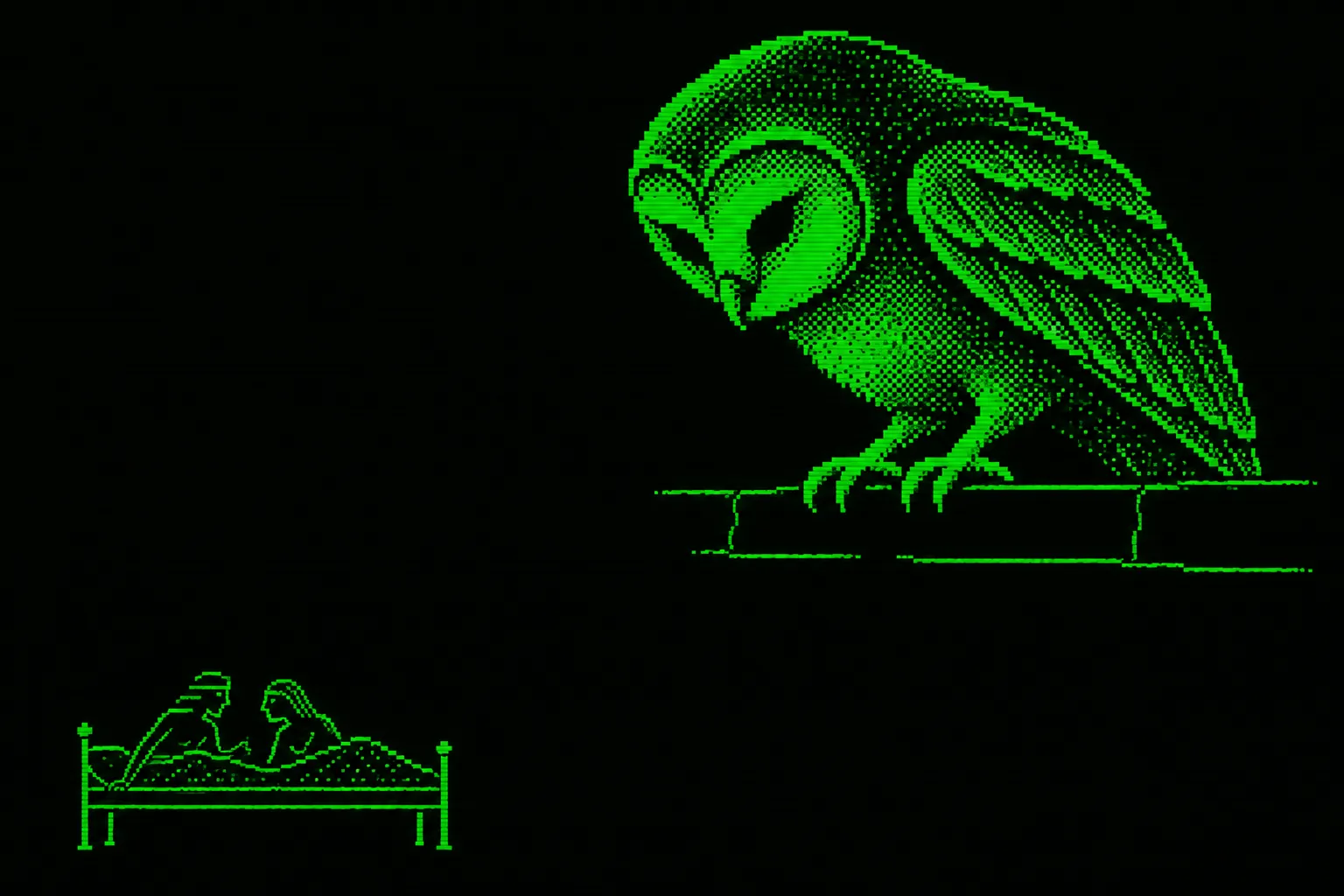
The Storm-god comes to Elkunirsa’s tent and reports that Ashertu has been sending to him: “Come, have sex with me!” When he refused, she threatened to be “behind” him, to press him down and to pierce him. Elkunirsa tells him to go and humiliate her. The Storm-god tells Ashertu that he has killed her children, 77 I killed, 88 I killed, and she mourns for seven years. Ashertu then wins her husband over. The two plot together in bed and agree that she may have sex with the Storm-god or do with him as she wishes. Ishtar overhears them. She turns into a cup in Elkunirsa’s hand and then into a bird, probably an owl, on his wall, and she carries the news to the Storm-god. The Mother-goddesses and a body of conjurers, among them the man of Amurru, then purify the Storm-god of oath, offence and word. A broken column describes someone taking from a victim the hair of the head, the sight of the eyes and the hearing of the ears, part by part.
The ritual material places the myth in use. A ritual patron sits with a lid on his knees, and a black sheep, thick loaves and wine are offered to Kunirsa, “lord of the dream, son of the dark earth.” The stars of Ishtar, Kumarbi, Ishhara, Belet-ekalli and Zababa are told to come, wash, anoint themselves, eat and drink. In this way the king, his troops and his chariotry are to be cleared of sorcery. Every column is broken, so the order of the episodes and the outcome of Ashertu’s revenge are lost.
The page gives 251 tablet lines, 8 restored from a duplicate. Square brackets mark breaks in the clay and restorations; ... is a lost stretch. Hover over or tap a Hittite word for its meaning and the English words it becomes.
First version
- 1Vs. I 1′–4′
▒▒𒉆𒈠𒉿𒁺𒍝𒊭𒀭𒌅𒊌𒂕𒉺▒ ▒▒𒈨𒈪𒅀𒈾𒊍𒃵𒋫𒋫𒈠𒀸𒈪 ▒ 𒄑𒁄𒌉𒊍 𒄩𒀜𒋫𒊏𒀀𒈪 ▒▒𒈠𒉿𒋫 𒀭𒁕 𒉌𒉌𒅅𒈪 𒀭𒌋𒀸 𒅖𒈨
[ ] namma then; again zik you EGIR-pa back; behind ] [ ] memiyan- word GAM-ta down damašš- to press [ BAL.TUR small spindle ḫattarā- to pierce [ -ma but anda in; into ninink- to set in motion 10 Storm-god ŠEMÛ to hear
[Then] I [will be] behind you for you [...] [with my] word(s) I press [you] down [with my] small spindle(?) I pierce [you] [With my ...] but I set you in motion." The Storm-god heard (it)
Note · Line 1
The Storm-god refused Ashertu’s demand that he have sex with her. These lines are the threats she made in return: to be “behind” him, to press him down and to pierce him. - 2Vs. I 5′
▒▒𒋾𒅀𒀜𒈾𒀸𒊭𒀀𒇉𒈠𒀀𒆷𒄯𒋳𒈾𒀸𒀀𒅈𒀸
[ ] tiya- to step; stand nu and; then ŠA of Mala Mala river ḫaršummar headwaters ar- to arrive
[and he] stood [up(?)], and he arri[ved] at the headwaters of the Mala river.
Note · Line 2
The Storm-god stands for the Canaanite god Baal. The Mala is the Hittite name of the Euphrates, and El lives at the source of the rivers. - 3Vs. I 6′
▒𒀭𒂖𒂉𒉌𒅕𒊭𒊭𒀭𒀀𒊺𒅕𒌈𒇽𒈬𒁲𒋗𒀀𒅈𒀸
[ Elkunirsa Elkunirsa ŠA of Ashertu Ashertu MUTU husband ar- to arrive
[And he arrived at] Elkunirsa, the husband of Ashertu.
Note · Line 3
Elkunirsa is the Canaanite god El, “creator of the earth.” Ashertu is his wife, the goddess Asherah. - 4Vs. I 7′
▒▒ 𒀭𒂖𒂉𒉌𒅕𒊭 𒄑𒍝𒇴𒃻𒀸 𒀭𒁕 𒉺𒀉
[ ] Elkunirsa Elkunirsa ZA.LAM.GAR tent anda in; into pai- to go
[...] He went into the tent [of] Elkunirsa.
- 5Vs. I 8′–10′
𒀭𒂖𒂉𒉌𒅕𒊭𒀸 𒀭𒌋𒀭 𒀀𒍑𒋫 𒈾𒀭 𒁍𒌋𒉡𒍑𒋫 ▒▒𒌑𒉿𒀸𒌝𒈠𒀭𒌋𒈠𒈠𒀀𒀭𒉿𒁖𒃷𒊮𒂍𒅗𒅀𒌑𒉿𒉡𒌦 ⬚⬚𒉿𒈬𒀭𒀀𒊺𒅕𒁺𒍑𒌉𒊩𒈨𒌍𒌋𒄿𒅀𒀜𒂊𒄷𒉿𒈬𒍝𒃰𒋫𒊺𒂊𒌍
Elkunirša Elkunirša 10 Storm-god auš- to see nu and; then punušš- to question [ ] uwa- to come UMMA thus 10 Storm-god mān when; if ŠÀ in; inside É house uwa- to come -mu me Ashertu Ashertu DUMU.MUNUS daughter uiye- to send uwa- to come katta down šēš- to sleep
[Elkuni]rsa saw the Storm-god and questioned him: "[Why] have you come?" Thus the Storm-god: "When I came to you and into your house, [...] Ashertu sent (her) daughters to me: 'Come, have sex with me!'
- 6Vs. I 11′–12′
▒ 𒌑𒌌 𒈨𒅎𒈠𒄴𒄷𒌦 𒀀𒉺𒀀𒀸𒈠𒈬𒍝𒃷 𒄩𒆷𒀭𒍝𒀜𒋫 ▒𒆠𒅖𒊭𒀭 𒅅𒁉 𒀊𒉺𒀭𒉿𒈬𒍝𒃷 𒂊𒌍
[ UL not memma- to refuse apa- he, she, it ḫalanza- meaning unclear [ kiššan thus QABÛ to say appan behind; after eš- to be; sit
[I] said, "No." But she ... me [and thus] said: 'Be behind me!
- 7Vs. I 13′–15′
𒉆𒈠𒉿𒀜𒁺𒍝 𒌅𒊌 𒂕𒉺 𒂊𒌍𒈪 𒉡𒉿𒁖𒃷 𒄠𒈪𒋫𒊍 ▒𒃰𒋫 𒋫𒈠𒀸𒈪 𒄠𒈪𒂊𒁕𒍝𒈠𒉿𒋫 ▒𒄩𒀜𒋫𒊏𒀀𒈪 𒉡 𒀀𒁁𒁕 𒌑𒉿𒉡𒌦 𒄠𒈨𒂖 𒀜𒋫𒀸𒈪𒌍
namma then; again zik you EGIR-pa back; behind eš- to be; sit nu and; then ammi- my [ katta down damašš- to press uk with my, but [ ḫattarā- to pierce nu and; then apadda for that reason uwa- to come uk with my, but atta- father
[Then] I will be behind you. And with my [...] I will press you [d]own, but with my [...] I will [pierce] you.' And for that reason I came, my father.
- 8Vs. I 16′
[ UL not we-/uwa- to come uk with my, but ukila I myself
[And] I did not come [to you by a messenger]; I myself [came] to you.
- 9Vs. I 17′–20′
▒▒𒀭𒀀𒊺𒅕𒁺𒍑𒉿𒍝𒌅𒊌𒇽𒈬𒌓𒅗𒈥𒆠𒅀𒍣 ▒𒊺𒂊𒌍 𒀭𒂖𒂉𒉌𒅕𒊭𒀸 𒀀𒈾 𒀭𒌋 𒂕𒉺 ▒𒁕𒀀𒅖𒄿𒀉𒉿𒊏𒀭⬚𒀸𒋗𒌋𒈠𒀀𒄿⬚▒▒
[ ] Ashertu Ashertu zik you MUTU husband markiye- to reject [ DAM wife nu and; then uk with my, but uišk- to keep sending [ šēš- to sleep Elkunirša Elkunirša ANA to 10 Storm-god EGIR-pa back; behind [ dai- to put, begin pai- to go šaššumai meaning unclear :x-x
[...] [Ashertu] rejects you as her husband; [...] your wife, and she keeps sending to me: '[Have] sex [with me]!'" Elkunirsa back to the Storm-god [began] [to answer]: "Go, ... her, ...
- 10Vs. I 21′
▒𒁮𒅀𒉡𒉿𒊏𒀭 𒇻𒌋𒊑𒅀𒄴
[ DAM wife nu and; then luriaḫḫ- to humiliate
[...] my wife, and humiliate her!"
- 11Vs. I 22′
▒ 𒅗 𒀭𒂖𒂉𒉌𒅕𒊭 𒅖𒈨 𒈾𒀸 𒀉𒋾 𒀭𒀀𒊺𒅕𒌈
[ INIM word Elkunirša Elkunirša ŠEMÛ to hear nu and; then ITTI with, to Ašertu Ašertu
[The Storm-god heard] the [word] of Elkunirsa, and he [went] to Ashertu.
- 12Vs. I 23′–25′
▒▒ 𒀭𒌋𒀸 𒀀𒈾 𒀭𒀀𒊺𒅕𒌈 𒅅𒁉 𒌅𒂊𒂖𒉿𒃷 𒌉𒈨𒌍𒅗𒂉𒂊𒉡 𒌦 𒂉𒂊𒉡𒌦 𒀭𒀀𒊺𒅕𒁺𒍑 ▒𒇻𒊑𒅀𒋻𒅖𒈨𒉡𒍑𒅆𒃷𒍣𒍝𒀭𒁕𒅆𒌨𒌋𒌍𒋫
[ ] 10 Storm-god ANA to Ašertu Ašertu QABÛ to say zik you DUMU children 77 seventy-seven kuen- to kill 88 eighty-eight kuen- to kill Ašertu Ašertu [ luriyatar humiliation ŠEMÛ to hear nu=šši=kan and; to her ZI soul anda in; into idālaweš- to become evil
[ ... ] The Storm-god said to Ashertu: "Your [children]: 77 I killed, 88 I killed." Ashertu, [when she] heard the humiliation, her soul became evil inside her.
Note · Line 12
This is the “humiliation” (luriyatar) that El told the Storm-god to inflict: he tells Ashertu that he has killed her children by the dozens. In grief she sets up mourners and wails for seven years. - 13Vs. I 26′
▒𒊩𒈨𒌍𒋰𒋫𒊒𒍑𒋾𒀉𒋫𒉡𒌓𒈾𒀸𒄿𒈾𒈬𒐌𒄰𒌑𒄿𒌍𒆠𒄑𒍣
[ MUNUS woman taptaru- taptaru woman tittanu- to set up nu=aš and; she INA in; for MU year 7 seven uiške- to wail
[ ... ] She set up taptaru-women, and she wails for seven years.
- 14Vs. I 27′
▒𒈠𒀸𒈠𒀸𒊍𒍣𒅅𒃷𒍣𒀝𒂉𒍑𒃷𒍣
[ -ma=šmaš but; to them azikk- to eat akkušk- to drink
[ ... ] they eat (and) [dr]ink for them.
- 15Rs. IV 1–2
[ ]x x[ ]x[ ] [ ] x ḪUL evil x x[ ]
[ ... ] ... [ ... ] ... [ ... ] [ ... ] ... evil(-) ... [ ... ]
- 16B Vs. II 2' §45–§50
za?-[ ... nu=za and; reflexive particle ... {d}10 Storm-god ... šer above ...
... and [ ... the Storm-god [ ... above [ ...
- 17B Rs. III 4 §51–§55
DÍLIM bowl ... {d}10 Storm-god ... ... ]x{MEŠ}? x-t[i?] x[ (_) ... ]x ḪUL evil DAM-ŠU his wife ...
a bowl [ ... the Storm-god [ ... ... ]... ...[ ... ... ] in evil ... his wife ...
- 18B Rs. IV 3-Rs. IV 4 §56–§58
... šarā up ... ... memai- to speak dāi- to put; begin ... ]-a pēḫute- to lead there
... ] up ... ... ] began to speak: "... ]-a I lead (there)."
- 19B Rs. IV 7 §61
... …peššar meaning unclear āš- to remain
... ] ... remained.
- 20B Rs. IV 8 §62
... -k]at-tén
... all of you [...]ed.
- 21B Rs. IV 9 §63
... ]-⌈ma⌉-aš-⌈kán⌉ ša-al?-[ ...
[gap in the text]
- 22Rs. IV 3–6
▒𒈠𒀀𒀭▒𒀭▒▒▒▒▒▒▒▒𒀀𒈾𒀭▒▒ ▒▒▒𒅔𒆕𒉡𒌦▒▒▒▒⬚▒𒉿𒃷▒▒ ▒𒉿𒈬𒌉𒈨𒌍𒀭𒀀𒉣𒈾𒆤▒▒▒▒▒▒▒ ▒▒𒂊𒂖𒀭𒂖𒂉𒉌𒅕𒊭⬚▒▒▒▒▒
[ mân when; if x-an-x x x x[ … ]x ANA to DINGIR god ] [ ]x-x-⸢in⸣ DÙ to make x[ … (_) -wa_-kan quotative and local particles x[ ] [ -mu me DUMU children A.NUN.NA.KE₄ Anunnaki … ]x x x[ ] [ ]x-⸢e⸣-el Elkunirsa Elkunirsa (_) ]x x x x[ ]
[When] ... to the god [...] ... I made ... [...] ... [...] me the children of the Anunnaki ... [...] [...]-el Elkunirsa [...]
Note · Line 22
The Anunnaki are the old gods of the underworld. Hittite rituals often call on them as the “former gods” below the earth. - 23Rs. IV 7–8
▒𒆷𒌑𒉿𒋼𒀉𒀭𒌋𒁯𒃷𒈬▒▒ ▒𒁉 𒁉𒂊𒄷𒋼𒀉
[ ]-la uwate- to bring here IŠTAR Ishtar ⸢mu?⸣-x[ ] [ -p]í? peḫute- to lead there
[...] brought (here). Ishtar ... [...] [...] brought (there).
Note · Line 23
Ishtar, goddess of love and war, is the one who overhears El and Ashertu plotting in bed. She changes shape to spy on them and carries the news to the Storm-god. - 24Rs. IV 9–11
▒▒𒋾𒀉𒋫𒉡𒌓𒉡𒁹𒂗𒌉𒋗▒ ▒𒋼𒌍𒄩𒀠𒇷𒅔𒄿𒅀𒀜▒▒▒▒▒
[ ]x tittanu- to set up nu and; then 1-EN one DUMU-ŠU his son ] [ tešḫalli- sleepy iya- to make [ …? ] [ ]⸢ki?⸣-iš-⸢da?⸣-x x x[ ]
[...] set up, and one of his sons [...] [...] made sleepy [...] [...] ... [...]
Note · Line 24
The word for “sleepy” comes from tešḫa-, “sleep, dream.” In the ritual El is called “lord of the dream.” - 25Rs. IV 12–15
▒▒𒈠𒀀𒀭𒇽▒▒ ▒𒊕𒁺𒍝𒋼𒂊𒁕𒈾𒀭▒▒ ▒𒅆𒄭𒀀𒋙𒅆𒃷𒌑𒉿𒀀𒋻𒁕𒀀𒀸
[ ]x mān when; if LÚ man ] [ anturriya- inner ] [ SAG.DU head tetana- hair [ ] [ IGI-ŠU his eyes auš- to see dā- to take
[...] when a man-...[...] [...] inner [...] [from the head] the hair [he took ...] [from] his [eyes] he took away the sight from him
Note · Line 25
Someone strips a victim part by part: the hair from the head, the sight from the eyes, the hearing from the ears, then something from the body. Neither the one doing it nor the victim is named in what survives. - 26Rs. IV 16–19
▒▒𒅖𒋫𒈠𒀸𒋗𒉿𒅈𒁕𒀀𒀸 ▒𒄠𒈠𒀠𒇷𒁕𒀀𒀸𒅖𒌅▒ ▒▒⬚𒅖𒋾𒅔𒁕𒀀𒀸 ▒▒𒅖𒌅𒅎𒋼𒋗𒅆𒃷▒
[ ] ištamašš- hearing dā- to take [ …ammalli meaning unclear dā- to take IŠTU from ] [ ] mišti- meaning unclear dā- to take [ ] IŠTU from NÍ.TE-ŠU his body ]
[from his ears] he took away the hearing [from him] [...] ... he took; from [...] [...] he t[ook] the ... [...] from his body [he took ...] from hi[m]
- 27Rs. IV 20
[ ]x[ … ]x-u[š? ]
[gap in the text]
First version, second copy
- 28A Vs. II 1' §1–§4
... 10 Storm-god ... ... katta down damašš- to press a[m- ... nu=wa=du=za and; you katta down šēš- to sleep
... the Storm-[g]od ... ... I [p]ress [dow]n ... ... [and] I will have sex with you."
- 29Vs. II 1′–3′
𒉡𒉿𒁺𒍝𒃰𒋫𒊺𒌍𒈪▒▒
[ 10 Storm-god ] [ ] katta down damašš- to press a[m- ] nu=wa=du=za and; you katta down šēš- to sleep [ ]
... [the Storm-god] ... [down] I press ... [and] I will have sex with you."
- 30Vs. II 4′–5′
𒉡 𒀀𒈾 𒁮𒋙 𒅅𒁉 𒂊𒄷𒉿𒊏𒀭𒋫▒ 𒉡𒉿𒀜𒋫 𒁶𒀭 𒍣𒀭𒍝▒▒
nu and; then ANA to DAM-ŠÚ his wife QABÛ to say eḫu=war=an=ta come; him; to you ] nu=wa=tta and; your GIM-an as ZI soul [ ]
And he said to his wife: "Co[me, ... him to you ...] And as [your] mi[nd] (is) ...
Note · Line 30
El gives in to his wife. He tells Ashertu to take the Storm-god and do with him whatever she wants. - 31A Vs. II 4' §6
nu and; then ANA to DAM-ŠÚ his wife QABÛ to say
And he said to his wife:
- 32Vs. II 6′–8′
𒀭𒌋𒁯𒅖𒂊𒉌𒅗𒈨𒌍𒅖𒈨𒈾𒀸𒍝𒃷▒ 𒋗𒄿 𒀭𒁕 𒃲𒅖 𒆕𒀜 𒄩𒁍𒁉𒌍𒈠𒍝▒ 𒈾𒀸𒍝𒃷 𒂉𒌓𒋾𒅖𒅆 𒂊𒊭𒀜▒▒
IŠTAR Ishtar aši that; those INIM word ŠEMÛ to hear nu=aš=za=kan and; she ] ŠU hand anda in; into GAL cup DÙ to make ḫapupi-=ma=za owl ] nu and; then kutt- wall eš- to be; sit [ ]
Ishtar heard those words, an[d she ...] in (his) hand she became a cup; [into an owl ...] and she sat on his wall.
- 33Vs. II 9′–12′
𒇽𒈬𒁲𒋗𒁮𒋗𒅀𒈨𒈪𒅖𒃷𒍣▒▒ 𒄑𒊭𒀸𒋾𒅖𒅆𒂊𒊑𒅕𒉡𒍑𒈠𒊭𒀜▒ 𒀭𒌋𒁯𒅖𒈠𒃷𒄷𒅖𒄿𒉿𒅈▒
MUTU husband DAM wife memišk- to speak [ ] ištamaške/a- to hear Elkunirša Elkunirša ] šašt- bed ar- to arrive nu and; then ] IŠTAR Ishtar MUŠEN bird iwar like ]
[The words that] her husband and his wife spe[ak (to each other)] [(Ishtar) he]ars. Elkun[irsa ...] [They] came to his [be]d, and [... to them ...] [But Ishtar] like a bird [...]
Note · Line 33
El and Ashertu go to bed together. The fuller version says they had sex there, and Ishtar listened to them plotting. - 34Vs. II 13′–2′
▒▒▒▒▒⬚▒𒊭𒊏𒀀▒ ▒𒀭𒌋𒉌𒃵𒀭𒉺𒀉▒▒
[ ] [ ḫuripta- desert anda in; into ] [ memišk- to speak [ ] [ ]x[ … (_) ]x šara up ] [ 10 Storm-god GAM-an down pai- to go [ ]
[...] i[n] the [d]esert [...] [... spea]king(?) [...] [...] ... up [...] [...] went down to the Storm-god [...]
Note · Line 34
As a bird, Ishtar flies over the desert and finds the Storm-god there. She warns him about Ashertu and tells him not to drink wine. - 35Rs. III 3′–6′
▒𒀭𒈤𒄭𒀀𒈠𒀸𒅆𒀀▒ ▒𒂕𒉺𒊭𒄠𒈠▒ 𒈪𒅖𒊑𒉿𒄴𒄭
[ DINGIR.MAḪ mother goddess a-[ ] [ EGIR-pa back; behind ša-am-m[a- ] [ ]x-ta iwar like ] mišriwaḫḫ- to make shine
[...] but the Mother-goddesses [...] to him ...[...] [...] back ...[...] [...] ... like [...] I make (it) shine
Note · Line 35
The Mother-goddesses are goddesses of birth and healing. With a group of conjurers they now begin to purify the Storm-god. - 36B Vs. II 15'-Vs. II 16' §24
... ŠA of Ḫeš… god ...
... of the god ...[...] ...
- 37Rs. III 7′–10′
𒀭𒌋𒉌 𒇽𒈨 𒌍𒄷𒊌𒈠𒊑𒇷𒂊𒌍▒ 𒇽 𒌷𒀀𒄯𒊑 𒇽 𒌷𒀀𒈾▒ 𒃲 𒇽𒈨𒌍 𒅲𒈾𒀭𒄷𒊌𒆠𒌍𒃷𒍣 𒇷𒅔𒆠𒅀𒍝 𒄩𒊏𒀜𒈾𒍝▒
10 Storm-god LÚ man ḫukmatalla- conjurer ] LÚ man Amurru Amurru LÚ man Ana Ana ] GAL cup MU₇ conjurer nu=an and him ḫukkišk- to keep conjuring lingai- oath ḫarattar offense ]
For the Storm-god the ḫukmatalli-men [...] the man of Amurru, the man of Ana[...] the chief of the conjurers; and they [keep conjuring] him by oath, by offen[ce ...]
Note · Line 37
The ḫukmatalli- men are incantation priests, experts who drive out evil with spoken spells. Here they gather around the Storm-god to work on him. Amurru was a kingdom on the Syrian coast, part of the Canaanite world this myth comes from. Ritual experts from there and from a second town, whose name is lost, join the conjurers. The conjuring frees the Storm-god from the guilt of a broken oath (linkiya-, “oath”), from offence, and from evil words spoken against him. The fuller version calls the first of these “perjury.” - 38Rs. III 11′–14′
𒈨𒈪𒅀𒀭𒈾𒊍 ▒▒▒▒▒ 𒀭𒌋𒀸 𒅎𒋼𒀸 𒁇𒂉▒ 𒀭𒌋𒁯𒅖𒀀𒈾▒▒ 𒀭𒌋𒀭𒉿 𒂕𒉺 ▒
memiyan- word [ …? ] 10 Storm-god NÍ.TE body parkui- pure ] IŠTAR Ishtar ANA to [ ] 10 Storm-god EGIR-pa back; behind ]
by word [...] The body of the Storm-god [is] pur[e? ...] Ishtar to [...] "The Storm-god back [...]"
Note · Line 38
This is what the rite is for: the Storm-god’s body is made pure again. - 39Rs. III 15′
GE₆ night ]
night ...[...]
- 40B Rs. III 16'-Rs. III 17' §45–§48
x[ ... ... dāi- to put; begin lē=wa=a- do not; him a[r- ... ... peḫute- to lead there nu=wa and; then nanankuššiyant- dark ... ... nu=wa and; then uwa- to come
[...] (she) [be]gan "Him I must not [... lea]d [...] and dar[k ...] [and] they come."
- 41B Rs. III 19'-Rs. III 20' §49–§52
... ... ]⌈mu⌉-x-tar? x[ ... ... ]x x-ma? x[ ... ... ]x-⌈an⌉[ ... ... ]x[ (_) ]x šarā up ...
[...] ...tar(?) [...] [...] ... [...] [...] ... [...] [...] ... up [...]
- 42A Rs. III 2' §53
... d10 Storm-god GAM-an down pai- to go
[...] went down to the [Storm]-god.
- 43A Rs. III 3' §55–§57
... DINGIR.MAḪ=ma=ši mother-goddess; but; him a-[ ... ... EGIR-pa back; behind ša-am-m[a- ... ... ]x-ta iwar like ... mišriwaḫḫ- to make shine
But the Mother-goddesses [...] to him ... [...] [...] back ... [...] [...] ... like [...] I make bright.
- 44A Rs. III 7'-Rs. III 9' §58
D10 Storm-god LÚ.MEŠ men ḫukmatalla- conjurer ... LÚ man Amurru Amurru LÚ man Ana Ana ... GAL cup MU7 incantation priest
For the Storm-god the conjurers [...] the man of Amurru, the man of Ana-[...], the chief of the incantation priests.
- 45A Rs. III 9'-Rs. III 11' §59–§62
nu=a- and; him ḫuek- to conjure linkai- oath; perjury ḫaratna- offense ... memiya(n)- word; matter ...? d10 Storm-god NÍ.TE body parku- pure ... IŠTAR Ishtar ANA to ... {d}10 Storm-god EGIR back ...
And they [are conjuring] him (free) from perjury, from offen[se ...] from word[s ...] The Storm-god's body [is] pur[e ...] Ishtar [...] to [...] "[...] the Storm-god ba[ck ...]
- 46A Rs. III 15' §63
GE6 dark ... ===
And dark [...]"
First version, a fragment
- 47Rs. 1′–4′
▒▒▒▒▒▒▒▒𒄘𒋀𒊺𒊩▒▒ ▒▒𒁕𒉌𒈠𒀭𒉌𒅔𒂉𒉿𒀭𒁺𒍑𒈬𒄭𒀀𒍑𒀭𒁕▒ ▒▒𒀀𒈾𒂁𒈾𒀝𒁮𒈪𒋾𒀭𒍣𒁹𒇻𒈪𒑆𒃻𒆸𒊏▒
[ ]x x-⸢an?⸣ [ ] [ ]x x x x x x x GÚ.SES bitter vetch ŠE barley MUNUS woman ] [ ]x-da-ni manninkuwant- short MU year anda in; into ] [ ] ANA to NAKTAMU lid dai- to put, begin 1 one UDU sheep GE₆ night 9 nine NINDA.GUR₄.RA thick loaf ]
[...] ... [...] [...] ... bitter vetch, barley, the woman ...[...] [...]-dani the short years in [...] [...] they place on the lid. One black sheep, nine thick loaves [...]
- 48Rs. 5′–8′
▒𒁉𒀭𒋛▒𒁲𒄑𒍣𒉡𒂗𒀬𒌑𒄑𒍣𒈾𒀸▒▒ ▒𒂁𒈾𒀝𒁮𒈬𒀀𒈾𒂗𒀬𒄀𒂊𒉡𒉿𒀸𒋾𒀭𒍣▒▒▒▒▒ ▒▒𒀀𒈾𒀭𒂉𒉌𒅕𒊭𒁄𒀭𒋾𒉡𒋼𒄑𒍣𒀭▒
[ -p]í-an SIxSÁ to determine by oracle nu and; then EN lord SISKUR ritual uw(a)- to come n=aš and he x[ ] [ NAKTAMU lid ANA to EN lord SISKUR ritual genu- knee dai- to put, begin [ …? ] [ ]x-ki [ ]x ANA to Kunirša Kunirsa BAL to pour libations nu and; then te- to say DINGIR god ]
[...] ...-pian he determines by oracle. And the lord of the ritual comes, and he ...[...] [...] they place the lid on the knees of the lord of the ritual [...] [...] ... [...] ... he makes an offering to Kunirsa, and he says: "God[...]
Note · Line 48
Kunirsa is El again, named without “El.” In the ritual he receives a black sheep, thick loaves and wine as “lord of the dream, son of the dark earth,” while the ritual patron sits with a lid on his knees. - 49Rs. 9′–11′
▒𒀀𒁉𒂊𒅖𒃰𒊑𒆷𒀸𒈠𒀀𒀭𒃷𒁖𒈾𒀸𒀭𒌓𒍑▒ ▒▒𒅀𒀜𒉡𒍑𒅆𒉌𒉿𒀠𒆷𒁇𒂉𒉿𒀠𒆷▒
[ ]-⸢a⸣ peškattalla- giver mān when; if tēkan- earth UTU sun deity ] [ ]x-ia-at nu=šši and to him niwall=a/i- innocent parkuwalla- pure ] [ kartimmiyanu- to make angry
[...] ... the giver. When the Sun-goddess of the Earth [...] [...]-ed, and to him the innocent, pure [...] [...] made [...] angry.
Note · Line 49
The Sun-goddess of the Earth is the queen of the underworld, the land of the dead below the earth. Second version: obverse
- 50Vs. II 1′–2′
[ ]x [ -a]z?
[...] ... [...]-az(?)
Obverse
- 51Vs. II 3″
▒▒ 𒌑𒄑𒍣
[ ]x wē- to come
[...] ... comes.
- 52Vs. II 4″–7″
▒▒▒▒ 𒀭𒂊
[ ]x-wa [ Ì oil [ ] [ ] AN-E heaven [ ] [ ]x
[...] ...-wa [...] his oil [...] ... [...] of heaven [...] ... [...] ...
- 53Vs. II 8″–10″
[ ]-ta [ ] [ ]x
[...]-ta [...] [...] ...
Obverse
- 54Vs. III 1′–4′
𒈾𒀸 𒋾𒅀𒀜𒁺 ▒▒ 𒉡𒍑𒊭𒀭 𒂉𒅖 𒈗▒▒▒▒▒▒ 𒅗𒀭𒋾𒅀 𒂟𒈨𒌍𒋾▒▒▒▒▒▒▒ 𒄑𒇀𒅀 𒀠𒉿𒀭𒍝 𒁖▒▒
nu=aš and; she tiye/a- to step [ ] nu=ššan and kui- who LUGAL king ] [ …? ] kant- grain ÉRIN troops x[ ] [ …? ] GIGIR chariot alwanza- bewitched ták-x[ ]
Let him step [...] And the king who [...] [...] and in the grain of the troops ... [...] [...] and the chariot, bewitched, ...[...]
Note · Line 54
The ritual turns to the king. He, his troops and his chariotry are to be cleared of sorcery. “Bewitched” renders alwanza-, from the Hittite word for sorcery. This is the harmful magic the rite is meant to remove. - 55Vs. III 5′–6′
𒈾𒀭𒊭𒀭 𒅆𒌨𒇻𒋾▒ 𒀭𒌋𒁯𒀸𒀯𒀸𒌑𒄑𒍣
nu=an=ššan and him ḪUL evil ti-[ ] IŠTAR Ishtar MUL star wē- to come
and him, evil ... [...] The star of Ishtar co[mes].
Note · Line 55
The gods are called down as stars. Each is told to come, wash, anoint itself with oil, eat and drink, like a guest welcomed to a meal, so that it will help with the cleansing. - 56Vs. III 7′–8′
𒉡𒍝 𒆠𒂊𒁕𒀭𒋫 𒌑𒄿𒋼𒉌𒀉
nu=za and; reflexive particle ka- this wātar water arra- to wash Ì oil ]
Let him with this w[ater] wash himself, with oil [let him anoint himself].
- 57Vs. III 9′
NINDA bread ēd- to eat GEŠTIN wine eku- to drink
Let him eat bread, [let him drink] wine.
- 58Vs. III 10′
𒀭𒂉𒈥𒁉𒅖 𒀯𒀸 𒌑𒄑𒍣
Kumarbi Kumarbi MUL star uwa- to come
Kumarbi, the star, co[mes].
Note · Line 58
Kumarbi is the old Hurrian father of the gods. In Hittite myth he is the father of the Storm-god, and he is often matched with El. - 59Vs. III 11′–12′
𒉡𒍝 𒆠𒂊𒁕𒀭𒋫 𒌑𒄿𒋼𒉌𒀉
nu=za and; reflexive particle ka- this wātar water arra- to wash Ì oil ]
Let him with this wa[ter] wash himself, with oil [let him anoint himself].
- 60Vs. III 13′
NINDA bread ēd- to eat GEŠTIN wine eku- to drink
Let him eat bread, [let him drink] wine.
- 61Vs. III 14′–17′
𒉡 𒈗𒀸 𒇽𒉽 ▒▒▒▒▒▒▒ 𒃻𒀭 𒇷𒂊 ▒▒▒▒▒▒▒▒
nu and; then LUGAL king KÚR enemy [ ] [ …? ] NINDA bread lē not x x[ ] [ …? ] alwanzatar sorcery ] [ …? ] ēd- to eat ]
and the enemy of the king [ ] [ ... ] the bread not (let) ... [ ] [ ... ] sorcer[y ...] [ ... ] ea[t ...]
Note · Line 61
These broken lines speak of the king’s enemy, of bread that is not to be eaten, of sorcery and of eating. They probably still belong to the cleansing of the king. Reverse
- 62Rs. IV 1′–4′
𒅗𒀀𒊭𒀭𒅎𒀸▒▒ 𒂉𒀉 𒇻𒅖 𒈾𒀀▒ 𒂉𒀉 𒅈𒈾 𒀉▒▒ 𒈠𒄴𒄩𒀭 𒀀𒈾 𒇽▒
kaša here IŠKUR storm god x[ ] kui- who UDU sheep na-a-[ ] kui- who ARNA sin it-x[ ] maḫḫan as ANA to LÚ man ]
[H]ere the Storm-god ...[ ] what sheep(?) ...[ ] what sin ...[ ] as to the man(?) ...[ ]
- 63Rs. IV 5′–8′
𒄩𒌅𒂵𒀸 𒁹𒀸 𒈗𒍑▒ 𒀀𒁉𒂖 𒀀𒈾 𒇽𒉽 ▒ 𒄩𒌅𒂵𒂊𒌍 𒀀▒ 𒀭𒌋𒉌 𒁶𒀭 𒀠𒉿▒
ḫatuka- terrible 1 one LUGAL king ] apa- he, she, it ANA to KÚR enemy ] ḫatuki- terrible a-[ ] 10 Storm-god GIM as alwanzatar sorcery ]
the one terrible king ...[ ] his ... to the enemy ...[ ] the terrible ones ...[ ] Just as for the Storm-god sorc[ery(?) ...]
Note · Line 63
ḫatuga- means “terrible, dreadful,” something that fills people with fear. Here it describes a single fearsome king, and later a group of fearsome ones. This is an analogy spell. Just as everything bows to the Storm-god, so may all the lands bow to the king and queen. The word lagan, “inclined,” means bent down, bowed in submission. - 64Rs. IV 9′–12′
𒄷𒌋𒈠𒀭𒁕 𒋡𒌓𒈠 𒆷𒂵𒀀𒀭 𒂊𒌍𒁺▒▒
ḫumant- all; whole anda in; into ] LUGAL king MUNUS.LUGAL queen [ ] ḫumant- all; whole QĀTAMMA likewise lak- to incline eš- to be; sit [ ]
everything is [inclined] towar[d], so to the king and the queen, [the lands], all likewise let [them] be inclined. [ ]
- 65Rs. IV 13′
x[ ]
[gap in the text]
- 66A Rs. 4-Rs. 5 §40–§41
UTU sun deity ... DUMU.LÚ.U19.LU human being GIM as x[ ... LUGAL king MUNUS.LUGAL queen ... ... ]x[ ...
The Sun-god [ ... ] as [ ... ] a [h]uman being ... [ ... But to the [ki]ng (and) to the queen [ ... ] ... [ ...
Note · Line 66
A second comparison of the same kind begins here, with the Sun-god and a human being. The wish for the king and queen that should complete it is lost. Second version, second copy
- 67Vs. II 1′–4′
▒▒ 𒅖𒃷𒁺 ▒▒𒆠𒂊𒁕𒀭𒁕 𒀀𒀉 𒀀𒅈𒊏𒀭𒁺 ▒▒𒆠𒂊𒁕𒀭𒁕 𒀀𒀉 𒀀𒅈𒊏𒀭𒁺
[ ]x išk- to anoint [ ] ka- this A water arra- to wash [ -a]n-du [ ] ka- this A water arra- to wash
[...] let them anoint [...] let them wash with [th]is? water [...] let [them ...] [...] let them wash with [th]is water
- 68Vs. II 5′–8′
▒▒𒃾𒀭𒈠 𒀀𒂉𒉿𒀭𒁺 𒈾𒀭 𒇷𒂊 𒋻𒈾𒀜𒋼𒉌 ▒𒌑 𒀀𒁉𒂖 𒄊𒀉 𒋾𒅀𒀜𒁺 ▒▒𒆠𒂊𒁕𒀭𒁕 𒀀𒀉 𒀀𒅈𒊏𒀭𒁺 ▒▒𒃾𒀭𒈠 𒀀𒂉𒉿𒀭𒁺 𒈾𒀸 𒋾𒅀𒀜𒁺 𒀭𒍝𒂷𒂷𒀸
[ ] GEŠTIN wine eku- to drink n=an and him lē not tarna- to let go [ ]-⸢ú?⸣ apa- he, she, it GÌR foot tiya- to step; stand [ ] ka- this A water arra- to wash [ ] GEŠTIN wine eku-/aku- to drink nu=-aš and he tiya- to step; stand Zababa Zababa
[...] but let them drink [wine?], and all of you, do not let him go [...] let him step with the foot of that one [...] let them wash with [th]is water [...] but let them drink [wine], and let him step; Zababa
- 69Vs. II 9′–2′
▒𒊏𒈨𒌍𒄑𒅆𒆕𒄑𒉼𒅆𒌨 𒌋 𒆕𒋻 𒁖𒆠𒅖𒍣 ▒𒃾𒈾𒀭𒈾▒▒
[ -R]A{MEŠ} ŠUKUR spear PAN bow ḪUL evil UḪ₇ sorcery takkiš- to join together [ iya- to make [ -z]i? na-x[ ] [ GEŠTIN wine [ ]
joins together the [...]s, the spear, the bow, evil, sorcery let him [ma]ke [...] [...] ... [...] [...] and the wine? [...]
Note · Line 69
Zababa is a Hittite war-god, which is why spear and bow appear here. He gathers weapons, evil and sorcery together, probably so that they can be taken away from the king. - 70Rs. III 3′–6′
▒𒃻𒆸𒊏𒋻𒈾𒀸𒈾▒ ▒𒂗𒀬𒌑𒄑𒍣▒▒▒▒▒ ▒▒▒▒𒄿𒂖𒈠𒃷𒀀𒈾▒
[ anda in; into ḫamenk- to bind ] [ NINDA.GUR₄.RA thick loaf tarna- to let go nu and; then ] [ EN lord SISKUR ritual wē-/uwa- to come [ …? ] [ ] [ ma=kan but ANA to ]x
[... in?]to? bound [...] [...] thick bread of a tarna-measure, and [...] [... the lord?] of the ritual comes [...] [...] but ... to [...]
- 71Rs. III 7′–9′
▒𒀭𒂖𒂉𒉌𒅕𒊭𒀸 𒂗 𒅇 𒈪𒀸 𒆠𒀸 𒌉𒀸 ▒▒▒ 𒂗 𒀬 𒂉𒀉𒆠 𒌇𒌇𒌍𒋫 ▒𒉌 𒌑𒂊𒊑𒅀𒀜
[ Elkunirša Elkunirša EN lord Ù sleep; dream GE₆ night KI earth DUMU children [ ] [ EN lord SISKUR ritual kuiški someone; something TUKU.TUKU to become angry [ ]-ni? weriya- to call
[Elkunirs]a, lord of the dream, son of the dark earth [...] became angry [at] the ritual patron about something [...]ni? called
Note · Line 71
Someone, perhaps a god, has become angry with the ritual patron, the person the rite is performed for. The rite is meant to soothe that anger. - 72Rs. III 10′–13′
▒▒𒀉 𒉡𒍑𒅆𒃷 𒌅𒊌 ▒▒▒𒀭𒂖𒂉𒉌𒅕𒊭𒀸𒂗𒅇𒅆 𒌨𒈬𒍑 𒅇𒍑 ▒ 𒌗𒄭𒀀𒍑 𒈠𒀭𒉌𒅔𒂉𒉿𒀭𒁺𒍑 𒌓𒄭𒀀𒍑 ▒𒄴𒇷𒉿𒀭𒁕 𒈪𒅀 𒈬𒌦𒁺𒉿𒀭𒁕
[ ]x-it nu=šši=kan and; to her zik you [ ] [ Elkunirša Elkunirša EN lord Ù sleep; dream ḪUL evil Ù sleep; dream [ ITU month manninkuwant- short UD day [ …aḫliwant- meaning uncertain GE₆ night mundu=ant- meaning uncertain
[...] ... and to him you [...] [Elkun]irsa, lord of the dream, evil dreams, [...] months, short days, [...] ... things and dark ... things
- 73Rs. III 14′
▒▒ 𒀊𒁉𒌍𒆠𒅆
[ ] ep-/app- to hold
[...] you keep holding.
Note · Line 73
El is addressed as the lord of the dream. He holds evil dreams, dark months and short days in his hand, and the speaker probably asks him to keep them from the patron. - 74Rs. III 15′–16′
[ kan local particle iš⸣-x[ ] [ ]x[ ]
[...] this one ... [...] [...] ... [...]
Second version, third copy
- 75Vs. 1′–1′
𒉡𒉿𒃻𒀭𒅥𒁺▒ 𒅖𒃷𒁺
namma then; again [ ] Kumarbi Kumarbi ] [ ] nu and; then NINDA bread GU₇ to eat ]x išk- to anoint
"[Then?] but him [...]" [...] of [K]umarbi [...] [...] and let him eat bread [...] ... let them anoint.
- 76Vs. 4′/Vs. II 2′–3′
𒀭𒅖𒄩𒊏𒀸 𒀯𒄭𒀀 𒌑𒉿𒀭𒁺𒆠𒂊𒁕𒀭𒁕 𒀀𒀉 𒀀𒅈𒊏𒀭𒁺 𒉡𒉿 𒃻𒀭 𒀀𒁕𒀭𒁺 𒃾𒀭𒀭𒁺
Išḫara Ishhara MUL star uwa- to come ka- this A water arra- to wash nu and; then NINDA bread ēd- to eat GEŠTIN wine eku- to drink
Let the stars of Ishhara co[me]; let them wash with [th]is water, and let them eat bread, [drink] wi[ne]!
Note · Line 76
Ishhara is a Syrian and Hurrian goddess of oaths and of love, often linked with Ishtar. - 77Vs. 6′/Vs. II 4′–5′
𒀭𒊩𒈠𒂍𒃲𒀸𒀯𒄭𒀀𒌑𒉿𒀭𒁺𒆠𒂊𒁕𒀭𒁕 𒀀𒀉 𒀀𒅈𒊏𒀭𒁺 𒉌𒀉𒋫𒍝 𒅖𒃷𒁺 𒃻𒀭 𒃾𒀭𒈠 𒀀𒂉𒉿𒀭𒁺 𒈾𒀭 𒇷𒂊 𒋻𒈾𒀜𒋼𒉌
NIN.É.GAL Belet-ekalli MUL star uwa- to come ka- this A water arra- to wash Ì oil išk- to anoint NINDA bread GEŠTIN wine eku-/aku- to drink nu=an and him lē not tarna- to let go
Let the stars of Belet-ekalli co[me]; let them wash with [th]is water, let them anoint themselves with oil, [eat] brea[d, but let them drink wine! And do not, all of you, let him go!]
Note · Line 77
Belet-ekalli, “Lady of the Palace,” is a Mesopotamian goddess worshipped as the protector of the royal house. - 78Vs. 8′/Vs. II 6′
▒▒▒𒉌𒀭𒈗𒉿𒀸𒁇𒈾𒈾𒀭𒌑 𒀀𒁉𒂖 𒄊𒀉 𒋾𒅀𒀜𒁺
[… ]-ni?-an LUGAL king per house nu and; then ]-⸢ú?⸣ apa- he, she, it GÌR foot tiya- to step; stand
[...]-nian to the house of the king, and [...] him [...]; let him step with that one's foot!
- 79Vs. 9′/Vs. II 7′–10′
𒀭𒍝𒂷𒂷 𒆠𒂊𒁕𒀭𒁕 𒀀𒀉 𒀀𒅈𒊏𒀭𒁺 𒃾𒀭𒈠 𒀀𒂉𒉿𒀭𒁺 𒈾𒀸 𒋾𒅀𒀜𒁺 𒀭𒍝𒂷𒂷𒀸 𒊏𒈨𒌍𒄑𒅆𒆕𒄑𒉼𒅆𒌨 𒌋 𒆕𒋻 𒁖𒆠𒅖𒍣
Zababa Zababa ka- this A water arra- to wash [ GEŠTIN wine eku- to drink nu and; then tiya- to step; stand Zababa Zababa [ -R]A{MEŠ} ŠUKUR spear PAN bow ḪUL evil UḪ₇-tar sorcery takkiš- to join together [ iya- to make
Zababa [...]; let them wash with [th]is water, [...] but let them drink wine! And let him step! Of Zababa [...]s, spear, bow: the evil sorcery he devises [...] let him [m]ake!
- 80Rs. 1′/Rs. III 1′–4′
▒▒▒▒▒▒▒𒄘𒋀𒊺𒊩𒃾𒈾𒀭𒈾 ▒𒁕𒉌𒈠𒀭𒉌𒅔𒂉𒉿𒀭𒁺𒍑𒈬𒄭𒀀𒍑𒀭𒁕𒄩𒈠𒀭𒃷 𒀀𒈾𒂁𒈾𒀝𒁮𒈪𒋾𒀭𒍣𒁹𒇻𒈪𒑆𒃻𒆸𒊏𒋻𒈾𒀸𒈾
[ ]x x-⸢an?-zi?⸣ nu and; then ] [ ]x x x x x x x GÚ.SES bitter vetch ŠE barley šaluina- clay [ ] [ ]x-da-ni manninkuwant- short MU year anda in; into ḫamenk- to bind ] [ ] ANA to NAKTAMU lid dai- to put, begin 1 one UDU sheep GE₆ night 9 nine NINDA.GUR₄.RA thick loaf tarna- to let go nu and; then ]
[...] ... they ... and [...] [...] ... bitter vetch, barley, and clay(?) [...] [...] ... they bi[nd] the short years in [...] [...] they place on the lid. 1 black sheep, 9 thick breads of a tarna-measure, and [...]
- 81Rs. 1′/Rs. 5′/Rs. III 5′–7′
▒▒▒▒𒀭𒁉𒀭𒋛▒𒁲𒄑𒍣𒉡𒂗𒀬𒌑𒄑𒍣𒈾𒀸▒𒂗𒀬𒌑𒄑𒍣▒▒▒ 𒂊𒊭𒊑 𒉡𒃷𒂁𒈾𒀝𒁮𒈬𒀀𒈾𒂗𒀬𒄀𒂊𒉡𒉿𒀸𒋾𒀭𒍣▒𒄿𒂖𒈠𒃷𒀀𒈾▒ 𒍠𒉌 𒋗𒄿 𒄩𒈠𒀭𒆠
[… ]x-⸢an⸣ [ -p]í-an SIxSÁ to determine by oracle nu and; then EN lord SISKUR ritual ūwa- to come nu=aš and; she x[ EN lord SISKUR ritual ūwa- to come [ …? ] eš- to be; sit nu=kan and; then NAKTAMU lid ANA to EN lord SISKUR ritual genu- knee dai- to put, begin [ =ma but ANA to ]x ZAG right ŠU hand ḫamenk- to bind
[…] … [… -]pian is ascertained by oracle(?), and the ritual patron comes, and he [… the ritual patron comes …] sits; and they place [the lid] on the ritual patron's knees, but [the …]-iel [to …] … she binds on the right hand.
- 82Rs. 4′/Rs. 8′/Rs. III 7′–11′
𒉡𒃷 𒊩𒋗𒄀 𒁹 𒂁 𒃾 𒀀𒈾 𒀭𒂉𒉌𒅕𒊭 𒁄𒀭𒋾 𒉡 𒋼𒄑𒍣 𒀭𒂉𒉌𒅕𒊭𒀸 𒂗 𒅇 𒈪𒀸 𒆠𒀸 𒌉𒀸 𒁖𒈾𒀸 𒀭𒌓𒉿𒀸 𒇽𒅀𒁉𒂊𒅖𒃰𒊑𒆷𒀸𒈠𒀀𒀭𒃷𒁖𒈾𒀸𒀭𒌓𒍑 𒂗 𒀬 𒂉𒀉𒆠 𒌇𒌇𒌍𒋫 𒉡𒍑𒅆𒃷 𒌅▒▒𒅀𒀜𒉡𒍑𒅆𒉌𒉿𒀠𒆷𒁇𒂉𒉿𒀠𒆷𒉌 𒌑𒂊𒊑𒅀𒀜 𒈾𒀸𒈠𒃷 𒀭𒌓 𒋼𒀀𒁴𒈪𒅀𒉡𒌓
nu=kan and; then ŠU.GI old woman 1 one DUG vessel GEŠTIN wine ANA to Kunirša Kunirsa BAL to pour libations nu and; then te- to say Kunirša Kunirsa EN lord Ù sleep; dream GE₆ night KI earth DUMU children tēkan earth UTU sun deity LÚ man pēškatalla- provider mān=kan if; when tēkan earth UTU sun deity EN lord SISKUR ritual kuitki somehow TUKU.TUKU to become angry nu=šši=kan and; to her tu-x[ ]x-ia-at nu=šši and to him niwalla/i- innocent parkuwalla- pure ]-ni? weriya- to call našma=kan or UTU sun deity kartimmiyanu- to make angry
And the Old Woman pours one jug of wine as a libation to Kunirša and says: "O Kunirša, lord of the dream, son of the dark earth, and man of the Sun-goddess of the Earth, provider! If the Sun-goddess of the Earth [has become angry at the ritual patron] in some way, and to him … [… -]ed, and called to him 'innocent, pure' […] or [the Sun-goddess] made [him] angry,
Note · Line 82
The Old Woman is a female ritual expert who speaks the spells in Hittite rites. Here she pours wine for El and recites the prayer to him. - 83Rs. 8′/1′/Rs. III 11′–14′
𒈾𒀸𒈠𒀸𒅆𒃷𒊬𒂵𒊭𒀜𒋫▒𒀉 𒉡𒍑𒅆𒃷 𒌅𒊌 𒀭𒂉𒉌𒅕𒊭▒𒉌𒌑𒂊𒊑𒅀𒀜𒉡▒𒀭𒂉𒉌𒅕𒊭𒀸𒂗𒅇𒅆 𒌨𒈬𒍑 𒅇𒍑 𒅆𒌨𒈬𒍑𒈠𒀭𒉌𒅔𒂉𒉿𒀭𒁺𒍑𒈬𒄭𒀀𒍑𒈠𒀭𒉌𒅔𒂉𒉿𒀭𒁺𒍑 𒌗𒄭𒀀𒍑 𒈠𒀭𒉌𒅔𒂉𒉿𒀭𒁺𒍑 𒌓𒄭𒀀𒍑 𒀀𒁈𒀸 𒋼𒀀𒀸𒉺𒊏𒀀𒀊𒁉𒌍𒆠𒅆𒈾𒀸𒈠▒𒄴𒇷𒉿𒀭𒁕 𒈪𒅀 𒈬𒌦𒁺𒉿𒀭𒁕
našma=šši=kan or; to him š]ar?-ga-ša-at-t[a(-) ]x-it nu=šši=kan and; to her zik you Kunirša Kunirsa ]x-ni weriya- to call nu and; then x[ Kunirša Kunirsa EN lord Ù sleep; dream ḪUL evil Ù sleep; dream ḪUL evil manninkuwant- short MU year manninkuwant- short ITU month manninkuwant- short UD day A.BÁR lead [ karaš- wheat parā forth; out app- to grasp našma or x[ ]-aḫ-li-wa-an-da GE₆=ya dark; and munduwant- meaning unclear
Or to him [...] did ..., and to him it was you whom O Kunirša, [...] called. And [... O Kun]irša, lord of sleep, evil dreams, evil [shortened] years, shortened [months, shortened days] of lead [... w]heat(?) you keep holding forth; or [...] ... things and dark ... things
- 84Rs. 12′/5′/Rs. III 15′
𒉺𒊏𒀀 𒀊𒌨𒁇𒊏𒈜𒀀𒈲𒄈𒋰𒉺𒊏𒀀 𒀊𒁉𒌍𒆠𒅆
parā forth; out appišk- to keep holding UR.BAR.RA wolf KA₅.A fox MUŠ snake GÍR.TAB scorpion parā forth; out appišk- to keep holding
forth [you keep holding ...]; wolf, fox, snake, scorpion you keep holding forth.
Note · Line 84
The prayer lists what El sends out from his hand. Besides evil dreams and shortened years, months and days, he sends the wolf, the fox, the snake and the scorpion, animals that bite, sting and kill. - 856′/Rs. III 16′–9′
𒅇𒍝𒉺𒊏𒀀𒀊𒁉𒌍𒆠𒅆𒆠𒉡𒃷𒅖▒ ▒𒅆𒀬𒈪𒉺𒅖𒉡𒍝𒆠𒄿▒ 𒈬𒄭𒀀𒍑𒉌𒍑𒌗𒄭𒀀𒍑 ▒𒌨𒁇𒊏𒈜𒀀𒈲
[ ] Ù sleep; dream parā forth; out appišk- to keep holding kinun now -kan local particle iš⸣-x[ ] [ ]x-ši SISKUR ritual GE₆ night pai- to go nu and; then ka- this [ ]x[ ] [ ] MU year NI-uš ITU month [ ] [ ]x UR.BAR.RA wolf KA₅.A fox MUŠ snake ]
[...] you keep seizing out of sleep; this [...] ...[...] [...]...; he gave a night offering, and this [...] ... [...] [...] the years, ..., the months [...] [...]... the wolf, the fox, the snake [...]
Note · Line 85
The prayer goes on: El draws these evils up out of sleep, the world of dreams he rules as lord of the dream. - 86lk. Rd. 1–4
▒𒁄𒀭𒋾𒃻𒆸𒊏𒈠𒈠▒ ▒▒𒀀𒉿𒀭𒅈𒄩𒋾𒀉▒ ▒𒅆𒌨𒍑𒊭𒅇𒈨𒌍𒍑▒▒▒▒▒ ▒▒𒁄𒀭𒋾𒐈𒃻𒆸𒊏▒▒▒▒
[ BAL to pour libations NINDA.GUR₄.RA thick loaf ma-[ ] [ ]x awan along arḫa away ti-i[t- ] [ ḪUL evil Ù sleep; dream [ …? ] [ ]x BAL to pour libations 3 three NINDA.GUR₄.RA thick loaf …? ]
[...] he libates; but the thick bread ... [...] [...]... away ... [...] [...] and the evil dreams [...] [...]... he libates; three thick breads ...[...]
Note · Line 86
The text returns to the ritual acts. Someone pours libations and offers thick loaves, and the evil dreams are put away, probably from the patron. - 87lk. Rd. 5
[ ]x x[ ]
[gap in the text]
Fragment (Bo 3300)
- 881′–4′
▒▒𒉌𒌑𒂊𒊑𒅀𒀜𒉡▒▒ ▒▒▒▒𒈠𒀭𒉌𒅔𒂉𒉿𒀭𒁺𒍑𒈬𒄭𒀀𒍑𒈠𒀭𒉌𒅔𒂉𒉿𒀭𒁺𒍑▒▒▒▒ ▒▒▒▒▒▒𒋼𒀀𒀸𒉺𒊏𒀀𒀊𒁉𒌍𒆠𒅆𒈾𒀸𒈠▒▒
[ -š]ar?-ga-ša-at x[ ] [ ]x-ni weriya- to call nu and; then x[ ] [ …? manninkuwant- short MU year manninkuwant- short …? ] [ …? ] [ karaš- wheat parā forth; out ep- to seize, hold našma or x[ ]
[...] ... [...] [...] ... he called; and? ... [...] [... the shor]t years, the short [...] [...] you keep holding out the [w]heat(?), or ... [...]
Note · Line 88
The prayer to El repeats here. The speaker tells him directly that he keeps holding things out from his hand: grain on one side, and on the other the short years and the dangerous animals. - 895′–8′
▒𒌨𒁇𒊏𒈜𒀀𒈲𒄈𒋰▒▒ ▒𒄢𒍝𒉺𒊏𒀀𒀊𒁉𒌍𒆠𒅆𒆠𒉡▒ ▒▒𒅆𒀬𒈪𒉺𒅖𒉡𒍝𒆠𒄿▒▒ ▒▒𒈬𒄭𒀀𒍑𒉌𒍑𒌗𒄭𒀀𒍑▒▒
[ UR.BAR.RA wolf KA₅.A fox MUŠ snake GÍR.TAB scorpion x[ ] [ GUL hoe parā forth; out ep(p)- to seize; hold kinun now ] [ ]x-ši SISKUR ritual pai- to go nu and; then ka- this [ ] [ ] MU year NI-uš ITU month [ ]
[...] wolf, fox, snake, scorpion ... [...] [... with a hoe?] you keep holding out; no[w ...] [...] ... he gave for my ritual, and this(?) [...] [...] years, ..., months [...]
- 909′
▒▒𒌨𒁇𒊏𒈜𒀀𒈲▒
[ ]x UR.BAR.RA wolf KA₅.A fox MUŠ snake ]
[...] ... wolf, fox, snake? [...]
Fragment (CHDS 7.159)
- 911′–4′
▒▒▒▒𒉡𒍝𒆠𒂊𒁕𒀭𒁕 𒅖𒃷𒁺𒃻𒀭𒀀𒁕𒀭𒁺 ▒𒈗𒉿𒀸𒂟𒈨𒌍𒋾𒀲𒆳𒊏𒈨𒌍
] x [ ] nu and; then ka- this išk- to anoint NINDA bread ēd- to eat ]x ANŠE.KUR.RA horse ] LUGAL king ÉRIN-TI troops ANŠE.KUR.RA horse
... ... and with th[ese ...] [let them anoi]nt(?); let them eat bread [...] ... his chariotry ...[...] ... the troops of the king (and) the chariotry
- 925′–7′
𒊩𒈨𒌍𒋦𒇳𒄷𒊌𒈠𒊑 𒀯𒄭𒀀 𒌑𒉿𒀭𒁺 𒉡𒍝 𒆠𒂊𒁕𒀭𒁕 𒃾𒀭𒈠 𒀀𒂉𒉿𒀭𒁺 ▒
SUḪUR.LA₅ female servant ḫukmatal- conjurer MUL star wē- to come nu and; then ka- this GEŠTIN wine eku- to drink [
female servants (and) conjur[ers(?) ...] let the stars come; and with th[ese ...] but let them drink wine [...]
Note · Line 92
Palace servant women and conjurers take part in the rite alongside the king’s troops and chariotry. - 938′–11′
▒𒀸𒁕𒁉𒀸𒀭𒈨𒌍𒀸𒀯𒄭𒀀 𒉌𒀉𒋫𒍝𒅖𒃷𒁺𒃻𒀭𒀀𒁕𒀭𒁺 ▒𒀯𒄭𒀀𒈠𒀀𒀭𒁇𒂉𒉿𒂊𒌍 𒀲𒆳𒊏𒈨 𒌍𒌋 𒆕𒍝 𒋡𒌓𒈠
]x-aš? dapiya- all DINGIR god MUL star Ì oil išk- to anoint NINDA bread ēd- to eat ]x MUL star mān when; if parkui- pure ANŠE.KUR.RA horse UḪ₇ sorcery QATAMMA likewise
[...] ... the stars of all the gods [...] let them anoint themselves [with o]il, let them [eat] bread [...] [...] ... as the stars [are] pure [...] likewise [let] the horses (i.e. the chariotry) [be pure] from sorcery [...]
Note · Line 93
This is another comparison spell. Just as the stars are pure, so may the king’s troops and chariotry be pure of sorcery. - 9412′
▒𒆠𒂊𒉺▒
]x? ka- this pa⸣-x[
[...] these ...[...]