~/sacred-texts/late-egyptian-miscellanies
Egyptian School Letter: Rules on Silence, Fares, and Pay
- Date
- Copied in the New Kingdom (1550–1070 BC) as a Late Egyptian scribal school letter.
- Language
- Late Egyptian · Hieratic
- 1
[...] zẖꜣ,w Pꜣ-wḥm ḥr swḏꜣ jb n(,j) nb =f zẖꜣ,w Jni̯-ḥr,t-rḫ
… The scribe Pawehem gladdens the heart of his lord, the scribe Onuris-rekh,
Note · Line 1
To “gladden the heart” was a customary way to speak of bringing someone news. - 2
m ꜥnḫ-(w)ḏꜣ-s(nb)
in life, prosperity, and health.
- 3
hꜣb pw r rḏi̯.t rḫ pꜣy =j nb
This letter is to inform my lord.
- 4
ky swḏꜣ-jb n(,j) pꜣy =j nb
A further message for my lord:
- 5
m-jri̯ sḥwr
Speak ill of no one.
- 6
zꜣw tw r mdwi̯
Guard against speaking.
- 7
jri̯ n =k gr,w n jr,j-ḏꜣy m tꜣ mẖn(,t)
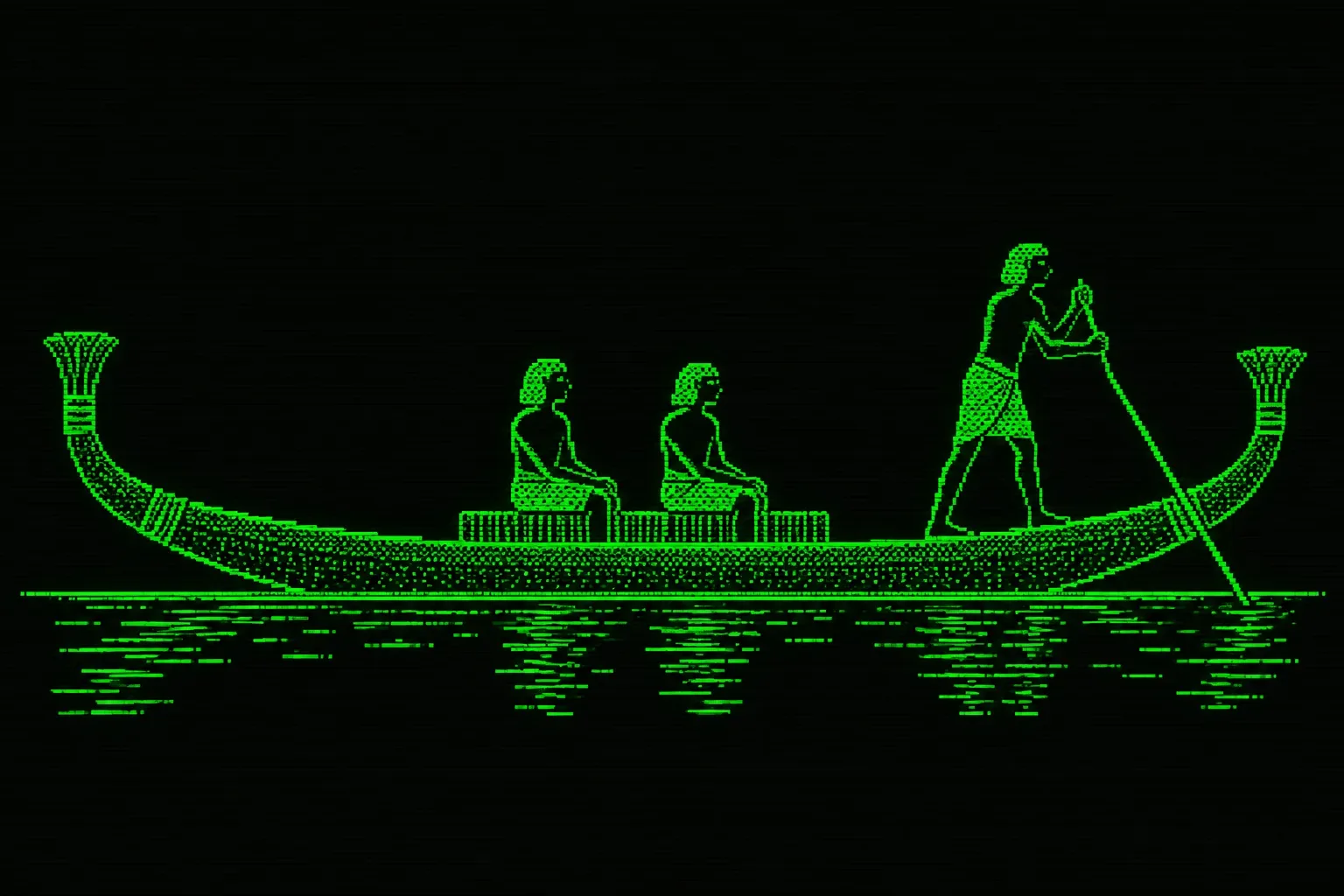
Be a silent companion to your fellow passenger on the ferry.
Note · Line 7
In Egyptian teachings, the silent person is admired for knowing when to hold his tongue. - 8
jmm n =sst hꜣm,w
Pay the fare for the crossing.
- 9
mdn(,t) n ḥmw,w jri̯.y =f n =k
Give the craftsman his pay, so that he may work for you.
- 10
jn kꜣ{.pl} n zẖꜣ,w Jni̯-ḥr,t-rḫ
For the ka of the scribe Onuris-rekh.
Note · Line 10
The ka was a person’s vital force. This dedication honors the scribe himself. - 11
grḥ [...]
The end. …