~/sacred-texts/late-egyptian-miscellanies
Egyptian Letter of Hornakht: A Rebuke Over Bad Barley
- Date
- Copied in the late 19th Dynasty (c. 1213–1189 BC) as a scribal school letter in the Late Egyptian Miscellanies
- Language
- Late Egyptian · Hieratic
- 1
[...] zẖꜣ,w-nsw (j)m(,j)-r(ʾ)-šnw,t〈j〉 Nfr-rnp,t
… Neferrenpet, royal scribe and overseer of the Two Granaries.
Note · Line 1
The Two Granaries was the name of the royal grain administration. - 2
m-ḏy,t ṯꜣy =tw n =k
Do not let anyone reproach you.
- 3
Ḥr-nḫt [n] [tꜣ] ḥw,t-n.t-ḥḥ-m-rnp,t.pl n nsw-bj,tj [...]
Hornakht of the House of Millions of Years of the King of Upper and Lower Egypt …
- 4
zẖꜣ,w-nsw (j)m(,j)-r(ʾ)-pr Ḥr-nḫt n tꜣ ḥw,t-〈n.〉t-ḥḥ-m-rnp,t.pl (n) nsw-bj,tj Bꜣ-n-Rꜥ-mri̯.y-Jmn ꜥnḫ-(w)ḏꜣ-s(nb) m pr Jmn ḏd n jdnw Mntj-ḥr-ḫpš≡f r-n,tj
Hornakht, royal scribe and steward of the House of Millions of Years of the King of Upper and Lower Egypt, Baenre Meryamun (may he live, prosper, and be well), in the estate of Amun, says to the deputy commander Montuherkhepeshef:
Note · Line 4
Baenre Meryamun was the throne name of Merneptah. His House of Millions of Years was a temple where his cult was maintained. - 5
jni̯ =tw n =k zẖꜣ,w pn n ḏd 〈ḥnꜥ-ḏd〉
This letter has been brought to you with a further message:
- 6
jḫ ḏi̯ =k ḥr =k r jri̯ wp(w),t nb(.t) rḏi̯.{n}yt [m]-ḥr =k m-šs ḏrj mnḫ
Please see that you carry out every task set before you thoroughly, ably, and well.
- 7
m-ḏy.t ṯꜣy =⸢tw⸣ ⸢n⸣ =k
Do not let anyone reproach you.
- 8
ḥnꜥ-ḏd r-n,tj
Further:
- 9
jri̯.y nꜣ (j)m(,j)-r(ʾ)-šnw,tj.du ṯt〈ṯt〉 m-dj =j ḥr nꜣ jt j:ḏi̯ =k m ꜣtp.y r pꜣ qꜣ~jrʾ n tꜣ šnw,t Pr-ꜥꜣ (ꜥnḫ-wḏꜣ)-s(nb) r-ḫt zẖꜣ,w-nsw (j)m(,j)-r(ʾ)-šnw,tj.du Nfr-rnp,t nt,j r-ḥꜣ,t jdnw Mntj-r-[ḥꜣ],tj≡f [n] pꜣ mšꜥ r-ḏd
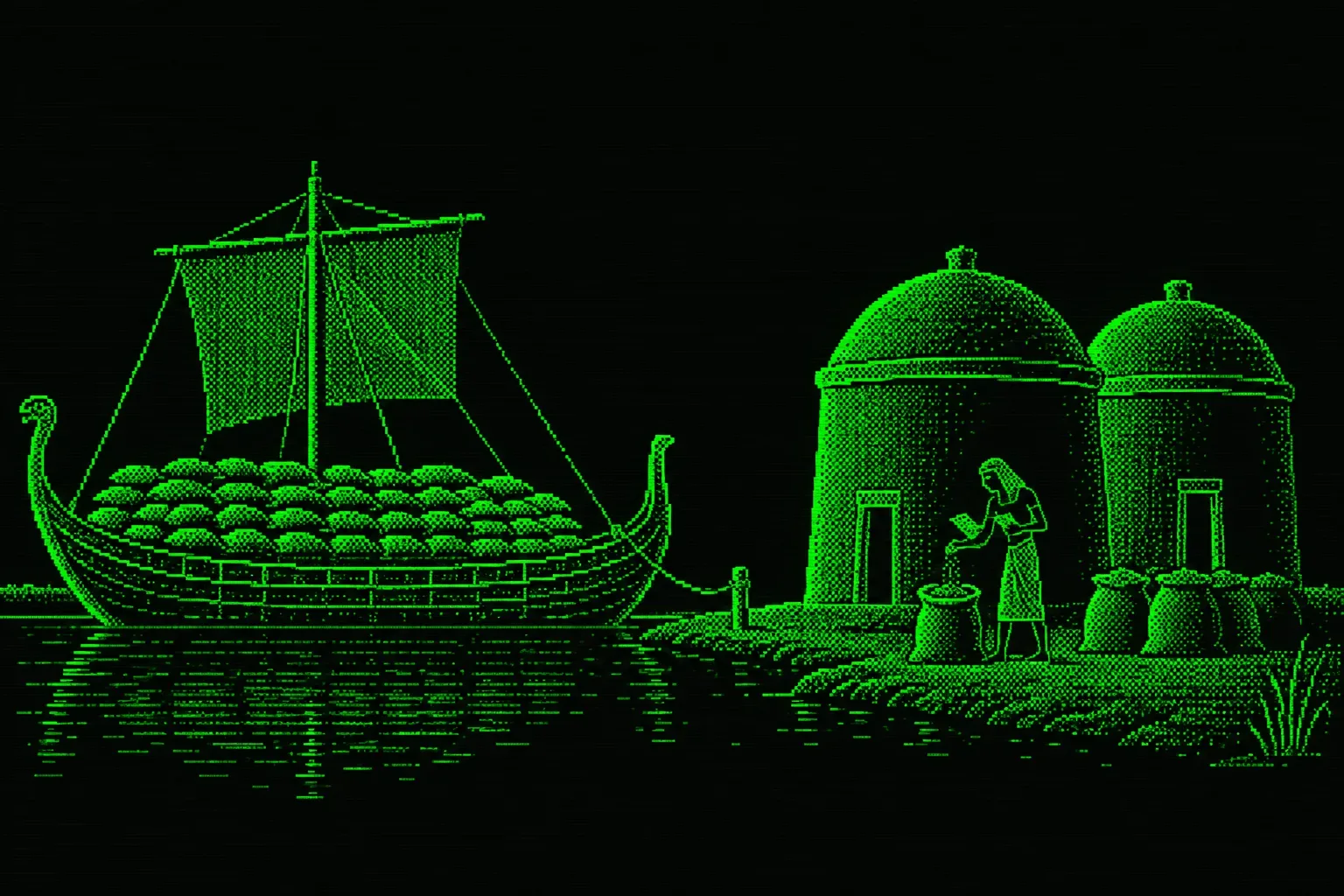
The overseers of the Two Granaries quarreled with me over the lots of barley you loaded onto the freighter belonging to the granary of Pharaoh (may he live, prosper, and be well), under the authority of Neferrenpet, royal scribe and overseer of the Two Granaries, and in the charge of the army’s deputy commander, Montuerhatef. Their words were:
- 10
st bjn
“They’re bad.
- 11
bn šꜣw pꜣ ⸢bꜣk⸣ n Pr-ꜥꜣ ꜥnḫ-(w)ḏꜣ-s(nb) ḫru̯ =w
They’re not fit for the work of Pharaoh (may he live, prosper, and be well),” they said.
- 12
jw =j ḥr šm.t r-ḏd p[tr]j =〈j〉 st
So I went, saying, “Let me see them.”
- 13
jw =j ḥr gmi̯.ṱ =w jw bn nfr{.w} jwnꜣ m-mꜣꜥ,t
And sure enough, I found they were no good.
- 14
yꜣ jḫ pꜣy =k jri̯ m-mj,tt
Now what do you mean by acting like this?
- 15
j:jri̯ =k jri̯ n ḥꜣ,tj n nꜣ rwḏ.w
You are to act as the inspectors wish.
- 16
yꜣ jḫ [pꜣy] =w ḏi̯.t ḥwꜣ ḥꜣ,tj =k jw =k rḫ.ṱ pꜣy =s[n] [s]ḫr r-ḏd [...]
Now why do they make your heart rot when you know their way is this: …?
Note · Line 16
The word for “heart” also lies behind the inspectors’ wishes in the line before: what is in their hearts brings distress to his.