~/sacred-texts/ramesside-royal-inscriptions
Egyptian-Hittite Peace Treaty: Defense Pact and Extradition
- Date
- Carved in regnal year 21 of Ramesses II (c. 1259 BC) in the 19th Dynasty on the outer west wall of the Court of the Cachette in the Temple of Amun at Karnak
- Found
- Temple of Amun at Karnak, Luxor, Egypt (in situ)
- Language
- Late Egyptian · Hieroglyphic
In year 21 of Ramesses II, envoys bring Hattusili III’s silver tablet from Hatti. Hattusili speaks directly: He is a brother to me, he is at peace with me; I am a brother to him, I am at peace with him, forever. Both rulers renounce invasion, pledge armies to kill enemies and rebels, and bind Egypt to secure Hattusili’s heir.
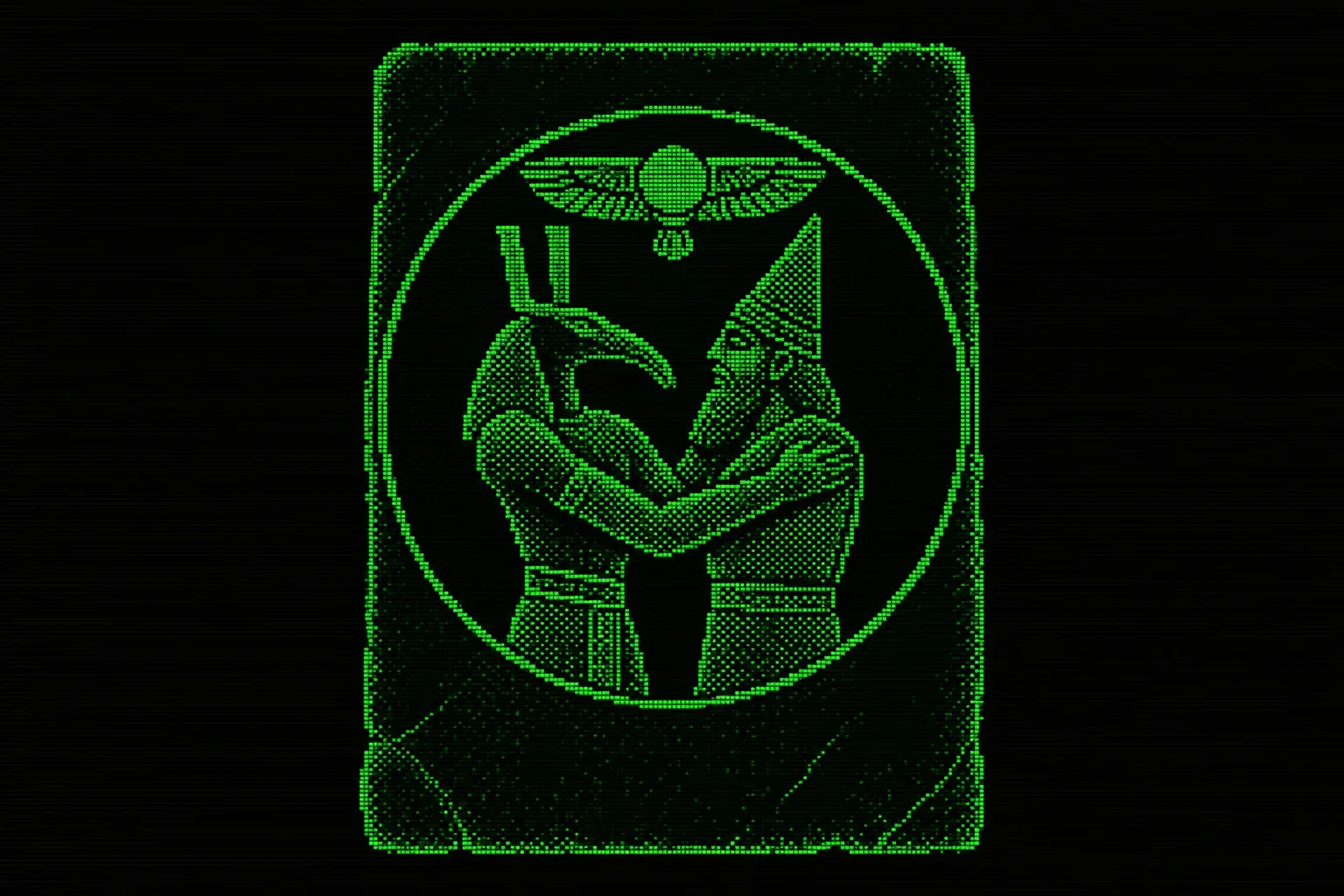
Extradited fugitives receive amnesty from mutilation: Let no one harm either of his eyes, either of his ears, his mouth or either of his feet. Two thousand gods witness the oath before closing lines describe the tablet’s seals, showing the figure of Seth embracing the figure of the Great Prince of Hatti.
- 1
rnp,t-sp 21 tp,j pr,t sw 21 ḫr ḥm n nswt-bj,tj Wsr-Mꜣꜥ,t-Rꜥw-stp.n-Rꜥw sꜣ-Rꜥw Rꜥw-msi̯-sw-mri̯.y-Jmn di ꜥnḫ ḏ,t nḥḥ mri̯.y Jmn-Rꜥw Rꜥw-Ḥr,w-ꜣḫ,tj Ptḥ rs,j-jnb≡f nb-ꜥnḫ-Tꜣ.du Mw,t nb,t-Jšr.w Ḫns,w nfr-ḥtp ḫꜥi̯.w ḥr s,t Ḥr,w n.t ꜥnḫ.w.pl mj jtj =f Rꜥw-Ḥr,w-ꜣḫ,tj ḏ,t nḥḥ
Regnal year 21, first month of Peret, day 21, under the Majesty of the King of Upper and Lower Egypt, Usermaatre-setepenre, Son of Ra, Ramesses-meryamun, given life forever and ever, beloved of Amun-Ra; of Ra-Horakhty; of Ptah, South of His Wall, lord of Ankhtawy; of Mut, lady of Isheru; and of Khonsu, the perfectly gracious. He has appeared in glory on the Horus throne of the living, like his father Ra-Horakhty, forever and ever.
Note · Line 1
This is year 21 of Ramesses II, about 1259 BCE. Peret was the season when crops came up after the Nile flood. Usermaatre-setepenre is the king’s throne name; Meryamun means “beloved of Amun.” - 2
hrw pn jst ḥm =f r dmj n pr-Rꜥw-msi̯-sw-mri̯.y-Jmn ḥr jri̯.t ḥss jtj =f Jmn-Rꜥw Ḥr,w-ꜣḫ,tj Jtm,w nb-Tꜣ.du-Jwn.w Jmn-n-Rꜥw-msi̯-sw-mri̯.y-Jmn Ptḥ-n-Rꜥw-msi̯-sw-mri̯.y-Jmn Stẖ ꜥꜣ-pḥ,tj sꜣ-Nw,t mj rdi̯ =sn n =f nḥḥ m ḥb.pl-sd ḏ,t m rnp,t.pl ḥtp.pl jw tꜣ.pl nb.pl ḫꜣs,t.pl nb ẖ〈t〉b ẖr ṯb,t.pl =f ḏ,t
On this day His Majesty was in the city of Pi-Ramesses, doing what his father Amun-Ra praised, as did Horakhty; Atum, lord of the Two Lands and of Heliopolis; Amun of Ramesses-meryamun; Ptah of Ramesses-meryamun; and Seth, great in strength, son of Nut. Even so they grant him an eternity of Sed festivals and an eternity of years of peace, with all lands and all foreign countries cast down beneath his two sandals forever.
Note · Line 2
Pi-Ramesses was the royal residence in the eastern Nile Delta. The Sed festival was a jubilee at which the king’s power was ritually renewed. - 3
jy.t wpw,tj nswt jdn,w+ Nmt,j +n-tꜣ-n,t-ḥtrj wpw,tj-nswt [...] [wpw,tj-nswt] [...] ⸢wpw,tj⸣-n-pꜣ-tꜣ-n-[Ḫt] N[rqil] [T~r]~t~sb wpw,tj-sn,nw-n-Ḫt Rꜥw-[msi̯.w] wpw,tj-[n-pꜣ-tꜣ-n-Kk]r~m~š Y~p~s~r ẖ[r] [pꜣ] ꜥ[n] n [ḥḏ] [rdi̯.n] wr-ꜥꜣ-n-Ḫt Ḫ~t~s~r jnj =tw r Pr-ꜥꜣ ꜥnḫ-(w)ḏꜣ-s(nb) r dbḥ [ḥt]p,w [ḫr] [ḥm] [n] [nswt-bj,tj] [Wsr-Mꜣꜥ,t-Rꜥw]-stp.n-Rꜥw sꜣ-Rꜥw Rꜥw-msi̯-[sw]-mri̯.y-Jmn di ꜥnḫ ḏ,t nḥḥ mj jtj =f Rꜥw rꜥw-nb
Arrival of Nemti, royal envoy and deputy commander of the chariotry; the royal envoy …; the royal envoy …; Nerqil, envoy of the land of Hatti, and Tel-Teshub; Ramose, second envoy of Hatti; and Ypsil, envoy of the land of Carchemish. They bore the silver tablet that Hattusili, great prince of Hatti, had sent to Pharaoh—life, prosperity, and health!—to ask for peace from the Majesty of the King of Upper and Lower Egypt, Usermaatre-setepenre, Son of Ra, Ramesses-meryamun, given life forever and ever like his father Ra each day.
Note · Line 3
Hatti was the Hittite kingdom, centered in Anatolia. The man the Egyptians call its “great prince” was its king, Hattusili III. - 4
mj,tt n pꜣ ꜥn n ḥḏ rdi̯.n wr-ꜥꜣ-n-Ḫt Ḫ~t~s~r jni̯ =tw r Pr-ꜥꜣ ꜥnḫ-(w)ḏꜣ-s(nb) m-ḏr,t wpw,tj =f T~r~t~sb wpw,tj =f Rꜥw-msi̯.w r dbḥ ḥtp,w ḫr ḥm [n] [nswt-bj,tj] [Wsr-MꜢꜥ,t-Rꜥw-stp.n-Rꜥw] sꜣ-Rꜥw Rꜥw-msi̯-sw-mri̯.y-Jmn kꜣ n ḥqꜣ.pl jri̯ tꜣš.pl =f r mri̯.n =f m tꜣ nb
Copy of the silver tablet that Hattusili, great prince of Hatti, sent to Pharaoh—life, prosperity, and health!—by the hand of his envoy Tel-Teshub and his envoy Ramose, to ask for peace from the Majesty of the King of Upper and Lower Egypt, Usermaatre-setepenre, Son of Ra, Ramesses-meryamun, bull among rulers, who sets his borders where he pleases in every land.
Note · Line 4
The inscription on the temple wall preserves the Hittite king’s side of a diplomatic exchange. A clay copy of the Egyptian side was found in the Hittite capital. - 5
pꜣ n,t-ꜥ jr wr-ꜥꜣ-n-Ḫt Ḫ~t~s~r pꜣ tnr pꜣ šrj n M~r~sw~r pꜣ wr-ꜥꜣ-n-Ḫt tnr pꜣ šrj.w n pꜣ šrj S~p~⸢r~r⸣ [pꜣ] [wr-ꜥꜣ-n-Ḫt] [t]nr ḥr ꜥn n ḥḏ n Wsr-MꜢꜥ,t-Rꜥw-stp.n-Jmn pꜣ-ḥqꜣ-ꜥꜣ-n-Km,t tnr pꜣ šrj n Mn-Mꜣꜥ,t-Rꜥw pꜣ-ḥqꜣ-ꜥꜣ-n-Km,t tnr pꜣ šrj n pꜣ šrj n Mn-pḥ,tj-Rꜥw pꜣ-ḥqꜣ-ꜥꜣ-n-Km,t tnr
The treaty made on a silver tablet by Hattusili, great prince of Hatti, the valiant, son of Mursili, great prince of Hatti, the valiant, and grandson of Suppiluliuma, great prince of Hatti, the valiant, for Usermaatre-setepenamun, great ruler of Egypt, the valiant, son of Menmaatre, great ruler of Egypt, the valiant, and grandson of Menpehtyre, great ruler of Egypt, the valiant.
Note · Line 5
Here the throne name ends in “chosen of Amun” rather than “chosen of Ra.” Menmaatre and Menpehtyre are the throne names of Seti I and Ramesses I. - 6
pꜣ n,t-ꜥ nfr n ḥtp n snsn di ḥtp nfr [r-jwd] =[n] [r] [nḥḥ] [di] [snsn] [nfr] [r-jwd] =[n] [r] nḥḥ
The good treaty of peace and brotherhood that establishes good peace between us forever and establishes good brotherhood between us forever.
Note · Line 6
In the treaty, brotherhood means that the two kings recognize each other as equals. - 7
jr r-ḥꜣ,t n-ḏr nḥḥ jr pꜣ sḫr n pꜣ-ḥqꜣ-ꜥꜣ-n-Km,t jrm pꜣ wr-ꜥꜣ-n-Ḫt bw di pꜣ nṯr ḫpr ḫrw,y.pl r-jwd =sn m n,t-ꜥ
From of old, from time immemorial, this was the order between the great ruler of Egypt and the great prince of Hatti: by treaty the god did not let hostilities arise between them.
- 8
ḫr-jr m-hꜣw M~ṯnr pꜣ wr-ꜥꜣ-n-Ḫt pꜣy =j sn jw =f ḥr ꜥḥꜣ j[rm] [Rꜥw-msi̯-sw-mri̯.y-Jmn] pꜣ-ḥqꜣ-ꜥꜣ-n-Km,t
But in the days of my brother Muwatalli, great prince of Hatti, he fought against Ramesses-meryamun, great ruler of Egypt.
Note · Line 8
Hattusili is speaking. Muwatalli was his own brother, the king who fought Ramesses at Kadesh. - 9
ḫr-jr ḥr-sꜣ šꜣꜥ-m pꜣ hrw ptr Ḫ~t~s~r pꜣ wr-ꜥꜣ-n-Ḫt [m] n,t-ꜥ n di.t mn pꜣ sḫr jr Rꜥw jr Swtḫ n pꜣ tꜣ n Km,t jrm pꜣ tꜣ n Ḫt r tm di.t ḫpr ḫrw,y.pl r-jwd =sn r nḥḥ
Now, from this day on, behold: Hattusili, great prince of Hatti, is bound by treaty to uphold the order that Ra established and Seth established for the land of Egypt and the land of Hatti, so that hostilities may never arise between them.
Note · Line 9
Here Seth stands for the storm god worshipped in Hatti. - 10
ptr [jri̯].y sw Ḫ~t~s~r pꜣ wr-ꜥꜣ-n-Ḫt m n,t-ꜥ jrm Wsr-Mꜣꜥ,t-Rꜥw-stp.n-Rꜥw pꜣ-ḥqꜣ-ꜥꜣ-n-Km,t šꜣꜥ-m pꜣ hrw r di.t ḫpr ḥtp nfr snsn nfr r-jwd =n r nḥḥ
Behold, Hattusili, great prince of Hatti, has made this a treaty with Usermaatre-setepenre, great ruler of Egypt, from this day on, to bring about good peace and good brotherhood between us forever.
- 11
jw =f snsn jrm =j jw =f ḥtp jrm =j jw =j snsn.kw jrm =f jw =j ḥtp.kw jrm =f r nḥḥ
He is a brother to me, he is at peace with me; I am a brother to him, I am at peace with him, forever.
- 12
jr-ḏ[r] ḥn[n] Mw~tn[r] pꜣ wr-ꜥꜣ-n-Ḫt pꜣy =j sn m-sꜣ pꜣy =f šꜣy,t jw Ḫ~t~s~r ḥr ḥmsi̯ m ⸢wr-ꜥꜣ⸣-n-Ḫt ḥr tꜣ jsb,[t] n pꜣy =f jtj
Once my brother Muwatalli, great prince of Hatti, had hastened to meet his fate and Hattusili had taken his seat on his father’s throne as great prince of Hatti,
Note · Line 12
Muwatalli died. His son Urhi-Teshub reigned before Hattusili took the throne; the treaty passes over that reign. - 13
p[tr] wj ḥr ḫpr j[r]m Rꜥw-msi̯-sw-mri̯.y-Jmn pꜣ-ḥqꜣ-ꜥꜣ-n-Km,t jw n[fr] [pꜣ] [sḫr] ⸮[n]? pꜣ =n ḥtp pꜣ =[n] snsn
behold, I stand with Ramesses-meryamun, great ruler of Egypt. Our bond of peace and brotherhood is good,
- 14
jw nfr sw r pꜣ ḥtp r pꜣ snsn ḥꜣw,tj wn m pꜣ tꜣ
better than the peace, better than the brotherhood that once prevailed in the land.
- 15
ptr wj m pꜣ wr-ꜥꜣ-n-Ḫt jrm [Wsr-Mꜣꜥ,t-Rꜥw-stp.n-Rꜥw] [p]ꜣ-ḥqꜣ-ꜥꜣ-n-Km,t m ḥtp,w nfr m snsn nfr
Behold, I, the great prince of Hatti, live in good peace and good brotherhood with Usermaatre-setepenre, great ruler of Egypt.
- 16
jri̯ nꜣ ẖrd.w nꜣ ẖrd.w [n] pꜣ wr-ꜥꜣ-n-Ḫt snsn ḥtp jrm [n]ꜣ [ẖ]rd.w [n]ꜣ [ẖ]rd.w n [Rꜥw]-⸢msi̯⸣-⸢sw⸣-[mri̯.y]-[Jmn] pꜣ-ḥqꜣ-ꜥꜣ-[n]-Km,t
The children’s children of the great prince of Hatti shall live as brothers and at peace with the children’s children of Ramesses-meryamun, great ruler of Egypt,
- 17
jw =[w] m pꜣ =n sḫr n snsn [m] pꜣ =n sḫr [n] [ḥtp]
sharing our bond of brotherhood and our bond of peace.
- 18
[jr] [pꜣ] [tꜣ] n [Km],t jrm pꜣ tꜣ n Ḫt ḥtp snsn mj-qd =n r nḥḥ jw bw ḫpr.n ḫrw,y.pl r-jwd =sn r nḥḥ
The land of Egypt and the land of Hatti shall live in peace and brotherhood as we do, forever. Hostilities shall never arise between them.
- 19
jw bw jr pꜣ wr-ꜥꜣ-n-Ḫt thi̯ r pꜣ tꜣ n Km,t r nḥḥ r jṯꜣ nkt j:m =f
Never shall the great prince of Hatti encroach on the land of Egypt to take anything from it.
- 20
jw bw jri̯ Wsr-Mꜣꜥ,t-Rꜥw-stp.n-Rꜥw pꜣ-ḥqꜣ-ꜥꜣ-n-Km,t thi̯ r pꜣ tꜣ [n] [Ḫt] [r] [jṯꜣ] [nkt] [j]:m =f r nḥḥ
Never shall Usermaatre-setepenre, great ruler of Egypt, encroach on the land of Hatti to take anything from it.
- 21
jr pꜣ n,t-ꜥ mtj wn dy m-hꜣw S~p~r~r ⸢pꜣ⸣ wr-ꜥꜣ-n-Ḫt m-mjt,t pꜣ n,t-ꜥ mtj wn m-hꜣw Mw~tnr pꜣ wr-ꜥꜣ-n-Ḫt pꜣy =j jtj mḥ =j j:m =f
As for the lawful treaty that was in force here in the days of Suppiluliuma, great prince of Hatti, and likewise the lawful treaty in force in the days of Muwatalli, great prince of Hatti, my father: I keep it.
- 22
ptr mḥ Rꜥw-msi̯-sw-mri̯.y-Jmn pꜣ-ḥqꜣ-ꜥꜣ-n-Km,t [m] [pꜣ] [n,t-ꜥ] jr =f jrm =n n-sp šꜣꜥ-m pꜣ hrw
Behold, Ramesses-meryamun, great ruler of Egypt, keeps the treaty and acts together with us from this day on.
- 23
mḥ =n j:m =f jr =n m pꜣj sḫr mtj
We keep it; we act according to this lawful agreement.
- 24
jr jwi̯ ky ḫrw,y r nꜣ tꜣ.pl n Wsr-Mꜣꜥ,t-Rꜥw-stp.n-Rꜥw pꜣ-ḥqꜣ-ꜥꜣ-n-Km,t mtw =f hꜣb n pꜣ wr-ꜥꜣ-n-Ḫt r-ḏd
If another enemy comes against the lands of Usermaatre-setepenre, great ruler of Egypt, and the ruler sends word to the great prince of Hatti, saying,
- 25
mj m-dj =j m nḫt,w r =f
“Come to my side and lend me your strength against him!”
- 26
jr pꜣ wr-ꜥꜣ-n-Ḫt [jy.t] [n] =[f] [m] [nḫt,w] [jr] [p]ꜣ wr-ꜥꜣ-n-Ḫt ẖdb pꜣy =f ḫrw,y
then the great prince of Hatti shall come to his aid, and the great prince of Hatti shall kill the Egyptian ruler’s enemy.
- 27
ḫr-jr jw bn jb n pꜣ wr-ꜥꜣ-n-Ḫt šmi̯.t jw =f ḥr di.t ḥn[n] pꜣy =[f] ⸢mšꜥ⸣ tꜣy =⸢f⸣ n,t-ḥ[tr].w m[t]w =f ẖd[b] pꜣy =f ḫrw,[y] rʾ-pw
Or, if the great prince of Hatti has no wish to go himself, he shall send his army and his chariotry in haste and so kill the Egyptian ruler’s enemy.
- 28
[j]r qnd Rꜥw-msi̯-sw-mri̯.y-Jmn [pꜣ-ḥqꜣ-ꜥꜣ-n-Km,t] r bꜣk.pl sꜣwj jw jr =sn ky ṯꜣy r =f mtw =f šmi̯.t r ẖdb =w
If Ramesses-meryamun, great ruler of Egypt, grows angry with his own subjects because they have committed another offense against him, and he goes to kill them,
- 29
jr pꜣ wr-ꜥꜣ-n-Ḫt jr[m] =[f] [r] [fḫ] pꜣ n,[tj] nb [j]w =w ⸢r⸣ [qnd] r =[w]
the great prince of Hatti shall join him in destroying all those against whom the two rulers turn their anger.
- 30
ḫr-[jr] [jwi̯] ky ḫr[w,y] r pꜣ ⸢wr-ꜥꜣ⸣-[n-Ḫt] [mtw] =[f] [hꜣb] [n] [Wsr]-Mꜣꜥ,t-[Rꜥw]-stp.n-Rꜥw ⸢pꜣ⸣-[ḥqꜣ-ꜥꜣ-n-Km,t] [jw] =[f] [r] jy.t n =f m nḫt,w r ẖdb pꜣy =f ḫrw,y
And if another enemy comes against the great prince of Hatti and the prince sends word to Usermaatre-setepenre, great ruler of Egypt, the Egyptian ruler shall come to his aid to kill the prince’s enemy.
- 31
jr jw jb n Rꜥw-msi̯-sw-mri̯.y-Jmn pꜣ-ḥqꜣ-ꜥꜣ-n-Km,t r jy.t jw =f [r] [jy.t] [mtw] =[f] [ꜥnn] [wšb] [n] [pꜣ] [tꜣ] [n] Ḫt
If Ramesses-Meryamun, the great ruler of Egypt, has it in his heart to come, he shall come and take up the cause of the land of Hatti.
Note · Line 31
It provides for Egypt to come to Hatti’s aid against an enemy. - 32
[ḫr-j]r jw [bn] [jb] [n] [Wsr-Mꜣꜥ,t]-⸢Rꜥw⸣-[stp.n-Rꜥw] [pꜣ-ḥqꜣ-ꜥꜣ-n-Km,t] [jy.t] [jw] =[f] [ḥr] [di.t] [ḥnn] [pꜣ]y =[f] [mšꜥ] [tꜣy] =[f] [n,t-ḥtr].w m-dj ꜥnn wšb n pꜣ tꜣ n Ḫt
But if Usermaatre-Setepenre, the great ruler of Egypt, does not have it in his heart to come, he shall send his army and his chariotry in haste to take up the cause of the land of Hatti.
Note · Line 32
The treaty uses both names for the same king. - 33
ḫr-jr thi̯ bꜣk.pl n pꜣ wr-ꜥꜣ-n-Ḫt r =f mtw Rꜥw-msi̯-[sw]-mri̯.y-Jmn [pꜣ-ḥqꜣ-ꜥꜣ-n-Km,t] [⸮sḏm?]
If subjects of the great prince of Hatti rise against him and Ramesses-Meryamun, the great ruler of Egypt, hears of it,
- 34
[jri̯] [Wsr-Mꜣꜥ,t-Rꜥw-stp.n-Rꜥw] [pꜣ]-ḥ[qꜣ-ꜥꜣ-n-Km,t] [r] [fḫ] [pꜣ] [n,tj] [nb] [jw] =[w] [r] [qnd] [r] =[w]
Usermaatre-Setepenre, the great ruler of Egypt, shall kill every one of those against whom they turn their anger.
- 35
[ptr] ⸢pꜣ⸣ [tꜣ] n Ḫt ⸢pꜣ⸣ ⸢tꜣ⸣ [n] [Km,t] [ḥtp] [snsn] [r] [nḥḥ] ⸢m⸣-[sꜣ] pꜣ =[n] ꜥnḫ
Look: the land of Hatti and the land of Egypt are at peace and joined in brotherhood forever, beyond our lifetimes.
- 36
kꜣ-ḏ⸢d⸣ jw =j r šmi̯.t [m]-sꜣ [pꜣ]y šꜣy ḫr [jri̯] Rꜥw-msi̯-sw-[mri̯.y-Jmn] pꜣ-ḥqꜣ-ꜥꜣ-n-Km,t ꜥnḫ r nḥḥ [mt]w =tw jy.[t] [r] pꜣ [tꜣ] [n] Ḫt [r] [di.t] [jri̯].y =s[n] [pꜣy] [šrj] [m] pꜣ =[sn] nb r tm di.t jri̯ =w n =sn ky m pꜣ =sn nb
Let this also be said: I shall go to meet my fate, but Ramesses-Meryamun, the great ruler of Egypt, shall live forever. Someone shall come to the land of Hatti to see that the people make my son their lord and to prevent them from setting up another as their lord.
Note · Line 36
He looks ahead to his death and calls on Egypt to uphold his son’s claim to the throne. - 37
ḫr-j[r] [jri̯].y =w [btꜣ] [r] =[f] [k]n.y =sn r di.ṱ =f n =sn r nb [m]-di.t gr Wsr-Mꜣꜥ,t-Rꜥw-⸢stp.n⸣-[Rꜥw] pꜣ-[ḥ]qꜣ-ꜥꜣ-[n]-Km,t [m] rʾ =f [r] nḥḥ
If they do him wrong by refusing to take him as their lord, let the mouth of Usermaatre-Setepenre, the great ruler of Egypt, never fall silent.
- 38
jmm jwi̯.ṱ =f [mtw] =f [f]ḫ pꜣ tꜣ [n] Ḫt [m]tw =f [ꜥn]n [w]š[b] [n] ⸢pꜣ⸣ ⸢wr-ꜥꜣ⸣-[n-Ḫ]t [m-mj,tj]t [n] [pꜣ] [tꜣ] [n] [Ḫt]
Let him come and lay waste the land of Hatti and take up the cause of the great prince of Hatti and of the land of Hatti alike.
Note · Line 38
The treaty treats armed action against those who reject the heir as an act in defense of Hatti itself. - 39
[jr] [wꜥr] [wꜥ] [rmṯ-ꜥꜣ] [mtw] =[f] [jy.t] [n] ⸢pꜣ⸣ ⸢wr-ꜥꜣ-n⸣-Ḫt m-rʾ-pw wꜥ dmj [m] [nꜣ]y n tꜣ.pl n Rꜥw-msi̯-sw-mri̯.y-Jmn pꜣ-ḥqꜣ-ꜥꜣ-n-Km,t mtw =sn jy.t n pꜣ wr-ꜥꜣ-n-Ḫt bn jr pꜣ wr-ꜥꜣ-n-Ḫt r šsp =w
If a man of standing flees and comes to the great prince of Hatti, or if the people of a city in the lands of Ramesses-Meryamun, the great ruler of Egypt, flee and come to the great prince of Hatti, the great prince of Hatti shall not take them in.
- 40
jr pꜣ wr-ꜥꜣ-n-Ḫt di.t jni̯.tw =w n Wsr-Mꜣꜥ,t-Rꜥw-stp.n-Rꜥw pꜣ-ḥqꜣ-ꜥꜣ-n-Km,t pꜣy =sn nb [ꜥnḫ-wḏꜣ]-snb rʾ-pw
The great prince of Hatti shall have them brought to Usermaatre-Setepenre, the great ruler of Egypt, their lord—life, prosperity and health to him! Or again,
- 41
jr w[ꜥr] [wꜥ] rmṯ rʾ-pw rmṯ 2 jw bw rḫ.tw =w [m] [pꜣ] [tꜣ] [n] [Km,t] mtw =sn jy.t r pꜣ tꜣ n Ḫt r jri̯.t bꜣk.pl n ky
if one or two people of no renown flee from the land of Egypt and come to the land of Hatti to enter another’s service,
- 42
bn jw =tw r wꜣḥ =w m pꜣ tꜣ n Ḫt jw =tw r jni̯.ṱ =w n Rꜥw-msi̯-sw-mri̯.y-Jmn pꜣ-ḥqꜣ-ꜥꜣ-n-Km,t rʾ-pw
they shall not be allowed to stay in the land of Hatti. They shall be brought to Ramesses-Meryamun, the great ruler of Egypt. Or again,
- 43
jr wꜥr wꜥ rmṯ-ꜥꜣ m pꜣ tꜣ n Ḫt m[tw] =[f] [jy.t] [n] [Wsr-Mꜣꜥ],t-Rꜥw-stp.n-Rꜥw pꜣ-ḥ[qꜣ-ꜥꜣ]-n-Km,t rʾ-pw wꜥ n dmj rʾ-pw wꜥ qꜥḥ rʾ-pw [wꜥ] [⸮nʾ,t?] [m] nꜣy 〈n〉 pꜣ tꜣ n Ḫt mtw =w jy.t n Rꜥw-msi̯-sw-mri̯.y-Jmn pꜣ-ḥqꜣ-ꜥꜣ-n-Km,t
if a man of standing flees from the land of Hatti and comes to Usermaatre-Setepenre, the great ruler of Egypt, or if the people of a city, a district or a settlement in the land of Hatti flee and come to Ramesses-Meryamun, the great ruler of Egypt,
- 44
bn jr Wsr-Mꜣꜥ,t-Rꜥw-stp.n-Rꜥw pꜣ-ḥqꜣ-ꜥꜣ-n-Km,t r šsp =w
Usermaatre-Setepenre, the great ruler of Egypt, shall not take them in.
- 45
jr Rꜥw-msi̯-sw-mri̯.y-Jmn pꜣ-ḥqꜣ-ꜥꜣ-n-Km,t di.t jni̯.tw =w n pꜣ [w]r-[ꜥꜣ-n-Ḫt] bn jw =tw r wꜣḥ =w m-mj,tjt
Ramesses-Meryamun, the great ruler of Egypt, shall have them brought to the great prince of Hatti. They shall not be allowed to stay. Likewise,
- 46
jr wꜥr wꜥ rmṯ rʾ-pw rmṯ 2 [jw] [b]w rḫ.tw =w mtw =sn jy.t r pꜣ tꜣ n Km,t r jri̯.t bꜣk.pl n ktḫ
if one or two people of no renown flee and come to the land of Egypt to enter the service of others,
- 47
bn jr Wsr-Mꜣꜥ,t-Rꜥw-stp.n-Rꜥw pꜣ-ḥqꜣ-ꜥꜣ-n-Km,t wꜣḥ =w jw =f r di.t jni̯.tw =w n pꜣ wr-ꜥꜣ-n-Ḫt
Usermaatre-Setepenre, the great ruler of Egypt, shall not let them stay. He shall have them brought to the great prince of Hatti.
- 48
jr nꜣj mdw,t n pꜣ n,t-ꜥ [jr] pꜣ wr-ꜥꜣ-n-Ḫt jrm Rꜥw-m[si̯-sw-mri̯.y]-Jmn pꜣ-ḥqꜣ-ꜥꜣ-[n-Km,t] [jw] =[w] m sš.pl ḥr pꜣj ꜥn n ḥḏ
These words of the treaty that the great prince of Hatti made with Ramesses-Meryamun, the great ruler of Egypt, are written on this tablet of silver.
Note · Line 48
The temple inscription preserves the wording of the silver tablet sent to Egypt by the Hittite king. - 49
jr nꜣj mdw,t ḫꜣ n nṯr m nṯr.pl-ꜥḥꜣ,wtj m nṯr.pl-ḥm,t.pl m nꜣy.w-〈n〉 pꜣ tꜣ n Ḫt m-dj ḫꜣ n nṯr m nṯr.pl-ꜥḥꜣw,tj m nṯr.pl-ḥm,t.pl m nꜣy.w-n pꜣ tꜣ n Km,t st m-dj =j m mtr,w.pl [sḏm] =w nꜣj mdw,t
As witnesses to these words I have with me a thousand gods of the land of Hatti, male and female, and a thousand gods of the land of Egypt, male and female. They have heard these words:
- 50
pꜣ-Rꜥw pꜣ-nb-n-tꜣ-p,t pꜣ-Rꜥw-n-dmj-n-J~rn~n Swtḫ pꜣ-nb-n-tꜣ-p,t Swtḫ-n-Ḫt Swtḫ-n-dmj-n-J~rn~n Swtḫ-n-dmj-n-Ḏ~p~j~r~n~d
Ra, lord of heaven; Ra of the city of Arinna; Seth, lord of heaven; Seth of Hatti; Seth of the city of Arinna; Seth of the city of Zippalanda;
Note · Line 50
The Egyptian names Ra and Seth here stand for solar and storm deities worshipped in Hatti. The solar deity of Arinna was a goddess. - 51
Swtḫ-n-dmj-n-P~r~q Swtḫ-n-dmj-n-Ḫ~s~s~p Swtḫ-n-dmj-n-S~r~s Swtḫ-n-dmj-n-Ḫ~r~p Swtḫ-n-dmj-n-R~ḫ~s~n Swtḫ-n-dmj-n-[⸮_r_?] Swtḫ-n-dmj-n-[⸮_?]
Seth of the city of Pitriq; Seth of the city of Hissashapa; Seth of the city of Sarissa; Seth of the city of Aleppo; Seth of the city of Lihzina; Seth of the city of Hurma; Seth of the city of Uda;
- 52
Swtḫ-n-dmj-n-S[pnw] Swtḫ-n-[Tt]~[ḫ]~t~m~s Swtḫ-n-dmj-n-S~ḫ~p~n ꜥnṯ~r~t-n-pꜣ-tꜣ-n-Ḫt pꜣ-nṯr-n-Ḏ~ṯḫrry pꜣ-nṯr-n-K~r~ḏ~s pꜣ-nṯr-n-Ḫr~p~n~t~ry~s
Seth of the city of Sapinuwa; Seth of the thunder; Seth of the city of Sahpina; Astarte of the land of Hatti; the god of Zithariya; the god of Karzis; the god of Hapantaliyas;
- 53
tꜣ-nṯr,t-n-dmj-K~rḫ~n tꜣ-nṯr,t-n-Ḏ~r tꜣ-nṯr,t-n-Nn~w tꜣ-nṯr,t-n-Ḏ~n pꜣ-nṯr-〈n〉-N~n~t pꜣ-nṯr-n-K~r~t pꜣ-nṯr-n-Ḫ~b~t tꜣ-ḥm,t-nswt-n-tꜣ-p,t
the goddess of the city of Karahna; the goddess of Ser; the goddess of Nineveh; the goddess of Sen; the god of Ninatta; the god of Kulitta; the god of Hebat, queen of heaven;
- 54
n〈ꜣ〉-nṯr.pl-nb.pl-ꜥnḫ tꜣ-nṯr,t-tꜣ-ḥn,wt-pꜣ-jwtn J~s~ḫr~j tꜣ-ḥn,wt-〈n〉-〈ꜥnḫ〉 〈nꜣ〉 〈nṯr.pl〉-〈ꜥḥꜣ,wtj〉 〈nꜣ〉 〈nṯr.pl〉-〈ḥm,t.pl〉 〈nꜣ〉-ḏw.pl-nꜣ-jtr,w.ypl-n-pꜣ-tꜣ-n-Ḫt nꜣ-nṯr.pl-n-pꜣ-tꜣ-n-Q~ḏ~w~dn
the gods, lords of the oath; the goddess, lady of the earth; Ishara, lady of the oath; the gods and the goddesses; the mountains and rivers of the land of Hatti; the gods of the land of Kizzuwatna;
- 55
Jmn Pꜣ-Rꜥw Swtḫ nꜣ nṯr.pl-ꜥḥꜣ,wtj nꜣ nṯr.pl-ḥm,t.pl nꜣ-ḏw.pl-nꜣ-jtr,w.ypl-n-pꜣ-tꜣ-n-Km,t tꜣ-p,t pꜣ-jwtn pꜣ-ym-ꜥꜣ pꜣ-ṯꜣ,w nꜣ-šnꜥ.pl
Amun; Ra; Seth; the gods and the goddesses; the mountains and rivers of the land of Egypt; heaven and earth; the great sea; the wind; the storm clouds.
- 56
jr nꜣj md〈w,t〉 n,tj ḥr pꜣj ꜥn n ḥḏ n pꜣ tꜣ n Ḫt n pꜣ tꜣ n Km,t jr pꜣ n,tj bn jw =f r sꜣu̯ =sn
As for these words on this silver tablet of the land of Hatti and the land of Egypt, whoever fails to keep them—
- 57
jr ḫꜣ n nṯr-n-pꜣ-tꜣ-n-Ḫt m-dj ḫꜣ n nṯr-n-pꜣ-tꜣ-n-Km,t r fḫ pꜣy =f pr pꜣy =f tꜣ nꜣy =f bꜣk.pl
the thousand gods of the land of Hatti and the thousand gods of the land of Egypt will destroy his house, his land and his subjects.
- 58
ḫr-jr pꜣ n,tj jw =f r sꜣu̯.tj nꜣj mdw,〈t〉 n,tj ḥr pꜣj ꜥn n ḥḏ jw =w m Ḫt jw =w m rmṯ Km,t mtw =w tm jr ḫmḫm.w r =sn
But whoever keeps these words on this silver tablet—be they Hittites or Egyptians—and does not disavow them,
- 59
jr ḫꜣ n nṯr-n-pꜣ-tꜣ-n-Ḫt m-dj ḫ[ꜣ] n nṯr-n-pꜣ-tꜣ-n-Km,t r di.t snb =f r di.t ꜥnḫ =f jrm nꜣy =f pr,yt jrm pꜣy =f tꜣ jrm nꜣy =f bꜣk.pl
the thousand gods of the land of Hatti and the thousand gods of the land of Egypt will grant him health and grant him life, together with his estates, his land and his subjects.
- 60
jr wꜥr wꜥ rmṯ m pꜣ tꜣ n Km,t rʾ-pw 2 rʾ-pw 3 m[t]w =sn jy.t n pꜣ wr-ꜥꜣ-n-Ḫt
If one person flees from the land of Egypt, or two or three, and they come to the great prince of Hatti,
Note · Line 60
This opens the amnesty clause, which protects fugitives from punishment when they are sent home. - 61
jr pꜣ wr-ꜥꜣ-n-Ḫt mḥ j:[m] =[s]n mtw =f di.t jni̯.tw =w ꜥn n Wsr-Mꜣꜥ,t-Rꜥw-stp.n-Rꜥw pꜣ-ḥqꜣ-ꜥꜣ-n-Km,t
Then the Great Prince of Hatti shall seize them and have them brought back to Usermaatre-Setepenre, the great ruler of Egypt.
Note · Line 61
The treaty between Egypt and Hatti, the Hittite kingdom, is dealing here with fugitives from Egypt. - 62
ḫr-jr pꜣ rmṯ n,tj jw =tw r jni̯.ṱ =f n Rꜥw-msi̯-sw-mri̯.y-Jmn pꜣ-ḥqꜣ-ꜥꜣ-n-Km,t m-dj jr.y =tw sꜥḥꜥ pꜣy =f btꜣ r =f
As for the man who is to be brought to Ramesses-Meryamun, the great ruler of Egypt, let no one prosecute him for his offense.
Note · Line 62
Meryamun means “beloved of Amun.” - 63
m-dj fḫ =tw pꜣy =f pr nꜣy =f ḥm,t.pl nꜣy =f ẖrd.[pl]
Let no one destroy his house, his wives or his children.
- 64
[m-dj] [fḫ.tw] =[f]
Let no one destroy him.
- 65
[m-dj] [ẖdb].tw =f
Let no one kill him.
- 66
m-dj thi̯ =tw r jr,t.du =f r msḏr.du =f r rʾ =f r rd.du =f
Let no one harm either of his eyes, either of his ears, his mouth or either of his feet.
- 67
m-dj jr.y =tw sꜥḥꜥ btꜣ nb r =f m-mj,tjt
Let no one prosecute him for any offense. Likewise,
- 68
jr wꜥr wꜥ rmṯ m pꜣ tꜣ n Ḫt jw =f m wꜥ jw =f m 2 jw =f m 3 mtw =w jy.t n Wsr-Mꜣꜥ,t-Rꜥw-stp.n-Rꜥw pꜣ-ḥqꜣ-ꜥꜣ-n-Km,t
if a man flees from the land of Hatti, whether alone, one of two or one of three, and they come to Usermaatre-Setepenre, the great ruler of Egypt,
- 69
jmm mḥ Rꜥw-msi̯-sw-mri̯.y-Jmn pꜣ-ḥq[ꜣ-ꜥꜣ-n-Km,t] [j:m] =[sn] [mtw] =[f] [di].t jni̯.tw =w n pꜣ wr-ꜥꜣ-n-Ḫt mt[w] tm pꜣ wr-ꜥꜣ-[n-Ḫ]t s[ꜥḥꜥ] [pꜣy] =[sn] bt[ꜣ] r =sn mtw =[tw] [t]m fḫ pꜣy =f [pr] nꜣy =f ḥm,t.pl nꜣy =f ẖr[d].pl mtw =tw tm ẖdb{.tw}=f mtw =tw tm thi̯ r msḏr.du =f r jr,t.du =f r rʾ =f r rd.du =f mtw =tw tm sꜥḥꜥ btꜣ nb r =f
let Ramesses-Meryamun, the great ruler of Egypt, seize them and have them brought to the Great Prince of Hatti. The Great Prince of Hatti shall not prosecute them for their offense. No one shall destroy his house, his wives or his children. No one shall kill him. No one shall harm either of his ears, either of his eyes, his mouth or either of his feet. No one shall prosecute him for any offense.
- 70
n,tj m-ḥr,j-jb-n pꜣ ꜥn n ḥḏ ḥr tꜣy =f rwjꜣ,t ḥꜣw,tt
In the center of the silver tablet, on its first side:
Note · Line 70
The wall inscription now describes the seals on the silver treaty tablet sent from Hatti to Egypt. - 71
ẖp,w m twt n Swtḫ ḥr [qnj] [twt] [n] [pꜣ] [wr]-ꜥꜣ-[n-Ḫt] jnḥ.w m smd,t md[w] m-ḏd
A scene shows the figure of Seth embracing the figure of the Great Prince of Hatti. Around the scene runs this inscription:
Note · Line 71
Seth is the Egyptian name used here for the Hittite storm god. - 72
pꜣ ḫ[t]m n Swtḫ pꜣ-ḥqꜣ-n-tꜣ-p,t pꜣ ḫtm n pꜣ n,t-ꜥ jr Ḫ~t~s~r pꜣ wr-ꜥꜣ-n-Ḫt tnr pꜣ šrj n M[~r]~s~r pꜣ wr-ꜥꜣ-n-Ḫt tnr
“The seal of Seth, ruler of heaven; the seal of the treaty made by Hattusili, Great Prince of Hatti, the Strong, son of Mursili, Great Prince of Hatti, the Strong.”
- 73
[n,tj] [m]-ẖnw pꜣ jnḥ.w 〈n〉 pꜣ ẖp,w pꜣ ḫ[tm] [n] [Swtḫ] [pꜣ-ḥqꜣ-n-tꜣ-p,t]
Within the border of the scene: “The seal of Seth, ruler of heaven.”
- 74
[n,tj] [m-ḥr,j-jb] [ḥr] [t]ꜣy =f ky.[t] rwjꜣ,t
In the center, on its other side:
- 75
ẖp,w 〈m〉 rpy n [tꜣ]-nṯr,t-n-Ḫt ḥr qni̯ rpy n wr,t-n-[Ḫt] jnḥ.w 〈m〉 [sm]d,t mdw m-ḏd
A scene shows the figure of the goddess of Hatti embracing the figure of the Great Lady of Hatti. Around the scene runs this inscription:
Note · Line 75
The Great Lady is Queen Puduhepa, wife of Hattusili. - 76
pꜣ ḫtm n ⸢pꜣ⸣-Rꜥw-n-dmj-n-J~rn~n pꜣ-nb-n-pꜣ-tꜣ pꜣ ḫtm n P~t~ḫ~p tꜣ-wr,t-n-pꜣ-tꜣ-n-Ḫt tꜣ-šrj,t-n-pꜣ-tꜣ-n-Q~ḏ~w~dn tꜣ-[⸮ḥm,t-nṯr?-n-pꜣ-Rꜥw-n]-J~rn~n 〈t〉ꜣ-ḥn,wt-n-pꜣ-tꜣ tꜣ-bꜣk,t-〈n〉-tꜣ-[nṯr],t
“The seal of the sun god of the city of Arinna, lord of the land; the seal of Puduhepa, Great Lady of the land of Hatti, daughter of the land of Kizzuwatna, priestess of the sun god of Arinna, mistress of the land, servant of the goddess.”
Note · Line 76
In Hatti the sun deity of Arinna was a goddess. The Egyptian inscription gives her the name of the sun god Ra and the title “lord.” - 77
[n,tj] [m]-ẖnw pꜣ jnḥ.w n pꜣ ẖp,w pꜣ ḫtm n pꜣ-Rꜥw-n-J~rn~n pꜣ-nb-n-tꜣ-nb
Within the border of the scene: “The seal of the sun god of Arinna, lord of every land.”