~/sacred-texts/edfu-temple-texts
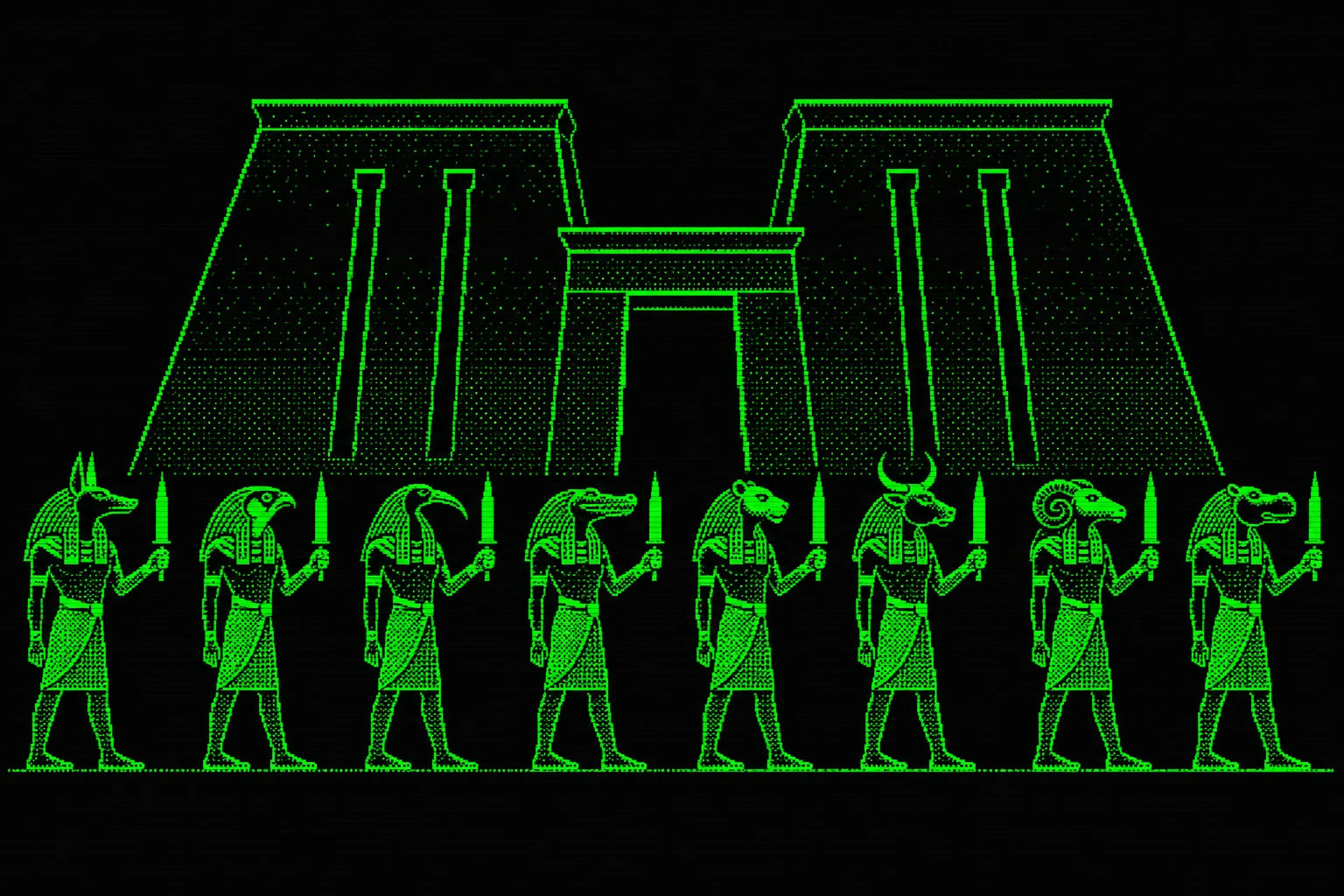
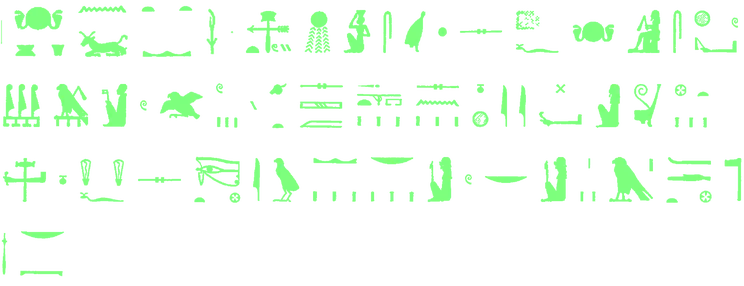
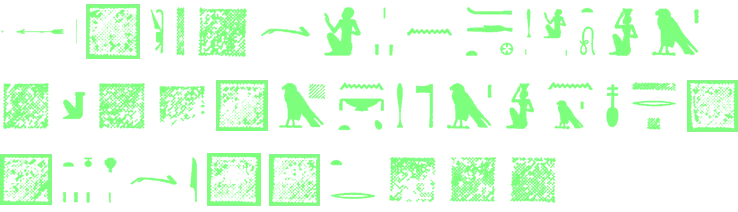
Seth’s Testicles in His Hands: The Edfu Pylon, Part III
- Text
- Edfu temple texts, Edfou VIII, pp. 85–124
- Date
- Carved on the pylon under Ptolemy XII (80–51 BC)
- Found
- Temple of Horus, Edfu, Upper Egypt: the pylon (Chassinat, Le temple d'Edfou VIII)
- Language
- Ptolemaic Egyptian · Hieroglyphic
- 1
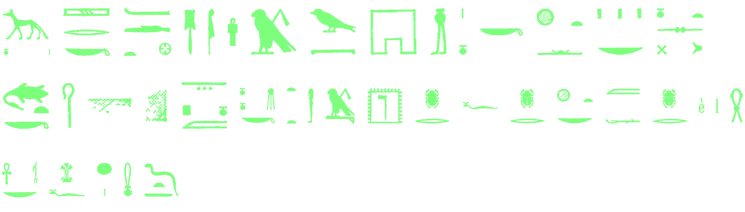
Ḥr Bḥdtj nṯr ꜥꜣ nb pt
Horus of Behdet, the great god, lord of the sky.
Note · Line 1
These captions are carved on the pylon, the two towers flanking the temple entrance. Behdet is a sacred name of Edfu, where the falcon god Horus also appears as a winged sun disk. - 2
Nḫbt ḫwj.s sꜣ.s mrj.s
Nekhbet, who guards her son, whom she loves.
Note · Line 2
The son is the king. Nekhbet, the vulture goddess of Upper Egypt, and Wadjet, the cobra goddess of Lower Egypt, guard him as their own child. - 3

Nbt ḥt snt nṯr
Nephthys, sister of the god.
Note · Line 3
The unnamed god here is Osiris, Nephthys’s brother. In the title of Isis just below, “the god” is instead Horus, the son she bore to Osiris. - 4
Wꜣḏt nbt Ḫp ḫwj.s sꜣ mrj.s
Wadjet, lady of Dep, who guards the son she loves.
Note · Line 4
Dep and Pe were the two parts of Buto, Wadjet’s city in the Nile Delta. - 5
ꜣst wrt mwt nṯr
Isis the Great, mother of the god.
- 6
Šfšfjtj
The Greatly Revered One.
Note · Line 6
The short names that follow are labels for individual guardians on the gateway. Their fierceness is a protection for those inside the temple. - 7
H̱t n nnw
The Tireless Body.
- 8

... ... ...
[gap in the text]
- 9
[... ... ...]
[gap in the text]
- 10
[... ... ...]
[gap in the text]
- 11
[... ... ...]
[gap in the text]
- 12
Ḏns sr
Djenes-ser.
- 13
Wr nrwt
Great in Terror.
- 14

Wr hmhm
He Whose Roar Is Great.
- 15

Ꜥnp ḏt
He Who Seizes the Body.
- 16

Ḥtm ntt
He Who Destroys What Is.
- 17
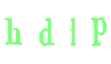
Nfr n.f ḏt
He Whose Body Is Perfect.
- 18

Sḥntj
The Banisher.
- 19
[... ... ...]
[gap in the text]
- 20
[... ... ...]
[gap in the text]
- 21
Ḥr Bḥdtj nṯr ꜥꜣ nb pt
Horus of Behdet, the great god, lord of the sky.
- 22
Nḫbt ḥḏt Nḫn ḫwj.s sꜣ.s mrj.s
Nekhbet, the White One of Nekhen, who guards her son, whom she loves.
Note · Line 22
Nekhen was an early seat of kingship in southern Egypt, across the Nile from Nekhbet’s sanctuary at Elkab. - 23
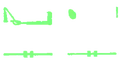
Nbt ḥt snt nṯr
Nephthys, sister of the god.
- 24

Wꜣḏt nbt Ḫp ḫwj.s sꜣ.s mrj.s
Wadjet, lady of Dep, who guards her son, whom she loves.
- 25
ꜣst wrt mwt nṯr
Isis the Great, mother of the god.
- 26
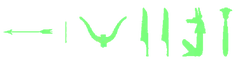
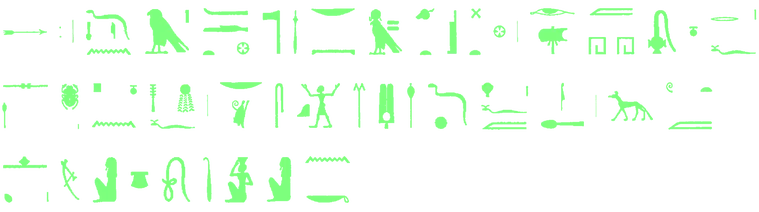
Wp wꜣwt mḥw sḫm tꜣwj
Wepwawet of Lower Egypt, the power of the Two Lands.
Note · Line 26
Wepwawet’s name means “Opener of the Ways,” and his image went at the head of processions. He appears here in two forms, one for each of Egypt’s Two Lands: Upper Egypt in the south and Lower Egypt in the north. - 27
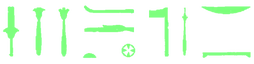
Bḥdtj nṯr ꜥꜣ nb pt
The Behdetite, the great god, lord of the sky.
- 28
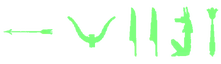
Wp wꜣwt šmꜥw sḫm n pt
Wepwawet of Upper Egypt, the power of the sky.
- 29
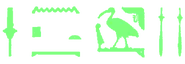
Ḏḥwtj ꜥꜣ ꜥꜣ nb Ꜥmnw
Thoth, twice great, lord of Hermopolis.
Note · Line 29
Hermopolis in Middle Egypt was the chief place of worship of Thoth, the god of writing and reckoning. - 30

Wrwr
The Supremely Great One.
- 31
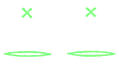
Ḫnhnw
Henhenu.
- 32

Nfj
Nefi.
- 33

{wrtj
The Slurper.
- 34
[... ... ...]
[gap in the text]
- 35
[... ... ...]
[gap in the text]
- 36

[... ... ...]
[gap in the text]
- 37
Ḫsds
The One Who Cuts Apart.
- 38

Nb ds
The Lord of the Knife.
- 39
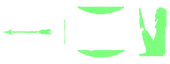
Nbnb
The Protector.
- 40
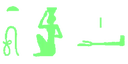
Twꜣ ꜥ
He Who Raises His Arm.
- 41

Jmj nnw
Imi-nenu.
- 42

[... ... ...]
[gap in the text]
- 43
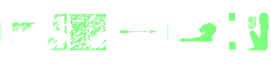
Ḥꜣt pwj
Hat-pui.
- 44
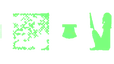
Ḏdtj
The Slayer.
- 45

nṯr nfr jwꜥw n Rꜥ pẖr nst n nb pt nswt bjt mrj Ḥr Bḥdtj nṯr ꜥꜣ nb pt Nb Msn sꜣb šwt prj m ꜣḫt
The perfect god, heir of Ra, successor to the throne of the lord of heaven, king of Upper and Lower Egypt, beloved of Horus of Behdet, the great god, lord of heaven, lord of Mesen, whose plumage is many-colored, who comes forth from the horizon.
Note · Line 45
The opening titles belong to Ptolemy XII; the many-colored feathers belong to Horus. Mesen is a name for his sanctuary at Edfu. - 46
ḏd mdw jn Rꜥ Ḥr ꜣḫtj nṯr ꜥꜣ sꜣb šwt nṯr šps ḫnt Wṯst Ḥr
Words to be spoken by Ra-Horakhty, the great god of many-colored plumage, the august god foremost in the Throne of Horus.
Note · Line 46
Ra-Horakhty is the sun god Ra as Horus of the Two Horizons, east and west. The Throne of Horus is Edfu itself. - 47
ḏd mdw jn Ḥr Nb Msn nṯr ꜥꜣ nb pt nb Ṯꜣrw ḏrtj wr ḫnt P Msn
Words to be spoken by Horus, lord of Mesen, the great god, lord of heaven, lord of Tjaru, the great falcon foremost in Pe-Mesen.
Note · Line 47
The titles connect two places where Horus was worshipped: Tjaru, a stronghold on Egypt’s northeastern frontier, and Pe-Mesen, here a name for Edfu. - 48
ḏd mdw jn Ḏḥwtj wpj rḥwj nṯr ꜥꜣ nb Bꜥḥ tḫn šps ḫnt St Rꜥ
Words to be spoken by Thoth, who parts the two contenders, the great god, lord of Bah, the august ibis foremost in the Seat of Ra.
Note · Line 48
Thoth acts as judge between Horus and Seth, who disputed the right to Osiris’s throne. The ibis is Thoth’s sacred bird, and the Seat of Ra is another name for Edfu. - 49
ḏd mdw jn Bꜣ nb Ḏdt nṯr ꜥꜣ ꜥnḫ n Rꜥ
Words to be spoken by Banebdjedet, the great god, the life of Ra.
Note · Line 49
Banebdjedet was the ram god of Mendes in the Nile Delta. - 50
ḏd mdw jn Jmn Rꜥ nb {mꜣ bḥdt
Words to be spoken by Amun-Ra, lord of Sema-Behdet.
Note · Line 50
Despite the similar name, Sema-Behdet was a town in the northern Delta, far from Edfu. - 51
ḏd mdw jn Bꜣstt ꜥꜣt nbt Bꜣst
Words to be spoken by Bastet the Great, Lady of Bubastis.
Note · Line 51
Bubastis in the Delta was the chief sanctuary of Bastet, the goddess often shown as a cat. - 52
ḏd mdw jn Wꜣḏt nbt Jmt
Words to be spoken by Wadjet, Lady of Imet.
Note · Line 52
Imet was another place where Wadjet was worshipped, in the eastern Delta. - 53
ḏd mdw jn Spdw nb jꜣbtt nṯr ꜥꜣ ntj ḫnt Šns
Words to be spoken by Sopdu, Lord of the East, the great god who dwells in Shenes.
Note · Line 53
Sopdu guarded Egypt’s eastern frontier. Shenes, where the inscription places him, is a sacred name for Edfu. - 54
ḏd mdw jn Ḥr Bḥdtj nṯr ꜥꜣ nb pt nb {mꜣ bḥdt
Words to be spoken by Horus Behdety, the great god, Lord of the Sky, Lord of Sema-Behdet.
- 55
ḏd mdw jn Ḥr Bḥdtj nṯr ꜥꜣ nb pt nb Pr ꜥḥꜣ
Words to be spoken by Horus Behdety, the great god, Lord of the Sky, Lord of the House of Combat.
- 56
ḏd mdw jn {kr Wsjr nṯr ꜥꜣ ḥrj jb Šṯjt
Words to be spoken by Sokar-Osiris, the great god who dwells in the Shetyt.
Note · Line 56
The Shetyt is the sanctuary of Sokar, a god of the dead who is joined here with Osiris. - 57
ḏd mdw jn Nwt wrt msjt nṯrw
Words to be spoken by Nut the Great, who gives birth to the gods.
- 58
ḏd mdw jn Ḥr {ꜣ ꜣst ḫntj St wrt
Words to be spoken by Horus, son of Isis, foremost in the Great Seat.
Note · Line 58
The Great Seat is the temple at Edfu imagined as Horus’s throne. - 59
ḏd mdw jn ꜣst wrt mwt nṯr nbt Smn
Words to be spoken by Isis the Great, the god’s mother, Lady of Semen.
- 60
ḏd mdw jn Sḫmt ꜥꜣt Tp jnt
Words to be spoken by Sekhmet, the Great One of the Wadi Mouth.
Note · Line 60
A wadi is a desert valley or watercourse, usually dry. Sekhmet is a lioness goddess feared for the harm she can inflict. - 61
ḏd mdw jn Ptḥ ẖrj bꜣk.f ḫntj ꜣḫt tꜣwj
Words to be spoken by Ptah-Kheribakef, foremost in the Horizon of the Two Lands.
- 62
ḏd mdw jn Mwt ḫntt ꜥbwj nṯrw nbt Šns
Words to be spoken by Mut, who stands before the two horns of the gods, Lady of Shenes.
- 63
ḏd mdw jn Ḥt ḥr nbt Mfkꜣt ḫnt Wṯst Ḥr
Words to be spoken by Hathor, Lady of the Turquoise Land, who dwells in the Throne of Horus.
Note · Line 63
The Turquoise Land is the mining district of Wadi Maghara in Sinai, where Hathor was honored as patroness of the mines. - 64
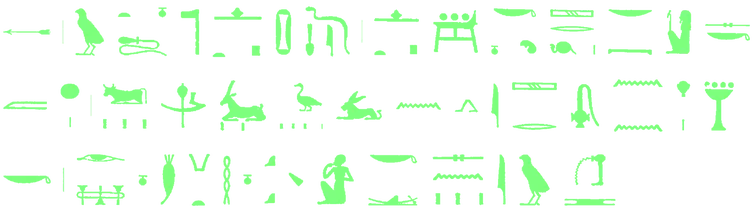
wdn ḥtp nṯr ḏd mdw ḥtp.k n.k ḫrj Rꜥ nb pt grḥ jsk m ꜥb hrw jwꜣw mꜣw ḥḏ rꜣw wnj mw ꜣšr.n.sn ḥr ḫꜣwt.k jrt Ḥr bnrt šdḥ wnm.k jm.sn jw.w wꜥb
Presenting the god’s offering. Words to be spoken:
Here is your offering table, offspring of Ra, Lord of the Sky,
by night and by day as well.
Bulls, oryxes, geese—these foes lie roasted on your altar.
The sweet Eye of Horus and shedeh wine:
may you partake of them, for they are pure.Note · Line 64
By serving the roasted animals to Horus, the king presents the god’s enemies as already defeated. The “sweet Eye of Horus” on the table is honey. - 65
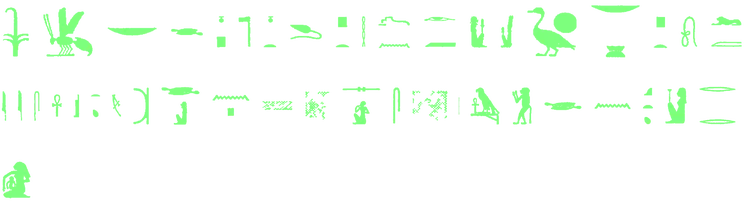
nswt bjt nb tꜣwj (… …) sꜣ Rꜥ nb ḫꜥw (… …) jwꜥw n Npr ḫ n ḫnms . [... n nṯrw nṯrwt
The King of Upper and Lower Egypt, Lord of the Two Lands, Ptolemy XII; the Son of Ra, Lord of Crowns, Ptolemy XII; heir of Neper, child of the Friend, … for the gods and goddesses.
Note · Line 65
The king is named in two capacities: as ruler of Egypt and as son of the sun god. Neper is grain personified, a fitting ancestor for a king who supplies the gods with food. - 66
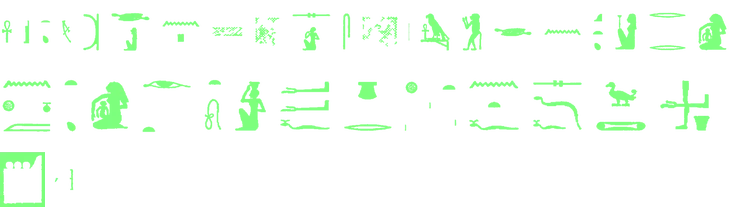
nṯr nfr jwꜥw n ꜥqjt rr.n ḫnmt jrj .[. twꜣ ꜥwj.f ẖr jḫt nt jt.f sḏfꜣ ꜥbꜣ
The perfect god, heir of Aqit, whom the nurse reared, who …, who holds up his arms beneath the offerings for his father and stocks the altar with food.
Note · Line 66
The father receiving the food is the god of the temple, not Ptolemy’s human father. - 67
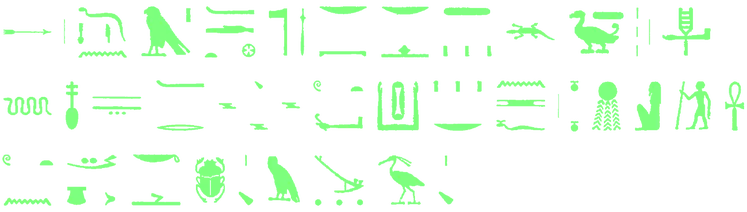
ḏd mdw jn Ḥr Bḥdtj nṯr ꜥꜣ nb pt nb ḥtpw ꜥšꜣ ḏfꜣ ꜥḥꜥw nfr n tꜣwj ḥnꜥ jdbw wdj kꜣw nb n mrj.f wbnj wr ꜥnḫ.tw n mꜣꜣ.f grg tꜣ m prt ꜣḫt
Words to be spoken by Horus Behdety, the great god, Lord of the Sky,
Lord of Offerings, rich in provisions,
the perfect Ahau of the Two Lands and the riverbanks,
who gives every sort of food to the one he loves,
the great Shining One, by the sight of whom people live,
who furnishes the land with the seed of the fields; - 68
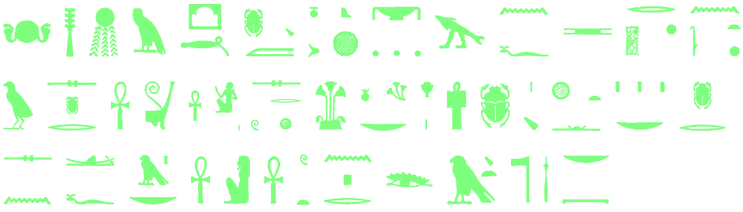
psḏ m ꜣḫt mḥ tꜣ m nqr bsj.n.f ḥꜥpj r tr.f n rnpt r sḫpr ꜥnḫ n ꜥnḫw swꜣḫ rd nb ḥr sꜣ tꜣ jḫt nbt ḫpr.sn jm.f Ḥr nb ꜥnḫ ꜥnḫ.tw n ptr.f Ḥr Bḥdtj nṯr ꜥꜣ nb pt
who shines on the horizon and fills the land with gold dust,
who has brought forth Hapy at his season of the year
to bring forth life for the living,
who makes every plant grow green on the back of the earth,
through whom all things come into being:
Horus, Lord of Life, by the sight of whom people live,
Horus Behdety, the great god, Lord of the Sky.Note · Line 68
The gold dust is sunlight spreading over the ground. Hapy is the Nile flood personified; its yearly rise watered the fields and left fresh silt behind. - 69
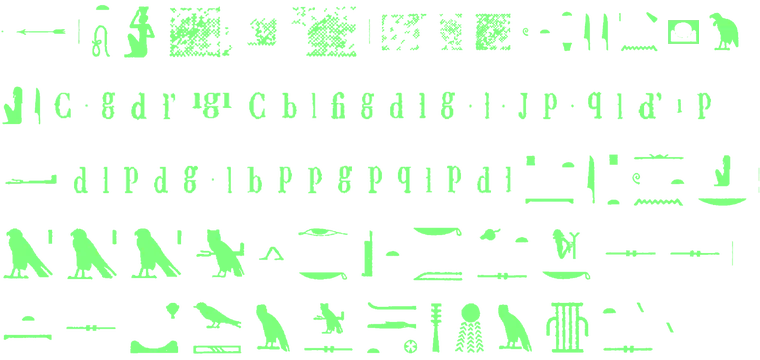
twꜣ pt .. ... ...] [... ... ... ..].tj ḫnt Ꜥꜥjt nt ꜣḫtj jpt jp.tj n nb.s Ḥr Ḥrw mj jrj.k st.k m ḫntj.s sbj.k sbj .[.. smnt smn.tj n ḏw ḫr m m.s Bḥdtj psḏ m ḫntj.s
Supporting the sky. …
… the sky is … in the Place of Appearance of Him of the Horizon.
The sky is complete for its lord.
Horus of Horuses, come and establish your seat within it.
Your foe is driven out …
The firmament stands firm; no evil is found within it.
Behdety, shine within it.Note · Line 69
The king ritually holds up the sky to make a secure place for Horus to shine. - 70

Bḥdtj nṯr ꜥꜣ nb pt sꜣb šwt prj m ꜣḫt Nb Msn nṯr ꜥꜣ nb pt sꜣb šwt prj m ꜣḫt
Behdety, the great god, Lord of the Sky, of many-colored plumage, who comes forth from the horizon. The Lord of Mesen, the great god, Lord of the Sky, of many-colored plumage, who comes forth from the horizon.
- 71
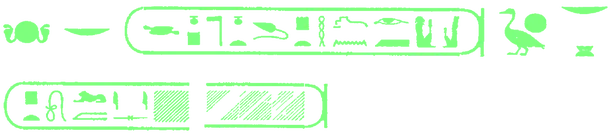
nswt bjt nb tꜣwj (… …) sꜣ Rꜥ nb ḫꜥw (… …)
The King of Upper and Lower Egypt, Lord of the Two Lands, Ptolemy XII; the Son of Ra, Lord of Crowns, Ptolemy XII.
- 72
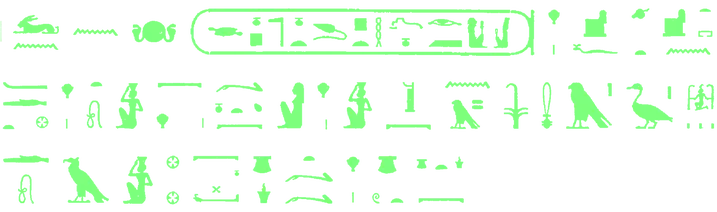
wnn nswt bjt (… …) ḥr bḥdw.f ḫnt Bḥdw n Bḥdtj ḥr twꜣ pt ḥr rmnj Nwt ḥr fꜣt ṯst n Ḥr ꜣḫtj sw mj Ḥr sꜣ Ḥḥw twꜣ nwt qnj gꜣbtj ḥr kꜣwt gbt
The King of Upper and Lower Egypt, Ptolemy XII, is on his throne in the Throne of Behdety. He supports the sky, bears Nut, and lifts the Raised One for Horakhty. He is like Horus, son of the Heh gods, who holds up the sky and bears the vault of heaven on his two strong arms.
Note · Line 72
Nut is the goddess whose body forms the vault of heaven; the Raised One is the sky itself. The Heh gods help bear its weight. - 73
rdj.j n.k pt ḥr ḥwj n ḥnbt.k mḥjt ḥr sꜥšꜣ wꜣḥjt
For you I make the sky rain on your field and the north wind swell the harvest.
Note · Line 73
Horus answers the king: in return for supporting the sky, he will receive what the sky gives his fields. - 74
ḏd mdw jn Ḥr Bḥdtj nṯr ꜥꜣ nb pt Ḥr jꜣbtt wbn m ḥrt m nww wr gst hb.n.f pḏt rꜣ pr pḏ ḏḥnwj.f m ḥḥ ꜥpj šps ḫnt kꜣrw nbw tbtb pwt r ḥꜣp sšm.f rdj.f tp.f m gbt m jtn wr ꜥnḫ ḥr nb m wbn.f
Words to be spoken by Horus Behdety, the great god, Lord of the Sky,
Horus of the East, who rises in the heights out of Nun,
the great runner who has alighted on the arch of the temple,
who spreads his two wings without end,
the august Api at the head of every shrine,
who treads the heavens to hide his image,
who sets his head in the sky as the great sun disk:
at his rising every face comes to life.Note · Line 74
Nun is the water that, in Egyptian accounts of creation, existed before the world took shape. Api is Horus as the winged sun disk: his wings spread above the doorway while his image remains hidden inside. - 75
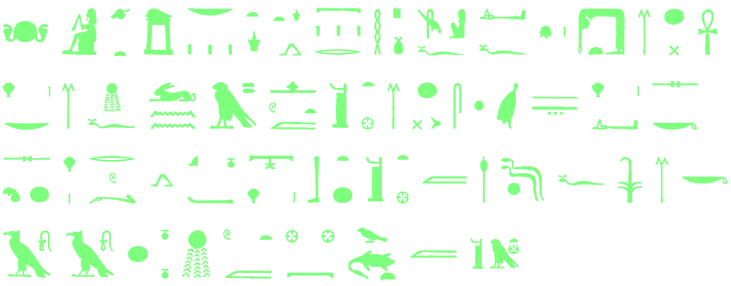
wnn Ḥr ꜣḫtj ḥtp.tj m Wṯst m jtn wr sḥḏ tꜣwj ḥr rdt sksk ḥr rwj knḥw ḥr bd Wṯst m ḥḏḏ.f sw m nb wꜣwꜣ wbn.tj m nwt wr snḏt m Wṯst Ḥr
Horakhty has settled in the Throne as the great sun disk that lights the Two Lands.
He sheds light, drives off the dark,
and lights the Throne with his radiance.
He is the Lord of Sunlight, risen in the sky,
awe-inspiring in the Throne of Horus. - 76
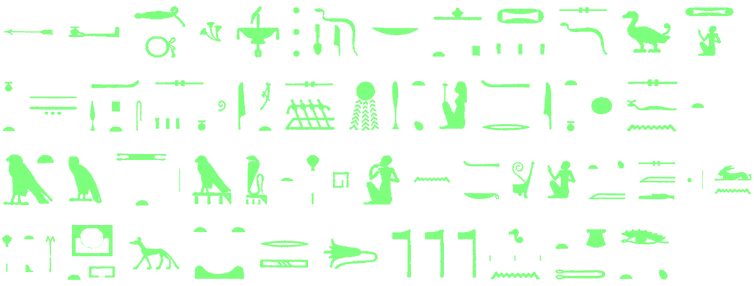
ḥnk mꜣḥ n ḏꜥm ḏd mdw nbt ḥtpw sḏfꜣ.j n.ṯ tꜣwj ḥsp.sn r mrwt.ṯ sšp ḥmt.ṯ ḥnꜥ jtn.ṯ sfn.ṯ Ḥr.ṯ m mrwt.ṯ nṯrw nṯrwt ḥr hj n kꜣ.ṯ ḥkn.ṯ m smdt wn.ṯ ḥr.ṯ m ꜣḫt jꜣbtt ršw nṯrw rmṯw n dgt.ṯ
Presenting a wreath of electrum. Words to be spoken:
Lady of Offerings, I provision the Two Lands for you,
their fields as you would have them.
May Your Majesty shine with your sun disk;
may you soothe your Horus with your love.
Gods and goddesses cheer your ka
as you delight in the jewel.
When you reveal your face on the eastern horizon,
gods and people rejoice to see you.Note · Line 76
The king is addressing Hathor and offering her a wreath of electrum, an alloy of gold and silver. Her ka is her vital power. - 77
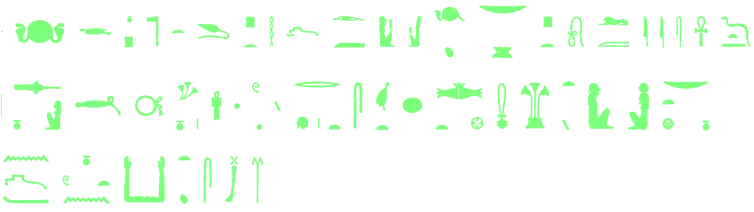
nswt bjt nb tꜣwj (… …) sꜣ Rꜥ nb ḫꜥw (… …)
The King of Upper and Lower Egypt, Lord of the Two Lands, Ptolemy XII; the Son of Ra, Lord of Crowns, Ptolemy XII.
- 78
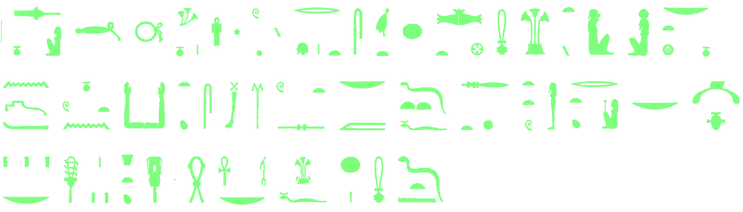
mn n.ṯ mꜣḥ n sꜣwj r tp.ṯ sḥḏ.ṯ Msn mj ḥꜣjtj nbt tḫt nwḥt.tw n kꜣ.s wḥmt.tw n.s ḥb m ḏt.f ẖt.f ṯwt Rꜥjt nbt ꜣwt jb nbt sššwt ḥnwt sḫm
Receive the wreath of Saui gold for your head,
that you may light Mesen like the two lights,
O Lady of Drunkenness, for whose ka people get drunk,
for whom they hold the feast anew, morning and evening.
For you are Raet, Lady of Joy of Heart,
Lady of the sesheshet sistrums, Mistress of the sekhem sistrum.Note · Line 78
The two lights are the sun and moon; Raet is the female counterpart of Ra. The sesheshet and sekhem are two kinds of sistrum, a rattle shaken in Hathor’s worship. - 79
rdj.j n.k tḫt ẖrt hrw ꜣwt jb n jrt ꜣbw
I give you drunkenness day after day, and joy of heart without end.
Note · Line 79
Hathor is answering the king. Drunkenness was part of her festivals, so she offers it as a blessing alongside joy. - 80
ḏd mdw jn Ḥt ḥr nbt Jwnt jrt Rꜥ nbt pt ḥnwt nṯrw nbw špst wsrt ḫnt Tꜣ rr ḥqꜣt ḥqꜣt tꜣ m nḫt.s nbt ḥtpw sḏfꜣt tꜣwj nbt tḫt ḥnwt ḥst ṯḥnt mꜣwt mj stwt jtn mḥt tꜣ m nqr
Words to be spoken by Hathor, Lady of Dendera, Eye of Ra,
Lady of the Sky, Mistress of all the gods,
the noble one, mighty in Tarer,
the ruler who rules the earth by her might,
Lady of Offerings, who feeds the Two Lands,
Lady of Drunkenness, Mistress of Song,
whose splendor sparkles like the rays of the sun disk,
who fills the earth with gold dust.Note · Line 80
Tarer is a sacred name of Dendera, Hathor’s city. As the Eye of Ra, she embodies the sun god’s power to act and protect. - 81
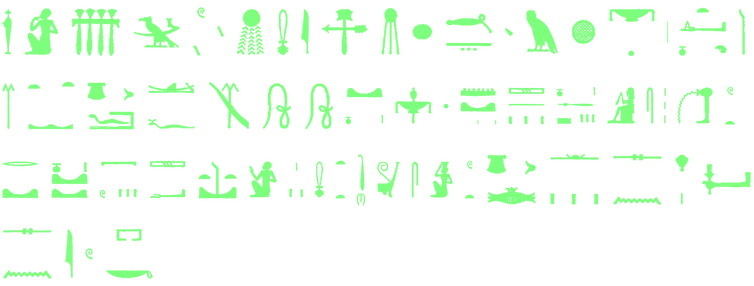
rdj.j n.k ꜥmw ẖr prjt jm.f m ꜥb Wꜣwꜣt n ḥḏ mntj štꜣt n ꜥꜣwt špswt wꜥb.tj r ḏw n ḏwwj ḥrjw šꜥ mjtt dns.tj ẖr gꜣwt.sn ḥr ḫrp.sn r pr.k
I give you Amu with what comes forth from it, Wawat with its silver, and the two mountain banks, hard to reach, with their splendid gems washed clean of the grime of the two ranges. I give you the sand-dwellers too, heavy laden with their bundles, as they bring them to your house.
Note · Line 81
Wawat is Lower Nubia, south of Egypt. The sand-dwellers are desert people, pictured here bringing the wealth of the lands through which they travel. - 82
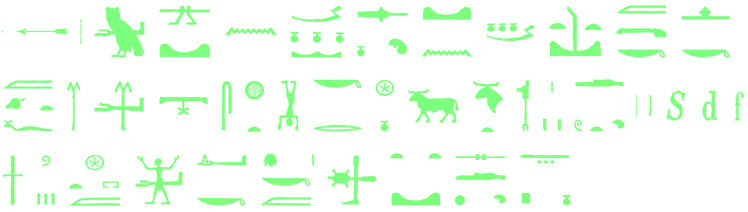
ms ḏw n mꜣnw ḏd mdw mn n.k ḏw n mꜣnw m bꜣḥ.k ḥtp.k m ḫntj.f m mšrw sḫd.k r dꜣt n bꜣ šfjtj ḥꜣwt šsp twk jmjw dꜣt m ḥꜥꜥwt rdj.k tp.k m bꜣẖ sšp.k tꜣ pn ꜥnḫ jrt nbt n ptr.k
Presenting the mountain of Manu. Recitation:
Take for yourself the western mountain here before you;
may you come to rest within it at evening.
When you descend to the underworld as the ram-headed ba,
those who dwell there receive you with shouts of joy.
When you show your head in Bakhu and light up this land,
every eye lives at the sight of you.Note · Line 82
Manu and Bakhu mark opposite ends of the sun’s journey: sunset in the west and sunrise in the east. A ba is a form in which a god or person can move and act; the ram is the sun’s form on its night journey. - 83

nswt bjt nb tꜣwj (… …) sꜣ Rꜥ nb ḫꜥw (… …)
The King of Upper and Lower Egypt, Lord of the Two Lands, Ptolemy XII; the Son of Ra, Lord of Crowns, Ptolemy XII.
- 84
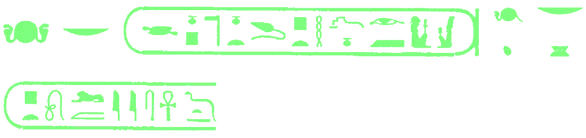
sꜣ.k jm.f sjꜥr.f n.k pr.k sḫd.k jm.f m Jtmw
He is your son. He lifts your house up to you, that you may descend into it as Atum.
Note · Line 84
The son is the king, and Atum is the sun god in his evening form. - 85
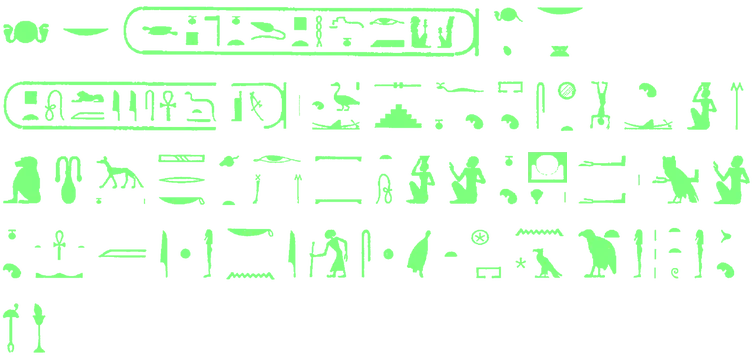
jw.n.j ḫr.k ḫntj jrj wḥmw twꜣ.j n.k ꜣḫt ḥr ꜥwj.j ms.j n.k ꜥnḫt m jrw.k n jꜣw sḥḏ.k dꜣt n dꜣtjw ṯwt jr.k wbꜣ nḥp m ḏt.f gs m ꜥq gs m prt
I have come to you, foremost in heaven,
to lift the horizon for you on my two arms,
to offer you the West in your form as an old man,
when you light the underworld for those who dwell there.
For it is you who set the potter’s wheel turning at dawn,
half as you go in, half as you come out.Note · Line 85
The potter’s wheel is an image of creation: at dawn the sun begins the work of making the world anew. - 86

ḏd mdw jn Ḥr Bḥdtj nṯr ꜥꜣ nb pt ḥtp m ꜥnḫt ḫ šps jrj ḫprw r wnwt.f jꜣw jrj nḫn r nw.f psḏ m nwt m ẖrt hrw ꜥnḫ jḫt nbt m wbn.f
Words spoken by Horus of Behdet, the great god, lord of the sky,
who comes to rest in the West,
the splendid child who changes form at his hour,
the old man who becomes a child when his time comes,
who shines in the sky each day,
at whose rising all things live. - 87
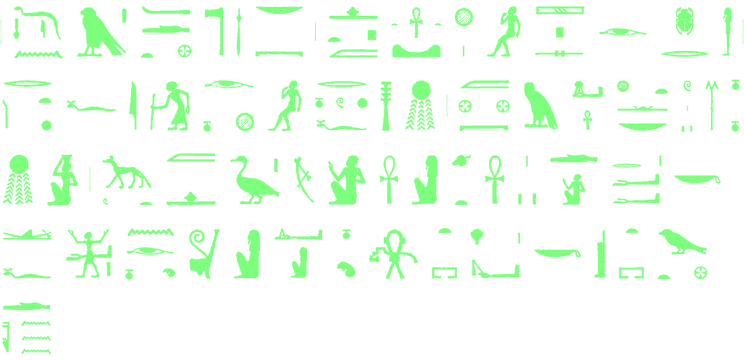
jw.tj m ḥtp sꜣ.j mrj.j ḥꜥ ꜥnḫ.j ḫntj ꜥnḫw šsp.j rꜣ ꜥwj.k ḫntš.j jm.f ḥꜥj.j n jrjt.n.k n.j rdj.j n.k stp sꜣ ḥr ḫwt ḥꜥ.k st wrt twr.tj n kꜣ.k
Welcome in peace, my beloved son,
my living flesh, foremost of the living.
I accept the work of your hands and delight in it;
I rejoice at what you have done for me.
I grant that the palace shall guard your body
and the Great Seat be spotless for your ka.Note · Line 87
Horus now speaks as a father welcoming his son, the king who offered him the western horizon. - 88
Bḥdtj nṯr ꜥꜣ nb pt ḫwj.f sꜣ.f mrj.f
He of Behdet, the great god, lord of the sky: may he protect his beloved son.
- 89
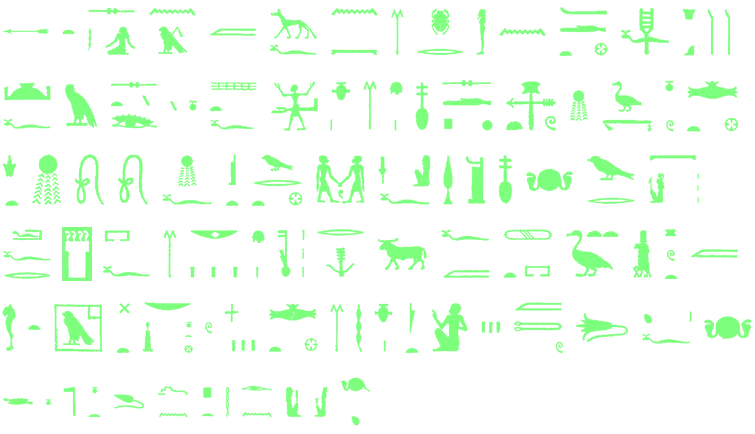
st snḏm nt bjk m jw.f n pt m ḫprw.f n Bḥdtj ꜥḥꜥ.f ꜥqꜣ jꜣt.f m stj n spt.f ḥꜥj jb.f m tp nfr sšp stwt.f sꜣṯw n Msn bd wꜣwꜣ.f St wrt snsn.f sḫm.f m wṯs nfrw m ꜥpj wr ḥrj nṯrw prj.f r rwt pr.f m ḥbw tp trw r ẖnm bꜣ.f m ḫntj sꜣt.f wrt ḫꜥj.tj m ḥꜣt.f Ḥt ḥr wrt nbt Jwnt jmjw Msn m nḏm jb jst.f m ṯḥḥwt
The place where the falcon comes to rest when he comes from the sky in his form as He of Behdet.
He stands facing his sacred mound, in sight of his province;
his heart rejoices in its perfection.
His rays light the ground of Mesen;
his radiance lights up the Great Seat.
He joins his image in the processional barque as great Api, chief of the gods,
when he comes out of his house at the feasts in their seasons
to join his ba in the open air.
His daughter, the Great One, shines on his brow:
Hathor the Great, Lady of Dendera.
The people of Mesen are glad of heart; his retinue exults.Note · Line 89
At festivals priests carried the god’s image out of the sanctuary in a ceremonial boat, bringing it into the sunlight. Hathor appears on his brow as a protective cobra. - 90
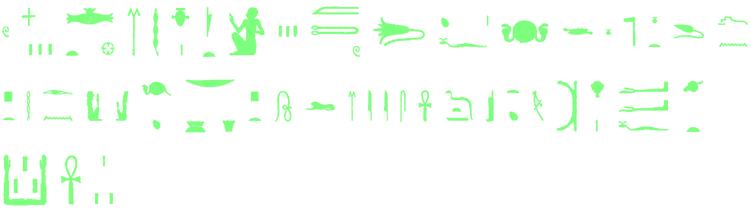
ḫwj.f sꜣ.f mrj.f nswt bjt nb tꜣwj (… …) sꜣ Rꜥ nb ḫꜥw (… …) ḥr ... ḫntj kꜣw ꜥnḫw
May he protect his beloved son, the King of Upper and Lower Egypt, Lord of the Two Lands, Ptolemy XII, the Son of Ra, Lord of Crowns, Ptolemy XII, who is upon …, foremost of the kas of the living.
- 91
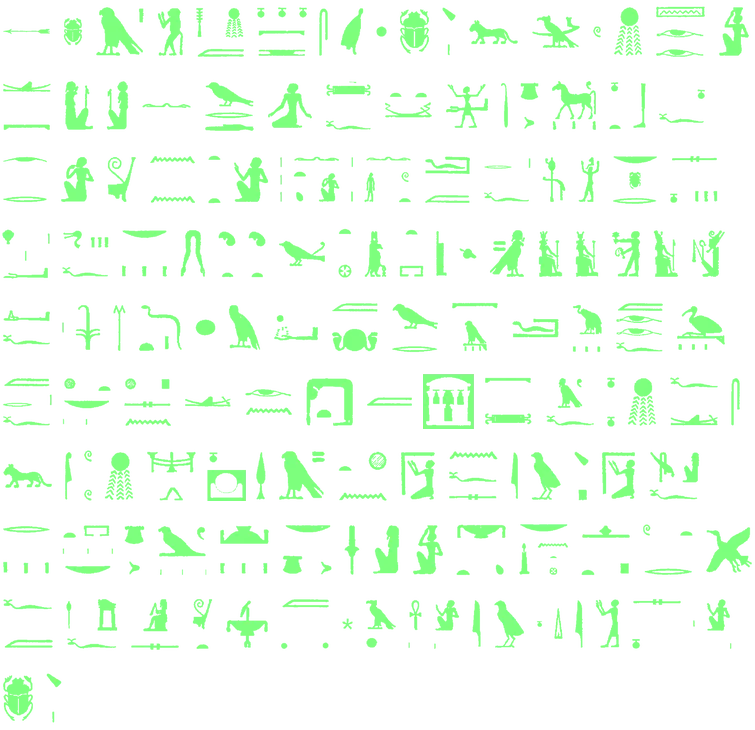
nṯr nfr psḏ m nww sḥḏ tꜣ m mꜣwt nt jrtj.f ḏꜣj pt rꜥ nb n wrḏ.n.f mꜥnḏt ḥꜥj.tj ẖr nfrw.f ndb.n.f sprw n ntjw jwtjw n ꜥn.tw prjt m rꜣ.f wḏt.f nbt ḫpr.sn ḥr ꜥ ḏdt.f nbt n ktkt.sn nswt bjt Ḥr Bḥdtj nṯr ꜥꜣ nb pt Rꜥ Ḥr ꜣḫtj ḫnt St wrt rdj.f sw m ḏt.f m ẖrt hrw m ꜥpj wr ḥrj nṯrw prj rmṯw m jrtj.f nṯrw m rꜣ.f jḫt nbt ḫpr.sn jm.f jrj.n.f gbt m hꜣjt n bꜣ.f wbn.f jm.s m šw ḥrj.n.f ꜣḫt m Ḥr ꜣḫtj tḫn.n.f sw r ḥꜣp sšmw.f rꜣw prw nbw ẖr ꜥẖmw.f jꜣwt nbt ẖr sḫm.f nb nbt Jwnt ḥtp.tj r ḥnꜥ.f m ḥḏ.f šps ntj ḏꜥm dwꜣ ꜥnḫw r rdt n.f jꜣw sn rḫjt tꜣ n bꜣw ḥm.f
The perfect god who shines forth from Nun,
who lights the earth with the gleam of his two eyes,
who crosses the sky each day and never tires.
The Day Barque rejoices as it bears his beauty.
He has heard the pleas of those who are and those who are not.
No one can turn back what comes from his mouth;
whatever he commands comes to pass at once,
whatever he says stands fast.
King of Upper and Lower Egypt, Horus of Behdet, the great god, lord of the sky,
Ra-Horakhty in the Great Seat,
he appears each morning as great Api, chief of the gods.
From his eyes come human beings, from his mouth the gods;
all things come into being from him.
He made the sky a hall for his ba, that he might rise in it as light.
As Horakhty he set the horizon far off;
he hid himself to keep his form secret.
Every temple holds his images, every sacred place his likeness.
The Golden One, Lady of Dendera, rests beside him
in his splendid chapel of electrum.
The living rise early to give him praise;
his subjects kiss the earth before the might of his majesty.Note · Line 91
Here the royal titles belong to Horus himself, not Ptolemy. The birth of humans from his eyes recalls a creation story in which people spring from the sun god’s tears, a play on the Egyptian words for “people” and “tears.” - 92

ḥsj.f Rꜥ r sꜣ.f mrj.f nswt bjt nb tꜣwj (… …) sꜣ Rꜥ nb ḫꜥw (… …) ḥr st Ḥr ḫntj kꜣw ꜥnḫw ḏt
May he praise Ra on behalf of his beloved son, the King of Upper and Lower Egypt, Lord of the Two Lands, Ptolemy XII, the Son of Ra, Lord of Crowns, Ptolemy XII, who sits on the throne of Horus, foremost of the kas of the living, forever.
- 93

ḏd mdw jn Ḥr Bḥdtj nṯr ꜥꜣ nb pt sꜣb šwt prj m ꜣḫt ḫ šps wbn m nww
Words spoken by Horus of Behdet, the great god, lord of the sky, of many-colored plumage, who comes forth from the horizon, the splendid child who rises from Nun.
- 94

ḏd mdw jn Ḥt ḥr nbt Jwnt jrt Rꜥ ḥrt jb Bḥdt špst wsrt ḫnt Tꜣ rr
Words spoken by Hathor, Lady of Dendera, Eye of Ra, who dwells in Behdet, the noble one, mighty in Tarer.
- 95

ḏd mdw jn Ḥr {mꜣ tꜣwj pꜣ ẖrd sꜣ Ḥt ḥr sḏtj šps n Ḥr ꜣḫtj
Words spoken by Harsomtus the Child, son of Hathor, splendid offspring of Horakhty.
Note · Line 95
Harsomtus means “Horus who unites the Two Lands.” Here he is the child in the divine family of Horus and Hathor. - 96
ḏd mdw jn Ptḥ Tꜣ ṯnn jt nṯrw nṯr ꜥꜣ m Wṯst Ḥr
Words spoken by Ptah-Tatenen, father of the gods, the great god in the Throne of Horus.
Note · Line 96
The gods in the following captions keep the titles of their home towns even as they take their places at Edfu. Tatenen, here joined with the craftsman god Ptah, is the first earth to rise from the waters of creation. - 97
ḏd mdw jn Ḥr nb {ḫm nb Jrj ꜥꜣ mꜣꜥ ḫrw m Nst nṯrw
Words spoken by Horus, lord of Letopolis, lord of Iri, great in triumph in the Throne of the Gods.
- 98
ḏd mdw jn Ḥt ḥr nbt Jmꜣw jrt Rꜥ ḫnt Wṯst Ḥr
Words spoken by Hathor, Lady of Imau, Eye of Ra in the Throne of Horus.
- 99
ḏd mdw jn Jmn ḫntj Nt rsjt wr snḏ m Ḏbꜣ
Words spoken by Amun, foremost in the province of Southern Sais, held in great awe in Edfu.
- 100
ḏd mdw jn Jmn Rꜥ nb Ꜥꜣsww nṯr ꜥꜣ ḫnt St [.
Words spoken by Amun-Ra, lord of Khasu, the great god in the Seat of …
- 101
ḏd mdw jn Ḥr {ꜣ ꜣst ḥrj jb Ḥt nht nṯr ꜥꜣ ḫnt Wr nḫt
Words spoken by Harsiese, who dwells in the House of the Sycamore, the great god in Great in Victory.
Note · Line 101
Harsiese means “Horus, son of Isis.” Great in Victory is a name for Edfu, not another god. - 102
ḏd mdw jn Jtmw nṯr ꜥꜣ n Ṯkw sḫm šps ḫnt St Rꜥ
Words spoken by Atum, the great god of Tjeku, the august Power in the Seat of Ra.
- 103
ḏd mdw jn Wsjr nb Ḏdw nṯr ꜥꜣ ḫnt ...
Words spoken by Osiris, lord of Busiris, the great god in …
- 104
ḏd mdw jn Ḥr Ꜥntj ẖtj nṯr ꜥꜣ [...] ḥtp ... .. n P Msn
Words spoken by Horus Khentykhety, the great god … who rests … in Pe-Mesen.
- 105
ḏd mdw jn Ḥr mrtj nb Šdnw nṯr ꜥꜣ ḫnt Bḥdw n Rꜥ
Words spoken by Harmerti, lord of Shedenu, the great god in the Throne of Ra.
- 106
ḏd mdw jn Jn ḥrt nb Ṯb nṯr Šw sꜣ Rꜥ ḫnt Wṯst
Words spoken by Onuris, lord of Sebennytos, the god Shu, son of Ra, in the Throne.
- 107
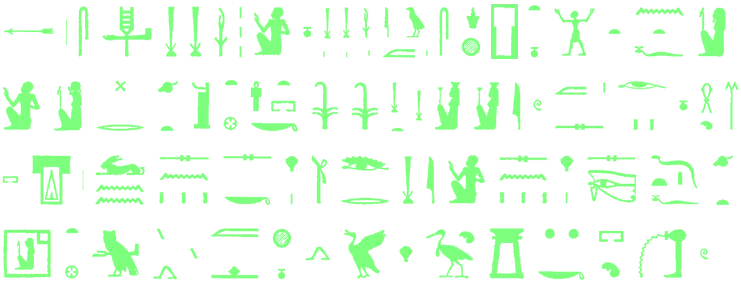
sꜥḥꜥ sntj ḏd mdw sꜥḥꜥ.n.j sntj r gs sbḫt tn qꜣj.tj n jt.j Rꜥ wr ḫnt Wṯst sꜣt.k nn sntj r gs.s jrj.sn sꜣ.k m Rwt djt mꜣꜥt wnn.sn jsk ḥr rs r sn.sn ḥr swḏꜣ ḏt.f ḫnt Ḥt Rꜥ mj m ḥtp ḫnj bꜣ.k ḥr bḫnt mꜣꜣ.k pr.k wꜥb.tj
Raising the two flagstaffs. Recitation:
I have raised the two flagstaffs beside this gateway
that stands high for my father Ra, the Great One in the Throne.
This is your bulwark; the two sisters stand beside it.
They protect you at the Gate Where Maat Is Given.
They keep watch over their brother
and guard his body in the House of Ra.
Come in peace! May your ba alight on the pylon,
that you may see your house is pure.Note · Line 107
The Egyptian words for “two flagstaffs” and “two sisters” sound alike: the poles beside the gate stand guard like Isis and Nephthys beside their brother Osiris. Maat is truth and the right order of the world, also worshipped as a goddess. - 108
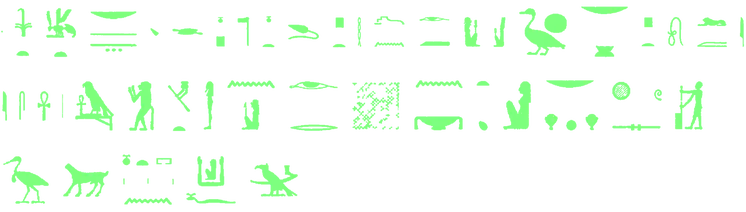
nswt bjt nb tꜣwj (… …) sꜣ Rꜥ nb ḫꜥw (… …)
The King of Upper and Lower Egypt, Lord of the Two Lands, Ptolemy XII; the Son of Ra, Lord of Crowns, Ptolemy XII.
- 109
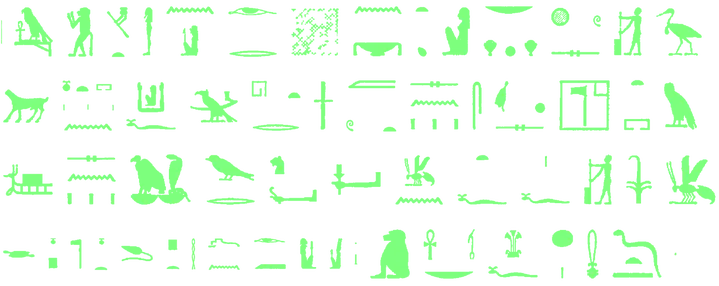
nṯr nfr ẖntj n Rꜥ rr.n nb nbt Jwnt ḫwsj bḫntj n kꜣ.f mꜣht r jmj wtj.sn sḥḏ.sn ḥt nṯr m bjꜣjt.sn nbtj wr pḥtj ḫrp kꜣt n jt.f nb ḫwsj nswt bjt (… …)
The perfect god, image of Ra, whom the Golden One, Lady of Dendera, suckled.
He built the two pylon towers for the god’s ka,
with a gate between them;
they light the temple with their splendor.
He of the Two Ladies, great in strength,
who directs the work for his father, master of building,
the King of Upper and Lower Egypt, Ptolemy XII.Note · Line 109
“He of the Two Ladies” introduces one of the king’s royal titles and places him under the joint protection of Nekhbet and Wadjet. The Golden One who nurses him is Hathor. - 110

Bḥdtj nṯr ꜥꜣ nb pt sꜣb šwt prj m ꜣḫt
He of Behdet, the great god, lord of the sky, of many-colored plumage, who comes forth from the horizon.
- 111
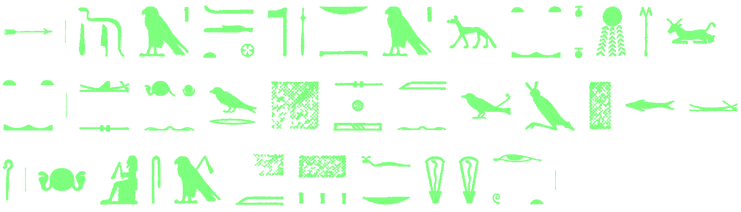
ḏd mdw jn Ḥr Bḥdtj nṯr ꜥꜣ nb pt Ḥr jꜣbtt wbn m bꜣẖ ḏꜣj pt rꜥ nb n wrḏ.n.f ḫm mt bwt.f mnj ꜥpj šps nṯrw m [...] ...f nb jtrtj jrjt.tw n kꜣ.f
Words spoken by Horus of Behdet, the great god, lord of the sky,
Horus of the East, who rises in the eastern mountain,
who crosses the sky each day without tiring,
who knows no death and loathes dying,
the splendid Api, in whose … the gods dwell,
lord of the two shrines built for his ka:Note · Line 111
The two shrines stand for the sanctuaries of Upper and Lower Egypt together. - 112

rdj.j n.k pr.k qn.tj m jrw.f sṯnj.j kꜣ.k ḫnt tꜣ pn
“I grant you your house, complete in form, and I exalt your ka in this land.”
- 113
ḫꜥj n bꜣẖ stwt.f ḥr sḥḏt snkt ꜥpj šps ḫwj gsw prw nṯrw sꜣw ṯꜣw.f ḫnt sḫmw.sn nḫw n nwwt nḏ n jtrtj.f swḏꜣ Wḏꜣt r ḫꜣswt nbt Rꜥ pw nb Rꜥw Ḥr Bḥdtj nṯr ꜥꜣ nb pt
He shines forth in the eastern mountain; his rays light up the dark.
The splendid Api, he guards the temples of the gods
and watches over his nestlings in their sanctuaries.
Protector of cities, guardian of his two shrines,
he keeps Egypt safe from every foreign land.
He is Ra, lord of the sun gods,
Horus of Behdet, the great god, lord of the sky.Note · Line 113
Horus’s “nestlings” are the other gods: he watches over them as a falcon guards its young. - 114
j rmnw rmnj Bḥdtj ḥmw twꜣ Ḥr ꜣḫtj ḥm nṯr gmḥsw n bjk n nb ḥm nṯr Ḥr fꜣj n Ḥr nfr mnḫ jb.ṯn ḥr rmnj jtn Rꜥ pw ḫꜥj.f r sr nfrw
“O bearers who bear him of Behdet,
priests who lift Horakhty high,
falcon-priest of the Falcon of the Golden One,
priest of Horus, bearer of Horus the Fair,
let your hearts be true as you bear the sun disk:
it is Ra who appears to proclaim good things.” - 115

nswt bjt nb tꜣwj (… …) sꜣ Rꜥ nb ḫꜥw (… …) mr St ḫntt jrj jḫt n jt.f ḏsr ḥm.f rdj.f sw r ḥꜣ
The King of Upper and Lower Egypt, lord of the Two Lands, Ptolemy XII, the Son of Ra, lord of crowns, Ptolemy XII, overseer of the First Seat, who performs the offering rites for his father and clears the way for His Majesty when he goes forth.
Note · Line 115
“His Majesty” here means Horus. The king goes ahead of his divine father to clear the processional route. - 116
Wp wꜣwt šmꜥw sḫm nb pt
Wepwawet of Upper Egypt, the Mighty One, lord of the sky.
- 117
[... ... ...]
[gap in the text]
- 118
Wp wꜣwt mḥw sḫm nb tꜣwj
Wepwawet of Lower Egypt, the Mighty One, lord of the Two Lands.
- 119
jmj p
Imi-Pe.
Note · Line 119
Imi-Pe means “He who is in Pe.” - 120
Ḏḥwtj ꜥꜣ ꜥꜣ nb Ꜥmnw
Thoth, twice great, lord of Hermopolis.
- 121
mr St ḫntt
Overseer of the First Seat.
- 122
[... ...]
[gap in the text]
- 123
[... ... ...]
[gap in the text]
- 124
...
[gap in the text]
- 125
... ..
[gap in the text]
- 126
Wṯst Ḥr ... ..
Throne of Horus …
- 127

mr bḥdw
Overseer of the Throne.
- 128
Ḥr sḫm ḥr pꜣ sgmḥ
Horus of the Mighty Face, the Segemeh Spear.
- 129
msntj
The Harpooner.
- 130
Pꜣ mdw šps n Ḥr Bḥdtj
The splendid staff of Horus of Behdet.
- 131
sḥtp ḥmt.s
He who pleases Her Majesty.
- 132
Pꜣ mdw n Ḥt ḥr nbt Jwnt
The staff of Hathor, lady of Dendera.
- 133
gmḥsw
Gemehsu.
Note · Line 133
Gemehsu is a sacred falcon; the falcon-priest named earlier takes his title from the bird he serves. - 134
ḏd mdw rdj.j n.k ꜥnḫ ntj m ḫfꜥ.j wꜣs ntj m .[.. ...]
Words to be spoken: “I give you the life in my fist and the dominion in my grasp.
- 135
rdj.j n.k ꜥḥꜥw qꜣj m ꜣwt jb ntj r ḫt.j
I give you long years of gladness, which are mine to bestow.
- 136
rdj.j n.k snb wn m ꜥ.j swḏꜣ.j ḏt.k r Ḥnṯtjw
I give you the health that is in my hand; I guard your body against the butchers.
Note · Line 136
The butchers are supernatural beings feared as bringers of harm, not people who prepare the temple’s meat. - 137
rdj.j n.k qnt mj Mnṯw nḫt mj Mꜣj ḥsꜣ
I give you valor like Montu’s and strength like that of Maahes.”
Note · Line 137
Montu is a war god, and Maahes is a lion god. - 138
ḏd mdw jn Ḥr Bḥdtj nṯr ꜥꜣ nb pt sꜣb šwt prj m ꜣḫt jtn nfr psḏ m ḥrt ꜥẖm šps ṯḥn šwt nfr ḥr wr mrwt ḏꜣj pt n wrḏ.n.f ꜥpj šps ḫwj tꜣwj m ḏnḥ.f šnbtj nb jswt [...]. pẖr dꜣt n mꜣwt nt jrtj.f [.. ... ...] ... ... [..[.
Words spoken by Horus of Behdet, the great god, lord of the sky,
many-colored of plumage, who comes forth from the horizon,
the perfect sun disk shining in the heights,
the splendid Akhem falcon of gleaming plumage,
fair of face and greatly loved,
who crosses the sky without tiring,
the splendid Api who guards the Two Lands with his wing,
the Shenebti falcon, lord of sanctuaries …,
who traverses the underworld by the rays of his eyes …,Note · Line 138
Akhem and Shenebti are names for sacred falcons. The two eyes by whose light Horus sees are the sun and the moon. - 139
nb wḏꜣtj ꜥšꜣ ꜥnḫwj ... ...] wr sꜣw sḫmw [... ... nb šmꜥ.s ḥqꜣ mḥw.s [... ... ... ... ... ...] nswt nṯrw ḥqꜣ šmꜥw mḥw gsw prw ḫtj ḥr rn.f nṯr nṯrj ḫpr ḏr ꜥ nb jtrtj jrjt.tw n kꜣ.f ḫprr šps mkj gsw prw nṯrw ḫwj msw.f ḫnt jswt msntj qnj prj ꜥ ẖr wꜥ ḫr ḫftj n jt.f šsp ꜥbbt r ḥnṯj ḥntjw wdj r sꜥrq n wnj mw ꜥꜣ snḏt m hrw dmḏ ḥwj bꜣgsw.f bṯnww.f qn prj ꜥ [..]. [... ... ...] jnj pḥwj n wdj qn mꜣj wr sr ḥqꜣ Psḏt nrj n.f nṯrw qn qnj gꜣbtj .[.. ... ..]. [... ... ..] m dns ṯꜣm [... ... ...] ꜥb ḥꜣ Wḏꜣt tkn Stš r sṯtjw šnbtj šps ḥtp ḥr mꜣꜥt wꜥtj ... ...
lord of the two sacred eyes, whose ears are many …,
the great … who guards the sanctuaries …,
lord of the Upper Egyptian crown, ruler of the Lower Egyptian crown …,
king of the gods, ruler of Upper and Lower Egypt,
whose name is inscribed on the temples,
god most divine, who came into being at the beginning,
lord of the two shrines made for his ka,
the splendid scarab who guards the temples of the gods
and shields his children in the sanctuaries,
the strong harpooner whose arm strikes out with the harpoon,
who fells his father’s foe,
who seizes the spear to slaughter the hostile crocodiles,
who strikes to make an end of the enemy,
greatly feared on the day of battle,
whose dagger strikes his adversaries,
the strong one whose arm strikes out …,
who brings the evildoer to his end,
the great lion, prince and ruler of the Ennead,
whom the gods fear,
the strong one, strong in both arms …,
as the heavy hippopotamus, the lion …,
who drives evil out of Egypt
and chases Seth away to the peoples of Asia,
the splendid falcon who rests content with Maat,
the sole one …Note · Line 139
The enemy of Horus’s father is Seth, who killed Osiris. The Ennead is a council of gods, traditionally nine in number. - 140

ḏd mdw rdj.j n.k rsj m jꜣw n ḥḏt.k mḥtj m hnw n dšrt.k ḫꜣswt nbt ḥr mw n ḥm.k wrw.sn ḫꜣb r dwꜣ.k
Words to be spoken: I give you the South acclaiming your White Crown,
the North shouting for joy at your Red Crown,
all foreign lands loyal to Your Majesty,
their princes bowed low to praise you.Note · Line 140
The White Crown represents Upper Egypt and the Red Crown Lower Egypt. The two halves of the country acclaim the king through their respective crowns. - 141

wbn Bḥdtj ḫnt wṯs nfrw.f wpš.n.f tꜣ m nqr ḥꜣj stwt.f tꜣ ḥr ndb.f mj
Behdety rises in his processional barque,
having strewn the earth with gold dust.
His rays light the land from end to end like … - 142

j rmnw špst wsrt ... ... ... ... ... ...] jḥj n ḥrjt tp nt Rꜥ ... ... ... ... ... ...] jp jb. ṯn ... ... ... ... ... ... ...] mk [.. ... ... ... ... ... ... ... ...] jmj [... ... ... ... ... ... ... ...]
O bearers of the Noble One, the Mighty One, …
O Ihy-priests of the cobra on Ra’s brow, …
may you be watchful …
For look, …
Give …Note · Line 142
Ihy is Hathor’s child and a god of music. The priests who bear his name serve Hathor in the role of her son. - 143
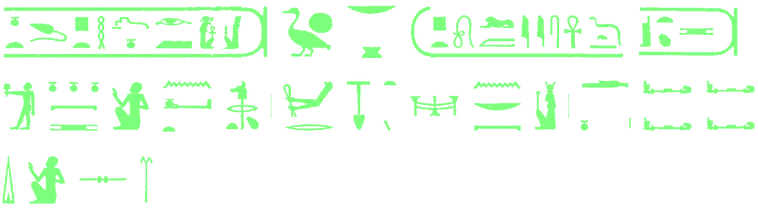
nswt bjt nb tꜣwj (… …) sꜣ Rꜥ nb ḫꜥw (… …) Jḥj nww n mwt.f wsrt ḏsr smꜣtj n nbt pt
The King of Upper and Lower Egypt, Lord of the Two Lands, Ptolemy XII; the Son of Ra, Lord of Crowns, Ptolemy XII; the Ihy-Nun priest of his mother, the Mighty One. He clears a path for the Lady of Heaven.
- 144

šsp.n.j sḥtpj 4 rdj.j sn m jꜣbj.j sḫ.j sššt m wnmj.j kꜣp.j ꜥntjw n wṯs nfrw ḏsr.j nmtt nt nbt [... ...]
I have taken up the four incense arms.
I hold them out in my left hand
and shake the sistrum in my right.
I burn myrrh for the processional barque
and clear the way for the Lady …Note · Line 144
An incense arm is a censer shaped like a forearm, with a cup in its hand to hold the burning incense. - 145

sḥtp ḥmt.s n nbt Jwnt
He Who Pleases Her Majesty, priest of the Lady of Dendera.
- 146
rdj.j ḥswt.k m jbw ṯꜣjw bnrw.k m ẖt nt ḥmwt
I set admiration for you in the hearts of men
and your sweetness in the bellies of women. - 147
ḏd mdw jn Ḥt ḥr nbt Jwnt jrt Rꜥ ḥrt jb Bḥdt nbt pt ḥnwt nṯrw nbw mḥnjt wrt m tp n ꜣḫtj ḫpr st.s jmj wtj jnḥwj.f Bḥdtjt pw sꜣbt šwt nfrt ḥr m ḏꜥm ḫsbḏt tp bnrt mrwt [... ...] n wn snnwt.s sꜣt Rꜥ ḫnt Pr špst [... ...] rdj.s ḥꜥjt ḥr nb n mꜣꜣ.s [... ... ...] snḏmt jb n Psḏt
Words to be spoken by Hathor, Lady of Dendera, Eye of Ra, who dwells in Behdet,
Lady of Heaven, Mistress of all the gods,
the great Coiled One on the head of the Horizon Dweller,
whose seat is between his brows.
She is the Lady of Behdet, dappled of plumage,
her fair face of electrum, her head lapis blue,
sweetly loved …, without her equal,
daughter of Ra in the House of the Noble One …
She brings joy to every face at the sight of her …
and gladdens the heart of the Ennead. - 148
Nb Msn nṯr ꜥꜣ
The Lord of Mesen, the great god.
- 149

psḏ.f [... ... ... ... ... ... ... ... ...] n nwt ḥꜣj ḥḏḏwt.f ndb.f wbn.f m nww m ꜥpj nṯrj ꜥpj m ḥrt dwꜣw sp 2 sꜣt tpt.f sḫn.tj r gs.f Ḥt ḥr wrt nbt Jwnt [...] psḏ [.. .[.. mj Rꜥ ẖrt hrw
He shines … of the sky.
His light illumines the whole world.
He rises from Nun as the divine Api,
flying on high at the very break of day.
The daughter, the cobra of his brow, rests at his side:
Hathor the Great, Lady of Dendera …
shines … like Ra each day.Note · Line 149
Api’s name echoes the Egyptian word for flying, so the sound of the line suggests the falcon taking wing. - 150

ḏd mdw jtn wbn šnꜥ [... ...] ... ḫsr.tj rwj.tw jgp r gbt twr.tj r ḏw Ḥr Bḥdtj nṯr ꜥꜣ nb pt [...] m [... ... ... ... ... ... ...] .. šnw n tꜣ mḥ.n.f tꜣ m nqr
Words to be spoken: The sun disk has risen. The clouds …
Darkness is scattered, the clouds driven from the sky;
the sky is clear of evil.
Horus of Behdet, the great god, Lord of Heaven,
… in …
lights the circle of the earth,
having filled the earth with gold dust. - 151

sꜥḥꜥ kꜣ Jwnw ḏd mdw jwnw nn mn.tj n ktkt mj kꜣt nt nb.sn ḏdwj ṯnj.tj m ꜥ ꜥwj ntj Tꜣ ṯnn jrj wnnt ḥr qmꜣ ḏt.k
Raising the Bull of Heliopolis. Words to be spoken: These iun-pillars stand firm without swaying,
like the work of their lord.
The two pillars stand raised by the arms of Tatenen,
maker of all that is, as he fashioned your body.Note · Line 151
The Bull of Heliopolis is raised in the form of a pillar. The Egyptian name of the sun god’s city, Iunu, echoes iun, “pillar.” - 152
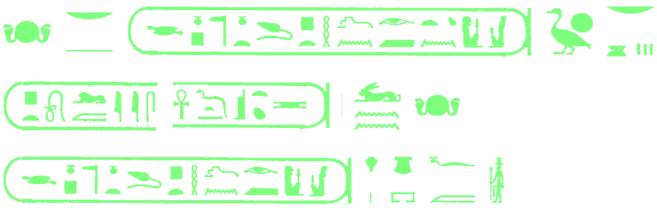
nswt bjt nb tꜣwj (… …) sꜣ Rꜥ nb ḫꜥw (… …)
The King of Upper and Lower Egypt, Lord of the Two Lands, Ptolemy XII; the Son of Ra, Lord of Crowns, Ptolemy XII.
- 153

wnn nswt bjt (… …) ḥr nst.f m jtj ḫnt jḫt mnt ḥr dwn ꜥwj.f ẖr ḥmwt.f n Ḥr ꜣḫtj ḥr sꜥḥꜥ mnw n ḫpr.f sw sw mj sꜣ rsj jnb.f ḥr sꜥḥꜥ jwnwj m ꜥꜣwt nṯrjwt nt ṯnwj
The King of Upper and Lower Egypt, Ptolemy XII, sits on his throne as ruler of the world. He stretches out both arms with his handiwork for Horakhty and raises the monument for him who brought it into being. He is like the son of Him Who Is South of His Wall, raising the two iun-pillars of precious divine stone from the cliffs on either bank.
Note · Line 153
“Him Who Is South of His Wall” is Ptah of Memphis; the king takes the role of the craftsman god’s son as he raises the pillars. - 154
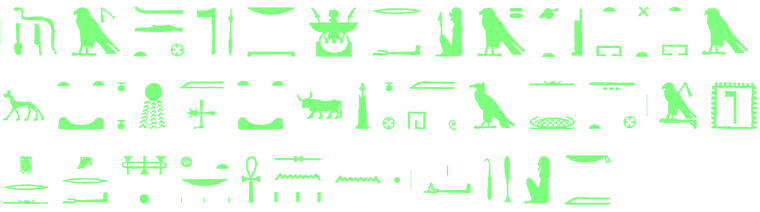
ḏd mdw jn Ḥr Bḥdtj nṯr ꜥꜣ nb pt sꜣb šwt prj m ꜣḫt Rꜥ Ḥr ꜣḫtj ḫnt St wrt Ḥr jꜣbtt wbn m bꜣẖ kꜣ Jwnw m hꜣw Wḥꜥ tꜣ nṯr nṯrj ḫpr ḏr ꜥ jḫt nbt ꜥnḫ.sn n mꜣꜣ.f
Words to be spoken by Horus of Behdet, the great god, Lord of Heaven,
dappled of plumage, who comes forth from the horizon,
Ra-Horakhty in the Great Seat,
Horus of the East, who rises over the eastern mountain,
the Bull of Heliopolis, who comes from Uha-ta,
the god most divine, who came into being in the beginning,
at whose sight all things live: - 155

rdj.j mn ḥm.k m stp sꜣ wsḫ.j jrw.k m jtrtj nṯrw
I cause Your Majesty to endure in the palace
and make room for your image in the twin sanctuaries of the gods. - 156
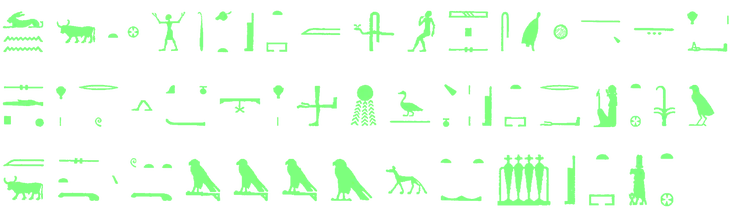
wnn kꜣ Jwnw qꜣj.tj ḫnt Wṯst m sfj šps sḥḏ tꜣwj ḥr rdt sšp ḥr rwj knḥw ḥr ꜥbꜣ sꜣṯw n St Rꜥ sw m kꜣ sṯj wtṯ nṯrw Ḥr jꜣbtt ḫnt St wrt
The Bull of Heliopolis stands tall in the Throne Seat,
a splendid child who lights the Two Lands.
He sheds light and drives off the dark;
he brightens the ground in the Seat of Ra.
He is the bull who sows his seed and sires the gods,
Horus of the East in the Great Seat. - 157
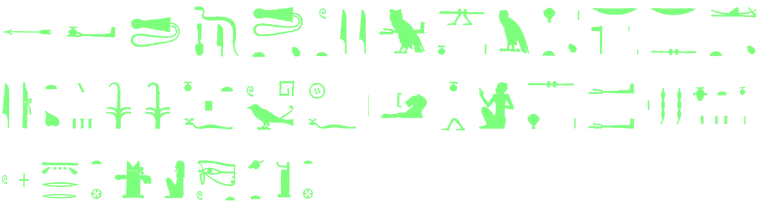
ḥnk mnjt ḏd mdw mnjt twj ms.n.j m ḥr.ṯ nbt nṯrw nbt.s jm.ṯ jswj nn ntj pf whj sp.f sjꜥr.n.j sn ḥr ꜥwj.j nḏm jb.ṯn jmjw Tꜣ rr wtṯw wḏꜣ.tj ḫnt Wṯst
Offering the menat. Words to be spoken: This menat I have brought before you, Lady of the Gods:
you are its mistress.
These two testicles of him whose venture failed:
I have raised them on my arms.
May your hearts be glad, you who dwell in Tarer,
for the Begetter is sound in the Throne Seat.Note · Line 157
The menat is Hathor’s beaded necklace with a counterweight. The king offers it to her as the testicles Seth lost in his struggle with Horus: the rival has lost his power to beget, while the Begetter remains whole. - 158
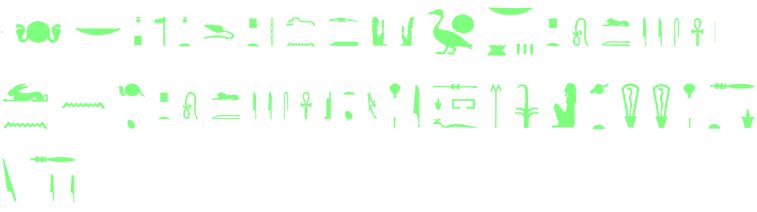
nswt bjt nb tꜣwj (… …) sꜣ Rꜥ nb ḫꜥw (… …)
The King of Upper and Lower Egypt, Lord of the Two Lands, Ptolemy XII; the Son of Ra, Lord of Crowns, Ptolemy XII.
- 159
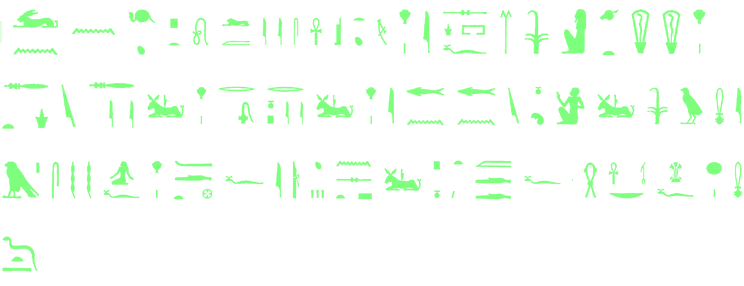
wnn sꜣ Rꜥ (… …) ḥr jsbt.f m nswt ḫnt jtrtj ḥr ẖdb ẖꜣtj ḥr rkḥ rnpj ḥr jnjn njk sw mj Ḥr snḏm.f ḥr bḥdw.f jswj n Stš pꜣ ntj m ḏrtj.f
The Son of Ra, Ptolemy XII, sits on his throne as king in the twin sanctuaries. He cuts down Khati, burns Renepi and slaughters the villain. He is like Horus settling on his throne: it is Seth’s testicles he holds in his two hands.
Note · Line 159
Khati and Renepi are names for Seth, not two more victims. The king’s three blows enact the defeat of the same enemy. - 160

ḏd mdw jn Ḥt ḥr nbt Jwnt tꜣ mnjt jrt Rꜥ ḥrt jb Bḥdt Jwntt ḫnt Tꜣ rr mwt nṯr nt bjk n nb ḥrj nst m Wṯst Ḥr
Words to be spoken by Hathor, Lady of Dendera, the Menat, Eye of Ra, who dwells in Behdet, the Denderite in Tarer, divine mother of the Falcon of the Golden One, who holds the throne in the Throne Seat of Horus:
Note · Line 160
Hathor is called the Menat because the necklace is itself a form of the goddess, not merely something she wears. - 161

rdj.j n.k ꜥnḫ n wn mnt wḏꜣ.tj n ḏw ḫr ꜥwt.k
I give you life without suffering:
you are whole, with no harm in your limbs. - 162
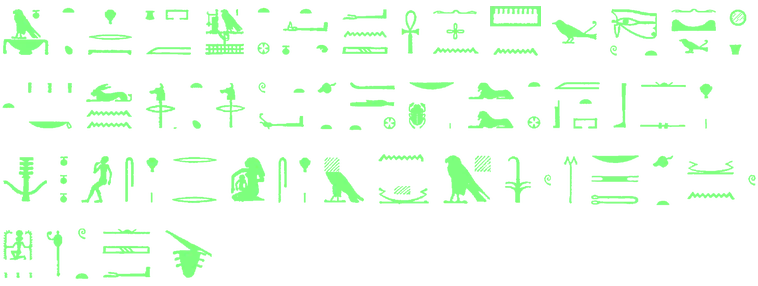
wnn wsrt wsr.tj ḫnt Bḥdt nbt Tꜣ rr m st ꜣbjt.s ḥr ḫnm nww.s ḥr rr sꜣ.s ḥr mntj.s m nḫt sj m nbt mrwt ḫnt wjꜣ n ḥḥw wdjt šꜥt [... ... ...]
The Mighty One is mighty in Behdet;
the Lady of Tarer is in the place she desires.
She tends her infant and suckles her son,
the Strong One, on her thighs.
She is the Lady of Love in the Barque of Millions,
she who strikes terror … - 163
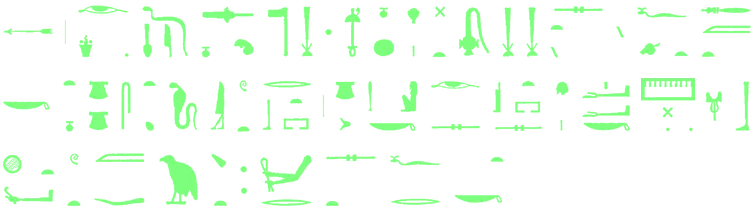
jrt snṯr ḏd mdw mn n.k snṯr wbn ḥr ḫt snsn sṯj.f ḫnt ẖnmtj.k dngngs jj.tj r bw ẖr ḥm.k jrj.s st.s tp ꜥwj.k mnwr ꜣbḫ.tj m ꜥb nḥd ḏsr sṯj.f r fnḏ.k
Burning incense. Words to be spoken: Receive the incense that rises above the flame;
its scent enters your nostrils.
The cobra has come to where Your Majesty is;
she takes her place before you.
Menur is mingled with nehed;
its scent is holy at your nose.Note · Line 163
The cobra here is Nekhbet, who could take this form as well as that of a vulture. Menur and nehed are kinds of incense. - 164
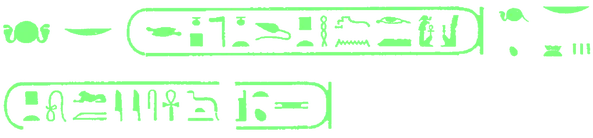
nswt bjt nb tꜣwj (… …) sꜣ Rꜥ nb ḫꜥw (… …)
The King of Upper and Lower Egypt, Lord of the Two Lands, Ptolemy XII; the Son of Ra, Lord of Crowns, Ptolemy XII.
- 165
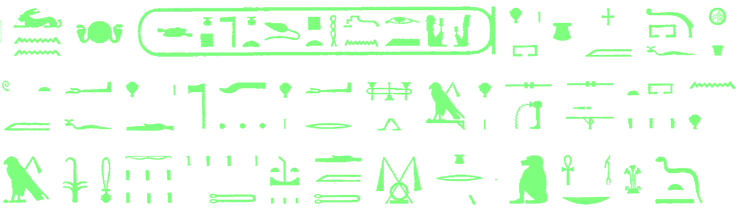
wnn nswt bjt (… …) ḥr nst.f jmjt pr.f ḫfꜥ.tj m ꜥ.f ḥr šsp dqr nṯr ḥr jꜥr nṯr ḥr swꜥb sḫmw n sꜣb šwt sw mj Ḥr ḥqꜣ.n.f Kmt pḏt 9 dmḏ ẖr ṯbwj.f
The King of Upper and Lower Egypt, Ptolemy XII, sits on his throne, his deed of inheritance clasped in his hand. He takes up the incense, makes the god rise and purifies the shrines of the Dappled One. He is like Horus, who has taken Egypt under his rule, the Nine Bows gathered beneath the soles of his feet.
Note · Line 165
The Dappled One is Horus in his falcon plumage. The Nine Bows stand for all Egypt’s traditional enemies; placing them under the king’s feet declares them subject to him. - 166
rdj.j n.k Fkḥr ẖr jmjt.f Kbn ẖr prjt jm.f
I give you Fekeher with all it holds,
and Byblos with all it yields.Note · Line 166
Byblos was a port on the coast of what is now Lebanon, long linked with Egypt through trade in timber and other goods. - 167
ḏd mdw jn Ḥr Bḥdtj nṯr ꜥꜣ nb pt nb ꜥntjw jrj sṯj ḥb bjk nṯrj prj m Pwnt ꜣbḫ ḥrt m sṯj.f
Words to be spoken by Horus of Behdet, the great god, Lord of Heaven,
Lord of Myrrh, who makes the fragrance of the feast,
the divine falcon who comes forth from Punt
and fills the sky with his scent:Note · Line 167
Punt was a source of the aromatic resins burned in Egyptian temples, which explains why the falcon arrives from there trailing fragrance. - 168
rdj.j n.k qmꜣtjw ḥr twꜣ n.k jḫt.sn jw.sn m nḏt n kꜣ.k
I grant that the Qematiu lift up their gifts to you,
bound as they are to the service of your ka. - 169

wnn ꜥpj wbn n Bḥdt m ḫprw.f n .[.. ... ... ...] ḥr ḫnm tw.f ḥr sꜣwj jb.f... ... ... ... ... ..] m Wtnt sṯj.f m mnwr
Api has risen in Behdet in his form of …
He breathes in the scent of his incense cones, gladdening his heart … in Wetenet, whose scent is menur incense.Note · Line 169
Wetenet, like Punt, was named as a source of incense. - 170

Ḥr Bḥdtj nṯr ꜥꜣ nb pt sꜣb šwt prj m ꜣḫt
Horus of Behdet, the great god, lord of the sky, dapple-feathered, who comes forth from the horizon.
- 171
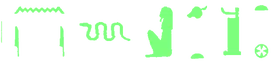
Nꜥw ḫnt Wṯst
Nau in the Throne Seat.
- 172
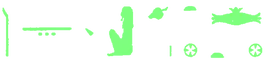
Qmꜣ tꜣ ḫnt P Msn
He Who Creates the Earth in Pe-Mesen.
- 173
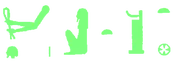
Ḏsr tp ḫnt Wṯst
Djeser-tep in the Throne Seat.
- 174

Bꜣ ꜥnḫ m snf ḫnt P n Rꜥ
The Ba Who Lives on Blood in the Seat of Ra.
- 175
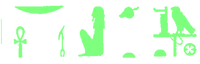
Nb ꜥnḫ wꜣs ḫnt Wṯst Ḥr
The Lord of Life and Dominion in the Throne Seat of Horus.
- 176

Sštꜣj wr ḫnt St Rꜥ
The Great Mysterious One in the Seat of Ra.
- 177
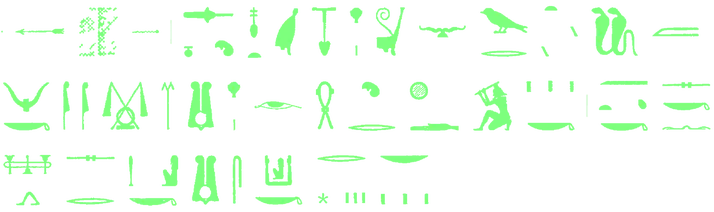
ḥnk sḫmtj ḏd mdw mn n.k nfrt smꜣ ḥr nt dmḏ wrtj m wpt.k šwtj dmḏ m šwtj ḥr jrt sꜣ.k r ḫftjw.k mꜣꜥt.k jsk n ḥrj.s r ḥm.k ṯnj.s kꜣ.k r nṯrw nbw
Offering the Double Crown. Words to be spoken:
Take for yourself the crown of Upper Egypt, joined to the crown of Lower Egypt.
May the Two Great Ones unite upon the crown of your head.
The two feathers are joined as the Double Plume;
they guard you against your foes.
Your Maat does not depart from Your Majesty;
she raises your ka above all the gods.Note · Line 177
The king offers Horus the two crowns joined as one. The “Two Great Ones” are addressed as living protectors, not just pieces of royal headgear. - 178
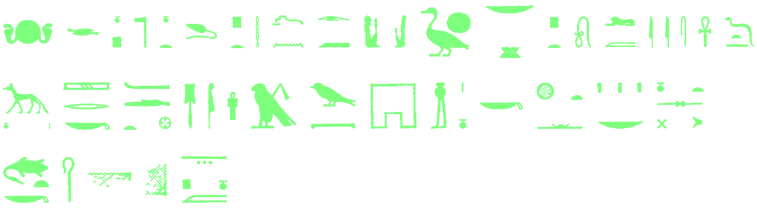
nswt bjt nb tꜣwj (… …) sꜣ Rꜥ nb ḫꜥw (… …)
King of Upper and Lower Egypt, lord of the Two Lands, Ptolemy XII; son of Ra, lord of crowns, Ptolemy XII.
- 179
jw.n.j ḫr.k Bḥdtj sꜣb šwt sjꜣw wr ḥr srḫ jnj.j n.k jḫt.k ntj ḥr swrt snḏt.k ḥqꜣ.k tꜣ pn m wbn.k ṯwt nṯr nṯrj ḫpr ḏs.f ḫpr jḫt nbt m ḫt ḫpr.f
I have come to you, Behdety, dapple-feathered one,
great falcon upon the palace façade,
to bring you what is yours, what deepens the awe you inspire
as you rule this land at your rising.
You are the divine god who came to be of himself;
all things came to be after he came to be.Note · Line 179
The falcon on a palace façade was a royal emblem: the façade framed the king’s Horus name, with the bird perched above it. - 180
ḏd mdw jn Ḥr Bḥdtj nṯr ꜥꜣ nb pt Rꜥ Ḥr ꜣḫtj ḫnt St wrt jrj ṯꜣw m hh n rꜣ.f sḥḏ tꜣ pn n psḏ.f nb sḫmtj sqꜣ m šwtj ḥḏ ḥr.f m mꜣꜥ ḫrw
Words spoken by Horus of Behdet, the great god, lord of the sky,
Ra-Horakhty in the Great Seat,
who makes the wind with the hot breath of his mouth,
who lights this land when he shines,
lord of the Double Crown, exalted in the twin plumes,
whose face shines in triumph. - 181
jw.tj m ḥtp sꜣ.j mrj.j kꜣwt.j n.k wrrt.k šsp.n.j kꜣt.k rdj.j sj ḥr ḥꜣt.j ṯwt jwꜥw.j [...] m ḫntj.f rdj.j n.k rsj m jꜣw n ḥḏt.k mḥtj m hnw n dšrt.k
Come in peace, my beloved son.
I wear your crown for you.
I have received your handiwork; I set it upon my head.
You are my heir, in whom …
I grant you this: the South shall acclaim your White Crown,
and the North shout for joy at your Red Crown. - 182
ḥnk wntj ḥr ḏd mdw ḥꜣjtj nn ḥr ḥꜣjt ḥr.ṯ m stwt.sn nbt Jwnt ꜣḫtjt ḥꜣjt pẖr nfrw.ṯ m jrtj Rꜥ ḥr ḫfꜥ ḥḏḏ.ṯ m ḥr.ṯ
Offering two mirrors. Words to be spoken:
These two lights light up your face with their rays,
lady of Dendera, she of the horizon, shining one.
May your beauty pass through both eyes of Ra
as you catch your own light upon your face.Note · Line 182
The mirrors were polished metal disks. Held before Hathor as the sun and moon, they turn her own light back onto her face. - 183
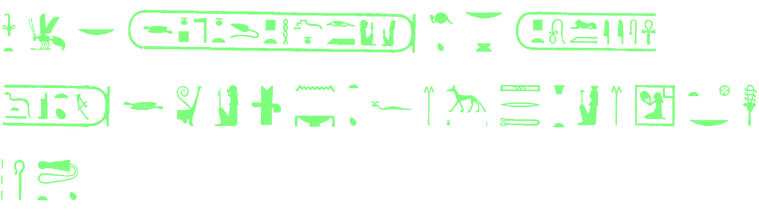
nswt bjt nb tꜣwj (… …) sꜣ Rꜥ nb ḫꜥw (… …) jwꜥw n Rꜥ wtṯ.n nb sḥtp mwt.f m ꜣbjt.s
King of Upper and Lower Egypt, lord of the Two Lands, Ptolemy XII; son of Ra, lord of crowns, Ptolemy XII; heir of Ra, whom the Golden One bore, who pleases his mother with what she desires.
- 184
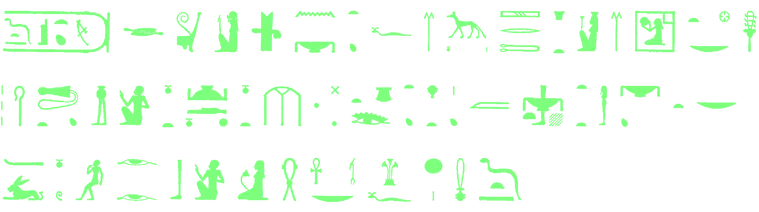
jw.n.j ḫr.ṯ ḥnwt m Ḥt nhm nbt sḫmw ḥqꜣt mnjt jnj.j n.ṯ jtn ntj ꜥrqwr dgj.ṯ ḥr.ṯ m ḏꜥm ṯwt jr.ṯ nbt ḥwntj bw nb ḥr nḥt n kꜣ.ṯ
I have come to you, sovereign in the House of Jubilation,
lady of the sistra, ruler of the menat,
to bring you the disk of silver
that you may see your face in electrum.
You indeed are lady of the two pupils;
everyone prays to your ka.Note · Line 184
The pair of mirrors is made of different metals: one is silver, the other electrum. - 185
ḏd mdw jn Ḥt ḥr nbt Jwnt tꜣ mnjt jrt Rꜥ ḥrt jb Bḥdt nbt mnjt ḥqꜣ.n.s wpt ꜥnt wsrt ḫnt Jꜣt djt ḫsbḏt tp bnrt mrwt
Words spoken by Hathor, lady of Dendera, the Menat,
Eye of Ra, who dwells in Behdet,
lady of the menat, who has claimed the crown of the head,
the radiant one, the mighty one in Iat-dit,
whose head is lapis blue, sweet to love.Note · Line 185
Iat-dit is a sacred name for Dendera. - 186

ḏd mdw jn Ḥr pꜣ ẖrd nṯr ꜥꜣ ḥrj jb Wṯst Ḥr ḫ šps prj m Rꜥ sḏtj mnḫbnr mrwt jḫt nbt ḥꜥj.sn n mꜣꜣ.f nb bḥdw ḥrj srḫ ꜣwj jb n Psḏt
Words spoken by Harpocrates, the great god who dwells in the Throne Seat of Horus,
the noble child who came forth from Ra,
the excellent boy, sweet to love.
All things rejoice at the sight of him,
lord of the throne, who stands upon the palace façade
and gladdens the heart of the Ennead.Note · Line 186
Harpocrates means “Horus the Child.” - 187

jw.tj m ḥtp nswt n Tꜣ mrj ḫbj jnw m ṯnwj šsp.n.j kꜣt.k ḥꜥj.j n jrw.k sḥḏ ḥr.j m dbntj rdj.j n.k jrtj.k wḏꜣ.tj r ḥꜣtj ḫbstj n.k ẖr gꜣwt.sn
Come in peace, king of Egypt, who gathers tribute in the hills along the Nile.
I have received your handiwork; I rejoice in what you do.
My face shines in the two circling ones.
I grant that both your eyes be safe from clouding
and that the Bearded Ones bear their goods to you.Note · Line 187
The two circling ones are the heavenly lights represented by the mirrors; clear sight is the king’s gift in return. The Bearded Ones are the people of Punt. - 188
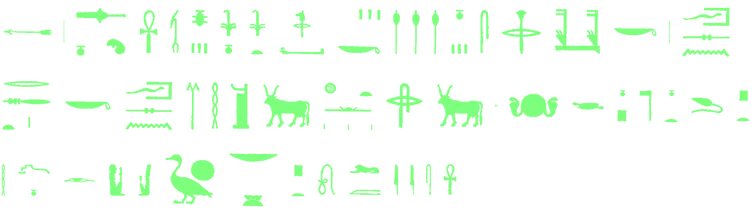
ḥnk jrṯt ḏd mdw ꜥnḫ wꜣs nn ntj ḥr wsr ḥꜥ.k ḥḏw srwḏ qs.k ꜥq.sn r ẖt.k prj.sn m Ḥsꜣt jḫt nbwt nt Ḥt ḥr
Offering milk. Words to be spoken:
Here is Life and Dominion, which strengthens your limbs,
the White, which makes your bones firm.
They enter your belly; they flow from Hesat,
the yield of Hathor’s cows.Note · Line 188
“Life and Dominion” and “the White” are names for the milk itself. Hesat is a goddess in the form of a cow. - 189
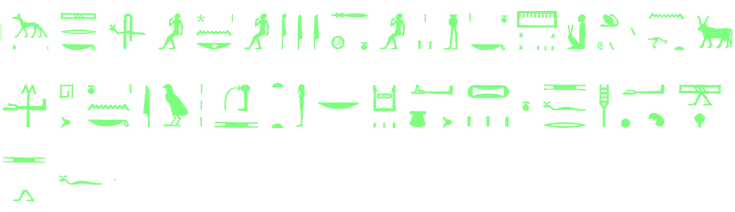
nswt bjt nb tꜣwj (… …) sꜣ Rꜥ nb ḫꜥw (… …)
King of Upper and Lower Egypt, lord of the Two Lands, Ptolemy XII; son of Ra, lord of crowns, Ptolemy XII.
- 190

jw.n.j ḫr.k sfj Snwt ḫ ḫj ḫr ḫnw jnj.j n.k mnq jrj npḥw n ꜣḫt mhr.n.j n.k jw.w wꜥb ṯwt nb kꜣw rdj ẖrt n mrj.f rdj ꜥḥꜥw n šm ḥr mw.f
I have come to you, child of Egypt,
child held in honor among children,
to bring you menek milk from the udder of the Akhet cow.
I milked it for you; it is pure.
You are lord of food, who gives sustenance to the one he loves
and length of days to the one who follows in his wake. - 191
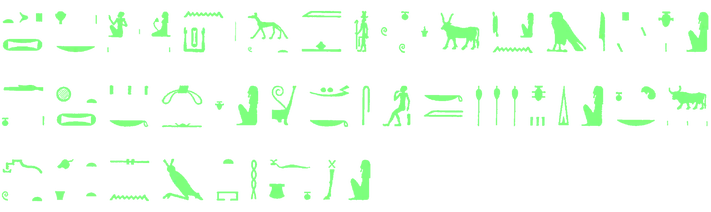
ḏd mdw jn Ḥr {mꜣ tꜣwj pꜣ ẖrd sꜣ Ḥt ḥr sfj šps prj m Rꜥ ḫ nfr ꜥšꜣ ḏfꜣ drp ḥr nb n kꜣ.f
Words spoken by Harsomtus the Child, son of Hathor,
the noble child who came forth from Ra,
the perfect boy, rich in provisions,
who feeds everyone with his own food. - 192

jw.tj m ḥtp jtj n wšb jwꜥw n Ḥr Jpj jb šsp.n.j fqꜣ.k ꜣwj jb.j n mꜣꜣ.k srnp.j ḥꜥ.k m ḥḏw rdj.j n.k nbwt stp.tj ḫnt ꜥt snmt ḥfk ḥm.k m mnḏwj.sn
Come in peace, ruler of cattle, heir of Horus Ipi-ib.
I have received your gifts; my heart is glad at the sight of you.
I make your limbs young again with the White.
I grant you choice cows in the feeding stall;
may Your Majesty suck at their twin teats.Note · Line 192
The child god reverses the roles: the king who brought him milk is now the one to be nursed and made young again. - 193
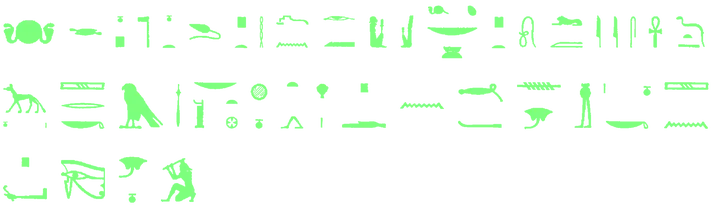
ḥnk.j n.k sbj n wḏꜣt m sqr khb pf m nṯṯ.f
I offer you the rebel against the Wedjat Eye, struck down,
that brute in his bonds.Note · Line 193
The Wedjat is the eye of Horus that Seth injured and that was made whole again. The king now brings its thief before Horus as a bound prisoner. - 194

nswt bjt nb tꜣwj (… …) sꜣ Rꜥ nb ḫꜥw (… …)
King of Upper and Lower Egypt, lord of the Two Lands, Ptolemy XII; son of Ra, lord of crowns, Ptolemy XII.
- 195
jw.n.j ḫr.k Ḥr ꜥꜣ nb Wṯst ḫnd ḥr psḏ n mḥ jnj.j n.k ḫnp wḏꜣt n ḫftj jt.k ḥnb.j tp.f r ḫft ḥr.k ṯwt nb mꜥbꜣ sḫr sbj wnp.n.f nhs m St wnp
I have come to you, Horus the Great, lord of the Throne Seat,
you who have set foot on the antelope’s back,
to bring you the thief of the Wedjat Eye, your father’s foe,
and cut off his head before your face.
You are lord of the maba spear, who fells the rebel,
who stabbed Nehes in the Place of Stabbing.Note · Line 195
The antelope embodies Seth, here called Nehes. The Place of Stabbing is Edfu imagined as the very ground where Horus overcame him. - 196

ḏd mdw jn Ḥr Bḥdtj nṯr ꜥꜣ nb pt nšd sbj m ꜥnwt.f nb wꜥ prj m ꜣst jrj šꜥt m ḫftj n jt.f
Words spoken by Horus of Behdet, the great god, lord of the sky,
who tears the rebel apart with his talons,
the sole lord who came forth from Isis,
who slaughters his father’s foe. - 197

ḏd mdw jn Ḥt ḥr nbt Jwnt jrt Rꜥ ḥrt jb Bḥdt ḥrjt tp m tp n ꜣḫtj Sḫmt ḥnwt nbt jns nsrt sbjw
Words spoken by Hathor, lady of Dendera,
Eye of Ra, who dwells in Behdet,
the cobra on the brow of Him of the Horizon,
Sekhmet, sovereign and lady of flame,
who burns up the rebels.Note · Line 197
Hathor appears here as Sekhmet: the goddess who received music and mirrors now turns her fire against the rebels. - 198
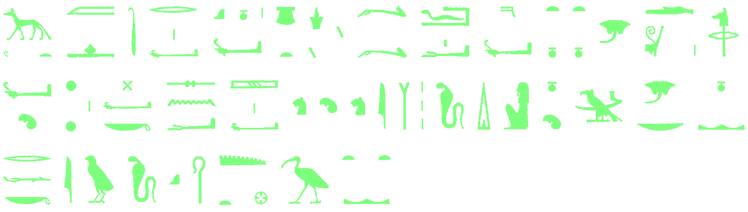
jw.tj m ḥtp ṯnr qnj gꜣbtj prj ꜥ ḥwj dndn šsp.n.j wsr.k mꜣꜣ.j nḫt.k snꜥš.j pḥtj.k r sbjw.k rdj.j n.k mꜣ nb n ḫꜣst r ḫt.k jw.k ḥr ḥqꜣ kmt dšrt
Come in peace, mighty one, strong in both arms,
quick to strike, who beats down the raging one.
I have received your show of might; I see your strength.
I increase your power against your foes.
I grant that every antelope of the desert be subject to you
as you rule the Black Land and the Red Land.Note · Line 198
Unlike the Two Lands of Upper and Lower Egypt, the Black and Red Lands distinguish two landscapes: the dark soil watered by the Nile and the desert beyond it. - 199
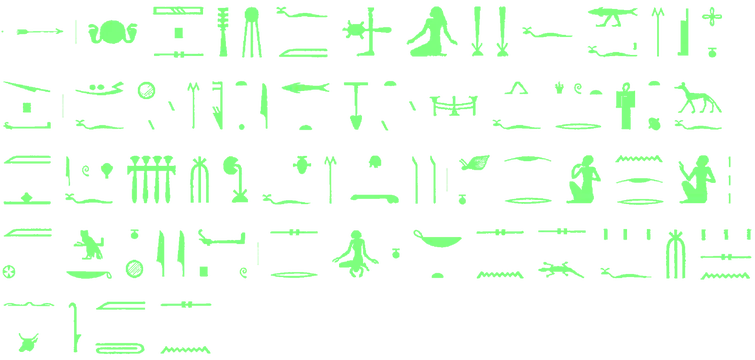
ꜥpj šps psḏ.f m bꜣẖ snsn.f bs.f m St wnp mꜣꜣ.f nwt.f m bd r bwt smꜣtj.f snṯr.tj r sꜣt jw.f m ḥtp jw ḥr.f ṯḥn msḫꜣ jb.f m tp mtr sḏm.n.f sprw n sprww m nwt.f mk nḫw pw sjwr.n.f ḥmt.sn sꜥšꜣ.f msw.sn n qn rnpt m qꜣb.sn
The splendid Api shines in the eastern mountain;
he joins his image in the Place of Spearing.
He sees his city clean of evil, his path censed clean of filth.
He comes in peace, his face shining, his heart glad at what is right.
He has heard the pleas of those who plead in his city: he is indeed the helper.
He has made their wives conceive; he makes their children many.
There is no lean year among them. - 200
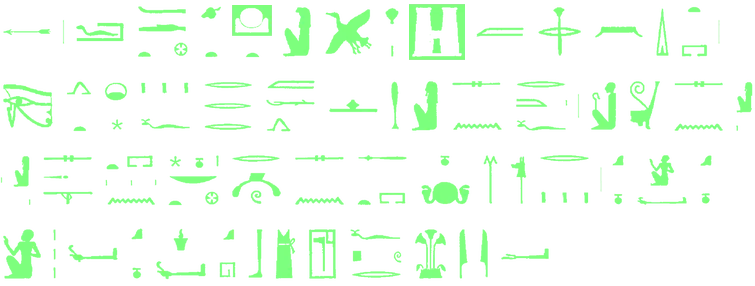
prj Bḥdtj ḫnt ꜣḫt ḫnj.f ḥr bḫnt m Rwt djt mꜣꜥt wḏꜣ Psḏt.f jrj m ḫt.f ḥtp ḥm.sn r gs.f {ꜣw.n.sn sḫmw nw Snwt r ꜣw.sn ꜥꜣjt nt ꜥpj m wsr qn qnw qnb khb ḥn ḥt nṯr.f pw r ḥꜣꜥjt
The Behdetite comes forth from the horizon
and alights on the pylon, the Gate Where Maat Is Given.
His whole Ennead follows him; their Majesties settle at his side,
all the guardian gods of the shrines of Egypt. Thus the temple of Api stands strong.
The strongest of the strong binds the violent one:
it is he who guards his temple against revolt. - 201
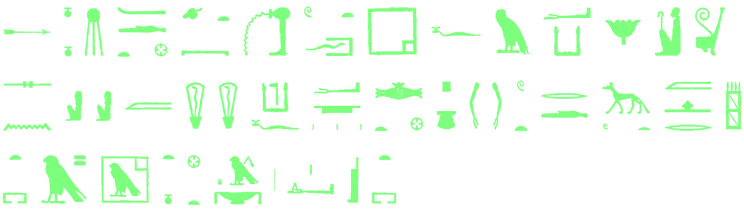
wbn Bḥdtj ḫnt pt wꜥb.tj ꜥq.f ḥt.f m mk {ꜣw.n.sn m jtrtj kꜣ.f ꜥꜣw Msn pgꜣ.tj r šsp.f jw.tj m ḥtp r ꜥḥt Ḥr ꜣḫtj Ḥt bjk nt bjk n nb
The Behdetite rises in a clear sky and enters his house amid rejoicing.
The guardian gods stand on either side of his ka;
the double doors of Mesen stand wide to receive him:
“Come in peace to the Palace of Horakhty,
to the Falcon House of the Falcon of Gold.” - 202
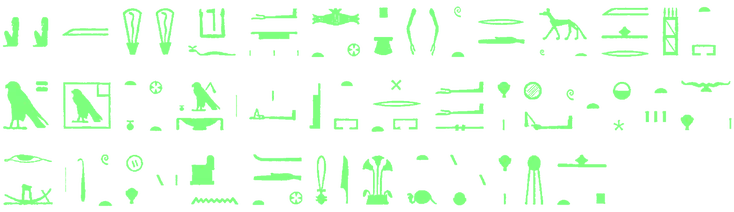
rdj St wrt ꜥwj.s ḥr ḫwt.f Psḏt dmḏ ḥr jrt gs dpt mn.tj sp 2 ḥr bḥdw.k n Bḥdt mj ḥꜣjtj ḥr wbn ḥtp
The Great Seat stretches out her arms to shelter him;
the whole Ennead takes him into its care:
“May you endure, may you endure upon your throne in Behdet,
like the two lights in their rising and setting.”Note · Line 202
The arms reaching out to welcome Horus belong to the temple itself, now pictured as a protector embracing him. - 203
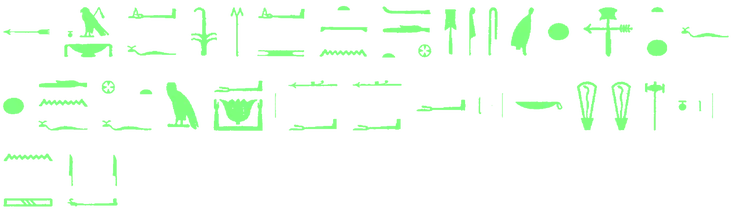
bjk n nb rdj.f sw m dj mrt n Bḥdtj sꜣb šwt sḥḏ stwt.f ..[. ...] šsp.n.f nwt.f m mk wꜥ ... .[.. ... ...] nb jtrtj nḏ.f [... ...] nḫw [... ...]
The Falcon of Gold shows himself in the sky as the Behdetite of many-colored plumage.
His rays light up … now that he has taken possession of his city amid rejoicing.
The sole …
The lord of the two shrines protects … The protector … - 204
[... ... ... ... ...] m ḫntj Bw wr bhꜣ bṯnww ẖr mdw.f n mḥw [... ... ... ... ...] ... St ꜥnt.f pw ḏr bꜣḥ [... ... ... ... ... .] ḥr ḫwt msw.f ḫnt jswt [... ... ... ... ...] ṯpḥt wḏt kꜣw n ḥrj ḥmt.s r snn.f [... ... ... ... ...] ... ḥtp.tj r gs.f ḥr šms jb.f rꜥ nb
… in the Great Place; the rebels flee before his staff from Lower Egypt.
… it has been the resting place of his talon since the beginning.
… protecting his children in the temples.
… the Gullet; Her Majesty does not draw away from his image.
… at rest beside him, following his heart’s desire day after day.Note · Line 204
The gods were said to feed on Maat, which gives her the unusual name “the Gullet.” It is she who stays beside Horus’s image. - 205
sjꜣw nṯrj spr.f St Rꜥ snsn.f sšd m nb srḫ wḥm.f ḫprw.f m ꜥẖm šps m Ḥr ꜥꜣ sꜣb šwt jw.n.f m Pwnt nš.f sw r ẖnm nst.f šsp.f nswjt.f m ḫntj Wṯst Ḥr dhn r ḥqꜣ ḏt Ḏḥwtj m ḫt.f ḥr jrt mkt ḏt dwꜣw sp 2 n ꜣbw
The divine Sia-falcon reaches the Seat of Ra
and settles in the window as lord of the palace façade.
He takes form anew as the splendid falcon,
as Horus the Great, of many-colored plumage.
He has come from Punt; nothing stays him as he draws near to take his throne.
He receives his kingship in the Throne of Horus, appointed to rule forever.
Thoth follows behind him, guarding his body,
morning after morning, without cease. - 206
bnw nṯrj ꜥpj.f m pt m jrw.f n Rꜥ ḥrj nṯrw ꜥq.f ꜥꜣjt.f m ḫntj St wrt ꜣḫt.f pw ḥr tp tꜣ wbꜣ.f ꜥnḫwj.f ḥr ndb n sntj ḥr wḏꜥ rjt n sꜣ Wsjr drp.f Ḏrtjw sꜥnḫ.f ꜥnḫw nḫ.f mꜣrw m ꜥ wsr swr.f ḥnbwt m šnw m nwt.f sšm.f ḥr nb r psšt
The divine Bennu flies in from the sky in his form as Ra, chief of the gods.
He enters his sanctuary in the Great Seat: it is his horizon on earth.
He opens both ears to the cry of the two sisters
as he gives judgment for the son of Osiris.
He feeds his fellow gods and gives life to the living;
he shields the weak from the hand of the strong.
He extends the fields around his city and leads each to their share.Note · Line 206
The Bennu is a sacred heron associated with the sun and its renewal. The judgment in favor of Horus makes him his father’s rightful heir. - 207
ꜥpj šps ꜥẖj.f m nwt ḥfd.f ḥr ḥmr.f m ḫntj Ḥt Ḥr wr sšp.f m sn r ḥꜣjtj mḥ.n.f tꜣ m nqr jṯj kꜣ jj.tj r tr.f n rnpt bꜥḥj.n.f tꜣ m prt ꜣḫt bkꜣ nht bẖ.n.s msw.s šdj Jpt m mḥjt jḫt nbt jm.s ḫꜣḫ.tj ẖr kꜣ.sn snb.s rmṯw ꜥwt mnmnt
The splendid Api flies in from the sky and alights on his throne in the House of Horus.
The Great One shines like the two lights, having filled the earth with gold dust.
The Seizing Bull has come at his season of the year;
he has flooded the land with the yield of the fields.
The sycamore conceived and has borne her children;
Ipet nursed them with the north wind.
All that is in her hastens to bring its food;
she keeps people, flocks and herds in health.Note · Line 207
The Seizing Bull is the onrushing Nile flood. The sycamore’s children are its figs, which Ipet, a sky goddess, nurses with the north wind. - 208

sqr t ḥḏ n jt.f šps jrj.f dj ꜥnḫ
Consecrating white bread to his splendid father, that he may be given life.
- 209
nswt bjt (…) sꜣ Rꜥ (…)
King of Upper and Lower Egypt ( ), Son of Ra ( ).
Note · Line 209
The empty ovals, called cartouches, are spaces reserved for the king’s throne name and birth name; neither was filled in here. - 210
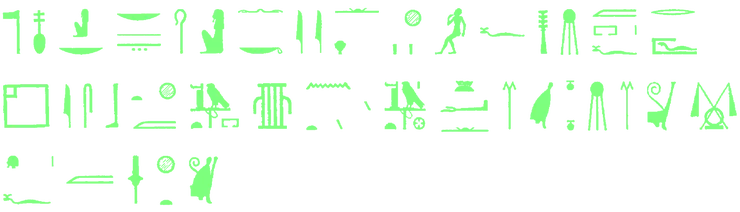
nṯr nfr nb tꜣwj ḥqꜣ n kj ḥr ḫw.f psḏ m pr.f r ꜥq Ḥt jsbt m Wṯst Ḥr ḫnt Wṯst Ḥr ḫꜥj m ḥḏt wbn m dšrt dmḏ tp.f m sḫmtj
The perfect god, lord of the Two Lands, ruler without equal, who comes shining from his house to enter the House of the Throne at the Throne of Horus within the Throne of Horus; who appears in the White Crown and rises radiant in the Red Crown, his head united with the Double Crown.
- 211

ḏd mdw jn Ḏḥwtj nb Pr mḏꜣt ḥrj jb Wṯst Ḥr ꜥḫj pt sštꜣ ꜣḫt
Words spoken by Thoth, lord of the House of Books, who dwells in the Throne of Horus, who raises the sky and veils the horizon.
- 212
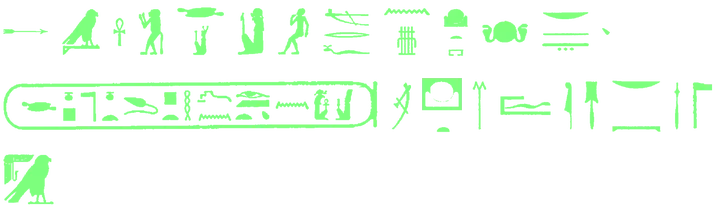
nṯr nfr jwꜥw n Rꜥ sꜣ mrj.f n ḫntj ꜣḫt nswt bjt nb tꜣwj (… …) mrj Ḥr Bḥdtj nṯr ꜥꜣ nb pt sꜣb šwt prj m ꜣḫt
The perfect god, heir of Ra, His Beloved Son of the Foremost of the Horizon, King of Upper and Lower Egypt, lord of the Two Lands (Ptolemy XII), beloved of Horus the Behdetite, the great god, lord of the sky, of many-colored plumage, who comes forth from the horizon.
Note · Line 212
“His Beloved Son” is a priestly title: the king performs the rites in the role of the god’s son. - 213
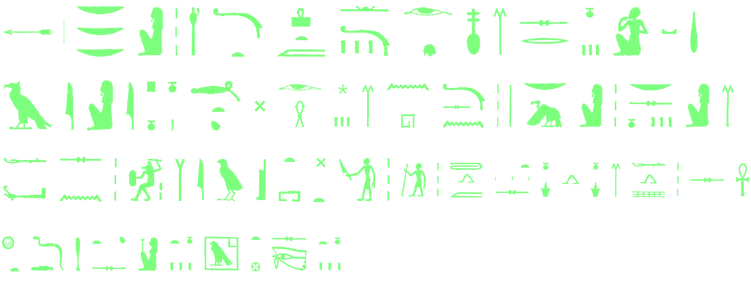
nbw wḏ ḫtmw jrj tp nfr m šsrw Ḏꜣjsw jpn nw Mḥt wrt jrj sꜣ nṯrw m nht.sn nbw mkt mkj nb.sn m nḫt.sn sḥrj sbjw r St wrt Ḥnṯtjw wrw pẖr m nwwt nbnb m ḫt spwt smꜣ sꜥnḫ ḫft ḏdt ḥmt.s
O lords who issue decrees, whose words bring about what is right,
you Djaisu of Mehet-Weret, who guard the gods with your book of spells,
lords of protection, who protect your lord with your strength,
who drive rebels from the Great Seat;
you great slaughterers who range through the towns and roam the provinces,
who kill or grant life at Her Majesty’s word:Note · Line 213
The Djaisu are the spoken decrees of Mehet-Weret, the great celestial cow, imagined as beings who can guard the temple. The slaughterers answer to Sekhmet: “Her Majesty” is the goddess who decides whom they kill or spare. - 214
mkj.ṯn Ḥt Ḥr swḏꜣ.ṯn Bḥdt sḥrj.ṯn ḏw ḥꜣ Jwnt šdj.ṯn Ꜥntj jꜣbtt swḏꜣ.ṯn jtrtj sbꜣq.ṯn nswt bjt (Pr ꜥꜣ) ḏt
may you guard the House of Horus, may you keep Behdet safe,
may you drive evil far from Dendera, may you watch over Khenty-iabtet,
may you keep the two shrines of Egypt safe,
may you keep the King of Upper and Lower Egypt (Pharaoh) flourishing forever. - 215
ḫw nn ḫwj ꜣḫtj m sḫm.f sḥrj ḏw ḥꜣ nb nṯrw
These are the guardians who guard the Horizon-Dweller in his sanctuary and drive evil from the lord of the gods:
Note · Line 215
The names that follow belong to the defenders, not the rebels. The knife-bearing figures on the pylon turn their violence against anyone who threatens the sanctuary. - 216
Bjk
The Falcon.
- 217
Ꜥꜣḫ
The Hastening One.
- 218
Sjn
The Swift One.
- 219
ꜥꜣ pḥtj
Great of Strength.
- 220
Ꜥnp jb mrj.f wꜥw
He who tears out the heart and loves solitude.
- 221
Nb ẖnnw n sḏm.n.f
Lord of Tumult, who cannot hear.
- 222
Ḥr.f m ḫt ꜣẖꜥ m ꜥnt.f
Fire-Face, who rakes with his claw.
- 223
Jmj wtj ḥꜥpj jrj dšrt
He who is in the midst of the Nile and makes a bloodbath.
- 224
Šd ḫrw m ẖnw ṯmsw.f
He who stirs up strife from the depths of his malice.
- 225
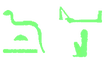
Kꜣ dšr msj ẖnnw
The Red Bull who begets tumult.
- 226
Wꜣj nṯr ꜥꜣ ḫnt Wṯst Ḥr
The Distant One, the great god in the Throne of Horus.
- 227
ꜥꜣ nṯr ꜥꜣ ḫnt Jw nšnj
The Great One, the great god on the Island of Rage.
- 228
ḏd mdw jn Jtmw nb Tꜣwj Jwnw nṯr ꜥꜣ ḫnt Wṯst Ḥr
Words to be spoken by Atum, lord of the Two Lands of Heliopolis, the great god foremost in the Throne-Seat of Horus:
Note · Line 228
Atum addresses a living falcon honored at Edfu as Horus. It is the bird that alights in the pavilion and is welcomed as a king. - 229

mꜣrw.k m ḥꜥꜥwt ḏr smꜣ.n.k sꜣṯw.f Psḏt.f ḥꜥj.tj n jj.k
Your pavilion rejoices now that you have alighted on its floor;
its Ennead delights in your coming. - 230
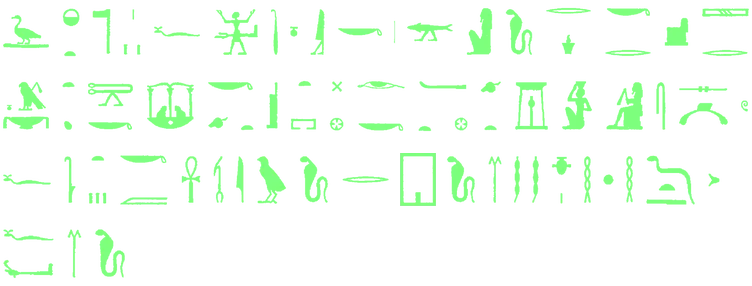
bs.k r bkr ḫr bjk n nb jṯj.k ḥb sd.k ḫnt St wrt mꜣꜣ.k Bḥdtj ḫnt ḥḏ.f šps sꜣwj.f rnpwt.k m ꜥnḫ wꜣs jw.k r srḫ.k m nḏm jb nḥḥ ḏt ꜥrf m ḫfꜥ.k
May you approach the throne, before the Falcon of the Golden One,
to receive your Sed festival in the Great Seat
and see Horus of Behdet in his splendid shrine.
May he multiply your years in life and dominion
as you come to your palace façade, glad of heart,
eternity and everlastingness clasped in your fist.Note · Line 230
The Sed festival was a royal jubilee that renewed the ruler’s strength. Here that privilege belongs to the falcon. - 231

ḏd mdw jn pꜣ ꜥẖm ꜥnḫ bꜣ n Rꜥ Ḥr ꜥꜣ ꜥḥꜥ ḥr nst.f
Words to be spoken by the Living Falcon, the ba of Ra, Horus the Great, who stands firm on his throne.
- 232
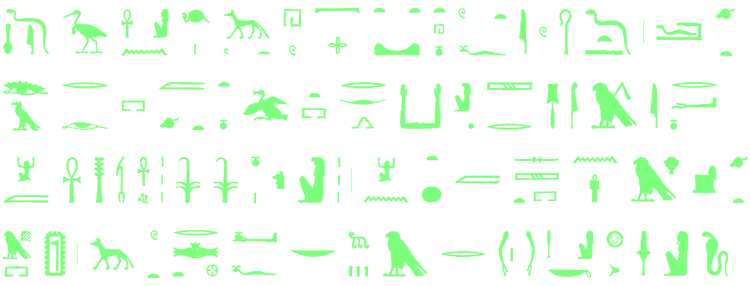
ḏd mdw bꜣ ꜥnḫ n Rꜥ jw.tj hꜣw Pwnt dhn.tw.f r ḥqꜣ ḏt prj.f ḫnt mꜣrw.f m ḫntj ṯnṯꜣt.f r spr kꜣ.f ḫr sꜣb šwt r rdt n.f ḥḥ m ꜥnḫ ḏd wꜣs ꜥnḫw nn nw Psḏt ḥḥ n ḥntj m sšd n sjꜣw ḥr bḥdw.f ḫnt Pr bjk nṯrj
Words to be spoken: The living ba of Ra has come from the region of Punt
to be named ruler forever.
He shall come forth from his pavilion in his carrying chair,
that his ka may come before the one of many-colored plumage
and he may be given the Heh emblem with life, stability and dominion—
these bouquets of the Ennead—and a million lifetimes,
in the Window of the Sia Falcon,
on his throne in the House of the Divine Falcon.Note · Line 232
The living bird is carried before the god’s image. The Heh emblem stands for a million and expresses a wish for a reign beyond counting. - 233

ḫꜣḫ.tj r Msn mfk jnm r sḫn ḥm.k ḫr sḫm.k
Hasten to Mesen, you of turquoise skin,
that Your Majesty may be united with your image.Note · Line 233
The living falcon and the statue it approaches are two forms in which the same god can be present. - 234

ḏd mdw jn Ḥr Bḥdtj nṯr ꜥꜣ nb pt ꜥẖm šps ḫnt Nḏm ꜥnḫ bjk wr pḥtj ḫnt Ḥt bjk ꜥꜣ ꜥḥꜥw m Wṯst Ḥr
Words to be spoken by Horus of Behdet, the great god, lord of the sky,
the splendid akhem-falcon in Nedjemankh,
the falcon great in strength in the House of the Falcon,
long of life in the Throne-Seat of Horus.Note · Line 234
Nedjemankh is another name for Edfu in this inscription. - 235

nswt n nḥḥ jtj ḥqꜣ n ḏt nb nswjt ꜥꜣ hdmw n Bḥdt jrj njwswt ḫft ḏdt.f Ḥr nb ꜥnḫ ꜥnḫ.tw n mꜣꜣ.f Ḥr Bḥdtj nṯr ꜥꜣ nb pt
King of eternity, sovereign and ruler of everlastingness,
lord of kingship, great of throne in Behdet,
at whose word kings are made;
Horus, lord of life, by whose sight one lives;
Horus of Behdet, the great god, lord of the sky. - 236
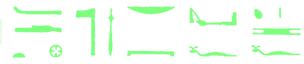
Bḥdtj nṯr ꜥꜣ nb pt ḫwj.f sꜣ.f mrj.f
Horus of Behdet, the great god, lord of the sky, protects his beloved son.
- 237
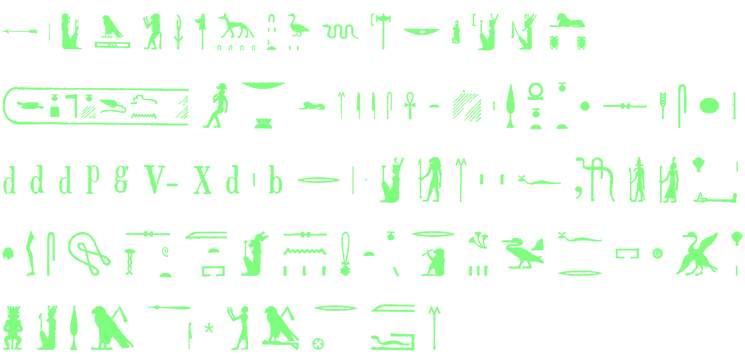
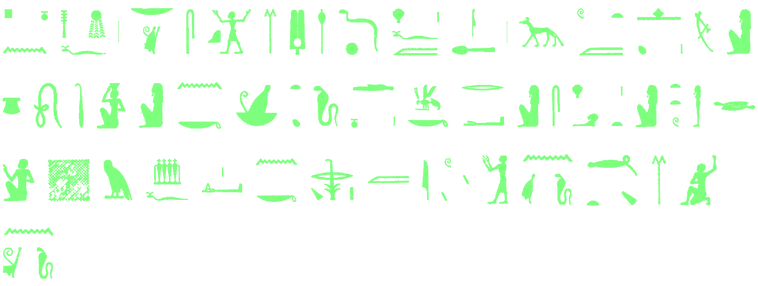
hrw pn nfr ḫr ḥꜣt sp 53.t 1/3 1/15 ntj jpt nt nswt bjt nb tꜣwj (… …) sꜣ Rꜥ nb ḫꜥw (… …) [... ..]. [...] ... .[.. sꜥḥꜥ sbḫt [... ... ... ... ...] .. r ḥnꜥ Tꜣ ṯnn ẖnm n H̱nmw m wḏtf ḏs.f Ḏḥwtj wr ḥr rdt tp rd.s snṯ.s wꜣḥ.tj m bw wn.sn mj ntt r spẖrw jsw
This fine day in year 53, day 12 of Epiphi, of the King of Upper and Lower Egypt, lord of the Two Lands, Ptolemy XII, Son of Ra, lord of crowns, Ptolemy XII … Raising the gate … together with Tatenen, fashioned by Khnum at his own command. Thoth the Great lays down its rule; its ground plan is laid out in its proper place, as the ancient writings prescribe.
Note · Line 237
Epiphi was the third month of the Egyptian harvest season; the “year 53” cannot be a simple count from Ptolemy XII’s own accession, since his reign was shorter than that. Khnum is the divine craftsman, while Thoth supplies the written rule for laying out the gate. - 238
ꜥq.f r pr.f ḫnj.f ḥr bs.f m bjk ꜥꜣ sꜣb šwt dwꜣ.f nṯr r nwt.f m prj m qd grg.f sj m wnjw ḫwj.f nswt bjt nb tꜣwj (… …) sꜣ Rꜥ nb ḫꜥw (… …) ḥr st Ḥr ḫntj ꜥnḫw ḏt
He enters his house and alights on his image
as the Great Falcon of many-colored plumage.
Overflowing with joy, he praises the god for his city
and peoples it with inhabitants.
May he protect the King of Upper and Lower Egypt, lord of the Two Lands, Ptolemy XII,
Son of Ra, lord of crowns, Ptolemy XII,
on the throne of Horus, foremost of the living, forever. - 239
rwt rwt thmt m Rwt djt mꜣꜥt ḫnt Srḫ n sꜣb šwt ḥptj ḥr ḫꜣb rmnwj n mꜣꜣ.sn
The outer gateway, the place of knocking, is the Gate Where Truth Is Offered in the Palace Façade of the One of Many-Colored Plumage. At the sight of it, people at both ends of the earth bend their arms in worship.
Note · Line 239
Maat could herself be presented to a god as an offering. The name of the gateway thus identifies it as a place where the king offers the gods the very order they uphold. - 240
wnmt.f jꜣbt.f pw dgj.tw.sn tḫnwj m ḫntj.sn [... ... .].[. .].[. ... .]. [... ... .].[. .]. ḥꜣ ...f [... ... ...].sn m hrw ḥr rs [... ...] ... [... ... ..] nb [... ... ...] nbw nw jḫt nṯr
It is his right eye and his left. One sees them with two obelisks before them … around his … they … by day, keeping watch … every … all … of the divine rites.
Note · Line 240
The two towers of the gateway are now the god’s right and left eyes; the obelisks stand in front of them. - 241
sꜣt sš.tj m sḫmw nw Msn Ḏꜣḏꜣtj nt Ḥꜥpj nbw jḫt wḥm.tw jsk smꜣ ḫꜣst jm.sn nn bꜥr.sn r nb.sn
The walls bear the figures of the mighty ones of Mesen and the two councils of Hapy, lords of offerings. On these walls the killing of the foreigners who rise against their lord is enacted again.
Note · Line 241
The killing is enacted in the wall reliefs. A king striking down enemies was a traditional image of Egypt kept safe, not necessarily a record of a particular battle. - 242
bꜣw Ḏdw ꜥpj.sn m gbt snḏm.sn ḥr bḫnt nt Bw wr jrj.sn tp nfr m bjk n nb sḫr.sn Stš m ꜥb smꜣjw.f
The bas of the Enduring Ones fly in from the sky
and settle on the pylon of the Great Place.
They give judgment for the Falcon of the Golden One
and strike down Seth along with his followers. - 243
rdj.f qnt nḫt nb n nswt bjt nb tꜣwj (… …) sꜣ Rꜥ nb ḫꜥw (… …) ḥr st Ḥr ḫntj ꜥnḫw ḏt
May he give all valor and strength to the King of Upper and Lower Egypt, lord of the Two Lands, Ptolemy XII, Son of Ra, lord of crowns, Ptolemy XII, on the throne of Horus, foremost of the living, forever.
- 244
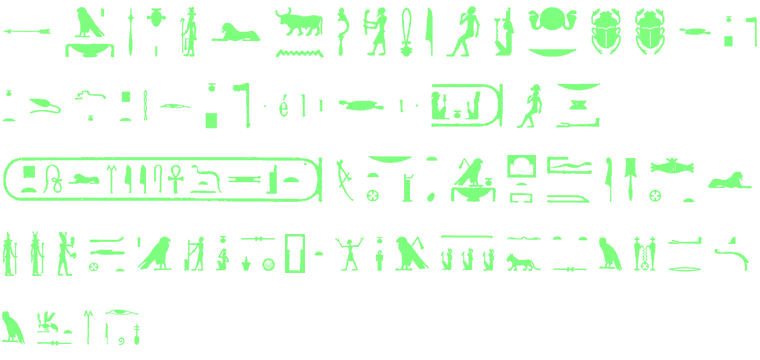
Ḥr nb ꜥꜣ jb jtj nb qnt nḫt mj {ꜣ ꜣst nswt bjt nb tꜣwj (… …) sꜣ Rꜥ nb ḫꜥw (… …) mrj Ḥr Bḥdtj nṯr ꜥꜣ nb pt Nb Msn sꜣb šwt prj m ꜣḫt bjk n nb nb Wṯst
Golden Horus: resolute of heart, sovereign, lord of valor and strength like the Son of Isis; King of Upper and Lower Egypt, lord of the Two Lands, Ptolemy XII, Son of Ra, lord of crowns, Ptolemy XII, beloved of Horus of Behdet, the great god, lord of the sky, lord of Mesen, the one of many-colored plumage who comes forth from the horizon, Falcon of the Golden One, lord of the Throne-Seat.
Note · Line 244
“Golden Horus” introduces one of Ptolemy’s royal names; it does not mark a change of speaker to Horus. - 245

ḫwsj.n.f sbḫt qꜣjt n sjꜣw ḥrj nṯrw n mjtt.s m Qbḥwj ꜥrq m kꜣt.s m jrw nfr m jnr ḥḏ nfr rwḏ ḫtj m spẖrw m ḏꜣjsw stpw ꜣẖꜥ r mnḫ m kꜣt gnwtjw
He has built a lofty gate for the Sia Falcon, chief of the gods. It has no equal in Egypt. The work is complete, its form beautiful: fine, hard, pale stone, engraved with inscriptions of choice sayings, splendidly adorned by the hands of the stonecutters.
- 246
sꜣt.sn sš.tj n Psḏt Msn ḥnꜥ Ḏꜣḏꜣt nn jmjw sḫm.sn ḫnj.sn ḥr sštꜣ.sn m ḫntj st tn r wḏꜥ mdw n jwꜥw n (Wnn nfrw mꜣꜥ ḫrw)
Their walls bear the figures of the Ennead of Mesen and of the council, those who dwell in their chapels. They alight on their sacred images here to give judgment for the heir of Wennefer, the vindicated.
Note · Line 246
Wennefer is a name for Osiris. The gods take their places in the carved images to judge the case of his heir, Horus. - 247
ḥsj.f Rꜥ r sꜣ.f mrj.f nswt bjt nb tꜣwj (… …) sꜣ Rꜥ nb ḫꜥw (… …) jw.f m bjk mn ḥr srḫ ḫntj kꜣw ꜥnḫw ḏt
He praises Ra for his beloved son, the King of Upper and Lower Egypt, lord of the Two Lands, Ptolemy XII, Son of Ra, lord of crowns, Ptolemy XII. He is the falcon set firm on the palace façade, foremost of the kas of the living, forever.
- 248

ḏd mdw jn Ḥr Bḥdtj nṯr ꜥꜣ nb pt sꜣb šwt prj m ꜣḫt bjk n nb nb Wṯst
Words to be spoken by Horus of Behdet, the great god, lord of the sky, the one of many-colored plumage who comes forth from the horizon, Falcon of the Golden One, lord of the Throne-Seat:
- 249

rdj.j prj n.k Ḥꜥpj r tr.f n rnpt
I cause Hapy to rise for you in his season of the year.
- 250

ḏd mdw jn Ḥt ḥr nbt Jwnt jrt Rꜥ ḥrt jb Bḥdt nbtj rḫjt ḫnt Jꜣt djt
Words to be spoken by Hathor, lady of Dendera, Eye of Ra, who dwells in Behdet, queen of the people in Iat-dit:
- 251
rdj.j n.k ḫnp kꜣ ḫꜣḫ.tj r nw.f
I grant you that the Plundering Bull shall come rushing at his appointed hour.
Note · Line 251
The Plundering Bull is Hathor’s name here for the flood whose timely arrival Horus has just promised. - 252

ḏd mdw jn Jḥj wr sꜣ Ḥt ḥr sḏtj šps n nb Ḏrw
Words to be spoken by Ihy the Great, son of Hathor, splendid child of the Lord of Djeru:
- 253
rdj.j n.k Tꜣ mrj ḥr ḫrp n.k jḫt.sn
I grant that the people of Egypt shall bring you their offerings.
- 254

nfr wj nn ꜣḫt nt ḥm.k m bjꜣjt nbt nt tꜣ rdj.j Kmt ḥtp ḥr mw.k ḫꜣswt nbt ḫꜣb n bꜣw.k
How fair are these splendors of Your Majesty,
all the treasures of the earth!
I grant that Egypt shall be at peace and loyal to you,
and every foreign land shall bow before your might. - 255

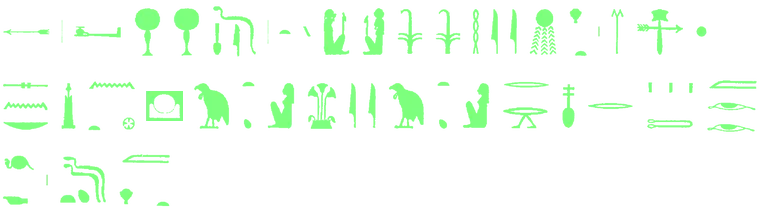
jw.n nswt bjt (… …) sꜣ Rꜥ (… …) ḫr.k Ḥr Bḥdtj nṯr ꜥꜣ nb pt
The King of Upper and Lower Egypt, Ptolemy XII, Son of Ra, Ptolemy XII, has come before you, Horus of Behdet, great god, lord of the sky.
- 256

jw.n.j ḫr.k Bḥdtj sꜣb šwt m ꜥb ḥrjt tp.k ḥnꜥ sꜣ.s jnj.n.j n.k kꜣw 14 r ḫt.j ḥnꜥ jḫt nbt wnt r jmj wtj.sn
I have come before you, Horus of Behdet, you of many-colored plumage,
before the cobra on your brow and her son.
I have brought you the fourteen kas in my train,
with all the offerings they have among them.Note · Line 256
The king addresses Horus, Hathor and their child Ihy. Following him are fourteen kas: the powers that sustain life appear as individual bearers, each bringing Horus a gift. - 257
ḥqꜣt nbt tꜣwj (…)
The sovereign, mistress of the Two Lands.
Note · Line 257
The blank royal oval belongs to the queen; the inscription gives her title but not her name. - 258
ḫr.k Ḥr Bḥdtj nṯr ꜥꜣ nb pt jnj.f n.k mꜣt Ḥr ḥmt nswt kꜣw.s mꜣꜥ tp ꜥwj.s twꜣ.s n.k jnw wrw r pr.k m wnḏww nbw nw tꜣ
The king has come to you, Horus of Behdet, great god, lord of the sky, to bring you She Who May Behold Horus, the king’s wife. Her provisions are held out on her two arms as she bears rich tribute for you to your house: every kind of offering food the earth yields.
- 259
jw.n nswt bjt nb tꜣwj (… …) sꜣ Rꜥ nb ḫꜥw (… …) ḫr.k Ḥr Bḥdtj nṯr ꜥꜣ nb pt jnj.f n.k Ḥꜥpj šmꜥw [... ... ... ... ... ... thm.f n.k tꜣwj nb n jnt n st šw m ḫnd.s
The king of Upper and Lower Egypt, lord of the Two Lands, Ptolemy XII, son of Ra, lord of crowns, Ptolemy XII, has come to you, Horus of Behdet, great god, lord of the sky, to bring you Hapy of Upper Egypt … He treads the whole of the Two Lands for you unhindered; no place is beyond the reach of the flood.
Note · Line 259
Hapy’s footsteps are the advancing waters spreading across the land. - 260
Mꜣꜣ Ḥr jw.n nswt bjt nb tꜣwj (… …) sꜣ Rꜥ nb ḫꜥw (… …) ḫr.k Ḥr Bḥdtj nṯr ꜥꜣ nb pt jnj.f n.k Mꜣꜣ Ḥr [... ... ..] tp [... ... ..] ꜥwꜣj.sn spt.sn nbt r šnwt.k m jḫt nbt wnt jmj wtj.sn
Maa-Hor. The king of Upper and Lower Egypt, lord of the Two Lands, Ptolemy XII, son of Ra, lord of crowns, Ptolemy XII, has come to you, Horus of Behdet, great god, lord of the sky, to bring you Maa-Hor … upon … They reap all their grain for your granary, with everything that is in them.
- 261
jw.n nswt bjt nb tꜣwj (… …) sꜣ Rꜥ nb ḫꜥw (… …) ḫr.k Ḥr Bḥdtj nṯr ꜥꜣ nb pt jnj.f n.k ... ...] tꜣ r sḏfꜣ pr.k m jḫt nbt sꜥšꜣ.s mẖrw.k m prt ꜣḫt m mꜣwt ꜣbḫt ḥr jswt
The king of Upper and Lower Egypt, lord of the Two Lands, Ptolemy XII, son of Ra, lord of crowns, Ptolemy XII, has come to you, Horus of Behdet, great god, lord of the sky, to bring you … the land, to stock your house with all things. It multiplies your provisions with the yield of the field, the new crop mingled with the old.
- 262
Mḥn jw.n nswt bjt nb tꜣwj (… …) sꜣ Rꜥ nb ḫꜥw (… …) ḫr.k Ḥr Bḥdtj nṯr ꜥꜣ nb pt
Mehen. The king of Upper and Lower Egypt, lord of the Two Lands, Ptolemy XII, son of Ra, lord of crowns, Ptolemy XII, has come to you, Horus of Behdet, great god, lord of the sky.
- 263
jw.n nswt bjt nb tꜣwj (… …) sꜣ Rꜥ nb ḫꜥw (… …) ḫr.k Ḥr Bḥdtj nṯr ꜥꜣ nb pt
The king of Upper and Lower Egypt, lord of the Two Lands, Ptolemy XII, son of Ra, lord of crowns, Ptolemy XII, has come to you, Horus of Behdet, great god, lord of the sky.
- 264
Kbn jw.n nswt bjt nb tꜣwj (… …) sꜣ Rꜥ nb ḫꜥw (… …) ḫr.k Ḥr Bḥdtj nṯr ꜥꜣ nb pt jnj.f n.k Kbn ẖr mnwr jrt Ḥr bsjt m Nḫn swꜥb.f bs.k twr.f wꜥbt.k jj bꜣw.k m sṯj.f
Byblos. The king of Upper and Lower Egypt, lord of the Two Lands, Ptolemy XII, son of Ra, lord of crowns, Ptolemy XII, has come to you, Horus of Behdet, great god, lord of the sky, to bring you Byblos bearing incense, the Eye of Horus that comes forth from Nekhen. He purifies your image and cleanses your sanctuary; your bas come at his fragrance.
Note · Line 264
The city of Byblos appears in person as an offering bearer. The Eye of Horus he brings on this occasion is incense. - 265
Kꜣ ḥwjw.n nswt bjt nb tꜣwj (… …) sꜣ Rꜥ nb ḫꜥw (… …) ḫr.k Ḥr Bḥdtj nṯr ꜥꜣ nb pt jnj.f n.k Kꜣ ḥw ḥw.f mꜣꜥ tp ꜥwj.f wḏ.n.f ꜥnḫ.k šꜣꜥ.n.f prw ḥr psšt.k
The Ka of Food. The king of Upper and Lower Egypt, lord of the Two Lands, Ptolemy XII, son of Ra, lord of crowns, Ptolemy XII, has come to you, Horus of Behdet, great god, lord of the sky, to bring you the Ka of Food, his food held out on his two arms. He has allotted you your livelihood and decreed an increase in your share.
- 266
Kꜣ ḏfꜣjw.n nswt bjt nb tꜣwj (… …) sꜣ Rꜥ nb ḫꜥw (… …) ḫr.k Ḥr Bḥdtj nṯr ꜥꜣ nb pt jnj.f n.k Kꜣ ḏfꜣ sḏfꜣ tꜣwj.k ḏfꜣ.f mꜣꜥ tp ꜥwj.f sḏfꜣ.f tꜣwj.k sꜣj.n.f ḥmst.k swꜣḥ.n.f ḥꜣw ḥr ꜥḥꜥ.k
The Ka of Provisions. The king of Upper and Lower Egypt, lord of the Two Lands, Ptolemy XII, son of Ra, lord of crowns, Ptolemy XII, has come to you, Horus of Behdet, great god, lord of the sky, to bring you the Ka of Provisions, who provisions your Two Lands, his provisions held out on his two arms. He provisions your Two Lands; he has given you your fill at table and made the increase of your holdings last.
- 267
Kꜣ špsjw.n nswt bjt nb tꜣwj (… …) sꜣ Rꜥ nb ḫꜥw (… …) ḫr.k Ḥr Bḥdtj nṯr ꜥꜣ nb pt jnj.f n.k Kꜣ šps bs ntjw špsw.f mn tp ḏrtj.f šps.f ṯt.k sḏfꜣ.f bw nb jrj.f mrt.k m sꜣ s sꜣ st
The Ka of Delicacies. The king of Upper and Lower Egypt, lord of the Two Lands, Ptolemy XII, son of Ra, lord of crowns, Ptolemy XII, has come to you, Horus of Behdet, great god, lord of the sky, to bring you the Ka of Delicacies, who ushers in the living, his delicacies resting on his two hands. He provides for your followers, feeds everyone and makes your subjects people of standing.
- 268
Kꜣ šmsjw.n nswt bjt nb tꜣwj (… …) sꜣ Rꜥ nb ḫꜥw (… …) ḫr.k Ḥr Bḥdtj nṯr ꜥꜣ nb pt jnj.f n.k Kꜣ šms sšm ntjw sḥw.f mn tp gꜣbtj.f ḫwd.f mrt.k sꜥꜣ.f šmsw.k sḫpr.n.f ḥmw.k m nb jḫt
The Ka Who Brings. The king of Upper and Lower Egypt, lord of the Two Lands, Ptolemy XII, son of Ra, lord of crowns, Ptolemy XII, has come to you, Horus of Behdet, great god, lord of the sky, to bring you the Ka Who Brings, who leads in the living, his gifts resting on his two arms. He enriches your subjects and exalts your followers; he has made your servants men of means.
- 269
Kꜣ jrj kꜣwjw.n nswt bjt nb tꜣwj (… …) sꜣ Rꜥ nb ḫꜥw (… …) ḫr.k Ḥr Bḥdtj nṯr ꜥꜣ nb pt jnj.f n.k Kꜣ jrj kꜣw sḫpr kꜣw kꜣw.f ḥnk hꜣw ḥr.k sḫpr.n.f kꜣw srwḏ tp ꜥbꜣ.k snw mn tp ḫꜣwwt.k
The Ka Who Makes Food. The king of Upper and Lower Egypt, lord of the Two Lands, Ptolemy XII, son of Ra, lord of crowns, Ptolemy XII, has come to you, Horus of Behdet, great god, lord of the sky, to bring you the Ka Who Makes Food, who brings food into being. His food is offered before your face. He has brought food into being and makes what is on your altar endure: the food offerings that abide on your offering tables.
- 270
Kꜣ ḥkꜣjw.n nswt bjt nb tꜣwj (… …) sꜣ Rꜥ nb ḫꜥw (… …) ḫr.k Ḥr Bḥdtj nṯr ꜥꜣ nb pt jnj.f n.k Kꜣ ḥkꜣ jrj ḥkꜣ ḥkꜣ.f pgꜣ.tj r ḫft ḥr.k jrj.n.f ḥkꜣ.k sḫpr.n.f qfꜣt.k rdj.f ḥrjt.k ꜣbḫ m ẖwt
The Ka of Magic. The king of Upper and Lower Egypt, lord of the Two Lands, Ptolemy XII, son of Ra, lord of crowns, Ptolemy XII, has come to you, Horus of Behdet, great god, lord of the sky, to bring you the Ka of Magic, who works magic. His magic lies spread out before you. He has wrought your magic and brought your dignity into being; he makes the dread of you seep into people’s bodies.
- 271
Kꜣ wꜣḏjw.n nswt bjt nb tꜣwj (… …) sꜣ Rꜥ nb ḫꜥw (… …) ḫr.k Ḥr Bḥdtj nṯr ꜥꜣ nb pt jnj.f n.k Kꜣ wꜣḏ sḫpr ẖrt tꜣ ḫfꜥ m ꜣmmtj.f swꜣḏ.f nwt.k pḫꜣ.n.f spt.k sḏfꜣ.f jꜣwt.k m ꜥḥꜥ.f
The Ka of Flourishing. The king of Upper and Lower Egypt, lord of the Two Lands, Ptolemy XII, son of Ra, lord of crowns, Ptolemy XII, has come to you, Horus of Behdet, great god, lord of the sky, to bring you the Ka of Flourishing, who brings things into being. In his two fists he holds the food the earth needs. He makes your city flourish; he has stocked your province and supplies your sacred places from his abundance.
- 272
Kꜣ ṯḥnjw.n nswt bjt nb tꜣwj (… …) sꜣ Rꜥ nb ḫꜥw (… …) ḫr.k Ḥr Bḥdtj nṯr ꜥꜣ nb pt jnj.f n.k Kꜣ ṯḥn sṯḥn swt ṯḥnt m ꜥ.f n Ṯnnt ṯḥn.n.f st.k mfk.n.f pr.k wpš.f ṯḥnt m ḥt nṯr.k
The Ka of Radiance. The king of Upper and Lower Egypt, lord of the Two Lands, Ptolemy XII, son of Ra, lord of crowns, Ptolemy XII, has come to you, Horus of Behdet, great god, lord of the sky, to bring you the Ka of Radiance, who makes the sacred places gleam. In his hand is faience from Tjenenet. He has made your seat gleam and your house shine; he spreads radiance through your temple.
Note · Line 272
Egyptian faience has a lustrous glaze, often blue or green. Its name sounds like the word for “gleaming,” so the gift suits the bearer as well as the temple it adorns. - 273
Kꜣ nḫtjw.n nswt bjt nb tꜣwj (… …) sꜣ Rꜥ nb ḫꜥw (… …) ḫr.k Ḥr Bḥdtj nṯr ꜥꜣ nb pt jnj.f n.k Kꜣ nḫt nḫt ꜥwj grg m ḫꜥw nw ꜥḥꜣ snḫt.f ꜥ.k r smꜣ wꜣwtjw.k bṯnww.k ḫr m nsp.f
The Ka of Strength. The king of Upper and Lower Egypt, lord of the Two Lands, Ptolemy XII, son of Ra, lord of crowns, Ptolemy XII, has come to you, Horus of Behdet, great god, lord of the sky, to bring you the Ka of Strength, strong in both arms and equipped with weapons of war. He strengthens your arm to kill those who plot against you; those who rose against you lie fallen by his knife.
- 274
Kꜣ wsrjw.n nswt bjt nb tꜣwj (… …) sꜣ Rꜥ nb ḫꜥw (… …) ḫr.k Ḥr Bḥdtj nṯr ꜥꜣ nb pt jnj.f n.k Kꜣ wsr wsr pḥtj m ḫt nb ꜥḥꜥ swsr.f pḥtj.k ḥwj.f sbjw.k šnṯjw.k sbj m ꜥḏt.f
The Ka of Power. The king of Upper and Lower Egypt, lord of the Two Lands, Ptolemy XII, son of Ra, lord of crowns, Ptolemy XII, has come to you, Horus of Behdet, great god, lord of the sky, to bring you the Ka of Power, mighty in strength, with every weapon of war. He adds power to your strength and strikes down your rebels; your adversaries perish in his slaughter.
- 275
Kꜣ wbnjw.n nswt bjt nb tꜣwj (… …) sꜣ Rꜥ nb ḫꜥw (… …) ḫr.k Ḥr Bḥdtj nṯr ꜥꜣ nb pt jnj.f n.k Kꜣ wbn rdj ḫꜥw ḥptj nbt nṯrjt m ꜥ.f smꜣ.n.f ḫꜥw n Rꜥ m tp.k psḏ ḥm.k m ḥꜣtj ꜥ nṯrw
The Ka of Rising. The king of Upper and Lower Egypt, lord of the Two Lands, Ptolemy XII, son of Ra, lord of crowns, Ptolemy XII, has come to you, Horus of Behdet, great god, lord of the sky, to bring you the Ka of Rising, who bestows radiance, with every divine crown in his hand. He has joined the radiance of Ra to your head, so that Your Majesty shines as the foremost of the gods.
- 276
Kꜣ psḏjw.n nswt bjt nb tꜣwj (… …) sꜣ Rꜥ nb ḫꜥw (… …) ḫr.k Ḥr Bḥdtj nṯr ꜥꜣ nb pt jnj.f n.k Kꜣ psḏ psḏ nṯrw ḫꜥw nb nṯrj m ꜥ.f smꜣ.n.f šfjt nt Ḥr m ḥꜣt.k wbn.k ḥr tp n rḫjt
The Ka of Shining. The king of Upper and Lower Egypt, lord of the Two Lands, Ptolemy XII, son of Ra, lord of crowns, Ptolemy XII, has come to you, Horus of Behdet, great god, lord of the sky, to bring you the Ka of Shining, who makes the gods shine, with every divine crown in his hand. He has joined the majesty of Horus to your brow, so that you rise shining at the head of your people.
- 277

Kꜣ wꜣšjw.n nswt bjt nb tꜣwj (… …) sꜣ Rꜥ nb ḫꜥw (… …) ḫr.k Ḥr Bḥdtj nṯr ꜥꜣ nb pt jnj.f n.k Kꜣ wꜣš swꜣš bꜣw pr ḫrw m ꜥ.f n Rwtj swꜣš.f bꜣ.k ḥnꜥ bꜣw jqrw prj kꜣ.k m sꜣ ḫrw.f
The Ka of the Offering Litany. The king of Upper and Lower Egypt, lord of the Two Lands, Ptolemy XII, son of Ra, lord of crowns, Ptolemy XII, has come to you, Horus of Behdet, great god, lord of the sky, to bring you the Ka of the Offering Litany, who praises the bas. In his hand is the voice offering of Ruty. He praises your ba together with the bas of the blessed dead; your ka comes forth at his voice.
Note · Line 277
Ruty is a god in the form of two lions. A voice offering makes food available to the dead by naming it aloud. - 278

Kꜣ spdjw.n nswt bjt nb tꜣwj (… …) sꜣ Rꜥ nb ḫꜥw (… …) ḫr.k Ḥr Bḥdtj nṯr ꜥꜣ nb pt jnj.f n.k Kꜣ spd spdd jrw sꜣ m ḏrt.f ḥnꜥ mnftj sšd.f wḏꜣw.k str.n.f tpw ꜥt.k spdd.f jrw.k r ḫftjw.k
The Ka of Efficacy. The king of Upper and Lower Egypt, lord of the Two Lands, Ptolemy XII, son of Ra, lord of crowns, Ptolemy XII, has come to you, Horus of Behdet, great god, lord of the sky, to bring you the Ka of Efficacy, who equips the body, with amulets and bracelets in his hand. He binds your amulets on you; he has encircled your limbs with them and equips your body against your enemies.
- 279
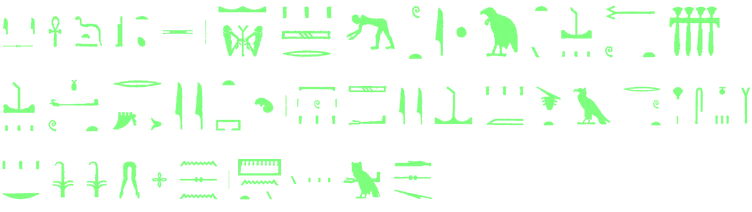
nswt bjt nb tꜣwj (… …) sꜣ Rꜥ nb ḫꜥw (… …)
The king of Upper and Lower Egypt, lord of the Two Lands, Ptolemy XII, son of Ra, lord of crowns, Ptolemy XII.
- 280
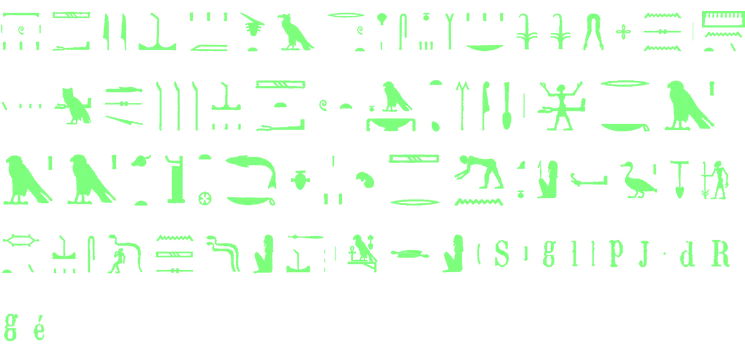
ḫꜣswt ḫr.tj jrtjw rtḥ.tj Ṯḥnw dr.tj r ḏrjt.k ḥrjw šꜥ m šꜥt ꜣr.tj ḥr sbt.sn sbjw nbw nn n wnn.sn mnṯw mds Šꜥt šꜥd.tj bjk n nb m mꜣꜥ ḫrw ḥꜥj jr.k Ḥr Ḥrw ḫnt Wṯst ẖꜣkw jb.k ḫr n šꜥt.k nbtj qnt nḫt sꜣ smsw Sṯt sḏtj n ḫsdd jwꜥw ḫꜣswt
The foreign lands lie fallen, the Irtiu are cowed,
the Libyans driven from your chamber.
The sand dwellers are slaughtered, seized by their forelocks;
all these rebels are no more.
The Menetju lie butchered, the people of Shat cut down;
the Falcon of the Golden One triumphs.
Rejoice, Horus of Horuses, foremost in the Throne!
Your rebels have fallen in your slaughter,
O royal lord of valor, mighty one,
son of the Eldest of the Asiatics,
child of Kheseded, heir to the foreign lands!Note · Line 280
The closing titles invoke Sopdu, the falcon god of Egypt’s eastern frontier. Grasping enemies by their forelocks is the familiar pose of the victorious king on temple walls. - 281
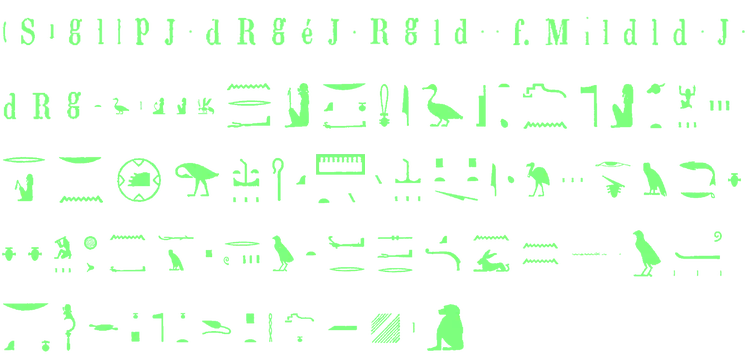
nṯr nfr jwꜥw n Rꜥ nb qnt nḫt mj {ꜣ ꜣst stp.n nṯr ḫnt ḥḥw ḥfnw r nb n Kmt dšrt ḥqꜣ mnṯw ptpt jrtjw jrj šꜥt m ẖꜣkw jb [... .[.. ... [..[. .].. wdj r sꜥrq n wnj mw [.. ... ... ...] .. [... nb qnt (… …)
The perfect god, heir of Ra, lord of valor and strength like the Son of Isis, whom the god chose from among millions and hundreds of thousands to be lord of the Black Land and the Red Land; ruler of the Menetju, who tramples the Irtiu, who slaughters the rebels … who strikes to make an end of the foe … lord of valor, Ptolemy XII.
- 282

Ḥr Bḥdtj nṯr ꜥꜣ nb pt sꜣb šwt prj m ꜣḫt rdj ꜥnḫ ḏd wꜣs
Horus of Behdet, great god, lord of the sky, he of the many-colored feathers, who comes forth from the horizon and gives life, stability and dominion.
- 283

kꜣ nswt ꜥnḫ ḫntj sꜣ n ꜥnḫ Ḥr ḏsr msḫꜥ ḥnꜥ Ḥp ꜥnḫ
The living ka of the king, foremost in the palace; Horus, who has appeared in splendor together with the living Apis.
Note · Line 283
Apis was the sacred bull worshipped at Memphis, distinct from the winged god called Api at Edfu. - 284
rdj.j n.k ḥḏ.k ḥr tp n pḏt 9 ḫꜥj.tj m Ḥr ṯmꜣ ꜥ
I grant you this: your mace is upon the heads of the Nine Bows,
as you stand revealed as Horus of the mighty arm. - 285
rdj.j n.k jwntjw dmḏ m sp ḥwj.n.k tp.sn m mdn.k
I give you the Iuntiu, all together;
you have struck their heads with your knife.Note · Line 285
The Iuntiu are desert peoples traditionally pictured as bowmen. - 286
rdj.j n.k pḥtj r smꜣ ḫftjw.k snḫt.j ꜥ.k r wnj mw.k
I give you strength to kill your enemies;
I strengthen your arm against those who defy you. - 287
rdj.j n.k rsj mḥtj m jꜣw jmntt jꜣbtt m ksw
I give you the South and the North offering praise,
the West and the East bowing low. - 288
rdj.j n.k pḥtj r sḫr ḫftjw ḥqꜣ.n.k tp.sn m qnt
I give you strength to cast down your foes;
by your valor you have seized their heads. - 289
rdj.j n.k qnt mj Ḥr nḫt rtḥ.n.k jbw rḫjt
I give you valor like that of Horus the Strong;
you have struck fear into the hearts of the people. - 290
rdj.j n.k ḫꜣstjw nbw ḫr n šꜥt.k ds.k ḥr tp n ḫftjw.k
I grant you this: all the people of foreign lands lie felled in your slaughter,
and your knife is upon the heads of your foes. - 291
rdj.j n.k tꜣwj ꜥrf m ḫfꜥ.k pḏt 9 dmḏ ẖr ṯbwj.k
I give you the Two Lands clasped in your fist,
the Nine Bows gathered beneath your two sandals. - 292
ḏd mdw jn Ḥr Bḥdtj nṯr ꜥꜣ nb pt Nb Msn bjk n nb sꜣ Wsjr spd sḫm ḥwj kjwjw prj ꜥ wnp whj sp.f
Words spoken by Horus of Behdet, the great god, lord of the sky, lord of Mesen, falcon of the Golden One, son of Osiris, keen and mighty, who strikes down his foes, whose arm reaches out to stab the one whose plot has failed:
- 293
rdj.j mꜣꜥ ḫrw.k r sbj m hꜣw.k m bꜣḥ Ḏꜣḏꜣt ꜥꜣt wrw jmjw.s ḥtp [..]
I grant you victory over the rebel beside you before the Great Tribunal;
the great ones who sit on it are content …Note · Line 293
The Great Tribunal is a court of gods. The promised victory takes the form of a verdict for the king, just as the gods judged in favor of Horus. - 294
rdj.j n.k tꜣwj nb m ḫfꜥ.k jb.sn [...]. m ḫt.k
I give you all lands in your fist,
their hearts … in your train. - 295
rdj.j n.k pḏt 9 dmḏ m ḫfꜥ.k ḥwj.n.k st m wḏꜣt.k
I give you the Nine Bows gathered in your fist;
you have struck them with your knife. - 296
rdj.j ḫftjw.k m nmt nt Sḫmt
I consign your foes to Sekhmet’s place of execution.
- 297
ḏd mdw jn Ḥt ḥr nbt Jwnt jrt Rꜥ ḥrt jb Bḥdt Jwntt wrt ḫnt Tꜣ rr
Words spoken by Hathor, lady of Dendera, Eye of Ra, who dwells in Behdet, she of Dendera, the great one foremost in Tarer:
- 298
rdj.j n.k sbjw.k ḫr.tj ẖr ṯbwj.k bṯnww.k stp.tj m ds.k
I give you your enemies fallen beneath your two sandals,
those who rebel against you cut down by your knife. - 299

ḥnk mꜣḥ n mꜣꜥ ḫrw ḏd mdw mꜣḥ pn nfr r ḥꜣt.k ṯs n.k jt.k jt nṯrw mꜣꜥ ḫrw.ṯn jmjw ḫt Wsjr Ḏꜣḏꜣtj dmḏ m wꜥt jrt Ḥr wrt jp.tj wḏꜣ.tj ꜥpr.tj mḥ.tj m jḫt.s
Presenting the wreath of vindication. Words to be spoken: This fair wreath for your brow,
which your father, the father of the gods, has knotted for you.
May you be vindicated, followers of Osiris,
you two tribunals joined as one!
The great Eye of Horus is complete and sound,
equipped and filled with all its parts.Note · Line 299
The wreath marks a favorable verdict: its wearer has been declared in the right. As an offering it also stands for the restored Eye of Horus, complete down to its last part. - 300

sꜣ Rꜥ nb ḫꜥw (… …) nswt bjt nb tꜣwj (… …)
Son of Ra, lord of crowns, Ptolemy XII; king of Upper and Lower Egypt, lord of the Two Lands, Ptolemy XII.
- 301
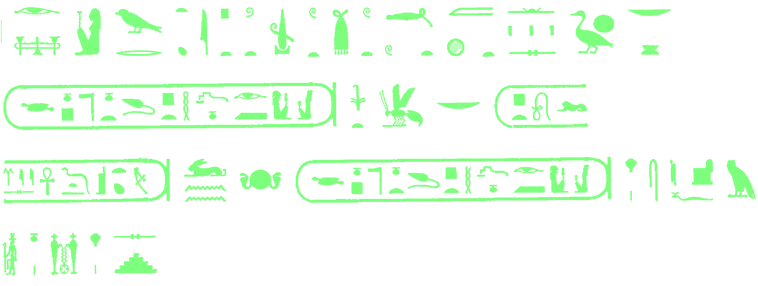
wnn nswt bjt (… …) ḥr sjwꜥ.f m jtj n Qbḥwj ḥr sjꜥr mꜣḥ ḥr ms mꜣꜥ ḫrw ḥr sṯḥn ḥr n sr ḥḏt sw mj Ḥr smꜣ sbj n jt.f ṯꜣj sdmt jm.sn r ḫbt
The king of Upper and Lower Egypt, Ptolemy XII, sits on his throne as sovereign of Egypt. He presents the wreath, brings vindication and brightens the face of the Prince of the White Crown. He is like Horus, who kills his father’s foe, who drives the knife into them at the place of execution.
Note · Line 301
The Prince of the White Crown is Osiris. In bringing him the wreath, Ptolemy acts as a son defending his father’s cause. - 302

ḏd mdw jn Wsjr jwn nṯr ꜥꜣ ḥrj jb Bḥdt sḫm šps ḫnt Nwt ... (Wnn nfrw mꜣꜥ ḫrw) jwꜥw n Gbb jtj nb ꜥnḏt nswt tꜣwj ḥrj tp jdbw ḥqꜣ wr nb nbw
Words spoken by Osiris the Pillar, the great god who dwells in Behdet, the august power foremost in the City …, Wennefer the Vindicated, heir of Geb, sovereign and lord of Anedjet, king of the Two Lands, chief of the riverbanks, great ruler, lord of lords:
Note · Line 302
Geb, the earth god, is Osiris’s father. Anedjet is the district of Busiris in the Nile Delta, a center of Osiris’s worship. - 303

ḏd mdw jn ꜣst wrt Ḥddt n Bḥdt mwt nṯr nt bjk n nb nbt ꜣbḏw ꜥꜣ ḫrw m Ḏdw jtjt m jfd n nwt
Words spoken by Isis the Great, Hededet of Behdet, divine mother of the falcon of the Golden One, lady of Abydos, whose voice carries weight in Busiris, sovereign of the four quarters of the sky:
Note · Line 303
Hededet is a scorpion goddess. Here Isis appears in her form. - 304

ḏd mdw jn Nbt ḥt snt nṯr ḫnt Wṯst Ḥr ꜣḫt mnḫt nt sn.s nbt Jwnw ḫntt Spt jꜣw wdjt hh.s r ẖꜣkw jb
Words spoken by Nephthys, the god’s sister in the Throne of Horus, the radiant one who serves her brother well, lady of Heliopolis, foremost in the District of Praise, who breathes out fire against the rebels:
- 305
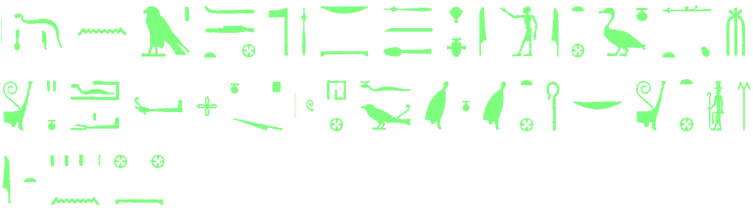
ḏd mdw jn Ḥr Bḥdtj nṯr ꜥꜣ nb pt ꜥꜣ mꜣꜥ ḫrw ḥrj jb Jjt sꜣ n wꜥt msj.n snnwt prj ꜥ wnp whj sp.f nswt n šmꜥw ḥqꜣ nb mḥw jtj m jfd n nwt
Words spoken by Horus of Behdet, the great god, lord of the sky, great in triumph, who dwells in Iit, son of the One, whom the Other bore, whose arm reaches out to stab the one whose plot has failed, king of Upper Egypt, ruler and lord of Lower Egypt, sovereign of the four quarters of the sky:
- 306
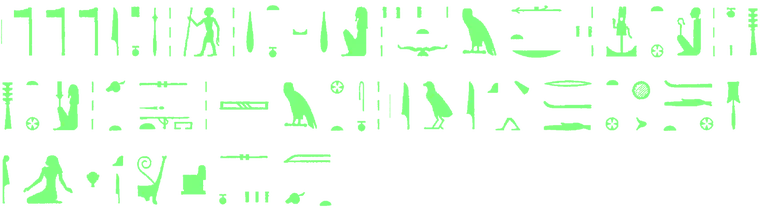
nṯrw jpn ꜥꜣw wrw Ḏꜣḏꜣt 2.t dmḏ m wꜥt nbw ꜣbḏw sꜣww nw Ḏdw sḫmw ḫnt sḫmw šm m nwt.sn r jqḥ r Bḥdt ḫr Bḥdtj sꜣb šwt snḏm ḥr qnjw.sn m ḫntj Ḥt qn r wḏꜥ mdw m ꜥt jst ḏdj.tj ḥr nst.sn n Bḥdw n Rꜥ ḥr jrt tp nfr m St wrt
These great and mighty gods, the two tribunals joined as one, lords of Abydos, guardians of Busiris, powers foremost in the sanctuaries, set out, each from his city, to reach Behdet and come before Horus of Behdet, he of the dappled plumage. They took their seats on their thrones within the House of the Strong One to give judgment in the court. They abide on their thrones in the Throne of Ra and pronounce judgment in the Great Seat.
Note · Line 306
The House of the Strong One is not another stop on the journey. The gods have arrived at Edfu, where the sanctuary serves as their courtroom. - 307

Jmstj
Imsety.
Note · Line 307
Imsety and the next three gods named are the four sons of Horus. They protect Osiris and watch over the dead. - 308
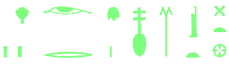
Ḥpj
Hapi.
- 309
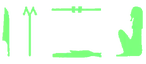
Ḫwꜣ mwt.f
Duamutef.
- 310
Qbḥ snw.f
Qebehsenuef.
- 311

wnn jwn wbn.tj m Wṯst mj jrw.f m ḫntj nwt sntj m ḫt.f ḥr jrt gs dpt.f Psḏt.f ḥr smnt gnwt.f sw m nb mꜣꜥ ḫrw bwt.f jsft rdj rš m jbw jnd
The Pillar has risen in the Throne as he does in his form in the midst of the sky. The two sisters stand behind him, guarding him, and his Ennead confirms his annals. He is lord of vindication; he abhors injustice and puts joy into grieving hearts.
Note · Line 311
The Pillar is Osiris himself. The annals are the record of his reign, which the assembled gods confirm. - 312

rdt wrt ḥkꜣw šmꜥw ḏd mdw tpt twj prjt m Nḫb tjs.s ḥr tp.k m mḥnjt wrt sḫꜥj.s ḥm.k m nswt nṯrw rdj.s nbj.s r ḫftjw.k
Presenting the One Great in Magic from Upper Egypt. Words to be spoken: This uraeus who comes forth from Elkab
settles on your head as the great Encircler.
She makes Your Majesty shine forth as king of the gods
and spits her fire at your foes.Note · Line 312
A uraeus is the rearing cobra worn on a king’s or god’s brow. Its raised head faces outward, ready to strike at anyone who approaches the wearer as an enemy. - 313
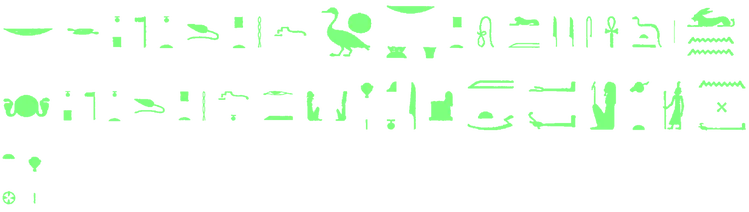
nswt bjt nb tꜣwj (… …) sꜣ Rꜥ nb ḫꜥw (… …)
King of Upper and Lower Egypt, lord of the Two Lands, Ptolemy XII; son of Ra, lord of crowns, Ptolemy XII.
- 314
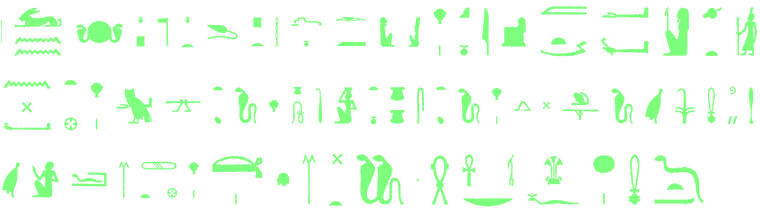
wnn nswt bjt (… …) ḥr qnjw.f m ṯmꜣ ꜥ ḫnt Wr nḫt ḥr ms ḥrjt tp ḥr kꜣwt dngngs ḥr rmnj wrt ḥkꜣw šmꜥw sw mj ḥm ḥḏt prj m Nḫn ḥr mḏḥ tp m wrtj
The king of Upper and Lower Egypt, Ptolemy XII, is on his throne as the Strong-Armed One in Great-of-Victory. He presents the brow-serpent, bears the rearing cobra and holds out Great of Magic of Upper Egypt. He is like the servant of the White Crown who comes from Hierakonpolis and decks the head with the two cobras.
Note · Line 314
Hierakonpolis is the Greek name for Nekhen. - 315

ḏd mdw jn Ḥr Bḥdtj nṯr ꜥꜣ nb pt Nb Msn sꜣb šwt prj m ꜣḫt ꜥꜣ mꜣꜥ ḫrw prj m ꜣst
Words to be spoken by Horus of Behdet, the great god, lord of the sky, lord of Mesen, many-colored of plumage, who comes forth from the horizon, great in triumph, who came forth from Isis:
- 316
smn.j nst.k m sꜣ n ꜥnḫ swr.j nswjt.k m tꜣ pn
I make your throne endure in the palace;
I make your kingship great in this land. - 317
ḏd mdw jn Ḥt ḥr nbt Jwnt tꜣ mnjt jrt Rꜥ ḥrt jb Bḥdt nbt ḥb sd ꜥšꜣt nswjt wḏt mdw m stp sꜣ n hb.tw ꜥḥ m ḫmj.s
Words to be spoken by Hathor, lady of Dendera, the Menat, the Eye of Ra, who dwells in Behdet, lady of the Sed festival, whose reign is long, who gives commands in the palace and without whose knowledge no one enters it.
- 318
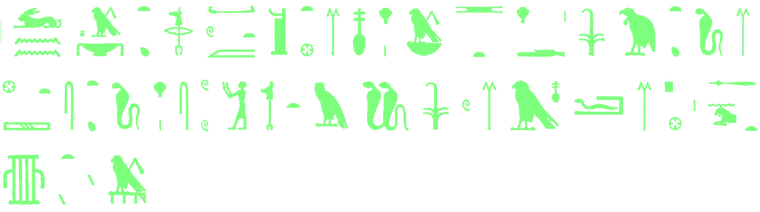
wnn bjk n nb wsr.tj m Wṯst m nfr ḥr nb mrwt ḥr šsp nswjt m ꜥb nwtt šw.s ḥr swꜣš ḥꜣt.f m wrtj sw m Ḥr nfr prj m P ꜥꜣ šfjt ḫnt nṯrw
The Falcon of the Golden One is strong in the Throne Seat, fair of face, lord of love. He receives the Queen together with Nutet-shues and makes his brow splendid with the two cobras. He is Fair Horus, who comes forth from Pe, great in awe among the gods.
Note · Line 318
The Queen is the cobra of Upper Egypt and Nutet-shues the cobra of Lower Egypt. It is Horus who receives them here. - 319
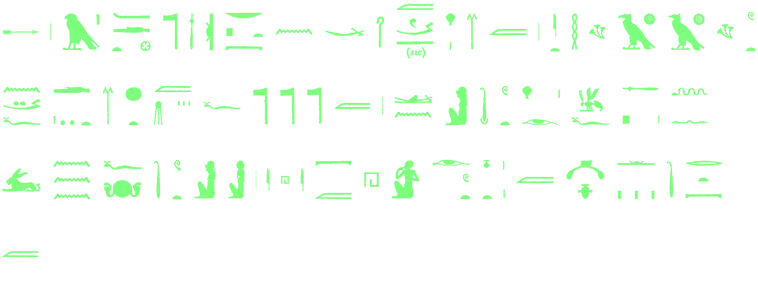
Ḥr Bḥdtj nṯr ꜥꜣ nb pt m mnj m wjꜣ.f ḥr . ... jdḥw ꜣḫꜣḫ.tj n mꜣꜣ.f ... ... m jꜣḫw.f nṯrw m wjꜣ n Rꜥ mn.tj ḥr jrt kꜣt.f ꜥꜣpp n wnn.f ꜥpj mn.tj rꜥ nb hꜣjt m hj jrj wḥmw m ꜣwt jb jrt m
Horus of Behdet, the great god, lord of the sky, comes to land in his barque upon …
The marsh plants flourish beneath his gaze,
… with his radiance.
The gods are in the barque of Ra; it goes on doing its work.
Apophis is no more, but Api endures, day after day.
Heaven shouts for joy, the sky is glad of heart, the firmament is …Note · Line 319
Apophis is the serpent who tries to stop the sun god’s boat. His defeat lets the sun complete its daily journey. - 320

Nb mꜥbꜣ
Lord of the Maba Spear.
- 321

Nb ds
Lord of the Knife.
- 322
ꜥꜣ snḏ
Great in Dread.
- 323

Wr hmhm
Mighty of Roar.
- 324
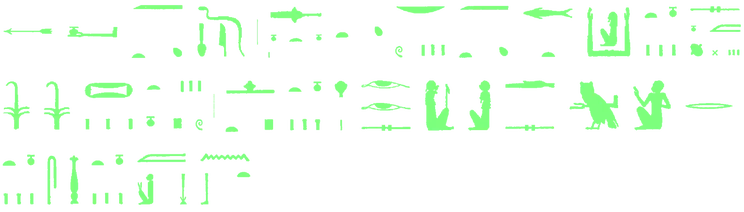
ḥnk mꜣꜥt ḏd mdw mn n.ṯn mꜣꜥt nbw mꜣꜥt bwt kꜣ.ṯn snm ns nn.ṯn pw ḥtpt.ṯn ḥr mꜣꜣ.s rꜥ nb šsp sj m ꜥ.j r fnḏ.ṯn sẖkr ṯn m jrt šnbt
Offering Maat. Words to be spoken:
Take Maat for yourselves, lords of Maat;
your ka abhors a slanderous tongue.
She is your food; the sight of her contents you day after day.
Receive her from my hand and hold her to your noses;
adorn yourselves with this pectoral.Note · Line 324
The pectoral is an ornament worn on the chest. The king offers the gods an image of Maat that they can wear. - 325
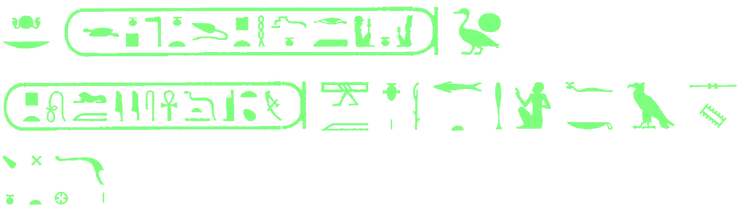
nswt bjt nb tꜣwj (… …) sꜣ Rꜥ nb ḫꜥw (… …) šm jb bwt ḥm.f gsꜣ sꜣ wr ntj mr nwt
The king of Upper and Lower Egypt, lord of the Two Lands, Ptolemy XII; the son of Ra, lord of crowns, Ptolemy XII; the Balance Beam of the Heart, whose Majesty abhors what is crooked, eldest son of the mayor.
Note · Line 325
The “mayor” is Thoth. The balance beam recalls the judgment of the dead, when a person’s heart was weighed against the feather of Maat. - 326
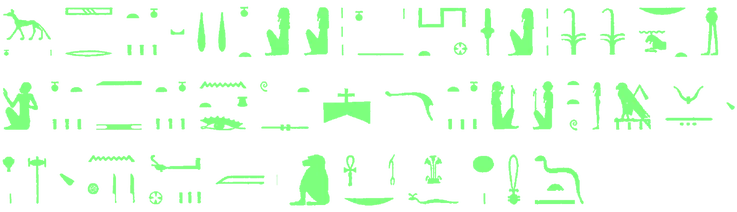
jw.n.j ḫr.ṯn Ḏꜣḏꜣtj nt Tꜣ mrj sḫmw nn nbw šfjt jnj.j n.ṯn mꜣꜥt mrjt.ṯn n dgt.s wḏꜥt ns.ṯn rꜥ nb ṯwt nṯrw wpj tꜣ ḥr ndb.f nḫ nwwt m ꜥb spwt
I have come to you, you two tribunals of Egypt,
you mighty ones, lords of awe,
to bring you Maat, whom you love to see,
by whom your tongue gives judgment day after day.
For you are the gods who judge the land throughout its breadth,
who guard the cities and the provinces together. - 327
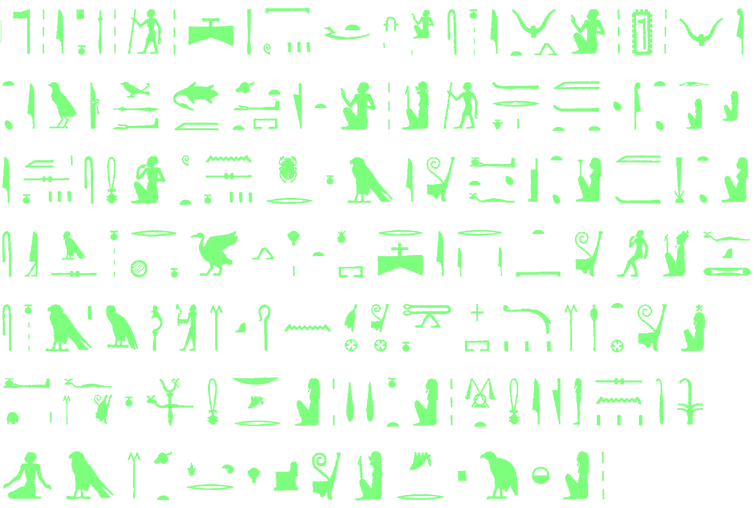
nṯrw jpn ꜥꜣw wrw wḏꜥ mdw ḥrjw tmꜣw.sn wptjw nṯrjw wpjw mꜣꜥt r jsft ꜥꜣ snḏ m ḫntj ꜥt jst Rꜥ wr ḥnꜥ jb.f m ꜥb sꜣt.f Mꜣꜥt Jr Sḏm r gs.sn smj.tw n.sn ḫpr n Ḥr jn mwt.f ꜣst m ꜥb snt.s jj bꜣ.sn r ḫnt ḥr rwt r wḏꜥ rjt n sꜣ Wsjr fqꜣ.sn Ḥr m qnt nḫt m ḥqꜣ n šmꜥw mḥw jṯj.n.f jmjt pr m wḏt nt Gbb ḥnk tp.f m sḫmtj ḫfꜥ.n.f jꜣwt.f mj nb Ḏrw Ḏꜣḏꜣt dmḏ mj qd.sn tjs Ḥr m ḫntj bkr.f ḥr Bḥdw.f n Rꜥ ḏr Pꜣwtjw
These great and mighty gods who give judgment, seated on their mats,
divine judges who distinguish right from wrong, held in awe in the court:
Ra the Great with his heart and with his daughter Maat,
Sight and Hearing at their side.
His mother Isis and her sister tell them what befell Horus.
Their bas come to alight upon the gate and give judgment for the son of Osiris.
They endow Horus with might and strength as ruler of Upper and Lower Egypt,
once he has taken the deed of inheritance at Geb’s command.
They crown his head with the Double Crown,
once he has grasped his office like the Lord of Djeru.
The whole tribunal, every one of them,
raises Horus to his throne at his Seat of Ra since the Time of the Primeval Gods.Note · Line 327
The deed is the kind of document an Egyptian could use to pass property to an heir. What Horus inherits here is the kingship. - 328

ḏd mdw jn Rꜥ Bḥdtj sꜣb šwt šnbtj ḥtp ḥr mꜣꜥt sḫm šps ḫnt St wrt wptj wr nb Qbḥwj
Words to be spoken by Ra of Behdet, many-colored of plumage, the falcon whom Maat contents, the august power in the Great Seat, the great judge, lord of both lands of Egypt.
- 329

ḏd mdw jn Ḏḥwtj ꜥꜣ ꜥꜣ nb Ꜥmnw wpj rḥwj ḫnt P Msn tꜣjtj sꜣb n bḫn šnw sḥtp nṯrw m rꜣ ꜥwj.f
Words to be spoken by Thoth, twice great, lord of Hermopolis, who parts the Two Contenders in Pe-Mesen, the vizier who accepts no gifts, who contents the gods with the work of his hands.
- 330

ḏd mdw jn Mꜣꜥt sꜣt Rꜥ ḥrt jb Bḥdt šꜣšꜣjt nt šnbtj ṯpḥt.f pw ꜥnḫ.f n mꜣꜣ.s snsnt ṯꜣw m šfjt.f
Words to be spoken by Maat, daughter of Ra, who dwells in Behdet, the throat of the falcon. She is his gullet; he lives by the sight of her, and she brings breath to his august person.
- 331

ḏd mdw jn Ḥw ḫnt P n Rꜥ rdj ḫrw m ḫꜣ n sḏmjw
Words to be spoken by Hu in the Seat of Ra, who raises his voice in the hall of judgment.
Note · Line 331
Hu is the power of authoritative speech; Sia, named next, is the power of perception. Both have a place in the divine court. - 332

ḏd mdw jn Sjꜣ ḫnt St Rꜥ wḏꜥ rjt n bw nb
Words to be spoken by Sia in the Seat of Ra, who gives judgment for everyone:
- 333
rdj.j n.k tꜣ pn šw.tj m nmꜥ
I give you this land free of partiality.
- 334
ḏd mdw jn Jr ḫnt St wnp jrj tp nfr m Mntj
Words to be spoken by Sight in the Place of Stabbing, who decides what is right in Egypt.
- 335

ḏd mdw jn Sḏm ḫnt ꜥt jst sḏm sprww ntjw jwtjw
Words to be spoken by Hearing in the court, who hears the petitions of those who are and those who are not:
- 336
spẖr.j n.k gnwt m ḥḥw n rnpt jw.k mn.tj ḥr st Ḥr
I write your annals for you in millions of years,
while you endure on the throne of Horus. - 337

ḏd mdw jn Sšꜣt wrt ḥnwt pr mḏꜣt spẖrt gnwt nt {ꜣ ꜣst
Words to be spoken by Seshat the Great, mistress of the House of Books, who writes the annals of the Son of Isis.
Note · Line 337
Seshat is the goddess of writing and recordkeeping. Her House of Books is the temple library. - 338
ḏd mdw jn Sšꜣt nḏst ḫntt ḥt jrjt smnt wḏwt nt nṯrw
Words to be spoken by Seshat the Lesser, foremost in the House of Rites, who sets down the decrees of the gods.
- 339
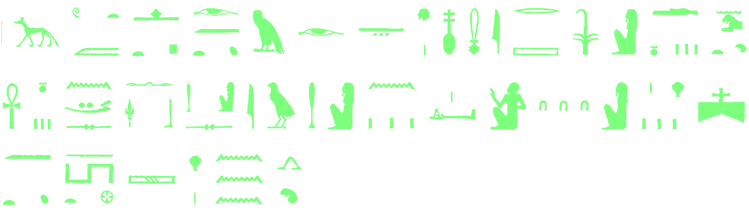
jw.tj m ḥtp jrj mꜣꜥt m tꜣ jrj tp nfr mj rḫ sw šsp.n šfjt.k ꜥnḫ.n n mꜣꜣ.s n ꜣb ḥmt.s r ḥm.n rdj.j Mꜥbꜣjt ḥr wḏꜥ mꜣꜥt Tꜣ mrj ḥr šmt ḥr mw.k
Welcome in peace, you who do Maat in the land,
who decide what is right like the Knowing One.
We receive your splendor; we live by the sight of her.
May Her Majesty never part from Our Majesty.
I grant that the Court of Thirty judge according to Maat
and that Egypt follow you.Note · Line 339
The Court of Thirty is a body of divine judges. Egypt’s promise of obedience uses the Egyptian expression “to walk on someone’s water,” meaning to follow that person’s lead. - 340

ḥptj.k n.k Ḥr ꜥꜣ sꜣ Wsjr jmjt pr rdj.tj n kꜣ.k
Yours are your two crowns, Horus the Great, son of Osiris,
now that the deed of inheritance has been given to your ka. - 341
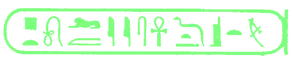
nswt bjt nb tꜣwj (… …) sꜣ Rꜥ nb ḫꜥw (… …)
The king of Upper and Lower Egypt, lord of the Two Lands, Ptolemy XII; the son of Ra, lord of crowns, Ptolemy XII.
- 342

jw.n.j ḫr.k nswt n nḥḥ bjtj n wḥm.tj.fj jnj.j n.k mks ḫfꜥ.n.k jmjt pr jṯj.n.k jꜣwt nt jt.k ṯwt nb psštj nḫb gnwt šnw n tꜣ ẖr st ḥr.k
I have come to you, king for eternity,
king whose like shall never come again,
to bring you the mekes.
You have grasped the deed of inheritance,
you have taken up your father’s office.
You are lord of the two halves of the land;
you fix the annals, and the whole circuit of the earth is under your eye.Note · Line 342
The mekes is a case for the deed of inheritance. It is Ptolemy who presents it to Horus. - 343

ḏd mdw jn Ḥr Bḥdtj nṯr ꜥꜣ nb pt Nb Msn bjk n nb sꜣ Wsjr ꜥḥꜥ ḥr nst.f m nswt bjt ḏr nḥḥ r km ḏt
Words to be spoken by Horus of Behdet, the great god, lord of the sky, lord of Mesen, Falcon of the Golden One, son of Osiris, who holds his throne as king of Upper and Lower Egypt from eternity to the end of everlasting time.
- 344
rdj.j šfjt.k m jbw ṯꜣjw mrwt.k m ẖt ḥmwt
I set awe of you in the hearts of men
and love of you in the bodies of women. - 345
ḏd mdw jn Ḥt ḥr nbt Jwnt jrt Rꜥ ḥrt jb Bḥdt nbtj rḫjt ḫnt Tꜣ rr jtjt m šnw n jtn
Words to be spoken by Hathor, lady of Dendera, Eye of Ra, who dwells in Behdet, queen of the people in Tarer, sovereign of all the sun disk encircles.
- 346

ḏd mdw jn Ḥr {mꜣ tꜣwj pꜣ ẖrd sꜣ Ḥt ḥr ꜥꜣ wr tpj n Ḥr Bḥdtj nṯr ꜥꜣ nb pt sꜣb šwt prj m ꜣḫt ḫntj jtrtj šmꜥw mḥw
Words to be spoken by Harsomtus the Child, son of Hathor, the very great one, firstborn of Horus of Behdet, the great god, lord of the sky, many-colored of plumage, who comes forth from the horizon, foremost in the two shrines of Upper and Lower Egypt.
- 347
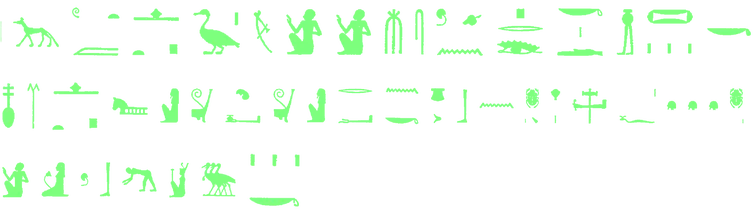
jw.tj m ḥtp sꜣ.j mrj.j ḥꜥ.j msḫꜣ n ptr.k šsp.j jnw.k nfr m ḥtp ḫntš.j n ḥnkt.k n.j rdj.j n.k grb n tꜣ ḥr ndb.f tpjw tꜣ ḫꜣb n bꜣw.k
Come in peace, my beloved son!
My body thrills at the sight of you.
I receive your fine gift with contentment
and delight in what you offer me.
I give you possession of the whole earth,
with those who dwell upon it bowed before your might.