~/sacred-texts/edfu-temple-texts
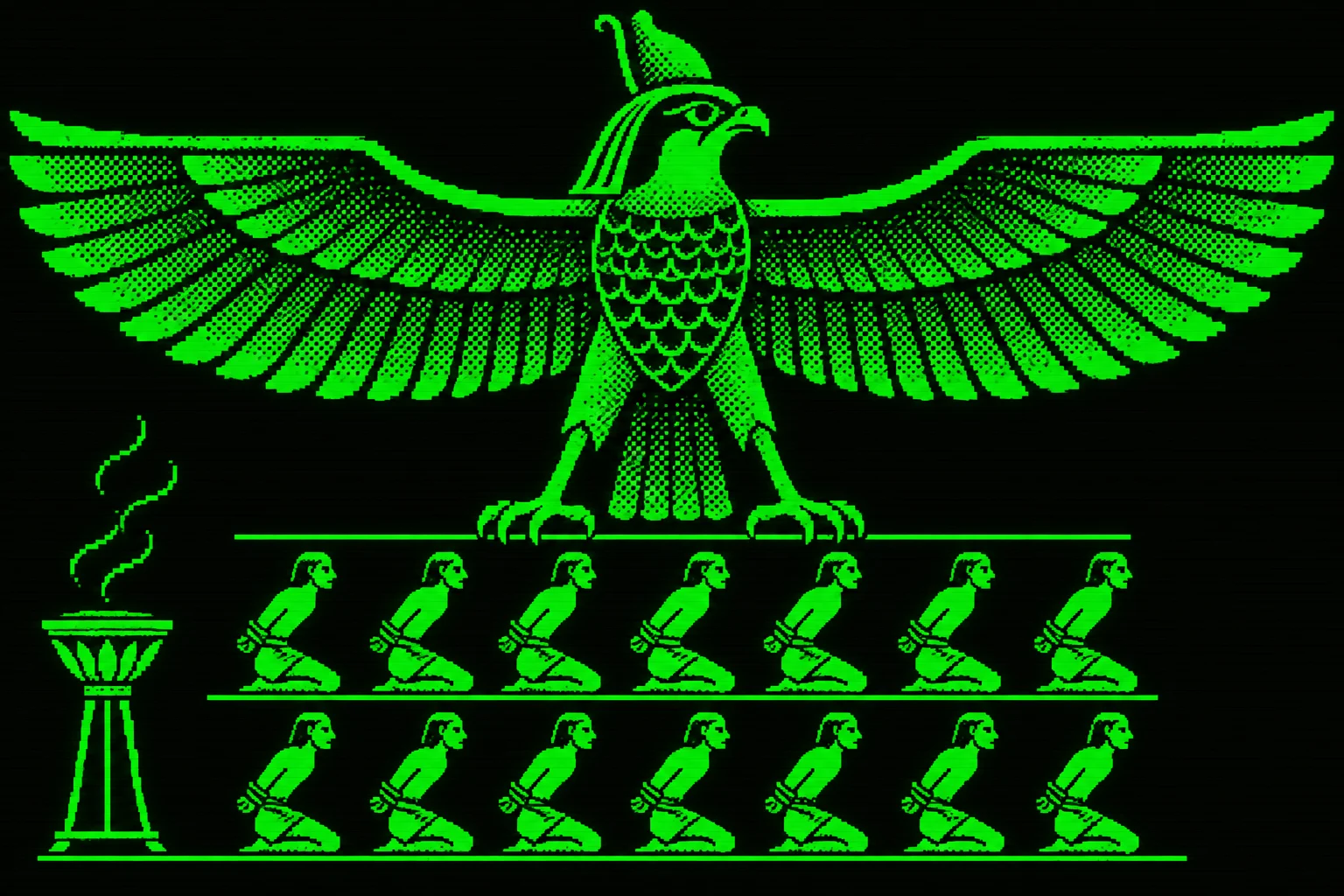
Cattle for Slaughter, O Falcon: The Edfu Pylon, Part II
- Text
- Edfu temple texts, Edfou VIII, pp. 44–84
- Date
- Carved on the pylon under Ptolemy XII (80–51 BC)
- Found
- Temple of Horus, Edfu, Upper Egypt: the pylon (Chassinat, Le temple d'Edfou VIII)
- Language
- Ptolemaic Egyptian · Hieroglyphic
- 1
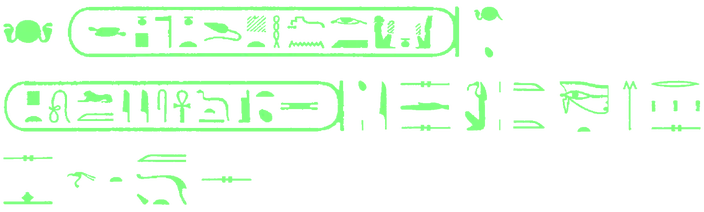
nswt bjt (… …) sꜣ Rꜥ (… …) sꜣ Jsds gsgs wḏꜣt m rꜣw.s sḥtp ꜣḫt m dbḥt.s
The king of Upper and Lower Egypt, Ptolemy XII, son of Ra, Ptolemy XII, son of Isdes, who fits the pieces of the Wedjat eye together and satisfies the Shining Eye with what it needs.
Note · Line 1
Isdes is associated with Thoth, the god who healed Horus’s injured eye. Wedjat means “the sound one”: it names the eye after it was made whole. - 2

wnn nswt bjt (… …) [... ...]
The King of Upper and Lower Egypt, Ptolemy XII, is …
- 3
rdj.j n.k ꜣḫtj.k ḥr mꜣꜣ m wꜣw snw.j [...] ..[.
I grant that your two eyes may see far; I give sight to …
- 4
ḏd mdw jn Ḥt ḥr wrt nbt Jwnt jrt Rꜥ ḥrt jb Bḥdt nbt pt ḥnwt nṯrw nbw špst wsrt ... nbt ꜥnḫ ꜥnḫt.tw jm.s ḥꜥjt jrt nbt
Words to be spoken by Hathor the Great, Lady of Dendera, Eye of Ra, who dwells in Behdet, Lady of the Sky, Mistress of all the gods, the noble one, the mighty one … Lady of Life, by whom all live, who gladdens every eye:
Note · Line 4
Behdet is Edfu. Hathor has her own temple at Dendera, but she is present here with Horus; as the Eye of Ra, she embodies the sun god’s power. - 5

wnn nbt Jwnt ḫꜥj.tj m jrw.s m nfrt ḥr sḥbt mnḏtj ḥr wdt mꜣwt ḥr rdt sšp [... ...]
The Lady of Dendera has appeared in her form as the Fair of Face, her two eyes decked for the feast. She sends forth rays and sheds light …
- 6

ḥnq jrp ḏd mdw šꜣ n kꜣ.k ḫnt w n Mꜣꜣ Ḥr jrt Ḥrwꜣḏt r ḫft ḥr.k jnmt swr.k jm.s m ꜥb nb nbt Jwnt ḥrjt tp ḫnt Jꜣt djt m ptr.s
Presenting wine. Words to be spoken: Wine for your ka from the vineyards of Maa-Hor,
the green Eye of Horus before your face.
May you drink the inemet-wine with the Golden One,
the Lady of Dendera, the brow cobra of Iat-dit,
face to face with her.Note · Line 6
The ka is the life force to which an offering is made. In presenting wine from Maa-Hor, a name for Edfu, the king gives Horus back his own healed eye. - 7
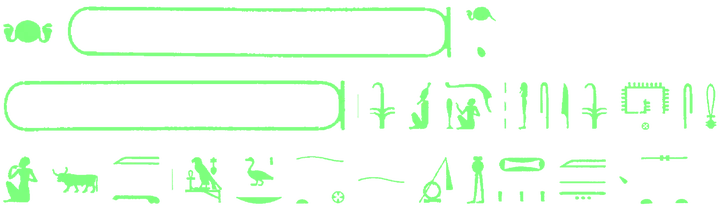
nswt bjt (…) sꜣ Rꜥ (…) nswt mr ḥmw twt sw r rsj jnb.f smj kꜣ m bꜣḥ
The King of Upper and Lower Egypt ( ), Son of Ra ( ), king and overseer of priests, the very likeness of Him Who Is South of His Wall, whom the bull heralds.
Note · Line 7
The empty parentheses mark cartouches, the oval frames in which the royal names would normally be carved. “Him Who Is South of His Wall” is Ptah of Memphis, whose herald was the sacred Apis bull. - 8

nṯr nfr sꜣ nbt Jmt ḫbj jnw m Tꜣwj sṯt ḥꜥ ꜥnḫ n rpꜥt nṯrw [... ...]
The perfect god, son of the Lady of Imet, who gathers tribute in the two lands of Asia, the living body of the Prince of the Gods …
Note · Line 8
The “perfect god” is the king; the “Prince of the Gods” is Geb, the earth god. Calling the king Geb’s living body makes their kinship a claim about who is entitled to rule. - 9

ḏd mdw jn Ḥr Bḥdtj nṯr ꜥꜣ nb pt sꜣb šwt prj m ꜣḫt Ḥr jꜣbtt wbn m bꜣẖ sḫm šps jrj ḥrjw ẖrjw jrj ntt qmꜣ wnnt
Words to be spoken by Horus of Behdet, the great god, Lord of the Sky, dappled of plumage, who comes forth from the horizon, Horus of the East, who rises over the eastern mountain, the august Power who made those above and those below, who made what is and fashioned what exists.
- 10

ḏd mdw jn Ḥt ḥr nbt Jwnt jrt Rꜥ ḥrt jb Bḥdt nbt pt ḥnwt nṯrw nbw šꜣw n kꜣ.s n.s šꜣw ꜥšꜣ nbw šꜣꜥt.tw n.s tḫt
Words to be spoken by Hathor, Lady of Dendera, Eye of Ra, who dwells in Behdet, Lady of the Sky, Mistress of all the gods. The vines belong to her ka; hers are the wines of every kind; for her was drunkenness devised.
- 11
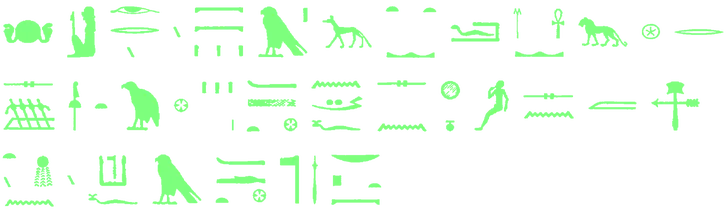
Rꜥ jrj ptj Ḥr jꜣbtt ḥtp m ꜥnḫt pẖr dꜣt m grḥ r sšp jmntjw bꜣw ꜥnḫw nw Bḥdt n mꜣꜣ.f snḫn ḥꜥ.sn m stwt nt kꜣ.f Ḥr Bḥdtj nṯr ꜥꜣ nb pt
Ra, who made the two skies, Horus of the East, who sets in the Land of Life,
who crosses the underworld by night to light the Westerners and the living bas of Behdet with his gaze,
who makes their limbs young again with the rays of his ka:
Horus of Behdet, the great god, Lord of the Sky.Note · Line 11
The Land of Life is the west, where the sun sets; the Westerners are the dead, for whom sunset brings light rather than darkness. A ba is the power of a god or a person to take form and act beyond the body. - 12

jrt sššt sḫm sp 4 ḏd mdw ꜣmm.j n.ṯ sššt nt ṯḥnt m wnmj.j sḫm m jꜣbj.j n wꜣḏ šmꜥj sḫ.n.j sn hrw.ṯ m kk.sn rdj.j n.ṯ jꜣw r qꜣw n pt jḥj r wsḫ n tꜣ
Playing the two sistra, four times. Words to be spoken: For you I take the sesheshet of faience in my right hand,
the sekhem of green jasper in my left.
When I sound them, you rejoice in their sound.
I give you praise as high as the sky
and music as wide as the earth.Note · Line 12
The sesheshet and the sekhem are two kinds of sistrum, a hand-held rattle shaken in Hathor’s worship. Faience is a glazed material, often brilliant blue or green. - 13

nswt bjt (… …) sꜣ Rꜥ (… …)
The King of Upper and Lower Egypt, Ptolemy XII, Son of Ra, Ptolemy XII.
- 14
wnn sꜣ Rꜥ (… …) ḥr nst.f ḫnt St wrt nt Rꜥ Ḥr ꜣḫtj ḥr dwꜣ sḫmt [...] nbt sḫm ḥr jrt jḥj n nbt jḥj sw mj Jḥj nww n mwt.f wsrt sḥtp ḥmt.s m mrjt.s
The Son of Ra, Ptolemy XII, is on his throne in the Great Seat of Ra-Horakhty, praising the Mighty One … Lady of the Sistrum, making music for the Lady of Music. He is like Ihy-Nun to his mother, the Mighty One, soothing Her Majesty with what she loves.
Note · Line 14
The Great Seat is the sanctuary at Edfu, and Ra-Horakhty is the sun god as Horus of the Two Horizons. The king takes the part of Ihy, Hathor’s child, who plays the rattle to soothe his mother. - 15

ḏd mdw jn Ḥt ḥr wrt nbt Jwnt jrt Rꜥ ḥrt jb Bḥdt nbtj rḫjt ḥnwt tꜣwj špst wsrt nn kt ḥr ḫw.s mḥt pt tꜣ nb m nfrw.s
Words to be spoken by Hathor the Great, Lady of Dendera, Eye of Ra, who dwells in Behdet, Queen of the People, Mistress of the Two Lands, the noble one, the mighty one, whose like is nowhere to be found, who fills the sky and every land with her beauty.
- 16
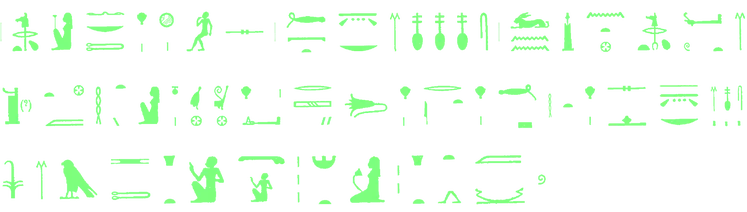
wnn nbt Jwnt wsr.tj m Wṯst m ḥnwt nt šmꜥw mḥw ḥr rdt ršwt ḥr rwj mḥ ḥr sḥtp tꜣwj nb m nfrw.s sj m nbt mrwt ḥnwt ṯꜣjw ḥmwt wsḫt nmtt m wjꜣ
The Lady of Dendera is mighty in the Throne Seat as Mistress of Upper and Lower Egypt. She gives joy, drives care away and brings peace to the whole of the Two Lands with her beauty. She is the Lady of Love, Mistress of men and women, who strides with long steps in the barque.
Note · Line 16
The Throne Seat is another name for Edfu. The barque is Hathor’s sacred boat; a goddess’s image could travel by boat in festival processions. - 17
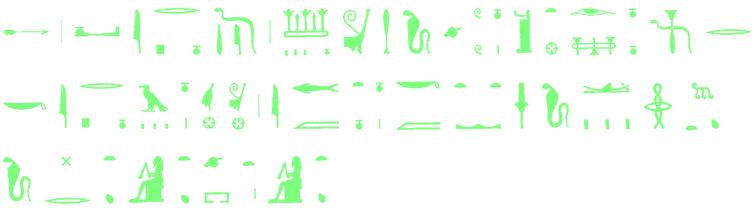
ḥnq jrp ḏd mdw šꜣ n ḥm.k ḫnt w n Wṯst jrt Ḥr wꜣḏt r ḫft ḥr.k jrp ꜣ n šmꜥw mḥw jnmt nt Knmt sḫm.k jm.w ḥnꜥ ḥrjt tp wrt špst ḫnt Pr špst
Presenting wine. Words to be spoken: Wine for Your Majesty from the vineyards of the Throne Seat,
the green Eye of Horus before your face.
May the wine of Upper and Lower Egypt and the inemet-wine of the Great Oasis give you strength,
together with the great brow cobra, the Noble One in the House of the Noble One.Note · Line 17
The Great Oasis comprised Kharga and Dakhla in Egypt’s Western Desert. The House of the Noble One is Hathor’s sanctuary at Dendera. - 18
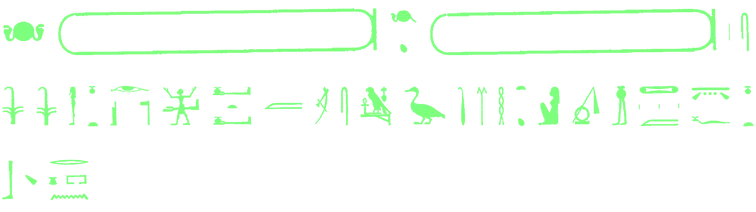
nswt bjt (…) sꜣ Rꜥ (…) snn ntj Wsjr ḥꜥj mwt.f m mrjt.s
The King of Upper and Lower Egypt ( ), Son of Ra ( ), the likeness of Osiris, who gladdens his mother with what she loves.
- 19
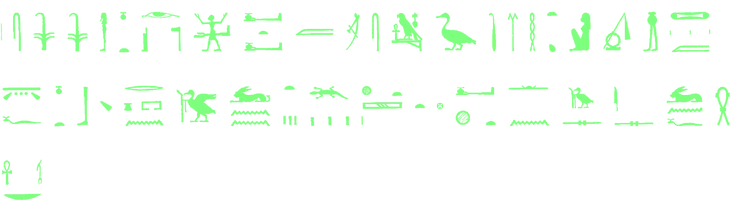
nṯr nfr sꜣ ṯmḥjt ḫbj jnw m tꜣ ndb.f r Nst nt qmꜣ wnnt ꜥšꜣ ḫntj š ḫnt Qbḥwj ḥnq jḫt n qmꜣ sw r swnf jb nb šꜣ
The perfect god, son of the Libyan Woman, who brings tribute from the whole land to the Throne of Him Who Fashioned What Exists, rich in vineyards in Egypt, who offers gifts to him who fashioned him, to gladden the heart of the Lord of Wine.
- 20

ḏd mdw jn Ḥr Bḥdtj nṯr ꜥꜣ nb pt sꜣb šwt prj m ꜣḫt sꜣ ꜣst jwꜥw n Wsjr snn n Rꜥ ḫnt Wṯst Ḥr jtj wr ḥrj nst.f
Words to be spoken by Horus of Behdet, the great god, Lord of the Sky, dappled of plumage, who comes forth from the horizon, son of Isis, heir of Osiris, image of Ra in the Throne Seat of Horus, the great sovereign upon his throne.
- 21

ḏd mdw jn Ḥt ḥr nbt Jwnt jrt Rꜥ ḥrt jb Bḥdt nbt pt ḥnwt nṯrw nṯrwt nbt tḫt ḫnt St tḫt wḥmt.tw tḫt n kꜣ.s
Words to be spoken by Hathor, Lady of Dendera, Eye of Ra, who dwells in Behdet, Lady of the Sky, Mistress of gods and goddesses, Lady of Drunkenness in the Place of Drunkenness, for whose ka they get drunk again.
Note · Line 21
The Place of Drunkenness is Dendera. At Hathor’s feast, drinking to intoxication could itself be an act of worship. - 22

nswt n nṯrw jtj nb gsw prw tjt nt Rꜥ sṯnj msḫꜥ bd mꜣwt mj ꜣḫtj bjk nṯrj ḥrj srḫ Ḥr Bḥdtj nṯr ꜥꜣ nb pt
King of the gods, sovereign, lord of temples, image of Ra, exalted in his radiant birth, bright with rays like the Dweller in the Horizon, the divine falcon atop the palace façade: Horus of Behdet, the great god, Lord of the Sky.
Note · Line 22
This describes a royal emblem called a serekh: the king’s Horus name is written in a frame representing the palace façade, with a falcon perched on top. - 23

nswt bjt (…) sꜣ Rꜥ (…) ḥqꜣ wr pḥtj rdj sꜣ n qmꜣ sw swḏꜣ Psḏt m wnwt.f
The King of Upper and Lower Egypt ( ), Son of Ra ( ), ruler great in strength, who grants protection to him who fashioned him and keeps the Ennead safe in his priestly service.
Note · Line 23
The Ennead is a company of nine gods, conceived as a divine family. - 24
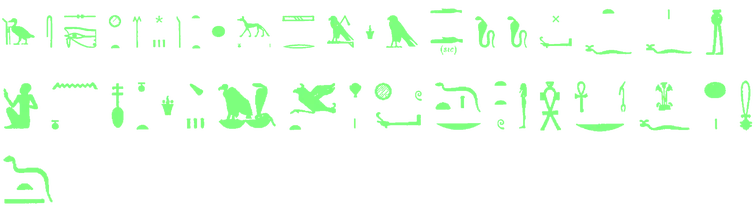
jw.n.j ḫr.k bjk bꜣ tkk smꜣr.n.f sbjw ḥr jt.f jnj.j n.k jb nfr ntj bjꜣ nbtj rḫjt ḥr ḫwt ḏt.k ṯwt nṯr ḫnt Ḥt Ḥr nswjt.f nswjt nt Rꜥ
I have come to you, Falcon, fierce ba who destroyed those who rebelled against his father, to bring you the fine heart amulet of copper, the Queen of the People, who guards your body. For you are the god in the House of Horus, whose kingship is the kingship of Ra.
Note · Line 24
The king is speaking to Horus. The copper amulet is not just a gift from Isis: worn against her son’s body, it is his mother there to guard him. - 25
jw.tj m ḥtp jtj wr šfjt [... ...]
Come in peace, ruler great in majesty …
- 26
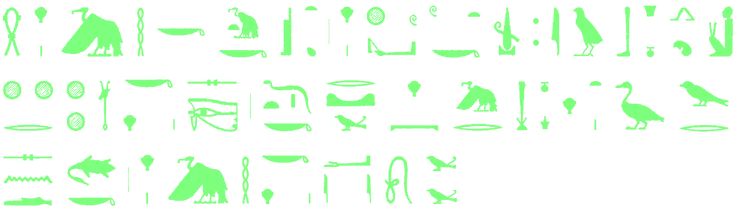
ṯs wḏꜣw ḏd mdw ms.j n.k sꜣ ḥr mkt ḥꜥ.k mwt.k ꜣst ḥr ḫwt.k wḏꜣw r bꜥnt.k jrt ḫḫ r ḫḫ.k ḥr swḏꜣ ḏt.k r ḏw ḥrj mkt r šnbt.k ḥr swr snḏ.k ḥr mkt ḥꜥ.k ḥr ꜥwꜣj jsft
Tying on an amulet. Words to be spoken: I bring you the charm that guards your limbs,
your mother Isis, who watches over you.
The amulet at your throat, the necklet at your neck: it keeps your body safe from harm.
The heart amulet at your breast: it heightens the dread you inspire,
guards your limbs and takes evil away. - 27

nswt bjt (… …) sꜣ Rꜥ (… …) ḥqꜣ wr pḥtj rdj sꜣ n qmꜣ sw swḏꜣ Psḏt m wnwt.f
The King of Upper and Lower Egypt, Ptolemy XII, Son of Ra, Ptolemy XII, ruler great in strength, who grants protection to him who fashioned him and keeps the Ennead safe in his priestly service:
- 28
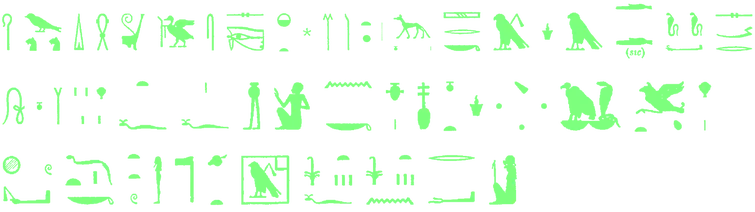
jw.n.j ḫr.k bjk bꜣ tkk smꜣr.n.f sbjw ḥr jt.f jnj.j n.k jb nfr ntj bjꜣ nbtj rḫjt ḥr ḫwt ḏt.k ṯwt nṯr ḫnt Ḥt Ḥr nswjt.f nswjt nt Rꜥ
I have come to you, Falcon, fierce ba who destroyed those who rebelled against his father, to bring you the fine heart amulet of copper, the Queen of the People, who guards your body. For you are the god in the House of Horus, whose kingship is the kingship of Ra.
- 29
rdj.j n.k jb.k mn.tj ḥr st.f ḥrj mkt.k ḥr jrt mkt.k
I grant that your heart may hold firm in its place, your heart amulet keeping guard over you.
- 30
ḏd mdw jn Ḥr Bḥdtj nṯr ꜥꜣ nb pt bjk n nb [... ... ... ... ... kꜣ nḫt shd rqww.f jnj.n.f pḥwj n thj sw
Words to be spoken by Horus of Behdet, the great god, Lord of the Sky, the falcon of gold … the strong bull who faces his foes, who has made an end of everyone who has attacked him:
- 31
rdj.j n.k ḥꜥ.k wḏꜣ.tj r ḏꜣjt ꜥwt.k nbt m ꜥḏ wḏꜣ
I grant that your body may be safe from harm and all your limbs sound and whole.
- 32

ḏd mdw jn Ḥt ḥr nbt Jwnt jrt Rꜥ ḥrt jb Bḥdt ḫwjt sꜣ.s swḏꜣt sn.s nbt nrw ꜥꜣt snḏ ḫnt St wnp drt ꜥwꜣj ḫsft nšnj
Words to be spoken by Hathor, Lady of Dendera, Eye of Ra, who dwells in Behdet, who shields her son and keeps her brother safe, mistress of terror, greatly feared in the Place of Piercing, who drives out the robber and repels the raging one:
Note · Line 32
The Place of Piercing is a sacred name for Edfu that recalls Horus striking down his enemies. - 33

rdj.j n.k ḫftjw.k ḫr ẖr ṯbwj.k wjn mw.k n wnn.f
I grant that your enemies fall beneath the soles of your two feet,
and that your adversary be no more. - 34
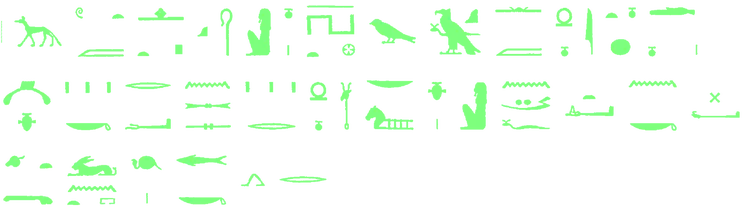
jw.tj m ḥtp ḥqꜣ n Tꜣ mrj wr qfꜣt m šnw n jtn šsp.n.j ꜣwt jb.k rdj.n.j ṯswt r šnbt.j ḫntš jb.j n mꜣꜣ.s rdj.j n.k pḥtj ḫnt mṯwn hrw bs.k r skw
Welcome in peace, ruler of Egypt, held in honor wherever the sun circles.
I have received your amulet and laid the knotted charm against my breast;
my heart delights in the sight of it.
I give you strength on the battlefield the day you enter the fray.Note · Line 34
The recipient now answers the king: the charm protects the god’s body, and in return the god promises to protect the king in battle. - 35
sr
The giraffe.
Note · Line 35
These short lines are labels for figures in the scene. Baboons were often shown welcoming the rising sun with raised arms. - 36
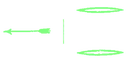
gjf
The Gif monkey.
- 37

hṯt
The Jubilant One.
- 38

ꜥnꜥn
The Anan baboon.
- 39

jꜥnj
The Iani baboon.
- 40
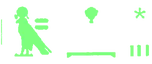
Rꜥ Ḥr ꜣḫtj ḥrj nṯrw
Ra-Horakhty, foremost of the gods.
- 41

Ḥr ḥwn nfr bnr mrwt ṯnj sw nbtj ḥnꜥ kꜣ.f dwꜣ.n.f ẖnmw šps r šsp.n.f ḫꜥw m nswt snsn n.f ḥntjw m ḥꜥꜥwt mj Nḏ jt.f ṯḥn msḫꜥ ḥr nst jt.f mj Ḥr kꜣ nḫt jtj psḏ m Tꜣ mrj mj Ḥp ꜥnḫ jtj nb qnt nḫt mj {ꜣ ꜣst
Horus: the perfect youth, dearly loved, whom the queen exalted together with his ka; who praised his august maker until he received the crowns of kingship; whom the captains joined in joy as they joined the Avenger of His Father; radiant in his appearing on his father’s throne like Horus; the strong bull, the sovereign who shines in Egypt like the living Apis; the sovereign, lord of valor and might like the Son of Isis.
Note · Line 41
The whole passage is a single royal name, the king’s Horus name. The Avenger of His Father and the Son of Isis are both Horus, who won the throne of his father Osiris. - 42

jrj.n.f bjꜣjt wrt n jt.f Ḥr Bḥdtj nṯr ꜥꜣ nb pt Rꜥ Ḥr ꜣḫtj ḫnt St wrt r jrt sꜣ ḥr rꜣ n St wnp m ꜥš nfr n Ꜥntj š qꜣw.s m mḥ 271/6 wsḫ 61/2 1/12 wmt mjtt m 1/2 1/12 rwḏ.sn m rḫt 23 jnḥ r mnḫ m ṯḥst km.tj m kꜣt mnḫt
He wrought a great wonder for his father Horus of Behdet, the great god, lord of the sky, Ra-Horakhty in the Great Seat, to guard the entrance to the Place of Piercing. It is of fine conifer wood from Lebanon, 27⅙ cubits high, 6 7/12 cubits wide and 7/12 of a cubit thick. Its braces number twenty-three. It is finely clad in copper and finished with great skill.
Note · Line 42
The “wonder” is a wooden door for the temple gateway. A royal cubit was just over half a meter, making the door about fourteen meters high and thirty centimeters thick. - 43

jw.n nswt bjt (… …) ḫr.k Ḥr Bḥdtj nṯr ꜥꜣ nb pt jnj.f n.k jḫt nfrt nbt ḥtp ḏfꜣ ḥr ḥnk m ḥr.k nfr ntk bꜣ jmn ḫpr m ḥꜣt Jr tꜣ ṯs wnnt
The King of Upper and Lower Egypt, Ptolemy XII, has come to you, Horus of Behdet, great god, lord of the sky,
to bring you every good thing, offerings and provisions, and present them before your beautiful face.
For you are the hidden ba who came into being in the beginning, Irta, who knits together all that is.Note · Line 43
Irta means “Maker of Earth.” In the offerings that follow, the king gives Horus the water and crops that Horus himself, as creator, makes possible. - 44
jw.n sꜣ Rꜥ (… …) ḫr.k Ḥr Bḥdtj nṯr ꜥꜣ nb pt jnj.f n.k ḥꜥpj šmꜥw m m Tꜣ Jwnw prj tp wꜥrt jmḥt ntk ḥnbb jw tp ꜥ Spdt sḫn ḥꜥpj jṯj kꜣ
The Son of Ra, Ptolemy XII, has come to you, Horus of Behdet, great god, lord of the sky,
to bring you Hapy of Upper Egypt from the land of Heliopolis, who issues from the leg of the underworld.
For you are the north wind that comes before Sothis and embraces Hapy, the Seizing Bull.Note · Line 44
Hapy is the annual Nile flood in divine form; one account traced its waters to the leg of Osiris in the underworld. Sothis is Sirius, whose reappearance in the dawn sky heralded the flood. - 45
jw.n nswt bjt (… …) ḫr.k Ḥr Bḥdtj nṯr ꜥꜣ nb pt jnj.f n.k sḫt bkꜣ.tj r nw.s ḥmsj n.k prt ꜣḫt ntk jwn jrj ṯꜣjw ḥmwt srf jbw r sḫpr nḏmnḏm
The King of Upper and Lower Egypt, Ptolemy XII, has come to you, Horus of Behdet, great god, lord of the sky,
to bring you the field, pregnant in its season, that makes the seed of the cropland spring up for you.
For you are the Pillar who made men and women, who heats their hearts to kindle sexual desire.Note · Line 45
The Pillar here is the moon, credited with the power to bring forth life in people as well as in the fields. - 46
jw.n sꜣ Rꜥ (… …) ḫr.k Ḥr Bḥdtj nṯr ꜥꜣ nb pt jnj.f n.k wḥm ꜥnḫ wbn m wꜥrt wḏꜣ m wꜣj.f r wḏb ntk ḥꜥpj ḫꜣj šsp m šsp r wnn.f m ḫnp kꜣ
The Son of Ra, Ptolemy XII, has come to you, Horus of Behdet, great god, lord of the sky,
to bring you the Renewer of Life, who wells up from the leg, goes his way and climbs onto the fields.
For you are Hapy, measured palm by palm until he becomes the Plundering Bull.Note · Line 46
A palm was four fingerbreadths: the image is of watching the river rise on a measuring scale. The Plundering Bull is the Nile in full flood. - 47

jw.n nswt bjt (… …) ḫr.k Ḥr Bḥdtj nṯr ꜥꜣ nb pt jnj.f n.k tpw nw tꜣ ẖr fꜣt.sn ꜥšꜣ rnnw nw wḏb ntk ḥrj jdb nbj ḥḥ mr ꜣḥt Bḥdtj swr tꜣš.f
The King of Upper and Lower Egypt, Ptolemy XII, has come to you, Horus of Behdet, great god, lord of the sky,
to bring you the fields of the land with all they bear, the many nurslings of the soil.
For you are Hery-ideb, who fashioned millions, the overseer of fields, the Behdite who extends his bounds.Note · Line 47
The soil’s “nurslings” are its plants. Hery-ideb means “He who presides over the riverbank.” - 48
jw.n sꜣ Rꜥ (… …) ḫr.k Ḥr Bḥdtj nṯr ꜥꜣ nb pt jnj.f n.k nww nmt tꜣwj r tr.f ḥr wbs ꜣḫt m rnpwt.f ntk ḥꜥpj n bꜣw ꜥnḫw r sfsf ꜣw n ḥtpw
The Son of Ra, Ptolemy XII, has come to you, Horus of Behdet, great god, lord of the sky,
to bring you Nun, who strides through the Two Lands in his season and greens the cropland with his fresh shoots.
For you are the flood of the living bas, come to feed the blessed dead with offerings.Note · Line 48
Nun is the water that existed before the world took shape; its return in the annual flood makes the land green again. The living bas here are the gods of that first age. - 49
jw.n nswt bjt (… …) ḫr.k Ḥr Bḥdtj nṯr ꜥꜣ nb pt jnj.f n.k šꜣꜥt dns m nfrw.s jwr.tj m prt ꜣḫt ntk Šw smsw ḥrj jdb wpj ꜣḥt n jt.f Rꜥ
The King of Upper and Lower Egypt, Ptolemy XII, has come to you, Horus of Behdet, great god, lord of the sky,
to bring you the Primeval Field, heavy with its good things, pregnant with the seed of the cropland.
For you are Shu the eldest, Hery-ideb, who lays out the fields for his father Ra. - 50

ḥnk mḏt ḏd mdw mn n.k mḏt sjꜣw wr ḥrj srḫ nb nṯrw nb St wrt jst.k nn jrj m ꜣwt jb šnwt.k m [...]
Presenting ointment. Words to be spoken: Take this ointment, great falcon upon the palace façade, lord of the gods, lord of the Great Seat. This whole retinue of yours rejoices, and your court is jubilant.
- 51

bjk ꜥnḫ ḥrj srḫ
The Living Falcon upon the palace façade.
- 52

hbj ꜥnḫ [... ...]
The Living Ibis …
- 53

nrt ꜥnḫt
The Living She-Vulture.
- 54
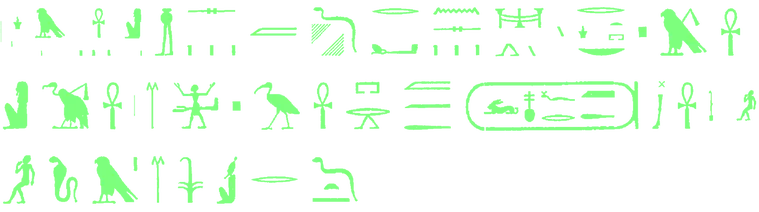
bꜣw ꜥnḫw jnj.sn mḏt rdj n.sn wꜣt r bw nb pꜣ bjk ꜥnḫ nrt ꜥnḫt m ḥꜥꜥwt pꜣ hbj ꜥnḫ prj m mꜣꜥ ḫrw (Wnn nfrw mꜣꜥ ḫrw) wḥm.k rnp rnpj.k Ḥr m nswt r ḏt
The living bas bring ointment; the way is open to them everywhere.
The Living Falcon and the Living She-Vulture rejoice;
the Living Ibis has come forth in triumph.
Wennefer, vindicated one, may you renew your youth;
may you grow young again, Horus, as king forever.Note · Line 54
Wennefer is a name of Osiris. “Vindicated” means that a divine court has upheld his claim. - 55

nswt bjt (… …) sꜣ Rꜥ (… …) ḥqꜣ sꜣ ḥqꜣ ꜥꜣ šfjt m Pwnt [... ...]
The King of Upper and Lower Egypt, Ptolemy XII, the Son of Ra, Ptolemy XII, ruler, son of a ruler, held in great awe in Punt …
Note · Line 55
Punt was a trading partner reached by the Red Sea routes, prized in Egypt for fragrant tree resins such as myrrh. - 56
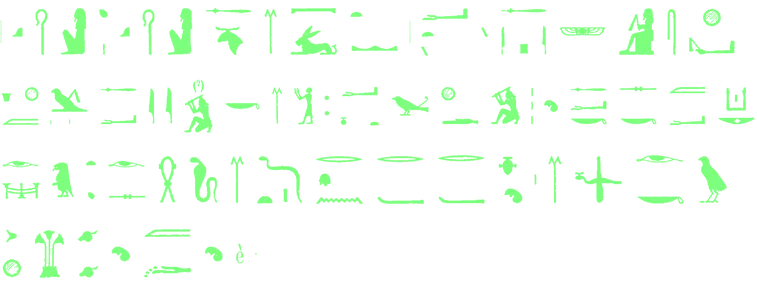
mn n.k mḏt nḏmt sṯj ꜥpj šps ḫwj ꜥẖmw ꜥj.k m ꜥntjw ꜥnḏ ḫftjw.k ꜥꜣ.k jsk m mk jrt Ḥr wrt jrj.s sꜣ.k m ḏt.s r tp ḥsb nrḥrḥ jb.k m ḫsfw jrt.k wꜣḫj fnḏ.k m jdt.k
Take the sweet-scented ointment, august Api, guardian of the divine images.
May you rejoice in the myrrh that makes your foes small;
may you grow great in the joy of the feast.
The great Eye of Horus protects you by its very nature, in full measure.
Your heart beats faster as your eye draws near;
your nose fills with your own fragrance.Note · Line 56
Api is a name for Horus here. As with the wine, the ointment can serve as his restored eye, so that the fragrance he breathes is his own. - 57

šnbtj ...] ḫꜣḫ msḫꜥ snsn Wꜣst m nb srḫ ꜥpj bꜣ.f r ꜣḫt nt pt r Jtrtj nt pꜣ nb Wṯst spwt nt Snwt nb.sn jm.f n.f jmj nwwt 4.t Wṯst Ḥr Ḥꜣt spwt Ḥḏ nḫn Wꜣst nḫtt nwt Jmn n kj ḥr ḫw.f m nṯrw nbw nb [...]
The … falcon, swift to shine forth, who joins with Thebes as lord of the palace façade, whose ba flies to the horizon of the sky, to the twin shrines of the Lord of the Throne Seat. The nomes of Egypt have their lord in him. His is all that lies within the four cities: Throne Seat of Horus, First of the Nomes, Hierakonpolis, and Victorious Thebes, City of Amun. None among all the gods is his equal, the lord of …
Note · Line 57
A nome was a territorial division of Egypt, with its own chief sanctuary. - 58

ḏd mdw jn Ḥr Bḥdtj nṯr ꜥꜣ nb pt sꜣb šwt prj m ꜣḫt jtj nb Tꜣwj nṯrw ḏrtj wr pḥtj ḥqꜣ Tꜣ nṯr šms jb.f m Jnt ꜥntjw mꜣj ꜥnḫ ḥrj jb Wtnt ḥqꜣ wr n Tꜣ nṯr Tꜣ ṯnn pw m bsj m nww m ḫprw.f n sꜣb šwt
Words to be spoken by Horus of Behdet, the great god, lord of the sky, the Dappled Falcon who comes forth from the horizon, sovereign and lord of the Two Lands of the Gods, falcon great in strength, ruler of the Land of the God, who follows his heart in the Valley of Myrrh, living lion who dwells in Utenet, sovereign and great one of the Land of the God. He is Tatenen, emerging from Nun in his form of the Dappled Falcon:
Note · Line 58
The Land of the God here is Punt, and Utenet belongs to the same myrrh-producing region in Egyptian sacred geography. Tatenen embodies the first earth to rise from the primeval waters. - 59

rdj.j n.k qmꜣtjw ksj.tj ẖr qmjt.sn ḥr ḫrp jḫt.sn r pr.k
I grant you the Qematiu bowed beneath their resin as they bring their goods to your house.
Note · Line 59
There is a play on the bearers’ name: “Qematiu” sounds like qemyt, the resin weighing down their shoulders. - 60

ḏd mdw jn Ḥt ḥr nbt Jwnt jrt Rꜥ ḥrt jb Bḥdt nbt pt ḥnwt nṯrw nbw bjkt nṯrjt nbt Tꜣ nṯr ḥqꜣt ḥnwt šmꜥw mḥw
Words to be spoken by Hathor, Lady of Dendera, Eye of Ra, who dwells in Behdet, lady of the sky, mistress of all the gods, divine she-falcon, lady of the Land of the God, ruler and mistress of Upper and Lower Egypt:
- 61

rdj.j ḥswt.k m jbw ṯꜣjw mrwt.k m ẖt nt ḥmwt
I put admiration for you in the hearts of men
and love for you in the bodies of women. - 62
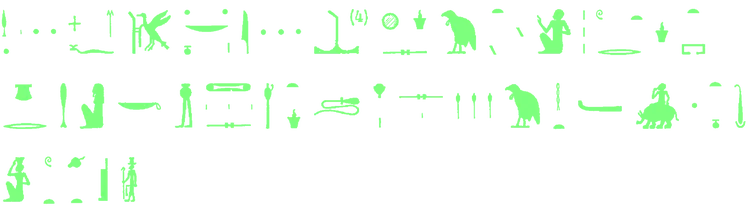
rdj.j n.k ... ...] ... .. ... jm.f qmjt nbt nt Jnt ꜥntjw ḫbstjw spr.tj r bw ẖr ḥm.k jnw.sn wḏb ḥr rmn.sn ḥḏw nḥd nnjb dns.tj ḫnt st jtj
I give you … in it and all the resin of the Valley of Myrrh. I grant that the Bearded Ones reach the place where Your Majesty is, their tribute laden on their shoulders, so that hedju-resin, nehed-incense and storax abound in the ruler’s palace.
Note · Line 62
The Bearded Ones are foreign tribute-bearers. Their loads supply the palace with fragrant resins; storax is one such resin. - 63

mntj rḥwj mks ntj m ꜥ.k rdj.n.j sw n ḥm.k m wḏt m rn n Rꜥ nswjt nt Rꜥ jꜣwt nt Jtmw ḥqꜣt nt Šw nst nt Gbb jmjt pr nt (Wnn nfr mꜣꜥ ḫrw) rdj n sꜣ.j Ḥr mꜣꜥ ḫrw
The two domains of the Two Companions, the mekes in your hand: I have given it to Your Majesty by decree in the name of Ra. The kingship of Ra, the office of Atum, the rule of Shu, the throne of Geb and the deed of inheritance of Wennefer, vindicated, have been given to my son Horus, vindicated.
Note · Line 63
The Two Companions are Horus and Seth, rivals for the throne. The mekes is a royal document case: whoever holds the deed inside holds title to Egypt. - 64
ḏd mdw jn Ḏḥwtj ꜥꜣ ꜥꜣ nb Ꜥmnw wpj rḥwj ḫnt St Rꜥ spẖr gnwt nt jt.f swḏ jmjt pr n nb.s
Words spoken by Thoth, twice great, lord of Hermopolis, who parts the Two Contenders in the Seat of Ra, who records the annals of his father and delivers the deed of inheritance to its lord:
Note · Line 64
The Seat of Ra here is Edfu. Thoth both settles the rivals’ dispute and acts as the scribe who hands the rightful heir his deed. - 65
ḏdt.s Rꜥ kmt n.s nḥḥ jnjt n.s pḥwj n ḏt
Its span is the span of Ra;
its full measure is the eternity of cycles;
its appointed term is the farthest bound of everlasting time.Note · Line 65
The deed has no expiry: it lasts both for time that renews itself in cycles and for time that endures without change. - 66

ḏd mdw jn Mꜣꜥt sꜣt Rꜥ ḥrt jb Bḥdt nbt rnpwt rdjt n mrj.s
Words spoken by Maat, daughter of Ra, who dwells in Behdet, lady of years, who gives them to the one she loves:
Note · Line 66
Maat is both the goddess who speaks and the truth, justice and right order she embodies. - 67
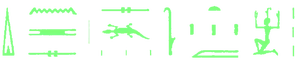
sꜥšꜣ rnpwt m ḥḥw n nswjt nt Nḏ jt.f r km ḏt
May the years be multiplied by the million for the reign of Him Who Avenges His Father,
to the very end of everlasting time. - 68
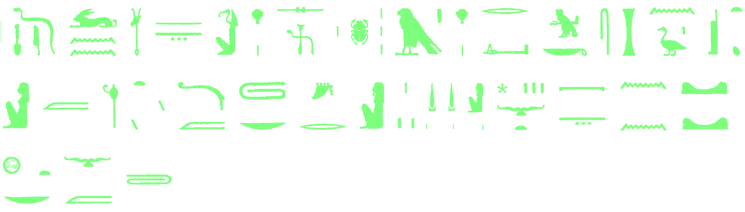
ḏd mdw wnn ꜥm tꜣwj ḥr swḏ tꜣw n Ḥr ḥr rdt mks n {ꜣ ꜣst m wḏt m rn nb Ḏrw Ḏꜣḏꜣt nṯrw dmḏ pt tꜣ mw ḏww jḫt nbt dmḏ m qꜣb.s
Recite: Am-tawy conveys the lands to Horus, giving the mekes to the Son of Isis by decree in the name of the Lord of Djeru, the full council of the gods, heaven, earth, water, the mountains and all things gathered within them.
Note · Line 68
Am-tawy is Thoth, acting here on behalf of the divine council. - 69
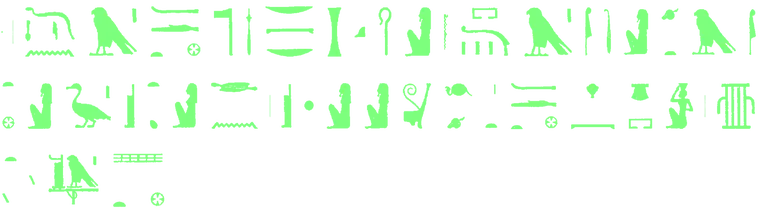
ḏd mdw jn Ḥr Bḥdtj nṯr ꜥꜣ nb pt nb mks ḥqꜣ jmjt pr Ḥr mꜣꜥtj ḫnt Ḥr mꜣꜥ.tj sꜣ ꜣst jwꜥw n Wsjr tjt nt Rꜥ ḫnt Bḥdt ḥrj nst.f ḫnt Wṯst Ḥr
Words spoken by Horus of Behdet, the great god, lord of heaven, lord of the mekes, master of the deed of inheritance, Horus the Vindicated in Horus-Is-Vindicated, son of Isis, heir of Osiris, image of Ra in Behdet, who occupies his throne at the Throne Seat of Horus.
Note · Line 69
“Horus-Is-Vindicated” is a sacred name of Edfu: the verdict in Horus’s favor is written into the name of the place where he reigns. - 70

ḏd mdw jn Ḥt ḥr nbt Jwnt jrt Rꜥ ḥrt jb Bḥdt nbtj rḫjt ḥnwt tꜣwj [... ... ..]. ... jb.j ꜥqꜣ ... .[.. ...]
Words spoken by Hathor, lady of Dendera, Eye of Ra, who dwells in Behdet, queen of the people, mistress of the Two Lands: … My heart is upright …
- 71

ḥqꜣ ḥqꜣw wḏ mdw m tꜣ r ꜣw.f sḥḏ.n.f m ḥḏt nbj.n.f m nt snsn wꜣḏtj ḥr tp.f snn n Rꜥ mn ḥr nst.f Ḥr Bḥdtj nṯr ꜥꜣ nb pt
Ruler of rulers, who gives commands throughout the land,
he has shone forth in the White Crown, he has decked himself in the Red Crown;
the two cobras unite upon his head.
The image of Ra, steadfast on his throne:
Horus of Behdet, the great god, lord of heaven.Note · Line 71
The White Crown belongs to Upper Egypt in the south, the Red Crown to Lower Egypt in the north. Wearing both marks Horus as ruler of the whole country. - 72
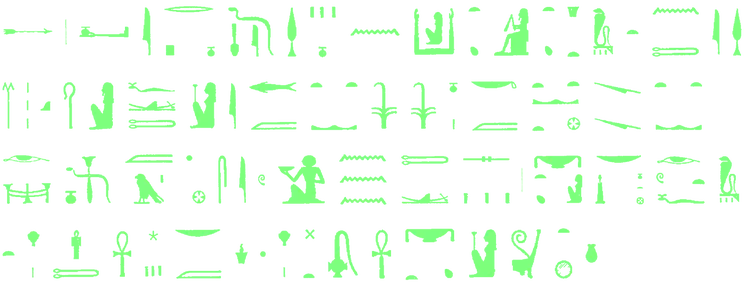
ḥnk jrp ḏd mdw šꜣ n kꜣ.ṯ špst ḥnwt nṯrwt n.ṯ jmj ḥqꜣt.f jm.ṯ jnmt nn nt Knmt Ḫsds jrt Ḥr wꜣḏt m Mꜣꜣ Ḥr swr.ṯ jm.sn nb nbt Jwnt jrj.tw.f n nṯrwt ḥr sꜣ.ṯ ꜥnḫ nṯrw nbw m snṯr ḥr ḫt ꜥnḫ nb n tḫ
Offering wine. Recite: Wine for your ka, Noble Lady, mistress of the goddesses!
What you possess is yours to command.
May you drink of this inemet-wine from the Great Oasis and Bahariya,
and of the green Eye of Horus from Maa-Hor,
Golden One, lady of Dendera.
It is made for the goddesses who follow you.
All the gods live on incense in the flame;
the Golden One lives on strong drink. - 73
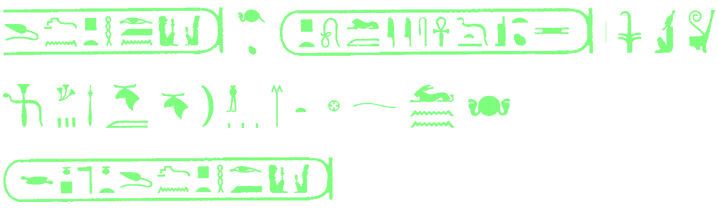
nswt bjt (… …) sꜣ Rꜥ (… …) nswt n Wꜣḏ ꜥꜣ šfjt m Šfjt ḫbj jnw m Jmt
King of Upper and Lower Egypt, Ptolemy XII; son of Ra, Ptolemy XII; king of Wadj, great in renown in Shefit, who levies tribute in Imet.
- 74
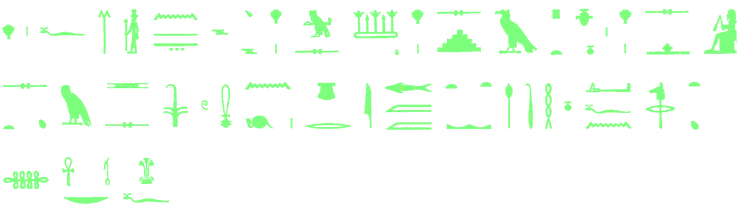
wnn nswt bjt (… …) ḥr p.f m jtj n tꜣwj jdbw ḥr ms šꜣ ḥr sjꜥrt ꜣpd jb ḥr sḥtp špst m mrjt.s sw mj wdpw n Rꜥ ẖr jnmt wdḥ.f rdj.f n wsrt
The King of Upper and Lower Egypt, Ptolemy XII, sits on his throne as ruler of the Two Lands and the lands along the banks. He brings wine, offers up the aped-ib wine and pleases the Noble Lady with what she loves. He is like the cupbearer of Ra bearing inemet-wine: he pours it out and gives it to the Mighty One.
- 75
ḏd mdw jn Ḥt ḥr nbt Jwnt jrt Rꜥ ḥrt jb Bḥdt nbt pt ḥnwt nṯrw nbw Tfnt sꜣt Rꜥ n kt ḥr ḫw.s mwt mwwt jwtt snnwt.s nbt tḫt nbt hj nbt hnw nbt ꜥntjw ḥnwt ṯs mꜣḥ
Words spoken by Hathor, lady of Dendera, Eye of Ra, who dwells in Behdet, lady of heaven, mistress of all the gods; Tefnut, daughter of Ra, whose like is nowhere to be found, mother of mothers, who has no equal; lady of drunkenness, lady of jubilation, lady of shouts of joy, lady of myrrh, mistress of wreath-weaving:
Note · Line 75
Hathor speaks here as Tefnut, another daughter of the sun god who can act as his Eye. - 76
rdj.j n.k tḫt wḥm tḫt pḫꜣ jb nn jrt ꜣbw
I give you drunkenness and drunkenness again,
and gladness of heart without cease. - 77
ḏd mdw jn Ḥr {mꜣ tꜣwj pꜣ ẖrd sꜣ Ḥt ḥr ꜥꜣ wr tpj n Ḥr Bḥdtj nṯr ꜥꜣ nb pt sfj šps ḫnt Ḥt Ḥr Ḥrw nb kꜣw ḥqꜣ ḏfꜣ
Words spoken by Harsomtus the Child, son of Hathor, great beyond measure, firstborn of Horus of Behdet, the great god, lord of heaven; the noble child in the House of Horus of the Horus Gods, lord of food, ruler of provisions:
Note · Line 77
Harsomtus means “Horus who unites the Two Lands.” Here he is the child of the divine couple at Edfu, not the adult Horus standing beside Hathor. - 78
rdj.j n.k sm.k sḏfꜣ.tj m ḏfꜣ wnm.k m mrwt.k
I grant that your table be laden with food,
that you may eat as you please. - 79
wnn jrt Rꜥ psḏ ḫnt St wrt nb nṯrw m st ꜣbjt.s ḥr sꜣḫ wnmt ḥr ꜥpr jꜣbt ḥr mḥ jrt Ḥr m jrp jw.w wꜥb sj m ꜥnt ḫꜥw ḫnt P n Rꜥ ḥqꜣt nt Tꜣ n Jtmw
The Eye of Ra shines in the Great Seat; the Golden One of the gods is in the place she longs for. She makes the right eye glorious, equips the left and fills the Eye of Horus with pure wine. Radiant in her appearing in the Seat of Ra, she is the ruler of the Land of Atum.
Note · Line 79
The right eye is the sun and the left is the moon. Filling the injured eye evokes the moon growing full again. - 80
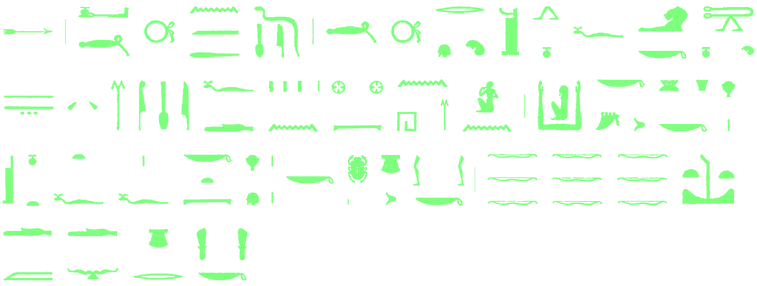
ḥnk mꜣḥ n mꜣꜥ ḫrw ḏd mdw mꜣḥ r tp.k ṯsj.n.f ḥꜣt.k jṯj.n.k tꜣwj m mꜣꜥ ḫrw jfdw n nwt nhm n kꜣ.k ḏr ḫꜥj.k ḥr st nt jt.k pt ḥr tp.k tꜣ ẖr rdwj.k pḏt 9 dmḏ ẖr ṯbwj.k
Offering the wreath of vindication. Recite: The wreath to your head!
It has risen upon your brow, now that you have won the Two Lands in triumph.
The four quarters of the sky have acclaimed your ka
ever since you appeared on your father’s throne.
Heaven is over your head, earth beneath your feet,
the Nine Bows all beneath your sandals.Note · Line 80
The wreath marks Horus’s victory in the dispute over the throne. The Nine Bows beneath his sandals stand for all the peoples conventionally pictured as Egypt’s enemies, not a fixed list of nine nations. - 81

nswt bjt (Pr ꜥꜣ) sꜣ Rꜥ (Pr ꜥꜣ)
King of Upper and Lower Egypt, Pharaoh; son of Ra, Pharaoh.
- 82
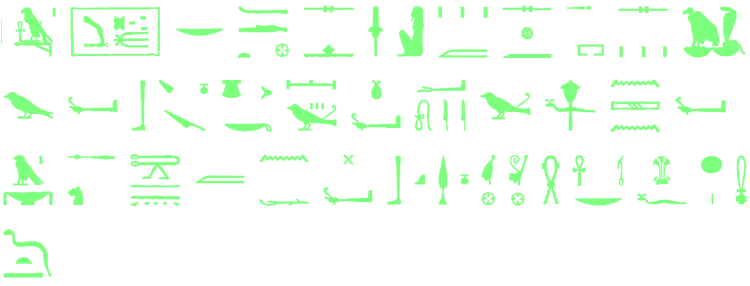
Ḥr ḏsr msḫꜥ nb Bḥdt sḥtp sḫmw m sḫm.sn nbtj wr pḥtj bḥn grg dr ꜥwꜣj ḫsf nšnj Ḥr nb ꜥꜣ pḥtj jṯj tꜣwj m nḫt bꜣk n.f šmꜥw mḥw
Horus: splendid in his appearances, lord of Behdet, who contents the Powers in their shrines;
Two Ladies: great in strength, who cuts down falsehood, puts an end to plunder and beats back revolt;
Horus of Gold: great in might, who won the Two Lands in victory, whom Upper and Lower Egypt serve.Note · Line 82
Horus, Two Ladies and Horus of Gold introduce three different names of the same king. The Two Ladies are Nekhbet, the vulture goddess of Upper Egypt, and Wadjet, the cobra goddess of Lower Egypt. - 83

ḏd mdw jn Ḥr Bḥdtj nṯr ꜥꜣ nb pt sꜣb šwt prj m ꜣḫt Ḥr jꜣbtt wbn m bꜣẖ sḫm šps jrj ḥrjw ẖrjw jrj ntt qmꜣ wnnt nfr ḥr ḫnt Bḥdw
Words spoken by Horus of Behdet, the great god, lord of heaven, many-colored of plumage, who comes forth from the horizon; Horus of the East, who rises from the eastern mountain; the noble Power, who made those above and those below, who made what is and fashioned what exists, fair of face in the Throne Seat:
- 84

rdj.j n.k tꜣwj nbw ḫꜣb n bꜣw.k ḫꜣswt nbt ḫr ẖr ṯbwj.k
I grant that all lands bow before your might
and all foreign lands lie fallen beneath your sandals. - 85

ḏd mdw jn Ḥt ḥr nbt Jwnt jrt Rꜥ ḥrt jb Bḥdt nbt pt ḥnwt nṯrw nbw šꜣw n kꜣ.s n.s šꜣw ꜥšꜣ nbw šꜣꜥt.tw n.s tḫt
Words spoken by Hathor, lady of Dendera, Eye of Ra, who dwells in Behdet, lady of heaven, mistress of all the gods, to whose ka the vines belong, whose are all the many kinds of wine, for whom drunkenness was first devised:
- 86

rdj.j n.k Qbḥwj ḥr mw n ḥm.k ꜥnḫw ḥr dwꜣ n.k nṯr
I grant that both halves of Egypt be loyal to Your Majesty
and that the living praise the god on your account. - 87
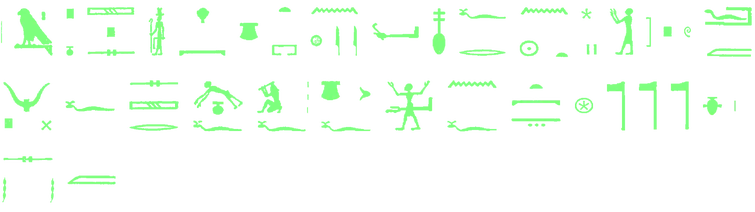
nṯr pn šps jtj ḥrj nst nḫw nfr n Psḏt dwꜣ nṯrw nṯrwt pw prj m wpt.f sḫr.n.f ḫftjw.f ẖr.f ḥꜥj n.f pt tꜣ dꜣt nṯrw nṯrwt jb.sn nḏm
This noble god, the sovereign on the throne, the good protector of the Ennead:
he is the one whom gods and goddesses praise.
He comes forth from judgment, having cast his foes down beneath him.
Heaven, earth and underworld rejoice for him;
the hearts of the gods and goddesses are glad. - 88
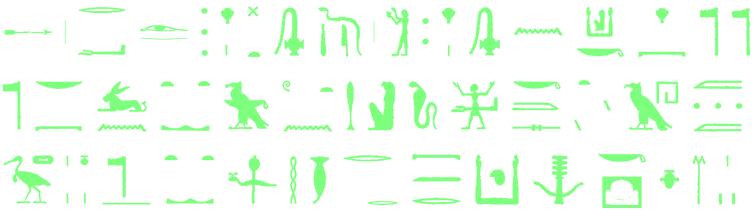
rdt ꜥntjw ḥr ḫt ḏd mdw ꜥntjw ḥr ḫt n kꜣ.k ḥrj nṯrw nb Pwnt kꜣ.tw n ḥm.k ḥꜥj ḥꜥ.k m sṯj jhmt m bꜣk n Tꜣ nṯr ḫsf ḥtj.f r ḥrw ḫr kꜣ.k ẖnm.k ꜣḫt m ꜣwt jb
Placing myrrh on the fire. Recite: Myrrh on the fire for your ka, chief of the gods!
“Lord of Punt” is what they call Your Majesty.
Your limbs rejoice at the scent of myrrh, tribute from the Divine Land.
As its smoke rises high toward your ka,
you join the horizon in joy. - 89

nswt bjt (Pr ꜥꜣ) sꜣ Rꜥ (Pr ꜥꜣ) jrj ꜥ mr St ḫntt n qmꜣ sw sḥtp nṯr m ḫnmw.f
King of Upper and Lower Egypt, Pharaoh; son of Ra, Pharaoh; keeper of the censer, overseer of the First Seat of his creator, who pleases the god with its fragrance.
- 90

jw.n.j ḫr.k Bḥdtj nb Pwnt bjk nṯrj ḥqꜣ ꜥꜣ nṯr jnj.j n.k ꜥntjw ḥr jrt Ḥr wrt snsn.k sj wꜣḫj fnḏ.k ṯwt nṯr sr nṯrw šms jb.f m Jnt ꜥntjw
I have come to you, Horus of Behdet, lord of Punt,
divine falcon, ruler of the Divine Land,
to bring you myrrh upon the great Eye of Horus.
When you breathe it in, your nose delights in it.
You are the god, the prince of the gods,
who follows his heart in the Valley of Myrrh.Note · Line 90
Here the great Eye of Horus is the fire itself: the king lays myrrh on it so that the god can breathe the fragrant smoke. - 91
ḏd mdw jn Ḥr Bḥdtj nṯr ꜥꜣ nb pt sꜣb šwt prj m ꜣḫt Rꜥ Ḥr ꜣḫtj ḫnt Wr nḫt mꜣj ꜥnḫ dr ḫftj.f rs ḥr jꜣt.f ḫwj nwt.f
Words spoken by Horus of Behdet, the great god, lord of the sky, bright of plumage, who comes forth from the horizon; Ra-Horakhty in Great-in-Victory, the living lion who drives off his foe, keeps watch over his seat and guards his city:
Note · Line 91
Great-in-Victory is a sacred name for Edfu, the city Horus is guarding. - 92
rdj.j n.k qmꜣtjw ḥr jnt n.k jnw.sn ḥr ḫrp jḫt.sn r pr.k
I grant that the Qematiu bring you their tribute
and deliver their goods to your house. - 93

ḏd mdw jn Ḥt ḥr nbt Jwnt jrt Rꜥ ḥrt jb Bḥdt bjkt nṯrjt ḥnwt nbt Pwnt nḏmt sṯj.s nṯrjt ḫnmw.s ḫntšt nṯrw ḥr sṯj jdt.s
Words spoken by Hathor, lady of Dendera, Eye of Ra, who dwells in Behdet, the divine female falcon, sovereign lady, mistress of Punt, whose scent is sweet, whose fragrance is divine, in whose perfume the gods delight:
- 94

rdj.j šfjt.k m jbw ṯꜣjw mrwt.k m ẖt nt ḥmwt
I set awe of you in the hearts of men
and love of you in the bodies of women. - 95
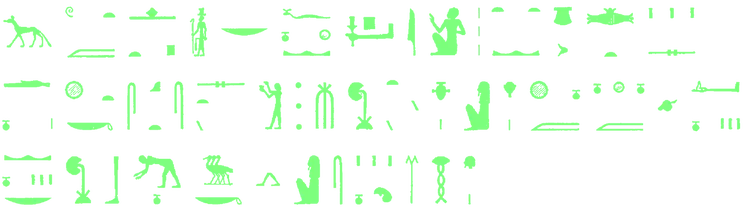
jw.tj m ḥtp jtj nb Fnḫw ḫrp ... ... ẖr gꜣwt.sn šsp.n.j jḫt.k snsn.n.j sṯj ꜥntjw msḫꜣ jb.j ḥr ḫnm ḫnmw.f rdj.j n.k ḫꜣswt nbt ḫꜣb n bꜣw.k jw.sn n.k m wꜣḥ tp
Come in peace, sovereign, lord of the Fenkhu,
who leads … laden with their tribute.
I have received your gifts and breathed the scent of myrrh;
my heart rejoices as I breathe its fragrance.
I grant you all foreign lands bowed before your might;
they come to you with heads bent low.Note · Line 95
Fenkhu is an Egyptian term for peoples of the eastern Mediterranean coast. - 96

nswt bjt nb tꜣwj (… …) mrj Ḥr Bḥdtj nṯr ꜥꜣ nb pt sꜣb šwt prj m ꜣḫt ḫntj jtrtj šmꜥw mḥw Ḥr nb ꜥꜣ jb jtj nb qnt nḫt mj {ꜣ ꜣst sꜣ Rꜥ nb ḫꜥw (… …) ḥnꜥ snt.f ḥmt.f
The King of Upper and Lower Egypt, lord of the Two Lands, Ptolemy XII, beloved of Horus of Behdet, the great god, lord of the sky, bright of plumage, who comes forth from the horizon, foremost in the twin shrines of Upper and Lower Egypt; the Horus of Gold, stout of heart, sovereign and lord of valor, strong as the Son of Isis; the Son of Ra, lord of crowns, Ptolemy XII, together with his sister, his wife.
Note · Line 96
“Sister” and “wife” are both titles of the queen, named later as Cleopatra Tryphaena. Marriage between royal siblings was a practice of the Ptolemaic dynasty. - 97

jrj.n.f kꜣt mnḫt n jt.f Ḥr Bḥdtj nṯr ꜥꜣ nb pt bjk n nb nb Wṯst ḥr jrt sꜣ ḥr rꜣ n Msn jnḥ r mnḫ m ṯḥst sꜥḥꜥ.tw ꜥnḫwj nn nw mꜣht n 4.nw n ꜣḫt sw 1 sš.sn m ḏt.f ḏr psḏ jtn jnj.sn rꜥ nb ḥr nḥm.f
He has wrought a fine work for his father Horus of Behdet, the great god, lord of the sky, falcon of the Golden One, lord of the Throne Seat: he has guarded the entrance to Mesen with door leaves finely sheathed in copper. These two leaves of the gate were hung on the first day of the fourth month of Akhet. They are opened in the morning as soon as the sun disk shines, and closed each day at dusk.
Note · Line 97
Mesen here is Horus’s temple at Edfu. Akhet was the inundation season of the Egyptian calendar. - 98

jw.n nswt bjt (… …) ḫr.k Ḥr Bḥdtj nṯr ꜥꜣ nb pt jnj.f n.k jḫt nfrt nbt kꜣw špsw ḥr ms n kꜣ.k rꜥ nb ntk Km ꜣt.f jrj nn r ꜣw ḫpr prt nbt jm.k
The King of Upper and Lower Egypt, Ptolemy XII, has come to you, Horus of Behdet, great god, lord of the sky,
to bring you every good thing, food and precious offerings,
which he presents to your ka day by day.
For you are Kematef, who makes all this;
every seed springs from you.Note · Line 98
Kematef is the creator in serpent form. - 99

jw.n sꜣ Rꜥ (… …) ḫr.k Ḥr Bḥdtj nṯr ꜥꜣ nb pt jnj.f n.k ḥꜥpj mḥw m qrtj ꜣbw ḥr rnpj n kꜣ.k tp rnpt ntk bꜣ n Šw rdj tp.f n ꜣḫt sḫntj nww r bꜥḥj ꜣḫt
The Son of Ra, Ptolemy XII, has come to you, Horus of Behdet, great god, lord of the sky,
to bring you the Nile flood of Lower Egypt from the twin caverns of Elephantine,
renewed for your ka at the turn of the year.
For you are the ba of Shu, who shows his head in the season of inundation,
who sends Nun sailing south to flood the fields.Note · Line 99
Elephantine lies at the first Nile cataract, by modern Aswan. The twin caverns there were a mythical source of the inundation, even for fields far downstream in Lower Egypt. - 100

jw.n nswt bjt (… …) ḫr.k Ḥr Bḥdtj nṯr ꜥꜣ nb pt jnj.f n.k ꜣḫt jwr.tj r tr.s msj.s n.k r dmḏjt.s ntk kꜣ psj sjwr ḥmwt smsj bkꜣt n msw.s
The King of Upper and Lower Egypt, Ptolemy XII, has come to you, Horus of Behdet, great god, lord of the sky,
to bring you the field, pregnant in her season,
that she may give birth for you when her term is full.
For you are the bull in heat who makes women conceive
and makes the pregnant one bear her children.Note · Line 100
The bull here is a figure for the moon in its life-giving aspect, not for the river in flood. - 101
jw.n sꜣ Rꜥ (… …) ḫr.k Ḥr Bḥdtj nṯr ꜥꜣ nb pt jnj.f n.k ḥꜥ nṯr r ḥp bw nb ḥr pẖr w r ꜣbj.k ntk ṯsj ṯbwj r ḏr jb.f r jnt ḥꜥpj m jṯj kꜣ
The Son of Ra, Ptolemy XII, has come to you, Horus of Behdet, great god, lord of the sky,
to bring you the god’s body, which races through every place
and courses through the farmland as you wish.
For you are the one who lifts his two feet as his heart desires,
to bring the Nile flood as the bull that seizes.Note · Line 101
The “god’s body” flowing through the farmland is the floodwater itself. - 102
jw.n nswt bjt (… …) ḫr.k Ḥr Bḥdtj nṯr ꜥꜣ nb pt jnj.f n.k wt ksj.tj ẖr nfrw.s m bs nb jmjw ẖt.s ntk smsw .. ḫsbḏ štꜣw nḥm qnw sḫpr wꜣḏt
The King of Upper and Lower Egypt, Ptolemy XII, has come to you, Horus of Behdet, great god, lord of the sky,
to bring you the field, bowed beneath her bounty,
with all the produce that was in her belly.
For you are the Eldest …, who makes the fields gleam,
who clears away the barren patches and makes green shoots grow. - 103
jw.n sꜣ Rꜥ (… …) ḫr.k Ḥr Bḥdtj nṯr ꜥꜣ nb pt jnj.f n.k mꜣꜥ mꜣꜥ r nw.f ḥr bkꜣ sḫt r tr.s ntk qꜣꜥ ḥꜥpj m wr ḥr mꜣꜣ.k ꜥnḫ tꜣwj m ꜥwj.f
The Son of Ra, Ptolemy XII, has come to you, Horus of Behdet, great god, lord of the sky,
to bring you the floodwater that comes in its season
and makes the field conceive at the appointed time.
For you are the one who spews forth Hapy;
great before your eyes, he bears the life of the Two Lands on his arms. - 104
jw.n nswt bjt (… …) ḫr.k Ḥr Bḥdtj nṯr ꜥꜣ nb pt jnj.f n.k ḫꜣ n tꜣ ẖr wꜣḥjt.s spt ḥr snsn .[.. ... ... ... ...] ... [... ...] ... [... ...] rmṯw
The King of Upper and Lower Egypt, Ptolemy XII, has come to you, Horus of Behdet, great god, lord of the sky,
to bring you the field laden with its grain,
the lip touching … people. - 105
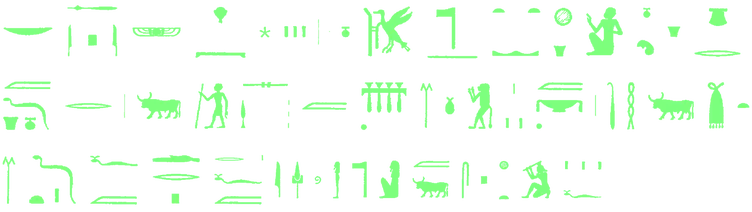
ḥnk mḏt ḏd mdw ꜥntjw n kꜣ.k ꜥpj ḥrj nṯrw [.. ... ...] ṯnw Tꜣ nṯr ḫfꜥ.j n.k ꜥ ẖr mḏt r [.. ... ...] kꜣ wr sẖkr m ṯḥnt m ẖkrw nfrw m nb [...] ṯḥn kꜣ [..] ꜥpr.tj m ḏt.f m drp rꜣ.f m ꜣbwt nṯr sw m kꜣ spd ꜥbwj ḫftjw.f ḫr ẖr.f
Presenting ointment. Words to be spoken:
Myrrh for your ka, Api, chief of the gods,
… who takes account of God’s Land.
I grasp for you the bowl of ointment, to … the great bull
adorned with faience, with fine ornaments of gold …,
to make the bull shine …,
equipped as befits him, his mouth supplied with food as a god’s image.
He is the bull with pointed horns;
his enemies lie fallen beneath him. - 106
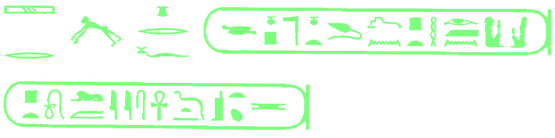
nswt bjt (… …) sꜣ Rꜥ (… …) [...] ꜥꜣ ḥrj tꜣ n . nb js jwꜥw [... .] . nbw m sṯj
The King of Upper and Lower Egypt, Ptolemy XII, the Son of Ra, Ptolemy XII, the great …, earthly deputy of …, lord of the ointment workshop, heir … all … with fragrance:
- 107
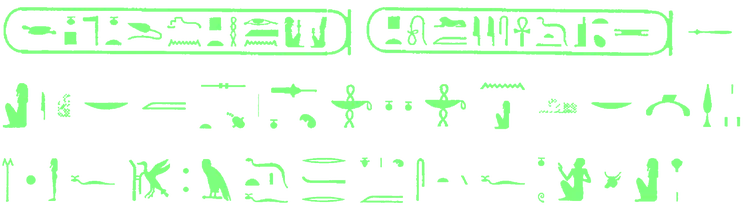
mn n.k ḥknw ḥkn.j [... ... ... ... ... ... ..]. ꜣwt jb m jrw.f qmj m ḏt.f rḥrḥ jb.k m sṯj.f nwj Šsmw ḥr ḫrp n.k jḫt ḫr ḥrjt tp.k wrt ntt r gs.k
Take the oil of rejoicing with which I gladden …,
the myrrh in its true form, the anointing oil as it should be.
Your heart leaps at its scent,
for I am Shesmu, presenting offerings to you
and to your great uraeus at your side.Note · Line 107
The king takes the part of Shesmu, god of the press used to make oils and perfumes. A uraeus is the rearing cobra worn on a god’s or king’s brow for protection. - 108
sjꜣw ḥrj nṯrw prj m ḥꜥ nṯr bsj m nṯrj ḫnt Fkḥr ḥtp.f ḥr st.f spwt nt Wḏꜣt n.f jmj ḥr tp.n.f tꜣwj nb nb dšrt ḥqꜣ nb wpt tꜣ ḫbj jnw m [... ...] m wr Ḥr jꜣbtt ḥqꜣ m nb wrrt Ḥr Bḥdtj nṯr ꜥꜣ nb pt
The falcon, chief of the gods, who comes forth from the god’s body and emerges from the divine heart in Fekeher. He settles on his throne; the provinces of Egypt are his. He has taken command in every land, lord of the desert, ruler and lord of the borderlands. He gathers tribute in … as the Great One, Horus of the East, who reigns as lord of the White Crown: Horus of Behdet, the great god, lord of the sky.
Note · Line 108
The father from whose body Horus emerges is Osiris. - 109
ḏd mdw jn Ḥr Bḥdtj nṯr ꜥꜣ nb pt sꜣb šwt prj m ꜣḫt bjk n nb sꜣ Wsjr nb Wtnt [... ..]. [...] jtj n nṯrw nbw [...] wr pḥtj ḫntš.tw n mꜣꜣ.f [... ... ...] ... [... ...] ... ..[. .].. [..]. Msn n [...]
Words spoken by Horus of Behdet, the great god, lord of the sky, bright of plumage, who comes forth from the horizon, falcon of gold, son of Osiris, lord of Utenet …, sovereign of all the gods …, great in might, at whose sight people rejoice … Mesen of …:
- 110
rdj.j n.k nht nt Tꜣ nṯr ksj.tj ẖr qmjt [...]
I grant you the tree of God’s Land, bowed beneath its resin …
- 111
ḏd mdw jn Ḥt ḥr nbt Jwnt jrt Rꜥ ḥrt jb Bḥdt nbt pt ḥnwt nṯrw nbw bjkt nṯrjt [... ... ... ... ...]
Words spoken by Hathor, lady of Dendera, Eye of Ra, who dwells in Behdet, lady of the sky, mistress of all the gods, the divine female falcon …:
- 112
rdj.j n.k pr.k m sn r Pwnt Tꜣ nṯrw ḥr mw n ḥm.k
I make your house the twin of Punt
and the Land of the Gods loyal to Your Majesty. - 113
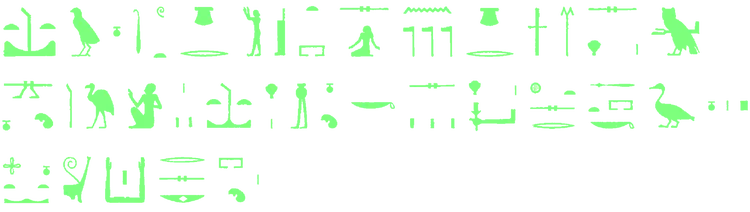
rdj.j n.k Wtnt wdn.tj ẖr ꜥntjw St snḏm nt nṯrw ẖr jmjt.s ḥr ms n.k qmꜣtjw ḥr jnt n.k bꜣkw.sn ḥr ḫrp jḫt.s r ꜥꜣjt.k ... [... ..] n Pwnt n kꜣ.k r sḥb pr.k jm.s
I grant that Utenet, heavy with myrrh,
and the Resting Place of the Gods, laden with its produce, bring you gifts;
that the Qematiu bring you their tribute
and deliver its goods to your palace.
… from Punt is for your ka,
to deck your house for festival. - 114
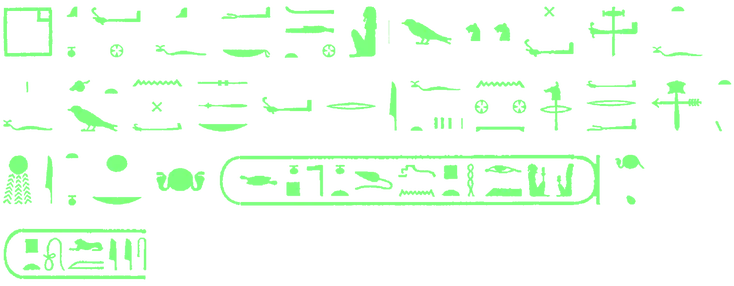
šsp.n.j qn.k sjꜣw ḥrj nṯrw nb qnt ḫnt Ḥt qn ḫnt.f jm.k Bḥdtj wr pḥtj nḏ jt.f ḫnt Wr nḫt sꜥꜣ.k pḥtj.j r jfd n nwt wsr.j r ꜥ stwt jtn.k
I have received your Strong One, O falcon, chief of the gods,
lord of strength in the House of the Strong One.
Its face is yours, O Horus of Behdet, great in might,
defender of his father in Great-in-Victory.
May you extend my might to the four quarters of the sky
and my power as far as the rays of your sun disk reach.Note · Line 114
The Strong One is the sword Horus gives the king. The king speaks to the falcon whose face he recognizes on the weapon. - 115

nswt bjt (… …) sꜣ Rꜥ (… …) jwꜥw n Ḥr wn ḥr nst.f šsp qn m ꜥ {ꜣ ꜣst
The King of Upper and Lower Egypt, Ptolemy XII, the Son of Ra, Ptolemy XII, heir of Horus, seated on his throne, who receives the Strong One from the hand of the Son of Isis.
- 116
ḏd mdw jn Sšꜣt wrt nbt sš ḥnwt Pr mḏꜣt nbt rnpwt rdjt n mrj.s
Words spoken by Seshat the Great, lady of writing, mistress of the House of Books, lady of years, who gives them to the one she loves:
Note · Line 116
Seshat is the divine scribe who records the years allotted to a king’s reign. - 117
sꜥšꜣ rnpwt n ḥḥ n nswjt nt nswt bjt (Pr ꜥꜣ)
May the years be multiplied into millions for the reign of Pharaoh, King of Upper and Lower Egypt.
- 118
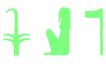
ḥqꜣt nbt tꜣwj (… …)
The queen, lady of the Two Lands, Cleopatra Tryphaena:
- 119
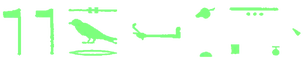
sꜣ.k jm.f nswt nṯrw swr pḥtj.k ḫnt tꜣ pn
He is your son, O king of the gods;
he magnifies your might in this land.Note · Line 119
It is the queen who speaks: she presents the king to Horus as his son. - 120

nṯr nfr sꜣ Bḥdtj qn nꜥš ḫpš ḫnt jḫt mnt ṯnr wr pḥtj mkj Kmt r ḥꜣꜥjt bꜣq Bꜣqt r bw ḏw ksm rꜥjbw bḥn jrtjw nb pḥtj nswt bjt (Pr ꜥꜣ)
The perfect god, son of Horus of Behdet,
the strong one, mighty of arm throughout the world,
the valiant one, great in might,
who guards the Black Land against revolt and keeps Egypt safe from harm,
who withstands the Libyans and subdues the Irtiu,
the lord of might, the King of Upper and Lower Egypt, Pharaoh.Note · Line 120
The Black Land is Egypt, named for the dark soil deposited by the Nile, in contrast to the desert beyond the fields. - 121

ḏd mdw jn Ḥr Bḥdtj nṯr ꜥꜣ nb pt kꜣ nḫt shd rqww.f prj ꜥ wnp tkk sw sḫr.n.f sbjw ḥr jt.f
Words spoken by Horus of Behdet, the great god, lord of the sky, the strong bull who faces his foes, who reaches out his arm and stabs his attacker, who has felled those who rebelled against his father:
- 122

rdj.j n.k qnt wsr r ḫpšwj.k sꜣ.j mrj.j ḫntj ꜥnḫw
“I give you valor and might in your two arms, my beloved son, foremost of the living.”
- 123
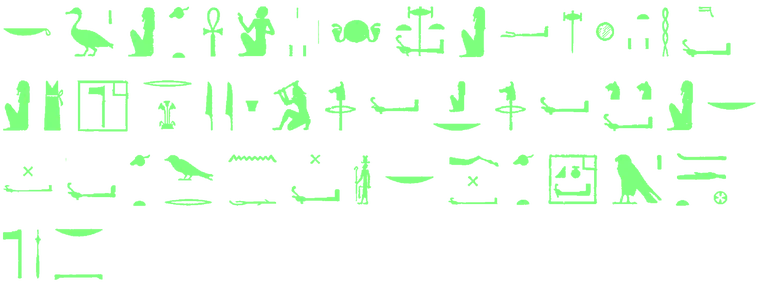
nḏtj nḏ nwwt ḥw ḥn ḥt nṯr r ḥꜣꜥjt wsr nb wsr pḥtj nb pḥtj wr nḫt ḫnt Wr nḫt jtj nb qnt ḫnt Ḥt qn Ḥr Bḥdtj nṯr ꜥꜣ nb pt
The protector who protects the cities,
the fighter who guards the temple against revolt,
the mighty one, lord of might,
the strong one, lord of strength,
great in victory in Great-in-Victory,
the ruler, lord of valor in the House of the Valiant:
Horus of Behdet, the great god, lord of the sky. - 124
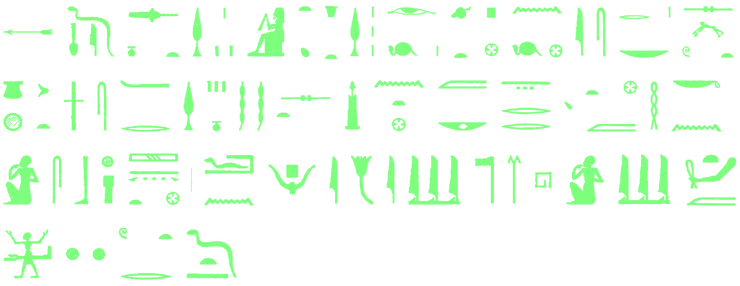
ḏd mdw mn n.ṯ šꜣ špst ḥnwt šꜣ jrt Rꜥ ḫnt P n Rꜥ jsrt ksj.tj ẖr jḫt jm.s ḥnꜥ šꜣ nḏm sṯj Jwnt m ḥb Tꜣ rr m ḥknw Sbḫt štꜣt prj n wp Sḫt nṯr m hj Sḫt ḏsrt m ḥꜥꜥwt smw nṯrw ꜣḫꜣḫ.tj r ḏt
Words to be spoken: “Take the vineyard for yourself, noble lady, mistress of the vineyard,
Eye of Ra in the Seat of Ra:
the tamarisks bowed beneath their load,
together with the sweet-scented wine.
Dendera keeps festival, Tarer shouts for joy,
the Hidden Palace breaks into celebration,
the God’s Field rings with cheers, the Sacred Field rejoices,
for the herbs of the gods are green forever.”Note · Line 124
The tamarisks served as supports for the vines, so the weight bending them down is the grape crop. Tarer is another name for Dendera. - 125

nswt bjt (… …) sꜣ Rꜥ (… …) wdpw sꜣt wrt nbt tꜣwj špst ḫnt Pr špst
The King of Upper and Lower Egypt, Ptolemy XII, the Son of Ra, Ptolemy XII, cupbearer to the Daughter, the Great One, Lady of the Two Lands, the Noble Lady in the House of the Noble Lady.
- 126
wnn sꜣ Rꜥ (… …) ḥr tmꜣ.f m ḥqꜣ wr ꜥšꜣ tpw ḥr ḫrp ꜣḫj ḥr sjꜥr ꜣḫt ḥr ms ḥtpw ḫr ḥnwt.f sw mj jb wbꜣ ḥr m kꜣt šdt spd ḥr hꜣj n.f šꜣ
The Son of Ra, Ptolemy XII, sits on his throne as a great ruler with fields in plenty. He brings in the crops, presents splendid things and bears offerings to his mistress. He is like a farmer skilled in watering the fields, an able man to whom the wine flows down.
- 127
Bḥdtj nṯr ꜥꜣ nb pt
He of Behdet, the great god, lord of the sky.
- 128
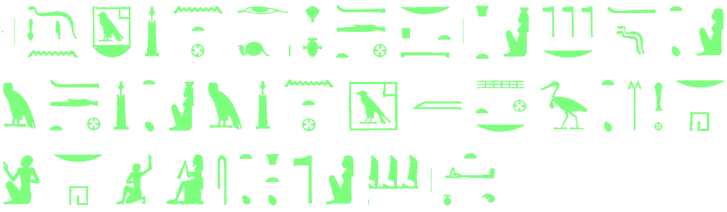
ḏd mdw jn Ḥt ḥr nbt Jwnt jrt Rꜥ ḥrt jb Bḥdt nbt pt ḥnwt nṯrw nbw Ḥddt m Bḥdt Jwntt m Jwnt Ḥt ḥr m spt nbt bꜣt m Bꜣst nbt hj nbt hnw špst ḥnwt Sḫt nṯr
Words spoken by Hathor, Lady of Dendera, Eye of Ra, who dwells in Behdet, lady of the sky, mistress of all the gods, Hededet in Behdet, the Denderite in Dendera, Hathor in every province, the female ba in Bubastis, lady of jubilation, lady of rejoicing, the Noble Lady, mistress of the God’s Field:
Note · Line 128
Hededet is a scorpion goddess. The list follows Hathor from city to city, where worshippers could encounter her under different names and in different forms. - 129

rdj.j n.k ḫntš ꜥšꜣ n ḏrw.sn tpw m tftf r mrjt jb.k
“I give you fields in plenty, with no end to them, and fields watered year-round, as your heart desires.”
- 130

ḏd mdw jn Jḥj wr sꜣ Ḥt ḥr nṯr ꜥꜣ ḥrj jb Bḥdt ẖrd šps n ꜣḫtj wḏḥ n wsrt ḫnt Ḥt sššt ḥwn bnr mrwt Kꜣ nb kꜣw nb ḥw nb špsw nb ḏfꜣ nb jḫt nbt nfrt
Words spoken by Ihy the Great, son of Hathor, the great god who dwells in Behdet, noble child of the Lady of the Horizon, babe of the Mighty Lady in the House of the Sistrum, the dearly loved youth, the ka, lord of food, lord of nourishment, lord of delicacies, lord of provisions, lord of every good thing:
- 131

rdj.j n.k ṯḥnt.k dns.tj m jḫt r ẖrt.k m ẖrt hrw
“I grant that your garden hang heavy with produce to sustain you day by day.”
- 132
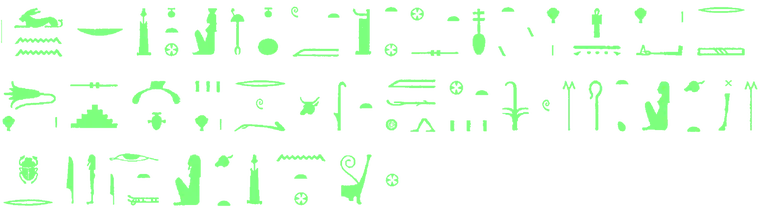
wnn nbt Jwnt wbn.tj m Wṯst nwt.s nfrt ḥr sꜣ tꜣ ḥr rdt ršwt ḥr sjꜥr ꜣwt jb ḥr rwj qn rnpt m ḫt nwwt sj m ḥqꜣt ḫnt Wḥm ḫprw jrt Jtmw ḫnt Jwnt mḥw
The Lady of Dendera has risen in the Throne Seat,
her perfect city on the back of the earth.
She gives joy and spreads gladness;
she drives the year’s lean season from city after city.
She is the sovereign in He-Who-Renews-His-Form,
the Eye of Atum in Dendera of Lower Egypt.Note · Line 132
“Dendera of Lower Egypt” means Heliopolis, the city of Atum, not the site of Hathor’s own temple farther south. - 133
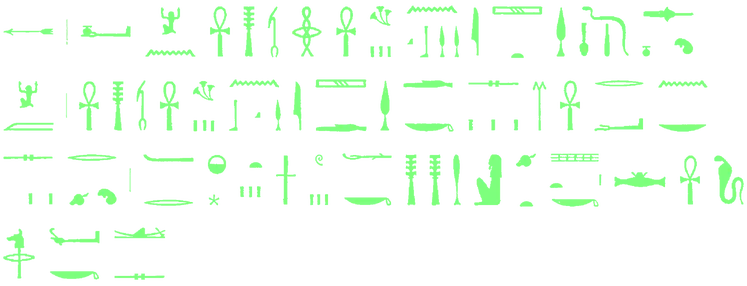
ḥnk ḥḥ n ꜥnḫ ḏd wꜣs ḥnꜥ ꜥnḫw nw bꜣq jšd ḏd mdw mn n.k ḥḥ m ꜥnḫ ḏd wꜣs ꜥnḫw nw bꜣq jšd šsp.k sn m ꜥnḫ rdj.n.k sn r fnḏ.k ḥnꜥ Psḏt jmjw ḫt.k ḏdj ḥm.k ḫnt spt.k Msn ꜥnḫ.k wsr.k jm.s
Offering a Heh emblem of life, stability and dominion, with branches of the moringa and the ished tree. Words to be spoken: “Take for yourself the Heh emblem with life, stability and dominion, and the branches of the moringa and the ished tree. May you receive them in life. When you and the Ennead in your train have raised them to your noses, Your Majesty shall endure in your province of Mesen; through it you shall live and be strong.”
Note · Line 133
Heh stands for a million years. The king can thus place an immense span of life in the god’s hands as a gift. - 134

nswt bjt (… …) sꜣ Rꜥ (… …) jwꜥw n Šw dwꜣ ḥḥw n nb.f sḥtp Psḏt m rꜣ ꜥwj.f
The King of Upper and Lower Egypt, Ptolemy XII, the Son of Ra, Ptolemy XII, heir of Shu, whom millions worship as lord, who satisfies the Ennead with the work of his two hands.
- 135
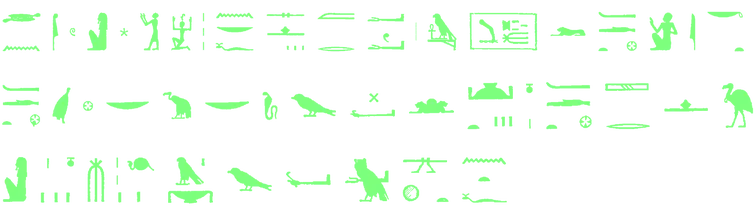
Ḥr ḏsr msḫꜥ mr bḥdw jqr ntj Bḥdt rsjt nbtj wr pḥtj ḫns jꜣwt nt Bḥdt ḫr Ḥtptjw nw Msw Rꜥ Ḥr nb wr pḥtj ms jḫt n jt.f sjꜥr ꜥnḫw n nb Wṯst
Horus: splendid in his appearances, the able overseer of the throne of Southern Behdet.
Two Ladies: great in strength, who traverses the sacred mounds of Behdet to reach the blessed dead among the Children of Ra.
Gold Horus: great in strength, who bears offerings to his father and presents the branches to the Lord of the Throne Seat. - 136
ḏd mdw jn Ḥr Bḥdtj nṯr ꜥꜣ nb pt sꜣb šwt prj m ꜣḫt nb ꜥḥꜥw qꜣj nswjt nb ḥḥw ḥfnw ḥqꜣ rnpwt jbdw ḫrj ḥqꜣ sꜣ ḥqꜣ msj.n ḥqꜣt nb pt tꜣ dꜣt mw ḏww
Words spoken by Horus of Behdet, the great god, lord of the sky, whose plumage is many-colored, who comes forth from the horizon, lord of the span of life, whose reign is long, lord of millions and hundreds of thousands, ruler of years and months, a ruler’s scion, a ruler’s son, born of a woman who rules, lord of sky and earth, underworld, waters and mountains:
- 137
rdj.j n.k ḥḥw ḥfnw ḥr dwꜣ.k ḥr nst.k ḫntj ꜥnḫw
“I grant that millions and hundreds of thousands worship you as you sit on your throne, foremost of the living.”
- 138

ḏd mdw jn Ḥt ḥr nbt Jwnt jrt Rꜥ ḥrt jb Bḥdt nbt ḥḥw rdjt n mrj.s špst wsrt n kt ḥr ḫw jwtt snnwt.s ḥnwt nṯrwt
Words spoken by Hathor, Lady of Dendera, Eye of Ra, who dwells in Behdet, lady of millions of years, who gives of them to the one she loves, the Noble Lady, the Mighty One, whom no other can match, whose like does not exist, mistress of the goddesses:
- 139

rdj.j snḏ.k m jbw ṯꜣjw mrwt.k m ẖt nt ḥmwt
“I put fear of you in the hearts of men and love of you in the bodies of women.”
- 140

nṯr pn šps jtj ḥrj nst nḫw nfr n Psḏt dwꜣ nṯrw nṯrwt r rdt n.f jꜣw mj Rꜥ wbn m ꜣḫt ḏd.tw r.f m ẖnw Tꜣ mrj Rꜥ Ḥr ꜣḫtj m wḥm
This noble god, the sovereign on the throne, is the perfect protector of the Ennead. Gods and goddesses worship him, giving him praise as they do Ra when he rises on the horizon. In Egypt they call him “Ra-Horakhty come again.”
- 141
jrt snṯr ḏd mdw ḫꜣ n snṯr m sbj n ḫt sṯj.f pḥ.f r ḥrt snṯr n kꜣ.k ẖms šmꜥj ḫnm.k ḫnmw.f jw bꜣ.k r pt ḥr sṯj.f ẖnm.k Msn m ꜣwt jb
Burning incense. Words to be spoken: “A thousand grains of incense as a burnt offering: may its scent reach the sky.
Incense for your ka: may you breathe in the fragrance of Upper Egyptian khemes.
When your ba rises to the sky on its scent,
you join with Mesen in gladness.”Note · Line 141
Khemes is a kind of incense; its rising scent gives the god’s ba a path to the sky. - 142
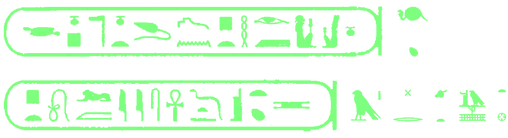
nswt bjt (… …) sꜣ Rꜥ (… …) jrj ꜥ mr St ḫntt n qmꜣ sw sḥtp nṯr m ḫnmw.f
The King of Upper and Lower Egypt, Ptolemy XII, the Son of Ra, Ptolemy XII, keeper of the censer, overseer of the First Seat of him who fashioned him, who satisfies the god with its fragrance.
- 143

jw.n.j ḫr.k ḥqꜣ nb Pwnt ... [...] wr ḫnt Wṯst Ḥr jnj.j n.k snṯr snsn.k sṯj.f sṯnj ḥꜥ.k ṯwt nṯr nb Fkḥr nṯr ꜥꜣ wr r nṯrw nbw
“I have come to you, ruler, lord of Punt, … great falcon in the Throne Seat of Horus,
to bring you incense. You breathe its scent and it quickens your flesh.
You are the god, lord of Fekeher,
the great god, greater than all the gods.” - 144

ḏd mdw jn Ḥr Bḥdtj nṯr ꜥꜣ nb pt ḏrtj wr pḥtj ḥqꜣ Tꜣ nṯr sḫm šps prj m ꜣḫt jtj wr nb bꜣẖ
Words spoken by Horus of Behdet, the great god, lord of the sky, the falcon great in strength, ruler of God’s Land, the noble power who comes forth from the horizon, the sovereign, the Great One, lord of the eastern mountains:
- 145

rdj.j n.k jrtjw ḥr fꜣt n.k jnw.sn ḥr ḫrp jḫt.sn n kꜣ.k
“I grant that the Irtiu carry their tribute to you and bring their goods to your ka.”
- 146

ḏd mdw jn Ḥt ḥr nbt Jwnt jrt Rꜥ ꜥꜣt nsr sꜣt Rꜥ sḥrjt bṯnww.f ḥrt jb Bḥdt ḫnt Bḥdw n Rꜥ Sḫmt sḫmt m sbjw.f
Words spoken by Hathor, Lady of Dendera, Eye of Ra, mighty in fiery breath, daughter of Ra, who drives off his adversaries, she who dwells in Behdet, in the Throne of Ra, Sekhmet who overpowers those who rebel against him:
Note · Line 146
Sekhmet is the lioness goddess who defends Ra. Her name means “the Powerful One,” which gives “Sekhmet who overpowers” its force. - 147

rdj.j n.k sbjw m sbj n ḫt wꜣwꜣ ḏwt r.k n wnn.sn
“I give you the rebels as a burnt offering; those who plot evil against you shall be no more.”
Note · Line 147
The Egyptian words for “rebels” and “burnt offering” sound alike. The goddess turns the king’s burning of incense into an image of what happens to his enemies. - 148
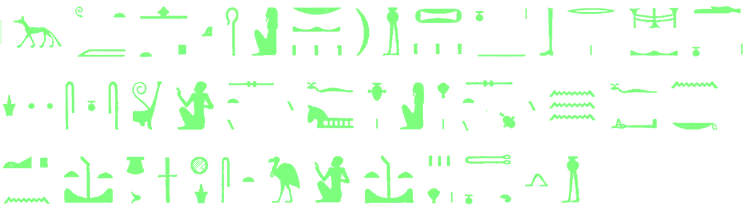
jw.tj m ḥtp ḥqꜣ nb ḫꜣswt ḫbj jnw n tꜣ bnr šsp.n.j snṯr snsn.n.j sṯj.f ḫntš jb.j ḥr sṯj jdt.f rdj.j n.k Kbn ẖr jmjt.f ḫbstjw ḥr ms n.k jnw.sn
“You have come in peace, ruler, lord of foreign lands, who gathers tribute abroad.
I have received the incense, I have breathed its scent;
my heart rejoices in the fragrance it gives off.
I give you Byblos with all it holds,
and the Bearded Ones bearing you their tribute.”Note · Line 148
Byblos was a port on the coast of what is now Lebanon. - 149
hrw pn nfr ḫr ḥꜣt sp 11 1 ntj rkḥ wr hrw pf n swḏ kꜣt n nb.s Ḥr Bḥdtj nṯr ꜥꜣ nb pt sꜣb šwt prj m ꜣḫt ꜥpj šps ḫntj jtrtj nṯr ꜥꜣ wr r nṯrw nbw
This fair day in regnal year eleven, day one of the Feast of the Great Burning: that day when the building is handed over to its lord, Horus of Behdet, the great god, lord of the sky, he of many-colored plumage who comes forth from the horizon, the noble Api, foremost in the Two Shrines, the great god, greater than all the gods.
Note · Line 149
The building being handed over is the pylon, the temple’s monumental gateway between two towers. The Two Shrines stand for the sanctuaries of Upper and Lower Egypt. - 150
ḫjt m hj tꜣ m hꜣ snḏ Ḥt Ḥr m . ...] . [. ... ...] m [.St wrt m ḥꜥꜥwt Msn jꜣbtt m ṯḥḥwt nṯrw m nhm nṯrwt m wp ḥnmmt m ꜣwt jb
The sky rejoices, the earth stands in awe.
The House of Horus is in …; … is in ….
The Great Seat is glad, Eastern Mesen shouts for joy.
The gods exult, the goddesses keep festival,
and humankind is glad of heart.Note · Line 150
Eastern Mesen is Tjaru on Egypt’s northeastern frontier: a distant sanctuary of Horus joins Edfu’s celebration. - 151
ꜥꜣbt jꜥb.tj m .] . [... ...] spr.n.sn jfd n nwt bhd ḫnmw.sn ḥt nṯr
A food offering has been assembled from … . They have reached the four quarters of the sky; their fragrance fills the temple.
- 152
bꜣ n Rꜥ jw.tj n pt ḥtp.f ḥr p n kꜣ.f ḥsj.f Rꜥ r nwt.f jw jb.f ꜣwj Wṯst Ḥr ḥnwt nbt nwwt
The ba of Ra has come from the sky to settle on the seat of his ka. Glad at heart, he praises Ra for his city, the Throne of Horus, mistress and lady of cities.
Note · Line 152
It is Horus who descends into the temple as the ba of Ra, so the sun god can be present on earth. - 153
ḫwj.f sꜣ.f mrj.f nswt bjt nb tꜣwj (… …) sꜣ Rꜥ nb ḫꜥw (… …) ḥr st Ḥr ḫntj ꜥnḫw mj Rꜥ ḏt
May he protect his beloved son, the King of Upper and Lower Egypt, Lord of the Two Lands, Ptolemy XII, Son of Ra, Lord of Crowns, Ptolemy XII, upon the throne of Horus, foremost of the living, like Ra forever.
- 154
bḫnt tn bꜣq.tj n Bḥdtj ḫnt St wrt nt Ḥr ꜣḫtj sntj r gs.sn m jrw.sn n sntj ḥr tqs šnꜥ nn n nwt
This pylon gleams for Horus of Behdet before the Great Seat of Horakhty. Two flagstaffs stand beside its towers in the likeness of the Two Sisters; they pierce this bank of cloud in the sky.
Note · Line 154
The Two Sisters are Isis and Nephthys, who mourned Osiris. The paired flagstaffs take their places at the gate and, as the Two Mourners, call the ancestral gods to witness the succession. - 155
ḥḏt ḥr tp.sn m ḥḏt wꜣḏt jrtjw jdmj mjtt mꜣꜣ st bꜣw nw nṯrw nw pt
White streamers fly at their tips, with cloth of white and green, of irtyu red and idemi red as well, so that the bas of the gods of the sky may see them.
- 156
ḏd.tw n.sn sꜣt.n tp tꜣ ḥꜣjtj pw njs.sn r ḥrt ḫr bꜣw nw Ḏrtjw r ḏr.sn ḥr wḏꜥ rjt n jwꜥw n Wsjr ḥr smnt jꜣwt.f n sꜣ.f
They are called “Our Rampart on Earth.” They are the Two Mourners. They call to the heights, to the bas of all the ancestral gods, who give judgment for the heir of Osiris and confirm his son in his office.
- 157
bꜣ n Rꜥ jw.tj n pt [...] dmḏ [.. [...] . sn ... [. . [..]. [..]. [...] ... ... Msn jrj.sn wḏt dmḏ m sp r rdt Kmt n ꜥꜣ mꜣꜥ ḫrw
The ba of Ra has come from the sky … together … Mesen. Together they issue the decree to give Egypt to him whose triumph is great.
- 158

pt m hj tꜣ m hnw ṯḥḥwt m gsw prw ḏr mꜣꜣ.sn Ḥr ḫfꜥ.n.f jmjt pr.f jṯj.n.f tꜣwj m bw wꜥ nḏm jb n jt.f Wsjr mwt.f ꜣst m ꜣwt jb
The sky rejoices, the earth shouts for joy,
and gladness fills the temples when they see Horus.
He has grasped his deed of inheritance;
he has taken the Two Lands as one.
The heart of his father Osiris is glad;
his mother Isis is joyful of heart. - 159

ḥsj.f sꜣ.f mrj.f nswt bjt nb tꜣwj (… …) sꜣ Rꜥ nb ḫꜥw (… …) jw.f m bjk mn ḥr srḫ ḫntj kꜣw ꜥnḫw ḏt
May he praise his beloved son, the King of Upper and Lower Egypt, Lord of the Two Lands, Ptolemy XII, Son of Ra, Lord of Crowns, Ptolemy XII, the falcon set firm upon the palace façade, foremost of the kas of the living forever.
- 160
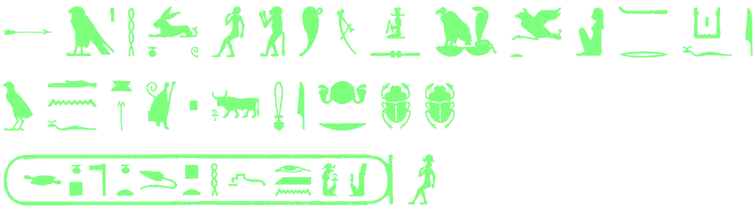
Ḥr ḥwn nfr bnr mrwt ṯnj sw nbtj rḫjt ḥnꜥ kꜣ.f r šsp.n.f ḫꜥw m nswt bjt mj Ḥp ꜥnḫ nswt bjt nb tꜣwj (… …) sꜣ Rꜥ nb ḫꜥw (… …) ẖnm.n.f bḫnt n bꜣ jꜣbtt Ḥr Bḥdtj nṯr ꜥꜣ nb pt sꜣb šwt prj m ꜣḫt Rꜥ Ḥr ꜣḫtj ḫnt St wrt qꜣw.s r nfr wsḫ.s r mtr jḫt nbt r tp ḥsb
Horus: the Perfect Youth, sweetly loved, whom the Queen of the People singled out together with his ka until he received the crowns as King of Upper and Lower Egypt like the living Apis. The King of Upper and Lower Egypt, Lord of the Two Lands, Ptolemy XII, Son of Ra, Lord of Crowns, Ptolemy XII, has built a pylon for the Ba of the East, Horus of Behdet, the great god, lord of the sky, he of many-colored plumage who comes forth from the horizon, Ra-Horakhty in the Great Seat. Its height is perfect, its width exact, everything in due measure.
- 161

jj bꜣ.f ꜥnḫ n pt ḥr mꜣꜣ mnw jrj.tw n kꜣ.f ꜥẖj.f r pr.f ḫnj.f ḥr bs.f m ḫprw.f n Ḫwn ꜥnwj gmj.n.f ḥt nṯr.f qn.tj m kꜣt.s mꜣꜥt wsḫ.tj m rwt.f ẖnm ḥm.f St wrt.f m ḥꜥꜥwt ꜣḫt.f pw ḥr sꜣ tꜣ
His living ba comes from the sky and looks upon the monument made for his ka. He flies to his house and alights on his image in his form of Dunanwy. When he finds the work of his temple complete and Maat with ample room at his gate, His Majesty joyfully unites with his Great Seat. It is his horizon on earth.
Note · Line 161
Dunanwy is a falcon god. By alighting on the image, Horus makes the completed building his dwelling, an earthly horizon where he can appear as the sun does in the sky. - 162

rdj.f qnt nbt n nswt bjt nb tꜣwj (… …) sꜣ Rꜥ nb ḫꜥw (… …) ḥr st Ḥr ḫntj ꜥnḫw ḏt
May he grant all strength to the King of Upper and Lower Egypt, Lord of the Two Lands, Ptolemy XII, Son of Ra, Lord of Crowns, Ptolemy XII, upon the throne of Horus, foremost of the living forever.
- 163
ḏd mdw jn Ḥr Bḥdtj nṯr ꜥꜣ nb pt sꜣb šwt prj m ꜣḫt Rꜥ Ḥr ꜣḫtj ḫnt St wrt
Words to be spoken by Horus of Behdet, the great god, lord of the sky, he of many-colored plumage who comes forth from the horizon, Ra-Horakhty in the Great Seat:
- 164
rdj.j n.k tꜣ pn ḥr mw n ḥm.k ḥr ḫrp jḫt.sn r ꜥꜣjt.k
I give you this land in allegiance to Your Majesty, its people bringing their goods to your palace.
- 165
ḏd mdw jn Ḥt ḥr nbt Jwnt jrt Rꜥ ḥrt jb Bḥdt Rnnt nfrt ... ... ... ...]
Words to be spoken by Hathor, Lady of Dendera, Eye of Ra, who dwells in Behdet, Renenutet the Perfect …
Note · Line 165
Renenutet is the goddess of the harvest, often shown as a cobra. - 166
rdj.j n.k šfjt.k m jbw ṯꜣjw mrwt.k m ẖt nt ḥmwt
I grant you awe of you in the hearts of men,
and love of you in the bodies of women. - 167

ḏd mdw jn Ḥr {mꜣ tꜣwj pꜣ ẖrd sꜣ Ḥt ḥr nb kꜣw ꜥšꜣ ḏfꜣ
Words to be spoken by Harsomtus the Child, son of Hathor, lord of provisions, rich in food:
- 168

rdj.j n.k ... ... ...] ẖr jḫt nbt nfrt n qn rnpt m hꜣw.k
I grant you … laden with every good thing, so that there shall be no year of hunger in your reign.
- 169

šsp.n.j ....k [...] m ḥtp ḫntš.j m rꜣ ꜥwj.k rdj.j n.k [... ... ... ...] jḫt.sn ḥrjw šꜥ m nḏt nt kꜣ.k
I have received your gifts … in peace, and I rejoice in the work of your hands. I grant you that … bring their goods, and that the sand-dwellers are subjects of your ka.
- 170
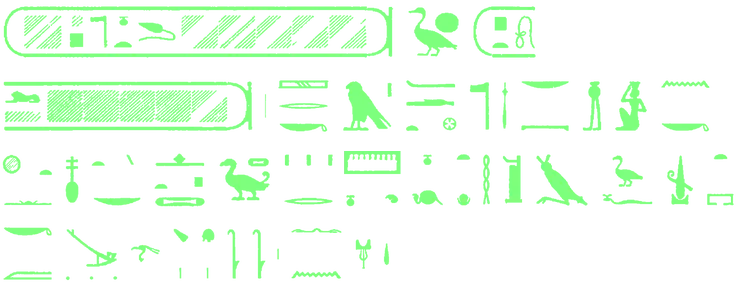
jw.n nswt bjt (… …) sꜣ Rꜥ (… …) ḫr.k Ḥr Bḥdtj nṯr ꜥꜣ nb pt jnj.f n.k jḫt nfrt nbt ḥtp ḏfꜣ r mn.k ntj rꜥ nb ḥtm.f wḏꜣ.k m prt ꜣḫt tp rnpt rnpt nn ꜣbw
The King of Upper and Lower Egypt, Ptolemy XII, Son of Ra, Ptolemy XII, has come to you, Horus of Behdet, great god, lord of the sky, to bring you every good thing, offerings and provisions for your daily offering, and to stock your storehouse with the fruit of the fields, year after year without cease.
- 171
ḥqꜣt nbt tꜣwj (…)
The Ruler, Lady of the Two Lands, ( ).
- 172
ḫr.k Ḥr Bḥdtj nṯr ꜥꜣ nb pt jnj.f n.k wrt ḥswt ẖr kꜣw.sn r sꜥꜣ ṯt.k m ẖrt hrw bjꜣjt m ꜥ.s nt ẖwt ḏww r bꜥḥj St nfrt.k m nfrw.s
To you, Horus of Behdet, great god, lord of the sky, he brings the Lady Great in Favor with their provisions, to heap your altar high each day. In her hand are precious things from the bellies of the mountains, to fill your Perfect Seat with her treasures.
Note · Line 172
The Lady Great in Favor is the queen, and the Perfect Seat here is the temple treasury. The “bellies of the mountains” are the source of the precious materials she carries. - 173
Ḥꜥpj mḥw jw.n nswt bjt (… …) sꜣ Rꜥ (… …) ḫr.k Ḥr Bḥdtj nṯr ꜥꜣ nb pt jnj.f n.k Ḥꜥpj mḥw bsj m wꜥrt prj m m Tꜣ m Jwnw ḫj.n.f r ḫj.k sḫn.n.f ww.k sḫd.f n.k r dmḏjt.sn
Hapy of Lower Egypt. The King of Upper and Lower Egypt, Ptolemy XII, Son of Ra, Ptolemy XII, has come to you, Horus of Behdet, great god, lord of the sky, to bring you Hapy of Lower Egypt, who wells up from the leg and comes forth from the land of Heliopolis. He has risen to your high ground and embraced your fields; at their appointed time he will recede for you.
- 174
W Ḥr jw.n nswt bjt (… …) sꜣ Rꜥ (… …) ḫr.k Ḥr Bḥdtj nṯr ꜥꜣ nb pt jnj.f n.k W Ḥr ẖr prt.sn rd nb m ḫntj.sn r bꜥḥj šnꜥw.k r sꜥꜣ wdḥw.k r ḫwd pr.k m ḥḥ n ḥḥw
The Fields of Horus. The King of Upper and Lower Egypt, Ptolemy XII, Son of Ra, Ptolemy XII, has come to you, Horus of Behdet, great god, lord of the sky, to bring you the Fields of Horus with their fruit and all that grows in them, to fill your storehouse to overflowing, to heap your altar high, and to enrich your house with millions upon millions.
- 175
Rnnt nfrt jw.n nswt bjt (… …) sꜣ Rꜥ (… …) ḫr.k Ḥr Bḥdtj nṯr ꜥꜣ nb pt jnj.f n.k Rnnt nfrt ꜥšꜣ wꜣḥjt ꜣṯp.tj m jḫt.s nbt swḏ.s šmw.k r šnwt.k tp rnpt ḏdꜣ nfr jqr sp 2
Renenutet the Perfect. The King of Upper and Lower Egypt, Ptolemy XII, Son of Ra, Ptolemy XII, has come to you, Horus of Behdet, great god, lord of the sky, to bring you Renenutet the Perfect, rich in yield, laden with all her goods. Each year she delivers your harvest to your granary, ripe and fine, the best of the best.
- 176
ꜥḥꜥw nfr jw.n nswt bjt (… …) sꜣ Rꜥ (… …) ḫr.k Ḥr Bḥdtj nṯr ꜥꜣ nb pt jnj.f n.k ꜥḥꜥw nfr nb St nfrt ṯnj.f kꜣ.k r nṯr nb snfr.f ḥt nṯr.k m bw nb nfr rdj.k jm n mrj.k
Ahau the Perfect. The King of Upper and Lower Egypt, Ptolemy XII, Son of Ra, Ptolemy XII, has come to you, Horus of Behdet, great god, lord of the sky, to bring you Ahau the Perfect, lord of the Perfect Seat, who makes your fare surpass that of every god and perfects your temple with every good thing, that you may give of it to the one you love.
- 177
Knmt jrp jw.n nswt bjt (… …) sꜣ Rꜥ (… …) ḫr.k Ḥr Bḥdtj nṯr ꜥꜣ nb pt jnj.f n.k Knmt ẖr jrt Ḥr wꜣḏt Ḥt jḥt Swnj r ẖrt.sn ḥnk.sn m bꜣḥ.k ẖrt hrw swr.k jm ḥnꜥ Psḏt.k
The Great Oasis: wine. The king of Upper and Lower Egypt, Ptolemy XII, son of Ra, Ptolemy XII, has come to you, Horus of Behdet, great god, lord of the sky, to bring you the Great Oasis bearing the green Eye of Horus, and the House of the Cow and Suni with their produce, that they may make their offering before you each day and you may drink of it with your Ennead.
Note · Line 177
From here the lands themselves appear as offering bearers. Each comes before Horus carrying the product for which it is known. - 178
Tꜣ nṯr ꜥntjw jw.n nswt bjt (… …) sꜣ Rꜥ (… …) ḫr.k Ḥr Bḥdtj nṯr ꜥꜣ nb pt jnj.f n.k Tꜣ nṯr ẖr ḫꜣw nw jḫt nṯr r kꜣt.k nbt m Js sḏfꜣ.f Pr ḥḏ.k m wnḏww m jḫt nbt nt Tꜣ nṯrw
God’s Land: myrrh. The king of Upper and Lower Egypt, Ptolemy XII, son of Ra, Ptolemy XII, has come to you, Horus of Behdet, great god, lord of the sky, to bring you God’s Land bearing aromatics for the worship of the gods, for all your work in the perfume workshop, that he may stock your treasury with supplies of every kind from the Land of the Gods.
- 179
Ḫh nb jw.n nswt bjt (… …) sꜣ Rꜥ (… …) ḫr.k Ḥr Bḥdtj nṯr ꜥꜣ nb pt jnj.f n.k Ḫh ẖr sꜣwj.f ḥꜥ nṯr ntj Rꜥ r sḫꜥj sšmw.k m Ḥt nb r ꜥpr St nfrt.k m ḏꜥm
Heh: gold. The king of Upper and Lower Egypt, Ptolemy XII, son of Ra, Ptolemy XII, has come to you, Horus of Behdet, great god, lord of the sky, to bring you Heh bearing its saui-gold, the divine flesh of Ra, to make your image shine in the House of Gold and furnish your Perfect Seat with electrum.
Note · Line 179
Gold was understood as the flesh of the sun god, so covering an image in gold gave it a god’s skin. The House of Gold was the workshop for sacred images; electrum is an alloy of gold and silver. - 180
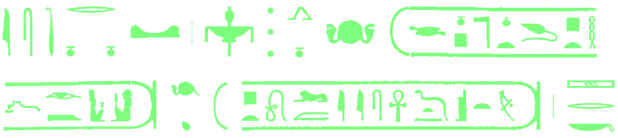
Jstrnn ḥḏ jw.n nswt bjt (… …) sꜣ Rꜥ (… …) ḫr.k Ḥr Bḥdtj nṯr ꜥꜣ nb pt jnj.f n.k Jstrnn ẖr ꜥrqwr r šps pr.k m dbḥw nw jḫt nṯr r qmꜣ kꜣt.k m ḥḏ.k šps ḥnꜥ Psḏt jmjw ḫt.k
Isterenen: silver. The king of Upper and Lower Egypt, Ptolemy XII, son of Ra, Ptolemy XII, has come to you, Horus of Behdet, great god, lord of the sky, to bring you Isterenen bearing silver, to enrich your house with what the worship of the gods requires and to fashion your work in your splendid chapel together with the Ennead in your train.
- 181
Tfrrt ḫsbḏ jw.n nswt bjt (… …) sꜣ Rꜥ (… …) ḫr.k Ḥr Bḥdtj nṯr ꜥꜣ nb pt jnj.f n.k Tfrrt ẖr ḫsbḏ twr.tj r ḏw n ḏwwj r ꜥpr wḏꜣt m jrw.s nbw gmj.tw.f r nw n ḏꜥr.f
Tefreret: lapis lazuli. The king of Upper and Lower Egypt, Ptolemy XII, son of Ra, Ptolemy XII, has come to you, Horus of Behdet, great god, lord of the sky, to bring you Tefreret bearing lapis lazuli, cleansed of the grime of the two mountains, to furnish the Wedjat Eye with all its parts, so that the stone may be found when it is sought.
- 182
Ršt mfkꜣt jw.n nswt bjt (… …) sꜣ Rꜥ (… …) ḫr.k Ḥr Bḥdtj nṯr ꜥꜣ nb pt jnj.f n.k Ršt ẖr mfkꜣt mfk ḥr.k n dgt.f bjꜣjt nbt nt ṯnwj ḥtr jrj r ꜥꜣjt.k
Reshet: turquoise. The king of Upper and Lower Egypt, Ptolemy XII, son of Ra, Ptolemy XII, has come to you, Horus of Behdet, great god, lord of the sky, to bring you Reshet bearing turquoise, at the sight of which your face lights up, and every treasure of the mountains on either bank, all gathered for your house.
- 183
Ꜥbꜣ ḥrst jw.n nswt bjt (… …) sꜣ Rꜥ (… …) ḫr.k Ḥr Bḥdtj nṯr ꜥꜣ nb pt jnj.f n.k Ꜥbꜣ ẖr ḥrst r
Kheba: carnelian. The king of Upper and Lower Egypt, Ptolemy XII, son of Ra, Ptolemy XII, has come to you, Horus of Behdet, great god, lord of the sky, to bring you Kheba bearing carnelian, in order to …
- 184
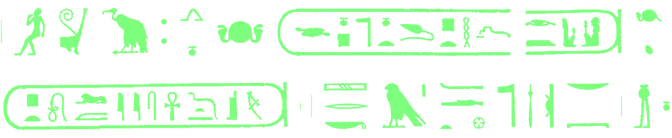
Ꜥmw ḫnmt jw.n nswt bjt (… …) sꜣ Rꜥ (… …) ḫr.k Ḥr Bḥdtj nṯr ꜥꜣ nb pt jnj.f n.k Ꜥmw ẖr ḫnmt jrt Ḥr bsj m mntj r mḥ St nfrt.k r tr n ḥḥj.f r rdt jm.f r wnwt.k
Khemu: red jasper. The king of Upper and Lower Egypt, Ptolemy XII, son of Ra, Ptolemy XII, has come to you, Horus of Behdet, great god, lord of the sky, to bring you Khemu bearing red jasper, the Eye of Horus that comes forth from the mountains along the river, to fill your Perfect Seat until the time comes to seek the stone and give some of it for your service.
- 185

Prs ṯḥst jw.n nswt bjt (… …) sꜣ Rꜥ (… …) ḫr.k Ḥr Bḥdtj nṯr ꜥꜣ nb pt jnj.f n.k Prs ẖr ṯḥst ḏbꜣ.tj m wtrj.f r mnḫ šps.f Ḥt Rꜥ [.. ... m jptw n rḫ ṯnw.sn
Peres: copper. The king of Upper and Lower Egypt, Ptolemy XII, son of Ra, Ptolemy XII, has come to you, Horus of Behdet, great god, lord of the sky, to bring you Peres bearing copper, perfectly arrayed in its own color, that he may enrich the House of Ra … with vessels whose number no one knows.
Note · Line 185
The House of Ra here is the temple at Edfu. - 186
Mntj bjꜣ jw.n nswt bjt (… …) sꜣ Rꜥ (… …) ḫr.k Ḥr Bḥdtj nṯr ꜥꜣ nb pt jnj.f n.k Mntj ẖr bjꜣ r rꜣ ꜥwj.k m stjt.k r grg pr.k m ḫꜥw [... ... ..]. dbḥw nw bjꜣ
Menti: bia-copper. The king of Upper and Lower Egypt, Ptolemy XII, son of Ra, Ptolemy XII, has come to you, Horus of Behdet, great god, lord of the sky, to bring you Menti bearing bia-copper for the work of your hands in your sanctuary, to equip your house with tools … and implements of bia-copper.
- 187
Knst smr jw.n nswt bjt (… …) sꜣ Rꜥ (… …) ḫr.k Ḥr Bḥdtj nṯr ꜥꜣ nb pt jnj.f n.k Knst ẖr smr r ꜥrq ꜥꜣwt m kꜣt.sn ḫꜣꜥ.tj n Pr ḥḏ r nw wḫꜣ.f r bꜣk.sn
Keneset: emery. The king of Upper and Lower Egypt, Ptolemy XII, son of Ra, Ptolemy XII, has come to you, Horus of Behdet, great god, lord of the sky, to bring you Keneset bearing emery to give precious stones their final polish. It is laid up in the treasury until it is fetched to work them.
- 188
Jspd wꜣḏ jw.n nswt bjt (… …) sꜣ Rꜥ (… …) ḫr.k Ḥr Bḥdtj nṯr ꜥꜣ nb pt jnj.f n.k Jspd ẖr wꜣḏ n bꜣẖ bẖ jnfw n mrtj.k wrtj ms.sn m bꜣḥ.k jꜥj.sn ꜣhw.k rwj.sn ḥꜣt.k
Iseped: wadj mineral. The king of Upper and Lower Egypt, Ptolemy XII, son of Ra, Ptolemy XII, has come to you, Horus of Behdet, great god, lord of the sky, to bring you Iseped bearing stones of wadj-en-bakh, born of the fluid from your two great eyes. When brought before you, they wash away your sorrow and drive out your grief.
Note · Line 188
Wadj means “green”: the name identifies the stone by color rather than by a modern mineral classification. - 189
Mnḏt msdmt jw.n nswt bjt (… …) sꜣ Rꜥ (… …) ḫr.k Ḥr Bḥdtj nṯr ꜥꜣ nb pt jnj.f n.k jꜣꜣ rḏw jrtj nṯr ḥr ḏw pf n msdmt ꜥpr.sn m jrtj.k ḥꜥj ḥwntj.k rdj.k twk r ḥꜣjt
Menedjet: galena. The king of Upper and Lower Egypt, Ptolemy XII, son of Ra, Ptolemy XII, has come to you, Horus of Behdet, great god, lord of the sky, to bring you iaa stones, the fluid from the god’s two eyes on that mountain of galena. When they are applied to your two eyes, your two girls rejoice as you go up to the sky.
Note · Line 189
Galena supplied the black pigment for eye paint. The god’s “two girls” are the pupils of his eyes. - 190

Wꜣḏ šmꜥj wꜣḏ šmꜥj jw.n nswt bjt (… …) sꜣ Rꜥ (… …) ḫr.k Ḥr Bḥdtj nṯr ꜥꜣ nb pt jnj.f n.k Ꜥt ẖr wꜣḏ šmꜥj ḏfḏ pw n jrt Rꜥ swḏꜣ.sn kꜣ.k dr.sn nšnj.k sꜥnḏ.sn sbj m ḥr.k
Land of Upper Egyptian wadj: Upper Egyptian wadj. The king of Upper and Lower Egypt, Ptolemy XII, son of Ra, Ptolemy XII, has come to you, Horus of Behdet, great god, lord of the sky, to bring you Khet bearing Upper Egyptian wadj. It is the pupil of the Eye of Ra. These stones keep your ka safe, drive out your rage and bring the rebel low before your eyes.
- 191
Wtnt ḥmꜣgt jw.n nswt bjt (… …) sꜣ Rꜥ (… …) ḫr.k Ḥr Bḥdtj nṯr ꜥꜣ nb pt jnj.f n.k Wtnt ḥmꜣgt m ḫntj.s jrjt sꜣ.k r jꜣdt rnpt pẖr.f wꜣwt štꜣw nt ṯnwj r ḏꜥr wḏꜣ ḥꜥ n kꜣ.k
Utenet: hemaget. The king of Upper and Lower Egypt, Ptolemy XII, son of Ra, Ptolemy XII, has come to you, Horus of Behdet, great god, lord of the sky, to bring you Utenet, with hemaget in its midst to protect you from the plague of the year. He treads the hidden paths of the mountains on either bank, seeking bodily protection for your ka.
Note · Line 191
The “plague of the year” was a danger especially feared at the turn of the Egyptian year; the stone is valued here for its power to ward it off. - 192

Štꜣ jbhtj jw.n nswt bjt (… …) sꜣ Rꜥ (… …) ḫr.k Ḥr Bḥdtj nṯr ꜥꜣ nb pt jnj.f n.k Štꜣ ẖr ꜥꜣt nt jbhtj r jrt sꜣw.k r ꜣbwt.k Jmj jꜣwt.f Jmj rnpwt.f Jmj ṯpḥt jrj.sn sꜣ.k r ḥꜣꜥjt
Sheta: ibeheti stone. The king of Upper and Lower Egypt, Ptolemy XII, son of Ra, Ptolemy XII, has come to you, Horus of Behdet, great god, lord of the sky, to bring you Sheta bearing the precious ibeheti stone, to make the amulets for your body: the Imi-iaut-ef serpent, the Imi-renput-ef serpent and the Imi-tjepehet serpent. They guard you against tumult.
- 193
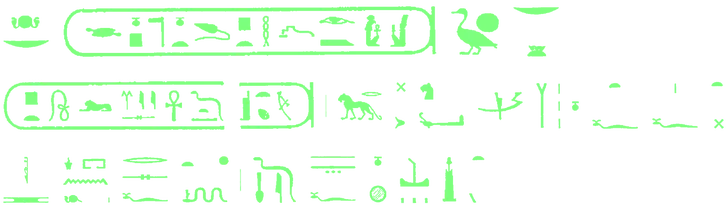
nswt bjt nb tꜣwj (… …) sꜣ Rꜥ nb ḫꜥw (… …) rw wr pḥtj smꜣ sbjw nw jt.f twr Bw n Rꜥ r sftḫ
The king of Upper and Lower Egypt, lord of the Two Lands, Ptolemy XII, son of Ra, lord of crowns, Ptolemy XII: the lion, great in strength, who kills his father’s foes and cleanses the Place of Ra of the Seftekh serpent.
- 194
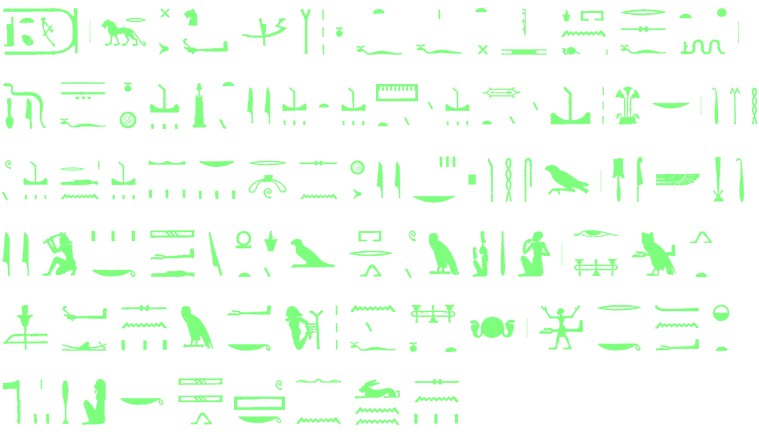
ḏd mdw Tꜣwj fnḫw jwntjw stjw mnṯw sṯtjw ḥꜣw nbwt ṯmḥw Rṯnw ḫꜣswt nbwt r ꜣwt.sn ḫrjt.k pw gmḥsw sꜣb šwt šnṯjw.k šꜥd šnbtj prj.w m mꜣꜥ ḫrw jrt Ḥr mjt sḫm jm.sn mk sbjw nf ntj ꜥpj ḥꜥj jr.k ḥnꜥ Psḏt ḥm.k šꜣš šꜣw.k nn wnn.sn
Words to be spoken:
The two lands of the Fenkhu, the Iuntiu, the Nubians, the Mentju, the Asiatics,
the Hau-nebut, the Libyans, Retjenu and all foreign lands in their full extent
are your cattle for slaughter, O Gemehsu falcon.
O you of many-colored plumage, your foes are cut down;
the Shenebti falcon has come forth triumphant.
Eye of Horus, come, seize them!
Look, those are the foes of Api.
Rejoice, then, with the Ennead of Your Majesty:
those who forsook your order are no more.Note · Line 194
The king addresses Horus under several falcon names, including Gemehsu and Shenebti. The list gathers the whole foreign world into a single herd, placing Egypt’s enemies at the god’s disposal like cattle destined for sacrifice. - 195
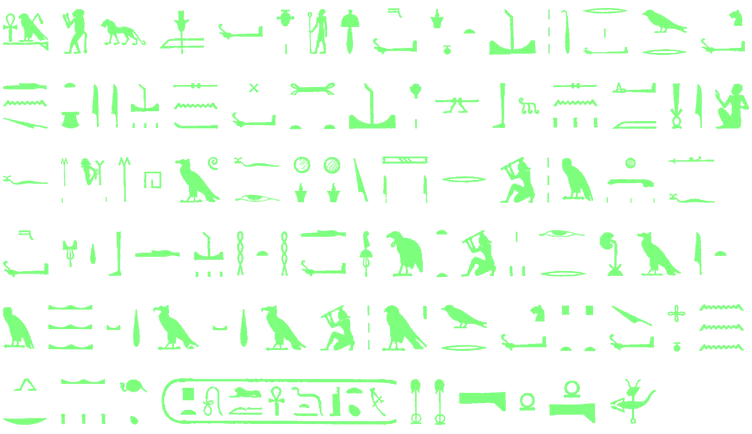
nṯr nfr mꜣj sḫm jb ḥqꜣ mnḫ ḥwj bṯnww ṯnr wr pḥtj dn Ḫgꜣj snḥ Sṯt ḥr sbt.sn rdj msnj.f m sbjw m hꜣw.f ḫbḫb ... ... ... m ḫmt.f ḥwj jꜣbtjw ḥḏḥḏ jmntjw jrj ẖꜣjt m ḫꜣswt ḏꜣḏꜣwt bjk wr pḥtj ptpt wnj mw nb ḫꜣswt sꜣ Rꜥ (… …)
The perfect god, the lion bold of heart,
the excellent ruler who strikes down rebels,
the strong one, great in might, who maims the people of Degai,
who binds the people of Asia together by their hair,
who drives his knife into the foes within his reach,
who hews down … with his spear,
who strikes down the people of the east and destroys the people of the west,
who makes a bloodbath in the hostile foreign lands,
the falcon, great in might, who tramples the foe,
the lord of foreign lands, the son of Ra, Ptolemy XII.Note · Line 195
Grasping a group of captives by the hair is a traditional Egyptian image of the king about to strike. On a temple gateway it asserts his power to keep enemies out, rather than recording a particular campaign by Ptolemy XII. - 196

Nḫbt ḥḏt Nḫn ꜣwjt ꜥ nbt Fꜥg dmꜣt pḏwt ḫwjt sꜣ.s
Nekhbet, the White One of Nekhen, she of the outstretched arm, lady of Fag, Demat-pedjut, who protects her son.
Note · Line 196
Nekhbet’s outstretched arm is the vulture’s sheltering wing; the son beneath it is the king. - 197

kꜣ nswt ꜥnḫ ḫntj ḏbꜣt ḫntj pr dwꜣt Ḥr ḏsr msḫꜥ ḥnꜥ Ḥp ꜥnḫ
The living ka of the king, foremost in the palace, foremost in the Morning House. Horus: he who appeared in splendor with the living Apis.
Note · Line 197
The Morning House was where the king was ritually purified and dressed. - 198

ḏd mdw jn Ḥꜣ nb mꜣnw ḥqꜣ ṯmḥw qꜣj ꜥ ḫnt Jw nšnj
Words spoken by Ha, lord of the Western Mountains, ruler of the Libyans, he of the upraised arm on the Isle of Fury:
Note · Line 198
Ha is a god of Egypt’s western desert. The Isle of Fury is a sacred name for Edfu, where he promises the king his strength. - 199

rdj.j n.k wsr r smꜣ ḫftjw.k nḫt.j ꜥ.k r rqww.k
I give you strength to kill your adversaries;
I make your arm strong against your foes. - 200

rdj.j n.k pḥtj mj {ꜣ ꜣst snḫt.j ꜥ.k r bṯnww.k
I give you might like that of the son of Isis;
I strengthen your arm against those who rebel against you. - 201
ḏd mdw rdj.j n.k pḥtj n ḥm.j r ḫpšwj.k ḫpš r jꜥt jb ḥm.k jsk ḥr ḥnṯj ḥntjw.k kꜣ.k m ḥꜥꜥwt ḥr ḥwt kjwjw.k
Words to be spoken: I give the might of my Majesty to your two arms,
and the sickle-sword to gladden your Majesty’s heart as you kill your foes,
that your ka may rejoice as you strike your enemies down. - 202
ḏd mdw rdj.j n.k pḏt 9 dmḏ m ḫfꜥ.k ḥwj.n.k st m mdn ḥr tp.sn
Words to be spoken: I give you the Nine Bows, all together in your fist,
now that you have struck them on the head with the blade of the axe-mace. - 203
ḏd mdw rdj.j n.k wsr r ḥwt bṯnww.k mj jrt.n.j n {ꜣ ꜣst
Words to be spoken: I give you strength to strike your enemies, as I did for the son of Isis.
- 204
ḏd mdw rdj.j n.k pḥtj m qnt nḫt jrj ḏw r.k m nmt nt ḥm.k
Words to be spoken: I give you might with valor and victory;
whoever does you harm shall find himself on your Majesty’s execution ground. - 205
ḏd mdw rdj.j n.k Snwt snḏ n snḏt.k jmjw.sn nbw m wꜣḥ tp
Words to be spoken: I grant that Egypt tremble at the terror you inspire,
all who dwell there bowing their heads. - 206
ḏd mdw rdj.j n.k jwꜥt nt Nbwj ḫftjw.k snḥ m nḫt.k pḏt 9 dmḏ ẖr ṯbwj.k
Words to be spoken: I give you the inheritance of the Two Lords,
now that your strength has bound your foes
and the Nine Bows are all beneath the soles of your feet.Note · Line 206
The Two Lords are Horus and Seth under another joint title; their inheritance is the kingship of Egypt. - 207
ḏd mdw rdj.j n.k ḥptj ẖr jnw.sn rmṯw.sn ḥr sn n.k tꜣ
Words to be spoken: I give you the world bearing its tribute,
its people kissing the ground before you. - 208
ḏd mdw jn Ḥr Bḥdtj nṯr ꜥꜣ nb pt Rꜥ Ḥr ꜣḫtj ḫnt St wrt ḏrtj wr pḥtj ḏbꜣ dns rwj rꜥjbw sps nḥsjw wnp wbr ḫtḫt ḫꜥww jrj ꜥḏt m ḫftjw.f rdj msnj.f n jmjw mw jrj šꜥt m ẖꜣkw jb
Words spoken by Horus of Behdet, the great god, lord of the sky,
Ra-Horakhty in the Great Seat,
the falcon great in might, who punishes the Fat One,
who drives back the Libyans and mauls the southerners,
who stabs Uber and drives the crocodiles back,
who makes a slaughter among his foes,
who plunges his knife into the creatures of the water
and butchers the treacherous:Note · Line 208
The Fat One is a hippopotamus, and Uber is the serpent Apophis, the sun god’s enemy. The list sets dangerous creatures and human foes side by side as threats for Horus to defeat. - 209
rdj.j n.k ..] .[.. nḫt rsj mḥtj jmntt jꜣbtt ẖr sdꜣdꜣ.k pḏt 9 ksj n snḏt.k
I give you … strength;
south and north, west and east tremble before you,
and the Nine Bows bend low in dread of you. - 210
sꜣ Rꜥ nb ḫꜥw (Kjsrs ntj ḫwj)
Son of Ra, lord of crowns, Caesar Augustus.
Note · Line 210
The imperial names here and in the next line belong to the Roman period, after Egypt came under Roman rule in 30 BC. They are later than Ptolemy XII’s dedication, but the rulers still bear the Egyptian titles of pharaoh. - 211
nswt bjt nb tꜣwj (Tbrjs Krwtjs)
King of Upper and Lower Egypt, lord of the Two Lands, Tiberius Claudius.
- 212
ḏd mdw wdj.j hh.j r sbjw m hꜣw.k ḫwj.j ḥꜥ.k r ḫww
Words to be spoken: I breathe out fire against the rebels who come near you;
I shield your limbs from harm. - 213
ḏd mdw rdj.j n.k wsr m ḫt tꜣ ḏr.f mrwt.k n nꜣ njwswt
Words to be spoken: I give you power throughout the whole land
and make you dear to the kings. - 214
rdj.j mꜣꜥ ḫrw.k m hrw wpt sꜥšꜣ.n mrwt.k ḫr mꜥbꜣjt
I grant that you stand vindicated on the day of judgment;
we make you dearer to the Court of Thirty.Note · Line 214
The Court of Thirty is a divine tribunal; the promise is that the king’s case will find favor with his judges. - 215

ḏd mdw jn Ḥt ḥr nbt Jwnt jrt Rꜥ ḥrt jb Bḥdt nbt pt ḥnwt nṯrw nbw Sḫmt ꜥꜣt nbt Sḫmwt nbt wdjt hh.s r ẖꜣkw jb
Words spoken by Hathor, lady of Dendera, Eye of Ra, who dwells in Behdet,
lady of the sky, sovereign of all the gods,
Sekhmet the Great, mistress of all the Sekhmets,
who breathes out fire against the treacherous: - 216

rdj.j ḥswt.k m jbw ṯꜣjw mrwt.k m ẖt nt ḥmwt
I put esteem for you in the hearts of men
and love for you in the bodies of women. - 217
ḏd mdw jn Ḥr Bḥdtj nṯr ꜥꜣ nb pt sꜣb šwt
Words spoken by Horus of Behdet, the great god, lord of the sky, the falcon of many-colored plumage.
- 218
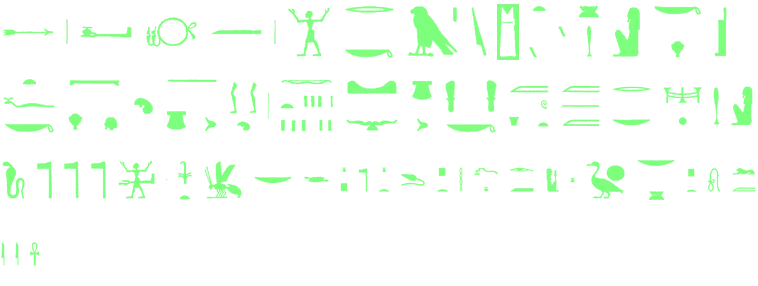
ḥnk mꜣḥ n mꜣꜥ ḫrw ḏd mdw ḥꜥj jr.k Ḥr dm ḥnwtj ḫꜥj ḥm.k ḥr st jt.k pt ḥr tp.k tꜣ ẖr rdwj.k pḏt 9 dmḏ ẖr ṯbwj.k mꜣꜥt wsḫ.tj m tꜣ m rk ḥm.k nṯrw ḥꜥj.w n mꜣꜣ.k
Offering the wreath of vindication. Words to be spoken: Rejoice, Horus of the two sharp horns!
May your Majesty appear on your father’s throne,
the sky above your head, the earth beneath your feet,
the Nine Bows all beneath your soles.
Maat spreads far across the land in your Majesty’s time;
the gods rejoice at the sight of you. - 219
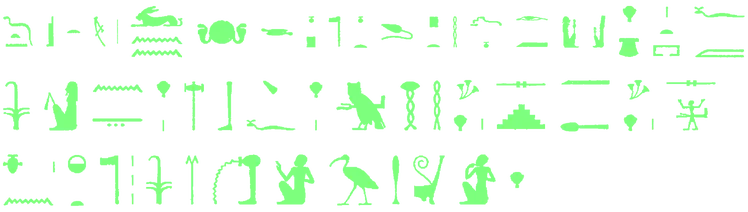
nswt bjt nb tꜣwj (… …) sꜣ Rꜥ nb ḫꜥw (… …)
King of Upper and Lower Egypt, lord of the Two Lands, Ptolemy XII; son of Ra, lord of crowns, Ptolemy XII.
- 220
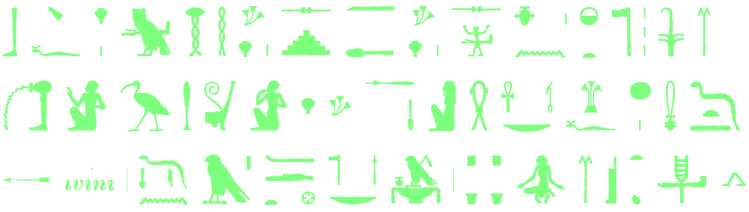
wnn nswt bjt (… …) ḥr nst.f m nswt n tꜣ ḥr ndb.f ḥr ms wꜣḥ ḥr sjꜥr mꜣꜥ ḫrw ḥr sḥꜥꜥ jb n Psḏt sw m wꜥb jqr n ḥm.f ḥr rdt mꜣꜥ ḫrw n ꜥꜣ mꜣꜥ ḫrw
The king of Upper and Lower Egypt, Ptolemy XII, is on his throne as king of the whole land. He offers the wreath, holds out the wreath of vindication and gladdens the heart of the Ennead. He is the excellent priest of His Majesty, giving the wreath of vindication to him who is great in vindication.
- 221

ḏd mdw jn Ḥr Bḥdtj nṯr ꜥꜣ nb pt bjk n nb pꜥpꜥ m ꜣst ꜥḥꜥ ḥr nst.f m Wṯst Ḥr m nswt bjt r km ḏt
Words spoken by Horus of Behdet, the great god, lord of the sky, the falcon of gold hatched of Isis, who holds his throne in the Throne of Horus as king of Upper and Lower Egypt for all eternity.
- 222

ḏd mdw jn Ḥt ḥr nbt Jwnt ꜣst mwt nṯr jtjt n mjtt.s ḥqꜣt m Jwnt wsrt m Jꜣt djt Rꜥjt m jfd n nwt
Words spoken by Hathor, lady of Dendera, Isis the god’s mother, the sovereign without equal, ruler in Dendera, mighty one in Iat-dit, Raet on the four sides of the sky.
Note · Line 222
Raet is the female counterpart of Ra. Hathor is identified here both with her and with Isis, mother of Horus. - 223
ḏd mdw jn Ḥr Bḥdtj nṯr ꜥꜣ nb pt nfr ḥr ḥrj st wrt nb nst nswt nṯrw jṯj tꜣwj nbw m nḫt.f
Words spoken by Horus of Behdet, the great god, lord of the sky, fair of face, who presides over the Great Seat, lord of the throne, king of the gods, who has seized all lands by his strength.
- 224
ḏd mdw jn Ḥr Bḥdtj nṯr ꜥꜣ nb pt smꜣ.f ḫꜣswt ḏrtj wr ḥwj ẖꜣkw jb nb nšnj ꜣmm.n.f sbjw
Words spoken by Horus of Behdet, the great god, lord of the sky, who slaughters the foreign lands, the great falcon who strikes the treacherous, lord of fury, who has seized the rebels.
- 225
ḏd mdw jn Ḥr Nb Msn nṯr ꜥꜣ nb pt nb Ṯꜣrw ṯꜣ m rw ḫnt Ꜥntj jꜣbtt ꜣm wr pḥtj smꜣ sbjw nw jt.f dr ḫftjw.f r ḫnt Ꜥtm
Words spoken by Horus, lord of Mesen, the great god, lord of the sky, lord of Tjaru, the lion cub in Khenty-Iabtet, the lion great in might, who kills his father’s rebels and drives his foes out of Egypt.
- 226

ḏd mdw jn Ḥt ḥr nbt Jwnt tꜣ mnjt jrt Rꜥ ḥrt jb Bḥdt nbt pt ḥnwt nṯrw nbw Mꜣꜥt wrt ḫnt Tꜣ rr ḫwjt jt.s m Ḏbꜣ
Words spoken by Hathor, lady of Dendera, the Menat, Eye of Ra, who dwells in Behdet, lady of the sky, sovereign of all the gods, Maat the Great in Tarer, who protects her father in Edfu.
Note · Line 226
The menat was Hathor’s beaded necklace, which could be shaken to make music in her rites. Here it is a name for the goddess herself. - 227
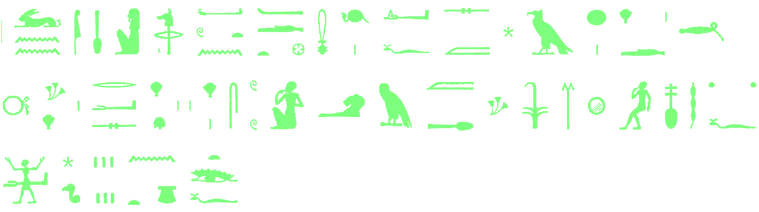
wnn mꜣꜥ ḫrw wsr.tj n Bḥdt mj Rꜥ rdj.f sw m dwꜣw ḥr šsp mꜣḥ ḥr rdt sw ḥr tp.f ḥr swꜣš ḥꜣt.f m mꜣꜥ ḫrw sw m ḫ nfr nḏm mꜣꜣ.f ḥꜥj nṯrw rmṯw n dgt.f
The Vindicated One is mighty in Behdet like Ra when he shows himself at dawn. He takes the wreath, sets it on his head and lends splendor to his brow with the wreath of vindication. He is the fair child, sweet to look upon; gods and people rejoice to see him.
- 228
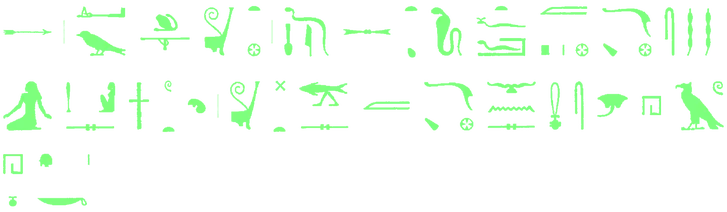
rdt wrt ḥkꜣw mḥw ḏd mdw ṯst tf prjt m P Ḫp snḏm ḥmt.s jmj wtj jnḥwj.k nt wrt bsjt m Ḫp dmḏ.n.s mjswt hꜣw hn.k
Presenting the One Great in Magic of Lower Egypt. Words to be spoken: That Tjeset who comes forth from Pe and Dep—
her Majesty settles between your brows,
now that the great Red Crown, who comes forth from Dep,
has joined the White Crown upon your head.Note · Line 228
Pe and Dep were the two parts of Buto, a center of cobra worship in the Nile Delta. Tjeset and the One Great in Magic name the cobra goddess who settles on the royal brow. - 229
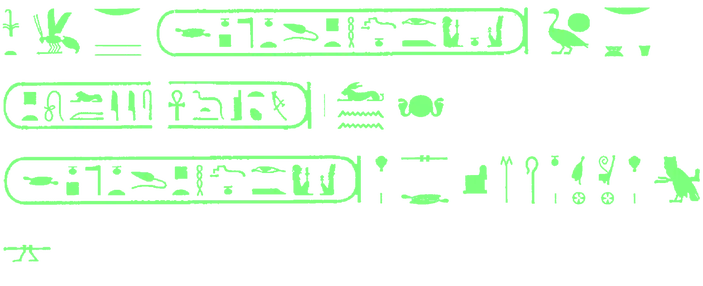
nswt bjt nb tꜣwj (… …) sꜣ Rꜥ nb ḫꜥw (… …)
King of Upper and Lower Egypt, lord of the Two Lands, Ptolemy XII; son of Ra, lord of crowns, Ptolemy XII.
- 230
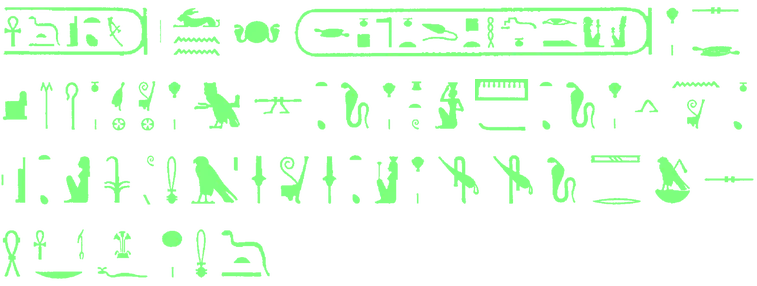
wnn nswt bjt (… …) ḥr sjwꜥ.f m ḥqꜣ n šmꜥw mḥw ḥr ms ḥrjt tp ḥr kꜣwt Mnḥjt ḥr rmnj dšrt n {ꜣ ꜣst sw mj Ḥr wꜣḏ n Sḫmt ḥr sšm sšmwt ḫr nb.s
The king of Upper and Lower Egypt, Ptolemy XII, is on his throne as ruler of Upper and Lower Egypt. He offers the cobra of the brow, bears Menhyt aloft and holds out the Red Crown to the son of Isis. He is like Horus, the young shoot of Sekhmet, guiding the Guide to her lord.
Note · Line 230
Menhyt and the Guide are names for the goddess the king carries. The king is thus quite literally guiding the Guide. - 231

ḏd mdw jn Ḥr Bḥdtj nṯr ꜥꜣ nb pt sꜣb šwt prj m ꜣḫt nb šmꜥ.s ḥqꜣ mḥw.s Ḥr ꜥꜣ ḥrj tp nṯrw Bḥdt jtj n nṯrw nbw
Words to be spoken by Horus of Behdet, the great god, lord of the sky, dappled of feather, who comes forth from the horizon, lord of the crown of Upper Egypt, ruler of the crown of Lower Egypt, Horus the Great, chief of the gods of Behdet, sovereign of all the gods.
- 232

ḏd mdw jn Ḥt ḥr nbt Jwnt jrt Rꜥ ḥrt jb Bḥdt nbtj rḫjt ḫwjt sꜣ.s mwt pw nt rmnj mwt.f Ḥmjt ḥnṯjt sbjw ḥr.f
Words to be spoken by Hathor, lady of Dendera, Eye of Ra, who dwells in Behdet, queen of the people, who guards her son. She is the mother of him who bears his mother, Hemit, who slaughters those who rebel against him.
Note · Line 232
The apparent riddle has a visible answer: the son bears his mother on his brow in her cobra form. - 233
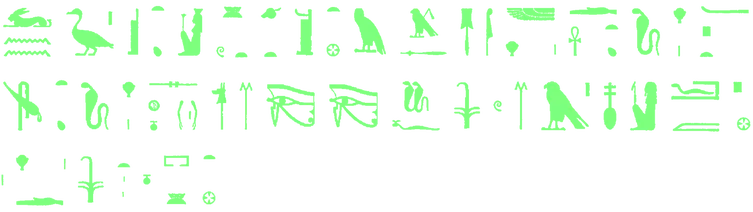
wnn {ꜣ ꜣst ḫꜥj.tj ḫnt Wṯst m bjk ꜥꜣ sꜣb šwt ḥr šsp ꜥnḫt ḥr ḥpt sšmwt ḥr sḫn ḥꜣt.f m wḏꜣtj.f sw m Ḥr nfr prj m P ḥr šsp nswjt.f n Pr ḫꜥw
The son of Isis has appeared in glory in the Throne-Seat as the great falcon, dappled of feather. He receives the Living One, clasps the Guide and encircles his brow with his two eyes. He is Horus the Fair, who comes forth from Pe and receives his kingship in the House of Appearing.
Note · Line 233
The two eyes encircling Horus’s brow are the two protective cobras of his regalia. - 234
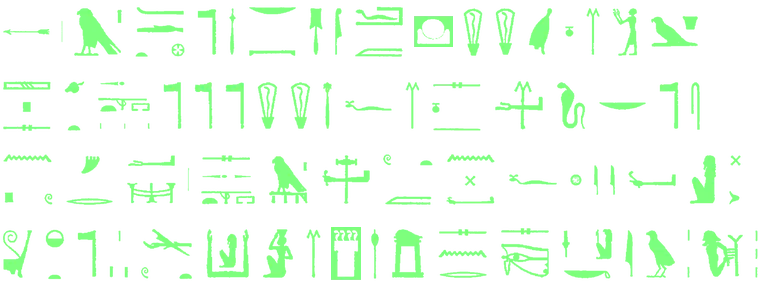
Ḥr Bḥdtj nṯr ꜥꜣ nb pt sꜣb šwt prj m ꜣḫt jtrtj šmꜥw n.f m jꜣw ꜥẖm šps ḫnt sḫmw nṯrw jtrtj mḥw n.f m sn tꜣ mk nb.sn pw ḏr ꜥ sḫmw nṯrw nḏ.tj m nḫt.f nḫw wr n Psḏt ḫtjt.tw kꜣ.f m rwt ḥḏ.sn r swḏꜣ sḫmw nbw r sbjw rn.f pw m rwt sḫmw r sꜣt jmjw ꜥḥ
Horus of Behdet, the great god, lord of the sky,
dappled of feather, who comes forth from the horizon:
the shrines of Upper Egypt acclaim him,
the august divine image foremost in the sanctuaries of the gods.
The shrines of Lower Egypt kiss the ground before him,
for he has been their lord since the beginning.
By his strength the sanctuaries of the gods are guarded.
He is the great protector of the Ennead;
his ka is carved on the outside of their chapels
to keep all the divine images safe from rebels.
It is his name that stands outside the sanctuaries
to guard those within the palace.Note · Line 234
A name or figure carved on the outer wall was understood to act there. It put Horus himself on guard outside while the divine images remained safe within. - 235

hꜣjt m ḥꜥwt ṯst m jꜥt jb bjk n nb m jꜥt ḥr nb jtrtj m ꜥꜣj sp 2 Nb Msn m mk wḏꜣt wḏꜣ.tj snbt snb.tj mnt mn.tj m st.s
The sky shouts for joy, the vault of heaven exults.
The Golden One’s falcon is glad of face;
the lord of the shrines rejoices, rejoices;
the lord of Mesen makes merry at the feast.
The Whole One is whole, the Sound One is sound,
the Steadfast One stands fast in her place.Note · Line 235
The Whole One, the Sound One and the Steadfast One are names for the sky. Each wish turns a name into a statement that the sky is as it should be. - 236
Nfr ḥꜣt nṯr ꜥꜣ ḥrj jb
Nefer-hat, the great god who dwells in—
- 237
ꜥpr pḥwj
Aper-pehui.
- 238
Nb dšr
Neb-desher.
- 239
[... ...]
[gap in the text]
- 240
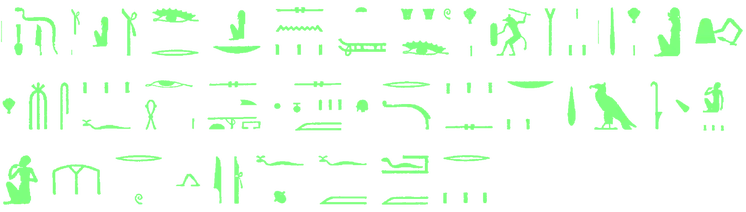
ḏd mdw rsw rs r nb.sn tm ꜥꜥw ḥr sḥrj sbjw mdw ḥr Rꜥ ꜥḥꜣ ḥr msw.f jrj sꜣ sḫmw.sn m tpw rꜣ.sn nbw ḏꜣjsw ꜣḫ sḥ rwj jsft.f m prjt m rꜣw.sn
Words to be spoken: The watchers who keep watch over their lord,
who never sleep, who drive off rebels,
who speak for Ra and fight for his children,
who guard their sanctuaries with spells from their mouths,
masters of utterance, potent in counsel,
who drive back the evil aimed at him with what comes from their mouths. - 241
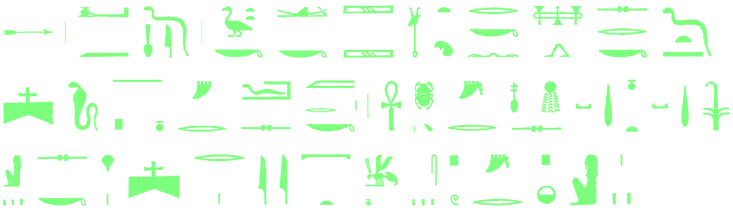
ḥnk mꜣꜥt ḏd mdw sꜣt.k n.k ššt.k r.k n ḥrj.s r.k ḏt wḏꜥ.k tꜣ pn ḏr prj.s m rꜣ.k ꜥnḫ tꜣ ḏr psḏ.s Ḏꜣḏꜣt jsk ḥr wḏꜥ rjt kꜣt.sn pw ḏr Pꜣwtjw
Offering Maat. Words to be spoken: Here is your daughter for you; your own throat comes to you.
May she never be far from you.
You judge this land when she comes from your mouth;
the earth lives when she shines
and the judges pronounce their verdict.
Such has been their task since the time of the primeval gods.Note · Line 241
The king presents Maat to the sun god as his own daughter. Calling her his throat makes the act of judgment physical: when the god speaks, justice comes from his mouth. - 242
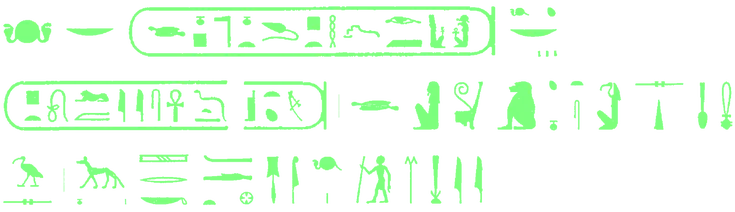
nswt bjt nb tꜣwj (… …) sꜣ Rꜥ nb ḫꜥw (… …) jwꜥw n Jsds spd ḫrw mj rḫ sw
The king of Upper and Lower Egypt, lord of the Two Lands, Ptolemy XII; the son of Ra, lord of crowns, Ptolemy XII; heir of Isdes, keen of voice like the Knowing One.
- 243
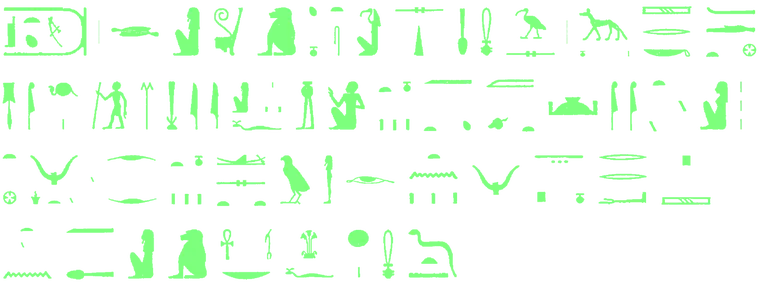
jw.n.j ḫr.k Bḥdtj sꜣb šwt Rꜥ wr m ꜥb šnwt.f jnj.j n.ṯn mꜣꜥt m ḫntj Jꜣt mꜣꜥtjw wpjt btj.ṯn jm.s twt r.ṯn wpj tꜣ pn r rꜣ ꜥ psštj n mꜣꜥ ḫrw
I have come to you, Horus of Behdet, dappled of feather,
Ra the Great amid his court,
to bring Maat to you all in Iat-Maatiu.
Through her your lips are opened,
for it is you who judge this land
to the farthest bounds of the two halves of the Vindicated One’s realm.Note · Line 243
Iat-Maatiu is a sacred place at Edfu. The king begins by addressing Horus alone, then turns to all the judges gathered around him. - 244

ḏd mdw jn Ḥr Bḥdtj nṯr ꜥꜣ nb pt ḏꜣj pt rꜥ nb jꜣw m wḫ ḫ nfr m dwꜣw rdj sšp r st snkt
Words to be spoken by Horus of Behdet, the great god, lord of the sky, who crosses the sky each day, an old man at evening, a fair youth at dawn, who brings light into the place of darkness.
- 245
nṯrw jpn ꜥꜣw wrw nn sḏm mdw m Jwnw ḥqꜣw špsw nw St Jtmw sḫmw nn nw Ḥt bnbn jj m Wḥꜥ tꜣ r Bḥdw n Rꜥ r rꜣ ꜥ nst nt sꜣ Wsjr nḫb.sn gnwt.f m nḥḥ ḏt ḥr nst nt Rꜥ m sp tpj rdj n.f nfrt ḥr ẖnm nt dmḏ tp.f m sḫmtj
These are the great and mighty gods who hear cases in Heliopolis, the august rulers of the Seat of Atum, these divine powers of the House of the Benben. They have come from Uha-ta to the Throne-Seat of Ra, to the very throne of the son of Osiris, to inscribe his annals for ever and ever upon the throne of Ra of the First Time. They grant him the union of the White Crown with the Red; they join his head to the Double Crown.
Note · Line 245
The judges come from Heliopolis, where the sacred Benben stone stood for the first land to emerge from the waters. The “First Time” is the time of creation, when Ra himself ruled. - 246
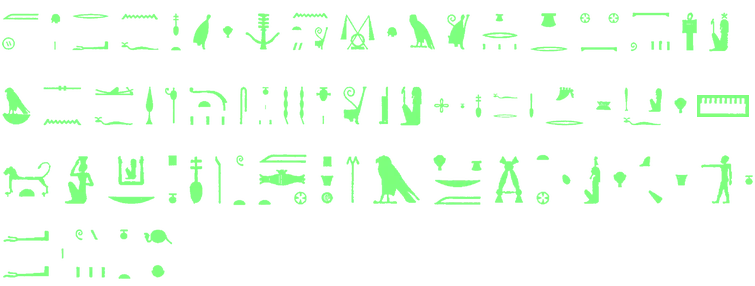
ẖrjw ẖt Nwt ḥrjw sꜣ Gbb nb.sn jm.f m wḏt.sn nḏm jb n Wsjr (Wnn nfrw mꜣꜥ ḫrw) ḏr ḫꜥj ḥm.f ḥr mn bjt.f kꜣ pn nfr qmꜣ.tj m Msn pꜣ ꜥẖm ḥr nst m nb Ḏbꜣ sꜣ.f Šw ḥr qꜥḥ n.f ꜥwj ẖrt hrw ntj rꜥ nb
Those beneath the belly of Nut, those upon the back of Geb: by their decree he is lord of them all. The heart of Osiris Onnophris, the vindicated, is glad when His Majesty appears in glory on his throne: this perfect ka fashioned in Mesen, the falcon enthroned as lord of Edfu. His son Shu stretches out both arms to him day after day.
Note · Line 246
Nut is the sky goddess and Geb the earth god: everything between sky and earth falls under the decree. Onnophris is another form of the name Wennefer. - 247

ḏd mdw jn Šw sꜣ Rꜥ Bḥdtj sꜣb šwt nṯr ꜥꜣ ḫnt P n Rꜥ ṯnr wr pḥtj smꜣ ḫftjw.f
Words to be spoken by Shu, son of Ra, he of Behdet, dappled of feather, the great god, foremost in the Seat of Ra, the valiant one, great in might, who kills his enemies.
- 248

ḏd mdw jn Gbb rpꜥt nṯrw nṯr ꜥꜣ ḥrj jb Bḥdt bꜣ tkk hrw dmḏ
Words to be spoken by Geb, prince of the gods, the great god who dwells in Behdet, the ba who charges on the day of battle.
- 249

ḏd mdw jn Jḥj wr sꜣ Ḥt ḥr sḏtj šps n Ḥr ꜣḫtj nṯr ꜥꜣ ḫnt Ḥt ꜥbt wr qfꜣt m Ḏbꜣ
Words to be spoken by Ihy the Great, son of Hathor, august child of Horakhty, the great god, foremost in the Pure House, held in high honor in Edfu.
Note · Line 249
The Pure House is Hathor’s sanctuary at Dendera. - 250

ḏd mdw jn Ḏḥwtj ꜥꜣ ꜥꜣ nb Ꜥmnw wpj rḥwj wḏꜥ mꜣꜥt bwt ḥm.f gsꜣ rdj tp.f m gsw prw
Words to be spoken by Thoth, twice great, lord of Hermopolis, who parts the two contenders and judges what is right, whose Majesty abhors what is crooked, who shows himself in the temples.
- 251

ḏd mdw jn Mꜣꜥtj ḫnt Ḥr mꜣꜥ.tj nb hpw hrw ḥr mꜣꜥt mkj mꜣꜥtj ḫbtj jsftjw jrj tp nfr m jḫt mnt
Words to be spoken by Maati, foremost in Horus-is-Vindicated, lord of laws, who delights in Maat, guards the Just One, punishes evildoers and gives right judgment in the world.
Note · Line 251
Maati’s name and his title for Horus, “the Just One,” both echo the name of Maat. - 252

jw.tj m ḥtp ḥqꜣ ḫnt tꜣ pn nḏtj ḫnt tꜣ ḥr ndb.f šsp.n mꜣꜥt.k ꜥnḫ.n jm.s ḥꜥj.n ḥr ḥnkt.k n.n rdj.n mꜣꜥ ḫrw.k r sbjw ḥr.k wḏꜥ Ḏꜣḏꜣt dmḏ rjt.k
Come in peace, ruler in this land,
protector throughout its length and breadth.
We have received your Maat; by her we live.
We rejoice in what you offer us.
We grant that you be vindicated against those who rebel against you
and that the full court give judgment in your case.Note · Line 252
The divine judges now answer the king together. In return for the justice he has offered them, they promise him a just verdict in his own case. - 253
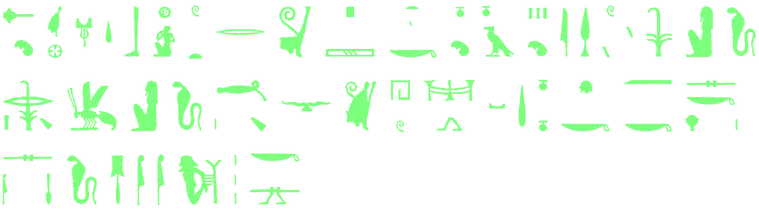
mn n.k šmꜥ ꜣbḫ.tj r mḥ psštj.k n.k nꜣj.k jm.w nswj.k rsj bjtj.k mḥtj dmḏ sḫmtj hꜣw ḏnnt.k mꜣꜥt.k jsk ḥr smꜣꜥ ḫrw.k sꜣb šwt sbjw.k sbj
Take for yourself the crown of Upper Egypt, joined to the crown of Lower Egypt.
Yours are the two halves of the land; they belong to you.
May you reign over the south and rule the north.
When the Double Crown is joined to your head,
your Maat wins you the verdict, O dappled of feather,
and those who rebel against you are repelled. - 254
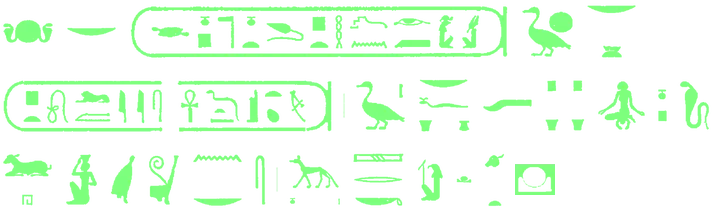
nswt bjt nb tꜣwj (… …) sꜣ Rꜥ nb ḫꜥw (… …) sꜣ nbt Fꜥg pꜥpꜥ.n Pjt jwh šmꜥ mḥ n nb.sn
The king of Upper and Lower Egypt, lord of the Two Lands, Ptolemy XII; the son of Ra, lord of crowns, Ptolemy XII; son of the Lady of Fag, born of the Lady of Buto, who offers the crowns of Upper and Lower Egypt to their lord.
Note · Line 254
The Lady of Fag is Nekhbet and the Lady of Buto is Wadjet. As a child of both goddesses, the king can offer both crowns to Horus. - 255
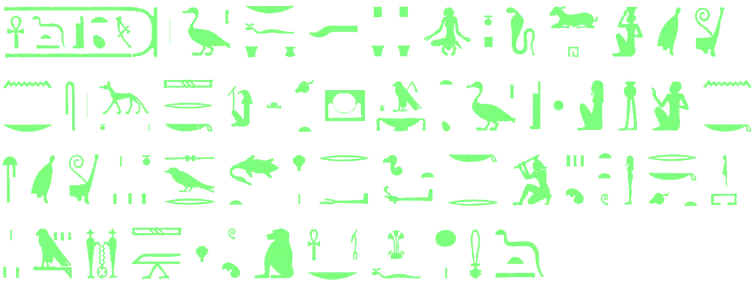
jw.n.j ḫr.k ꜣḫtj ḫnt ꜣḫt bjk n nb sꜣ Wsjr jnj.j n.k ḥptj ntj ḥr swrt snḏt.k ḥr rdt nrwt.k r ḫftjw.k ṯwt jr.k ḫntj gsw prw nṯrw Qbḥwj ḥr šmt ḥr šꜣw.k
I have come to you, Horizon-Dweller, foremost in the horizon,
falcon of the Golden One, son of Osiris,
to bring you the two crowns that deepen the fear of you
and strike terror of you into your enemies.
For you are foremost in the temples,
and the gods of Egypt follow what you ordain. - 256
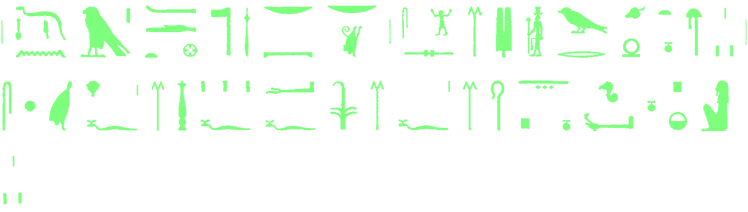
ḏd mdw jn Ḥr Bḥdtj nṯr ꜥꜣ nb pt nb sḫmtj sqꜣ sw m šwtj jtj wr ḫnt šnw n ḥptj sḥḏ ḥr.f m ẖkrw.f rdj.f sw m pr.f m ḥqꜣ tꜣ pn nrj n.f Pꜣwtjw
Words to be spoken by Horus of Behdet, the great god, lord of the sky, lord of the Double Crown, who raises himself high with the twin plumes, great sovereign within the circuit of the earth, whose regalia light up his face when he appears in his house as ruler of this land, before whom the primeval gods stand in awe.
- 257

ḏd mdw jn Ꜥntt jꜣbtt Jwntt ḫnt Bḥdt jtjt msjt.n Nwt ḥqꜣt msjt.n ḥqꜣt ḥrjt tp nt Psḏt jrjt.tw nswt ḫft wḏt.s
Words to be spoken by Khentet-Iabtet, she of Dendera who is foremost in Behdet, sovereign born of Nut, ruler born of a ruler, cobra on the brow of the Ennead, at whose command the king is installed.
- 258

ḏd mdw jn Ḥr {mꜣ tꜣwj pꜣ ẖrd sꜣ Ḥt ḥr Jtmw pw ḥrj jb Bḥdt snn n Rꜥ ḫnt Wṯst Ḥr nṯr ꜥꜣ kꜣ.tw r kꜣ.f
Words to be spoken by Harsomtus the Child, son of Hathor. He is Atum who dwells in Behdet, the likeness of Ra in the Throne-Seat of Horus. “Great god” is what he is called.
- 259
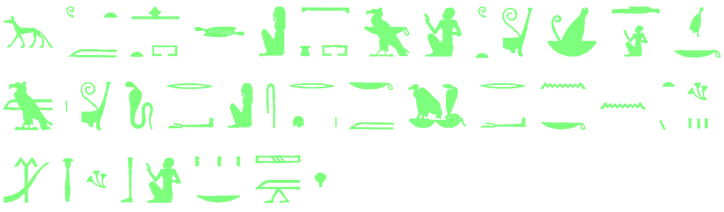
jw.tj m ḥtp jwꜥw.j ḥrj nst.j kꜣwt dšrt ḥḏt šsp.j ḥḏt.k ꜣmm.j dšrt.k rdj.j sn r tp.k m nbtj rdj.j n.k nstjw m ꜥb wꜣḏ bw nb ḥr šmt ḥr [... ...]
Come in peace, my heir who sits upon my throne,
wearer of the Red Crown and the White.
I receive your White Crown, I grasp your Red Crown;
I set them on your head as the Two Ladies.
I give you the southern sedge joined with the northern papyrus,
and everyone follows …Note · Line 259
The sedge and papyrus are plant emblems of Upper and Lower Egypt. Joining their stems gives the same promise as joining the crowns: the heir will rule one kingdom.