~/sacred-texts/edfu-temple-texts
Edfu Temple Wall Texts: I Tear Out His Heart
- Text
- Edfu Temple Texts, Edfou VII, pp. 126–175
- Date
- Carved under Ptolemy IX Soter II, c. 116–88 BC, on the outer face of the enclosure wall of the temple of Horus at Edfu
- Found
- Temple of Horus, Edfu, Upper Egypt: outer face of the enclosure wall, west side, third register. Still in place on the wall.
- Language
- Ptolemaic Egyptian · Hieroglyphic
Ptolemy IX stands before the gods of Edfu in scene after scene. Each time he names his gift, and the god or goddess answers with a gift in return. He brings Thoth a scribe’s palette, Hathor wine and sistra, Horus harpoons, crowns and roast meat. Hathor replies: I give you drunkenness day after day, with not a care to trouble you.
Many of the gifts are killings. The king slaughters the ox, the hippopotamus, the crocodile, the turtle, Apophis, the people of Asia and a bound Nubian: I cut off his foreleg, I tear out his heart; his flesh is for the dwellers in the sky. Queen Cleopatra speaks for him to Horus: He is indeed your son.
- 1
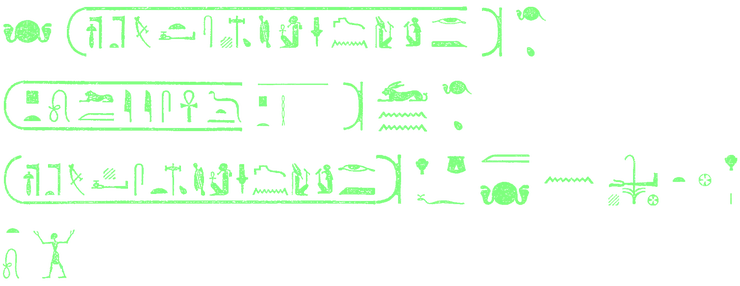
nswt bjt (… …) sꜣ Rꜥ (… …)
The King of Upper and Lower Egypt, Ptolemy IX; the Son of Ra, Ptolemy IX.
- 2
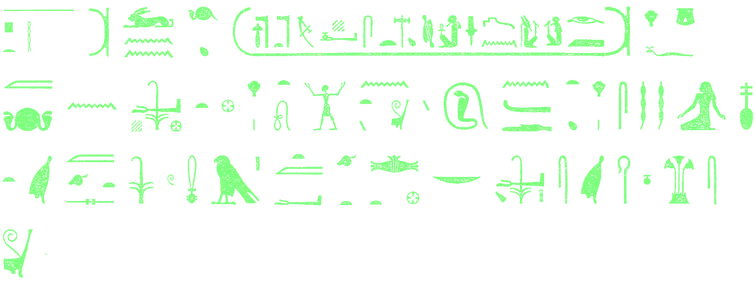
wnn sꜣ Rꜥ (… …) ḥr nst.f m nswt bjt n šmꜥw mḥw ḥr twꜣ nt mḥnjt nt Bḥdtj ḥr snḏm nfrt m ḫntj.s sw mj Ḥr ṯmꜣ ꜥ ḫnt Msn nb šmꜥ.s ḥqꜣ n mḥw.s
The Son of Ra, Ptolemy IX, is on his throne as king of Upper and Lower Egypt. He raises the Red Crown, the Encircler of the Behdetite, and settles the White Crown inside it. He is like Horus, strong of arm in Mesen, lord of the crown of Upper Egypt, ruler of the crown of Lower Egypt.
- 3
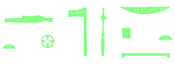
Bḥdtj nṯr ꜥꜣ nb pt
The Behdetite, the great god, lord of heaven.
- 4

rdj.j n.k šmꜥw mḥw ḥr mw n ḥm.k jmꜣ n.k jbw nw bw nb
“I grant that Upper and Lower Egypt be loyal to Your Majesty and that every heart be well disposed toward you.”
- 5

ḏd mdw jn Ḥr Bḥdtj nṯr ꜥꜣ nb pt sꜣ Wsjr msj.n ꜣst dmḏ psštj wnt wpj smꜣ swt wꜣḏ
Words to be spoken by Horus of Behdet, the great god, lord of heaven, son of Osiris, whom Isis bore, who united the two halves that once were separate and bound the rush and the papyrus together.
Note · Line 5
The rush stands for Upper Egypt, the papyrus for Lower Egypt. Binding the plants together makes the union of the country visible. - 6

ḏd mdw jn Ḥt ḥr nbt Jwnt jrt Rꜥ ḥrt jb Bḥdt nbtj rḫjt ḥnwt tꜣwj nswjt m rsj bjtjt m mḥtj špst wsrt ḥnwt nṯrwt
Words to be spoken by Hathor, lady of Dendera, Eye of Ra, who dwells in Behdet, queen of the people, mistress of the Two Lands, queen of Upper Egypt in the south, queen of Lower Egypt in the north, the splendid one, the mighty one, mistress of the goddesses.
- 7
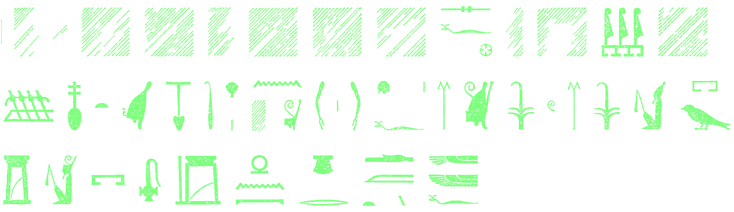
... ... ... ... ... ... ... ... ... ... ... gsw prw ḥr šsp nfrt smꜣ.tj ḥr nt ḥr sḫn tp.f m sḫmtj sw m nswt pr wr bjtj pr nsr šnw n pt ẖr dmꜣtj.f
… temples. He receives the White Crown, united with the Red, and sets the Double Crown on his head. He is king of Upper Egypt in the Great Shrine and king of Lower Egypt in the Shrine of Flame. Beneath his two wings lies the circle of the sky.
Note · Line 7
The Great Shrine and the Shrine of Flame are the royal sanctuaries of Upper and Lower Egypt. The two crowns, worn as one, mark the rule of both lands. - 8
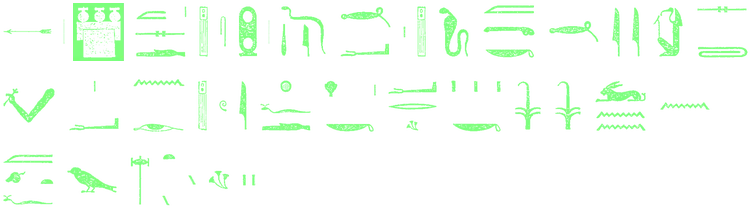
ḥnk gstj pꜣs ḏd mdw mḥ.k m bꜣḥ.k mḥj nb spẖrw ꜥ n Jr r ḫft ḥr.k ꜥrw.k nn wnn.sn m ḫntj.f
Presenting the palette and water bowl. Words to be spoken: “Your palette is before you, Mehi, lord of writing; the arm of the Seeing One is before your face. These writing reeds of yours are inside it.
Note · Line 8
Mehi is Thoth. The king offers him a scribe’s palette with reeds and a bowl of water for moistening the ink. Both “the arm of the Seeing One” and “Sight and Hearing” name the palette. - 9
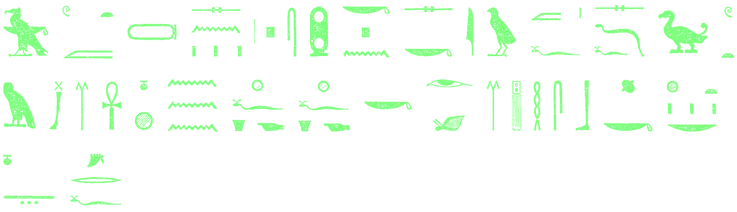
wr nḏtj kꜣ.tw m rn.sn pꜣs.k pn jsk r gs.f sḏfꜣ.tj m wḥm ꜥnḫ ḫfꜥ ḫfꜥ.k Jr Sḏm ḥsb.k jḫt nbt nt tꜣ ḏr.f
Ur-nedjti is the name they bear. Here is your water bowl beside the palette, filled with water. May your fist close on Sight and Hearing; may you reckon all things in the whole land.”
- 10
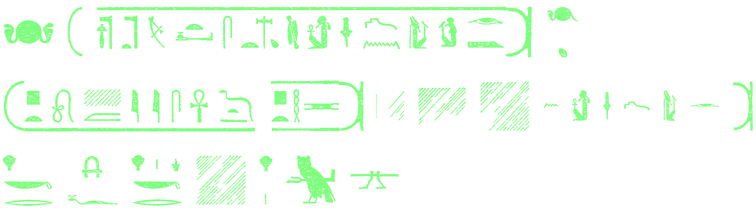
nswt bjt (… …) sꜣ Rꜥ (… …)
King of Upper and Lower Egypt, Ptolemy IX; son of Ra, Ptolemy IX.
- 11
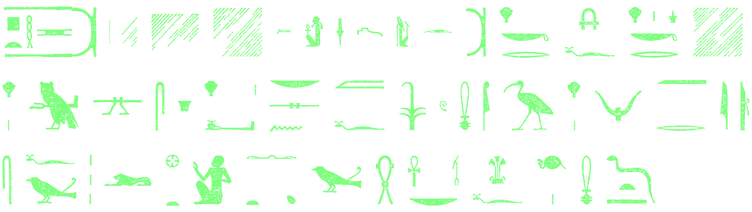
wnn nswt bjt (… …) ḥr bkr.f ḥr Bkr ntj bjk n nb ḥr ms mḥ ḥr šms pꜣs ḥr ḥnk nb.sn m mrjt.f sw mj mꜣꜥ jb ḥr wpt mꜣꜥt r jsft mr nwt jwtj šsp ḏbꜣw
The king of Upper and Lower Egypt, Ptolemy IX, sits on his throne in the Throne of the Falcon of the Golden One. He brings the palette, presents the water bowl and offers their lord what he loves. He is like the Just One, who parts right from wrong, the mayor who takes no bribe.
Note · Line 11
The Throne of the Falcon of the Golden One is Edfu. The Golden One is Hathor; the just judge to whom the king is likened is Thoth. - 12
ḥsb.j rnpwt.k r ḏrw nḥḥ sqꜣ.j ꜥḥꜥw.k m ḏt
“I reckon your years to the bounds of eternity;
I lengthen your days for ever.”Note · Line 12
Thoth promises the king long life in return for the tools of reckoning. - 13
ḏd mdw jn Ḏḥwtj ꜥꜣ ꜥꜣ nb Ꜥmnw nṯr ꜥꜣ ḫnt Wṯst Ḥr jb n Rꜥ ns n Ptḥ Tꜣ ṯnn nb sš ḥqꜣ mḏꜣwt nswt ḥrj tp wḏ mdw jrt nn ḫpr ḫprw m ḫm.f
Words spoken by Thoth, twice great, lord of Hermopolis, great god in the Throne of Horus, heart of Ra and tongue of Ptah-Tatenen, lord of writing, ruler of books, king and chief, who gives the word to act, without whose knowledge nothing comes to pass.
Note · Line 13
The heart was the seat of thought. As heart and tongue, Thoth conceives the divine command and gives it voice. - 14
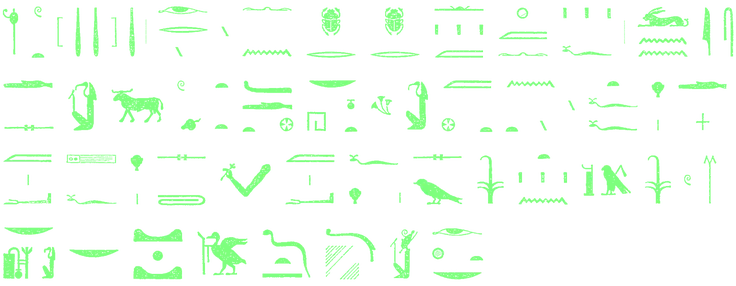
wnn Jsds bꜣ.tj ḫnt Bḥdt nb hdn m nwt ntj jt.f ḥr šsp jmj ꜥ.f ḥr spẖr m ꜥ.f ḥr swrt nswjt nt Wṯst Ḥr sw m nb sš nb nḥḥ qmꜣ ḏt ns n Jtmw jrj jḫt nbt
Isdes is mighty in Behedet, the lord of the heden plant in his father’s city. He receives his palette, writes with his hand and makes great the kingship of the Throne of Horus. He is lord of writing, lord of eternity, maker of everlastingness, the tongue of Atum, who makes all things.
Note · Line 14
Isdes is a name of Thoth here. Behedet and the Throne of Horus are names of Edfu. - 15
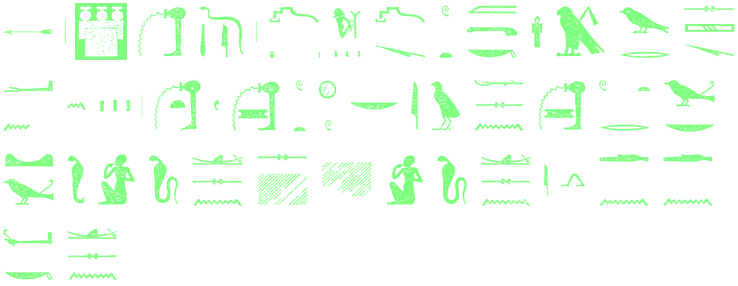
ḥnk wꜥbwt ḏd mdw stpwt nt sbjw stp.tj m bꜣḥ.k sjꜣw wr sš ꜥnwt wꜥbwt wꜥb.tj ḫꜣw nbw r ḫt.sn wꜥb.tj r ꜥb nb ḏw qq.k jm.sn snm.k jm.sn rwj dndn.k jm.sn
Presenting the pure cuts. Words to be spoken: “The choice cuts of the rebels lie cut free before you, great falcon who spreads his talons.
The pure cuts are pure, with meats of every kind beside them, cleansed of every foul defilement.
When you eat of them and feed on them, they drive your fury away.”Note · Line 15
The meat stands for the god’s enemies. In eating it, the falcon god consumes them and his anger subsides. - 16
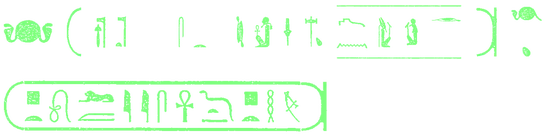
nswt bjt (… …) sꜣ Rꜥ (… …)
King of Upper and Lower Egypt, Ptolemy IX; son of Ra, Ptolemy IX.
- 17
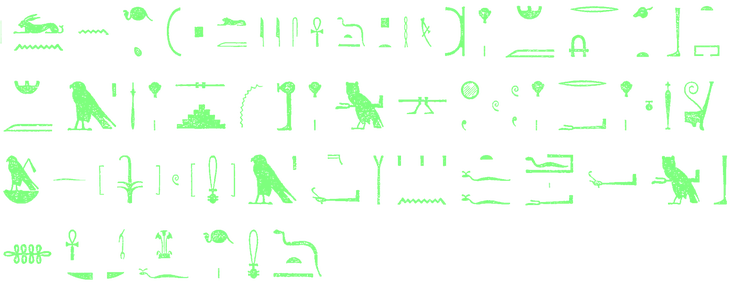
wnn sꜣ Rꜥ (… …) ḥr ḥmr.f ḫnt Bw ḥmr n Ḥr ꜥꜣ ḥr sjꜥr wꜥbwt ḥr ms ḫꜣw ḥr rdt ḥr n ḥs n nb.f sw mj Ḥr ḥwj sbjw nw jt.f prj ꜥ mds bšṯw
The son of Ra, Ptolemy IX, sits on his throne in the Place of the Throne of Horus the Great. He offers the pure cuts, brings the meat and gives his lord the shoulder cut. He is like Horus striking his father’s enemies, swift to seize, slaughtering the rebels.
- 18

rdj.j n.k sbjw.k sjpj.tj n dm.k šnṯjw.k nbw m tm wn
“I grant that your enemies lie butchered by your blade and that all your foes cease to be.”
- 19

ḏd mdw jn Ḥr {mꜣ tꜣwj nṯr ꜥꜣ ḥrj jb Jwnt bjk nṯrj ḥr tp srḫ ḏrtj wr pḥtj nḏrj m ꜥnwt.f bsk jbw nw ẖꜣkw jb.f
Words spoken by Harsomtus, the great god who dwells in Dendera, the divine falcon atop the palace façade, the falcon of great strength who grips with his talons and tears out the hearts of his enemies.
Note · Line 19
The palace façade is the emblem above which the falcon of Horus perches in the king’s Horus name. - 20
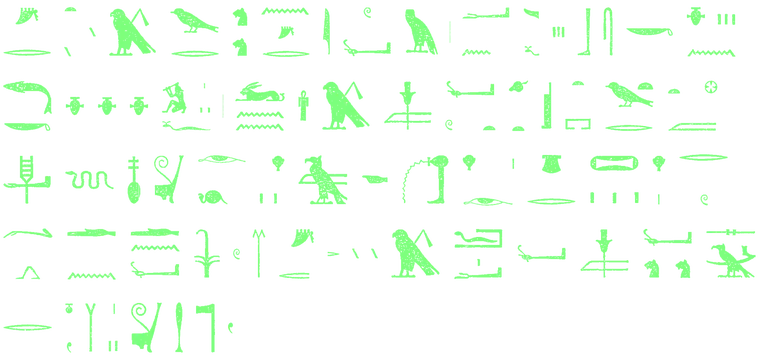
wnn sjꜣw sḫm.tj ḫnt St wrt m ꜥḥꜥw nfr n Jrt Rꜥ ḥr ꜣmm wꜥbwt ḥr ḥsmn ḥꜣt ḥr jrt ẖrt ḥr rwj dndn sw m ḏrtj prj ꜥ sḫm pḥtj smꜣr.n.f sbjw n ḥm.f
The falcon is mighty in the Great Seat as Egypt’s perfect Ahau. He takes the pure cuts, eats the flesh, devours the food and puts away his fury. He is the falcon swift to seize, mighty in strength, who has destroyed the rebels against His Majesty.
Note · Line 20
Ahau is a title of the falcon here; the Great Seat is Edfu. - 21
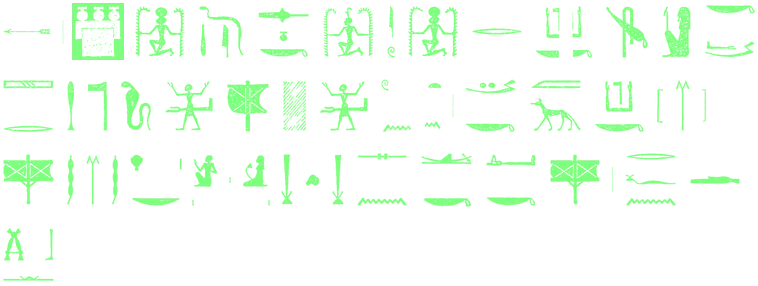
ḥnk ḥḥ ḏd mdw mn n.k ḥḥ jw Ḥḥ r kꜣ.k sšmw.k mꜣꜥ ḫr ḥm.k ḥꜥꜥ r.k ḥꜥj.tw n mꜣꜣ.k m jw kꜣ.k m ṯꜣw nḏm ḥr nb snsn.sn jm.k rdj.k ṯꜣw r fnḏ ḏbꜣ
Presenting Heh. Words to be spoken: “Take Heh for yourself, for Heh belongs to your ka.
Your true image is before Your Majesty.
Wind to you! There is joy at the sight of you when your ka comes as a sweet breeze.
Everyone breathes through you; you give breath to the stopped-up nose.”Note · Line 21
The king offers Shu, who holds up the sky, a figure of Heh, a god who likewise bears it up. The ka is the god’s vital power, felt here in the moving air. - 22
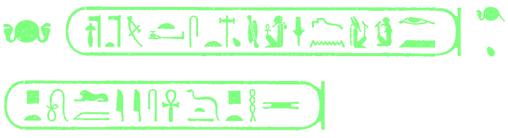
nswt bjt (… …) sꜣ Rꜥ (… …)
King of Upper and Lower Egypt, Ptolemy IX; son of Ra, Ptolemy IX.
- 23
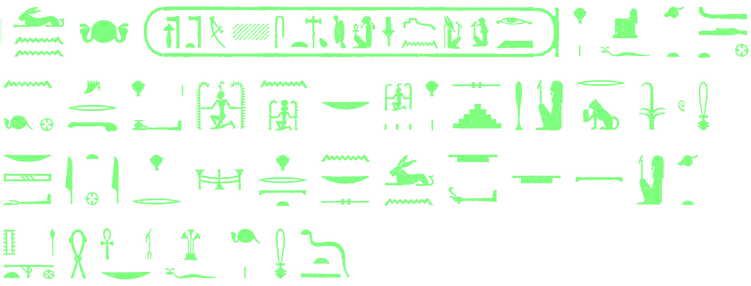
wnn nswt bjt (… …) ḥr bḥdw.f ḫnt Bḥdw n Rꜥ ḏr bꜣḥ ḥr ḥnk ḥḥ n Ḥḥ nb Ḥḥw ḥr sjꜥr ḥm.f r ḫft ḥr.f sw mj nb Šꜥjt ḥrj ḥrt n nb.s wn ꜥꜣwj n pt ḫnt Jnbw ḥḏ
The king of Upper and Lower Egypt, Ptolemy IX, sits on his throne in the Throne of Ra since the First Beginning. He offers a Heh to Heh, lord of the Heh gods, and raises the image of His Majesty before his face. He is like the lord of Shait, who holds heaven high above for its lord, who opens the two doors of heaven in White Walls.
Note · Line 23
White Walls is Memphis. - 24
rdj.j n.k Tꜣ mrj ḥr mw n ḥm.k jw.k m ḥqꜣ ḫnt tꜣ pn
“I grant that Egypt be loyal to Your Majesty as long as you rule in this land.”
- 25
ḏd mdw jn Šw sꜣ Rꜥ nṯr ꜥꜣ ḥrj jb Bḥdt sḫm šps ḫnt Ḥt bjk twꜣ dj mrt ḏsr ꜣḫt m ḫntj ... ... Bḥdtj sꜣb šwt
Words spoken by Shu, son of Ra, the great god who dwells in Behedet, the august power in the House of the Falcon, who props up the sky and shields the horizon in …, Behedety of the dappled plumage.
- 26

ḏd mdw jn Tfnt sꜣt Rꜥ ḥrt jb Bḥdt mwt mwwt n snnwt.s mḥnjt wrt ḫnt P Msn ḫbt Stš m ḫftj n Wṯst
Words spoken by Tefnut, daughter of Ra, who dwells in Behedet, mother of mothers, who has no equal, the great uraeus in Pe-Mesen, who destroys Seth as the enemy of the Throne.
Note · Line 26
A uraeus is a cobra reared to strike, the form a goddess takes to protect a god or king. Pe-Mesen and the Throne are names of Edfu. - 27
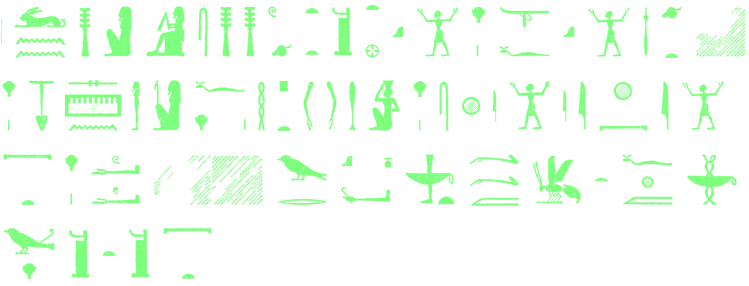
wnn ḏd šps ḏdj.tj ḫnt Wṯst qꜣj ḥr jꜣt.f qꜣj.tj ḫnt .. ḥr smꜣ smn.f ḥr ḥpt ḥm.f ḥr sḫjt ḫjt ḥr ꜥwj.f sw m ... wr qnj gꜣbtj m kꜣt.f ḫm skt ḥr ṯst ṯst
The august djed pillar stands firm in the Throne. He Who Stands High on His Standard stands high in … . He joins himself to his image, clasps His Majesty to himself and lifts the sky on his two arms. He is the great …, both arms strong at his work, who knows no decay as he raises the sky.
Note · Line 27
The djed is a pillar representing stability. Here the support that keeps the sky aloft takes the form of a god with outstretched arms. - 28
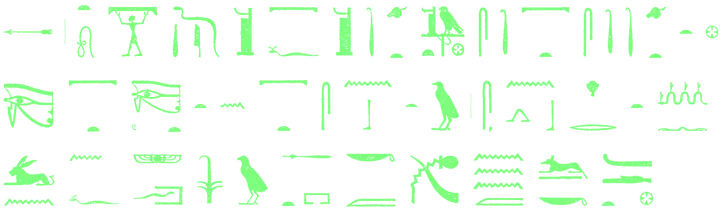
twꜣ pt ḏd mdw ṯst ṯsj.tj ḫnt Wṯst Ḥr smnt smn.tj ḫnt Msn wḏꜣt wḏꜣ.tj snbt snb.tj sbn ... .. n wnn.f ꜥpj ꜥq sj ꜥꜣjt.k m ꜥbw m sštꜣ.k wr n Bḥdtj
Supporting the sky. Words to be spoken: “The Raised One is raised in the Throne of Horus;
the Steadfast One stands fast in Mesen.
The Whole One is whole; the Sound One is sound.
He who fell … is no more.
O Api, enter the sky, for your sanctuary is pure and holds your great image of Behedety.”Note · Line 28
The Raised One, the Steadfast One, the Whole One and the Sound One are all the sky. The fallen one is Apophis, the serpent who threatens the sun. - 29

Bḥdtj nṯr ꜥꜣ nb pt sꜣb šwt prj m ꜣḫt ḫntj jtrtj šmꜥw mḥw
Behedety, the great god, lord of the sky, dappled of plumage, who comes forth from the horizon, foremost in the twin shrines of Upper and Lower Egypt.
- 30
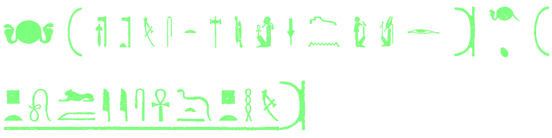
nswt bjt (… …) sꜣ Rꜥ (… …)
King of Upper and Lower Egypt, Ptolemy IX; son of Ra, Ptolemy IX.
- 31
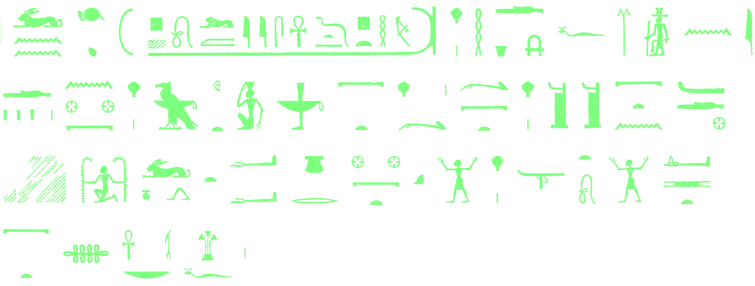
wnn sꜣ Rꜥ (… …) ḥr ḥꜥt.f m jtj n jfd n nwt ḥr kꜣwt gbt ḥr rmnj rmnjt ḥr ṯst ṯst n Bḥdtj sw mj Ḥḥ dwn ꜥwj ẖr nwt qꜣj ḥr jꜣt.f twꜣ dj mrt
The son of Ra, Ptolemy IX, sits on his throne as ruler of the four quarters of the sky. He bears the firmament, supports the Supported One and raises the Raised One for Behedety. He is like Heh stretching out both arms beneath the sky, like the One High on His Standard who holds up heaven.
- 32

ḏd mdw jn Ḥr Bḥdtj nṯr ꜥꜣ nb pt Rꜥ Ḥr ꜣḫtj wbn m nwt
Words spoken by Horus Behedety, the great god, lord of the sky, Ra-Horakhty, who rises in the sky.
- 33

ḏd mdw jn Ḥt ḥr wrt nbt Jwnt jrt Rꜥ ḥrt jb Bḥdt nbt pt ḥnwt nṯrw nbw ḥrjt tp wrt m tp n ꜣḫtj mḥnjt nt sꜣb šwt
Words spoken by Hathor the Great, lady of Dendera, Eye of Ra, who dwells in Behedet, lady of the sky, mistress of all the gods, the great cobra on the brow of Him of the Horizon, the uraeus of the Dappled One.
- 34
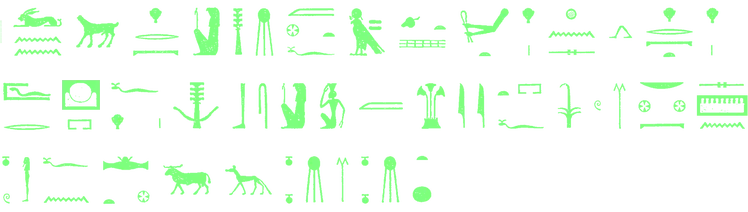
wnn ẖn ḥrt psḏ m nwt.f Rꜥ Ḥr ꜣḫtj ḫnt spt.f ḏsrt ḥr ḫns ḥrt ḥr ꜥq r ꜣḫt.f ḥr ẖnm bs.f m ḥꜣjt.f sw m nb nwt smn.f n Msn bꜣ jꜣbtt wbn m wbnt
He Who Crosses Heaven shines in his city. Ra-Horakhty is in his sacred province. He traverses the sky, enters his horizon and joins his image in his chapel. He is lord of the sky, whose image is in Mesen, the ba of the east, who rises where the sun rises.
Note · Line 34
The ba is the power of a god to be present in a visible form. Here the sun god who crosses the sky is also present in the temple image. - 35
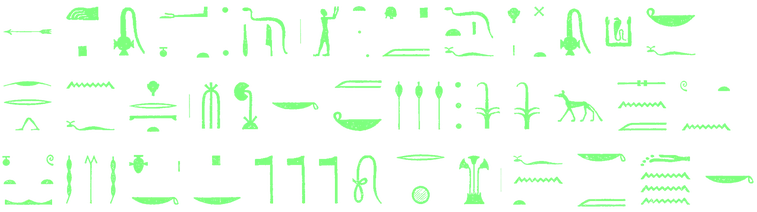
kꜣp ꜥntjw ḏd mdw ꜥntjw tpj m ḏt.f ḥr ḫt n kꜣ.k sṯj.f spr.n.f ḥrt msḫꜣ ḥꜥ.k m sṯj ḥḏw nn jw.sn m Wtnt nḏm jb.k pꜣ nb nṯrw wꜣḫj fnḏ.k m jdt.k
Burning myrrh. Words to be spoken: “Myrrh, first of its kind, is on the flame for your ka; its scent has reached the sky.
May your body delight in the scent of these hedju resins that come from Wetenet.
May your heart rejoice, lord of the gods; may your nose be filled with your own fragrance.”Note · Line 35
Hedju is incense from Wetenet, a region named as a source of aromatics. - 36

nswt bjt (… …) sꜣ Rꜥ (… …)
King of Upper and Lower Egypt, Ptolemy IX; son of Ra, Ptolemy IX.
- 37
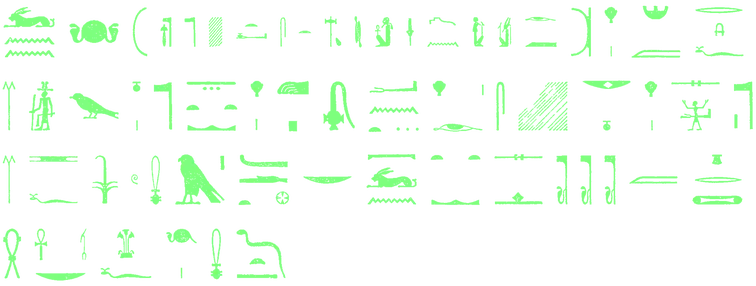
wnn nswt bjt (… …) ḥr ḥmr.f m jtj wr n Tꜣ nṯr ḥr kꜣp ꜥntjw ḥr jrt sṯj ḥb ḥr sḥꜥj nṯr m mrjt.f sw mj Ḥr Bḥdtj nb Pwnt sḥtp nṯrw nṯrwt m ẖrt.sn
The King of Upper and Lower Egypt, Ptolemy IX, sits on his throne as great ruler of the Land of the God. He burns myrrh, spreads the fragrance of festival and gladdens the god with what he loves. He is like Horus of Behdet, lord of Punt, who gives the gods and goddesses their fill of what they need each day.
Note · Line 37
Behdet is Edfu. The Egyptians called the region from which they obtained myrrh and other aromatics Punt, or the Land of the God. - 38
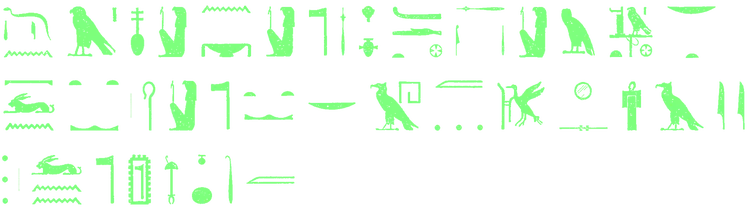
ḏd mdw jn Ḥr nfr n nb nṯr ꜥꜣ ḥrj jb Bḥdt ꜥꜣ mꜣꜥ ḫrw m Wṯst Ḥr nb Pwnt ḥqꜣ Tꜣ nṯr nb jhmt qmꜣ ḫsꜣw
Words spoken by Fair Horus of Gold, the great god who dwells in Behdet, the great victor on the Throne of Horus, lord of Punt, ruler of the Land of the God, lord of ihemet, who brings forth khesau.
Note · Line 38
The Throne of Horus is Edfu. Ihemet and khesau are kinds of incense. - 39
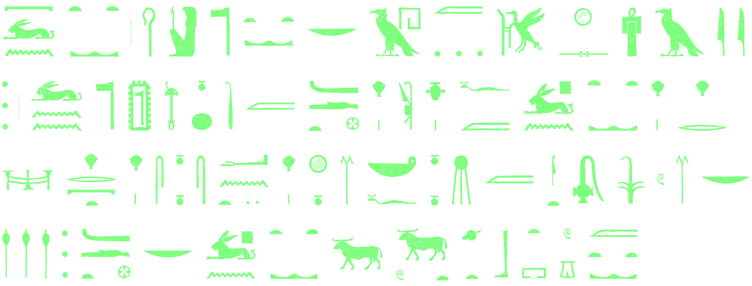
wnn nṯr nṯrj wbn.tj m Bḥdt ḥr šms jb.f m Pwnt ḥr ḥrt ḥrt ḥr snsn ꜥntjw ḥr ḫnm sṯj.f wbn m ḫt sw m nb ḥḏw Bḥdtj nb Pwnt bꜣ bꜣ.tj ḫnt Bwgm
The most divine of gods has risen in Behdet. He follows his heart in Punt and sets the sky far on high. He smells the myrrh and breathes in its fragrance as it rises over the flame. He is lord of hedju incense, Horus of Behdet, lord of Punt, the ba mighty in Bugem.
Note · Line 39
Here the word for “mighty” echoes ba. - 40
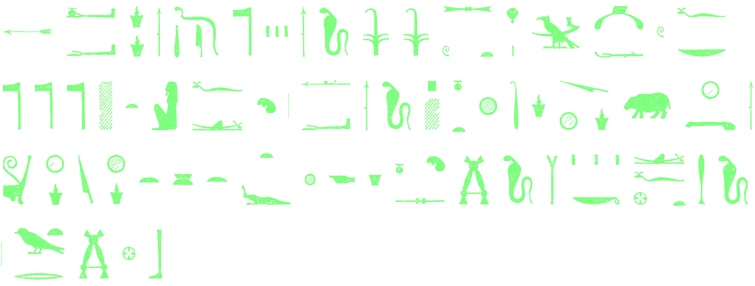
ḥnk ꜥbbt ḏd mdw bjꜣ nṯr.k nn ṯs.tj ḥr mꜣwt.f nb nṯrw ḥqꜣ.f jm.k wꜥ.k pw ntj ẖdb ḫꜣb ḫmt n ḫbḫb ḫꜥw ḫfꜥ.n.k sw ḏbꜣ.k sbjw.k jm.f nwt ḥm.k wr.tj ḏbꜣ
Presenting the abebet-harpoon. Words to be spoken: “Here is your divine metal, bound to its shaft, lord of the gods, for you are its master.
This is your harpoon for killing the hippopotamus,
the khemet-harpoon for cutting down crocodiles.
Once you grasp it, you punish your rebels with it:
great in punishment is the city of Your Majesty.”Note · Line 40
The divine metal is the harpoon head. The word for punishing an enemy echoes Djeba, a name of Edfu, the city praised in the last line. - 41
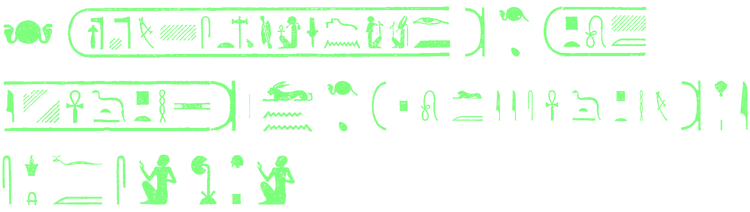
nswt bjt (… …) sꜣ Rꜥ (… …)
The King of Upper and Lower Egypt, Ptolemy IX, the Son of Ra, Ptolemy IX.
- 42
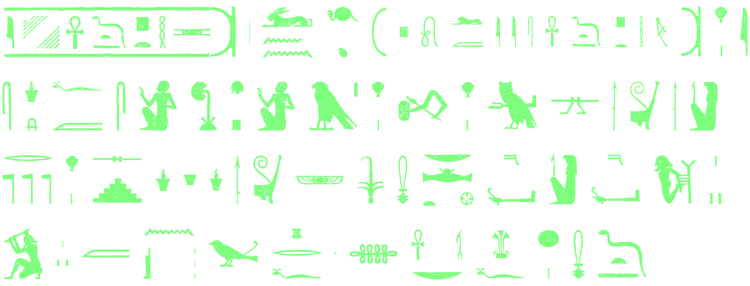
wnn sꜣ Rꜥ (… …) ḥr jsbt.f m s ḫꜣ tpj Ḥr ḥr ꜥḥꜣ ḥr ms wꜥ n wꜥj r nṯrw ḥr sjꜥr ꜥbbt n ꜥpj sw mj Nb Msn ḥw ḥwj sbjw ḫftjw.f m nṯstjw ẖr.f
The Son of Ra, Ptolemy IX, sits on his throne as First of a Thousand, Horus in battle. He presents the harpoon to the One without equal among the gods and offers the abebet-harpoon to Api. He is like the Lord of Mesen, the Striker who strikes down rebels, his enemies lying crushed beneath him.
Note · Line 42
The Lord of Mesen is Horus in his role as harpooner. - 43
ḥqꜣt nbt tꜣwj (…)
The ruler, the Lady of the Two Lands, Cleopatra.
- 44

sꜣ.k r.f sjꜥr.f n.k wꜥ.k sḥtp.f jb.k m mrjt.k
“He is indeed your son. He offers you your harpoon and contents your heart with what you love.”
- 45
sqnj.j ḥm.k r sbjw ḥr.k smꜥr.j spw.k n bw nb
“I strengthen Your Majesty against those who rebel against you and bring your plans to success everywhere.”
- 46

ḏd mdw jn Ḥr Bḥdtj nṯr ꜥꜣ nb pt jꜣwtj nfr m Ḏbꜣ ḏbꜣ tbh ḫnt Wr nḫt smꜣ tšmmw m nḫt.f
Words spoken by Horus of Behdet, the great god, lord of the sky, the perfect harpooner in Edfu, who punishes Tebeh in Great-in-Victory and kills the crocodiles by his might.
Note · Line 46
Tebeh is Seth, the enemy of Horus; Great-in-Victory is Edfu. - 47
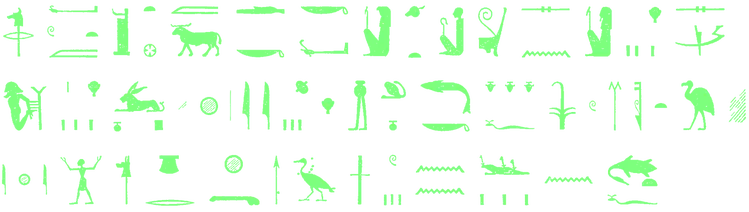
wnn ... wsr.tj m Wṯst m bꜣ tkk ḫnt {ꜣw.n.sn ḥr smꜣ sbjw ḥr wnp ḫmjw.f ḥr jnt pḥwj n ẖꜣkw jb.f sw m msntj nfr ḫj ḥꜣt ẖr ḫmt sdꜣdꜣ jmjw mw n snḏt.f
… is mighty on the Throne, a ba quick to attack among the guardian gods. He kills the rebels, stabs his foes and makes an end of his adversaries. He is the perfect harpooner, standing tall with the khemet-harpoon, who makes the creatures of the water tremble in dread of him.
- 48
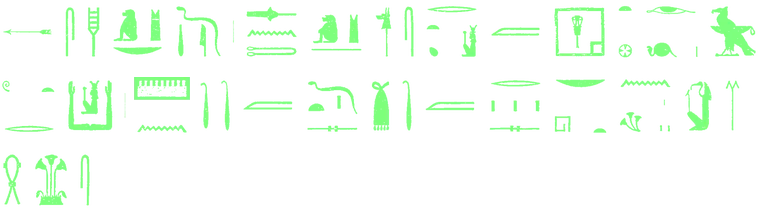
sꜥḥꜥ wnšb ḏd mdw mn n.ṯ wnšb wsrt m Ḥt sššt jrt Rꜥ kꜣ.tw r kꜣ.ṯ mn.tj m ḏt.s ꜥpr.tj m rꜣw.s nb hdn m sꜣ ḥꜣ.s
Setting up the wensheb. Words to be spoken: “Receive the wensheb, mighty one in the House of the Sistrum. ‘Eye of Re’ is what your ka is called. She endures in her own form, complete in all her parts, with the lord of the heden-plant standing guard behind her.”
Note · Line 48
The wensheb is a water clock offered to Hathor. The House of the Sistrum is her temple at Dendera. Her ka is her vital power; the god guarding the Eye is Thoth. - 49
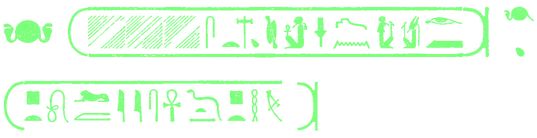
nswt bjt (… …) sꜣ Rꜥ (… …)
The King of Upper and Lower Egypt, Ptolemy IX, the Son of Ra, Ptolemy IX.
- 50
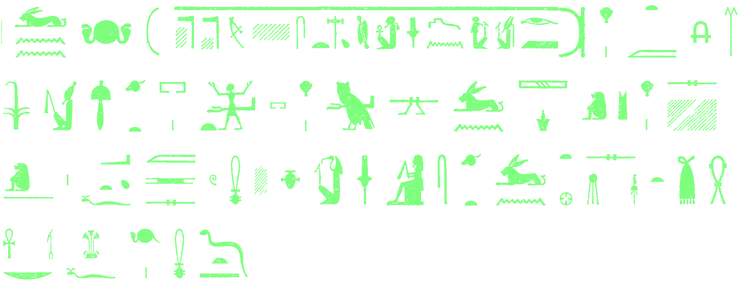
wnn nswt bjt (… …) ḥr tmꜣ.f m nswt mnḫ ḫnt pr ḥꜥꜥwt ḥr ms wnšb ḥr sjꜥr wtṯ ḥr ḥnk ḥnwt.f m mrjt.s sw mj jpj jb sḫm šps ḫnt Wnw sꜣḫ wnmt ꜥpr jꜣbtt
The King of Upper and Lower Egypt, Ptolemy IX, sits on his throne as an excellent king in the House of Jubilation. He presents the wensheb, holds up the utetj and gives his lady what she loves. He is like the Tester of the Heart, the august power in Hermopolis, who makes the right eye shine and furnishes the left with all it needs.
Note · Line 50
The House of Jubilation is the palace. The Tester of the Heart is Thoth of Hermopolis; the right and left eyes are the sun and moon. - 51
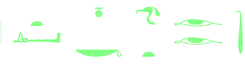
rdj.j n.k ꜣḫtj.k mn.tj m st.sn ḥr mꜣꜣ m ḥpt r ...
“I grant that your two eyes stay firm in their places, swift to see as far as …”
- 52
ḏd mdw jn Ḥt ḥr wrt nbt Jwnt jrt Rꜥ ḥrt jb Bḥdt ḏfḏ ntj ḏfḏ n wḏꜣt ḥrjt tp nt Rꜥ sšmwt nt Ḥr ꜥnḫt ntj ꜥpj
Words spoken by Hathor the Great, Lady of Dendera, Eye of Ra, who dwells in Behdet, pupil of the Pupil of the Sound Eye, cobra on the brow of Ra, uraeus of Horus, living eye of Api.
Note · Line 52
The Sound Eye is the injured eye of Horus restored to wholeness. - 53
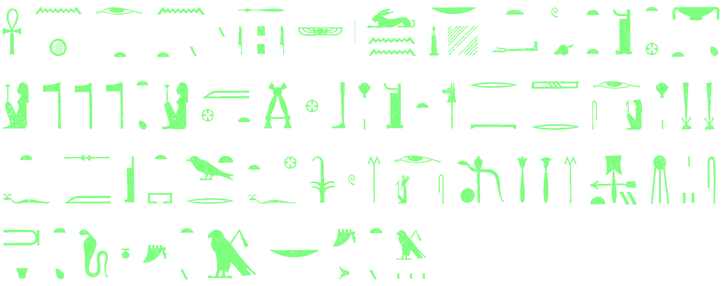
wnn nbt Jwnt ḫꜥj.tj ḫnt Wṯst nb nṯrw m nwt.s Ḏbꜣ ḥr ṯst ḥꜣt r ḥrt ḫr jrj sj ḥr snsn jt.s m St wrt.f sj m jrt Jtmw sḥḏt tꜣwj m stwt.s wꜥt nt ḏrtj nb Ḏrtjw
The Lady of Dendera has appeared on the Throne. The Golden One of the gods is in her city of Edfu. She lifts her brow skyward to him who made her and joins her father on his Great Seat. She is the Eye of Atum, lighting the Two Lands with her rays, the sole cobra of the Falcon, lord of the falcon gods.
- 54

sḫꜥj sḫm ḏd mdw sḫm.ṯ n.ṯ wsrt ꜥꜣt nsrt psḏt ḫsf n.ṯ nšnj.ṯ
Making the sistrum shine. Words to be spoken: “Your sistrum for you, mighty one, great of flame! Shining one, it drives your rage away.”
Note · Line 54
The sistrum is a sacred rattle. Its music soothes Hathor in her fierce aspect as the Eye of Ra. - 55
Jḥj wr sꜣ Ḥt ḥr
Ihy the Great, son of Hathor.
Note · Line 55
Ihy is the child musician who plays the sistrum for his mother. - 56
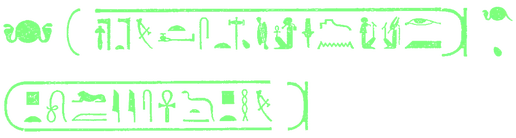
nswt bjt (… …) sꜣ Rꜥ (… …)
The King of Upper and Lower Egypt, Ptolemy IX, the Son of Ra, Ptolemy IX.
- 57
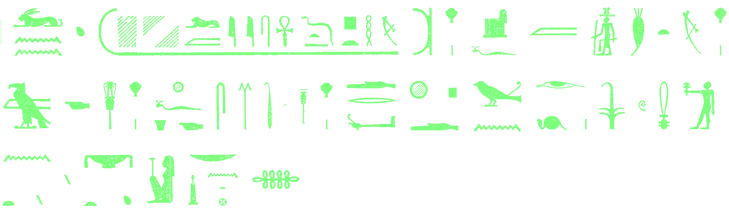
wnn sꜣ Rꜥ (… …) ḥr bḥdw.f m jtj bnr mrwt ḥr ꜣmm sššt ḥr ḫfꜥ smdt ḥr dr špt n jrt Rꜥ sw mj jḥj ntj nb nbt Jwnt jḥj n mwt.f r mrwt.s
The Son of Ra, Ptolemy IX, sits on his throne as a dearly loved ruler. He grasps the shrine sistrum, grips the hoop sistrum and drives anger from the Eye of Ra. He is like the musician of the Golden One, Lady of Dendera, who makes music for his mother as she pleases.
Note · Line 57
The two rattles take their names from their shapes: one has a miniature shrine on its handle, the other a hoop. - 58
rdj.j sḫm ḥm.k jmj wtj ꜥnḫw jmꜣ n.k šmꜥw mḥw
“I grant that Your Majesty may be mighty among the living and that Upper and Lower Egypt may look kindly on you.”
- 59
ḏd mdw jn Ḥt ḥr wrt nbt Jwnt jrt Rꜥ ḥrt jb Bḥdt mnjt wrt nbt dndn ꜣḫtjt ḥꜣjtjt ḥꜣjt tꜣwj m stwt.s šnwt Rꜥ ḥr jrt n.s jꜣw
Words spoken by Hathor the Great, Lady of Dendera, Eye of Ra, who dwells in Behdet, the great Menat, mistress of wrath, Lady of the Horizon, the radiant one who lights the Two Lands with her rays, whom the court of Ra praises.
Note · Line 59
The menat is Hathor’s beaded necklace with a counterweight. Like the sistrum, it could be shaken to make music. - 60

ḏd mdw jn Ḥr {mꜣ tꜣwj pꜣ ẖrd sꜣ Ḥt ḥr sfj šps n sꜣb šwt bẖ mꜣwt m tꜣ mj ꜣḫtj sr jjt nn jjt.s
Words spoken by Harsomtus the Child, son of Hathor, splendid child of the Many-Feathered One, whose rays shine on earth like those of the Lord of the Horizon, who foretells what is to come before it comes.
Note · Line 60
The father is Horus, pictured as a falcon with plumage of many colors. - 61
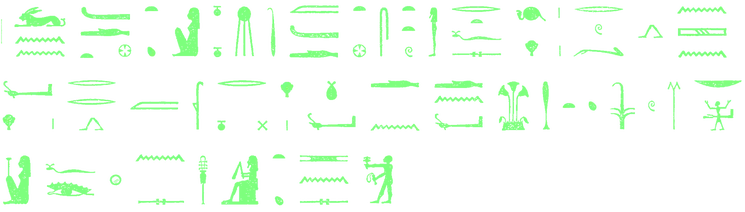
wnn Bḥdtjt wbn.tj m Bḥdt stwt r jt.s Rꜥ ḥr rwj nšnj ḥr pẖr m qd ḥr dr dndn ḥꜣ ḥmt.s sj m nbt ḥꜥꜥwt ḫf.n.s sḫm špst mrj.n.s jḥj
The Lady of Behdet has risen in Behdet, the very likeness of her father Ra. She puts away her anger, grows cheerful again and banishes the fury that goes out from Her Majesty. At the sight of the sistrum she is the Lady of Joy, the splendid one who loves music.
- 62
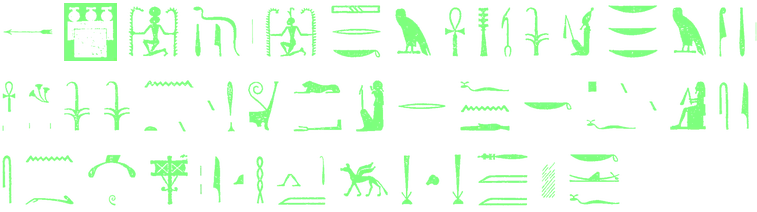
ḥnk ḥḥ ḏd mdw ḥḥ ḫr.k m ꜥnḫ ḏd wꜣs nswj.k tꜣwj nbw m mꜣꜥ ḫrw ꜥnḫw nn ntj ḥm n Rꜥ r fnḏ.k pf šps js njw jqḥ.tj m ḫꜣḫ snsn ẖnmtj.k jm.f
Presenting Heh. Words to be spoken: “Heh for you, with life, stability and dominion!
You rule the Two Lands entire in triumph.
These flowers of the Majesty of Ra for that splendid nose of yours!
The breeze has come in haste for your nostrils to breathe it in.”Note · Line 62
Heh personifies a million and, beyond counting, eternity. The king offers his figure to the god. The word for the flowers echoes the word for life. - 63
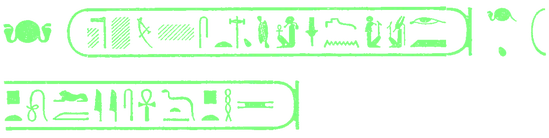
nswt bjt (… …) sꜣ Rꜥ (… …)
The King of Upper and Lower Egypt, Ptolemy IX, the Son of Ra, Ptolemy IX.
- 64
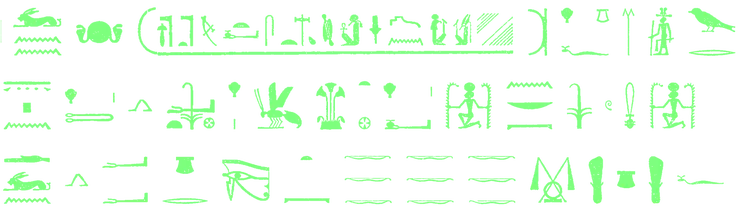
wnn nswt bjt (… …) ḥr nst.f m jtj wr ḫnt tꜣ pn ḥr jṯt šmꜥw ḥr bjtj mḥw ḥr ḥnk ḥḥ n nb pt sw mj Ḥḥ dwn ꜥwj ẖr wḏꜣt pḏt 9 dmḏ ẖr ṯbwj.f
The King of Upper and Lower Egypt, Ptolemy IX, sits on his throne as great ruler in this land. He takes possession of Upper Egypt, reigns over Lower Egypt and presents Heh to the lord of the sky. He is like Heh, who stretches out his arms beneath the sky, the Nine Bows gathered beneath the soles of his feet.
Note · Line 64
The Nine Bows stand for the enemies of Egypt, often pictured beneath the king’s feet. - 65
rdj.j n.k ḥḥw nw rnpwt jbdw ḥfnw nw hrw wnwwt
“I give you millions of years and months, hundreds of thousands of days and hours.”
- 66
ḏd mdw jn Ḥr Bḥdtj nṯr ꜥꜣ nb pt sꜣb šwt prj m ꜣḫt jrj ṯꜣw m hh n rꜣ.f ꜥḫj pt n bꜣ.f qmꜣ tꜣ n sḫm.f sšm .. ... ḏr psḏ.f
Words spoken by Horus of Behdet, the great god, lord of the sky, the Many-Feathered One who comes forth from the horizon, who makes the air with the warm breath of his mouth, raises the sky for his ba and fashions the earth for his image, who guides … as soon as he shines.
- 67

ḏd mdw jn Ḥt ḥr wrt nbt Jwnt jrt Rꜥ ḥrt jb Bḥdt nbt pt ... ... ... ... .. ḫnt Bḥdw n Rꜥ jtnt ... ... ... nwt
Words to be spoken by Hathor the Great, Lady of Dendera, Eye of Ra, who dwells in Behdet, Lady of Heaven, … in the Throne of Ra, the female sun disk, … sky.
Note · Line 67
As the Eye of Ra, Hathor is the sun god’s power in female form. - 68
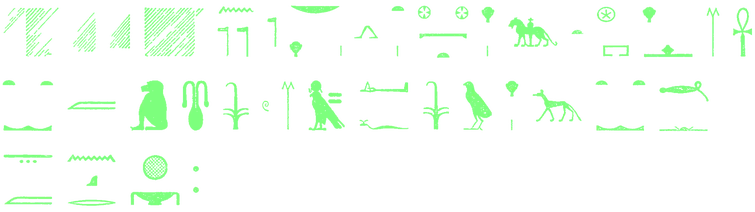
wnn Bḥdtj ... ... ... ... ... n nṯrw nbw ḥr nmt nwt ḥr pẖr dꜣt ḥr ḥtp m ꜥnḫt m Jtmw sw m Rꜥ Ḥr ꜣḫtj rdj.f sw ḥr jꜣbtt mḥ tꜣ m nqr
The Behdetite is … of all the gods.
He strides across the sky, he circles through the underworld,
he comes to rest in the Land of Life as Atum.
He is Ra-Horakhty: he shows himself in the east
and fills the earth with gold dust.Note · Line 68
The Behdetite is Horus of Edfu. The Land of Life is the west, where the sun sets as Atum; Ra-Horakhty is Ra as Horus of the Two Horizons. - 69

ḥnk ḥts ḏd mdw ḥts ḫr.k mꜣꜥ.n.j n kꜣ.k ḥts.j n.k mnww wrw nfrw kꜣt nn ḏdj.tj hꜣw ḥt nṯr.k qꜣj.tj ḫnt nwt.k Ḏbꜣ
Offering the hetes. Words to be spoken: Here is the hetes I have brought for your ka.
For you I have finished great and beautiful monuments
and this work that stands firm beside your temple
and rises high in your city of Edfu.Note · Line 69
The king speaks as temple builder: the offering’s name, hetes, echoes the word for bringing work to completion. - 70

ḥḥw rnpwt.sn ḥfnw jbdw.sn ḥr ḫm skj m Bḥdt r ḏt
Millions are their years, hundreds of thousands their months;
they know no decay in Behdet, forever. - 71
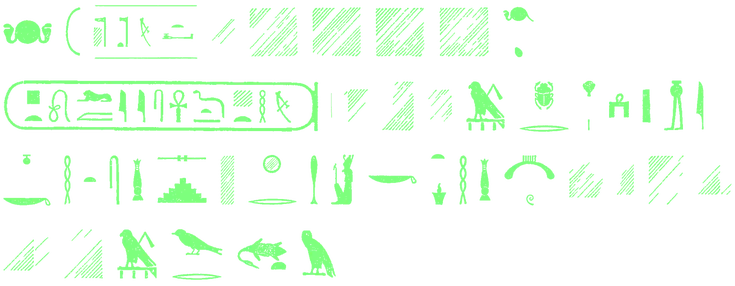
nswt bjt (… …) sꜣ Rꜥ (… …)
The King of Upper and Lower Egypt, Ptolemy IX, the Son of Ra, Ptolemy IX.
Note · Line 71
The two titles introduce the same king, first by his throne name and then by his birth name. - 72

jw.n.j ḫr.k ... ... ḥꜣt nṯrw ḫpr ḥr sꜣ jnj.j n.k ḥts sjꜥr.tj ḫr ḥm.k dbḥw ḥts ꜣwj ... ... ... ṯwt ... ... ... wr snḏt m m nṯrw
I have come to you, … beginning of the gods, who comes into being again at the end,
to bring you the hetes, held high before Your Majesty.
The furnishings for the feast of completion are …
You are …, held in great awe among the gods. - 73
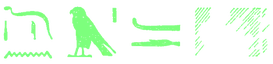
rdj.j n.k nw ... ... tp tꜣ jꜣwj ... ...
I grant that your time … on earth and your old age …
- 74

ḏd mdw jn Ḥr Bḥdtj nṯr ꜥꜣ nb pt ꜥꜣ mꜣꜥ ḫrw ... ... sḫm šps nb .. ... nṯrw jtj n nwwt spwt
Words to be spoken by Horus of Behdet, the great god, lord of the sky, the great victor, … the august Power, lord of … gods, ruler of the towns and nomes.
Note · Line 74
The nomes were the districts of Egypt. - 75

ḏd mdw jn Ḥt ḥr wrt nbt Jwnt jrt Rꜥ ḥrt jb Bḥdt nbt pt ḥnwt nṯrw nbw Rnpt nfrt nswjt ... ... ... .. m jw.s
Words to be spoken by Hathor the Great, Lady of Dendera, Eye of Ra, who dwells in Behdet, Lady of Heaven, mistress of all the gods, Renpet-Neferet, the queen … when she comes.
Note · Line 75
Renpet-Neferet means “the Good Year.” - 76
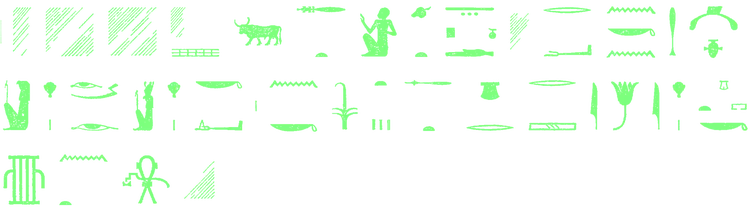
jw.tj m ḥtp ... ... ... kꜣ ẖt ḫnt tꜣ pn šsp.n.j .. rdj.n.k n ḥm.j ꜣwj jb.j ḥr mꜣꜣ.j ḥr.k rdj.j n.k nswjt ꜥꜣt ẖr ršwt ḥr nst.k ḫnt stp sꜣ
Come in peace, … Bull of the Body in this land.
I have received the … you gave My Majesty;
my heart is glad to see your face.
I grant you great kingship, with joy upon your throne in the palace. - 77
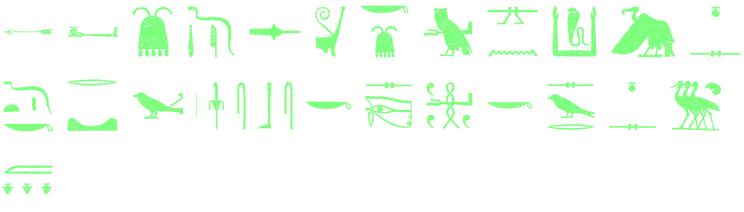
ḥnk mꜥnḫt ḏd mdw mn n.k mꜥnḫt mst.n.j n kꜣ.k mkj.n.s ḏt.k r ḏw ḫwj.s bs.k swḏꜣ.s ḥꜥ.k swr.n.s bꜣw.k m jbw ..
Offering the mankhet tassel. Words to be spoken: Take the mankhet tassel I have brought for your ka.
It has protected your body from evil; it guards your image
and keeps your limbs sound, for it has magnified your power in the hearts of …Note · Line 77
The tassel is a protective ornament worn at the neck. - 78

nswt bjt (… …) sꜣ Rꜥ (… …)
The King of Upper and Lower Egypt, Ptolemy IX, the Son of Ra, Ptolemy IX.
- 79
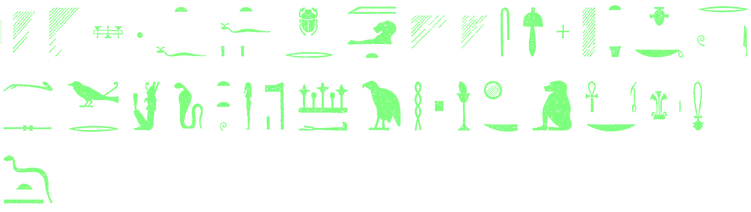
jw.n.j ḫr.k ... ḏr ꜥ jt jtw ḫpr m ḥꜣt jnj.j n.k ... smnḫt jmj st ꜥ.k rwj.s ... . r ḥm.k ṯwt nṯr šꜣꜥ nḥp jḫt nbt qmꜣ wnnt nbt m tꜣ pn
I have come to you, … at the dawn of time, father of fathers, who came into being at the beginning,
to bring you …, which makes your heart sound and keeps evil from Your Majesty.
For you are the god who began the shaping of all things,
who made all that exists in this land. - 80

... ... ... ... ... ... ḏd mdw jn Ptḥ rsj jnb.f nb ꜥnḫ tꜣwj ... ... ... ... sḫm šps ... ... ... ... smn tꜣ
… Words to be spoken by Ptah, He Who Is South of His Wall, lord of the Life of the Two Lands, … the august Power, … who made the earth firm.
Note · Line 80
The Life of the Two Lands is a name for Memphis, Ptah’s city. The Two Lands are Upper and Lower Egypt. - 81

ḏd mdw jn Ḥt ḥr nbt nht rsjt jrt Rꜥ ḥrt jb Bḥdt ḥqꜣt .. ꜥnḫ tꜣwj nb nṯrw ḫnt Tꜣ n Jtmw wrt ḥswt ḫnt St wrt
Words to be spoken by Hathor, Lady of the Southern Sycamore, Eye of Ra, who dwells in Behdet, ruler in the Life of the Two Lands, Gold of the Gods in the Land of Atum, greatly praised in the Great Seat.
Note · Line 81
The Land of Atum here is Dendera; the Great Seat is the sanctuary at Edfu. - 82
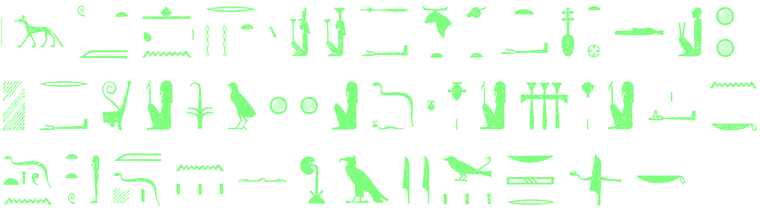
jw.tj m ḥtp sꜣ n rḥtj ꜥꜣ šfjt ḫnt Ꜥꜥjt nfrt šsp.n.j jrt ḫḫ.k rdj.n.j sj r ḫḫ.j tfn jb.j ṯḥn ḥr.j rdj.j n.k ḏt.k twt m ḏt.sn n ḫꜣjt nbt ḫr jwf.k
Come in peace, son of the two women, great in majesty in the Place of Perfect Appearing.
I have received your necklace and laid it about my neck;
my heart is glad, my face shines.
I grant that your body be perfect in form,
with no ailment in your flesh.Note · Line 82
The two women are Isis and Nephthys. The Place of Perfect Appearing is Edfu. - 83

mꜣꜣ nṯr ḏd mdw ꜥq.j Nḏm ꜥnḫ m ꜥbw wr ḫf.j Rꜥ Ḥr ꜣḫtj ḥtp ḥr nst.f
Seeing the god. Words to be spoken: I enter Nedjemankh in great purity to behold Ra-Horakhty at rest upon his throne.
Note · Line 83
Nedjemankh, “Sweet of Life,” is a name for Edfu. - 84
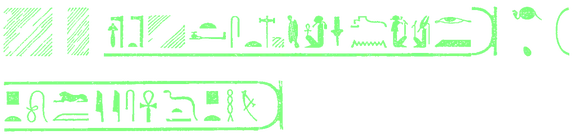
nswt bjt (… …) sꜣ Rꜥ (… …)
The King of Upper and Lower Egypt, Ptolemy IX, the Son of Ra, Ptolemy IX.
- 85
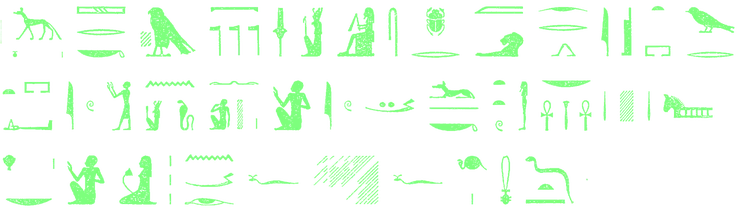
jw.n.j ḫr.k sjꜣw ḥrj nṯrw sḫm šps ḫpr m ḥꜣt spr.j st wrt rdj.j jꜣw n ḥm.k n sꜣj.j r mꜣꜣ sštꜣ.k ṯwt nb ꜥnḫ wḏ ꜥnḫ n tꜣwj ḫntš ḥr nb n mꜣꜣ.f
I have come to you, O Falcon, chief of the gods, august Power who came into being in the beginning,
that I may reach the Great Seat and give praise to Your Majesty.
I cannot have my fill of looking on your hidden image.
For you are the lord of life, who decrees life for the Two Lands;
every face lights up at the sight of you. - 86

Bḥdtj nṯr ꜥꜣ nb pt
The Behdetite, the great god, lord of the sky.
- 87
sꜥꜣ.j bꜣw.k m ḥr n ḥr nb swr.j nrw.k m tꜣ
I magnify your power in everyone’s eyes;
I deepen the awe you inspire on earth. - 88

ḏd mdw jn Ḥr Bḥdtj nṯr ꜥꜣ nb pt sꜣb šwt prj m ꜣḫt wbn m pt ... ... ...
Words to be spoken by Horus of Behdet, the great god, lord of the sky, bright of plumage in many colors, who comes forth from the horizon and shines in the sky …
- 89

ḏd mdw jn Ḥt ḥr wrt nbt Jwnt jrt Rꜥ ḥrt jb Bḥdt ... ... ... tjt nfrt ḥnwt pr nswt ... ... . n.s pt tꜣ
Words to be spoken by Hathor the Great, Lady of Dendera, Eye of Ra, who dwells in Behdet, … the beautiful form, mistress of the royal house, … for her, heaven and earth.
- 90
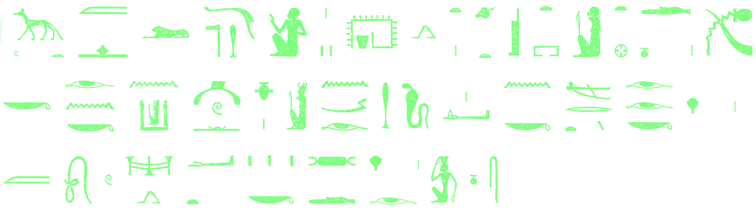
jw.tj m ḥtp mr mr ḥmw nṯr wsḫ nmtt ḫnt St Rꜥ šsp.n.j ꜥbw.k jrj.n.k n kꜣ.j ꜣwj jb.j n mꜣꜣ ḥm.k rdj.j n.k mrtj.k ḥr mꜣꜣ m wꜣw ꜥwt.k ꜥḏ ḥr jrt kꜣt.sn
Come in peace, chief of the overseers of priests, wide of stride in the Seat of Ra.
I have accepted the purification you performed for my ka;
my heart is glad at the sight of Your Majesty.
I grant that your two eyes see far
and your limbs be sound as they do their work. - 91

ḥnk mꜣꜥt ḏd mdw ẖrt.k ḫr.k šfjt.k r ḫft ḥr.k Ḥr mꜣꜥtj ꜥnḫ m mꜣꜥt
Offering Maat. Words to be spoken: Here is your food; your glory is before your face, O Horus the Vindicated, who live on Maat.
Note · Line 91
Maat is both the right order of the world and the goddess who embodies it. The king offers her to the god as his food. - 92
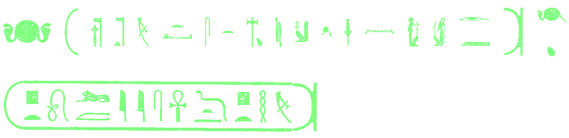
nswt bjt (… …) sꜣ Rꜥ (… …)
The King of Upper and Lower Egypt, Ptolemy IX, the Son of Ra, Ptolemy IX.
- 93
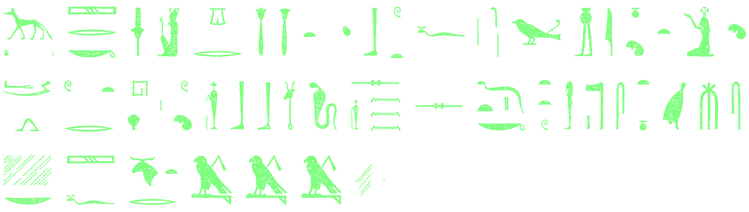
jw.n.j ḫr.k sḫm grg tꜣwj nb mꜣꜥt bwt.f jsft jnj.j n.k mrt.k mꜣꜥ.tj r hꜣw ḥr.k qbbt.k sqbb.s ḏt.k ṯwt nṯr sṯnj msḫꜥ nb šfjt r nṯrw dmḏ
I have come to you, O Power who founded the Two Lands, lord of Maat, who abhors injustice,
to bring you your throat, held out before your face,
your gullet, which cools your body.
For you are the god of surpassing splendor,
more revered than all the gods together.Note · Line 93
The first word for “throat” also sounds like “what you love”; the second echoes the word for cooling. - 94
rdj.j n.k mꜣꜥt m jb.k r jrt.s n tpjw tꜣ
I grant that Maat be in your heart, that you may put her into practice for those who live on earth.
- 95

ḏd mdw jn Ḥr Bḥdtj nṯr ꜥꜣ nb pt bjk n nb sꜣ Wsjr
Words to be spoken by Horus of Behdet, the great god, lord of the sky, falcon of gold, son of Osiris.
- 96

ḏd mdw jn Wṯst Ḥr ꜣst ḫwt sꜣ.s špst wrt ḥnwt nwwt
Words to be spoken by the Throne of Horus, Isis who protects her son, the august one, the great one, mistress of cities.
- 97
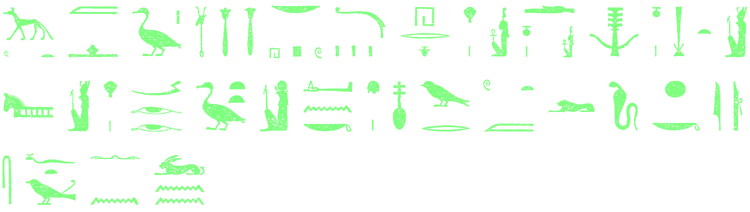
jw.tj m ḥtp sꜣ ꜥm tꜣwj nb hpw hrw ḥr mꜣꜥt šsp.n.j mꜣꜥt ẖnm.n.j snt.j ḫntš.j ḥr mꜣꜣ sꜣt Rꜥ rdj.j n.k tp nfr wr.tj m rk.k jsft nn wnn.s
Come in peace, son of Am-Tawy, lord of laws, who delight in Maat.
I have received Maat; I have joined with my sister.
I rejoice at the sight of the daughter of Ra.
I grant that right order shall flourish in your time
and that wrong shall not exist.Note · Line 97
Am-Tawy is Thoth. - 98

ḥnk ḥḥ m ꜥnḫ ḏd wꜣs ḏd mdw ḥḥ ḫr.k m ꜥnḫ ḏd wꜣs nswj.k tꜣwj nb m mꜣꜥ ḫrw
Offering Heh with life, stability and dominion. Words to be spoken:
Heh is yours, with life, stability and dominion,
that you may rule the whole of the Two Lands in triumph.Note · Line 98
Heh personifies a million years. His image is an offering of time beyond reckoning. - 99
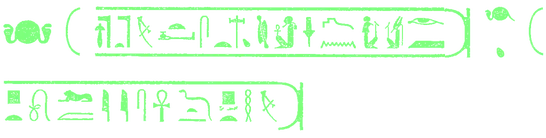
nswt bjt (… …) sꜣ Rꜥ (… …)
The King of Upper and Lower Egypt, Ptolemy IX, the Son of Ra, Ptolemy IX.
- 100
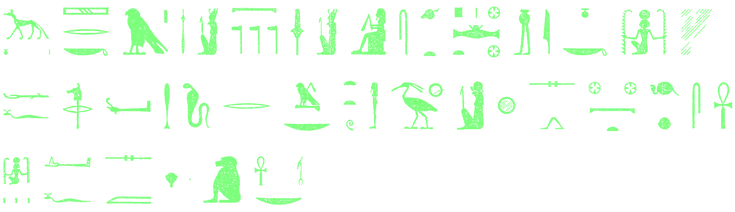
jw.n.j ḫr.k Ḥr ꜥꜣ ḥrj nṯrw sḫm šps ḫnt P Msn jnj.j n.k ḥḥ ꜥnḫ ḏd wꜣs r ḫt.f wsr ḥm.k r nṯr nb ṯwt jꜣḫw ḫns nwt rꜥ nb sꜥnḫ ḥḥw rdj.f sw m ḥrt
I have come to you, Horus the Great, chief of the gods,
august power in Pe-Mesen,
to bring you Heh, with life, stability and dominion in his train,
that Your Majesty may be mightier than any other god.
You are the shining one who crosses the sky each day,
who brings millions to life when he takes his place on high.Note · Line 100
Pe-Mesen is a sacred name of Edfu. - 101
rdj.j n.k nswjt ꜥꜣt ḥr st Ḥr ꜥḥꜥw.k m ꜣw n ḏt
I grant you great kingship on the throne of Horus
and a lifetime as long as eternity.Note · Line 101
Here the god answers the king’s offering with a gift of his own. - 102
ḏd mdw jn Ḥr Bḥdtj nṯr ꜥꜣ nb pt sꜣb šwt prj m ꜣḫt Rꜥ ḏs.f ḫnt St wrt
Words to be spoken by Horus of Behdet, the great god, lord of the sky, he of many-colored plumage who comes forth from the horizon, Ra himself in the Great Seat.
- 103

ḏd mdw jn Ḥt ḥr wrt nbt Jwnt jrt Rꜥ ḥrt jb Bḥdt nbt pt ḥnwt nṯrw nbw ḥrjt tp wrt nt ꜥpj ḥmt nṯr nt sꜣb šwt
Words to be spoken by Hathor the Great, Lady of Dendera, Eye of Ra, who dwells in Behdet, lady of the sky, mistress of all the gods, great cobra on the brow of Api, divine wife of him of many-colored plumage.
Note · Line 103
The cobra rears on the god’s brow to defend him. - 104
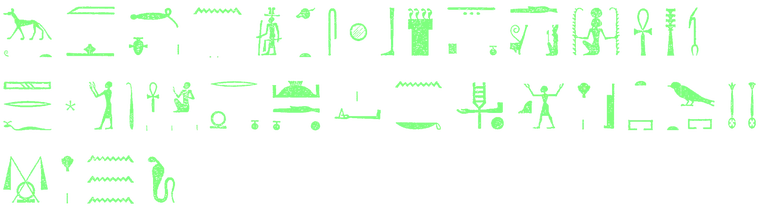
jw.tj m ḥtp mḥ jb n tꜣwj jtj ḫnt sbḫt tꜣ pn šsp.n.j ḥḥ ꜥnḫ ḏd wꜣs ḫr.f dwꜣ twj ꜥnḫw r šnw n jtn rdj.j n.k ꜥḥꜥw qꜣj ḥr st wrt tꜣwj dmḏ ḥr mw.k
Come in peace, you in whom the Two Lands trust,
sovereign in the palace of this land.
I have received Heh, with life, stability and dominion beside him.
The living praise me as far as the sun’s circuit reaches.
I grant you long life on the royal throne
and the Two Lands united in allegiance to you. - 105
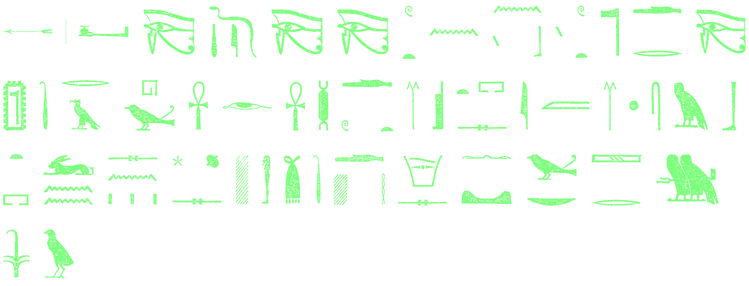
ḥnk wḏꜣt ḏd mdw wḏꜣt wḏꜣ.tj snbt snb.tj nṯrt nṯrj.tj r ꜣhw ꜥnḫt ꜥnḫ ꜥḏ.tj m st.s jmwj.s m bw wnn.sn rḏw.s twt ꜥpr.tj dbḥw.s n ḏw nb ḫr m m.s
Offering the Wedjat Eye. Words to be spoken:
The Sound Eye is sound; the Healthy Eye is healthy.
The Divine Eye is divinely guarded against harm.
The Living Eye lives, unhurt in her place;
her two pupils are where they belong.
Her outflow is complete; she has all she needs.
There is no hurt in her at all.Note · Line 105
The Wedjat is the injured Eye of Horus made whole again. Its name means “the Sound One.” - 106
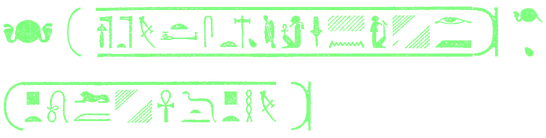
nswt bjt (… …) sꜣ Rꜥ (… …)
The King of Upper and Lower Egypt, Ptolemy IX, the Son of Ra, Ptolemy IX.
- 107
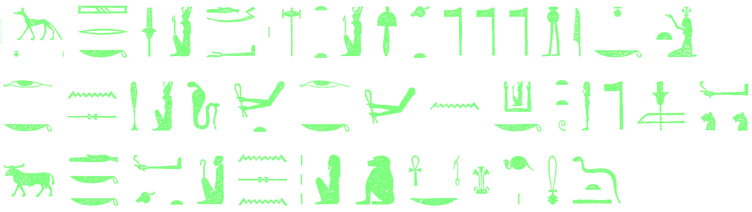
jw.n.j ḫr.k sḫm ṯmꜣ ꜥ nḏtj mnḫ ḫnt nṯrw jnj.j n.k mrt.k mrj.n sj ḥm.k ḏsrt.k ḏsr.tj n kꜣ.k ṯwt nṯr sḫm pḥtj bꜣ tkk ḫnt {ꜣw.n.sn
I have come to you, mighty one, strong of arm,
excellent defender among the gods,
to bring you your eye, which Your Majesty loves,
your holy eye, hallowed for your ka.
You are the god of mighty strength,
the fierce ba among the guardian gods. - 108
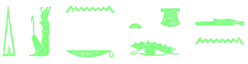
rdj.j n.k dgjt.n jtn m hrw ptrt.n ꜥ tp šsꜣt
I give you what the sun disk has seen by day
and what the moon has beheld by night. - 109
ḏd mdw jn Ḥr nb {ḫm ḥrj jb Bḥdt bjtj Rꜥ ḫnt St Rꜥ ṯnr wr pḥtj ḫnt Jmḥḏ wnp whj sp.f ḥr wjn.f
Words to be spoken by Horus, Lord of Letopolis, who dwells in Behdet, Ra the King of Lower Egypt in the Seat of Ra, the strong one, great in might in Imehedj, who spears the one whose venture failed, for the wrong he did.
Note · Line 109
The one whose venture failed is Seth, the rival of Horus. - 110
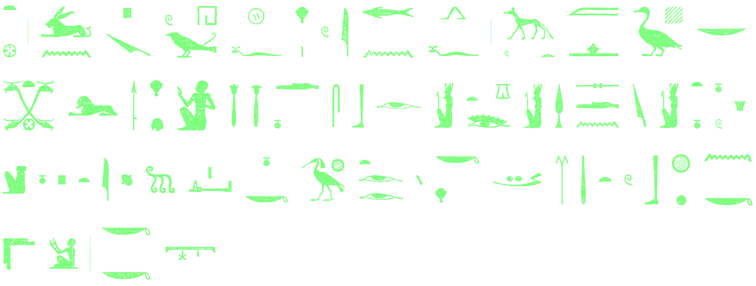
jw.tj m ḥtp sꜣ nb Ꜥmnw nb wꜥ ḥrj tp tꜣwj šsp.n.j sbqt.j dgj.j jm.s dn.j ṯnw ꜥ npḏ.j nbḏ rdj.j n.k ꜣḫtj.k ḥr mꜣꜣ m ḥpt wbḫ n.k jmnt m kkw
Come in peace, son of the Lord of Hermopolis,
sole lord, chief of the Two Lands.
I have received my shining eye; with it I see.
I cut down Tjenu-a; I tear the Evil One to pieces.
I grant that your two eyes shall be quick to see
and that what lies hidden in the dark shall shine for you.Note · Line 110
The Lord of Hermopolis is Thoth. Tjenu-a and the Evil One are names of the enemy the god strikes down. - 111

ṯs wḏꜣw n ꜥnḫ mrr ḫpr ḏd mdw ꜥnḫ r ḫḫ.k ꜥnḫj nb ꜥnḫ sštꜣ.k mꜣꜥ ḫr kꜣ.k sšmw.k pw ntj ḥr mkt jtrtj ḥr ḫwt sḫmw ntj m ḫntj.s
Fastening the amulet of the Scarab Who Loves Becoming. Words to be spoken:
The scarab at your throat, O living one, lord of life!
Your true likeness, for your ka.
It is your image that guards the two shrines
and keeps watch over the powers within.Note · Line 111
The Egyptian word for this beetle also means “life.” The paired shrines stand for the sanctuaries of Upper and Lower Egypt. - 112

sꜣw.k {ꜣw.n.sn ḥn.k ḥꜥ.sn swḏꜣ.k ḥt nṯr.sn r ḥḏ
You guard the guardian gods,
you watch over their bodies,
you keep their temple safe from harm. - 113
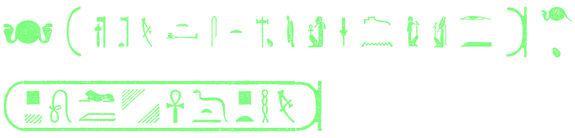
nswt bjt (… …) sꜣ Rꜥ (… …)
The King of Upper and Lower Egypt, Ptolemy IX, the Son of Ra, Ptolemy IX.
- 114

jw.n.j ḫr.k nṯr wr ḥrj nṯrw ꜥbb šps wbn m nww jnj.j n.k sšmw.k pn nfr jrj.f sꜣ.k rꜥ nb sp 2 ṯwt ḫprr ḫpr m ḥꜣt mḥ jb n nṯrw jm.f
I have come to you, great god, chief of the gods,
august scarab who rises from the primeval waters,
to bring you this fair image of yours
that guards you day after day.
You are the scarab who came into being in the beginning,
in whom the gods put their trust.Note · Line 114
The name “scarab” here echoes the Egyptian verb “to come into being.” - 115
mkj.j ḥm.k ḫnt stp sꜣ nh.j ḏt.k r ḏw
I protect Your Majesty in the palace;
I keep your body safe from harm. - 116
ḏd mdw jn Ḥr Bḥdtj nṯr ꜥꜣ nb pt sꜣb šwt prj m ꜣḫt Ptḥ Tꜣ ṯnn wtṯ jḫt nbt jt nṯrw ḫwj ṯꜣw.f m sš.sn m ꜥpj wr n ktmt
Words to be spoken by Horus of Behdet, the great god, lord of the sky, he of many-colored plumage who comes forth from the horizon, Ptah-Tatenen who begot all things, father of the gods who guards his young in their nests as the great Api of gold.
- 117
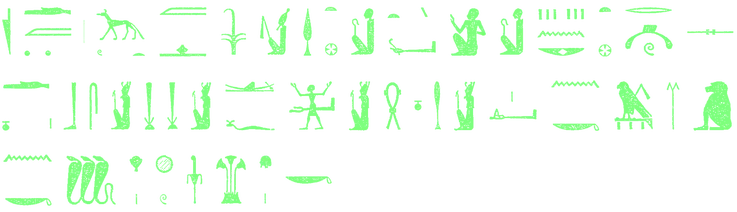
jw.tj m ḥtp nswt Bꜣqt sꜣwtj sꜣw Snwt r ꜣw.s šsp.n.j bs.j snsn.j jm.f ḥꜥj.j sꜣw.n.f ḥm.j rdj.j n.k nṯrw m sꜣ n ḥꜥ.k nṯrwt ḥr ḫwt ḥꜣ.k
Come in peace, king of Egypt,
guardian who guards Egypt from end to end.
I have received my image; I unite with it.
I exult, for it has guarded My Majesty.
I grant you gods to guard your body
and goddesses to keep watch at your back. - 118

ḥnk jrp ḏd mdw šꜣw ꜣḫꜣḫ.tj m ww nw špst wdn.tj .. m kꜣt.sn wdḥ.sn m wnš wr.tj r nš ḥꜣm.sn m jrp r wḏꜣw.ṯ
Offering wine. Words to be spoken:
The vines have grown green in the fields of the Splendid One.
They hang heavy … with their yield.
They are awash with grapes more numerous than grains of sand.
What flows from their press comes as wine into your storehouses,Note · Line 118
The Splendid One is Hathor, to whom both the vineyards and their wine belong. - 119

nbt.sn r.ṯ wrt nbt Jmꜣw ḏsr.sn m nwt nt kꜣ.ṯ sḫm.ṯ jm.sn wnf jb.ṯ ḥꜥꜥ ḥmt.ṯ m mrjt.ṯ
for you yourself are their lady, Great One, Lady of Imau.
When they are offered in the city of your ka, you draw strength from them;
your heart grows merry, and Your Majesty rejoices in what you love. - 120

nswt bjt (… …) sꜣ Rꜥ (… …)
The King of Upper and Lower Egypt, Ptolemy IX, the Son of Ra, Ptolemy IX.
- 121
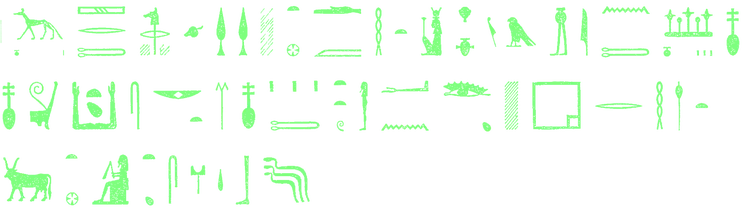
jw.n.j ḫr.ṯ wsrt ḫnt Jmꜣw ṯmḥjt ḥrt jb Jmnt jnj.j n.ṯ šꜣ nfr nfr n kꜣ.ṯ sḥb.ṯ tꜣwj m nfrw.ṯ ṯwt ꜥnt m Ḥt wrt špst nt sꜣbwt
I have come to you, mighty one in Imau,
Libyan woman who dwells in the Western Province,
to bring you good wine, good for your ka,
that you may make the Two Lands festive with your beauty.
You are the lovely one in the House of the Great Cow,
the splendid one among the Sabut serpents. - 122
rdj.j n.k šꜣw nbw nw jḫt mnt prt jꜣꜣ bsj m šꜣw.sn
I give you all the vineyards of the world
and the grapes that spring from their vines. - 123
ḏd mdw jn Ḥt ḥr nbt Jmꜣw jrt Rꜥ ḥrt jb Bḥdt nbt ... ḥnwt ... .. špst wsrt ḥqꜣt ḫntjt mrw mwt nṯr m Ḥt jḥt nbt sšp qmꜣt šꜣw ṯtft n.s jnmt
Words to be spoken by Hathor, Lady of Imau, Eye of Ra, who dwells in Behdet, lady of music, mistress of dance, … the splendid one, the mighty one, ruler and foremost in the desert, mother of the god in the House of the Cow, lady of grapes, who created the vines, for whom Inemet wine flows in streams.
- 124
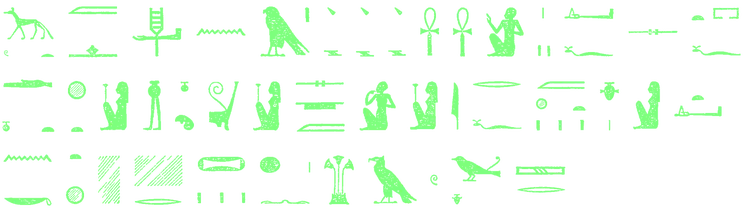
jw.tj m ḥtp ꜥḥꜥw n Jdbw Ḥr ꜥnḫ ꜥnḫw rdj.f sw ḥr nst.f šsp.n.j jḫt.j jnjt.n.k n.j sꜥm.j jrf m jḫt jb.j rdj.j n.k tḫt m ẖrt hrw n ḥꜣt jb ḫr.k
Come in peace, Ahau of the Banks of Horus,
at whose taking the throne the living live.
I have received my offering, which you brought me;
now I drink what my heart desires.
I give you drunkenness day after day,
with not a care to trouble you. - 125

ḥnk ꜣšrt ḏd mdw šsp.n.j ꜥ bꜥḥj m stpw m jwꜣw gḥsw mꜣw ḥḏ njꜣw šbnw pw ntj jmjw ḫt Stš ꜣšrt n.sn wdj jsk ḥr ḫt
Offering morsels of roast meat. Words to be spoken:
I have taken up the bowl heaped with choice cuts
of cattle, gazelles, oryxes and ibexes.
These are the various forms of Seth’s followers;
morsels of them have been laid on the fire to roast.Note · Line 125
The animals represent Seth’s followers. In serving them to Horus, the king offers him his defeated enemies. - 126

dgj st kꜣ.k prj ḥm.k m qd dp.k dpt.sn wjn dndn.k
When your ka sees them, Your Majesty is wild with joy.
When you taste their savor, your fury is driven away. - 127
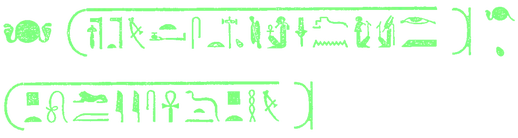
nswt bjt (… …) sꜣ Rꜥ (… …)
King of Upper and Lower Egypt, Ptolemy IX; Son of Ra, Ptolemy IX.
Note · Line 127
The two titles introduce the king’s throne name and birth name, each enclosed in an oval cartouche. - 128
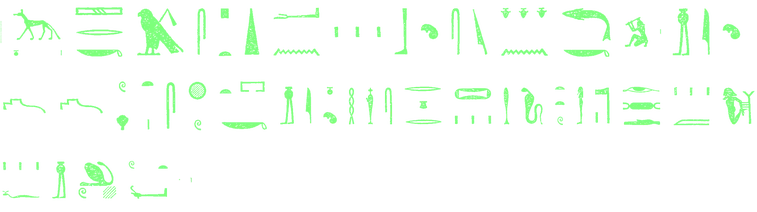
jw.n.j ḫr.k bjk spd ꜥnwt bsk jbw n ẖꜣkw jb jnj.j n.k stpw stp.tj ḥr sḫw.k jnj.j n.k ḥst r ẖrt ḥm.k ṯwt nṯr jrj ꜥḏt m sbjw.f jnj pḥwj n wdj qn
I have come to you, falcon of the sharp talons,
you who cut the hearts out of the treacherous,
to bring you choice cuts carved in your slaughterhouse,
to bring you meat from the haunch to sustain Your Majesty.
For you are the god who makes a slaughter of his enemies,
who puts an end to the troublemaker.Note · Line 128
The king offers the god meat from the slaughterhouse. In the rite, the slaughter of the animals stands for the defeat of the god’s enemies. - 129

rdj.j n.k sbjw.k sbj m ḫt ḫrww.k ḫr m ḫbt.sn
I grant that your enemies burn in the fire,
that your adversaries fall at their place of execution.Note · Line 129
Here the god speaks: in return for the offering, he grants the king victory over his own enemies. - 130

ḏd mdw jn Ḥr Bḥdtj nṯr ꜥꜣ nb pt kꜣ nḫt spd ḥnwtj ḥsꜣ ḥr m skjt n wn jw m ḥsj.f sḫm nf whj sp.f
Words spoken by Horus of Behdet, the great god, lord of the sky,
the mighty bull with two sharp horns, fierce of face on the battlefield,
whom no one dares confront,
who overpowers that band of the one who failed.Note · Line 130
The one who failed is Seth, Horus’s defeated rival. - 131

ḏd mdw jn Ḥt ḥr wrt nbt Jwnt jrt Rꜥ ḥrt jb Bḥdt nbt pt ḥnwt nṯrw nbw nsrt nt ḫt r sbjw tꜣwj jdbw ẖr nfrw.s
Words spoken by Hathor the Great, lady of Dendera,
Eye of Ra who dwells in Behdet, lady of the sky, mistress of all the gods,
blaze of fire against the rebels,
in whose favor the Two Lands and the lands along the banks bask.Note · Line 131
Eye of Ra is a title of the goddess as the sun god’s power to see, protect and strike. - 132
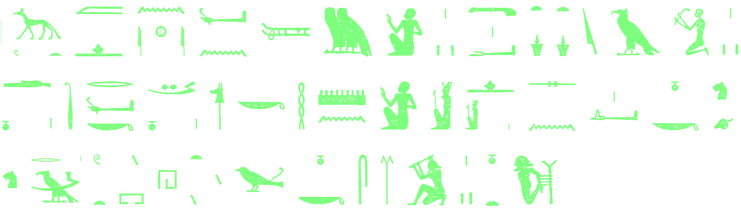
jw.tj m ḥtp nḫw n tmw ṯꜣj ꜥ dbdb tꜣw rꜣ šsp.n.j ṯnr.k mꜣꜣ.n.j ḥꜣt.k ḥsmn.j ḥtp.j ḥr.sn rdj.j n.k pḥtj ḫnt rꜣ ḏꜣwt hd.n.k smꜣjt nt sbj.k
Come in peace, protector of humankind,
manly of arm, who tears the loudmouths to pieces.
I have acknowledged your strength and seen your offering of meat.
I eat of it and am satisfied.
I grant you might on the battlefield,
for you have routed your enemy’s band. - 133

ḥnk pḏt šsr ḏd mdw šsp.n.j jwnt jwh.n.j šsr twꜣ.j ꜥwj.j ẖr dbḥw.k ms.j n.k šmrt ꜥḥꜣ spẖr ... ḫꜥw.k nw ntj ḥr rdt šfjt.k
Offering the bow and arrow. Words to be spoken:
I have taken up the bow and held out the arrow.
I raise both arms bearing your weapons;
I present you with bow and arrow to spread …,
these weapons of yours that inspire awe of you. - 134

spd.k jm.sn sḫm.k jm.sn ꜥꜣ qfꜣt.k jm.sn ḫfꜥ st m ḫfꜥ.k ḫbḫb.k ḫftjw.k stj.k nf sbjw wjn mw.k
With them you are strong, with them you are mighty,
through them your renown is great.
Grip them in your fist
that you may slay your foes,
that you may shoot those rebels who set themselves against you. - 135
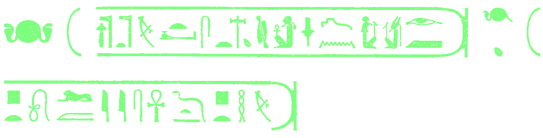
nswt bjt (… …) sꜣ Rꜥ (… …)
King of Upper and Lower Egypt, Ptolemy IX; Son of Ra, Ptolemy IX.
- 136
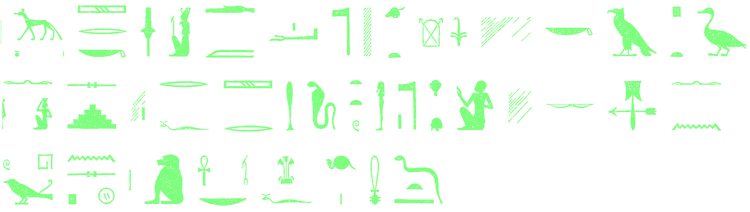
jw.n.j ḫr.k sḫm ṯmꜣ ꜥ nṯr ꜥꜣ ḫnt Nt rsjt jnj.j n.k pḏt ꜣpd n šwt.f sjꜥr.j šsr r.f ḫr ḥm.k ṯwt nṯr ḥrj tp jwnt stj nn whj n sp.f
I have come to you, O Power, strong of arm,
great god foremost in the Southern Saite nome,
to bring you the bow, the bird without feathers,
and to raise the arrow too before Your Majesty.
For you are the god who masters the bow,
who shoots and never misses his mark.Note · Line 136
A nome was an Egyptian province. The Southern and Northern Saite nomes were two provinces of the Nile Delta. - 137
rdj.j n.k pr Mnṯw twt ẖr ḫꜥw ṯnj.tj m ḫt nb ꜥḥꜥ
I grant you the House of Montu, fully stocked with weapons,
equipped with every implement of war.Note · Line 137
The House of Montu is the arsenal; it takes its name from the warrior god Montu. - 138
ḏd mdw jn Jmn ḫntj Nt rsjt ꜥꜣ pḥtj ḫnt St wnp šsp šmrt ḫfꜥ ꜥḥꜣw stj r mḏd ḫftjw.f wsr ḫpš ḥr mds bšṯw smꜣ sbjw sḫr ẖꜣkw jb
Words spoken by Amun, foremost in the Southern Saite nome,
great in might at the Place of Piercing,
who takes up the bow and grips the arrow,
who shoots straight at his foes,
whose mighty arm cuts down the insurgents,
who kills his opponents and fells the treacherous.Note · Line 138
The Place of Piercing is a sacred name of Edfu. - 139
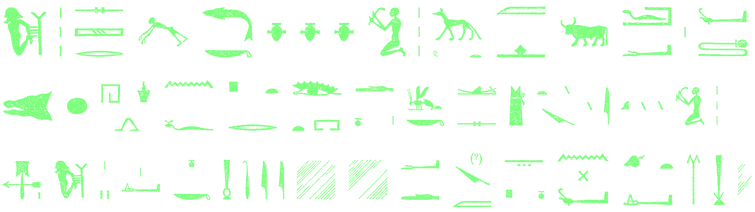
jw.tj m ḥtp kꜣ prj ꜥ wdn ꜣt hb.n.f ptrt šsp.n.j kꜣt.k ḫntš.j jm.s ḥnṯ.j rqww stj.j sbjw rdj.j n.k šnṯjw.k šꜥd m tꜣ pn nḫt ḫnt rdt msnj.f
Come in peace, bull whose arm takes hold,
who brings his great strength to bear when he enters the field of battle.
I have received your handiwork and delight in it.
I kill the foes and shoot the rebels.
I grant that your adversaries lie slaughtered in this land,
and I grant you strength in combat with the knife. - 140
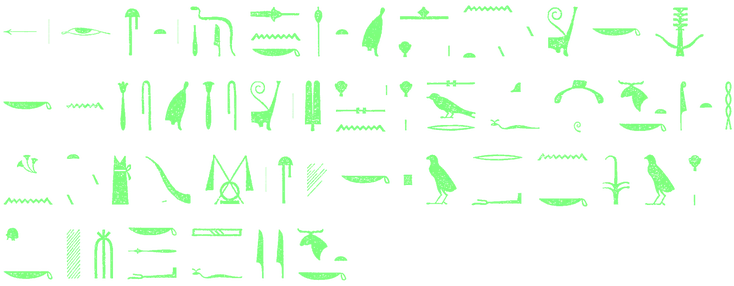
jrt ḥpt ḏd mdw mn n.k ḥḏt ḥtpt ḥr nt.k ẖnm n.k šmꜥs mḥws šwtj ḥr.sn ḥr swr qfꜣt.k mꜣꜥt ḥnwtj dmḏ ḥpt.k pw rdj.n.k sj ḥr tp.k psḏ.k ꜥꜣ šfjt.k
Fashioning the Hepty crown. Words to be spoken:
Take the White Crown that rests upon your Red Crown.
For you the crown of Upper Egypt and the crown of Lower Egypt are joined.
The two plumes rise above them and heighten your renown,
together with the feather of Maat and the two horns.
This is your crown. Once you set it on your head,
you shine, and great is the awe you inspire.Note · Line 140
The Hepty is a composite crown. One of its feathers is the emblem of Maat, goddess of truth and right order. - 141
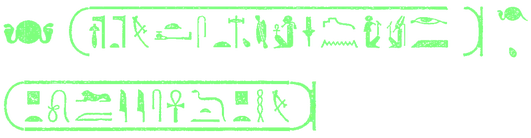
nswt bjt (… …) sꜣ Rꜥ (… …)
King of Upper and Lower Egypt, Ptolemy IX; Son of Ra, Ptolemy IX.
- 142
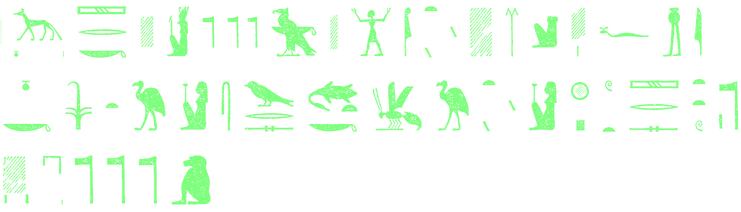
jw.n.j ḫr.k nswt n nṯrw kꜣwt šwtj m tp.f jnj.j n.k nswjt swr.s snḏt.k bjtjt ḫpr.tj ḫr.s ṯwt nṯr wr . ḥwt nṯrw sꜣw {ꜣw.n.sn m sḫmw
I have come to you, king of the gods,
whose twin plumes rise high upon his head,
to bring you the Queen of Upper Egypt, that she may deepen the fear of you,
and the Queen of Lower Egypt who is at her side.
For you are the great god … the temples,
who guards the guardian gods in the sanctuaries.Note · Line 142
The two crowns are personified as queens, one of Upper Egypt and one of Lower Egypt. - 143
rdj.j n.k nbtj mn.tj ḥr tp.k ḥpwt nt ḥm Ḥr ꜣḫtj
I grant that the Two Ladies sit firm upon your head;
I give you the crowns of His Majesty Horakhty.Note · Line 143
The Two Ladies are Nekhbet and Wadjet, the goddesses of the two diadems. Horakhty is Horus of the Two Horizons. - 144
ḏd mdw jn Ḥr Bḥdtj nṯr ꜥꜣ nb pt sꜣb šwt prj m ꜣḫt jtj wr nb ḥpwt nb šmꜥw ḥqꜣ n mḥw qꜣj šwtj spd ḥnwtj
Words spoken by Horus of Behdet, the great god, lord of the sky,
he of many-colored plumage who comes forth from the horizon,
great sovereign, lord of crowns,
lord of Upper Egypt, ruler of Lower Egypt,
his twin plumes tall, his two horns sharp. - 145
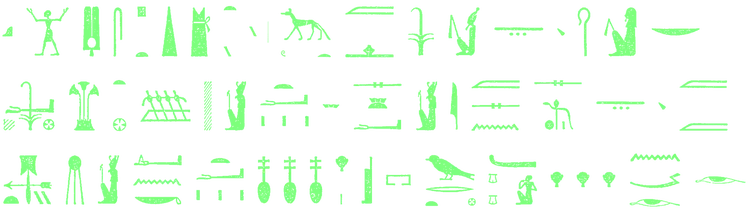
jw.tj m ḥtp nswt tꜣwj ḥqꜣ nb šmꜥw mḥw šsp.n.j ḫꜥw sḫꜥj.j jm.sn sḥḏ.j tꜣwj nb m stwt.j rdj.j n.k ḫꜥw nfrw ḥr st wrt ḥngg ḥrw n mꜣꜣ.k
Come in peace, king of the Two Lands,
ruler and lord of Upper and Lower Egypt.
I have received the crowns; I appear in them
and light the whole of the Two Lands with my rays.
I grant that you appear in splendor on the royal throne
and that faces light up at the sight of you. - 146
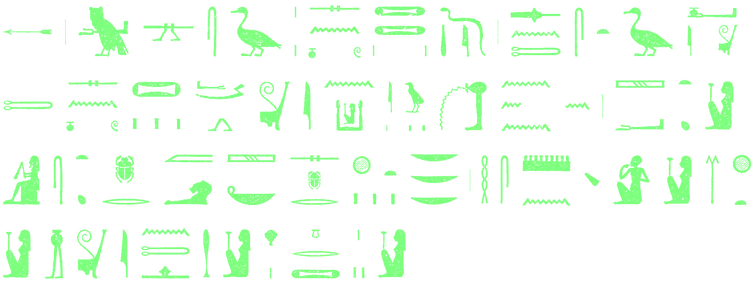
ms srt 2 snw 2 ḏd mdw mn n.ṯ srt ḥnkt.j n.ṯ snw mꜣꜥ.n.j n kꜣ.ṯ jw.w wꜥb šꜣꜥt špst ḫprt m ḥꜣt štꜣt ḥmt sḫprt jḫt nbt ḥsmn.ṯ m jḫt.ṯ jnt.n.j n.ṯ ḥtp ḥmt.ṯ ḥr ẖrt.ṯ
Presenting two geese and two offering loaves. Words to be spoken:
Take the geese I have offered you
and the loaves I have brought for your ka. They are pure.
O First One, august one who came into being in the beginning,
whose womb is hidden, who brought all things into being,
may you eat of the food I have brought you;
may Your Majesty delight in your offerings.Note · Line 146
Food and drink are offered to sustain it. - 147

nswt bjt (… …) sꜣ Rꜥ (… …)
King of Upper and Lower Egypt, Ptolemy IX; Son of Ra, Ptolemy IX.
- 148
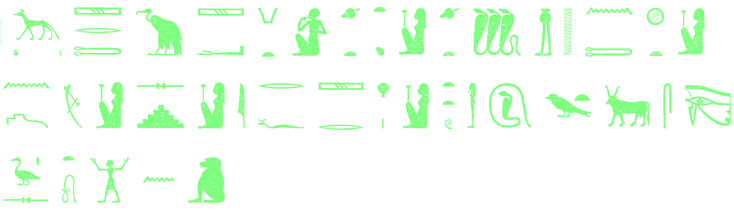
jw.n.j ḫr.ṯ štꜣt šꜣꜥt šdt ḫntjt ḫnt nṯrwt jnj.j n.ṯ jḫt.ṯ nw mrt.ṯ sjꜥrt.j jrf ḫr ḥr.ṯ ṯwt Mḥt wrt swḏꜣt sꜣ.s twꜣt nḫn jmj wtj wpt.s
I have come to you, Shetat, who first gave suck,
foremost among the goddesses,
to bring you these offerings of yours that you love,
which I lift before your face.
For you are the cow Mehet-Weret, who makes her son thrive,
who holds the child aloft between her horns.Note · Line 148
Shetat, “the Hidden One,” is a name of Nekhbet. The cow Mehet-Weret bears the young sun between her horns. - 149
rdj.j n.k ḏt.k twt m ḏt.s nfr.tj snb.tj nn mn
I grant that your body be whole in every part,
beautiful, healthy and free of pain. - 150

ḏd mdw jn Nt wrt mwt nṯr ḫnt Nt mḥtjt wsrt m Wṯst Ḥr Jht wrt tmꜣt nt Rꜥ mwt nṯr nt sꜣb šwt
Words spoken by Neith the Great, mother of the god in the Northern Saite nome,
mighty in the Throne of Horus,
the great Ihet cow, mother of Ra,
divine mother of him of many-colored plumage.Note · Line 150
He of many-colored plumage is Horus in falcon form. - 151
jw.tj m ḥtp bjtj n mḥw ḥwn bnr mrwt šsp.n.j jḫt.j ḥnkt.n.k n kꜣ.j ḥꜥj.j ḥr rdt m ẖt rdj.j n.k ꜥbꜣ.k jꜥb.tj ẖr jḫt nbt wšꜥ.k ṯꜣms.k jm
Come in peace, king of Lower Egypt,
sweetly beloved youth.
I have received my offering, which you presented to my ka;
I rejoice as I take it into my belly.
I grant that your offering table be laden with all things,
that you may eat and feast from it. - 152
ms sꜣw ḏd mdw wḏꜣw nn sjꜥr.j hꜣw ḥr.k sꜣw wrw ḫwj ḥꜥ.k bs.j n.k bs.k n bjk n nb mwt.k ꜣst ḥr jrt sꜣ.k sꜣw.j ḏt.k sꜣw.sn ḏt.k swḏꜣ.j ḥꜥ.k swḏꜣ.sn ḥꜥ.k rdj.sn šfjt.k m jbw
Presenting the amulets. Words to be spoken:
These safeguards I lift before your face
are mighty amulets that guard your limbs.
I bring you your likeness, the falcon of gold,
and your mother Isis as she watches over you.
I guard your body; they guard your body.
I keep your limbs whole; they keep your limbs whole.
They set awe of you in people’s hearts.Note · Line 152
The golden falcon and the figure of Isis are the amulets. The words give them the power to protect the god. - 153
nswt bjt (… …) sꜣ Rꜥ (… …)
King of Upper and Lower Egypt, Ptolemy IX; Son of Ra, Ptolemy IX.
- 154
jw.n.j ḫr.k tjt nt Rꜥ mfk jnm ḫsbḏ tp jnj.j n.k ꜣwt jb r ḫwt ḥꜣ.k ꜣwj jb.k jm.sn rꜥ nb ṯwt nṯr wr bꜣw r nṯrw wr qfꜣt ḫnt {ꜣw.n.sn
I have come to you, image of Ra,
with skin of turquoise and head of lapis lazuli,
to bring you amulets to guard you on every side,
that your heart may rejoice in them day after day.
For you are the god whose power surpasses that of the gods,
great in renown among the guardian gods.Note · Line 154
The name given to the amulets here also means “joy of heart.” - 155

jrj.n.j sꜣ.k wḥm.n.j mkt.k spẖr.j snḏ.k ḫr tpjw tꜣ
I have guarded you, I have renewed your protection;
I spread the fear of you among those who dwell on earth. - 156

ḏd mdw jn Ḥr Bḥdtj nṯr ꜥꜣ nb pt bjk n nb nb Wṯst sjꜣw sꜣw sḫmw m ꜥpj wr ꜥꜣ nrw jmj wtj Psḏt
Words spoken by Horus of Behdet, the great god, lord of the sky,
falcon of gold, lord of the Throne,
the Sia falcon who guards the sanctuaries as great Api,
held in great awe among the Ennead.Note · Line 156
The Ennead is the company of nine gods. - 157

ḏd mdw jn Ḥt ḥr wrt nbt Jwnt jrt Rꜥ ḥrt jb Bḥdt nbtj rḫjt ḫwjt sꜣ.s ꜥꜣt m Wṯst jtjt m Jwnt wsrt ḫnt nṯrwt
Words to be spoken by Hathor the Great, Lady of Dendera, Eye of Ra, who dwells in Behedet, queen of the people, who guards her son, great in the Throne Seat, sovereign in Dendera, mighty among the goddesses.
Note · Line 157
Behedet is Edfu; the Throne Seat is one of its sacred names. - 158
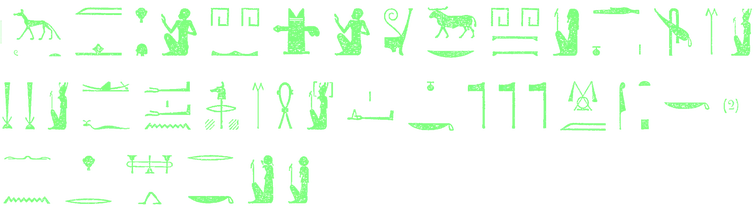
jw.tj m ḥtp ḥrj tp Ḫh wtṯw n bꜣ nb hj šsp.n.j sšmw.j snsn.j jm.f ꜥwj nw wsrt m sꜣ.j rdj.j n.k nṯrw dmḏ m gs dpt.k nn ḥrt r.k rꜥ nb
Welcome in peace, chief of Heh, offspring of Ba-neb-hi.
I have received my image; I join myself to it.
The two arms of the Mighty One guard me.
I grant that the gods together shall guard you,
never far from you, day after day.Note · Line 158
Ba-neb-hi is a name of Ptah. Hathor receives her own sacred image and speaks of becoming one with it. - 159
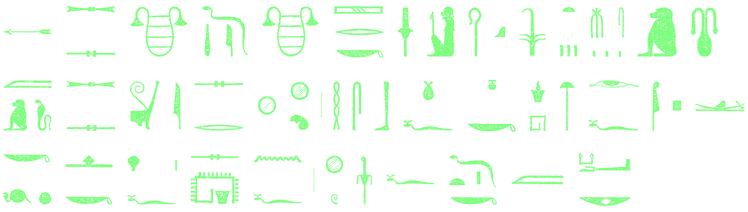
ṯs mꜣḥ ḏd mdw mꜣḥ ḫr.k sḫm ḥqꜣ nswjt msw Jtmw m sꜣ.k ṯs.n.j sw r ḫḫ.k ḥbs.f n.k bhn jrj.f gs dpt.k rꜥ nb ḥtp.k ḥr.f swsḫ.n.f šnbt.k ḫwj.f ḏt.k m mk
Binding on the collar. Words to be spoken: The collar is yours, O mighty one, ruler of kingship.
The children of Atum guard you, now that I have bound it about your neck.
It wraps you in protection and keeps you safe each day.
May you delight in it: it has broadened your breast
and guards your body in festal joy. - 160
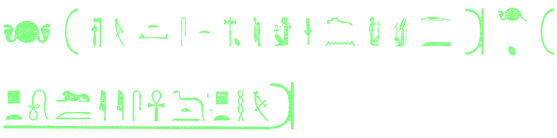
nswt bjt (… …) sꜣ Rꜥ (… …)
King of Upper and Lower Egypt, Ptolemy IX; Son of Ra, Ptolemy IX.
Note · Line 160
The two titles introduce the king as the speaker of the offering that follows. - 161
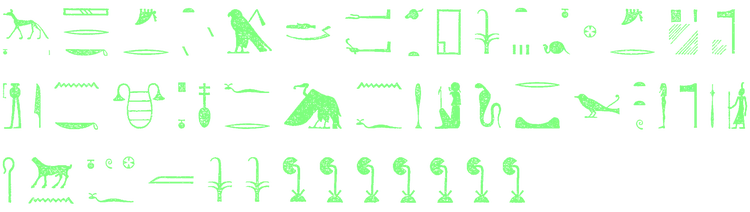
jw.n.j ḫr.k ḏrtj ṯmꜣ ꜥ ḫnt Ḥt nswjt nt Rꜥ ḏr Pꜣwtjw jnj.j n.k mꜣḥ pn nfr mkj.n.f ḥm.k r ḏw ṯwt nṯr ꜥꜣ wr ḥqꜣ ẖnw.f m rnpwt nn 7000
I have come to you, O falcon, strong of arm in the House of the Kingship of Ra since the time of the first gods,
to bring you this fine collar. It has guarded Your Majesty against evil.
For you are the great god, the prince who rules his residence through these seven thousand years. - 162
rdj.j n.k pḏt 9 dmḏ ẖr ṯbwj.k ḫꜣswt nbt ḫꜣb n bꜣw.k
I grant you the Nine Bows, all beneath your feet,
and all foreign lands bowed before your might.Note · Line 162
The Nine Bows stand for the foreign peoples subject to the king. - 163
ḏd mdw jn Jmn Rꜥ nb Ꜥꜣsww sjꜣw nṯrj m ḏt.f Rꜥ Ḥr ꜣḫtj ḫnt St wrt snḏm ḥr p.f ḫnt P n Rꜥ spt.f ḏsrt m tꜣ šmꜥw
Words to be spoken by Amun-Ra, lord of Khasu, the falcon divine in body, Ra-Horakhty in the Great Seat, who has settled on his throne in the Seat of Ra, his sacred province in Upper Egypt.
- 164
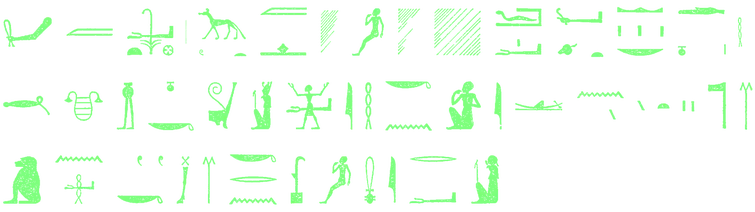
jw.tj m ḥtp ... . pn prj ꜥ ḫnt ḫꜣswt nbt šsp.n.j mꜣḥ jnj.n.k n.j ḥꜥj.j ḥkn.j jm.f rdj.j n.k Psḏt m sꜣ n ḥꜥ.k wḥm.k rnpj mj Rꜥ
Welcome in peace, O youth of this …, whose arm strikes out in every foreign land.
I have received the collar you brought me;
I rejoice, I exult in it.
I grant that the Ennead shall guard your limbs
and that you shall grow young again and again like Ra.Note · Line 164
Ra, the sun god, grows young again at dawn. - 165

smꜣ smꜣ ḏd mdw šsp.n.j sꜣḫt ꜣmm.j sj m wnmj.j ḫfꜥ.n.j sbjw m jꜣbj.j
Slaughtering the ox. Words to be spoken: I have taken up the sakhet-knife; I grip it in my right hand.
I have seized the rebels with my left.Note · Line 165
The king treats the sacrificial ox as the embodiment of the god’s enemies. - 166
smꜣ ḫnt Ḥt Ḥr nḫt ngꜣ.n.j ngꜣ m nknt.j ... stpw.f nw ḥr sḥb ḫꜣwt.k r shrt ḥm.k m qnw.sn
I have slaughtered the ox in the House of Horus the Strong;
I have cut down the nega-bull with my knife.
… These cuts of its flesh deck your altars for the feast,
to delight Your Majesty with the scent of their fat. - 167
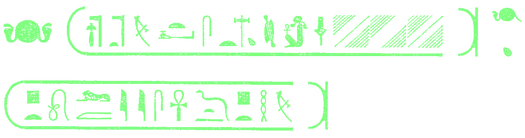
nswt bjt (… …) sꜣ Rꜥ (… …)
King of Upper and Lower Egypt, Ptolemy IX; Son of Ra, Ptolemy IX.
- 168
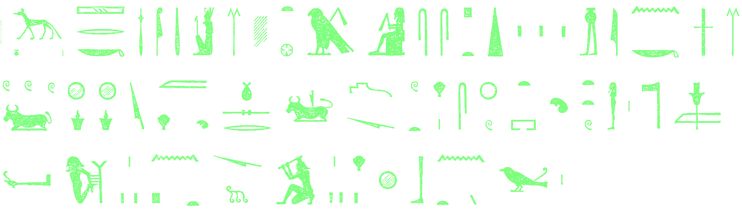
jw.n.j ḫr.k ꜥꜣ mꜣꜥ ḫrw m Wṯst bjk šps spd ꜥnwt jnj.j n.k jmj sꜣṯwt ḫbḫb m ḥr.k šsr stp.tj ḥr sḫw.k ṯwt nṯr sḫm sbjw npḏ nbḏw ḥr ḫbnt.f
I have come to you, great victor in the Throne Seat, noble falcon with sharp talons,
to bring you the one in fetters, slaughtered before your eyes,
the ox cut up in your slaughterhouse.
For you are the god who masters the rebels
and slaughters the insurgents, each for his crime. - 169

rdj.j n.k bšṯw.k bdš nn wnn.sn bṯnw.k bns m tꜣ
I grant that those who rebel against you shall falter and be no more,
that those who rise against you shall be wiped from the earth. - 170

ḏd mdw jn Ḥr Bḥdtj nṯr ꜥꜣ nb pt ṯmꜣ ꜥ šsp.n.f mꜥbꜣ.f mꜣj wr pḥtj ꜥꜣ šfjt r nṯrw rs ḥr jꜣt.f ḫwj nwt.f
Words to be spoken by Horus of Behedet, the great god, lord of the sky, strong of arm, who has grasped his maba-spear, the lion of great strength, more awesome than the gods, who keeps watch over his holy place and guards his city.
- 171
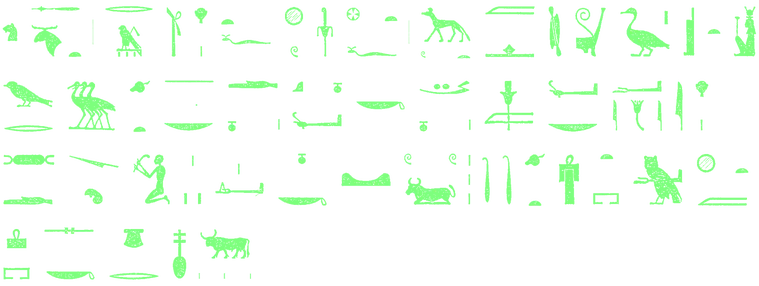
jw.tj m ḥtp jwꜥw n {ꜣ ꜣst wr bꜣw ḫnt tꜣwj nb šsp.n.j qnt.k mꜣꜣ.n.j sḫm.k ꜥj.j ḥr ꜥḏ.k ḫftjw rdj.j n.k wnḏww mn.tj ḫnt sꜣ mḫtmt jsk ẖr nfrw
Welcome in peace, heir of the Son of Isis, great in power throughout the Two Lands.
I have recognized your valor, I have seen your might,
and I rejoice as you cut down the enemy.
I grant you wendju cattle always in the stall
and neferu cattle in the pen.Note · Line 171
The Son of Isis is Horus; the king is his heir. - 172

smꜣ db ḏd mdw nš m nmt ḥtm ḥtm dbdb.n.j jwf.f ḥr msq.f
Slaying the hippopotamus. Words to be spoken: The hippopotamus is at the place of slaughter.
The beast doomed to destruction is destroyed;
I have cut up its flesh on its own hide.Note · Line 172
The hippopotamus here embodies Seth, the enemy of Horus. - 173
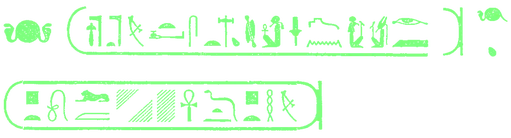
nswt bjt (… …) sꜣ Rꜥ (… …)
King of Upper and Lower Egypt, Ptolemy IX; Son of Ra, Ptolemy IX.
- 174

jw.n.j ḫr.k nb Ḥt nht nṯr ꜥꜣ ḫnt Wꜥ m ḥw jmntj jnj.j n.k sbj.k sbj m ḥr.k sfṯ.tw m stj.k sjꜣw ṯwt msntj ḥms ḥm m bjꜣ.f nb mꜥbꜣ stj r mḏd
I have come to you, lord of the House of the Sycamore, great god in the Western Harpoon Province,
to bring you your enemy, laid low before your eyes,
slaughtered in your presence, O falcon.
For you are the harpooner who runs the Coward through with his lance,
the lord of the maba-spear whose cast strikes home. - 175

rdj.j n.k ṯꜣj ꜥ nn ꜥḥꜥ m hꜣw.k pḥtj.k pḥtj.tj r rqww.k
I give you a man’s strength of arm: none shall stand his ground near you,
and your might shall be mighty against your foes. - 176

ḏd mdw jn Ḥr {ꜣ ꜣst ḥrj jb Ḥt nht nṯr ꜥꜣ ḫnt Wṯst Ḥr jꜣwtj wr pḥtj ḫnt St wnp stj r fnḏ n ḫꜣb
Words to be spoken by Horus son of Isis, who dwells in the House of the Sycamore, the great god in the Throne Seat of Horus, the harpooner of great strength at the Place of Piercing, who casts his spear at the hippopotamus’s nose.
- 177

ḏd mdw jn ꜣst wrt mwt nṯr ḥrt jb Wꜥ m ḥw jmntj wsrt swḏꜣt sꜣ.s ḫsft sbjw.f ḫnt nwj bḥnt ḫftjw m ꜣḫw.s
Words to be spoken by Isis the Great, the god’s mother, who dwells in the Western Harpoon Province, the Mighty One who keeps her son safe, drives back his enemies in the water and renders his foes harmless with her spells.
- 178
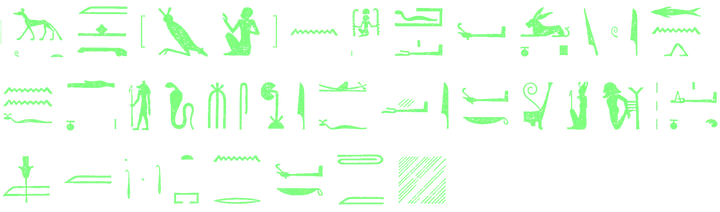
jw.tj m ḥtp ṯꜣj mr mšꜥ n ḥḥw prj ꜥ wnp wnj mw.f šsp.n.j wsr.k msḫꜣ.j jm.f ḥꜥj.j ḥwj.k n.j sbjw rdj.j n.k sḫm ḫnt ptrt nrw.k pẖr m jbw
Welcome in peace, valiant man, commander of millions, whose arm strikes out, who runs his enemy through.
I have recognized your strength; I delight in it.
I rejoice as you strike down the rebels for me.
I give you might on the battlefield;
the dread of you runs through every heart. - 179
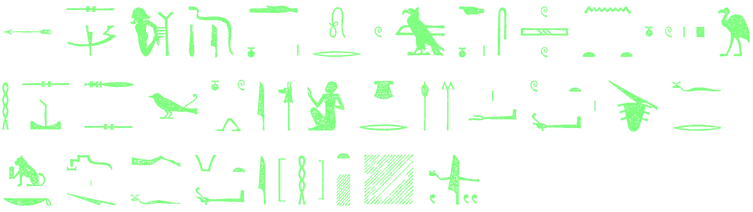
smꜣ sbj ḏd mdw šsp.n.j wꜣrt ꜣmm.n.j swšt nṯṯ.n.j pꜣ nḥsj ẖsj dwn.j ḥꜣt.j ẖr ḥḏ m ꜥ.j wdj.j šꜥt.f r ḫft ḥr.k stp.j ḫpš.f šdj.j ḥꜣtj.f jwf.f n jrjw pt
Slaying the rebel. Words to be spoken: I have taken up the rope, I have gripped the fetter, I have bound the wretched Nubian.
I draw myself up, mace in hand, and strike him down before your eyes.
I cut off his foreleg, I tear out his heart;
his flesh is for the dwellers in the sky.Note · Line 179
The captive is cut up like the sacrificial ox. The dwellers in the sky are the birds that eat his flesh. - 180

nswt bjt (… …) sꜣ Rꜥ (… …)
King of Upper and Lower Egypt, Ptolemy IX; Son of Ra, Ptolemy IX.
- 181

jw.n.j ḫr.k nb jtrtj ꜥꜣ mꜣꜥ ḫrw ḫnt St wnp jnj.j n.k ḫftjw.k ḫbḫb ẖr qn.f wḏb ḥr.f ṯwt nṯr sḫm pḥtj prj ꜥ hb.n.f ptrt
I have come to you, lord of the Two Shrines, great victor at the Place of Piercing,
to bring you your enemies, each slaughtered for the evil deed that recoiled on him.
For you are the god of mighty strength,
whose arm strikes out once he sets foot on the battlefield.Note · Line 181
The Two Shrines stand for the sanctuaries of Upper and Lower Egypt. - 182
rdj.j n.k Jwntjw m ssf ḫꜣswt rsjwt ẖr ṯbwj.k
I grant you the Iuntiu reduced to ash
and the southern foreign lands beneath your feet. - 183
ḏd mdw jn Ḥr Bḥdtj nṯr ꜥꜣ nb pt sꜣ Wsjr prj m ꜣst ḏrtj wr pḥtj ḫnt Ḥt qn ... ... ... ḫftjw.f
Words to be spoken by Horus of Behedet, the great god, lord of the sky, son of Osiris, born of Isis, the falcon of great strength in the House of the Strong One, who … his enemies.
- 184

ḏd mdw jn Ḥt ḥr wrt nbt Jwnt jrt Rꜥ ḥrt jb Bḥdt nbtj rḫjt ḥnwt tꜣwj Sḫmt sḫmt m sbj n sꜣ.s wbdt ẖꜣkw jb m hh.s
Words to be spoken by Hathor the Great, Lady of Dendera, Eye of Ra, who dwells in Behedet, queen of the people, mistress of the Two Lands, Sekhmet who overpowers her son’s enemy and burns the rebels with her fiery breath.
Note · Line 184
Sekhmet, the lioness goddess, is Hathor in her fierce aspect here. Her name means “the Powerful One.” - 185
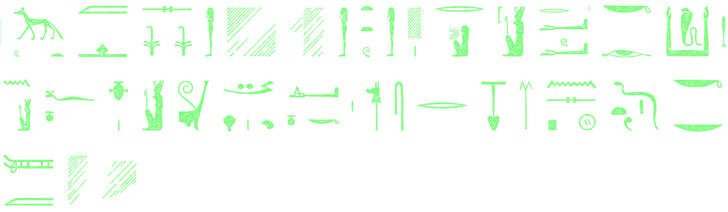
jw.tj m ḥtp snn ... ... ... . twt sw r ḥm.j šsp.n.j rꜣ ꜥwj.k jrj kꜣ.k n ḥm.j tfn jb.j n mꜣꜣ ḥr.k rdj.j n.k wsr smꜣ n sp ḏt.k nb tm n ꜥnḫ
Welcome in peace, O image …, who bears the likeness of My Majesty.
I have accepted the work of your hands, which your ka has done for My Majesty.
My heart rejoices to see your face.
I give you strength complete in every way,
and grant that your body be full of life. - 186

ḥnk jḫt nbt nfrt ḏd mdw jḫt nbt ḥnkt.n.j n ḥm.k mꜣꜥt.n.j n kꜣ.k jw.w wꜥb t šꜣ ꜥpr.tj m jrw.sn kꜣw ꜣpdw m stp stpw ꜥḥꜥ ḥmsj.k r ḥtpw ḏfꜣw bꜥḥj kꜣ.k m jrt Ḥr
Presenting every good food. Words to be spoken: All the foods I have offered Your Majesty and laid before your ka are pure.
Bread and wine are perfect of their kind;
from cattle and fowl the choicest cuts are chosen.
Take your seat at the feast of offerings and provisions;
may your ka drink deep of the Eye of Horus.Note · Line 186
The wine is offered as the Eye of Horus, the injured eye made whole again. - 187

nswt bjt (… …) sꜣ Rꜥ (… …)
King of Upper and Lower Egypt, Ptolemy IX; Son of Ra, Ptolemy IX.
Note · Line 187
The two titles introduce the king’s two cartouches, the oval enclosures around his royal names. - 188
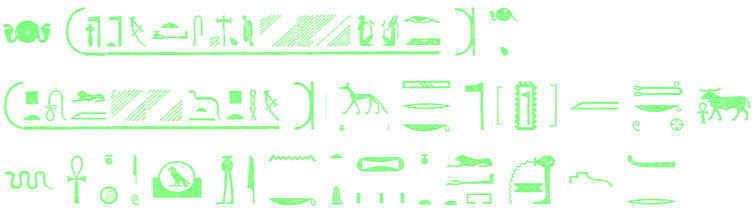
jw.n.j ḫr.k nṯr nṯrj m Ṯkw bꜣ ꜥnḫ ꜥnḫ r nḥḥ jnj.j n.k t ntj šnꜥw wꜥb stpt ḥnꜥ jrt Ḥr wꜣḏt ṯwt nṯr wr ḫnt Wꜥ m ḥw jꜣbj rnpj jꜣwj sbj nḥḥ
I have come to you, most divine god in Tjeku,
living ba who lives for ever,
to bring you bread from the Pure Storehouse,
choice cuts of meat and the green Eye of Horus.
For you are the great god who presides over the Eastern Harpoon Nome,
who grows young and grows old again,
who passes through eternity.Note · Line 188
The green Eye of Horus is the wine the king offers to Atum. - 189
sꜣwj.j rnpwt.k m ḥḥw ... ꜥḥꜥw qꜣj m ꜣwt jb
I lengthen your years to millions …
a long lifetime in joy.Note · Line 189
Atum answers the king’s offering with a gift of long life. - 190

ḏd mdw jn Jtmw pꜣ nṯr mnḫ ntj m Ṯkw sḫm šps ḫnt P Msn ꜥḥꜥw nfr bsj m kꜣ rnpj qꜣꜥ ḥꜥpj r ẖrt ḥm.f
Words spoken by Atum, the excellent god who dwells in Tjeku, the august Power in Pe-Mesen, Ahau the Perfect, who comes forth as a young bull and spits out the Nile flood to feed His Majesty.
Note · Line 190
The annual flood watered the fields that fed Egypt. - 191
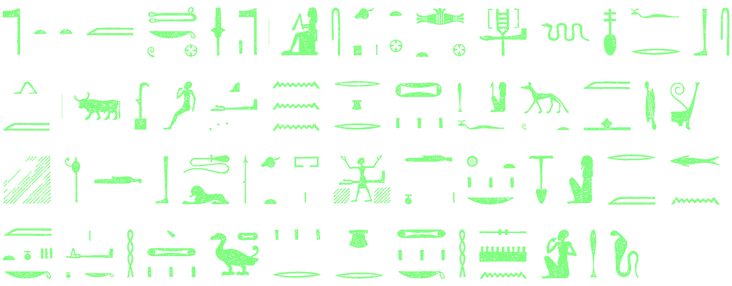
jw.tj m ḥtp jwꜥw n ḥrj jdb nb wꜥ ḫnt pr ḥꜥꜥwt šsp.n.j jḫt.k smꜣ.j jḫt jm.sn sꜥm.j jrf m jnmt.k rdj.j n.k ḥw ḥnꜥ ḏfꜣ r ẖrt.k ḥsmn ḥm.k r ꜣbj jb.k
Welcome in peace, heir of the Lord of the Riverbanks,
sole lord in the House of Jubilation.
I have received your offerings;
I eat of them, and indeed I drink your inemet-wine.
I give you food and provisions for your daily needs,
that Your Majesty may eat to your heart’s content.Note · Line 191
The lord whose heir the king is called is Shu, son of Atum. - 192
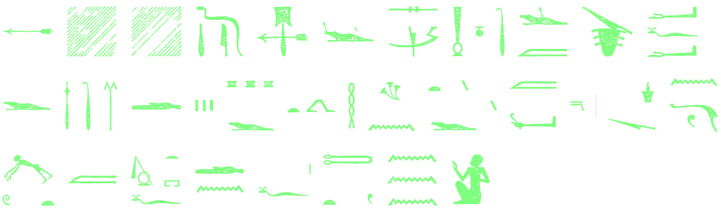
... ... ḏd mdw stj smꜣ šnṯj m šꜥt ꜥfꜥ ꜥꜣ.tj m ꜥḏt.f ḫꜥw ḫtḫt ḥntj m ḥwt ḫbj snw ḫr.tj m ḫbt.f dns.j šꜥt.f ṯtf.j snf.f r ḫft ḥr.k sꜣb šwt
Killing the crocodile. Words to be spoken:
The one who lunges is slain; the enemy is being cut to pieces.
The greedy one has been butchered outright.
The crocodile is driven back; the glutton is being beaten.
The one whose tongue was cut out lies fallen at his place of execution.
I slaughter him savagely and spill his blood
before your face, O Dapple-Feathered One.Note · Line 192
The one with dappled feathers is Horus in falcon form. - 193
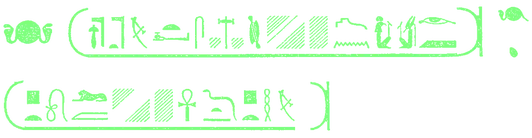
nswt bjt (… …) sꜣ Rꜥ (… …)
King of Upper and Lower Egypt, Ptolemy IX; Son of Ra, Ptolemy IX.
- 194
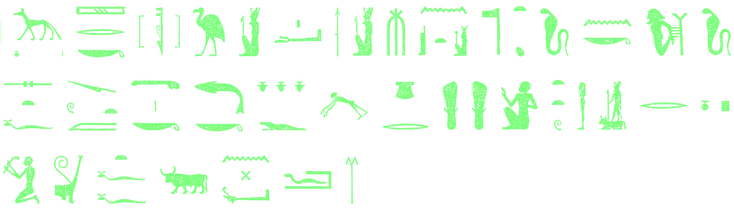
jw.n.j ḫr.k msntj ṯmꜣ ꜥ wꜥ msj n ꜣst mwt nṯr jnj.j n.k sbj.k sfṯ.tj m bꜣḥ.k ẖꜣkw jb ḫr ẖr ṯbwj.j ṯwt dwntj wnp ḫftj n jt.f kꜣ nḫt prj m ꜣst
I have come to you, strong-armed harpooner,
sole one born of Isis, mother of the god,
to bring you your rebel, slaughtered before you,
the traitor fallen beneath the soles of my feet.
For you are the victor who kills his father’s enemy,
the strong bull sprung from Isis. - 195

rdj.j n.k ḫrww.k ḫr.tj m ḫbt fdq.j prt.sn m tꜣ
I grant you your foes fallen at the place of execution;
I root out their seed on earth. - 196

ḏd mdw jn Ḥr Bḥdtj nṯr ꜥꜣ nb pt bjk n nb sꜣ Wsjr jꜣwtj nfr ḫj ḥꜣt ẖr ḫmt ḫnd ḥr psḏ n ḫrwjw.f
Words spoken by Horus of Behedet, the great god, lord of the sky, falcon of gold, son of Osiris, the perfect harpooner, who stands tall with the khemet-harpoon and treads on the backs of his foes.
- 197

ḏd mdw jn Ḥt ḥr nbt Jwnt jrt Rꜥ ḥrt jb Bḥdt ꜣst wrt mwt nṯr ḫsft sbjw m ḥkꜣ tp rꜣ.s mnꜥt sꜣ.s ḫnt ꜥḥꜣt.f
Words spoken by Hathor, lady of Dendera, Eye of Ra, who dwells in Behedet; Isis the Great, mother of the god, who drives off rebels with the magic on her lips and nurses her son aboard his warship.
Note · Line 197
Hathor appears here as Isis, mother of Horus. - 198
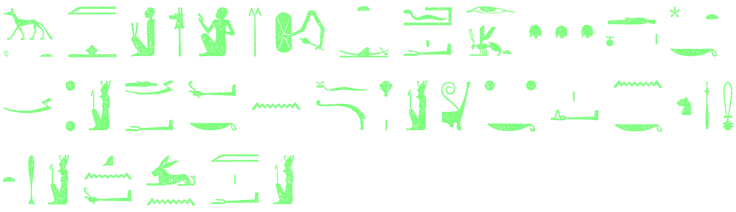
jw.tj m ḥtp jrj ḥꜣt m ꜥḥꜣt prj ꜥ jrj kꜣt tpjw ꜥḥt šsp.n.j wnwt.k mꜣꜣ.j ṯmꜣ ꜥ.k wnf ḥr.j n mꜣꜣ.k rdj.j n.k pḥtj ꜥꜣ mjtt ḥm.j qnt wn m ꜥ.j
Welcome in peace, you who stand at the prow of the warship,
whose arm darts out, who perform the rite of Those Beneath the Net.
I have accepted your service. I see the strength of your arm;
my face lights up at the sight of you.
I give you great might like that of My Majesty,
and the strength that is in my arm. - 199

rdt psš kf ḏd mdw psš kf ḫr.k twꜣ.n.j sw m ꜥ.j sjꜥr.j n.k ꜥrtj.k r ḥr.k wꜥt r jmntj.k ḥr jrt gs dpt.k kt r jꜣbtj.k ḥr jrt sꜣ.k
Presenting the peseshkef. Words to be spoken:
Here is the peseshkef for you. I have raised it with my arm;
I hold your two jawbones up before your face.
One is on your right to keep you safe,
the other on your left to guard you.Note · Line 199
The peseshkef is a forked blade used in the Opening of the Mouth, the rite that enables a statue or the dead to speak and eat. - 200

spd ṯswt.k jrj.sn kꜣt.sn ꜥḥꜥ.k ḥmsj.k r mrwt.k ntk nṯr wr wr sw r nṯrw jrj ḫt n ꜥnḫ n ꜥnḫw
Your teeth are sharp as they do their work.
May you rise and sit down to eat as you please.
For you are the great god, greater than the gods,
who makes the crops the living live on. - 201
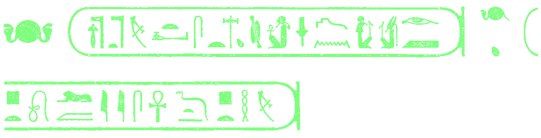
nswt bjt (… …) sꜣ Rꜥ (… …)
King of Upper and Lower Egypt, Ptolemy IX; Son of Ra, Ptolemy IX.
- 202
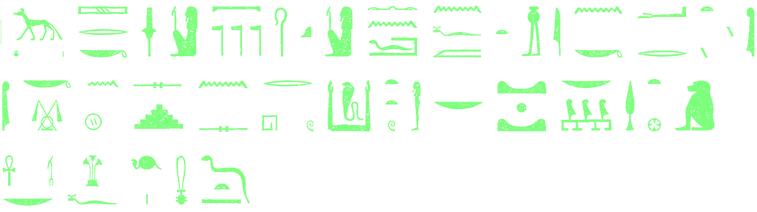
jw.n.j ḫr.k sḫm ḥrj nṯrw ḥqꜣ nn prj.n.f m ẖt jnj.j n.k ꜥrtj.k dmḏ n sp sjꜥr.n.j st r hꜣw kꜣ.k ṯwt nb nḥḥ nb gsw prw Bꜣqt pẖr n nb n tꜣwj
I have come to you, Power above the gods,
ruler before ever he came from the womb,
to bring you your two jawbones joined as one.
I have raised them before your ka.
For you are lord of eternity, lord of the temples of Egypt,
the golden Pekher of the Two Lands.Note · Line 202
Pekher is a name of Sokar, a funerary god closely associated with Osiris. - 203
rdj.j n.k tꜣwj ḥr mw n ḥm.k tꜣwj nbw dmḏ n kꜣ.k
I give you the Two Lands in allegiance to Your Majesty,
and all lands joined together for your ka. - 204
ḏd mdw jn Wsjr nb Ḏdw nṯr ꜥꜣ ḥqꜣ ḏt jwn wr ḫnt Bḥdw n Rꜥ nb ꜣbḏw ḏsr st m tꜣ ḏsr n nwt šwt m rn.f ḥwn wpj ḥḏt ḏr prj.f m ẖt rdj jꜥrt ṯs.tj m tp.f
Words spoken by Osiris, lord of Busiris, the great god, ruler of eternity, the great pillar in the Throne of Ra, lord of Abydos, whose seat is set apart in the Sacred Land, without whose name no town is found; the youth who has worn the White Crown since he came from the womb, who has bound the rearing cobra to his head.
Note · Line 204
The Sacred Land is the necropolis. The White Crown is the crown of Upper Egypt; the cobra on the brow protects the ruler. - 205
jw.tj m ḥtp nswt n njwswt šnw šnj tꜣ r ꜣw.f šsp.n.j jrw.k ḫntš.j n mꜣꜣ.f ḥmsj.j m wḥꜥ rꜥ nb rdj.j n.k nfrt.k nfr.tj rwḏ nn ḏw nb ḫr.k
Welcome in peace, king of kings,
conqueror who conquers the whole earth.
I have accepted your service; I rejoice to see it.
Day after day I sit down at ease to eat.
I grant that your gullet be sound and strong,
that no sickness come upon you. - 206

sṯꜣ mrwt ... ḏd mdw hnw nw ḏsr.tj ẖr jḫt.sn jfdw jrj m šwt njw sṯꜣ.j st n kꜣ.k hꜣw nwt nt qmꜣ.k bw ḏsr ntj (Wnn nfrw mꜣꜥ ḫrw)
Drawing the cloth chests … Words to be spoken:
These chests, splendid with their cloth,
trimmed on all four sides with ostrich plumes,
I draw for your ka in the city of your creator,
the holy place of Wennefer, justified.Note · Line 206
The chests hold linen for the burial of Osiris, here called Wennefer. “Justified” means that judgment has been given in his favor. - 207

spr.j St wrt ḥr ḫrp st n kꜣ.k r smꜣ.k tꜣ n jt.k jm.sn
I come to the Great Seat and dedicate them to your ka,
that you may bury your father with them.Note · Line 207
The Great Seat is Edfu. The king presents the chests to Horus for the burial of his father, Osiris. - 208
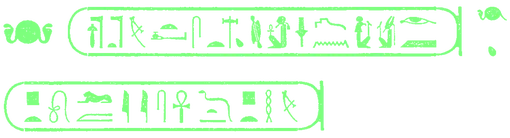
nswt bjt (… …) sꜣ Rꜥ (… …)
King of Upper and Lower Egypt, Ptolemy IX; Son of Ra, Ptolemy IX.
- 209

jw.n.j ḫr.k nḏtj nḏ jt.f ṯmꜣ ꜥ jṯj m sḫm.f sṯꜣ.j n.k mrwt m jꜣwt nt tꜣ sjꜥr.j nfrw r hꜣw ḥr.k ṯwt nṯr wr bjtj nṯrw rmṯw ḥr nst.f m Wṯst Ḥr
I have come to you, protector who protects his father,
strong of arm, who seizes with his might,
to draw to you the cloth chests from the sacred sites of the land
and hold fine things up before your face.
For you are the great god who rules gods and men
from his throne in the Throne-Seat of Horus. - 210
rdj.j n.k bw nb psḏ jtn ḥr.sn jfd n nwt m hjn.k
I give you every place the sun disk shines upon,
and the four quarters of the sky for your bounds. - 211
ḏd mdw jn Ḥr Bḥdtj nṯr ꜥꜣ nb pt nswt pr wr bjtj pr nsr bjk bꜣ tkk nb nbnb nwwt bꜣk.n.f jdbw m nḫt.f
Words spoken by Horus of Behedet, the great god, lord of the sky, king of Upper Egypt in the Great Shrine, king of Lower Egypt in the Shrine of Flame, the falcon, the ba who strikes, the lord who shields the towns, who by his strength has made the riverbanks serve him.
- 212

ḏd mdw jn Ḥt ḥr wrt nbt Jwnt jrt Rꜥ ḥrt jb Bḥdt ḥqꜣt m nwwt spwt rdjt ḥꜥꜥwt m tꜣ sꜣḫt sn.s m kꜣt.s rdjt sꜣ.s Ḥr ḥr nst jt.f
Words spoken by Hathor the Great, lady of Dendera, Eye of Ra, who dwells in Behedet, ruler of towns and nomes, who brings jubilation to earth, who transfigures her brother by her deeds and sets her son Horus on his father’s throne.
Note · Line 212
The brother is Osiris. To transfigure him is to give him power in his life after death. - 213
jw.tj m ḥtp jrj qrst m ḫt ṯꜣj ꜥ qnj m kꜣt.f šsp.n.j gꜣwwt.k mꜣꜣ.n.j mnḫwt.k ḥsj.j ḥm.k ḥr jrjt.n.k rdj.j n.k rsj mḥtj m ksw jmntt jꜣbtt r nḏt.k
Welcome in peace, you who see to the burial that follows,
manly of arm, skillful in your work.
I have received your chests; I have seen your cloth.
I praise Your Majesty for what you have done.
I give you South and North bowing low,
West and East as your subjects. - 214

dwꜣ nṯr ḏd mdw jnḏ ḥr.k nṯr wr r nṯrw sḫm šps ḫnt Ḥt ḥrj jb Ḥr ṯmꜣ ꜥ nḏtj n jt.f wnp n.f šnṯjw.f
Praising the god. Words to be spoken:
Hail to you, god greater than the gods,
august Power who presides over Athribis,
Horus the Strong-Armed, protector of his father,
who strikes down his father’s enemies for him, - 215

kꜣ nḫt spd ḥnwtj nfr ḥr bnr mrwt nswt bjt Ḥr Ꜥntj ẖtj nṯr ꜥꜣ m Jꜣt wrt ḥtp n.j ḥr.k nfr
strong bull with two sharp horns,
fair of face, sweet of love,
king of Upper and Lower Egypt, Horus Khentykhety,
great god in the Great Mound.
May your fair face look kindly on me.Note · Line 215
Khentykhety is the local god of Athribis, here identified with Horus. - 216
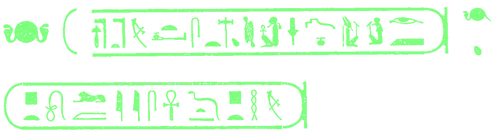
nswt bjt (… …) sꜣ Rꜥ (… …)
King of Upper and Lower Egypt, Ptolemy IX; Son of Ra, Ptolemy IX.
- 217

jw.n.j ḫr.k km nṯrj m Km wr nfr jrw ḫntš.tw n mꜣꜣ.f dwꜣ.j n.k nṯr r qꜣw n ḫrw.j sꜣḫ.j kꜣ.k m tpw rꜣ ṯwt ḏrtj wr tqr pḥtj ꜥꜣ šfjt ḫnt {ꜣw.n.sn
I have come to you, divine black bull in the nome of the Great Black Bull,
fair of form, a joy to behold,
to offer you praise as loud as my voice will carry
and glorify your ka with words of praise.
You are the great falcon, mighty in strength,
held in awe among the guardian gods.Note · Line 217
The nome, or district, is that of Athribis in the Nile Delta. - 218

msḫꜣ jmj st ꜥ.j ḏr smt.j šsrw.k ḥꜥj.j ḥr ḥpt sḫm.j
My heart rejoices when I hear your words;
I exult when I embrace my image. - 219

ḏd mdw jn Ḥr Ꜥntj ẖtj nb Km wr nṯr ꜥꜣ ḥrj jb Bḥdt snn ꜥnḫ n sr ḥḏt bjk bꜣ tkk wr sw r nṯrw prj ꜥ wnp ḫftjw.f
Words spoken by Horus Khentykhety, lord of the nome of Athribis, the great god who dwells in Behdet, living image of the Prince of the White Crown, the falcon, the fierce ba, greater than the other gods, whose arm strikes out, who runs his foes through.
Note · Line 219
The Prince of the White Crown is Osiris; a ba is a power in which a god can make himself present. - 220

ḏd mdw jn Ꜥwjt špst ḥrt jb Km wr wsrt ḫnt Ḥt bjk ꜣst wrt mwt nt Ḥr šꜣꜥt ḥbst bhn ḥꜣ sḫmw
Words spoken by Khuit, the splendid one who dwells in the nome of Athribis, the strong one in the House of the Falcon, Isis the Great, mother of Horus, who first gave shelter to the divine powers.
Note · Line 220
Khuit, the goddess of Athribis, is identified here with Isis. The House of the Falcon is the temple at Edfu. - 221
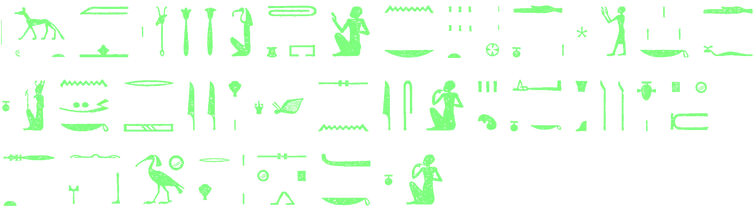
jw.tj m ḥtp sꜣ ꜥm tꜣwj pẖr nst n nb Ꜥmnw šsp.n.j dwꜣwt.k tfn.j n mꜣꜣ.k ršw.j ḥr ndb snsw.k rdj.j n.k ꜥqꜣ jb pḫꜣ ẖt n ꜣbw ꜣḫ rꜣ ḥr sḫp ḥknw
Welcome in peace, son of Am-Tawy,
heir to the throne of the Lord of Hermopolis.
I have received your praises;
I rejoice to see you and exult to hear your words of homage.
I give you an upright heart and lasting candor,
and an eloquent mouth for offering praise.Note · Line 221
Am-Tawy and the Lord of Hermopolis are both Thoth. The king is welcomed as his son and heir. - 222

ḥwt bḥsw ḏd mdw nḏm jb.ṯn nṯrw nw pt ḥꜥj r.ṯn jmjw tꜣ Ḥr {ꜣ ꜣst jꜥb.n.f jt.f ḥḥj.n.f js.f n Bḥdt
Driving the calves. Words to recite:
Let your hearts rejoice, gods of the sky!
Exult, you who are on earth!
Horus, son of Isis, has gathered his father’s body together
and sought out his tomb in Behdet.Note · Line 222
The king drives four calves, each a different color. Their hooves are to tread the ground over the grave of Osiris and hide its whereabouts. - 223

sꜣb
Piebald calf.
- 224

dšr
Red.
- 225

ḥḏ
White.
- 226

km
Black.
- 227
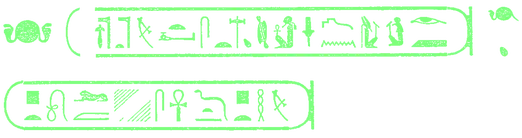
nswt bjt (… …) sꜣ Rꜥ (… …)
King of Upper and Lower Egypt: Ptolemy IX. Son of Ra: Ptolemy IX.
- 228

jw.n.j ḫr.k ḏrtj wr pḥtj prj ꜥ wnp ḫftj.f ḥwj.j n.k bḥsw r snḏm jb.k ḏr tḫn.n.k dꜣt nt jt.k ṯwt nṯr wr bꜣw r nṯrw gsw prw ḫtj ḥr rn.f
I have come to you, falcon great in strength,
whose arm strikes out, who runs his enemy through,
to drive the calves to you and gladden your heart,
for you have hidden your father’s grave.
You are the god whose power surpasses that of the other gods;
the temples bear your name. - 229

rdj.j n.k jꜣwt wrt m mꜣꜥ ḫrw ḥr nst.j ḫnt pr ḥꜥꜥwt
I grant you the great office,
yours in triumph on my throne in the House of Jubilation.Note · Line 229
The great office is kingship; the House of Jubilation is the palace. - 230

ḏd mdw jn Ḥr Bḥdtj nṯr ꜥꜣ nb pt jwꜥw mnḫ n (Wnn nfrw mꜣꜥ ḫrw) nḫw n jt.f ꜥn wšb n mwt.f wḏꜥ snm m tꜣ pn
Words spoken by Horus of Behdet, the great god, lord of the sky, worthy heir of Wennefer the Vindicated, who protects his father, speaks in his mother’s defense and puts an end to mourning in this land.
Note · Line 230
Wennefer is Osiris. To be vindicated is to be found in the right before the gods. - 231

ḏd mdw jn Ḥt ḥr nbt Jwnt jrt Rꜥ ḥrt jb Bḥdt nbt pt ḥnwt nṯrw nbw ḏrtjt wrt ḫnt Ḥt bjk mwt nṯr nt bjk n nb
Words spoken by Hathor, lady of Dendera, Eye of Ra, who dwells in Behdet, lady of the sky, mistress of all the gods, the great she-falcon in the House of the Falcon, divine mother of the Golden Falcon.
Note · Line 231
As the Eye of Ra, Hathor is the sun god’s power to protect and to destroy. The Golden Falcon is Horus. - 232
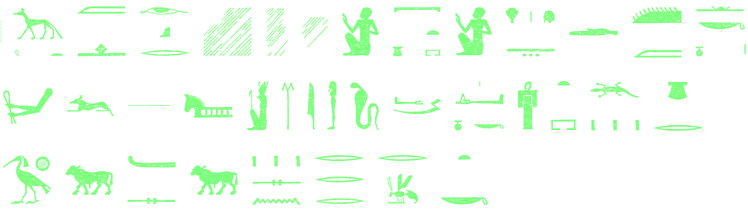
jw.tj m ḥtp jrj qrst m ḫt ḥrj nst.j ḥr tp tꜣ šsp.n.j km.k n ḏsr sštꜣ ḫntš.j m jrw.k mꜣꜥ rdj.j n.k sꜣ ꜥšꜣ ẖr ꜣḫwt bḥsw.sn jrj r kꜣt.k
Welcome in peace, you who see to the burial after death,
heir to my throne on earth.
I have accepted your service in concealing the secret form;
I delight in what you have done aright.
I give you many stalls full of akhet cows,
their calves set apart for your service.Note · Line 232
The secret form is the body of Osiris. The gift of cattle provides calves for the king’s continuing service in the temple. - 233

smꜣ ꜥꜣpp ḏd mdw ꜥꜣpp m ꜥḏt smsw ḫrw m ssf ḥtm.tw m Jw pꜣq ḏt
Slaying Apophis. Words to recite:
Apophis is put to the knife;
the Primeval Roarer is in the fire.
In Iu-paq he is destroyed forever.Note · Line 233
Apophis is the serpent who attacks the sun god on his nightly journey. The Primeval Roarer is another of his names. - 234
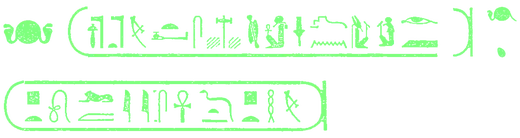
nswt bjt (… …) sꜣ Rꜥ (… …)
King of Upper and Lower Egypt: Ptolemy IX. Son of Ra: Ptolemy IX.
- 235
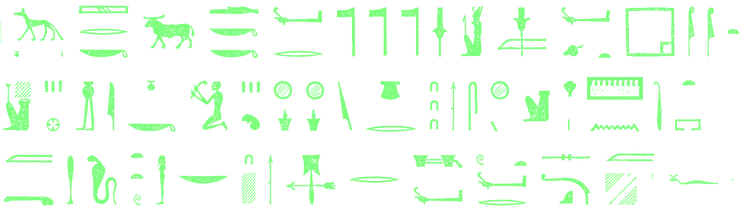
jw.n.j ḫr.k bꜣ tkk r nṯrw sḫm sḫm ḫnt Ḥt mꜣꜥtjw jnj.j n.k ḫftjw.k ḫbḫb ẖr mꜥbꜣ sḫ.j ḥr mn m bꜣḥ ḥm.k ṯwt nb mꜥbꜣ stj r mḏd wdj r sꜥrq m ḫftjw.f
I have come to you, ba fiercer in attack than the other gods,
mighty one, mighty in Hut-Maatiu,
to bring you your enemies, cut to pieces by the maba spear.
I strike them down on the field of battle before Your Majesty.
You are lord of the maba spear:
your cast hits the mark,
you strike till your foes are no more. - 236

rdj.j n.k sbjw.k stp.tj n ds.k smꜣꜥ ḫrw.k r ḫftjw.k
I grant that your rebels lie slain by your knife
and that you triumph over your enemies. - 237

ḏd mdw jn Ḥr mrtj nb Šdnw ḥrj jb Wṯst Ḥr ṯmꜣ ꜥ qn ḥwj ḫrwjw.f rdj ḫftj r ḫbt ẖꜣkw jb r ḫt šꜥ šnṯjw ḫnt ꜥꜣjt.f
Words spoken by Harmerti, lord of Shedenu, who dwells in the Throne of Horus, strong of arm, the valiant one who strikes his opponents, who drives the enemy to the place of execution and the traitors into the fire, who tears the rebels to pieces in his sanctuary.
Note · Line 237
Harmerti is the Horus of Shedenu. - 238
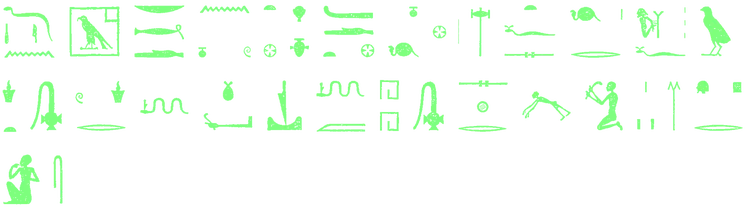
ḏd mdw jn Ḥt ḥr nbt Šdnw ḥrt jb Bḥdw n Rꜥ nḏt jt.s Rꜥ r sbjw.f wbdt wbr drt ḏw qd m hh.s ḫrt ḫftjw m tpw rꜣ.s
Words spoken by Hathor, lady of Shedenu, who dwells in the Throne of Ra, who defends her father Ra against his rebels, who burns up Uber and drives off the Evil One with her flame, who fells enemies with the spells of her mouth.
Note · Line 238
Uber and the Evil One are names for Apophis. - 239
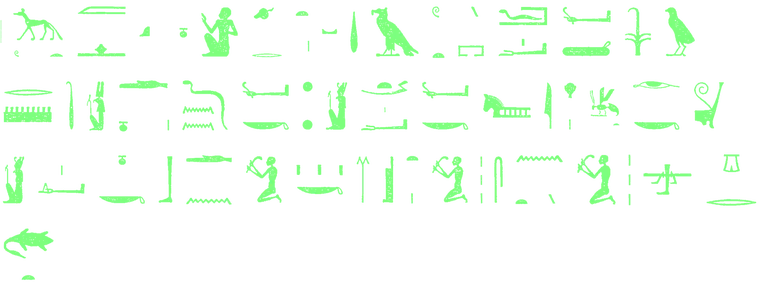
jw.tj m ḥtp qn ḫnt rꜣ ḏꜣwt prj ꜥ sn sw r Mnṯw šsp.n.j ḏnn.k mꜣꜣ.j ṯmꜣ ꜥ.k ḫntš.j ḥr kꜣt jrjt.k n.j rdj.j n.k bṯnw.k dmḏ m ṯstjw snṯw sbj ẖr snḏt.k
Welcome in peace, valiant one on the field of battle,
whose arm strikes out, the equal of Montu.
I have seen your readiness to fight;
I see the strength of your arm
and delight in the work you do for me.
I grant that your foes lie destroyed to the last
and the rebels perish for fear of you.Note · Line 239
Montu is the warrior god of the Theban region. - 240
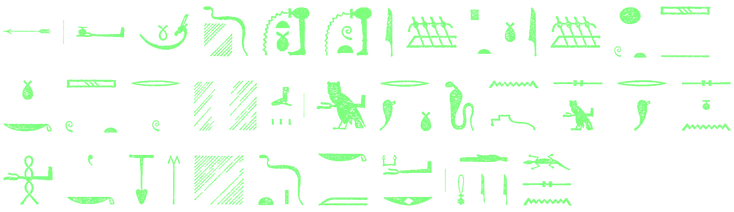
ḥnk mnḫt ḏd mdw wꜥbt wꜥb.tj sšp sšp.tj šṯ.k štꜣ.tj r kjwjw mꜥr.k nw smꜥr.sn n ḥꜥ.k smꜣ.sn ḏt.k m mk
Offering cloth. Words to recite:
The pure robe is pure, the bright robe bright;
your shety robe shrouds you from your foes.
These mar cloths of yours adorn your limbs;
they join with your body in festive joy.Note · Line 240
The cloth is for dressing the god’s image. The Egyptian names of the fabrics echo the words for what each one does. - 241

dmj.sn r.k jrj.w sꜣ.k rꜥ nb ḥnꜥ ḥbw nbw nw tp trw
When they cling to you, they keep you safe,
every day and at every feast that marks the turn of the seasons. - 242

nswt bjt (… …) sꜣ Rꜥ (… …)
King of Upper and Lower Egypt: Ptolemy IX. Son of Ra: Ptolemy IX.
- 243
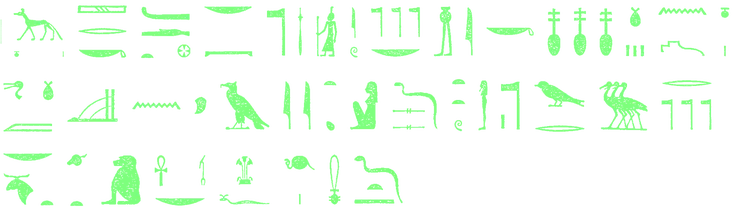
jw.n.j ḫr.k Bḥdtj nb pt nṯr ꜥꜣ wr r nṯrw nbw jnj.j n.k nfrw nw nw pꜣqt m sḫtt.n Tꜣjt ḏs.s ṯwt nṯr wr bꜣw r nṯrw nb šfjt ḫnt {ꜣw.n.sn
I have come to you, Behdety, lord of the sky,
great god, greater than all the other gods,
to bring you these beauties of finest linen
woven by Tayet herself.
You are the god whose power surpasses that of the other gods,
lord of awe among the guardian gods.Note · Line 243
Behdety means “he of Behdet.” Tayet is the goddess of weaving. - 244
Bḥdtj nṯr ꜥꜣ nb pt
Behdety, the great god, lord of the sky.
- 245

rdj.j fꜣw.k ḫr tpjw tꜣ ḫꜣswt nbwt sdꜣdꜣ n ḥrjt.k
I grant you renown among those who dwell on earth;
all foreign lands tremble for fear of you. - 246

ḏd mdw jn Ḥr Bḥdtj nṯr ꜥꜣ nb pt sꜣb šwt prj m ꜣḫt ꜥẖm šps ḫꜣḫ msḫꜥ nb pꜣqt ꜥꜣ ꜣbwt nṯr wr snḏt nb jrjw
Words spoken by Horus of Behdet, the great god, lord of the sky, many-colored of plumage, who comes forth from the horizon, the splendid falcon, swift to shine, lord of finest linen, rich in garments, the god arrayed in robes of dread, lord of vestments.
- 247

ḏd mdw jn Ḥt ḥr wrt nbt Jwnt jrt Rꜥ ḥrt jb Bḥdt nbt pt ḥnwt nṯrw nbw Bḥdtjt n Bḥdt ḥnwt m Wṯst Ḥr ṯḥnt ḫꜥw nbt ẖkrw
Words spoken by Hathor the Great, lady of Dendera, Eye of Ra, who dwells in Behedet, lady of heaven, mistress of all the gods, the Behedetite of Behedet, mistress in the Throne of Horus, radiant in her crowns, lady of fine raiment.
Note · Line 247
Hathor’s own great sanctuary was at Dendera. - 248
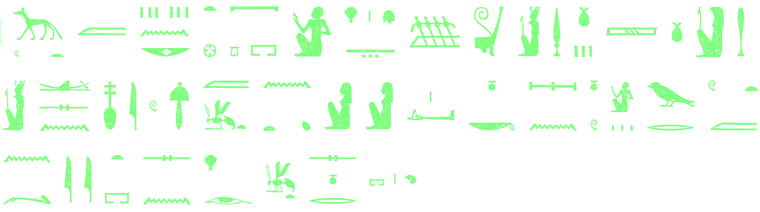
jw.tj m ḥtp nswt n Snwt ḥrj nst.j ḥr tp tꜣ šsp.n.j ẖkr šṯ.j ḥm.j jm.sn nfr r mnḫ m kꜣt rḫtj rdj.j n.k qnjw wr.tj m nꜣjt.sn ḥr jrt kꜣt.sn r ꜥꜣjt.k
Come in peace, king of Egypt, heir to my throne on earth.
I have received the garments and array My Majesty in them:
work of the two weavers, surpassingly fine.
I grant you weavers in plenty in their workshop,
plying their craft for your house.Note · Line 248
The two weavers are Isis and Nephthys. Hathor receives from the king the cloth with which her image is dressed. - 249
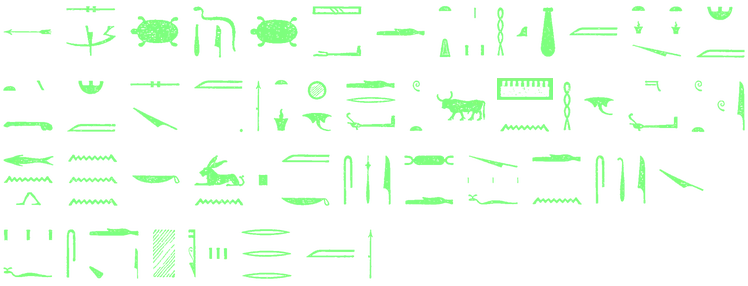
smꜣ štw ḏd mdw štw šꜥd t ḥqt m dbdb ḥmtj ḥms m ḥmtj tḫb dr.tj kꜣ mnḥ ḥwj.tj wjn mw.k wnp m bꜣḥ.k sꜥꜣ.j ꜥḏt.f dns.j šꜥt.f sḏ.j qsw.f jrj m ḫmt
Killing the turtle. Words to be spoken:
The turtle is cut to pieces, Bread-and-Beer is being butchered,
the Coward is killed with the spear.
Tekheb is driven off, Kameneh struck down;
the one who betrayed you lies stabbed before you.
I make a great slaughter of him, a grievous bloodbath;
I splinter his every bone with the harpoon.Note · Line 249
The turtle stands for an enemy of the sun god. Bread-and-Beer, the Coward, Tekheb and Kameneh are all names for the same victim. - 250
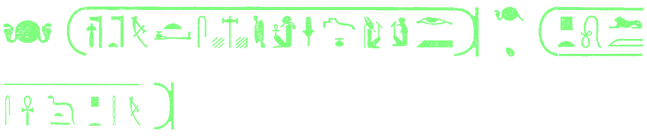
nswt bjt (… …) sꜣ Rꜥ (… …)
King of Upper and Lower Egypt, Ptolemy IX; Son of Ra, Ptolemy IX.
- 251
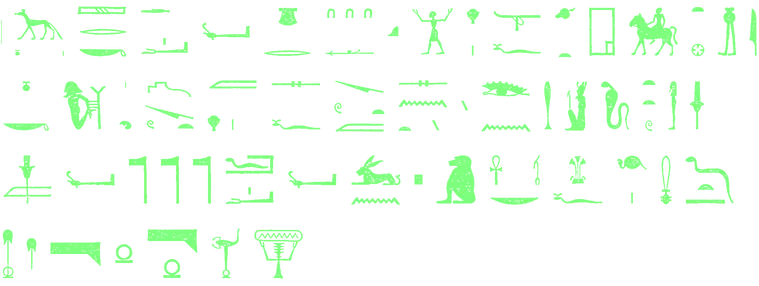
jw.n.j ḫr.k ṯmꜣ ꜥ ẖr mꜥbꜣ qꜣj ḥr jꜣt.f ḫnt Ḥt qn jnj.j n.k sbjw.k stp.tw m ḥr.k sfṯ.tw m stj n ḥm.k ṯwt sḫm sḫm r nṯrw prj ꜥ wnp šnṯjw.f
I have come to you, strong-armed one who bears the maba-spear,
high on his standard in the House of the Strong One.
I bring you your rebels, slaughtered before your face,
butchered in the sight of Your Majesty.
For you are the Power more powerful than the gods,
swift of hand, who cuts his adversaries to pieces.Note · Line 251
The king addresses Onuris. The standard is a pole that bears the god’s emblem aloft. - 252
ḥqꜣt nbt tꜣwj (…)
Ruler, lady of the Two Lands, Cleopatra.
- 253

sꜣ.k jm.f jrj.k n.f pḥtj.k mds mꜥbꜣ.f m ḫftjw.k
He is your son. May you endow him with your might
as he thrusts his maba-spear among your enemies.Note · Line 253
Cleopatra commends the king to the god as his son. - 254
rdj.j n.k wsr nḫt r ḫpšwj.k bṯnww.k bns m tꜣ
I put power and strength into both your arms,
that your adversaries on earth may be destroyed. - 255
ḏd mdw jn Jn ḥrt nb Ṯb nṯr Šw sꜣ Rꜥ nṯr ꜥꜣ ḫnt Wṯst Ḥr mꜣj wr pḥtj ḫnt Ḥt bjk ḥꜥ ꜥnḫ n sꜣb šwt
Words spoken by Onuris, lord of Sebennytos, the god Shu, son of Ra, the great god in the Throne of Horus, the lion great in might in the House of the Falcon, the living flesh of the Dapple-feathered One.
Note · Line 255
Onuris is identified here with Shu. To call a son his father’s “living flesh” is to say that the father lives on in him. - 256
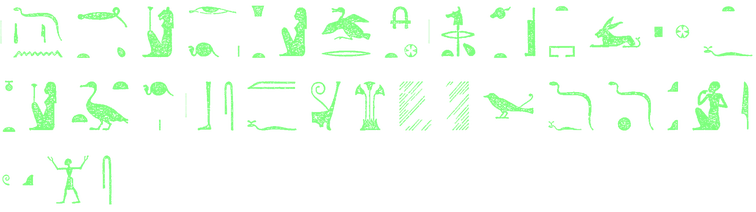
ḏd mdw jn Mḥjt jrt Rꜥ ḥnwt Ṯꜣr wsrt ḫnt St wnp Tfnt sꜣt Rꜥ bsj m ḥꜥ.f nḥꜣ ḏfḏ qq r qꜣw.s
Words spoken by Mehit, Eye of Ra, mistress of Tjar, the mighty one in the Place of Stabbing, Tefnut, daughter of Ra, sprung from his flesh, whose pupil strikes terror, who devours all she can.
Note · Line 256
Mehit is the lioness consort of Onuris. As he is identified with Shu, so she is identified with Shu’s consort Tefnut. - 257
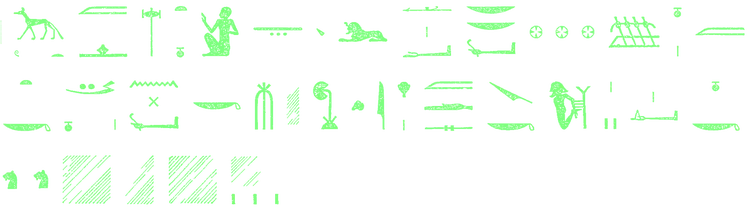
jw.tj m ḥtp nḏtj n tꜣwj nb wꜥ nbnb nwwt šsp.n.j ... ..k mꜣꜣ.n.j nḫt.k msḫꜣ.j ḥr mds.k sbjw rdj.j n.k pḥtj .. ... ... ... ... ... ...
Come in peace, protector of the Two Lands, lord of the harpoon, guardian of the towns.
I have received your …; I have seen your strength.
I rejoice that you stab the rebels.
I give you might … - 258
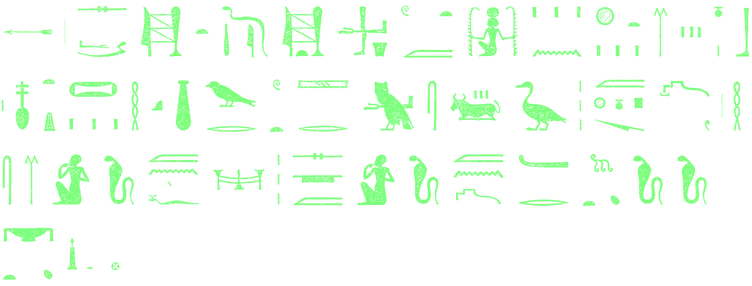
smꜣꜥ ꜥꜣbt ḏd mdw ꜥꜣbt jꜥb.tj m ḥḥw n jḫt m ḥfnw nw bw nfr t ḥqt wr.tj ḫr m m.s kꜣw ꜣpdw m ḫnp stpt ḥsmn.k m nfj sꜥm.k m nw ḥnꜥ ḥrjt tp.k nb nbt Jwnt
Presenting the great food offering. Words to be spoken:
The feast is laid out: dishes by the million,
good things by the hundred thousand.
Bread and beer abound in it;
from oxen and fowl the choicest cuts are carved.
May you feast on that, may you eat of this,
together with the cobra on your brow, the Golden One, lady of Dendera.Note · Line 258
The cobra worn on the god’s brow is a protecting goddess. Here she is Hathor, the Golden One, who shares his feast. - 259
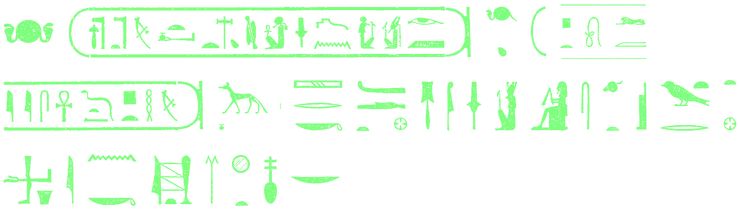
nswt bjt (… …) sꜣ Rꜥ (… …)
King of Upper and Lower Egypt, Ptolemy IX; Son of Ra, Ptolemy IX.
- 260
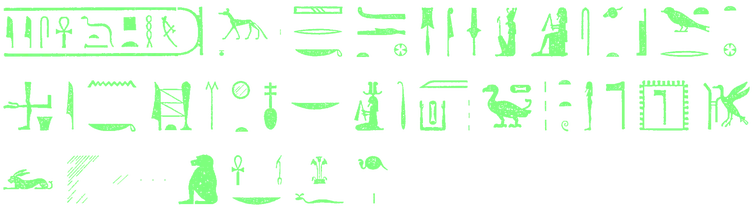
jw.n.j ḫr.k Bḥdtj sꜣb šwt sḫm šps ḫnt St wrt jꜥb.j n.k ꜥꜣbt m jḫt nbt nfrt ṯnj.tj m kꜣw ḏfꜣw ṯwt nṯr nṯrj qmꜣ wnnt ... ... ... ...
I have come to you, Horus of Behedet, dappled of plumage,
august Power in the Great Seat,
to gather for you a feast of every good thing,
the choicest food and provisions.
For you are the god divine, who fashions all that exists … - 261
ḥqꜣt nbt tꜣwj (…)
Ruler, lady of the Two Lands, Cleopatra.
- 262

šsp ꜥꜣbt nt sn.j nṯr nṯrj r nṯrw ꜥḥꜥ.k ḥmsj.k jm.s
Receive my brother’s food offering, O god more divine than the gods.
May you rise and take your seat at the feast. - 263

rdj.j n.k Psḏt.k ḥr qq rdjt n.sn ḥrj.j mnw r ḥꜥ.k
I grant that your teeth chew what they are given;
I keep disease far from your body. - 264

ḏd mdw jn Ḥr Bḥdtj nṯr ꜥꜣ nb pt sꜣb šwt prj m ꜣḫt nṯr wꜥ msj m nhpw šw m hrw sḥḏ snkt sšm ḥr nb r kꜣt.sn
Words spoken by Horus of Behedet, the great god, lord of heaven, dappled of plumage, who comes forth from the horizon, the sole god born at dawn, the light of day that brightens the dark and guides everyone to their work.
- 265

ḏd mdw jn Ḥt ḥr wrt nbt Jwnt jrt Rꜥ ḥrt jb Bḥdt nbt pt ḥnwt nṯrw nbw Nbt ḥtpt nbt ḥtp nbt tw jrjt ḥqt ḥwjt ḥꜥpj ḫft wḏt.s
Words spoken by Hathor the Great, lady of Dendera, Eye of Ra, who dwells in Behedet, lady of heaven, mistress of all the gods, Nebethetepet, lady of food offerings, lady of loaves, who brews the beer, at whose command the Nile flood flows.
- 266
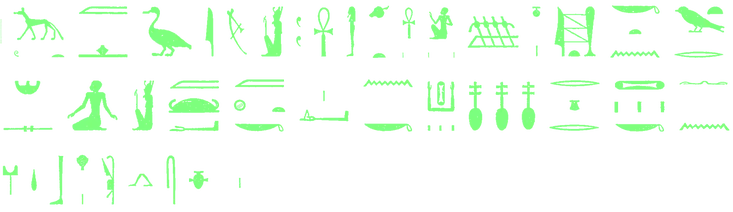
jw.tj m ḥtp sꜣ.j mrj.j ḥꜥ ꜥnḫ.j ḫntj ꜥnḫw šsp.n.j ꜥꜣbt.k tn wrt ḥmsj.j m wḥꜥ m jḫt.k rdj.j n.k kꜣw nfrw r ẖrt.k nn ꜣb ḥr šms jb.k
Come in peace, my son whom I love, my living flesh, foremost of the living.
I have received this great offering of yours;
I sit at ease over the food you bring.
I give you fine provisions for your needs,
without cease, as your heart desires. - 267
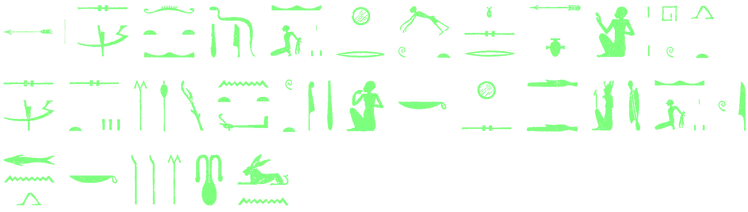
smꜣ Sṯt ḏd mdw ḫꜣst ḫr.tj šsrw jb hꜣj.tj smꜣ.j st m ḥḏ nṯṯ.tj mꜣꜥ ḫrw.k ḫsdd jwꜥw ḫꜣstjw wjn mw.k mtr m tm wn
Killing the people of Asia. Words to be spoken:
The foreign peoples have fallen, the foes are brought low.
I kill them with the mace while they are bound.
May you triumph, Kheseded, heir to the foreign lands:
whoever is false to you is duly brought to nothing.Note · Line 267
Asia here means the lands to Egypt’s northeast. The bound captives are shown as enemies whom the king kills before the god. - 268
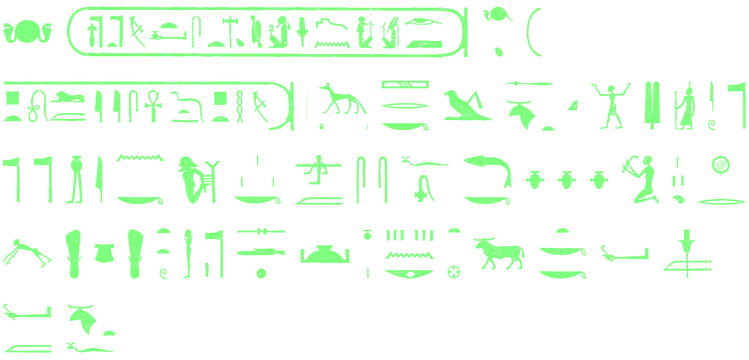
nswt bjt (… …) sꜣ Rꜥ (… …)
King of Upper and Lower Egypt, Ptolemy IX; Son of Ra, Ptolemy IX.
- 269
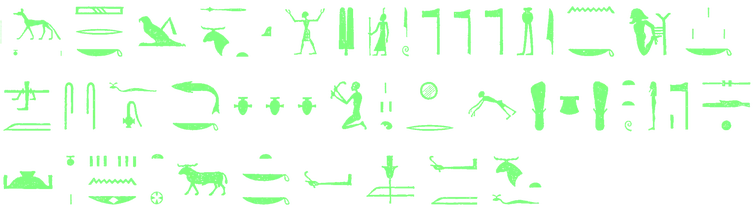
jw.n.j ḫr.k ꜥẖm ꜥꜣ šfjt qꜣj šwtj wr r nṯrw jnj.j n.k sbjw.k sbj m ssf ẖꜣkw jb.k ḫr ẖr ṯbwj ṯwt nṯr sšp jꜣwt nt Snwt bꜣ tkk sḫm m ḏt.f
I have come to you, falcon great in majesty,
tall in your twin plumes, greater than the gods,
to bring you your rebels, burned to ash,
and those who turned against you, fallen beneath the soles of your feet.
For you are the god who lights the holy places of Egypt,
the ba who attacks, mighty in his body. - 270

rdj.j n.k ḫftjw.k ḫbḫb m ḫbjt ḫrww.k nn m ḫbt.sn
I give you your enemies butchered in the butchery,
these foes of yours at their place of execution. - 271

ḏd mdw jn Spdw spd wr ḫnt Ḥt nbs Bḥdtj nṯr ꜥꜣ sꜣb šwt Ḥr jꜣbtt psḏ.tj nhpw stwt.f ḥr sḥḏ tꜣwj
Words spoken by Sopdu, the Great Sharp One in the House of the Jujube Tree, Horus of Behedet, the great god, dappled of plumage, Horus of the East, shining at dawn, whose rays light up the Two Lands.
Note · Line 271
“Sharp” echoes Sopdu’s name. The House of the Jujube Tree was his sanctuary in the eastern Nile Delta. - 272
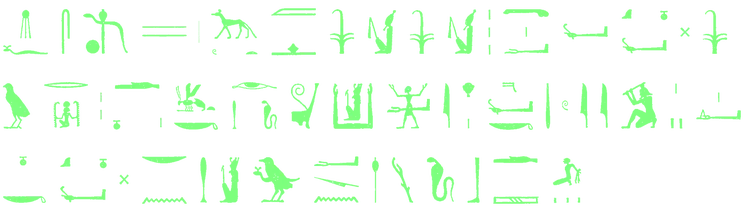
jw.tj m ḥtp nswt njwswt ṯꜣj ꜥ qnj sw r ḥḥw šsp.n.j kꜣt.k jrjt ḥm.k n kꜣ.j ḥꜥj.j ḥr ḥwj.k ḫrww rdj.j n.k qnt nbt nt ḥm.j wꜥf.n ḥḏ.k bdšw
Come in peace, king of kings, with a man’s arm, mightier than millions.
I have accepted your deed, what Your Majesty does for my ka.
I exult as you strike down your foes.
I give you all the valor of My Majesty,
now that your mace has subdued the fainthearted. - 273
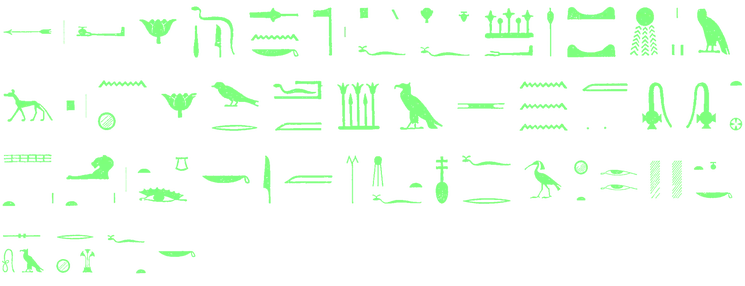
ḥnk sšn ḏd mdw mn n.k nṯr pfj ḥrj jb mr.f šꜣꜥ ḥḏḏ m sp tpj nḫb wr prj m šꜣꜥ m Jw nsrsr spt ḥꜣt dgj.k jmꜣw.f nfr ꜣḫtj.k snsn.n.k sw wꜣḫj fnḏ.k
Offering the lotus blossom. Words to be spoken:
Take for yourself that god in the midst of his lake,
who brought daylight into being at the First Time:
the great lotus that rose from the first waters
on the Isle of Flame, the Province of the Beginning.
When you see its radiance, your two shining eyes are made perfect;
when you breathe its scent, your nose rejoices.Note · Line 273
At creation the sun emerged from a lotus on the first waters. The king offers the flower as the god himself: its radiance is daylight, its fragrance something the god can breathe. - 274
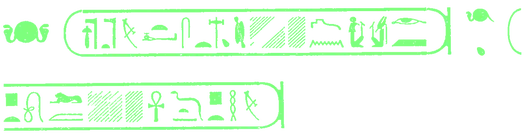
nswt bjt (… …) sꜣ Rꜥ (… …)
King of Upper and Lower Egypt, Ptolemy IX; Son of Ra, Ptolemy IX.
- 275
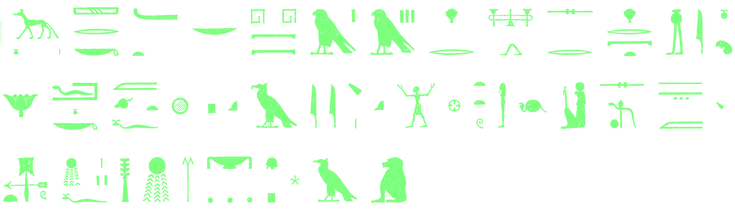
jw.n.j ḫr.k Bḥdtj nb hj Ḥr Ḥrw ḥrj sw r ḥrt jnj.j n.k nḫb prj.n.k m ḫntj.f ḫpr ḫnt Qꜣjt qꜣjt ṯwt wbnj sḥḏ tꜣwj m stwt.f psḏ m nb tp dwꜣw
I have come to you, Horus of Behedet, lord of heaven,
Horus of Horuses, who withdraws to the heights,
to bring you the lotus from whose heart you came forth,
the lotus that took shape on the High Mound.
For you are the Rising One who lights the Two Lands with his rays,
who shines in gold at break of day.Note · Line 275
The High Mound is the first ground to rise above the waters at creation. - 276

rdj.j n.k mnw nb ẖr sšn wbg ẖr ḥrrwt nbwt
I grant you every pool laden with lotus blooms and buds, flourishing with flowers of every kind.
Note · Line 276
The king offers Horus a lotus; Horus grants him flowering pools in return. - 277

ḏd mdw jn Ḥr Bḥdtj nṯr ꜥꜣ nb pt sꜣb šwt prj m ꜣḫt Rꜥ ḏs.f ḫnt St wrt.f nṯr šps jrj nw ḥr nf jt jtw qmꜣ jḫt nbt
Words spoken by Horus of Behdet, the great god, lord of the sky, the dapple-feathered one who comes forth from the horizon, Ra himself upon his Great Seat, the splendid god who makes this and that alike, father of fathers, creator of all things.
- 278
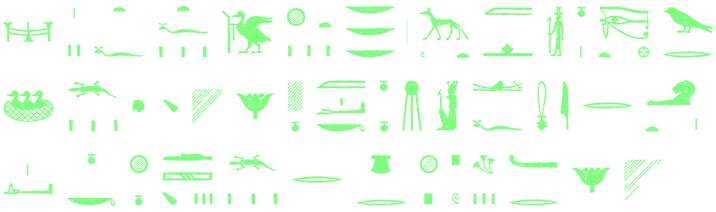
jw.tj m ḥtp ḥqꜣ n Wḏꜣt wr sš ꜥšꜣ tpw šsp.n.j nḫb pn m ꜥ.k wbn.j jm.f mj ẖr ḥꜣt rdj.j n.k ḫntšw ꜥšꜣ r mrwt.k ẖr ḫppwj ḥnꜥ sšn
Come in peace, ruler of Egypt, rich in pools, rich in fields.
I have received this lotus from your hand;
I rise in it as I did in the beginning.
I grant you as many fields as you wish, laden with flowers and lotus blooms.Note · Line 278
In one account of creation, the sun rose from a lotus that opened on the primeval waters. - 279
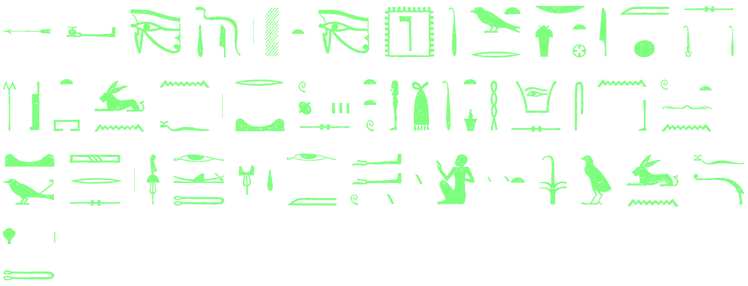
ḥnk wḏꜣt ḏd mdw nṯrt nṯrj.tj wrt nbt Bꜣst jm.s mn.tj m st wnn.f rḏw.s twt ꜥpr.tj dbḥw.s snb.tj nn ḏw ḫr.s wnmt jm.ṯ jꜣbt m ꜥwj.j ...ṯ sw wnf ḥr.ṯ
Offering the Wedjat eye. Words to be spoken: Divine is the divine eye, O Great One, lady of Bubastis.
Its pupil rests firm in its proper place.
Its flow is complete; the eye has all it needs.
It is sound; there is no harm in it.
You are the right eye; the left is in my hands.
When you see it, your face lights up.Note · Line 279
Here the king presents it to Bastet. - 280
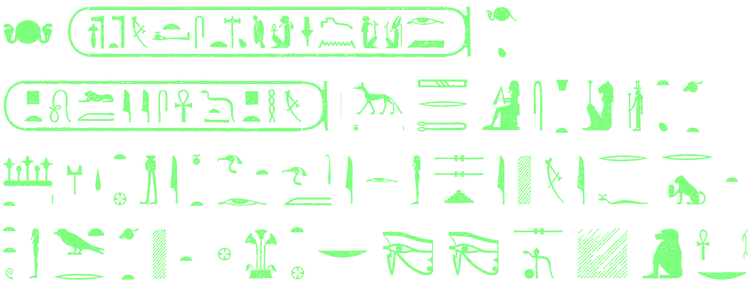
nswt bjt (… …) sꜣ Rꜥ (… …)
The King of Upper and Lower Egypt, Ptolemy IX, the Son of Ra, Ptolemy IX.
- 281
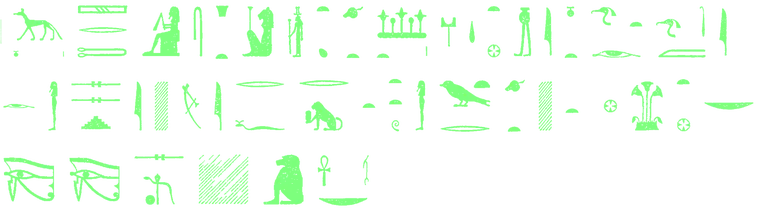
jw.n.j ḫr.ṯ špst Bꜣstt jtjt ḫnt Šꜣ jꜣbtj jnj.j n.ṯ ꜣḫt ꜣḫ.tj m jrw.s sjꜥr.j sw jrf r ḫft ḥr.ṯ ṯwt wrt ḫnt Bꜣst mḥtjt nbt wḏꜣtj sḥḏ tꜣwj
I have come to you, splendid Bastet, princess in the Eastern Field,
to bring you the radiant eye, radiant in its form,
and raise it before your face.
For you are the Great One in Northern Bubastis,
mistress of the two Wedjat eyes, who lights the Two Lands. - 282
rdj.j n.k ptrt.n wnmt m hrw dgjt.n jꜣbt m grḥ
I give you all that the right eye has surveyed by day
and all that the left has seen by night.Note · Line 282
The right eye is the sun, the left the moon. - 283
ḏd mdw jn Bꜣstt ꜥꜣt šfjt ḫnt Bꜣst jrt Rꜥ ḥrt jb Bḥdt sšmwt nt ḏfḏ n wḏꜣt nb nbt Jwnt nbt hj nbt hnw wsrt ḫnt nṯrwt
Words spoken by Bastet, great in majesty in Bubastis, the Eye of Ra who dwells in Behdet, the brow-cobra of the Pupil of the Wedjat Eye, the Golden One, lady of Dendera, mistress of jubilation, mistress of shouts of joy, mighty among goddesses.
Note · Line 283
Ra himself is the pupil here, and Bastet is the cobra that rears on his brow to protect him. The Golden One and Lady of Dendera are titles she shares with Hathor. - 284

ḏd mdw jn Mꜣj ḥsꜣ sꜣ Bꜣstt ḫnt šꜣw Nṯrjt nṯr ꜥꜣ ḥrj jb Wṯst Ḥr mꜣj wr pḥtj sḫr sbjw šnꜥ ḫftj r St wrt
Words spoken by Maahes, son of Bastet in the fields of Netjerit, the great god who dwells in the Throne of Horus, the lion great in strength, who fells rebels and keeps the foe from the Great Seat.
- 285
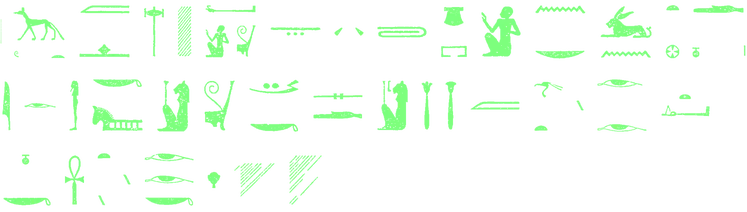
jw.tj m ḥtp nḏtj n tꜣwj pẖr nst n nb Wnw šsp.n.j jrw.k ḫntš.j n mꜣꜣ.k sšp.j tꜣwj m ꜣḫtj.j rdj.j n.k ꜥnḫtj.k ḥr mꜣꜣ ... ... ... ... ... ...
Come in peace, defender of the Two Lands, heir to the throne of the lord of Hermopolis.
I have accepted what you have done; I rejoice to see you.
With my two eyes I light the Two Lands.
I grant that your two eyes may see … - 286
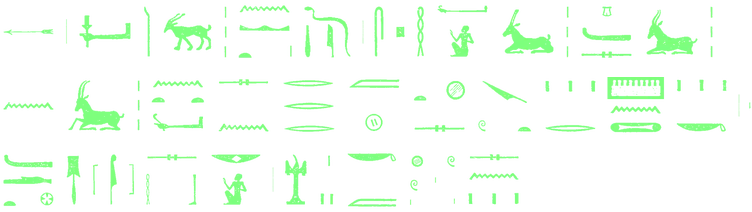
ḫrp ꜥwt nt ḫꜣst ḏd mdw spḥ.j mꜣw ḥḏ gḥsw jꜥb njꜣw nṯṯ.sn jrj m sp tḫs.tw.w r mnw.k Bḥdtj sꜣb šwt sḥb.j ḫꜣwwt.k m ḫꜣw.sn
Driving in the herds of the desert. Words to be spoken:
I lasso oryxes and gazelles and round up ibex;
they are bound, one and all.
They are slaughtered for your offering, dapple-feathered one of Behdet,
that I may make a feast on your altars with cuts of their meat.Note · Line 286
The desert game slaughtered on the altar stands for the enemies of Horus. - 287
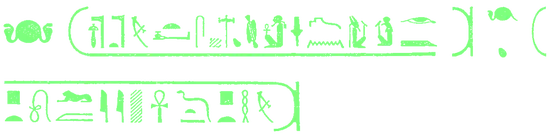
nswt bjt (… …) sꜣ Rꜥ (… …)
The King of Upper and Lower Egypt, Ptolemy IX, the Son of Ra, Ptolemy IX.
- 288
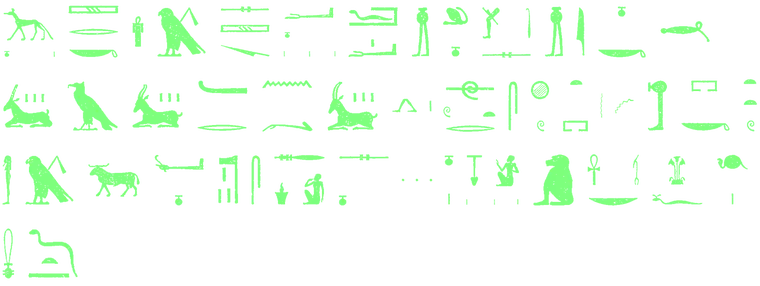
jw.n.j ḫr.k sjꜣw sš ꜥnwt prj ꜥ jnj pḥwj n thj sw jnj.j n.k mḥw tꜣw ḥnꜥ njꜣw ꜣs.tj r sḫw wꜥb.k ṯwt bjk bꜣ tkk n nṯrw sẖb snf n smꜣjw nbḏ
I have come to you, falcon who spreads his talons, who strikes and puts an end to whoever attacks him,
to bring you oryxes, gazelles and ibex that have sped to your pure slaughterhouse.
For you are the falcon, the fierce ba of the gods,
who laps up the blood of the Evil One’s band.Note · Line 288
The Evil One here is Seth. - 289

rdj.j n.k ḫrww.k ḫr.tj m ḫbt.sn n prj.sn jm.s ḏt
I grant that your foes lie fallen at their place of execution, never to come out of it again.
- 290

ḏd mdw jn Ḥr Bḥdtj nṯr ꜥꜣ nb pt ṯmꜣ ꜥ ḥwj ḫftjw.f qn tp ḥt wr šfjt ḥqꜣ mrw mḥ jb n nṯrw jm.f
Words spoken by Horus of Behdet, the great god, lord of the sky, strong of arm, who strikes down his foes, the Mighty One atop the House, great in majesty, ruler of the desert, in whom the gods put their trust.
- 291
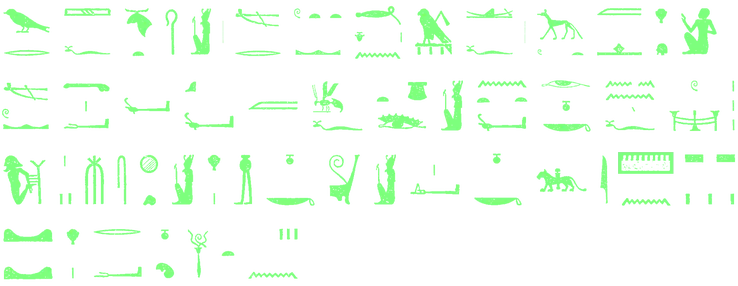
jw.tj m ḥtp ḥrj tp n mrw ṯꜣj ꜥ qnj m kꜣt.f dgj.j nṯṯ jrj.n.k n nf sbjw msḫꜣ.j ḥr jnjt.n.k n.j rdj.j n.k pẖr jmjw mntj ḏwj ḥr rdt n.k jꜣwt.sn
Come in peace, chief of the desert, manly of arm, deft at his work.
I see how you have bound those rebels;
I rejoice in what you have brought me.
I give you the creatures that roam the ranges on either bank;
the two mountains yield their herds to you. - 292

ḥnk nt ḏd mdw mn n.ṯ nt wsrt nbt Jmt nt rn ḥmt.ṯ ḥnwt šsp sj m ꜥ.j rdj sj ḥr ḥꜣt.ṯ ḫꜥj.ṯ jm.s wr fꜣw.ṯ
Offering the Red Crown. Words to be spoken:
Take for yourself the crown of Lower Egypt, mighty one, lady of Imet,
for “Crown of Lower Egypt” is Your Majesty’s name, O sovereign lady.
Take it from my hand and set it on your brow;
when you appear in it, great is your splendor.Note · Line 292
Imet was a center of worship of Wadjet, the cobra goddess of Lower Egypt. The Red Crown was the emblem of kingship there. - 293

prj.ṯ n pr.ṯ ḫntš.tw n mꜣꜣ.ṯ bw nb ḥr jrt n.ṯ hj wr ḥswt.ṯ m jbw rmṯw wꜣḏ.n.ṯ tꜣwj m nfrw.ṯ
When you come forth from your house, people rejoice to see you;
everyone cheers you.
Great is the love you have won in people’s hearts,
for you have made the Two Lands flourish with your beauty. - 294
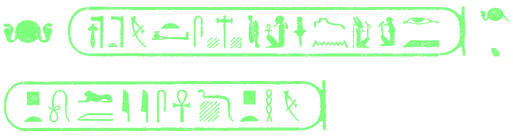
nswt bjt (… …) sꜣ Rꜥ (… …)
The King of Upper and Lower Egypt, Ptolemy IX, the Son of Ra, Ptolemy IX.
- 295
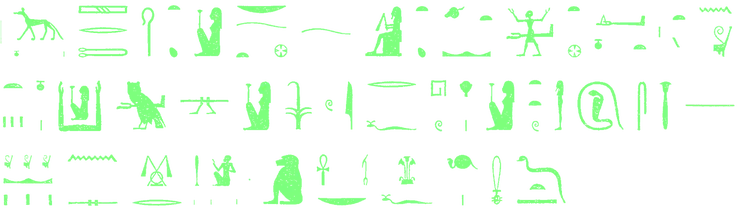
jw.n.j ḫr.ṯ ḥqꜣt nbt Jmt špst ḫnt Ꜥꜣst ḥꜥꜥwt rdj.j n.ṯ nt ḫꜥw nw kꜣ.ṯ ms.j sj jrf hꜣw ḥr.ṯ ṯwt mḥnjt swꜣḏt tꜣwj m wꜣḏ.s dšrwt n.s dmḏ r ḥmw
I have come to you, sovereign lady, mistress of Imet, splendid one in the Hill Country of Jubilation,
to give you the crown of Lower Egypt, the diadem of your ka,
and present it before your face.
For you are the coiled cobra who makes the Two Lands green with her green scepter;
the foreign lands are her servants, every one.Note · Line 295
The green scepter takes the shape of a papyrus stalk; its Egyptian name echoes both Wadjet’s name and the word for flourishing. - 296
rdj.j n.k tꜣwj nbw ḫꜣb n bꜣw.k ḫꜣswt nbt dmḏ ẖr ṯbwj.k
I give you the whole of the Two Lands bowed before your might,
and all foreign lands gathered beneath your sandals. - 297
ḏd mdw jn Wꜣḏt nbt Jmt jrt Rꜥ ḥrt jb Bḥdt ḥwnt nfrt m Ḥt ḫnmtt bjkt wrt ḥꜥjt n.s tꜣwj jwt n.s Fnḫw ẖr jnw.sn
Words spoken by Wadjet, lady of Imet, the Eye of Ra who dwells in Behdet, the fair maiden in the House of the Nurse, the great she-falcon whom the Two Lands acclaim, to whom the lands of the Fenkhu come bearing their tribute.
Note · Line 297
The Fenkhu are peoples of the eastern Mediterranean coast. - 298
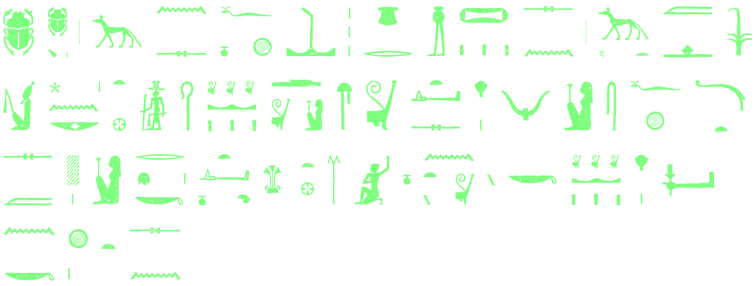
jw.tj m ḥtp nswt n Snwt jtj ḥqꜣ dšrwt šsp.n.j ḥpt rdj.j sj ḥr wpt.j sfḫ.j sj m tp.j r tp.k rdj.j n.k tꜣ mḥw m hnw n nt.k dšrwt ḥr ḫrp n.k jḫt.sn
Come in peace, king of Egypt, sovereign and ruler of foreign lands.
I have received the crown; I set it on my brow,
then lift it from my head to yours.
I grant that Lower Egypt acclaim your Red Crown
and that the foreign lands bring you their gifts. - 299
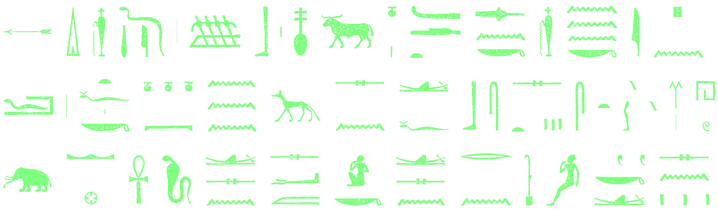
rdt qbḥw ḏd mdw šsp bw nfr bꜣ n Bḥdt mn n.k qbḥw.k jpn n jt.k nww jw.sn jm.f bsj st stj m hꜣw ꜣbw ꜥnḫ.k jm.sn sꜥm.k jm.sn rnpj ḥꜥ.k jm.sn
Pouring the libation. Words to be spoken: Receive what is good, O ba of Behdet.
Take these cool waters of yours from your father,
primeval waters that came from him,
that the leg made gush forth near Elephantine.
You live by them; you drink of them;
through them your body grows young again.Note · Line 299
At Elephantine the Nile flood was said to issue from the leg of Osiris, father of Horus. - 300
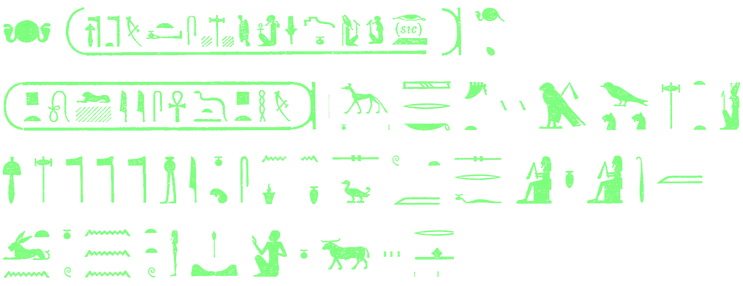
nswt bjt (… …) sꜣ Rꜥ (… …)
The King of Upper and Lower Egypt, Ptolemy IX, the Son of Ra, Ptolemy IX.
- 301
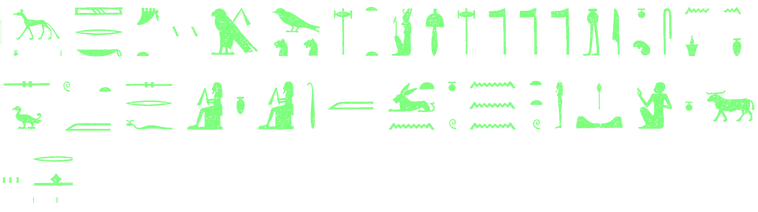
jw.n.j ḫr.k ḏrtj wr pḥtj nḏtj mnḫ ntj nṯrw jnj.j n.k snbt sḏfꜣ.tj m srf špst šps.tj m dwn ṯwt ḥm ḏw jnj bꜣw r ḥtpw qbḥ sfsf ꜣwt n ...
I have come to you, falcon great in strength, worthy defender of the gods,
to bring you the senebet jar filled with floodwater
and the shepes jar brimming with libation water.
For you are the hem-dju priest who leads the bas to the offerings,
the libation priest who pours out offerings for … - 302

Bḥdtj nṯr ꜥꜣ nb pt
The Behdetite, the great god, lord of the sky.
- 303

ḥwj.j n.k ḥꜥpj m ḥp r nw.f jwḥ.f šdj wšr
For you I send the Nile flood rushing in its season,
that it may flood the parched field. - 304
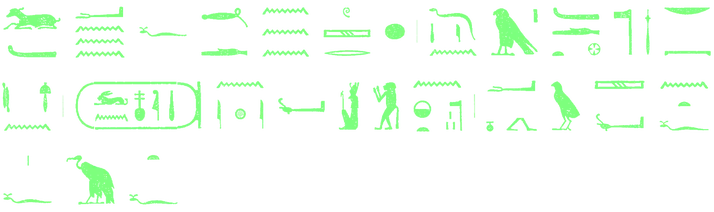
ḏd mdw jn Ḥr Bḥdtj nṯr ꜥꜣ nb pt jwꜥw mnḫ n (Wnn nfrw mꜣꜥ ḫrw) nḫw nfr n Psḏt ꜥn wšb n jt.f mwt.f
Words spoken by Horus of Behdet, the great god, lord of the sky, worthy heir of Wennefer, the vindicated, perfect protector of the Ennead, who provides for his father and mother.
- 305

ḏd mdw jn Ḥt ḥr nbt Jwnt jrt Rꜥ ḥrt jb Bḥdt ꜣst mwt nṯr ḫwjt sꜣ.s Spdt wrt sṯjt ḥꜥpj m ṯpḥt.f r sꜥnḫ nṯrw rmṯw
Words spoken by Hathor, lady of Dendera, the Eye of Ra who dwells in Behdet, Isis the god’s mother, who guards her son, Sothis the Great, who makes the Nile flood flow from its cavern to keep gods and people alive.
Note · Line 305
Sothis is Sirius. Its first appearance before dawn after a season out of sight heralded the annual flood. - 306
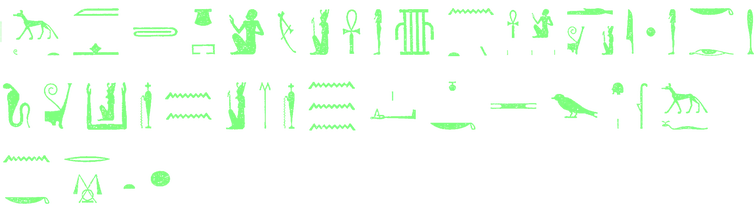
jw.tj m ḥtp pẖr nst mrj.j ḥꜥ ꜥnḫ.j ḫntj ꜥnḫw šsp.n.j jrw.k jrj ḥm.k n kꜣ.j qb ḥꜥ.j m qbḥw rdj.j n.k ḥꜥpj wr.tj tp rnpt jw.f n.k r dmḏjt.f
Come in peace, my beloved heir to the throne, my living flesh, foremost of the living.
I have accepted your service, the rite Your Majesty performs for my ka.
My flesh is cooled by the cool water you pour.
I grant you a high Nile flood each year;
it shall come to you at its appointed time.Note · Line 306
The god greets the king as his own son. - 307
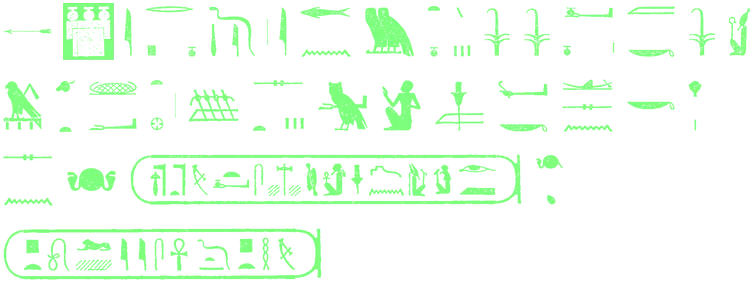
ḥnk jrp ḏd mdw jnmt nn ḥnk.n.j m bꜣḥ.k nswt nṯrw ḫnt Wḥꜥ tꜣ šsp st m ꜥ.j sḫm.k jm.sn ḥtp.k ḥr.sn rꜥ nb
Offering wine. Words to be spoken:
These inemet wines I have set before you, king of the gods in Uha-ta:
take them from my hand.
May you be mighty through them,
may you be content with them every day. - 308

nswt bjt ( … … ) sꜣ Rꜥ (… …)
King of Upper and Lower Egypt: Ptolemy IX. Son of Ra: Ptolemy IX.
- 309

jw.n.j ḫr.k nṯr wr . nṯrw sḫm šps qmꜣ ... ... jnj.j n.k šꜣ nfrw mrj kꜣ.k ḥꜥj ḥm.k n mꜣꜣ.sn ṯwt jtn sḥḏ tꜣwj dbnj dbn hj
I have come to you, great god, … of the gods, august power who created …,
to bring you fine wines, which your ka loves
and which Your Majesty rejoices to see.
For you are the sun disk that lights the Two Lands,
the circler who circles the sky. - 310

rdj.j n.k Bꜣqt bꜣq.tj m hꜣw.k bw nb jm.s ḥr mw.k
I grant that Egypt shall flourish in your time,
and everyone in it shall be loyal to you. - 311

ḏd mdw jn Rꜥ Ḥr ꜣḫtj nb Tꜣwj Jwnw Bḥdtj sꜣb šwt nṯr ꜥꜣ ḫnt Wṯst Ḥr bꜣ jꜣbtt wbn m jꜣbtt wbg šꜣw nbw n wbn.f
Words spoken by Ra-Horakhty, lord of the domain of Heliopolis, the Behdetite, many-colored of plumage, the great god in the Throne of Horus, the ba of the east who rises in the east, at whose rising all the vines grow green.
Note · Line 311
Behdet and the Throne of Horus are names for Edfu. - 312

ḏd mdw jn Ḥt ḥr Nbt ḥtpt jrt Rꜥ ḥrt jb Bḥdt jtjt m ḥḥ n ḥḥw nb nbt Jwnt wrt nṯrwt špst nt sꜣbwt
Words spoken by Hathor Nebethetepet, the Eye of Ra who dwells in Behdet, sovereign for millions upon millions of years, the Golden One, lady of Dendera, greatest of goddesses, the splendid one among the sabut-serpents.
- 313
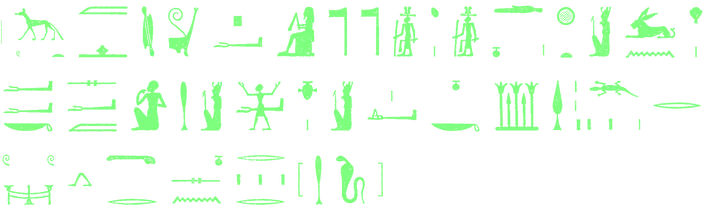
jw.tj m ḥtp jwꜥw n rpꜥt nṯrw jtj sꜣ jtj šsp.n.j jḫt.j wnt ḥr ꜥwj.k sꜥm ḥm.j ḥꜥj jb.j rdj.j n.k šꜣw ꜥšꜣ n ḏrw dqr.sn jrj r ḥm.k
Come in peace, heir to the prince of the gods, sovereign, son of a sovereign.
I have received my gift, the one you bear on your two arms.
My Majesty savors it; my heart rejoices.
I give you vineyards, many and without bounds;
all their fruit shall belong to Your Majesty. - 314
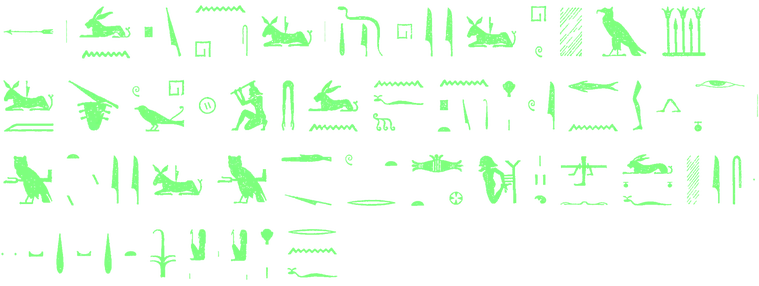
wnp nhs ḏd mdw hj hꜣj.w ꜣš m šꜥt whj sp.f nn wnn.f nbḏ npḏ.tj ḥr wjn jrj.n.f mtj mds.tj r Msn sbjw.k sbj nn wnn.f qjs Ḏꜣḏꜣt ḥr rn.f
Stabbing Nehes. Words to be spoken:
Hi has fallen; Ash is being stabbed.
He whose venture failed is no more.
The vile one lies butchered for the wrong he did;
Meti lies slaughtered at Mesen.
Your foes have perished; he is no more.
The tribunal spits at his name.Note · Line 314
Nehes, Hi, Ash and Meti are names for Seth in this rite. The king strikes one enemy under many names at Mesen, a sacred name of Edfu. - 315
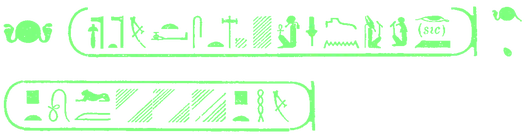
nswt bjt (… …) sꜣ Rꜥ (… …)
King of Upper and Lower Egypt: Ptolemy IX. Son of Ra: Ptolemy IX.
- 316
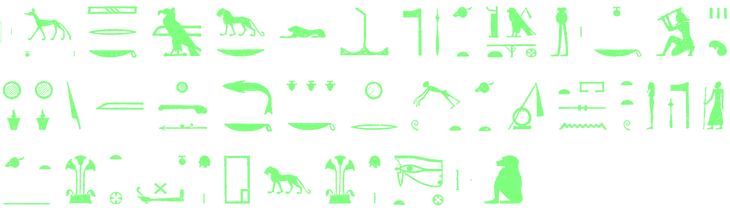
jw.n.j ḫr.k ꜣm nb Ṯꜣrw nṯr ꜥꜣ ḫnt Wṯst Ḥr jnj.j n.k ḫftjw.k ḫbḫb m ḫmt ẖꜣkw jb.k ḫr.tj ḫnt ḫbt.sn ṯwt nṯr ꜥꜣ wr ḫnt tꜣ mḥw qn tp ḥt ḥꜣ Wḏꜣt
I have come to you, lion, lord of Tjaru,
great god in the Throne of Horus,
to bring you your enemies, run through with the spear,
your rebels, felled at their place of execution.
For you are the great god, mighty in Lower Egypt,
the strong one atop the house, who guards Egypt.Note · Line 316
Tjaru was a fortress on Egypt’s northeastern frontier. The king addresses Horus as its defender. - 317
snḫt.j ḥm.k ḫnt rdt msnj.f swr.j šfjt.k ḫnt Jw tjtj
I strengthen Your Majesty in combat with the knife;
on the Isle of Trampling I heighten the awe you inspire.Note · Line 317
The Isle of Trampling is a ritual name for Edfu, where Horus treads his enemies underfoot. - 318
ḏd mdw jn Ḥr Nb Msn nṯr ꜥꜣ nb Ṯꜣrw sḫm šps ḫnt P Msn ṯꜣ m rw ḫnt Ꜥntj jꜣbtt bjk n nb nb Wṯst nb n Kmt ḥqꜣ dšrwt jw n.f Fnḫw ẖr jnw.sn
Words spoken by Horus, lord of Mesen, great god, lord of Tjaru, august power in Pe-Mesen, young lion in Khenty-iabet, falcon of gold, lord of the Throne, lord of Egypt, ruler of the desert lands, to whom the Fenkhu come bearing their tribute.
Note · Line 318
Khenty-iabet was a district in the eastern Nile Delta. - 319
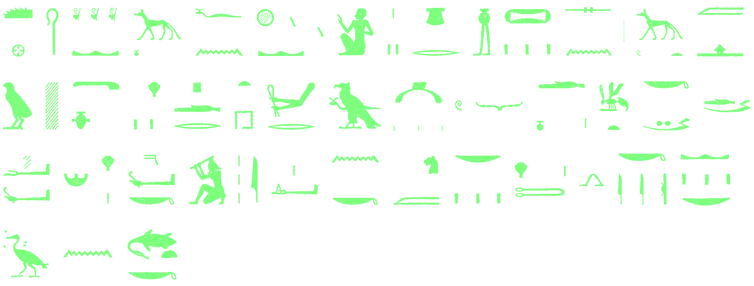
jw.tj m ḥtp wmt jb ḥr ptrt ḏsr fꜣw m hrw dmḏ šsp.n.j kꜣt.k mꜣꜣ.n.j ṯmꜣ ꜥ.k ḥꜥj.j ḥr ḥwj.k ḫftjw.j rdj.j n.k pḥtj m kjj ḥr jṯt kjj ḫꜣswt nbt sdꜣdꜣ n snḏt.k
Come in peace, stout of heart on the battlefield, high in honor on the day of combat.
I have accepted your deed; I have seen the strength of your arm.
I rejoice when you strike my enemies.
I give you strength when one man grapples with another;
all foreign lands shall tremble for fear of you. - 320

stj r db ḏd mdw šsp.j ꜥbbt jkn.n.j ḫꜥw twꜣ.n.j ꜥwj.j ẖr bjꜣ nṯr stj.n.j nš dbdb.n.j jwf.f
Shooting the hippopotamus. Words to be spoken:
I grasp the abebet-harpoon; I have seized the weapons.
I have raised both arms beneath the god’s metal.
I have felled the hippopotamus;
I have hacked his flesh to pieces.Note · Line 320
The hippopotamus stands for Seth. The “god’s metal” is the harpoon with which the king strikes him. - 321

ḥms.n.j ḥm m ḥmtj.j sšm.j jm.f r gsw prw nṯrw rdj.j wꜥbw.f n nṯr nb
I have carved up the coward with my copper.
I send portions of him to the temples of the gods;
I give his pure cuts to every god.Note · Line 321
The pure cuts are the portions fit to be offered to the gods. - 322
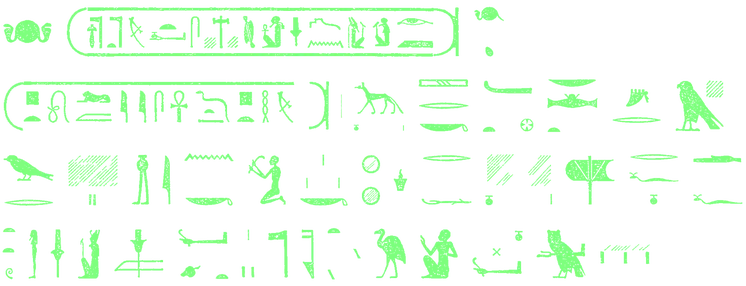
nswt bjt (… …) sꜣ Rꜥ (… …)
King of Upper and Lower Egypt: Ptolemy IX. Son of Ra: Ptolemy IX.
- 323
jw.n.j ḫr.k Bḥdtj Nb Msn ḏrtj wr ḥrj nṯrw jnj.j n.k ḫftjw.k ḫbḫb r dmḏ jṯj.n.j ṯꜣw r fnḏ.f ṯwt sḫm sḫm ḫnt nṯrw msntj qnj mds mds
I have come to you, Behdetite, lord of Mesen,
great falcon, chief of the gods,
to bring you your enemies, butchered to a man.
I have snatched the breath from his nostrils.
For you are the mighty power among the gods,
the strong harpooner who lays the vile one low.Note · Line 323
The many enemies become one again in “his nostrils”: the slain hippopotamus embodies them all. - 324
rdj.j n.k ṯmꜣ ꜥ ḫnt rdt msnj.f pḥtj.k pḥtj.tj r rkww.k
I give you strength of arm in combat with the knife;
your might shall be mighty against your foes. - 325
ḏd mdw jn Ḥr Bḥdtj nṯr ꜥꜣ nb pt sꜣb šwt prj m ꜣḫt bjk n nb sꜣ Wsjr ... ... wr pḥtj ḫnt Wṯst Ḥr ḫnd ḥr psḏ n ḫrwjw.f
Words spoken by Horus the Behdetite, great god, lord of heaven, many-colored of plumage, who comes forth from the horizon, falcon of gold, son of Osiris, … great in strength in the Throne of Horus, who treads on the backs of his enemies.
- 326
jw.tj m ḥtp kꜣ sꜣ kꜣ prj ꜥ jṯj m sḫm.f šsp.n.j kꜣt.k mꜣꜣ.n.j nḫt.k ršw.j m hrw.k dmḏ rdj.j n.k qnt wnt m ꜥ.j nḫt nb n ḥꜥ.j
Come in peace, bull, son of a bull,
whose arm shoots forth, who seizes with his might.
I have accepted your deed; I have seen your strength.
I rejoice in your day of battle.
I give you the valor in my arm
and all the strength of my body. - 327
ḥnk dꜣb ḥr bjt ms šꜣ ḏd mdw mn n.k dꜣb ḥr jrt Ḥr bnrt šꜣ nfr nfr m ḫt.sn qq.k jm.sn swr.k jm.sn nfr jb.k jm.sn prj.k m wpt.k ḫrw.k mꜣꜥ wj Bꜣbj ḫftj m ꜥḏt.f
Presenting figs with honey; offering wine. Words to be spoken:
Take the figs with the sweet Eye of Horus,
and after them the finest wine.
May you eat of them, may you drink of them,
may your heart delight in them.
You come forth from your trial vindicated,
while Babi, the enemy, lies slaughtered.Note · Line 327
The sweet Eye of Horus is the honey. To offer the Eye is to return to Horus what he lost in his struggle with Seth. Babi is the hostile baboon god. - 328
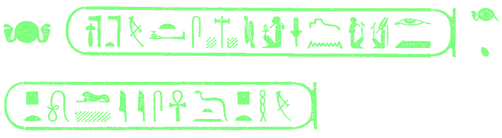
nswt bjt (… …) sꜣ Rꜥ (… …)
King of Upper and Lower Egypt: Ptolemy IX. Son of Ra: Ptolemy IX.
- 329

jw.n.j ḫr.k nṯr wr r nṯrw wptj wpj tꜣwj nb jnj.j n.k dꜣb smꜣ.tj ḥr ḥḏt jrt Ḥr wꜣḏt mrjt kꜣ.k ṯwt tḫn šps ḫnt Bꜥḥ nb sš ḥqꜣ mḏꜣwt
I have come to you, god greater than the gods,
judge who judges the whole of the Two Lands,
to bring you figs mingled with the white honey,
and the green Eye of Horus, which your ka loves.
For you are the august ibis in Bah,
lord of writing, ruler of scrolls.Note · Line 329
The white offering is honey; the green Eye is wine. The ibis is Thoth, patron of scribes and judge of the gods. - 330
rdj.j n.k ḫntšw ꜥšꜣ ḫnt Ꜥtm ẖr dqrw nbw bnrw
I give you many gardens in Egypt, laden with every sweet fruit.
- 331
ḏd mdw jn Ḏḥwtj ꜥꜣ ꜥꜣ wpj rḥwj ḥrj tp n nṯrw nbw Mꜣꜥtj nb mꜣꜥt ḥtp ḥr mꜣꜥt bwt kꜣ.f pw bwt Rꜥ
Words spoken by Thoth, twice great, who parts the two contenders, chief of all the gods, Maati, lord of Maat, who delights in Maat. What Ra abhors, his ka abhors.
Note · Line 331
The two contenders are Horus and Seth, rivals for the throne. - 332

ḏd mdw jn Nḥmt ꜥwꜣj jrt Rꜥ ḥrt jb Bḥdt ḥqꜣt wrt ḫnt Bꜥḥ ꜥnt m jrw.s sbꜣqt m ḥꜥ.s špst m wn mꜣꜥ
Words spoken by Nehemetawy, the Eye of Ra who dwells in Behdet, great sovereign in Bah, lovely in form, radiant of body, splendid indeed.
- 333
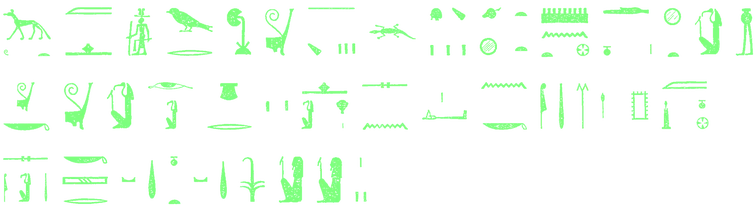
jw.tj m ḥtp jtj wr ḫꜣ n tꜣ ꜥšꜣ tpw ḫnt jḫt mnt šsp.n.j jḫt.j jnjt.n.k n.j jrj.j ẖrt ḥtp.j ḥr.sn rdj.j n.k mꜣꜥ ḫrw m Jnbw ḥḏ m Jwnw smꜣꜥ.j ḫrw.k ḫr Ḏꜣḏꜣt
Come in peace, ruler rich in gardens, whose fields are many in the world.
I have received my offering, which you brought me;
I eat and am content with it.
I grant you vindication in White Walls and in Heliopolis;
before the tribunal I declare your voice true.Note · Line 333
To declare someone’s voice true is to give judgment in that person’s favor. - 334
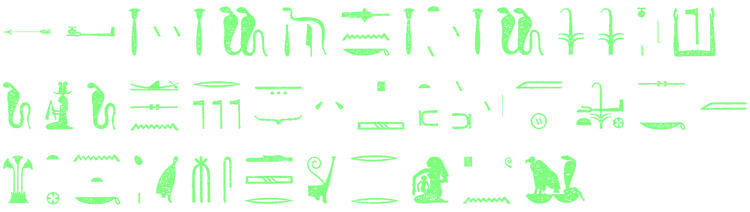
ḥnk wꜣḏtj ḏd mdw mn n.k wꜣḏtj nn nt kꜣ.k ṯnj.k jm.sn r nṯrw tꜣwj dmḏ psštj m ḥtp šmꜥw jsk m ꜥb mḥw ntk sꜣ ḥḏt ms dšrt rr pw n nbtj
Offering the two uraei. Words to be spoken:
Take these two cobras that belong to your ka;
through them you stand higher than the gods.
The Two Lands are one, the two halves at peace:
Upper Egypt together with Lower Egypt.
You are the son of the White Crown, the child of the Red Crown,
a nursling of the Two Ladies.Note · Line 334
The uraei are rearing royal cobras. The White Crown belongs to Upper Egypt, the Red Crown to Lower Egypt. - 335
nswt bjt (… …) sꜣ Rꜥ (… …)
King of Upper and Lower Egypt: Ptolemy IX. Son of Ra: Ptolemy IX.
- 336
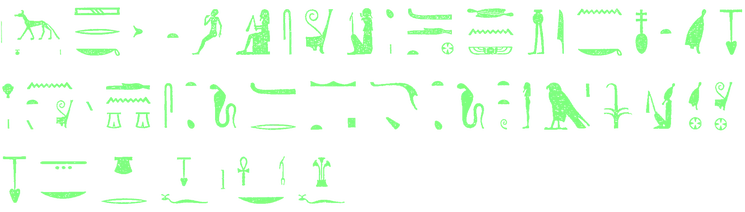
jw.n.j ḫr.k ẖrd šps n Rꜥ sꜣ Bḥdtj jwꜥw n ꜥpj jnj.j n.k nfrt smꜣ ḥr nt dngngs ḥnꜥ Pjt Ḫpjt ṯwt Ḥr nswt šmꜥw mḥw smꜣ tꜣwj nb ẖr smꜣt.f
I have come to you, splendid child of Ra, son of the Behdetite, heir of Api,
to bring you the White Crown joined to the Red,
the cobra of Elkab together with the cobra of Buto.
For you are Horus, king of Upper and Lower Egypt,
beneath whose throne all Egypt is one.Note · Line 336
The king presents the crowns of Upper and Lower Egypt to the child god. - 337

rdj.j n.k nbtj mn.tj ḥr ḥꜣt.k ḥr wdt hh r ḫftjw.k
I grant that the Two Ladies hold fast on your brow, breathing fire at your foes.
- 338

ḏd mdw jn Ḥr {mꜣ tꜣwj pꜣ ẖrd sꜣ Ḥt ḥr ꜥꜣ wr tpj n Ḥr Bḥdtj nṯr ꜥꜣ nb pt ḫ šps ḫnt Nst nṯrw njswt ẖrdw nw gsw prw
Words spoken by Harsomtus the Child, son of Hathor, great indeed, firstborn of Horus of Behdet, the great god, lord of the sky; splendid child in the Throne of the Gods, king of the divine children of the temples.
Note · Line 338
Harsomtus means “Horus who unites the Two Lands.” The Throne of the Gods and the Throne of Horus are sacred names for Edfu. - 339

ḏd mdw jn Jḥj wr sꜣ Ḥt ḥr nṯr ꜥꜣ ḥrj jb Bḥdt ẖrd šps n ꜣḫtj nswt n rsj bjtj n mḥtj nb šmꜥ.s ḥqꜣ m mḥw.s
Words spoken by Ihy the Great, son of Hathor, the great god who dwells in Behdet, splendid child of the Horizon-Dweller, king of the South, king of the North, lord of the White Crown, ruler of the Red Crown.
- 340
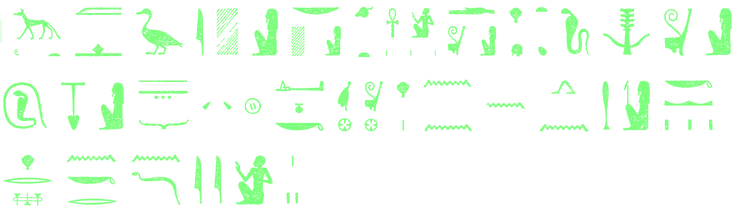
jw.tj m ḥtp sꜣ.j mrj.j ḥrj nst.j ḫntj ꜥnḫw šsp.n.j ḥrjt tp ẖnm.n.j mḥnjt smꜣ.j tꜣwj dmḏ n sp rdj.j n.k šmꜥw mḥw ḥr mw n ḥm.k ḫꜣswt ḥrjwt n.k r nḏt
Come in peace, my beloved son, heir to my throne, foremost of the living.
I have received the serpent of the brow; I have joined with the rearing cobra.
I unite the Two Lands, joined now as one.
I grant that Upper and Lower Egypt be loyal to Your Majesty
and that the far-off foreign lands be yours as servants. - 341
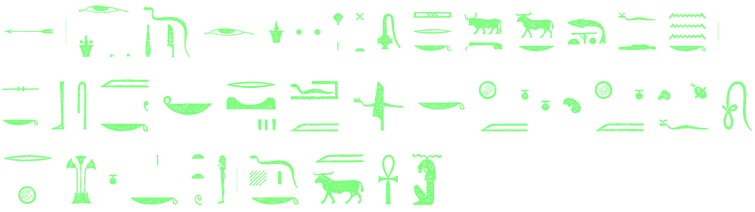
jrt snṯr ḏd mdw jrt snṯr ḥr ḫt ḫr.k kꜣ sṯj bꜣ nb Ḥꜣt mḥjt fdt.k jsk bsj m ḥꜥ.k sṯj rḏw prj m jwf.k ḫnm.n.k ḫnmw.f wꜣḫj.n.f fnḏ.k twt ḏt.k m bꜣ ꜥnḫ
Burning incense. Words to be spoken:
Incense on the fire before you, mating bull, ba, lord of Hatmehit!
It is your sweat that welled from your body,
the scent of the fluid that flowed from your flesh.
When you have breathed its scent and it has filled your nose,
your body is whole as the living ba.Note · Line 341
Hatmehit is the district of Mendes in the Nile Delta, home of the ram-god. - 342
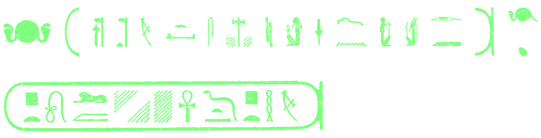
nswt bjt (… …) sꜣ Rꜥ (… …)
The king of Upper and Lower Egypt, Ptolemy IX, the son of Ra, Ptolemy IX.
- 343
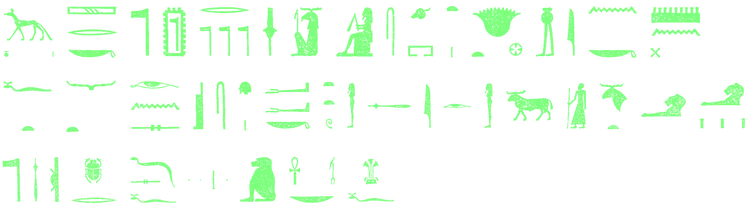
jw.n.j ḫr.k nṯr nṯrj r nṯrw sḫm šps ḫnt Pr ... jnj.j n.k mnwr prj m Nḫn jrj.n.s st.s tp ꜥwj.k ṯwt ꜥꜣ jrw bꜣ wr šfjtj ḥꜣwtj nṯr ꜥꜣ ḫpr ḏs.f
I have come to you, god more divine than the gods, splendid power in the House of …,
to bring you incense from Nekhen. She has taken her place before you.
For you are great of form, the great, majestic, ram-headed ba,
the great god who came into being of himself.Note · Line 343
The incense from Nekhen, also called Hierakonpolis, appears here as a goddess taking her place before the god. - 344
rdj.j n.k ꜥḥꜥw qꜣj ḥr st wrt ḥꜥ.k tm n ꜥnḫ
I grant you long life on the great throne, your limbs filled with life.
- 345
ḏd mdw jn Bꜣ nb Ḏdt nṯr ꜥꜣ ꜥnḫ n Rꜥ nṯr nṯrj m Wṯst Ḥr Rꜥ Šw Gbb Wsjr 4 bꜣw dmḏ m wꜥ
Words spoken by Banebdjedet, the great god, the life of Ra, the divine god in the Throne of Horus: Ra, Shu, Geb and Osiris, four bas joined in one.
Note · Line 345
Banebdjedet is the ram-god of Mendes. His name means “Ba, lord of Djedet,” the Egyptian name of the city. - 346
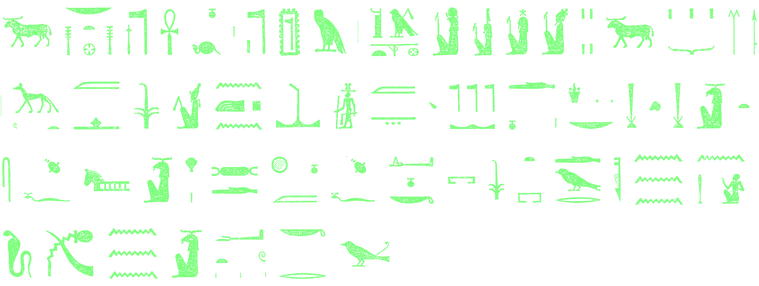
jw.tj m ḥtp nswt n Kbn jtj m Tꜣwj nṯrw šsp.n.j snṯr.k snsn.j sṯj.f ḫntš.j ḥr ꜥḏ ḫnmw.f rdj.j n.k pr nswt twr n ḥm.k ꜥb.j ꜥwt.k r ꜥb
Come in peace, king of Byblos, sovereign in the Two Lands of the Gods.
I have received your incense. I breathe its fragrance;
I delight in drawing in its scent.
I grant that the palace be pure for Your Majesty;
I cleanse your limbs of all that is unclean. - 347
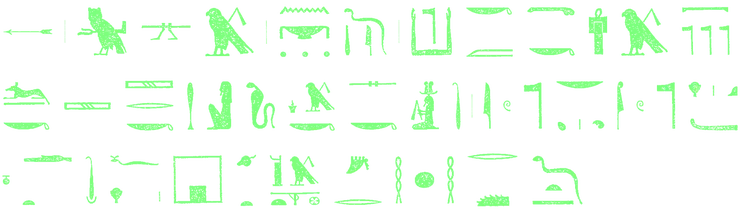
ms bjk n nb ḏd mdw kꜣ.k m bꜣḥ.k sjꜣw ḥrj nṯrw sštꜣ.k štꜣ ḫr.k ḥm.k bꜣ.k jsk ṯnj.tj r nṯr nb sꜣ.k Šw ḥr qꜥḥ n.f ḏrt.f mn.f ḥr srḫ ḫnt Wṯst Ḥr ḏr nḥḥ r km ḏt
Presenting the falcon of gold. Words to be spoken:
Your ka is before you, falcon, chief of the gods.
Your secret image lies hidden beside you, Your Majesty:
it is your ba, exalted above every god.
Your son Shu stretches out his hand in offering to him
as he abides on the palace façade in the Throne of Horus,
from everlasting to eternity’s end.Note · Line 347
The falcon on the palace façade is an emblem of Horus as king. - 348
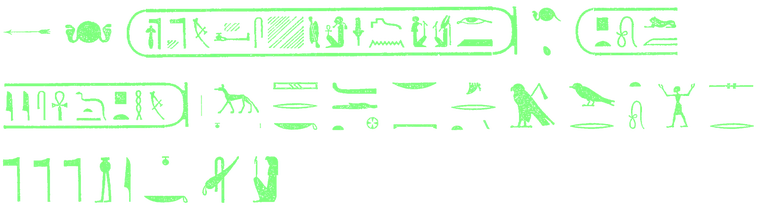
nswt bjt (… …) sꜣ Rꜥ (… …)
The king of Upper and Lower Egypt, Ptolemy IX, the son of Ra, Ptolemy IX.
- 349

jw.n.j ḫr.k Bḥdtj nb pt ḏrtj wr twꜣ sw r nṯrw jnj.j n.k sšmw.k pn nfr ṯḥn ḥr.k n mꜣꜣ.f ṯwt bjk ꜥꜣ ꜥpr dmꜣtj mfk jnm ḫsbḏ tp
I have come to you, Behdetite, lord of the sky, great falcon who rises above the gods,
to bring you this fair image of yourself. Your face shines at the sight of it.
For you are the great falcon with wings, your skin turquoise, your head lapis lazuli. - 350
ḥqꜣt nbt tꜣwj (…)
The sovereign, lady of the Two Lands, Cleopatra:
- 351

sꜣ.k jr.f ḏrtj tqr pḥtj smn.k jꜣwt.f r rꜣ ꜥ nḥḥ
He is rightly your son, O falcon of mighty strength.
May you make his office endure for ever.Note · Line 351
The queen speaks to Horus on the king’s behalf. - 352
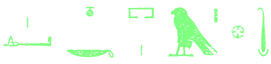
rdj.j n.k Pr Ḥr mn.tj ẖr ḥm.k ṯnj.tj m sꜣ ḥnꜥ sꜣt
I grant that the House of Horus stand firm under Your Majesty, blessed with son and daughter.
Note · Line 352
The House of Horus is the royal palace. - 353
ḏd mdw jn Ḥr Bḥdtj nṯr ꜥꜣ nb pt bjk n nb sꜣ Wsjr nswt njwswt bjtj bjtjw jtj n nṯrw rmṯw
Words spoken by Horus of Behdet, the great god, lord of the sky, falcon of gold, son of Osiris, king of Upper Egypt’s kings, king of Lower Egypt’s kings, sovereign of gods and humankind.
- 354
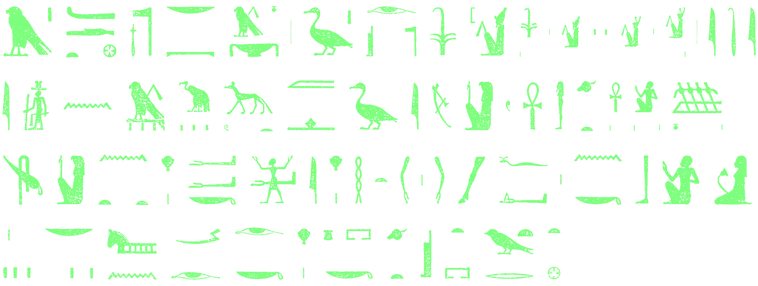
jw.tj m ḥtp sꜣ.j mrj.j ḥꜥ ꜥnḫ.j ḫntj ꜥnḫw šsp.n.j sšmw.j ntj ḥr ꜥwj.k ḥꜥj.j ḥr ḥpt ḥm.f rdj.j n.k bw nb ḥr ḫntš n mꜣꜣ.k ḥr nst.k ḫnt St wrt
Come in peace, my beloved son, my living flesh, foremost of the living.
I have received my image that rests on your arms;
I rejoice to embrace His Majesty.
I grant that everyone rejoice at the sight of you
on your throne in the throne hall. - 355
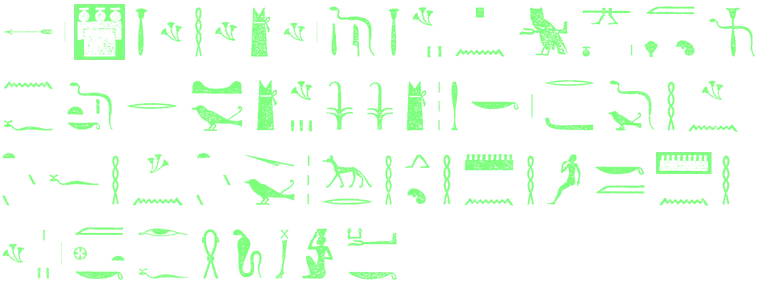
ḥnk wꜣḏ ḥn ḏd mdw wꜣḏ pn ms.n.j m ḥr.k wꜣḏ.n.f ḏt.k r ḏw ḥnw nn ḥn.w ḥm.k r ḥḏ ḥnṯj.f Ḥnṯtjw jw r ḥḥj.k mnḥ ḥꜥ.k m mnḥ m nwt.k jrj.f sꜣ.k wḥm.f mkt.k
Offering papyrus and hen-plants. Words to be spoken:
This papyrus I have brought before your face has kept your body safe from harm;
these hen-plants guard Your Majesty against evil.
The plant slaughters the slaughterers who come looking for you.
Your body grows young again with the meneh-plant in your city;
it guards you and renews your protection.Note · Line 355
The plants act as protectors. - 356
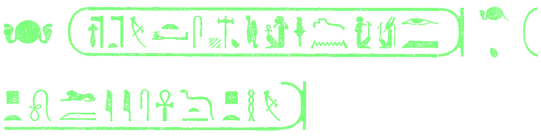
nswt (… …) sꜣ Rꜥ (… …)
The king, Ptolemy IX, the son of Ra, Ptolemy IX.
- 357
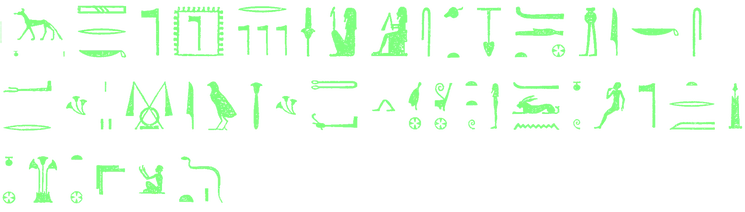
jw.n.j ḫr.k nṯr nṯrj r nṯrw sḫm šps ḫnt {mꜣ Bḥdt jnj.j n.k sꜥr dmḏ r wꜣḏ jṯt šmꜥw mḥw ṯwt ḥwn nṯrj m Jwnw mḥw jmn ḏt.f m Jmn
I have come to you, god more divine than the gods, splendid power in Sema-Behdet,
to bring you the sar-plant joined with papyrus:
together they take possession of Upper and Lower Egypt.
For you are the divine youth in Northern Heliopolis,
who hides his body as Amun.Note · Line 357
Amun’s name means “the Hidden One.” - 358
Bḥdtj nṯr ꜥꜣ nb pt
The Behdetite, the great god, lord of the sky.
- 359
rdj.j n.k smꜣ dmḏ ẖr bḥdw.k ḥr nst Rꜥ ḫnt pr nswt
I grant that the union be complete beneath your throne, on the seat of Ra in the palace.
- 360
ḏd mdw jn Jmn Rꜥ nb {mꜣ Bḥdt nṯr šps m Wṯst nṯr ꜥꜣ ḫnt Bḥdt.f rsjt m Bḥdtj nb Nwt ḫwj gsw prw Wḏꜣt nswt nṯrw ḫnt Jpt swt
Words spoken by Amun-Ra, lord of Sema-Behdet, splendid god in the Throne, great god in his southern Behdet as the Behdetite, lord of Thebes, who guards the temples of Egypt, king of the gods in Karnak.
Note · Line 360
Sema-Behdet lay in the Delta; southern Behdet is Edfu in Upper Egypt. - 361
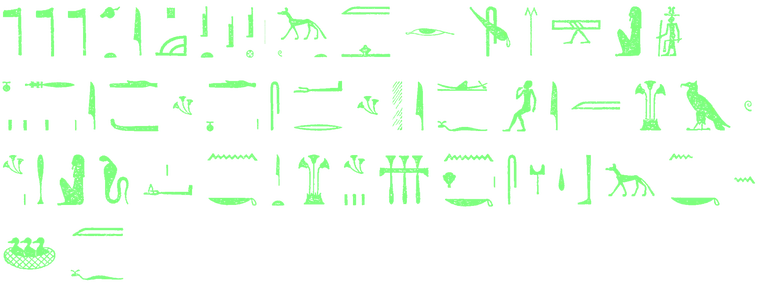
jw.tj m ḥtp jrj sšm šm.j jtj n ẖꜣt jdḥw šsp.n.j sꜥr ...j jm.f rnpj.j m ḥꜣw nw ḥm.k rdj.j n.k jdḥw ṯḥn n ḥr.k sꜣb.n.k sš m ḫnt.f
Come in peace, heir to my throne, ruler of the Delta marshes.
I have received the sar-plant; I … in it.
I grow young again through Your Majesty’s hau-plants.
I grant that the papyrus thicket spread gleaming before you
as you roam the marsh within it. - 362

jrt sḫm sšš ḏd mdw sšš m wnmj.j sḫm m jꜣbj.j ẖnm.j ḫrw.sn r ꜥnḫwj.ṯ
Playing the two sistra. Words to be spoken:
The sesheshet is in my right hand, the sekhem in my left;
I bring their mingled voices to your ears.Note · Line 362
Sistra are sacred rattles. Here the worshipper plays two kinds for Hathor. - 363
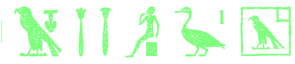
Ḥr {mꜣ tꜣwj pꜣ ẖrd sꜣ Ḥt ḥr
Harsomtus the Child, son of Hathor.
- 364
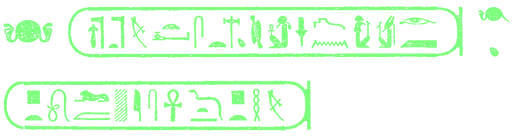
nswt bjt (… …) sꜣ Rꜥ (… …)
The king of Upper and Lower Egypt, Ptolemy IX, the son of Ra, Ptolemy IX.
- 365

jw.n.j ḫr.ṯ wbnt m nb Ḥt ḥr wrt nbt Jwnt jnj.j n.ṯ sšš sš.n.f qnd.ṯ smdt r swnf jb.ṯ ṯwt špst m Wṯst Ḥr jtjt ḫnt Tꜣ n Jtmw
I have come to you, you who shine as the Golden One, Hathor the Great, lady of Dendera,
to bring you the sesheshet that has shaken your anger away,
and the semedet to gladden your heart.
For you are the Splendid One in the Throne of Horus,
the sovereign lady in the Land of Atum.Note · Line 365
The Land of Atum is a sacred name for Dendera, Hathor’s city. - 366

rdj.j n.k šmꜥw mḥw ḥr šm ḥr mw.k rwj.j ḥḏn r ḥm.k
I grant that Upper and Lower Egypt follow in your wake;
I drive away ill will toward Your Majesty.Note · Line 366
To follow someone’s water is to be loyal to them. - 367

ḏd mdw jn Ḥt ḥr wrt nbt Jwnt jrt Rꜥ ḥrt jb Bḥdt nbt pt ḥnwt nṯrw nbw nbt sḫm šꜣꜥ.tw n.s sšš ꜥnḫt ꜥnḫw m ḥtp.s
Words to be spoken by Hathor the Great, lady of Dendera, Eye of Ra, who dwells in Behdet, lady of heaven, mistress of all the gods, lady of the sekhem sistrum, for whom the sesheshet sistrum was first shaken, by whose favor the living live.
Note · Line 367
The sekhem and the sesheshet are two forms of the sistrum, a sacred rattle shaken in Hathor’s worship. - 368

ḏd mdw jn Ḥr {mꜣ tꜣwj pꜣ ẖrd sꜣ Ḥt ḥr sfj šps n Nb r ḏr
Words to be spoken by Harsomtus the Child, son of Hathor, noble offspring of the Lord of All.
- 369
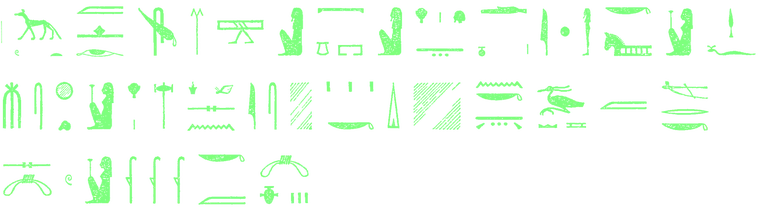
jw.tj m ḥtp jrj sšm šm.j ḥrj nst.j ḥr tp tꜣ šsp.n.j jrw.k ḫntš.j jm.f msḫꜣ.j ḥr ndb snsw.k rdj.j n.k tꜣwj bꜥḥj m mrwt.k sꜣwj.j rnpwt.k m ꜣwt jb
Come in peace, heir to my throne,
my successor on earth.
I have accepted your service and rejoice in it;
I delight to hear your praises.
I grant that the Two Lands overflow with love for you;
I lengthen your years in gladness of heart. - 370
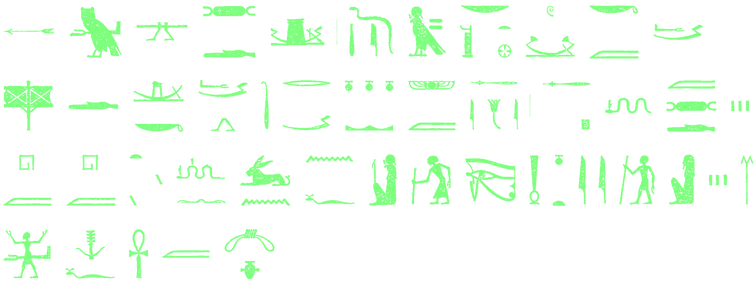
ms mꜥnḏt ḏd mdw Rꜥ Ḥr ꜣḫtj nb Wṯst wjꜣ.k m mꜣꜥw mꜥnḏt.k mꜣꜥ.tj r mꜣnw ꜥpj m ꜥꜣj ꜥꜣpp m ꜥḏt.f ḥmḥmtj n wnn.f Rꜥ jꜣw wḏꜣ šnwt.f m ḥꜥꜥwt ẖnm.f ꜥnḫ m ꜣwt jb
Presenting the Mandjet bark. Words to be spoken:
O Ra-Horakhty, lord of the Throne-Seat,
your boat has a fair wind;
your Mandjet bark is set on course for Manu.
Api exults as Apep is slaughtered;
the Roarer is no more.
Ra the Elder is safe, and his court rejoices
as he joins with life in gladness of heart.Note · Line 370
The Mandjet is the boat in which the sun god crosses the sky by day. - 371
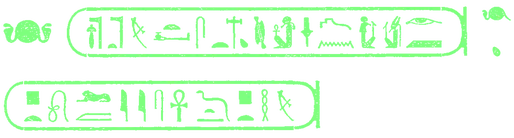
nswt bjt (… …) sꜣ Rꜥ (… …)
King of Upper and Lower Egypt (Ptolemy IX), Son of Ra (Ptolemy IX).
Note · Line 371
The two cartouches hold the king’s throne name and birth name. - 372
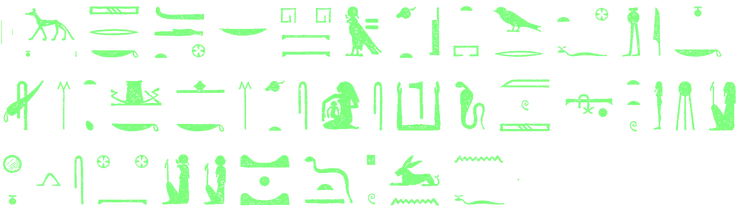
jw.n.j ḫr.k Bḥdtj nb hj Rꜥ Ḥr ꜣḫtj ḫnt St wrt.f jnj.j n.k sšmwt.k ḥtp.k m ḫntj.s rr.s kꜣ.k m wšꜥw ṯwt jꜣḫw ḫns nwt rꜥ nb nḥḥ ḏt pw wnn.f
I have come before you, Behdetite, lord of heaven,
Ra-Horakhty upon his Great Seat,
to bring you your Seshemut bark,
that you may rest within her;
she nourishes your ka by night.
You are the radiant one who crosses the sky each day,
whose being is eternity that turns and eternity that endures.Note · Line 372
The two eternities, neheh and djet, are time forever renewed and time that endures unchanged. - 373

rdj.j n.k bjkw wr.tj tp jtrw mꜥt n rḫ ṯnw.sn
I give you cargo boats in great numbers on the river,
and mat-ships beyond counting. - 374

ḏd mdw jn Ḥr Bḥdtj nṯr ꜥꜣ nb pt sꜣb šwt prj m ꜣḫt ꜥpj šps ḫwj jtrtj Ꜥprj m dwꜣjt Rꜥ m ꜥḥꜥjt Jtmw m rꜥ nb ḥr nḥm.f
Words to be spoken by Horus of Behdet, the great god, lord of heaven, the dapple-feathered one who comes forth from the horizon, noble Api who guards the twin shrines, Khepri at dawn, Ra at noon, Atum as each day slips away.
- 375

ḏd mdw jn Ḥt ḥr wrt nbt Jwnt jrt Rꜥ ḥrt jb Bḥdt nbt pt ḥnwt nṯrw nbw wsḫt st jmj wtj mꜥnḏt šnwt Rꜥ ḥr jrt n.s jꜣw
Words to be spoken by Hathor the Great, lady of Dendera, Eye of Ra, who dwells in Behdet, lady of heaven, mistress of all the gods, who holds high place in the Mandjet bark, to whom the court of Ra gives praise.
- 376
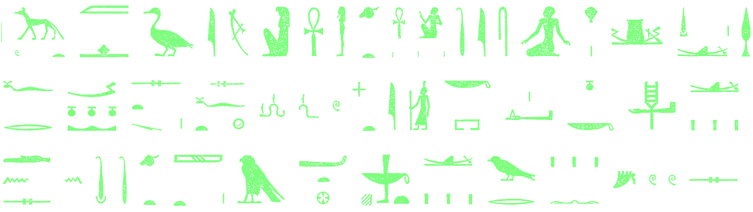
jw.tj m ḥtp sꜣ.j mrj.j ḥꜥ ꜥnḫ.j ḫntj ꜥnḫw tjs.j ḥr wjꜣ ḏꜣj.j jm.f r mꜣnw sfṯ.j sftḫ jmj wtj Jꜣk rdj.j n.k ꜥḥꜥw dns.tj ḫnt Š Ḥr kbnwt wrwt n ḏrw.sn
Come in peace, my beloved son,
my living flesh, foremost of the living.
I take my place aboard the bark;
I cross in her to Manu
and slay Seftekh in Iak.
I give you cargo boats heavy laden on the waters of Horus,
and great kebenet ships without number.Note · Line 376
Seftekh is another name for Apep. Kebenet ships were large seagoing vessels.