~/sacred-texts/edfu-temple-texts
Edfu Temple Enclosure Wall: Rise, Ra! Apophis Lies Slaughtered
- Text
- Edfu Temple Texts, Edfou VII, pp. 176–214
- Date
- Carved under Ptolemy X Alexander I (107–88 BC), with frieze cartouches of Ptolemy IX, on the outer face of the enclosure wall of the temple of Horus at Edfu
- Found
- Edfu, Upper Egypt; still in place on the outer face of the temple's enclosure wall
- Language
- Ptolemaic Egyptian · Hieroglyphic
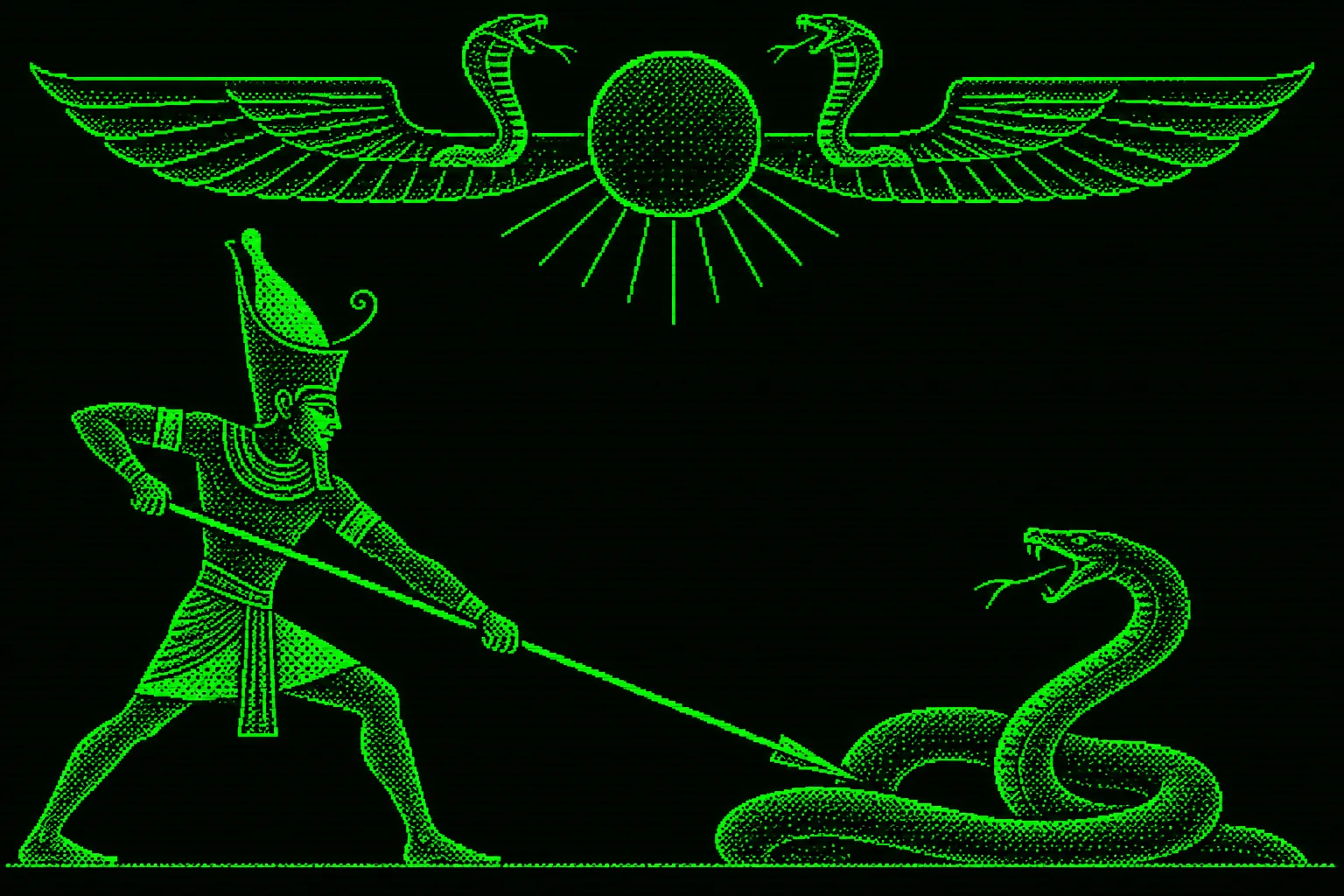
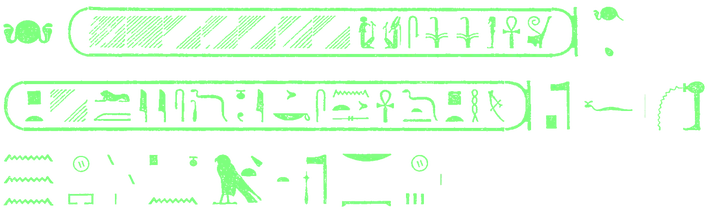
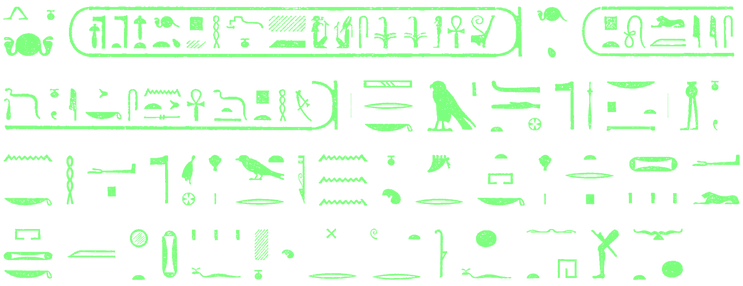
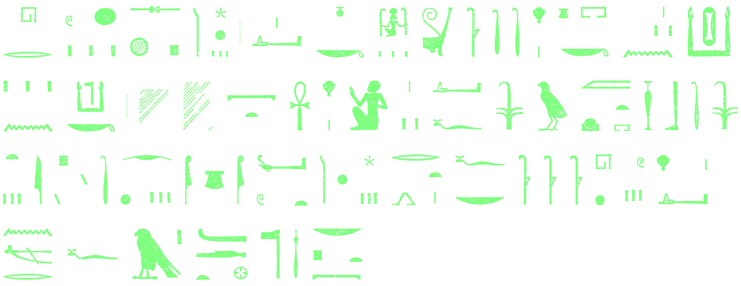
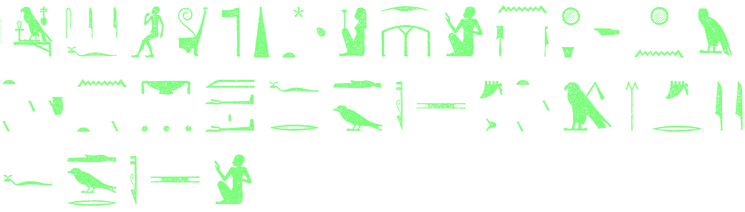
A winged sun disk heads the wall, flanked by two cobras, She Who Sets and She Who Rises. Beneath it a procession chants that Horus rings his temple like a wall of bronze. Verse after verse praises Ptolemy X and Edfu, and each ends on the refrain: as Ra himself and all the gods have said with one voice.
Then the king enters, lies on his belly and kisses the earth. Scene after scene he hands Horus and Hathor Maat, the two uraei, the deed of inheritance, wine that is the rebels’ blood for your throat, a harpoon, incense, floodwater, myrrh and butchered meat. Each time the god answers with a gift: I give you strength to slaughter rebels.
- 1
Bḥdtj
The Behdetite.
- 2
(… …)
(Ptolemy X)
- 3
(… …)
(Ptolemy X)
- 4

ḏd mdw jn Nḫbt mḥnjt nt Ḥr ḥrjt tp m tp n jrj sj
Words to be spoken by Nekhbet, the coiled cobra of Horus, the brow-serpent on the head of him who begot her.
Note · Line 4
Nekhbet, the goddess of Upper Egypt, can take the form of the rearing cobra that guards the divine or royal brow. - 5
... ... ... ... ḥr sšp tꜣ pꜣ ḥr rdjt ḥḏḏwt.f m ḥwt nṯrw ... ... ... ... n.f nṯrwt rwj jsft ḫnt Ꜥtm gsw prw ḫtj ḥr kꜣ.f nb Msn nh.n.f msw.f ... nṯrw nṯrwt jw r mꜣꜣ.f sḫmw ... .. sn tꜣ n ḥm.f ... ... dmꜣtj.f pḏ ḥꜣ Bꜣtj ... kꜣ.f
… who lights the land, this one who sheds his radiance in the houses of the gods. … for him the goddesses; he who drives wrongdoing out of Egypt, whose ka-name is carved in the temples, lord of Mesen, who has taken his children into his care. … gods and goddesses have come to see him; the powers … to kiss the ground before His Majesty. … his two wings spread about Egypt … his ka.
Note · Line 5
Mesen is a sacred name of Edfu. To kiss the ground before the god is to lie prostrate in homage. - 6
ḏd mdw jn Ḥr Bḥdtj nṯr ꜥꜣ nb pt sꜣb šwt prj m ꜣḫt ꜥpj šps ḫnt jtrtj mḥw
Words to be spoken by Horus of Behdet, the great god, lord of heaven, the dapple-feathered one who comes forth from the horizon, noble Api, foremost in the twin shrines of Lower Egypt.
- 7

ḏd mdw jn Ḥr Bḥdtj nṯr ꜥꜣ nb pt sꜣb šwt prj m ꜣḫt ꜥpj šps ḫnt jtrtj šmꜥw
Words to be spoken by Horus of Behdet, the great god, lord of heaven, the dapple-feathered one who comes forth from the horizon, noble Api, foremost in the twin shrines of Upper Egypt.
- 8
ḥtpt
She Who Sets.
Note · Line 8
This and the following name belong to cobras paired like the setting and rising sun. - 9
wbnt
She Who Rises.
- 10
(… …)
(Ptolemy X)
- 11
(… …)
(Ptolemy X)
- 12
Bw bdn bwꜣ n bꜣ n bnd pt bhꜣ bṯnww.f ẖr ḥꜣt.f n Bꜣtj ... ... ... .. nt Ḥr Ḥrt nt Ḥr ꜣḫtj Ḥꜣjt wrt nt Ḥr ꜥꜣ Tmꜣ n ḏrtj dr thj wꜣt.f Nst nt nsp ẖꜣkw jb ... ... ... ... ḏr bꜣḥ ḥr ḫwt msw.f ḫnt jtrtj ... ... ... .. nt Bjk wr pḥtj ḥr mkt ꜥẖmw.f m ..
Place Where the Honored One Is Enfolded, for the Ba, for him who enfolds the sky in light, before whom his foes flee from Egypt.
… of Horus, Heaven of Horakhty, Spacious Chamber of Horus the Great,
Chamber of the Djerty Falcon, who drives off whoever bars his way,
Throne Where Rebels Are Maimed,
… since the beginning, who guards his children in the twin shrines,
… of the Falcon Great in Strength, who guards his sacred images in …Note · Line 12
The opening name designates the curved cornice that crowns the temple wall. The ba is the god’s power to be present and active in a particular form. - 13
(… …) (… …)
(Ptolemy IX) (Ptolemy IX)
- 14
(… …) (… …)
(Ptolemy X) (Ptolemy X)
- 15

Bḥdtj nṯr ꜥꜣ nb pt ḫwj.f sꜣ.f mrj.f
The Behdetite, the great god, lord of heaven: he protects his beloved son.
- 16
ḏd mdw jn Ḥr Bḥdtj nṯr ꜥꜣ nb pt ꜥpj wr ḫwj prw nṯrw
Words to be spoken by Horus of Behdet, the great god, lord of heaven, great Api who guards the houses of the gods:
- 17
rdj.j n.k nst ḥqꜣ ḥnꜥ jꜣwt nswjt ꜥꜣt m mꜣꜥ ḫrw
I give you the ruler’s throne together with the great office of kingship, in triumph.
- 18

ḏd mdw jn Ḥt ḥr nbt Jwnt jrt Rꜥ ḥrt jb Bḥdt ꜥpjt ḫwjt ḫ ḫnt ꜣḫ bjt
Words to be spoken by Hathor, lady of Dendera, Eye of Ra, who dwells in Behdet, Apit who guards the child in Chemmis:
Note · Line 18
Apit is the female counterpart of Api. The child is Horus, whom his mother Isis hid in the marshes of Chemmis. - 19
rdj.j n.k pr wr m jꜣw n ḥḏt.k
I grant that the Great Shrine of Upper Egypt hail your White Crown with joy.
Note · Line 19
The White Crown signifies the king’s rule over Upper Egypt. - 20

ḏd mdw jn Jḥj wr sꜣ Ḥt ḥr sḏtj šps n nb Ḏrw
Words spoken by Ihy the Great, son of Hathor, splendid child of the Lord of Djeru:
Note · Line 20
Ihy is the child god who plays the sistrum, a ritual rattle, for his mother Hathor. - 21

rdj.j n.k jḫt nbt nfrt r ꜥḥꜥ ḥmsj r mrwt.k
I give you every good thing to eat to your heart’s content.
- 22

rdj.j ḫꜥ ḥm.k m Wṯst Ḥr šsp.n.k ḫꜥw mj Rꜥ psḏ.tj m ḥrw wpš.n.k mj jtn ḫntš jbw n mꜣꜣ.k
I grant that Your Majesty may appear in the Throne of Horus.
You have put on radiance like Ra;
you shine in people’s faces.
You have blazed forth like the sun disk,
and hearts rejoice at the sight of you.Note · Line 22
The Throne of Horus is a name for Edfu. The king’s appearance there is likened to sunrise. - 23
nswt bjt (… …) sꜣ Rꜥ (… …) pꜣ nṯr mrj mwt.f wꜥb sp 2 pr pn n Ḥr Bḥdtj nṯr ꜥꜣ nb pt sp 4
The King of Upper and Lower Egypt, Ptolemy X, the Son of Ra, Ptolemy X, the god who loves his mother: “Pure, pure be this house for Horus of Behdet, the great god, lord of the sky.” To be said four times.
Note · Line 23
“The god who loves his mother” is the royal title Philometor. Behdet is Edfu. - 24

ḥqꜣt nbt tꜣwj (…)
The sovereign, the Lady of the Two Lands, Cleopatra.
Note · Line 24
The Two Lands are Upper and Lower Egypt. - 25
pr.k pn m snt r ꜣḫt jwꜥw.k pw Bḥdtj
This house of yours is fashioned after the horizon, for the king is your heir, O Horus of Behdet.
- 26

mn n.k Wṯst Ḥr ḫnt Wṯst Ḥr bjk n nb sꜣ Wsjr ꜥrq m jrw.s mꜣwj.tj m mnw.s šsp n.k sj wꜥb.tj n kꜣ.k
Take for yourself the Throne of Horus in the midst of the Throne of Horus,
O Falcon of Gold, son of Osiris.
It is complete in form, renewed in its fabric.
Receive it: it is pure for your ka.Note · Line 26
The first Throne of Horus is the temple; the second is the district that contains it. The ka is the god’s vital presence, for which the temple is made ready. - 27
jw.n nswt bjt (… …) sꜣ Rꜥ (… …) ḫr.k Ḥr Bḥdtj nṯr ꜥꜣ nb pt jnj.n.f n.k Ḥꜥpj šmꜥw ḥr twr n.k ḏrjt.k ḥr drp šnꜥ.k m jḫt.f jj.f n.k wr.tj r tr.f n tht dmḏjt
The King of Upper and Lower Egypt, Ptolemy X, the Son of Ra, Ptolemy X, has come to you, Horus of Behdet, great god, lord of the sky.
He has brought you Hapy of Upper Egypt,
who cleanses your sanctuary for you
and stocks your storehouse with his food.
He comes to you, high in his season,
never missing his appointed time.Note · Line 27
Hapy is the Nile flood personified. Its waters both cleanse the sanctuary and feed the fields that supply its storehouse. - 28

Ḥr Bḥdtj ḥꜣ ḥt nṯr.f m jnb n bjꜣ pẖrt sj nbt pẖr.tj m wꜣḏ mj mnḥ ḥꜣ.f ḫnt ꜣḫ bjt
Horus of Behdet surrounds his temple like a wall of bronze.
All that surrounds it is ringed with papyrus,
as the meneh reed surrounds him in Chemmis.Note · Line 28
Chemmis is the marsh where Isis hid the young Horus. The reeds that sheltered him there now shelter his temple. - 29

sꜣ ḥꜣ sꜣ jj sꜣ sꜣ Ḥr pẖr ḥꜣ Wṯst.f jmjt.s nbt wḏꜣ snb
Protection around protection! Protection comes!
The protection of Horus encircles his throne;
all within it is safe and sound. - 30
Ḥr Ḥr wꜣḏ n Sḫmt ḥꜣ jwf n nswt bjt (… …) tm n ꜥnḫ
Horus, Horus, shoot of Sekhmet,
surround the body of the King of Upper and Lower Egypt, Ptolemy X,
that he may be filled with life from head to foot. - 31
sꜣ ḥꜣ sꜣ jj sꜣ sꜣ Ḥr ḥꜣ sꜣ.f mrj.f sꜣ Rꜥ (… …)
Protection around protection! Protection comes!
The protection of Horus surrounds the son he loves,
the Son of Ra, Ptolemy X. - 32
Ḥr Ḥr wꜣḏ n Sḫmt ḥꜣ ḥt nṯr nt Ḥr Bḥdtj nṯr ꜥꜣ nb pt tm n ꜥnḫ snb
Horus, Horus, shoot of Sekhmet,
surround the temple of Horus of Behdet, the great god, lord of the sky,
that it may be filled throughout with life and health. - 33
sꜣ nṯrw nṯrwt jmjwt pt tꜣ sꜣ pr pn n Ḥr Bḥdtj nṯr ꜥꜣ nb pt sḥrj.sn ḫftjw.f nbw ḏt
The protection of the gods and goddesses in heaven and on earth
is the protection of this house of Horus of Behdet, the great god, lord of the sky.
They drive off all his enemies forever. - 34
wnn nswt bjt (… …) ḥr nst Gbb jṯj.n.f tꜣwj ḫꜣswt m mꜣꜥ ḫrw m ḏdt.n Rꜥ ḏs.f nṯrw dmḏ m sp
The King of Upper and Lower Egypt, Ptolemy X, sits on the throne of Geb.
He has taken the Two Lands and the foreign lands in triumph,
as Ra himself and all the gods have said with one voice.Note · Line 34
Geb is the earth god. His throne and his inheritance are the kingship claimed by the pharaoh. - 35
wnn sꜣ Rꜥ (… …) ḥr nst Jtmw jwꜥt nt Gbb dmḏ ḫr.f swḏ n.f tꜣwj m bw wꜥ m ḏdt.n Rꜥ ḏs.f nṯrw dmḏ m sp
The Son of Ra, Ptolemy X, sits on the throne of Atum.
The whole inheritance of Geb is his;
the Two Lands have been handed to him as one,
as Ra himself and all the gods have said with one voice. - 36
wnn Wṯst Ḥr mj ꜣḫt nt pt bjk n nb wbn m ẖnw.s ḫftjw.f m ṯst ẖr.f m ḏdt.n Rꜥ ḏs.f nṯrw dmḏ m sp
The Throne of Horus is like the horizon of heaven.
The Falcon of Gold rises within it,
his foes lie slain beneath him,
as Ra himself and all the gods have said with one voice. - 37
wnn Ḏbꜣ ḏdj.tj ẖr ḏrtj mj tꜣ ḏdj ẖr Gbb m ḏdt.n Rꜥ ḏs.f nṯrw dmḏ m sp
Edfu stands firm bearing the falcon,
as the earth stands firm bearing Geb,
as Ra himself and all the gods have said with one voice. - 38
wnn nswt bjt (… …) ḫꜥj.tj m ḥḏt sḥḏ.n.f ḥrw m ḥḏḏwt.f tꜣ šmꜥw m jꜣw n ḥr.f m ḏdt.n Rꜥ ḏs.f nṯrw dmḏ m sp
The King of Upper and Lower Egypt, Ptolemy X, has appeared in the White Crown.
He has lit up faces with his light;
Upper Egypt gives praise before his face,
as Ra himself and all the gods have said with one voice.Note · Line 38
The White Crown belongs to Upper Egypt, the Red Crown to Lower Egypt. The Double Crown joins the two. - 39
wnn sꜣ Rꜥ (… …) ḫꜥj.tj m nt tꜣ mḥw m hnw n bꜣw.f ꜥnḫ.tj mj Rꜥ ḏt m ḏdt.n Rꜥ ḏs.f nṯrw dmḏ m sp
The Son of Ra, Ptolemy X, has appeared in the Red Crown.
Lower Egypt acclaims his might;
he lives like Ra forever,
as Ra himself and all the gods have said with one voice. - 40
wnn Msn m pꜥjt nt nb sptj.s rwḏ n ḫsbḏ Ḥr ꜥḥꜣ m msntj jm.f ḥr wnp nhs m ḫftjw.f m ḏdt.n Rꜥ ḏs.f nṯrw dmḏ m sp
Mesen is a pait-island of gold, its two banks fortified with lapis lazuli.
Horus the Fighter is there as harpooner,
spearing Nehes, the embodiment of his foes,
as Ra himself and all the gods have said with one voice.Note · Line 40
Nehes is Seth in the form of a hippopotamus. - 41
wnn St wnp wsr.tj ẖr wꜥ wꜥ.f mds m ẖꜣkw jb tjtj.n.f sw m ṯst ẖr.f m ḏdt.n Rꜥ ḏs.f nṯrw dmḏ m sp
The Place of Spearing is mighty with the One within it.
His harpoon rages among the rebels;
he has trampled his foe to death underfoot,
as Ra himself and all the gods have said with one voice. - 42
wnn nswt bjt (… …) ḫꜥj.tj m sḫmtj šmꜥw mḥw ḥr mw n ḥm.f Jdbw Ḥr n.f m jꜣw m ḏdt.n Rꜥ ḏs.f nṯrw dmḏ m sp
The King of Upper and Lower Egypt, Ptolemy X, has appeared in the Double Crown.
Upper and Lower Egypt are loyal to His Majesty;
the Banks of Horus sing his praise,
as Ra himself and all the gods have said with one voice. - 43
wnn sꜣ Rꜥ (… …) ḫꜥj.tj m ꜣtf ꜥꜣ bjtj.n.f tꜣwj ḫꜣswt nrw.f mds m jb.sn m ḏdt.n Rꜥ ḏs.f nṯrw dmḏ m sp
The Son of Ra, Ptolemy X, has appeared in the great Atef crown.
He has taken kingship over the Two Lands and the foreign lands;
dread of him rages in their hearts,
as Ra himself and all the gods have said with one voice.Note · Line 43
The Atef is the plumed crown associated with Osiris. - 44
wnn Bḥdt ḥꜣj.tj ẖr Bḥdtj Ḥr bḥdw.n.f sw jm mj Ḥr ꜥꜣ nb Bḥdt m ḏdt.n Rꜥ ḏs.f nṯrw dmḏ m sp
Behdet is bright with Horus of Behdet within it,
for Horus has settled there as Horus the Great, lord of Behdet,
as Ra himself and all the gods have said with one voice. - 45
wnn Mꜣꜣ Ḥr m nb ... ... ... ꜥnḫ bw nb m mꜣꜣ ḥr.f m ḏdt.n Rꜥ ḏs.f nṯrw dmḏ m sp
Maa-Hor is …
for everyone lives by the sight of his face,
as Ra himself and all the gods have said with one voice.Note · Line 45
Maa-Hor means “Seeing Horus.” The next line takes up the place-name in the sight of the god’s face. - 46
wnn nswt bjt (… …) ḫꜥj.tj m hmhm snḏ n.f mnṯw sṯtjw m ḏdt.n Rꜥ ḏs.f nṯrw dmḏ m sp
The King of Upper and Lower Egypt, Ptolemy X, has appeared in the Hemhem crown.
The Mentiu and the peoples of Asia fear him,
as Ra himself and all the gods have said with one voice.Note · Line 46
The Hemhem is a tall ceremonial crown with three sets of plumes. The Mentiu and the peoples of Asia are named here as foreign peoples who fear the king. - 47
wnn sꜣ Rꜥ (… …) ḫꜥj.tj m šwtj nt Tꜣ ṯnn ṯnj.f ... m ḏdt.n Rꜥ ḏs.f nṯrw dmḏ m sp
The Son of Ra, Ptolemy X, has appeared in the twin plumes of Tatenen.
He rises …,
as Ra himself and all the gods have said with one voice. - 48
... ... ...
[gap in the text]
- 49
... ... ...
[gap in the text]
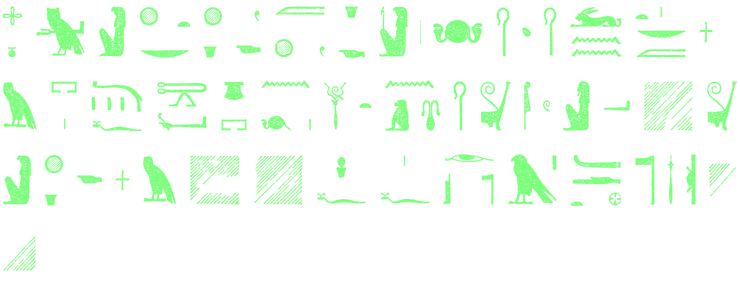
- 50
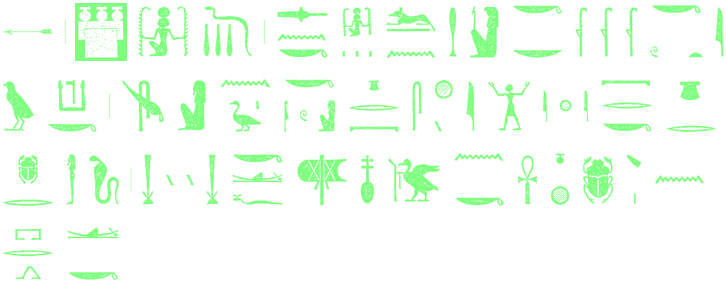
wnn nswt bjt (… …) ... ... Bḥdtj nṯr ꜥꜣ nb pt m ḏdt.n Rꜥ ḏs.f nṯrw dmḏ m sp
The King of Upper and Lower Egypt, Ptolemy X, is … to the Behdetite, the great god, lord of the sky, as Ra himself and all the gods have said with one voice.
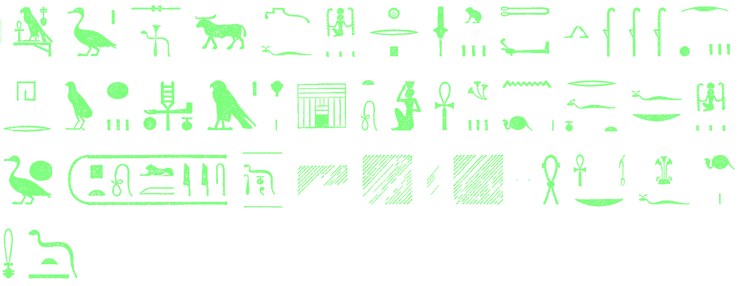
Note · Line 50
The refrain presents what is described here as the fulfillment of the gods’ words. - 51
wnn sꜣ Rꜥ (… …) ... ... ... ... ... ... ... ꜥnḫ.tj mj Rꜥ ḏt m ḏdt.n Rꜥ ḏs.f nṯrw dmḏ m sp
The Son of Ra, Ptolemy X, is …; may he live like Ra forever, as Ra himself and all the gods have said with one voice.
Note · Line 51
“Son of Ra” and “King of Upper and Lower Egypt” are titles of the same king. - 52
... ... ...
[gap in the text]
- 53
... ... ... ... ... ... ... ... ... ... ... psḏ . ... m ḏdt.n Rꜥ ḏs.f nṯrw dmḏ n sp
… shines …, as Ra himself and all the gods have said with one voice.
- 54
wnn nswt bjt (… …) ḥr drp ꜥbꜣ ntj nb nṯrw m jḫt nbt prt m Gbb m ḏdt.n Rꜥ ḏs.f nṯrw dmḏ m sp
The King of Upper and Lower Egypt, Ptolemy X, furnishes the altar of the lord of the gods with all that comes forth from Geb, as Ra himself and all the gods have said with one voice.
Note · Line 54
What the earth yields is brought to the altar. - 55
wnn sꜣ Rꜥ (… …) ... ... ... ... ... ... m ḏdt.n Rꜥ ḏs.f nṯrw dmḏ m sp
The Son of Ra, Ptolemy X, is …, as Ra himself and all the gods have said with one voice.
- 56
wnn ꜣḫt ꜣḫtj mj nwt ḥr sḫnwt.s Ḥr ꜣḫtj dj ꜥ ḫr m m.s m ḏdt.n Rꜥ ḏs.f nṯrw dmḏ m sp
The Horizon of the Horizon-Dweller is like the sky on its pillars, and Horakhty enters it, as Ra himself and all the gods have said with one voice.
Note · Line 56
The Horizon of the Horizon-Dweller is the first in a succession of sacred names for Edfu. Horakhty is Horus of the Two Horizons, the eastern and the western. - 57
wnn Bḥdt bꜣ.tj ẖr nb.f dmꜣt pḏwt ḥꜣ.f m ḏdt.n Rꜥ ḏs.f nṯrw dmḏ m sp
The Throne is mighty with its lord within it, and Demat-Pedjut encircles him, as Ra himself and all the gods have said with one voice.
Note · Line 57
Demat-Pedjut is a name of Nekhbet, the vulture goddess of Upper Egypt, who spreads her wings in protection. - 58
wnn P Msn mꜣwj.tj ẖr nb.s mj mnt ꜣḫ.tj ẖr ꜣḫtj m ḏdt.n Rꜥ ḏs.f nṯrw dmḏ m sp
Pe-Mesen stands renewed with its lord within it, like the sky radiant with the Horizon-Dweller within it, as Ra himself and all the gods have said with one voice.
- 59
wnn Ḥt bjk ntj Rꜥ ḥr jfd.s mj sḫnwt ẖr nwt nb.s jm.s m ḏdt.n Rꜥ ḏs.f nṯrw dmḏ m sp
The four sides of Ra’s House of the Falcon are like the four pillars beneath the sky, and its lord is within it, as Ra himself and all the gods have said with one voice.
- 60
wnn sꜣ Rꜥ (… …) ḥr wṯst Ḥr mj Ḥr wꜣḥ .. ḏt m ḏdt.n Rꜥ ḏs.f nṯrw dmḏ m sp
The Son of Ra, Ptolemy X, sits on the Throne of Horus like Horus, who endures forever, as Ra himself and all the gods have said with one voice.
- 61
wnn nswt bjt (… …) ḥr nst Rꜥ ḥr jrt ꜣḫt n nb St wrt m ḏdt.n Rꜥ ḏs.f nṯrw dmḏ m sp
The King of Upper and Lower Egypt, Ptolemy X, sits on the Throne of Ra and does glorious deeds for the lord of the Great Seat, as Ra himself and all the gods have said with one voice.
- 62
wnn ... ... nwt Ḥr ꜣḫtj ḫnt ḫm.f jm.s m ḏdt.n Rꜥ ḏs.f nṯrw dmḏ m sp
… is like the sky, and Horakhty is there in his shrine, as Ra himself and all the gods have said with one voice.
- 63
wnn Ḥt bjk ... ... Ḥr Ḥrw ... m ḫnt.s m ḏdt.n Rꜥ ḏs.f nṯrw dmḏ m sp
The House of the Falcon is …, and Horus of the Horus gods is … within it, as Ra himself and all the gods have said with one voice.
Note · Line 63
Horus was worshipped in many distinct forms; here they are called gods in their own right. - 64
wnn Nb Msn m ḏrtj n pḥtj ḥr jrt sꜣ nwt.f r ḫftjw.f m ḏdt.n Rꜥ ḏs.f nṯrw dmḏ m sp
The Lord of Mesen is a mighty falcon who guards his city against his enemies, as Ra himself and all the gods have said with one voice.
- 65
wnn dmꜣt pḏwt ḥꜣ bjk n nb m ꜥpjt ḥr ꜥḏ ꜥpj m ḏdt.n Rꜥ ḏs.f nṯrw dmḏ m sp
As Apit, Demat-Pedjut encircles the Falcon of the Golden One and keeps Api safe, as Ra himself and all the gods have said with one voice.
Note · Line 65
The Golden One is Hathor. Api is Horus as the winged sun disk; Apit, the name given to his protectress here, is the feminine form of Api. - 66
wnn ... ẖr Bḥdtj mj pt wnt ḥrj tp.f sṯj Pwnt r ḫt mrrt.s m ḏdt.n Rꜥ ḏs.f nṯrw dmḏ m sp
… lies beneath the Behdetite as the sky lies above his head, while the scent of Punt drifts through its passages, as Ra himself and all the gods have said with one voice.
Note · Line 66
Punt supplied the fragrant resins burned as incense in the temple. - 67
wnn St Rꜥ mn ẖr nb.s mj ꜣst ẖr.f ḏr ꜥ m ḏdt.n Rꜥ ḏs.f nṯrw dmḏ m sp
The Seat of Ra stands firm with its lord within it, like the sky that has stood firm with him within it since the beginning, as Ra himself and all the gods have said with one voice.
- 68
wnn nswt bjt (… …) ḥr nst Ḥr ḥr jrt jkm n bjꜣ ḥꜣ ḥt nṯr m ḏdt.n Rꜥ ḏs.f nṯrw dmḏ m sp
The King of Upper and Lower Egypt, Ptolemy X, sits on the throne of Horus and fashions a shield of bronze around the temple, as Ra himself and all the gods have said with one voice.
- 69

wnn sꜣ Rꜥ (… …) ḫꜥj.tj ḥr ḫndw ḫnt Ꜥndw wr ntj {ꜣ ꜣst m ḏdt.n Rꜥ ḏs.f nṯrw dmḏ m sp
The Son of Ra, Ptolemy X, has appeared in glory on the throne within the Great Throne of the Son of Isis, as Ra himself and all the gods have said with one voice.
Note · Line 69
The Son of Isis is Horus. The first throne is the king’s seat; the Great Throne is the sanctuary itself. - 70
wnn Bw qꜣj bꜣ.tj ẖr ꜣḫtj wsr bꜣ Ḥr jm.s r nṯrw m ḏdt.n Rꜥ ḏs.f nṯrw dmḏ m sp
The High Place is mighty with the Horizon-Dweller within it, and there the ba of Horus is mightier than the gods, as Ra himself and all the gods have said with one voice.
Note · Line 70
A god’s ba is his power to make himself present and act in a particular form or place. - 71
wnn Nt sꜣṯw m Nst nt Ḥr tjs ḥm.f ḥr jsbt.f m ḏdt.n Rꜥ ḏs.f nṯrw dmḏ m sp
The Flood-Born Land is the Throne of Horus, and His Majesty settles on his throne, as Ra himself and all the gods have said with one voice.
- 72
wnn nswt bjt (… …) m ḫntj Ḥt ḥqꜣ jt.f Bḥdtj ḥr ḫwt.f m ḏdt.n Rꜥ ḏs.f nṯrw dmḏ m sp
The King of Upper and Lower Egypt, Ptolemy X, is in the House of the Ruler, and his father, the Behdetite, protects him, as Ra himself and all the gods have said with one voice.
- 73
wnn sꜣ Rꜥ (… …) m ḫntj hdmw.f Nḫbt ḥr ḫwt ḥꜥ.f m ḏdt.n Rꜥ ḏs.f nṯrw dmḏ m sp
The Son of Ra, Ptolemy X, sits on his throne, and Nekhbet guards his body, as Ra himself and all the gods have said with one voice.
- 74
wnn Bḥdw n Rꜥ. ... . nn tkn jgp m ꜥqꜣ.s m ḏdt.n Rꜥ ḏs.f nṯrw dmḏ m sp
The Throne of Ra is …; no cloud draws near it, as Ra himself and all the gods have said with one voice.
- 75
wnn Wṯst Ḥr mj ꜣḫt nt ꜣḫtj sḫm.f šps ḥtp.tj jm.s m ḏdt.n Rꜥ ḏs.f nṯrw dmḏ m sp
The Throne of Horus is like the horizon of the Horizon-Dweller, and his splendid image rests within it, as Ra himself and all the gods have said with one voice.
- 76
wnn nswt bjt (… …) m msntj prj ꜥ ḥr jrt ꜥḏt m thj r Wṯst m ḏdt.n Rꜥ ḏs.f nṯrw dmḏ m sp
The King of Upper and Lower Egypt, Ptolemy X, is a harpooner whose arm is quick to strike; he slaughters whoever attacks the Throne, as Ra himself and all the gods have said with one voice.
- 77
wnn sꜣ Rꜥ (… …) m ṯnr wr pḥtj ḥr smr qꜣs m thj r Msn m ḏdt.n Rꜥ ḏs.f nṯrw dmḏ m sp
The Son of Ra, Ptolemy X, is a warrior of great strength who binds in painful bonds whoever attacks Mesen, as Ra himself and all the gods have said with one voice.
Note · Line 77
The lines that follow give a succession of names to Edfu and its temple. - 78

wnn Ḥt bjk bꜣ.tj ẖr Bḥdtj mj ꜣḫt ntj pt ẖr jtn.f m ḏdt.n Rꜥ ḏs.f nṯrw dmḏ m sp
The House of the Falcon is mighty with Horus of Behdet within it, like the horizon of heaven with his sun disk within it, as Ra himself and all the gods have said with one voice.
- 79
wnn ꜣḫt nḥḥ ḫj.tj ẖr Rꜥ mj ḫjt ḫj.tj ẖr ḫprw.f m ḏdt.n Rꜥ ḏs.f nṯrw dmḏ m sp
The Horizon of Eternity stands high with Ra within it, as heaven stands high with his form within it, as Ra himself and all the gods have said with one voice.
- 80
wnn St nṯrwj mn.tj ẖr nb.s mj ꜣḫt ẖr ꜣḫtj m ḏdt.n Rꜥ ḏs.f nṯrw dmḏ m sp
The Seat of the Two Gods endures with its lord within it, like the horizon with the Horizon-Dweller within it, as Ra himself and all the gods have said with one voice.
- 81
wnn St Rꜥ smn.tj ẖr Rꜥ mj wnt ẖr.f m ꜣḫt m ḏdt.n Rꜥ ḏs.f nṯrw dmḏ m sp
The Seat of Ra is set firm beneath Ra, like the horizon that lies beneath him, as Ra himself and all the gods have said with one voice.
- 82
wnn nswt bjt (… …) mn ḥr nst.f ḫnt Nst nt Ḥr ꜣḫtj m ḏdt.n Rꜥ ḏs.f nṯrw dmḏ m sp
The King of Upper and Lower Egypt, Ptolemy X, sits firm on his throne in the Throne of Horakhty, as Ra himself and all the gods have said with one voice.
- 83
wnn sꜣ Rꜥ (… …) mn ḥr srḫ.f ḫnt Wṯst nt bjk n nb m ḏdt.n Rꜥ ḏs.f nṯrw dmḏ m sp
The Son of Ra, Ptolemy X, stands firm atop his palace façade in the Throne-Seat of the Falcon of the Golden One, as Ra himself and all the gods have said with one voice.
Note · Line 83
The image is the serekh: a royal name set above a drawing of the palace façade, with the Horus falcon perched on top. - 84
wnn Nst nṯrw rwḏ ẖr nṯrw mj pt ẖr nṯrw nṯrwt m ḏdt.n Rꜥ ḏs.f nṯrw dmḏ m sp
The Throne of the Gods stands firm with the gods within it, like heaven with the gods and goddesses within it, as Ra himself and all the gods have said with one voice.
- 85
wnn P wr bꜣ.tj ẖr Ḥr mj Rꜥ wn m nwt m ḏdt.n Rꜥ ḏs.f nṯrw dmḏ m sp
The Great Throne is mighty with Horus within it, as when Ra is in the sky, as Ra himself and all the gods have said with one voice.
- 86
wnn nswt bjt (… …) ḫꜥj.tj tp tꜣ mj Rꜥ ḫꜥj.tj ḫnt nwt m ḏdt.n Rꜥ ḏs.f nṯrw dmḏ m sp
The King of Upper and Lower Egypt, Ptolemy X, has appeared in glory on earth, as Ra has appeared in glory in heaven, as Ra himself and all the gods have said with one voice.
- 87

wnn sꜣ Rꜥ (… …) mn ḥr tp n rḫjt mj bjk mn ḥr tp srḫ m ḏdt.n Rꜥ ḏs.f nṯrw dmḏ m sp
The Son of Ra, Ptolemy X, stands firm above his subjects, as the falcon stands firm atop the palace façade, as Ra himself and all the gods have said with one voice.
- 88
wnn Ḥt nḥḥ ḥn.tj ẖr Ḥr mj ḥrt ḥrj.tj ẖr jtn.f m ḏdt.n Rꜥ ḏs.f nṯrw dmḏ m sp
The House of Eternity is kept safe with Horus within it, as the sky is far away with his sun disk within it, as Ra himself and all the gods have said with one voice.
- 89
wnn ... ... ḫr m m.s mj twꜣjt ẖr ḫꜣbꜣsw m ḏdt.n Rꜥ ḏs.f nṯrw dmḏ m sp
… is … within it, like the sky with the stars within it, as Ra himself and all the gods have said with one voice.
- 90
wnn nswt bjt (… …) m mꜣj wr pḥtj ḥr bḥn rqww.f r dšrt m ḏdt.n Rꜥ ḏs.f nṯrw dmḏ m sp
The King of Upper and Lower Egypt, Ptolemy X, is a lion of great strength, tearing his foes apart at the desert’s edge, as Ra himself and all the gods have said with one voice.
- 91
wnn sꜣ Rꜥ bjt (… …) ḫꜥj.tj ḫnt Wṯst Ḥr m jnb n bjꜣ ḥꜣ ḥt nṯr.f m ḏdt.n Rꜥ ḏs.f nṯrw dmḏ m sp
The Son of Ra, the King of Lower Egypt, Ptolemy X, has appeared in glory in the Throne-Seat of Horus as a wall of metal around his temple, as Ra himself and all the gods have said with one voice.
- 92
wnn Ḥr Nb Msn m ḏrtj m kꜣ mꜣꜥt r ḫwt nwt.f r ꜥq ꜣḫt m ḏdt.n Rꜥ ḏs.f nṯrw dmḏ m sp
Horus, Lord of Mesen, is the Falcon and the Bull of Maat, to guard his city and enter the horizon, as Ra himself and all the gods have said with one voice.
Note · Line 92
The Bull of Maat is a title of Thoth; the horizon Horus enters is the temple itself. - 93
wnn nbt Fꜥg dmꜣt pḏwt ḥr wṯs wḏꜣt r ḥrt ḏr sj mn m ḫfꜥ.s m ḏdt.n Rꜥ ḏs.f nṯrw dmḏ m sp
The Lady of Fag, Demat-pedjut, raises the wedjat eye to the sky, for the sky rests firm in her fist, as Ra himself and all the gods have said with one voice.
Note · Line 93
The wedjat is the injured eye of Horus made whole again. - 94
wnn nswt bjt (… …) ḥr p.f bjk n nb ḥr ḫwt.f m ḏdt.n Rꜥ ḏs.f nṯrw dmḏ m sp
The King of Upper and Lower Egypt, Ptolemy X, is on his throne, and the Falcon of Gold guards him, as Ra himself and all the gods have said with one voice.
- 95
wnn sꜣ Rꜥ (… …) ḥr tmꜣ.f dmꜣt pḏwt ḥr ḫwt ḥꜥ.f m ḏdt.n Rꜥ ḏs.f nṯrw dmḏ m sp
The Son of Ra, Ptolemy X, is on his throne, and Demat-pedjut guards his body, as Ra himself and all the gods have said with one voice.
- 96
wnn bjk mn tp srḫ mj Rꜥ ḥr wbn ḥtp m ḏdt.n Rꜥ ḏs.f nṯrw dmḏ m sp
The falcon stands firm atop the palace façade, like Ra in his rising and setting, as Ra himself and all the gods have said with one voice.
- 97

wnn štꜣt ḥꜣ Šṯjt nt šnbtj ḥr ḫwt ḥm.f m ḫnt.s m ḏdt.n Rꜥ ḏs.f nṯrw dmḏ m sp
Shetat encircles the Tomb of the Falcon and guards His Majesty within it, as Ra himself and all the gods have said with one voice.
Note · Line 97
Shetat is another name of Nekhbet. - 98
wnn nswt bjt (… …) ḥr nst Rꜥ mj Ḥr ḫꜥj.tj m ḫntj.f m ḏdt.n Rꜥ ḏs.f nṯrw dmḏ m sp
The King of Upper and Lower Egypt, Ptolemy X, is on the throne of Ra, as Horus has appeared in glory upon it, as Ra himself and all the gods have said with one voice.
- 99
wnn sꜣ Rꜥ (… …) bꜣ.tj ḫnt Bḥdt ḥr bꜥḥj Ḥt Ḥr m ḏfꜣ m ḏdt.n Rꜥ ḏs.f nṯrw dmḏ m sp
The Son of Ra, Ptolemy X, is mighty in Behdet and floods the House of Horus with food, as Ra himself and all the gods have said with one voice.
- 100
wnn Ḫmj ꜥꜣ ꜥpr.tj m jḫt.f nb Ḫmj ꜥꜣ ḥn.tj m ẖnw.f m ḏdt.n Rꜥ ḏs.f nṯrw dmḏ m sp
The Great Place is furnished with its goods, and the Lord of the Great Place is kept safe within it, as Ra himself and all the gods have said with one voice.
- 101
wnn Ḏbꜣ ḏbꜣ.tj m jḫt nbt nfrt nb Ḏbꜣ mn.tj jm.f m ḏdt.n Rꜥ ḏs.f nṯrw dmḏ m sp
Edfu is furnished with every good thing, and the Lord of Edfu endures within it, as Ra himself and all the gods have said with one voice.
Note · Line 101
The Egyptian name used here for Edfu, Djeba, echoes the word for “furnished.” - 102
wnn ... ... ... ... St wrt sꜣw.tj ẖr sjꜣw m ḏdt.n Rꜥ ḏs.f nṯrw dmḏ m sp
… and the Great Seat is guarded with the falcon within it, as Ra himself and all the gods have said with one voice.
- 103
wnn štꜣt ... nbt Fꜥg ḥr ḫwt jt.s Rꜥ ḫnt Wṯst m ḏdt.n Rꜥ ḏs.f nṯrw dmḏ m sp
Shetat, … Lady of Fag, guards her father Ra in the Throne-Seat, as Ra himself and all the gods have said with one voice.
- 104
wnn nswt bjt (… …) mn.tj ḥr nst.f stp jn Ḥr r ḥqꜣ tꜣ pn m ḏdt.n Rꜥ ḏs.f nṯrw dmḏ m sp
Ptolemy X, King of Upper and Lower Egypt, is firm upon his throne,
chosen by Horus to rule this land,
as Ra himself and all the gods have declared with one voice. - 105
wnn sꜣ Rꜥ (… …) ḥr mn bjt.f ẖntj.f mn m qꜣb Qbḥwj m ḏdt.n Rꜥ ḏs.f nṯrw dmḏ m sp
Ptolemy X, Son of Ra, is on his throne;
his image endures in the heart of the Two Lands,
as Ra himself and all the gods have declared with one voice. - 106
wnn Wṯst Ḥr ḥr smꜣ ḥnꜥ Jwnt ḫft sḫnw nfr m St wrt m ḏdt.n Rꜥ ḏs.f nṯrw dmḏ m sp
The Throne of Horus joins with Dendera
at the Beautiful Visit in the Great Seat,
as Ra himself and all the gods have declared with one voice.Note · Line 106
At the festival of the Beautiful Visit, Hathor’s image traveled from Dendera to Edfu. The Throne of Horus and the Great Seat are both names for Edfu. - 107
wnn Ḥt bjk ḥr nhm n nb ḏr ẖnm.s jt.s Rꜥ ḫnt Bḥdt m ḏdt.n Rꜥ ḏs.f nṯrw dmḏ m sp
The House of the Falcon shouts for joy at the Golden One
when she joins her father Ra in Behdet,
as Ra himself and all the gods have declared with one voice.Note · Line 107
The falcon is Horus; the Golden One is Hathor. - 108
wnn nswt bjt (… …) ḥr smꜣt.f ḥr sḫrt sbj m St wnp m ḏdt.n Rꜥ ḏs.f nṯrw dmḏ m sp
Ptolemy X, King of Upper and Lower Egypt, is on his throne,
felling the rebel at the Place of Stabbing,
as Ra himself and all the gods have declared with one voice.Note · Line 108
The Place of Stabbing is Edfu in its role as the place where Horus strikes down his enemies. - 109
wnn sꜣ Rꜥ (… …) ḥr st.f ḥr smꜣ sbjw nbw nw Msn m ḏdt.n Rꜥ ḏs.f nṯrw dmḏ m sp
Ptolemy X, Son of Ra, is on his throne,
killing all the rebels of Mesen,
as Ra himself and all the gods have declared with one voice. - 110

ḏd mdw jn Ḥr Bḥdtj nṯr ꜥꜣ nb pt sꜣb šwt prj m ꜣḫt ḫntj jtrt šmꜥt
Words spoken by Horus of Behdet, the great god, lord of the sky, many-colored of plumage, who comes forth from the horizon, foremost in the shrine of Upper Egypt:
- 111

rdj.j n.k Tꜣ mrj ḥr dwꜣ n.k nṯr
“I give you Egypt, praising the god for your sake.”
- 112

ḏd mdw jn Ḥt ḥr nbt Jwnt jrt Rꜥ ḥrt jb Bḥdt Ḥddt n Bḥdw n Rꜥ
Words spoken by Hathor, lady of Dendera, Eye of Ra, who dwells in Behdet, Hededet of the Throne of Ra:
Note · Line 112
Hathor appears here as Hededet, a scorpion goddess. The Throne of Ra is Edfu. - 113
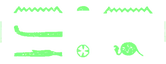
rdj.j n.k Bꜣqt bꜣq.tj m jḫt.s
“I give you Egypt, well supplied with all she needs.”
Note · Line 113
The name for Egypt here, Baqet, echoes baq, “to be prosperous.” - 114

ḏd mdw jn Jḥj wr sꜣ Ḥt ḥr ḫ šps bnr mrwt
Words spoken by Ihy the Great, son of Hathor, the noble child, so dearly loved:
- 115

rdj.j n.k ṯꜣjw dmḏ n bw wꜥ ḥr sn tꜣ r rwt pr.k
“I give you the men gathered in one place, kissing the ground before your house.”
- 116

ḏd mdw rdj.n.j n.k jb.k pḫꜣ.tj m st.f ḥꜥj.j ḥr ndb ḏdt.k prjt m rꜣ.k m sp n sjꜣ dwꜣw.k m mtr r jmjt
Words to be spoken: “I have given you your heart, discerning in your breast.
I rejoice to hear what you say:
what comes from your mouth is a stroke of wisdom,
and your praises are words of deep insight.” - 117

nswt bjt (… …) sꜣ Rꜥ (… …) pꜣ nṯr mrj mwt.f
Ptolemy X, King of Upper and Lower Egypt, Ptolemy X, Son of Ra, the god who loves his mother.
- 118

dwꜣ nṯr ḏd mdw dwꜣw n.k ḫ nṯrj m ꜣḫ bjt wbn m nḏ jt.f
Praising the god. Words to be spoken: “Praise to you, divine child in Chemmis,
who rises as He Who Protects His Father.” - 119
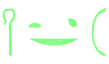
ḥqꜣt nbt tꜣwj (…)
Berenice, the ruler, lady of the Two Lands:
- 120

mwj.k jr.f ḏrtj wr pḥtj ꜣḫw.f n mtr r jmjt
“It befits him to be your son, O falcon great in strength;
his glorifications are words of deep insight.” - 121

ḏd mdw mn n.k ḏꜣjsw nfrw nw ḥm.j nb nṯrw ḥqꜣ Psḏt dwꜣ.n.j kꜣ.k n dwꜣw.k stpw swꜣš.n.j ḥrjt tp.k sꜣ.k
Words to be spoken: “Receive the perfect praises of My Majesty,
O lord of the gods, ruler of the Ennead.
I have praised your ka with your choicest hymns;
I have extolled the cobra on your brow and your son.”Note · Line 121
The Ennead is a company of nine gods. - 122
wnn Nḏm ꜥnḫ qꜣj.tj ẖr nḏm ꜥnḫ ḥr snḏm ꜥnḫ n nwtjw.f m ḏdt.n Rꜥ ḏs.f nṯrw dmḏ n sp
Sweet-of-Life stands high with Sweet-of-Life within it,
making life sweet for its townspeople,
as Ra himself and all the gods have declared with one voice.Note · Line 122
Sweet-of-Life names both Edfu and Horus who dwells there. - 123
wnn Ḥr mꜣꜥ.tj prj n mꜣꜥ ḫrw ḏr mꜣꜣ.sn Ḥr ḥr nst.f m ḏdt.n Rꜥ ḏs.f nṯrw dmḏ n sp
Horus-Is-Triumphant comes forth in triumph
now that its people see Horus on his throne,
as Ra himself and all the gods have declared with one voice.Note · Line 123
Horus-Is-Triumphant is a name of Edfu: the town shares in the victory of its god. - 124

wnn nswt bjt (… …) mn.tj ḥr st Ḥr ḥr sḥb pr n jt.f Ḥr Bḥdtj nṯr ꜥꜣ nb pt m ḏdt.n Rꜥ ḏs.f nṯrw dmḏ n sp
Ptolemy X, King of Upper and Lower Egypt, is firm upon the throne of Horus
and makes festive the house of his father Horus of Behdet, the great god, lord of the sky,
as Ra himself and all the gods have declared with one voice. - 125
wnn sꜣ Rꜥ (… …) mn.tj ḫnt Wṯst Ḥr dhn n.f tꜣ m bw wꜥ m ḏdt.n Rꜥ ḏs.f nṯrw dmḏ n sp
The Son of Ra, Ptolemy X, stands firm in the Throne of Horus;
the land bows to him as one,
as Ra himself and all the gods have said with one voice.Note · Line 125
The verses that follow call the town and its temple by a succession of sacred names. - 126
wnn Jw nšnj nšnj.tj r sbj qb.tj rꜣ n wn ḥr mw.s m ḏdt.n Rꜥ ḏs.f nṯrw dmḏ n sp
The Isle of Rage rages against the rebel
but is gentle with the one who stays true to her,
as Ra himself and all the gods have said with one voice. - 127
wnn ... ... . ẖr msntj ḫnd ḥr psḏ n ḫrwjw.f m ḏdt.n Rꜥ ḏs.f nṯrw dmḏ n sp
… is … with the Harpooner,
who treads on the backs of his foes,
as Ra himself and all the gods have said with one voice.Note · Line 127
The Harpooner is Horus. - 128
wnn nswt bjt (… …) ḥr wṯst Ḥr bꜣk n.f jwntjw stjw m ḏdt.n Rꜥ ḏs.f nṯrw dmḏ n sp
The King of Upper and Lower Egypt, Ptolemy X, is on the Throne of Horus;
the Iuntiu and the Nubians serve him,
as Ra himself and all the gods have said with one voice. - 129
wnn sꜣ Rꜥ (… …) ḫnt Bw Rꜥ bꜣk n.f mnṯw sṯtjw m ḏdt.n Rꜥ ḏs.f nṯrw dmḏ n sp
The Son of Ra, Ptolemy X, dwells in the Place of Ra;
the Mentiu and the peoples of Asia serve him,
as Ra himself and all the gods have said with one voice. - 130
wnn St Ḥr sḏfꜣ.tj m ḏfꜣ wꜥbw.s jqrw šsꜣ.tj m sš m ḏdt.n Rꜥ ḏs.f nṯrw dmḏ n sp
The Seat of Horus is provisioned with food;
its excellent priests are skilled in writing,
as Ra himself and all the gods have said with one voice. - 131
wnn P wr pḏ.tj m mnwr bjk n nb ḥr šms jb m ḫntj.f m ḏdt.n Rꜥ ḏs.f nṯrw dmḏ n sp
The Great Throne is steeped in incense;
the Falcon of Gold takes his pleasure there,
as Ra himself and all the gods have said with one voice. - 132
wnn nswt bjt (… …) ḫꜥj.tj m jḫt mnt mj ḥꜣjtj ḥr wbn m ḥrt m ḏdt.n Rꜥ ḏs.f nṯrw dmḏ n sp
The King of Upper and Lower Egypt, Ptolemy X, has appeared in the world
like the two lights rising in the sky,
as Ra himself and all the gods have said with one voice.Note · Line 132
The two lights are the sun and the moon. - 133
wnn sꜣ Rꜥ (… …) wbn m tꜣ .. mj ... ... ... .. m ḏdt.n Rꜥ ḏs.f nṯrw dmḏ n sp
The Son of Ra, Ptolemy X, shines on earth …
like …,
as Ra himself and all the gods have said with one voice. - 134
wnn Ḥt qn ḥkn.tj ẖr qn sḫm.s pw nb qnt m ḏdt.n Rꜥ ḏs.f nṯrw dmḏ n sp
The House of the Strong One rejoices with the Strong One within it,
for its power is the Lord of Strength,
as Ra himself and all the gods have said with one voice. - 135
wnn Ḥt sbq tḫn.tj ẖr ḏrtj tḫn sḫrw nw st wrt m ḏdt.n Rꜥ ḏs.f nṯrw dmḏ m sp
The House of the Leg is hidden, with the falcon within it,
for hidden is the nature of the Great Seat,
as Ra himself and all the gods have said with one voice. - 136
wnn nswt bjt (… …) ḥr tmꜣ.f ḫnt Ḥt Ḥr nḫt mj ꜥꜣ mꜣꜥ ḫrw m Ḥt Ḥr m ḏdt.n Rꜥ ḏs.f nṯrw dmḏ m sp
The King of Upper and Lower Egypt, Ptolemy X, is on his throne in the House of Horus the Strong,
like the Great One Triumphant in the House of Horus,
as Ra himself and all the gods have said with one voice. - 137

wnn sꜣ Rꜥ (… …) ḥr hmr.f m Wr nḫt mj Ḥr nḫt ḥr st.f m ḏdt.n Rꜥ ḏs.f nṯrw dmḏ m sp
The Son of Ra, Ptolemy X, is on his throne in Great-in-Victory,
like Horus the Strong on his throne,
as Ra himself and all the gods have said with one voice. - 138

prt m ꜥḥ r ꜥq St wrt r ḥpt Gbb n Ḥr Ḥt ḥr
Coming forth from the palace to enter the Great Seat and embrace Geb before Horus and Hathor.
Note · Line 138
To embrace him is to lie face down on the ground in homage. - 139
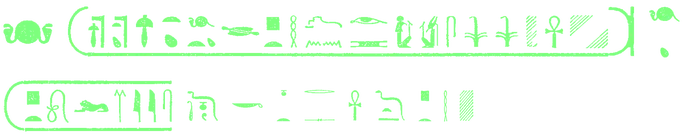
nswt bjt (… …) sꜣ Rꜥ (… …) pꜣ nṯr mrj mwt.f
The King of Upper and Lower Egypt, Ptolemy X, the Son of Ra, Ptolemy X, the god who loves his mother,
Note · Line 139
The last title corresponds to the Greek royal title Philometor. - 140

ꜥq r Msn r mꜣꜣ jmj.s r wṯs nfrw n ḥrj nṯrw
enters Mesen to see the one who dwells there and to extol the beauty of the foremost of the gods.
- 141

ḏd mdw ḫꜥt jn nswt m ḫntj pr nswt r ꜥq ḥt nṯr n sꜣb šwt r sn tꜣ n bjk bꜣ tkk nswt nṯrw wn m Wṯst
Words to be spoken: “The king comes forth from within the royal palace
to enter the temple of the Many-Hued of Plumage
and kiss the earth for the Falcon, the fierce ba,
the king of the gods who dwells in the Throne.Note · Line 141
The epithets name Horus. - 142

jꜣw sp 2 jn jt n wtṯ sw Bḥdtj n sꜣ.f nswt bjt (… …)
‘Praise to you! Praise to you!’ says the father to the one who begot him,
Behdety to his son, the King of Upper and Lower Egypt, Ptolemy X.”Note · Line 142
Behdety is Horus of Behdet, the god of Edfu. He greets the king as both his father and his son. - 143

ḏd mdw psḏ sꜣ Rꜥ (… …) n pr.f Bqnqn m sꜣ ḥm.f fnḏ.f m ꜥntjw sptj.f m snṯr sṯj ḥꜥ.f m sšn n šmw
Words to be spoken: “The Son of Ra, Ptolemy X, shines forth from his house;
the standard-gods guard His Majesty.
His nose is myrrh, his lips are incense,
the scent of his limbs is summer lotus,Note · Line 143
The standard-gods are the deities whose emblems are carried aloft on poles in the procession. - 144
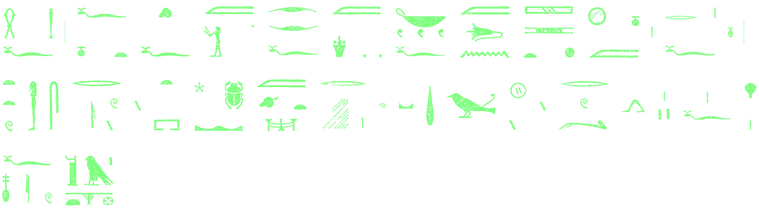
ḫnmw n rꜣ.f twt sw r js Tꜣ nṯr m ḫntj wꜣwt.f mrwt.f wr.tj ḥr jb n ḥmwt šfjt.f .. ... ḏꜣ ḏꜣt rwj ṯn ...f ḥr.f nfr r Wṯst Ḥr
and his sash smells like the perfumer’s workshop.
God’s Land is on his paths.
Great is the love of him in the hearts of women;
the awe he inspires …
Foe, male or female, keep away … him!
His fair face is turned toward the Throne of Horus.”Note · Line 144
God’s Land is a name for the distant region from which incense and other aromatics came. - 145
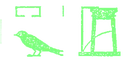
pr wr
The Great House.
Note · Line 145
This is the name of the traditional shrine of Upper Egypt. - 146

ḥꜣ.ṯn jr.ṯn ḏꜣ ḏꜣt m ḏꜣt wꜣt nbw r nswt bjt (… …) sꜣ Rꜥ (… …)
Back with you, foe, male or female!
Bar no road to the King of Upper and Lower Egypt, Ptolemy X, the Son of Ra, Ptolemy X. - 147

Wp wꜣwt šmꜥw sḫm tꜣwj ḏd mdw wr sḫmw ḥr wpt n.f wꜣwt qꜣj ḥr jꜣt.f ḥr ḏsr sššwt.f
Wepwawet of Upper Egypt, the Power of the Two Lands.
Words to be spoken: “He whose power is great opens the ways for him;
he who stands high on his standard clears his paths.”Note · Line 147
Wepwawet means “Opener of the Ways.” His standard bears the image of a jackal. - 148
nb Ꜥmnw sḥtp nbwj ḏd mdw tḫn šps m nht ḥꜣ.f rḫ sw ḥr sḥrt m swꜣw.f
The Lord of Hermopolis, who makes peace between the Two Lords.
Words to be spoken: “The noble ibis spreads his protection about him;
the Knowing One drives off the foes around him.”Note · Line 148
The Lord of Hermopolis is Thoth; the rival lords are Horus and Seth. - 149
Bḥdtj nṯr ꜥꜣ nb pt ḏd mdw sjꜣw nṯrj ḥr sꜣw ḥꜥ.f ꜥpj wr ḥr ḫwt.f
Behdety, the great god, lord of the sky.
Words to be spoken: “The divine falcon guards his body;
Api the Great watches over him.” - 150
Ꜥns nṯr ꜥꜣ n Bḥdt ḏd mdw tjt štꜣt ḥr sštꜣ sštꜣ.f ḥwnt wrt ḥr ḥn ḥm.f
Khenes, the great god of Behdet.
Words to be spoken: “The hidden image hides his hidden form;
the Great Maiden guards His Majesty.” - 151
Jwn mwt.f jrt snṯr n jꜥrt n ḥḏ n ꜣms
Iunmutef. Censing the uraeus, the mace, and the ames-scepter.
Note · Line 151
Iunmutef, whose name means “Pillar of His Mother,” acts here as a priest. The uraeus is the rearing cobra worn on the royal brow; like the mace and scepter, it is an emblem of kingship. - 152
ḏd mdw jn Jwn mwt.f ꜥb pr wr nṯr ꜥꜣ ḫnt Wṯst Ḥr
Words spoken by Iunmutef, purifier of the Great House, great god in the Throne of Horus:
Note · Line 152
The Great House is the traditional shrine of Upper Egypt. - 153
ꜥb pr wr nṯr ꜥꜣ ḫnt Wṯst Ḥr ꜥb.ṯ snṯr.ṯ wrt ḥkꜣw šmꜥw Ḥt ḥr wrt nbt Jwnt ḥḏt m Nḫn ḥnwt nbt pr wr Wꜣḏt wꜣḏt ꜥnḫ m pr nsr
Purifier of the Great House, great god in the Throne of Horus:
May you be pure, may you be cleansed with incense,
O Great One of Magic in Upper Egypt,
Hathor the Great, lady of Dendera,
White One in Nekhen, mistress and lady of the Great House,
Wadjet, green with life in the House of Flame.Note · Line 153
The House of Flame is the corresponding shrine of Lower Egypt. Wadjet’s name echoes the word for “green,” the color of flourishing life. - 154
rnw jpw ꜥꜣw nw Sḫmt sḫm.ṯn n sbj ḥr nswt swḏꜣ.ṯn ḥm.f ḫwj.ṯn kꜣ.f .. ...ṯn tjt.f r twꜣw.f ꜥb.ṯn nṯrw ṯꜣjw snṯr.ṯn nṯrwt ḥmwt
O great names of Sekhmet,
may you take power over whoever rebels against the king.
May you make His Majesty flourish, may you guard his ka,
may you … his image against his foes.
May you purify, O male gods;
may you cleanse, O female gods.Note · Line 154
Sekhmet means “the Powerful One.” The goddesses just named are invoked as her powers. The king’s ka is his vital force. - 155
jꜣw n.ṯ nsrt wsrt ḥtpjt ḥnwt nṯrw nbw sḥtp ṯn nṯr nb nṯrt nbt ꜥwj.sn mḥ ẖr mrjt.ṯ
Praise to you, O Spitter of Flame, mighty one, gracious one,
mistress of all the gods.
Every god and every goddess appease you,
their arms laden with what you love. - 156

nswt bjt (… …) sꜣ Rꜥ (… …)
King of Upper and Lower Egypt, Ptolemy X; Son of Ra, Ptolemy X.
Note · Line 156
The two titles introduce the king’s throne name and birth name, each enclosed in an oval called a cartouche. - 157

ḏd mdw jn Ḏḥwtj ꜥꜣ ꜥꜣ nb Ꜥmnw nb mꜣꜥt sḥtp nbwj twr nṯrw m rꜣ ꜥwj.f swꜥb sḫm n ḥm.f ḫnt pr dwꜣt
Words spoken by Thoth, twice great, lord of Hermopolis, lord of Maat, who makes peace between the Two Lords, who purifies the gods with the work of his hands and cleanses His Majesty’s image in the Morning House:
Note · Line 157
Maat is truth and right order. The Two Lords are Horus and Seth, rivals for the kingship. The Morning House was a place of ritual washing and robing. - 158

swꜥb.j sḫm.k m mw jpn nw Š Ḥr mj wꜥb tꜣ n Gbb
I purify your image with these waters from the Lake of Horus,
as the earth is pure for Geb. - 159

ḏd mdw jn Ḥr Bḥdtj nṯr ꜥꜣ nb pt ḫntj jtrt šmꜥt nb ꜥbw pꜣ.n.f twr swꜥb nṯrw m ꜥb ... ḏsr tjt nt ḥm.f ḫnt pr dwꜣt
Words spoken by Horus of Behdet, the great god, lord of the sky, foremost in the shrine of Upper Egypt, lord of purification, who first performed the rite of cleansing, who purifies the gods together with … and hallows His Majesty’s image in the Morning House:
- 160

swꜥb.j sꜥḥ.k m mw jpw ntj Pꜣ ẖnw mj wꜥb pt n Rꜥ
I purify your form with these waters from the Pa-khenu Canal,
as the sky is pure for Ra. - 161

nswt bjt (… …) sꜣ Rꜥ (… …)
King of Upper and Lower Egypt, Ptolemy X; Son of Ra, Ptolemy X.
- 162

ḏd mdw jn Wꜣḏt nbt P Ḫp wꜥt nt bjtj ḫnt pr nsr
Words spoken by Wadjet, lady of Pe and Dep, uraeus of the king of Lower Egypt in the House of Flame.
Note · Line 162
Pe and Dep were the twin towns of Buto, Wadjet’s northern seat. - 163

ḏd mdw jn Nḫbt ḥḏt Nḫn ꜣwjt ꜥ nbt Fꜥg sšmwt nt nswt ḫnt pr wr
Words spoken by Nekhbet, the White One of Nekhen, she of the outstretched arm, lady of Fag, guide of the king of Upper Egypt in the Great House.
Note · Line 163
Nekhbet, the vulture goddess of the south, and Wadjet, the cobra goddess of the north, together protect the king. - 164
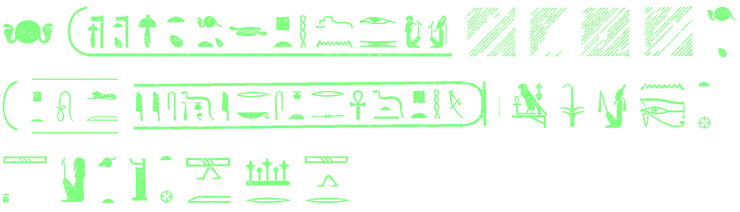
nswt bjt (… …) sꜣ Rꜥ (… …)
King of Upper and Lower Egypt, Ptolemy X; Son of Ra, Ptolemy X.
- 165
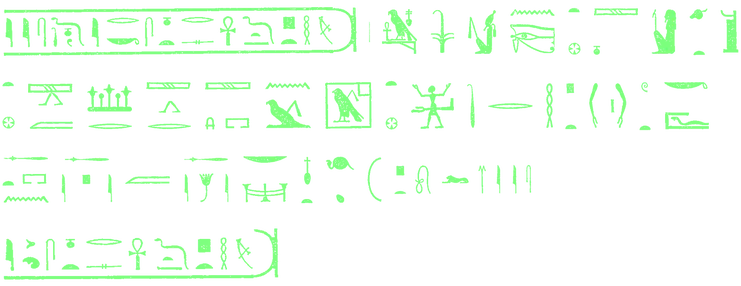
nṯr nfr nswt n Wḏꜣt ḫnms . .. ḫnt Wṯst šm m šrš r Šṯjt nt šnbtj Ḥt bjk ḥꜥj.tj r ḥpt twk ꜥq ꜥꜣjt n ꜥpj m ꜥꜣj nb wꜣt nfrt sꜣ Rꜥ (… …)
The perfect god, king of Egypt, friend of … in the Throne, who runs swiftly to the Tomb of the Falcon—“The House of the Falcon rejoices to embrace you!”—who enters the sanctuary of Api with joy, lord of the perfect way, Son of Ra, Ptolemy X.
Note · Line 165
The Throne, the Tomb of the Falcon, and the House of the Falcon all name Edfu in its sacred geography. - 166

ḏd mdw jn Ḥr {mꜣ tꜣwj pꜣ ẖrd sꜣ Ḥt ḥr ... .. ... ... r ḥt nṯr
Words spoken by Harsomtus the Child, son of Hathor, who leads … into the temple.
Note · Line 166
Harsomtus means “Horus who unites the Two Lands.” The shorter name, Somtus, means “Uniter of the Two Lands.” - 167
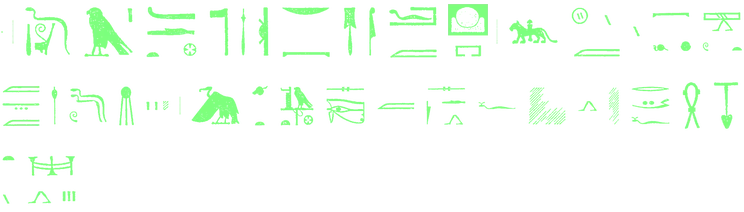
ḏd mdw jn Ḥr Bḥdtj nṯr ꜥꜣ nb pt sꜣb šwt prj m ꜣḫt pẖr pẖr m pt rꜥ nb šm.tw m tꜣ m ḥḏḏwt.f .. mkt ḫnt Wṯst Ḥr swḏꜣ tꜣwj m sqdt.f ... ... ... r mꜣꜣ.f sꜣw smꜣtjw m wbn.f
Words spoken by Horus of Behdet, the great god, lord of the sky, dapple-feathered one who comes forth from the horizon, the traveler who travels the sky each day, by whose light people walk the earth, … of protection in the Throne of Horus, who keeps the Two Lands safe as he sails, … at the sight of him, who guards the paths when he rises:
Note · Line 167
The falcon’s daily passage is the sun’s voyage across the sky. - 168

jw.tj m ḥtp wꜣwt.k wḏꜣ.tj jb.j ḫntš ḥr mꜣꜣ.k
Come in peace. Your paths are safe;
my heart rejoices to see you. - 169

ḏd mdw jn Ḥt ḥr wrt nbt Jwnt jrt Rꜥ nbt pt špst wsrt m St wrt ḥrjt tp n Ḥr ḥnt ḥqꜣ ḥr ḥmr šmt ḥr nb m wbn.s
Words spoken by Hathor the Great, lady of Dendera, Eye of Ra, lady of the sky, the splendid one, mighty in the Great Seat, the cobra on Horus’s brow, who guards the ruler on his throne, at whose rising everyone can go abroad:
Note · Line 169
As the Eye of Ra, Hathor embodies the sun god’s power to watch over and defend. - 170

jj.tj sp 2 {mꜣ tꜣwj ḥr sšm.k ḫr Bḥdtj ḥr wpt n.k wꜣt
Welcome, welcome!
Somtus guides you to the Behedite
and opens the way for you. - 171
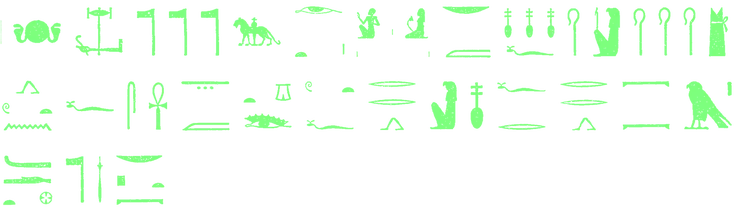
nḏ nṯrw pẖr jrt nbt m nfrw.f ḥqꜣ ḥqꜣw ḥn.tw n ...f sꜥnḫ tꜣ m dgt.f pẖr nfr pẖr ptj Ḥr Bḥdtj nṯr ꜥꜣ nb pt
Protector of the gods, by whose beauty every eye ranges abroad; ruler of rulers, in whose … people walk; who gives life to the earth with his gaze; the perfect traveler who travels both skies: Horus of Behdet, the great god, lord of the sky.
- 172

sn tꜣ ḏd mdw ḫf.n.j ḫprw.k ḥpt.j Gbb n ꜥꜣ n šfjt.k sꜣb šwt sdgꜣ.j mrwt.k rdj.n.j wj ḥr ẖt.j sn.j tꜣ m ḥr.k nfr
Kissing the earth. Words to be spoken:
I have beheld your form.
I embrace Geb, so great is the awe you inspire,
O dapple-feathered one.
I gaze on your loveliness, having laid myself on my belly,
and kiss the earth before your beautiful face.Note · Line 172
To “embrace Geb” is to press one’s body to the earth in homage. - 173

rdj.j jꜣw n kꜣ.k ḥnꜥ Psḏt ḥm.k ḥtp dj nswt jw.j wꜥb.kwj
I give praise to your ka and to the Ennead of Your Majesty.
An offering the king gives. I am pure.Note · Line 173
“An offering the king gives” is the ritual formula that names the king as giver. - 174
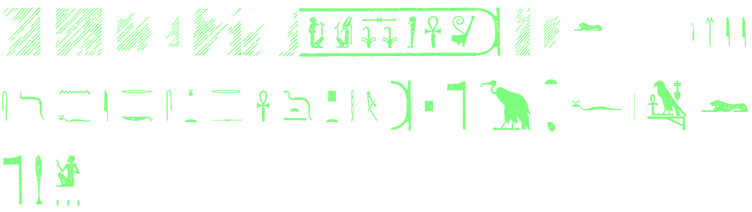
nswt bjt (… …) sꜣ Rꜥ (… …) pꜣ nṯr mrj mwt.f
King of Upper and Lower Egypt, Ptolemy X; Son of Ra, Ptolemy X, the god who loves his mother.
Note · Line 174
“Who loves his mother” is the royal epithet known in Greek as Philometor. - 175

nṯr nfr mr ḥmw nṯr m Wṯst sn tꜣ n jt.f mj Nb r ḏr snḏt nt nṯr.f smꜣ m ḥꜥ.f n stwt sštꜣ.f r kjj ꜣbwt nṯr ḥꜥj.tw n mꜣꜣ.f nb ḥrj mkt nswt bjt (… …)
The perfect god, overseer of the priests in the Throne, who kisses the earth before his father as before the Lord of All; awe of his god fills his limbs, for that god’s hidden image is like no other image of a god; he at whose sight people rejoice, lord of the upright heart, King of Upper and Lower Egypt, Ptolemy X.
- 176

nṯr nfr ḥm Ḥr n Bḥdtj ḥm gmḥsw n bjk n nb nrw n nṯr.f ꜥq.tj m jb.f snḏt.f pẖr m ḥꜥ.f sꜣ jt.f sn tꜣ n qmꜣ sw nb šfjt sꜣ Rꜥ (… …)
The perfect god, Horus-priest of the Behedite, falcon-priest of the Falcon of Gold; fear of his god has entered his heart, awe of him courses through his limbs; son of his father, who kisses the earth for him who made him, lord of majesty, Son of Ra, Ptolemy X.
- 177

nṯr nfr twr jqr ꜥqꜣ jb šm ḥr šꜣw sn tꜣ n jt.f ḥpt Gbb n qmꜣ sw šdj ḥr psḏ n nb.f rdj ḥr ẖt.f n jt.f šps nb šsr nswt bjt (… …)
The perfect god, the excellent purification priest, upright of heart, who walks the right path, who kisses the earth for his father and embraces Geb for him who made him, who lies on his back to recite for his lord and lays himself on his belly for his august father, lord of recitation, King of Upper and Lower Egypt, Ptolemy X.
- 178
Bḥdtj nṯr ꜥꜣ nb pt
The Behedite, the great god, lord of the sky.
- 179
rdj.j n.k tꜣwj m ksw n snḏt.k bw nb m wꜣḥ tp
I grant you the Two Lands bowed in awe of you,
everyone with head bent low. - 180
ḏd mdw jn Ḥr Bḥdtj nṯr ꜥꜣ nb pt nb snḏt wr šfjt ḫnt Msn jwꜥw mnḫ prj m ꜣst sꜣ smsw n Wsjr .. ... ḥr sn tꜣ n snn.f Kmt dšrt ẖr ẖntj.f sḥḏw wr wbn m dwꜣw rdj ꜥnḫ n ḥr nb
Words spoken by Horus of Behdet, the great god, lord of the sky, lord of awe, great in majesty in Mesen, the worthy heir who came forth from Isis, eldest son of Osiris: … kiss the ground before his image; the Black Land and the Red Land bear his likeness. He is the great giver of light, who rises at dawn and gives life to every face.
Note · Line 180
The Black Land is the dark soil of the Nile valley; the Red Land is the desert beyond it. - 181
rdj.j n.k ḫꜣswt ḫꜣb n bꜣw.k .. .. ḥr dhn n.k tꜣ
I grant you the foreign lands bowed before your might,
and … touching their foreheads to the earth before you. - 182
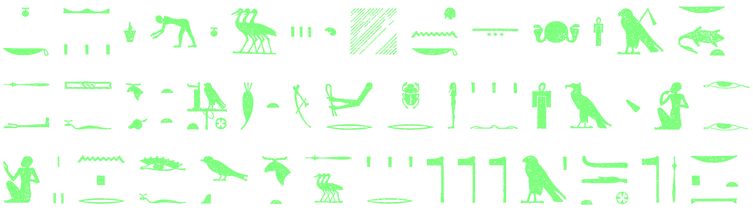
sjꜣw nb snḏt ꜥꜣ šfjt ḫnt Wṯst Ḥr bnr mrwt ḏsr ḫprw n sꜣj jrtj n ptr.f wr qfꜣt ꜥꜣ bꜣw r nṯrw Ḥr Bḥdtj nṯr ꜥꜣ nb pt
The falcon, lord of awe, great in majesty on the Throne of Horus;
sweet in the love he inspires, sacred in form,
on whom eyes gaze and never have their fill;
great in the reverence he commands, greater in might than the gods:
Horus of Behdet, the great god, lord of the sky. - 183
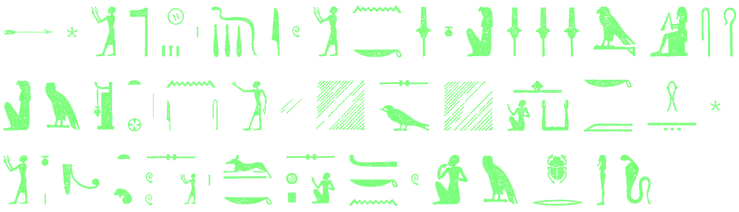
dwꜣ nṯr sp 4 ḏd mdw jꜣw n.k sḫm n sḫmw nṯr šps ḥqꜣ m Wṯst njs.j .. ... .. m swr .. sḥtp.j kꜣ.k m sꜣ tꜣ dwꜣ.n.j tjt.k swꜣš.n.j sštꜣ.k sḫp.j ḥknw m ḫprw.k
Praising the god four times. Words to be spoken:
Praise to you, power of powers, noble god, ruler on the Throne!
I proclaim … to magnify …
I soothe your ka with cries of sa-ta.
I have worshipped your image, I have praised your hidden form;
I offer praise to your manifestations.Note · Line 183
The king addresses the god. The sa-ta cries are ritual acclamations; the ka is the god’s vital presence. - 184
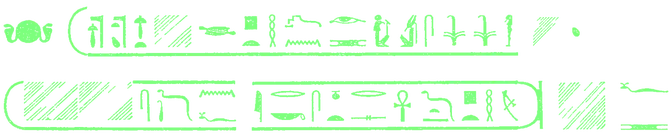
nswt bjt (… …) sꜣ Rꜥ (… …) pꜣ nṯr mrj mwt.f
The King of Upper and Lower Egypt, Ptolemy X, the Son of Ra, Ptolemy X, the god Philometor.
Note · Line 184
Philometor means “he who loves his mother.” - 185
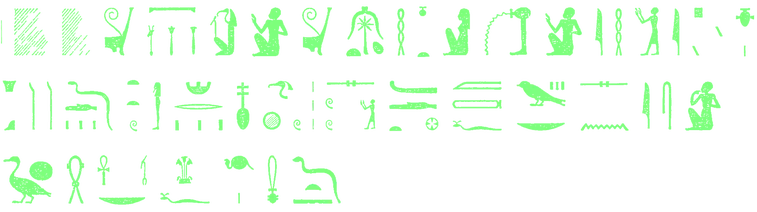
nṯr nfr ... n ꜥm tꜣwj šdj n Sšꜣt ḥnwt wꜥb jḥj jp jb ꜥqꜣ ḏdt twt ḥmwt rꜣ nfr ꜣḫw swꜣš Bḥdtj m rnw.f wrw nb snsw sꜣ Rꜥ (… …)
The perfect god, … of Am-tawy, pupil of Seshat the Mistress, priest of Ihy, discerning of heart, upright in speech, accomplished in the craft of the tongue, excellent in words of power, who praises Horus of Behdet by his great names; the lord of praise, the Son of Ra, Ptolemy X.
Note · Line 185
Seshat is the goddess of writing; Ihy is a child god of music. - 186
rdj.j ḥr nb ḥr dwꜣ nfrw.k bw nb ḥr dwꜣ n.k nṯr
I make every face turn in praise of your perfection,
and everyone give thanks to the god for you. - 187
ḏd mdw jn Ḥr Bḥdtj nṯr ꜥꜣ nb pt ꜥpj wr wbn m .. .. nṯrw swꜣš sw ꜥnḫw mꜣꜣt.f nbt ḥr rdt n.f jꜣw wr bnrw ḥꜥj.tw n mꜣꜣ.f ... nfr ... . dgt.f
Words spoken by Horus of Behdet, the great god, lord of the sky, the great Api who rises in …, … the gods, whom the living praise, to whom all that he looks upon gives praise; so dearly loved that people rejoice to see him, the beautiful …, at whose sight …:
- 188
rdj.j n.k pꜥt rḫjt ḥnmmt jfd nw tꜣ ḥr dwꜣ.k
I grant you the pat, the rekhyt and the henememet, and the four corners of the land, all praising you.
Note · Line 188
The three groups named here together stand for all humankind. - 189
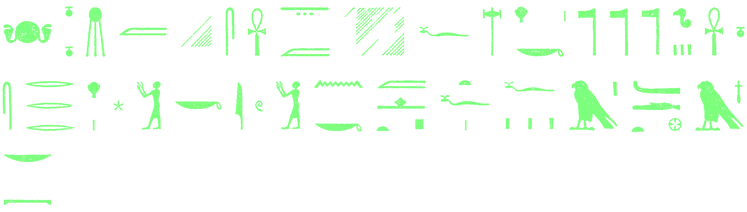
wbn m .. sꜥnḫ tꜣ m ... ... ...f jnḏ ḥr.k jn nṯrw rmṯw ꜥnḫ.sn jrj ḥr dwꜣ.k jꜣw n.k m ḥtp jt jtw Ḥr Bḥdtj nṯr ꜥꜣ nb pt
He rises in … and gives life to the earth with his light.
“Hail to you!” say gods and mortals;
they all come to life and worship you:
“Praise to you in peace, father of fathers,
Horus of Behdet, great god, lord of the sky!” - 190

ḥnk mꜣꜥt ḏd mdw mn n.k mꜣꜥt tf mrjt.k ṯpḥt wḏt kꜣw r ḫft ḥr.k šsp.k sj m ꜥnḫ ḥr ꜥwj.j mj šsp Rꜥ wꜣḏ n Rnpt nfrt
Presenting Maat. Words to be spoken:
Take this Maat whom you love; the gullet that carries food is before you.
May you receive her with life from my arms,
as Ra receives the papyrus of Renpetneferet.Note · Line 190
Calling her the gullet gives that dependence bodily form. - 191
ṯwt nb mꜣꜥt wsr ḥtjt Ḥr nb mꜣꜥt ꜥnḫt.f jm.s Wṯst ḥnwt ḫr.tw r nwt.k ꜥꜣ mꜣꜥ ḫrw jsk m rn ḥm.k
You are the lord of Maat, strong of throat,
Horus, lord of Maat, who lives on her.
“Throne of the Mistress,” they call your city;
“Great in Vindication” is the name of Your Majesty. - 192

sꜣ.k jm.j jt.j jm.k sqꜣ.j mrjt.k hꜣw ḥr.k ntk nb mꜣꜥt bwt.f jsft mꜣꜥ ḫrw.k n wn ḫftjw.k
I am your son, you are my father;
I lift the one you love before your face.
You are the lord of Maat, who abhors injustice.
You stand vindicated; your enemies are no more. - 193

nswt bjt (… …) sꜣ Rꜥ (… …) pꜣ nṯr mrj mwt.f
The King of Upper and Lower Egypt, Ptolemy X, the Son of Ra, Ptolemy X, the god Philometor.
- 194
nṯr nfr .. n ... ... wtṯw n ... ... ... tꜣjtj sꜣb nfr jwtj bẖn snw mr nwt n rdt ḥr gs ḫwj mꜣꜥtjw ḫb ḫbtjw nb wpt nswt bjt (… …)
The perfect god, … of …, offspring of …, the perfect vizier who takes no bribes, the mayor who takes no sides, who shields the just and executes the unjust; the lord of judgment, the King of Upper and Lower Egypt, Ptolemy X.
- 195

... ... ... ... ... ... gnwt.k
… your annals.
- 196
ḏd mdw jn Ḥr Bḥdtj nṯr ꜥꜣ nb pt ... kꜣ mꜣꜥt ... ... ... ... ... ... ... ... ... ... ... ... ... ... ... ḥtpw ... ... ... ... ... ... .. mtwt kꜣ ... ... ... ... ... ... ...
Words spoken by Horus of Behdet, the great god, lord of the sky: … bull of Maat … food offerings … semen of the bull …
- 197
rdj.j n.k mꜣꜥt ꜣḫꜣḫ.tj ḥr jb.k sḥtp.k nṯrw m mrjt.sn
I grant you Maat flourishing in your heart,
that you may content the gods with what they love. - 198
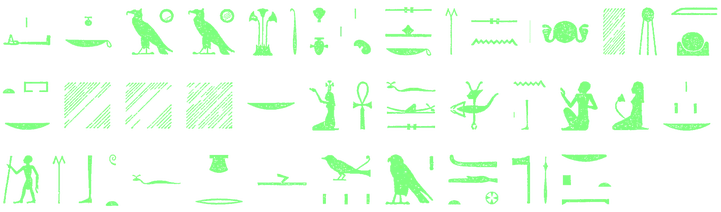
wbn m ꜣḫt nb ... ... ... .. n nb mrt ꜥnḫt.f jm.s srq ḥtjt n bw nb sr m mꜣꜥt bwt.f grg Ḥr Bḥdtj nṯr ꜥꜣ nb pt
He who shines on the horizon, lord … of the lord of the throat on which he lives;
he who gives breath to every throat, prince of Maat, who abhors a lie:
Horus of Behdet, the great god, lord of the sky. - 199

ḥnk wꜣḏtj ḏd mdw mn n.k wꜣḏtj jpw nw ḥm.k ḫꜥj.tj m ḥḏt dšrt nswjt ḥr swt bjtjt ḥr wꜣḏ
Presenting the two uraei. Words to be spoken:
Take these two uraei of Your Majesty, who have appeared in the White Crown and the Red.
The queen of Upper Egypt is on the rush, the queen of Lower Egypt on the papyrus.Note · Line 199
The uraei are the two divine cobras worn on the royal brow. Nekhbet of Upper Egypt has the white crown and the rush; Wadjet of Lower Egypt has the red crown and the papyrus. - 200

rdj.sn st.sn ḥr tp.k ṯnj.sn kꜣ.k m nb nṯrw sḫr.sn ḫftjw.k m ... tꜣ nb ꜥrf m ꜣmmt.k bw nb ḫꜣb n bꜣw.k
When they take their place on your head,
they exalt your ka as lord of the gods and fell your enemies with …
Every land is held in your fist, everyone bowed before your might. - 201

nswt bjt (… …) sꜣ Rꜥ (… …) pꜣ nṯr mrj mwt.f
The King of Upper and Lower Egypt, Ptolemy X, the Son of Ra, Ptolemy X, the god Philometor.
- 202
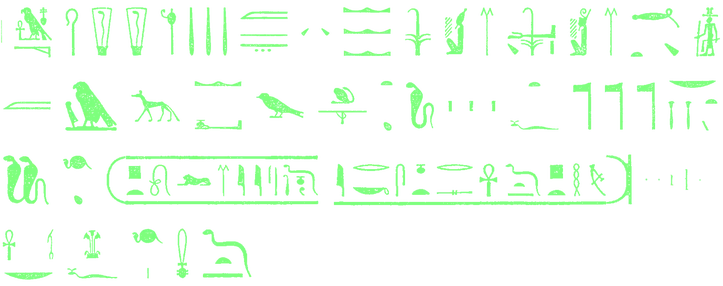
nṯr nfr ḥqꜣ jtrtj wḏ mdw m tꜣwj ḫꜣswt nswt m šmꜥw bjtj m mḥtj jtj m jmntt jꜣbtt ḥnk wrtj ḥkꜣw n jt nṯrw nb wꜣḏtj sꜣ Rꜥ (… …)
The perfect god, ruler of the two shrines, who gives commands in the Two Lands and the foreign lands, king of Upper Egypt in the south, king of Lower Egypt in the north, sovereign in west and east, who offers the Two Great in Magic to the father of the gods; the lord of the two uraei, the Son of Ra, Ptolemy X.
Note · Line 202
The Two Great in Magic are the two cobra goddesses offered as royal diadems. - 203
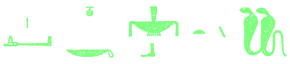
rdj.j n.k nbtj nbj m tp.k ḥr wdt nsr r wnj mw.k
I grant you the Two Ladies to adorn your head,
spitting fire at those who defy you. - 204

ḏd mdw jn Ḥr Bḥdtj nṯr ꜥꜣ nb pt sꜣb šwt prj m ꜣḫt .. šmꜥw sꜣw mḥw snsn sḫmtj m tp.f ḫꜥj m ḥḏt psḏ m nt jṯj tꜣwj nbw m wꜣḏtj psḏ m tꜣ wr wbn m wnmt.f ꜥq jmj wrt m jꜣbt.f
Words spoken by Horus of Behdet, the great god, lord of the sky, bright of plumage, who comes forth from the horizon, who guards Upper Egypt and protects Lower Egypt, who joins the Two Mighty Ones on his head, appears in the White Crown and shines in the Red, who takes possession of the whole of the Two Lands with the two uraei, shines in the east, rising with his right eye, and enters the west with his left:
Note · Line 204
Horus’s right eye is the sun and his left the moon. - 205
rdj.j n.k nswjt m ꜥb bjtjt jtj.n.k tꜣwj m bw wꜥ
I give you the queen of Upper Egypt together with the queen of Lower Egypt,
for you have taken the Two Lands as one. - 206
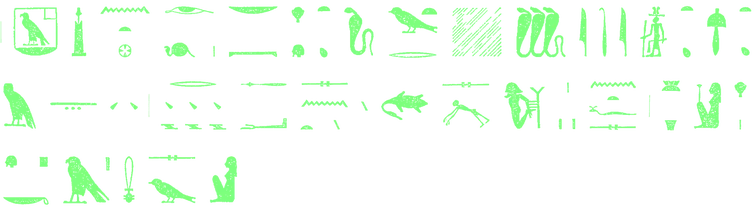
ḏd mdw jn Ḥt ḥr nbt Jwnt jrt Rꜥ nbt pt ḥrjt tp wrt ... nṯrwt jtjt mnḫt m tꜣwj ḥnꜥ jdbw ꜥꜣt snḏt sḫrt sbjw nw jt.s
Words spoken by Hathor, lady of Dendera, Eye of Ra, lady of the sky, the great cobra on the brow, … of the goddesses, the sovereign, mighty in the Two Lands and the lands along the banks, great in the dread she inspires, who fells her father’s rebels:
- 207

ḫꜥj.j ḥr tp.k mj Ḥr swr.j nrw.k mj {ꜣ ꜣst
I appear on your head as on the head of Horus;
I make the dread of you as great as the dread of the Son of Isis. - 208
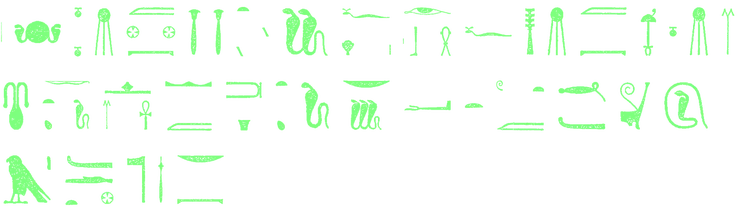
wbn m nwt wꜣḏtj.f ḥr jrt bsꜣ.f psḏ m pt wbn m dmꜣt pḏwt ḥtp m ꜥnḫt m wꜥt nb nṯrwt ḫꜥj.tj m mḥnjt Ḥr Bḥdtj nṯr ꜥꜣ nb pt
He who rises in the sky while his two uraei protect him,
who shines in the heavens, rises with Demat-pedjut
and sets in the Land of Life with the cobra;
lord of the goddesses, who appears crowned with the encircling serpent:
Horus of Behdet, the great god, lord of the sky.Note · Line 208
The Land of Life is the west, where the sun sets. - 209

ḥnk mks ḏd mdw mn n.k mks ḫfꜥ n.k jmjt pr šsp n.k jwꜥt nt jt.k jn nb Ꜥmnw nḫb sj n kꜣ.k ꜥꜣ mꜣꜥ ḫrw twt.s r ḥm.k jḫt nbt ḥr.s nt šnjt jtn wnnt nbt nt nmt jꜣḫw
Offering the mekes scepter. Words to be spoken:
“Take the mekes scepter for yourself,
grasp the deed of inheritance,
receive your father’s estate.
The lord of Hermopolis himself assigned it to your ka,
O great victor, and it is yours by right, Your Majesty.
On the deed is everything the sun disk circles,
all that the Shining One passes over.Note · Line 209
The king presents the mekes scepter as the token of a legal inheritance. - 210

ṯwt ... ... .. nst nt Gbb nn rdt jꜥr b r Bꜣqt dwn .. ... ... n pt tꜣ nww jmjt.sn nbt n.k jmj
You are … the throne of Geb,
you who will not let Be rise against Egypt.
… reaching … in the sky, on earth and in the primeval waters,
and all that is in them is yours.Note · Line 210
Be is a name of Seth in his role as Egypt’s enemy. - 211

ḏrtjw .. r ḏr.sn jb.sn nḏm mrwtj jm.k n nṯrw nṯrwt m wḏt ntj Nb r ḏr Ḏꜣḏꜣt nṯrw dmḏ
The falcon gods …, all of them, are glad of heart.
You are dear to the gods and goddesses
by decree of the Lord of All and the divine councils assembled.” - 212
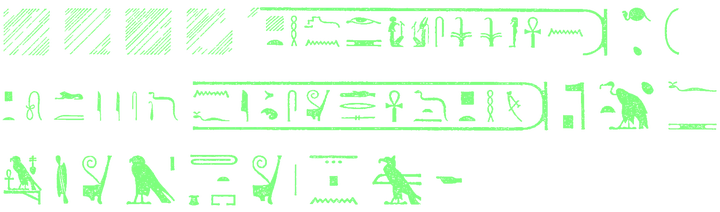
nswt bjt (… …) sꜣ Rꜥ (… …) pꜣ nṯr mrj mwt.f
The King of Upper and Lower Egypt, Ptolemy X, son of Ra, Ptolemy X, the god who loves his mother.
- 213
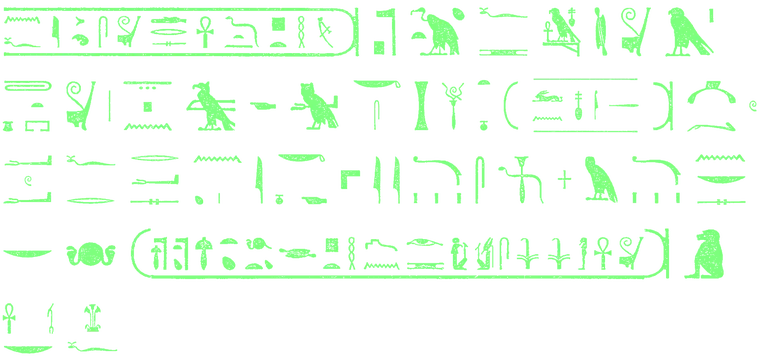
nṯr nfr jwꜥw n Ḥr pẖr nst n ḥqꜣ tꜣ pn ꜣmm mks jꜣwt nt (Wnn nfrw mꜣꜥ ḫrw) ꜣwj ꜥwj.f r rdt sj n sꜣ.f jkn qnbt swḏ jmjt pr n nb.s nb tꜣwj nswt bjt (… …)
The perfect god, heir of Horus, successor to the throne of the ruler of this land, who grasps the mekes scepter and the office of Wennefer the vindicated, who stretches out his arms to give it to Wennefer’s son, who receives the judgment of the court and delivers the deed of inheritance to its lord: the Lord of the Two Lands, the King of Upper and Lower Egypt, Ptolemy X.
Note · Line 213
Wennefer is Osiris. The court’s judgment confirms his son Horus in his right to his father’s throne. - 214
Bḥdtj nṯr ꜥꜣ nb pt
Horus of Behdet, the great god, lord of the sky.
- 215

rdj.j n.k jmjt pr nt tꜣ ḥr ndb.f swḏ.j n.k nswjt m mꜣꜥ ḫrw
“I give you the deed of inheritance to the whole land;
I confer the kingship on you in triumph.” - 216
ḏd mdw jn Ḥr Bḥdtj nṯr ꜥꜣ nb pt bjk n nb ḫnt Wṯst nb mks ḥqꜣ jmjt pr nswt nṯrw jwtj .. ...
Words spoken by Horus of Behdet, the great god, lord of the sky, the falcon of gold in the Throne Seat, lord of the mekes scepter, ruler over the deed of inheritance, king of the gods, for whom no …
Note · Line 216
The Throne Seat is Edfu. Horus now speaks to the king who has presented the scepter. - 217

nḫb n.f gnwt wꜥf n.f mnš jṯj.n.f tꜣwj m mꜣꜥ ḫrw pt tꜣ dꜣt mw ḏww n.f jfdw ... ḥqꜣ.sn jm.f
has drawn up the annals or fashioned the royal ring; who has taken the Two Lands in triumph. His are sky, earth, underworld, waters and mountains; the four quarters of … have him for their ruler:
- 218

rdj.j n.k mntj rḥwj wnt m ꜥ.j jḫt nbt ḫfꜥt m ḫfꜥ.j
“I give you the two domains of the Two Companions, which lie in my hand,
and all that is clasped in my fist.”Note · Line 218
The Two Companions are Horus and Seth. Their two domains together make up Egypt. - 219
ḥqꜣ sꜣ ḥqꜣ wnnt nbt m jmjt pr.f jṯj nst nt Rꜥ jꜣwt nt Jtmw ḥqꜣt nt Šw jwꜥt nt Gbb ḫfꜥ jmjt pr ntj jt.f Wsjr Ḥr Bḥdtj nṯr ꜥꜣ nb pt
The ruler, son of a ruler, in whose deed of inheritance stands all that exists, who takes possession of the throne of Ra, the office of Atum, the rule of Shu and the estate of Geb, who grasps the deed of inheritance of his father Osiris: Horus of Behdet, the great god, lord of the sky.
- 220
ḥnk ḥḥ ḏd mdw mn n.k ḥḥ sštꜣ n ḥm.k nb rnpwt kꜣ.tw r kꜣ.k sšmw n sꜣ.k Šw ẖr pt sḫj ḫjt r.k ẖr ḫprw.k snsn.k jm.f ṯꜣw nfr qmꜣ.n.k ꜥnḫ tꜣ n prt jm.k
Offering Heh. Words to be spoken:
“Take Heh for yourself, the secret image of Your Majesty.
‘Lord of Years’ is what they call your ka.
To you comes the image of your son Shu,
bearing the sky, lifting the heavens in your likeness.
May you breathe him in, the sweet breath you created.
The earth lives on what comes forth from you.”Note · Line 220
Heh embodies boundless time; his name is also the word for a million. The figure offered here takes the shape of Shu, the god of air who holds up the sky. - 221

nswt bjt (… …) sꜣ Rꜥ (… …) pꜣ nṯr mrj mwt.f
The King of Upper and Lower Egypt, Ptolemy X, son of Ra, Ptolemy X, the god who loves his mother.
- 222
nṯr nfr sꜣ swꜣḏ bꜣ nwj ḥḥw ḫrp ḥfnw jṯj rnpwt jbdw hrww ꜥḥꜥw n Ḥr ḥr srḫ twꜣ ꜥnḫw n Rꜥ r fnḏ.f nb Ḥḥw sꜣ Rꜥ (… …)
The perfect god, son of him who makes the ba flourish, who tends millions and leads hundreds of thousands, who grasps the years, months and days and the lifetime of Horus upon the palace façade, who lifts the flowers of Ra to his nose: the lord of millions, son of Ra, Ptolemy X.
Note · Line 222
The falcon Horus perches above the palace façade in the emblem that frames the king’s Horus name. - 223
rdj.j n.k ḥḥw m ḥḥw n ḥbw sd ḥfnw m rnpwt ḏt
“I give you millions upon millions of Sed festivals,
and hundreds of thousands of years, forever.”Note · Line 223
The Sed festival was the jubilee that renewed the king’s power to reign. - 224
ḏd mdw jn Ḥr Bḥdtj nṯr ꜥꜣ nb pt Rꜥ Ḥr ꜣḫtj ḫnt St wrt jrj ḫt n ꜥnḫ sꜥnḫ tꜣwj nḏ ḥḥw ḫrp ḥfnw jrj rnpwt qmꜣ jbdw nb hrww sḫpr wnwwt
Words spoken by Horus of Behdet, the great god, lord of the sky, Ra-Horakhty in the Great Seat, who grows food and keeps the Two Lands alive, who guards millions and leads hundreds of thousands, who makes the years and brings forth the months, lord of days, who calls the hours into being:
Note · Line 224
Ra-Horakhty is Ra as Horus of the Two Horizons. The Great Seat is his sanctuary at Edfu. - 225
rdj.j n.k ḥḥw n rnpt mn.tj ḥr nst.k ḥfnw n kꜣw n kꜣ.k
“I give you millions of years secure on your throne,
and hundreds of thousands of portions of food for your ka.” - 226
... ... ꜥnḫ ḥrw rdj.f sw m ꜣḫt ḥsb.tw nswjt jp.tw jbdw gsgs.tw wnwwt r nmt.f nb rnpwt hrww ḥr rdt n mrj.f Ḥr Bḥdtj nṯr ꜥꜣ nb pt
… Faces come alive when he appears on the horizon.
By his course the years of a reign are reckoned,
the months counted, the hours divided.
Lord of years and days, he gives them to whom he loves:
Horus of Behdet, the great god, lord of the sky. - 227

ḥnk ḥrw ꜥ ḏd mdw mn n.k ḥrw ꜥ ḥr ꜥwj.j snf nbḏw r ḥtjt.k mw.f m mtr r nfr
Offering the Heru-a drink. Words to be spoken:
“Take the Heru-a drink from my arms,
the rebels’ blood for your throat.
Its liquor is pure and perfect.Note · Line 227
The wine offered to Horus stands for the blood of his defeated enemies. - 228

nḏm wj wnš ꜣḫ wj sšp ... .. wj jr.f prt jꜣꜣ jḫt n ḥm.k bnr wj dpt.f nfr wj sw js r jḫt nbt swr.k jm.f wsḫ st.k šnbtj sḥtp.n.f šnbt.k
How sweet the berry, how bright the wine,
how … indeed the grape!
Your Majesty’s own drink—how honeyed its taste,
how much finer it is than all else!
When you drink of it, your spirits rise, O Falcon:
it has set your breast at ease.” - 229
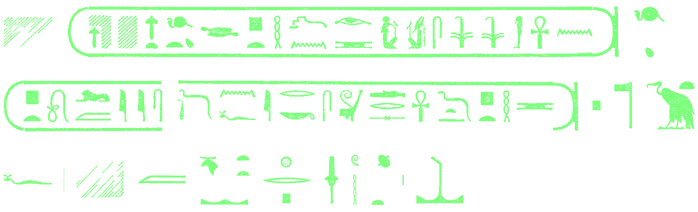
nswt bjt (… …) sꜣ Rꜥ (… …) pꜣ nṯr mrj mwt.f
The King of Upper and Lower Egypt, Ptolemy X, son of Ra, Ptolemy X, the god who loves his mother.
- 230
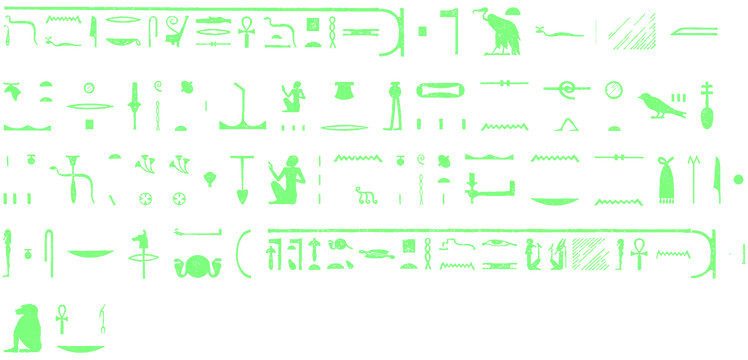
nṯr nfr ... .. m Šfjt ḫrp wḥꜣtjw ẖr jnw.sn sṯꜣ jḫt wrt nfrt nt Wꜣḏtj ḥr rmn smꜣjw n nbḏ nw wḥꜣt ḫrp n nb.sn ꜥpr m jrw.sn nb wsr nswt bjt (… …)
The perfect god, … in Shefit, who leads the people of the oases laden with their gifts, who brings the fine and splendid things of Wadjty on the shoulders of Seth’s companions from the oasis. They bear them to their lord as is their duty. The lord of strength, the King of Upper and Lower Egypt, Ptolemy X.
- 231
Bḥdtj nṯr ꜥꜣ nb pt
Horus of Behdet, the great god, lord of the sky.
- 232
rdj.j n.k sꜣ ḥḏt m Nḫn Ḫbjw.s ḥr mkt ḥꜥ.k
“I give you the protection of the White One in Nekhen;
her messengers guard your body.”Note · Line 232
The White One is the goddess of the White Crown of Upper Egypt. Nekhen is the city also known as Hierakonpolis. - 233
ḏd mdw jn Ḥr Bḥdtj nṯr ꜥꜣ nb pt wr pḥtj ḫnt Wṯst Ḥr ꜥšꜣ mšꜥ mj snḥmw hb ptrt jnj pḥwj n thj sw jw m ḥꜥꜥwt m nb nḥḥ ẖnm bꜣ.f m ꜣḫt rꜥ nb
Words spoken by Horus of Behdet, the great god, lord of the sky, great in strength in the Throne Seat of Horus, whose soldiers are as many as locusts, who treads the battlefield and makes an end of whoever attacks him, who comes rejoicing as lord of eternity and joins his ba on the horizon day after day:
- 234
rdj.j n.k mw ḥr jꜣrrt r nfr r sḥtp jb.k m jḫt nt kꜣ.j
“I give you the finest juice of the grape
to gladden your heart with what belongs to my ka.” - 235
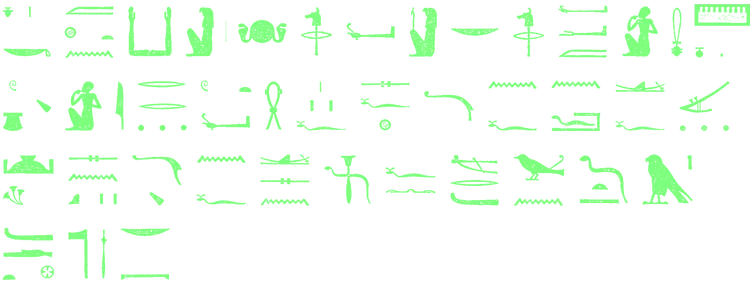
wsr nb wsr ꜥm mjn wgj jꜣrrt wdj sꜣ.f sfḫ.n.f n prjt jm.f prt jꜣꜣ snq.n.f jm.sn wꜣḏ ḥꜥ.f n mrḥ n ḏt Ḥr Bḥdtj nṯr ꜥꜣ nb pt
The strong one, lord of strength, who drinks the juice and chews the grapes, who secures his own protection, having drawn strength from what comes forth from him. He has sucked the grapes; his flesh flourishes and will never waste away. Horus of Behdet, the great god, lord of the sky.
- 236
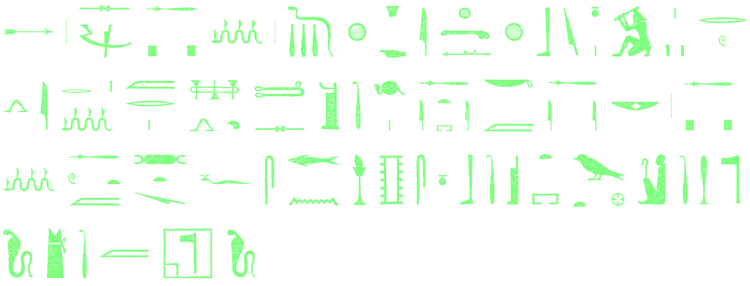
smꜣ ꜥꜣpp ḏd mdw ḫfꜥ.j ḫmt ḫb.n.j ḫftjw rwj.j rꜣ m rꜣ wꜣt.k ṯsj ṯw Rꜥ ꜥꜣjt.k m ꜥꜣj ꜥꜣpp ꜥꜣ.tj m ꜥḏt.f Sjn nḥp snb.tj St wrt sꜣw.tj ḥm.k ḥn.tj m ḥt nṯr.k
Slaying Apophis. Words to be spoken:
“I grasp the spear. I have stabbed the enemies.
I drive the snake from the entrance to your path.
Rise, Ra! Your shrine shouts for joy.
Apophis lies slaughtered outright.
The Swiftly Molded One is sound, the Great Seat is safe,
Your Majesty is guarded in your temple.”Note · Line 236
Apophis is the serpent who bars the sun god’s way. The Swiftly Molded One is the temple’s enclosure wall: the serpent’s defeat leaves both wall and sanctuary unharmed. - 237
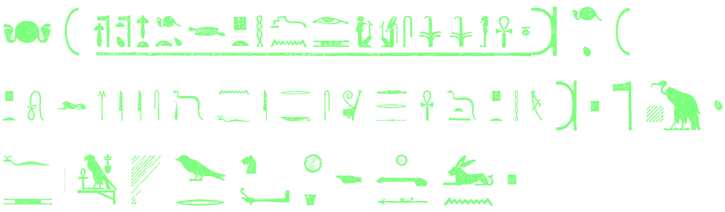
nswt bjt (… …) sꜣ Rꜥ (… …) pꜣ nṯr mrj mwt.f
The King of Upper and Lower Egypt, Ptolemy X, son of Ra, Ptolemy X, the god who loves his mother.
- 238
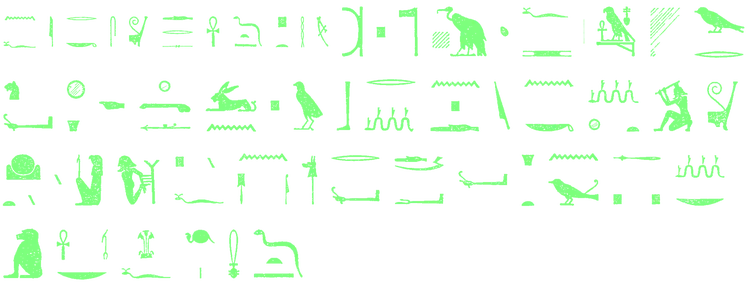
nṯr nfr ... wr pḥtj ḫfꜥ ḫmt wnp wbr npḏ njk ḫftj n ꜣḫtj sbj pf n sꜣb šwt wsr ṯmꜣ ꜥ ꜥnḏ ꜥꜣpp nb qnt sꜣ Rꜥ (… …)
The perfect god, … great in strength, who grips the spear, who stabs Uber and slaughters the wretch, the enemy of the Horizon God, that rebel against the one of dappled plumage; the mighty one, strong of arm, who saps the strength of Apophis: the lord of valor, son of Ra, Ptolemy X.
Note · Line 238
Uber is another name for Apophis. The dappled plumage is that of the falcon Horus. - 239
rdj.j wr pḥtj.k m tꜣwj ḫꜣswt ḫftjw m nṯstjw ẖr.k
“I make your might great in the Two Lands and the foreign lands,
and your enemies lie crushed beneath you.”Note · Line 239
Here the god speaks to the king. - 240
ḏd mdw jn Ḥr Bḥdtj nṯr ꜥꜣ nb pt sꜣb šwt prj m ꜣḫt Rꜥ pw ḫnt Wṯst Ḥr smꜣ sbjw.f m St wrt ḏꜣj pt rꜥ nb nn wrḏ.n.f bꜣ tkk bsk bṯnww.f
Words spoken by Horus of Behdet, the great god, lord of the sky, the Dapple-Feathered One who comes forth from the horizon. He is Ra on the Throne of Horus; he slays his rebels in the Great Seat and crosses the sky each day without tiring, the ba eager for battle who butchers his foes:
- 241
rdj.j n.k wsr r wnp wnj mw.k sqr.j jw r.k m nf
“I give you strength to pierce whoever turns against you;
I strike whoever comes against you bent on harm.” - 242

ḏd mdw jn Ḥt ḥr wrt nbt Jwnt jrt Rꜥ ḥrt jb Bḥdt ꜥꜣt nsr sḥrjt sbjw ḥr jt.s wsrt ḥrjt tp nbt pt tꜣ wdjt hh.s r hmhmtj
Words spoken by Hathor the Great, Lady of Dendera, Eye of Ra, who dwells in Behdet, mighty in her fiery breath, who drives off those who rise against her father; the Mighty One, the cobra on the brow, lady of sky and earth, who blasts the Roarer with her burning breath:
Note · Line 242
As the Eye of Ra, Hathor is the cobra on her father’s brow, spitting fire in his defense. The Roarer is Apep, the serpent who threatens the sun. - 243

wdj.j nsr r sbj r.k ḫwj.j ḥm.k r ḫww
“I spit fire at whoever rebels against you;
I guard Your Majesty against evil.” - 244
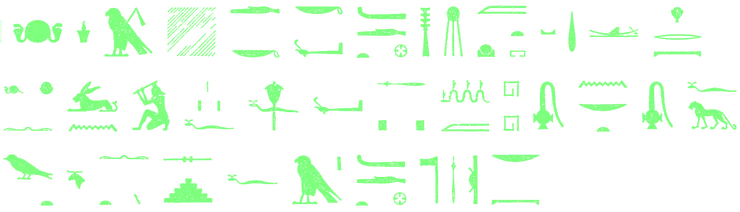
bjk bꜣ tkk Bḥdtj psḏ m ꜣḫt ḏꜣj ḥrt rꜥ nb n wn ḫftjw.f ḫsf ꜥꜣpp m hh n nbjt.f mꜣj wr šfjt jwtj sjꜥr.f Ḥr Bḥdtj nṯr ꜥꜣ nb pt
The falcon, the ba eager for battle, the Behdetite who shines on the horizon and crosses the sky each day while his enemies are no more; who wards off Apep with the burning breath of his flame; the lion of great majesty whom none can surpass: Horus of Behdet, the great god, lord of the sky.
- 245

ḥnk wꜥ ḏd mdw mn n.k ḫmt ntj ḥr ḫb ẖꜣkw jb ḥḏ.k wr ntj ḥr swr šfjt.k ꜥꜣ snḏt.k m ḫntj nww ḥr jrt ꜥḏt n jmjw mw
Offering the harpoon. Words to be spoken: “Take for yourself the khemet-harpoon that slaughters rebels,
your great mace that magnifies your majesty.
Great is the dread of you in the midst of the flood
as you slaughter the creatures of the water.Note · Line 245
The king offers Horus the weapon of his hunt. In the Edfu rites, dangerous water animals, especially the hippopotamus, embody the god’s enemies. - 246

mdw.k pw ntj ḥr ḏsr wꜣt.k ḥnṯj ḥꜣꜥjt jsk ḥꜣ ḥt nṯr.k
This is your staff: it clears your path
and keeps tumult far from your temple.” - 247
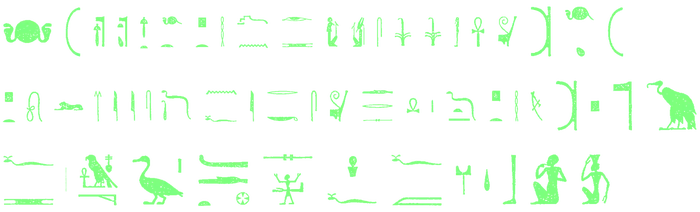
nswt bjt (… …) sꜣ Rꜥ (… …) pꜣ nṯr mrj mwt.f
The king of Upper and Lower Egypt, Ptolemy X, the son of Ra, Ptolemy X, the god who loves his mother.
Note · Line 247
The king is Ptolemy X Alexander I. - 248
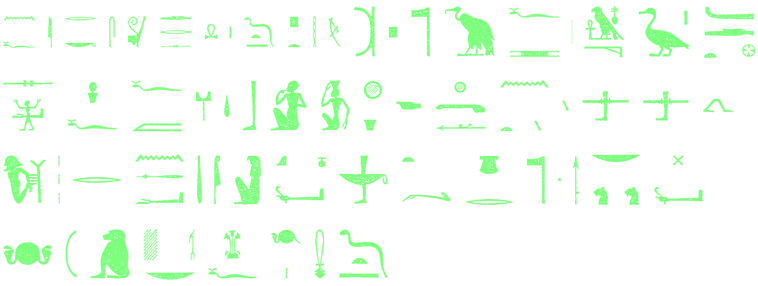
nṯr nfr sꜣ Bḥdtj sḥꜥꜥ jt.f m ꜣbjt.f ḫfꜥ ḫmt ntj ḥr sbsb sbjw r ḫft ḥr n ꜥꜣ mꜣꜥ ḫrw qnj gꜣbtj ẖr bjꜣ nṯr nb pḥtj nswt bjt (… …)
The perfect god, son of the Behdetite, who gladdens his father with what he loves, who grasps the khemet-harpoon that drives the rebels from the face of the Great One Triumphant; who bears the divine metal in his two strong arms, lord of might, the king of Upper and Lower Egypt, Ptolemy X.
Note · Line 248
The Great One Triumphant is Horus; the divine metal is the harpoon. - 249
rdj.j n.k nḫt r ḫb ẖꜣkw jb mkj.j ḥm.k ḥr ptrt
“I give you strength to slaughter rebels;
I guard Your Majesty on the battlefield.” - 250
ḏd mdw jn Ḥr Bḥdtj nṯr ꜥꜣ nb pt bjk n nb nḏ jt.f mwt.f šsp ꜥbbt m ḫntj Ḥt qn wnp sbj m St wnp nḫw m nwwt hꜣj r dpt dr tꜣw rꜣ spd.tj m ḫꜥw.f
Words spoken by Horus of Behdet, the great god, lord of the sky, the Falcon of Gold, protector of his father and mother, who takes up the abebet-harpoon in the House of the Strong One and pierces the rebel in the Place of Piercing; guardian of cities, who boards the ship and drives off the hot-mouthed, his weapon at the ready:
Note · Line 250
The House of the Strong One and the Place of Piercing are names for Edfu that recall Horus’s combat there. - 251
rdj.j n.k Ḏbꜣ ḏbꜣ.tj ẖr ḏbꜣw.f r jrt šꜥt n šnṯjw.k
“I give you Djeba, equipped with its djeba-harpoons, to make a slaughter among your foes.”
Note · Line 251
Djeba is Edfu. In Egyptian even the word for “equipped” echoes the names of the town and its harpoons. - 252
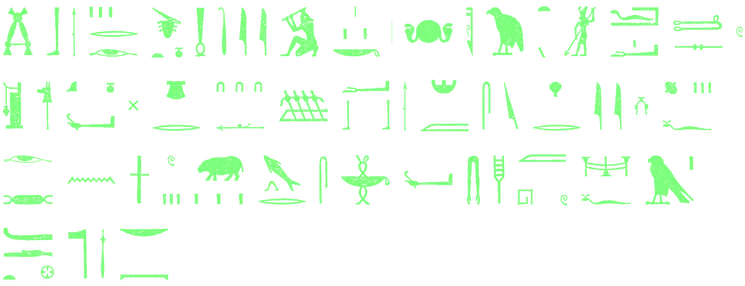
msntj prj ꜥ wṯs ḥꜣt qn ẖr mꜥbꜣ šsp ꜥbbt ḥms ḥrjw.f jrj ꜥḏt n jmjw mw bs r skw n ꜥḥꜥ m hꜣw.f Ḥr Bḥdtj nṯr ꜥꜣ nb pt
The harpooner with the grasping arm, who holds his head high, the strong one who bears the maba-spear, who takes up the abebet-harpoon and cuts down his foes, who slaughters the creatures of the water and plunges into the fray, with none to stand their ground within his reach: Horus of Behdet, the great god, lord of the sky.
- 253

jnḏ ḥr m nmst ḏd mdw mn n.k nmst ntj wḥm ꜥnḫ r swꜥb ḥt nṯr.k ntj mw rnpj
Paying homage with the nemeset-jar. Words to be spoken: “Take for yourself the nemeset-jar of floodwater to purify your temple,
the jar of water that makes young again.Note · Line 253
The name for the floodwater here means “that which renews life.” - 254

jnj.j n.k tp.k ꜥb.j n.k jrtj.k snṯr.j ꜣḫꜣḫw.k ḥnꜥ sḫmw.k nwj ḥm nṯr ḥr ḏsr tjt.k m ꜥb Psḏt ḥm.k sp 4
I bring you your head; I cleanse your two eyes for you.
I make your bones divine, and your powers with them.
I am a priest; I consecrate your image amid the Ennead of Your Majesty.” Four times.Note · Line 254
“Four times” directs the priest to repeat the recitation. - 255

nswt bjt (… …) sꜣ Rꜥ (… …) pꜣ nṯr mrj mwt.f
The king of Upper and Lower Egypt, Ptolemy X, the son of Ra, Ptolemy X, the god who loves his mother.
- 256
nṯr nfr sfj n Spdt spr sḥ n sꜣb šwt ḫfꜥ ḫnmt ntj nb m ꜥwj.f r twr ḏrtj m ḏrjt.f twr jqr sꜣ twr nb twr sꜣ Rꜥ (… …)
The perfect god, child of Sopdet, seper-seh priest of the Dapple-Feathered One, who takes the golden khenemet-jar in his two arms to purify the falcon in his chamber; the peerless purifier, son of a purifier, lord of purification, the son of Ra, Ptolemy X.
Note · Line 256
Sopdet is the goddess of Sirius, the star whose annual return to the dawn sky heralded the Nile flood. - 257

Bḥdtj nṯr ꜥꜣ nb pt
The Behdetite, the great god, lord of the sky.
- 258
ꜥb.j ꜥꜣjt.k r ṯmsw nb ḏw snṯr.j ḏt.k ḫnt pr wr
“I cleanse your palace of every foul stain;
I purify your body in the Great House.” - 259
ḏd mdw jn Ḥr Bḥdtj nṯr ꜥꜣ nb pt sḫm šps swꜥb sḫmw nb ꜥbw pꜣ.n.f twr ḏrtj twr ḏrtjw m ḏrjt.sn bnbn n.f ḥꜥpj ḫj.f n kꜣ.f prj.f m ṯpḥt.f ḥr wḏ.f
Words spoken by Horus of Behdet, the great god, lord of the sky, the august Power who purifies the powers, lord of purification, who first practiced purification; the falcon who purifies the falcon gods in their chapels, for whom Hapy wells up, rising for the god’s ka and coming forth from his cavern at the god’s command:
- 260
swꜥb.j ḥꜥ.k r jḫt nbt ḏwt snṯr.j st.k r sḏb
“I cleanse your body of every evil;
I keep your seat free from harm.” - 261
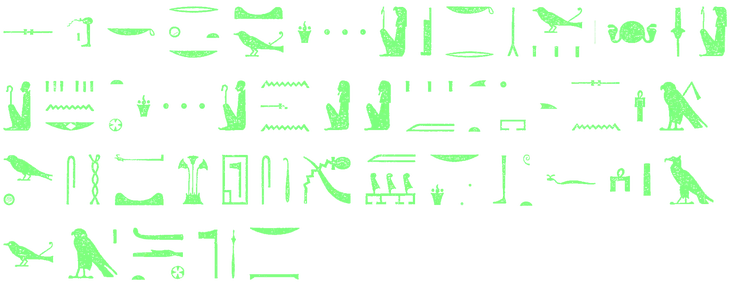
sḫm sꜣw Snwt snṯr {ꜣw.n.sn m sḫmw.sn sjꜣw wr ḫsr ḏw ḥꜣ ḥt nṯr smn ꜥbw m gsw prw nb snṯr bwt.f sꜣt Ḥr Bḥdtj nṯr ꜥꜣ nb pt
The Power who guards Egypt and purifies the guardian gods in their chapels, the great falcon who clears evil from around the temple and establishes purification forever in the sanctuaries, lord of purification, who loathes filth: Horus of Behdet, the great god, lord of the sky.
- 262
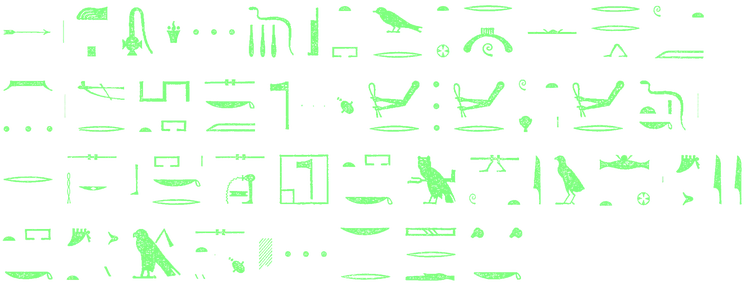
kꜣp snṯr ḏd mdw St wrt r ꜣw.s pẖr.tj m pḏ mrrt.s nb m sṯj nṯr ḏsr ḏsr.tj ḥr ḏsr ḏt.k r sḥb pr.k r swꜥb ḥt nṯr.k ms ṯw r Msn ḏrjt.k ḏrtj sṯj snṯr nb r šrtj.k
Burning incense. Words to be spoken: “Incense fills the Great Seat from end to end,
and divine fragrance fills its every passage.
Holy is the incense that hallows your body,
to make your house festive and your temple pure.
Come to Mesen, your chamber, O falcon;
all the fragrance of incense to your nostrils!” - 263

nswt bjt (… …) sꜣ Rꜥ (… …) pꜣ nṯr mrj mwt.f
The king of Upper and Lower Egypt, Ptolemy X, the son of Ra, Ptolemy X, the god who loves his mother.
- 264
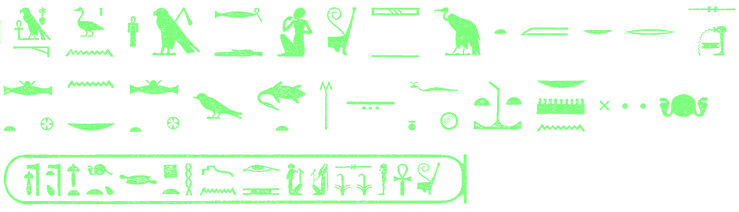
nṯr nfr sꜣ n sjꜣw šdj n štꜣt m Nḫn šsp ꜥ n snṯr nḏm sṯj r swꜥb Msn n Nb Msn wr snḏt m Tꜣwj Fnḫw nb mnwr nswt bjt (… …)
The perfect god, son of the falcon, suckled by Shetat in Nekhen, who takes up the bowl of sweet-scented incense to purify Mesen for the Lord of Mesen; greatly feared in the lands of the Fenkhu, lord of menur-incense, the king of Upper and Lower Egypt, Ptolemy X.
- 265
Bḥdtj nṯr ꜥꜣ nb pt sꜣb šwt
The Behdetite, the great god, lord of the sky, the Dapple-Feathered One.
- 266

rdj.j n.k ḥḏt wbn.tj m tpt.k rtḥ.j n.k jbw nw tꜣwj ḫꜣswt
“I give you the White Crown shining on your head;
for you I strike fear into the hearts of the Two Lands and the foreign lands.”Note · Line 266
The White Crown is the crown of Upper Egypt. - 267

ḏd mdw jn Ḥr Bḥdtj nṯr ꜥꜣ nb pt kꜣ nṯrw nb mṯꜣ sḫm šps bnr mrwt ḥꜥj ḥmwt n dgt.f bjk wr pḥtj nb Tꜣ nṯr ḏrtj ṯnj.tj r nṯrw
Words spoken by Horus of Behdet, the great god, lord of the sky, bull of the gods, lord of the phallus, the august Power, dearly beloved, at whose sight the cows rejoice; the falcon great in might, lord of the God’s Land, the djerty-falcon exalted above the gods:
- 268
rdj.j n.k Trt ḥr fꜣt n.k fqꜣ šfjt.k m ẖt nt rḫjt
“I grant that Teret bear gifts to you
and that awe of you dwell in the bellies of the people.” - 269

ḏd mdw jn Ḥt ḥr nbt Jwnt jrt Rꜥ nbt pt nbtj rḫjt ḥnwt Pwnt wrt mrwt ḫnt Ḥt ꜥbt špst wsrt ḫnt Wṯst Ḥr
Words spoken by Hathor, Lady of Dendera, Eye of Ra, Lady of the Sky, queen of her subjects, mistress of Punt, greatly loved in the Pure House, splendid and strong in the Throne Seat of Horus:
Note · Line 269
The Pure House is Hathor’s temple at Dendera; the Throne Seat of Horus is his temple at Edfu. As the Eye of Ra, Hathor embodies the sun god’s protective power. - 270

rdj.j n.k Tꜣ nṯr ẖr jmjt.f nswj.k tꜣwj m dmꜣt pḏwt
“I give you God’s Land with all that is in it, and grant that you rule the Two Lands wearing Demat-pedjut.”
Note · Line 270
Hathor addresses the king. God’s Land here is associated with Punt; the Two Lands are Upper and Lower Egypt. - 271

nb dngngs dmꜣt pḏwt ḥr ḫwt ḥꜥ.f bꜣ sṯj bꜣ nb nḏmnḏm ḫntš rnnwt m ḥsj.f jmꜣ jb n nṯrwt ḥr sṯj jdt.f Ḥr Bḥdtj nṯr ꜥꜣ nb pt
Lord of the brow-serpent, whose body Demat-pedjut guards; the ram that mates, the ram who is lord of lust; at the sight of him young women rejoice, and the scent of his sweat gladdens the hearts of the goddesses: Horus of Behdet, the great god, lord of the sky.
- 272

bjk bꜣ tkk sḫm šps ḫnt nṯrw ḥqꜣ nfr n tꜣwj ḫꜣswt wṯs ḫꜥw m nbtj nb Fkḥr ḥqꜣ Tꜣ nṯr Ḥr Bḥdtj nṯr ꜥꜣ nb pt
The falcon, the ba that strikes, the splendid power among the gods, the perfect ruler of the Two Lands and the foreign lands, who wears the Two Ladies as his crown, lord of Fekeher, ruler of God’s Land: Horus of Behdet, the great god, lord of the sky.
Note · Line 272
The Two Ladies are Nekhbet the vulture and Wadjet the cobra, protectors of Upper and Lower Egypt. - 273
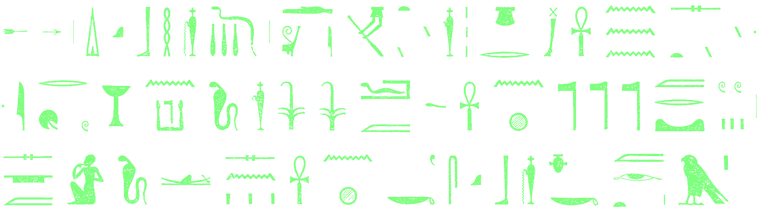
rdt qbḥw ḏd mdw šsp.n.j ẖntjw ẖr wḥm ꜥnḫ stj.j r ḫꜣwt n kꜣ.k qbḥw nn prj m qrtj ꜥnḫ nṯrw m rḏw.f sꜥm.k jm.sn ꜥnḫ ḥꜥ.k sqbb jb.k m jrt Ḥr
Pouring a libation. Words to be spoken: “I have taken up the khenty jars of floodwater.
I pour upon the altar for your ka
these cool waters that came from the two caverns,
whose outflow gives the gods life.
When you drink of them, your body lives
and your heart is refreshed by the Eye of Horus.”Note · Line 273
The king pours for the god’s ka, the vital presence sustained by offerings. - 274
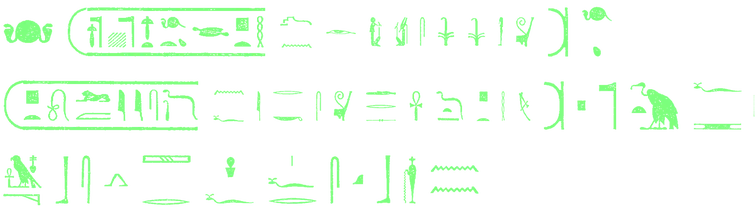
nswt bjt (… …) sꜣ Rꜥ (… …) pꜣ nṯr mrj mwt.f
King of Upper and Lower Egypt, Ptolemy X; son of Ra, Ptolemy X; the god who loves his mother.
Note · Line 274
The last title is the Egyptian equivalent of the Greek Philometor. - 275

nṯr nfr bs ḫr jt.f r sqbb ḥꜥ.f m qbḥ ḫfꜥ ẖntjw ntj mw rnpj ḥnꜥ jr.f mn ẖr nww sꜣḫ nṯrw m rꜣ ꜥwj.f nb ꜥnḫ sꜣ Rꜥ (… …)
The perfect god, who comes before his father to cool his father’s body with a libation, who grasps the khenty jars of rejuvenating water and fills the basin called Ever Full of Primeval Water, who provides for the gods by the work of his hands; lord of life, son of Ra, Ptolemy X.
- 276
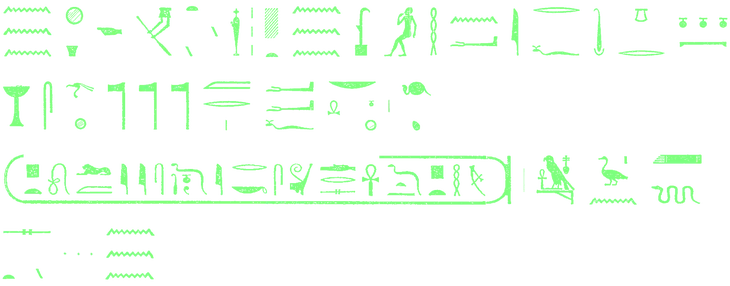
nṯr nfr sꜣ n sꜣ stj mw n jt.f r tr.f ḥnꜥ ḥswt ꜣmm ẖntjw m ꜥwj.f wṯs ḥḥ jmj wtj snbwt wꜣḥ jḫt r ḫꜣwt nt ꜣḫtj ḫnt ḫndw.f nb mw rnpj sꜣ Rꜥ (… …)
The perfect god, son of the Sa-serpent, who pours water for his father at the appointed time, who fills the heset jars and gathers the khenty jars in his arms, who holds high the floodwater in the senebet vessels, who lays offerings on the altar of the Horizon Dweller before his throne; lord of rejuvenating water, son of Ra, Ptolemy X.
- 277
rdj.j n.k ḥꜥpj m wr r tr.f ḥr ꜥm tꜣwj nb m rḏw.f
“I give you a Nile flood mighty in its season,
swallowing the Two Lands whole in its flow.” - 278
ḏd mdw jn Ḥr Bḥdtj nṯr ꜥꜣ nb pt sꜣb šwt prj m ꜣḫt ꜥnḫj nb ḥḥw qmꜣ nw ... ... srd sḫt prj m nww wbn m nwt jrj ntjw qmꜣ wnnt
Words spoken by Horus of Behdet, the great god, lord of the sky, bright of plumage, who comes forth from the horizon; the Living One, lord of millions, who fashions the flood, …, who makes the field flourish, who comes forth from the primeval waters and shines in the sky, who made what is and fashioned what exists:
- 279
rdj.j n.k nww nn.tj r nw.f r bꜥḥj ꜣḫt.k r dmḏjt.s
“I grant you a flood that moves slowly in its season, to cover your field when it calls for water.”
- 280
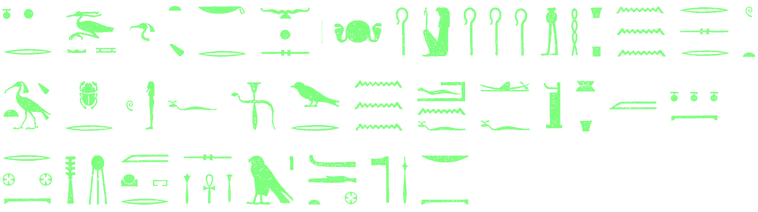
ḥqꜣ ḥqꜣw jnj ḥꜥpj r srd ꜣḫt ḫprw.f wꜣḏ wr prj.n.f jm.f ṯsj ḫꜥw m nww r nwt psḏ m ꜣḫt r sꜥnḫ tꜣwj Ḥr Bḥdtj nṯr ꜥꜣ nb pt
Ruler of rulers, who brings the Nile flood to make the field flourish, whose form is the sea from which he came, who lifts the radiance from the primeval waters to the sky, who shines on the horizon to bring the Two Lands to life: Horus of Behdet, the great god, lord of the sky.
- 281

wdn ꜥꜣbt ḏd mdw ꜥꜣbt jꜥb.tj m bw nb nfr ḫꜣw ḫr.s m jḫt nbt ḥḥw r ḥꜣt.s ḥfnw r pḥwj.s ḏbꜥw ḫꜣw m ḥrj jb.s
Presenting the great food offering. Words to be spoken: “The great food offering is laden with every good thing.
It holds thousands of everything:
millions at its head,
hundreds of thousands at its end,
tens of thousands and thousands in its midst. - 282

ṯnw nbw nw dbḥt ḥtp ꜥpr.tj n kꜣ.k ꜥpj ꜥḥꜥ.k ḥmsj.k jm.sn jw.w wꜥb m ꜥb ḥnwt nb nbt Jwnt
Every item the offering calls for is there in full number for your ka, O Api.
May you sit down to eat of these pure offerings
with the Mistress, the Golden One, Lady of Dendera.” - 283
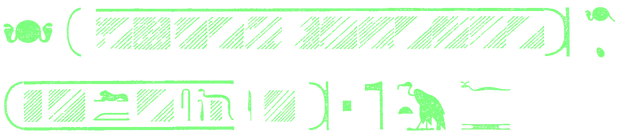
nswt bjt (… …) sꜣ Rꜥ (… …) pꜣ nṯr mrj mwt.f
King of Upper and Lower Egypt, Ptolemy X; son of Ra, Ptolemy X; the god who loves his mother.
- 284
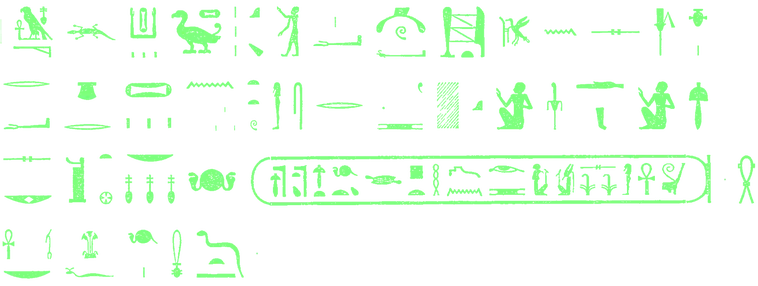
nṯr nfr ꜥšꜣ kꜣw ḏfꜣ qꜥḥ ꜥ ꜣwj ꜥꜣbt n qmꜣ sw ꜣms jb rdj ẖrt n ḥfnw twt sw r Ḥꜥpj ḥr šdt ḫwd mnḫ sḥb Wṯst nb nfrw nswt bjt (… …)
The perfect god, rich in food and provisions, who stretches out his arm and presents the great food offering to the one who made him; the kindhearted one, who gives hundreds of thousands their daily fare, who is the equal of Hapy when he feeds them; the wealthy benefactor who makes the Throne Seat festive; lord of food offerings, King of Upper and Lower Egypt, Ptolemy X.
- 285
Bḥdtj nṯr ꜥꜣ nb pt sꜣb šwt
He of Behdet, the great god, lord of the sky, bright of plumage.
- 286
rdj.j n.k Tꜣ mrj ... ... .....sn ḥrjw šꜥ ... ... .....sn
“I grant you that the people of Egypt … their …, and the people of the sands … their ….”
- 287
ḏd mdw jn Ḥr Bḥdtj nṯr ꜥꜣ nb pt ꜥꜣ mꜣꜥ ḫrw ḫnt Ḥt bjk wbn m pt rdj kꜣw .. sꜥnḫ ꜥnḫw m stwt jtn.f rdj .. .. .. n nṯrw sḏfꜣ ḫꜣwwt.sn sꜣj jrt nbt m ptr.f
Words spoken by Horus of Behdet, the great god, lord of the sky, the great victor in the House of the Falcon, who rises in the sky, who gives food …, who gives life to the living with the rays of his sun disk, who gives … food to the gods and stocks their altars with provisions, at whose sight every eye has its fill:
- 288
rdj.j n.k jḫt nbt nfrt rdt pt qmꜣt tꜣ r mn.k m ẖrt hrw
“I give you every good thing the sky gives and the earth brings forth, to sustain you day by day.”
- 289

ḏd mdw jn Ḥt ḥr nbt Tꜣ rr jrt Rꜥ nbt pt Ḥddt mwt nṯr ḥrt jb Bḥdt ... ... ... Rnnt nfrt nt ḥr nb
Words spoken by Hathor, Lady of Tarer, Eye of Ra, Lady of the Sky, Hedetet, the god’s mother who dwells in Behdet, …, the perfect Renenet of all people:
Note · Line 289
Tarer is a name of Dendera. Hathor is identified here with Hedetet, a scorpion goddess, and with Renenet, the goddess of the harvest and of nourishment. - 290

rdj.j n.k tꜣwj bꜥḥj ḏfꜣ n kꜣ.k n ḏꜣjt rnpt m hꜣw.k
“I grant you the Two Lands flooded with food for your ka,
with no year of want in your reign.” - 291
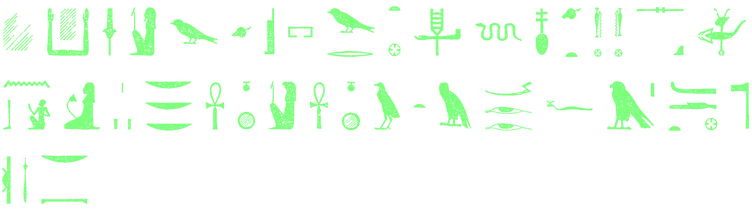
... kꜣw sḫm wr ḫnt St wrt ꜥḥꜥw nfr ḫnt Qbḥwj srq ḥtjt nt bw nb ꜥnḫj ꜥnḫ.tw m mꜣꜣ.f Ḥr Bḥdtj nṯr ꜥꜣ nb pt
… of food, the great power in the Great Seat, the perfect Ahau in the Two Cool Regions, who gives breath to every throat, the Living One at whose sight people live: Horus of Behdet, the great god, lord of the sky.
- 292
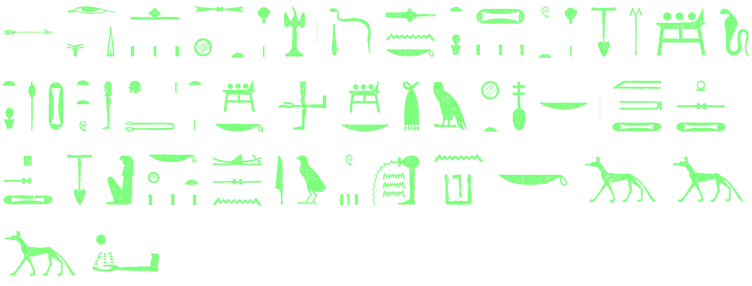
jrt ḥtp dj nswt ṯs jḫt ḥr ḫꜣwt ḏd mdw mn n.k t rwḏ.tj ḥr smꜣ.k t ḥḏ twt tp ṯt.k ꜥbꜣ.k ꜥpr m jḫt nbt nfrt m psš šns ps smꜣ.k jḫt jm.sn jw.w wꜥb n kꜣ.k sp 3 ẖrt hrw
Making the offering that the king gives; laying offerings on the altar. Words to be spoken: “Take the bread set firm on your offering table,
and the white bread laid whole on your board.
Your offering stone is furnished with every good thing:
pesesh bread, shenes cakes and pes bread.
May you eat of them three times a day;
they are pure for your ka.”Note · Line 292
The rite takes its name from the traditional formula “an offering that the king gives.” The three names below distinguish kinds of bread and cake. - 293
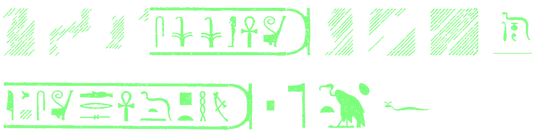
nswt bjt (… …) sꜣ Rꜥ (… …) pꜣ nṯr mrj mwt.f
King of Upper and Lower Egypt, Ptolemy X; son of Ra, Ptolemy X; the god who loves his mother.
- 294
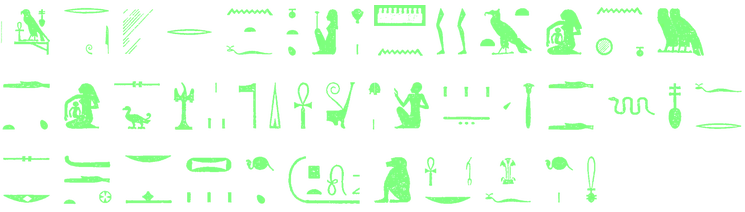
nṯr nfr ... ... rr.n Tfnt ḥr mntj.s ꜣṯ.n Ꜥnmtt sḏfꜣ ḫꜣwwt nṯrw rdj ꜥnḫ n tpjw tꜣ Wꜣḏḏ nfr sḥb Bḥdt nb ḥtpw sꜣ Rꜥ (… …)
The perfect god, …, whom Tefnut suckled on her thighs and Khenemtet reared, who stocks the altars of the gods with provisions and gives life to those on earth; the perfect Wadjedj-serpent who makes Behdet festive; lord of food offerings, son of Ra, Ptolemy X.
- 295
rdj.j n.k ... ... ... .. tꜣ kꜣw ḏfꜣ r pr.k
“I give you … earth, and food and provisions for your house.”
- 296
ḏd mdw jn Ḥr Bḥdtj nṯr ꜥꜣ nb pt Rꜥ Ḥr ꜣḫtj ḫnt St wrt sḫm wr nb ꜣḫt rdj šbw n nṯrw m ḥw tp rꜣ.f ...
Words spoken by Horus of Behdet, the great god, lord of the sky, Ra-Horakhty in the Great Seat, the great power, lord of splendid fare, who gives the gods food by the word of his mouth, …,
- 297
sšm ḥnmmt ꜥnḫ jrt nbt m wbn.f ... prt ꜣḫt bꜥḥj bw nb m bw nb nfr šdj .. drp jmj.f sšm snw n Psḏt.f
who leads the Henmemet people to eat, by whose rising every eye lives, … the seed of the field, who floods everyone with every good thing, who nourishes …, who feeds whoever is in it, who brings offering loaves to his Ennead:
- 298
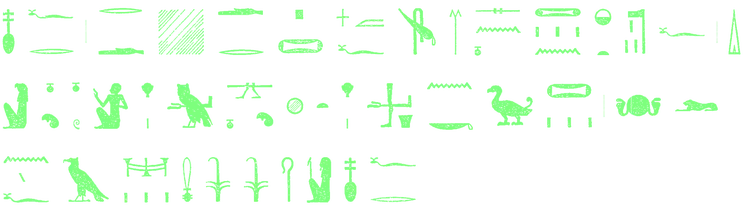
rdj.j n.k wdpw ḥr ms n.k jḫt šmsw ꜥbw rꜣ ḥr jꜥb n.k ḏfꜣ
“I grant that the steward brings you food
and the table servant sets your meal before you.” - 299
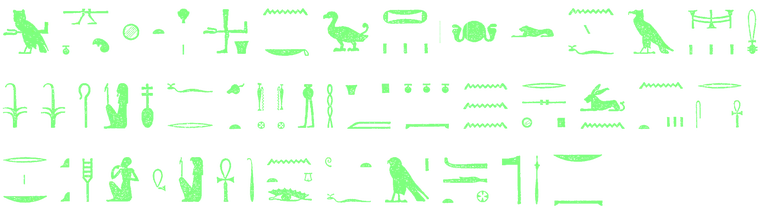
nb nf mj nn ḥqꜣ nfr ḫnt Qbḥwj jnj ḥꜥpj m nww r sḫpr wnnt r sꜥnḫ rꜣ nb qq ꜥnḫj ꜥnḫ.tw n dgt.f Ḥr Bḥdtj nṯr ꜥꜣ nb pt
Lord of that as of this, perfect ruler in Egypt, who brings the Nile in flood to bring all that is into being and keep alive every mouth that eats; the Living One, to see whom is to live: Horus of Behdet, the great god, lord of heaven.
- 300
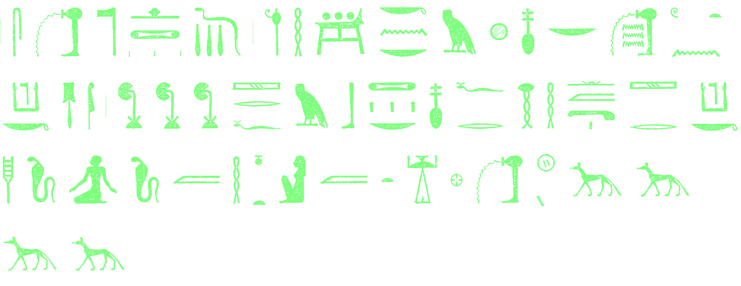
swꜥb ḥtp nṯr ḏd mdw wdḥw.k n.k m jḫt nbt nfrt wꜥb.tj n kꜣ.k sꜣb šwt ḫꜣw ḫr.f m bw nb nfr wꜣḥ m bꜣḥ ḫr kꜣ.k ꜥḥꜥ.k ḥmsj.k m ꜥb ḥnwt m Jꜣt djt wꜥb sp 4
Purifying the divine offering. Words to be spoken: “Here is your offering table for you, with every good thing, pure for your ka, O you of mottled plumage.
With it come thousands of every fine thing, laid before your ka.
May you rise and sit down to dine with the Mistress of Iat-dit.
Pure, pure, pure, pure.”Note · Line 300
The king addresses Horus. Offerings feed the ka, the life force of a god or a person. The mistress who joins Horus at his table is Hathor of Dendera. - 301

nswt bjt (… …) sꜣ Rꜥ (… …) pꜣ nṯr mrj mwt.f
King of Upper and Lower Egypt, Ptolemy X; son of Ra, Ptolemy X, the god who loves his mother.
- 302
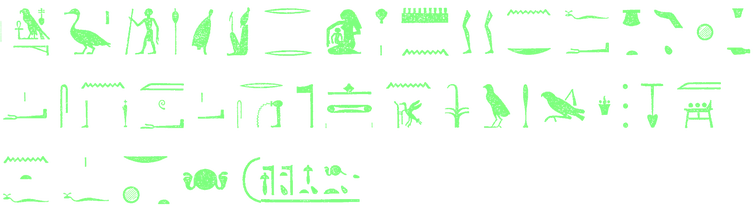
nṯr nfr sꜣ sr ḥḏt rr ḥr mntj nt nbt Fꜥg ḫfꜥ ꜥ snbt m ꜥwj.f r swꜥb ḥtp nṯr n qmꜣ sw ḥm gmḥsw snṯr smꜣ n jt.f nb jḫt nswt bjt (… …)
The perfect god, son of the Prince of the White Crown, suckled on the lap of the Lady of Fag, who clasps the arm-shaped censer and the senebet jar in his two hands to purify the divine offering for the one who made him; priest of the Gemehsu falcon, who purifies his father’s altar with incense, lord of the offering foods, king of Upper and Lower Egypt, Ptolemy X.
Note · Line 302
The prince is Osiris; the Lady of Fag is Nekhbet, the vulture goddess of Upper Egypt. Here it is the king who acts as priest. - 303
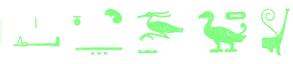
rdj.j n.k tꜣ bꜥḥj ḏfꜣ n kꜣ.k sꜣj jrt nbt m rk.k
“I give you the land awash with food for your ka, that every eye may eat its fill in your reign.”
Note · Line 303
“Every eye” means every person. - 304
ḏd mdw jn Ḥr Bḥdtj nṯr ꜥꜣ nb pt nḏm ꜥnḫ ḫnt Nḏm ꜥnḫ sḫm wr nb .. ꜣwj ḥtpw sḫpr ꜥnḫ n nṯrw rmṯw bjk n nb sḥḏ gsw prw bꜥḥj tꜣwj nbw m nfrw.f
Words spoken by Horus of Behdet, the great god, lord of heaven, Sweet of Life in Sweet-of-Life, the great Power, lord of …, rich in offerings, who brings life into being for gods and humankind, falcon of the Golden One, who lights the temples and floods all lands with his beauty,
- 305
bnbn n.f ḥꜥpj rr n.f ꜣḫt rtḥ n.f hj ꜣpdw.sn bḥs mrw ꜥwt.sn n kꜣ.f sr n.f ꜥnḫ n Tꜣ mrj wr.tj m Bḥdt ḥr bḥdw n Rꜥ ḏr nḥḥ r km ḏt
for whom the Nile flood wells up, for whom Akhet nurses the crops, for whom the heavens snare their birds and the deserts hunt their game for his ka, to whom the life of Egypt is proclaimed, for he is great in Behdet on the throne of Ra, from everlasting to the end of eternity:
Note · Line 305
Akhet is the cultivated field personified as a nursing goddess. - 306

rdj.j n.k kꜣw špsw rdj pt qmꜣ tꜣ sꜣj.k ẖwt n qn rnpt
“I give you the food and offerings that heaven gives and earth creates,
that you may fill bellies and the year know no want.” - 307

ḏd mdw jn Ḥt ḥr nbt Jwnt ḫnt Wṯst Ḥr jrt Rꜥ m Tꜣ n Jtmw ... špst nbt kꜣw ḏfꜣ sḏfꜣ tꜣwj nbw m ꜣḫt.s
Words spoken by Hathor, Lady of Dendera in the Throne of Horus, Eye of Ra in the Land of Atum, …, the august one, lady of food and sustenance, who feeds the whole of the Two Lands with her bounty:
- 308

rdj.j n.k tꜣ ḏdj.tj ẖr nfrw ḥnꜥ.n.k sḏr ḥqr
“I give you the land forever laden with good things, for you have provided for the one who lies down hungry.”
- 309
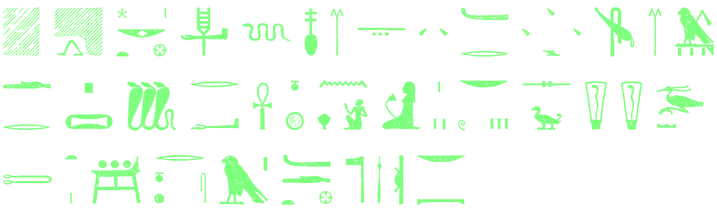
... ... Snwt ꜥḥꜥw nfr m tꜣwj ḥnꜥ jdbw sšm nṯrw drp nṯrwt rdj ꜥnḫ n ḥr nb sḏfꜣ jtrtj bꜥḥj ṯt r nw.s Ḥr Bḥdtj nṯr ꜥꜣ nb pt
… Egypt, the perfect Ahau in the Two Lands and the lands along the banks, who leads the gods to their meal and serves the goddesses, gives a living to everyone, provisions the twin shrines and floods the altar at its appointed time: Horus of Behdet, the great god, lord of heaven.
Note · Line 309
The twin shrines stand for the sanctuaries of Upper and Lower Egypt. - 310
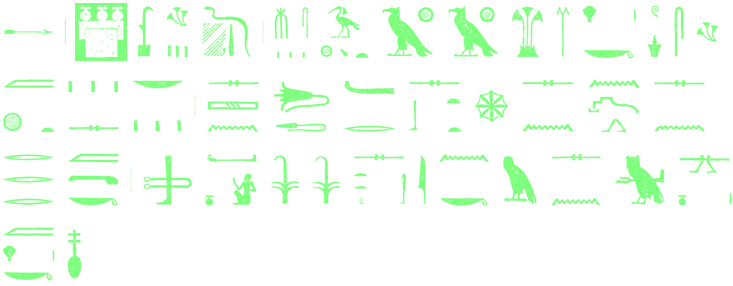
ḥnk rnpwt ḏd mdw msw ꜣḫt ꜣḫꜣḫ m ḥr.k wbs.tj m jḫt.s nbt sšn ḥnꜥ sbtt.sn nw.sn jrj m bꜣḥ.k bṯ.n.j nn stwt.j n.k jm.sn ms.n.j m ḥr.k nfr
Presenting fresh plants. Words to be spoken: “The children of the field grow green before your face; every one has sprouted.
The lotuses and their blossoms come together into your presence.
I have plucked them and arranged them for you;
I have brought them before your fair face.” - 311
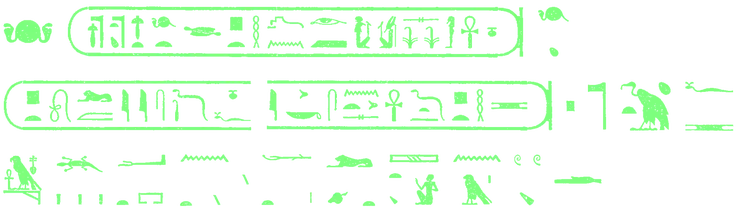
nswt bjt (… …) sꜣ Rꜥ (… …) pꜣ nṯr mrj mwt.f
King of Upper and Lower Egypt, Ptolemy X; son of Ra, Ptolemy X, the god who loves his mother.
- 312
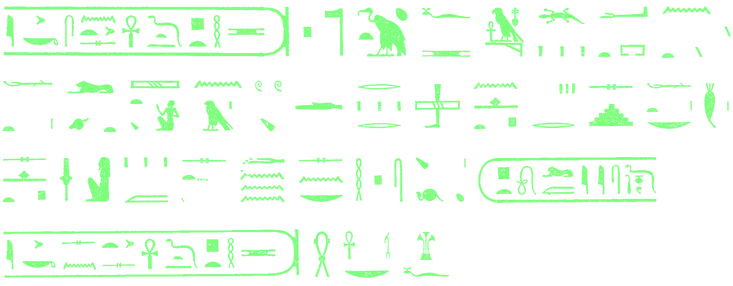
nṯr nfr ꜥšꜣ ꜥt ntj ḫt mr ḫntj š n ww Ḥr šsp .. jrj r šbn ḥtp r sjꜥr ḫt nb bnr sḥtp sḫmw m sṯj jꜣdt.sn nb ḥsp sꜣ Rꜥ (… …)
The perfect god of many gardens, overseer of the fieldworkers in the farmlands of Horus, who gathers up all the … to set out the plant offerings and hold aloft every sweet flower, who delights the divine powers with the scent of their sweat, lord of gardens, son of Ra, Ptolemy X.
Note · Line 312
The flowers give back to the gods a fragrance understood to come from the gods’ own bodies. - 313
Bḥdtj nṯr ꜥꜣ nb pt
He of Behdet, the great god, lord of heaven.
- 314
rdj.j rnpj ḥꜥ.k m rnpwt swꜣḏ.j ḏt.k m kꜣt qmꜣt.n.k
“I make your limbs young again with young shoots;
I make your body flourish with the work you have made.” - 315
ḏd mdw jn Ḥr Bḥdtj nṯr ꜥꜣ nb pt sꜣb šwt prj m ꜣḫt nb .. ... ... . rd ḥrrwt ꜣḫꜣḫ šnj tꜣ m jmꜣ.f
Words spoken by Horus of Behdet, the great god, lord of heaven, he of mottled plumage who comes forth from the horizon, lord of …, who makes the flowers grow and greens the hair of the earth with his light:
- 316
rdj.j n.k rdt nbt ḥr sꜣ Gbb ḥrrwt nbt prjt m ꜣḫt
“I give you all that grows on Geb’s back
and every flower that springs from the field.”Note · Line 316
What grows from the soil grows on his body. - 317

ḏd mdw jn Ḥt ḥr wrt nbt Jwnt jrt Rꜥ ḥrt jb Bḥdt špst wsrt ḫnt Wṯst Ḥr ḥrt tp jt.s wbn.tj m ḥꜣt.f ḫntšt nṯrw m sṯj jꜣdt.s
Words spoken by Hathor the Great, Lady of Dendera, Eye of Ra who dwells in Behdet, the noble one, the mighty one in the Throne of Horus, her father’s cobra, risen shining on his brow, in the scent of whose sweat the gods delight:
Note · Line 317
As the Eye of Ra, Hathor can take the form of the rearing cobra that guards her father’s brow. - 318

rdj.j n.k sḫt ksj.tj ẖr wnnt.s ḥrt ḥtp.tj r ḥnꜥ.s
“I give you the field bowed beneath its yield
and the sky kindly disposed toward it.” - 319

... ... ... ... ... ... .. ... jtn jtnt psḏ m dwꜣw sšm sṯj ḥb ḫr fnḏ nb .. smw sḫpr ḥtp Ḥr Bḥdtj šnbtj sꜣb šwt
… the male and female sun disks shining at daybreak, who brings the scent of the feast to every nose, who makes the herbs grow and brings plants into being: Horus of Behdet, the Shenebti falcon, he of mottled plumage.
- 320
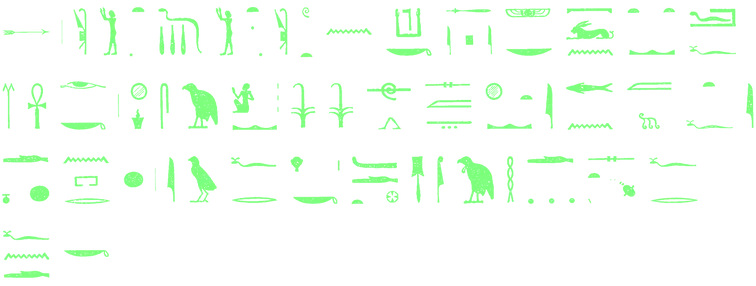
šms ꜥntjw ḏd mdw ꜥntjw šms.tj n kꜣ.k ꜥpj nb Pwnt prj.f m ꜥnḫt.k ḫbstjw nn sṯꜣ sw m Tꜣ ḫt jnm.f jtn n prt jw.f r ḥr.k Bḥdtj sꜣb šwt nḥd sṯj.f r fnḏ.k
Presenting myrrh. Words to be spoken: “Myrrh is presented to your ka, O Api, lord of Punt; it came forth from your eye.
These bearded men bring it from the land of Khet;
its color is that of the sun disk in Peret.
It comes before your face, O you of Behdet, you of mottled plumage;
the scent of its incense reaches your nose.”Note · Line 320
Punt was a source of aromatic resins. Peret, the season of emergence and growth, followed the Nile flood. - 321
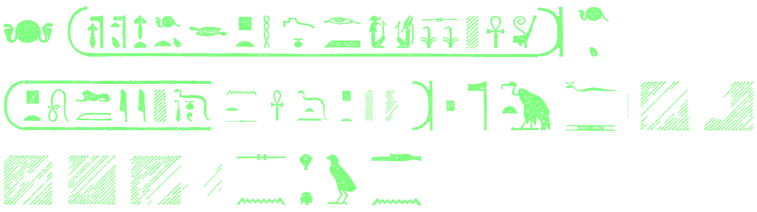
nswt bjt (… …) sꜣ Rꜥ (… …) pꜣ nṯr mrj mwt.f
King of Upper and Lower Egypt, Ptolemy X; son of Ra, Ptolemy X, the god who loves his mother.
- 322
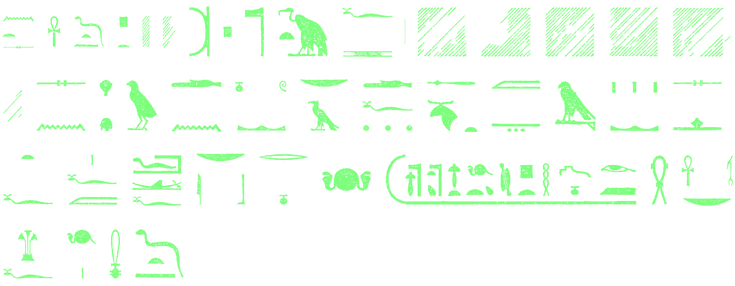
nṯr nfr ... ... ... ... ... ... ... ḥrj tp Wtnt nb ꜣtf ꜥꜣ šfjt m Tꜣwj nṯrw sḥtp jt.f m prjt jm.f nb jbr nswt bjt (… …)
The perfect god, …, chief of Wetenet, lord of incense, held in great awe in the Two Lands of the Gods, who contents his father with what comes forth from him, lord of ointment, king of Upper and Lower Egypt, Ptolemy X.
Note · Line 322
The Two Lands of the Gods is a name for Punt. The myrrh offered to the divine father is his own gift returned. - 323

rdj.j n.k qmꜣtjw ksj.tj ẖr qmjt.sn bꜣk.sn ḥtr r ꜥꜣjt.k
“I give you the Qematiu bowed beneath their resin as they bring their tribute to your palace.”
Note · Line 323
The Qematiu are the people who supply the resin; their name echoes the Egyptian word for it. - 324

ḏd mdw jn Ḥr Bḥdtj nṯr ꜥꜣ nb pt sꜣb šwt prj m ꜣḫt ṯnw Tꜣ nṯr ḥqꜣ Pwnt šms jb.f m Jnt ꜥntjw
Words spoken by Horus of Behdet, the great god, lord of heaven, he of mottled plumage who comes forth from the horizon, who oversees the God’s Land, ruler of Punt, who follows his heart in the Valley of Myrrh:
- 325

rdj.j n.k qmꜣtjw ksj.tj ẖr qmjt.sn bꜣk.sn ḥtr r ꜥꜣjt.k
“I give you the Qematiu bowed beneath their resin as they bring their tribute to your palace.”
- 326

ḏd mdw jn Ḥt ḥr wrt nbt Jwnt jrt Rꜥ ḥrt jb Bḥdt nbt pt ḥnwt nṯrw nbw nbt ꜥntjw ḥnwt ḥknw šꜣꜥ.tw tjšps n kꜣ.s
Words spoken by Hathor the Great, Lady of Dendera, Eye of Ra who dwells in Behdet, lady of heaven, mistress of all the gods, lady of myrrh, mistress of hekenu oil, for whose ka tishepes oil was first prepared:
- 327

rdj.j ḫpr sṯj.k ꜣbḫ m ḥrw ḥr nb ḥr snsn ḫnmw.k
“I make your scent cling to people’s faces;
everyone breathes in your fragrance.” - 328
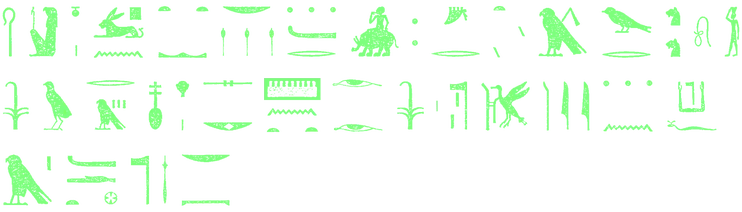
ḥqꜣ n Pwnt nb ḥḏw ḥnꜥ nnjb ḏrtj wr pḥtj twꜣ sw r nṯrw nfr ḥr sḥb mnḏtj nswt nṯrw qmꜣ qmjt n kꜣ.f Ḥr Bḥdtj nṯr ꜥꜣ nb pt
Ruler of Punt, lord of hedju incense and storax, the falcon great in strength who raises himself above the gods, fair of face, his two eyes decked for the feast, king of the gods, who fashioned resin for his ka: Horus of Behdet, the great god, lord of heaven.
- 329
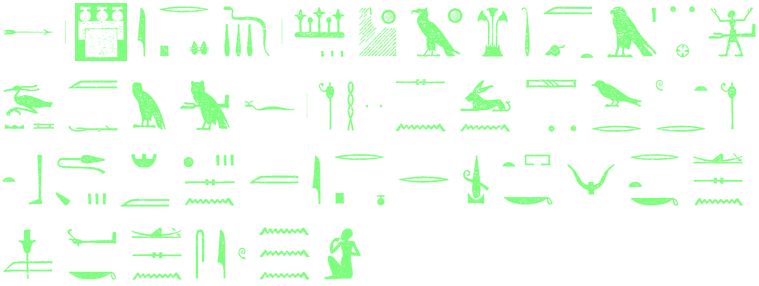
ḥnk jrp ḏd mdw šꜣw ꜣḫꜣḫ.tj m ḫntj Mꜣꜣ Ḥr ḥꜥj bꜥḥ ḫr m m.f wdḥ.sn wnš wr.tj r wḏb ḥꜣm.sn m jrp r wḏꜣ.k wpj rꜣ.k jm.sn sḫm.k jm.sn swr.k jm.sn jw.w wꜥb
Offering wine. Words to be spoken:
“The vineyards have grown green in Maa-Hor, and the vine flourishes there.
They pour forth grapes more numerous than the grains of sand on the shore;
what is pressed from them flows as wine into your storehouse.
Open your mouth to them. You draw strength from them when you drink of them, for they are pure.”Note · Line 329
The king presents the wine to Horus. - 330

nswt bjt (… …) sꜣ Rꜥ (… …) pꜣ nṯr mrj mwt.f
The King of Upper and Lower Egypt, Ptolemy X, the Son of Ra, Ptolemy X, the god who loves his mother.
Note · Line 330
The two royal titles introduce the king’s throne name and birth name respectively. - 331
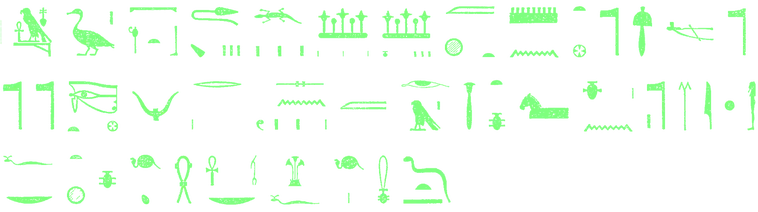
nṯr nfr sꜣ ḥrj jdb ꜥšꜣ šꜣw šꜣ m jḫt mnt nṯr mnḫ mrj nṯrw Wḏꜣt wpj rꜣ.sn m jrt Ḥr wꜣḏt ḫntš jb n nṯr m jrw.f nb tḫ sꜣ Rꜥ (… …)
The perfect god, son of him who presides over the riverbanks, rich in vineyards and wine in this world; the excellent god whom the gods of Egypt love, who opens their mouths with the green Eye of Horus and gladdens the god’s heart with his service; lord of strong drink, the Son of Ra, Ptolemy X.
Note · Line 331
The god who presides over the riverbanks is Shu. The wine is offered as the Eye of Horus, the eye that was injured and made whole again. - 332

rdj.j n.k Ḫsds r ẖrt n ḥm.k Knmt dmḏ m nḏt.k
“I give you the people of Bahariya for Your Majesty’s sustenance, and the people of the Great Oasis, all of them, as your dependants.”
Note · Line 332
The Great Oasis comprised Kharga and Dakhla in the desert west of the Nile. - 333

ḏd mdw jn Ḥr Bḥdtj nṯr ꜥꜣ nb pt sꜣb šwt prj m ꜣḫt ꜥpj šps ḫnt kꜣr nb wbn m ḥrt r sꜥnḫ tꜣwj jrj ḥrjw ẖrjw m rꜣ ꜥwj.f
Words spoken by Horus of Behdet, the great god, lord of the sky, bright of plumage, who comes forth from the horizon, splendid Api in every shrine, who rises in the heights to give life to the Two Lands, who fashions those above and those below with his own two arms:
- 334

rdj.j n.k Knmt Ḫsds Nḥꜣm ẖr jḫt nbt wnt jm.sn
“I give you the Great Oasis, Bahariya and Neham, with all that is in them.”
- 335

ḏd mdw jn Ḥt ḥr wrt nbt Jwnt jrt Rꜥ nbt pt nbt tḫt m st ꜣbjt jb.s šꜣꜥ.tw n.s tḫt wḥm tḫt ḫnt St wrt nt Ḥr ꜣḫtj
Words spoken by Hathor the Great, lady of Dendera, Eye of Ra, lady of the sky, mistress of drunkenness in the place her heart desires, for whom the rite of drunkenness and drunkenness renewed was begun in the Great Seat of Horakhty:
- 336

rdj.j n.k ḥꜥꜥwt ẖrt hrw pḫꜣ jb nn jrt ꜣbw
“I give you jubilation day after day and gladness of heart without end.”
- 337
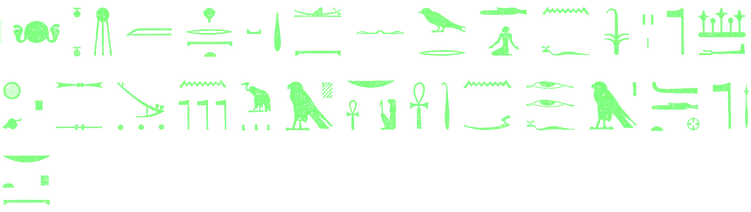
wbn m ḥrt ḏꜣj pt nn wrḏ.n.f nswt nṯrw šꜣꜥ ḫpr ḫnt ṯs prt nt nṯrw rmṯw Ḥr nb ꜥnḫ ꜥnḫ.tw n mꜣꜣ.f Ḥr Bḥdtj nṯr ꜥꜣ nb pt
He shines in the heights and crosses the sky without tiring,
king of the gods, who in the beginning set becoming in motion,
who forms the seed of gods and men,
Horus, lord of life: to see him is to live.
Horus of Behdet, the great god, lord of the sky. - 338
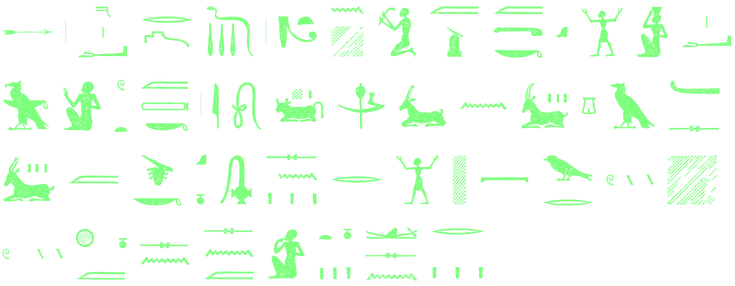
ḥwt ꜥ r stpwt ḏd mdw tjt nbḏ m nmt m bꜣḥ.k qꜣj fꜣj ꜥ kꜣ.tw m rn.k jwꜣw mꜣ ḥḏ njꜣw gḥsw m šꜥt.k qn.sn r qꜣw n pt wr wj .. ... .. wj ḫnmw.sn snm.ṯn jm.sn jrj
Consecrating the choice cuts of meat. Words to be spoken:
“The enemy’s likeness lies on the butcher’s block before you.
‘He who stands tall with arm raised’ is the name you bear.
Oxen, oryxes, ibexes and gazelles you butcher;
the smell of their fat rises to the height of heaven.
How great …! How … their fragrance!
May you all eat of them.”Note · Line 338
The slaughtered animals stand for the god’s enemies. The speaker addresses Horus alone at first, then invites the gods together to eat. - 339
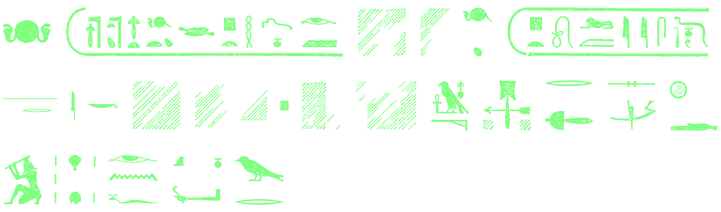
nswt bjt (… …) sꜣ Rꜥ (… …) pꜣ nṯr mrj mwt.f
The King of Upper and Lower Egypt, Ptolemy X, the Son of Ra, Ptolemy X, the god who loves his mother.
- 340
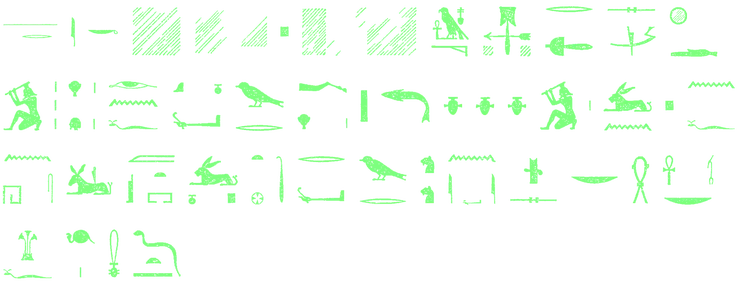
nṯr nfr stj r mnḫ smꜣ ḫftjw ḥrj tp jrj n.f qnt wr ḫpš ḥr sꜣ ẖꜣkw jb wnp.n.f nhs m St wnp ṯnr wr pḥtj nḫ wtṯ sw nb qnt nswt bjt (… …)
The perfect god, who shoots true and kills his enemies; the leader endowed with valor, mighty of arm in pursuit of his foes, who stabbed Nehes at the Place of Stabbing; the strong one, great in might, who guards him who begot him; lord of valor, the King of Upper and Lower Egypt, Ptolemy X.
- 341
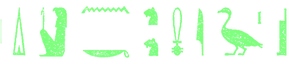
rdj.j n.k pḥtj mj {ꜣ ꜣst hrw bsj.f r skw
“I give you strength like that of the son of Isis on the day he plunges into battle.”
- 342

ḏd mdw jn Ḥr Bḥdtj nṯr ꜥꜣ nb pt sꜣb šwt prj m ꜣḫt ꜥn.n.f sw m jrw.f m kꜣ wr pḥtj ḥr ḫsf ḫftj r St wnp
Words spoken by Horus of Behdet, the great god, lord of the sky, bright of plumage, who comes forth from the horizon, who has changed his shape to that of a mighty bull and drives the enemy back from the Place of Stabbing:
- 343

rdj.j n.k pḥtj rwḏ.tj r sbjw.k jrj ḏw r.k n wn rn.f
“I give you strength that holds firm against your rebels. Whoever does you wrong, his name shall be no more.”
Note · Line 343
For a person’s name to cease to exist was to lose the prospect of life after death. - 344

ḏd mdw jn Ḥt ḥr wrt nbt Jwnt jrt Rꜥ ḥrt jb Bḥdt nbtj rḫjt ḫwjt sꜣ.s mnḫt ꜥꜣt n wn mjtt.s rdjt sn.s r ꜣḫt mj jtn
Words spoken by Hathor the Great, lady of Dendera, Eye of Ra, who dwells in Behdet, queen of the people, who guards her son, excellent and great, without equal, who brings her brother to the horizon like the disk of the sun:
- 345

rdj.j n.k ḫftjw.k m nmt nt Sḫmt jrj ḏw r.k m šꜥt
“I give you your enemies on Sekhmet’s killing ground, and whoever does you wrong put to the knife.”
- 346
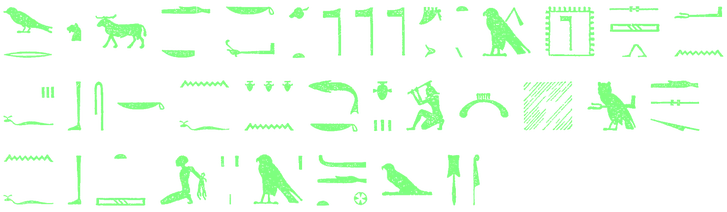
kꜣ wr pḥtj bꜣ tkk ḫnt nṯrw ḏrtj nṯrj sš ꜥnwt.f bsk.n.f jbw nw ẖꜣkw jb ꜣwj ꜥ mds.n.f bšṯw Ḥr Bḥdtj šnbtj sꜣb šwt
The bull of great strength, the fierce ba among the gods,
the divine falcon who spreads his talons, who has torn out his foes’ hearts,
he of the outstretched arm, who has butchered the rebels,
Horus of Behdet, the Shenebti falcon, bright of plumage. - 347
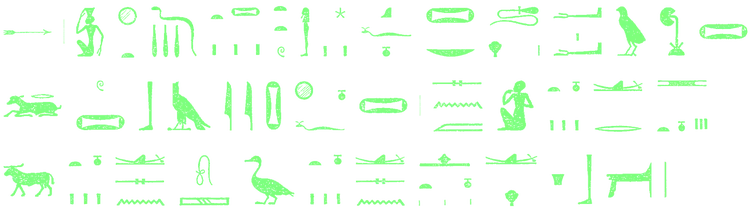
fꜣt jḫt ḏd mdw t twt t wr .... qfnw nbw wdn ḥr ꜥwj.j wḫꜣ jwr bꜣjt ḫnfw snm.ṯn jm r mrj.ṯn bꜣ.ṯn jm.sn wꜣš sꜣ.ṯn jm.sn ḥtp.ṯn jm ḥr ꜥbꜣ
Bringing the food offerings. Words to be spoken:
“The bread offering is complete. The great loaf, … and all the qefen-loaves are offered on my arms.
Of the wekha-pastry, the iwer-bread, the bait-pastry and the khenef-cakes, may you eat as you please.
May you be mighty through them, and through them may your son be held in honor.
May you be content with what lies on the offering table.”Note · Line 347
The king addresses Horus and Hathor. Their son is Harsomtus. - 348
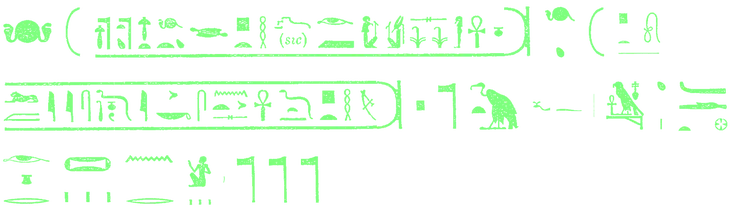
nswt bjt (… …) sꜣ Rꜥ (… …) pꜣ nṯr mrj mwt.f
The King of Upper and Lower Egypt, Ptolemy X, the Son of Ra, Ptolemy X, the god who loves his mother.
- 349
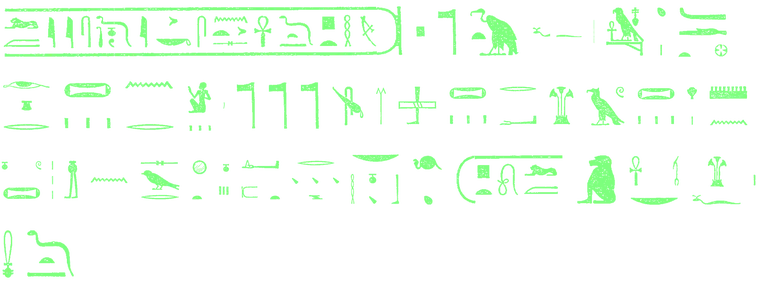
nṯr nfr sꜣ Bḥdtj jrj ẖrt n rmṯw nṯrw sšm šbw rdj ḥꜣw ḥr mnw jnj ... ... ... ... swr ḫntšw rdj dnjt r jdbw nb ḥnbt sꜣ Rꜥ (… …)
The perfect god, son of the Behdedite, who provides for men and gods, who apportions food and increases the offerings, who brings …, who enlarges the cultivated fields and gives the riverbanks their share; lord of the field, the Son of Ra, Ptolemy X.
- 350
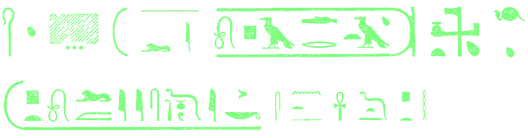
ḥqꜣt nbt tꜣwj (… …) mwt nṯr nt sꜣ Rꜥ (… …)
The sovereign, lady of the Two Lands, Cleopatra III, divine mother of the Son of Ra, Ptolemy X:
- 351

ꜣmm.k st m ꜥwj sꜣ.k wꜥb.tj r ꜥb n gꜣw n qn rnpt
“May you take them from your son’s arms, pure and without blemish, untouched by the year’s dearth.”
- 352
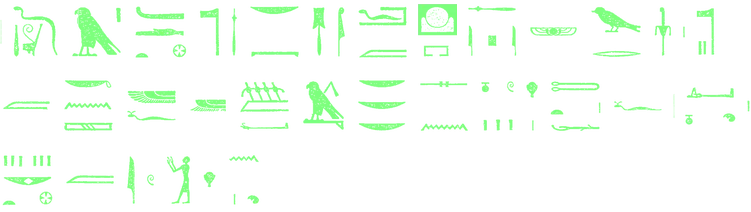
ḏd mdw jn Ḥr Bḥdtj nṯr ꜥꜣ nb pt sꜣb šwt prj m ꜣḫt ꜥpj wr ḫwj nṯrw m gnẖwj.f šsp nṯrw nbw snw ḥr ṯt.f
Words spoken by Horus of Behdet, the great god, lord of the sky, bright of plumage, who comes forth from the horizon, Api the Great, who shelters the gods with his two wings, from whose table all the gods receive their offering loaves: