~/sacred-texts/edfu-temple-texts
Edfu Temple Foundation Ritual: I Fix the Four Corners of Your Temple
- Text
- Edfu Temple Texts, Edfou VII, pp. 42–56
- Date
- Carved under Ptolemy IX Soter II and Ptolemy X Alexander I (c. 116–88 BC) on the outer face of the enclosure wall of the temple of Horus at Edfu
- Found
- Outer face of the enclosure wall of the temple of Horus at Edfu, Upper Egypt, where it still stands
- Language
- Ptolemaic Egyptian · Hieroglyphic
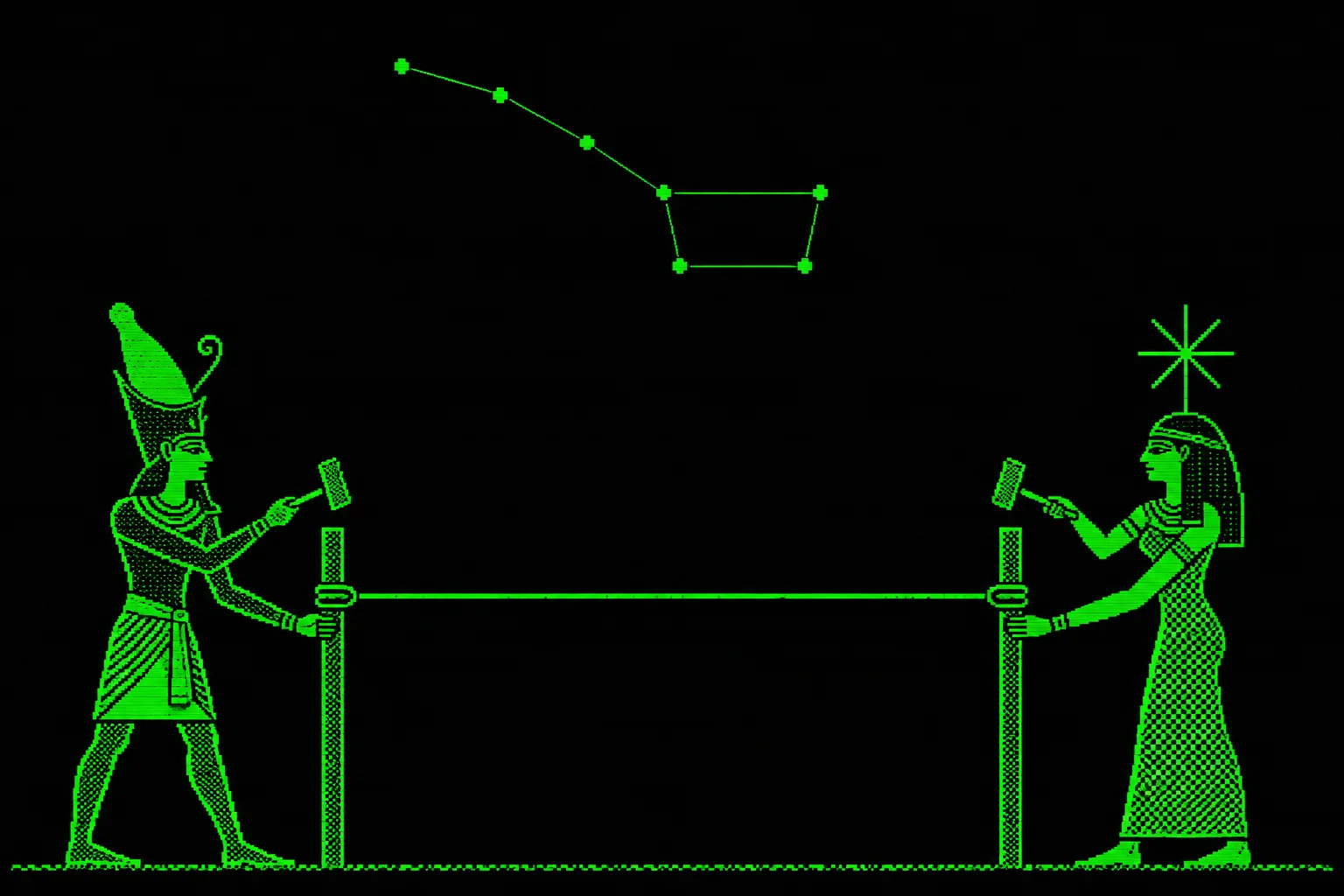
Ptolemy IX walks out of his palace behind the gods on their standards, and the priest Iunmutef censes the cobra on his brow. Then he founds the temple of Horus: with Seshat he stretches the cord, saying I watch the stars turn in their courses, having taken my bearings by the Foreleg; he breaks the ground, lays seventeen bricks and moulds the perfect birth brick.
He cleanses the house with natron, incense and floodwater, I rejoin your head for you; I gather your bones together for you, and hands it to its lord: Come, Horus of Behdet! Horus answers each act with a gift: years of kingship, the Nile flood, the whole circuit of the earth.
- 1

wnn nswt bjt (… …) ḫꜥj.tj m nbtj jbw nbw rtḥ m ḫt.f m ḏdt.n Rꜥ ḏs.f nṯrw dmḏ m sp
The King of Upper and Lower Egypt, Ptolemy X, has appeared in glory wearing the Two Ladies. All hearts tremble in his wake, as Ra himself and all the gods together have said.
Note · Line 1
The Two Ladies are Nekhbet the vulture and Wadjet the cobra, the goddesses of Upper and Lower Egypt whose emblems the king wears. - 2

wnn sꜣ Rꜥ (… …) m ḥqꜣ mnḫ tꜣwj jdbw sḏfꜣ n kꜣ.f m ḏdt.n Rꜥ ḏs.f nṯrw dmḏ n sp
The Son of Ra, Ptolemy X, is an excellent ruler. Through his ka the Two Lands and the riverbanks have food in plenty, as Ra himself and all the gods together have said.
Note · Line 2
The Two Lands are Upper and Lower Egypt. The ka is the life force; here the king’s ka sustains the land. - 3
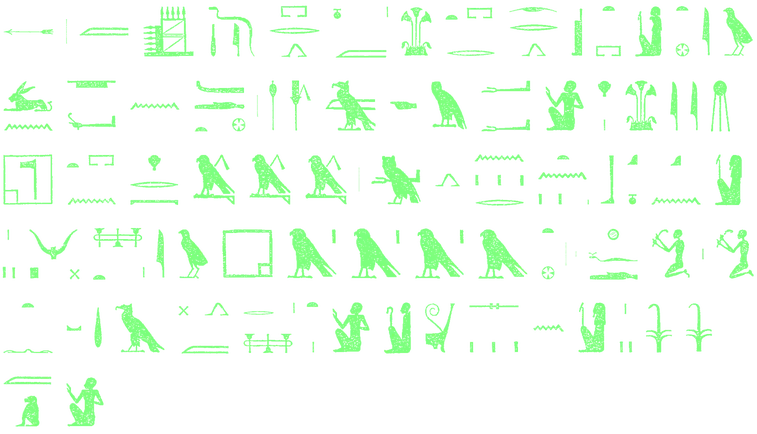
prt m ꜥḥ ḏd mdw prj.n.j m wꜣḫj r spr St Rꜥ r wn rmn n Bḥdtj ḥḏ ꜣms ꜣmm m ꜥwj.j ḥr ḥꜣt ḥt nṯr nt ḥrj nṯrw mj.n r.ṯn Bqnqnw wpj wꜣt.j r Ḥt Ḥr Ḥrw ḫftj ḫftjt m ḏꜣj m rꜣ wꜣt.j {ꜣw.n.sn nn m sꜣ.j
Coming forth from the palace. Words to be spoken:
“I have come out of the palace hall to reach the Seat of Ra
and bend my arm before the Behdetite.
Mace and ames-scepter are firm in my hands;
they light the temple of the Chief of the Gods.
Come, you gods of the standards!
Open my way to the House of Horus of the Falcon Gods.
Enemy, man or woman, do not cross my path:
these guardians are my guard.”Note · Line 3
The king speaks. The Seat of Ra and the House of Horus of the Falcon Gods are names for Edfu. The gods who go before him are borne on ceremonial poles called standards. - 4
nswt bjt (… …) sꜣ Rꜥ (… …)
The King of Upper and Lower Egypt, Ptolemy IX, the Son of Ra, Ptolemy IX.
- 5

ḫꜥt jn bjtj m ḫntj pr bjtj hꜣw Bw ḥmr ntj nb ḥmr rdj.f sw m mnqb r P n Rꜥ ꜥq.f Pt nt nb pt jꜣw.tj sp 2 jn mꜣw n mwj.f Bḥdtj n sꜣ.f sꜣ Rꜥ (… …)
The King of Lower Egypt appears from the Palace of the King of Lower Egypt and turns toward the Place of the Throne, which belongs to the Lord of the Throne. He goes from the palace to the Seat of Ra and enters the Sky of the Lord of the Sky. “Praise to you! Praise to you!” says the sire to his seed, the Behdetite to his son, the Son of Ra, Ptolemy IX.
Note · Line 5
The Behdetite is Horus of Behdet, the god of Edfu. He greets the king as his own offspring. - 6
ḏd mdw prj nswt bjt (… …) n pr.f mj Rꜥ psḏ.f m ꜣḫt
Words to be spoken: “The King of Upper and Lower Egypt, Ptolemy IX, comes forth from his house like Ra when he shines on the horizon.
- 7
wr wj snḏt.f ꜥꜣ wj šfjt.f ḥrjt tp mn.tj m ḥꜣt.f ḥswt.f m ḥꜣtjw bnrw.f m jbw mrwt.f ḫr ḥnmmt jw.f r ꜥq Msn m ršrš
How great the dread of him, how mighty the awe of him,
with the cobra set firm on his brow!
His praise fills hearts, his sweetness fills minds;
the Henmemet people love him
as he makes ready to enter Mesen amid rejoicing.Note · Line 7
The cobra on the king’s brow is the uraeus, which protects him and strikes at his enemies. Mesen is a sacred name for Edfu. - 8
Ḥt bjk šsp.n.s ḥm.f ꜥj ꜥpj m mꜣꜣ ḥrj nst.f šnwt ḥm.f ḥr ḏd jꜣw.tj rdj.f n.f ḥqꜣt.f nswjt.f tp tꜣ nst.f jꜣwt.f r km ḏt
The House of the Falcon has received His Majesty;
Api rejoices to see his successor.
His Majesty’s court cries, ‘Praise to you!’
as the god gives the king his dominion, his kingship on earth,
his throne and his office, to the end of eternity.”Note · Line 8
Api is Horus in his winged form. Here the god welcomes the king as heir to his throne. - 9
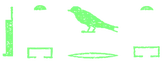
st wrt
The Great Seat.
- 10
Wp wꜣwt mḥw sḫm n pt ḏd mdw wpj.n.j wꜣt.k r wḏꜣ.k r Wṯst r ꜥq n nb Bḥdw n Rꜥ
Wepwawet of Lower Egypt, the mighty one of the sky. Words to be spoken: “I have opened your way for you to go to the Throne Seat and enter the presence of the Lord of the Throne Seat of Ra.”
Note · Line 10
Wepwawet’s name means “Opener of Ways.” - 11
Ḏḥwtj wpj rḥwj sḥtp nṯrw ḏd mdw smꜣtjw.k snṯr r spr St sjꜣw sbsb.j sbjw.k m ssf
Thoth, who parts the Two Contenders and brings the gods contentment. Words to be spoken: “Your paths are purified with incense so that you may reach the Seat of the Sia Falcon. I reduce your rebels to ash.”
Note · Line 11
The Two Contenders are Horus and Seth, rivals for the kingship. - 12
Ḥr Nb Msn nṯr ꜥꜣ nb pt ḏd mdw ḥꜣmt.k m ḥꜥꜥwt n ḥꜣꜥjt ẖr ḥꜣt.k ḥpt.k pẖr m ḥknw
Horus, Lord of Mesen, the great god, lord of the sky. Words to be spoken: “Gladness attends you on your way. No harm lies ahead of you; you make your circuit to shouts of joy.”
- 13
Ꜥns nṯr ꜥꜣ ḥrj jb Bḥdt ḏd mdw ḫnd r Ꜥjt nt ꜣḫtj ḫꜣḫ msḫꜥ ḫntj jtrtj dj ḥr ḫwt ḥm.k
Khenes, the great god who dwells in Behdet. Words to be spoken: “Go to the Sky of the Horizon-Dweller, swift to shine. The Foremost of the Two Shrines is there, guarding Your Majesty.”
Note · Line 13
The Two Shrines stand for the sanctuaries of Upper and Lower Egypt. - 14

ḏd mdw jn Jwn mwt.f ꜥb pr wr jrt snṯr n jꜥrt ḏd mdw
Words to be spoken by Iunmutef, who purifies the Great Shrine of Upper Egypt. Burning incense for the uraeus. Words to be spoken:
Note · Line 14
Iunmutef, “Pillar of His Mother,” is a divine priest. Here he addresses the royal cobra as a goddess. - 15

ꜥb.ṯ snṯr.ṯ wrt ḥkꜣw mḥw bjtjt wꜥt nt bjtj mḥnjt wrt mḥnt ḥꜣt.f m pr nsr drt ḫftjw.f Wnwt mjt ḫwj n.ṯ ḥqꜣt Mnḥjt mnḥ ḥꜥ.f ḥknt m ꜥnḫ ḥkn n.ṯ sꜣ.ṯ nsrt nsr sbjw.f
“May you be pure, may you be cleansed with incense,
O Great of Magic of Lower Egypt, Queen of Lower Egypt,
sole cobra of the King of Lower Egypt,
great Encircler who encircles his brow in the Shrine of Flame
and drives his foes away.
Wenut, come and guard him, O sovereign!
Menhit, make his limbs young again!
You who brim with life, pour it out for your son!
Flame-Spitter, set his rebels aflame!Note · Line 15
The Shrine of Flame is the royal sanctuary of Lower Egypt. Wenut and Menhit are among the goddesses invoked in the cobra’s form. - 16
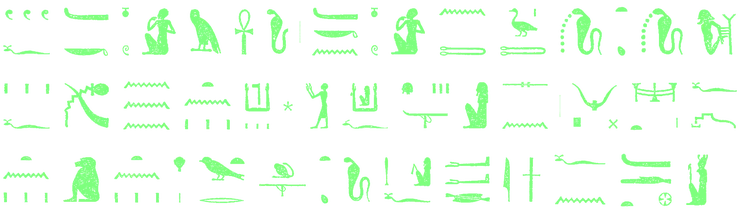
ꜥb.ṯn kꜣw dwꜣ kꜣ.f tpjw jꜣt.sn wpj wꜣt.f stp.ṯn sꜣ.ṯn ḥr wrt ḥkꜣw ḥm.f jwꜥw jm.f n Bḥdtj
May you purify, O kas who praise his ka,
you who stand upon your standards and open his way.
May you spread your protection over the Great of Magic,
for His Majesty is the Behdetite’s heir.” - 17
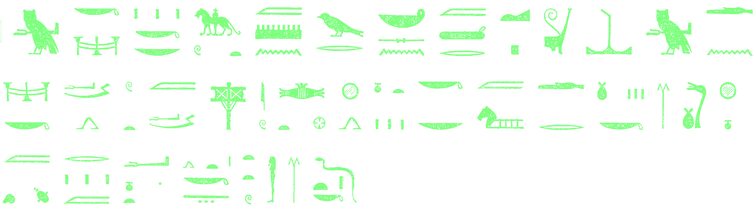
mk wꜣwt.k nbt pẖr.tj m mnwr sṯj.sn m snt r Kbn mṯn.k mꜣꜥ.tj m mꜣꜥ r Msn ḫndw.k nbw m ḫntš drw.k m pꜣqt ḫnmw jrj m ꜥntjw nmt.k tꜣ twt m ḏt.k
“Look, all your roads are steeped in menur-incense;
their scent is like the scent of Byblos.
Your course runs straight, the wind is fair all the way to Mesen;
every step you take is joy.
Your robes are of the finest linen, their fragrance is myrrh;
you tread the earth, perfect in body.”Note · Line 17
Byblos, a port on the Levantine coast, was renowned for its aromatic woods and resins. - 18
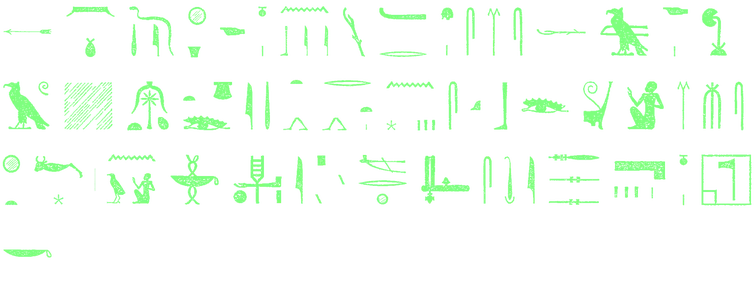
pḏ šs ḏd mdw ḫfꜥ.n.j nbꜣt ḥnꜥ tp sms ꜣmm.j ḫꜣj ḥnꜥ Sšꜣt dgj.j ḥpt r nmtt nt sbꜣw sbq.n.j m msḫtjw nwj skj ꜥḥꜥw jp mrḫt smn.j ẖss 4 nw ḥt nṯr.k
Stretching the cord. Words to be spoken:
“I have grasped the stake and the handle of the mallet;
with Seshat I take the measuring cord in hand.
I watch the stars turn in their courses,
having taken my bearings by the Foreleg.
I am the one who lets the hours pass, who measures with the plumb line,
that I may fix the four corners of your temple.”Note · Line 18
The king and Seshat, goddess of writing and measurement, lay out the temple by the stars. The Foreleg is the constellation we know as the Big Dipper or the Plough. - 19
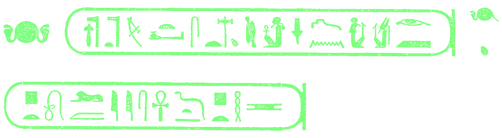
nswt bjt (… …) sꜣ Rꜥ (… …)
The King of Upper and Lower Egypt, Ptolemy IX, the Son of Ra, Ptolemy IX.
- 20
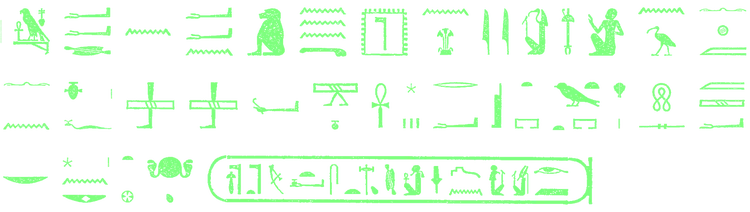
nṯr nfr jwꜥw n jꜥnj mwj nṯrj n ḥꜣj ḥmww n rḫ n ḫmt.n jb.f šbšb šmw n ꜥnḫw rdj St wrt ḥr snṯ.s m šꜣꜥ nb Snwt nswt bjt (… …)
The perfect god, heir of the Baboon, divine seed of Hai, the scholar to whose heart nothing is unknown, who determines the courses of the stars, who in the beginning sets the Great Seat on its foundations, lord of Egypt, the King of Upper and Lower Egypt, Ptolemy IX.
Note · Line 20
The Baboon and Hai both name Thoth, god of reckoning, whose knowledge the king inherits. - 21

Bḥdtj nṯr ꜥꜣ nb pt
The Behdetite, the great god, lord of the sky.
- 22

ḏd mdw jn Sšꜣt wrt sfḫt ꜥbwj šꜣꜥt šꜣꜥt spẖr m ḥꜣt Rnnt nfrt ḫnt ḥt jrjt špst ḥnwt Pr mḏꜣt
Words to be spoken by Seshat the Great, Sefkhet-abwy, the First, who first set words down in the beginning, Renenet the Perfect in the House of Ritual Texts, the splendid one, mistress of the House of Books:
- 23

rdj.j n.k mnqb mn.tj ḥr snṯ.f pr ḥꜥꜥwt ḥꜥj.tj m nfrw.k wnn kꜣt.k qꜣj.tj ḥr st.s mj pt qꜣj.tj ẖr nb.s mnw.k mn.tj ḥr snṯ.sn ḫntj mj tꜣ mn.tj ẖr Gbb
“For you I make the palace stand firm on its foundation
and the House of Joy rejoice in your beauty.
Your work shall stand high in its place
as the sky stands high beneath its lord.
Your monuments shall stand firm on their first foundation
as the earth stands firm beneath Geb.”Note · Line 23
Geb is the earth god. - 24

ḏd mdw jn Ḥr Bḥdtj nṯr ꜥꜣ nb pt sꜣb šwt prj m ꜣḫt gmḥsw psḏ m wḏꜣtj.f bjk bꜣ tkk nbnb Qbḥwj ḫwj jtrtj m dmꜣtj.f
Words to be spoken by Horus of Behdet, the great god, lord of the sky, many-colored of plumage, who comes forth from the horizon, the Gemehsu falcon who shines with his two sound eyes, the falcon, the fierce ba who guards Egypt and shelters the Two Shrines with his two wings:
Note · Line 24
Horus’s two eyes are the sun and the moon. A ba is a form in which a god’s power is present and active. - 25

sḏdj.j kꜣ.k ḫnt sbḫt tꜣ pn mjtt ḥm.j ḫnt St wrt
“I make your ka endure in the royal palace of this land as My Majesty endures in the Great Seat.”
- 26

wbn m ḥrt m ꜥpj ... ... ... ... ... ... .. swḏꜣ ṯꜣw.f ḫwj ḫmw mkj ꜥẖmw nḫw wr nḫj jmjw ḥꜣt sbḫ ḥḏ.sn m ꜥwj.f sꜣw qn sꜣw gsw prw Wḏꜣt n nwt šwt m rn.f ... ... ... ... ... ... ...
He who shines in the sky as Api …
who keeps his nestlings safe, who guards the chapels and shields the falcon gods,
the great protector who protects the ancestors, who folds his arms around their chapels,
the watchman, the strong one who watches over the temples of Egypt.
No city is without his name … - 27

... ... ḥr wnmj.f mḥnjt ḥr jꜣbj.f dngngs sšmwt m swꜣw.f wꜣḏtj.f ḥnꜥ.f ḥr mkt ḥꜥ.f wrtj ḥkꜣw.f m .. ... ... ... ...
… at his right, the Encircler at his left.
The uraeus and the Guide encircle him;
his two cobras are with him, guarding his body;
his two Great Ones of Magic … - 28

... ... ... ....f rꜥ nb hh.sn m nsr r wbd wjn mw sḥmt ḏꜣjt ... ḥr sḫrt ḫftjw ḥr ḥms ḥmtj ... ... jw ...
… his protection every day.
Their fiery breath is a jet of flame to burn the enemy.
They drive back evil … felling the foes and slaughtering the coward … - 29

... Bḥdt rꜣw prw nbw ḫtj ḥr rn.f Ḥr Bḥdtj nṯr ꜥꜣ nb pt
… Behdet. All the temples are inscribed with his name: Horus of Behdet, the great god, lord of the sky.
- 30

bꜣ tꜣ ḏd mdw šsp.n.j sḏꜣmt ꜣmm.n.j ḥnn ... .. snṯ n ḥt nṯr.k
Breaking the ground. Words to be spoken: “I have taken up the sedjamet-hoe, I have grasped the henen-hoe … the foundations of your temple.”
- 31

nswt bjt (… …) sꜣ Rꜥ (… …)
The king of Upper and Lower Egypt, Ptolemy IX, the son of Ra, Ptolemy IX.
Note · Line 31
The two titles introduce the king’s throne name and his birth name. - 32

... ... ... ... ... ... ... sꜣw sbḫwt dwꜣ Rnnt m ḏdt.f šdj ... .. n ꜥḥꜥw ṯnr m ḏt.f twt sw r .. ... .. m kꜣt.f ... ... ...
… the guardian of the gates, who praises Renenet with his words, who recites … for Ahau, strong of body, who equals … in his work …
- 33

... ... ... nwwt spwt stp n Rꜥ r ꜥḥꜥ ḥr nst.f r jṯt ḫꜥw nw wtṯ sw ꜥwn ꜥwn jb ḫsf špt nb pḥtj nswt bjt (… …)
… cities and nomes, chosen by Ra to stand upon his throne and take the crowns of him who begot him, who drives back the grasping one and wards off harm, lord of strength, the king of Upper and Lower Egypt, Ptolemy IX.
Note · Line 33
A nome is a province of Egypt. The grasping one is Apep, the serpent who opposes Ra. - 34
... ... ... swr.j rnpwt.k m nswt
“… and I add to your years as king.”
- 35

ḏd mdw jn Ḥr Bḥdtj nṯr ꜥꜣ nb pt sꜣb šwt prj m ꜣḫt ... ... šps wbn m nww ... ... wr pḥtj ... ... nṯrw ḫpr ... ... ... mswt.f
Words spoken by Horus of Behdet, the great god, lord of the sky, of many-coloured plumage, who comes forth from the horizon, the splendid scarab who rises from the primeval waters, … great in strength, … the gods, who came into being … his form:
Note · Line 35
The scarab is an image of the sun as it comes into being at dawn. - 36
Ḥr Bḥdtj nṯr ꜥꜣ nb pt
Horus of Behdet, the great god, lord of the sky.
- 37

... ... ... ḏbꜣ.j nḫb r tp ḥsb ḫḫ.j ḥr.f m .. ... ... ... ... .. nb
“… I fill the foundation trench to the prescribed measure and level its surface with … every …”
- 38

... ... ... ... ... ... .. r ḫftjw.k
… against your adversaries.
- 39
... ... ... ... ... ... ḥswt.k m jbw ...
… praise of you in the hearts of …
- 40
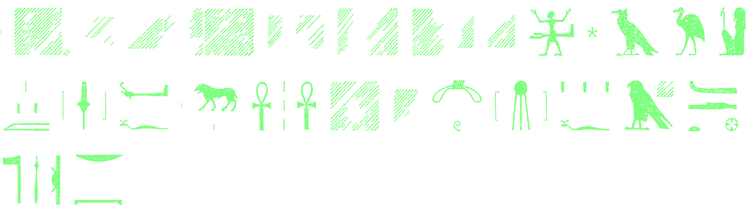
... ... ḥꜥj dꜣtjw m sḫm.f bꜣw ꜥnḫw ꜥnḫ.sn m mꜣwt.f Ḥr Bḥdtj nṯr ꜥꜣ nb pt
… at whose might the dwellers in the underworld rejoice, by whose light the living bas live: Horus of Behdet, the great god, lord of the sky.
- 41
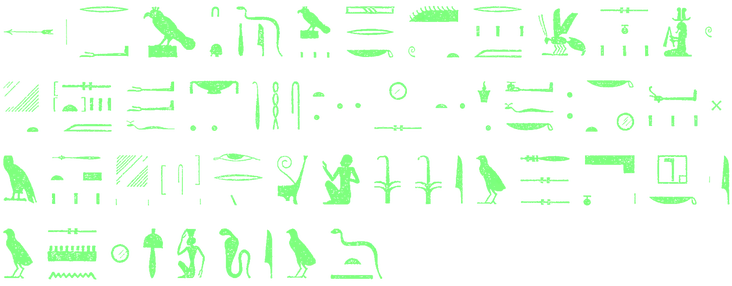
rdt ḏbt 17 ḏd mdw ḏbwt ḫr.k km.tj jrj m kꜣt.sn Ptḥ Tꜣ ṯnn nbj st m ꜥwj.f nb ṯḥst ḫsbḏ mfkꜣt kt ḫt m ꜥꜣwt špswt jrj.n.j nn r ẖss n ḥt nṯr.k r smnḫ kꜣt.k r ḏt
Presenting the seventeen bricks. Words to be spoken: “Here are the bricks for you, their making complete. Ptah-Tatenen fashioned them with his hands. Gold, copper, lapis lazuli, turquoise and other precious stones: these I have made for the corners of your temple, to perfect your work for all time.”
Note · Line 41
Small bricks of metal and stone were laid as offerings in the temple foundations. - 42

... ...
[gap in the text]
- 43
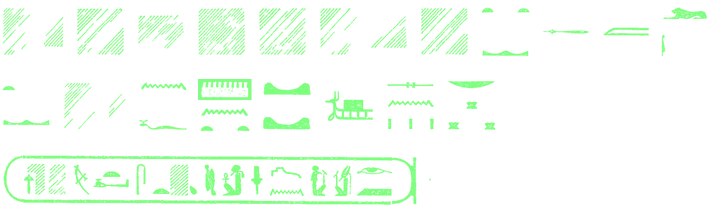
... ... ... ... ... ... ... ... ... Tfrrt ꜥꜣwt špst m Ršt ... ... ... ... ... n.f mntj bjꜣjt.sn nb ḫꜥw nswt bjt (… …)
… Tefreret and precious stones from Reshet … for whom the mountains on either bank … their wonders, lord of crowns, the king of Upper and Lower Egypt, Ptolemy IX.
- 44
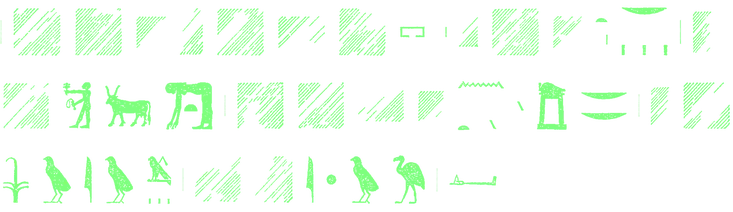
... ... ... ... ... ... .. pr ... ... ... ... ... ... nbw ḏd mdw jn Ḥr Bḥdtj nṯr ꜥꜣ nb pt sꜣb šwt prj m ꜣḫt ḫntj jtrt nbt ... ... wr sw r nṯrw ... ... ... ... jrtjw ...
“… house … all.” Words spoken by Horus of Behdet, the great god, lord of the sky, of many-coloured plumage, who comes forth from the horizon, foremost in every shrine, … greater than the gods, … Irtiu …:
- 45

rdj.j n.k pr.k ḫwsj.tj r mnḫ nḥr.n.f ꜣḫt nt pt
“I grant you this: your house stands built to such perfection that it rivals the horizon of the sky.”
- 46
... Wḏꜣt jtj nb gsw prw .. jḫt mnt ꜥꜣ šfjt m Pwnt wr bꜣw ḫnt Šꜣs ḥrt wr m pt wḏ mdw m ꜣḫt Ḥr Bḥdtj nṯr ꜥꜣ nb pt
… of Egypt, sovereign, lord of temples, … of the world, held in great awe in Punt, mighty in Shas-Heret, great in the sky, who gives commands on the horizon: Horus of Behdet, the great god, lord of the sky.
- 47
sḫt ḏbt ḏd mdw šsp.n.j ḫt ḏbt pn m ꜥwj.j sḫt.j ḏbt r ḫwsj pr.k ꜣḥt nt stpw m wgm n qmjt smꜣ.tj jsk ḥr mnwr nbj.j n.k msḫnt tn nfrt r sḏdj ẖssw nw ḥt nṯr.k
Moulding the brick. Words to be spoken: “I have taken this brick mould in my hands. I mould a brick to build your house. Choice earth from the fields, with powdered resin, is mixed with menur-incense. I fashion this perfect birth brick for you to set the corners of your temple firm.”
Note · Line 47
A woman could give birth crouching on bricks. Here the making of the foundation brick marks the temple’s own birth. - 48

nswt bjt (… …) sꜣ Rꜥ (… …)
The king of Upper and Lower Egypt, Ptolemy IX, the son of Ra, Ptolemy IX.
- 49
nṯr nfr nswt n šmꜥw mḥw sꜣ spd n Jr qnj m kꜣt.f nn wn twt n.f rwḏ ꜥwj bwt.f wrḏ sꜥḥꜥ ḥwt nt nṯrw ẖr sšmw.sn nb pḥtj sꜣ Rꜥ (… …)
The perfect god, king of Upper and Lower Egypt, the able son of Ir, skilled in his work, without an equal, strong of arm, who loathes weariness, who raises the houses of the gods with their images within, lord of strength, the son of Ra, Ptolemy IX.
- 50

rdj.j n.k pr ḥꜥꜥwt ḥꜥj.tj ẖr ḥm.k šnwt.k m jꜣw n ḥr.k
“I grant you this: the House of Joy rejoices in Your Majesty’s presence, and your court offers praise before you.”
Note · Line 50
The House of Joy is the royal palace. - 51

ḏd mdw jn Ḥr Bḥdtj nṯr ꜥꜣ nb pt sꜣb šwt prj m ꜣḫt Jr tꜣ sḫpr wnnt nww wr ... tꜣwj m rḏw.f r sꜥnḫ nṯrw rmṯw
Words spoken by Horus of Behdet, the great god, lord of the sky, of many-coloured plumage, who comes forth from the horizon, Irta, who brings into being all that is, the great primeval ocean who floods the Two Lands with his outflow to keep gods and humans alive:
Note · Line 51
Irta means “Maker of the Earth.” - 52

rdj.j n.k pr nswt wꜣḥ ḥr snṯ.f twt m bw nb nfr
“I grant you this: the royal house rests firm on its foundation, furnished with every good thing.”
- 53
nb Jdbw Ḥr nb šmꜥw mḥw nḫw n ḥḥw mwnf n ḥfnw nḏtj nfr n ḥnmmt sḫm wr dwꜣ nṯrw r dwꜣ.f Ḥr Bḥdtj nṯr ꜥꜣ nb pt
Lord of the Banks of Horus, lord of Upper and Lower Egypt,
protector of millions, helper of hundreds of thousands,
perfect defender of the Henmemet people,
great power whom the gods rise at dawn to adore:
Horus of Behdet, the great god, lord of the sky. - 54

ḫwsj ḥt nṯr ḏd mdw ḥt nṯr.k n.k sjpj.tj r mnḫ m kꜣt nt bꜣ nb hj ḥm.k ḏs.k wḏ mdw ẖr.s Rꜥ wr sḥḏ tꜣwj
Building the temple. Words to be spoken: “Here is your temple for you, built to perfection, the work of Ba-neb-hi. Your Majesty yourself gave the command for it, O great Ra, who lights the Two Lands.
Note · Line 54
Ba-neb-hi is a name of Ptah, the divine craftsman. - 55

tḫ Sšꜣt wrt pḏ n.s šs H̱nmww ḥr ẖnm m sp Ḏꜣjsw ḥnꜥ.sn ḥr swrt snṯ.s m prw r spwt nbwt nrwt.s nrwt nt pt ḥr sḫnt.s 4 rnpwt.s rnpwt nt ḥꜣjtj
The Plumb Line and Seshat the Great stretched the cord for it. The Khnum gods built it together, and the Djaisu joined them to make its ground plan greater than any in the nomes.
Its span is the span of the sky on its four supports;
its years are the years of the two lights.”Note · Line 55
The Plumb Line is Thoth. He and Seshat lay out the temple with a surveyor’s cord. The two lights are the sun and the moon. - 56

nswt bjt ( … … ) sꜣ Rꜥ (… …)
The king of Upper and Lower Egypt, Ptolemy IX, the son of Ra, Ptolemy IX.
- 57
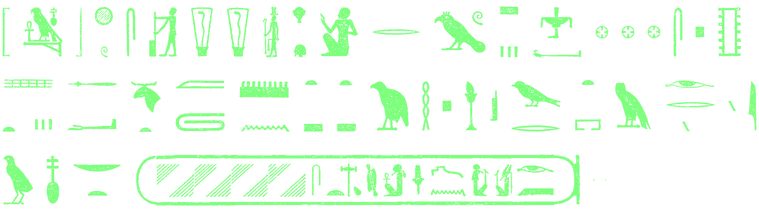
nṯr nfr ḫwsj jtrtj jtj ḥrj tp rꜣ ḏbwt nbj nwwt sjpj spwt ꜥꜣ šfjt m qꜣb mntj nḥp St wrt m jrt r nfr nb ḫꜥw nswt bjt (… …)
The perfect god, builder of the two shrines, the sovereign, master of brickwork, who fashions cities and lays out nomes, held in great awe between the two mountain ranges, who shaped the Great Seat with perfect skill, lord of crowns, the king of Upper and Lower Egypt, Ptolemy IX.
Note · Line 57
The Great Seat here is the temple at Edfu. - 58
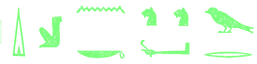
rdj.j n.k pḥtj wr.tj .. m ... ṯnwj n.k . ... ....sn
“I give you strength. Great is … in … the two mountain ranges for you … their …”
- 59

ḏd mdw jn Ḥr Bḥdtj nṯr ꜥꜣ nb pt sꜣb šwt prj m ꜣḫt Rꜥ Ḥr ꜣḫtj ḫnt St wrt šw m pt sḥḏ tꜣwj m stwt.f ... ... ... tꜣ pn nb nwwt spwt gsw prw mn.tj ẖr ....f šꜣꜥ prw n rḫjt rdj jmꜣww n ḫꜣswt sꜣ n ꜥwt sš n pꜣjw
Words spoken by Horus of Behdet, the great god, lord of the sky, of many-coloured plumage, who comes forth from the horizon, Ra-Horakhty, foremost in the Great Seat, the sun in the sky, who lights the Two Lands with his rays, … this land, lord of cities and nomes, whose temples stand firm with his image within, who first made houses for the common folk, who gave tents to the people of foreign lands, folds to sheep and goats, and nests to birds:
- 60
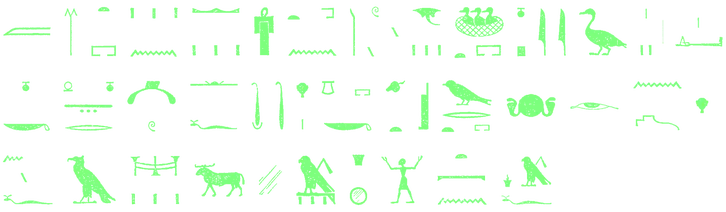
rdj.j n.k šnw n tꜣ r ꜣw.f mn.tj ḥr nst.k ḫnt st wrt
“I give you the whole circuit of the earth, while you abide on your throne in the Great Seat.”
- 61
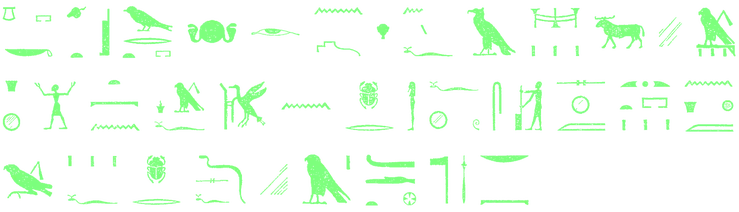
jrj nw ḥr nf bꜣ ... ... nṯrw ꜥḫj pt n bꜣ.f qmꜣ tꜣ n ḫprw.f ḫwsj sḫmw n ꜥẖmw.f ḫpr ḏs.f ... ... Ḥr Bḥdtj nṯr ꜥꜣ nb pt
He who brings forth this and that, the ram …, who … the gods, who raises the sky for his ba, fashions the earth for his forms and builds shrines for his sacred images; he who came into being of himself …: Horus of Behdet, the great god, lord of the sky.
Note · Line 61
Behdet is Edfu. A god’s ba is his power to take form and be present in the world. The Egyptian word for “ram” also sounds like “ba.” - 62
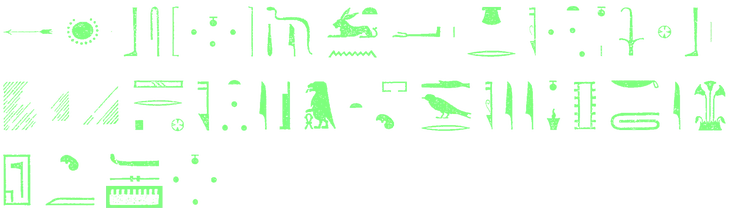
wpš bsn ḏd mdw dwn.n.j ꜥ.j ẖr bd n Nḫb ... ... ... Šrp bd.j st wrt.k twr.j jnb.k pẖr.j ḥꜣ ḥt nṯr.k m ḥsmn
Scattering natron. Words to be spoken: “I have stretched out my arm bearing natron from Elkab … Wadi Natrun. I cleanse your sanctuary, scour your wall and encircle your temple with natron.”
Note · Line 62
Natron is a natural mineral salt. Here the king scatters it to purify the temple. - 63
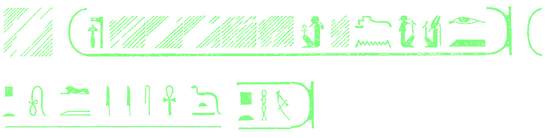
nswt bjt (… …) sꜣ Rꜥ (… …)
King of Upper and Lower Egypt, Ptolemy IX; Son of Ra, Ptolemy IX.
- 64
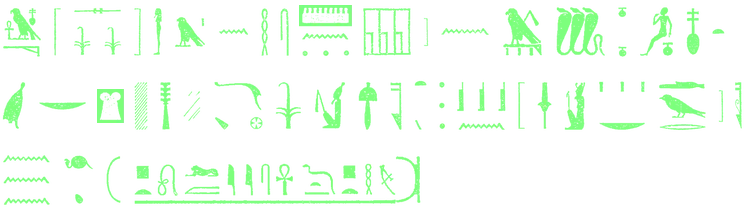
nṯr nfr snn n Ḥr ḥsmn ḥwt nt nṯrw nṯrwt nn n nfrt nbt Nḫn ... ... ... ... Ḫp nswt mnḫ bd swt nt sḫmw nb twr sꜣ Rꜥ (… …)
The perfect god, the likeness of Horus, who cleanses the temples of the gods and goddesses with natron; child of the White Crown, the Lady of Nekhen, … Dep; the excellent king who cleanses the seats of the Powers, lord of purification, Son of Ra, Ptolemy IX.
Note · Line 64
The White Crown of Upper Egypt here takes the form of the goddess Nekhbet. Dep was part of Buto in Lower Egypt. - 65
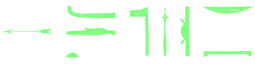
Bḥdtj nṯr ꜥꜣ nb pt
He of Behdet, the great god, lord of the sky.
- 66
rdj.j n.k Pr Ḥr wꜥb.tj r ... mnqb mkj.tj r šnn
“I grant you that the House of Horus be free of evil and the palace safe from harm.”
Note · Line 66
The House of Horus is the royal palace. In return for the king’s cleansing of the temple, the god grants protection to the king’s own house. - 67
ḏd mdw jn Ḥr Bḥdtj nṯr ꜥꜣ nb pt jtj n gsw prw Wḏꜣt ꜥb sḫmw.sn ... ... nṯrw bjk ꜥꜣ sḥb mnḏtj
Words spoken by Horus of Behdet, the great god, lord of the sky, ruler of the temples of Egypt, who purifies their sacred images … the gods, the great falcon whose two brows are decked for the feast:
- 68

rdj.j n.k ḥꜣjt.k ḥꜥj.tj ẖr ḥm.k pr nswt ḏsr.tj ẖr ḥrjt tp.k
“I grant you that your palace hall rejoice in Your Majesty’s presence and the royal palace be hallowed by the cobra on your brow.”
Note · Line 68
The cobra rearing on the king’s brow is the uraeus, a goddess who guards him. - 69

ḏd mdw jn Ḥt ḥr wrt nbt Jwnt jrt Rꜥ ḥrt jb Bḥdt nbt pt ḥnwt nṯrw nbw mnḫt m ... gsw prw ẖr sšmw.s mfkꜣt nṯrw nṯrwt
Words spoken by Hathor the Great, Lady of Dendera, Eye of Ra, who dwells in Behdet, lady of the sky, mistress of all the gods, excellent in …, whose image the temples hold, turquoise of the gods and goddesses:
Note · Line 69
Hathor is called the Eye of Ra as the sun god’s daughter and active power. Turquoise is a stone especially sacred to her. - 70

rdj.j n.k ... ẖr nfrw.k ḥꜥj ḥr nb n mꜣꜣ.k
“I grant you that … be under your perfection and every face rejoice at the sight of you.”
- 71

sḫm šꜣꜥ twr tpj n ... ... ... ... nṯrj ... ... Ḥr Bḥdtj nṯr ꜥꜣ nb pt
The Power who first performed the purification, foremost of …, divine …: Horus of Behdet, the great god, lord of the sky.
- 72

swꜥb m snṯr ḏd mdw šsp.n.j ꜥ ẖr jrt Ḥr wrt ḥr sḏt wdn.j ẖms šmꜥw n kꜣ.k sṯj ... rdj.f tp.f m ꜣḫt snṯr.n.f stjt.k r sꜣt
Purifying with incense. Words to be spoken: “I have taken up the bowl that holds the great Eye of Horus on the flame.
I offer incense of Upper Egypt, khemes incense, to your ka.
The scent of incense lifts its head from the embers;
it has cleansed your chamber of evil.Note · Line 72
The Eye of Horus here takes the form of incense. - 73

ḫnm.n.k ḫnmw.f prj ḥm.k m qd jrj.n.k st.k ḫnt st wrt.k wꜣḫj ḥꜥ.k m jꜣdt nt kꜣ.k jrt Ḥr sṯj.s ḫr.k ẖnm.n.k sḫm.k ḫnt ... ... ... bꜣ.k bs.k wꜥb.tj
When you breathe in its fragrance, Your Majesty is beside yourself with joy.
When you take your seat within your sanctuary, your body thrives on the sweat of your ka.
The Eye of Horus sends its scent to you.
When you have joined with your sacred image in …, your ba …, and your image is pure.”Note · Line 73
The incense is called the sweat of the god’s own ka: in breathing it in, he receives something of himself. - 74

nswt bjt (… …) sꜣ Rꜥ (… …)
King of Upper and Lower Egypt, Ptolemy IX; Son of Ra, Ptolemy IX.
- 75

nṯr nfr msj.n Štꜣt kꜣwt ... m mr ḥmw nṯr ... ... n kꜣ.f nb mnwr nswt bjt (… …)
The perfect god, born of Shetat, who bears … as overseer of the priests … of his ka, lord of menur incense, King of Upper and Lower Egypt, Ptolemy IX.
Note · Line 75
Shetat is a name of Nekhbet, the vulture goddess who protects the king. - 76
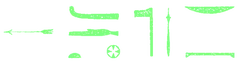
Bḥdtj nṯr ꜥꜣ nb pt
He of Behdet, the great god, lord of the sky.
- 77

rdj.j n.k Qbn ẖr jmjt.f Jsj ẖr prjt jm.f
“I give you Byblos with all it holds, and Isi with all that comes forth from it.”
Note · Line 77
Byblos was a port on the coast of what is now Lebanon. The god’s gift is not incense alone but the lands from which offerings come. - 78

ḏd mdw jn Ḥr Bḥdtj nṯr ꜥꜣ nb pt nṯr ꜥꜣ wr r nṯrw nbw ḏrtj wr pḥtj m Wṯst Ḥr kꜣ sṯj ... mnwr prj r pt ḥr ... ... mnwr ... ... ... ḥr sṯj snṯr jꜣdt.f pẖr m tꜣwj nbw sṯj.f ꜣbḫ m hj
Words spoken by Horus of Behdet, the great god, lord of the sky, the great god greater than all the gods, the falcon mighty in the Throne of Horus, the bull who sows his seed, lord of menur incense, who rises to the sky at the scent of menur incense, who … to earth at the scent of incense, whose sweat has coursed through all lands, whose scent has mingled with the heavens:
Note · Line 78
The Throne of Horus is another name for Edfu. - 79

sḫpr.j fꜣw.k swr.j mrwt.k rdj.j šfjt.k ḫr tpjw tꜣ
“I make your renown grow,
I increase the love people bear you,
I fill those who dwell on earth with awe of you.” - 80

... .. ... ... ... ... ... .. nb .. nṯr wꜥ ... ... Ḥr Bḥdtj nṯr ꜥꜣ nb pt
… lord …, the sole god …: Horus of Behdet, the great god, lord of the sky.
- 81

swꜥb m nmst 4 nt mw ... ... ... ... mw nṯrj nw pꜣ Pꜣ n ẖnw ... ... m srf ... ... ... ... ... ... ... ... sp 4
Purifying with four nemeset jars of water. “… divine water from the waters of the land by the Khenu Canal … with floodwater …” Four times.
Note · Line 81
The nemeset is a ritual water jar. “Four times” directs the celebrant to repeat the rite. - 82

nswt bjt (… …) sꜣ Rꜥ (… …)
King of Upper and Lower Egypt, Ptolemy IX; Son of Ra, Ptolemy IX.
- 83

nṯr nfr ... ... ... ... ... ... .. n jtj ḥꜥ ꜥnḫ n sr ḥḏt ... ... ... ... ... ... ... St wrt.f nb .. sꜣ Rꜥ (… …)
The perfect god … of the ruler, the living body of the Prince of the White Crown … his Great Seat, lord of …, Son of Ra, Ptolemy IX.
Note · Line 83
The Prince of the White Crown is Osiris. - 84

rdj.j n.k pr.k twr n ... ...k wꜥb r ꜥb
“I grant you that your house be cleansed of … and your … be free of evil.”
- 85
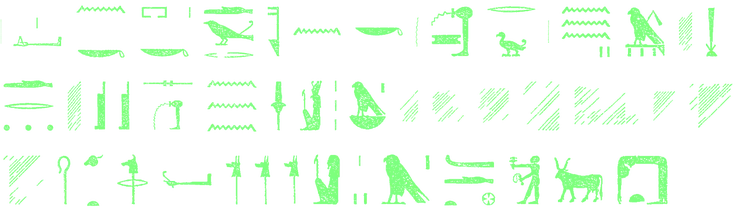
twr nṯrw snṯr swt swꜥb sḫmw nb ... ... ... ... ... ... ... .. nb ḥqꜣ ḫnt Wsrw ḥꜣt Ḥr Bḥdtj nṯr ꜥꜣ nb pt
He who cleanses the gods, purifies their seats with incense and makes the Powers pure; lord of …, lord …, ruler among the Useru-hat: Horus of Behdet, the great god, lord of the sky.
- 86
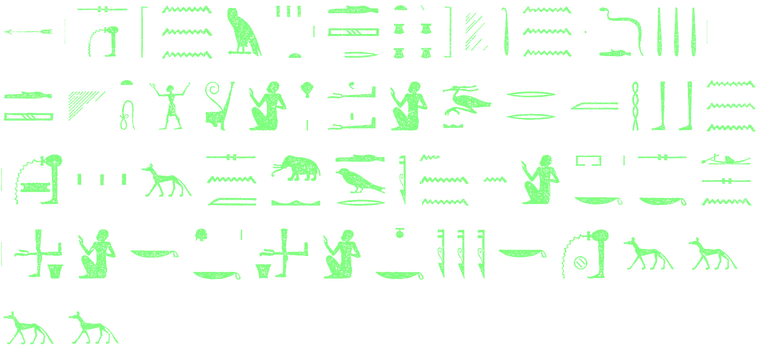
swꜥb m 4.t dšrt ntj mw ḏd mdw dšrwt twꜣt.n.j ḥr ꜥwj.j bꜥḥj jrj m ḥbbt wꜥbw nn jw.sn m ꜣbw twr.j pr.k jsk jm.sn jꜥb.j n.k tp.k jꜥb.j n.k qsw.k wꜥb sp 4
Purifying with four red jars of water. Words to be spoken: “The red jars I hold up on my two arms are filled to the brim with floodwater.
These pure waters come from Elephantine; with them I cleanse your house.
I rejoin your head for you;
I gather your bones together for you.
Pure, pure, pure, pure.”Note · Line 86
Elephantine, at Egypt’s southern border, was revered as a source of the Nile flood. Rejoining the head and bones evokes the restoration of Osiris’s dismembered body. - 87
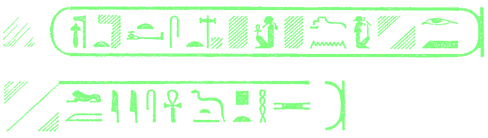
nswt bjt (… …) sꜣ Rꜥ (… …)
King of Upper and Lower Egypt, Ptolemy IX; Son of Ra, Ptolemy IX.
- 88
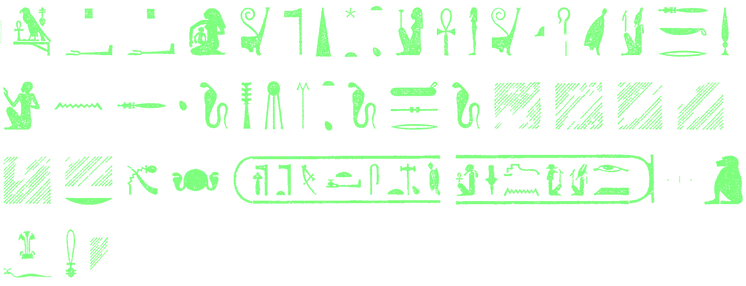
nṯr nfr pꜥpꜥ.n Spdt ḥꜥ ꜥnḫ n ḥqꜣ ḥḏt ẖkr n ẖkrt psḏ m ḥrjt tp sn sw r ... ... ... ... ... ... ... .. nb ꜥbw nswt bjt (… …)
The perfect god, born of Sothis, the living body of the Ruler of the White Crown, adorned with the uraeus, radiant with the cobra on his brow, the likeness of …, lord of purification, King of Upper and Lower Egypt, Ptolemy IX.
Note · Line 88
Sothis is the goddess of Sirius, the star whose yearly return to the dawn sky heralded the Nile flood. - 89

rdj.j jw n.k ḥꜥpj r tr.f n rnpt msḫꜣ jb.k m mꜣꜣ.f
“I make Hapy come to you in his season of the year, that your heart may rejoice at the sight of him.”
Note · Line 89
Hapy is the annual Nile flood personified. The land’s fertility depended on its coming in season. - 90

ḏd mdw jn Ḥr Bḥdtj nṯr ꜥꜣ nb pt sꜣb šwt prj m ꜣḫt Rꜥ Ḥr ꜣḫtj sḥḏ tꜣwj nṯr nṯrj jrj jḫt nbt wn ẖnw.f twr nṯrw
Words spoken by Horus of Behdet, the great god, lord of the sky, whose plumage is of many colors, who comes forth from the horizon; Ra-Horakhty, who lights the Two Lands, most divine of gods, who creates all things, opens his domain to the light, and purifies the gods:
Note · Line 90
Here its falcon god Horus is also Ra-Horakhty, “Ra, Horus of the Two Horizons.” - 91

rdj.j n.k nḥḥ m nswt tꜣwj ḏt m bjtj ḥr nst.k
“I give you eternity as King of Upper Egypt over the Two Lands,
and everlasting duration as King of Lower Egypt upon your throne.”Note · Line 91
The two words for eternity evoke time that renews itself and time that endures without change. The king holds both crowns, those of Upper and Lower Egypt. - 92
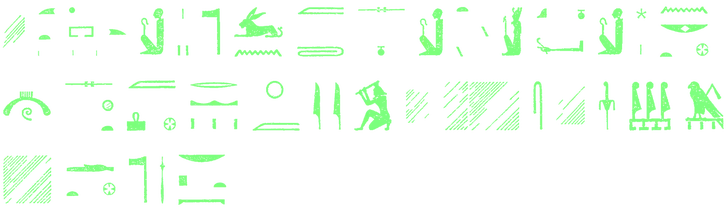
... ... ḫmw sꜣw nṯrw wn m qꜣb.sn sꜣwtj qnj sꜣw Snwt m ꜣw.s ḫwj Ꜥtm r ḫꜣswt ḫmjw .. ... .. ... ḫwj gsw prw nṯrw Ḥr Bḥdtj nṯr ꜥꜣ nb pt
… of the shrines, who guards the gods within them, the strong guardian who guards Egypt from end to end, who shields the Sealed Land from foreigners and intruders, … who shields the temples of the gods: Horus of Behdet, the great god, lord of the sky.
Note · Line 92
The Sealed Land is Egypt, imagined as a domain secured against intrusion. - 93
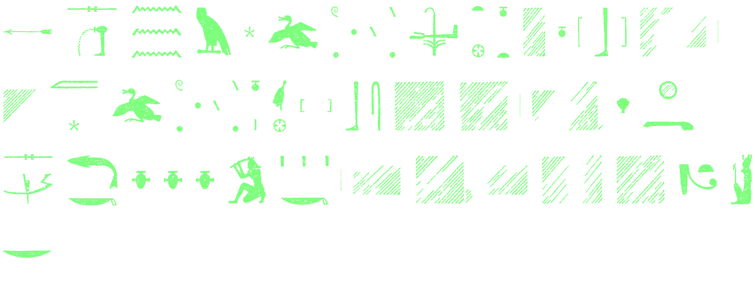
swꜥb m 5 ṯꜣw šmꜥw nw Nḫb ḏd mdw pẖr.n.j ḥꜣ.k m 5 ṯꜣw nw šmꜥw bsj m jnt ... ... ... ... ... .. ḥr ḫmj ẖꜣkw jb.k ... ... ... ... ... ... .. ...n.f tjt.k
Purifying with five grains of Upper Egyptian natron from Elkab. Words to be spoken: “I have circled you with five grains of Upper Egyptian natron that comes forth in the valley … striking down your foes … it has … your image.”
Note · Line 93
The king carries it around the god’s image in a rite of purification. - 94

nswt bjt (… …) sꜣ Rꜥ (… …)
The King of Upper and Lower Egypt, Ptolemy IX, son of Ra, Ptolemy IX.
- 95
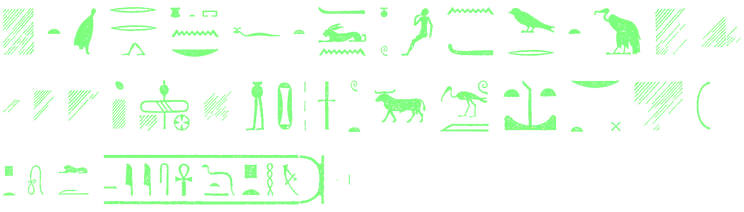
nṯr nfr nn n nfrt pẖr nst n nbt Fꜥg ḥwn n ḥwrt ... ... ... Nḫbt ḥḏt Nḫn ... jnw jmjw Bwgm nb twr sꜣ Rꜥ (… …)
The perfect god, child of the White Crown, heir to the throne of the Lady of Fag, young son of Huret, … Nekhbet, the White One of Nekhen, who collects tribute in Bugem, lord of purification, son of Ra, Ptolemy IX.
Note · Line 95
The White Crown is the crown of Upper Egypt. Huret is a name of Nekhbet, the vulture goddess of Elkab, who embodies the crown. - 96
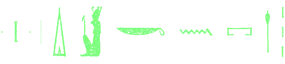
rdj.j n.k prw ḥḏ wdn ... ... ... st wrt.k snṯr.tj r sꜣt
“I grant you treasuries laden with …
and your Great Seat cleansed of all grime by incense.” - 97

ḏd mdw jn Ḥr Bḥdtj nṯr ꜥꜣ nb pt sꜣb šwt prj m ꜣḫt ḥqꜣ gsw prw ... Ḥr Ḥrw ḥrj ḥrt bꜣ ... ... ... ... snkt
Words spoken by Horus of Behdet, the great god, lord of the sky, whose plumage is of many colors, who comes forth from the horizon, ruler of the temples … Horus of Horuses, who sets the sky on high, the ba … darkness:
- 98

rdj.j n.k ḥsmn ḥr ḥsmn ḥꜥ.k nṯrj ḥr nṯrj ḏt.k
“I give you cleansing natron to cleanse your limbs,
purifying natron to purify your body.”Note · Line 98
The Egyptian pairs two names for natron with two verbs of purification that sound like them. - 99

ḏd mdw jn Ḥt ḥr wrt nbt Jwnt jrt Rꜥ ḥrt jb Bḥdt nbt .. ... ... ... .. nbt ꜥbw bjkt m Bḥdt nbt Ḥt sššt
Words spoken by Hathor the Great, Lady of Dendera, Eye of Ra, who dwells in Behdet, lady of …, lady of purification, the female falcon in Behdet, Lady of the House of the Sistrum:
Note · Line 99
The House of the Sistrum is Dendera. The sistrum is the sacred rattle played for Hathor. - 100

rdj.j n.k ... ... ... ... ... ... ... ... ...
“I give you …”
- 101
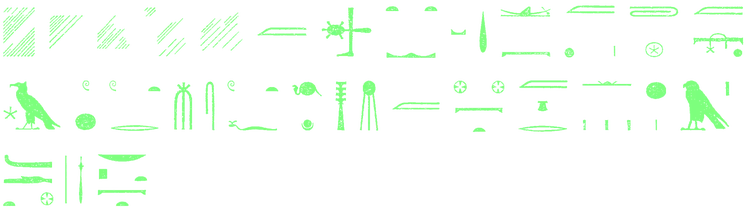
... ... ... ... ... wbn m bꜣẖ ḏꜣj pt m hrw pẖr dꜣt m grḥ dwꜣ.tw r mswt.f rꜥ nb psḏ m nwt m ẖrt hrw Ḥr Bḥdtj nṯr ꜥꜣ nb pt
… who rises in splendor in the eastern mountains, who crosses the sky by day and travels through the underworld by night, for whose birth people rise early each day, who shines in the sky day after day: Horus of Behdet, the great god, lord of the sky.
- 102
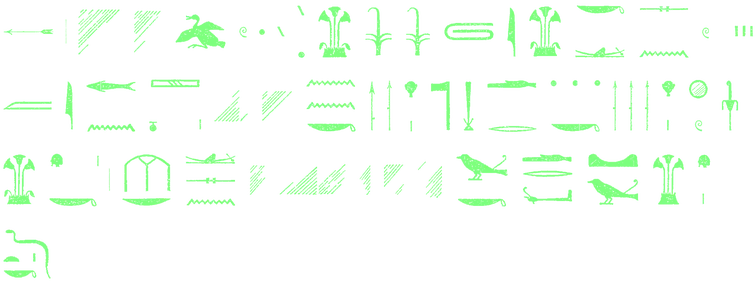
ḏd mdw 5 ṯꜣw mḥw nn pẖr.j ḥꜣ.k jm.sn prj.w m jnt nt Šrp wꜥ ḥr wꜥb.k snw ḥr snṯr.k ḫmt ḥr ḫwt ḥꜣ.k fdw jm.sn ... ... ... ..k djw ḥr dr ḏw ḥꜣ ḏt.k
Words to be spoken: “These five grains of Lower Egyptian natron with which I circle you come from Wadi Natrun.
The first cleanses you,
the second censes you,
the third guards you on every side,
the fourth of them … your …,
the fifth drives harm away from your body.”Note · Line 102
Wadi Natrun is a valley in the desert west of the Nile Delta, where natron forms in salt lakes. - 103

nswt bjt (… …) sꜣ Rꜥ (… …)
The King of Upper and Lower Egypt, Ptolemy IX, son of Ra, Ptolemy IX.
- 104
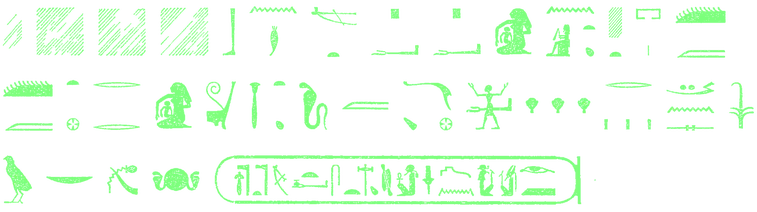
nṯr nfr ... ... ... ... ... ... bnr mrwt pꜥpꜥ.n špst ḫnt Pr qmqm rr.n Wꜣḏt m Ḫp ḥꜥj ḥrw jrj mꜣꜣ.sn sw nb ꜥbw nswt bjt (… …)
The perfect god, … sweetly beloved, whom the Noble Lady bore in Per-kemkem, whom Wadjet reared in Dep, at whose sight every face lights up, lord of purification, King of Upper and Lower Egypt, Ptolemy IX.
- 105

rdj.j n.k ḥꜥ.k ḥn.tj r ḥḏ.sn mnt nbt ḫr.sn
“I grant that your limbs be safe from injury and from every ailment that befalls them.”
- 106
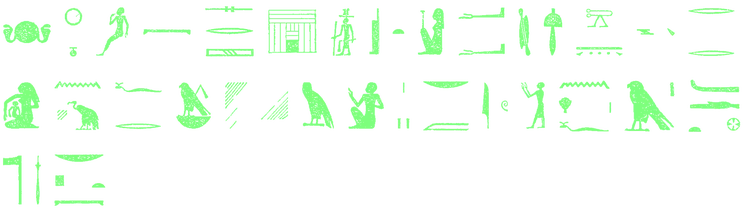
nn ḥrj srḫ jtj prj m ꜣst jwꜥw mnḫ jṯj tꜣwj jdbw rr.n mwt.f r nb bw nb m jꜣw n ḥr.f Ḥr Bḥdtj nṯr ꜥꜣ nb pt
The child atop the palace façade, the sovereign who came forth from Isis, the worthy heir who took possession of the Two Lands and the lands along the banks, whom his mother reared to be lord, at whose face all people rejoice: Horus of Behdet, the great god, lord of the sky.
Note · Line 106
The palace façade evokes the emblem of kingship in which the Horus falcon perches above the royal name. - 107
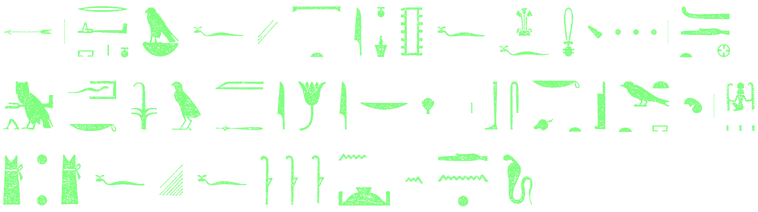
rdt pr n nb.f ḏd mdw ... ... ... pt jnb.f ḥꜣ.f mj bjꜣ Bḥdtj mj ꜥq.k sw m ꜥꜣj .. ḥr bs.k ḫnt st wrt.k ḥḥw ḥntj.f .. ... ... ...f rnpwt nt jtn.k
Handing the house over to its lord. Words to be spoken: “… the sky. The wall around it is like bronze. Come, Horus of Behdet! May you enter it in festal joy and settle upon your image in your sanctuary. Its span is millions of years … it endures for all the years of your sun disk.”
Note · Line 107
The house is the temple. The king presents it to Horus and invites him to take up residence in his image. - 108

nswt bjt (… …) sꜣ Rꜥ (… …)
The King of Upper and Lower Egypt, Ptolemy IX, son of Ra, Ptolemy IX.
- 109
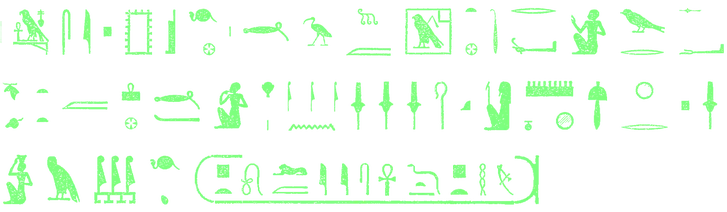
nṯr nfr sjpj St Rꜥ mḥ gmjt wš m Ḥt bjk ṯnr wr ꜥꜣ šfjt ḫnt Ꜥtm mḥ ḥr sḫrw nw sḫmw ḥqꜣ mnḫ ḫrp kꜣt m gsw prw nb ḫꜥw sꜣ Rꜥ (… …)
The perfect god, who built the Seat of Ra and completed what he found unfinished in the House of the Falcon, mighty in strength, great in awe in the Sealed Land, who tends to the affairs of the mighty gods, the worthy ruler who directs the work in the temples, lord of crowns, son of Ra, Ptolemy IX.
Note · Line 109
The Seat of Ra and the House of the Falcon are sacred names of Edfu.