~/sacred-texts/edfu-temple-texts
Edfu Temple Offering Scenes: I Devour Them with My Sharp Teeth
- Text
- Edfu Temple Texts, Edfou VII, pp. 57–99
- Date
- Carved under Ptolemy IX Soter II and Ptolemy X Alexander I (c. 116–88 BC) on the outer face of the enclosure wall of the temple of Horus at Edfu
- Found
- Temple of Horus, Edfu, Upper Egypt; still in place on the outer face of the enclosure wall
- Language
- Ptolemaic Egyptian · Hieroglyphic
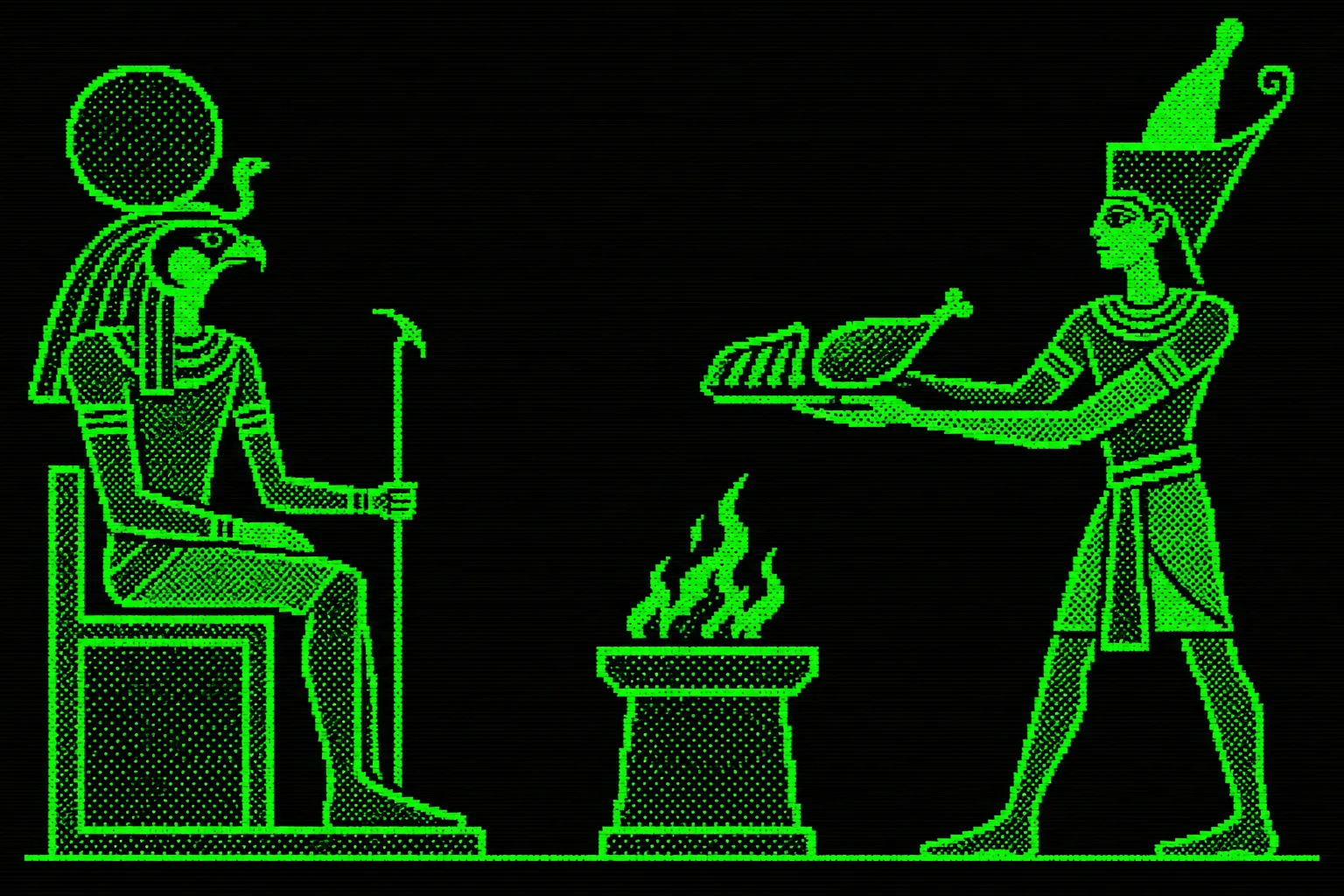
Scene after scene, Ptolemy IX stands before Horus of Behdet and Hathor of Dendera with an offering: water, myrrh, bread, wine, milk, lotus, fields, crowns, the sky itself. The king speaks first; the gods answer with gifts. The roast meat is the god’s enemies: You breathe their fragrance and rejoice; you slaughter your enemies as you eat of them. Elsewhere Horus promises: I give you your enemies slain and driven back, as I devour them with my sharp teeth.
Hathor takes beer and wine and pays in kind: I give you drunkenness and drunkenness again: this is food for your ka. In three scenes Ptolemy X and Cleopatra Berenice III take his place; she brings wine for Hathor and milk for the child Harsomtus.
- 1
rdj.j n.k stp sꜣ ḫft ḏdt.k tꜣwj nbw ḥr mw n kꜣ.k
“I grant that the palace be as you command,
and that all lands be loyal to your ka.”Note · Line 1
The ka is the king’s vital power. Allegiance to his ka is allegiance to his person. - 2
ḏd mdw jn Ḥr Bḥdtj nṯr ꜥꜣ nb pt sꜣb šwt prj m ꜣḫt Rꜥ Ḥr ꜣḫtj ḫnt St wrt.f ꜥpj šps nb gsw prw Wḏꜣt ḥḏ.sn ḫtj ḥr rn.f
Words spoken by Horus of Behdet, the great god, lord of the sky, whose plumage is of many colors, who comes forth from the horizon; Ra-Horakhty in his Great Seat, the august Api, lord of the temples of Egypt, whose chapels bear his name:
- 3
rdj.j n.k st wrt ... ... ... pr Ḥr mn.tj ẖr nfrw.k
“I grant that the Great Seat … and that the House of Horus endure forever, holding your perfection within it.”
Note · Line 3
The House of Horus here is the king’s palace. - 4

nb prw nṯrw jtj n ... ... tꜣwj Ḥr Bḥdtj nṯr ꜥꜣ nb pt
Lord of the temples of the gods, sovereign of … the Two Lands: Horus of Behdet, the great god, lord of the sky.
- 5
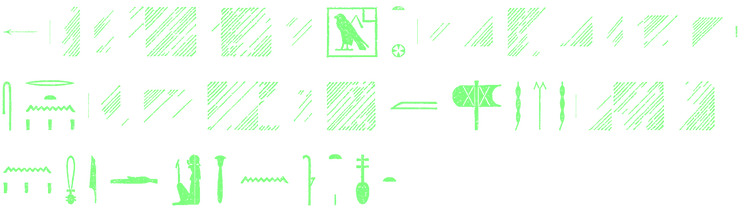
ḥnk mꜣꜥt ḏd mdw ... ... ... ... ... ... ... Ḥt bjk ... ... ... ... ... ... ... ... ... .. r.ṯn ... ... ... ... ... ... ... ... .. m ṯꜣw nḏm ... ... ... ... ... ....ṯn mj šsp Rꜥ wꜣḏ n Rnpt nfrt
Offering Maat. Words to be spoken: “… the House of the Falcon … to you … in a sweet breeze … you … as Ra receives the papyrus scepter of Renpetneferet.”
Note · Line 5
Maat is both the goddess and the right order of the world, which the king presents to the gods. Renpetneferet means “the Good Year.” - 6

nswt bjt (… …) sꜣ Rꜥ (… …)
The King of Upper and Lower Egypt, Ptolemy IX, son of Ra, Ptolemy IX.
- 7
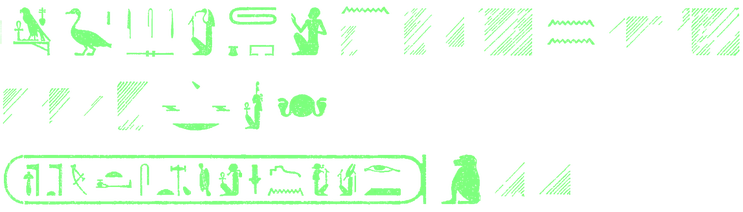
nṯr nfr sꜣ Jsds pẖr nst n .. ... ... ... ... ... ... ... ... ... ... ... ... ... jdbw nb mꜣꜥt nswt bjt (… …)
The perfect god, son of Isdes, heir to the throne of … the riverbanks, lord of Maat, King of Upper and Lower Egypt, Ptolemy IX.
Note · Line 7
Isdes is a name of Thoth. - 8

rdj.j n.k ḥrjw tmꜣw.sn ḥr .. ... ... ... ḥr jrt tp nfr m ... ...
I grant you that those who sit upon their mats … and give right judgment in … .
Note · Line 8
The seated figures are judges. - 9

ḏd mdw jn Ḥr Bḥdtj nṯr ꜥꜣ nb pt bjk n nb nb Wṯst šnbtj šps ḥtp ḥr mꜣꜥt jwḥ ꜥbꜣw ḫnt tꜣ pn
Words spoken by Horus of Behdet, the great god, lord of heaven, falcon of the Golden One, lord of the Throne Seat, the splendid falcon who delights in Maat and floods the offering stones of this land with gifts:
Note · Line 9
Behdet is Edfu, here called the Throne Seat. The Golden One is Hathor. - 10

rdj.j ... ... ... ... ... ... ... ... bw nfr
I give … what is good.
- 11

ḏd mdw jn Ḥt ḥr wrt nbt Jwnt jrt Rꜥ ḥrt jb Bḥdt nbt mꜣꜥt m Jwnt wsrt m Ḥt bjk ... ...
Words spoken by Hathor the Great, Lady of Dendera, Eye of Ra, who dwells in Behdet, lady of Maat in Dendera, the mighty one in the House of the Falcon … :
Note · Line 11
The Eye of Ra is the sun god’s power at work in the person of the goddess. The House of the Falcon is Horus’s temple at Edfu. - 12

rdj.j n.k mꜣꜥt wr.tj m rk.k jsft n wnn.s
I grant you that Maat be great in your time and that wrongdoing have no place.
- 13

nṯrw wrw ḏsr st ḫnt St wrt ḏdw nṯrjw ... ... ... ... . twt r jꜣḫw ḫr dj mrt ḏrtjw nw wr qfꜣt ḫnt Ꜥtm ꜥꜣ šfjt ḫnt tꜣ bnr
The great gods, holy are their thrones at the Great Seat; the divine Enduring Ones …, like the Shining One in the sky; these ancestral gods, held in high honor in the Sealed Land, renowned in foreign lands,
Note · Line 13
The Great Seat is Edfu, the Shining One is Ra, and the Sealed Land is Egypt. - 14

njwswt bjtjw nw Snwt ḥqꜣw nw pꜣ tꜣ jtjw n tꜣwj jdbw nbw .. ... ... ... ... mtwt kꜣ nṯrw špsw sḏm sprw nw ḥḥw Ḥr Bḥdtj nb nbt Jwnt
the kings of Egypt, rulers of the land, masters of the Two Lands and the lands along the banks, lords …, the Bull’s Seed, the splendid gods who hear the pleas of millions: Horus of Behdet and the Golden One, Lady of Dendera.
Note · Line 14
The Two Lands are Upper and Lower Egypt. The Bull’s Seed is a name for Maat. - 15

rdt qbḥw ḏd mdw šsp.n.j ... ... ... ... ... ... ... ... stj.j n.k mw r mn ẖr nww ... ... ... ... ... ... .. m ẖt.f sꜥm.k m ḥr jb
Pouring a libation. Words to be spoken: I have taken up the libation vessels … .
I pour water for you into the basin Ever Full of Primeval Waters … in the evening;
at midday you drink.Note · Line 15
The king pours water for the god. The basin’s name recalls the waters that existed before creation. - 16
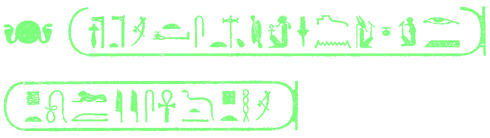
nswt bjt (… …) sꜣ Rꜥ (… …)
The King of Upper and Lower Egypt, Ptolemy IX, the Son of Ra, Ptolemy IX.
Note · Line 16
The two titles introduce two royal names, each enclosed in an oval called a cartouche. Both name the same king. - 17

nṯr nfr ḥm Ḥr n Ḥr ꜥꜣ sp sḥ nb snbt jrj sꜣ mrj.f ꜣḫ n jt.f ꜥn wšb n mwt.f mst sw .. .. n Ḥr sfsf ꜣwt n qmꜣ sw wꜣḥ jḫt n nb nṯrw
The perfect god, Horus-priest of Horus the Great, the Sepseh-priest, lord of the Senbet jar, who serves as His Beloved Son, does good for his father and answers for his mother who bore him, who … for Horus, presents offerings to the one who created him and sets food before the lord of the gods,
Note · Line 17
His Beloved Son is a ritual role: the king serves the god as a son serves his father. - 18

pẖr nst n jrj m Wꜣst ḥꜥ ꜥnḫ n sr ḥḏt šdj.n Spdt .. ḥꜣt spwt stj srf m qrtj ḥtm ḥḏwt.f m ḫntj Š Ḥr nb n ꜥbw sꜣ Rꜥ (… …)
heir to the throne of Him Who Was Made in Thebes, the living body of the Prince of the White Crown, whom Sothis reared, the Lady of the First of the Nomes, who sends the flood streaming from the two springs; he who fills his water jars in the Lake of Horus, lord of purity, the Son of Ra, Ptolemy IX.
Note · Line 18
The first two divine titles name Osiris. - 19
rdj.j n.k pr nswt twr n kꜣ.k ḥꜥ.k ꜥb r ꜥb
I grant that the palace be pure for your ka and your body proof against impurity.
- 20
ḏd mdw jn Ḥr Bḥdtj nṯr ꜥꜣ nb pt sꜣb šwt prj m ꜣḫt nb ꜣḫt msj nfrw .. ḥtpw m ... ...f r sꜥnḫ tꜣwj r sꜥnḫ ꜥnḫw m ḫt n ꜥnḫ
Words spoken by Horus of Behdet, the great god, lord of heaven, bright of plumage, who comes forth from the horizon, lord of offering food, who brings forth gifts and makes offerings spring from his sweat, to keep the Two Lands alive, to keep the living alive with food that grows:
- 21

rdj.j jw n.k ḥꜥpj r tr.f tp rnpt rnpt nn ꜣbw
I make the Nile flood come to you in its season, at the start of each year without fail.
- 22
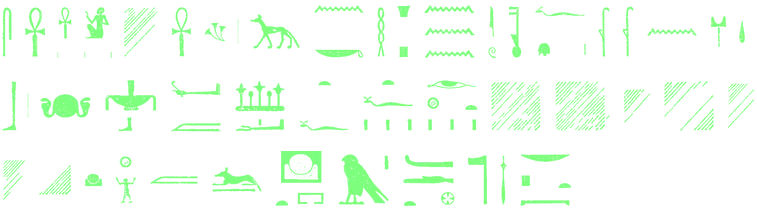
nbj m šꜣꜥ jt jtw jrj jḫt ... .... ḫj pt sštꜣ ꜣḫt Ḥr Bḥdtj nṯr ꜥꜣ nb pt
The shaper at the very beginning, father of fathers, he who acts …, who raised the sky and made the horizon secret: Horus of Behdet, the great god, lord of heaven.
- 23
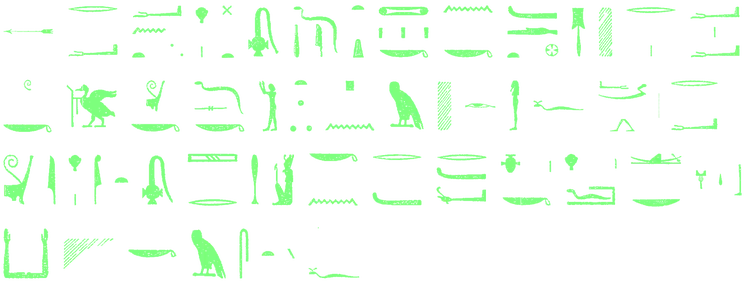
rdt ꜥntjw ḥr sḏt ḏd mdw tw.k n.k Bḥdtj sꜣb šwt rꜣ ꜥwj.k qmꜣ.n.k ḏs.k ꜥntjw pn m jrw.f mꜣꜥ rdj.n.j ḥr ḫt ḫr ḥm.k nrḥrḥ jb.k ḥr prt jm.k ꜣbḫ kꜣ.k m sṯj.f
Offering myrrh on the embers. Words to be spoken: Yours are the incense cones, O Falcon of Behdet, bright of plumage,
the work of your hands, which you yourself created:
this myrrh in its true form, which I have laid on the embers before Your Majesty.
Your heart rejoices in what came forth from you
as your ka mingles with its scent.Note · Line 23
The king offers the god a substance said to have come from the god himself. - 24

nswt bjt (… …) sꜣ Rꜥ (… …)
The King of Upper and Lower Egypt, Ptolemy IX, the Son of Ra, Ptolemy IX.
- 25
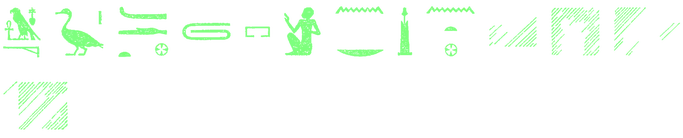
nṯr nfr sꜣ Bḥdtj pẖr nst n nbt Jwnt ... ... ... ... ... ... ... .. nb Fkḥr sḥtp nb nṯrw n prjt jm.f nb ḫꜥw nswt bjt (… …)
The perfect god, son of the Falcon of Behdet, heir to the throne of the Lady of Dendera …, lord of Fekeher, who contents the lord of the gods with what comes forth from him, lord of crowns, the King of Upper and Lower Egypt, Ptolemy IX.
- 26
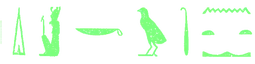
rdj.j n.k Wtnt ẖr prjt jm.s ... ... nbw nw Bwgm
I give you Utenet with all it yields … and all the incense of Bugem.
Note · Line 26
Utenet and Bugem are named here as lands that supply aromatics. - 27

ḏd mdw jn Ḥr Bḥdtj nṯr ꜥꜣ nb pt jtj m tꜣwj nṯrw bjk nṯrj prj m Pwnt ꜥpj ꜥq ṯst ḥr sṯj ꜥntjw
Words spoken by Horus of Behdet, the great god, lord of heaven, sovereign in the Two Lands of the Gods, the divine falcon who comes forth from Punt, Api who enters heaven on the scent of myrrh:
Note · Line 27
Punt was a source of the fragrant resins burned in Egyptian temples. - 28

rdj.j n.k qmꜣtjw ksj.tj ẖr qmjt.sn ḥr ḫrp jḫt.sn r ꜥꜣjt.k
I grant you that the Qematiu bow beneath the weight of their gum as they bring their produce to your palace.
- 29

ḏd mdw jn Ḥt ḥr wrt nbt Jwnt jrt Rꜥ ḥrt jb Bḥdt nbt pt ḥnwt nṯrw nbw ḥqꜣt wrt m šnw n jtn nbt Pwnt ḥnwt ḥḏw
Words spoken by Hathor the Great, Lady of Dendera, Eye of Ra, who dwells in Behdet, lady of heaven, mistress of all the gods, great ruler of all the sun’s disk encircles, lady of Punt, mistress of hedju incense:
- 30

rdj.j bnrw.k m jbw nṯrw sꜥšꜣ.j mrwt.k ḫr nṯrwt
I set your sweetness in the hearts of the gods;
I make the goddesses’ love for you abound. - 31
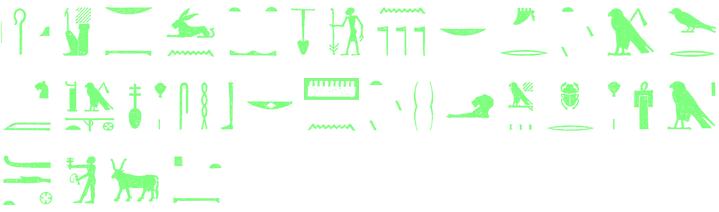
ḥqꜣ nb Pwnt smsw n nṯrw nbw ḏrtj wr pḥtj m Wṯst Ḥr nfr ḥr sḥb mnḏtj ḥꜣt nṯrw ḫpr ḥr sꜣ Ḥr Bḥdtj nṯr ꜥꜣ nb pt
The ruler, lord of Punt, eldest of all the gods, the falcon of great strength on the Throne Seat of Horus, fair of face, his brows adorned for the feast, first of the gods, who comes into being again at the end: Horus of Behdet, the great god, lord of heaven.
- 32

jrt ḥtp dj nswt ḏd mdw mn n.k jḫt nbt mꜣꜥt.n.j n kꜣ.k nfr wꜥb bnr kꜣw nbw qmꜣ Gbb r nw.sn msj.n ꜣḫt r dmḏjt.sn
Making the offering that the king gives. Words to be spoken: Receive all that I have brought to your ka,
all that is fine, pure, and sweet,
all the foods Geb creates in their season,
which the field has borne at their appointed time.Note · Line 32
Geb is the earth god. Here both the god and the field bring forth food. - 33

ꜥḥꜥ.k ḥmsj jm.sn wꜥb ... ...k kꜣw nw Wḏꜣt m ṯst.k
May you take your seat and eat of them, for they are pure.
May you … the foods of Egypt as your share of the offering. - 34
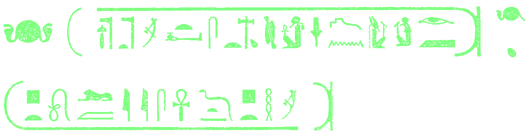
nswt bjt (… …) sꜣ Rꜥ (… …)
The King of Upper and Lower Egypt, Ptolemy IX, the Son of Ra, Ptolemy IX.
- 35
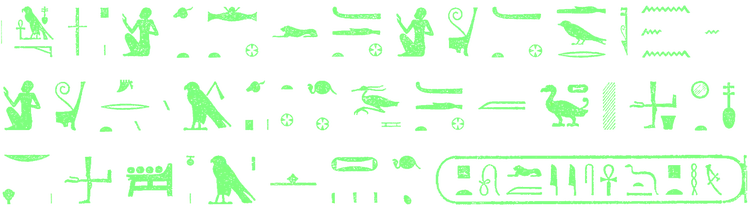
nṯr nfr jmj p ḫnt Msn mr bḥdw n Bḥdt twr n ḏrtj ḫnt P n Rꜥ bꜥḥj Bḥdt m ḏfꜣ jꜥb jḫt nbt nfrt ḥr ꜥbꜣ n Ḥr nb ḥtpw sꜣ Rꜥ (… …)
The perfect god, the Imi-pe priest in Mesen, overseer of the throne in Behdet, priest of purification for the falcon at the Seat of Ra, who floods Behdet with food and gathers every fine gift on the altar of Horus, lord of offerings, the Son of Ra, Ptolemy IX.
Note · Line 35
Mesen and the Seat of Ra are sacred names for Edfu. The priestly titles belong here to the king. - 36

rdj.j n.k ḥw ḥnꜥ ḏfꜣ r ẖrt.k jḫt nbt qmꜣt.n ꜣḫt
“I give you food and provisions to sustain you, everything the field has brought forth.”
- 37

ḏd mdw jn Ḥr Bḥdtj nṯr ꜥꜣ nb pt sꜣb šwt prj m ꜣḫt Ḥr jꜣbtt wbn m bꜣẖ psḏ m nwt m ẖrt hrw sšm ḥr nb r kꜣt.sn
Words to be spoken by Horus of Behdet, the great god, lord of the sky, many-colored of plumage, who comes forth from the horizon; Horus of the East, who rises over the eastern mountain, who shines in the sky day after day and guides everyone to their work:
Note · Line 37
Here Horus is the rising sun, whose light begins the working day. - 38

rdj.j n.k Kmt ꜣḫ.tj m rk.k jwtj jsk qn rnpt m ḫntj.f
“I grant you that Egypt shall flourish in your time, with no year of want in the land.”
- 39
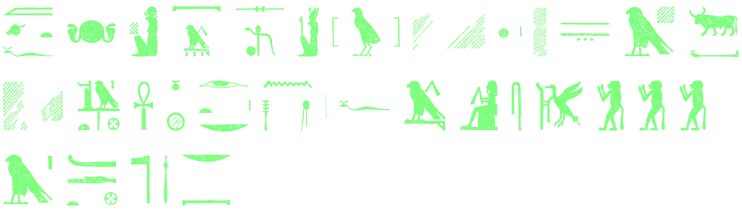
Rꜥ ḥrj nṯrw sḥḏw wr sḥḏ tꜣwj Ḥr kꜣ nḫt ... Wṯst Ḥr ꜥnḫ jrt nbt n psḏ.f nṯr šps qmꜣ nfrw Ḥr Bḥdtj nṯr ꜥꜣ nb pt
Ra, foremost of the gods, the great giver of light who lights the Two Lands; Horus, the mighty bull, … the Throne of Horus, by whose radiance every eye lives; the august god who creates beauty, Horus of Behdet, the great god, lord of the sky.
Note · Line 39
The Throne of Horus is Edfu. - 40
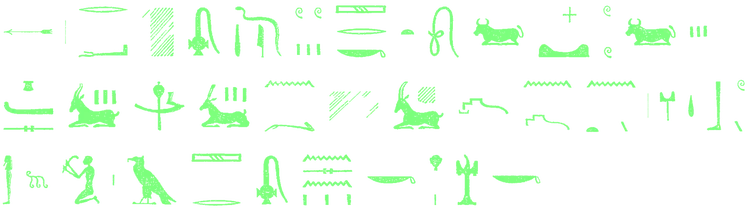
rdt stpw ḥr ḫt ḏd mdw ḫꜣw ḫr.k ntj jwꜣw wnḏww gḥsw mꜣw ḥḏ njꜣww stpw nw ntj ꜣbwt nbḏw ꜣšrt n.sn wdj jsk ḥr ḫꜣwt.k
Setting the choice cuts on the fire. Words to be spoken: “Before you are cuts of meat from iwa-cattle and wendju-cattle, from gazelles, oryxes and ibexes. These are choice cuts from the likenesses of the rebels, duly laid on your altar as morsels of roast meat.
Note · Line 40
The king presents the meat. The slaughtered animals stand for the god’s enemies, so the offering also enacts their defeat. - 41

wšꜥ.k jm.sn ḥsmn.k jm.sn ṯꜣms.k jm.sn wꜥb
May you eat of them,
may you feast on them,
may you savor them in their purity.” - 42

nswt bjt (… …) sꜣ Rꜥ (… …)
The king of Upper and Lower Egypt, Ptolemy IX, the son of Ra, Ptolemy IX.
Note · Line 42
The two royal titles introduce the king’s throne name and his birth name, each enclosed in a cartouche. - 43
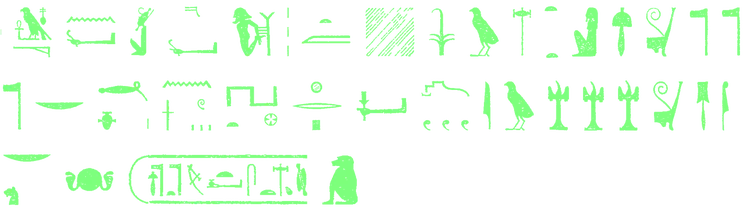
nṯr nfr qn ḥwj sbjw ṯmꜣ ꜥ .. sw nḏtj mnḫ n nṯrw nbw mḥ jb n jmjw Tꜣ mrj ḫrp stpw r ḫꜣwwt nt sꜣb šwt nb pḥtj nswt bjt (… …)
The perfect god, the valiant one who strikes down rebels, strong of arm, …, the worthy defender of all the gods, who fills the people of Egypt with confidence, who brings choice cuts to the altars of the Many-Colored of Plumage, lord of might, king of Upper and Lower Egypt, Ptolemy IX.
- 44
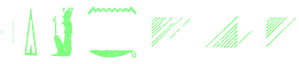
rdj.j n.k ... ... . ḥr mw n ḥm.k wꜣwꜣ ḏw r.k .. r.sn
“I grant you that Egypt shall be loyal to Your Majesty and that those who plot evil against you …”
- 45

ḏd mdw jn Ḥr Bḥdtj nṯr ꜥꜣ nb pt spd sḫm ḥwj kjwjw ꜥpr qn ḫnt Wsrw ḥꜣt rdj šnṯjw.f r wnmjt
Words to be spoken by Horus of Behdet, the great god, lord of the sky, keen and powerful, who strikes down his foes, armed for battle, valiant among the Useru-hat, who casts his adversaries into the devouring flame:
- 46
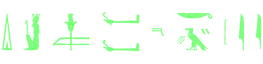
rdj.j n.k sbjw sqr n sꜣḫt.k wnj mw.k m tm wn
“I grant you that the rebels lie slain by your knife and that whoever defies you is no more.”
- 47

ḏd mdw jn Ḥt ḥr wrt nbt Jwnt jrt Rꜥ ḥrt jb Bḥdt ... ... ḫnt P n Rꜥ ... wrt ḫnt Ḥt nḥm wsrt bḥnt ḫftjw
Words to be spoken by Hathor the Great, lady of Dendera, Eye of Ra, who dwells in Behdet, … foremost in the Seat of Ra, … the great one, foremost in the House of Jubilation, the mighty one who punishes her foes:
Note · Line 47
The Seat of Ra is Edfu; the House of Jubilation is Hathor’s sanctuary at Dendera. As the Eye of Ra, Hathor wields the sun god’s power against his enemies. - 48

sbsb.j sbj r smꜣtjw nw ḥm.k swr.j mrwt.k ḫr ꜥnḫw
“I drive the rebel from Your Majesty’s paths;
I make the living love you more.” - 49
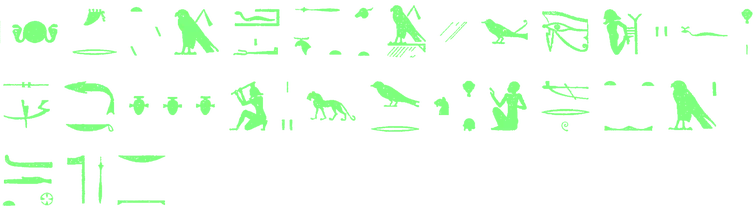
ḏrtj prj ꜥ ꜥꜣ šfjt ḫnt nṯrw ḥrst wḏꜣtj ... sbjw ḥtp.f ḥr smꜣ ẖꜣkw jb mꜣj wr pḥtj ḥrj tp mrw Ḥr Bḥdtj nṯr ꜥꜣ nb pt
The falcon that seizes, held in great awe among the gods, both eyes red with rage, who … the rebels, who takes satisfaction in killing the disloyal; the lion of great strength, chief of the desert, Horus of Behdet, the great god, lord of the sky.
- 50
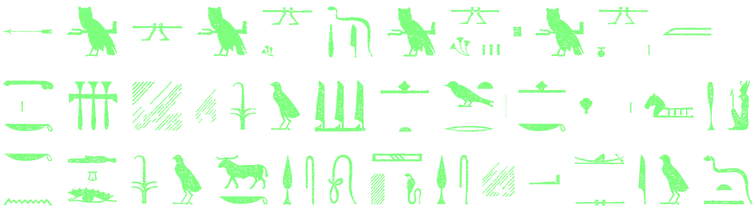
ms ms ḏd mdw ms pn ms.n.j m bꜣḥ.k ṯḥn ḥr.k ḏr mꜣꜣ.k sw Sḫt ḥtpt wrt ḥtpt.k ḥr.s ḫntš ḥm.k n dgt.s bꜣ.k jm.s wꜣš.k jm.s ... ... jm.s r ḏt
Presenting the staff-bouquet. Words to be spoken: “This staff-bouquet I have brought before you—
your face lights up when you see it.
The great Field of Offerings, in which you take pleasure—
Your Majesty rejoices at the sight of it.
Through it you are mighty,
through it you are honored,
through it you … forever.”Note · Line 50
Flowers are bound to a long stem to form the offering. In presenting it, the king presents the whole Field of Offerings to the god. - 51
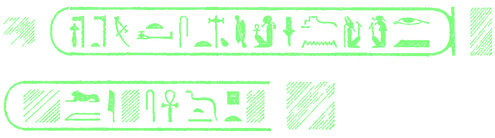
nswt bjt (… …) sꜣ Rꜥ (… …)
The king of Upper and Lower Egypt, Ptolemy IX, the son of Ra, Ptolemy IX.
- 52
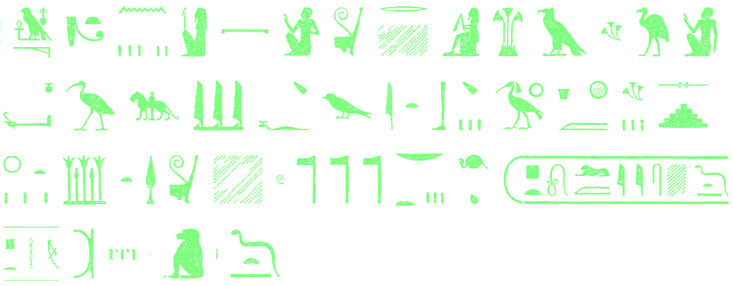
nṯr nfr tjt nt Gbb ḥrj tꜣ n rpꜥt nṯrw ꜥḥwtj qnj jqr pẖr sḫt.f wr jdbw ꜣḫ ꜥẖmw sjꜥr jḫt šꜣ n ... nw nṯrw nb ḫꜥw sꜣ Rꜥ (… …)
The perfect god, the image of Geb, earthly deputy of the prince of the gods; the strong and skillful plowman who traverses his field, rich in riverbank land, splendid in his plants, who presents the produce of the fields to the … of the gods; lord of crowns, son of Ra, Ptolemy IX.
Note · Line 52
The title “prince of the gods” here belongs to him. - 53
rdj.j n.k mjnt nbt ... ḥrrt rdt ḥr Kmt m ꜥb ... ...
“I give you every wetland and the flowers that grow in Egypt and in foreign lands.”
- 54

ḏd mdw jn Ḥr Bḥdtj nṯr ꜥꜣ nb pt sꜣb šwt prj m ꜣḫt ꜥpj šps ḫnt kꜣrw nbw ... m nwt ... ... mḥ pt tꜣ m nfrw.f
Words to be spoken by Horus of Behdet, the great god, lord of the sky, many-colored of plumage, who comes forth from the horizon; the august Api, foremost in all shrines, who gleams in the sky, who …, who fills sky and earth with his beauty:
Note · Line 54
Api is Horus in the form of the winged sun disk. - 55

rdj.j n.k ḥꜥpj ꜥšꜣ ... ... ... ṯḥn.tj jrj m ḥꜣt ḥꜥpj
“I grant you that the Nile flood shall abound in … and that the … shall all gleam, the very best of the flood.”
- 56

ḏd mdw jn Ḥt ḥr wrt nbt Jwnt jrt Rꜥ ḥrt jb Bḥdt nbt pt ḥnwt nṯrw nbw ꜣḫtjt wrt ḥꜣjt tꜣwj m stwt.s ḥꜥjt ḥr nb n mꜣꜣ.s
Words to be spoken by Hathor the Great, lady of Dendera, Eye of Ra, who dwells in Behdet, lady of the sky, mistress of all the gods, the great lady of the horizon, who lights the Two Lands with her rays, at whose sight every face lights up:
- 57

rdj.j n.k ḥr nb ḥr ḥngg n mꜣꜣ.k spẖr.j n.k jbw n ḥnmmt
“I grant you that everyone shall shout for joy at the sight of you;
I turn the hearts of the Henmemet people toward you.” - 58
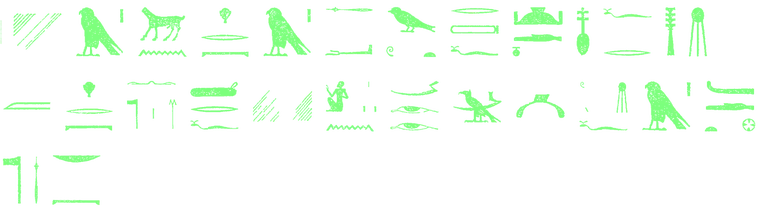
Ḥr ẖn ḥrt Ḥr ꜥꜣ kꜣ.tw r rn.f jtn nfr psḏ m ḥrt n nṯr m sn r.f ... ... .. n mꜣꜣ mꜣwt.f Ḥr Bḥdtj nṯr ꜥꜣ nb pt
Horus who rows across the sky, called Horus the Great, the perfect sun disk that shines in the sky, whom no god can equal, … at the sight of whose rays everyone lives, Horus of Behdet, the great god, lord of the sky.
- 59
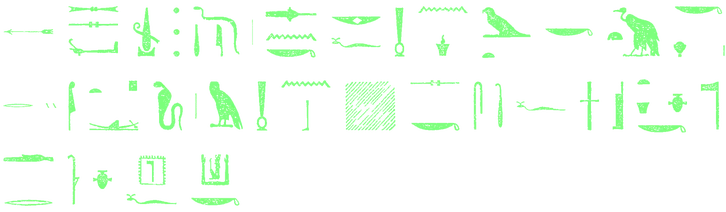
ṯs wḏꜣw ḏd mdw mn n.k ꜣwt jb sḥb.f šnbt.k mwt.k ḥr jrt gs dpt.k jmj šnbt jsk smn.f jmj st ꜥ.k nṯrj nṯrj.f kꜣ.k bjꜣ m ḏt.f sꜣwj m jrw.f jw.sn dmḏ ḫr.k
Tying on the amulet. Words to be spoken: “Take the amulet that adorns your breast,
your mother who grants you protection,
the breast ornament that steadies your heart,
the divine heart amulet that makes your ka divine.
Copper in its true substance, saui-gold in its proper form:
they come to you united.Note · Line 59
The king fastens the amulet on the god. It protects him as a mother would. - 60

... ... ... hrw dmḏ sḫpr.w šfjt.k m tꜣ pn ... ... ḏt.k mkj.w ḥꜥ.k ... ...k rꜥ nb sp 2
… on the day of battle.
They will inspire awe of you in this land,
they will guard your body, they will protect your limbs,
they will … your …, day after day.” - 61
nswt bjt (… …) sꜣ Rꜥ (… …)
The king of Upper and Lower Egypt, Ptolemy IX, the son of Ra, Ptolemy IX.
- 62

nṯr nfr nḏtj n tꜣ pẖr nst n nb Wṯst jwꜥw mnḫ n nb P Msn sn sw r Mnṯw m ꜣt.f ms jrt ḫḫ ḫr nb jtrtj nb ḫꜥw nswt bjt (… …)
The perfect god, defender of the land, successor to the throne of the lord of the Throne, worthy heir of the lord of Pe-Mesen, Montu’s equal in might, who presents a neck amulet to the lord of the Two Shrines; lord of crowns, king of Upper and Lower Egypt, Ptolemy IX.
Note · Line 62
Pe-Mesen is another sacred name of Edfu. The Two Shrines represent the sanctuaries of Upper and Lower Egypt. Montu is a god of war. - 63

Nḫbt ḥḏt Nḫn
Nekhbet, the White One of Nekhen.
Note · Line 63
Nekhbet is the vulture goddess who protects the king as ruler of Upper Egypt. - 64
rdj.j n.k nḫt m tꜣwj ḫꜣswt nh.j kꜣ.k ḥr mṯwn
“I give you strength for victory in the Two Lands and in foreign lands;
I protect your ka on the battlefield.” - 65
ḏd mdw jn Ḥr Bḥdtj nṯr ꜥꜣ nb pt nṯr ꜥꜣ wr r nṯrw nbw nb rꜣ ꜥ ḫt pr Mnṯw r ḫt.f nn twꜣ.tw ḫt nb m ḫm.f
Words to be spoken by Horus of Behdet, the great god, lord of the sky, the great god, greater than all the gods, lord of battle, who has charge of the armory, without whose knowledge no one raises a weapon:
- 66

rdj.j ... ... ... ... ... ḥḥ ẖr ḥꜣt ḥm.k
I give … millions before Your Majesty.
- 67

ḏd mdw jn Ḥt ḥr nbt Jwnt jrt Rꜥ ḥrt jb Bḥdt nbt pt ḥnwt nṯrw nbw ḥqꜣt wrt sḫmt m sbj ꜥḥꜣt ḥr jt.s m Ḏbꜣ
Words spoken by Hathor, Lady of Dendera, Eye of Ra, who dwells in Behdet, lady of heaven, mistress of all the gods, the great ruler who overpowers the rebel and fights for her father in Edfu:
Note · Line 67
As the Eye of Ra, Hathor acts in defense of her father, the sun god. - 68

rdj.j n.k nṯrw nbw ḥr ... nṯrwt ḥr ḫwt ḥꜣ.k
I grant you this: all the gods …, and the goddesses keep guard behind you.
- 69
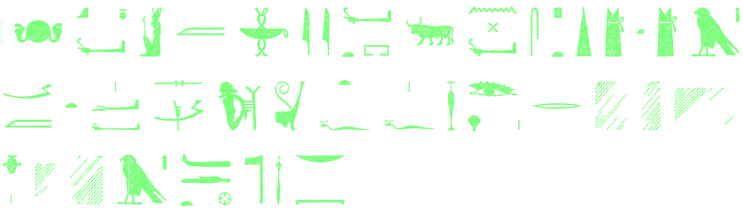
qn m skjt kꜣ nḫt spd ḥnwtj Ḥr ṯmꜣ ꜥ smꜣ sbj n jt.f ḥsꜣ ḥr r ḫftjw.f ... ... ... ... jb ... Ḥr Bḥdtj nṯr ꜥꜣ nb pt
Valiant on the battlefield, the mighty bull with his two sharp horns, Horus the strong-armed, who slays his father’s foe, fierce of face against his adversaries, … heart …, Horus of Behdet, the great god, lord of heaven.
- 70
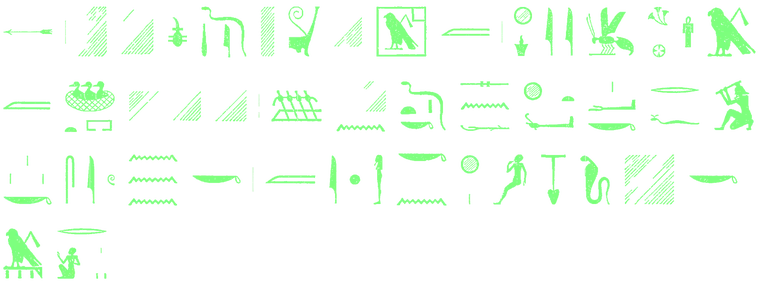
ḥnk jrṯt ḏd mdw bntj n Sḫꜣt Ḥr ... .. m ꜣḫ bjt sjꜣw m sš.f .. ... ... ... ... sšp n ḏt.k snḫt ꜥ.k r ḫftjw.k swr.k jm.sn m jrw.k n ḫ smꜣ.k jḫt ... .. nṯrw rmṯw
Offering milk. Words to be spoken: The two teats of Sekhat-Hor for the child in Chemmis,
the falcon in his nest …
Milk for your body, to strengthen your arm against your foes.
May you drink from them in your form as a child;
may you partake of the food … gods and men.Note · Line 70
Sekhat-Hor is a cow goddess. Chemmis is the marshland refuge where Isis nursed the infant Horus in hiding. - 71
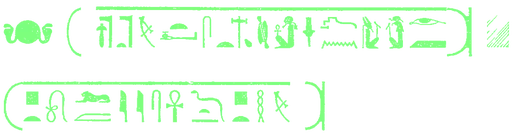
nswt bjt (… …) sꜣ Rꜥ (… …)
King of Upper and Lower Egypt, Ptolemy IX, Son of Ra, Ptolemy IX.
Note · Line 71
The two titles introduce the king’s throne name and birth name, each enclosed in an oval cartouche. - 72
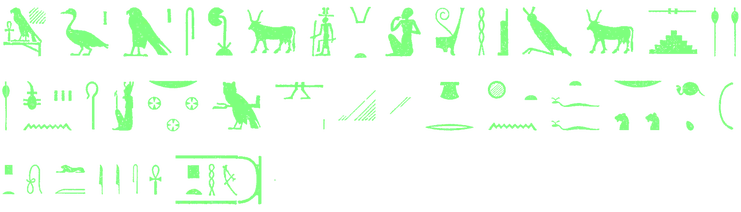
nṯr nfr sꜣ Sḫꜣt Ḥr jtj šdj.n Ḥsꜣt sjꜥr ḥḏt n ḥqꜣ nb nwwt ms ... ... ... ... ... ẖr jḫt nt jt.f nb pḥtj sꜣ Rꜥ (… …)
The perfect god, son of Sekhat-Hor, the sovereign whom Hesat suckled, who offers milk to the ruler, lord of cities, who presents …, bearing offerings for his father; the lord of might, Son of Ra, Ptolemy IX.
Note · Line 72
Hesat too is a divine cow. The king who presents the milk is himself a nursling of the gods. - 73

rdj.j n.k sꜣ ẖr ꜣḫwt wrwt jrṯt.sn jrj r ẖrt.k
I grant you a byre stocked with great Akhet cows, and their milk to meet your needs.
- 74

ḏd mdw jn Ḥr Bḥdtj nṯr ꜥꜣ nb pt bjk n nb sꜣ Wsjr wḏḥ n jdḥw bjtj tꜣ pn prj m p.f r wṯst.f
Words spoken by Horus of Behdet, the great god, lord of heaven, the falcon of gold, son of Osiris, child of the marshes, who rules this land and goes forth from his seat to his throne:
- 75
rdj.j ... ... ... ... ... .. r ḫftjw.k
I give … against your adversaries.
- 76
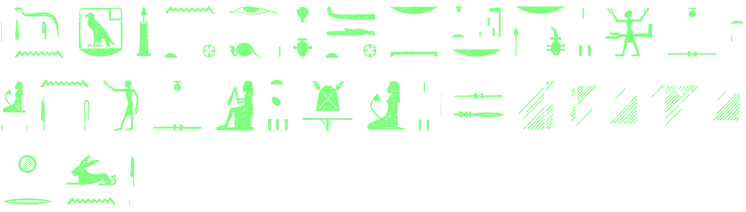
ḏd mdw jn Ḥt ḥr nbt Jwnt jrt Rꜥ ḥrt jb Bḥdt nbt pt ḥnwt nṯrw nbw nbt ḥḏt ḥꜥjt n.s ḥmwt njst n.s Špswt Ḥmwswt
Words spoken by Hathor, Lady of Dendera, Eye of Ra, who dwells in Behdet, lady of heaven, mistress of all the gods, lady of milk, whom women acclaim and to whom the Shepsut and Hemusut call:
Note · Line 76
The Shepsut and Hemusut are groups of goddesses associated with birth and a child’s fortunes. - 77
... ... ... ... ... ... ḫr wnnjw
… among the living.
- 78
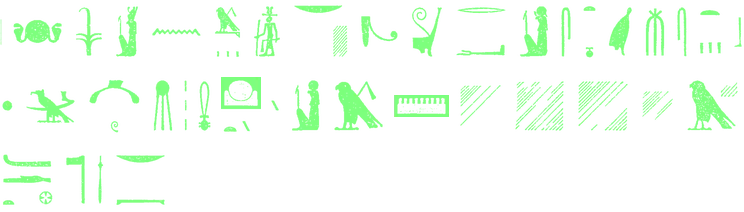
nswt n nṯrw jtj nb gsw prw tjt nt Rꜥ sṯnj msḫꜥ bd mꜣwt mj ꜣḫtj bjk nṯrj ḥr srḫ Ḥr Bḥdtj nṯr ꜥꜣ nb pt
King of the gods, sovereign, lord of temples, image of Ra, exalted in splendor, radiant as He of the Horizon, the divine falcon upon the palace façade, Horus of Behdet, the great god, lord of heaven.
Note · Line 78
The palace façade is the emblem called a serekh: it frames the king’s Horus name, with the falcon perched above. - 79

smꜣꜥ ꜥꜣbt ḏd mdw mj m ḥtp r ꜥꜣbt.k wrt ḫꜣw nw jḫt ḥr.s jnw nbw nw tꜣ šmꜥw m qꜣb.s ḥnꜥ wnnt nbt nt tꜣ mḥw
Presenting the food offering. Words to be spoken: Come in peace to your great food offering.
Things by the thousand are upon it;
it holds all that Upper Egypt brings,
with everything there is in Lower Egypt. - 80

ꜥḥꜥ.k ḥmsj.k jm.sn ... ... ...k psšwt n nṯrw nbw
May you take your place and eat of them …;
may you … the portions for all the gods. - 81
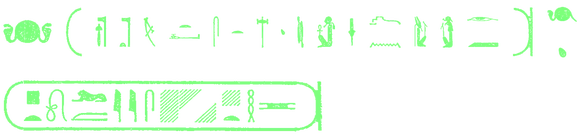
nswt bjt (… …) sꜣ Rꜥ (… …)
King of Upper and Lower Egypt, Ptolemy IX, Son of Ra, Ptolemy IX.
- 82
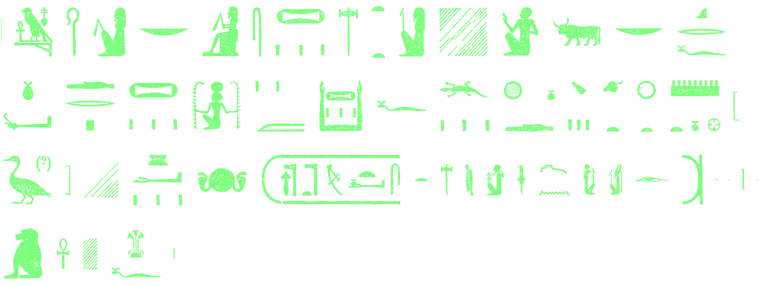
nṯr nfr ḥqꜣ nb špsw nḏtj ... ... ... . kꜣ nb qrf drp ḥḥw m kꜣw.f ꜥšꜣ ḫntš ḫnt jḫt mnt ... ... ... ... ... . nb ḫꜥw nswt bjt (… …)
The perfect god, ruler and lord of choice foods, protector …, bull, lord of nourishment, who feeds millions with his food, whose fields are many in the world, …, lord of crowns, King of Upper and Lower Egypt, Ptolemy IX.
Note · Line 82
The word for “bull,” ka, sounds again in the word for “food,” kau. - 83

Bḥdtj nṯr ꜥꜣ nb pt
He of Behdet, the great god, lord of heaven.
- 84

rdj.j n.k ḥtpw ꜥšꜣw nn ḏrw.sn jḫt nbt qmꜣt ꜣḫt
I give you offerings in plenty, without limit, and everything the field brings forth.
- 85

ḏd mdw jn Ḥr Bḥdtj nṯr ꜥꜣ nb pt sꜣb šwt prj m ꜣḫt nfr ḥr ḥrj st.f wrt ḥw ḥwj sbjw ḫnt Ḥt qn jrj ḥw sḫpr ḏfꜣ
Words spoken by Horus of Behdet, the great god, lord of heaven, of many-colored plumage, who comes forth from the horizon, fair of face upon his great seat, the smiter who smites rebels in the House of the Strong, who produces food and multiplies provisions:
- 86

rdj.j n.k ... ... ... nḏsw n.k ẖr bꜣk.sn
I grant you … and grant that the people come to you bearing their dues.
- 87

ḏd mdw jn Ḥt ḥr wrt nbt Jwnt jrt Rꜥ ḥrt jb Bḥdt nbt pt ḥnwt nṯrw nbw jtjt m Wṯst nbt ḥtpw ḏfꜣ mrt Pr ḥḏ ḫnt St wrt
Words spoken by Hathor the Great, Lady of Dendera, Eye of Ra, who dwells in Behdet, lady of heaven, mistress of all the gods, sovereign in the Throne Seat, lady of offerings and provisions, overseer of the storehouse in the Great Seat:
Note · Line 87
The Throne Seat and the Great Seat are sacred names for Edfu. - 88

rdj.j n.k ḥw srwḏ.tj ḥr ... ... ... .. nb m ṯst.k
I grant you food that never fails in your hand, and every dish as your share of the offering.
- 89
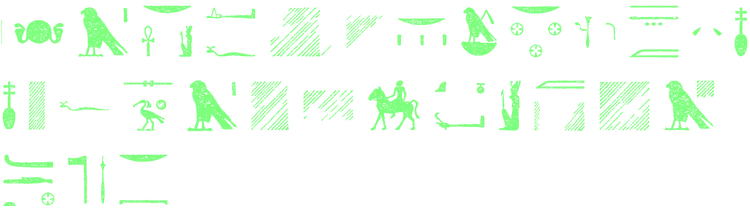
Ḥr nb ꜥnḫ rdj.f sw .. ... . nbw nb nwwt swꜣḏ tꜣwj m nfrw.f sꜣḫ Jdbw Ḥr m .. ... ... qn qnj m sꜥnḫ .. Ḥr Bḥdtj nṯr ꜥꜣ nb pt
Horus, lord of life, who reveals himself …, lord of cities, who makes the Two Lands flourish by his perfection and the Banks of Horus glorious with …, the strong one, strong in sustaining life …, Horus of Behdet, the great god, lord of heaven.
- 90
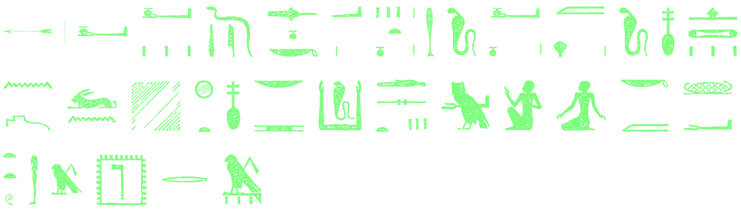
ḥnk ḥnkt ḏd mdw mn n.k ḥnkt 4.t nt ḥm.k ḥnkt.n.j m ḥr.k nfr ḥtpw nw wn . ... jḫt nbt nfrt mrjt kꜣ.k šsp st m ꜥ.j ḥmsj.k m wḥꜥ ṯwt nṯr nṯrj r nṯrw
Presenting the henket offering. Words to be spoken: Take the four henket vessels that belong to Your Majesty,
which I have presented before your fair face.
These offerings that are …, all good things your ka loves—
receive them from my hand.
May you sit down at leisure to eat,
for you are a god more divine than the gods. - 91
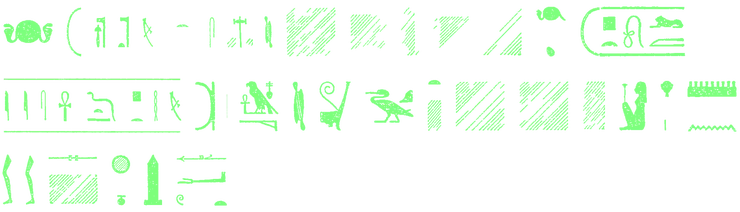
nswt bjt (… …) sꜣ Rꜥ (… …)
King of Upper and Lower Egypt, Ptolemy IX, Son of Ra, Ptolemy IX.
- 92
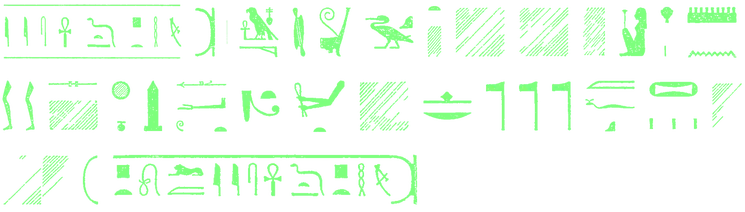
nṯr nfr jwꜥw n ꜥqjt ... ... .. .. ḥr mntj.s .. ... .. tḫn wꜥtj tjt ḏsrt nt .. ... sḥtp nb nṯrw m fqꜣw nb . ... sꜣ Rꜥ (… …)
The perfect god, heir of Aqit, whom … reared on her lap, … of the Sole Obelisk, the splendid image of …, who satisfies the lord of the gods with cakes, lord of …, Son of Ra, Ptolemy IX.
- 93

ḥqꜣt nbt tꜣwj (…)
The queen, Lady of the Two Lands, Cleopatra:
- 94

šsp m ꜥ.f sꜣ.k mrj.k ḥrj nst.k ḥr tp tꜣ
Receive it from his hand, the hand of your beloved son who sits upon your throne on earth.
Note · Line 94
Cleopatra speaks to Horus. The hand that holds out the offering is the king’s. - 95
rdj.j n.k jḫt nbt nfrt r ẖrt.k ... ... .. r mrwt.k
I give you every good thing for your needs, and … as you desire.
- 96
ḏd mdw jn Ḥr Bḥdtj nṯr ꜥꜣ nb pt sꜣb šwt prj m ꜣḫt špsw wr nb ꜣḫt
Words to be spoken by Horus of Behdet, the great god, lord of the sky, many-colored of plumage, who comes forth from the horizon, the great and glorious one, lord of wondrous things:
- 97
rdj.j n.k jḫt nbt psḏt jtn ḥr.sn mꜣꜣt nbt nt ꜣḫtj
I give you all that the sun disk shines upon,
and all that the two eyes see.Note · Line 97
The two eyes are the sun and the moon. - 98

ḏd mdw jn Ḥt ḥr wrt nbt Jwnt jrt Rꜥ ḥrt jb Bḥdt Rnnt nfrt sḫprt ḏfꜣ
Words to be spoken by Hathor the Great, Lady of Dendera, Eye of Ra, who dwells in Behdet, the perfect Renenet, who brings food into being:
Note · Line 98
Renenet is a goddess of the harvest and of nourishment. Hathor speaks here in that capacity. - 99

rdj.j mrwt.k sš.tj ḫr ḥrw nn sꜣj bw nb m ptr.k
I cause love for you to spread among the people;
no one can have their fill of looking at you. - 100

ḏd mdw jn Ḥr {mꜣ tꜣwj pꜣ ẖrd sꜣ Ḥt ḥr sfj šps n Rꜥ Ḥr ꜣḫtj
Words to be spoken by Harsomtus the Child, son of Hathor, noble offspring of Ra-Horakhty:
Note · Line 100
Harsomtus means “Horus who unites the Two Lands,” Upper and Lower Egypt. - 101

rdj.j n.k ḥwnw ḥr ḥꜥt n mꜣꜣ.k sr.j nfrw.k ḫr tpjw tꜣ
I grant that the young men rejoice at the sight of you;
I proclaim your perfection to all who dwell on earth. - 102
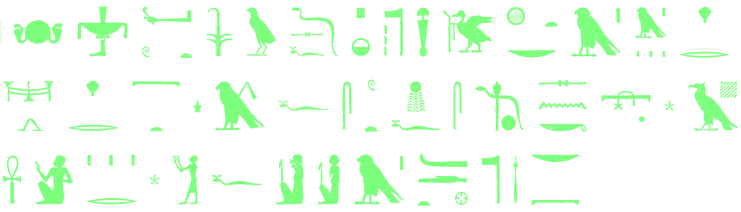
nbj sw ḏs.f pꜣwtj tpj qmꜣ jḫt nbt Ḥr Ḥrw ḥrj ḥrt n bꜣ.f stwt.f ḥr sḥḏt snkt dwꜣ ꜥnḫw r dwꜣ.f rꜥ nb Ḥr Bḥdtj nṯr ꜥꜣ nb pt
He who fashioned himself, first of the primeval gods,
maker of all things, Horus of Horuses,
who holds the heavens high for his ba,
whose rays light the dark,
whom the living rise at dawn to praise each day:
Horus of Behdet, the great god, lord of the sky.Note · Line 102
The ba is a being’s power to move freely and manifest itself in different forms. - 103
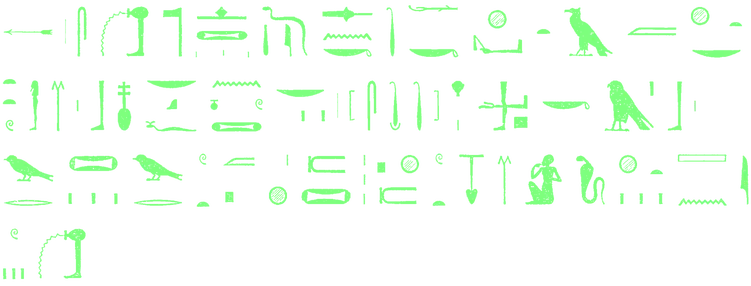
swꜥb ḥtp nṯr ḏd mdw mn n.k ṯt.k ḫwd m jḫt nbt twt m bw nb nfr qfnw nbw ... ... ... ... smn.tj ḥr ꜥbꜣ.k Ḥr bw wr wr.tj gs pḫꜣ pḫꜣ.tj smꜣ.k jḫt jm.sn jw.w wꜥb
Purifying the god’s offering. Words to be spoken:
Take your table, laden with food of every kind,
furnished with every good thing.
All the cakes … are set firm on your offering stone, O Horus.
The loaves are many, the offering cakes plentiful.
May you partake of them; they are pure. - 104
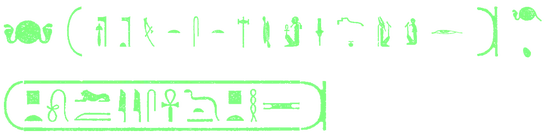
nswt bjt (… …) sꜣ Rꜥ (… …)
The King of Upper and Lower Egypt, Ptolemy IX, the Son of Ra, Ptolemy IX.
Note · Line 104
The two royal titles introduce the king’s throne name and birth name, each enclosed in an oval cartouche. - 105
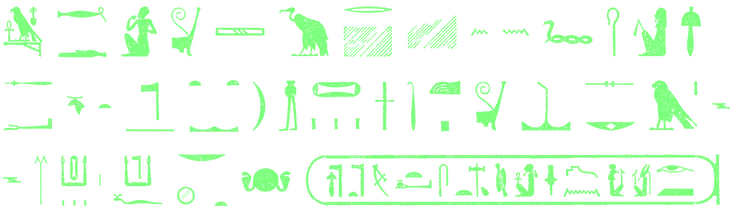
nṯr nfr šdj.n Štꜣt pẖr nst n Pẖr ḥr ḥqꜣ mnḫ ꜥꜣ šfjt m Tꜣ nṯr ḫbj jnw jmj wtj Kbn sḥb Jdbw Ḥr m kꜣw nw kꜣ.f nb jḫt nswt bjt (… …)
The perfect god whom Shetat suckled,
successor to the throne of Pekher-Her,
the able ruler who inspires great awe in the God’s Land,
who exacts tribute in Byblos
and makes the Banks of Horus keep festival with the food of his ka,
lord of offerings, the King of Upper and Lower Egypt, Ptolemy IX.Note · Line 105
Shetat is Nekhbet, the vulture goddess who protects the king. The Banks of Horus are Egypt; the ka is the vital power sustained by offerings. - 106
Nḫbt ḥḏt Nḫn
Nekhbet, the White One of Nekhen.
Note · Line 106
Nekhen, also known as Hierakonpolis, was an ancient royal center in Upper Egypt. - 107
rdj.j n.k ḫnp kꜣ ḥr ḫꜣḫ r ḫj.k wꜥb.tj r jꜣdt rnpt
I grant that the Plundering Bull hasten to your field, free of the year’s pestilence.
Note · Line 107
The Plundering Bull is the annual Nile flood, whose waters reach out over the fields. - 108
ḏd mdw jn Ḥr Bḥdtj nṯr ꜥꜣ nb pt sꜣb šwt prj m ꜣḫt ꜥbb šps wbn m nww ... ... ... pt m ꜥpj wr psḏ m bꜣẖ tp dwꜣw ꜥꜣ ḫprw ḏsr sštꜣ nn rḫ.tw sšm.f
Words to be spoken by Horus of Behdet, the great god, lord of the sky, many-colored of plumage, who comes forth from the horizon,
the glorious scarab who rises from Nun,
… the sky as great Apy,
who shines on the eastern mountain at each daybreak,
great in his forms, sacred in his mystery,
whose true form no one knows,Note · Line 108
Nun is the expanse of water that existed before creation. The scarab rising from it is the newborn sun. - 109
nb wḏꜣtj ꜥšꜣ ꜥnḫwj sꜣj jb n ḥr nb ꜥnḫ r nḥḥ ḥr wbn ḥtp jtn.f šw jrj ḥḏḏwt ḏfn n nṯrw bsj.sn jm.f qmꜣ wnnt nbt m tꜣ pn
lord of the two sound eyes, whose ears are many,
who fills every heart to its content,
who lives forever, rising and setting,
whose disk is light, who brings forth brightness,
forefather of the gods who spring from him,
who creates all that exists in this land: - 110
rdj.j n.k pr nswt twr n ḥm.k mn.tj ḥr nst.k ḫnt st wrt
I grant that the royal house be pure for Your Majesty,
and that you sit secure on your throne in the Great Seat.Note · Line 110
The Great Seat here is the palace. - 111

ḏd mdw jn Ḥt ḥr wrt nbt Jwnt jrt Rꜥ ḥrt jb Bḥdt nbt pt ḥnwt nṯrw nbw ḥrjt tp wrt ḥqꜣt nbt Pwnt jnt ḥꜥpj m šspw.f
Words to be spoken by Hathor the Great, Lady of Dendera, Eye of Ra, who dwells in Behdet,
lady of the sky, mistress of all the gods,
great cobra on the brow, ruler and lady of Punt,
who brings the Nile flood to its due measure of handbreadths:Note · Line 111
The cobra on the brow protects the wearer of the crown. The flood’s height was measured in cubits and handbreadths; the harvest depended on its reaching the right level. - 112

rdj.j n.k ḥr nb ḥr ḫntš n mꜣꜣ.k swr.j mrwt.k m jbw
I grant that every face brighten at the sight of you;
I make love for you grow in people’s hearts. - 113
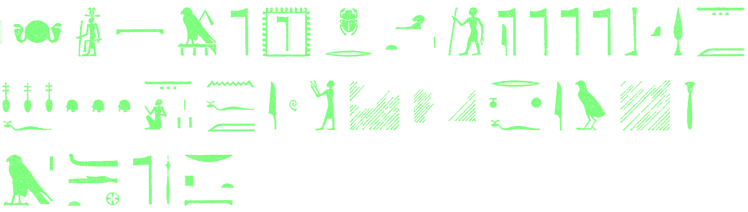
jtj ḥrj nṯrw nṯr nṯrj ḫpr m ḥꜣt sr nṯrw bꜣq tꜣ m nfrw.f tpjw tꜣ n.f m jꜣw ... ... r nw.f r sꜥnḫ tꜣwj Ḥr Bḥdtj nṯr ꜥꜣ nb pt
The sovereign, highest of the gods, the god most divine,
who came into being in the beginning,
prince of the gods, who makes the land flourish by his perfection,
whom the people of earth acclaim,
… at its appointed time to keep the Two Lands alive:
Horus of Behdet, the great god, lord of the sky. - 114
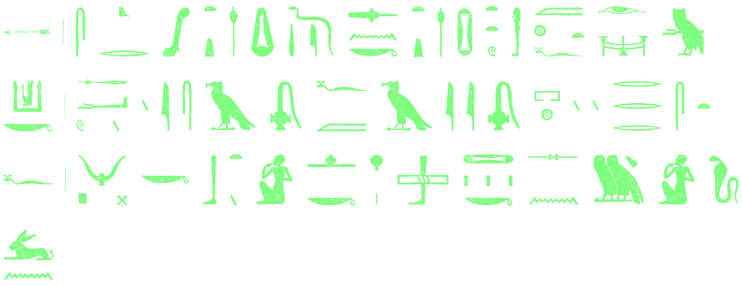
sqr t ḥḏ ḏd mdw mn n.k t ḥḏ twt m jḫt.f jrt Ḥr mst.n.j n kꜣ.k ꜥꜣ wj js tꜣw.f m tꜣjt wꜣḫj wj jrj sṯj.f wpj.k btj.k ḥtp.k ḥr šbw.k snm.k wnf ḥr.k
Consecrating the white bread. Words to be spoken:
Take the white bread, complete in all its ingredients,
the Eye of Horus that I have brought to your ka.
How great was its heat in the bakehouse!
How rich is its scent!
May you part your lips and enjoy your food;
may you eat with joy on your face.Note · Line 114
The king presents the bread as the Eye of Horus. The injured eye was made whole again, and returning it to the god became a pattern for the offering rite. - 115

nswt bjt (… …) sꜣ Rꜥ (… …)
The King of Upper and Lower Egypt, Ptolemy IX, the Son of Ra, Ptolemy IX.
- 116
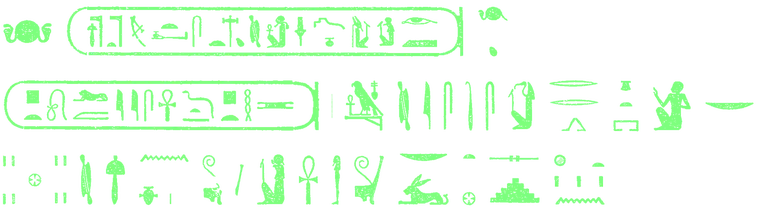
nṯr nfr jwꜥw Jsds pẖr nst n nb Ꜥmnw jwꜥw mnḫ n jb n Rꜥ ḥꜥ ꜥnḫ n nb Wnw sjꜥr jḫt n ḫ ḫwj ḫmw nb ḫꜥw sꜣ Rꜥ (… …)
The perfect god, heir of Isdes,
successor to the throne of the lord of Hermopolis,
worthy heir of the Heart of Ra,
living flesh of the lord of Unu,
who presents gifts to the Child who guards the shrines,
lord of crowns, the Son of Ra, Ptolemy IX.Note · Line 116
Unu is the Egyptian name of Hermopolis, the city of Thoth. Thoth is called the Heart of Ra because the heart was the seat of thought. - 117
rdj.j n.k bꜣk tw bꜣq.tj m hꜣw.k bw nb ḫj ẖt
I grant that the bread house be well stocked in your time
and that everyone have a full belly. - 118
ḏd mdw jn Ḥr Bḥdtj nṯr ꜥꜣ nb pt nṯr šps qmꜣ nfrw ꜥnḫj nb ꜥnḫ ḥqꜣ ḏfꜣ wḏ ꜥnḫ n ḥr nb
Words to be spoken by Horus of Behdet, the great god, lord of the sky, the glorious god who makes what is perfect, the living one, lord of life, ruler of all food, who ordains life for everyone:
- 119
rdj.j n.k ꜥbꜣ.k jꜥb.tj m jḫt nbt ḥsmn ḥm.k r ḏr jb.k
I grant that your offering table be furnished with all things,
so that Your Majesty may eat to your heart’s content. - 120
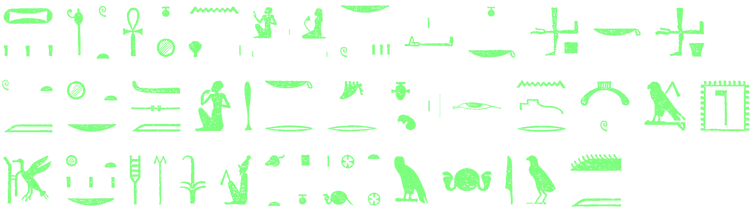
jrj nw r ꜣw nṯr nṯrj qmꜣ jḫt nbt ꜥḥꜥ m nswt ḫnt P n Rꜥ m nswt bjt r km ḏt sḏfꜣ tꜣwj jdbw m nfrw.f Ḥr Bḥdtj nṯr ꜥꜣ nb pt
He who made all this, the god most divine, creator of all things,
who reigns in the Throne of Ra
as King of Upper and Lower Egypt to the end of eternity,
who provisions the Two Lands and the riverbanks with his perfection:
Horus of Behdet, the great god, lord of the sky.Note · Line 120
The Throne of Ra is a sacred name for Edfu. - 121

ḥnk sḫt ḏd mdw ꜣḫt.k n.k sjꜣw wr ḥrj nṯrw ḫrp.n.j wꜣḥjt.s jrj r šnwt.k šꜣ m šꜣw.s mj ḫnp kꜣ ꜥꜣ bnr r nw
Presenting the field. Words to be spoken:
Here is your fertile land, great Falcon, highest of the gods.
I have brought its whole harvest to your granaries.
Wine from its vineyards flows like the Plundering Bull;
its milk is more abundant than the flood. - 122

kꜣw jm.s wr.tj n ṯnw.sn ꜥšꜣ hꜣjw.s r snḥmw ḫntš.s ꜣḫꜣḫ.tj m šmꜥj mḥj sš.s nb ẖr sšn nḥmt wꜣḏ n.s nwt bẖ n.s šw pꜥpꜥ.s n.k ḥḥw ḥfnw
The bulls on it are many, beyond counting;
its geese of passage outnumber the locusts.
Its fields flourish with barley of Upper and Lower Egypt;
every pool bears lotus flowers and buds.
The sky favors it, the sun shines on it,
and it brings forth millions, hundreds of thousands, for you. - 123
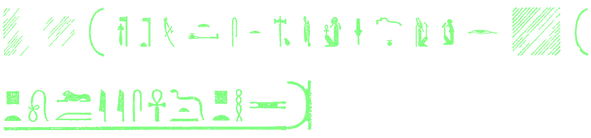
nswt bjt (… …) sꜣ Rꜥ (… …)
The King of Upper and Lower Egypt, Ptolemy IX, the Son of Ra, Ptolemy IX.
- 124

nṯr nfr tjt nt Gbb ḥrj nst n ḥrj jdb gsgs tpw nw Snwt n sjꜣw r mn ntj nb jtrtj sjꜥr ꜣḫt n ḥqꜣ nb nwwt nb ḫntšw nswt bjt (… …)
The perfect god, image of Geb,
heir to the throne of the Lord of the Riverbanks,
who tends Egypt’s fields for the Falcon,
fields set aside for the offering of the Lord of the Two Shrines,
who presents the fertile land to the ruler, lord of cities,
lord of fields, the King of Upper and Lower Egypt, Ptolemy IX.Note · Line 124
The Lord of the Riverbanks is Shu, his father. - 125
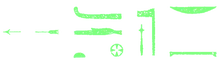
Bḥdtj nṯr ꜥꜣ nb pt
He of Behdet, the great god, lord of the sky.
Note · Line 125
“He of Behdet” is Horus, worshipped there as a falcon. - 126
rdj.j n.k rww nbw n hꜣw ḏr jꜣḫ.j šꜣw nw jfd n tꜣ
“I give you all the fields within reach of my light and the gardens of the four quarters of the earth.”
- 127
ḏd mdw jn Ḥr Bḥdtj nṯr ꜥꜣ nb pt sꜣb šwt prj m ꜣḫt ḫntj jtrtj šmꜥw mḥw nswt nṯrw ḥbs bḥn ḥꜣ sḫmw ḫnt pwt nt gsw prw
Words spoken by Horus of Behdet, the great god, lord of the sky, of many-colored plumage, who comes forth from the horizon, foremost in the twin shrines of Upper and Lower Egypt, king of the gods, who from the heavens of the temples shelters the divine powers:
Note · Line 127
The temple ceiling represents the sky. Horus in the form of a winged sun disk spreads his wings overhead. - 128
rdj.j n.k ꜣḫt ꜣḫ.tj ẖr ..s msj.s n.k r dmḏjt.s
“I grant that the farmland flourish with its … and bear for you in its season.”
- 129
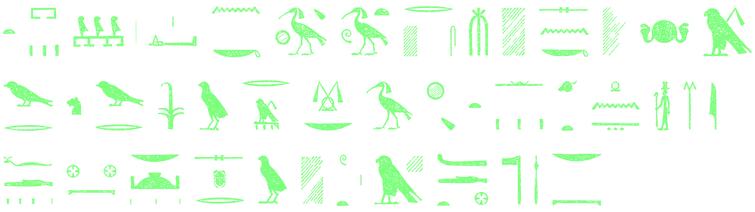
bjk wr pḥtj wr sw r nṯrw dmḏ nb ꜣḫwt ḫnt šnw n tꜣ jtj m jfd n nwt nb jꜣwt sḫpr wḥwt Ḥr Bḥdtj nṯr ꜥꜣ nb pt
The falcon, great in strength, greater than all the gods together; lord of the fields within the circuit of the earth, sovereign of the four quarters of the sky, lord of the sacred sites, who brings villages into being: Horus of Behdet, the great god, lord of the sky.
- 130

fꜣt ꜥ m šns ḏd mdw ... .. n kꜣ.k šnbtj štꜣ msḫꜥ t wr ꜥpr.tj m jrw.f ꜣḫ wj tp rd.f .. ... ... ...
Presenting the cake. Words to be spoken: “ … for your ka, O falcon of mysterious radiance:
the great loaf, perfect in form.
How splendid it is of its kind …Note · Line 130
The king presents the cake to the god’s ka, the vital power nourished by offerings. - 131

... ... ḫnmw.f ṯꜣms.k jm.f dr dndn jb n ḥm.k ꜣmm.k jrt Ḥr m ꜥ.j m ꜥbw
… its fragrance.
May you eat of it, for it drives the anger from Your Majesty’s heart;
may you take the pure Eye of Horus from my hand.”Note · Line 131
An offering that restores a god’s strength or appeases his anger can be called the Eye of Horus: the eye was injured in Horus’s struggle with Seth and made whole again. - 132
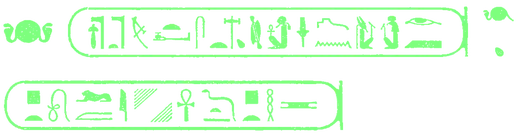
nswt bjt (… …) sꜣ Rꜥ (… …)
The king of Upper and Lower Egypt, Ptolemy IX; the son of Ra, Ptolemy IX.
- 133
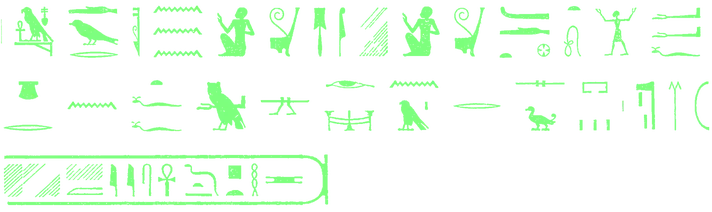
nṯr nfr twr n sꜣb šwt mr bḥdw n Bḥdtj twꜣ ꜥwj.f ẖr jḫt nt jt.f ms jrt Ḥr n Ḥr r sḏfꜣ prw nṯrw m ... ... . sꜣ Rꜥ (… …)
The perfect god, purification priest of the god of many-colored plumage, overseer of the throne of Horus of Behdet, who lifts both arms bearing his father’s gifts, who presents the Eye of Horus to Horus to supply the houses of the gods with food, the lord of …, the son of Ra, Ptolemy IX.
- 134

rdj.j n.k šnwwt ẖr šmꜥj mḥj nn rḫ ṯnw n wꜣḥjt.sn
“I grant you granaries laden with barley of Upper Egypt and barley of Lower Egypt. No one knows the measure of their grain.”
- 135

ḏd mdw jn Ḥr Bḥdtj nṯr ꜥꜣ nb pt sꜣb šwt prj m ꜣḫt ꜥpj šps ḫwj gsw prw psḏ m nwt m jtn wr ꜥnḫ ḥr nb n mꜣꜣ.f
Words spoken by Horus of Behdet, the great god, lord of the sky, of many-colored plumage, who comes forth from the horizon; Api the august, who guards the temples, who shines in the sky as the great sun disk, by whose sight everyone lives:
- 136

rdj.j n.k ḥꜥpj m ḥpt r nw.f jḫt nbt qmꜣt.n ꜣḫt
“I give you the Nile flood rushing in at its due time, and all that the field has brought forth.”
- 137

ḏd mdw jn Ḥt ḥr nbt Jwnt jrt Rꜥ ḥrt jb Bḥdt nbt pt ḥnwt nṯrw nbw nbt tꜣwj nbt tw nbt hj nbt hnw bwt ḥmt.s ... qnd ..
Words spoken by Hathor, lady of Dendera, Eye of Ra, who dwells in Behdet, lady of the sky, mistress of all the gods, lady of the Two Lands, lady of bread, lady of jubilation, lady of acclamation, whose Majesty abhors … rage …:
Note · Line 137
Hathor, whose own great temple was at Dendera, is the consort of Horus at Edfu. - 138

swr.j ẖrt.k rdj.j n.k ṯswt.k ḥr jrt kꜣt.sn
“I increase your portion of food and grant that your teeth do their work.”
- 139
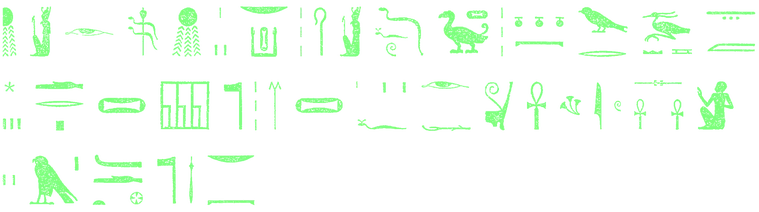
jꜣḫw jrj ḥḏḏ nb kꜣw ḥqꜣ ḏfꜣ nww wr bꜥḥj tꜣwj m rḏw.f drp ḥwt nṯrw m ... ...f jrj ḫt n ꜥnḫ r sꜥnḫ ꜥnḫw Ḥr Bḥdtj nṯr ꜥꜣ nb pt
The radiant one who makes light, lord of nourishment, ruler of provisions; Nun the great, who floods the Two Lands with his outflow, who supplies the houses of the gods with his …, who makes food grow to keep the living alive: Horus of Behdet, the great god, lord of the sky.
- 140
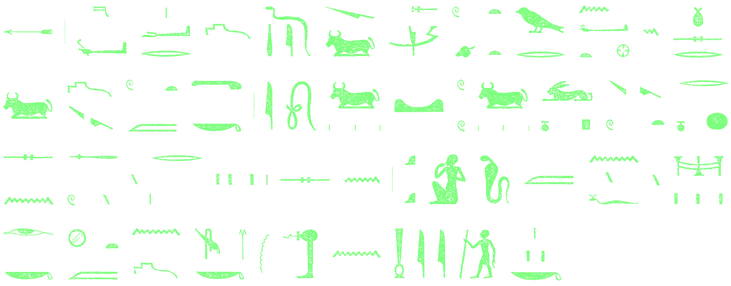
ḥwt ꜥ r stpw ḏd mdw smꜣ smꜣ.tj ḫnt Wr nḫt šsr stp.tj m bꜣḥ.k jwꜣw wnḏww wnp.tj r nw.sn ꜥꜣ wj jrj stpw.sn qq.k m nf jrj.k jḫt m nw sšm.k wꜥbw n šnwt.k
Consecrating the choice cuts of meat. Words to be spoken: “The slaughter bull is slaughtered in Great-in-Victory;
the beef ox is cut up before you.
The Iua and Wendju cattle have been stabbed at their appointed time.
How fine are all their cuts!
May you eat of those, may you dine on these,
may you allot the pure cuts to your followers.”Note · Line 140
Great-in-Victory is a sacred name of Edfu. Iua and Wendju are two classes of cattle distinguished in the offering lists. - 141
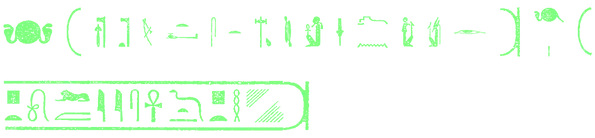
nswt bjt (… …) sꜣ Rꜥ (… …)
The king of Upper and Lower Egypt, Ptolemy IX; the son of Ra, Ptolemy IX.
- 142
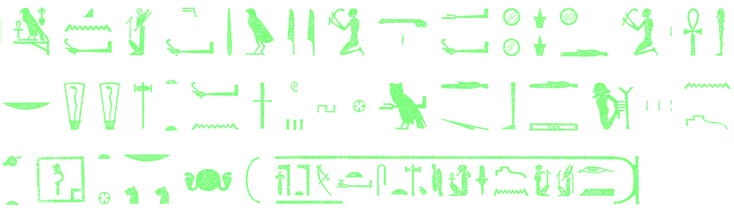
nṯr nfr qn ḥwj ḫrwjw ṯꜣj ꜥ ḫbḫb ḫftjw ḥꜥ ꜥnḫ n nb jtrtj nḏtj n jmjw Tꜣ mrj mds bšṯw nw ḫnt Ḥt qn nb pḥtj nswt bjt (… …)
The perfect god, the strong one who strikes down the troublemakers, the manly arm that slaughters the adversaries, the living body of the lord of the twin shrines, protector of those who dwell in Egypt, who cuts down these rebels in the House of the Strong, lord of strength, the king of Upper and Lower Egypt, Ptolemy IX.
Note · Line 142
The House of the Strong is another name for the sanctuary at Edfu. The slaughtered cattle stand for the enemies of the god and the king. - 143

rdj.j n.k sbjw.k sqr n sꜣḫt.k smꜣjt.sn m sbj n ḫt
“I grant that your rebels fall to your knife and that their confederates become a burnt offering.”
- 144

ḏd mdw jn Ḥr Bḥdtj nṯr ꜥꜣ nb pt smꜣ sbjw m ꜥꜣw n nḫt.f prj ꜥ wnp.n.f nhs jrj ꜥḏt m ḫftjw.f
Words spoken by Horus of Behdet, the great god, lord of the sky, who kills rebels by the greatness of his strength, whose arm strikes out, who stabbed Nehes, who makes a slaughter of his adversaries:
Note · Line 144
Nehes is a name of Seth, the enemy of Horus. - 145

rdj.j n.k šnṯjw.k šꜥd .. tꜣ pn ḫꜣswt nbt n.k r ḥmw
“I grant that your enemies be slain … and that this land and all foreign lands be yours as servants.”
- 146
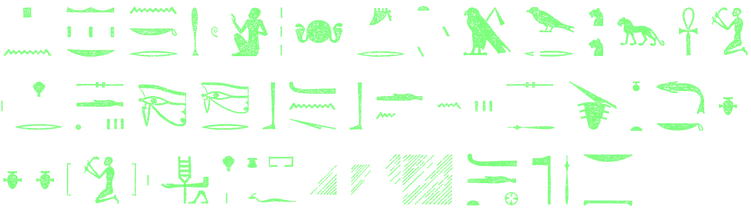
ḏrtj wr pḥtj mꜣj ꜥnḫ dr ḫftjw ḥrst wḏꜣtj r bḥn bṯnww.f sꜥꜣ šꜥt nt ẖꜣkw jb ꜥḥꜥ ḥr nst.f ... ... Ḥr Bḥdtj nṯr ꜥꜣ nb pt
The falcon, great in strength, the living lion who drives off his adversaries, his two eyes red with fury as he slays his foes, who makes great the slaughter of rebels, who stands firm upon his throne …: Horus of Behdet, the great god, lord of the sky.
- 147
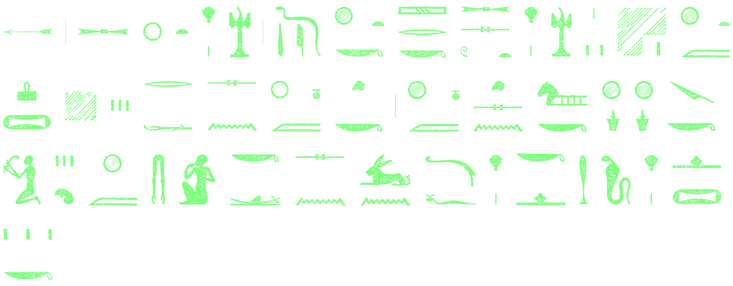
ṯs jḫt ḥr ḫꜣwt ḏd mdw jḫt.k ḫr.k ṯs.tj ḥr ḫꜣwwt.k . ... ḫtm m .. ḫꜣw r ḫt.sn ḫnm.k ḫnmw.sn ḫntš.k ḫbḫb.k ḫftjw.k ḫm.k jm.sn wnf ḥr.k ḥtp ḥm.k ḥr ḥtpw.k
Setting the gifts on the altar. Words to be spoken: “Here are your gifts, set on your altars …
food offerings … and cuts of meat with them.
You breathe their fragrance and rejoice;
you slaughter your enemies as you eat of them.
May your face be glad when Your Majesty settles before your offerings.” - 148
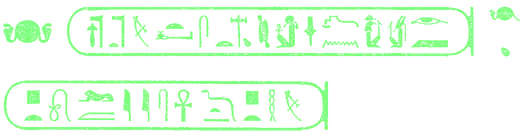
nswt bjt (… …) sꜣ Rꜥ (… …)
The king of Upper and Lower Egypt, Ptolemy IX; the son of Ra, Ptolemy IX.
- 149
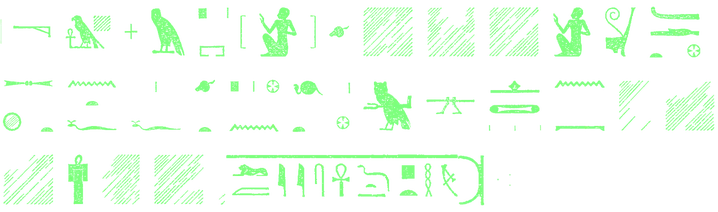
nṯr nfr jmj p ḫnt Msn mr bḥdw n Bḥdt ṯs jḫt n jt.f ḫnt P n Rꜥ ms ḥtpw n ḥrj ... ... ... ... .. ... ... ... sꜣ Rꜥ (… …)
The perfect god, the Imy-Pe priest in Mesen, overseer of the throne in Behdet, who sets out gifts for his father in the Throne of Ra, who presents offerings to the foremost …, the son of Ra, Ptolemy IX.
Note · Line 149
The king takes the part of a local priest. Mesen and the Throne of Ra both designate Edfu here. - 150
rdj.j n.k pr.k sḏfꜣ.tj m ḏfꜣ twt m bw nb nfr
“I grant that your house be stocked with provisions, with every good thing gathered there.”
- 151
ḏd mdw jn Ḥr Bḥdtj nṯr ꜥꜣ nb pt sꜣb šwt prj m ꜣḫt nb ḥw sḫpr ḏfꜣ swꜣḏ tꜣwj jdbw m nfrw.f r sꜥnḫ nṯrw rmṯw
Words spoken by Horus of Behdet, the great god, lord of the sky, of many-colored plumage, who comes forth from the horizon, lord of nourishment, who brings food into being, whose perfection makes the Two Lands and the riverbanks flourish to keep gods and people alive:
- 152
rdj.j n.k kꜣw nbw r ḏr jb.k drp.k šnwt.k m špsw
“I give you all the food your heart desires, that you may feed your court on delicacies.”
- 153
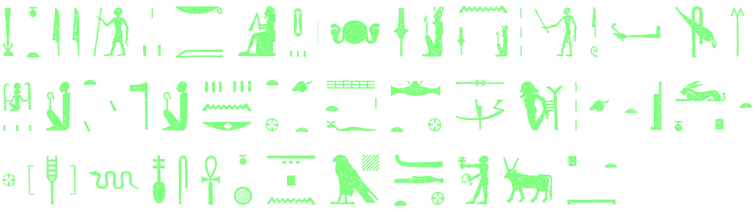
sḫm n sḫmw mnjw sšm ḥḥw sꜣwtj sꜣw Snwt ḫnt spt.f Msn smꜣ sbjw.f ḫnt St wnp ꜥḥꜥw nfr sꜥnḫ tꜣ pn Ḥr Bḥdtj nṯr ꜥꜣ nb pt
The power of powers, the shepherd who leads millions, the guardian who guards Egypt from his own province of Mesen, who slays his rebels in the Place of Stabbing, Ahau the perfect, who keeps this land alive: Horus of Behdet, the great god, lord of the sky.
Note · Line 153
The Place of Stabbing names Edfu as the site of Horus’s victory over his enemies. - 154
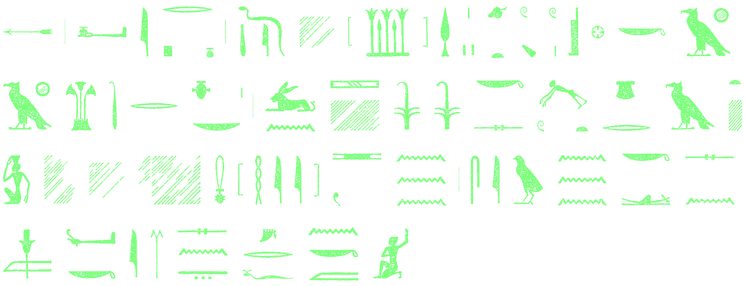
ḥnk jrp ḏd mdw rd šꜣ ḫnt w m wṯst.k ꜣḫꜣḫ.tj jrf m st jb.k wnš nn ksj.tj ẖr ꜣṯpw .. ... ... mj ḥwj ḥꜥpj swr.k jm.sn sḫm.k jm.sn tꜣ ḏr.f n.k m hnw
Presenting wine. Words to be spoken: “The vineyard grows on the cultivated land at your throne;
indeed it flourishes in the place you love.
These grape clusters bow beneath their load … like the onrush of the Nile.
You drink of them and draw strength from them;
the whole land acclaims you.” - 155
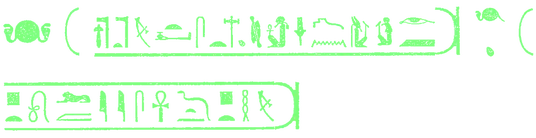
nswt bjt (… …) sꜣ Rꜥ (… …)
King of Upper and Lower Egypt, Ptolemy IX, Son of Ra, Ptolemy IX.
Note · Line 155
The two titles introduce the king’s two cartouches: the first holds his throne name, the second his birth name. - 156

nṯr nfr snn n mr ꜣḥt ꜥšꜣ šꜣw ḫnt tꜣwj nbw ḥꜥ ꜥnḫ n rpꜥt nṯrw pẖr nst n ḥrj jdb sḥb tꜣwj jdbw m nfrw.f nb ... nswt bjt (… …)
The perfect god, image of the Overseer of Fields, rich in vineyards throughout all lands, living body of the Prince of the Gods, heir to the throne of the Overseer of the Riverbanks, who brings festivity to the Two Lands and the riverbanks by his perfection, lord of …, King of Upper and Lower Egypt, Ptolemy IX.
Note · Line 156
The Overseer of Fields is Khnum-Shu, the Prince of the Gods is Geb, and the Overseer of the Riverbanks is Shu. - 157
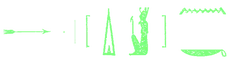
rdj.j n.k Ḫsds ẖr jnmt Jmt Swnj ... ... jrp.sn
“I give you Bahariya with its inemet wine, and grant that Imet and Suni … their wine.”
Note · Line 157
In return for the king’s offering, the god gives him the wine-growing lands with their produce. Bahariya is an oasis in the Western Desert. - 158

ḏd mdw jn Ḥr Bḥdtj nṯr ꜥꜣ nb pt sꜣb šwt prj m ꜣḫt Ḥr jꜣbtt wbn m bꜣẖ nṯr wꜥ qmꜣ jḫt nbt jrj ḥrjw ẖrjw m rꜣ ꜥwj.f
Words spoken by Horus of Behdet, the great god, lord of the sky, with plumage of many colors, who comes forth from the horizon; Horus of the East, who rises on the eastern mountain; the sole god who fashions all things, who makes those above and those below with his own two hands:
- 159

rdj.j n.k ḥꜥꜥwt ẖrt hrw nn ḥꜣt jb ḫr.k
“I give you joy day after day, with no sorrow beside you.”
- 160

ḏd mdw jn Ḥr {mꜣ tꜣwj pꜣ ẖrd sꜣ Ḥt ḥr jwꜥw mnḫ n Bḥdtj Kꜣ nb kꜣw wḏ kꜣw n mrj.f Šꜣw šdj.n špst
Words spoken by Harsomtus the Child, son of Hathor, worthy heir of the Behdetite, the ka, lord of food, who allots food to the one he loves; Shai, whom the August One suckled:
Note · Line 160
Shai personifies fate, the lot assigned to each person. The August One is Hathor. - 161

rdj.j ... ḥm.k m ḫntj ꜥnḫw ḥꜥj ḥꜥꜣw n mꜣꜣ.k
“I grant that … of Your Majesty be among the living, and that the children shout for joy at the sight of you.”
- 162
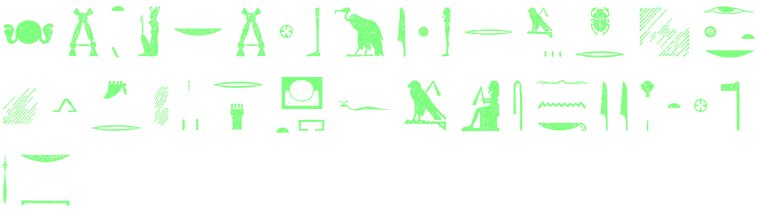
ḏbꜣtj nb Ḏbꜣ štꜣ jrw r nṯrw ḫpr ... jrj jḫt nbt ... ... Ḏrtjw r rwt ꜣḫt.f nṯr šps nn kjj ḥr ḫw.f Ḥr Bḥdtj nṯr ꜥꜣ nb pt
Djebati, lord of Edfu, whose form is more hidden than those of the gods, who came into being …, who makes all things, outside whose horizon the falcon gods …; the august god without equal, Horus of Behdet, the great god, lord of the sky.
Note · Line 162
Djebati takes his name from Djeba, another name for Edfu. His temple is his “horizon”: he emerges from it as the sun does from the horizon. - 163
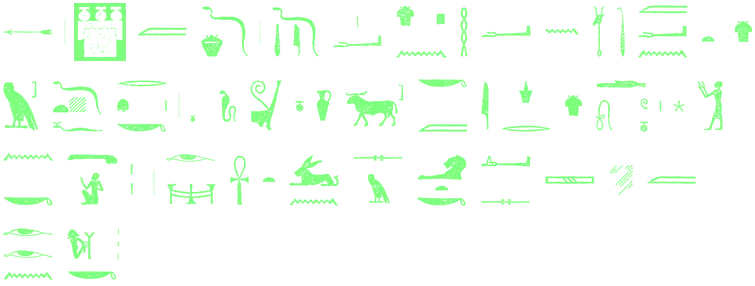
ḥnk mḏt ḏd mdw ꜥ pn ḥnꜥ.tj m ꜥntjw ... ... m ḏt.f r tp.k ẖnm.k nẖnm bꜣ.k m jbr twꜣwt .. dwꜣ n.k ṯꜣjw jrt Ḥr ꜥnḫt wn.s m ḥꜣt.k rdj.s šꜥt.k m jrtj nt sbjw.k
Presenting ointment. Words to be spoken: “For your head, this bowlful of myrrh, … perfect of its kind.
May you be one with nekhenem oil, may you be mighty through iber oil.
The tuaut oil …; men praise you.
When the living Eye of Horus is on your brow,
it makes you slash the eyes of your enemies.”Note · Line 163
The ointment on the god’s brow is the living Eye of Horus: the eye that protects him turns its power against his enemies’ eyes. - 164
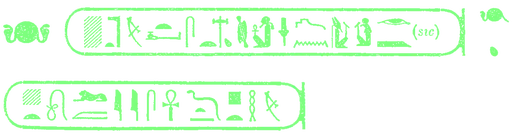
nswt bjt (… …) sꜣ Rꜥ (… …)
King of Upper and Lower Egypt, Ptolemy IX, Son of Ra, Ptolemy IX.
- 165
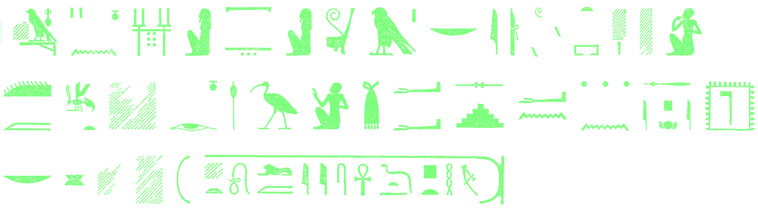
nṯr nfr snnw n Šsmw ḥrj tꜣ n Ḥr nb js nḏ km m kꜣt ... .. . ... ... ꜥpr ꜥwj sjꜥr ꜥntjw n ꜥpj nṯrj nb ḫꜥw sꜣ Rꜥ (… …)
The perfect god, a second Shesmu, earthly deputy of Horus, lord of the laboratory; the ointment maker, accomplished in his craft …, skilled of hand, who presents myrrh to the divine Api, lord of crowns, Son of Ra, Ptolemy IX.
Note · Line 165
Shesmu was the god of the press, used to extract oils as well as wine. The temple laboratory was the workshop where sacred oils and ointments were prepared. - 166

rdj.j n.k Fkḥr ẖr jmjt.f qmꜣtjw n.k ẖr qmjt.sn
“I give you Fekeher with what it holds, and the Qematiu bearing their resin for you.”
- 167

ḏd mdw jn Ḥr Bḥdtj nṯr ꜥꜣ nb pt sꜣb šwt prj m ꜣḫt ꜥpj šps ḫwj jtrtj nb Pwnt ḥqꜣ Tꜣ nṯr šms jb.f m Jnt ꜥntjw
Words spoken by Horus of Behdet, the great god, lord of the sky, with plumage of many colors, who comes forth from the horizon; the august Api, who guards the Two Shrines, lord of Punt, ruler of the god’s land, who follows his heart in the Valley of Myrrh:
Note · Line 167
The Two Shrines stand for the sanctuaries of Upper and Lower Egypt. - 168

rdj.j n.k nhwt nt Tꜣ nṯr .. nw šmw.sn r šnwwt.k
“I give you the trees of the god’s land and … of their harvest for your storehouses.”
- 169

ḏd mdw jn Ḥt ḥr nbt Jwnt jrt Rꜥ ḥrt jb Bḥdt nbt pt ḥnwt nṯrw nbw bjkt nṯrjt ḥqꜣt nbt Pwnt šꜣꜥ.tw tjšps n kꜣ.s
Words spoken by Hathor, lady of Dendera, Eye of Ra, who dwells in Behdet, lady of the sky, mistress of all the gods, the divine female falcon, ruler and lady of Punt, for whose ka tishepes oil was first made:
- 170

rdj.j ḥswt.k m jbw ṯꜣjw mrwt.k m ẖt nt ḥmwt
“I put esteem for you in the hearts of men,
and love for you in the bodies of women.” - 171
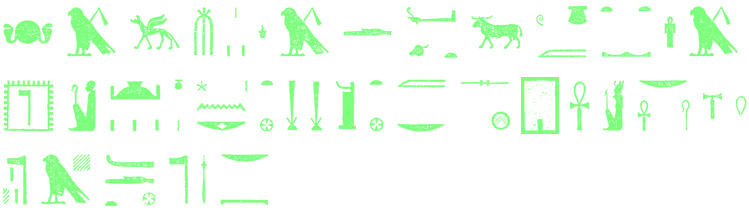
bjk ḫꜣḫ mswt bꜣ tkk ḫnt Bwgm sjꜣw nṯrj sꜣw jꜣwt nt Snwt snsn Wṯst m nb srḫ ꜥnḫj nb ꜥnḫ ḥqꜣ ꜥnḫw Ḥr Bḥdtj nṯr ꜥꜣ nb pt
The falcon swift at birth, the ba eager to strike in Bugem, the divine Sia-falcon who guards the sacred places of Egypt, who unites with the Throne Seat as lord of the palace façade; the Living One, lord of life, ruler of the living, Horus of Behdet, the great god, lord of the sky.
Note · Line 171
The Throne Seat is Edfu. In royal inscriptions the Horus falcon perches above a drawing of the palace façade. - 172
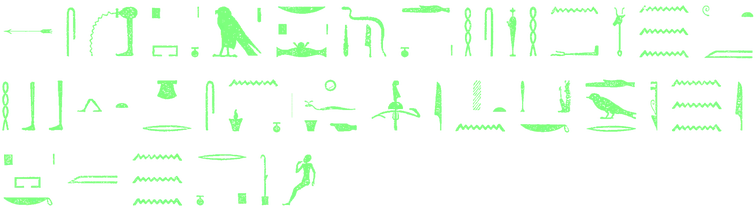
swꜥb p n Ḥr nb P Msn ḏd mdw šsp.n.j ḥst ḥnꜥ.tj m ḥbbt jw.j ꜥ.j ẖr snbt ḫfꜥ wnmj.j bnrwt n ḥm.k twr.j p.k m mw rnpj
Purifying the seat of Horus, lord of Pe-Mesen. Words to be spoken: “I have taken up the heset vase, full of cool water;
I come with the senebet vessel on my arm.
My right hand grasps palm fronds for Your Majesty;
I cleanse your seat with water that renews.”Note · Line 172
Its first word, Pe, echoes the word for the seat the king is cleansing. - 173

nswt bjt (… …) sꜣ Rꜥ (… …)
King of Upper and Lower Egypt, Ptolemy IX, Son of Ra, Ptolemy IX.
- 174

nṯr nfr ḥqꜣ sꜣ ḥqꜣ jtj sꜣ jtj ḥꜥ ꜥnḫ n Ḥr ḥnꜥ Ḏḥwtj sḫmw nn nbw ꜥbw ꜥꜣ snḏt ḫnt tꜣwj nbw nb ḫꜥw nswt bjt (… …)
The perfect god, ruler, son of a ruler, sovereign, son of a sovereign, living body of Horus and Thoth, those mighty ones, lords of purification; held in great awe throughout all lands, lord of crowns, King of Upper and Lower Egypt, Ptolemy IX.
- 175

Nḫbt ḥḏt Nḫn rdjt ꜥnḫ
Nekhbet, the White One of Nekhen, who gives life.
- 176

rdj.j n.k ꜥwt.k ꜥḏ snb ḥꜥ.k nb tm n ꜥnḫ
“I grant that your limbs be whole and sound, and your whole body full of life.”
- 177

ḏd mdw jn Ḥr Bḥdtj nṯr ꜥꜣ nb pt Nb Msn bjk n nb sꜣ Wsjr ḫ m ꜣḫ bjt pꜥpꜥ n P rr.n sntj r nb
Words spoken by Horus of Behdet, the great god, lord of the sky, lord of Mesen, falcon of gold, son of Osiris, child of Chemmis, born in Pe, whom the Two Sisters reared to be lord:
Note · Line 177
The Two Sisters are Isis, his mother, and Nephthys, his aunt. - 178

rdj.j n.k pr nswt twr n ḥm.k p.k mn.tj mj pt
“I grant that the royal palace be pure for Your Majesty, and that your throne stand firm as the sky.”
- 179
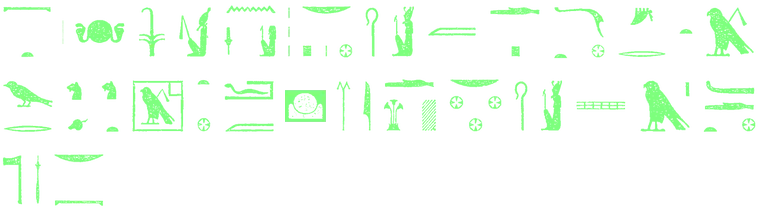
nswt n sḫmw nb P ḥqꜣ m Ḫp ḏrtj wr pḥtj ḫnt Ḥt bjk prj m ꜣḫt m jdḥw nb nwwt ḥqꜣ spwt Ḥr Bḥdtj nṯr ꜥꜣ nb pt
King of the mighty ones, lord of Pe, ruler in Dep, falcon great in strength in the House of the Falcon, who comes forth from the horizon in the marshes, lord of towns, ruler of provinces, Horus of Behdet, the great god, lord of the sky.
Note · Line 179
Pe and Dep were the two parts of Buto in the Nile Delta. - 180

ḥnk sšn ḏd mdw sšn pn twꜣ.n.j n kꜣ.k jmjt.f nbt sẖkr m nb sš ꜥꜣwj gꜣbwt.f m ḫsbḏ mꜣꜥ wbn.k jm.f m sfj
Offering the lotus. Words to be spoken: “This lotus I hold up to your ka:
all within it is decked with gold.
When its petals of true lapis lazuli open their double doors,
you rise within it as a child.Note · Line 180
The Egyptian blue lotus is a water lily that opens in the morning. Its blue petals part around a golden center, revealing the newborn sun. - 181

wn.k jrt.k sšp.k tꜣ pn wpj.n.k grḥ r hrw prj nṯrw m rꜣ.k rmṯw m nṯrtj.k jḫt nbt ḫpr.sn jm.k
You open your eye and light this land,
having parted night from day.
From your mouth come the gods,
from your two eyes, humankind;
all things come into being from you.”Note · Line 181
In the Egyptian account of creation, people are born from the creator’s tears. The words for “people” and “tears” sound alike. - 182

nswt bjt (… …) sꜣ Rꜥ (… …)
King of Upper and Lower Egypt, Ptolemy IX, Son of Ra, Ptolemy IX.
- 183
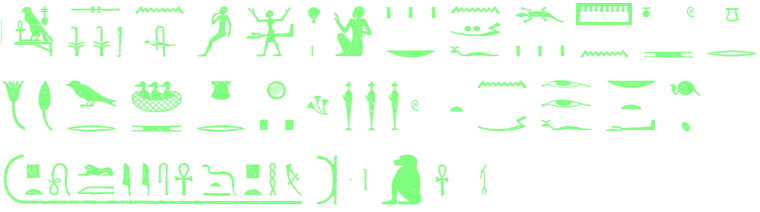
nṯr nfr snn n sfj ḥꜥj ḥr nb n mꜣꜣ.f ꜥšꜣ mnw ẖr sšn nḥmt wr sš ẖr ḫppwj ꜥꜣ ḥswt ḫntš.tw n mꜣꜣ.f nb ḫꜥw sꜣ Rꜥ (… …)
The perfect god, image of the child at whose sight every face lights up, rich in pools full of lotus blossoms and buds, rich in marshes full of flowers, greatly beloved, at whose sight people rejoice, lord of crowns, Son of Ra, Ptolemy IX.
- 184
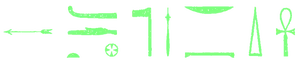
Bḥdtj nṯr ꜥꜣ nb pt rdj ꜥnḫ
The Behdetite, the great god, lord of the sky, who gives life.
- 185
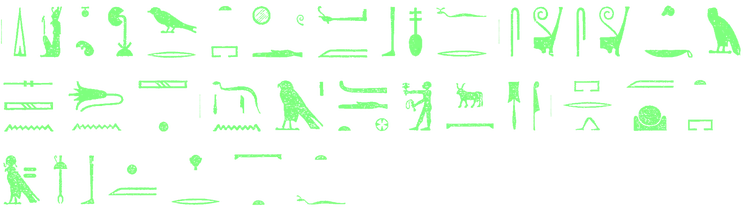
rdj.j n.k ḫꜣ wr ḫwd m bw nfr snsn.k m sšn n šmw
“I grant that your palace abound in good things and that you breathe in the summer lotus.”
- 186

ḏd mdw jn Ḥr Bḥdtj nṯr ꜥꜣ nb pt sꜣb šwt prj m ꜣḫt Rꜥ Ḥr ꜣḫtj wbn m ḥrt jt jtw ḫpr m ḥꜣt prj m nḫb wr
Words to be spoken by Horus of Behdet, the great god, lord of the sky, he of many-colored plumage who comes forth from the horizon; Ra-Horakhty, who rises in the sky; father of fathers, who came into being in the beginning, who comes forth from the great lotus:
Note · Line 186
The lotus opens in the morning; here the newborn sun emerges from its flower. - 187

rdj.j n.k Sḫt ḏsrt ẖr prjt jm.s jḫt.s nbt ḫꜣḫ.tj r pr.k
“I give you the Splendid Field, laden with what springs from it; all its goods hasten to your house.”
- 188
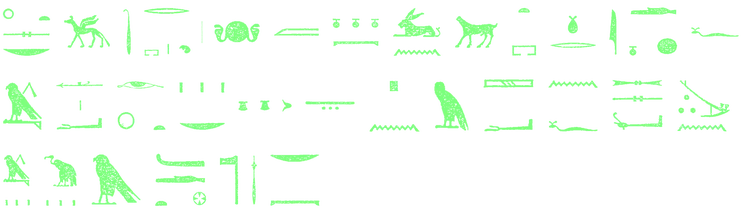
prj m nww wn ẖnw šsr m jtn.f nṯr wꜥ jrj jḫt nbt grg tꜣ pn m šꜣꜥ.n.f ṯs prt nt nṯrw rmṯw Ḥr Bḥdtj nṯr ꜥꜣ nb pt
He who comes forth from the primeval waters, opens the depths and shines with his sun disk;
the sole god, who makes all things, who founded this land when he began to fashion the seed of gods and humankind:
Horus of Behdet, the great god, lord of the sky. - 189
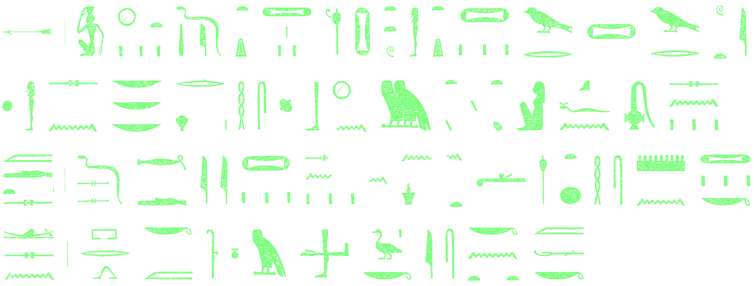
fꜣt jḫt ḏd mdw tw ḥḏ twt tw wr wr.tj jrw.sn nb r tp ḥsb Ꜥnmtt qfn sn m ḏrt.s ḏs.s šdt.sn n bdt ḥḏt ḥsmn.k jm.sn prj.k m qd m ꜥb sꜣ.k jsk ntj m ḫt.k
Bringing the food offerings. Words to be spoken: “The white loaves are perfect, the great loaves great indeed.
In every respect they are just as prescribed.
Khenemtet herself baked them with her own hand; their dough is of white emmer.
When you eat of them, you rejoice greatly, together with your son who attends you.”Note · Line 189
Khenemtet is the goddess of baking. Emmer is a kind of wheat. - 190
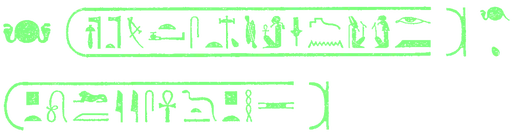
nswt bjt (… …) sꜣ Rꜥ (… …)
The king of Upper and Lower Egypt, Ptolemy IX, the son of Ra, Ptolemy IX.
Note · Line 190
The two royal titles introduce separate cartouches, one for the king’s throne name and one for his birth name. - 191
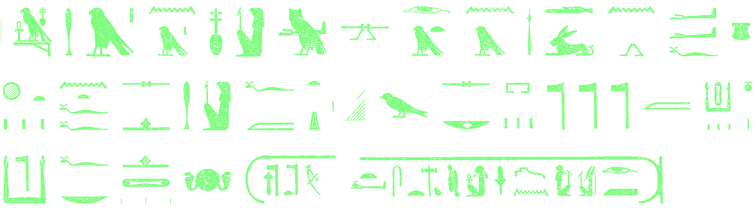
nṯr nfr ḥm Ḥr n Ḥr nfr ms jrt Ḥr n Ḥr ꜥꜣ dwn ꜥwj.f ẖr jḫt nt jt.f sḥtp ḥm.f m tw wr sḥb prw nṯrw m kꜣw nw kꜣ.f nb ḥtpw nswt bjt (… …)
The perfect god, who serves Horus the Fair as priest of Horus, who presents the Eye of Horus to Horus the Great, who stretches out both arms beneath the gifts for his father, who satisfies His Majesty with great loaves and makes the temples festive with food from his ka; lord of offerings, king of Upper and Lower Egypt, Ptolemy IX.
Note · Line 191
The king presents the loaves as the restored Eye of Horus, a sign of wholeness. - 192

Bḥdtj nṯr ꜥꜣ nb pt
The Behdetite, the great god, lord of the sky.
- 193
rdj.j n.k jḫt nbt nfrt wr.tj m rk.k n qn rnpt m hꜣw.k
“I grant that all good things abound in your time, with no year of want in your reign.”
- 194

ḏd mdw jn Ḥr Bḥdtj nṯr ꜥꜣ nb pt sꜣb šwt prj m ꜣḫt Ḥr Ḥrw ḥrj sw r ḥrt Ḥr nb ꜥnḫ wḏ ꜥnḫ n Tꜣ mrj bꜥḥj jdbw m ꜣḫt.f
Words to be spoken by Horus of Behdet, the great god, lord of the sky, he of many-colored plumage who comes forth from the horizon; Horus of Horuses, who withdraws to the sky; Horus, lord of life, who decrees life for Egypt and floods the riverbanks with his glories:
- 195

sꜥꜣ.j psšt.k swr.j ẖrt.k drp.k šnwt.k m špsw
“I enlarge your portion, I increase your provisions, that you may feed your court on delicacies.”
- 196

ḏd mdw jn Ḥr {mꜣ tꜣwj pꜣ ẖrd sꜣ Ḥt ḥr sfj šps n sꜣb šwt nb ẖrt rdj ẖrt n mrj.f nb kꜣw ꜥšꜣ ḏfꜣ
Words to be spoken by Harsomtus the Child, son of Hathor, noble child of him of many-colored plumage, lord of food, who gives food to the one he loves, lord of provisions, rich in offerings:
Note · Line 196
His name means “Horus who unites the Two Lands.” - 197

rdj.j n.k nfrt.k ḥr qq bw wr mrt.k tf ḥr šsp kꜣ nb
“I grant that your gullet swallow bread and that this throat of yours receive every kind of food.”
- 198
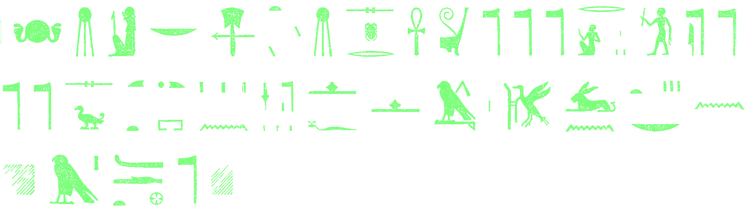
jꜣḫw nb stwt sḫpr ꜥnḫ n nṯrw rmṯw sr nṯrw sḏfꜣ sḫmw nw sḫmw ḥtp.f ḥtp nṯrw qmꜣ wnnt nbt m tꜣ pn Ḥr Bḥdtj nṯr ꜥꜣ nb pt
The shining one, lord of rays, who brings forth sustenance for gods and humankind;
prince of the gods, who stocks the shrines of the mighty ones with food, who is content when the gods are content;
he who creates all that exists in this land: Horus of Behdet, the great god, lord of the sky. - 199

ms ꜥnḫw nw jmꜣw jšdw ḏd mdw ꜥnḫw nn ntj ḥr wsr ḥm.k nswt nṯrw ḫnt Ḥt bjk
Presenting branches of the ima and ished trees. Words to be spoken: “These are the branches that give Your Majesty strength, O king of the gods in the House of the Falcon:
- 200

jmꜣ r fnḏ.k ꜣmm.n sw ꜥ.k jmꜣ.f n.k tꜣw dmḏ n sp jšd n kꜣ.k ḥqꜣ.k jꜣwt.k ḥr nst.k ẖnm jb.k ršwt rꜥ nb
The ima branch to your nose! Once your arm has grasped it, it wins you the goodwill of all lands at once.
The ished branch for your ka! You assume your office upon your throne, and your heart embraces joy day after day.”Note · Line 200
The name of the ima tree sounds like the Egyptian word for showing favor. - 201
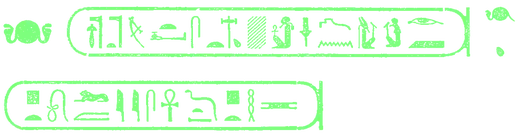
nswt bjt (… …) sꜣ Rꜥ (… …)
The king of Upper and Lower Egypt, Ptolemy IX, the son of Ra, Ptolemy IX.
- 202
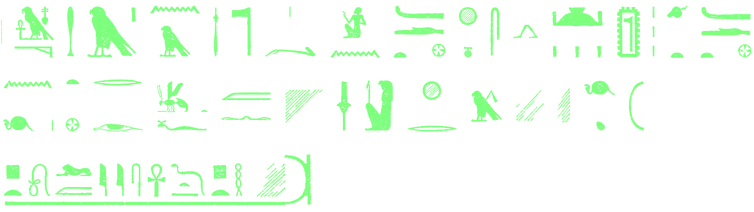
nṯr nfr ḥm Ḥr n Ḥr ꜥꜣ rmn nṯr n Bḥdtj ḫns jꜣwt nṯrjwt ḫnt Bḥdw n Rꜥ r jrt kꜣt.f m ḫmw sjꜥr jḫt nt sḫm ḫr nṯrw nb .. sꜣ Rꜥ (… …)
The perfect god, who serves Horus the Great as priest of Horus, god-bearer of the Behdetite, who passes through the divine precincts in the Throne of Ra to do his work in the shrines, who presents gifts to the mightiest among the gods; lord of …, son of Ra, Ptolemy IX.
Note · Line 202
“God-bearer” is a priestly title: in procession the god’s image was carried in its shrine. - 203
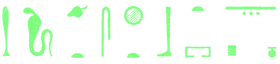
sḏdj.j ḥm.k ḫnt sbḫt tꜣ pn bꜥḥj.j ꜥḥ.k m rsf
“I make Your Majesty endure in the royal palace of this land; I flood your palace with the catch of fowler and fisher.”
- 204

ḏd mdw jn Ḥr Bḥdtj nṯr ꜥꜣ nb pt sꜣb šwt prj m ꜣḫt ꜥpj šps ḫwj jtrtj Jtmw m jrw.f Rꜥ wr m tjt.f Nb r ḏr m ḫprw.f tpj
Words to be spoken by Horus of Behdet, the great god, lord of the sky, he of many-colored plumage who comes forth from the horizon; noble Api, who guards the two shrines; Atum in his form, Ra the Elder in his image, the Lord of All in his first manifestation:
- 205

gs dp.j ḥm.k r jḫt nbt ḏwt sḫr.j ḫftjw.k nbw m ḫbt.sn
“I guard Your Majesty against every evil and cast down all your foes at their place of slaughter.”
- 206

ḏd mdw jn Ḥt ḥr wrt nbt Jwnt jrt Rꜥ ḥrt jb Bḥdt nbt pt ḥnwt nṯrw nbw
Words to be spoken by Hathor the Great, lady of Dendera, Eye of Ra, who dwells in Behdet, lady of the sky, mistress of all the gods:
- 207

ꜥnḫw nn rd.sn n Bḥdt jrj.w sꜣ.k wḥm.w mkt.k
“These branches grow in Behdet; they guard you and renew your protection.”
- 208
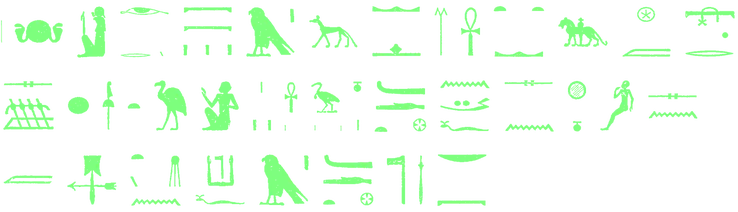
Rꜥ jrj ptj Ḥr jꜣbtt ḥtp m ꜥnḫt pẖr dꜣt m grḥ r sšp jmntjw bꜣw ꜥnḫw nw Bḥdt n mꜣꜣ.f snḫn ḥꜥ.sn m stwt nt kꜣ.f Ḥr Bḥdtj nṯr ꜥꜣ nb pt
Ra, who made the two heavens; Horus of the East, who sets in the Land of Life,
who crosses the underworld by night to give light by his gaze to the Westerners and the living bas of Behdet,
who makes their limbs young again with the rays of his ka:
Horus of Behdet, the great god, lord of the sky.Note · Line 208
The Land of Life is the west, where the sun sets and the dead dwell. - 209
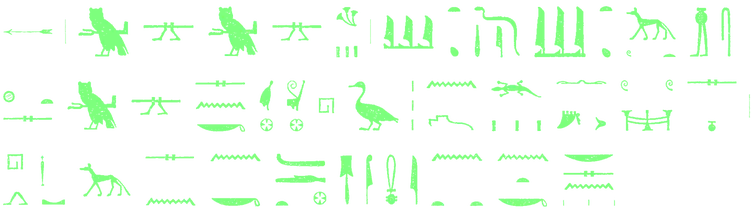
ms ms n Sḫt ḏd mdw Sḫt jw.tj jnj.s n.k jḫt.s ms.s n.k šmꜥw mḥw hꜣjw nw ꜥšꜣ n ḏrw.sn hꜣj.sn n.k m qbḥw jw.sn n.k Bḥdtj sꜣb šwt mj ntt ntk nb.sn
Presenting Sekhet’s bouquet on a staff. Words to be spoken: “Sekhet has come; she brings you her gifts and presents you with Upper and Lower Egypt.
These migrant geese, too many to number, fly down for you from the marshes.
They come to you, O Behdetite of many-colored plumage, for you are their lord.”Note · Line 209
Sekhet is the goddess of the fields and marshes. The geese are among the gifts she brings. - 210
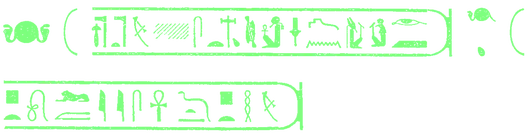
nswt bjt (… …) sꜣ Rꜥ (… …)
The king of Upper and Lower Egypt, Ptolemy IX, the son of Ra, Ptolemy IX.
- 211
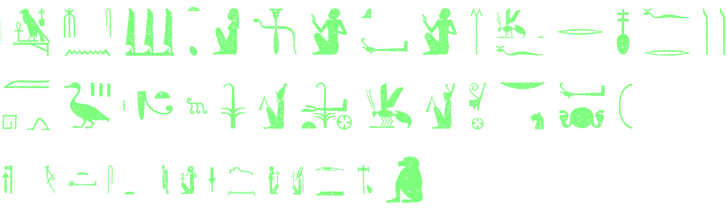
nṯr nfr msj.n Sḫt wꜣḏ qn m kꜣt.f grg r nfr ... ... ... m hꜣjw nw tjt nbḏ nswt šmꜥw bjtj mḥw nb pḥtj nswt bjt (… …)
The perfect god, born of Sekhet, who prospers, who is deft at his work, who traps with skill, who … the migrant geese as images of the Evil One; king of Upper Egypt, king of Lower Egypt, lord of might, king of Upper and Lower Egypt, Ptolemy IX.
Note · Line 211
In the ritual hunt the birds stand for the god’s enemy: to catch them is to overcome him. - 212
rdj.j n.k tꜣwj nbw ḥr mw n ḥm.k ḫꜣswt ḥrjwt n.k r ḥmw
“I grant that the Two Lands be wholly loyal to Your Majesty and that the distant foreign lands be yours as servants.”
- 213
ḏd mdw jn Ḥr Bḥdtj nṯr ꜥꜣ nb pt sꜣb šwt prj m ꜣḫt nb šmꜥ.s ḥqꜣ mḥw.s ḏrtj wr pḥtj sš ꜥnwt jnj pḥwj n šnṯjw.f
Words to be spoken by Horus of Behdet, the great god, lord of the sky, he of many-colored plumage who comes forth from the horizon; lord of the crown of Upper Egypt, ruler of the crown of Lower Egypt, the falcon of great strength who spreads his talons and makes an end of his foes:
- 214
rdj.j n.k pꜣjw ntj ꜣbwt nbḏ r ẖrt.k m ẖrt hrw
“I give you the birds that are images of the Evil One for your food day by day.”
- 215
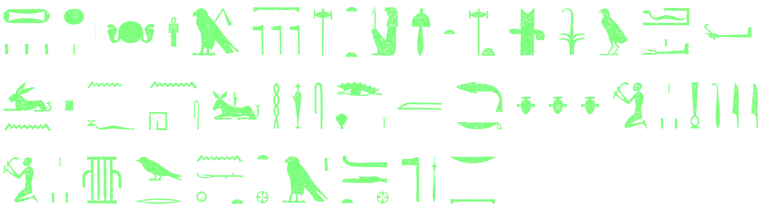
sjꜣw ḥrj nṯrw nḏtj mnḫ nḏtj wtṯ sw prj ꜥ wnp.n.f nhs ḥsꜣ ḥr m ẖꜣkw jb šꜥd šnṯjw ḫnt Wr nḫt Ḥr Bḥdtj nṯr ꜥꜣ nb pt
The falcon, foremost of the gods, the excellent protector who protects his father,
swift of arm, who stabbed Nehes,
grim of face among the rebels, who cuts down the wicked in Great in Victory:
Horus of Behdet, the great god, lord of the sky.Note · Line 215
Both Behdet and Great in Victory name Edfu. - 216
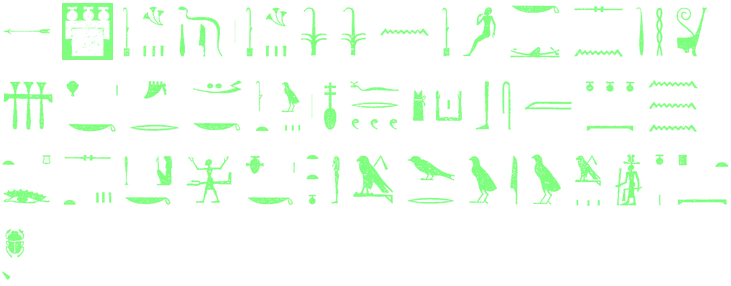
ḥnk rnpwt ḏd mdw rnpwt nn rnpj.k jm.sn ṯḥn ḥr.k ḏr mꜣꜣ.k rnpwt nfr ḥꜥ ... bsj m nww dgj st ḥm.k ḥꜥj jb.k ṯwt nṯr wr sw r nṯrw jtj n pt tꜣ
Offering young plants. Words to be spoken:
With these young plants you grow young again;
your face shines when you see the young plants.
Perfect is the body … that spring from the primeval waters.
When Your Majesty sees them, your heart rejoices.
You are the god who is greater than the gods,
sovereign of sky and earth.Note · Line 216
The king presents the young growth to Horus. - 217
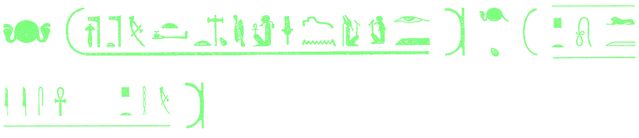
nswt bjt (… …) sꜣ Rꜥ (… …)
King of Upper and Lower Egypt, Ptolemy IX; son of Ra, Ptolemy IX.
Note · Line 217
Upper Egypt is the Nile Valley in the south; Lower Egypt is the Delta in the north. Together they are the Two Lands. - 218
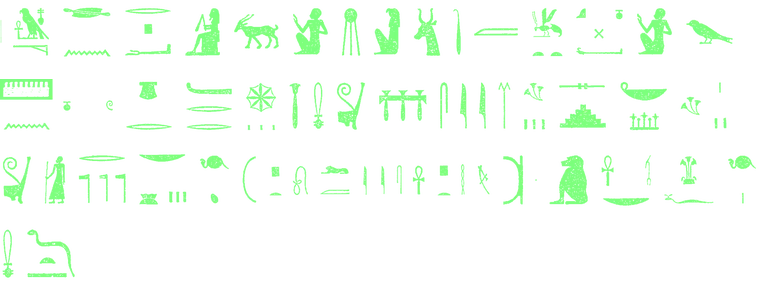
nṯr nfr jwꜥw n rpꜥt jb jꜣḫw šsꜣ.tj m kꜣt.f qn mꜣꜥ wr mnw ẖr ḥrrwt wꜣḏ mjnt ṯḥn smw sjꜥr sṯj šꜣ n wr r nṯrw nb ḫꜥw sꜣ Rꜥ (… …)
The perfect god, heir of the Prince, farmer of the Shining One,
skilled in his work, a man of true ability,
whose many pools are full of flowers, rich in marshland, bright with herbs,
who holds out flowers to him who is greater than the gods:
lord of crowns, son of Ra, Ptolemy IX.Note · Line 218
The Prince is Geb, god of the earth. - 219
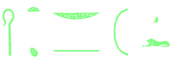
ḥqꜣt nbt tꜣwj (…)
The sovereign, lady of the Two Lands, Cleopatra.
- 220

šsp m ꜥ.f sꜣ.k mrj.k ḥrj nst.k ḫntj ꜥnḫw
Receive it from his hand, from the hand of the son you love,
who sits upon your throne, foremost of the living. - 221
rdj.j n.k nḫt n ḫ m ꜣḫ bjt nswj.k tꜣwj r mjtt ḥm.j
I give you the strength of the child of Chemmis,
that you may rule the Two Lands as My Majesty does.Note · Line 221
Horus grants the king the strength that was his as a child. - 222
ḏd mdw jn Ḥr Bḥdtj nṯr ꜥꜣ nb pt sꜣb šwt prj m ꜣḫt šw m hrw sḥḏ snkt ḥrrwt nbt prḫ.s n mꜣꜣ.f ꜣḫꜣḫ šnj tꜣ n wbn.f
Words spoken by Horus of Behdet, the great god, lord of the sky,
dappled of plumage, who comes forth from the horizon,
the light of day who lights the dark:
every flower opens at his gaze,
and the plants of the earth spring up at his rising. - 223
rdj.j n.k rnp mj Rꜥ mꜣwt mj Jꜥḥ ꜥnḫ mj gnẖwt
I grant you to grow young like Ra,
to be renewed like Iah,
to live like the stars.Note · Line 223
Iah is the moon god: the sun returns each morning, the moon waxes anew each month. - 224
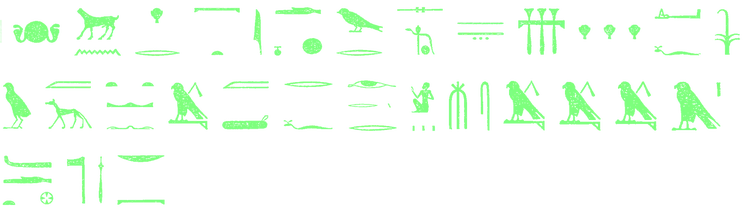
ẖn ḥrt jtn wr sḥḏ tꜣwj ṯḥn ḥrw rdj.f sw m jꜣbtt n nṯr m snt r.f jrj rmṯw msj nṯrw Ḥr Bḥdtj nṯr ꜥꜣ nb pt
He who takes to the sky, the great sun disk who lights the Two Lands,
who makes faces shine when he shows himself in the east,
whom no god equals,
who made humankind and brought forth the gods:
Horus of Behdet, the great god, lord of the sky. - 225

ḥnk jt bdt ḏd mdw šmꜥj mḥj n ww.k n ḥm.k ḥrj nṯrw st nḫt nḥd ḫj.tj r ꜥ ḫjt ꜥwꜣj.tw nfr.s m nḏm jb
Offering barley and emmer. Words to be spoken:
Barley of Upper and Lower Egypt from your farmlands,
for Your Majesty, foremost of the gods!
Strong and sturdy, the stalks reach to the sky;
their grain is reaped with a glad heart. - 226

jw n.j ḥrt ḥtp.tj fꜣj.j wꜣḥjt.s m ḥꜥꜥwt n ḥm.k r ḥtp.k r mn.k sp 3 n hrw
The sky looks kindly on me;
I bring their yield with joy to Your Majesty
for your meal and your food offering, three times a day. - 227
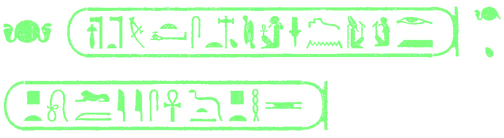
nswt bjt (… …) sꜣ Rꜥ (… …)
King of Upper and Lower Egypt, Ptolemy IX; son of Ra, Ptolemy IX.
- 228
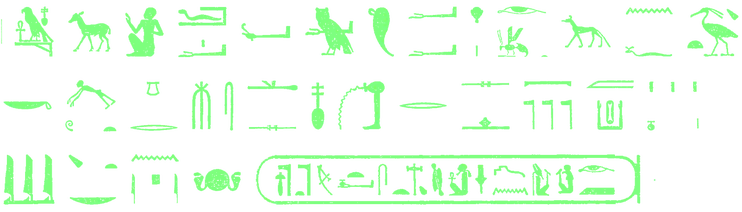
nṯr nfr jb prj ꜥ mꜥr ꜥwj ḥr jrt kꜣt jw n.f ꜣḫt ksj.tj ẖr msw.s nfr wꜥb r ꜥb sḥtp ḥrj nṯrw m kꜣw nw sḫt nb npr nswt bjt (… …)
The perfect god, the vigorous farmer, deft with both hands at his work,
for whom the field bows under its fine, unblemished yield,
who satisfies the foremost of the gods with food from the field:
lord of grain, king of Upper and Lower Egypt, Ptolemy IX. - 229
rdj.j n.k wt.k wꜣj.tj r ḏw ṯḥn.tj jrj m prt.s
I grant that your field be spared loss
and shine all over with its grain. - 230
ḏd mdw jn Ḥr Bḥdtj nṯr ꜥꜣ nb pt bjk n nb sꜣ Wsjr wbn n.f jtn ḥwj n.f ḥꜥpj ꜣḫꜣḫ rnpwt n ḥm.f
Words spoken by Horus of Behdet, the great god, lord of the sky,
falcon of the Golden One, son of Osiris,
for whom the sun disk rises, for whom the Nile flood pours forth
and makes the young plants flourish for His Majesty: - 231
rdj.j n.k tpw.k ꜥšꜣ n ḏrw.sn ꜥḥꜥw.k mḥ.tj m ḏfꜣ
I grant that your fields be many beyond measure
and your storehouses full of food. - 232
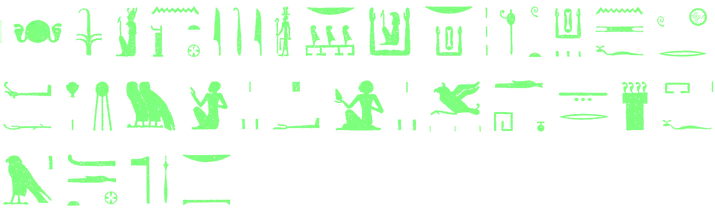
nswt n Wṯst jtj nb gsw prw kꜣ nb kꜣw wḏ kꜣw n mrj.f wḫr ḫt ḥr ḥnmmt pꜥt rḫjt dhnt r rwt pr.f Ḥr Bḥdtj nṯr ꜥꜣ nb pt
The king in the Throne Seat, the sovereign, lord of temples,
the ka, lord of food, who allots food to the one he loves,
who cares for the Henememet, the Pat and the Rekhyt
as they touch their foreheads to the ground outside his house:
Horus of Behdet, the great god, lord of the sky.Note · Line 232
The three groups bowing before the temple stand together for the people. - 233
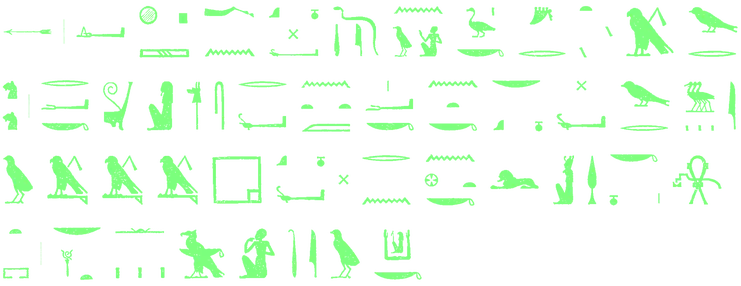
rdt ḫpš n qnt ḏd mdw nwj sꜣ.k ḏrtj wr pḥtj rdj.k n.j wsr ntj m ꜥ.k ntk nb qnt wr bꜣw r nṯrw Ḥt qn rn n nwt.k nb jm.k n stp sꜣ nb jꜣwt kꜣ.tw r kꜣ.k
Presenting the sword of victory. Words to be spoken:
I am your son, O falcon great in strength;
you give me the might that is in your hand.
Yours is the lordship of valor; your power surpasses that of the gods.
House of the Valiant One is the name of your city.
You are lord of the palace,
and Lord of the Royal Office is what they call your ka.Note · Line 233
The king presents a khopesh, a curved sword. House of the Valiant One is a name for Edfu. - 234
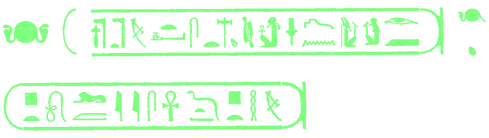
nswt bjt (… …) sꜣ Rꜥ (… …)
King of Upper and Lower Egypt, Ptolemy IX; son of Ra, Ptolemy IX.
- 235
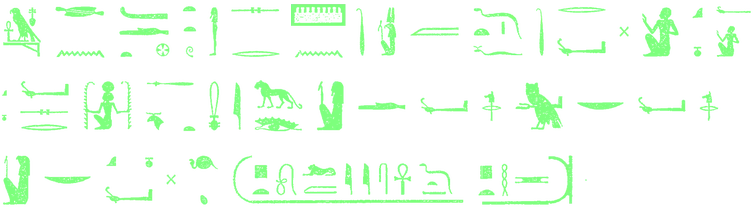
nṯr nfr jwꜥw n Bḥdtj twt sw r Mnṯw m ḏt.f ṯnr qn qnj sw r ḥḥ ꜥꜣ šfjt mj Mꜣj ḥsꜣ šsp wsr m ꜥ nb wsr nb qnt sꜣ Rꜥ (… …)
The perfect god, heir of Horus of Behdet,
the very image of Montu in his person,
strong and valiant, more valiant than a million,
who inspires great awe like Maahes,
who receives might from the hand of the Lord of Might:
lord of valor, son of Ra, Ptolemy IX. - 236
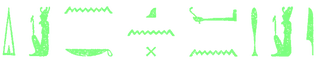
rdj.j n.k qnt nt ḥm.j r ḫpšwj.k wsr.j jsk r ḥꜥ.k
I put the valor of My Majesty into your two arms,
my own might into your limbs. - 237

ḏd mdw jn Ḥr Bḥdtj nṯr ꜥꜣ nb pt sꜣb šwt prj m ꜣḫt bjk n nb sꜣ Wsjr nb jꜣwt rdj nswjt n mrj.f wḏ qnt n nb tꜣwj
Words spoken by Horus of Behdet, the great god, lord of the sky,
dappled of plumage, who comes forth from the horizon,
falcon of the Golden One, son of Osiris, lord of the royal office,
who gives kingship to the one he loves
and decrees valor for the lord of the Two Lands: - 238

rdj.j n.k prt ꜥ m nswjt.k tp tꜣ jṯj.k jꜣwt.k m mꜣꜥ ḫrw
I give you vigor in your kingship on earth
and grant that you take up your office in triumph. - 239

ḏd mdw jn Ḥt ḥr wrt nbt Jwnt jrt Rꜥ ḥrt jb Bḥdt nbt pt ḥnwt nṯrw nbw bjkt nṯrjt m Wṯst Ḥr nswjt nbt nswjt
Words spoken by Hathor the Great, lady of Dendera,
Eye of Ra, who dwells in Behdet,
lady of the sky, mistress of all the gods,
divine she-falcon in the Throne Seat of Horus,
queen, lady of kingship: - 240

rdj.j bnrw.k m jbw ṯꜣjw mrwt.k m ẖt nt ḥmwt
I set your sweetness in the hearts of men
and love for you in the bellies of women. - 241
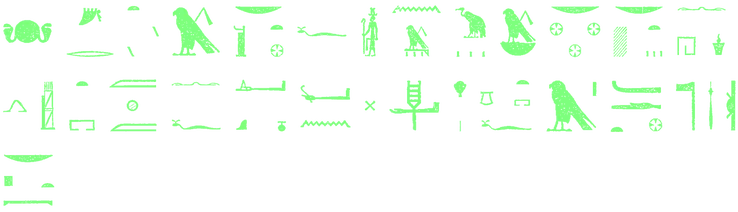
ḏrtj nb Wṯst.f jtj n nṯrw rmṯw nb nwwt nb nswjt n hb ꜥḥt m ḫm.f rdj qnt n ꜥḥꜥ ḥr nst.f Ḥr Bḥdtj nṯr ꜥꜣ nb pt
The falcon, lord of his Throne Seat, sovereign of gods and men,
lord of cities, lord of kingship,
without whose knowledge no one enters the palace,
who gives valor to the one who stands upon his throne:
Horus of Behdet, the great god, lord of the sky. - 242

ḥnk sḫt ḏd mdw sḫt.k n.k Ḥr Ḥrw ḥrj nṯrw rꜣ ꜥ tꜣšw.k šnnt jtn.k wr ḥnbwt.k r ḥptj tpw.k m ḥḥ n ḥḥw
Offering the field. Words to be spoken:
Here is your field, Horus of Horuses, foremost of the gods.
Your borders take in all that your sun disk circles.
Many are your henebut-fields, stretching to the two ends of the world;
your tepu-fields number millions of millions.Note · Line 242
Henebut and tepu name kinds of farmland. The king offers a field, but the estate he describes stretches to the ends of the earth. - 243

hjn.k nn rsj r rꜣ ꜥ ṯꜣw mḥtj jsk r ꜥ kkw jmntt mjtt r ḥtp jtn.k jꜣbtt jsk r wbn.f
These are your bounds:
south, as far as the north wind blows;
north, as far as darkness;
west likewise, to where your sun disk sets;
east, to where it rises. - 244
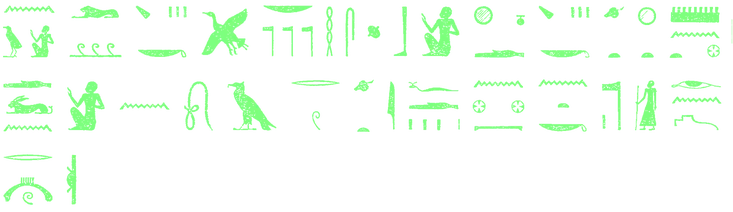
nwj mr ꜣḥt.k pꜣ nb nṯrw ḥsb.j ḫntš.k ḫnt jḫt mnt dwn.j n.k wꜣrt ḫnt jfd n nwt ntk nṯr wr jrj nw r ꜣw
I am the overseer of your fields, O lord of the gods;
I reckon your fields throughout the world.
I stretch the measuring cord for you within the four sides of the sky:
you are the great god who made all this. - 245
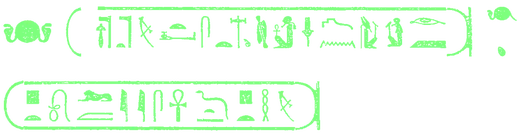
nswt bjt (… …) sꜣ Rꜥ (… …)
The King of Upper and Lower Egypt, Ptolemy IX, the Son of Ra, Ptolemy IX.
- 246
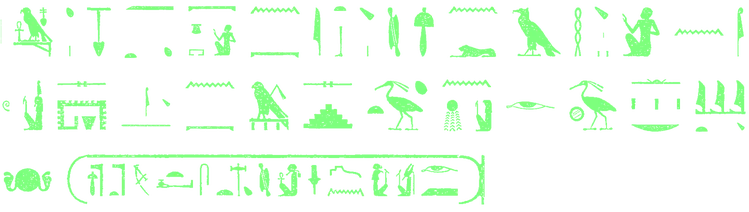
nṯr nfr sꜣ smꜣ mꜣꜥt ḥrj nst n ḥrj jdb jwꜥw mnḫ n mr ꜣḥt n Šw swsḫ tꜣš n ḥrj nṯrw sjꜥr ꜣḫt n jꜣḫw jrj ꜣḫt nb sḫt nswt bjt (… …)
The perfect god, son of Sema-Maat, heir to the throne of the Lord of the Riverbanks, worthy heir of the overseer of Shu’s fields, who extends the boundaries for the chief of the gods, who presents the field to the Shining One, who works wonders, lord of the fields, the King of Upper and Lower Egypt, Ptolemy IX.
Note · Line 246
Here the king’s offering is a field. - 247
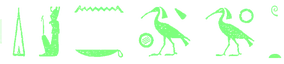
rdj.j n.k ꜣḫt ꜣḫ.tj ẖr msw.s ꜥwꜣj.k sj m nḏm jb
I grant you a field splendid with all it bears, that you may reap it with a glad heart.
- 248
ḏd mdw jn Ḥr Bḥdtj nṯr ꜥꜣ nb pt sꜣb šwt prj m ꜣḫt Rꜥ Ḥr ꜣḫtj ḫnt St wrt.f jtn wr ḥꜣj ḥḏḏ m ḥrw stwt.f ḥr sḥḏ tꜣwj
Words to be spoken by Horus of Behdet, the great god, lord of the sky,
the Dapple-feathered One who comes forth from the horizon,
Ra-Horakhty, foremost in his Great Seat,
the great sun disk whose light shines on faces,
whose rays light up the Two Lands, - 249

nb jtrtj jt n {ꜣw.n.sn ḫpr m ḥꜣt šꜣꜥ ḥḏḏ fdt.f ḥꜥpj nṯrtj.f wnj fnḏ.f sš n ṯꜣw
lord of the Two Shrines, father of the guardian gods,
who came into being in the beginning and first made light shine,
whose sweat is the Nile,
whose two eyes are the light,
whose nose is the nest of the wind: - 250
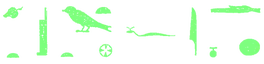
rdj.j n.k sḫt qsj.tj ẖr kꜣw n qn rnpt m ḫt.s
I grant you a field bowed beneath the weight of food, where no year brings want.
- 251

ḏd mdw jn Ḥt ḥr wrt nbt Jwnt jrt Rꜥ ḥrt jb Bḥdt nbt pt ḥnwt nṯrw nbw ꜣḫt r ꜣḫwt bꜣt r nṯrw mḥjt nfrt swꜣḏt sḫt
Words to be spoken by Hathor the Great, lady of Dendera, Eye of Ra, who dwells in Behdet,
lady of the sky, mistress of all the gods,
more glorious than the glorious goddesses, mightier than the gods,
the good north wind that makes the fields grow green: - 252

rdj.j n.k ḥrt hrw.tj n ꜣḫt.k n ḏw nb ḫr.s
I grant that the sky be kind to your field, with nothing harmful in it.
- 253
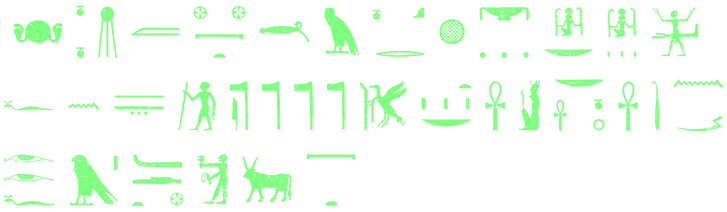
wbn m nwt mḥ tꜣ m nqr Ḥḥ nb Ḥḥw ḥꜥj n.f tꜣwj sr nṯrw qmꜣ jḫt nbt ꜥnḫj nb ꜥnḫ ꜥnḫ.tw n mꜣꜣ.f Ḥr Bḥdtj nṯr ꜥꜣ nb pt
He who shines in the sky and fills the earth with gold dust,
Heh, lord of the Heh gods, for whom the Two Lands shout for joy,
prince of the gods, who fashions all things,
the living one, lord of life, by the sight of whom people live:
Horus of Behdet, the great god, lord of the sky.Note · Line 253
Heh personifies boundlessness; the Heh gods are divine figures of the same name. - 254

dwꜣ nṯr sp 4 ḏd mdw jnḏ ḥr.k jꜣḫw ꜥnḫ.tw m mꜣwt.f dwꜣ sw ꜥnḫw ḥr nḥt ꜥnḫ.sn jtj nfr wḏꜥ nmḥww
Praising the god, four times. Words to be spoken:
Hail to you, Shining One, by whose rays people live,
whom the living worship, pleading for their lives,
perfect sovereign who gives judgment for the needy, - 255

sšm ḥr nb r mṯnw.f nb ꜥnḫ ḫnt Nḏm ꜥnḫ rdj ꜥnḫ n wn ḥr wꜣt.f mj r ꜥꜣbt.k m jḫt nbt nfrt ḥtp n.j ḥr.k nfr
who guides everyone to his paths,
lord of life in Nedjemankh, who gives life to whoever walks his way.
Come to your offering feast of every good thing;
may your fair face look kindly on me.Note · Line 255
Nedjemankh, “Life is sweet,” is a sacred name of Edfu. - 256
ḫꜣ m ḥqt
Beer by the thousand.
- 257
ḫꜣ m kꜣw
A thousand bulls.
- 258
ḫꜣ m tw
A thousand loaves.
- 259
ḫꜣ m ꜣpdw
A thousand fowl.
- 260
ḫꜣ m gḥsw
A thousand gazelles.
- 261
ḫꜣ m mꜣw ḥḏ
A thousand oryxes.
- 262
ḫꜣ m jḫt nbt nfrt wꜥbt bnrt rdjt pt tꜣ qmꜣt ḥꜥpj
A thousand of every good, pure, sweet thing that sky and earth give and the Nile flood brings forth.
- 263
ḫꜣ m njꜣww
A thousand ibex.
- 264
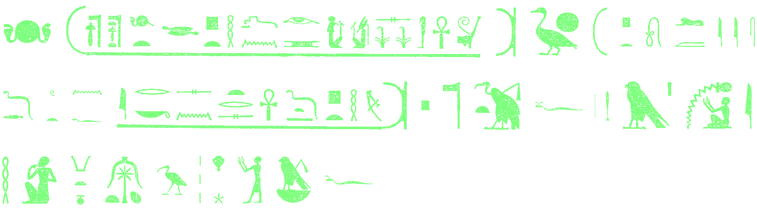
nswt bjt (… …) sꜣ Rꜥ (… …) pꜣ nṯr mrj mwt.f ḥm Ḥr wꜥb Jḥj šdj.n Sšꜣt jqr ḥmwt rꜣ ḥr dwꜣ nb.f
The King of Upper and Lower Egypt, Ptolemy X, the Son of Ra, Ptolemy X, the god who loves his mother, servant of Horus, priest of Ihy, reared by Seshat, skilled in the art of speech as he praises his lord.
Note · Line 264
“Who loves his mother” is the royal title Philometor. Seshat is the goddess of writing. - 265
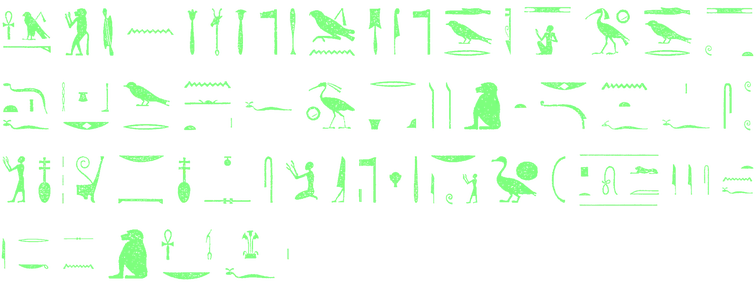
nṯr nfr jwꜥw n ꜥm tꜣwj ḥm gmḥsw n sꜣb šwt twr ꜣḫ twr.tj ḏt.f ẖrj ḥb wr n mḏꜣwt.f ꜣḫ rꜣ ꜥqꜣ ḏd šdj ḥbt n jt.f swꜣš nfrw n nb pt nfr snsw jj nṯr ḥr mdw.f nb jꜣw sꜣ Rꜥ (… …)
The perfect god, heir of He Who Knows the Two Lands, falcon-priest of the Dapple-feathered One,
skilled priest of purification, his body pure, lector-priest rich in scrolls,
potent in speech, exact in utterance, who reads the festival roll for his father,
who praises the beauty of the lord of the sky, whose songs of praise are beautiful,
at whose words the god comes, lord of praise, the Son of Ra, Ptolemy X.Note · Line 265
He Who Knows the Two Lands is Thoth. The lector-priest recited the rites aloud from a scroll. - 266

ḏd mdw jn Nḫbt ḥḏt Nḫn nbt ꜥḥ Ḥḏ nḫn ꜣwjt ꜥ nbt Fꜥg ḫntt pr wr
Words to be spoken by Nekhbet, the White One of Nekhen, lady of the palace of Nekhen, she of the outstretched arm, lady of Fag, foremost in the Great Shrine of Upper Egypt:
Note · Line 266
She speaks here as the White Crown of Upper Egypt. - 267
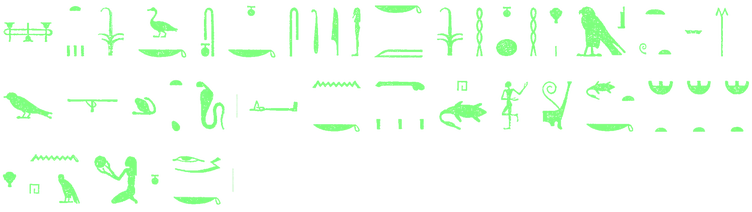
ḫꜥj.j ḥr tp.k m nbt Nḫn wṯs.j ḥḏt m ḥꜣt.k šsp.n.k nfrt nt nbt Nḫb wꜣwt rsj bꜣk.sn n.k smn.j twt.k m nswt nḥḥ ḥr st Ḥr ḫꜥj.tj m wrt ḥkꜣw
I appear upon your head as the Lady of Nekhen;
I raise the White Crown upon your brow.
You have received the fair crown of the Lady of Nekheb;
the southern lands serve you.
I establish your form as king forever on the throne of Horus,
as you appear wearing the One Great in Magic.Note · Line 267
“Great in Magic” is a name of the crown itself. - 268
rdj.j n.k ṯꜣjw ḥr hꜣ snḏ n snḏt.k ḥmwt ḥr nhm n mꜣꜣ.k
I grant that men tremble in awe of you
and women cry out for joy at the sight of you. - 269
ḏd mdw jn Ḥr Bḥdtj nṯr ꜥꜣ nb pt Nb Msn sꜣb šwt prj m ꜣḫt jwꜥw mnḫ msj.n ꜣst sꜣ smsw n Wsjr ꜥpj wr ḫwj jtrtj gsw prw ḫtj ḥr rn.f Ḥr Ḥrw ḥrj sw r ḥrt ḥrj nṯrw m Wṯst Ḥr
Words to be spoken by Horus of Behdet, the great god, lord of the sky, lord of Mesen,
the Dapple-feathered One who comes forth from the horizon,
the worthy heir whom Isis bore, eldest son of Osiris,
great Api who guards the Two Shrines, whose name is inscribed on the temples,
Horus of the Horus gods, who withdraws to the sky,
chief of the gods in the Throne Seat of Horus,Note · Line 269
The Throne Seat of Horus is another name for Edfu. - 270
jtn nfr wbn m nwt ꜥnḫ jrt nbt m jmꜣw.f nswt šmꜥw bjtj mḥw jtj wr ḥqꜣ sḫmtj rsj ḥr dwꜣ.f mḥtj ḥr swꜣš.f jmntt jꜣbtt ḥr rdt n.f jꜣw
the perfect sun disk who rises in the sky, by whose radiance every eye lives,
king of Upper Egypt, king of Lower Egypt, great sovereign, lord of the Double Crown.
The south worships him, the north extols him,
west and east give him praise:Note · Line 270
The Double Crown joins the White Crown of Upper Egypt to the Red Crown of Lower Egypt. - 271
rdj.n.j n.k wrw šrjw ḥr sn sꜥḥ.k jbw.sn rtḥ n mrwt.k
I have granted that great and small alike acclaim your dignity,
their hearts held fast by love for you. - 272
rdj.n.j n.k tꜣwj jdbw ḥr dwꜣ.k bw nb ḫꜣb n bꜣw.k
I have granted that the Two Lands and the riverbanks worship you,
that everyone bows before your might. - 273
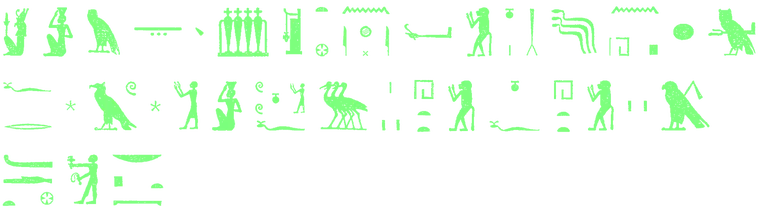
ḏrtj wr pḥtj ꜥn ḥr qnj m sḏm swhj.tw jtn.f n pt rꜥ nb sḫm.f m tꜣ ḫnt Wṯst nḫw nfr n tꜣ ḏr.f nhp ... .f r dwꜣ.f wꜣš n.f bꜣw hṯt n.f Ḫṯtw Ḥr Bḥdtj nṯr ꜥꜣ nb pt
The falcon, great in strength, kindly of face, keen to hear,
whose sun disk is acclaimed in the sky each day,
whose image on earth is in the Throne Seat,
the good protector of the whole earth.
His … rises early to praise him;
the bas acclaim him, the baboons cry out for joy to him:
Horus of Behdet, the great god, lord of the sky.Note · Line 273
The bas are spiritual powers. Baboons were said to greet the rising sun with their cries. - 274

ḥnk jrp jrṯt ḏd mdw mn n.ṯ tḫ swr.n.ṯ jm.f nbt ꜣwt jb wnf jb.ṯ šsp n.ṯ sšp n sꜣ.ṯ Ḥt ḥr srnpj.ṯ ḏt.f m ꜥnḫ wꜣs
Offering wine and milk. Words to be spoken:
“Take the heady drink. Once you have drunk of it, Lady of Heart’s Delight, your heart is glad.
Receive the milk for your son, Hathor, that with milk you may renew his body,Note · Line 274
The queen offers the wine to Hathor and the milk to Hathor’s son, Harsomtus. - 275

nb nbt nbtj šꜣꜥ.tw n.s mn mꜣḥ ꜥntjw ḥst ḥnꜥ ḫbt nbt mꜣḥ n ... ... bbt wnt ḥr wnšb sḫmw ḥnwt mnjt sššt
O Golden One, Lady of the nebty-jar,
for whom the men-jar and the garland, myrrh, song and dance were made;
lady of the garland of … plants, of the broad collar, the mirror, the wenesheb and the sekhem-sistra,
mistress of the menat and the sesheshet-sistrum,Note · Line 275
The sekhem and the sesheshet are two kinds of sistrum, a rattle shaken in Hathor’s worship. The menat is a necklace that could also be shaken to make music. - 276
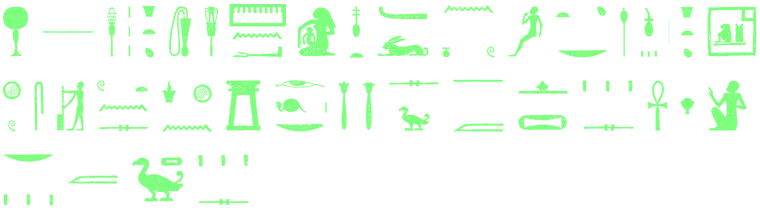
mnꜥt nfrt ḥwnt nbt ḥḏt ḥnwt Ḥt wtṯ ḫwsjt.tw n.s bḫnt jrt Rꜥ nbt šmꜥw mḥw sḏfꜣt tꜣwj m ḥtpw.s ꜥnḫt ḥr nb m ḏfꜣ.s
perfect nurse, maiden, Lady of Milk, mistress of the birth house, for whom the gateway is built;
Eye of Ra, Lady of Upper and Lower Egypt,
who feeds the Two Lands with her offerings, on whose food everyone lives.”Note · Line 276
The birth house is the temple where the birth of the divine child was celebrated. - 277
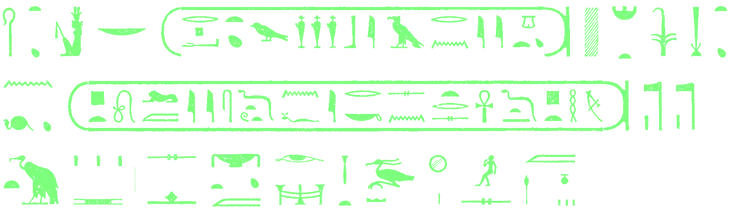
ḥqꜣt nbt tꜣwj (… … …) ḥmt nswt snt nswt nt sꜣ Rꜥ (… …) nṯrwj mrj mwt.w sḥtpt nb m jrt Ḥr wꜣḏt bꜥḥjt ḫ.s m ḥḏt
The sovereign, Lady of the Two Lands, Cleopatra Berenice III, the king’s wife, royal sister of the Son of Ra, Ptolemy X—the two gods who love their mother.
She satisfies the Golden One with the green Eye of Horus and gives her son milk in abundance.Note · Line 277
The green Eye of Horus is the wine. The “two gods who love their mother” is the royal couple’s joint cult title. - 278

Ḥrt ḥmt nswt wrt ḥts sꜣt Gbb šdjt.n Šdjt jnjt jnmt n ... .. Ḫsds jrp nḏm n Msn
The female Horus, the king’s wife, great in favor, daughter of Geb, whom the Shedyt cow reared,
who brings inemet-wine from … and Bahariya, and sweet wine from Mesen,Note · Line 278
Mesen is a sacred name for Edfu; Bahariya is an oasis in Egypt’s Western Desert. - 279

ḥnkt šꜣ n špst nb nbt Jwnt sꜣwjt jb.s ḫnt Bḥdw n Rꜥ ḥnkt ẖrd jqr m bnr ntj mwt.f nbt tḫt ḥqꜣt nbt tꜣwj (… … …)
who offers wine to the August One, the Golden One, Lady of Dendera, and gladdens her heart on the Throne of Ra;
who offers the noble child the sweetness of his mother, the Lady of Drunkenness:
the sovereign, Lady of the Two Lands, Cleopatra Berenice III.Note · Line 279
The Throne of Ra here is Edfu. The mother’s “sweetness” is her milk. - 280
rdj.n.j n.ṯ tḫt wḥm tḫt šsp jb.ṯ ꜣwt jb rꜥ nb
“I have given you drunkenness and drunkenness again, and joy for your heart to receive day after day.”
- 281
ḏd mdw jn Ḥt ḥr wrt nbt Jwnt jrt Rꜥ ḥrt jb Bḥdt nbt ḥst ḥꜥjt m tḫ nb nṯrw ḥnwt nbt nwḥ
Words spoken by Hathor the Great, Lady of Dendera, Eye of Ra, who dwells in Behdet,
Lady of Song, who delights in the heady drink, Gold of the Gods, sovereign and Lady of Drunkenness, - 282
rdjt ršwt m jbw jnd nfrt ḥr sḥbt mnḏtj ḫsbḏt tp bnrt mrwt ... . ḥtm .. snm štꜣ jtnt mrt st nfrt ... ... ... ḥtpw.s ḫnt Pr ꜣwt jb nt nṯrw nbw
who puts joy into grieving hearts, fair of face, her two brows adorned, her head lapis-blue, sweetly loved,
… who drives … away, the sorrow and gloom of the female sun disk, keeper of the storehouse,
… her food offerings in the House of Heart’s Delight of All the Gods,Note · Line 282
The House of Heart’s Delight of All the Gods is Hathor’s temple at Dendera. - 283
ḥwnt nbt ḥꜥꜥwt n kt ḥr ḫw.s .. .. m ṯꜣjw ḥmwt ḥꜥjt jtn wbn.f jmj wtj wpt.s wnf ḥr nb n dm rn.s
the maiden, Lady of Joy, who has no equal, … among men and women,
in whom the sun rejoices when he rises between her horns,
at whose name, when it is spoken, every face lights up:Note · Line 283
Hathor wears the sun disk between her cow’s horns. - 284
rdj.n.j n.ṯ tḫt nn ḥꜣt jb mrwt wr.tj ḥr jb n nswt
“I have given you drunkenness without distress and made you greatly loved in the heart of the king.”
- 285
rdj.n.j n.ṯ Wꜣḏtj Jmt Swnj Nḥꜣm Ḥt jḥt ẖr jrp.sn
“I have given you Wadjty, Imet, Suni, Neham and the House of the Cow, with their wine.”
- 286

ḏd mdw jn Ḥr {mꜣ tꜣwj pꜣ ẖrd sꜣ Ḥt ḥr ꜥꜣ wr tpj n Ḥr Bḥdtj nṯr ꜥꜣ nb pt ḥꜥꜣ nb ḥꜥꜥwt ḥꜥj n.f ḥꜥꜣw nb bnrt bnr mrwt
Words spoken by Harsomtus the Child, son of Hathor, great beyond measure, firstborn of Horus of Behdet, the great god, lord of the sky;
the child, lord of joy, in whom children rejoice, lord of sweet milk, sweetly loved, - 287

nḫn nfr nḏm ptr.f mj Ḥꜥpj jw.tj r tr.f nn n nb ḫnt Nḏm ꜥnḫ nb kꜣw rdj ḏfꜣ n mrj.f ḥwn n ḥnwt sr jwt n ḥntj rdj ꜥnḫ n šm ḥr mw.f
the fair child, a delight to see, like Hapy when he comes in due season;
the Golden One’s boy in Nedjemankh, lord of sustenance, who gives food to whomever he loves;
child of the sovereign lady, who foretells what is to come, who gives life to whoever follows his course:Note · Line 287
Hapy is the Nile flood: the sight of him arriving in season promises food for the land. - 288
rdj.j n.ṯ kꜣw ḏfꜣ ḥr ṯt.ṯ šsp jb.ṯ m jḫt nbt nfrt
“I give you food and provisions on your table, that your heart may have its share of every good thing.”
- 289
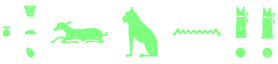
rdj.j n.ṯ ... ... . ... ḥḏt ḥḏt r šdt ẖrdw nswt prjw jm.ṯ
“I give you … and white milk to nurse the royal children who come forth from you.”
- 290
ḥnwt nṯrw nṯrwt nbt tḫt ḫnt Wṯst Ḥr ꜥnt wrt ḥr wpt nt Bḥdtj ḥꜥjt ḥm.f ḥtp.s m ḥꜣt.f
The mistress of gods and goddesses, Lady of Drunkenness on the Throne of Horus,
surpassingly beautiful on the crown of the head of Horus of Behdet,
in whom His Majesty rejoices when she settles on his brow,Note · Line 290
Hathor appears here as the rearing cobra worn on the god’s brow. - 291

nbt ꜣwt jb ḥnwt ꜥḥꜥ ḥmsj Rnnt nfrt rdjt ḏfꜣ n mrj.s nbt hj ꜥšꜣ ḥbw ḥnꜥ sꜣ.s {mꜣ tꜣwj Ḥt ḥr wrt nbt Jwnt
Lady of Heart’s Delight, mistress of feasting, the perfect Renenet, who gives food to whomever she loves;
Lady of Jubilation, whose festivals with her son Somtus are many:
Hathor the Great, Lady of Dendera.Note · Line 291
Somtus is the child also called Harsomtus. - 292

ḥnk mꜣꜥt ḏd mdw mn n.k sꜣt.k mrjt.k mrj.s ṯw nn ḥrj.s jrf ḫr ḥm.k šꜣšꜣjt.k tn šnbtj sꜣb šwt
Offering Maat. Words to be spoken:
“Receive your daughter, whom you love and who loves you. Never does she stray from Your Majesty.
This neck of yours, O falcon of dappled plumage—Note · Line 292
The speech identifies her with the parts of his body through which breath and food must pass. - 293

snsn.k jm.s wꜣḫj fnḏ.k ḥtjt.k ḏsrt ḥnꜥ.n.s ḥꜥ.k srwḏ ḏt.k m jḫt.s ṯpḥt wḏt kꜣw.k wḏ kꜣ r ẖt.k ḥsmn.k nwḥ.k m ḫntj.s Mꜣꜥt.k nfrt ꜥnḫ.k jm.s ḥꜥj jb.k ḥr mꜣꜣ.s rꜥ nb
through it you breathe, and your nose rejoices.
When your sacred throat has filled your flesh, what it holds strengthens your body.
Your gullet directs your food, sending it to your belly; through it you eat and drink.
Your perfect Maat—by her you live, and your heart rejoices to see her every day.” - 294
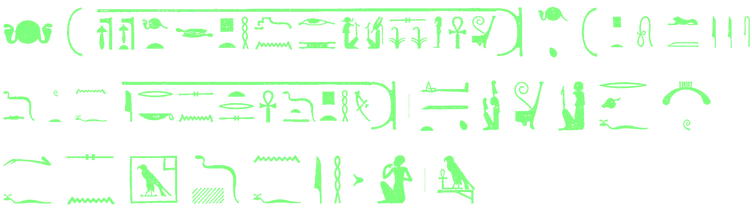
nswt bjt (… …) sꜣ Rꜥ (… …) pꜣ nṯr mrj mwt.f rdj mꜣꜥt nt Rꜥ r fnḏ.f ꜣwj.f sj n Ḥt ḥr ḏd.tw n.f jḥ
The King of Upper and Lower Egypt, Ptolemy X, the Son of Ra, Ptolemy X, the god who loves his mother, who sets the Maat of Ra at Ra’s nose and holds her out to Hathor too, of whom people speak in wonder.
- 295
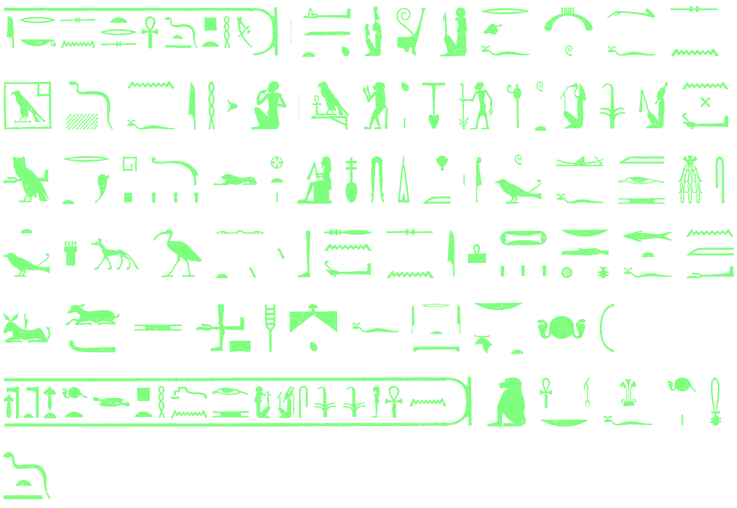
nṯr nfr sꜣ smsw wḏ nswt nḫt mꜥr hpw mr nwt nfr n rdj ḥr gs šw jm.f m jrj mrwt msḏjt tꜣjtj sꜣb jqr jwtj bẖn šnw nb tḫ bwt.f nmꜥ jwḥ ꜥbꜣ wḏꜥ.f rjt nb šfjt nswt bjt (… …)
The perfect god, son of Semsu-udj, the mighty king whose laws are sound;
the perfect mayor, who takes no side, free of bias in deciding what is welcome and what is unwelcome;
the excellent vizier, who accepts no gifts, lord of the plummet, who abhors partiality;
who floods the altar with offerings when he gives judgment, lord of Shefit, King of Upper and Lower Egypt, Ptolemy X.Note · Line 295
Semsu-udj is a name of Thoth, god of writing and judgment. The plummet hangs true without leaning to either side. Shefit, “Awe,” is a title of Maat. - 296
rdj.j mꜣꜥt m jb.k r jrt.s n nṯrw ḏt
“I place Maat in your heart, that you may do what is right for the gods forever.”
- 297
ḏd mdw jn Ḥr Bḥdtj nṯr ꜥꜣ nb pt Rꜥ Ḥr ꜣḫtj wbn m nww sḫm ꜥnḫ prj m ꜣḫt sḥḏ tꜣwj nb m nfrw.f bjk šps sꜣb šwt gmḥsw ḥtp ḥr mꜣꜥt nfr ḥr ḥqꜣ šmꜥ.s mḥw.s
Words spoken by Horus of Behdet, the great god, lord of the sky, Ra-Horakhty who rises from the primeval waters,
the living power who comes forth from the horizon and lights the whole of the Two Lands with his beauty;
the august falcon of dappled plumage, the Gemehsu falcon who rests content with Maat,
fair of face, ruler of the crowns of Upper and Lower Egypt,Note · Line 297
Ra-Horakhty means “Ra, Horus of the Two Horizons.” - 298
nswt nṯrw qꜣj šwtj nb mꜣꜥt jtn wr spd ḥnwtj jtj nb šfjt m St wrt kꜣ hrw ḥr mtwt.f jrj rmṯw msj nṯrw Ḥr wpw sḏm sprw nḫw nfr wpj tꜣ pn
king of the gods, tall in his twin plumes, lord of Maat, great sun disk, sharp of both horns;
sovereign, lord of Shefit in the Great Seat, bull who delights in his semen,
who made humankind and gave birth to the gods;
Horus the Judge, who hears petitions, the perfect protector who gives judgment in this land:Note · Line 298
Maat’s emblem is a feather. - 299
rdj.j n.k mꜥbꜣjwt ḥr wḏꜥ mdw ḥr ḫwt mꜣꜥtjw ḥr ḫb jsftjw
“I grant you courts that give judgment, protect the just and put evildoers to death.”
- 300
rdj.j n.k tp nfr ḥtp.tj ḥr jb.k mꜣꜥt ꜣḫꜣḫ.tj m hꜣw.k
“I grant that right may rest in your heart and Maat flourish in your time.”
- 301
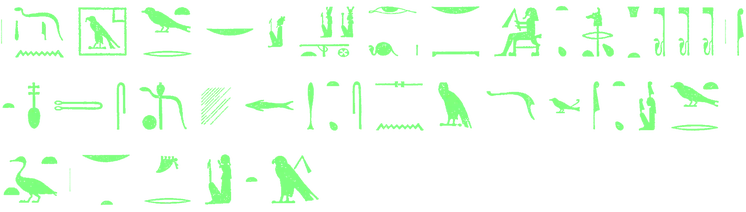
ḏd mdw jn Ḥt ḥr wrt nbt Jwnt jrt Rꜥ nbt pt špst wsrt ḥnwt nṯrw nṯrwt Mꜣꜥt nfrt sḥḏt tꜣwj nb bwt ḥmt.s snm ns Mꜣꜥt wrt sꜣt Nb r ḏr bjkt nṯrjt ḫnt Ḥt ..
Words spoken by Hathor the Great, Lady of Dendera, Eye of Ra, Lady of the Sky, the august one, the mighty one, mistress of gods and goddesses;
Maat the Perfect, who lights the whole of the Two Lands, whose Majesty abhors a lying tongue;
Maat the Great, daughter of the Lord of All, the divine female falcon in the House of …: - 302

rdj.j n.k Ḏꜣḏꜣwt ḥr wḏꜥ mꜣꜥt ḥr ḫsf ꜥwꜣj m tꜣ m rk ḥm.k
“I grant you councils of judges who determine what is right and ward off robbers in the land in Your Majesty’s time.”
- 303

rdj.j n.k tp bjꜣ ḫtj ḥr jb.k ḥr sḥtp sḫmw m sḥtpt nṯr
“I grant that what is right be engraved on your heart, and that you satisfy the divine powers with her who satisfies the god.”
Note · Line 303
Here “she who satisfies the god” is Maat herself, the king’s offering. - 304
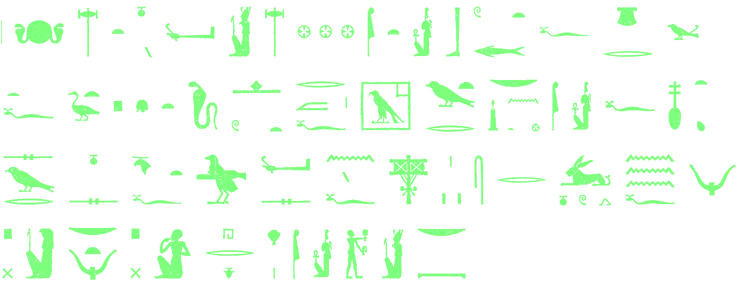
nḏtj nḏ nwwt mrj mꜣꜥt bwt.f grg sꜣt.f tpt ḥtp.tj r gs.f Ḥt ḥr wrt nbt Jwnt Mꜣꜥt.f nfrt swr.n.s šfjt.f wdj.s nf.s r wnj mw.f wpw nb wpt hrw ḥr mꜣꜥt Ḥr Bḥdtj nṯr ꜥꜣ nb pt
The guardian who guards the cities, who loves Maat and loathes falsehood. His daughter, the cobra of his brow, rests at his side: Hathor the Great, Lady of Dendera, his perfect Maat. She has heightened the awe he inspires and breathes her fiery breath against his foe. He is the judge, lord of judgment, who rejoices in Maat: Horus of Behdet, the great god, lord of the sky.
Note · Line 304
Here Hathor is both Maat and the uraeus, the cobra that defends the god from its place on his brow. - 305

dwꜣ nṯr ḏd mdw jꜣw n.k Rꜥ Ḥr ꜣḫtj ḥrj nṯrw ꜥpj ꜥpr dmꜣtj jtn wr ḥꜣj ḥḏḏwt m ḥrw mꜣwt.f ḥr ḫsr kkw
Praising the god. Words to be spoken: “Praise to you, Ra-Horakhty, foremost of the gods,
Api with your two wings,
great sun disk whose brilliance shines on faces,
whose light drives out the dark, - 306

jt jtw jrj jḫt nbt ḫpr ḫprt nbt m ḫt ḫpr.f nswt bjt Ḥr Bḥdtj nṯr ꜥꜣ nb pt ḥtp n.j ḥr.k nfr
father of fathers, maker of all things!
Only after you came to be did all that is come to be.
King of Upper and Lower Egypt, Horus of Behdet,
great god, lord of the sky,
may your beautiful face look kindly on me.” - 307
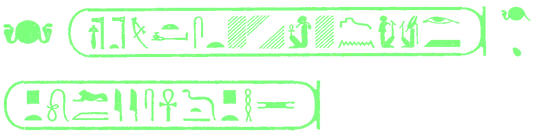
nswt bjt (… …) sꜣ Rꜥ (… …)
The King of Upper and Lower Egypt, Ptolemy IX, the Son of Ra, Ptolemy IX.
- 308
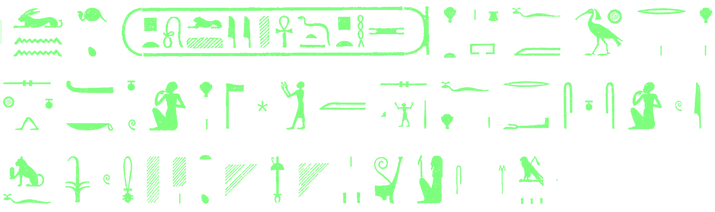
wnn sꜣ Rꜥ (… …) ḥr nst.f m ꜣḫ rꜣ ḥr sḫpt ḥknw ḥr dwꜣ nṯr m sqꜣ ḫrw.f ḥr rdt snsw r ḫft ḥr.f sw mj Jsdn .. ... ... ... .. n .. smsw nṯrw
The Son of Ra, Ptolemy IX, sits on his throne, gifted with eloquence. He offers hymns of praise, raises his voice to praise the god and pays him homage to his face. He is like Isden … for … the eldest of the gods.
Note · Line 308
Isden is a name of Thoth, the god of writing and eloquent speech. - 309

rdj.j n.k tꜣ šmꜥw ḥr dwꜣ n.k nṯr tꜣ mḥw ḥr hnw n kꜣ.k
“I grant that Upper Egypt praise the god for your sake,
and Lower Egypt acclaim your ka.”Note · Line 309
The god speaks to the king. - 310

ḏd mdw jn Ḥr Bḥdtj nṯr ꜥꜣ nb pt sꜣb šwt prj m ꜣḫt ꜥpj wr ḫwj jtrtj ḏsr ḫprw jmn sštꜣ ꜥšꜣ rnw m m nṯrw psḏ m ḥrt sḥḏ tꜣwj m stwt.f ꜥn ḥr qnj m sḏm
Words to be spoken by Horus of Behdet, the great god, lord of the sky, the many-colored one of plumage who comes forth from the horizon, great Api who guards the two shrines, splendid in form and hidden in likeness, whose names are many among the gods, who shines in the sky and lights the Two Lands with his rays, gracious of face, who listens closely.
Note · Line 310
The two shrines stand for the sanctuaries of Upper and Lower Egypt, the Two Lands. - 311

ḏd mdw jn Ḥt ḥr wrt nbt Jwnt jrt Rꜥ ḥrt jb Bḥdt nbt pt ḥnwt nṯrw nbw sꜣt Rꜥ ḫnt Wṯst Ḥr ꜣmst jb ḥr sḏm sprw
Words to be spoken by Hathor the Great, Lady of Dendera, Eye of Ra, who dwells in Behdet, lady of the sky, mistress of all the gods, daughter of Ra in the Throne of Horus, who hears petitions with a kindly heart.
- 312
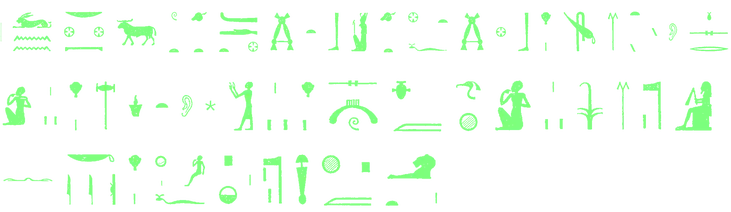
wnn nb nwt bꜣ.tj ḫnt Bḥdt ḏbꜣtj ḫnt nwt.f Ḏbꜣ ḥr smt šsrw ḥr ndb dwꜣw ḥr sꜣwj jb.f m ꜣḫw sw m nṯr šps n kjj ḥr ḫw.f pꜣwtj tpj ḫpr m ḥꜣt
The lord of the sky is mighty in Behdet. Djebaty is in his city of Djeba. He hears the invocations, gives ear to the praises and gladdens his heart with hymns of glorification. He is the august god without equal, the first primeval god, who came to be in the beginning.
Note · Line 312
Djeba is another name for Edfu; Djebaty means “he of Djeba.” - 313
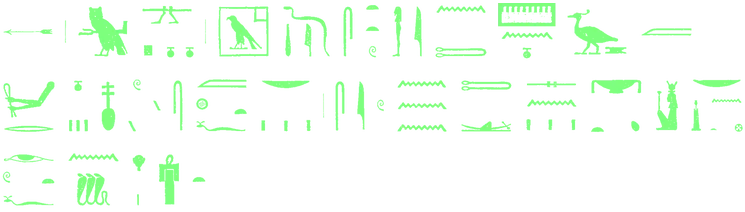
ms pꜣ mn n Ḥt ḥr ḏd mdw stwt.j n.ṯ mn bꜥḥj m ḏsr nfr wj sw m jḫt.f nbt swr.ṯ jm.sn nb nbt Jwnt jrj.tw.f n nṯrwt ḥr sꜣ.ṯ
Presenting the men-jar to Hathor. Words to be spoken: “I offer you the men-jar, brimming with djeser-beer.
How fine it is, with all it holds!
May you drink of its contents, Golden One, Lady of Dendera;
it was made for the goddesses who follow you.” - 314
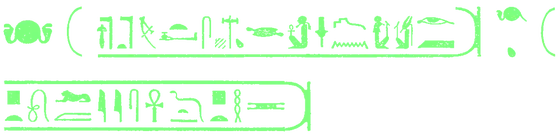
nswt bjt (… …) sꜣ Rꜥ (… …)
The King of Upper and Lower Egypt, Ptolemy IX, the Son of Ra, Ptolemy IX.
- 315
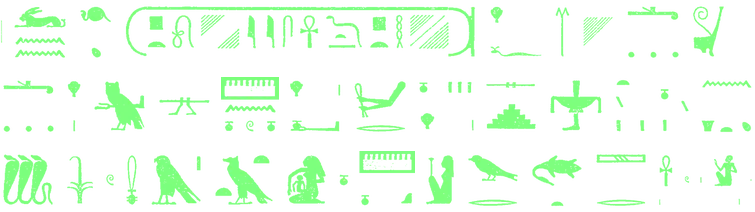
wnn sꜣ Rꜥ (… …) ḥr ..f m jtj nb šmꜥj mḥj ḥr ms mn ḥr ḥnk ḏsr ḥr sjꜥr nbtj n ḥnwt nṯrwt sw mj Ḥr ꜣṯ.n Mnqt wr snḏt ḫr ꜥnḫw
The Son of Ra, Ptolemy IX, sits on his throne as ruler and lord of the barley of Upper and Lower Egypt. He brings the men-jar, offers djeser-beer and holds out nebty-beer to the mistress of the goddesses. He is like Horus, whom Menqet reared and whom the living hold in great awe.
Note · Line 315
Menqet is the goddess of brewing. - 316
rdj.j n.k tḫt wḥm tḫt ẖn pw ḫr kꜣ.k
“I give you drunkenness and drunkenness again:
this is food for your ka.” - 317
ḏd mdw jn Ḥt ḥr wrt nbt Jwnt jrt Rꜥ ḥrt jb Bḥdt nbt pt ḥnwt nṯrw nbw Rꜥjt wrt ḫnt ꜥwj Rꜥ jrjt ḥqt m qmꜣt.n jb.s
Words to be spoken by Hathor the Great, Lady of Dendera, Eye of Ra, who dwells in Behdet, lady of the sky, mistress of all the gods, Raet the Great in the arms of Ra, who brews beer from what her heart has conceived.
Note · Line 317
Raet is the feminine form of Ra’s name: Hathor is herself the sun goddess. - 318

ḏd mdw jn Rꜥ Bḥdtj sꜣb šwt Rꜥ Ḥr ꜣḫtj ḫnt St wrt rdj ꜥwj.f ḥꜣ sꜣt.f tpt ḫwj ḥmt.s mkj ḥꜥ.s
Words to be spoken by Ra of Behdet, he of the many-colored plumes, Ra-Horakhty in the Great Seat, who puts his arms around his daughter, the cobra of his brow, who protects Her Majesty and guards her body.
- 319
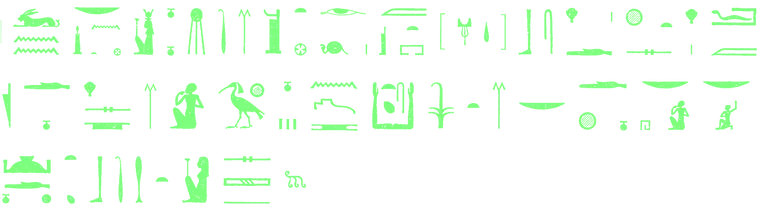
wnn nbt Jwnt wbn.tj m Wṯst jrt Rꜥ m st ꜣbjt.s ḥr šsp jḫt.s ḥr prt m qd ḥr sꜥm ꜣḫ nw mrj kꜣ.s sj m nbt tḫt nbt hj nbt hnw jtnt bwt ḥmt.s štꜣ
The Lady of Dendera has risen in the Throne; the Eye of Ra is in the place she longs for. She receives her gift, rejoices greatly and drinks this glorious beer her ka loves. She is the lady of drunkenness, lady of jubilation, lady of acclaim, the female sun disk. Her Majesty abhors sorrow.
- 320

ms mꜣḥ n mꜣꜥ ḫrw ḏd mdw qꜣj r.k Ḥr nḫt m Wṯst ḫꜥj ḥm.k ḥr st jt.k
Presenting the wreath of vindication. Words to be spoken: “Be exalted, Horus, victor in the Throne,
as Your Majesty appears on your father’s throne.”Note · Line 320
The wreath marks a verdict in Horus’s favor: the throne of his father Osiris is rightfully his. - 321
nswt bjt (… …) sꜣ Rꜥ (… …)
The King of Upper and Lower Egypt, Ptolemy IX, the Son of Ra, Ptolemy IX.
- 322
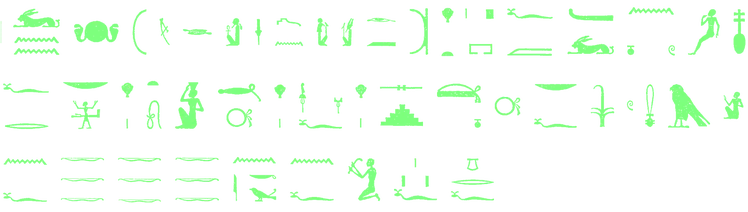
wnn nswt bjt (… …) ḥr p.f m ḥwn nfr nb ḥꜥꜥwt ḥr twꜣ mꜣḥ ḥr wnmj.f jꜣbj.f ḥr sjꜥr mꜣḥ n nb.f sw mj Ḥr ḥr tp.n.f pḏt 9 njk.n.f ḫftjw.f ẖr.f
The King of Upper and Lower Egypt, Ptolemy IX, sits on his throne as a perfect youth, lord of joy. He lifts the wreath on his right hand and his left and holds it out to his lord. He is like Horus, who brought the Nine Bows under his rule and struck down his foes beneath him.
Note · Line 322
The Nine Bows stand for the foreign peoples reckoned as Egypt’s enemies. - 323
rdj.j n.k ḫftjw.k ḫb.tj ḫtḫt wnm.j sn spd jbḥw.j
“I give you your enemies slain and driven back,
as I devour them with my sharp teeth.” - 324
ḏd mdw jn Ḥr Bḥdtj nṯr ꜥꜣ nb pt Nb Msn sꜣb šwt prj m ꜣḫt jṯj tꜣwj nbw m nḫt.f pt ḥr tp.f tꜣ ẖr rdwj.f ḫꜣswt nbt dmḏ ẖr ṯbwj.f
Words to be spoken by Horus of Behdet, the great god, lord of the sky, lord of Mesen, he of the many-colored plumes who comes forth from the horizon and seizes all lands by his might. The sky is above his head, the earth beneath his feet, and all foreign lands together beneath his soles.
- 325

ḏd mdw jn Ḥt ḥr nbt Jwnt jrt Rꜥ ḥrt jb Bḥdt nbt pt ḥnwt nṯrw nbw wsrt wrt ... nt sḫmw ḫsbḏ ntj Psḏt
Words to be spoken by Hathor, Lady of Dendera, Eye of Ra, who dwells in Behdet, lady of the sky, mistress of all the gods, the Strong One, the Great One, the … of the mighty ones, the lapis lazuli of the Ennead.
Note · Line 325
The Ennead is a company of nine gods; Hathor is called its precious blue stone. - 326
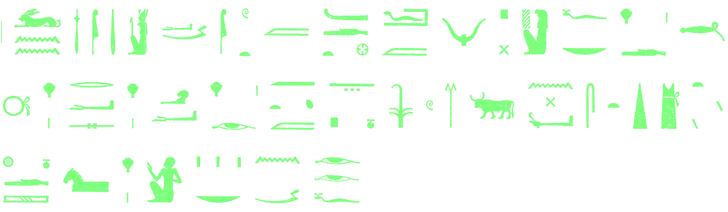
wnn ꜥꜣ mꜣꜥ ḫrw mꜣꜥ.tj m Bḥdt prj m wpt.f nbt ḥr šsp mꜣḥ ḥr rdt sw ḥr ḥꜣt.f ḥr jrt mꜣꜥt m tꜣ pn sw m kꜣ nḫt spd ḥnwtj ḫntš ḥr nb n mꜣꜣ.f
The great victor stands vindicated in Behdet, having emerged victorious from every trial. He receives the wreath, sets it on his brow and upholds Maat in this land. He is the mighty bull with sharp horns; every face brightens at the sight of him.
- 327

ḥnk wḏꜣt nt nb ḏd mdw mn n.k wḏꜣt nt nb ḥr jrt mkt.k nṯrt ... ... ...
Presenting the wedjat eye of gold. Words to be spoken: “Take for yourself the wedjat eye of gold that protects you, the divine eye …”
Note · Line 327
The wedjat is the injured eye of Horus restored to wholeness. Its image served as a protective amulet. - 328
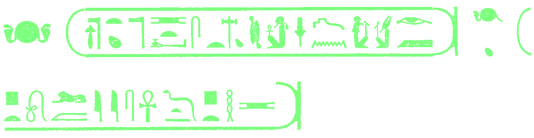
nswt bjt (… …) sꜣ Rꜥ (… …)
The King of Upper and Lower Egypt, Ptolemy IX, the Son of Ra, Ptolemy IX.
- 329

wnn nswt bjt (… …) ḥr tmꜣ.f m ḥqꜣ n šnw n jtn ḥr ḥnk wḏꜣt ḥr sjꜥr ꜣwt jb ḥr rdt nṯrt n nb.s sw mj Ḥr jṯj.n.f Wḏꜣt jtj.n.f tꜣwj nbw
The King of Upper and Lower Egypt, Ptolemy IX, sits on his throne as ruler of all the sun disk encircles. He offers the wedjat eye, holds out the amulet and gives the divine eye to its lord. He is like Horus, who took possession of Egypt and took dominion over all lands.
Note · Line 329
The name used here for Egypt echoes the name of the wedjat eye: in taking the eye, Horus takes the land. - 330
rdj.j n.k Šꜣs ḥrt ẖr nb jm.f Ꜥt jsk ẖr ...
“I give you the land of Shas-Heret with the gold that is in it,
and the land of Khet with …” - 331

ḏd mdw jn Ḥr {mꜣ tꜣwj pꜣ ẖrd sꜣ Ḥt ḥr nṯr ꜥꜣ ḥrj jb Bḥdt pẖr nst n Bḥdtj Wꜣḏḏ n tꜣwj nb ḥw ḥqꜣ ḏfꜣ Šꜣw šdj.n špst
Words to be spoken by Harsomtus the Child, son of Hathor, the great god who dwells in Behdet, heir to the throne of Horus of Behdet, the wadjedj-serpent of the Two Lands, lord of food, ruler of provisions, Shai, whom the August One suckled.
Note · Line 331
The August One who nurses him is Hathor. - 332

ḏd mdw jn Jḥj wr sꜣ Ḥt ḥr nṯr ꜥꜣ ḥrj jb Bḥdt ḫ šps n ꜣḫtj wḏḥ n wsrt ḫnt Ḥt nhm nb kꜣw rdj n mrj.f
Words to be spoken by Ihy the Great, son of Hathor, the great god who dwells in Behdet, noble child of the Horizon-Dweller, boy of the Strong One in the House of Jubilation, lord of food, who gives to the one he loves.
Note · Line 332
The Strong One is Hathor; the House of Jubilation is her sanctuary at Dendera. - 333
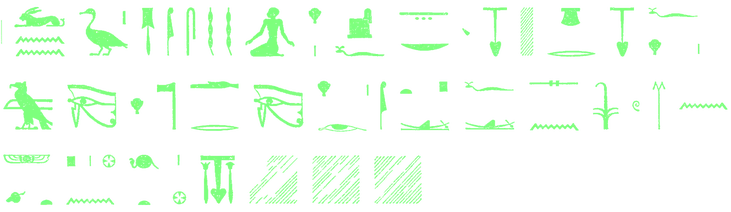
wnn sꜣ sꜣb šwt snḏm ḥr bḥdw.f tꜣwj nb smꜣ.tj ẖr smꜣt.f ḥr ꜣmm wḏꜣt ḥr ... nṯrt ḥr jrt gs dpt.f jm.sn sw m jwꜥw n ꜥpj ḫnt P n Rꜥ smꜣ tꜣwj ... ... ... ...
The son of him of the many-colored plumes has settled on his throne, the Two Lands united in their entirety beneath his seat. He grasps the wedjat eye, receives the divine eye and protects himself with them. He is the heir of Api in the Throne of Ra, he who unites the Two Lands …
- 334

ḥnk šmꜥw mḥw ḏd mdw mn n.k wꜣḏ ḥr jmꜣ nstjw snsn.n.k swt ḥnꜥ snb ...
Presenting Upper and Lower Egypt. Words to be spoken: “Take the papyrus that welcomes the plant of Upper Egypt,
for you have joined the sedge to the papyrus …”Note · Line 334
The king presents the two parts of Egypt in the form of their plants: the sedge for Upper Egypt in the south, the papyrus for Lower Egypt in the north. - 335
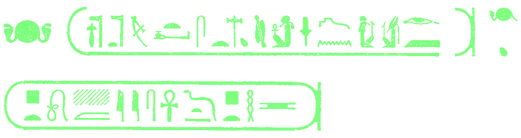
nswt bjt (… …) sꜣ Rꜥ (… …)
King of Upper and Lower Egypt, Ptolemy IX; Son of Ra, Ptolemy IX.
- 336
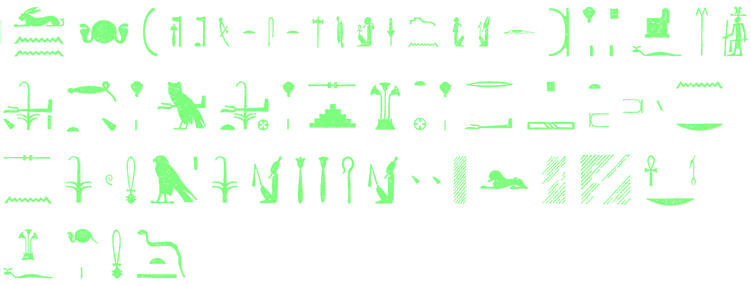
wnn nswt bjt (… …) ḥr p.f m jtj n šmꜥw mḥw ḥr ms šmꜥw ḥr sjꜥr mḥw ḥr rdt psštj n nb.sn sw mj Ḥr nswt tꜣwj ḥqꜣ jdbw nb .. ... ... ...
The King of Upper and Lower Egypt, Ptolemy IX, is on his throne as sovereign of Upper and Lower Egypt. He presents Upper Egypt, holds Lower Egypt aloft and gives the two halves to their lord. He is like Horus, king of the Two Lands, ruler of the riverbanks, lord of …
- 337
rdj.j n.k gs pr rsj ... ... ... ... ...
“I grant you that the administration of the South …”
- 338
ḏd mdw jn Ḥr Bḥdtj nṯr ꜥꜣ nb pt nswt šmꜥw bjtj mḥw dmḏ psštj wn wpj smꜣ swt wꜣḏ
Words to be spoken by Horus of Behdet, the great god, lord of heaven, king of Upper Egypt and king of Lower Egypt, who united the two halves that once lay apart, who joined the sedge and the papyrus.
- 339

ḏd mdw jn Ḥt ḥr nbt Jwnt jrt Rꜥ ḥrt jb Bḥdt nbt pt ḥnwt nṯrw nbw ḥqꜣt n Jwnt nbt nwwt spwt ḫꜥj nb ẖr st rꜣ.s
Words to be spoken by Hathor, Lady of Dendera, Eye of Ra, who dwells in Behdet, lady of heaven, mistress of all the gods, ruler of Dendera, lady of towns and nomes, at whose word the lord appears in glory.
Note · Line 339
The nomes are the districts of Egypt. The lord who appears at Hathor’s word is the king at his accession. - 340
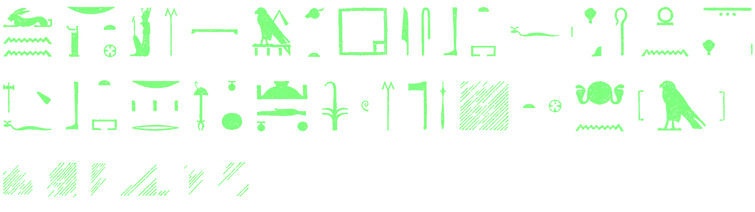
wnn nb Wṯst m ḥrj nṯrw ḫnt Ḥt jsbt bw mrj.f ḥr ḥqꜣ šnw n tꜣ ḥr ndb.f bw nb r wbn jtn sw m nṯr ꜥꜣ ... ... ... nswt bjt n ... ... ... ...
The Lord of the High Seat is chief of the gods in the House of the Throne, the place he loves. He rules the whole circuit of the earth, every place where the sun disk shines. He is the great god …, king of Upper and Lower Egypt, …
Note · Line 340
The High Seat and the House of the Throne are sacred names of Edfu. - 341
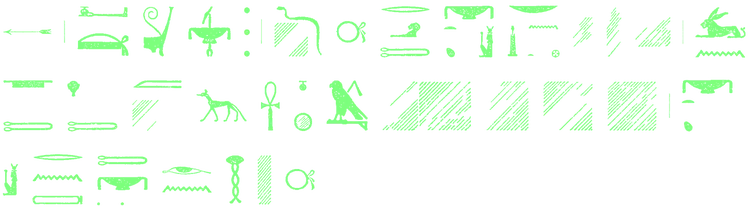
ḥnk mꜣḥ n ḏꜥm ḏd mdw mꜣḥ r ḥꜣt.ṯ nb nbt Jwnt ... ... ... ... ... wn.ṯ ḥr.ṯ m ꜣḫt jꜣbtt ꜥnḫ nṯrw ... ... ... nb rn.ṯ nb rn wꜣḥ.ṯ .. ... ... ... ...
Presenting a wreath of electrum. Words to be spoken: “A wreath for your brow, Golden One, Lady of Dendera …
When you unveil your face on the eastern horizon, the gods live …
Golden One is your name, and Gold is the name of your wreath …”Note · Line 341
Electrum is an alloy of gold and silver. - 342
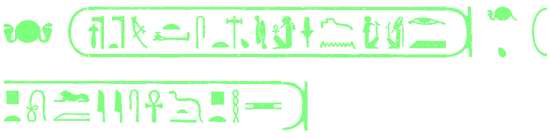
nswt bjt (… …) sꜣ Rꜥ (… …)
King of Upper and Lower Egypt, Ptolemy IX; Son of Ra, Ptolemy IX.
- 343
wnn sꜣ Rꜥ (… …) ḥr ḥmr.f ḥr jrt jḫt n nb nṯrw ḥr ms mꜣḥ ḥr rdt hj n ḥnwt.f ḥr wdn tḫ n ḥnwt nbt tḫt sw mj Ptḥ Tꜣ ṯnn wtṯ m šꜣ ... ... ... ... ...
The Son of Ra, Ptolemy IX, is on his throne, performing the rite for the Gold of the Gods. He presents the wreath, raises a shout of joy for his mistress and offers strong drink to the sovereign lady, the Lady of Drunkenness. He is like Ptah-Tatenen, the begetter at the beginning …
- 344

rdj.j n.k ꜣwt jb ḥmwt rꜣ r hn.k sšm nfr m st nfrt
“I give you joy, and more besides, upon your head, and goodly stores in the Goodly Seat.”
Note · Line 344
The Goodly Seat is the storehouse. - 345

ḏd mdw jn Ḥt ḥr wrt nbt Jwnt jrt Rꜥ ḥrt jb Bḥdt nbt pt ḥnwt nṯrw nbw ꜣḫt r wrw bꜣt r sḫmw jnjt ḥtpw sḏfꜣt tꜣwj
Words to be spoken by Hathor the Great, Lady of Dendera, Eye of Ra, who dwells in Behdet, lady of heaven, mistress of all the gods, more glorious than the great ones, more majestic than the mighty ones, who brings food and provisions the Two Lands.
- 346
wnn ḥrt jb Bḥdt ḫnt Bḥdw n Rꜥ ḥr nḏ bjk m Ḥt bjk ḥr rdt sšp ḥr rwj knḥw ḥr swꜣḏ tꜣwj nb m nfrw.s sj m Rꜥjt sḥḏt tꜣwj m stwt.s .. ... ...
She Who Dwells in Behdet is in the Throne of Ra. She protects the Falcon in the House of the Falcon, gives light, drives out darkness and makes all lands flourish by her beauty. She is Raet, who lights the Two Lands with her rays …
Note · Line 346
The Falcon is Horus. - 347
... ... ḏd mdw mn n.k ḥḏt jṯj . ... ... ... ... nṯrw nbw ... ... ... ... n.k nfrt smꜣt ḥr nt ḥr tp.n.k ... ... ... ... šsp st m ꜥ.j rdj st ḥr ḥꜣt.k ḫꜥj ... ... ...
… Words to be spoken: “Take the White Crown, grasp the Red Crown … of all the gods …
… for you the White Crown joined to the Red. You hold sway over …
Receive them from my hand, set them on your brow and appear in glory …”Note · Line 347
The White Crown belongs to Upper Egypt and the Red Crown to Lower Egypt. Joined, they form the Double Crown. - 348
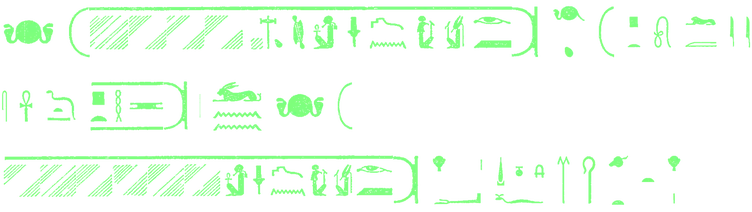
nswt bjt (… …) sꜣ Rꜥ (… …)
King of Upper and Lower Egypt, Ptolemy IX; Son of Ra, Ptolemy IX.
- 349
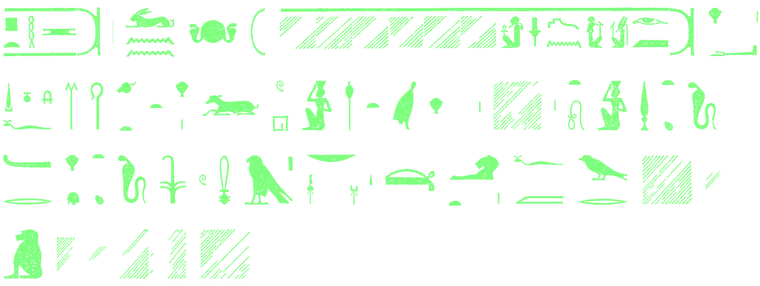
wnn nswt bjt (… …) ḥr ꜥḏn.f m ḥqꜣ ḫnt ꜣḫt . ... ḥr jwh ḥḏt ḥr rmnj ... ḥr twꜣ ẖkrt ḥnꜥ ḥrjt tp sw mj Ḥr nb wnmt jꜣbtt mḏḥ ḥꜣt.f m wrtj ḥkꜣw
The King of Upper and Lower Egypt, Ptolemy IX, is on his throne as ruler in the Horizon of … He presents the White Crown, bears the Red Crown and holds aloft the uraeus and the serpent of the brow. He is like Horus, lord of the right-hand and left-hand diadems, who binds his brow with the Two Great in Magic.
Note · Line 349
The right and left diadems are those of Upper and Lower Egypt. The Two Great in Magic are the goddesses who guard the royal brow; the uraeus is a rearing cobra. - 350

rdj.j n.k .. ... ... mn . ḥꜣt.k ḥr wdt nbj.sn r ... ...
“For you I make the cobras stand firm on your brow and spit their flame at your enemies.”
- 351

ḏd mdw jn Ḥr ... ... ... ... ... ḥqꜣ mḥw.s ... ... ... ... ... ... ... ... ... ... ...
Words to be spoken by Horus …, ruler of the crown of Lower Egypt …
- 352

wnn ... ... ... ... ... ... ... ... ... ... ... ... ... sw m ... šmꜥw mḥw dmḏ.n.f psštj ... ...
… is … He is … Upper and Lower Egypt; he has united the two halves …
- 353
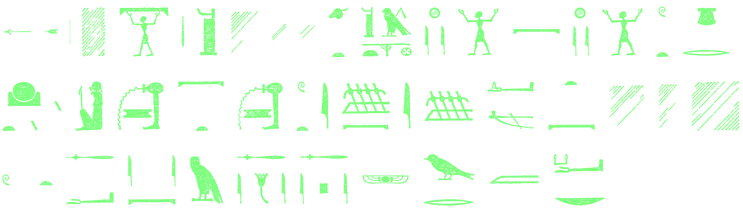
twꜣ pt ḏd mdw ṯst ṯsj.tj ḫnt Wṯst Ḥr ḫjt ḫj.tj ẖr ꜣḫtj wꜥbt wꜥb.tj sšpt sšp.tj dj mrt ... ... ... ... ... ...tj ꜥꜣjt m ꜥꜣj ꜥpj wr m mk
Supporting the sky. Words to be spoken: “The Raised One is raised in the High Seat of Horus;
the High One is high beneath Him of the Horizon.
The Pure One is pure;
the Bright One shines bright.
The sky … is …
The sky is jubilant,
and Api the Great is full of festal joy.”Note · Line 353
The Raised One, the High One, the Pure One and the Bright One are all names for the sky the king holds up. - 354

nswt bjt (… …) sꜣ Rꜥ (… …)
King of Upper and Lower Egypt, Ptolemy IX; Son of Ra, Ptolemy IX.
- 355

wnn sꜣ Rꜥ (… …) ... ... ... ... ... ... ... ḥr gꜣbtj.f sw mj ... ḫnt ꜣḫt tꜣwj snn ꜥnḫ n ... ...
The Son of Ra, Ptolemy IX, is on his throne … on his two arms. He is like … in the Horizon of the Two Lands, the living image of …
- 356
rdj.j n.k nḫt n wrḏ ꜥwj.k ḥr jrt kꜣt.sn
“I give you strength, so that your two arms do not tire at their work.”
- 357
ḏd mdw jn Ḥr Bḥdtj nṯr ꜥꜣ nb pt sꜣb šwt prj m ꜣḫt psḏ m nb tp dwꜣw jtn wr sḥḏ tꜣwj m stwt.f ḥrj nṯrw m Wṯst Ḥr
Words to be spoken by Horus of Behdet, the great god, lord of heaven, he of many-coloured plumage who comes forth from the horizon and shines like gold at first light, the great sun disk who lights the Two Lands with his rays, chief of the gods in the High Seat of Horus.
- 358
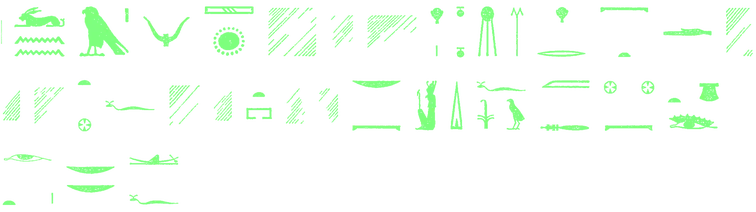
wnn Ḥr wpš ... ... ... ... ... ... ḥr wbn m ḥrt ... ... ... ... ... ...f ... ... ... sw m nb pt rdj.f sw m ẖt Nwt dgj jrt nbt jm.f
Horus the Bringer of Light is … and rises shining in the sky … his … He is the lord of heaven, who comes forth from the body of Nut, by whom every eye sees.
Note · Line 358
Nut is the sky goddess who gives birth to the sun each morning. - 359
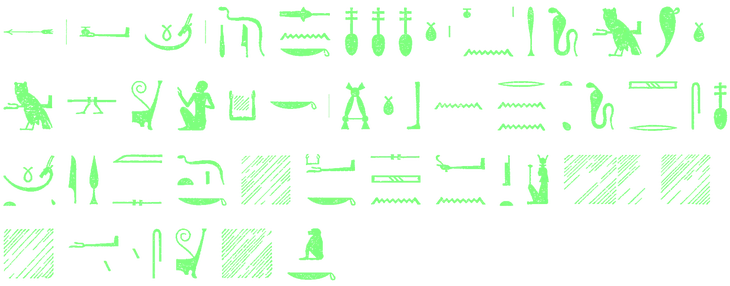
ḥnk mnḫt ḏd mdw mn n.k nfr n ḥm.k mꜥr ms.n.j n kꜣ.k ḏbꜣ n Rnnt ḫr Snfrt mnḫt jmꜣ.s ḏt.k m mk sšnt.n ꜣst msnt.n Nbt ḥt ... ꜥwj.sn ... sꜣ.k
Presenting cloth. Words to be spoken: “Take the nefer-robe of Your Majesty, the mar-robe I have brought for your ka.
The djeba-robe of Renenet, from She Who Makes Cloth Fair, enfolds your body in festal joy.
What Isis combed and Nephthys spun with their hands keeps you safe.”Note · Line 359
Combing prepares the fibres; spinning twists them into thread. - 360

nswt bjt (… …) sꜣ Rꜥ (… …)
King of Upper and Lower Egypt, Ptolemy IX; Son of Ra, Ptolemy IX.
- 361
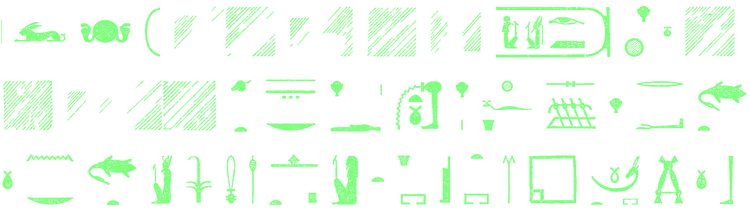
wnn nswt bjt (… …) ḥr ḫndw.f m wr bꜣw ḫnt tꜣwj nbw ḥr šsp wꜥbt ḥr ḫfꜥ sšp ḥr rdt snḏt n nb snḏt sw mj Ḥḏ ḥtp wsḫ st m Ḥt mnḫt ḏbꜣ sḫmw m jrjw
The King of Upper and Lower Egypt, Ptolemy IX, is on his throne, great in power throughout all lands. He takes the Pure Robe, grasps the Robe of Light and gives the Robe of Awe to the Lord of Awe. He is like Hedjhotep, held in honour in the House of Cloth, who clothes the mighty ones in iriu-robes.
Note · Line 361
Hedjhotep is the god of weaving. Here the king takes his part in clothing the gods. - 362
Bḥdtj nṯr ꜥꜣ nb pt
He of Behdet, the great god, lord of heaven.
- 363

rdj.j nrw.k ḫr tpjw tꜣ nmt.k ḥr tꜣ m twt
“I fill those who dwell on earth with awe of you and grant that you walk the earth in perfection.”