~/sacred-texts/edfu-temple-texts
Edfu Temple Building Inscription: A Great Feast of Drunkenness
- Text
- Edfu Temple Texts, Edfou VII, pp. 1–41
- Date
- Carved under Ptolemy IX and Ptolemy X Alexander (c. 116–88 BC) on the outer face of the enclosure wall of the temple of Horus at Edfu
- Found
- Edfu, Upper Egypt; still in place on the temple's enclosure wall
- Language
- Ptolemaic Egyptian · Hieroglyphic
An unnamed narrator tells how the temple of Horus at Edfu was built, from the day in Ptolemy III’s tenth year when the dimensions were marked out on the ground, through the years when Rebels rose in Upper Egypt, and work at the Throne of the Gods came to a halt, to the handover ninety-five years later: a great feast of drunkenness. Then it walks the building room by room, in cubits.
Frieze hymns give Edfu’s sacred names and tell how Horus killed Seth. In the procession Horus, Hathor and Harsomtus answer king and queen, and every line of the litany ends as Ra himself and all the gods together have said.
- 1

Ḥr nṯrj m ẖt ẖnm.n sw Ḥp ꜥnḫ ḥr msḫntj ḥwn nfr bnr mrwt sḫꜥj.n sw mwt.f ḥr nst jt.f ṯmꜣ ꜥ ḥwj ḫꜣswt jṯj m sḫm.f mj Rꜥ psḏ.f m ꜣḫt nbtj shrj tꜣwj kꜣ nḫt ḫrp š nḥḥ
Horus: divine in body, with whom the living Apis united upon the two birth bricks; the fair youth, sweet to love, whom his mother made to appear in glory on his father’s throne; strong of arm, who strikes down foreign lands, who takes hold by his might like Ra when he shines on the horizon. Two Ladies: he who contents the Two Lands, the strong bull who rules the Sea of Eternity;
Note · Line 1
“Horus” and “Two Ladies” introduce two of the king’s royal names. - 2
nswt bjt (… …) ḥnꜥ snt.f ḥmt.f ḥqꜣt nbt tꜣwj (… … …) nṯrwj mrj mwwt mrj Ḥr Bḥdtj nṯr ꜥꜣ nb pt Rꜥ Ḥr ꜣḫtj ḫnt St wrt
the King of Upper and Lower Egypt, Ptolemy X, together with his sister and wife, the ruler, the Lady of the Two Lands, Cleopatra Berenice III: the two Mother-loving Gods, beloved of Horus of Behdet, the great god, lord of the sky, Ra-Horakhty in the Great Seat.
Note · Line 2
The Great Seat is the sanctuary at Edfu, where Horus was worshipped as Horus of Behdet. - 3
st tn nfrt Spt ntj Ḥr Rꜥ ꜣḫt.f pw ḥr sꜣ tꜣ Ḥt ḫꜥjt nt ḥm.f P wr n kꜣ.f ḫꜥjt.f ḥtpt.f m ḫntj.s Ꜥwt ḫwjt Ꜥprj nt ḫ ḫꜣḫ mswt st šdjt ḥꜥ.f jm.s ḏr bꜣḥ
This perfect place, the Nome of Horus-Ra, is his horizon on earth: the House of His Majesty’s Appearing, the Great Throne of his ka, where he rises and sets; the Shrine That Shelters Khepri, belonging to the child swift of birth; the place where his body has been nourished since the beginning;
Note · Line 3
A nome is a district of Egypt. The ka is the life force of a god or a person. Khepri, the scarab god, is the sun coming into being at dawn. - 4
Ḏrjt nt ḏrtj Ḥt ḥqꜣ nt ḥqꜣ Šṯjt nt šnbtj sꜣb šwt Bw wr pw ntj wr nṯrw Ḥt qn nt Ḥr kꜣ nḫt Ḏbꜣt nt ḏbꜣtj dr tꜣw rꜣ m tꜣ St wnp nt wnp wꜣmmtj ꜣḫt nḥḥ ḫꜥt nt ꜣḫtj ꜥꜣjt ntj ꜥpj nṯrj
the Falcon’s Chamber, the House of Rule of the ruler, the tomb of the falcon of dappled plumage. It is the Great Place of the greatest of the gods, the House of the Strong One, Horus the strong bull; the Palace of the Avenger who drives the hotheads from the land; the Seat of Stabbing, belonging to him who stabs Wamemty; the Horizon of Eternity and the Primeval Mound of the Horizon-Dweller; the sanctuary of the divine Api.
Note · Line 4
These are sacred names for Edfu. - 5
psḏ ḥm.f m pt rꜥ nb sḥḏ.n.f tꜣwj m nfrw.f Bḥdtj jw.n.f m nwt nb nṯrw ꜥq.f Bḥdw.f šsp sw Psḏt.f m jꜣw jmjw Msn m ꜣwt jb mꜣꜣ.f Mꜣꜥt wbg.tj m ḫntj.s
His Majesty shines in the sky each day, having lit the Two Lands with his beauty. When Horus of Behdet comes from the sky, he enters his throne seat as lord of the gods. His Ennead welcomes him with praise; the people of Mesen rejoice. He sees Maat radiant within it,
Note · Line 5
An Ennead is a divine company, traditionally nine in number. Mesen is a sacred name of Edfu. Maat, the goddess of truth and right order, is identified here with Hathor. - 6
Ḥt ḥr wrt nbt Jwnt ḫ.s nfr bnr mrwt m Ḥr {mꜣ tꜣwj ḥtp.tj r ḥnꜥ.s gmj.n.f tp nfr ꜣḫꜣḫ.tj ḫr m m.s jrw.s nb r tp ḥsb ḥꜥj jb.f snsn.n.f sḫm.f ḥsj.f Rꜥ r nwt.f mrjt.f hj n pt hnw m tꜣ
Hathor the Great, Lady of Dendera, and he sees her fair son, sweet to love, Harsomtus, at rest beside her. When he finds perfection flourishing there and every rite in due order, his heart rejoices. Once united with his image, he praises Ra for the city he loves.
Jubilation in the sky, shouts of joy on earth!Note · Line 6
Harsomtus means “Horus who unites the Two Lands.” The divine image is the statue in which the god takes up residence. - 7
Jdbw Ḥr m mk Wṯst Ḥr m ḥb Ḥt bjk ḥr nhm ḏr ẖnm Ḥr Rꜥ ḥnꜥ nb nbt Jwnt snsn nswt m ꜥb nswjt sꜣ.sn m nswt bjt r gs.sn Ḏdw Ḏbꜣ njwswt nw tꜣ kꜣw Qbḥwj sꜥnḫ tꜣwj
The Banks of Horus keep festival, the Throne of Horus is filled with festal joy.
The House of the Falcon rings with joy now that Horus-Ra has joined the Golden One, Lady of Dendera,
now that king and queen are united, their son at their side as King of Upper and Lower Egypt:
the Enduring Ones of Edfu, the kings of the land, the kas of Egypt who keep the Two Lands alive.Note · Line 7
The Banks of Horus are Egypt. The Golden One is Hathor of Dendera, whose image travelled to Edfu to visit Horus. - 8
Ḥr Bḥdtj nṯr ꜥꜣ nb pt sꜣb šwt prj m ꜣḫt nswt bjt mꜣꜣ.n.f sjn nḥp pẖr.tj ḥꜣ ḥt nṯr.f m snt r ꜣḫt ẖr jtn kꜣt mnḫt n kt ḥr ḫw.s jrjt n.f nswt bjt (… …)
When Horus of Behdet, the great god, lord of the sky, dappled of plumage, who comes forth from the horizon, the King of Upper and Lower Egypt, sees the wall that encircles his temple as the horizon encloses the sun disk—a work of such skill that nothing equals it, built for him by the King of Upper and Lower Egypt, Ptolemy X—
- 9
ḥsj.f sꜣ mrj.f ḥr rꜣ ꜥwj.f rdj.f n.f šnnt nbt nt jtn.f ḫꜥj.w m nswt bjt ḥr st Ḥr ḫntj kꜣw ꜥnḫw ḏt
he praises his beloved son for the work of his hands and gives him all that his sun disk circles, as his son appears in glory on the throne of Horus as King of Upper and Lower Egypt, foremost among the kas of the living, for ever.
- 10
ꜥpj šps rdj.f tp.f m nwt m Bḥdtj nṯr ꜥꜣ nb pt spr.n.f spt.f jmꜣ n.f stjt.f snḏm kꜣ.f ḥr mn bjt.f
The noble Api raised his head in the sky as Horus of Behdet, the great god, lord of the sky. He reached his nome. His sanctuary pleased him, and his ka settled at ease upon his throne.
- 11
dgj.n.f kꜣt tn nfrt jrjt.n jwꜥw.f mrj.f nswt bjt (… …) sꜣ Rꜥ (… …) mrj Ḥr Bḥdtj nṯr ꜥꜣ nb pt sꜣb šwt prj m ꜣḫt Rꜥ Ḥr ꜣḫtj ḫnt St wrt.f
He looked upon this perfect work wrought by his beloved heir, the King of Upper and Lower Egypt, Ptolemy X, the Son of Ra, Ptolemy X, beloved of Horus of Behdet, the great god, lord of the sky, dappled of plumage, who comes forth from the horizon, Ra-Horakhty in his Great Seat:
- 12
mnw pn nfr wr ḫnt Msn n jrj.tw mjtt.f ḏr Pꜣwtjw bjꜣjt ꜥꜣt nn wn snnwt.s n ḫpr.s ḏr rk nṯrw kꜣt špst n twt n.s hꜣw gsw prw nw Qbḥwj pẖr.n.f pẖr pn nfr m rwt kꜣt nt jt jtw
this great and perfect monument in Mesen. Nothing like it has been built since the time of the primeval gods. A great marvel without a match: no such thing has come into being since the age of the gods. A splendid work: nothing equals it in the temple precincts of Egypt. He walked this perfect circuit outside the work of his forefathers.
- 13
twt mꜣꜣ.sn r ꜣḫt nt pt ꜥq.sn nb ꜥq.f nwt mnw nw nfrw mnḫw jrj.n ḥm.f ḥnꜥ jtw jtw.f
They are like the horizon of the sky to look upon; whoever enters them enters the sky. These are the beautiful and excellent monuments that His Majesty and his forefathers made.
- 14
ḫtj.tw rn.sn ḥr.sn n bjꜣ r sḏd kꜣ.sn ḥr kꜣt.sn r sḫꜣ nfrw.sn jn jj ḥr sꜣ r srwḏ rn.sn mj mnw.sn r dwꜣ nṯr n ḥm.f ḥr kꜣt.f r sqꜣ nfrw nw qmꜣ qmꜣ sw
Their names were cut into them with metal so that their ka-names might endure upon their works, those who come after might remember their excellence, and their names might stand as firm as their monuments; so that the god might be praised for His Majesty and the work of his hands, and the excellence of the makers who made him might be extolled;
Note · Line 14
A king’s ka-name is his Horus name. Carving it on his buildings kept his royal presence there after his death. - 15

r swr bꜣw.sn jn ḥrw n ptr.sn r dwꜣ sn ḏꜣmw n rḫ.sn r dm.tw rn.sn m ḫnt St wrt m ḥḥ n ḥḥ n nrt r ḥsj st sꜣb šwt ḥr rꜣ ꜥwj.sn r smn jꜣwt.sn r ꜥ ḏt
so that faces that never saw them might magnify their power, and generations that never knew them might adore them; so that their names might be spoken within the Great Seat for millions upon millions of years, the Dappled Falcon might praise them for the work of their hands, and their office might stand firm for ever.
- 16

wḏꜣ jb.ṯn njwswt bjtjw nswt smrw nw St wrt ḥꜣtj ꜥ mrw ḥmw nṯr m gsw prw wꜥbw ꜥꜣw nw Jstj rḫw jḫt wrw šsꜣ.tj n bꜣw Rꜥ m ꜣbw r pdswt nt š
Be glad of heart, kings of Upper and Lower Egypt, king-priests and semer-priests of the Great Seat,
haty-a priests, overseers of the gods’ servants in the temples,
great purification priests of Egypt, great scholars versed in the powers of Ra,
from Elephantine to the shores of the sea!Note · Line 16
Semer and haty-a are priestly titles here. The “powers of Ra” are the sacred writings. Elephantine, at the First Cataract, marks Egypt’s southern limit. - 17

ḫdj m rsj ḫsf ḫntj m mḥtj sꜣḥ dmj r Bḥdw n Rꜥ jꜥr ꜥꜣjt nt ꜥpj nṯrj r sn tꜣ n sꜣb šwt pẖr pẖr pn nfr jfd jfd n St wrt sḏm mnw wrw jrj ḥm.f m Wṯst rꜣ ꜥwj jtw.f mwwt.f
Sail downriver from the south, draw near under sail upriver from the north.
Come ashore at the Throne of Ra; go up to the sanctuary of the divine Api to kiss the earth before the Dappled Falcon.
Walk this perfect circuit; make haste round the four sides of the Great Seat.
Hear of the great monuments His Majesty made at the Throne, and of the work of his fathers’ and mothers’ hands. - 18

St wrt nt Rꜥ ḫwsj.tj m ḫnt.s nḥr.n.s ꜣḫt nt pt ḫntj ḥr ḥr.s n bꜣẖ r mꜣnw sw mj hꜣjt ẖr bꜣw nṯrw wr sw r Msn ḥr wnmj.s jꜣbj.s ḫj mḏwt.f r ḥꜣt ḫnw
The Great Seat of Ra is built within it, the very likeness of the horizon of the sky. Before it stands a pillared hall stretching from the eastern mountain to the western mountain. It is like the sky bearing the bas of the gods. It extends beyond Mesen on the right and on the left; it rises higher than the foremost chamber of the inner sanctuary.
Note · Line 18
A ba is the power of a being to move and show itself in different forms. The two mountains mark the places of sunrise and sunset. - 19
twꜣ wꜣḏ bnrt ḥr twꜣ pt.f mj sḫnwt ḥr kꜣwt gbt wsḫt wdn ẖr wḫw m rwt.f mj Nwt msj.n.s šw bḫnt r rwt ḥr wnmj.s jꜣbj.s mj sntj ḥr wṯs jtn
Papyrus and date-palm columns hold up its sky as the four bearers of heaven hold up the firmament. Before the hall lies an offering court ringed with columns, like Nut when she has given birth to light. Before the court stand the two pylon towers, to its right and left, like the two sisters lifting up the sun disk.
Note · Line 19
The hall’s sky is its roof. Nut is the sky goddess who gives birth to the sun each morning; the sisters are Isis and Nephthys. - 20
šsr hrww nfrw šꜣꜥ snṯ.sn jbdw jqrw nw pḏ šs.sn rnpwt qnjwt šꜣꜥt kꜣt.sn jm snwwt wrwt nt wn ẖnw.sn
A record of the fair days when their foundations were begun, the excellent months when the cord was stretched for them, the fruitful years in which work on them began, the great Senut feasts when their dimensions were fixed;
Note · Line 20
Stretching a measuring cord to lay out the temple was a rite of foundation. Here it took place at the Senut, a monthly feast. - 21
rḫt njwswt ꜥḏ snṯ.sn m ḥr.sn bjtjw ntj ḥr wḥꜥ wꜣwꜣt.sn jtjw nn ḫtj rn.sn ḥr sꜣt.sn jw wꜥ . m .. .. n sꜣ.f
a list of the kings of Upper Egypt in whose presence their foundation trenches were dug, the kings of Lower Egypt who loosed their cords, these sovereigns whose names were cut into their walls, one … as … to his son.
- 22
hrw pn nfr ḫr ḥꜣt sp 10.t 1/5 1/30 n jpt ḥmt.s m rk ḥm sꜣ Rꜥ (… …) snwt pw wn ẖnw m tꜣ tpjt snwt nbt nt pḏ šs ḫr snṯj St wrt nt Rꜥ Ḥr ꜣḫtj snṯj Wṯst nt Nḏ jt.f
This fair day in regnal year ten, the seventh day of the month of Ipet-hemetes, in the time of the Majesty of the Son of Ra, Ptolemy III, was the Senut feast on which the dimensions were marked out on the ground: the first of all the Senut feasts of stretching the cord at the founding of the Great Seat of Ra-Horakhty, the founding of the Throne of Him Who Protects His Father.
Note · Line 22
The foundation date falls in 237 BCE. The protector is Horus, who avenged his father Osiris. - 23
nswt ḏs.f m ꜥb Sšꜣt wrt ḥr jrt snṯ n {ḫm ḫntj sšm sḥw.f r st.sn mtr jn Ḏꜣjsw m ꜥb nb hdn H̱nmww ḥr ẖnm nbj jn ḫmt Pꜣwtjw tpjw ḥkn.tj m pẖr.s
The king himself and Seshat the Great laid out the foundations of the Foremost Sanctuary. The Djaisu and the Lord of the Heden Plant set its chambers in their proper places. The Khnums did the building, the Thinker the shaping; the first gods of the beginning rejoiced all around it.
Note · Line 23
Seshat is the goddess of writing and measurement. - 24

ꜥrq ꜥꜣjt nt ꜥpj nṯrj ḥts Msn n bjk n nb r mn ḥꜣt sp 10.t 3.nw n šmw 7 n jbd m hꜣw n nswt bjt sꜣ Rꜥ (… …) m ḥts n rnpt 25
The sanctuary of the divine Api was finished, Mesen of the Falcon of the Golden One complete, by regnal year ten, third month of Shemu, day seven, in the days of the King of Upper and Lower Egypt, the Son of Ra, Ptolemy IV. Twenty-five years had run their course.
Note · Line 24
Shemu is the harvest season. The sanctuary was complete in 212 BCE; work on the temple continued. - 25

spẖr sꜣt m ḫntj.f m ḫtj r mnḫ ḥr rn wr n ḥm.f m twtw nṯrw ḥnꜥ rpwwt nṯrwt ḏsrw nw Jrj ꜣḫt
The walls within it were finely carved in relief with the royal titulary of His Majesty, the figures of the gods and the images of the goddesses, the splendors of the Maker of Splendor.
- 26

ꜥrq ꜥꜣ wr.f ꜥrtj wsḫwt.f r mn ḥꜣt sp 16 nt ḥm.f wꜣj ẖnnw r ḫpr ḥr sꜣ bṯn ḫmjw m gs ḫntj ws kꜣt ḫnt Nst nṯrw jrt dndn m ꜥ rsj nfrjt r ḥꜣt sp 19 nt nswt bjt (… …) sꜣ Rꜥ (… … mꜣꜥ ḫrw) pꜣ nṯr prj
Its great door and the double doors of its chapels were finished by His Majesty’s sixteenth regnal year. Then unrest broke out. Rebels rose in Upper Egypt, and work at the Throne of the Gods came to a halt. The revolt in the south lasted until regnal year nineteen of the King of Upper and Lower Egypt, Ptolemy V, the Son of Ra, Ptolemy V, true of voice, the Manifest God,
Note · Line 26
“True of voice” marks the king as vindicated in the judgment of the dead. “The Manifest God” is his title Epiphanes. - 27
nḫt nswt dr ẖnnw r tꜣ nḫb kꜣ.f js jm.s
the mighty one, the king who put down unrest in the land. His ka-name too was inscribed there.
- 28
ḥꜣt sp 5.t 1/30 ntj šf bdt n sꜣ.f mrj.f nswt bjt (… …) sꜣ Rꜥ (… … mꜣꜥ ḫrw) pꜣ nṯr mrj mwt.f sꜥḥꜥ.tw ꜥꜣ wr ntj Wr nḫt ꜥnḫwj nw ḥꜣjt.f mjtt
Year 5, day 1 of Shef-bedet, under his beloved son, the King of Upper and Lower Egypt Ptolemy VI, the Son of Ra Ptolemy VI, justified, the Mother-loving God. The great gate of Great-in-Victory was raised into place, and so were the two door leaves of its chapel.
Note · Line 28
Great-in-Victory is one of the sacred names of Edfu. “Justified” means that the dead king has been found in the right before the gods. - 29

wḥm.tw jrt kꜣt m ḫnt Ḥt qn m ḥꜣt sp 30.t nt nswt pn m spẖr ḫtm m ꜣẖꜥ n bjꜣ m sẖkr sꜣt.f m nb m wꜣḥ ḏrwj m mnq pdsw.f m nbd ꜥḥꜥw.f m bjꜣ nfr m ꜥḏ jnrw.f ḥknw.f m bjꜣ m mk ꜥꜣw nw sbꜣw.f m nb
Work resumed in the House of the Strong One in year 30 of this king: tracing the inscriptions and cutting them with metal tools, adorning its walls with gold and laying on the colors, finishing its wooden door leaves, sheathing their pivots in fine metal, chiseling the stone for its door bolts with metal tools, plating the doors of its gateways with gold,
- 30
m qn Msn m kꜣt.s r mnḫ jn ḥmww tpjw n wnwt.sn r mn m ḥꜣt sp 28 1/2 1/10 ntj 4.nw n šmw ḫr ḥm nswt bjt (… …) sꜣ Rꜥ (… … mꜣꜥ ḫrw) pꜣ nṯr mnḫ ḥnꜥ ḥmt.f ḥqꜣt nbt tꜣwj (… …)
and bringing the work of Mesen to perfection. The foremost craftsmen on duty did the work, down to year 28, day 18 of the fourth month of Shemu, under the Majesty of the King of Upper and Lower Egypt Ptolemy VIII, the Son of Ra Ptolemy VIII, justified, the Beneficent God, and his wife, the sovereign, the Lady of the Two Lands, Cleopatra II.
Note · Line 30
The year count changes with the king: year 30 was Ptolemy VI’s, year 28 Ptolemy VIII’s. - 31
jrj n rnpt 95 ḏr pḏ šs r ꜥq sw ḥb swḏ pr-ḏt jn ḥm.f n nb.f Ḥr Bḥdtj nṯr ꜥꜣ nb pt tḫ wr n wn mjtt.f ḏr wḥꜥ tꜣ r mn mjn
That makes ninety-five years from the stretching of the cord to the festival of Entering the Temple, when His Majesty handed over the House of Eternity to his lord, Horus of Behdet, the great god, lord of the sky. There was a great feast of drunkenness, the like of which had not been seen from the founding of the land to this day.
Note · Line 31
The builders marked out the temple by stretching a cord. The span measured here runs from that foundation rite to the formal handover to the god. - 32

ḥḏ tꜣ dwꜣw sp 2 bꜥḥj.tw Bḥdt m jḫt nbt nfrt m ḥḥw ḥfnw nw bw nfr t ḥqt wr.tj n ḏrw.sn kꜣw ꜣpdw n rḫ ṯnw.sn jwꜣw wnḏww ḥr sḥb ḫꜣwwt rꜣw ḏdꜣw m sbj n ḫt ꜥntjw snṯr mrḥt m ḏꜥbt n gmḥ pt m ꜥqꜣ Msn
At daybreak, in the first light of morning, they flooded Behdet with every good thing, with millions and hundreds of thousands of delights: bread and beer in plenty, with no end to them; cattle and fowl beyond counting; iua and wendju cattle to make the altars festive; fat geese for the fire; myrrh, frankincense and oil on the glowing coals, until the sky above Mesen could no longer be seen.
Note · Line 32
Behdet is Edfu itself, the place from which Horus of Behdet takes his name. - 33
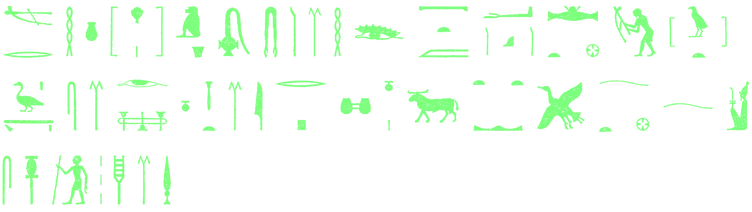
bꜣ.tw sꜣṯw.s m jrt Ḥr wꜣḏt m jrp nw Šfjt ḥnꜥ Jmt nswt smrw ꜥḥꜥ m ẖkrw.sn gsw prw jsk ẖr jḫt.sn jmjw Jꜣt djt ẖnm.sn Wṯst m ḥmwt šbn ḥr ṯꜣjw nwḥ m jrp sgn.tj m tjšps wꜣḥ n ḥrrt r ḫḫ.sn
They hoed its soil and drenched it with the green Eye of Horus, with wine from Shefit and Imet. The king’s priest and the Companion priests stood in their finery, and the temples were laden with their goods. The people of Iat-dit joined the people of the High Seat, women mingling with men, drunk on wine, anointed with tishepes oil, garlands of flowers about their necks.
Note · Line 33
The visitors are from Dendera; the High Seat is Edfu. The wine poured on the ground is offered as the restored eye of Horus. - 34
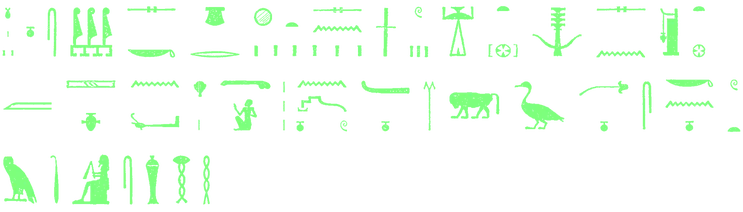
Bḥdtj rdj.f sw m wṯs nfrw.f mj jtn.f wbn m bꜣẖ šsp.f St wrt.f ꜣḫt.f ḏsrt ẖnm.f pr.f m mk mn.sj ẖr.f ḥr wṯs ḥm.f ḏr hrw pn r km ḏt ḫtj.tw Msn m rwt ḥr rn wr n ḥm.f
Horus of Behdet showed himself in the bark that bears his beauty aloft, like his sun disk rising over the eastern mountains. He took possession of his Great Seat, his sacred horizon, and joined with his house in rejoicing. It stands firm beneath him, bearing His Majesty aloft from that day to the end of eternity. On the outside of Mesen they inscribed His Majesty’s great name.
Note · Line 34
The god appeared in procession in his sacred boat. The “great name” inscribed on the temple is the king’s full titulary. - 35

tr pn nfr ḫr ḥꜣt sp 30.t 2.nw n šmw sw 9 ḥb ẖnm Wsjr jꜣbt nt Rꜥ snwt pw nt ḥb jnt ꜥḏ wꜣwꜣt m ḫntj ntj ḫntj jtrtj
That fair moment fell in year 30, day 9 of the second month of Shemu, the feast of the union of Osiris with the left eye of Ra. It was the Senut feast of the month of Heb-inet. The cord was laid true for the forehall of him who is foremost in the Two Shrines.
Note · Line 35
The left eye of Ra is the moon. A new stage of building begins here: the forehall stood in front of the sanctuary already dedicated. - 36
km.tw Pt nt nb pt m ḥꜣt sp 46 4.nw n šmw 1/2 1/10 pw ntj jbd jrj n rnpt 16 jbd 2 hrw 10 ḏr snṯj ꜣḫt r ꜥq sw mtr tḫ wr n ḫntj šps r ḥb nfr n pr pn
The Sky of the Lord of the Sky was completed in year 46, in the fourth month of Shemu, on day 18 of the month. That makes sixteen years, two months and ten days from laying the foundations of the Horizon to the feast of Entering It. The great feast of drunkenness for the noble forehall matched the fair feast for this house.
Note · Line 36
“Sky” and “Horizon” here name the forehall. Its dedication is set beside that of the inner sanctuary. - 37
ꜣẖꜥ.tw rn wr n ḥm.f ḥr sꜣt.f m ḥꜣt sp 48 r ꜥrq rk.f ḥꜣt sp 54 nt nswt pn 2.nw n šmw sw 11 m ḫt ꜥḏ snṯ n sbtj ḥnꜥ wsḫt bḫnt wḥꜥ wꜣwꜣt jm.sn jrj wpj bjk ḏnḥwj.f r pt
They cut His Majesty’s great name into its walls from year 48 to the end of his reign. In year 54 of this king, day 11 of the second month of Shemu, after the foundation trench had been dug for the enclosure wall, the broad court and the pylon, and the cord there had been loosed, the Falcon spread his wings to the sky.
Note · Line 37
The Falcon’s flight marks the death of Ptolemy VIII. - 38
sꜣ.f wr rdj.f sw ḥr nst.f ḫtj.tw rn.f rwt ḫntj n ḥt nṯr m nswt bjt (… …) ... .. šsp ...f ... m ḥtp
His eldest son took his seat on his throne. On the outside of the temple forehall they inscribed his name as King of Upper and Lower Egypt Ptolemy IX. … received … his … in peace.
- 39
nḫb.tw kꜣ.f ḥr jnb n Msn m nswt bjt (… …) sꜣ Rꜥ (… …) wꜥr.f r Pwnt sn.f wr šsp.f Bꜣkt wḥm.n.f ḫꜥw m nswt
His royal name was inscribed on the enclosure wall of Mesen as King of Upper and Lower Egypt Ptolemy X, Son of Ra Ptolemy X, until he fled to Punt. His elder brother took possession of Egypt and appeared once more as king.
Note · Line 39
The elder brother who regains the throne is Ptolemy IX. - 40
njwswt bjtjw jrj mnww jpn bjkw nn wpj ḏnḥwj.sn nṯrj bꜣw.ṯn n pt ḫr Rꜥ ḏdj ẖꜣt.ṯn m dꜣt wsḫ.ṯn nmtt m Wsḫt mꜣꜥtj mꜣꜥ ḫrw.ṯn ḫr Wsjr smn ẖntj.ṯn ḥr tp tꜣ mn jwꜥww.ṯn ḥr nst.sn
O kings of Upper and Lower Egypt who made these monuments,
you falcons who spread your wings,
may your bas be divine in the sky beside Ra,
may your bodies endure in the underworld,
may you stride freely in the Hall of the Two Maats,
may you be vindicated before Osiris,
may your images stand firm on earth
and your heirs hold fast to their throne.Note · Line 40
The bas are the powers of the dead that can move freely, while their bodies endure below. In the Hall of the Two Maats the dead are judged before Osiris. - 41
Ḥr Bḥdtj nṯr ꜥꜣ nb pt psḏ.f m nwt mꜣꜣ.f pr.f ḥsj.f sꜣ.f mrj.f nswt bjt (… …) sꜣ Rꜥ (… …) smn.n.f sw ḥr nst.f ḏt
Horus of Behdet, the great god, lord of the sky, shines in the heavens and looks upon his house. He praises his beloved son, the King of Upper and Lower Egypt Ptolemy IX, the Son of Ra Ptolemy IX. He has set him firm upon his throne forever.
- 42
Ḥr nb ꜥꜣ jb mrj nṯrw Wḏꜣt jtj ḥqꜣ wꜣḏtj ꜥq.f Tꜣ mrj m ḥtp mnfꜣt.f m ḥꜥꜥwt nṯrw nṯrwt m sꜣ.f rdj n.f ḥbw sd ꜥšꜣ wr jn Ptḥ jt nṯrw
Golden Horus: stout of heart, beloved of the gods of Egypt, sovereign and ruler of the Two Cobras, who entered Egypt in peace, his soldiers rejoicing, the gods and goddesses guarding him; to whom Ptah, father of the gods, gave Sed festivals in great number;
Note · Line 42
“Golden Horus” introduces one of the king’s formal names. The two royal cobras stand for Upper and Lower Egypt. At a Sed festival the king’s power to rule was renewed. - 43
rdj n.f nswjt nt Rꜥ Jtmw qnt nḫt jn Jmn nb mꜣꜥt jrj mꜣꜥt smn hpw mj Ḏḥwtj ꜥꜣ ꜥꜣ sꜣ Rꜥ (… …) ḥnꜥ snt.f ḥmt.f ḥqꜣt nbt tꜣwj (… … …) nṯrwj mrj mwwt
to whom Amun, lord of Maat, gave the kingship of Ra-Atum, valor and might; who does what is right and establishes the laws like Thoth, the twice-great; the Son of Ra Ptolemy X, with his sister and wife, the sovereign, the Lady of the Two Lands, Cleopatra Berenice III, the two Mother-loving Gods,
Note · Line 43
Maat is right order and justice, both a divine principle and a goddess. Here it is the king who must put it into practice. - 44
mrj Ḥr Bḥdtj nṯr ꜥꜣ nb pt bjk n nb nb Wṯst
beloved of Horus of Behdet, the great god, lord of the sky, Falcon of the Golden One, lord of the High Seat.
- 45
wṯs ꜣst Ḥr.s ḫnt Wṯst ḫpr Wṯst Ḥr m rn.s mꜣꜥ kꜣ.tw Ḏbꜣ r rn spt tn m ḏbꜣ Ḥr Stš ḫr m m.s
Isis raised her Horus in the High Seat, and so the High Seat of Horus came to be its true name. Djeba is the name given to this province, for there Horus punished Seth.
Note · Line 45
In Egyptian the High Seat echoes the verb “raise,” and Djeba, the name behind “Edfu,” echoes the verb “punish.” - 46
Nst nt Ḥr ḏd.tw jsk r rn.s ḏr snḏm.n.f jm.s ḥr nst Ḥt ḥqꜣ nt ḥqꜣ ḫnt Wsrw ḥꜣt Bw wr ntj wr nṯrw Msn n Nb Msn ntj m tꜣ šmꜥw mj Msn.f Ṯꜣrw m tꜣ mḥw
It is also called the Throne of Horus, for there he settled on the throne;
the Ruler’s House, of the ruler among the Useru-hat;
the Great Place, of the greatest of the gods;
Mesen of the Lord of Mesen in Upper Egypt, like his Mesen at Tjaru in Lower Egypt; - 47
St wnp js nt wnp ẖꜣkw jb Ḥt qn nt Ḥr {ꜣ ꜣst Ꜥwt wrt nt ḫ ḫꜣḫ mswt Ḏrjt nt ḏrtj nb Ḏrtjw Ḥt bjk nt bjk ꜥꜣ ꜥpr dmꜣtj ḥr nh nwtjw.f m nwt.f
also the Seat of Piercing, of him who pierces the treacherous;
the House of the Strong One, of Horus son of Isis;
the Great Sanctuary, of the child swift to be born;
the Chamber of the Djerty Falcon, lord of the Djerty falcon gods;
the Falcon House, of the Great Falcon, whose two wings guard the people of his city. - 48
sj spt m snt r spt.f pn ḏrtj nb prw nṯrw {ꜣw.n.sn ḥr ḥbs bhn ḥꜣ ḥꜣjt.sn sšm.f . n . sꜣ pn n sꜣ ḥꜣ nb.f tkn.f ḥḥ nn tkn.tw.f
What province can match the province of this Djerty Falcon, lord of temples? The guardian gods keep watch around their sanctuary, and his image is carved in this wall to guard its lord. He can assail a million; none can assail him.
- 49
st tn ḏsrt ḫwsj.tj r mnḫ nḥr.n.s ḥrt ẖr jtn Ḥr Bḥdtj nṯr ꜥꜣ nb pt psḏ.f m nwt r mꜣꜣ ḥt nṯr.f ḫwj.f sꜣ.f mrj.f sꜣ Rꜥ (… …) ḥr mnw.f pn jw.f n bjk mn ḥr srḫ ḫntj kꜣw ꜥnḫw ḏt
This sacred seat is finely built; it rivals the sky that bears the sun disk. Horus of Behdet, the great god, lord of the sky, shines in the heavens to look upon his temple. For this monument of his he guards his beloved son, the Son of Ra Ptolemy X. As a falcon the king stands firm upon the palace façade, foremost of the kas of the living, forever.
Note · Line 49
The falcon atop a palace façade is the emblem that frames the king’s Horus name. - 50
bjk n nb rdj.f sw m dj mrt m Bḥdtj sꜣb šwt šsp.n.f nwt.f ẖnm.n.f ḥt nṯr.f ḥfd ḥm.f ḥr mn bjt.f
The Falcon of the Golden One showed himself in the sky as the Behdetite, the Dapple-Plumed One, and took possession of his city. Once he had joined himself to his temple, His Majesty alighted on his throne.
Note · Line 50
The falcon is Horus of Behdet, the ancient name of Edfu. Here “His Majesty” is the god. - 51
mꜣꜣ.f kꜣt mnḫt m bjꜣjt jrjt.n sꜣ.f ḥrj nst.f nswt bjt (… …) sꜣ Rꜥ (… …)
He looked upon the fine work, the marvel wrought by his son who sits upon his throne, the King of Upper and Lower Egypt Ptolemy X, the Son of Ra Ptolemy X,
Note · Line 51
The king succeeds Horus on the earthly throne and is thus called his son. - 52
mrj Ḥr Bḥdtj nṯr ꜥꜣ nb pt Nb Msn sꜣb šwt prj m ꜣḫt ꜥpj šps ḫnt jtrtj nṯr ꜥꜣ wr r nṯrw nbw
beloved of Horus of Behdet, the great god, lord of the sky, lord of Mesen, the Dapple-Plumed One who comes forth from the horizon, the august Api in the twin shrines, the great god, greater than all the gods:
Note · Line 52
Api is Horus in the form of the winged sun disk. The twin shrines stand for the sanctuaries of Upper and Lower Egypt. - 53
mnw pn nfr wr ḥꜣ ḥt nṯr.f m rwt kꜣt nt jtw jtw.f ꜣw.f m mḥ 240 wsḫ.f m mḥ 90 mḏwt r tp.f m mḥ 20 wmt snṯt.f n mḥ 5
this fair and mighty monument that encircles his temple, outside the work of the king’s forefathers. It is 240 cubits long and 90 cubits wide; its full height is 20 cubits, and its foundation is 5 cubits thick.
Note · Line 53
The monument is the enclosure wall. A royal cubit was a little over half a metre. - 54
mnww nn jrj ḥm.f ḥnꜥ jtw.f twt r ꜣḫt nt pt
These are the monuments His Majesty made with his fathers, the very likeness of the horizon of heaven.
- 55
rḫ sḥw.sn
Here is an account of their chapels,
- 56
sjꜣ mꜣht.sn
a description of their gateways,
- 57
wḏꜥ ḫndw.sn
a stair-by-stair account of their stairways,
- 58
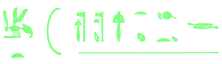
wpt wsḫwt.sn šsr mḥ.sn ḥnꜥ wḫw.sn
a list of their halls, a record of their measurements in cubits and of their columns,
- 59
wpt ṯnw nw prw ḥrjw.sn
a count of their roof chapels,
- 60
rḫ sbꜣw.sn sš.tj jm.sn r bw nb wbꜣ.sn r.sn šsr sꜣt.sn spẖr.tj r nfr jn ḥmww wrw nw pr ꜥnḫ
an account of their doors, which open within them onto every place to which they are meant to give access, and a record of their walls, decorated to perfection by the master craftsmen of the House of Life.
Note · Line 60
The House of Life was the temple institution where sacred texts were copied and studied. - 61
smꜣ sꜣṯw.sn twt n jrjt
Their paving is fitted together just as it should be.
- 62
ẖkrw.sn nbw m jrjt r sš
All their ornament is executed according to the writings.
- 63
ptj.sn nbt ꜥpr m ḫꜣbꜣsw Bḥdtj psḏ jmj wtj.sn m sšm.f nfr n ꜥpj nṯrj wꜣḏtj.f ḥr jrt sꜣ.f
All their twin heavens are studded with stars. Between the stars the Behdetite shines in his perfect form as the divine Api, his two rearing cobras guarding him.
Note · Line 63
The heavens here are the temple ceilings. The two cobras flank the winged sun disk. - 64
jw nṯr r st.f nṯrt r nmtt.s nswt ẖr ḥpwt.f jrw.f ḥnkw.f nṯrw r sḥ.sn Psḏt r wsḫt.sn jmn jmn m St jmnt nṯrw pt r nmtt.sn m gs ḥrj ꜣḫt.f
The god is in his place, the goddess at her station. The king wears his crowns, performs his service and presents his offerings. The gods are in their chapels, the Ennead in its hall. The Hidden One is hidden in the Hidden Seat, and the gods of the sky are at their stations above his horizon.
Note · Line 64
The Hidden One is Osiris. - 65
Šsrw r wnwt.sn ꜥrwt r st.sn m twt n jrjt nt ꜥ nb r st wnn.f
The Sheseru keep their appointed watches. The scrolls are in their proper places, and every rite is where it belongs.
Note · Line 65
The Sheseru are guardian gods. - 66
St wrt pw nt Rꜥ Ḥr ꜣḫtj Wṯst nt Nḏ jt.f qꜣw.s m mḥ 105 wsḫ.s n mḥ 63 ꜣḫ wj mḏwt.s ṯnj.tj r mnḫ m mḥ 22 2/3
This is the Great Seat of Ra-Horakhty, the throne of the Protector of His Father. It is 105 cubits long and 63 cubits wide. How splendid its height, rising in perfection to 22⅔ cubits!
Note · Line 66
The Protector of His Father is Horus, who defends his father Osiris. - 67
Msnt r mtr.s m sḥ tpj spꜣ wr n sꜣb šwt Mꜣꜥt r gs.f m Ḥt ḥr wrt m kꜣr.f štꜣ m ḫntj.s qꜣw.s m mḥ 8 1/3 sḫḫ.s m 6 2/3 sꜣt.s sš.tj n Psḏt Msnt m jrw.sn r ḫft ḥr.sn
Mesenet stands on its central axis as the first chapel, the great throne of the Dapple-Plumed One. Maat is at his side as Hathor the Great, in his secret shrine within the chapel. The chapel is 8⅓ cubits long and 6⅔ wide. Its walls bear the figures of the Ennead of Mesenet, facing them in their true forms.
- 68
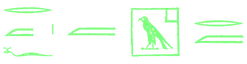
Šṯjt ḥr wnmj.s ẖr nṯrw gs dpt m 7 2/3 1/6 r 6 2/3
Shetyt lies to its right, with the guardian gods of the barque. It measures 7⅚ cubits by 6⅔.
Note · Line 68
To the right here is west. - 69
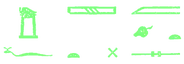
Ḥt sr m ḫntj.s wbꜣ r.s m 6 2/3 r mjtt
Behind it stands the House of the Prince, opening onto Shetyt. It measures 6⅔ cubits by the same breadth.
- 70
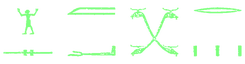
H̱nw n Šṯjt m rsj.s jmntt jfd m mḥ 8
The Inner Chamber of Shetyt lies to its southwest, a square eight cubits on a side.
- 71
ꜥḥw pw nw Jwn ḫnt Bḥdt sḫmw.f ḫtj ḥr sꜣt.sn ḥꜣjtj jꜣkbtj sntj ḥr ḫwt.f ḏrtj nn ḥr sꜣḫ kꜣ.f
These are the palaces of Iun in Behdet. His images are engraved on their walls. The two who lament, the two who mourn, the two sisters guard him. These are the two kites who transfigure his ka.
Note · Line 71
Iun is Osiris. His sisters Isis and Nephthys take the form of kites, birds of prey, as they mourn him. His ka is his vital spirit. - 72
ꜣsbt 4 ḥr sꜣt nmjt Jnpw 4 jrj ꜥꜣ 4 nw dꜣt ... ... ... ... ... nṯrw mdsw jrtj nṯrw dꜣt tm ꜣb r spwt dmḏ ḥr jrt bsꜣ.f
The four Asebet goddesses guard the bier. The four Anubis gods, the four doorkeepers of the underworld, … the sharp-eyed gods. The gods of the underworld who never leave their districts keep guard over him together.
- 73

Ḥr Nḏ jt.f m sꜣ.f Ḏḥwtj wr ḥr šdt n.f ḥbt nṯrw nw Bḥdt Msw Ḥr ꜣḫtj bꜣ ꜥnḫ n Rꜥ ḥrj jb ṯꜣw.f nṯrw dꜣt nḏ spt m ꜥb nwwt.s r st.sn ḥr rs ḥr.f
Horus, Protector of His Father, guards him. Thoth the Great reads the festival rite for him. The gods of Behdet, the Children of Horakhty, the living ba of Ra amid his brood, and the gods of the underworld who guard the province together with its towns are at their stations, watching over him.
- 74

Nst nṯrw Ḥt mnḫt ẖr sjptj n spt jfd m mḥ 8 dmḏ sḥ 5 m jmj wrt.f mj wnn.s ḏr pꜣt
The Throne of the Gods and the House of Cloth hold an inventory of the nome. Each is eight cubits on a side. Five rooms in all lie on its right, as the plan has stood since the beginning.
Note · Line 74
The royal cubit measured about 52 centimetres. - 75
šmjt nt Ḥt ḥr m tꜣ wr.f m wḏꜣ.f
The chapel of Hathor lies on its left and serves as its storehouse.
- 76
Ḥt sbq ḥr jꜣbj.s ntj Ꜥnsw n Bḥdt
The House of the Leg lies to the left of Mesenet and belongs to Khonsu of Behdet.
- 77

St ḥb tpj ḥr tp.f ḥr.s r rsj ... ... .. sš.tj m jrw nw St ḥb tpj
Above it stands the Place of the First Feast, its front facing south, … inscribed with the rites of the Place of the First Feast.
- 78
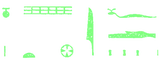
... ḥr ... ... ... ... .. sḫm.sn m Psḏt nt spt tn
… their forms as the Ennead of this nome.
- 79

Bḥdt m jꜣbj.f ẖr bs n Mḥjt ḥnꜥ Psḏt ntt ḥr rs r Wsjr
Behdet lies on its left and holds the image of Mehit and that of the Ennead that keeps watch over Osiris.
- 80

Šw jm m mḥjt r ẖnm šrtj.f mj jrw.f n ꜣḫt nḥḥ ḥnꜥ Tfnt m nbj r wbd ḫftjw.f mj jrt.s hꜣw ꜥrq ḥḥ jw.s m Mnt jrt Rꜥ nḥꜣ ḏfḏ Sḫmt ꜥꜣt nbt Sḫmt nbt ... ... ... ... ... ...
Shu is there as the north wind to enter his nostrils, as is his office in the Horizon of Eternity. With him is Tefnut as a flame to burn his foes, as she does in Areq-heh. She is Menet, the Eye of Ra, whose pupil strikes terror, Sekhmet the Great, mistress of every Sekhmet …
Note · Line 80
The Horizon of Eternity is the tomb. Shu brings breath to Osiris; Tefnut guards him as the fiery Eye of the sun god. - 81
dmḏ 4 tꜣ wr.f mj tp mtr.f mḥ.sn mj m hꜣw.sn sbꜣ.sn jrj wbꜣ r šmj ntj mḥ 3 2/3 1/6 Ḏdw Tpjw ꜥ Psḏt nt spt ḥr sꜣt nbt ntt m ḫntj.f
Four chapels in all lie on its left, as is fitting. Their measurements in cubits match those of the chapels opposite. Their doors all open onto the passage, which is 3⅚ cubits wide. The Enduring Ones, the ancestral gods and the Ennead of the nome appear on every wall within it.
- 82
St wrt r mtr.sn šmj pn m pẖr.s m 19 2/3 1/6 r 10 1/3 ḥꜣtj n šmj ḥr wnmj.f jꜣbj.f r ꜥq sbḫwt ntt m šnw.f
The Great Seat stands in their midst, with this passage running round it. It measures 19⅚ cubits by 10⅓. The doors of the passage, to its right and left, give entry to the chapels all around it.
- 83
wṯs nfrw ntj sꜣb šwt Ḥḏ šps.f ḥtp r gs.f kꜣr.f wr n jnr km r gs.sn bjꜣjt pw dgt.sn
The processional barque of the Dapple-Feathered One, his Splendid Shrine resting beside it, his great shrine of black stone beside them—the sight of them is a wonder.
Note · Line 83
The Dapple-Feathered One is Horus in falcon form. His barque was a sacred boat in which his image was carried in procession. - 84
St ꜥnt.f n pt Pr hjn.f m tꜣ Ḏmt.f m ḫntj nwt spẖr n Psḏt nt spt m rn.s
His Talon Seat in heaven, his Enclosed House on earth, his throne within the sky is inscribed with the Ennead of the nome, each deity by name.
- 85
jw jrw n nb n.f wn ḥr ḥr nṯr ḥnk mꜣꜥt n jrj sj kꜣp snṯr n wṯs nfrw
The rites of the lord are his: revealing the god to view, offering Maat to her maker, burning incense for the processional barque.
Note · Line 85
Maat embodies truth and right order. In this rite the offering takes the form of the goddess herself. - 86
wsḫt ḥrt jb ḥr rwt.s St snḏm nt nṯrw Ḥt msjt nḫt kꜣ.tw m rn.s qꜣw.s m mḥ 23 2/3 sḫḫ.s m mḥ 9 gꜣjwt jm.s nw nṯrw dwꜣt nfrw.sn Psḏt ntj Msn ḥr sꜣt.s
In front of it stands the Middle Hall. They call it the Place Where the Gods Rest and the House That Gives Birth to the Strong One. It is 23⅔ cubits long and 9 cubits wide. Within it are the portable shrines of the gods, whose beauty is praised. The Ennead of Mesen appears on its wall.
- 87
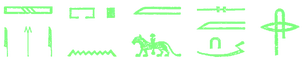
Pr Mnw ḥr wnmj.s jfd m 8 ẖr Mnw m ḫꜥw.f ḥnꜥ jrw.f
On its right is the House of Min, eight cubits on a side. Within is Min in his crowns, together with the scenes of his rites.
- 88
ꜥbꜣ ḏfꜣ ḥr jꜣbj.s wꜥbt.f m qꜣb.f jfd m mḥ 8
On its left is the Court of the Food Altar, with his Wabet within it. Each is eight cubits on a side.
Note · Line 88
Wabet means “pure place.” It was a chapel where the god’s image was prepared for festivals. - 89
ḥnk mḏt mnḫt wḏꜣww nw sꜣ r ḏbꜣ nṯr m ẖkrw.f swꜥb ḥm.f m ṯꜣw.f nmswt.f r ẖnm bꜣ.f ḥnꜥ sḫm.f
Ointment, cloth and protective amulets are offered to array the god in his finery. His Majesty is purified with his natron pellets and his nemeset jars, that his ba may unite with his image.
Note · Line 89
Natron is a cleansing mineral salt; the jars held water for purification. - 90
gbt n nb.s ḫprw.f ꜥpr Rꜥ m wjꜣ.f m ꜥḥꜥj msktt m dwꜣw mꜥnḏt m mšrw ẖr Ꜥprj Jtmw m ḏt.f ẖt.f
The sky belongs to its lord and to his forms. Ra is furnished with his barque at noon. The Mesektet barque at dawn and the Mandjet barque at dusk bear Khepri at his rising and Atum at his setting.
Note · Line 90
Khepri and Atum are forms of the sun at the two horizons. Mesektet is the boat of the night voyage, Mandjet the boat of the day. - 91
nswt dwꜣ kꜣ.f dwꜣ bꜣ.f smꜣ sbjw.f jꜥb pr.f m t ḫpš ḥqt
The king praises his ka, praises his ba, kills his rebels and stocks his house with bread, forelegs of beef and beer.
- 92
wsḫt ḥtp m rwt.s m mḥ 25 wsḫ m mḥ 8 ḫtj m ḫntj.s m jrw nw jḫt nṯr ḥnꜥ tpw rd nbw stwt n.s
In front of it stands the Hall of the Offering Table, 25 cubits long and 8 cubits wide. Its interior is carved with the rites of offering to the god and all the ritual directions drawn up for them.
- 93
tꜣ rd 2 ḥr jmntt jꜣbtt.s ḥr wbn ḥtp jm.sn
There are two stairways, one on its west side and one on its east, by which the god rises and sets:
- 94
prj nṯr pn ḥr ḫndw ntj tꜣ wr ḥnꜥ ḥrjt tp.f wrt r mꜣꜣ jtn.f Psḏt.f jsk wn m ḫt.f r ẖnm bꜣ.f hrw wp rnpt hꜣj.n.f jsk
This god climbs the eastern stairway with the Great One, the cobra on his brow, to see his sun disk. His Ennead follows him as he goes to unite with his ba on New Year’s Day, after he has come down
Note · Line 94
At New Year the god’s image was carried up to the roof to meet the sun. The two stairs give his procession the course of the sun itself. - 95
ꜥq.n.f ꜥꜣjt.f ḥr rwd wnmj ntj jmj wrt mḥnjt.f wrt nbt Jwnt r gs.f m ꜥb Psḏt.f jsk r st.sn
and entered his temple by the right-hand stairway in the west, his great cobra, the Lady of Dendera, beside him, his Ennead with him, each in place.
- 96
jw.n.f m ḥtp ḥtp.n.f m ꜣḫt.f ḥr wḏb ꜥ.f ḥnꜥ.sn r nḥḥ
He has returned in peace and come to rest in his horizon, making his circuit with them for ever.
Note · Line 96
The horizon here is the temple, where the god comes to rest. Those who accompany him are his fellow gods. - 97
ḫndw n ꜥnḫt m 60 r 2 tꜣ rd jꜣbtt m 10 r 8 sbꜣ ktt jm.f wbꜣ r wꜥbt.f dmḏ ꜥꜣ 3 m ḫntj.f
The western stairwell measures 60 cubits by 2, the eastern stairway 10 by 8. A small door in the eastern stairway opens into his Wabet. There are three doors in it altogether.
Note · Line 97
A temple cubit was about half a metre. The Wabet, or “Pure Place,” was a chapel where divine images were prepared for the New Year rites. - 98
sḥ ḥr wnmj.s m 10 r 9 ḫndw wnmj wbꜣ r.f
To the right of the Hall of the Offering Table is a chamber 10 cubits by 9. The right-hand stairway opens into it.
- 99
wsḫt wrt ḥr rwt.s ẖr wḫ 12 rmnw wrw nḏm mꜣꜣ.sn qꜣw.s 37 wsḫ 26 sꜣt.s spẖr.tj r nfr ḥꜣjt tn Šms jb m rn.s ꜣḫ jb kꜣ.tw r kꜣ.s St sꜣb sš nt Rꜥ ḥnꜥ Ḥr twt.s r ꜣḫ bjt ntj ḫ.sn
Before it stands the Great Hall with its twelve columns, mighty supports delightful to behold. It is 37 cubits long and 26 wide, its walls decorated to perfection. This hall bears the name Heart’s Delight; they call it Heart’s Joy, and the Place Where Ra and Horus Walk for Pleasure, for it is the image of their child’s Chemmis.
Note · Line 99
Chemmis is the hidden place in the papyrus marshes where Isis raised the infant Horus. - 100
sḥ ḥr wnmj.s m 10 r 4 km.tj ẖr kꜣt nt nb js
To its right is a chamber 10 cubits by 4, finished with the work of the Lord of the Ointment Workshop.
- 101
ḥrt jb ḥr rsj.f m 13 1/2 ḥr mḥ 4 .. wsḫ sbꜣ.s wbꜣ r wsḫt tn šm.tw jsk r Pẖrt wꜥbt jnb.s sš.tj ẖr ḫrp qbḥw ḥnꜥ rꜣw nw sꜥꜣt wdḥw ntj m hꜣw
To its south is a connecting chamber 13½ cubits long and 4 cubits … wide. Its door opens into this hall, and through it one goes to the Pure Ambulatory. Its walls show the offering of cool water and bear the words spoken there to consecrate the libation.
- 102
nn r ꜣw ḥr jꜣbj.s kjj sbꜣ ntj ḫndw wbꜣ r.f r ꜥq tp ḥt ḥt nṯr r sḥḏt mnḫwt r šmt r sḥw.s nbw sbꜣ jsk n ḥrt jb ḥr rsj.f wbꜣt r šmjt mjtt wnmj sj m mḥ nfr m 7 r 4 ẖr jrw nb n fꜣt jḫt
All this lies on its left: another door onto which the stairway opens, giving access to the temple roof to brighten the garments and to visit all the chapels there; then, to the south, the door of a connecting chamber that opens onto the ambulatory as on the right. The chamber measures a full 7 cubits by 4. Its walls show every rite for bringing in the food offerings.
- 103
pr ḥḏ ḥr rsj.s wbꜣ m ḫnt.s m mḥ 11 r 4 St nfrt pw nt nb ḥḏ ꜥꜣwt wḏꜣww nw sꜣ
To its south lies the treasury, which opens into it and measures 11 cubits by 4. This is the Perfect Seat of gold, silver, precious stones and protective amulets.
- 104
ḫntj m ḫt.s ḫj.tj r nn ꜥꜣ.tj r.sn ḥr wnmj jꜣbj qꜣw.f m mḥ ... sḫḫ.f m mḥ 36 mḏwt r tp.f m mḥ 30 ḫtj m ḫntj.f r nfr Pr dwꜣt Pr mḏꜣt ḥr wnmj jꜣbj.f sbꜣ ktt jm.f r jꜣbtt rmnw nfrw 18 ḥr sḫjt .. mj ḫjt ḫj.tj ẖr ḫprr
Beyond it stands the outer columned hall, higher than these chambers and extending beyond them to right and left. It is … cubits long, 36 cubits wide and 30 cubits high to the top. Its interior is carved in the finest relief. The Morning House and the House of Books lie within it, on the right and left. A small door in it faces east. Eighteen fine columns hold up … as the sky is held aloft, bearing the winged scarab.
Note · Line 104
The Morning House was used for purification and robing; the House of Books held temple scrolls. The winged scarab represents the rising sun. - 105
pẖr pw ntj m ꜥbw ḥꜣ nn m ẖnw jnb ntj ṯs r bḫntj ꜣw.f m mḥ 113 wsḫ.f m mḥ 90 r mn sbꜣw kttw ntj ṯs jm.f r ḫntj ḥr wnmj jꜣbj sbꜣ 4 wbꜣ m ḫntj.f
This pure ambulatory runs around the chambers inside the wall that joins the two pylon towers. It is 113 cubits long and 90 cubits wide, reaching as far as the small doors set into it to the right and left of the outer columned hall. Four outer doors open into it.
- 106
šsr swt sš.tw r.sn
The places onto which the doors open are as follows:
- 107
wꜥ r jꜣbtt ꜥq sw ꜥqjw m ḫt prt m š r jrt jrw.sn sṯꜣ ḏfꜣ jm.f m ḫt wḏb jḫt r sšm ḫntjw sḥ nṯr ntj sꜣb šwt
One faces east. By it the priests of entry enter when they come up from the lake to perform their rites. By it the provisions are carried out, once the offerings have been released, to be delivered to those who preside over the God’s Hall of the Dapple-feathered One.
Note · Line 107
The priests purified themselves in the sacred lake. Once food had been presented to the god, it could be released for distribution. The dappled plumage is that of Horus the falcon. - 108
kj m bjꜣjt m ẖnw snṯ.f r ẖnmt wꜥbt ntj ... ... šnꜥw wꜥb sḫw Ḥr ntj stpw r ḫnp qbḥw r ḥt nṯr m ꜥbw.f ḥnꜥ ḥtp nṯr n ḏrtj r tr.f
Another door, a wonder set into the foundations of the ambulatory, leads to the Pure Well … the Pure Storehouse and the Slaughterhouse of Horus with its choice cuts of meat, to draw cool water in its purity for the temple and for the Falcon’s divine offering at its appointed time.
- 109
kj 2 wbꜣ ḥr wnmj jꜣbj ṯs m ḫntj r wsḫt wdn
Two others open to right and left, adjoining the outer columned hall and leading to the Court of Offerings.
- 110
wsḫt tn pw ntt m rwt ḫntj ꜥꜣ.tj r.f ḥr pf pn sj m mḥ 90 m rsj r mḥtj 80 m jmntt r jꜣbtt ntj m ẖnw ḥsb mḥ ntj jnb ntj m šnw m nn r ꜣw
This is the court before the outer columned hall, extending beyond it on either side. It measures 90 cubits from south to north and 80 from west to east, within the measured bounds of the wall that encloses all this.
- 111
wḫ 32 pẖr.tj m pẖrt.s mj pf sš n bjk Sbḫt mꜥrt pw nt Nwt m rn.s St sḫrt sftḫ ḫftj n Ḥr ꜣḫtj sꜣt.s sš.tj m snt r.s mj ntt r sš jswt
Thirty-two columns stand all around the court, forming its ambulatory, like that nest of the falcon. It is the Perfect Palace of Nut, and its name is the Place Where Seftekh, Foe of Horakhty, Is Struck Down. Its walls are decorated as befits it, in keeping with the ancient writings.
- 112

sbꜣ 4 ḥr jmntt jꜣbtt.s ḥr ꜥq prt r sꜥšꜣ sꜥšꜣw wꜥ jm.sn ḏsr.tj r nfr m ꜥqꜣ sbꜣ ntj nb nbt Jwnt smꜣtj.s nfrt nt ꜥq r pr.s r ẖnm sšmw.s m st wrt mjtt jsk r wḏꜣ r wjꜣ.s r šmt r Bḥdt r nw.s
Four doors on its west and east sides give passage in and out, so that the many may gather in still greater numbers. One excels in splendour. It faces the door of the Golden One, Lady of Dendera, and is her perfect path into her house to join her image in the Great Seat. It is her path, too, to her barque when the time comes to set out for Behdet.
Note · Line 112
At her festival, Hathor travelled by river from Dendera to Behdet (Edfu) to visit Horus. - 113
bḫntj r ḥꜣ.sn ntj 120 mḏwt r tp.sn m 60 wsḫ.sn pw ntj mḥ 21 r wꜥ nb jm.sn ḥr wnmj jꜣbj ꜣẖꜥ ḥr.sn m snt r spẖrw ḥnꜥ tpw rd nbw nw ḫsf ḫꜣswt
Before them stand the two pylon towers, 120 cubits in length and 60 cubits high to their summits. Each tower, to right and left, measures 21 cubits across. Their faces are decorated according to the writings and all the prescriptions for repelling foreign lands.
Note · Line 113
The reliefs show the king striking down enemies. On the temple front such scenes were meant to ward off the danger they depicted. - 114
prw ḥḏ ꜥšꜣw sjpj.tj jm.sn m sbꜣ 2 r wsḫt wdn wꜥ jm.sn ntj bḫnt jꜣbjt wbꜣ jsk r ẖnmt jwḥ dmḏ sbꜣ 6 m ẖnw wsḫt tn r mn m bḫntj ꜣḫtj
Many treasury chambers are built into the towers, with two doors onto the Court of Offerings. One of these, in the eastern tower, opens also onto the Well of Sprinkling. There are six doors in all in this court, counting as far as those in the two glorious pylon towers.
- 115

mꜣht wrt sš.tj jmj wtj.sn m 26 2/3 r 10 mḏwt.s nfrt nt mḥ 40 r mn m tp.s r ṯbtj.s snwt.sn m ꜥš ḥr snsn snbt bꜣk m bjꜣ n Sṯt sntj wrtj sꜣw sr ḥḏt ḥr rs r ḥqꜣ jtrtj tḫnwj wrwj rwḏwj m rwt.sn ḥr tqs šnꜥ nn n nwt
Between the towers stands a great decorated gate, 26⅔ cubits by 10. Its full height is 40 cubits from its crown to the soles of its feet. The towers’ flagstaffs are of conifer wood; they touch the sky and are sheathed in copper from Asia. The two great sisters who guard the Prince of the White Crown keep watch over the ruler of the Two Shrines. Two great, sturdy obelisks stand before them, piercing these clouds of heaven.
Note · Line 115
The sisters are Isis and Nephthys, protectors of Osiris, the Prince of the White Crown. The Two Shrines stand for Upper and Lower Egypt. - 116
pr pn nfr jfd ḥr jfd.f nswjt.f nswjt nt Rꜥ ḥr.f nfr m wbn r rsj n wnnt m tꜣ mjtt.f
This perfect house is walled about on all four sides. Its kingship is the kingship of Ra. Its fair face shines southward. Nothing on earth is its equal.
- 117
ꜥꜣw.f nfrw ntj ꜥš mꜣꜥ nbd m bjꜣ n Sṯt ḥknw.f kfjw ꜥḥꜥ.f m ṯḥst r mnḫ
Its fine doors are of true conifer wood, clad in copper from Asia. Its wall bolts and the fittings of its doorposts are finely wrought in sheet copper.
- 118
mꜣjw.sn nbw grg r kjwjw sbꜣw.f ꜥꜣw ḥr sbsb sbjw jnbw.f jsk ḥr jntj rqww dbḥw jm.f ꜥšꜣw nfrw m ḥḏ nb ḥnꜥ ꜥꜣwt
All their lions stand ready against the enemy. Its great gates repel rebels; its walls ward off foes. Within are many fine ritual implements of silver, gold and precious stones.
- 119
mꜣꜣ sw nb.f nfr ḫntš jb.f Ḥr Bḥdtj nṯr ꜥꜣ nb pt dgj sw ḥnwt.f nfrt ḥꜥj ḥꜥ.s Ḥt ḥr wrt nbt Jwnt
When its fair lord sees it, his heart rejoices—
Horus of Behdet, great god, lord of heaven.
When its fair mistress beholds it, her body thrills with joy—
Hathor the Great, Lady of Dendera. - 120
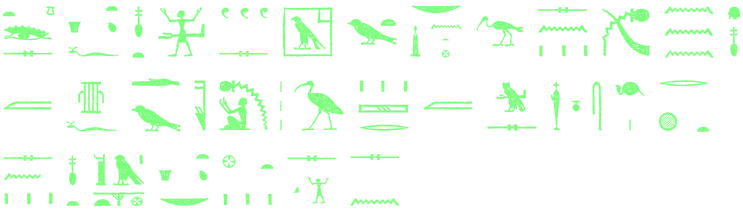
gmj.sn ꜥbw tp nfr m ḫnt.f twrw jqrw ḫr m m.f ḥsj.sn Rꜥ r nwt.sn nfrt Wṯst Ḥr ḥnwt nbt nwwt sqꜣ.sn Wṯst m ḥḥw nw rnpt n skj n mrḥ r nḥḥ
Within it they find purity and perfect order, and skilled priests of purification.
They praise Ra for their fair city, Throne of Horus, sovereign lady, mistress of cities.
They exalt the Throne for millions of years, never to perish, never to fall to ruin, for ever. - 121
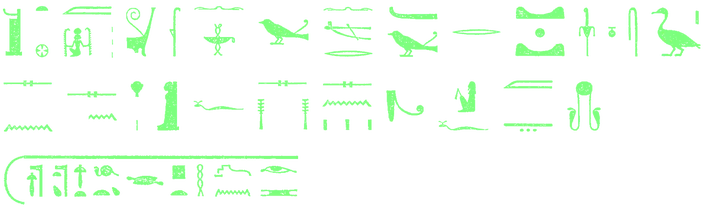
ḫwj.sn sꜣ.sn mrj.sn ḥr mnw.f sḏdj.sn tjt.f m tꜣ nswt bjt (… …) sꜣ Rꜥ (… …) fqꜣ.tw kꜣ.f m qnt nḫt ḥr st Ḥr ḫntj ꜥnḫw ḏt
For his monument they protect their beloved son and make his image endure on earth:
the King of Upper and Lower Egypt, Ptolemy X, the Son of Ra, Ptolemy X.
His ka is endowed with valour and might upon the throne of Horus, foremost of the living for ever.Note · Line 121
In return for it the gods sustain the king’s image and endow his ka, his vital force, with strength. - 122
Ḥr Rꜥ kꜣ nḫt psḏ m ꜣḫt Ḥr jꜣbtt wbn m bꜣẖ jtn nfr ꜥnḫ.tw n mꜣwt.f Ḥr Ḥrw ḫnt Ḥt Ḥr ḫ ḫnt ḫjt ḫj sw ꜣḫtjtj Ḥr ꜣḫtj ntj ꜣḫt nḥḥ rnw nw ḥm.k ḥr jrt gs dpt.k
O Horus-Ra, strong bull who shines in heaven,
Horus of the East, who rises in the eastern mountains,
perfect sun disk, by whose rays we live,
Horus of the Horuses in the House of Horus,
child in the sky, whom the two goddesses of the horizon lift high,
Horakhty of the Horizon of Eternity,
the names of Your Majesty keep you safe.Note · Line 122
The House of Horus and the Horizon of Eternity are names for Edfu. The two goddesses who lift the sun are Isis and Nephthys. - 123
Ḥr wpw n Ḥr mꜣꜥ.tj bꜣ.k ḥnꜥ.k kꜣ.k m ḫt.k šnbtj ḫnt Šns ṯsj.k ṯst m Wṯst Ḥr Ḥr ꜣḫtj jrj.k st.k m ꜣḫt
Horus the Judge in Horus-Is-Vindicated,
your ba is with you, your ka behind you.
Shenebty-falcon in Shenes,
you raise the sky in the High Seat of Horus.
Horakhty, you make your place on the horizon.Note · Line 123
Horus-Is-Vindicated, Shenes and the High Seat of Horus all name Edfu. - 124
wꜣḏtj.k n.k ḥr jrt sꜣ ḥm.k Ḥr ẖnj ḥrt ntj Nst nṯrw Jr Sḏm špst.k r kꜣ.k nswt nṯrw sḏm sprww nw ḥḥ Ḥw Sjꜣ bꜣ ꜥnḫ r gs.k bꜣ sṯj wtṯ nṯrw
Your two cobras are yours; they guard Your Majesty,
O Horus who rows across the sky, Horus of the Throne of the Gods.
Sight, Hearing and your Noble Lady belong to your ka,
O king of the gods, who hears the pleas of millions.
Hu, Sia and the living ba are at your side,
O ram who mates and sires the gods.Note · Line 124
Sight and Hearing are gods, and the Noble Lady is Maat. Hu and Sia embody authoritative speech and perception. The Egyptian word for “ram” sounds like ba. - 125
nṯr pn šps ḥrj nṯrw ḫnt Bḥdt ntj jw jtn.f wbn m nwt jw.n bꜣ.f ꜥnḫ n pt r snsn sḫm.f m St wrt nb nbt Jwnt sšmwt.f m ḥꜣt.f ḥr ḫwt ḫprw.f m pt tꜣ
This splendid god, chief of the gods in Behdet, whose disk has risen in the sky—his living ba has come from heaven to unite with his image in the Great Seat. The Golden One, Lady of Dendera, is the cobra on his brow; she guards his forms in heaven and on earth.
- 126

gmj.n.f ḥt nṯr.f ḏsr.tj mj ꜣḫt jḫt nbt nfrt m ḫntj.s mꜣꜣ.f bjk n nb m nb Wṯst Ḥr m msntj qnj ẖr mꜥbꜣ mrj.n.f Wṯst.f wṯs sw r ḥrt ꜣbjt.n jb.f . ḥtp m ḫntj.s ꜣḫt n kꜣ.f ḥr sꜣ tꜣ swꜣḥ.f sj m ḥḥ n rnpt
He has found his temple sacred as the horizon, with every good thing in it. He sees the falcon of the Golden One as lord of the High Seat of Horus and as a valiant harpooner bearing the maba-spear. He has come to love his High Seat, which lifts him high into the sky. His heart has longed to rest there. It is a horizon for his ka on earth, and he makes it endure for millions of years.
- 127
nswt bjt Ḥr Bḥdtj nṯr ꜥꜣ nb pt ꜥpj wr n ktmt ḥsj.f sꜣ.f mrj.f nswt bjt (… …) ḥr mnw.f pn nfr rdj.f n.f jsw m qnt nḫt ḥr st Ḥr ḫntj kꜣw ꜥnḫw ḏt
The King of Upper and Lower Egypt, Horus Behdety, the great god, lord of heaven, the great Api of gold, praises his beloved son, the King of Upper and Lower Egypt, Ptolemy X, for this perfect monument of his. In return he gives him valor and might on the throne of Horus, foremost among the kas of the living forever.
Note · Line 127
Behdety means “he of Behdet.” Here Horus himself bears the royal title before bestowing his favor on the human king. - 128
nṯr nfr sꜣ Bḥdtj pẖr nst n nb Wṯst ḥꜥ ꜥnḫ n nb jtrtj rr.n nb nbt Jwnt nswt bjt (…) sꜣ Rꜥ (…)
The perfect god, son of Behdety, heir to the throne of the Lord of the High Seat, living body of the Lord of the Two Shrines, whom the Golden One, Lady of Dendera, reared; the King of Upper and Lower Egypt ( ), the Son of Ra ( ),
Note · Line 128
The two cartouches, the ovals reserved for the king’s names, were left blank. - 129
mrj Ḥr Bḥdtj nṯr ꜥꜣ nb pt sꜣb šwt prj m ꜣḫt ꜥpj wr n ktmt jtn nfr wbn m nwt ḫsr kkw m prj.f
beloved of Horus Behdety, the great god, lord of heaven,
bright of plumage, who comes forth from the horizon,
the great Api of gold, the perfect sun disk rising in the sky,
who scatters the dark when he comes forth, - 130
ḏꜣj pt m hrw ḥtp jsk m ꜥnḫt wpš jgrt m ḥḏḏ.f jwr.tw jm.f m ẖrt hrw msj.tw mwt.f ḥr jꜣbtt
who crosses the sky by day and comes to rest in the Land of Life,
who lights the Silent Land with his radiance,
who is conceived each day,
whom his mother bears in the east.Note · Line 130
The Land of Life is the west, where the sun sets. The Silent Land is the realm of the dead, which the sun lights on his nightly passage. - 131
dgj sw ṯꜣjw ḥmwt rdj.sn n.f jꜣw mꜣꜣ ḥrw m ḥḏḏwt.f jrj.n.f rmṯw qmꜣ.n.f nṯrw jḫt nbt ḫpr.sn jm.f
When men and women see him, they give him praise,
for by his light their faces see.
He created humankind, he fashioned the gods;
all things sprang from him. - 132
sštꜣ.f štꜣ ḫntj nwt.f Ḏbꜣ m ḏrtj wr ḥrj nṯrw Mꜣꜥt m bꜣḥ.f n ḥrj r ḥm.f ꜥnḫ.f jm.s rꜥ nb
His secret image lies hidden in his city of Edfu:
a great falcon, chief of the gods.
Maat is before him, never far from His Majesty;
he lives on her each day. - 133
sꜣt.f tpt ḥtp.tj r ḥnꜥ.f Ḥt ḥr wrt nbt Jwnt smsw ḫntš m mꜣꜣ.s ḥqꜣ jmꜣ n.f ḥqꜣt
His firstborn daughter has come to rest beside him:
Hathor the Great, Lady of Dendera.
The Eldest rejoices at the sight of her;
the queen is dear to the king. - 134
sꜣ.sn r gs.sn m Ḥr {mꜣ tꜣwj ḥr šms jb.sn m smꜣ.f Psḏt Msn ḥr wnmj.f jꜣbj.f ḥr jrt jtrtj n kꜣ.f
Their son is at their side, Harsomtus,
gladdening their hearts with his shout of joy.
The Ennead of Mesen stands to his right and his left,
in two ranks flanking his ka.Note · Line 134
The Ennead of Mesen is the company of gods at Edfu. - 135
nwwt r ꜣw.sn nb.sn pw nb nwwt rn ḥm.f ḏd.tw js Bḥdtj m rn.f bꜣ n msntj hꜣw Ꜥꜥjt nfrt jw bꜣ m bjk ꜥꜣ sḥb mnḏtj msntj js m ḫmt
Every city has him for its lord;
“Lord of Cities” is His Majesty’s name.
Behdety too is what they call him:
ba of the Harpooner in the Place of Perfect Appearing.
The ba is the great falcon, both brows decked for festival;
the Harpooner is the one who devises. - 136

jt jtw pw šꜣꜥ.n.f jḫt nbt {ꜣw.n.sn prj.sn jm.f snḏm nṯrj ḥr bḥdw ḫnt Bḥdw.f wḥm.tw ḏd n.f Bḥdtj
He is the father of fathers.
He gave all things their beginning;
the guardian gods came forth from him.
The divine one settles on the throne in his throne room,
and once again they call him Behdety.Note · Line 136
The Egyptian words for the throne and its seat echo the name Behdety: the god takes his name anew as he sits down. - 137
hmhmtj wꜣwꜣ.f ḥnꜥ jb.f r sḏwt sḫrw n Ḥr ꜥꜣ sn.f jrw.f mjtt n sbjtj ẖr ḏnḥ ꜥẖj.n.f nwt r ꜥḥꜣ
The Roarer plotted in his heart to thwart the designs of Horus the Great. He changed his shape to that of a winged Sebiti-serpent and flew across the sky to do battle.
Note · Line 137
The Roarer is Apophis, the serpent who opposes the sun god. - 138
jrj jrf nṯr ꜥꜣ jrw.f n bjk ḫj.f ḫjt m gs ḥrj ḫftj.f ꜥꜣ jb.f wsr ḫpšwj.f sbj.n.f sbjtj rwt spt.f ḫpr Ḥr Bḥdtj nṯr ꜥꜣ nb pt m rn wr n nṯr pn
Then the great god took his falcon shape and soared skyward above his foe. Stout was his heart, mighty his two wings. He drove the Sebiti-serpent from his province. So “Horus Behdety, the great god, lord of heaven” came to be the great name of this god.
- 139
ꜥq.f pr.f jw jb.f nḏm twr.tw Msn n nb.s
He entered his house with a glad heart, for Mesen had been purified for its lord.
Note · Line 139
The god coming home to his temple is Horus. - 140
bjk n nb jrj.f jrw.f n msntj wsr m ḏt.f r nṯrw nbw smꜣ.n.f Stš ḥwj.n.f sw m ḫmt.f wnp.n.f sw m St wnp nḏ.n.f nwwt ḥn.n.f ḥt nṯr.sn m nḫw nfr n nṯrw
The Falcon of Gold took the form of a harpooner, mightier in body than all the gods. He killed Seth. He struck him with his khemet harpoon and pierced him at the Place of Piercing. He protected the cities and guarded their temples, a perfect protector of the gods.
Note · Line 140
The Place of Piercing is Edfu itself: the name sets Horus’s victory over Seth on the temple’s own ground. - 141
ḏd nṯrw r.f ꜥꜣ pꜣj wr sp 2 ḫpr rn.f n ꜥpj sꜣw.f {ꜣw.n.sn ḫwj.f ḫm.sn ḫnt nwt nbt nt Snwt
The gods say of him, “Great is this one, very great!” Thus his name Api comes into being. He guards the guardian gods and shelters their shrines in every city of Egypt.
- 142
st snḏm nt kꜣ.f gspw nw gs-prw mꜣhwt.sn ḫtj ḥr rn.f ḥm.f m ḥrt ḥr wbn ḥtp m ꜥqꜣ Wṯst.f r ḏt
His ka rests on the cornices of the temples and on their gates, inscribed with his name, while His Majesty rises and sets in the sky opposite his throne for ever.
Note · Line 142
Above a temple gate, Horus of Edfu appears as the winged sun disk. - 143
šsr rnw nn nw St wrt nt Rꜥ ntj r bꜣw Rꜥ nw gsw prw
Here are the names of the Great Seat of Ra as the sacred writings of the temples give them:
- 144
Wṯst Ḥr ḏd.tw m rn nwt tn wṯs jrf Ḥr wṯst m ḫntj.s kꜣ.tw js mjtt r kꜣ.s ḏr wṯs ꜣst Ḥr.s ḫr m m.s ꜥꜣ mꜣꜥ ḫrw pw wṯs.f jt.f r wṯst
They call this city the High Seat of Horus, for here Horus raises the sky. They call it so for this reason too: here Isis raises her Horus. He is the Great One Triumphant, who raises his father to the sky.
Note · Line 144
The same Egyptian word names the high seat and the sky; both names echo the verb “to raise.” Horus’s father is Osiris. - 145
ḏd.tw Wṯst r spt tn St wrt js nt Rꜥ Ḥr ꜣḫtj m wr.f jm.s m nswt
They call this province the High Seat and also the Great Seat of Ra-Horakhty, for here he is great as king.
- 146
ḏd.tw Ḏbꜣ r rn nwt tn ḏr ḏdj sj Ḏbꜣw n bw n nbjt wḥm.tw js ḏd Ḏbꜣ r kꜣ.s ḏbꜣ.tw ḏw qd whj sp.f m ḫntj.s
They call this city Djeba because the Djebau make it fast at the place of the nebit reed. They call it Djeba for another reason too: here they punish the Malicious One and the One Whose Purpose Fails.
Note · Line 146
The name sounds like the Egyptian word for “punish.” The two enemies are Apophis, the serpent who threatens the sun, and Seth. - 147
kꜣ.tw mjtt r Ḏbꜣr jrj Ḥr ẖr jḫt jt.f m nwt ḥm.f
They also call it Djebar, for Horus presents the offering to his father in His Majesty’s city.
- 148
Bḥdw n Bḥdtj ꜥḥꜥ.n.f m ḥqꜣ m snḏm.n.f jm.f ḥr bḥdw
Throne of the Behdetite, since he rose as ruler and settled there on the throne;
Note · Line 148
The Behdetite is Horus of that city. - 149
Msn jsk nt msnw nfr m smꜣ.n.f jmjw mw ḏd.tw kꜣ.s r Msn mjtt ḥr msnḥ mgꜣ m ḫntj.s msj nt srnpjt sꜣ.s mrj.s wḥm.tw ḏd Msn r rn.s
Mesen, too, for the perfect harpooner, since he killed the creatures of the water. They also call it Mesen because Maga is warded off there. The flood gives birth, she who makes her beloved son young again: for this too they name it Mesen.
Note · Line 149
Mesen echoes the Egyptian words for “harpooner,” “ward off,” and “give birth.” The water creatures are crocodiles and hippos; Maga is Seth in crocodile form. - 150
Ḥt bjk nt bjk ꜥꜣ ꜥpr dmꜣtj m bs.n.f n bꜣ n jꜣk
House of the Falcon, for the great falcon with his two wings, since he entered as the ba of the Ancient One;
Note · Line 150
A god’s ba is a form in which he can move about and make himself present. - 151
Nḏm ꜥnḫ n Ḥr nb ꜥnḫ ḥr snḏm ꜥnḫ n ꜥnḫw
Sweet Life, for Horus, lord of life, who makes life sweet for the living;
- 152
Nst nṯrwj nt Rꜥ ḥnꜥ Ḥr ḥr wḏꜥ mdw m tꜣ pn
Throne of the Two Gods, for Ra and Horus, who sit in judgment in this land;
- 153
Ḥt Ḥr Ḥrw nt Ḥr Ḥrw ḥrj nṯrw m jrw.f n ḏrtj nb Ḏrtjw
House of Horus of the Horuses, for Horus of the Horuses, foremost of the gods in his falcon form, lord of the falcon gods.
Note · Line 153
The Horuses are the gods who bear the name Horus. - 154
Ḥr Mꜣꜥ.tj nt Ḥr mꜣꜥ ḫrw smꜣꜥ.tw ḫrw.f r Stš
They call it Horus Is Vindicated, for Horus the Vindicated, whose case against Seth was upheld;
Note · Line 154
The names that follow are all names of Edfu. This one recalls the judgment that awarded Horus his father Osiris’s throne against the rival claim of Seth. - 155
Jꜣw Ḥr n Ḥr rdj n.f nṯrw jꜣw m ḏrtj nfr ḥr
Praise of Horus, for Horus, to whom the gods give praise as the fair-faced falcon.
- 156
Ḥt jsbt pw nt Rꜥ ḥnꜥ Ḥr m snḏm.sn ḥr mn bjt
It is the House of the Throne of Ra and Horus, for they have taken their seats on the throne.
- 157
Tp jꜣwt n nb jꜣwt ḥrj nṯrw nb nwwt
Head of the Sacred Places, for the lord of sacred places, chief of the gods, lord of cities;
- 158
St nṯrwj js nt Rꜥ ḥnꜥ Ptḥ Tꜣ ṯnn dmḏ m nṯr 2
Seat of the Two Gods also, for Ra and Ptah-Tatenen, united as two gods;
- 159
Wr st n wr r nṯrw
She of the Great Throne, for him who is greater than the gods;
- 160
Ḥt ḥqꜣ nt ḥqꜣ ḫnt {ꜣw.n.sn pf ḏrtj ḫnt St wrt.f
House of the Ruler, for the ruler among the guardian gods, that falcon in his Great Seat;
- 161
H̱nw js ntj Rꜥ ḥnꜥ ṯꜣw.f ḥr wpt nṯrw rmṯw m sp
and Residence of Ra and His Children, for they sit in judgment on gods and mortals alike;
- 162
Pr ꜥẖm ntj ꜥẖm nṯrj bꜣ n Rꜥ ḫnt St Rꜥ
House of the Falcon, for the divine falcon, the ba of Ra in the Seat of Ra;
Note · Line 162
Here Ra is present at Edfu as the falcon. - 163
Mꜣꜣ Ḥr n Ḥr mꜣꜣ.n sw Tꜣ ṯnn
Seeing Horus, for Horus, whom Tatenen saw;
- 164
Bw ḥmr ntj nb ḥmr
Place of the Throne, for the lord of the throne.
- 165
ẖnm Ḥr Rꜥ jtn.f hꜣw Wṯst ḏd.tw n.s H̱nm jtn
Horus-Ra unites with his sun disk in the Throne Seat; hence they call the city Union with the Sun Disk.
- 166
ꜥḥt m ḥrj nt ḥm Ḥr ꜣḫtj nn ḥrj.f r.s rꜥ nb
Palace Afar, for the Majesty of Horakhty: no day finds him far from it;
Note · Line 166
Horakhty is Horus of the Two Horizons, the sun god at his rising and setting. - 167
Bwꜣt nfrt nt bꜣ tkk nb nrw
Perfect Mound, for the fierce ba, lord of terror;
- 168
ꜣḫt nḥḥ nt nb nḥḥ
Horizon of Eternity, for the lord of eternity;
- 169
Ꜥꜥjt wrt bsjt m nww Ꜥpr m ḥꜣt ẖr ḥꜣt nwwt
Great Primeval Mound, for it rose from Nun;
She Who Came into Being in the Beginning, for she came before the other cities;Note · Line 169
Nun is the expanse of water from which the first dry land rose at creation. Edfu claims to be that first ground. - 170
ꜥꜣjt wrt nt ꜥpj nṯrj ꜥḏt.tw ꜥꜣpp m ḫntj.s
Great Sanctuary of the divine Api, where Apophis is killed.
Note · Line 170
Apophis is the serpent that threatens the sun on its daily course. - 171
Wṯst Ḥr Jwnt Ꜥntj jꜣbtt spt 3.t dmḏ m wꜥt nwwt wrwt ntj nb jtrtj Ḥr Bḥdtj nṯr ꜥꜣ nb pt wꜣstjw.f
The Throne Seat of Horus, Dendera and Khenty-Iabet are three provinces joined as one, the great cities of the lord of the Two Shrines. Horus of Behdet, the great god, lord of the sky—his subjects,
Note · Line 171
The Throne Seat of Horus is Edfu itself. - 172
wꜣstjw.f nbw ꜥꜣ.tj m sp wꜥ nbw nḫt kꜣ.tw m rn.sn spt tn ḏsr.tj r spwt swꜣš.tw ḥmt.s m rnw.s
his subjects are all held in honor, every one alike; Lords of Might is the name they bear. This province is holier than the other provinces; they praise its Majesty by its names.
- 173
ḥt nṯr.s jfd nḏm wj ꜥq.s sn mꜣꜣ.s r ꜣḫt Rꜥ mꜣhwt.s r mtr mk.tj jrj m nb sš st sš ꜥꜣwj n nwt trjw.sn ꜥḥꜥ.tj nbd m bjꜣ nfr m ꜥš mꜣꜥ n tp Ꜥtjw
Its temple is perfect on all four sides. How sweet it is to enter! The sight of it rivals the horizon of Ra. Its portals are flawless, every one sheathed in gold; whoever opens them opens the double doors of heaven. Their door leaves stand on their pivots, fine copper over true cedar from Lebanon.
- 174
jnb n ꜥbw pẖr.tj ḥꜣ ḥt nṯr n wn mjtt.f hꜣw prw nṯrw spẖr.tj m bs n sḫmw nbtjw m jrw nbw twt n jrjt
A pure wall encircles the temple; no other house of a god has its like around it. It bears images of the mighty gods and the Nebtiu goddesses in all their forms, just as they should be.
- 175
Ḥr Bḥdtj nṯr ꜥꜣ nb pt Ḥt ḥr wrt nbt Jwnt Psḏt Msn m jtrtj ḥm.f ḥr jrt sꜣ.f wḥm mkt.f
Horus of Behdet, the great god, lord of the sky: Hathor the Great, Lady of Dendera, and the Ennead of Mesen stand on either side of His Majesty. They guard him and renew his protection.
- 176
nṯrw tꜣ mḥw ḥr wnmj.f ḥr jrt gs dpt.f nṯrw tꜣ šmꜥw ḥr jꜣbj.f mjtt
The gods of Lower Egypt stand guard at his right;
the gods of Upper Egypt do likewise at his left. - 177
ḫꜣḫ H̱nmww nḥp.sn m sjn ḏd.tw Sjn nḥp r sbtj jnb Wṯst m snt r ꜣḫ bjt swḏꜣ.s Ḥr nfr rꜥ nb
The Khnum gods come swiftly; swiftly they shape it on the wheel. Hence they call the enclosure wall Swiftly Shaped on the Wheel. The wall of the Throne Seat is like Chemmis: it keeps Horus the Fair safe each day.
Note · Line 177
Khnum is the divine potter. - 178
Ḥr Bḥdtj nṯr ꜥꜣ nb pt rdj.f sw m gbt mꜣꜣ.f ḥt nṯr.f ḥsj.f sꜣ.f mrj.f nswt bjt (… …) ... ... ḥr ndb.f
Horus of Behdet, the great god, lord of the sky, appears in the sky to look upon his temple. He praises his beloved son, the King of Upper and Lower Egypt, Ptolemy IX, … the whole land.
- 179
ḫwj.f ḥm.f mkj.f ḥꜥ.f sqꜣ.f ꜥḥꜥw.f ḥr tp tꜣ ḫꜥj.tj m nswt bjt ḥr st Ḥr ḫntj kꜣw ꜥnḫw ḏt
He protects His Majesty, guards his body and lengthens his days on earth, as the king appears in glory on the throne of Horus as King of Upper and Lower Egypt, foremost among the kas of the living, forever.
- 180
Ḥr kꜣ nḫt jwr n P bjk n nb ḫꜥj m wꜣḏ sꜣb šwt prj m ꜣḫt Bḥdtj nb hj pꜥpꜥ.n ꜣst rr.n Nbt ḥt r nswt bjt nṯrw rmṯw
Horus, strong bull, borne in the womb at Pe,
Falcon of the Golden One, who appears among the papyrus,
dappled of plumage, who comes forth from the horizon,
he of Behdet, lord of the sky,
whom Isis bore and Nephthys reared
to be king of gods and men;Note · Line 180
Pe was part of Buto in the Nile Delta. In the story of Horus’s childhood, Isis hides him in the papyrus marshes from Seth. - 181
nb wrrt wr sw r nṯrw ḥꜣt nṯrw ḫpr ḥr sꜣ ḥrj st wrt m gsw prw n nwt šwt m rn.f
lord of the White Crown, greater than the gods,
the beginning of the gods, who comes into being at the end,
master of the sanctuary in the temples:
no city is without his name.Note · Line 181
The White Crown is the crown of Upper Egypt. - 182
bs.f m Bḥdt m jꜣwtj qnj ḥr.f nfr m ḏrtj ꜥḥꜥ ḥr ḥꜣt.f ḫmt.f m ḫfꜥ.f sbj m nṯstjw ẖr.f ṯꜣ m rw ḫnt Ꜥntj jꜣbtt m jrw.f n Nb Msn sḏḏ.f m Wꜣst ḥtp ḥr srḫ m rn.f n Jmn wr
His image in Behdet is a mighty harpooner with the fair face of a falcon.
He stands proud, spear in fist, the rebel struck down beneath him.
He is the young lion in Khent-iabet, in his form as Lord of Mesen.
His image in Thebes has alighted on the palace façade in his name of Amun the Great.Note · Line 182
The falcon perched on a palace façade is an ancient emblem of Horus and of kingship. - 183
kꜣ.tw js msntj r kꜣ.f jrw.f pw n jꜣwtj smꜣ.n.f Stš ḥr Mw n Msn wnp.n.f sw m kꜣ mḥj
Harpooner, too, they call his ka. A harpooner was the form he took when he killed Seth on the Water of Mesen and pierced him in his shape of a bull hippopotamus.
Note · Line 183
The Egyptian title translated “Harpooner” echoes the name Mesen. - 184
tqr pḥtj.f ḥwj.n.f sw m wꜥ ḏd.tw n.f msntj r mjn nꜥš ḫpšwj.f ꜥꜣ šfjt.f ḫꜥj ḥm.f ḥr st jt.f ꜥḥꜥ.f ḥr nst.f ḫnt P n Rꜥ qnj kꜣ.f ḫnt Ḥt qn ḥfd ḥm.f ḥr bḥdw.f ḫnt Bḥdt
Mighty was his strength when he struck him down with the harpoon:
Harpooner they call him to this day.
Strong are his two arms, great the awe he inspires
when His Majesty appears on his father’s throne
and takes his place on his own throne in the Seat of Ra.
Strong is his ka in the House of the Strong
when His Majesty mounts his throne in Behdet.Note · Line 184
Seat of Ra and House of the Strong are sacred names for Edfu. - 185
... ... ... spt tn ḏbꜣt Nb Msn wṯst Ḥr ḥnwt nwwt spwt ꜣbjt jb m ḫntj tꜣ pn r ḥtp m ḫntj rꜥ nb
… this nome, palace of the Lord of Mesen, throne of Horus, mistress of towns and nomes, the place his heart longs for in this land, that he may rest there every day.
- 186
nswt bjt Ḥr Bḥdtj nṯr ꜥꜣ nb pt sꜣb šwt prj m ꜣḫt nṯr ꜥꜣ wr r nṯrw nbw ḥsj.f sꜣ.f mrj.f nswt bjt (… …) sꜣ Rꜥ (… …)
The King of Upper and Lower Egypt, Horus of Behdet, the great god, lord of the sky, dappled of plumage, who comes forth from the horizon, the great god, greater than all the gods, praises his beloved son, the King of Upper and Lower Egypt, Ptolemy X, the Son of Ra, Ptolemy X.
- 187
rdj.f n.f ḥꜣtjt.n nwt fꜣjt.n Gbb bw nb jqḥ.m mꜣwt.f ḫꜥj ḥr nst.f m nswt n nḥḥ ḫntj kꜣw ꜥnḫw ḏt
He gives him all that Nut has encircled, all that Geb has raised,
every place his rays have lit.
He appears on his throne as king for ever,
foremost among the kas of the living for all eternity.Note · Line 187
Between them they define the reach of the king’s dominion. - 188
nṯr nfr ... ... sn.s r jfd n nwt ẖr ꜣḫtj
The perfect god … It matches the four sides of the sky that bears the Horizon-Dweller.
Note · Line 188
The description is of the temple’s enclosure wall. - 189
qꜣw.s r nfr wsḫ.s r mtr snṯ.s nb r tp ḥsb m jrt nfr jn Jsdn ḏs.f Sšꜣt H̱nmw m ḫt.f
Its length is perfect, its breadth exact,
its foundations all laid to measure:
the flawless work of Isden himself,
with Seshat and Khnum in his train.Note · Line 189
Isden is Thoth, god of reckoning and writing. Seshat measures out the temple plan; Khnum is the divine craftsman. - 190
n wn kjj nḥr.f r.f m spt nbt nt Tꜣ mrj ḥr mkt ḥt nṯr ẖr Psḏt ḥr jrt sꜣ n ntj m ḫntj.s sn.s r.s jrj n.s jḫt nbt m sjptj wr n swr kꜣ.s
There is no work like it in any nome of Egypt. It guards the temple and the Ennead within and shelters the one who dwells there. The wall is the temple’s equal. On it is inscribed everything in the great register in praise of the temple’s ka:
Note · Line 190
What follows is a litany of names for the temple. - 191
Ḥt bjk m rn.s Ḥt ... mjtt Ḥt Ḥr Ḥrw kꜣ.s ḏr bꜣḥ
House of the Falcon is its name, and House of … likewise. House of Horus of the Horus Gods has been its ka-name from the beginning.
- 192
Bwꜣt ꜥꜣt n wn mjtt.s wsrt kꜣ nṯr jm.s r nṯrw nbw
The Great Mound, which has no equal: there the god’s ka is stronger than the kas of all the gods.
Note · Line 192
The mound recalls the first land to rise from the waters at creation. - 193
Ḥt jsbt pw nt nb mn bjt jrj.n.f nḥḥ jm.s ḥr nst.f
It is the House of the Throne of the Lord of the Royal Seat; there he has spent an eternity on his kingly throne.
- 194
f Wṯst Ḥr wṯst n.f r ꜣḫt nḫtt sw mwt.f ꜣst m ḫntj.s
It is the High Seat of Horus, raised for him to be his horizon, where his mother Isis keeps him safe.
- 195
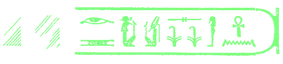
St wrt mjtt nt ḥm Ḥr ꜣḫtj ḏr wḥꜥ tꜣ r mn mjn
It is likewise the Great Seat of the Majesty of Horakhty, from the creation of the earth to this day.
- 196
Ḥt Rꜥ mjtt nt Rꜥ wr Ḥt bjk nt bjk n nb dmw pw ntj jt nṯrw nst wrt ntj sꜣ Wsjr
It is likewise the House of Ra, belonging to Ra the Great, and the House of the Falcon, belonging to the Falcon of the Golden One. It is the throne of the father of the gods, the great throne of the son of Osiris.
- 197
ḏbꜣt pw nt nb P Msn ḏbꜣt.n.f ḫftjw.f m ḫntj.s
It is the palace of the Lord of Pe-Mesen, where he punished his foes.
- 198
St snḏmt Šw jm.s ḏr bꜣḥ ḥr qꜥḥ ḏrt n jt.f jm.s jw.f m jrw.f n ḥm nṯr gmḥsw ḥr jrt ẖrt n bjk ntj m Bḥdt bꜣ.f ꜥnḫ m Sšd n sjꜣw ḥr jrt jḫt r mn ḏt
It is the seat where Shu has rested since the beginning. There he extends his hand in offering to his father, in his form as priest of the Gemehsu falcon. He brings food offerings to the Falcon in Behdet, his living ba in the Window of the Sia Falcon, and performs the rites for all eternity.
Note · Line 198
The living falcon is the god’s ba: the form in which he is present and can be seen. - 199
st.f ḏsrt m ḫntj ḥt nṯr.f m jrw.f n Rꜥ Ḥr ḥrj nṯrw
His secluded seat is within his temple, where he takes the form of Ra-Horus, chief of the gods.
- 200
Šw sꜣ Rꜥ ꜥwj.f ḥꜣ jt.f ḥr ḫwt.f m šwt.f wrt nṯr mnḫ ḫpr ḫnt nṯrw sj kjj m snt r.f nḫw n mwt.f jrj nht nt jt.f Psḏt jrj mjtt
Shu, son of Ra, folds both arms about his father
and shields him with his great feather.
Who else can equal this excellent god, who came into being before the gods,
protector of his mother, defender of his father
and of the Ennead likewise?Note · Line 200
The feather is the emblem of Shu, god of the air. - 201
rdjt.n n.f Rꜥ r ꜥḥꜥ ḥr nst.f jrj.n.f sj n sꜣ.f ḏs.f swḏ Gbb jwꜥt.f n sꜣ.f Wsjr Ḥr ḥr nst.f r mn ḏt
What Ra had given him to keep him firm upon his throne, he provided in turn for his own son. Geb handed his inheritance on to his son Osiris, and now Horus sits upon his throne, there to abide forever.
Note · Line 201
The throne passes down the divine family line: from Ra to Shu, from Shu to Geb, from Geb to Osiris, and from Osiris to Horus. - 202
St wrt.f pw ḥꜥjt.f ḥr.s ḫntš.f ḥr mꜣꜣ bw nfr mꜣꜣ.f nwt.f dgj.f ḥt nṯr.f ꜣms jb.f m tp nfr
This is his Great Seat, and he rejoices in it.
When he sees his city, he exults at the sight of its beauty;
when he beholds his temple, his heart delights in its perfection. - 203
nbt Jwnt jw.tj r tr.s n rnpt r mꜣꜣ jt.s m st jb.s ẖnm.s Bḥdtj ḫnt P n Rꜥ ḥpt.s dhnt nt Ꜥprj
The Lady of Dendera has come at her season of the year to see her father in the place she loves, to join Horus of Behdet in the Seat of Ra and embrace the brow of Khepri.
Note · Line 203
Hathor travels from Dendera to Edfu to visit Horus. She is also the Eye of her father Ra, the cobra he wears on his brow. Khepri is the morning sun. - 204
ḫntj ḥmt.s r Bḥdt ... ... jt.s Rꜥ ꜥwj.f ḥꜣ ḥrjt tp
Her Majesty sails south to Behdet … her father. Ra has his arms about the cobra on his brow,
- 205
Rw Jtmw ḥr ḫwt.s ḥr ḏd jw.tj m ḥtp r pr.ṯ st jb.ṯ ḏr Pꜣwtjw mk wꜣwt Msn m sṯj ꜥntjw ḥnwt dj ꜥ ḫr m m.sn jw.tj sp 2 jn Rꜥ r sšmwt.f
and the Lion of Atum guards her, saying, “Come in peace to your house, the place you have loved since the days of the primeval gods. Look, the roads of Mesen are fragrant with myrrh. Come this way, my lady!” “Welcome, welcome!” says Ra to the serpent on his brow.
- 206
Bḥdtj ḫr nbt Jwnt ẖrd.sn ḥnꜥ.sn m Ḥr {mꜣ tꜣwj wr tpj n.sn jmj
Horus of Behdet is with the Lady of Dendera, and their child is with them: Harsomtus the Great, their firstborn.
Note · Line 206
The child’s name means “Horus who unites the Two Lands.” - 207
Ḥr Bḥdtj Ḥt ḥr Psḏt Msn m ḥꜥꜥwt r ꜣw.sn ḫntš.sn n bw wꜥ nwt r ḏr.s pẖr.tj m nhm jrt Rꜥ šsp.n.s st.s wḏꜣ.s r wjꜣ.s m ... ... ... ... ... ... ... jw Jwnt m ḥtp m ḥb jpt sw 5
Horus of Behdet, Hathor and the Ennead of Mesen are glad, every one; as one they rejoice. The whole city rings with shouts of joy: the Eye of Ra has taken her seat. She goes to her barque in … Dendera is at peace on the fifth day of Paophi.
Note · Line 207
Paophi is the second month of the Egyptian year. - 208
jrj n.s ḥbw m Tꜣ n Jtmw Tꜣ rr pẖr m ... ... ḫntj.s ḫnt nwt.s r jw r Bḥdt m ḥb jpt sw 18
Festivals are held for her in the Land of Atum, and Tarer is filled with jubilation. On the eighteenth day of Paophi she sails south from her city to reach Behdet.
Note · Line 208
The Land of Atum and Tarer are both names for Dendera. - 209
spr.s Spt ḥꜣt nt (Ꜥmnjw) m Wꜣst ꜥq.s Jšrw ... ... ... pẖr ḥmt.s m 4 ḥrw ḥꜥj Rꜥ mꜣꜣ.f jm.sn sꜣḥ.s r wjꜣ.s snḏm.s m ꜥꜣ nꜥjt r spr Wṯst nt Ḥr ꜥꜣ
When she reaches the First District of the Eight in the Theban nome, she enters the Isheru lake … When Her Majesty makes her circuit with four faces, Ra rejoices to look into them. She goes to her barque and settles aboard the Aa-nait to reach the Throne of Horus the Great.
Note · Line 209
The Eight are the primeval gods, and the Isheru is the sacred lake at the temple of Mut in Thebes. - 210
gmj.s jt.s Rꜥ ḥngg n mꜣꜣ.s jrt.f m sꜣ n jw.s pẖr ḥmt.s Nst nṯrw Bḥdtj ꜥwj.f r šsp.s wḏꜣ.s Ḥt ḫꜥjt ḥtp.s m ḫntj.s r gs Ḥr Bḥdtj nṯr ꜥꜣ nb pt Psḏt Msnt wnn.sn jm sgmḥ wr m nḏtj.sn
She finds her father Ra rejoicing to see her, his Eye, now that she has come. Her Majesty makes the circuit of the Throne of the Gods, and Horus of Behdet stretches out both arms to receive her. She enters the House of Appearing and comes to rest within it beside Horus of Behdet, great god, lord of the sky. The Ennead of Mesenet are there, and the great Segemeh-spear is their protector.
- 211
nṯrw rmṯw prj m ršwt ẖr mꜣḥ jwḥ m sšn
Gods and mortals burst into rejoicing, bearing garlands steeped in lotus.
- 212
spr.s r Bḥdt ḫr Msw Rꜥ nhsj.sn ḥr st.sn n jw.s ḫj ꜥꜣ wr r ḥnꜥ.s mjtt r sfsf ꜣw n.sn jrj prj bꜣ.sn ḥr ... .. ... ... .. ... ... ... ... ...
When she reaches Behdet and comes before the Children of Ra, they wake in their place at her coming. The Most Exalted One is with her too, to make offerings to them all. Their bas come forth …
- 213
... ... ... ... ... ... ... ... ... ... ... ... Ḏbꜣ mn.tj sp 2 ḏdj.tj sp 2 mj pt wnt ḥr sḫnwt.s sj nwt sn.s r.s m ꜣbw r mn {mꜣ bḥdt ꜥꜣ wj rn.s n wn mjtt.s n tkn ḏw m ꜥqꜣ.s
… Edfu stands firm, firm, enduring, enduring, like the sky resting on its four pillars.
What city can match her, from Elephantine to Sema-Behdet?
How great is her name! She has no equal. No evil can come near her.Note · Line 213
Elephantine in the far south and Sema-Behdet in the Delta mark the sweep of Egypt from end to end. - 214
nṯrw nṯrwt jsk nw rꜣw prw nbw wnn.sn jsk m ḫntj.s
The gods and goddesses of every temple dwell within her.
- 215
Rꜥ pw ḥnꜥ msw.f nbw dmꜣtj.f pḏ ḥr sꜣ.sn ꜥpj wr ḫwj nṯrw m gnẖwj.f jrj sꜣ.sn jrj ḫnt ḥḏ.sn ḥr sꜣt ṯꜣw.f ḥr mkt ꜥẖmw.f ḥr ḫwt jtrtj šmꜥw mḥw
It is Ra with all his children, his two wings spread over their backs:
Api the Great, who shelters the gods with his two pinions,
who guards them all within their chapels,
watches over his young, keeps his falcon images safe
and defends the twin sanctuaries of Upper and Lower Egypt. - 216
rnw.f wrw ḏsr ḥꜣt nṯrw mj ntt r sš jswt ḥt nṯr.f mjtt ḥꜣt ḥt nṯr ... ... ... Jsdn r ḥnꜥ nswt ḏs.f ḥr jrt n.f mnw
His great names stand exalted before the gods, as the ancient writings have it, and his temple likewise before the temples … Isden and the king himself make monuments for him.
- 217
sꜣ.f mrj.f wn tp tꜣ ḫwsj.n.f nwt.f nḥp.n.f ḥt nṯr.f n wn m tꜣ mj qd.s jst.f jrj ḥr jrt ....f jst Ḥr n mjtt.s ḫwsj.n.f st r ꜣw.sn m sꜣ jtw.f r ḏsr sšmw.sn m ḫntj.sn
His beloved son here on earth has built his city and raised his temple; nothing on earth compares with it. His retinue carries out his …, the retinue of Horus, which has no equal. The king has built all this around his fathers to keep their sacred images inviolate within.
Note · Line 217
The king is the god’s son on earth. The enclosure wall surrounds the images of the gods he calls his fathers. - 218
fqꜣ.f nswt bjt (… …) sꜣ Rꜥ (… …) m rꜣ ꜥwj.f m nswjt nt Jtmw ẖr sḫmtj jw.f m bjk mn ḥr srḫ ḫntj kꜣw ꜥnḫw ḏt
For the work of his arms he rewards the King of Upper and Lower Egypt, Ptolemy X, the Son of Ra, Ptolemy X, with the kingship of Atum. Wearing the Double Crown, the king is the falcon set firm upon the palace façade, foremost of the kas of the living forever.
Note · Line 218
The falcon above the palace façade is the emblem of the king as Horus. - 219
ḏd mdw jn Ḥr Bḥdtj nṯr ꜥꜣ nb pt gsw prw ḫtj ḥr rn.f
Words spoken by Horus of Behdet, great god, lord of the sky, whose name is inscribed on the temples:
- 220
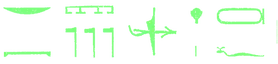
rdj.j n.k pr.j st.j jḫt.j m ꜥnḫ ḏd wꜣs ꜣwt jb
“I give you my house, my throne and my possessions, with life, stability, dominion and joy of heart.”
- 221

ḏd mdw jn Ḥt ḥr nbt Jwnt jrt Rꜥ ḥrt jb Bḥdt nbt pt ḥnwt nṯrw nbw
Words spoken by Hathor, Lady of Dendera, Eye of Ra who dwells in Behdet, lady of the sky, mistress of all the gods:
- 222
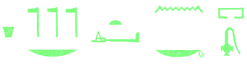
rdj.j n.k pr nsr m hnw n nt.k mj Ḥr tꜣ pn
“I grant that the House of Flame acclaim your Red Crown as it does the crown of Horus of this land.”
Note · Line 222
The House of Flame is the royal shrine of Lower Egypt, whose emblem is the Red Crown. - 223
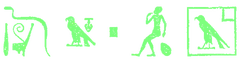
ḏd mdw jn Ḥr {mꜣ tꜣwj pꜣ ẖrd sꜣ Ḥt ḥr
Words spoken by Harsomtus the Child, son of Hathor:
- 224

rdj.n.j n.k St wrt wꜣḫj.tj ẖr nfrw.k pr ḥꜥꜥwt mkj ẖr ḥm.k wbn.k m tꜣ mj Rꜥ m ḥrt ꜥḏꜥḏ n.k ḥr nb
“I have granted you this: the Great Seat is filled with your perfection, and the palace stands safe with Your Majesty within. You rise on earth as Ra does in the sky, and everyone acclaims you.”
- 225
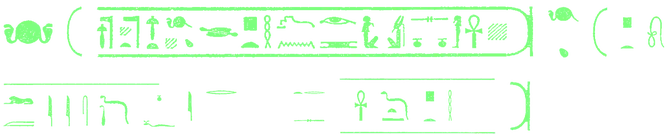
nswt bjt (… …) sꜣ Rꜥ (… …) pꜣ nṯr mrj mwt.f
The King of Upper and Lower Egypt, Ptolemy X, the Son of Ra, Ptolemy X, the god who loves his mother:
- 226

wꜥb sp 2 pr pn n Ḥr Bḥdtj nṯr ꜥꜣ nb pt
“Pure, pure is this house for Horus of Behdet, great god, lord of the sky.”
- 227
ḥqꜣt nbt tꜣwj (… … …)
The sovereign, Lady of the Two Lands, Cleopatra Berenice III:
- 228

mnw n Mnḥjt mꜣꜥ.tj m bꜣḥ.k Rꜥ Ḥr ꜣḫtj ḥt nṯr.k n.k
“The monument of Menhit is offered before you. Ra-Horakhty, your temple is yours.”
- 229

ḏd mdw mn n.k st km.tj m kꜣt.s jnb m mkt ḥꜣ.s ḏrjt.k ḏsrt twr.tj n ḥm.k ꜥq.k sj m ꜥꜣj sp 2
Words to be spoken: “Receive the throne, its workmanship complete, a wall about it to guard it. Your sacred chamber is pure for Your Majesty. May you enter it in joy, in joy!”
- 230
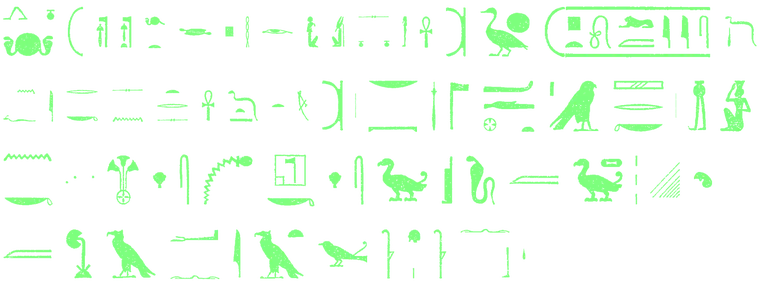
jw.n nswt bjt (… …) sꜣ Rꜥ (… …) ḫr.k Ḥr Bḥdtj nṯr ꜥꜣ nb pt jnj.f n.k Ḥꜥpj mḥw ḥr swꜥb ḥt nṯr.k ḥr sḏfꜣ st.k m ḏfꜣ .. ...k m ḫꜣꜥ n jꜣdt rnpt tp rnpt n ꜣbw
“The King of Upper and Lower Egypt, Ptolemy X, the Son of Ra, Ptolemy X, has come to you, Horus of Behdet, great god, lord of the sky, to bring you Hapy of Lower Egypt. He purifies your temple, stocks your seat with provisions and … comes swiftly to you, with no plague of the year at the year’s beginning, year after year without fail.”
Note · Line 230
Hapy is the Nile flood in divine form. The turn of the year was a time when sickness was especially feared. - 231
wnn nwt.k Ḏbꜣ m pt nt Kmt ꜣḫt.k pw sꜣb šwt m ḏdt.n Rꜥ ḏs.f nṯrw dmḏ n sp
Your city Edfu is the sky of Egypt;
it is your horizon, O you of many-colored plumage,
as Ra himself and all the gods together have said.Note · Line 231
Horus is addressed here. Throughout the inscription, Edfu and its sanctuary are called by a succession of sacred names. - 232
wnn Ḥr ḥnb bbt ḫnt Ḥt jsbt ḥr smꜣ Stš ḥr nḏ wtṯ sw m ḏdt.n Rꜥ ḏs.f nṯrw dmḏ n sp
Horus, who cuts the throat, is in the House of the Throne,
killing Seth and defending him who begot him,
as Ra himself and all the gods together have said.Note · Line 232
Seth killed Osiris, the father whom Horus defends. - 233
wnn nswt bjt (… …) m ḫntj Ḥt qn ḥsꜣ ḥr m sꜣ bṯnww.s m ḏdt.n Rꜥ ḏs.f nṯrw dmḏ n sp
The King of Upper and Lower Egypt, Ptolemy X, is in the House of the Strong One,
fierce of face as he pursues its enemies,
as Ra himself and all the gods together have said.Note · Line 233
“King of Upper and Lower Egypt” and “Son of Ra” are titles of the same king. - 234
wnn sꜣ Rꜥ (… …) m ḫntj St wnp ḥr wnp sbj nb ḥr.s m ḏdt.n Rꜥ ḏs.f nṯrw dmḏ n sp
The Son of Ra, Ptolemy X, is in the Place of Stabbing,
stabbing all who rise against it,
as Ra himself and all the gods together have said. - 235
wnn ꜥḥꜥw nfr Rnnt nfrt r gs.f ḥr bꜥḥj Bḥdt m ḏfꜣ m ḏdt.n Rꜥ ḏs.f nṯrw dmḏ n sp
Ahau the Perfect and Renenet the Perfect are at his side,
flooding Behdet with food,
as Ra himself and all the gods together have said. - 236
wnn Sꜣq ḥꜥ Jrj dndn r ḥnꜥ.f ḥr ꜥnb ḏdfwt ḫnt Nst nṯrw m ḏdt.n Rꜥ ḏs.f nṯrw dmḏ n sp
Saq-ha and Iri-denden are with him,
driving the vermin from the Throne of the Gods,
as Ra himself and all the gods together have said.Note · Line 236
The vermin are snakes and scorpions. - 237
wnn nswt bjt (… …) m Nst Rꜥ m ṯmꜣ ꜥ wsr ḫpš m ḏdt.n Rꜥ ḏs.f nṯrw dmḏ m sp
The King of Upper and Lower Egypt, Ptolemy X, is on the Throne of Ra,
strong of arm and great in strength,
as Ra himself and all the gods together have said. - 238
wnn sꜣ Rꜥ (… …) m Nst Jtmw ḥr rtḥ jbw nw ẖꜣkw jb m ḏdt.n Rꜥ ḏs.f nṯrw dmḏ n sp
The Son of Ra, Ptolemy X, is on the Throne of Atum,
striking fear into the hearts of the false-hearted,
as Ra himself and all the gods together have said. - 239
wnn Ḥꜥ Ḥr Ꜥntj Ḥr m ḫt.f ḥr sqbb sꜣṯw ntj P Msn m ḏdt.n Rꜥ ḏs.f nṯrw dmḏ n sp
Ha-Hor and Khenty-Hor are behind him,
cooling the ground of Pe-Mesen,
as Ra himself and all the gods together have said. - 240
wnn wꜥb jqr ntj Bḥdtj m ḥm Ḥr ḥr swꜣš ḥm.f m ḏdt.n Rꜥ ḏs.f nṯrw dmḏ n sp
The Excellent Priest of Horus of Behdet is the Servant of Horus,
praising His Majesty,
as Ra himself and all the gods together have said.Note · Line 240
Excellent Priest is a priestly title, as are Servant of Horus, Servant of the Falcon, and Overseer of the Throne. - 241
wnn nswt bjt (… …) m Pr ḫꜥw ḥr sḏfꜣ ḫꜣwwt nt ꜥpj m ḏdt.n Rꜥ ḏs.f nṯrw dmḏ n sp
The King of Upper and Lower Egypt, Ptolemy X, is in the House of Appearance,
provisioning the altars of Api with food offerings,
as Ra himself and all the gods together have said. - 242
wnn sꜣ Rꜥ (… …) m St nṯrwj ḥr drp šnꜥw.f m jḫt nbt nfrt m ḏdt.n Rꜥ ḏs.f nṯrw dmḏ n sp
The Son of Ra, Ptolemy X, is in the Seat of the Two Gods,
stocking the storehouse of Horus with every good thing,
as Ra himself and all the gods together have said. - 243
wnn wꜥb jqr ntj ꜥpj šps m ḥm bjk ḥr dwꜣ kꜣ.f m ḏdt.n Rꜥ ḏs.f nṯrw dmḏ m sp
The Excellent Priest of noble Api is the Servant of the Falcon,
adoring his ka,
as Ra himself and all the gods together have said. - 244
wnn wꜥb jqr ntj bjk nṯrj m mr bḥdw ḥr rdt n.f jꜣw m ḏdt.n Rꜥ ḏs.f nṯrw dmḏ n sp
The Excellent Priest of the divine falcon is the Overseer of the Throne,
giving praise to the falcon,
as Ra himself and all the gods together have said. - 245
wnn nswt bjt (… …) m ḫntj Msn ḥr ṯs wꜥb.f ḥnꜥ jt nṯrw m ḏdt.n Rꜥ ḏs.f nṯrw dmḏ n sp
The King of Upper and Lower Egypt, Ptolemy X, is in Mesen,
joining his purity to that of the father of the gods,
as Ra himself and all the gods together have said. - 246
wnn sꜣ Rꜥ (… …) m Spt nṯrw ḥr smnḫ jḫt nṯr Ḥt ... m ḏdt.n Rꜥ ḏs.f nṯrw dmḏ m sp
The Son of Ra, Ptolemy X, is in the Province of the Gods,
setting in order the divine offerings of the House of …,
as Ra himself and all the gods together have said. - 247
wnn Ḥr nb ꜥnḫ ḫnt Nḏm ꜥnḫ ḥr rdt ꜥnḫ n jmjw Bḥdt m ḏdt.n Rꜥ ḏs.f nṯrw dmḏ m sp
Horus, lord of life, is in Nedjem-ankh,
giving life to those who dwell in Behdet,
as Ra himself and all the gods together have said.Note · Line 247
The name Nedjem-ankh means “Sweet is life.” - 248
wnn Wṯst m ḥnwt nwwt ḥr wṯs sꜣ.s sꜣ Wsjr nb ḥrt m ḏdt.n Rꜥ ḏs.f nṯrw dmḏ n sp
The Throne is mistress of cities;
she raises her son, the son of Osiris, lord of the sky,
as Ra himself and all the gods together have said.Note · Line 248
The Egyptian name rendered “Throne” echoes the verb “raises.” - 249
wnn nswt bjt (… …) ḫꜥj.tj m nt snḏ n.f mḥtj r ḏrw wꜣḏ wr m ḏdt.n Rꜥ ḏs.f nṯrw dmḏ n sp
The King of Upper and Lower Egypt, Ptolemy X, has appeared in the Red Crown;
the north fears him to the very bounds of the Mediterranean,
as Ra himself and all the gods together have said.Note · Line 249
The Red Crown is the crown of Lower Egypt in the north; the White Crown belongs to Upper Egypt in the south. - 250
wnn sꜣ Rꜥ (… …) ḫꜥj.tj m ḥḏt nrj n.f rsj r rꜣ ꜥ ṯꜣw m ḏdt.n Rꜥ ḏs.f nṯrw dmḏ m sp
The Son of Ra, Ptolemy X, has appeared in the White Crown;
the south stands in awe of him as far as the wind blows,
as Ra himself and all the gods together have said. - 251
wnn Ḥt ... ḥn.tj ẖr ḥnw ḥntj bdš m ḫbt.f m ḏdt.n Rꜥ ḏs.f nṯrw dmḏ m sp
The House of … is furnished with the Henu barque;
the sacrificial bull has sunk down at its place of slaughter,
as Ra himself and all the gods together have said.Note · Line 251
The Henu barque is the sacred boat of the god Sokar, borne in procession. - 252
wnn Jꜣt Wsjr m jwnn n Jwn nḏ sw sꜣ.f Ḥr ḫꜥj ḥr nst.f m ḏdt.n Rꜥ ḏs.f nṯrw dmḏ m sp
The Mound of Osiris is the chapel of Iun;
his son Horus, who has appeared on his throne, protects him,
as Ra himself and all the gods together have said. - 253
wnn nswt bjt (… …) ḫꜥj.tj m nbtj jmntt jꜣbtt n.f m wꜣḥ tp m ḏdt.n Rꜥ ḏs.f nṯrw dmḏ n sp
The King of Upper and Lower Egypt, Ptolemy X, has appeared wearing the Two Ladies;
west and east bow their heads before him,
as Ra himself and all the gods together have said.Note · Line 253
The Two Ladies are Nekhbet the vulture and Wadjet the cobra, the goddesses of Upper and Lower Egypt whose emblems the king wears. - 254
wnn sꜣ Rꜥ (… …) ḫꜥj.tj m sḫmtj n.f jmj šnnt nbt nt jtn m ḏdt.n Rꜥ ḏs.f nṯrw dmḏ n sp
The Son of Ra, Ptolemy X, has appeared in the Double Crown;
all within the circuit of the sun disk is his,
as Ra himself and all the gods together have said.Note · Line 254
The Double Crown joins the Red Crown and the White Crown. - 255
wnn Ḥt ḫꜥjt ꜥj.tj ẖr nb.s Ḥr Bḥdtj nṯr ꜥꜣ nb pt m ḥb.f nfr m jbd 1 ꜣḫt m ḏdt.n Rꜥ ḏs.f nṯrw dmḏ n sp
The House of Appearance cries out for joy with its lord within it,
Horus of Behdet, the great god, lord of the sky,
at his beautiful festival in the first month of the Inundation,
as Ra himself and all the gods together have said. - 256
wnn St Rꜥ sꜣw.tj ẖr sfj Ḥr {mꜣ tꜣwj pꜣ ẖrd sꜣ Ḥt ḥr ḥr sšmt kꜣw n bw nb m ḏdt.n Rꜥ ḏs.f nṯrw dmḏ n sp
The Seat of Ra is protected, with the boy within it,
Harsomtus the Child, son of Hathor,
who allots food to everyone,
as Ra himself and all the gods together have said. - 257
wnn nswt bjt (… …) ḫꜥj.tj m hmhm sdꜣdꜣ n.f pḏt 9 m ḏdt.n Rꜥ ḏs.f nṯrw dmḏ m sp
The King of Upper and Lower Egypt, Ptolemy X, has appeared in the Hemhem Crown;
the Nine Bows tremble before him,
as Ra himself and all the gods together have said.Note · Line 257
The Hemhem is a tall, plumed crown. The Nine Bows stand for the foreign peoples subject to the king. - 258
wnn sꜣ Rꜥ (… …) ḫꜥj m ꜣtf mj jt.f Ptḥ Tꜣ ṯnn jt nṯrw m ḏdt.n Rꜥ ḏs.f nṯrw dmḏ m sp
The Son of Ra, Ptolemy X, appears in the Atef Crown
like his father Ptah-Tatenen, father of the gods,
as Ra himself and all the gods together have said.Note · Line 258
The Atef is a crown flanked by two tall feathers. - 259
wnn Spt nṯrw bsꜣ n ḥrj nṯrw mj ḫtm ḫnw n ꜣḫtj ḫnt ḥrt m ḏdt.n Rꜥ ḏs.f nṯrw dmḏ m sp
The Province of the Gods is protected for the foremost of the gods,
as the resting place of the One of the Horizon is sealed in the sky,
as Ra himself and all the gods together have said. - 260
wnn Nst nṯrw nh.tj ẖr nb.s mj nwt ḥr nh nṯr.s m ḏdt.n Rꜥ ḏs.f nṯrw dmḏ m sp
The Throne of the Gods is guarded, with its lord within it,
as the sky guards her god,
as Ra himself and all the gods together have said. - 261
wnn nswt bjt (… …) ḥr sḏfꜣ wdḥw n jt.f Ḥr ... pt m ḏdt.n Rꜥ ḏs.f nṯrw dmḏ n sp
The King of Upper and Lower Egypt, Ptolemy X, provisions the altar of his father Horus, … of the sky, as Ra himself and all the gods have said together.
Note · Line 261
Each declaration invokes the word of Ra, the sun god, and of the whole assembly of gods. - 262
wnn sꜣ Rꜥ (… …) mn.tj ḥr ṯnṯꜣt nt Ḥr ꜣḫtj m ḏdt.n Rꜥ ḏs.f nṯrw dmḏ m sp
The Son of Ra, Ptolemy X, sits firm on the throne of Horakhty, as Ra himself and all the gods have said together.
- 263

wnn Msn mn.tj ẖr ršwt Ḥr Ḥt ḥr ḥtp.tj m qꜣb.s m ḏdt.n Rꜥ ḏs.f nṯrw dmḏ m sp
Mesen abides in joy, with Horus and Hathor at rest in its midst, as Ra himself and all the gods have said together.
Note · Line 263
Mesen, Shenes and Behdet are sacred names of Edfu. - 264
wnn St sḫn nt Ḥr ꜣḫtj ḏr bꜣḥ m spt wꜥt ḥnꜥ Jwnt m ḏdt.n Rꜥ ḏs.f nṯrw dmḏ n sp
The Seat where Horakhty has rested since the beginning forms a single province with Dendera, as Ra himself and all the gods have said together.
Note · Line 264
Edfu and Dendera belonged to different civil provinces. Here the sanctuaries of Horus at Edfu and Hathor at Dendera are declared one. - 265
wnn nswt bjt (… …) m msntj prj ꜥ ḥr smꜣ sbj m ḫntj Šns m ḏdt.n Rꜥ ḏs.f nṯrw dmḏ n sp
The King of Upper and Lower Egypt, Ptolemy X, is the Harpooner, his arm quick to seize, who kills the rebel in Shenes, as Ra himself and all the gods have said together.
- 266
wnn sꜣ Rꜥ (… …) m ṯnr ẖr mꜥbꜣ ḥr smꜣ ... ... mw m ḏdt.n Rꜥ ḏs.f nṯrw dmḏ n sp
The Son of Ra, Ptolemy X, is the strong one who bears the maba-spear and kills … enemies, as Ra himself and all the gods have said together.
- 267
wnn ḥm Ḥr ntj nb Wṯst m sḥtp ḥmt.s n nbt Jwnt ṯs pẖr m ḏdt.n Rꜥ ḏs.f nṯrw dmḏ m sp
The Horus-priest of the Lord of the Throne is also “He Who Satisfies Her Majesty” for the Lady of Dendera, and the reverse holds true, as Ra himself and all the gods have said together.
Note · Line 267
“He Who Satisfies Her Majesty” is a priestly title in the service of Hathor. The two temples recognize each other’s priestly offices. - 268
wnn ḥrjt nst nt Bḥdtj m ḫnwt ntj nb nbt Jwnt ṯs pẖr m ḏdt.n Rꜥ ḏs.f nṯrw dmḏ m sp
The herit-neset singer of Horus of Behdet is also the khenut singer of the Golden One, Lady of Dendera, and the reverse holds true, as Ra himself and all the gods have said together.
- 269
wnn nswt bjt (… …) m wr nḫt ḥr dr thj r Nst nt Ḥr m ḏdt.n Rꜥ ḏs.f nṯrw dmḏ n sp
The King of Upper and Lower Egypt, Ptolemy X, is great in strength and drives off whoever attacks the Throne of Horus, as Ra himself and all the gods have said together.
- 270
wnn sꜣ Rꜥ (… …) m ḥqꜣ qnj ḥr sḫrt sbjw r ꜣḫt nt ꜣḫtj m ḏdt.n Rꜥ ḏs.f nṯrw dmḏ n sp
The Son of Ra, Ptolemy X, is the valiant ruler who fells those who rise against the Horizon of the Horizon-Dweller, as Ra himself and all the gods have said together.
- 271
wnn ... .. m ḥntj nt nwt Ꜥmnjw nbw wpt ḥr wḏꜥ mdw m ḏdt.n Rꜥ ḏs.f nṯrw dmḏ n sp
… at the bounds of the sky, and the Eight, lords of the tribunal, give judgment, as Ra himself and all the gods have said together.
- 272
wnn Ḥt bjk ... ... m ḏdt.n Rꜥ ḏs.f nṯrw dmḏ n sp
The House of the Falcon is …, as Ra himself and all the gods have said together.
- 273
wnn nswt bjt (… …) m nswt n nḥḥ ḥr bꜥḥj Bḥdt m .. m ḏdt.n Rꜥ ḏs.f nṯrw dmḏ n sp
The King of Upper and Lower Egypt, Ptolemy X, is king of Upper Egypt for ever and floods Behdet with …, as Ra himself and all the gods have said together.
- 274
wnn sꜣ Rꜥ (… …) m bjtj ḏt ḥr ḏbꜣ Ḏbꜣ m ḏfꜣ m ḏdt.n Rꜥ ḏs.f nṯrw dmḏ n sp
The Son of Ra, Ptolemy X, is king of Lower Egypt for ever and supplies Djeba with food offerings, as Ra himself and all the gods have said together.
- 275
wnn Bḥdw n Rꜥ n skt r nḥḥ .. ... ... ... kꜣt.s m ḏdt.n Rꜥ ḏs.f nṯrw dmḏ n sp
The Throne of Ra endures and will never perish … its work, as Ra himself and all the gods have said together.
- 276
wnn Nst nt Ḥr Ḏꜣjsw jm.s ḥr sꜥgꜣ ꜥḥꜣwt nt thj mṯn.f m ḏdt.n Rꜥ ḏs.f nṯrw dmḏ n sp
Within the Throne of Horus the Djaisu capsize the warships of whoever crosses Horus’s path in hostility, as Ra himself and all the gods have said together.
Note · Line 276
The Djaisu are a company of gods who defend the sacred place. - 277
wnn nswt bjt (… …) ... ... ... ... ... ḏr bꜣḥ m ḏdt.n Rꜥ ḏs.f nṯrw dmḏ n sp
The King of Upper and Lower Egypt, Ptolemy IX, has … since the beginning, as Ra himself and all the gods have said together.
Note · Line 277
The king named from here on is the brother of Ptolemy X. - 278
wnn sꜣ Rꜥ (… …) ḫꜥj.tj ḫnt Bḥdw n Rꜥ smꜣ.n.f tꜣwj ẖr nst.f m ḏdt.n Rꜥ ḏs.f nṯrw dmḏ m sp
The Son of Ra, Ptolemy IX, has appeared in glory within the Throne of Ra, having united the Two Lands beneath his throne, as Ra himself and all the gods have said together.
Note · Line 278
The Two Lands are Upper and Lower Egypt. - 279
wnn .. n Ḥr pḏ.tj n pꜣḏ bjk n nb ḥr šms jb.f ḫr m m.s m ḏdt.n Rꜥ ḏs.f nṯrw dmḏ m sp
The … of Horus is suffused with the scent of incense, and the Falcon of Gold takes his pleasure there, as Ra himself and all the gods have said together.
- 280
wnn St Ḥr sꜣw.tj ẖr sꜣb šwt st.f pw nt smnt jwꜥt m ḏdt.n Rꜥ ḏs.f nṯrw dmḏ m sp
The Seat of Horus is guarded, with the many-coloured Falcon within it, for this is his place, where his inheritance is made secure, as Ra himself and all the gods have said together.
Note · Line 280
The inheritance of Horus is the kingship of his father Osiris. - 281
wnn nswt bjt (… …) wsr m rnpwt.f mj wsr Rꜥ m rnpwt.f ḏt m ḏdt.n Rꜥ ḏs.f nṯrw dmḏ n sp
The King of Upper and Lower Egypt, Ptolemy IX, is mighty in his years as Ra is mighty in his years, for ever, as Ra himself and all the gods have said together.
- 282
wnn sꜣ Rꜥ (… …) sḫm.tj m sḫm.f mj sḫm Rꜥ m sḫm.f ḏt m ḏdt.n Rꜥ ḏs.f nṯrw dmḏ n sp
The Son of Ra, Ptolemy IX, is powerful in his power as Ra is powerful in his power, for ever, as Ra himself and all the gods have said together.
- 283
wnn Msn m pꜥjt nt nb msntj jm.s ḥr wnp nhs m ḏdt.n Rꜥ ḏs.f nṯrw dmḏ m sp
Mesen is the Pait-island of gold, and there the Harpooner pierces Nehes, as Ra himself and all the gods have said together.
Note · Line 283
Nehes is Seth, the enemy whom Horus strikes with his harpoon. - 284
wnn St wnp wsr.tj ẖr wꜥ wꜥ.f mds m ẖꜣkw jb m ḏdt.n Rꜥ ḏs.f nṯrw dmḏ m sp
The Place of Piercing is mighty with the One within it, and his harpoon rages among the rebels, as Ra himself and all the gods have said together.
- 285
wnn nswt bjt (… …) ḏd.tj m tꜣ pn ḥr .. m ḏdt.n Rꜥ ḏs.f nṯrw dmḏ m sp
The King of Upper and Lower Egypt, Ptolemy IX, stands firm in this land …, as Ra himself and all the gods have said together.
- 286
wnn sꜣ Rꜥ (… …) mn mj mn mntj ḥr bꜥḥj gsw prw m ꜣḫt.f m ḏdt.n Rꜥ ḏs.f nṯrw dmḏ n sp
The Son of Ra, Ptolemy IX, endures as the two mountain ranges flanking the Nile endure, and floods the temples with his splendours, as Ra himself and all the gods have said together.
- 287
wnn ꜣḫt nḥḥ ḫwj.tj ẖr ꜣḫtj ḏsr.tj mj Ḥt ꜥꜣt nt Jwnw m ḏdt.n Rꜥ ḏs.f nṯrw dmḏ m sp
The Horizon of Eternity is guarded, with the Horizon-Dweller within it, and is screened off like the Great Mansion of Heliopolis, as Ra himself and all the gods have said together.
Note · Line 287
The Great Mansion was the sanctuary of the sun god at Heliopolis. - 288
wnn ... twr.tj n ḥm.f ꜥꜣpp dr n wnn.f m ḏdt.n Rꜥ ḏs.f nṯrw dmḏ m sp
… is pure for His Majesty. Apophis is driven out and is no more,
as Ra himself and all the gods have declared with one voice.Note · Line 288
His Majesty is Horus. - 289
wnn nswt bjt (… …) mn ḥr nst.f mj mn Msn ẖr jmj.s m ḏdt.n Rꜥ ḏs.f nṯrw dmḏ m sp
The King of Upper and Lower Egypt, Ptolemy IX, stands firm on his throne,
as Mesen stands firm with him who dwells within it,
as Ra himself and all the gods have declared with one voice. - 290
wnn sꜣ Rꜥ (… …) ḏdj.tj ḥr wṯst.f mj ḏdj Jwnt ẖr nbt.s m ḏdt.n Rꜥ ḏs.f nṯrw dmḏ m sp
The Son of Ra, Ptolemy IX, is steadfast on his throne,
as Dendera is steadfast with its lady within,
as Ra himself and all the gods have declared with one voice.Note · Line 290
The lady of Dendera is Hathor. - 291
wnn Pr Ḥr prj m mꜣꜥ ḫrw ḏr mꜣꜣ.sn Ḥr ḥr nst jt.f m ḏdt.n Rꜥ ḏs.f nṯrw dmḏ m sp
The House of Horus comes forth triumphant
when those within see Horus on his father’s throne,
as Ra himself and all the gods have declared with one voice. - 292
wnn Ḥt nhm ḥr nhm n Ḥr ḫft bs.f ḥr mn bjt r nswt n nṯrw rmṯw m ḏdt.n Rꜥ ḏs.f nṯrw dmḏ n sp
The House of Jubilation raises a shout of jubilation for Horus
when he mounts the throne, appointed king of gods and men,
as Ra himself and all the gods have declared with one voice.Note · Line 292
The House of Jubilation is Dendera. - 293
wnn nswt bjt (… …) m nswt n nḥḥ nswj.f tꜣwj nbw m ꜣwt jb m ḏdt.n Rꜥ ḏs.f nṯrw dmḏ m sp
The King of Upper and Lower Egypt, Ptolemy IX, is king of Upper Egypt for ever;
he rules all lands with a joyful heart,
as Ra himself and all the gods have declared with one voice. - 294
wnn sꜣ Rꜥ (… …) m bjtj ḏt mj bjtj Rꜥ bjtj.f tꜣ m ḏdt.n Rꜥ ḏs.f nṯrw dmḏ m sp
The Son of Ra, Ptolemy IX, is king of Lower Egypt for ever,
like Ra, king of Lower Egypt; he rules the earth,
as Ra himself and all the gods have declared with one voice. - 295
wnn ꜥḥt m ḥrj qꜣj.tj ẖr kꜣ.s Ḥr n ḥrj.f r.s ḏt m ḏdt.n Rꜥ ḏs.f nṯrw dmḏ n sp
The Far-off Palace stands high with its ka, Horus,
and he never goes far from it,
as Ra himself and all the gods have declared with one voice.Note · Line 295
The Far-off Palace is Edfu. Its ka, the power that gives it life, is Horus himself. - 296
wnn Ḥꜣjt nt Rꜥ ḥꜥj.tj ẖr ḥm.f Psḏt.f n.f m jtrtj.f m ḏdt.n Rꜥ ḏs.f nṯrw dmḏ m sp
The Chamber of Ra rejoices in His Majesty’s presence,
his Ennead at his side on either hand,
as Ra himself and all the gods have declared with one voice. - 297
wnn nswt bjt (… …) mn ḥr nst Ḥr jꜣwt jt.f wr.tj ḫr.f m ḏdt.n Rꜥ ḏs.f nṯrw dmḏ m sp
The King of Upper and Lower Egypt, Ptolemy IX, stands firm on the throne of Horus;
his father’s office is great in his keeping,
as Ra himself and all the gods have declared with one voice. - 298

wnn sꜣ Rꜥ (… …) mn mj Rꜥ ḫntš ḥr nb n mꜣꜣ.f m ḏdt.n Rꜥ ḏs.f nṯrw dmḏ m sp
The Son of Ra, Ptolemy IX, endures like Ra;
every face brightens at the sight of him,
as Ra himself and all the gods have declared with one voice. - 299
wnn Bḥdt ḥꜣj.tj ẖr Bḥdtj bḥd.n.f sw jm m ḥꜣt m ḏdt.n Rꜥ ḏs.f nṯrw dmḏ m sp
Behdet shines with the Behdetite within it,
for there he settled in the beginning,
as Ra himself and all the gods have declared with one voice.Note · Line 299
The Egyptian word for settling echoes the name Behdet. - 300
wnn Ḥt jsbt ḥꜥj.tj ẖr nb.s ḥfd.f ḥr jsbt m ḫntj.s m ḏdt.n Rꜥ ḏs.f nṯrw dmḏ m sp
The House of the Throne rejoices in its lord
when he takes his seat on the throne within it,
as Ra himself and all the gods have declared with one voice. - 301
wnn nswt bjt (… …) m ḥqꜣ ḫnt P wr mj Ḥr ḥqꜣ tꜣ pn m ḏdt.n Rꜥ ḏs.f nṯrw dmḏ m sp
The King of Upper and Lower Egypt, Ptolemy IX, is ruler in the Great Throne,
as Horus is ruler of this land,
as Ra himself and all the gods have declared with one voice.Note · Line 301
The Great Throne is a sacred name of Edfu, as is Pe-Mesen in the next line. - 302
wnn sꜣ Rꜥ (… …) m nswt ḫnt P Msn ... ... ...f ḏt m ḏdt.n Rꜥ ḏs.f nṯrw dmḏ n sp
The Son of Ra, Ptolemy IX, is king in Pe-Mesen,
… his … for ever,
as Ra himself and all the gods have declared with one voice. - 303
wnn Ḥt Ḥr Ḥrw ḥn.tj ẖr Ḥr Ḥrw mj Ḥr ꜣḫtj ḥn.tj ḫnt ḥrt m ḏdt.n Rꜥ ḏs.f nṯrw dmḏ m sp
The House of Horus of the Horus Gods is protected, with Horus of the Horus Gods within it,
as Horakhty is protected in the sky,
as Ra himself and all the gods have declared with one voice. - 304
wnn Ḏbꜣ twr.tj ẖr ḏrtj mj ḥt ꜥꜣt twr.tj ẖr tjt.f m ḏdt.n Rꜥ ḏs.f nṯrw dmḏ m sp
Edfu is pure with the Falcon within it,
as the Great Mansion is pure with his image within it,
as Ra himself and all the gods have declared with one voice. - 305
wnn nswt bjt (… …) ḥr p.f m ḥqꜣ wr ḫnt Ḥt ḥqꜣ m ḏdt.n Rꜥ ḏs.f nṯrw dmḏ m sp
The King of Upper and Lower Egypt, Ptolemy IX, is on his throne
as great ruler in the House of the Ruler,
as Ra himself and all the gods have declared with one voice. - 306
wnn sꜣ Rꜥ (… …) ḥr qnjt.f m ... ... ... ... ... .. m ḏdt.n Rꜥ ḏs.f nṯrw dmḏ m sp
The Son of Ra, Ptolemy IX, is on his throne as …,
as Ra himself and all the gods have declared with one voice. - 307
wnn Ḥt ḫꜥjt m ꜥꜣj ẖr nb.s Ḥr Bḥdtj nṯr ꜥꜣ nb pt m ḥb.f nfr n ḥb mnḫt m ḏdt.n Rꜥ ḏs.f nṯrw dmḏ n sp
The House of Appearing is glad with the joy of the feast, its lord within it:
Horus of Behdet, the great god, lord of the sky,
at his beautiful feast, the feast of Menkhet,
as Ra himself and all the gods have declared with one voice.Note · Line 307
Menkhet is the festival of clothing the god. - 308
wnn ... sꜣw.tj ẖr nb kꜣw Ḥr {mꜣ tꜣwj pꜣ ẖrd sꜣ Ḥt ḥr ḥr sšmt kꜣw n bw nb m ḏdt.n Rꜥ ḏs.f nṯrw dmḏ n sp
… is guarded, with the lord of food offerings within it,
Harsomtus the Child, son of Hathor,
who portions out food to everyone,
as Ra himself and all the gods have declared with one voice. - 309
wnn nswt bjt (… …) ḥr bḥdw.f m Bḥdt mḥtjt smꜣ.n.f tꜣwj m {mꜣ bḥdt mj Rꜥ m ḏdt.n Rꜥ ḏs.f nṯrw dmḏ n sp
The King of Upper and Lower Egypt, Ptolemy IX, is on his throne in Northern Behdet,
having united the Two Lands in Sema-Behdet as Ra did,
as Ra himself and all the gods have declared with one voice. - 310
wnn sꜣ Rꜥ (… …) ḥr bḥdw.f m Bḥdt rsjt m jtj wr ḥqꜣ wꜣḏtj m ḏdt.n Rꜥ ḏs.f nṯrw dmḏ n sp
The Son of Ra, Ptolemy IX, is on his throne in Southern Behdet
as great sovereign, ruler of the two uraei,
as Ra himself and all the gods have declared with one voice.Note · Line 310
The two uraei are the rearing cobras that guard the king. - 311
wnn ... ršrš Ḥr Bḥdtj nṯr ꜥꜣ nb pt wbn m ẖnw.s m ḏdt.n Rꜥ ḏs.f nṯrw dmḏ m sp
… rejoices when Horus of Behdet, the great god, lord of the sky,
has risen within it,
as Ra himself and all the gods have declared with one voice. - 312
wnn ... ... ... ... bꜣ n Rꜥ m nswt bjt jm.s m bjk ꜥnḫ ḥrj tp srḫ m ḏdt.n Rꜥ ḏs.f nṯrw dmḏ m sp
… when the ba of Ra is within it as King of Upper and Lower Egypt,
as a living falcon atop the palace façade,
as Ra himself and all the gods have declared with one voice. - 313
wnn Tp tꜣwj ẖr ḏrjt nt ḏrtj Ptḥ Tꜣ ṯnn r ḥnꜥ.f m nṯrwj m ḏdt.n Rꜥ ḏs.f nṯrw dmḏ m sp
The Beginning of the Two Lands holds the Falcon’s chamber,
Ptah-Tatenen beside him, the two gods together,
as Ra himself and all the gods have declared with one voice. - 314
wnn {ḫm ḫntj sḫn.tj ẖr nṯrwj Ptḥ Tꜣ ṯnn pw ḥnꜥ Rꜥ m st jb.sn m ḏdt.n Rꜥ ḏs.f nṯrw dmḏ m sp
The First Sanctuary enfolds the two gods,
Ptah-Tatenen and Ra, in the place they love,
as Ra himself and all the gods have declared with one voice. - 315

wnn nswt bjt (… …) ḥr sḥtp jb n jt.f Ḥr Bḥdtj nṯr ꜥꜣ nb pt m mnw nfr m ḥt nṯr.f m ḏdt.n Rꜥ ḏs.f nṯrw dmḏ n sp
The King of Upper and Lower Egypt, Ptolemy IX, gladdens the heart of his father Horus of Behdet, the great god, lord of heaven, with the perfect monument that surrounds his temple, as Ra himself and all the gods have said with one voice.
Note · Line 315
The king calls Horus his father. - 316
wnn sꜣ Rꜥ (… …) ḥr jrt n jt.f Ḥr Bḥdtj nṯr ꜥꜣ nb pt m fꜣj ....f m ḏdt.n Rꜥ ḏs.f nṯrw dmḏ n sp
The Son of Ra, Ptolemy IX, acts for his father Horus of Behdet, the great god, lord of heaven, as bearer of his …, as Ra himself and all the gods have said with one voice.
- 317
wnn St wrt ḫpr m ḥb ḏr psḏ Rꜥ jm.s ḥr mn bjt.f m ḏdt.n Rꜥ ḏs.f nṯrw dmḏ n sp
The Great Seat is in festival when Ra shines forth there on his throne, as Ra himself and all the gods have said with one voice.
Note · Line 317
The Great Seat and the Throne of Horus are both names for Edfu: the sanctuary itself is the god’s throne. - 318
wnn Wṯst Ḥr sḏfꜣ.tj m ꜣwt jb ḏr ḫꜥj Ḥr jm.s ḥr nst.f m ḏdt.n Rꜥ ḏs.f nṯrw dmḏ m sp
The Throne of Horus is full of joy when Horus appears there in glory on his throne, as Ra himself and all the gods have said with one voice.
- 319
ḏd mdw jn Ḥr Bḥdtj nṯr ꜥꜣ nb pt sꜣb šwt prj m ꜣḫt ḫntj jtrt mḥt
Words spoken by Horus of Behdet, the great god, lord of heaven, he of many-colored plumage, who comes forth from the horizon, foremost in the shrine of Lower Egypt:
- 320
rdj.j n.k ḫꜥw ḥr st Ḥr ꜥnḫw ḥr dwꜣ n.k nṯr
“I grant that you appear in glory on the throne of Horus and that the living praise the god for your sake.”
- 321

ḏd mdw jn Ḥt ḥr wrt nbt Jwnt jrt Rꜥ ḥrt jb Bḥdt ḫwjt jt.s Rꜥ m St wrt
Words spoken by Hathor the Great, Lady of Dendera, Eye of Ra, who dwells in Behdet and guards her father Ra in the Great Seat:
Note · Line 321
As the Eye of Ra, Hathor embodies the sun god’s power to see and to defend himself. - 322
rdj.j mrwt.k ḫr pꜥt šfjt.k m ẖt nt rḫjt
“I set love of you among the nobles and awe of you in the bellies of the common people.”
- 323
ḏd mdw jn Ḥr {mꜣ tꜣwj pꜣ ẖrd sꜣ Ḥt ḥr
Words spoken by Harsomtus the Child, son of Hathor:
- 324
rdj.j n.k tꜣwj ẖr kꜣw n kꜣ.k
“I give you the Two Lands laden with food for your ka.”
Note · Line 324
Food offerings sustain it. - 325

ḏd mdw šsp.n.j pr.j ꜥq.n.j ḥt nṯr.j ḥtp jb.j ḥr rꜣ ꜥwj.k srwḏ.j ḫꜥw.k ḥr wṯst Ḥr ḥr wḥm ḥḥ n ḥb sd
Words to be spoken: “I have received my house; I have entered my temple. My heart is content with the work of your hands. I make your royal appearance secure on the throne of Horus as you celebrate millions of Sed festivals in succession.”
Note · Line 325
The god accepts the temple from the king. In return he promises him jubilee after jubilee: the Sed festival renewed a king’s power to reign. - 326
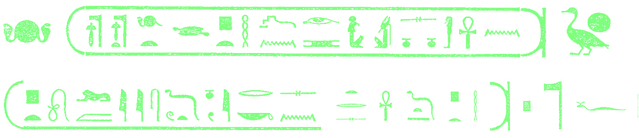
nswt bjt (… …) sꜣ Rꜥ (… …) pꜣ nṯr mrj mwt.f
The King of Upper and Lower Egypt, Ptolemy X, the Son of Ra, Ptolemy X, the god who loves his mother.
Note · Line 326
“The god who loves his mother” is the royal title known in Greek as Philometor. - 327
rdt pr n nb.f
Presenting the house to its lord.
- 328
ḥqꜣt nbt tꜣwj (… … …)
The sovereign, Lady of the Two Lands, Cleopatra Berenice III:
- 329

sꜣ.k jm.f smꜣwj mnw.k šsp sw m ꜥ.f m nḏm jb
“It is your son who renews your monument. Receive it from his hand with a glad heart.”
Note · Line 329
The queen presents the king to the god as his son. - 330

ḏd mdw šsp.n.j ḥḏ ḫfꜥ.n.j ꜣms dwn.j ḏrtj.j r hꜣw mnw.k rdj.j n.k pr.k nfr wj sw m jḫt.f m snt r ꜣḫt ẖr jtn.k
Words to be spoken: “I have taken up the mace and grasped the ames-scepter. I stretch out both hands toward your monument and give you your house. How perfect it is with all that is in it, like the horizon bearing your sun disk!”
- 331
wnn ḥt nṯr.k Msn ḥsj.k Rꜥ r.s ꜥpj ꜥq sj m ꜥꜣj m ḏdt.n Rꜥ ḏs.f nṯrw dmḏ m sp
For your temple of Mesen you praise Ra, O Api. Enter it rejoicing, as Ra himself and all the gods have said with one voice.
- 332
wnn Wṯst Ḥr mj ꜣḫt nt ꜣḫtj nb nṯrw wbn jm.s m ḏdt.n Rꜥ ḏs.f nṯrw dmḏ n sp
The Throne of Horus is like the horizon of Him of the Horizon; the lord of the gods has risen there, as Ra himself and all the gods have said with one voice.
- 333
wnn nswt bjt (… …) m wr pḥtj ḥr smꜣ sbj ḫnt St wrt m ḏdt.n Rꜥ ḏs.f nṯrw dmḏ n sp
The King of Upper and Lower Egypt, Ptolemy X, is mighty in strength and slays the rebel in the Great Seat, as Ra himself and all the gods have said with one voice.
- 334
wnn sꜣ Rꜥ (… …) m msntj prj ꜥ ḫꜥw.f spd rꜥ nb m ḏdt.n Rꜥ ḏs.f nṯrw dmḏ n sp
The Son of Ra, Ptolemy X, is the harpooner whose arm strikes out, whose weapons are sharp and ready every day, as Ra himself and all the gods have said with one voice.
Note · Line 334
At Edfu, Horus harpoons his enemy Seth. Here the king takes the harpooner’s part. - 335
wnn nwt.k Ḏbꜣ dwꜣ.k nṯr ḥr.s bjk n nb šsp.k sj m ḥꜥꜥwt m ḏdt.n Rꜥ ḏs.f nṯrw dmḏ m sp
For your city of Edfu you praise the god, O Falcon of Gold. May you receive it with joy, as Ra himself and all the gods have said with one voice.
- 336
wnn St Rꜥ mj pt ẖr jtn n tkn jgp m ꜥqꜣ.s m ḏdt.n Rꜥ ḏs.f nṯrw dmḏ n sp
The Seat of Ra is like the sky bearing the sun disk: no storm cloud draws near it, as Ra himself and all the gods have said with one voice.
- 337
wnn nswt bjt (… …) ḥr sqꜣ st.k Rꜥ swꜣḥ.k sw m nswt r nḥḥ m ḏdt.n Rꜥ ḏs.f nṯrw dmḏ n sp
The King of Upper and Lower Egypt, Ptolemy X, raises your seat, O Ra. May you make him endure as king forever, as Ra himself and all the gods have said with one voice.
- 338
wnn sꜣ Rꜥ (… …) ḥr sḫj nst.k Ḥr fqꜣ.k sw m nḫt m ḏdt.n Rꜥ ḏs.f nṯrw dmḏ n sp
The Son of Ra, Ptolemy X, lifts your throne on high, O Horus. May you endow him with strength, as Ra himself and all the gods have said with one voice.
- 339
wnn St wnp ḥr wnp wbr ḥr npḏ nbḏ js m ḫntj.s m ḏdt.n Rꜥ ḏs.f nṯrw dmḏ m sp
The Place of Piercing pierces Uber and slaughters the Evil One in its midst, as Ra himself and all the gods have said with one voice.
Note · Line 339
Uber is the serpent Apophis, enemy of the sun god; the Evil One is Seth, enemy of Horus. - 340
wnn Ḥt bjk nb.s wsr.tj sj jrf jw.f r tht.s m ḏdt.n Rꜥ ḏs.f nṯrw dmḏ n sp
Mighty is the lord of the House of the Falcon. Who, then, dares come to attack it? So Ra himself and all the gods have said with one voice.
- 341
wnn nswt bjt (… …) mn.tj ḥr st.f tꜣwj nbw ḥr ḥst Rꜥ ḥr.f m ḏdt.n Rꜥ ḏs.f nṯrw dmḏ n sp
The King of Upper and Lower Egypt, Ptolemy X, stands firm on his throne, and the whole of the Two Lands praises Ra for his sake, as Ra himself and all the gods have said with one voice.
- 342
wnn sꜣ Rꜥ (… …) rwḏ m nḫt.f ḫftjw.f nbw ... m ḏdt.n Rꜥ ḏs.f nṯrw dmḏ n sp
The Son of Ra, Ptolemy X, is unfailing in strength, and all his enemies …, as Ra himself and all the gods have said with one voice.
- 343
wnn Wr nḫt kꜣ nḫt m ḫntj.s ꜥbwj.f spd ḥr bns bṯnww.f m ḏdt.n Rꜥ ḏs.f nṯrw dmḏ n sp
In Great-in-Victory stands the mighty bull, his two horns sharp as he destroys his foes, as Ra himself and all the gods have said with one voice.
- 344
wnn ... wr ẖr ṯt.k ḏrtj ṯs.k st m ṯnr prj ꜥ m ḏdt.n Rꜥ ḏs.f nṯrw dmḏ n sp
… is great through your servants, O Falcon, for you choose them as men of valor, ready to strike, as Ra himself and all the gods have said with one voice.