~/sacred-texts/papyrus-ebers
Ebers Papyrus Pest Remedies: The Snake Cannot Come Out
- Text
- Papyrus Ebers, Eb 840–853 (columns 97,15–98,18)
- Date
- Copied about 1550 BC, at the start of the 18th Dynasty, on a 20-metre papyrus roll from Thebes; the recipes go back to the Middle Kingdom and Second Intermediate Period
- Found
- Bought at Luxor by Georg Ebers in 1873, said to come from the Theban necropolis; now in the Leipzig University Library
- Language
- Egyptian (Middle Egyptian, hieratic script) · Hieratic
A run of household recipes from the Ebers Papyrus, the great Egyptian medical roll. The text speaks straight to the householder: You shall sprinkle the house with natron water until the fleas leave. Then come snakes, biting flies, mosquitoes, mice (Tomcat fat.), grain pests and lizards. Against the kite, a thieving bird of prey, a man sets an acacia branch upright and recites a spell: Horus has taken prey in town and marsh.
The last recipes are for kyphi, an incense of myrrh, frankincense and storax, burned to sweeten the scent of a house or of clothing. Women cook it with honey into little balls: They also make a “mouth flavoring” from them to sweeten their breath.
- 1
𓄂𓂝𓅓 𓄲𓂋𓏏𓈒𓏥 𓁹𓂋𓏏𓏥 𓂋 𓂧𓂋𓂝 𓊪𓇋𓇋𓏲𓄛𓏥 𓅓 𓉐𓏤
ḥꜣ,t-ꜥ-m pẖr,t jrr.t.pl r dr py.w.pl m pr
Here begin the remedies prepared to drive fleas from a house:
- 2
𓈖𓏏𓈙𓈗𓀜𓐍𓂋 𓎢 𓇓 𓅔 𓈗 𓏌𓏤 𓍖𓈖𓈒𓏥 𓂋 𓂋𓏲𓇋𓂻
ntš.ḫr =k sw m mw n(,j).w ḥzmn r rwj
You shall sprinkle the house with natron water until the fleas leave.
Note · Line 2
Natron is a naturally occurring mixture of alkaline salts. - 3
𓎢𓏏
k.t
Another remedy:
- 4
𓃀𓃀𓏏𓆰𓏥
bb,t
Bebet plants.
Note · Line 4
The plant has not been identified. - 5
𓐩𓏌𓂝 𓁷𓏤 𓆓𓂝𓃀𓏏𓈒𓏥
nḏ ḥr ḏꜥb,t
They are to be ground with charcoal.
- 6
𓋴𓄡𓂋𓌕𓂝 𓉐𓏤 𓇋𓅓 𓂋 𓏠𓈖𓐍𓍊𓏛 𓂋 𓂋𓏲𓇋𓂻
sẖr pr jm r mnḫ r rwj
The house is to be thoroughly coated with the mixture until the fleas leave.
- 7
𓎢𓏏 𓈖𓏏 𓍃𓅓 𓂋𓂝 𓉐𓂋𓂻 𓎛𓆑𓄫𓆙 𓅓 𓃀𓅡𓄿𓅡𓄿𓏲𓉐
k.t n(,j).t tm rḏi̯ pri̯ ḥfꜣ,w m bꜣbꜣ,w
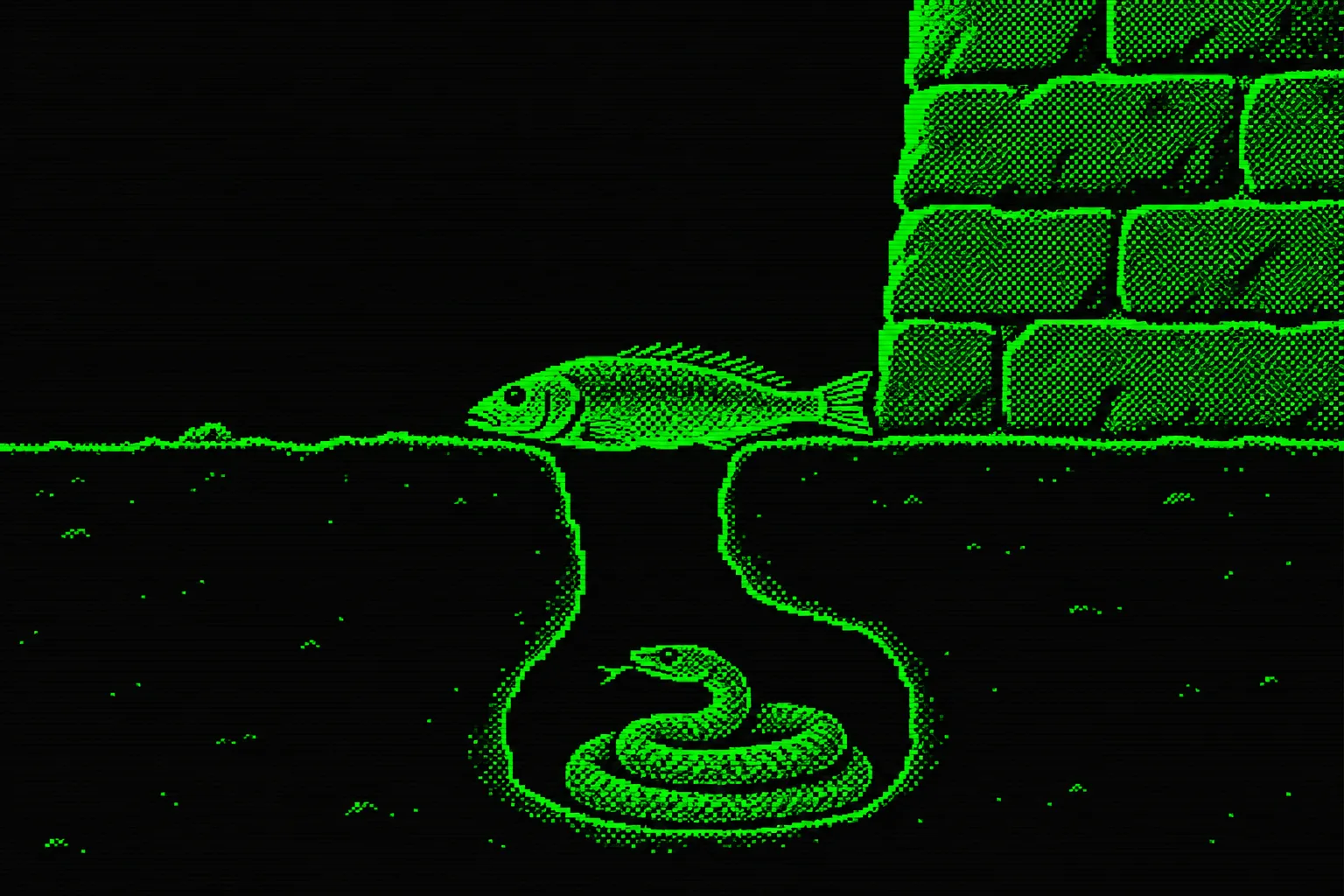
Another remedy to keep a snake from coming out of a hole:
- 8
𓇋𓆛𓈖𓏏𓆟𓏤 𓆅𓅱𓏏𓇳 𓂋𓂝𓍘𓇋 𓂋 𓂋𓏤 𓈖 𓃀𓅬𓄿𓅬𓄿𓏲𓉐 𓆑
jn,t šwi̯.t rḏi̯.tj r rʾ n(,j) bꜣbꜣ,w =f
A tilapia, dried and laid at the mouth of the snake’s hole.
- 9
𓂜 𓉐𓂋𓂻𓈖 𓆑 𓇋𓅓
n pri̯.n =f jm
The snake cannot come out of it.
- 10
𓎢𓏏
k.t
Another remedy:
- 11
𓎛𓋴𓏠𓈖𓍖𓈒𓏥 𓂋𓂝 𓂋 𓂋𓏤 𓈖 𓃀𓅡𓄿𓅬𓄿𓏲𓉐
ḥsmn rḏi̯ r rʾ n(,j) bꜣbꜣ,w
Natron, placed at the mouth of the hole.
- 12
𓂜 𓉐𓂋𓂻𓈖 𓆑
n pri̯.n =f
The snake cannot come out.
- 13
𓎢𓏏
k.t
Another remedy:
- 14
𓅷𓏤 𓈖 𓌉𓏲𓆰𓏥 𓂋𓂝 𓂋 𓂋𓏤 𓈖 𓃀𓅡𓄿𓅬𓄿𓏲𓉐
ṯꜣ n(,j) ḥḏ,w rḏi̯ r rʾ n(,j) bꜣbꜣ,w
An onion bulb, placed at the mouth of the hole.
- 15
𓂜 𓉐𓂋𓂻𓈖 𓆑
n pri̯.n =f
The snake cannot come out.
- 16
𓎢𓏏 𓈖𓏏 𓍃𓅓 𓂋𓂝 𓊪𓊃𓎛𓄑𓀁 𓂝𓆑𓆑𓅬
k.t n(,j).t tm rḏi̯ psḥ ꜥff
Another remedy to keep a fly from biting:
- 17
𓌻𓂋𓎛𓏏𓏌𓏥 𓎼𓈖𓏌𓏲𓅬𓏥
mrḥ,t gn,w
Fat from the genu bird.
Note · Line 17
The bird has not been securely identified. - 18
𓅨𓂋𓎛𓏌𓂝 𓇋𓅓
wrḥ jm
One is to be rubbed with it.
- 19
𓎢𓏏 𓈖𓏏 𓍃𓅓 𓂋𓂝 𓊪𓊃𓎛𓄑 𓐍𓈖𓏌𓏲𓋴𓅬𓏥
k.t n(,j).t tm rḏi̯ psḥ ḫnws.pl
Another remedy to keep mosquitoes from biting:
- 20
𓆮𓏌𓏥 𓇅𓆓𓏛
bꜣq wꜣḏ
Fresh olive oil.
- 21
𓐛𓊃𓀜 𓇋𓅓
gs jm
One is to be anointed with it.
- 22
𓎢𓏏 𓈖𓏏 𓍃𓅓 𓂋𓂝 𓏏𓎢𓈖𓂻 𓊪𓈖𓏌𓏲𓄛𓏪 𓅓 𓐍𓏏𓏛𓏥
k.t n(,j).t tm rḏi̯ tkn pn,w.pl m (j)ḫ,t.pl
Another remedy to keep mice from coming near belongings:
- 23
𓌻𓂋𓎛𓏏𓏌𓏥 𓏇𓇋𓏲𓄛
mrḥ,t mjw
Tomcat fat.
- 24
𓂋𓂝 𓂋 𓐍𓏏𓏛𓏥 𓎟𓏏
rḏi̯ r (j)ḫ,t.pl nb.t
It is to be applied to every item.
- 25
𓎢𓏏 𓈖𓏏 𓍃𓅓 𓂋𓂝 𓐍𓈖𓊪𓂝 𓇥𓂋𓏲𓇋𓇋𓏏𓅬
k.t n(,j).t tm rḏi̯ ḫnp ḏrw,yt
Another remedy to keep a kite from snatching things away:
Note · Line 25
A kite is a bird of prey. - 26
𓆓𓂝𓂝𓆱 𓈖 𓍴𓂧𓏏𓆮
ḏꜥꜥ n(,j) šnd,t
A branch of a thorn acacia.
- 27
𓂋𓂝 𓊢𓂝𓂻 𓆑
rḏi̯ ꜥḥꜥ =f
It is to be set upright.
- 28
𓆓𓂧𓐍𓂋 𓊃𓀀𓏤
ḏd.ḫr s
Then the man shall say:
- 29
𓅃𓅆 𓅷𓄿𓀜𓈖 𓆑 𓅓 𓊖𓏏𓏤 𓅓 𓆷𓈇𓏤
Ḥr,w ṯꜣi̯.n =f m nʾ,t m šꜣ
“Horus has taken prey in town and marsh.
Note · Line 29
Horus is the falcon god. - 30
𓇋𓃀𓏏𓃙𓈗𓀁 𓆑 𓈖 𓆷𓈇𓏤 𓅯𓄿𓇋𓇋𓏏𓆃
jb,t =f n šꜣ pꜣy,t
His thirst is for the marsh of winged things.”
- 31
𓊪𓊃𓊮 𓆑
psi̯ =f
“May he cook!
- 32
𓏶𓅓𓀁 𓆑
wnm =f
May he eat!”
- 33
𓆓𓂧𓌃𓏤𓏥 𓁷𓏤 𓆓𓂝𓂝𓆱 𓈖 𓍴𓂧𓏏𓆮
ḏd-mdw ḥr ḏꜥꜥ n(,j) šnd,t
Words to be spoken over a branch of the thorn acacia.
- 34
𓂋𓂝 𓆑𓈎𓄿𓏒𓏥 𓁷𓂋𓏤 𓆑
rḏi̯ fqꜣ.pl ḥr =f
Feqa cakes are to be laid on it.
- 35
𓍃𓅓 𓂋𓂝 𓐍𓈖𓊪𓂝 𓇥𓂋𓏲𓇋𓇋𓏏𓅬 𓊪𓏲
tm rḏi̯ ḫnp ḏrw,yt pw
This is to keep a kite from snatching anything.
- 36
𓎢𓇋𓇋 𓈖 𓍃𓅓 𓂋𓂝 𓏶𓅓𓀁 𓎢𓎢𓏏𓄛𓏪 𓌽𓏥 𓅓 𓅓𓂝𓌨𓂋𓉐
ky n(,j) tm rḏi̯ wnm kk,t.pl jt m mẖr
Another remedy to keep keket pests from eating barley in the granary:
Note · Line 36
The keket may have been a kind of woodworm. - 37
𓎛𓋴𓐎𓏥 𓎼𓎛𓋴𓂾𓄛
ḥs gḥs
Gazelle dung.
- 38
𓂋𓂝 𓁷𓏤 𓐍𓏏𓊮 𓅓 𓅓𓂝𓌨𓂋𓉐
rḏi̯ ḥr ḫ,t m mẖr
The dung is to be put on the fire in the granary.
- 39
𓋴𓄡𓂋𓌕𓂝 𓊅𓏤𓈇𓏥 𓆑 𓅭𓏏𓏲𓈇𓏥 𓆑 𓁷𓏤 𓇋𓏏𓈖𓏌𓏲𓂉𓈒𓏥 𓋴𓈖𓏥 𓁷𓏤 𓈗
sẖr jnb.pl =f zꜣt,w.pl =f ḥr jtn.w.pl =sn ḥr mw
The granary walls and floors are to be smeared with their earth and with water.
- 40
𓍃𓅓 𓂋𓂝 𓊪𓏲 𓏶𓅓𓀁𓏏𓏲 𓌽𓏥
tm rḏi̯ pw wnm.tw jt
This keeps the barley from being eaten.
- 41
𓎢𓏏 𓁹𓂋𓏏𓏥 𓂋 𓋴𓌴𓄿𓅓𓌪𓂝 𓋴𓅓𓂋𓄛𓏥
k.t jrr.t.pl r smꜣm smr.pl
Another remedy: what is to be prepared to kill semer pests:
Note · Line 41
The kind of animal called semer has not been identified. - 42
𓎛𓆰𓈖𓏏𓍔𓄿𓇓𓏲𓆈
ḥntꜣsw
A lizard.
- 43
𓂋𓂝 𓁷𓏤 𓐍𓏏𓊮 𓂋 𓅓𓏏𓏱 𓋴𓈖𓏥
rḏi̯ ḥr ḫ,t r m(w)t =sn
It is to be put on the fire so that they die.
- 44
𓁹𓂋𓏏𓏥 𓂋 𓋴𓌴𓄿𓅓𓌪𓂝 𓎛𓆰𓈖𓏏𓍔𓄿𓇓𓏲𓆈
jrr.t.pl r smꜣm ḥntꜣsw
What is to be prepared to kill a lizard:
- 45
𓋴𓅓𓂋𓄛𓏪
smr.pl
Semer pests.
- 46
𓂋𓂝 𓁷𓏤 𓐍𓏏𓊮 𓂋 𓅓𓏏𓏱 𓆑
rḏi̯ ḥr ḫ,t r m(w)t =f
They are to be put on the fire so that it dies.
Note · Line 46
The two remedies reverse the animals’ roles: burning the lizard is meant to kill the pests, and burning the pests is meant to kill the lizard. - 47
𓊶𓊪𓏏𓊮 𓁹𓂋𓏏𓏥 𓂋 𓋴𓇛𓅓𓏛 𓋴𓏏𓏭𓐎 𓉐 𓋳𓏥 𓂋𓏤𓊪𓏲
kꜣp,t jrr.t.pl r snḏm stj pr ḥbs rʾ-pw
Kyphi, prepared to sweeten the scent of a house or of clothing:
Note · Line 47
Kyphi is a compound incense. - 48
𓂝𓈖𓅂𓏌𓏥 𓇶𓈒𓏥 𓍁𓈒𓏥𓁸𓏥𓈒𓏥 𓊹𓌢𓏏𓂋𓈒𓏥𓈒𓏥 𓎼𓇋𓏲𓆰𓏥 𓆱𓏏𓏤 𓈖 𓍘𓀻𓋴𓆮 𓈙𓃀𓏏𓈒𓏥 𓈖𓃀𓇋𓏏𓌟 𓈖𓏏 𓍑𓄿𓉔𓏭𓈉 𓇋𓇋𓈖𓎢𓏏𓏲𓈖𓏥𓈒𓏥 𓆓𓅓𓏏𓈖𓈒𓏥 𓎼𓈖𓈖𓀉 𓈖 𓈖𓏭𓇋𓇋𓏲𓃀𓈖𓆮
ꜥntj,w šwi̯ pr,t-šnj sntr gj,w ḫt n(,j) tj-šps šb{,t} nbj,t n(,j).t Ḏꜣhj ynktwn ḏmtn gnn n(,j) njywbn
Dried myrrh, hair-fruit, frankincense, giw grass, camphorwood, mastic, reed from Djahi, ynktwn, ḏmtn, and storax resin.
Note · Line 48
“Hair-fruit” may mean pine kernels. Djahi was a region in the Levant. The substances called ynktwn and ḏmtn are unidentified. - 49
𓐩𓏌𓀜 𓏞𓏛
nḏ snꜥꜥ
The ingredients are to be ground fine
- 50
𓁹 𓅓 𓐍𓏏𓏛𓏥 𓌡𓂝𓏏𓏤
jri̯ m (j)ḫ,t wꜥ.t
and worked into a single mass.
- 51
𓂋𓂝 𓇋𓅓 𓁷𓏤 𓐍𓏏𓊮
rḏi̯ jm ḥr ḫ,t
Some of it is to be put on the fire.
- 52
𓎢𓇋𓇋 𓁹𓂋 𓈞𓏏𓁐𓏥 𓂋 𓊃
ky jrr ḥm,t.pl r =s
Another preparation women make for the same purpose:
- 53
𓂋𓂝𓏏 𓇑𓇑𓈖𓈖 𓄲𓂋𓏏𓈒𓏥 𓏇𓇋 𓋴𓌫𓅓𓏛𓏥 𓊪𓈖 𓁷𓏤 𓆤𓏏𓏌𓏥
rḏi̯.t nn-n pẖr,t mj sšm pn ḥr bj,t
Add these ingredients to honey according to these directions.
- 54
𓊪𓊃𓊮
psi̯
The mixture is to be cooked,
- 55
𓄿𓏇𓇋𓏲𓀜
ꜣmj.w
mixed,
- 56
𓁹 𓅓 𓇋𓊪𓊪𓏲𓏏𓈒𓏥
jri̯ m jpp,wt.pl
and shaped into little balls.
- 57
𓊶𓊪𓊮𓐍𓂋 𓋴𓈖𓏥 𓇋𓅓 𓋴𓈖𓏥
kꜣp.ḫr =sn jm =sn
The women are then to burn them as incense.
- 58
𓇋𓏲 𓎼𓂋𓏏 𓁹 𓊃𓈖𓏥 𓂧𓊪𓏏𓄧𓀁 𓂋𓏤 𓇋𓅓 𓋴𓈖𓏥 𓂋 𓋴𓇛𓅓𓏛 𓋴𓏏𓐎 𓂋𓏤𓏥 𓋴𓈖𓏥
jw gr,t jri̯ =sn dp,t rʾ jm =sn r snḏm st(j) rʾ.pl =sn
They also make a “mouth flavoring” from them to sweeten their breath.
Note · Line 58
This may have been a scented lozenge.