~/sacred-texts/middle-kingdom-tomb-inscriptions-from-asyut
Tomb of Djefaihapi, Asyut: A Governor Curses Tomb Vandals
- Date
- Carved in the 12th Dynasty, reign of Senusret I (c. 1971–1926 BC), on the walls of Djefaihapi's rock-cut tomb at Asyut
- Found
- Rock-cut tomb of Djefaihapi I (Siut I) in the cliffs west of Asyut, Middle Egypt; the inscriptions remain in the tomb
- Language
- Middle Egyptian · Hieroglyphic
Djefaihapi, governor of Asyut under Senusret I, speaks from the walls of his tomb to everyone who will ever enter it. Whoever damages his inscriptions or statues shall fall to the wrath of Thoth and is marked for slaughter at the hands of the judges. Whoever speaks the offering prayer for him shall grow old in his city and be revered in his province.
Then he praises himself: I keep the hungry of my province alive; I am the whip that strikes foes by the thousand; My heart burns red at the sight of a wrongdoer. He lists his priesthoods of Wepwawet, Anubis and Osiris, and names himself the one who cuts the enemies of Osiris to pieces before Horus on his father’s throne.
- 1
𓂋𓊪𓂝 𓄂𓂝 𓆤𓏏𓋨 𓋴𓍋𓌡𓏏𓏤 𓅓𓂋𓊹𓍛𓐙𓂝𓈖𓄋𓈐𓏏𓏥𓃧 𓎟𓊃𓅭𓅱𓏏𓊖 𓎛𓊪𓈘𓆓𓆑𓇋 𓆓𓂧 𓆑
jr,j-pꜥ,t ḥꜣ,tj-ꜥ ḫtm,w-bj,tj smr-wꜥ,tj jm,j-rʾ-ḥm(.pl)-nṯr-mꜣꜥ-n(,j)-Wp-wꜣ,t.pl nb-Zꜣ,wt(j) Ḏf(ꜣ)≡j-ḥꜥpj ḏd =f
Djefaihapi, hereditary noble and governor, seal-bearer of the King of Lower Egypt, sole companion of the king, true overseer of the priests of Wepwawet, lord of Asyut, says:
Note · Line 1
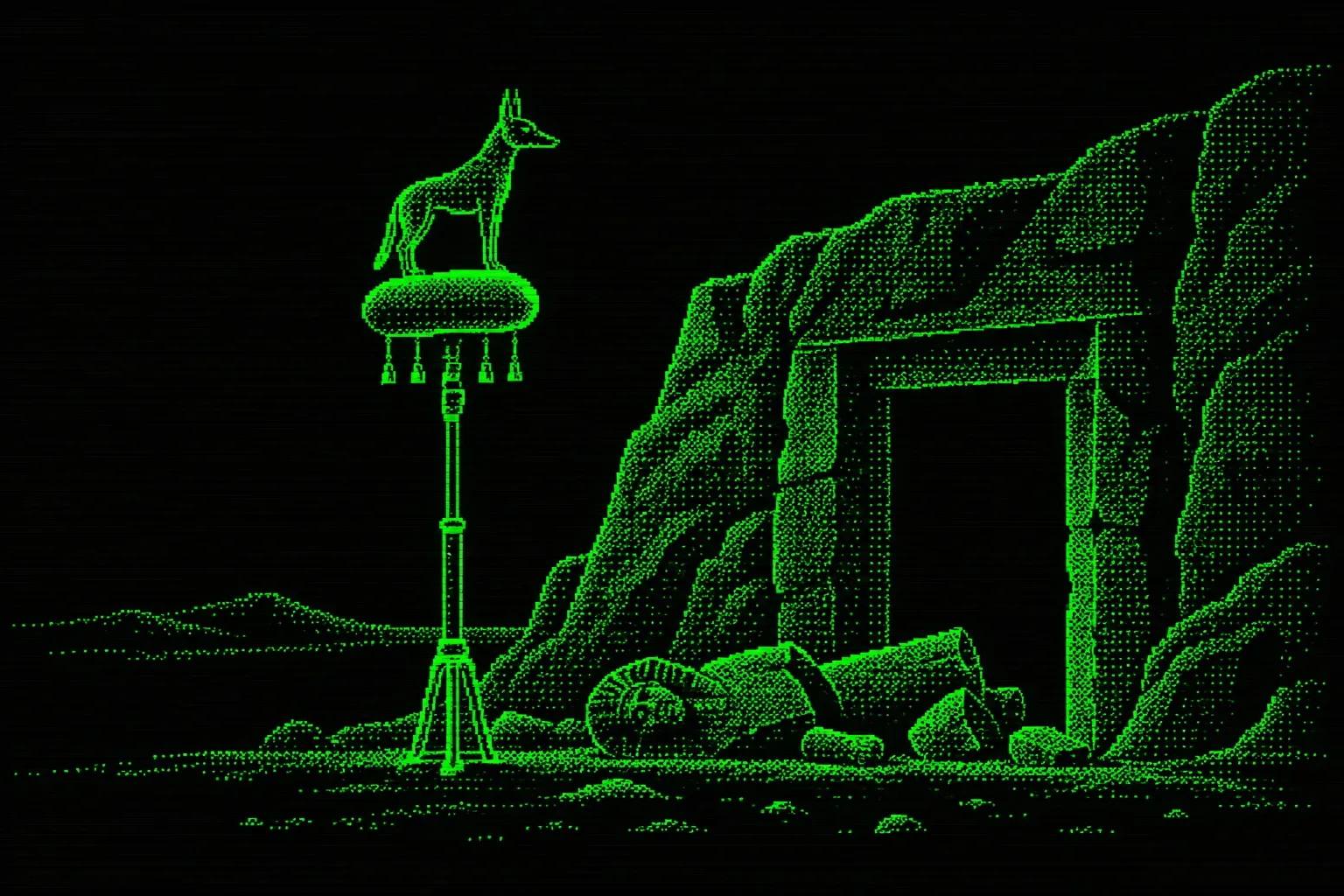
Djefaihapi is addressing future visitors to his tomb. Wepwawet, whose name means “Opener of the Ways,” was a jackal god of Asyut. - 2
𓇋𓂋 𓂋𓍿𓏏𓏤𓀀𓏤𓏥 𓎟𓏏 𓏟𓀀 𓎟 𓂋𓐍𓐍𓏏𓏛𓀀 𓎟 𓈖𓆓𓋴𓀀 𓎟 𓎟 𓁹𓏏 𓋴𓈖𓏥 𓄞𓂧𓊤𓅱 𓅓 𓇋𓇩𓊃𓉐𓏤 𓊪𓈖 𓎛𓆓𓏴𓏏 𓋴𓈖𓏥 𓏟𓏛 𓆑 𓈖𓋴𓋴𓏏 𓋴𓈖𓏥 𓈖 𓂙𓈖𓍘𓀚𓏥 𓆑 𓐍𓂋𓀒 𓈖 𓂧𓈖𓆓𓄃 𓈖 𓅝𓀭 𓋴𓊪𓂧𓇮 𓃹𓈖 𓇋𓏶𓅓 𓊹𓏨
jr r(m)ṯ,t.pl nb.t ⸢zẖꜣ,w⸣ nb rḫ-(j)ḫ,t nb nḏs nb t[wꜣ] nb jri̯.t(j) =sn šd-ḫrw m jz pn ḥḏi̯.t(j) =sn zẖꜣ,w =f nss.t(j) =sn n ẖn.tj.pl =f ḫr =s[n] n ḏnd n(,j) ⸢Ḏḥw,tj⸣ spd wn jm,j nṯr.pl
As for all people—every scribe, every scholar, every commoner, every poor man—who raise a disturbance in this tomb, destroy its inscriptions or damage its statues: they shall fall to the wrath of Thoth, the potent one among the gods.
Note · Line 2
Thoth was the god of writing and reckoning. - 3
𓇋𓅱 𓋴𓈖𓏥 𓈖 𓎙𓂧𓏏𓄬𓌫 𓈖𓏏 𓍛𓍛𓍛 𓆤𓏏 𓇋𓏶𓅓𓏥 𓉗𓏏𓉐𓏥𓅨𓂋𓏏𓏥
jw =sn n ꜥḏ,t n.t [z]⸢r,tjw⸣.pl ḥm.pl bj,tj jm,j.pl ḥw,t.pl-wr.t.pl
They are marked for slaughter at the hands of the judges and the servants of the King of Lower Egypt in the high courts.
- 4
𓂜𓈖 𓋴𓈚𓊪𓊏 𓊹𓏨 𓋴𓈖𓏥 𓏏𓏐𓌉𓍼𓏙𓏥 𓋴𓈖𓏥
nn sšp nṯr.pl =sn tʾ-ḥḏ.pl =sn
Their gods shall not accept their white loaves.
- 5
𓇋𓂋 𓂋𓍿𓏏𓀀𓏥 𓎟𓏏 𓏟𓀀 𓎟 𓂋𓐍𓐍𓏏𓏛𓀀 𓎟 𓈖𓆓𓋴𓅪𓀀 𓎟 𓏏𓍯𓀀 𓎟 𓂝𓈎𓅧𓂻𓏏 𓂋 𓇋𓇩𓊃𓉐𓏤 𓊪𓈖 𓌳𓁹𓄿𓄿𓏏 𓋴𓈖𓏥 𓈖𓏏𓏏 𓇋𓅓 𓆑 𓅓𓂟𓎡𓀜𓏏 𓋴𓈖𓏥 𓏟𓏛 𓆑 𓏏𓅨𓂋𓀢𓏏 𓋴𓈖𓏥 𓂙𓈖𓍘𓀚𓏥 𓆑 𓆓𓂧𓏏 𓋴𓈖𓏥 𓇓𓏏𓊵𓏙 𓆼 𓅓 𓏏 𓏊 𓃾 𓅿 𓆼 𓅓 𓍱𓏤 𓋲 𓆼 𓅓 𓊵𓏏𓊪𓏏𓆰𓏥 𓆼 𓅓 𓆓𓆑𓄿𓏒𓏥 𓆼 𓅓 𓐍𓏏 𓎟 𓄤 𓀇 𓈖 𓂓𓏤 𓈖 𓎟𓀻 𓈖 𓇋𓇩𓊃𓉐𓏤 𓊪𓈖 𓄂𓂝 𓎛𓊪𓈘𓆓𓆑 𓇋𓅱 𓆑 𓂋 𓇋𓄿𓅱𓀗 𓈖 𓊖𓏏𓏤 𓆑 𓇋𓌳𓄪𓐍 𓈖 𓈈𓏏𓏤 𓆑
jr [s]wt rmṯ,t.pl nb.t zẖꜣ,w nb rḫ-(j)ḫ,t nb nḏs nb tw[ꜣ] nb ꜥq.t(j) =[s]n r jz pn mꜣꜣ.t(j) =sn n,t.t jm =f mki̯.t(j) =sn zẖꜣ,w =f twr.t(j) =sn ẖn,tj.pl =f ḏd.t(j) =sn ḥtp-di̯-nswt ḫꜣ m tʾ ḥnq,t kꜣ(.pl) ꜣpd(.pl) ḫꜣ m šs mnḫ,t ḫꜣ m ḥtp,t.pl ḫꜣ m ḏfꜣ.pl ḫꜣ m (j)ḫ,t nb(.t) nfr(.t) wꜥb(.t) n kꜣ n(,j) nb n(,j) jz pn ḥꜣ,tj-ꜥ Ḏfꜣ≡j-ḥꜥpj jw =f r jꜣw n(,j) nʾ,t =f jmꜣḫ(.w) n(,j) spꜣ,t =f
But as for all people—every scribe, every scholar, every commoner, every poor man—who enter this tomb, see what is in it, guard its inscriptions, honor its statues and say:
“An offering the king gives: bread and beer, bulls and birds by the thousand;
alabaster vessels and lengths of linen by the thousand;
offerings by the thousand, meals by the thousand,
every good and pure thing by the thousand
for the ka of the lord of this tomb, the governor Djefaihapi”—
each shall grow old in his city and be revered in his province.Note · Line 5
The visitor need only speak the offering aloud to provide for the dead man’s ka, the life force that continues to receive nourishment after death. - 6
𓁷𓏤𓈖𓏏𓏏 𓏌𓎡𓀀 𓋴𓇋𓎛𓃶 𓏠𓈖Aa1_𓏛 𓎟 𓐪𓈎𓂧𓈒 𓋴𓈖𓐍𓈖𓏛 𓁨𓁨𓁨 𓅓 𓁶𓊪𓏏𓂋 𓆑
ḥr-n,t.t jnk sjḥ mnḫ nb qd snḫn ḥḥ.pl m tp{,t}-rʾ =f
For I am a worthy dignitary, a man of character,
whose word gives millions fresh life. - 7
𓏌𓎡𓀀 𓅨𓂋 𓉻𓂝𓄿𓃀𓏏𓏒𓏥 𓎛𓃀𓇋𓇋𓉲𓎱
jnk wr ꜥꜣb,t ḥ(ꜣ)bi̯.y(t)
I am generous in my offerings at the feast.
- 8
𓏌𓎡𓀀 𓅨𓂋 𓆓𓆑𓄿𓅱𓏒𓏥 𓉻 𓎛𓃀𓉲𓎱𓅭𓆜𓏥 𓋴𓋹𓈖𓐍 𓎛𓈎𓂋𓀁 𓈖 𓈈𓏏𓏤 𓆑
jnk wr ḏfꜣ.w.pl ꜥꜣ ḥ(ꜣ)b sꜥnḫ ḥqr n(.j) spꜣ,t =f
I am rich in provisions, rich in the catch of fish and fowl;
I keep the hungry of my province alive.Note · Line 8
The catch echoes the feast in Egyptian, and “provisions” echoes Djefaihapi’s own name: “Hapi is my provision.” Hapi is the Nile flood personified. - 9
𓏌𓎡𓀀 𓎟 𓌸𓂋𓏏𓏛 𓉻𓂝 𓇋𓌳𓅓𓏏𓆭𓏛 𓌸𓂋𓂋𓅱 𓎸𓈖𓌰𓅓𓀀𓏥 𓈖 𓊖𓏏𓏤 𓆑
jnk nb mr(w),t ꜥꜣ jmꜣm,t mrr.w ẖnm.pl n(.pl) nʾ,t =f
I am rich in love, great in charm;
the clansmen of my city love me. - 10
𓏌𓎡 𓂧𓂋 𓂝𓃀𓄡𓃀𓄡𓀜 𓅓 𓈎𓄿𓀠 𓐟𓏤 𓋴𓎼𓂋𓀁 𓈎𓄿𓀠 𓊤𓅱 𓂋 𓏏𓍃𓅓 𓆑 𓌃𓂧𓅱
jnk dr ꜥbẖbẖ m qꜣi̯ sꜣ sgr qꜣi̯ ḫrw r tm =f mdwi̯(.w)
I drive the arrogance out of the man who draws himself up;
I silence the man who raises his voice till he speaks no more. - 11
𓏌𓎡 𓋴𓏇𓇋𓌃 𓀜 𓆼𓆼𓆼 𓅓 𓂋𓈎𓄿𓂝𓀀𓏥 𓇋𓄿𓅓𓏏𓆭 𓈈𓏏𓏤 𓆑 𓂧𓈚𓂋𓅟 𓄣𓏤 𓌳𓁹𓄿𓄿 𓆑 𓏏𓎡𓂋𓀀 𓎟 𓃀𓈖𓇋𓏏𓇜 𓈖 𓁹𓂋 𓅐𓏏𓈖𓈐 𓆑
jnk smj ḥwi̯ ḫꜣ.pl m rq,⸮w?.pl jꜣm,t(j) spꜣ,t =f dšr jb mꜣꜣ =f tkr nb bnj,t n jri̯ mtn =f
I am the whip that strikes foes by the thousand,
a man of kindness to my province.
My heart burns red at the sight of a wrongdoer;
I am all sweetness to the man who goes his way. - 12
𓏌𓎡 𓂧𓂋 𓈎𓄿𓏏𓀠 𓐟𓏤 𓅓 𓃀𓍿𓈖𓄣𓏤𓀀 𓋴𓇋𓂧 𓅱𓅓𓍍𓏏𓏤 𓂋 … 𓅓 𓍍𓏏𓏤𓂋
jnk dr qꜣi̯.t sꜣ m bṯn-jb sjd ⸮wmt? rʾ [...] m ⸮ḥmw,t?-rʾ
I take the swagger out of the presumptuous;
I humble the loudmouth … with the art of speech. - 13
𓏌𓎡 𓐍𓋴𓍚 𓂝𓍯𓄿𓀜 𓅓 𓈈𓏏𓏤 𓆑 … 𓄿𓏏𓏤 𓆑 𓂧𓂋 𓂝𓃹𓈖𓄣𓏤 𓅓 𓋭𓊃𓏏𓀀𓏥 𓆑
jnk ḫs[f] ꜥ[w]ꜣ ⸢m⸣ ⸢spꜣ,t⸣ =f [...] ⸢ꜣ,t⸣ =f [d]r ꜥwn-jb m ṯ(ꜣ)z,t.pl =f
I put down robbery in my province,
… his hour;
I root greed out of my troops. - 14
𓏌𓎡 𓅨𓂋 𓁷𓁶 𓅨𓂋𓏥 𓋴𓈚𓌬𓅱 𓁹𓂋𓅱𓏥 𓆑 𓐍𓏏𓏛 𓄂𓂝 𓅓𓂋𓊹𓍛𓈖𓁹𓊨𓀭 𓎟𓋀𓏏𓈉 𓈚𓊪𓋴𓀻𓈖𓇓𓏏𓈖 𓌸𓂋𓂋 𓆑 𓁷𓁶𓉻 𓅓 𓉐𓏤𓅨𓂋 𓏃𓈖𓏏 𓄓𓏏𓎼 𓅓 𓉐𓏤 𓅨𓂋 𓎛𓎿𓊃𓏏𓏛 𓅓 𓉐𓏤 𓆤𓏏
jnk wr ḥr(,j)-tp wr.pl sšm,w jr.w.pl 〈n〉 =f jḫ,t ḥꜣ,tj-ꜥ jm,j-rʾ-ḥm(,pl)-nṯr-n(,j)-Wsjr nb-jmn,t šps(,w)-n(,j)-nswt mrr =f ḥr,j-tp-ꜥꜣ m pr-wr ḫnt,j ns,t m pr [nswt] wr ḥz,t m pr bj,tj
I am a great man, chief of the great,
a leader for whom others act;
governor and overseer of the priests of Osiris, lord of the West;
a noble of the king, whom the king loves;
great chief in the state shrine of Upper Egypt,
first in seat in the palace of the King of Upper Egypt,
high in favor in the palace of the King of Lower Egypt; - 15
𓊹𓍛𓈖𓄋𓈐𓏏𓏥𓃨 𓊃𓎡𓂋𓐬 𓁷𓁶 𓇋𓄿𓏏𓊾 𓆑 𓎟𓄞𓂧𓄞𓂧 𓈎𓄿𓀠 𓂋 𓊹𓏨 𓋴𓊪𓂧𓇮 𓈚𓊃𓂋𓅱𓌕𓏥 𓎟𓊃𓅭𓅱𓏏𓊖 𓁷𓂋 𓄓𓏏𓎼𓏥 𓇳𓍃𓀭 𓈖𓆱𓐍𓏏𓀜 𓂋 𓊹𓏨 𓎁𓏏𓀜 𓇿𓇿 𓅓 𓊤𓌳𓐙𓂝 … 𓅓𓊤𓌳𓐙𓂝 𓂋𓂝 𓈖 𓆑 𓂝𓃛𓂝𓏏𓄯𓏛 𓈖 𓅘𓎛𓎛 𓄋𓈐𓏏𓏥𓃧𓇗 𓌂𓇿𓇿 𓌂𓏤 𓊹𓏨 𓎛𓎿𓊃𓏛 𓆑 𓌻𓏛 𓆑 𓄂𓂝 𓎛𓊪𓈘𓆓𓆑
ḥm-nṯr-n(,j)-Wp-wꜣ,t.pl s(ẖ)kr ḥr-tp jꜣ,t =f nb-⸢šdšd⸣ qꜣi̯ r nṯr.pl spd šsr.w.pl nb-Zꜣ,wt(j) ḥr,j ns,t.pl Rꜥw-Jtm,w nḫt [ws]r r nṯr.pl jṯi̯ tꜣ.du m {ḫrw-}mꜣꜥ-〈ḫrw〉 [...] m-{ḫrw}mꜣꜥ(.t) rḏi̯ n =f jwꜥ,(w)t n(,t) nḥḥ Wp-wꜣ,wt-Šmꜥ,w ⸮ḫrp?-tꜣ.du ḫrp nṯr.pl ḥzi̯(,y) =f mri̯(,y) =f ḥꜣ,tj-ꜥ Ḏfꜣ≡j-ḥꜥpj
priest of Wepwawet—adorned atop his standard, lord of the cushion,
taller than the gods, sharp of arrow, lord of Asyut,
who sits upon the thrones of Ra-Atum,
the strong one, mightier than the gods,
who seized the Two Lands as one true of voice, … in truth,
to whom the inheritance of eternity was given:
Wepwawet of Upper Egypt, ruler of the Two Lands, ruler of the gods.
I am his praised one, his beloved, the governor Djefaihapi.Note · Line 15
The cushion is the rounded object shown in front of the jackal on Wepwawet’s processional standard. The Two Lands are Upper and Lower Egypt. - 16
𓊹𓍛𓈖𓅨𓂋𓌂𓌂𓌂𓀭 𓊹𓉻 𓎟𓅨𓂋𓂋𓏏𓋗 𓊃𓅭𓄿𓅱𓀸 𓃞𓏥 𓊹𓏨 𓂻𓅱𓅱 𓈖 𓆑 𓈖𓏏𓏏 𓂜𓅱𓏏𓏏 𓅬𓃀𓀭 𓌻𓂋𓇋𓇋 𓆑 𓇓𓏏𓆤𓏏 𓃹𓈖𓈖𓄤𓀭𓊤𓌳𓐙 𓎛𓎿𓊃𓏛 𓆑 𓌸𓂋𓏛 𓆑 𓄂𓂝 𓎛𓊪𓈘𓆓𓆑𓄿𓇋
ḥm-nṯr-n(,j)-wr-sḫm.pl nṯr-ꜥꜣ nb-wrr,t zꜣ,w bꜣ.pl nṯr.pl jwi̯.w n =f n,t.t jw,t.t [jwꜥ,]w Gb mri̯.y =f nswt-bj,tj Wnn-nfr-{ḫrw-}mꜣꜥ〈-ḫrw〉 ḥzi̯(,y) =f mri̯(,y) =f ḥꜣ,tj-ꜥ Ḏfꜣ≡j-hꜥpj
Priest of the One Great in Power—the great god, lord of the crown of Upper Egypt,
guardian of the divine bas,
to whom come what is and what is not,
Geb’s heir and his beloved,
King of Upper and Lower Egypt, Wenennefer, true of voice—
his praised one, his beloved: the governor Djefaihapi.Note · Line 16
The god praised here is Osiris, also called Wenennefer. A ba is a being’s power to take form and act beyond its body. - 17
𓂋𓊪𓂝 𓄂𓂝 𓅓𓂋𓊹𓍛𓈖𓇋𓈖𓊪𓃣 𓎟𓂋N90𓏏 𓎛𓊪𓈘𓆓𓆑𓄿 𓆓𓂧 𓆑
jr,j-pꜥ,t ḥꜣ,tj-ꜥ jm,j-rʾ-ḥm(.pl)-nṯr-n(,j)-Jnp,w nb-⸮Rꜥ-qrr.t? Ḏfꜣ≡j-ḥꜥpj ḏd =f
Djefaihapi, hereditary noble and governor, overseer of the priests of Anubis, lord of the Mouth of the Cavern, says:
Note · Line 17
The Mouth of the Cavern was a name for the burial ground at Asyut. - 18
𓏌𓎡 𓂝𓃛𓄯𓅱 𓈎𓈖𓄃 𓂋𓂧𓌗 𓏠𓈖𓏌𓏌𓏌𓏛𓏥 𓈖𓆓𓐩𓍘 𓋴𓌳𓁹𓄿𓅱 𓇋𓋴𓅱𓏏𓆰𓏥
jnk jwꜥ,w qni̯ r(w)d mn,w nḏ,tj smꜣwi̯ jz,wt.pl
I am a valiant heir whose monuments endure,
a protector who makes new the things of old. - 19
𓇋𓅱 𓍿𓊃𓈖 𓋴𓐟𓅱𓏏𓊈𓊈𓊈 𓃹𓈖 𓊃𓎡𓇋𓇋𓅪 𓎛𓃀𓋴𓋳𓈖 𓀀 … 𓂋𓈚 𓅓𓂝 𓏏𓊪𓏥𓂝𓏤
jw ṯzi̯.n =(j) sꜣ,wt.pl wn ski̯.y ḥbs.n =j [...] [gmi̯].n =(j) ⸢rš(,w)⸣ ⸢m-ꜥ⸣ tp(,j).pl-ꜥ
I raised up walls that had fallen to ruin.
I covered … I found joy with my forebears. - 20
𓇋𓅱 𓈎𓂧𓀨𓈖 𓀀 𓉐𓏤 𓏏𓆑𓀻 𓋴𓌳𓁹𓄿𓅱𓏛𓈖 𓊪𓅮𓏏𓏖 𓎟𓏏 𓈖𓏏 𓊃𓅭𓅱𓏏𓊖
jw qd.n =j pr jt =(j) smꜣwi̯.n =(j) pꜣw,t nb.t n.t Zꜣ,wtj
I built my father’s house;
I renewed every bread offering of Asyut. - 21
𓏌𓎡 𓌻𓂋𓇋𓇋𓏛 𓈖 𓎛𓎿𓊃𓏛 𓈖 𓊹𓏤 𓆑 𓎗𓌃𓏛𓏥 𓈖 𓇋𓏶𓅱 … 𓅢𓊔𓏤 𓋴𓌳𓐙𓂝 𓊤𓅱 𓁹𓊨𓀭 𓅓 𓊨𓏏𓏥 𓆑 𓈖𓏏 𓂋𓈎𓂋𓂋𓏏N90 𓆓𓋴𓂋𓏏𓂦𓏥 𓇋𓏶𓅓𓏏 𓊃𓅭𓅱𓏏𓊖 𓂞𓂞 𓁶𓂋𓂧𓂾𓏤 𓈖 𓊹𓍛𓍛𓍛𓀀𓏥 𓅓 𓋴𓈚𓌬 𓈖 𓇹𓇼𓂧𓎱 𓇻𓈖𓏏𓎱 𓂧𓍯𓄿𓏏𓇼𓀢 𓅓 𓍯𓎼𓇋𓇋𓎱 𓋴𓍯𓈚𓀠 𓇓𓅱 𓅓 𓅝𓏏𓏏
jnk mri̯,y n(,j) nswt ḥzi̯(,y) n(,j) nṯr =f wḏ-mdw,t.pl n(,j) jm,j.w.pl ḫ[nt] [...] bꜣ.pl-Nḫn smꜣꜥ ḫrw Wsjr m s,t.pl =f n.t rʾ-qrr,t ḏsr.t.pl jm,j.t Zꜣ,wtj dd tp-rd.du n ḥm.pl-nṯr m sšm n(,j) ꜣbd smd.t dwꜣ{,t} ⸮〈nṯr〉? m wꜣgy swꜣš sw m Ḏḥw,tyt
I am beloved of the king and praised by my god.
I command those in the front ranks, … the Souls of Nekhen.
I vindicate Osiris in his sacred seats at the Mouth of the Cavern in Asyut.
I give the priests the two directives as I lead the feasts of the month and the half-month.
I worship the god at the Wag festival; I praise him at the feast of Thoth.Note · Line 21
The Souls of Nekhen were ancestral powers of Upper Egypt. The Wag festival honored the dead. - 22
𓈎𓄿𓀠 𓊤𓅱 𓇼𓀢 𓆑 𓊹 𓋴𓍯𓄿𓈚𓀠 𓆑 𓅢 𓌂 𓊃𓎡𓂋𓆭 𓅢𓊔𓊖 𓂧𓃀𓌥 𓄡𓄡𓄡𓃥𓏥 𓊹𓀭𓏥 𓌞𓅱𓂻𓏥𓅃𓀭 𓌞𓋴𓂻 𓊹𓀭 𓂋 𓊨𓏏𓉐 𓆑 𓅓𓊢𓏏𓉐 𓆑 𓇋𓏶𓏏 𓂋𓈎𓂋𓂋𓏏N90 𓇿𓈇𓆓𓋴𓂋𓂦 𓌨𓂋 𓇋𓈖𓊪𓃣 𓋴𓈚𓏏𓍔𓄿 𓇋𓏠𓈖𓀃 𓈖 𓁹𓊨𓀭 𓇋𓆛𓈖𓏏𓈉 𓂦𓂋𓏏𓏛 𓈖𓏏 𓎟𓋹𓈖𓐍𓅆 𓃀𓋴𓆜 𓈚𓏏𓍔 𓈖 𓎟𓍋𓃀𓈋𓊖
qꜣi̯ ḫrw dwꜣ =f nṯr swꜣš =f bꜣ.pl ḫrp tꜣ.du skr bꜣ.pl-Nḫn dbꜣ ẖ,t.pl-sꜣb.pl nṯr.pl šms,w-Ḥr,w šms nṯr r s,t =f mꜥḥꜥ,t =f jm,j.t rʾ-qrr,t tꜣ-ḏsr ẖr Jnp,w sštꜣ jmn n(,j) Wsjr jn,t ḏsr.t n.t nb-ꜥnḫ bs štꜣ n(,j) nb-Ꜣbḏw
My voice rings out when I worship the god
and praise the power of him who rules the Two Lands.
I adorn the Souls of Nekhen;
I clothe the company of jackals, the gods in the train of Horus
who follow the god to his place, his tomb at the Mouth of the Cavern:
the sacred land under Anubis,
the hidden mystery of Osiris,
the sacred valley of the Lord of Life,
the deep secret of the Lord of Abydos.Note · Line 22
The Lord of Life and the Lord of Abydos are both Osiris. - 23
𓏏𓅨𓂋𓀜 𓂝 𓋴𓐍𓊪𓂻 𓆑 𓊵𓏏𓊪𓏏𓆰𓏥 𓅱𓈚𓈖𓅾 𓆑 𓈎𓃀𓎛𓅱𓏁𓈗 𓊪𓅮𓄿𓈎𓆁𓎱𓏥 𓁷𓏤 𓐍𓆼𓄿𓅱𓏏𓊯 𓎟𓅱𓏥 𓊃𓅭𓅱𓏏𓊖
twr ꜥ sḫpi̯ =f ḥtp,t.pl wšn =f qbḥ,w pꜣq.pl ḥr ḫꜣw,t nb.w.pl Zꜣ,wtj
My hand is reverent when I bring offerings,
when I offer cool water and thin cakes on the offering table of the lords of Asyut. - 24
𓂋𓊪𓂝 𓄂𓂝 𓅓𓂋𓊹𓍛𓈖𓄋𓈐𓏏𓏥𓃧 𓎟𓊃𓅭𓅱𓏏𓊖 𓇋𓏶𓄣𓏤𓅃𓀭 𓎟𓉥𓂝𓉐𓏤 𓋴𓍿𓈖𓈖𓌙𓅯 𓆑 𓏇𓇋𓏏𓀀𓏥 𓆑 𓅓𓂋𓏤𓎛 𓂝 𓅓 𓈚𓊪𓋴𓋴𓀻 𓎟 𓅓 𓆓𓆑𓄿𓅱𓏒
jr,j-pꜥ,t ḥꜣ,tj-ꜥ jm,j-rʾ-ḥm(.pl)-nṯr-n(,j)-Wp-wꜣ,wt nb-Zꜣ,wt(j) jm,j-jb-Ḥr,w nb-ꜥḥ sṯnn =f [ḫ]nt mj,t(j).pl =f mḥ ꜥ m špss nb m ḏfꜣ.w.pl
Hereditary noble and governor, overseer of the priests of Wepwawet, lord of Asyut;
dear to the heart of Horus, lord of the palace, who raised him above his peers;
his hand filled with every precious thing and with food.Note · Line 24
Horus, lord of the palace, is the living king in his divine aspect. - 25
𓉱𓇓 𓈖 𓇗𓅱𓈈 𓅓𓂋𓐛𓏤𓉐𓏤𓈖𓇓𓏏𓈖 𓏠𓈖 𓎛𓎿𓊃𓏏𓏛 𓉻𓂝 𓌸𓂋𓏏𓏛 𓎔𓄣𓈖𓇓𓏏𓈖 𓅓 𓋴𓐍𓂋𓏛 𓆑 𓎟
⸮jwn? n(,j) Šmꜥ,w jm,j-rʾ-gs-pr-n(,j)-nswt mn ḥz,t ꜥꜣ mr(w),t ⸢mḥ⸣-jb-n(,j)-nswt m sḫ[r] =f nb
Pillar of Upper Egypt, overseer of the king’s labor administration,
lasting in favor, greatly loved,
the king’s confidant in all his plans. - 26
𓊤 𓇓𓅱 𓂧𓂋 𓊃𓊪𓊗 𓐍𓊪𓆣𓂋𓅱 𓂋𓂞𓈖 𓇋𓈎𓂋𓏛 𓆑 𓅓𓂞𓐍𓏏 𓆑 𓌡𓂝 𓁷𓏤 𓐍𓐍𓐍 𓅓 𓈖 𓆑 𓄣𓏤 𓏠𓈖𓐍𓏛 𓄣𓏤 𓇋𓈎𓂋𓏛 𓋭𓊃𓅱𓏥 𓂋𓂞𓈖 𓏠𓈖𓐍𓏛 𓆑 𓂋𓄂𓏏𓏤 𓅓𓐍𓇋𓇋𓏛 𓁷𓏤 𓇋𓈎𓂋𓏛 𓌃𓂧𓀁𓏥 𓆑 𓁷𓏤 𓏠𓈖𓐍𓏛 𓊃𓐍𓂋𓀁 𓆑 𓋴𓃀𓇼𓈖 𓄣𓏤 𓆑 𓂋 𓉔𓂋𓏏𓏛
[___] ḫrw [___] sw dr zp ḫpr.w rḏi̯.n jqr =f mḫ.t(w) =f wꜥ ḥr ḫ.pl m [wbꜣ] n =f jb mnḫ jb jqr ṯ(ꜣ)z.w.pl rḏi̯.n mnḫ(,w) =f r-ḥꜣ,t mḫ.y ḥr jqr md(w).pl =f s[ḫn]ti̯.y ḥr mnḫ(,w) sḫr =f sbꜣ.n jb =f r hr,t
… voice … him;
one who puts right a wrong when it arises,
whose skill has won him honor;
a man without equal, to whom one opens one’s heart;
sound of heart, sure of phrase,
brought to the fore by his own worth,
honored for the skill of his speech,
advanced for the worth of his counsel,
taught contentment by his own heart. - 27
𓂋𓐍𓏛𓈖 𓇿𓇿 𓇋𓈎𓂋𓏛 𓊃𓐍𓂋𓀁𓏥 𓆑 𓄃𓅱 𓂋𓍿𓏏𓀀𓏥 𓅓 𓎛𓎿𓊃𓏏𓏛 𓆑 𓂋𓂝𓈖 𓎟𓇿𓇿 𓆑𓄫𓅱𓏛 𓆑 𓏠𓈖𓐍𓏛 𓋴𓈚𓌬 𓉔𓄿𓃀𓂻 𓆑 𓎟 𓎛𓎿𓊃𓏏𓏛 𓇋𓊪𓏏𓏛 𓎟𓏏
rḫ.n tꜣ.du jqr sḫr.pl =f šsꜣ.w rmṯ,t.pl m ḥz,t =f rḏi̯.n nb-Tꜣ.du fꜣ,w =f mnḫ.w sšm m-[ḫ]t hꜣb =f nb ḥz,t [ḥr] jp,t nb.t
The Two Lands know how sound his plans are;
the people know the praise he enjoys.
The Lord of the Two Lands gave him his standing.
He conducts himself well when sent on a mission;
he wins praise at every reckoning. - 28
𓅓𓂋𓊹𓉗𓏏𓉐 𓅓 𓊨𓏏𓉐 𓏎𓈖𓈖 𓂝𓏤 𓎛𓍘𓋴𓐬 𓆑 𓎛𓃀𓉲𓎱 𓅓 𓊨𓏏𓏥 𓆓𓋴𓂋𓏏𓂦𓏥 𓋴𓊵𓏏𓊪 𓅃𓀭 𓅓 𓁹𓏏𓏤 𓆑 𓏎 𓍃𓏏 … 𓅓 𓂋𓈖𓂋𓈖𓂋𓈖 𓋴 𓎟𓅱𓏥 𓋴𓇋𓊪𓏏𓏛 𓈖 𓆑 𓅓 𓂋𓈖𓆳𓊪𓏏𓇨
jm,j-rʾ-ḥw,t-nṯr m s,t ḏsr[.t] jnn ꜥ ḥtjs =f ḥ(ꜣ)b m s,t.pl ḏsr.t.pl sḥtp Ḥr,w m [jr],t =f jni̯ ⸮tm,t? [...] m rn.pl =s nb.w.pl sjp.t(j) n =f m rnp,t(.pl)
Overseer of the temple in the sacred place,
who sets his hand to the work when he keeps festival in the sacred places,
who satisfies Horus with his own eye,
who brings wholeness … in all its names, allotted to him as fresh produce;Note · Line 28
The eye that Horus lost and recovered was an image of wholeness restored. An offering could itself be presented as that eye. - 29
𓂧𓃀𓌥 𓊹𓀭 𓅓 𓆑 𓅨𓂋𓎛𓎰 𓌳𓐙𓂝𓏏𓁦 𓅓 𓊃𓅭𓅱𓏏𓊖 𓊹𓍛𓆇𓏏𓁐𓋇𓏏𓁐 𓅓𓂋𓄋𓊪𓏏𓊹𓊵𓏏𓊪𓎱 𓂋𓐍𓏛 𓇋𓂋𓏏𓀸 𓆑 𓐍𓏏𓆑𓀏𓀏𓀏 𓁹𓊨𓀭 𓅓𓂸 𓅃𓀭 𓁷𓏤 𓈖𓄓𓏏𓎼 𓏏𓆑𓀭 𓆑 𓄂𓂝 𓅓𓂋𓊹𓍛 𓎛𓊪𓈘𓆓𓆑𓄿𓇋
dbꜣ nṯr m mnḫ[,t] =f wrḥ Mꜣꜥ,t m Zꜣ,wt(j) ḥm-nṯr-Ꜣs,t-⸮Sšꜣ,t? jm,j-rʾ-wp,t-ḥtp-nṯr [jm,j-rʾ]-⸢kꜣ,t⸣ rḫ jr,t =f [b]ḥn ḫft(,j).pl Wsjr m-bꜣḥ Ḥr,w ḥr(,j) ns[,t] jt =f ḥꜣ,tj-ꜥ jm,j-rʾ-ḥm(.pl)-nṯr Ḏfꜣ≡j-ḥꜥpj
who clothes the god in his robe, who anoints Maat in Asyut;
priest of Isis and Seshat, overseer of commissions for the divine offerings,
overseer of works, who knows his duty;
who cuts the enemies of Osiris to pieces before Horus on his father’s throne:
the governor and overseer of priests, Djefaihapi. - 30
𓇅 𓇓 … 𓋸 𓌻𓂋𓇋𓇋 𓊖𓏏𓏤 𓆑 𓂋𓏤𓎛 𓂝 𓅓 𓈚𓊪𓋴𓋴𓀻𓏥 𓎟 𓆓𓆑𓄿𓅱𓏒𓏥 𓎟 𓃒𓃒𓃒 𓐍𓂧𓐑 𓅓 𓋹𓈖𓐍𓏏US1E31VARA𓏪 𓉻𓂝 𓇠𓎔𓌽 𓎟 𓎛𓃀𓋴𓅱𓏪 𓎟 𓂝𓊣 𓏎𓏛𓏥 𓂋𓐍𓏛 𓈖 𓇗𓅱𓈈 𓉻𓂝 𓅓 𓐍𓏏 𓎟
⸮wꜣḏ? ⸮sw,t? [...] ⸮ṯb,t? mri̯,y nʾ,t =f mḥ ꜥ m špss.pl nb ḏfꜣ.pl nb kꜣ.pl ḫwd m ꜥnḫ,t.pl ꜥꜣ jt-mḥj nb ḥbs.pl nb ꜥ⸢ḥꜥ⸣ ⸮⸢jn,w⸣? rḫ n Šmꜥ,w ꜥꜣ m (j)ḫ,t nb(.t)
He whose rush is green … sandal;
beloved of his city, his hand filled with every precious thing and with food;
owner of bulls, rich in goats, with Lower Egyptian barley in abundance;
owner of cloth, possessor of gifts in plenty,
known to Upper Egypt, great in all things. - 31
𓌸𓂋𓂋𓅱𓏛 … 𓋴𓈚𓌬 𓆑 𓎟 𓈖 𓃀𓅱𓌳𓐙𓂝 𓂋𓐍𓏛𓇓𓏏𓈖 𓌳𓐙𓂝 𓌻𓂋𓇋𓇋𓏛 𓆑 𓋴𓊪𓂧𓇮 𓂋 𓅓 𓊃𓎛𓉲 𓈖 𓅠𓅓 𓏛 𓆑 𓅓 𓎼𓄿𓅱𓎣 𓆑 𓅱𓎛𓂝𓆜 𓊃𓊪𓊗 𓈎𓋴𓌟𓈖 𓐍𓊪𓆣𓂋 𓆑 𓋴𓊪𓂧𓇮 𓂋 𓅱𓈚𓅓𓏛𓏥 𓄋𓊪 𓌢𓈖𓏌 𓂜𓈖 𓅓𓂝𓐑
mrr,w nswt [...] bj,tj sšm =f nb m[___]ẖṯ n bw-mꜣꜥ rḫ-nswt mꜣꜥ mr,y =f spd rʾ m zḥ n(,j) sr.w[.pl] gmi̯ ṯ(ꜣ)z =f m gꜣu̯ =f wḥꜥ zp qsn ḫpr =f [⸮ḥr?] [⸮hꜣw?] [⸮nb?] spd r wšm wp(.w) sn,w nn 〈n〉mꜥ
Whom the King of Upper Egypt loves, whose conduct the King of Lower Egypt …, truly the possessor of …, a true royal acquaintance, beloved of the king, keen of tongue in the hall of officials, who finds his words when he needs them, who unravels a hard case whenever it arises, keener than an awn, who judges between two equals without taking sides.
Note · Line 31
The two royal titles name one ruler in his capacity as king of each half of Egypt. An awn is the sharp bristle on an ear of grain. - 32
𓏌𓎡 𓂂𓏛𓊋 … 𓂂𓂧𓊋 𓃀𓅱𓏏𓆜 𓀀 𓎼𓂋𓎼𓍉 𓂝𓈎𓄿𓂭𓂭 𓄣 𓂜𓈖𓏏𓏭 𓎼𓋴𓐟𓄿𓀀 𓆑 𓎟 𓊃𓎛𓉲 𓋴𓂧𓄕 𓃀𓅱𓇋𓈎𓂋𓏛 𓅓 𓅜𓐍𓏏 𓈖 𓊖𓏏𓏤 𓆑 𓄂𓂝 𓄟 𓈖
jnk qnb,tj [...] ḫ(w)d bw,t =j grg ꜥqꜣ jb jw,tj gsꜣ =f nb zḥ sd(m) bw-jqr m ꜣḫ,t n nʾ,t =f ḥꜣ,tj-ꜥ Ḏf[ꜣ≡j]-ḥꜥpj ⸢msi̯⸣ ⸢n⸣ [Jd]y-[ꜥꜣ,t]
I am a councillor … a man of wealth. I abhor lies. I am upright of heart, with no favorite, lord of the council hall, one who heeds what is excellent, what serves his city. I am Count Djefaihapi, born of Idy-aat.
Note · Line 32
Djefaihapi, governor of Asyut, is speaking in his tomb inscription. Idy-aat was his mother.