~/sacred-texts/tomb-biographies
Biography of Sarenput I: An Egyptian Governor’s Royal Favor
- Date
- Carved in the 12th Dynasty, reign of Senusret I (c. 1971–1926 BC), on the facade lintel and doorjambs, and again in the four-pillar hall, of the tomb of Sarenput I (QH36) at Qubbet el-Hawa, Aswan
- Found
- In situ at Qubbet el-Hawa (Tomb QH36), opposite Elephantine, Aswan, Egypt
- Language
- Middle Egyptian · Hieroglyphic
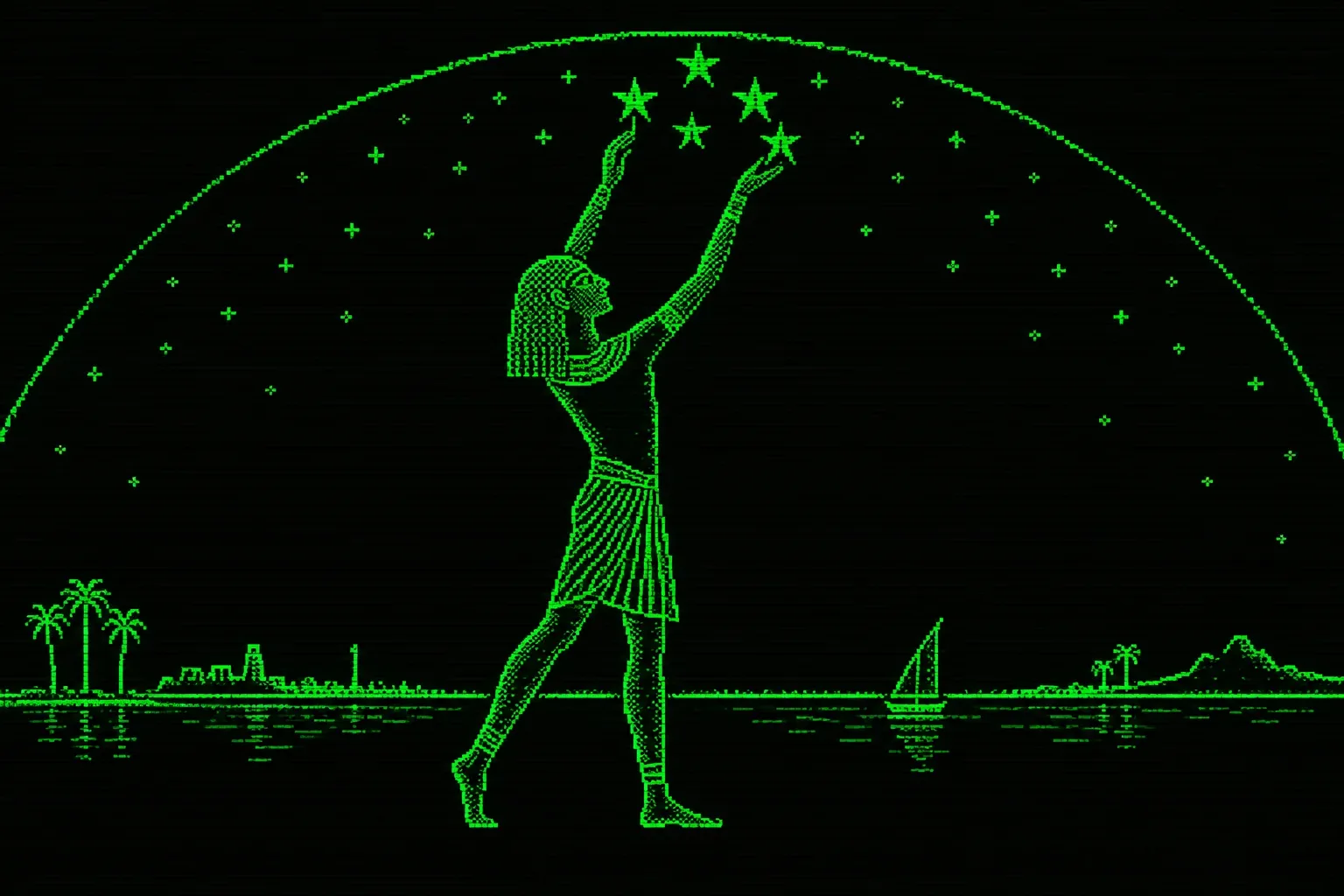
Sarenput I governed Elephantine, at Egypt’s southern frontier, under Senusret I. He had his life carved twice in his rock tomb at Qubbet el-Hawa: once around the door of the facade and again inside, in the four-pillar hall. The facade copy is the better preserved and gives lines 1–23: his offices over Nubian tribute and the royal ships, the tomb the king fitted out for him, and the joy that lifted his head to heaven, where I scratched the bellies of the stars.
The hall copy has the same words, broken in places, and where it differs the note says so. It also runs on past the facade’s end. Lines 24–32 come from it alone: the governor’s claims that he was a father to the child, took no man’s property and gave bread to the hungry, linen to the naked.
- 1
𓂋𓊪𓂝 𓄂𓂝 𓆤𓏏𓋨 𓋴𓍋𓌡𓏏 𓅓𓂋𓏤𓊹𓍛𓋕𓄝𓏏𓏏𓁐𓎟𓏏𓍋𓃀𓅱𓈉𓊖 𓇋𓌳𓄪𓐍𓇋𓇋𓐍𓂋𓃣𓀭 𓅭𓂋𓈖𓊪𓅱𓏏𓏪𓀀 𓁹 𓈖 𓅭𓏏𓍿𓈖𓏤𓇋𓁐 𓆓𓂧
jr,j-pꜥ,t ḥꜣ,tj-ꜥ ḫtm,w-bj,tj smr-wꜥ,tj jm,j-rʾ-ḥm(,pl)-nṯr-n-Stj,t-nb,t-Ꜣb,w jmꜣḫ,y-ḫr-Jnp,w Zꜣ-rnp,wt.pl jri̯(.w) n Zꜣ,t-ṯnj ḏd
Hereditary noble and governor, seal-bearer of the king of Lower Egypt and sole companion, overseer of the priests of Satet, Lady of Elephantine, revered before Anubis, Sarenput, born of Sat-tjeny, says:
Note · Line 1
Satet was a goddess of Elephantine, the island at the First Cataract of the Nile. Anubis watched over the dead. - 2
𓇋𓀞 𓋴𓍯𓏏 𓋴𓈖 𓁷𓏤 𓇋𓇩𓊃𓉐𓏤 𓊪𓈖 𓅓𓐍𓂧𓂻 𓅓 𓍙𓏏𓂻 𓅓 𓌸𓂋 𓍿𓈖 𓊹𓊹𓊹 𓍿𓈖𓏥 𓇋𓅱 𓍿𓈖 𓇼 𓊹 𓂋 𓉓𓃿𓅿𓏒𓏥 𓈖 𓂓𓏤 𓈖 𓄪𓐍 𓄂𓂝 𓅭𓂋𓈖𓊪𓅱𓏏𓏩𓀀 𓆓𓂧
j ꜥnḫ.w[.pl] [tp,j].pl-tꜣ swꜣ.t(j) =sn ḥr jz pn m-ḫdi̯ m ḫsfi̯.t m mri̯ ṯn nṯr.pl =ṯn jw =ṯn 〈r〉 dwꜣ nṯr r pr,t-ḫrw n kꜣ n(,j) jmꜣḫ(,w) ḥꜣ,tj-ꜥ Zꜣ-rnp,wt.pl ḏd
O you who live upon earth and will pass this tomb, sailing downstream or upstream: as surely as your gods love you, you shall praise the god to call forth an offering for the ka of the revered governor Sarenput, who says:
Note · Line 2
The appeal is to passing strangers: by speaking the offering aloud, they could nourish Sarenput’s ka, the life force that outlasted his body. - 3
𓏌𓎡 𓎔𓄣𓈖𓇓𓏏𓈖 𓅓 𓊹𓉗𓏏𓉐𓏤 𓂋𓏤𓊔𓏤 𓅓 𓉐𓏤 𓄝𓏏𓏏𓁐 𓇑𓃀𓇋𓇋 𓅓 𓁷𓁶 𓆤𓏏𓋨 𓋴𓍋𓌡 𓃣𓋕𓇓𓏏𓈖𓅓𓀎 𓄔 𓄔𓏏 𓀀 𓇍𓅱 𓈖 𓆑 𓇿𓇿 𓏏𓍃 𓏠𓈖𓏠𓈖 𓆑 𓀀𓁐𓏥 𓂋 𓊨𓏏𓏥 𓋴𓐍𓂋𓏏𓀒 𓐍𓏏𓆑𓏥𓀏 𓇓𓏏𓈖 𓈈𓏏𓏥 … 𓁷𓂋 𓂭𓏏𓋩𓏥 𓅓𓂋 𓎼𓏏𓏥 𓎟 𓂋𓏤𓉿 𓅓 𓇓𓏏𓐭 𓋴𓏇𓀁 𓆑 𓏎𓈖𓅱𓏥 𓅓𓍑𓄿𓈉 𓅓 𓅡𓎡𓏝𓏥 𓋾𓈎𓏥 𓈉𓏏𓏥 𓅓𓄚𓏌𓏤 𓊹𓉱 𓇳𓏤 𓈖 𓎳 𓉻 𓊏𓊪 𓎛𓎡𓏏𓂠𓈖𓏪 𓅓 𓀻𓋴𓋴 𓂞𓂞 𓇓𓏏𓈖 𓅓 𓉦 𓁷𓂋 𓎛𓏌𓎡𓀁 𓅓 P112 𓐍𓏏𓆑𓁷𓏤 𓊹𓀭 𓁷𓏤 𓃀𓇋𓄿𓏏𓄑 𓎟 𓐮𓏏𓅂𓀀𓏥 𓁷𓏤 𓈗 𓃀𓏏𓈚𓂊
jnk mḥ-jb-n(,j)-nswt m ḥw,t-nṯr rʾ-Nḫn m pr Stj,t ⸢nḫb,y⸣ m pr-n[z]r ḥr,j-tp ḥm[,pl]-kꜣ ḫtm,w-bj,tj smr-wꜥ,tj ḥr,j-sštꜣ-n-nswt-m-mšꜥ sḏm(.w) sḏm.t ⸮wꜥ? jwi̯ n =f tꜣ.du tm(.du) mn⸢mn⸣ =f ḫ[f]t rmṯ.pl r s,t.pl sḫr.t ḫft,j.pl nswt ꜥq-⸢jb⸣ [n]swt [m]-w[ꜥ]ꜥ(,w) [ḥqꜣ.pl] [n.w] spꜣ,t[.pl] [...] ⸮[ḥr]? ⸮⸢pri̯.t⸣? ḥr,j ḏbꜥ,t.pl jm,j-rʾ g(ꜣw),t.pl nb(.t.pl) rʾ-ꜥꜣ ḫꜣs,t.pl m ẖkr,t-nswt smj [n] =f jn,w.pl Mḏꜣ m bꜣk.pl ḥqꜣ.pl [n.w] ḫꜣs,t.pl s[ḏ]r m-ẖn,w zḥ-nṯr hrw n(,j) ḥ(ꜣ)b ꜥꜣ šzp ḥnk,t.pl m špss ḏḏ nswt m ꜥḥ ḥr(,j) ḥkn,w m dp,t-nṯr ḫft-ḥr nṯr ḥr,j bjꜣ,t nb(.t) Ztj.pl ḥr mw bšt
I was the king’s confidant in the temple, the Mouth of Nekhen in the house of Satet, the Nekhbite in Per-neser, chief of the ka-priests, seal-bearer of the king of Lower Egypt and sole companion. I kept the king’s secrets in the army; I heard what one man alone might hear. The Two Lands came to me in their entirety when I went at the head of the people to the places where the king’s enemies were struck down. I entered the king’s heart in private, while the governors of the provinces … were going out. I had charge of the seals and oversaw all dues at the gateway to the foreign lands, paid in ornaments for the king. The gifts of Medja were reported to me as tribute from the rulers of the foreign lands. I spent the night in the god’s pavilion on the day of the great festival. I received gifts from among the treasures the king gives in the palace. I led the praise aboard the divine barque, face to face with the god. I had charge of every marvel of the Nubians who dwell on the unruly waters.
Note · Line 3
The Two Lands are Upper and Lower Egypt. The second copy, in the tomb’s four-pillar hall, is broken here; from the overseer of dues onward it gives the same titles in the third person. - 4
𓅧 𓄣𓄣𓄣 𓁷𓏤𓐟 𓌸𓂋𓇋𓇋𓏏𓈇 𓋴𓊪𓂧𓂧𓏝 𓉒𓉒 𓁷𓂋 𓂧𓏇𓇋𓈇𓏩 𓅓 𓇿𓐮𓏏𓈉 𓈖𓂝𓂝𓊛 𓏠𓈖𓇋𓅱𓊧𓏝 𓌨 𓊨𓁷𓏤 𓆑 𓄂𓂝 𓄓𓊹𓍛 𓅭𓂋𓈖𓊪𓅱𓏏𓏪𓀀 𓆓𓂧
ꜥq jb.pl ḥr-sꜣ mr,yt jm,j-rʾ-ꜥḥꜥ,w-wr-m-pr-nsw[t] spdd pr,du-ḥḏ ḥr,j dmj.pl m Tꜣ-ztj nꜥꜥ mnj.w ẖr s,t-ḥr =f ḥꜣ,tj-ꜥ jm,j-rʾ-ḥm(.pl)-nṯr Zꜣ-rnp,wt.pl ḏd
He who wins hearts on the quay, great overseer of ships in the royal household, who equips the Two Treasuries and presides over the towns of Ta-Seti, under whose eye men sailed and made fast—the governor and overseer of priests, Sarenput, says:
Note · Line 4
Ta-Seti, the “Land of the Bow,” was the name of Egypt’s southernmost province, governed from Elephantine. - 5
𓇋𓅱 𓁹𓈖 𓇋𓇩𓊃𓉐𓏤 𓅓 𓎛𓎿𓏏𓊃 𓇓𓏏𓈖 𓋴𓇋𓈎𓂋𓈖 𓅱𓇋 𓍛𓏤 𓆑 𓅓 𓇿𓈇 𓋴𓍿𓈖𓅯𓎡𓀀 𓂋 𓋾𓈎𓋾𓈎𓋾𓈎𓏌𓏤𓈈𓏏𓏥
jw jri̯.n =(j) jz m ḥz(w),t nswt sjqr.n wj ḥm =f m tꜣ sṯn.k(w)j r ḥqꜣ.pl-n.w-spꜣ,t.pl
I built a tomb through the king’s favor. His Majesty had singled me out in the land; I stood above the governors of the provinces.
Note · Line 5
The four-pillar-hall copy names the king: the King of Upper and Lower Egypt, Kheperkare, the throne name of Senusret I. - 6
𓇋𓅱 𓉔𓊪𓏝𓏥 𓏌𓏤 𓇋𓆰𓊃𓏩 𓏙 𓄖𓂻 𓀀 𓊪𓏏𓇯 𓈖 𓃹𓈖𓏌𓏏𓇼
jw [smn].n =(j) hp.pl n.w jz〈,wt〉.pl ḏi̯(.w) pḥ =j p,t n ⸢wnw,t⸣
I reestablished the laws of old. In an instant I was granted leave to reach the sky.
- 7
𓇋𓅱 𓂧𓉔𓈖𓁶𓈖 𓍍𓏏𓀀𓏥 𓂋 𓂓𓏏𓀋 𓅓𓏤 𓇋𓆰𓊃𓉐𓏤 𓀀 𓎛𓎿𓊃𓋕 𓅱𓀀 𓍛𓏤 𓆑 𓁷𓂋 𓆑 𓅨𓂋 𓊗 𓆈 𓊗 𓂋𓐛𓏤 𓈎𓈖𓃀𓊋𓏏𓀀𓏥 𓎛𓆰𓏌𓏏𓇿𓈇 𓂝𓊪𓂋𓐢𓏝 𓅓 𓈍𓂝𓏝𓏥 𓏌𓏤 𓇓𓏏𓈖𓉐𓏤 𓅓 𓎟 𓎔𓎛𓏝 𓅓 𓐭𓈒𓏩 𓂝𓊪𓂋𓐢𓏝 𓅓 𓅧𓏒𓏥 𓊃𓐍𓊃𓏝 𓅓 𓆷𓏏 𓈖 𓆑 𓎟𓏏
jw dhn.n =(j) ḥmw,t r kꜣ,t m jz =j ḥzi̯.n wj ḥm =f ḥr =f wr zp-2 ꜥšꜣ zp-2 r-gs qnb,t ḥn,wt-tꜣ ꜥpr(.w) m ḫꜥ.pl n.w pr-nswt [s]mnḫ(.w) m [d]bḥ,t nb(.t) [m]ḥ(.w) m ẖkr.pl ꜥpr(.w) m ꜥq.pl zḫ〈w〉z m šꜣ.t n =f nb.t
I appointed craftsmen to work in my tomb. Before the council of the Mistress of the Land, His Majesty praised me lavishly for it, time and again. The tomb was fitted out with furnishings from the royal palace, finely supplied with every necessity, filled with ornaments, stocked with provisions and furnished with all that had been allotted to it.
- 8
𓂜 𓂋𓂞 𓄿𓎼𓎣 𓀀 𓂋 𓂧𓃀𓎛𓄑𓏏𓀁 𓅓 𓉒
n rḏi̯(.w) gꜣ =j r dbḥ.t m pr-ḥḏ
I was not left to lack anything that was asked of the treasury.
- 9
𓂧𓃀𓎛𓄑𓀁 𓍇 𓇋𓅓 𓂝 𓈖 𓇋𓀀
dbḥ ⸮stp(.w)? ⸮[jm]? ⸮[ḏi̯(.w)]? [n] =[j]
What I needed was chosen there and given to me.
- 10
𓇋 𓏙𓈖 𓍛 𓆑 𓐍𓈖𓏏𓈙𓂻 𓇋 𓏇𓏤 𓋴𓂋𓀙 𓎟 𓈖 𓄚𓏌𓉐 𓆑
[j(w)] [ḏi̯.n] [ḥm] =[f] ḫntš =j mj sr nb n(,j) ẖnw =f
His Majesty made me rejoice like every high official of his residence.
- 11
𓏌𓎡 𓂋𓐛𓏤 𓎟 𓆑 𓋴𓏠𓈖𓐍𓍊𓈖 𓇋𓈎𓂋𓏝 𓆑 𓆓𓂧 𓆑
jnk mnḫ r-gs nb =f smnḫ(.w).n jqr =f ḏ[d] =f
I was a man of worth at my lord’s side; my skill gave my words their worth.
- 12
𓏌𓎡 𓂸𓏏𓂭𓂭 𓅓𓂸𓏝 𓆄𓅱 𓅓 𓎼𓂋𓎼𓍅𓀁 𓃀𓎛𓅪 𓂣 𓐍𓏏𓆑 𓄿𓉔𓂻 𓆑 𓅱𓇋𓀀
[jn]k m[tj] m-bꜣḥ šw m grg dḥ rmn ḫft hꜣ〈b〉 =f wj
I was forthright in the king’s presence, free of falsehood. I bowed my shoulder whenever he sent me.
- 13
𓐍𓊪𓂋𓎡 𓅓 𓌢𓏌 𓈖 𓌢𓏌 𓅓 𓐍𓂸𓏌 𓈖 𓐍𓂸𓏏 𓅓 𓇿𓈇 𓊪𓈖
ḫpr.k(wj) m sn,nw n(,j) sn,nw m ḫmt,nw n(,j) ḫmt m tꜣ pn
I became the second of two, the third of three in this land.
- 14
𓇋𓅱 𓏙𓋕 𓀀 𓇋𓄿𓀢 𓅨 𓊗 𓎛𓎿𓊃𓏏𓏮 𓂋 𓎣 𓎛𓏏𓏏𓄉 𓎛𓂝𓀠𓎡𓀀 𓅓 𓏙𓏏 𓄖𓂻𓏤 𓀀 𓇯
jw ḏi̯.n =j jꜣ(,w) wr zp-2 ḥz,t r gꜣ ḥty.t ḥꜥ.k(w)j m ḏi̯.t(w) pḥ =j p,t
I gave praise in full measure,
praise till my throat ran out of breath,
rejoicing that I was allowed to reach the sky. - 15
𓏏𓎡𓋴𓈖𓂻 𓁶 𓀀 𓏌𓏏𓇯𓁑 𓄿𓄡𓈖 𓄡𓏏𓏥 𓇼𓏥
tks.n tp =j nw,t ꜣẖꜥ.n =(j) ẖ,t.pl sbꜣ.pl
My head touched the vault of heaven;
I scratched the bellies of the stars. - 16
𓏎𓈖𓈖 𓈖𓉔𓅓 𓌉 𓅓 𓇼𓏤 𓐍𓃀𓃀𓀤 𓇋 𓅓 𓎼𓈖𓄡𓏏𓇼𓏥
jni̯.n =(j) nhm ḥḏ =(j) m sbꜣ ḫbb =[j] m gnẖ,t.pl
I brought joy,
shining like a star,
dancing like the stars.Note · Line 16
The four-pillar-hall copy reads dancing like the stars of the sky. - 17
𓊖𓏏𓏤 𓇋 𓅓 𓎛𓃀𓏝 𓍑𓄿𓅓𓌙𓀀𓏥 𓇋 𓁷𓏤 𓈖𓉔𓅓 𓄔𓏏 𓐍𓃀𓃀A394 𓇋𓅓 …
nʾ,t =j m ḥb ḏꜣm.pl =j ḥr nhm sḏm.t(w) ḫbb =(j) jm [...]
My city kept festival,
my recruits shouted for joy
when I was heard dancing there … - 18
[jꜣw.pl] [šbn(.w)] [m] [ẖrd.pl]
Old men mingled with children;
- 19
𓀗𓀗𓀗 𓅓 𓎛𓂝𓏏𓀠𓏩
jꜣw.pl ḥr ẖrd.pl m ḥꜥ(ꜥ,w)t.pl
old men and children alike rejoiced.
- 20
𓊹𓀭𓏥 𓅓𓆱𓐍𓏏 𓋴𓎝 𓋴𓈖 𓈖 𓍛𓏤 𓆑 𓅓 𓇓𓏏𓈖 𓄟 𓋴𓈖 𓈖 𓍛𓏤 𓆑 𓌳𓏝 𓊗 𓄙𓅓 𓆑 𓈖 𓁨𓏧 𓅓 𓎳𓏩𓉳 𓏙 𓋴𓈖 𓈖 𓆑 𓅘𓎛𓎛 𓅓 𓎛𓂧𓃀 𓆑 𓁷𓏤 𓊨𓏏𓏥𓈐𓀭 𓌳𓐙 𓊗 𓏇 𓌻𓂋𓂋 𓀀
nṯr.pl (j)m(,j.pl)-ḫt ꜣbw s[wꜣ]ḥ =sn n =(j) ḥm =f m nswt msi̯ =sn n =(j) ḥm =f mꜣw zp-2 wḥm =f n =(j) ḥḥ.pl n(,j) ḥb.pl-sd di̯ =sn n =f nḥḥ m nsw[t] ḥdb =f ḥr s,t.pl-Ḥr,w mꜣꜥ zp-2 mj mrr =j
May the gods who guard Elephantine keep His Majesty king for me.
May they give His Majesty birth for me anew and ever anew,
that he may celebrate for me millions of Sed festivals, one after another.
May they grant him eternity as king,
that he may sit upon the thrones of Horus,
truly, truly, as I wish!Note · Line 20
The Sed festival was a royal jubilee that renewed the king’s power to rule. The reigning king occupied the throne of the god Horus. - 21
𓏌𓎡 𓅡𓎢𓀀 𓆑 𓈖𓊨𓏏𓄣 𓆑 𓁹𓂋 𓌸𓂋𓂋𓏏 𓎟 𓆑
jn[k] bꜣk =f n(,j)-s,t-jb =f jrr mrr.t nb =f
I am his servant, dear to his heart, one who does what his lord desires.
- 22
𓄂𓂝 𓄓𓊹𓍛 𓅭𓂋𓈖𓅱𓊪𓏏𓏥𓀀 𓆓𓂧
ḥꜣ,tj-ꜥ jm,j-rʾ-ḥm(.pl)-nṯr Zꜣ-rnp,wt.pl ḏd
The governor and overseer of priests, Sarenput, says:
- 23
𓇍𓈖 𓀀 𓅓 𓊖𓏏𓏤 𓀀 𓄿𓉔𓂻𓈖 𓀀 𓅓 𓈈𓏏𓏤 𓀀 𓁹𓈖 𓇋𓀀 𓎛𓎿𓊃𓊃𓏏𓏝 𓇋𓀀 𓌸𓂋𓂋𓏏 𓊹𓀭𓏥 𓇋𓀀 𓈖𓎟𓅱
jy.n =j m nʾ,t =j hꜣi̯.n =j m spꜣ,t =j jri̯.n =j ḥzz.t [nṯr] =j mrr.t nṯr.pl =j nb.w
I came from my city, I came down from my province, having done what my god praises and what all my gods love.
Note · Line 23
The facade copy ends here. Lines 24–32 survive only in the four-pillar hall. The four-pillar hall: the rest of the biography
- 24
𓇋𓅱 𓁹𓈖 𓀀 𓇋𓏏𓆑𓀀 𓈖 𓄡𓂋𓂧𓀔 𓌻𓂋𓏏𓏝 𓀀 𓅓 … 𓃀𓈖𓂋𓏏𓇜 𓄞𓂧𓏏 𓋴𓏏 𓂋𓄫
jw jri̯.n =j jt n ẖrd mrw,t =j m [...] [nh]ꜣ,t bnr.t šdi̯.t st r-ꜣw
I was a father to the child. Love for me was in … a sweet shelter that reared them all.
- 25
𓇿 𓊪𓈖 𓌨𓂋 𓎛𓎿𓊃𓊃𓅱𓀀 𓇓𓏏𓈖𓅆 𓅓 𓎛𓎿𓊃𓏏𓏝 𓈖𓏏 …
[jw] tꜣ pn ẖr ḥzz.w nswt m ḥz(w),t n.t [...]
This land was in the charge of one the king praised, through the favor of …
- 26
𓎁 𓀀 𓐍𓏏𓏝𓏥 𓊃𓀀𓏤 𓂋 𓆑 𓁹𓈖 𓈖 𓇋𓆛𓈖𓂧𓅪
[n] [jṯi̯] =j ḫ,t.pl z r =f jri̯.n =(j) [sꜣ]r n(,j) jnd
I took no man’s property from him. I granted the wish of one in distress.
- 27
𓂜 𓎼𓈖𓆑𓂊𓀁 𓀀 𓋴𓊪𓂋𓄭𓀁 𓈖 𓄪𓐍 𓅭𓂋𓈖𓅱𓊪𓏏𓏪𓀀
n gnf =j spr(.w) n =(j) jmꜣḫ(,w) Zꜣ-rnp,wt.pl
I turned no petitioner away—I, Sarenput the revered.
- 28
… 𓈖𓏏 𓈖𓅘𓎛𓎛 …
[...] n.t nḥḥ [...]
… of eternity …
- 29
𓂞𓈖 𓀀 𓏐𓏏𓏒 𓈖 𓎛𓈎𓂋𓅪 𓏧 𓈖 𓎛𓇉𓄿𓏏𓏤
ḏi̯.n =j tʾ n ḥqr sšr.pl n ḥꜣ(w),t(j)
I gave bread to the hungry, linen to the naked.
- 30
… 𓆑 𓇋𓂋 𓂋𓏤
[...] [___] =⸮f? _ jr rʾ _w
[gap in the text]
- 31
𓂜 𓂧𓄿𓂋𓌗𓇋 𓈖𓆓𓋴𓅪 𓁷𓏤 𓇋𓈙𓏏𓏥 𓆑 … 𓇋𓂋𓆑 𓂋 …
n dꜣr =(j) nḏs ḥr jš,t.pl =f [...] jrf r [...]
I did not oppress a poor man on account of his possessions …
- 32
𓂋𓍿𓀀𓁐𓏥 𓎛𓎿𓊃𓏝 𓈖 𓅨𓅨𓅨 𓁷𓏤 𓐫𓂧𓈒
[mrr.w] r(m)ṯ.pl [ḥzi̯] [n] wr.pl ḥr qd =[f] [ḥꜣ,tj-ꜥ] [jm,j-rʾ-ḥm(.pl)-nṯr] [Zꜣ-rn]p,wt.pl,j
Loved by the people, praised by the great for his character: Sarenput, governor and overseer of priests.