~/sacred-texts/middle-kingdom-tomb-biographies
The Biography of Khnumhotep II: I Am a Man of Noble Monuments
- Date
- Carved in the 12th Dynasty, in the reign of Senusret II (about 1897–1878 BC), in 222 columns around the base of the walls of the chapel of Khnumhotep II's rock tomb at Beni Hasan
- Found
- Tomb 3 (BH 3) in the cliff at Beni Hasan, Middle Egypt, east bank of the Nile; still in place on the tomb walls
- Language
- Middle Egyptian · Hieroglyphic
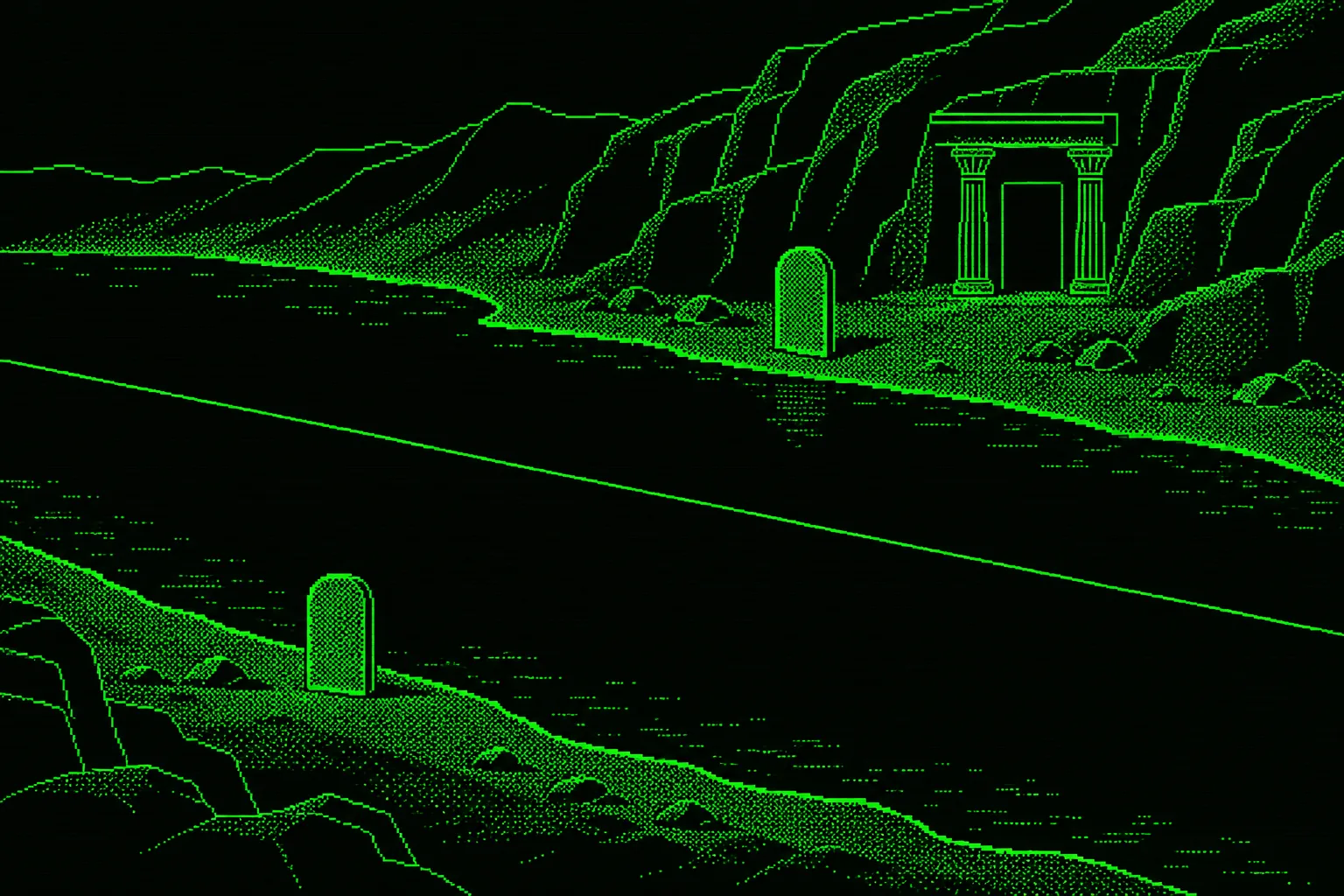
Khnumhotep II, count of Menat-Khufu and overseer of the eastern deserts, speaks from the wall of his rock tomb. Three kings gave his family its land: boundary stones were set and the king divided the Great River down its spine. Amenemhat II made him count in year 19. He endowed ka-priests with fields and laborers and cursed anyone who disturbs the offerings: no such man shall survive, nor shall his son sit in his place.
He lists the promotions of his sons Nakht and Khnumhotep, then praises his father Neheri, who ruled his town as a boy, before his foreskin had been cut away. He ends with his buildings, his cedar doors and the crafts he revived: I am a man of noble monuments.
- 1
… 𓂋𓊪𓂝 𓄂𓂝 𓇓𓏏𓈖𓂋𓐍𓏛 𓌻𓂋𓂋𓅱 𓊹𓏤 𓆑 𓄓𓈉𓈉𓈉𓋁𓃀𓏏𓏏 𓈖𓁷𓂋𓇋 𓅭 𓎸𓃞𓊵𓏏𓊪 𓐙𓊤 𓁹𓈖 𓅭𓏏 𓄂𓂝 𓎟𓏏𓉐 𓅡𓈎𓏏𓆭𓁐 𓐙𓊤 𓁹𓈖 𓆑 𓅓 𓏠𓈖𓏌𓏌𓏌𓏛 𓆑
[...] (j)r(,j)-pꜥ(,t) ḥꜣ,t(j)-ꜥ rḫ-nsw mrr,w nṯr =f jm,j-rʾ-ḫꜣs,t,pl-jꜣb,tt Nḥr,j zꜣ H̱nm(,w)-ḥtp mꜣꜥ-ḫrw jri̯.n zꜣ,t ḥꜣ,t(j)-ꜥ nb,t-pr Bꜣq,t mꜣꜥ(,t)-ḫrw jri̯.n =f m mn,w =f
… The hereditary prince and count, the king’s acquaintance, whom his god loves, the overseer of the eastern deserts, Khnumhotep, true of voice, son of Neheri, born to the count’s daughter Baqet, lady of the house, true of voice, built this as his monument.
Note · Line 1
The monument is Khnumhotep’s tomb at Beni Hasan. “True of voice” marks the dead as vindicated before the gods. - 2
𓊃𓊪𓊗 𓆑 𓁶𓏤𓊪 𓅓 𓊃𓏠𓈖𓐍𓍊𓏛 𓆑
sp =f tp(,j) m smnḫ nʾ,t =f
His first deed was to better his town.
- 3
𓋴𓂋𓅱𓌗𓏛 𓆑 𓂋𓈖 𓆑 𓈖𓅱𓈖𓎛𓎛 𓋴𓏠𓈖𓐍𓍊𓏛 𓆑 𓇓𓅱 𓈖𓆓𓏏𓇿 𓅓 𓇋𓇩𓊃𓏤𓉐 𓆑 𓈖 𓊻
srwḏ =f rn =f n-nḥḥ smnḫ =f sw n-ḏ,t m js =f n(,j) ẖr,t-nṯr
In his tomb in the necropolis he made his name endure for all time and gave it distinction forever.
- 4
𓋴𓂋𓅱𓌗𓏛 𓆑 𓂋𓈖 𓈖 𓈎𓈖𓏏𓃀𓊋𓀀𓏥 𓆑 𓊃𓏠𓈖𓐍𓍊𓏛 𓐍𓏏𓆑 𓊑𓏏𓏤 𓋴𓈖𓏥 𓏠𓈖𓐍𓍊𓏛𓀀𓏥 𓇋𓏶𓅓𓅱𓏥 𓏌𓏤 𓉐𓏤𓀀𓏥 𓆑 𓍿𓈖𓅮𓌙𓏛𓈖 𓆑 𓏃𓈖𓏏 𓌻𓂋𓏏𓀀𓁐𓏥 𓆑 𓊑𓏏𓏤 𓎟𓏏 𓐍𓂋𓊪𓏏𓂥𓈖 𓆑 𓎟𓏏 𓏇𓇋 𓆣𓂋𓏛 𓋴
srwḏ =f rn n(,j) qnb,t =f smnḫ ḫft jꜣw,t =sn mnḫ.pl jm,j.w.pl n.w pr =f ṯni̯.n =f ḫnt mr,t =f jꜣw,t nb.t ḫrp.t.n =f ḥmw,t nb.t mj ḫpr =s
He made the name of his council endure, a name honored as befitted their office. So too the names of the worthy men of his household whom he had raised to the head of his retainers, of every office he had overseen, and of every craft as it was practiced.
Note · Line 4
The tomb walls show members of his household at work and preserve their names and titles alongside his own. - 5
𓂋𓏤 𓆑 𓆓𓂧 𓆑
rʾ =f ḏd =f
He spoke with his own mouth:
- 6
𓇋𓅱 𓂋𓂞𓈖 𓅱𓀀 𓍛𓏤 𓈖 𓅃 𓎛𓎢𓈖𓅓𓌳𓐙𓏏 𓅒 𓎛𓎢𓈖𓅓𓌳𓐙𓏏 𓅃𓋞 𓊤𓐙 𓇓𓏏𓆤𓏏 𓇳𓋞𓂓𓂓𓂓 𓅭𓇳𓏤 𓇋𓏠𓈖𓅓𓄂𓏏 𓏙 𓋹 𓊽 𓌀 𓏇 𓇳 𓆓𓏏𓇿 𓂋 𓂋𓊪𓂝 𓄂𓂝 𓅓𓂋𓈉𓈉𓈉𓋁𓃀𓏏𓏏𓈉 𓐧 𓅃 𓊪𓅮𓐍𓏏𓃭 𓂋 𓃛𓂝𓏏𓄯𓏛𓏥 𓇋𓏏𓆑𓀀 𓅐𓏏𓁐 𓀀 𓅓 𓏠𓈖𓂝𓏏𓁔𓐍𓂤𓆑𓅱𓊖𓏏𓏤
jw rḏi̯.n wj ḥm n(,j) Ḥr Ḥkn-m-Mꜣꜥ,t Nb,tj Ḥkn-m-Mꜣꜥ,t Ḥr-nbw Mꜣꜥ-ḫrw nsw-bjtj Nbw-kꜣ,pl-Rꜥ zꜣ-Rꜥ Jmn-m-ḥꜣ,t ḏi̯ ꜥnḫ ḏd wꜣs mj Rꜥ ḏ.t r (j)r(,j)-pꜥ(,t) ḥꜣ,t(j)-ꜥ (j)m(,j)-r(ʾ)-ḫꜣs,t,pl-jꜣb,tt smꜣ Ḥr Pꜣḫ,t r jwꜥ,t jt mw,t =j m Mnꜥ,t-Ḫwfw
His Majesty—Horus, Who Rejoices in Maat; He of the Two Ladies, Who Rejoices in Maat; Golden Horus, True of Voice; King of Upper and Lower Egypt, Nubkaure; Son of Ra, Amenemhat, given life, stability and dominion like Ra forever—appointed me hereditary prince and count, overseer of the eastern deserts and robing priest of Horus and Pakhet, in keeping with my inheritance from my mother’s father in Menat-Khufu.
Note · Line 6
Khnumhotep is speaking. - 7
𓊃𓏠𓈖𓏛𓈖 𓆑 𓈖 𓀀 𓎗𓅱𓆓𓉸 𓇗𓈇𓏤 𓋴𓏠𓈖𓐍𓍊𓏛𓈖 𓆑𓆑 𓎔𓏏𓈇𓏤 𓏇𓇋 𓊪𓏏𓇯 𓊪𓈙𓊃𓏴𓏛𓈖 𓆑 𓇋𓏏𓂋𓈘𓉻𓄿 𓁷𓏤 𓇋𓄿𓏏𓄦𓏏𓏤 𓆑
smn.n =f n =j wḏ šmꜥ smnḫ.n =f (wḏ) mḥ,tj mj p,t pšs.n =f jtr(,w)-ꜥꜣ ḥr jꜣ,t{t} =f
He set the southern boundary stone firm for me and made the northern one as sound as the sky. He divided the Great River down its spine,
Note · Line 7
The boundary ran down the middle of the Nile rather than along either bank. - 8
𓏇𓇋 𓁹𓂋𓇋𓇋𓏏 𓈖 𓇋𓏏𓆑𓀀 𓅐𓏏𓁐 𓀀 𓅓 𓁶𓏤𓊪𓏏𓂋𓏤 𓉐𓂋𓏏𓂻 𓅓 𓂋𓏤 𓈖 𓍛𓏤 𓈖 𓅃 𓄙𓄟𓏏𓅱 𓅒 𓄙𓄟𓋴𓅱𓏏 𓅃𓋞 𓄟 𓇓𓏏𓆤𓏏 𓇳𓋴𓊵𓄣 𓇳𓅭𓏤 … 𓇋𓏠𓈖𓅓𓄂𓏏 𓏙 𓋹 𓊽 𓌀 𓏇 𓇳𓏤 𓆓𓏏𓇿 𓏏𓆑 𓏙𓏏 𓆑 𓇓𓅱 𓂋 𓂋𓊪𓂝 𓄂𓂝 𓅓𓂋𓈉𓈉𓈉𓋁𓃀𓏏𓏏𓈉 𓅓 𓏠𓈖𓂝𓏏𓂑𓐍𓂤𓆑𓅱𓊖𓏤
mj jri̯.y.t n jt mw,t =j m tp,t-rʾ pri̯.t m rʾ n(,j) ḥm n(,j) Ḥr Wḥm-ms,wt Nb,tj Wḥm-ms,wt Ḥr-nbw 〈⸮Wḥm?-〉ms(,wt) nsw-bjtj Sḥtp-jb-Rꜥ zꜣ-Rꜥ [...] Jmn-m-ḥꜣ,t ḏi̯ ꜥnḫ ḏd wꜣs mj Rꜥ ḏ,t ⸮〈ḫ〉ft? ḏi̯.t =f sw r (j)r(,j)-pꜥ(,t) ḥꜣ,t(j)-ꜥ jm,j-rʾ-ḫꜣs,t,pl-jꜣb,tt m Mnꜥ,t-Ḫwfw
just as had been done for my mother’s father by a word from the mouth of His Majesty—Horus, Who Renews Births; He of the Two Ladies, Who Renews Births; Golden Horus, Who Renews Births; King of Upper and Lower Egypt, Sehetepibre; Son of Ra, … Amenemhat, given life, stability and dominion like Ra forever—when he appointed him hereditary prince and count and overseer of the eastern deserts in Menat-Khufu.
Note · Line 8
Here the king is Amenemhat I, and the man he appointed is the speaker’s grandfather, also named Khnumhotep. - 9
𓋴𓏠𓈖𓏛𓈖 𓆑 𓎗𓅱𓆓𓉸 𓇗 𓋴𓏠𓈖𓐍𓍊𓏛 𓎔𓏏 𓏇𓇋 𓊪𓏏𓇯 𓊪𓈙𓊃𓏴𓏛𓈖 𓆑 𓇋𓏏𓂋𓈘𓉻𓂝𓄿 𓁷𓏤 𓇋𓄿𓏏𓄦 𓆑 𓐛𓏤 𓆑 𓋁𓃀𓈉 𓈖 𓈋𓏏𓅃N72 𓂋𓏠𓈖𓏛𓅓 𓈉𓏏𓏤 𓋁𓃀𓏏𓏏𓈉 𓅓 𓇍𓏏𓂻 𓍛𓏤 𓆑 𓂧𓂋𓂝 𓆑 𓇋𓋴𓆑𓏏𓅪 𓈍𓂝𓅱𓏛 𓅓 𓏏𓍃𓀭 𓆓𓋴 𓆑
smn.n =f wḏ šmꜥ smnḫ〈⸮.n?〉 =〈⸮f?〉 mḥ,tj mj p,t pšs.n =f jtr(,w)-ꜥꜣ ḥr jꜣ,t =f gs =f jꜣb(,j) n Ḏw,t-Ḥr r-mn-m ḫꜣs,t jꜣb,tt m jyi̯.t ḥm =f dr =f jsf,t ḫꜥi̯.w m Tm ḏs =f
It was when His Majesty came to drive out wrongdoing, appearing as Atum himself, that he set the southern boundary stone firm, made the northern one as sound as the sky, and divided the Great River down its spine. Its eastern half belonged to the district of Horus Mountain, as far as the eastern desert.
Note · Line 9
Atum is the creator god. The king’s work of restoring boundaries is cast as an act of setting the world in order. - 10
𓋴𓏠𓈖𓐍𓍊𓏛 𓆑 𓅠𓅓𓏏𓈖 𓆑 𓅱𓋴𓏏𓅪 𓎁𓏏𓏏𓀜 𓊖𓏏𓏤 𓅓 𓌢𓈖𓏌𓏏 𓋴 𓏙 𓆑 𓂋𓐍𓏛 𓊖𓏏𓏤 𓏏𓍔𓄿𓈙𓈇𓏴 𓋴 𓂋 𓊖𓏏𓏤
smnḫ =f gmi̯.t.n =f wst(.tj) jṯi̯.t〈.n〉 nʾ,t m sn-nw,t =s ḏi̯ =f rḫ nʾ,t tꜣš =s r nʾ,t
He put right what he had found in ruin and what one town had seized from another. He made each town know its boundary with the next.
- 11
𓋴𓏠𓈖𓐍𓍊𓏛 𓎗𓅱𓆓𓉸𓏥 𓋴𓈖𓏥 𓏇𓇋 𓊪𓏏𓇯 𓂋𓐍𓏛 𓈗 𓋴𓈖𓏥 𓂋 𓈖𓏏𓏏 𓅓 𓏟𓏛𓏥 𓋴𓇋𓊪𓏛 𓂋 𓈖𓏏𓏏 𓅓 𓇋𓋴𓅱𓏏𓆰 𓈖𓉻𓂝𓏏𓈖 𓌻𓂋𓂋 𓆑 𓌳𓂝𓐙𓏏𓏛
smnḫ wḏ.pl =sn mj p,t rḫ mw =sn r n,tt m zẖꜣ.pl sjp r n,tt m js,wt n-ꜥꜣ,t-n mrr =f mꜣꜥ,t
Their boundary stones were made as sound as the sky. Their waters were reckoned by the written records and checked against what had been theirs of old, so great was his love of justice.
- 12
𓊢𓂝𓈖 𓂋𓂞𓈖 𓆑 𓇓𓅱 𓂋 𓂋𓊪𓂝 𓄂𓂝 𓆭𓂝 𓁷𓁶𓉻𓈖𓉇 𓋴𓏠𓈖𓏛𓈖 𓆑 𓎗𓅱𓉸𓉸𓉸 𓇗 𓅓 𓏏𓍔𓄿𓈙𓈇𓏴 𓆑 𓂋 𓃹𓏏N72 𓎔𓏏 𓆑 𓂋 𓉈 𓊪𓈙𓊃𓏴𓏛𓈖 𓆑 𓇋𓏏𓂋𓈘𓉻𓂝𓄿 𓁷𓏤 𓇋𓄿𓏏𓄦 𓆑
ꜥḥꜥ.n rḏi̯.n =f sw r (j)r(,j)-pꜥ(,t) ḥꜣ,t(j)-ꜥ jꜣm-ꜥ ḥr(,j)-tp-ꜥꜣ-n(,j)-Mꜣ-ḥḏ smn.n =f wḏ.pl šmꜥ(.w) m tꜣš =f r Wn,t mḥ,tj =f r Jnpw,t pšs.n =f jtr(,w)-ꜥꜣ ḥr jꜣ,t =f
Then he appointed him hereditary prince and count, gentle of arm, great chief of the Oryx province. He set the southern boundary stones at his border with the Hare province; his northern boundary was with the Anubis province. He divided the Great River down its spine.
- 13
𓈗 𓆑 𓄿𓎛𓈇𓏥 𓆑 𓇋𓋴𓂋𓆱 𓆑 𓈙𓂝𓈄 𓆑 𓂋𓏠𓈖𓏛𓅓 𓈉𓈉𓈉 𓆄𓈉𓏏𓏏
mw =f ꜣḥ(,t).pl =f jsr =f šꜥ =f r-mn-m ḫꜣs,t.pl jmn,tt
His waters, his fields, his tamarisk and his sand stretched as far as the western deserts.
- 14
𓂋𓂞𓈖 𓆑 𓅭𓏤 𓆑 𓀗 𓆑 𓈖𓆱𓐍𓏏𓀜𓀻 𓐙𓊤 𓎟𓄪𓏤 𓂋 𓋾𓈎𓄿𓏛 𓃛𓂝𓏏𓏛𓏥 𓆑 𓅓 𓐍𓂤𓆑𓅱𓏠𓈖𓏏𓂝𓁔 𓅓 𓎛𓎿𓊃𓏏𓏛 𓉻𓂝𓄿𓏏𓏛 𓈖𓏏 𓐍𓂋 𓇓𓏏𓈖 𓅓 𓎗𓅱𓆓𓏏𓏛 𓉐𓂋𓏏𓂻 𓂋𓏤 𓈖 𓍛𓏤 𓈖 𓅃 𓋹𓄟𓅱𓏏 𓅒 𓋹𓄟𓅱𓏏 𓅃𓋞 𓋹𓄟 𓇓𓏏𓆤𓏏 𓇳𓆣𓂓 𓅭𓇳 𓄊𓋴𓂋𓏏𓊃𓈖 𓏙 𓋹 𓊽 𓌀 𓏇𓇋 𓇳 𓆓𓏏𓇿
rḏi̯.n =f zꜣ =f ⸮smsw? =f Nḫt mꜣꜥ-ḫrw nb-jmꜣḫ r ḥqꜣ jwꜥ,t =f m Mnꜥ,t-Ḫwfw m ḥs,(w)t ꜥꜣ.t n.t ḫr nsw m wḏ,t pri̯.t 〈m〉 rʾ n(,j) ḥm n(,j) Ḥr ꜥnḫ-ms,wt Nb,tj ꜥnḫ-ms,wt Ḥr-nbw ꜥnḫ-ms,wt nsw-bjtj Ḫpr-kꜣ-Rꜥ zꜣ-Rꜥ Z-n(,j)-Wsr,t ḏi̯ ꜥnḫ ḏd wꜣs mj Rꜥ ḏ,t
My grandfather appointed his eldest son Nakht, true of voice and held in honor, to rule his inheritance in Menat-Khufu. This was a great favor from the king, decreed by the mouth of His Majesty—Horus, Vital in Births; He of the Two Ladies, Vital in Births; Golden Horus, Vital in Births; King of Upper and Lower Egypt, Kheperkare; Son of Ra, Senusret, given life, stability and dominion like Ra forever.
Note · Line 14
Nakht was the speaker’s maternal uncle. The king who confirmed his appointment was Senusret I. - 15
𓃶𓏛 𓀀 𓁶𓏤𓊪 𓈖 𓄟𓋴𓅱𓏏𓁒 𓀀
sꜥḥ =j tp(,j) n ms,wt =j
My first rank was mine by birth.
- 16
𓅱𓍑𓄿𓂻 𓅐𓏏𓁐 𓀀 𓂋 𓂋𓏏𓏏𓊪𓂝 𓄂𓏏𓏏𓂝 𓅓 𓅭𓏏 𓋾𓈎𓄿𓀻 𓈖 𓉇 𓂋 𓉗𓏏𓉐𓇳𓋴𓊵𓄣 𓏙 𓋹 𓊽 𓌀 𓏇𓇋 𓇳 𓆓𓏏𓇿 𓂋 𓈞𓏏𓁐 𓈖 𓂋𓊪𓂝 𓄂𓂝 𓋾𓈎𓄿𓏛𓊖𓏤𓊖𓏤𓊖𓏤𓌳𓏏𓏛 𓌳𓏏𓄣 𓈖 𓇓𓏏𓈖 𓇋𓐝𓏏𓀖 𓈖 𓋔𓎟 𓂋 𓃶 𓆑 𓈖 𓅓𓂋𓊖𓏏𓏤 𓈖𓁷𓂋𓇋𓀻 𓐙𓊤 𓎟𓄪𓏤
wḏꜣ mw,t =j r (j)r,(j)t-pꜥ,t ḥꜣ,t(j)t-ꜥ m zꜣ,t ḥqꜣ n Mꜣ-ḥḏ r ḥw,t-Sḥtp-jb-Rꜥ ḏi̯ ꜥnḫ ḏd wꜣs mj Rꜥ ḏ,t r ḥm,t n(.t) (j)r(,j)-pꜥ(,t) ḥꜣ,t(j)-ꜥ ḥqꜣ-nʾ,t.pl-mꜣ(w).t mꜣṯ n(,j) nsw jm,tj n(,j) bj,tj r sꜥḥ =f n(,j) (j)m(,j)-rʾ-nʾ,t Nḥr,j mꜣꜥ-ḫrw nb-jmꜣḫ
My mother attained the rank of hereditary princess and countess as daughter of the ruler of the Oryx province. She went to the House of Sehetepibre—given life, stability and dominion like Ra forever—to become the wife of the hereditary prince and count, ruler of the new towns, praised by the King of Upper Egypt, fosterling of the King of Lower Egypt: Neheri, true of voice and held in honor, whose rank was overseer of the city.
- 17
𓏎𓈖 … 𓏎𓈖 𓅱𓀀 𓇓𓏏𓆤𓏏 𓇳𓋞𓂓𓂓𓂓 𓏙 𓋹 𓊽 𓌀 𓏇 𓇳 𓆓𓏏𓇿 𓅓 𓅭 𓄂𓂝 𓂋 𓃛𓂝𓏏𓄯 𓋾𓈎𓏏𓏛 𓇋𓏏𓆑𓀀 𓅐𓏏𓁐 𓀀 𓈖𓉻𓏏𓏛𓈖 𓌻𓂋𓂋𓀁 𓆑 𓌳𓐙𓂝𓏏𓆄𓏛
jni̯ [...] jni̯.n wj nsw-bj,tj Nbw-kꜣ,pl-Rꜥ ḏi̯ ꜥnḫ ḏd wꜣs mj Rꜥ ḏ,t m zꜣ ḥꜣ,t(j)-ꜥ r jwꜥ,t ḥqꜣ,t jt mw,t =j n-ꜥꜣ,t-n mrr =f mꜣꜥ,t
Brought … The King of Upper and Lower Egypt, Nubkaure, given life, stability and dominion like Ra forever, brought me, as a count’s son, to inherit the rule of my mother’s father, so great was his love of justice.
- 18
𓏏𓍃𓅓𓀯 𓊪𓅱 𓆓𓋴 𓆑 𓇳𓋞𓂓𓂓𓂓 𓏙 𓋹 𓊽 𓌀 𓄫 𓄣 𓆑 𓏇 𓇳 𓆓𓏏𓇿
Tm pw ḏs =f Nbw-kꜣ,pl-Rꜥ ḏi̯ ꜥnḫ ḏd wꜣs ꜣwi̯ jb =f mj Rꜥ ḏ,t
Nubkaure is Atum himself, given life, stability and dominion. May his heart rejoice like Ra’s forever!
- 19
𓏙𓈖 𓆑 𓅱𓀀 𓂋 𓄂𓂝 𓅓 𓆳𓏏𓊗 𓎆 𓅓 𓐍𓂤𓆑𓅱𓏠𓈖𓏏𓁔𓊖𓏏𓏤 𓊢𓂝𓈖 𓋴𓏠𓈖𓐍𓍊𓏛𓈖 𓀀 𓋴 𓊢𓂝𓇤 𓋴 𓆣𓂋𓏛𓏥 𓅓 𓐍𓏏𓏛𓏥 𓎟𓏏
ḏi̯.n =f wj r ḥꜣ,t(j)-ꜥ m rnp,t-zp 19 m Mn〈ꜥ〉,t-Ḫwfw ꜥḥꜥ.n smnḫ.n =j s(j) ꜥḥꜥ,w =s ḫpr.pl m (j)ḫ,t.pl nb.t
In the nineteenth year of his reign he appointed me count in Menat-Khufu. Then I made the town prosper, and it grew rich in goods of every kind.
- 20
𓋴𓂋𓅱𓂧𓌗𓏛𓈖 𓀀 𓂋𓈖 𓈖 𓇋𓏏𓆑𓀀 𓋴𓏠𓈖𓍊𓐍𓏛𓈖𓏛 𓀀 𓉗𓏥𓂓𓏥 𓉐𓏤 𓇋𓂋𓏥
srwd.n =j rn n(,j) jt〈.pl〉 =(j) smnḫ.n =j ḥw,t.pl-kꜣ.pl ⸮pr? jr(,j).pl
I made the name of my forebears endure. I put the ka chapels and the estates belonging to them in good order.
Note · Line 20
The ka was a person’s enduring life force. Offerings for it were made in the chapel and supplied by the estate. - 21
𓌞𓋴𓂻𓈖 𓀀 𓏏𓅱𓏏𓀙𓏥 𓀀 𓂋 US1O124VARA 𓋴𓌳𓐙𓂝𓏛𓈖 𓀀 𓈖 𓋴𓈖𓏥 𓊪𓅮𓏏𓏖 𓋴𓈖𓏥
šms.n =j twt.pl =j r ḥw,t-nṯr smꜣꜥ.n =j n =sn pꜣ(w),t =sn
I escorted my statues to the temple and presented them with their offering loaves.
- 22
𓏐 𓏊 𓏈 𓏁 𓃂𓏏𓄹 𓋴𓇋𓊪𓏛 𓈖 𓀀 𓋴𓏠𓈖𓐍𓍊𓏛𓈖 𓀀 𓇓𓅱 𓅓 𓎛𓏏𓈇𓏥 𓌻𓂋𓏏𓀀𓁐𓏥
tʾ ḥnq,t ⸮jrṯ,t? qbḥ(,w) ⸮mrḥ,t? ⸮snṯr? wꜥb,t sjp n ḥm-kꜣ smnḫ.n =j sw m 〈ꜣ〉ḥ,t.pl mr,t
Bread, beer, milk, libation water, ointment, incense and cuts of sacrificial meat were assigned to the ka-priest. I provided him with fields and farm laborers.
- 23
𓎘𓅱𓆓𓏛𓈖 𓀀 𓏐 𓏊𓏒 𓃾 𓅿𓏥 𓅓 𓎳 𓎟 𓈖 𓊻 𓅓 𓌑𓆳𓎱 𓆳𓎱 𓆳𓏏𓉻𓎱 𓆳𓏏𓅪𓏏𓎱 𓂝𓂋𓈎𓍼𓆳𓏏𓎱 𓎛𓃀𓎳𓅨𓂋𓎱 𓅓 𓂋𓎢𓎛𓉻𓎱 𓅓 𓂋𓎢𓎛𓅨𓎱 𓅓 𓁷𓂋𓅱𓆳𓏏𓏤𓎱 𓅓 𓈙𓆓𓏏𓂝𓏤𓈙𓂝𓈓 𓅓 𓇹𓇼𓎱 𓎆 𓇻𓏏𓎱 𓎆 𓎳 𓎟 𓈖 𓁶𓇿𓈇𓏤 𓄤 𓁶𓈋
wḏ.n =j pr(,t)-ḫrw tʾ ḥnq,t kꜣ.pl ꜣpd.pl m ḥ(ꜣ)b nb n(,j) ẖr,t-nṯr m tp(,j)-rnp,t wp-rnp,t rnp,t-ꜥꜣ,t rnp,t-nḏs,t ꜥrq-rnp,t ḥ(ꜣ)b-wr m rkḥ-ꜥꜣ m rkḥ-nḏs m 5 ḥr(,j).w-rnp,t m šḏ,t-šꜥ m ꜣbd 12 smd,t 12 ḥ(ꜣ)b nb n(,j) tp(,j)-tꜣ nfr tp(,j)-ḏw
I ordained an invocation offering of bread and beer, cattle and fowl at every feast of the necropolis: at the First of the Year and the Opening of the Year, the Great Year and the Little Year, the Closing of the Year and the Great Feast; at the Great Burning and the Little Burning, at the five days beyond the year and at the Sand-Clearing; at the twelve monthly feasts and the twelve midmonth feasts, at every feast of life on earth or on the hill of the dead.
Note · Line 23
An invocation offering was called forth for the dead by reciting it aloud. The five extra days followed the twelve months of thirty days each. - 24
𓇋𓂋 𓎼𓂋𓏏 … 𓀀 𓂋𓍿𓀀𓁐𓏥 𓎟𓏏 𓂙𓈖𓈖𓏏 𓋴𓈖𓏥 𓋴𓏏 𓂜 𓃹𓈖𓈖 𓆑 𓂜 𓃹𓈖𓈖 𓅭𓀀 𓆑 𓁷 𓎼𓏏𓏤 𓆑
jr gr.t [...] ḥm-kꜣ r(m)ṯ.pl nb.t ẖnn.t(j) =sn st n wn.n =f n wn.n zꜣ =f ḥr ns,t =f
Now as for … any ka-priest or any others who disturb this: no such man shall survive, nor shall his son sit in his place.
- 25
𓅨𓂋𓏛 𓎿𓏏 𓀀 𓅓 𓍇𓎂𓉐𓏤 𓂋 𓋴𓍋𓌡𓏏𓀻 𓎟
wr ḥz,(w)t =j m stp-zꜣ r smr-wꜥ,tj nb
I stood higher in the palace’s favor than any other Sole Companion.
Note · Line 25
“Sole Companion” was a court rank; more than one man could hold it. - 26
𓍿𓈖𓅮𓏛𓈖 𓆑 𓅱𓀀 𓐍𓈖𓏏𓅱 𓃶𓀻𓏥 𓆑 𓏙𓎡𓅱𓀀 𓌨𓂋𓄂𓏏𓏤 𓃹𓈖𓅱𓀀𓏥 𓌨𓂋𓄂𓏏𓏤 𓀀
ṯni̯.n =f wj ḫnt,w sꜥḥ.pl =f ⸢ḏi̯⸣.kwj ẖr-ḥꜣ,t wn.w.pl ẖr-ḥꜣ,t =j
He raised me to the head of his nobles. I was set before those who had stood before me.
- 27
𓇋𓂝𓃀𓎺𓋼𓈖 𓈎𓈖𓃀𓏏𓊋𓀀𓏥 𓈖𓏏 𓉐𓏤 𓂋 𓏙𓏏 𓎛𓎿𓏏𓀁 𓐍𓆑𓏏𓅱 𓂧𓉔𓈖𓀁 𓀀 𓐍𓆑𓏏𓅱
jꜥb.n qnb,t n.t ꜥḥ r ḏi̯.t ḥz,tj ḫft,w dhn =j ḫft,w
The palace council assembled to give praise as befitted the appointment I had duly received.
- 28
𓎛𓎿𓊃𓏏𓅱𓏛𓏥 𓆣𓂋𓏏𓏛 𓅓𓂸𓏤 𓁶𓊪𓏏𓂋𓏤 𓈖𓏏 𓇓𓏏𓈖 𓆓𓋴 𓆑
ḥs,wt.pl ḫpr.t(j) m-bꜣḥ tp,t-rʾ n,t nsw ḏs =f
These honors were conferred at the word of the king himself.
- 29
𓂜 𓆣𓂋𓏛 𓏇𓇋𓏏𓏏 𓈖 𓅡𓎢𓅱𓀀𓏥 𓊪𓅮𓄿𓈖 𓎟𓀀 𓋴𓈖𓏥 𓎛𓎿𓊃𓏏𓀁𓏛 𓋴𓏏
n ḫpr mj,tt n bꜣk.w.pl pꜣu̯.n nb =sn ḥzi̯.t st
Nothing like it had ever been done for servants whom their lord had praised before.
- 30
𓂋𓐍𓏛𓈖 𓆑 𓊨𓏏𓄓𓏤 𓀀 𓈖𓐍𓅪 𓌙𓌳𓈎𓄿𓏛 𓀀
rḫ.n =f s,t-ns =j nḫ qmꜣ =j
He had recognized the skill of my tongue while I still had the body of a child.
- 31
𓇋𓅱 𓀀 𓅓 𓇋𓄪𓐍𓇋𓇋𓀻 𓈖 𓐍𓂋 𓇓𓏏𓈖
jw =j m jmꜣḫ,y n(,j) ḫr nsw
The king held me in honor;
Note · Line 31
The speaker is Khnumhotep II, whose tomb at Beni Hasan bears this inscription. - 32
𓎛𓎿𓊃𓏏𓏛 𓀀 𓐍𓂋 𓍲𓈖𓏏𓀀𓏥 𓆑
ḥs,(w)t =j ḫr šn,t.pl =f
his court spoke my praise;
- 33
𓇋𓄿𓅓𓏏𓆭𓏛 𓀀 𓅓𓂸𓏤𓏛 𓋴𓍋𓅓𓂋𓀻𓏥 𓆑
jꜣm,t =j m-bꜣḥ smr.pl =f
his companions knew my graciousness:
- 34
𓂋𓊪𓂝 𓄂𓂝 𓈖𓁷𓂋𓇋 𓅭 𓎸𓎛𓊵𓏏𓊪 𓎟𓄪 …
(j)r(,j)-pꜥ(,t) ḥꜣ,t(j)-ꜥ Nḥr,j zꜣ H̱nm(,w)-ḥtp nb-jmꜣḫ [...]
I, the hereditary prince and count Khnumhotep, son of Neheri, lord of honor …
- 35
… 𓎢𓏏 𓎛𓎿𓊃𓅱𓏏𓏛 𓁹𓇋𓇋𓏏 𓈖 𓀀 𓏙𓏏𓅱 𓅭 𓀀 𓀗 𓈖𓆱𓐍𓏏 𓁹𓈖 𓄡𓏏𓇋𓇋𓁐 𓂋 𓋾𓈎𓄿𓏛 𓉈 𓂋 𓃛𓂝𓏏𓄯𓏛 𓇋𓏏𓆑𓀀 𓅐𓏏𓁐 𓆑 𓋴𓆣𓂋𓏛 𓅓 𓋴𓍋𓌡𓏏𓀀 𓏙𓅱 𓂋 𓄂𓏏𓏤 𓈖𓏏 𓇿𓇗𓂝𓅱𓈈
[...] k.t ḥs,wt jri̯.yt n =j ḏi̯.tw zꜣ =j smsw Nḫt jri̯.n H̱ty r ḥqꜣ Jnpw,t r jwꜥ,t jt mw,t =f sḫpr m smr-wꜥ,tj ḏi̯.w r ḥꜣ,t n,t Tꜣ-šmꜥ,w
… Another favor was shown me: my eldest son Nakht, born of Khety, was appointed ruler of the Anubis nome, the inheritance of his mother’s father. He was raised to the rank of Sole Companion and placed at the head of Upper Egypt.
Note · Line 35
A nome was a province. Nakht’s claim to govern this one came through his mother. - 36
𓏙𓅱 𓈖 𓆑 𓍿𓈖𓏌𓅱𓅮𓏛 𓃶𓏥 𓇋𓈖 𓍛𓏤 𓈖 𓅃 𓋴𓌬𓅱𓇿𓇿 𓅒 𓋴𓈍𓂝𓏛𓐙𓂝𓏏𓆄 𓅃𓋞 𓊹𓊹𓊹𓊵 𓇓𓏏𓆤𓏏 𓇳𓈍𓆣 𓅭𓇳 𓄊𓋴𓂋𓏏𓊃𓈖 𓏙 𓋹 𓊽 𓌀 𓏇 𓇳 𓆓𓏏𓇿
ḏi̯.w n =f ṯn,w sꜥḥ.pl jn ḥm n(,j) Ḥr Sšm,w-tꜣ,du Nb,tj Sḫꜥi̯-Mꜣꜥ,t Ḥr-nbw Ḥtp-nṯr,pl nsw-bj,tj Ḫꜥi̯-ḫpr-Rꜥ zꜣ-Rꜥ Z-n-Wsr,t ḏi̯ ꜥnḫ ḏd wꜣs mj Rꜥ ḏ.t
A number of dignities were conferred on him by the Majesty of Horus, Guide of the Two Lands; the Two Ladies, He Who Makes Maat Rise; the Golden Horus, The Gods Are Content; the King of Upper and Lower Egypt, The Form of Ra Has Appeared; the Son of Ra, Senusret, given life, stability and power like Ra forever.
Note · Line 36
These are the five royal names of Senusret II. The Two Ladies are the patron goddesses of Upper and Lower Egypt; Maat personifies truth, justice and right order. - 37
𓁹 𓆑 𓏠𓈖𓏌𓏌𓏌 𓆑 𓅓 𓉈 𓅓 𓋴𓏠𓈖𓐍𓍊𓏛 𓅠𓅓𓏏𓈖 𓆑 𓅱𓈙𓁸 𓎁𓏏𓏏𓈖 𓊖𓏏𓏤 𓅓 𓌢𓏌𓏏 𓋴
jri̯ =f mnw =f m Jnpw,t m smnḫ gmi̯.t.n =f wš(.tj) jṯi̯.t.n nʾ,t m sn-nw,t =s
The king made his monument in the Anubis nome by restoring what he found laid waste and what one town had seized from another.
- 38
𓂋𓂞 𓂋𓐍𓏛 𓆑 𓏏𓍔𓄿𓈙𓏴𓈇𓏤 𓆑 𓂋 𓐍𓂧𓏏𓏛 𓋴𓊪𓇋𓏛 𓂋 𓈖𓏏𓏏 𓅓 𓇋𓋴𓅱𓏏𓆰
rḏi̯ rḫ =f tꜣš =f r ḫd,t sjp r n,tt m jsw,t
Nakht was shown his boundary as recorded in the land register and checked against the ancient records.
- 39
𓏙 𓎗𓅱𓉸 𓂋 𓏏𓍔𓄿𓈇𓏴 𓆑 𓇗𓈈 𓋴𓏠𓈖𓐍𓍊𓏛 𓎔𓏏𓈇 𓏇𓇋 𓊪𓏏𓇯 𓋴𓏠𓈖𓏛 𓁷 𓇏𓇏𓇏 𓈖𓏏 𓐍𓂋𓅱𓀒𓈇𓏤𓏥
ḏi̯ wḏ r tꜣ〈š〉 =f šmꜥ smnḫ mḥ,tj mj p,t smn ḥr sḫ,t.pl n,t ḫr,w.pl
A stela was set at his southern boundary; his northern boundary was made as firm as the sky and fixed in the low-lying fields.
- 40
𓂧𓄥𓏛 𓂋 𓉸 𓎆 𓋴𓏠𓈖𓏛 𓁷𓏤 𓄿𓎛𓏏𓈇𓏥 𓆑 𓎔𓏏 𓏏𓍔𓄿𓈙𓏴𓈇 𓆑 𓂋 𓌀𓃀𓌀𓊖𓏏
dmḏ-zmꜣ r wḏ 15 smn ḥr ꜣḥ,t.pl =f mḥ,tj(.t) tꜣš =f r Wꜣb,wj
Fifteen stelae in all were set in his northern fields, along his boundary with Wabwi.
Note · Line 40
Wabwi was the Upper Egyptian province later known as the Oxyrhynchite nome. - 41
𓊪𓈙𓊃𓏴𓏛 𓈖 𓆑 𓇋𓏏𓂋𓈘𓉻𓂝𓄿 𓁷 𓇋𓄧𓄿𓏏 𓆑 … 𓐛𓏤 𓆑 𓋀𓏤 𓈖 𓉈 𓂋𓏠𓈖𓏛𓅓 𓈉𓈉𓈉 𓋀𓏏𓏏𓈉 𓏏𓐍𓆑 𓋴𓊪𓂋𓄭𓀁 𓂋𓊪𓂝 𓄂𓂝 𓎸𓎛𓊵𓏏𓊪 𓅭 𓈖𓆱𓐍𓏏𓀻 𓐙𓊤 𓎟𓄪𓏤 𓂋𓆓𓂧 𓂜 𓂋𓐍𓏛 𓈗 𓀀
pšs n =f jtr(,w)-ꜥꜣ ḥr jꜣ,t =f [...] gs =f jmn,t(j) n Jnpw,t r-mn-m ḫꜣs,t.pl jmn,t.t ḫft spr (j)r(,j)-pꜥ(,t) ḥꜣ,t(j)-ꜥ H̱nm(,w)-ḥtp zꜣ Nḫt mꜣꜥ-ḫrw nb-jmꜣḫ r-ḏd n rḫ mw =j
The Great River was divided for him down its spine … its western half belonged to the Anubis nome as far as the western deserts. So the hereditary prince and count Nakht, son of Khnumhotep, justified, lord of honor, had petitioned, saying, “My waters are not known.”
Note · Line 41
The river is the Nile. Nakht’s petition concerned how much of the river itself lay under his authority. “Justified” is an epithet of the dead, pronounced in the right. - 42
𓎛𓎿𓊃𓅱𓏏𓏛𓏥 𓅨𓂋𓏏 𓈖𓏏 𓐍𓂋 𓇓𓏏𓈖A299B
ḥs,wt.pl wr.t n,t ḫr nsw
Great favors from the king:
- 43
𓎢𓇋𓇋 𓀗 … 𓀗 𓅓 𓐩𓈖𓆓𓏌𓀀 𓅓 𓋴𓍋𓌡𓏏
ky wr [...] sms,w m nḏ m smr-wꜥ,tj
Another great man … the eldest, was appointed Sole Companion,
- 44
𓉻𓂝𓄿𓏛 𓇋𓏶𓅓 𓈖 𓋴𓍋𓅓𓂋𓅱𓀻𓏥
ꜥꜣ jm(,j) n(,j) smr.w.pl
a great man among the companions,
- 45
𓆈𓄿𓏛 𓏎𓈖𓏌𓅱𓏛𓏥 𓇓𓏏𓈖𓉐
ꜥšꜣ jn,w pr-nsw
rich in gifts from the palace,
- 46
𓋴𓍋 𓌡𓏤𓂝 𓂜𓈖𓃹𓈖 𓁷𓐍𓐍𓐍 𓆑
smr wꜥ nn-wn ḥr-ḫ,pl =f
a companion without equal, with none beside him,
- 47
𓄔𓅓𓅱 𓈖 𓆑 𓄔𓅓𓅱𓀻𓏥
sḏm.w n =f sḏm,(y)w.pl
one to whom those who hear cases give a hearing,
- 48
𓂋𓏤 𓌡𓏤𓂝 𓎛𓊨𓏏𓅭 𓂋𓂋𓂋
rʾ wꜥ ḥtm rʾ.pl
the one mouth that silences other mouths,
- 49
𓏎𓈖𓈖 𓅜𓐍𓏏 𓈖 𓎟𓀻 𓋴
jnn ꜣḫ,t n nb =s
who brings what is useful to its lord:
- 50
𓂋𓏤𓉿𓏤𓈉𓈉𓈉 𓈖𓁷𓂋𓇋 𓅭 𓎸𓎛𓊵𓏏𓊪 𓅭 𓎸𓎛𓊵𓏏𓊪𓀼 𓁹𓈖 𓎟𓏏𓉐 𓄡𓇋𓏏𓇋𓁐 …
rʾ-ꜥꜣ-ḫꜣs,t.pl Nḥr,j zꜣ H̱nm(,w)-ḥtp zꜣ H̱nm(,w)-ḥtp jri̯.n nb,t-pr H̱ty [...]
the Gate of Foreign Lands, Khnumhotep, son of Khnumhotep, son of Neheri, born of Khety, mistress of the house …
Note · Line 50
This is Khnumhotep III, brother of Nakht and son of the tomb’s owner. “Gate of Foreign Lands” is his title. - 51
𓋴𓋹𓈖𓐍𓏛𓈖 𓀀 𓂋𓈖 𓈖 𓇋𓏏𓆑𓏥𓀻 𓀀 𓅠𓅓𓈖 𓀀 𓅱𓈙𓁸 𓁷 𓋴𓃀𓇼𓊀𓏥 𓂋𓐍𓏛 𓅓 𓏏𓇋𓏏𓂅𓂅 𓂸𓏏𓂭𓂭 𓅓 𓄞𓂧𓏏𓏛 𓂜𓈖 𓏙𓏏 𓎢𓇋𓇋 𓅓𓂝𓃀𓎺𓄏𓏛 𓎢𓇋𓇋𓀀
sꜥnḫ.n =j rn n(,j) jt.pl =j gmi̯.n =j wš ḥr sbꜣ.pl rḫ m tj,t.du mtj m šdi̯.t nn ḏi̯.t ky m-ꜥb ky
I brought the name of my fathers back to life. I had found it effaced on the gateways, yet could recognize it by the two signs and read it aright, without confusing one name with another.
Note · Line 51
The gateways were entrances to tombs. Restoring a name where visitors could read it aloud helped keep the dead person’s memory alive. - 52
𓇋𓋴𓍿 𓅭𓀀 𓊪𓅱 𓏠𓈖𓐍𓍊𓏛 𓋴𓂋𓂧𓌗𓏛 𓂋𓈖 𓈖 𓁶𓊪𓅱𓂝𓀀𓏥 𓈖𓁷𓂋𓇋 𓅭 𓎸𓎛𓊵𓏏𓊪𓀻 𓐙𓊤𓅱 𓎟𓄪𓏤
jsṯ zꜣ pw mnḫ sr(w)d rn n(,j) tp,(j)w-ꜥ.pl Nḥr,j zꜣ H̱nm(,w)-ḥtp mꜣꜥ-ḫrw nb-jmꜣḫ
It is a worthy son indeed who makes the name of his forebears endure: Khnumhotep, son of Neheri, justified, lord of honor.
- 53
𓋴𓎛𓂝𓃶𓀻 𓁶𓊪 𓅓 𓋴𓏠𓐍𓍊𓏛 𓈖 𓀀 𓁷𓂋𓏏𓇯𓊀
sꜥḥ =(j) tp(,j) m smnḫ n =j ḥr,t
My foremost distinction was to make a fine rock tomb for myself.
- 54
𓋴𓌢𓈖𓏕𓏛 𓊃𓏤𓀀 𓂋 𓁹𓂋𓂋𓏏 𓇋𓏏𓆑𓀀 𓆑
sni̯ z r jrr.t jt =f
A man follows in his father’s steps.
- 55
𓁹𓈖 𓈖 𓆑 𓇋𓏏𓆑𓀀 𓀻 𓉗𓂓𓉐𓏤 𓅓 𓌻𓂋𓄤𓆑𓂋𓏏𓊖𓏏𓏤 𓅓 𓇋𓈖𓊌 𓄤𓆑𓂋 𓈖 𓂝𓈖𓏌𓅱𓁼 𓂋 𓋴𓂋𓂧𓌗𓏛 𓂋𓈖 𓆑 𓈖𓈖𓅲𓎛𓎛𓇳𓈇 𓋴𓏠𓈖𓐍𓍊 𓆑 𓇓𓅱 𓈖𓆓𓏏𓇿
jri̯.n n =f jt =j ḥw,t-kꜣ m Mr-nfr,t m jn(r) nfr n Ꜥn,w r sr(w)d rn =f n-nḥḥ smnḫ =f sw n-ḏ,t
My father built himself a ka-chapel at Merneferet out of fine stone from Tura, to make his name endure forever and keep it glorious for all time.
Note · Line 55
The chapel was where offerings were made to sustain his ka, his enduring life force. Tura was prized for its fine limestone. - 56
𓂋𓈖 𓆑 𓋹𓈖𓐍𓏛 𓅓 𓂋𓏤 𓈖 𓊪𓂝𓏏𓀀𓏥 𓊽𓂧𓅱𓏛 𓅓 𓂋𓏤 𓈖 𓋹𓈖𓐍𓅱 𓁷 𓇋𓇩𓊃𓉐𓏤 𓆑 𓈖 𓊻 𓅓 𓉐𓏤 𓆑 𓏠𓈖𓐍𓍊US248Y1VARB 𓈖𓅲𓎛𓎛 𓏏𓊨𓏤𓉐𓏤 𓆑 𓈖𓏏 𓆓𓏏𓇿 𓐍𓏏𓆑 𓎿𓏏𓏥 𓈖𓏏 𓐍𓂋 𓇓𓏏𓈖𓀲 𓌻𓂋𓏏𓅱 𓆑 𓅓 𓍇𓎂𓏤𓉐
rn =f ꜥnḫ m rʾ n(,j) pꜥ,t ḏd.w m rʾ n(,j) ꜥnḫ.w ḥr js =f n(,j) ẖr,t-nṯr m pr =f mnḫ 〈n(,j)〉 nḥḥ s,t =f n.t ḏ,t ḫft ḥs,(w)t.pl n.t ḫr nsw mr,wt =f m stp-zꜣ
His name lives on the lips of the nobles and endures on the lips of the living, at his tomb in the necropolis, in his fine house of eternity, his place everlasting, in keeping with the favors the king showed him and the love he enjoyed at the palace.
- 57
𓋾𓈎𓏛𓈖 𓆑 𓏏𓏤𓊖 𓆑 𓅓 𓆑𓐍𓏏𓋳 𓆑 𓅓 𓅷𓄿𓅓𓂸
ḥqꜣ.n =f nʾ,t =f m sḏ,tj 〈n〉 fḫ.t =f m ṯꜣm
He ruled his town as a boy, before his foreskin had been cut away.
- 58
𓁹𓈖 𓆑 𓄋𓊪𓏏𓂻 𓇓𓏏𓈖 𓆄𓆄𓏏 𓆑 𓇋𓃀𓅡𓀤 𓋴𓈖𓏥 𓅓 𓐍𓈖𓏌𓅱𓀔 𓈖 𓈎𓃀𓄿𓏏𓄏𓏤 𓆑 𓅓 𓊨𓏏𓄓𓏤 𓆑 𓈖𓐍𓈖𓅪 𓈎𓄿𓌙 𓆑 𓆋𓋹𓈖𓐍 𓅭 𓈖𓁷𓂋𓇋𓀻 𓐙𓊤 𓎟𓄪 𓍿𓈖𓌙𓅯𓈖 𓆑 𓐍𓈖𓏏 𓋴𓇋𓎛𓃶𓏪 𓆑 𓂋 𓋾𓈎𓏛 𓊖𓏏𓏤 𓆑
jri̯.n =f wp(w),t nsw šw.tj.du =f(j) jbꜣ =sn m ḫnw n qbꜣ,t =f m (r)ḫ nsw s,t-ns =f nḫn q〈m〉ꜣ =f Sbk-ꜥnḫ zꜣ Nḥr,j mꜣꜥ-ḫrw nb-jmꜣḫ ṯni̯.n =f ḫnt sjḥ.pl =f r ḥqꜣ nʾ,t =f
He carried out a royal commission, his two plumes dancing on the crown of his head while he was still a child. The king knew the skill of his tongue though his body was still a boy’s: Neheri, son of Sobekankh, justified, lord of honor, whom the king singled out from among his nobles to rule his town.
- 59
𓆣𓂋𓏏𓏛 𓄂𓂝 𓎸𓎛𓊵
ḫpr.t ḥꜣ,t(j)-ꜥ H̱nm(,w)-ḥtp
What Count Khnumhotep accomplished:
- 60
𓁹𓈖 𓏠𓈖𓏌𓏌𓏌 𓀻 𓏌𓈗𓈖 𓊖𓏏𓏤 𓀀 𓀨𓈖 𓀀 𓅱𓐍𓆼𓄿𓉐 𓅠𓅓𓈖 𓅓 𓄿𓄿𓈇𓏤 𓋴𓊢𓂝𓈖 𓀀 𓇓𓅱 𓅓 𓅱𓐍𓆱𓏥 𓈖 𓌳𓏏𓏛 … 𓌳𓏏𓏛 𓏟𓏛 𓅓 𓂋𓈖 𓀀 𓆓𓋴 𓀀 𓋴𓋹𓈖𓐍𓈖 𓀀 𓂋𓈖 𓈖 𓇋𓏏𓆑𓀀 𓁷𓂋
jri̯.n =(j) mnw =j(!) (m-)ẖnw-n nʾ,t =j qd.n =j wḫꜣ gmi̯.n =(j) m ꜣꜣ sꜥḥꜥ.n =j sw m wḫ.pl n mꜣt [...] mꜣ(w),t zẖꜣ m rn =j ḏs =j sꜥnḫ.n =j rn n(,j) jt =(j) ḥr =s〈n〉
I made my monument in my town. I rebuilt the pillared hall I had found in ruins and raised it on pillars of granite … anew, inscribed with my own name. On them I brought my father’s name back to life.
- 61
… 𓀀 𓁹𓏏 𓀀 𓁷𓏤 𓏠𓈖𓏌𓏌𓏌 𓎟 𓁹𓈖 𓀀
[...] ⸢zẖꜣ⸣.n =j jri̯.t =j ḥr mnw nb jri̯.n =j
… I inscribed my deeds on every monument I made:
Note · Line 61
Khnumhotep, governor of the district, is speaking of his own tomb at Beni Hasan. - 62
𓉻𓂝𓉿𓏤𓆱 𓈖 𓂢 𓏤𓏤𓏤𓏤𓏤𓏤𓏤 𓅓 𓈖 𓈖𓎼𓄿𓐎 𓂋 𓋴𓃀𓇼𓉐 𓌑𓏤 𓈖 𓇋𓇩𓊃𓊀
ꜥꜣ n mḥ 7 m ꜥš n(,j) ngꜣ r sbꜣ tp(,j) n(,j) js
a door leaf of Negau fir, seven cubits in measure, for the first gateway of the tomb;
Note · Line 62
Negau was a source of timber in Lebanon. The royal cubit measured about 52 centimetres and was divided into seven palms. - 63
𓉿𓉿𓂋𓏤 𓈖 𓂢 𓇹 𓂋 𓎢𓄿𓂋 𓈖 𓂝𓏏𓉐 𓀻𓋴𓏏𓏛 𓈖𓏏𓏏 𓏌𓈗𓈖 𓇋𓇩𓊃𓊀 𓊪𓈖
ꜥꜣ,du-rʾ n mḥ 5 šzp 2 r kꜣr n(,j) ꜥ,t šps.t n,tt (m-)ẖnw-n js pn
two door leaves measuring five cubits and two palms, for the shrine of the splendid chamber within this tomb.
- 64
𓄑𓂧𓏏𓏛𓊵𓏏𓊪𓏒𓏥 𓉓𓃾𓅿𓏒𓏥 𓁷𓏤 𓏠𓈖𓏌𓏌𓏌 𓎟 𓁹𓈖 𓀀
〈d〉bḥ{d},t-ḥtp pr,t-ḫrw ḥr mnw nb jri̯.n =j
The offering provisions and the invocation offering are on every monument I made.
- 65
𓋴𓐠𓄿𓊪𓂝𓈖 𓀀 𓈘𓈇𓏤 𓐪𓂧𓈒𓁹 𓀨 𓆑 𓏙𓏙 𓊡𓅱 𓈖 𓅱𓄿𓆼𓊀 … 𓅱𓄿𓆼𓊀 𓊪𓈖
sꜣp.n =j mr qd ⸮sbꜣ? =f ḏḏ ṯꜣw n wꜣḫ [...] wḫꜣ pn
I filled a pool after its gate had been built, the gate that gives air to the pillared hall … this pillared hall.
- 66
𓅨𓂋 𓏠𓈖𓏥𓏛 𓀀 𓏌𓈗𓈖 𓊖𓏏𓏤 𓏏𓈖 𓂋 𓇋𓏏𓆑𓀀𓏥 𓊖𓏏𓏤 𓏏𓈖
wr mnw =j (m-)ẖnw-n nʾ,t tn r jt.pl =(j) ⸮jmtj(.pl)? nʾ,t tn
My monument in this town is greater than those of my forefathers, who were reared in this town.
- 67
𓏠𓈖𓐍𓍊𓏛 𓏠𓈖𓏌𓏌𓏌𓏛𓏥 𓊃𓏏𓈉 𓋴 𓂋 𓁶𓏤𓊪𓅱𓏥𓂝𓀻𓏥 𓁹𓂋𓅱𓏥 … 𓁹𓂋𓅱𓏥 𓌨𓂋𓄂𓏏𓏤 𓀀
mnḫ mnw.pl s(mj),t =s r tp,(j)w.pl-ꜥ.pl jri̯.w.pl [...] jrr.w.pl ẖr-ḥꜣ,t =j
The monuments of its burial ground are finer than those of the forebears who built … who built before me.
- 68
𓏌𓎢𓀀 𓃶 𓏠𓈖𓏌𓏌𓏌𓏛𓏥
jnk sꜥḥ mnw.pl
I am a man of noble monuments.
- 69
𓋴𓃀𓇼𓀀𓈖 𓀀 𓍍𓅱𓏏𓏥 𓎟 𓃹𓈖𓏏 𓏏𓍃𓏏𓅪 𓏌𓈗 𓊖 𓏏𓈖 𓈖𓌻𓂋𓅱𓏏𓏛 𓏠𓈖𓐍𓍊𓏛 𓂋𓈖 𓀀 𓁷𓏤 𓏠𓈖𓏌𓏌𓏌𓏛 𓎟 𓁹𓈖 𓀀 𓎼𓂋𓎼𓍅 𓁷𓏤𓂋 𓏏𓈗 … 𓁷𓏤 𓂋 𓏏𓈗 𓂜𓈖 𓏠𓈖𓋴𓏏𓅪 … 𓏠𓈖𓏏𓅪 𓋴 𓇋𓅓 𓋴𓉔𓄿𓈖𓂻 … 𓇋𓅓 𓋴 𓉔𓄿𓈖𓂻 𓀀 𓇋𓐝𓅓𓅱𓊛 𓎢𓇋𓇋
sbꜣ.n =j ḥmw,t.pl nb(.t) wn.t(j) tm.t(j) (m-)ẖnw-〈n〉 nʾ,t tn n-mr,wt mnḫ rn =j ḥr mnw nb jri̯.n =j grg ḥr =j [...] ḥr r〈n〉 =j nn ⸮mns,t? [...] ⸮mn,t? =s jm shꜣi̯{.n} [...] jm =s hꜣi̯{.n} 〈n〉 =j jmw ky
I taught every craft that was no longer practiced in this town, so that my name might stand high on every monument I made, each established for my sake … in my name. There was no lack … its suffering there. … was lowered into it, and another man’s ship came downriver for me.
- 70
𓂋𓊪𓂝 𓄂𓂝 𓈖𓁷𓂋𓇋 𓅭 𓎸𓎛𓊵𓏏𓊪 𓁹𓈖 𓅡𓈎𓏏𓆭 𓐙𓊤 𓎟𓄪𓏤 …
(j)r(,j)-pꜥ(,t) ḥꜣ,t(j)-ꜥ Nḥr,j zꜣ H̱nm(,w)-ḥtp jri̯.n Bꜣq,t mꜣꜥ(,t)-ḫrw nb(,t)-jmꜣḫ [...]
The hereditary prince and count Khnumhotep, son of Neheri, born of Baqet, the vindicated one, lady of honor …
Note · Line 70
“Vindicated” is a title of the dead: it declares that Baqet has been found in the right before the gods. - 71
𓐍𓂋𓊪𓂝 𓇋𓇩𓉐 𓄓𓋨𓏏 𓅡𓈎𓏏𓆭𓀀
ḫrp js jm,j-rʾ-ḫtm,t Bꜣq,t
The tomb steward and overseer of sealed goods, Baqet.
Note · Line 71
This Baqet is a man, not Khnumhotep’s mother.