~/sacred-texts/royal-inscriptions-of-the-amarna-period
Amenhotep IV’s Hymn to Amun-Ra: Amun as the Sun Disk
- Date
- Carved in the 18th Dynasty during the early reign of Amenhotep IV (later Akhenaten, c. 1353–1348 BC) on the south side of a passage to a courtyard
- Language
- Middle Egyptian · Hieroglyphic
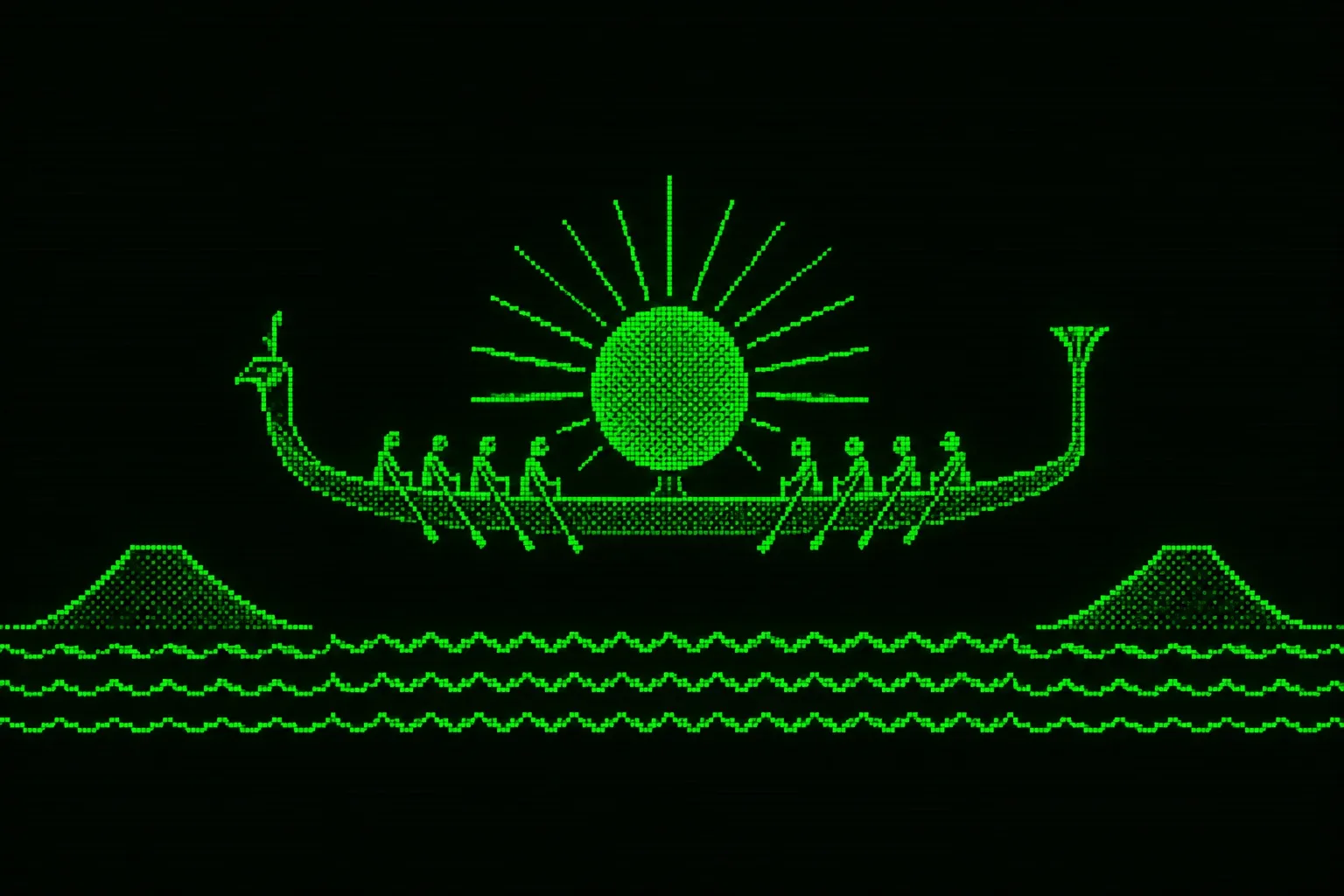
Amenhotep IV—still titled Neferkheperure, Son of Ra, Amenhotep, Ruler of Thebes, before he became Akhenaten—addresses this hymn of adoration to Amun-Ra. He praises the sun god as most hidden of the hidden when he sets, crossing the sky in the solar barque as Horus the Elder, Ra-Khepri, and Atum.
Called the sole god, Amun-Ra is bull of his mother—impregnating his mother to father himself—and mother of mothers, father of fathers. The hymn unites him with light and primeval water: his body is the sun disk, and he is the one whose body is Nun, who keeps the Two Lands alive, greeted with shouts as great in magic forever.
- 1
… 𓇋𓈖 𓅭𓇳
[dwꜣ] ⸢J⸣[mn-Rꜥw] ⸢nṯr⸣-[nṯr(,j)] [mr]⸢y,ty⸣ [...] [j]n ⸮[nṯr-nfr]? [Nfr-ḫpr,pl]-⸢Rꜥw⸣ zꜣ-⸢Rꜥw⸣ [Jmn-ḥtp-ḥqꜣ]-⸢Wꜣs,t⸣
Adoration of Amun-Ra, the divine god, the beloved, … by the perfect god Neferkheperure, Son of Ra, Amenhotep, Ruler of Thebes.
Note · Line 1
Neferkheperure, “Perfect are the forms of Ra,” is the throne name of Amenhotep IV, later known as Akhenaten. - 2
𓁷 𓎡 … 𓆑 𓄊𓄂𓏏𓏥 𓁹𓈖𓏏𓏏𓎟𓏏
[nḏ] ⸢ḥr⸣ =⸢k⸣ ⸢Rꜥw⸣ [ꜥꜣ]-⸢ḫꜥ,pl⸣ [...] [nfr]-[ḫpr,pl] ⸢ḫnt,j-jp,t≡f⸣ [_]y [jmn-jmn,w] [ḥtp] ⸢=f⸣ ⸢wsr⸣-[ḥꜣ,t.pl] ⸢jr⸣-⸢n,tt-nb,t⸣
Hail to you, Ra, great in your risings, …
perfect in your forms, who presides over his sanctuary, …
most hidden of the hidden when he sets,
strong of brow, maker of all that is.Note · Line 2
Amun’s name means “the Hidden One.” The hymn calls Ra by a name that recalls Amun just as the sun passes out of sight. - 3
𓄙𓈍𓂝𓏥 … 𓁷𓂋𓏭𓈐 𓇓𓏏𓏥𓊹 𓆑 … 𓊵𓏏𓊪 … 𓆑 … 𓏏𓇳𓌌
[Ḥr,w-sms,w] ⸢nb-jtr,tj⸣ [jm,j]-⸢wjꜣ⸣ ⸢wḥm-ḫꜥ,pl⸣ ⸢⸮tw?⸣ 〈〈[Rꜥw]-⸢Ḫpr,j⸣〉〉 [...] [m] [Jtn] ⸢Jtm,w⸣ ḥr,j-[ꜣḫ,t] [twt] ⸢nswt-nṯr,pl⸣ [s]⸢ḫnti̯⸣ ⸮⸢zšp⸣? ⸢=f⸣ [...] ⸢qn-ꜣḫ⸣ [...] [ḥtp] [m] [...] [wr]r [_]f ⸢mw,t⸣ ⸢=f⸣ [⸮rʾ?]-⸢nfr⸣ [...] ⸢rs⸣-⸢ḥꜣ,t.pl⸣ [tꜣ] ⸢ḥḏ⸣
Horus the Elder, lord of the two shrines,
who is in the barque, who rises time and again, … Ra-Khepri,
… as the sun disk and as Atum above the horizon,
the perfect one, king of the gods, who brings his … to the fore,
… mighty in power … content in … great in his …,
his mother … fair of mouth …
with watchful face when the earth grows light.Note · Line 3
The barque is the boat in which the sun travels. Khepri is the rising sun, Atum the setting sun. - 4
… 𓌡𓏤𓂝 …
⸢Jmn⸣-[Rꜥw] ⸮[ḏꜣ]? [...] [m] ⸢šw⸣ [...] ⸢ḥqꜣ-Wꜣs,t⸣ [ḫnt,j] [...] [mꜣnw] [_],j [...] ⸮[ꜥꜣ]?-⸢ḫpr⸣ ⸢nb⸣-[jm,j]w[≡f] [kꜣ-mw,t≡f] [_] =f ⸮[nb]? [...] [w]⸢ꜥ⸣ [nn-ḥr-ḥ,pl≡f] [...] ⸢sms,w⸣-[sꜣḫ.pl]
Amun-Ra, who crosses … in the light … ruler of Thebes,
foremost in … the western mountains …
great in his forms, lord of those among whom he dwells,
bull of his mother, … his … lord of …
the sole one, the matchless one, … eldest of the transfigured spirits.Note · Line 4
“Bull of his mother” names the god as both his mother’s mate and her offspring: he fathers himself. - 5
𓊹𓀭𓌡𓅴 𓂜𓏏𓏭𓏮𓏌𓆑 … 𓅨𓂋 … 𓄤 … 𓆄𓇳𓅱
j[n] [ꜥꜣ]-⸢sḫm⸣[≡f] [s]ḥḏ-[tꜣ] n[mj-p,t] ⸢nb⸣-[ḥkn,w] J[mn-Rꜥw] [nṯr]-⸢wꜥ⸣ [jw,tj]-⸢sn,nw≡f⸣ [⸮mn?] [...] ⸢nswt-bj,tj⸣ [...] [nṯr] [nb-p,t] [wsr-ḫpr.pl] [...] [⸮rꜥ?] ⸢mꜣnw⸣ ⸢nb-ns,wt-Tꜣ,wj⸣ [jmn]-⸢sšm(,w)⸣≡f [jr-npr] [...] [_] =[f] [nb]-⸢ḏ,t⸣ [ḥr,j-tp]-⸢nḥḥ⸣ [wr] [...] ⸢nfr⸣ ⸮[nswt]? [nb-wꜥb] [...] ⸢nb⸣ [...] [ꜥꜣ]-⸢nsw,yt⸣ ⸢šw⸣ ⸢ṯḥn⸣ [⸮_?]
It is he whose power is great,
who lights the earth and crosses the sky,
lord of praise, Amun-Ra, the sole god,
who has no equal, who endures …
king of Upper and Lower Egypt … god, lord of the sky,
mighty in his forms … the mouth of the western mountains,
lord of the thrones of the Two Lands, whose image is hidden,
who made the grain … his …
lord of time everlasting, chief of time ever renewed,
the greatest … the perfect one, king, lord of purity,
… all … great in kingship, sunlight gleaming …Note · Line 5
The two titles for eternity distinguish time that abides unchanged (djet) from time that renews itself in cycles (neheh). - 6
… 𓎡 … 𓂋𓂝𓇳
[Jmn]-⸢Rꜥw⸣ [...] ⸢Tꜣ,wj⸣ [...] ⸢zꜣ-Rꜥw⸣ ⸢Jmn-ḥtp-ḥqꜣ-Wꜣs,t⸣ ⸢j⸣[_] =k [...] ⸢Rꜥw⸣ ⸢twt⸣ ⸢pr-m-Nw,w⸣ nbi̯.y-[ḫpr,pl] [nb]-ḥqꜣ,pl ⸢wꜣs,tj⸣ ⸢sꜥnḫ⸣-[ḥr]-⸢nb⸣ ⸢mw,t⸣-[mw,t.pl] ⸢jtj⸣-[jtj,pl]
Amun-Ra … the Two Lands …
Son of Ra, Amenhotep, Ruler of Thebes, you …
Ra, the image who came forth from Nun,
who fashioned forms, lord of rulers,
the Theban who gives life to every face,
mother of mothers, father of fathers.Note · Line 6
Nun is the expanse of water from which the sun first rose. - 7
… 𓎛𓂝𓄹𓄹𓄹 𓆑 𓇋𓏏𓈖𓇳 …
[Jmn-ḥtp] [...] [ḫnt,j]-⸢jr(,w)≡f⸣ [...] ⸢jr⸣-⸢n⸣,tj{t} ⸢jw,tj⸣-[⸮sn,nw?]≡⸢f⸣ [ḫꜥ-ḥr-tp-tꜣ] ⸢ḥꜥ,pl⸣ =f ⸢Jtn⸣ [...] ⸢ṯz⸣ [...] [_] ⸢=f⸣ [...]
Amenhotep … who presides over his forms …
maker of what is, who has no equal,
who appears above the earth: his body is the sun disk.
… who knots … his … - 8
… 𓂜𓏏𓏭𓂋𓐍𓆑 …
[...] [Wꜣs,t] [...] ⸢nb⸣ [...] [qmꜣ]-n,[t(j)t] ⸢sḫnti̯-tm.pl⸣ ⸢jw,tj⸣-⸢rḫ⸣≡f ⸢sms,w⸣ [...]
… Thebes … lord …
who fashioned what is, who brings humankind forward,
whom no one knows, the eldest … - 9
… 𓆑 𓎟 𓆑 𓏌𓏌𓏌𓇯
[nḏ] [ḥr] [=k] [...] [_] ⸢nrw⸣ [...] [_] ⸢=f⸣ ⸢nb⸣ [_] =f ⸢Nw,w⸣ ⸢sꜥnḫ-Tꜣ,wj⸣
Hail to you, … terror … all his …,
whose body is Nun, who keeps the Two Lands alive. - 10
𓉔𓇋𓇋 𓈖 𓎡 … 𓆑 𓁹 𓈖 …
⸢hy⸣ ⸢n⸣ [ḥr] ⸢=k⸣ ⸢nswt⸣-[rḫ,yt] [...] [ḏs] ⸢=f⸣ ⸢jri̯⸣ n [=f] [...] [wr]-⸢ḥkꜣ,pl⸣ ⸢ḏ,t⸣
Shouts of joy before your face, king of the people!
… he himself, for whom … was made,
great in magic forever.