~/sacred-texts/new-kingdom-royal-letters
Amenhotep II’s Letter to Usersatet: Trust No Nubian
- Date
- Carved in the 18th Dynasty, regnal year 23 of Amenhotep II (c. 1405 BC), on a sandstone stela at Semna in Nubia
- Found
- Found at Semna West, Nubia (Sudan); now in the Museum of Fine Arts, Boston (MFA 25.632)
- Language
- Middle Egyptian · Hieroglyphic
- 1
[...] [_]w [...] ḏꜥm [...] bꜣk.pl Kꜣš [...] ⸢zꜣ⸣-[nswt] [...] [ḥm] =f ⸢Wsr⸣-sṯ,t
… electrum … the tribute of Kush … the King’s Son … His Majesty … User-Satet.
Note · Line 1
These are fragments of picture captions. “King’s Son” was User-Satet’s title as viceroy of Kush, in Nubia. Electrum is an alloy of gold and silver. - 2
rnp,t-zp 23 ꜣbd 4 ꜣḫ,t sw 1 hrw n(,j) ḥꜣb ḫꜥi̯ nswt
Regnal year 23, fourth month of the Inundation, day 1: the day of the Festival of the King’s Appearance.
Note · Line 2
The festival celebrated the king’s coronation. - 3
mj,tj wḏ,w jri̯.n ḥm =f m ꜥ.wj =fj ḏs =f [...] [n(,j)] [⸮pr-ꜥꜣ?] ꜥnḫ-wḏꜣ-s(nb) tj sw m ⸢ḥmsi̯⸣ swr jri̯ hrw [...]
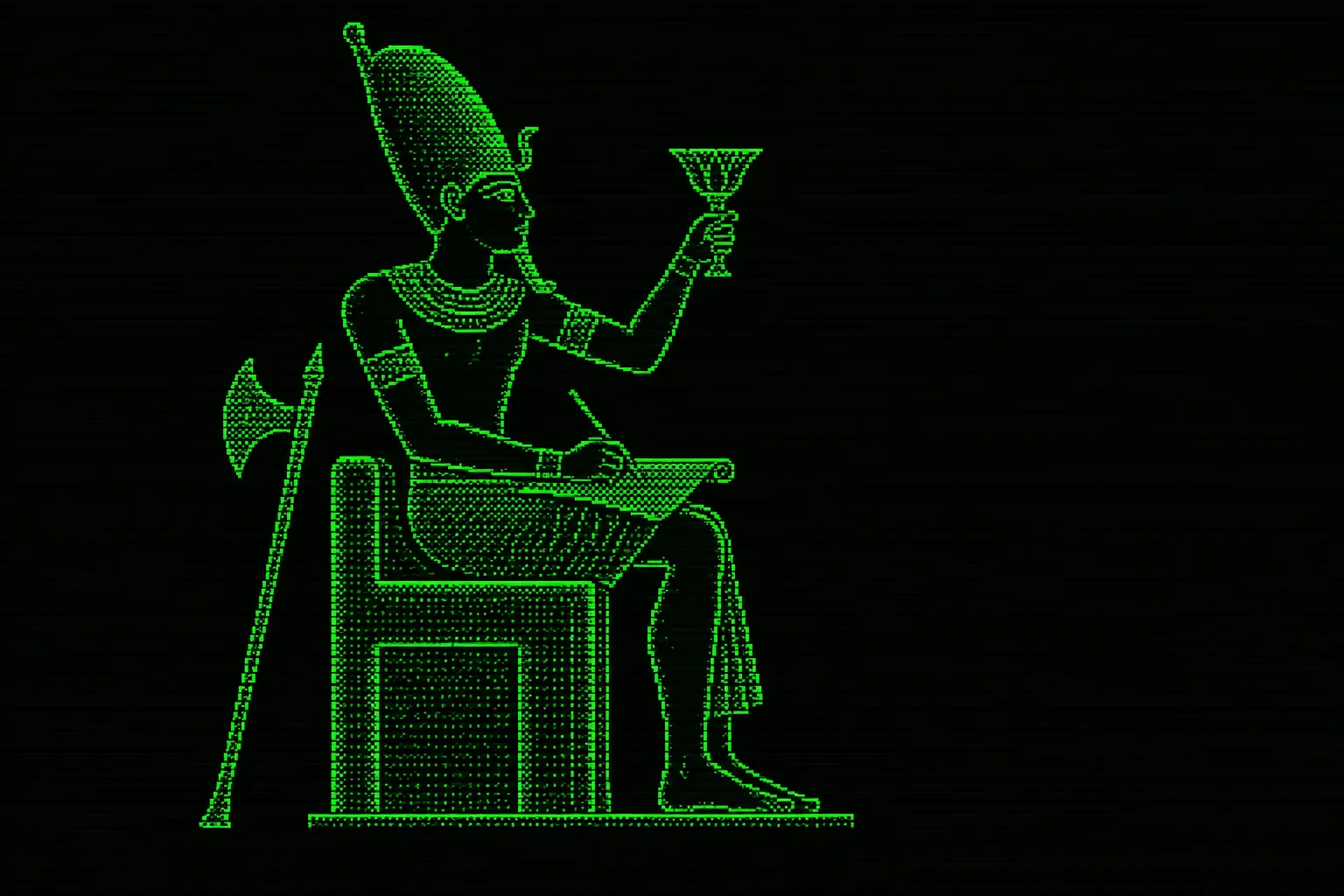
Copy of the decree His Majesty wrote with his own two hands … of Pharaoh, may he live, prosper and be well, as he sat drinking and passing the day …
- 4
[...] nḫt [...] qni̯ ḥr ḫpš =f wꜥf [...] ⸢m⸣ s,t.pl =sn nb nn rq,y m tꜣ nb
… strong … valiant of arm, who struck down … wherever they were. There is no foe in any land.
- 5
ḥmsi̯ =k [...] qni̯ kfꜥ.w ḥr ḫꜣs,t.pl nb znn šfꜥ n ḥm =f Jmn-ḥtp,w-ḥqꜣ-Jwn,w [...] Nhrn ḏi̯.w šꜣ Pꜣḫꜣty
You sit … a man of valor who took plunder in every foreign land, a chariot warrior who fought for His Majesty Amenhotep, Ruler of Heliopolis, … Naharina, who decided the fate of Pakhaty.
Note · Line 5
Naharina was the Egyptian name for the kingdom of Mitanni in northern Mesopotamia. - 6
[...] m Sngr sḏm,t-ꜥš m Kbn msw,tt n(,j).t Jrrḫ jꜣ(w),t n(,j).t Jrrpḫ nꜣy Tḫsj bn nkt r-ḏr,w jw =w r jḫ m-kfꜣ
… from Babylonia, a serving woman from Byblos, a young woman from Alalakh, an old woman from Arrapha, and those from Takhsi—they all amount to nothing. What use are they at all?
- 7
ky-ḏd n pꜣ zꜣ-nswt m nꜥi̯.t nḥs,j m-kfꜣ zꜣu̯ tw r nꜣy =sn r(m)ṯ.pl ḥnꜥ nꜣy =sn ḥkꜣ,w.pl
One more word to the King’s Son: show a Nubian no pity at all. Be on your guard against their people and their magicians.
- 8
ptr pꜣ bꜣk n(,j) nẖmḥ,y jni̯.n =k r ḏi̯.t =f r sr jw bn sr pw n(,j) pꜣy =k smj.t(w) =f n ḥm =f rʾ-pw r ḏi̯.t sḏm.t(w) ngꜣ jqḥ,w m ḏꜥm jstn,w m ḥzmn tjsw ḏrj m s,t n(,j).t mw pꜣ ky m bꜥr-šnt
Look at the commoner’s servant you brought to make a high official, though he is no official fit for you to put forward to His Majesty. Or, to give the saying a hearing: “If you lack a battle-axe of electrum bound in bronze, a stout stick from the waterhole will do, or another from the acacia pool.”
Note · Line 8
The king speaks of himself here as “His Majesty.” The saying bears on the proposed appointment: can the servant do the job as well as a man of rank? - 9
m-jri̯ sḏm mdw,t =sn m ḏꜥ〈r〉 wp(w),t =sn
Do not heed what they say. Do not take up their business.