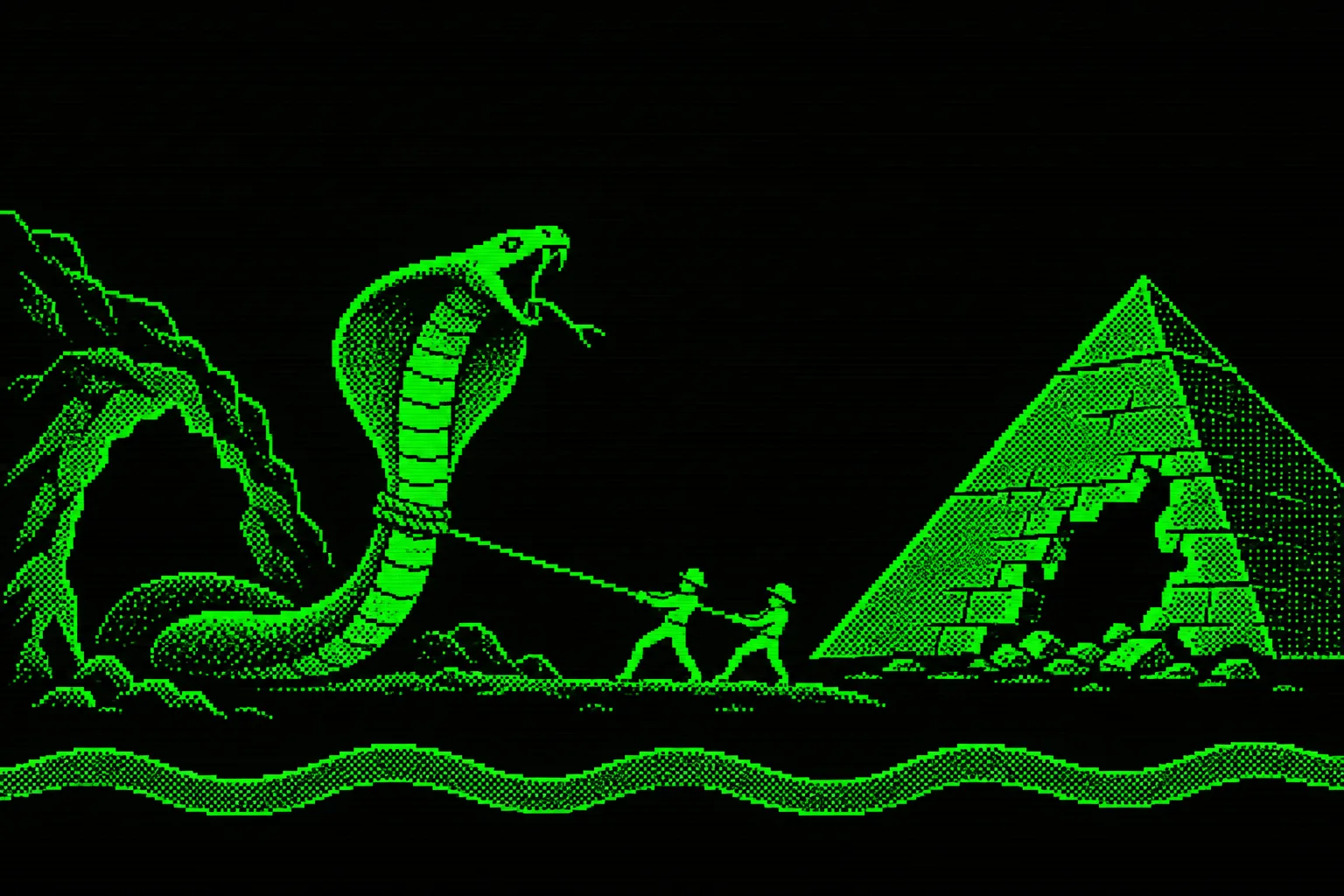
~/sacred-texts/egyptian-laments
The Admonitions of Ipuwer: The River Is Blood
- Date
- Composed in the late Middle Kingdom (about 1850–1650 BC); the only copy was written in the 19th Dynasty (about 1250 BC) on Papyrus Leiden I 344 recto
- Found
- Found at Saqqara, the cemetery of Memphis; now in the Rijksmuseum van Oudheden, Leiden
- Language
- Middle Egyptian · Hieratic
Ipuwer stands before the Lord of All and lists what has become of Egypt: the river is blood, yet people drink from it; the land spins like a potter’s wheel; the children of high officials are dashed against walls; what the pyramid hid is empty now. The poor own treasures and noblewomen sleep in ditches.
Then he turns on his listener: Is he a shepherd who loves death? Where is he, then, today? Can he be asleep? The Lord of All begins a reply, and the papyrus breaks off.
- 1
… 𓁷𓏤
[...] [jr,j]-ꜥꜣ.pl ḥr
… the doorkeepers say:
Note · Line 1
The opening of the papyrus is lost. We come in just as the doorkeepers speak. - 2
𓈝𓅓𓂻 𓈖𓏫 𓇉𓄿𓈎𓀜𓈖 𓈖𓏥
šm =n ḥꜣq.n =n
“Let’s go once we’ve taken our plunder.”
- 3
𓃀𓈖𓂋𓇋𓇋𓏏𓏭𓇜𓀜𓀀𓏥 …
bnr,ytj.pl [...]
The sweet-makers …
- 4
𓂜 𓆓𓂧 𓏏𓏭𓅂𓀜𓀀𓏥 𓆑𓄿𓏏𓀋𓏛𓏥 𓄿𓏏𓊪𓏲𓀋𓀜𓀀𓏥 𓆑
n ḏd rḫt,j.pl fꜣi̯.t ꜣtp.w ={f} =〈sn〉
The washermen have not said they will carry their loads.
- 5
nꜥ,[y.pl] [...]
The ropemakers …
- 6
𓄿𓊪𓂧𓏲𓅬𓏥 𓋭𓊃𓏛𓀜𓈖 𓋴𓈖𓏥 𓋴𓎝𓎢𓏲S156𓀜
⸢grg⸣.pl ꜣpd.w ṯsi.n =sn sk,w
The fowlers have raised troops.
- 7
… 𓌨𓂋𓏏𓏛 𓇋𓆎𓅓𓏲𓄛𓏫
[...] [j]dḥ,w ẖr jkm.pl
… the Delta marshes bear shields.
- 8
𓂝𓏏𓐍𓏲𓏊𓀜𓀀𓏥 …
ꜥtḫ.pl [...]
The brewers …
- 9
… 𓊃𓈖𓌰𓅓𓅯𓅪𓏫
[...] ⸢snm⸣
… grief-stricken.
- 10
𓌴𓁹𓄿𓄿 𓊃𓀀𓏤 𓅭𓏤𓀀 𓆑 𓅓 𓊤𓏲𓇋𓇋𓏛𓀜𓀀 𓆑
mꜣꜣ z zꜣ =f m ḫrw,y =f
A man sees his son as his enemy.
- 11
s(w)hꜣ [...]
An uproar …
- 12
… 𓇓𓏲 𓂋 𓎢𓇋𓇋𓀀
[...] [m]⸢ḏd⸣ sw r ky
… sides with him against another:
- 13
𓅓𓂝𓇋𓂻 𓁷𓏤 𓐍𓊪𓈙𓄗𓀜
mj ḥr ḫpš
“Come in force!”
- 14
𓄋𓊪𓏲𓏏𓏴𓀁 …
wpw,t [...]
A message …
- 15
… 𓈖𓄿𓇋𓇋𓏛𓏥 𓈖 𓏏𓈖𓏥 𓅓 𓂋𓎢𓇳 𓅃𓅆 𓅓 …
[...] nꜣy.pl ⸢šꜣ⸣[ꜣ] n =⸢tn⸣ m rk Ḥr m hꜣ[w] [...]
… these things ordained for you in the age of Horus, in the time of …
Note · Line 15
Horus was remembered as a king who ruled on earth in the age of the gods. - 16
… 𓎟 𓐪𓂧𓏌𓏛𓏫 𓅓 𓇋𓁹𓅂𓀁𓏫 𓅓𓂝 𓆣𓂋𓏏𓏥 𓅓 𓇾𓏤𓈇
[...] [š]m nb qd m jrtjw m-ꜥ ḫpr.t m tꜣ
… a man of character goes about mourning for what has happened in the land.
- 17
𓇋𓏲 …
jw ⸢šm⸣ [...]
… goes …
- 18
𓅓 𓂋𓎀𓀀𓁐𓏥 𓅓 𓊨𓏏𓉐 𓎟
⸢ḫꜣs,tj.pl⸣ ḫpr m r(m)ṯ.pl m s,t nb(.t)
Foreigners have become the people everywhere.
Note · Line 18
“The people” here means the Egyptians, as distinct from those they regarded as outsiders. - 19
𓇋𓏲 𓄟𓋴𓀁 𓁷𓏤 …
jw ms ḥr ꜥꜣd.w [...]
Indeed, the face has turned pale …
- 20
𓏏𓏲 𓋴𓂋𓏲𓏯𓀁𓈖 𓁶𓊪𓏲𓏥𓂝𓏤𓀻𓏫 𓄭𓂋𓏲𓂻 𓂋 …
[___] =tw sr.n tp(,j).w.pl-ꜥ.pl spr r [...]
One … what the ancestors foretold, now that it has reached …
- 21
𓂋𓏲𓏲𓂻 …
[jw] [ms] ⸮n[n]? rww [...]
Indeed, … will not go away …
- 22
𓇾𓏤𓈇 𓌨𓂋 𓄥𓄿𓇋𓇋𓏛𓀜𓀀𓏥
[jw] [ms] [___] [ḥr] [dhn] tꜣ ẖr zmꜣ,y(t)
Indeed, … bow with their foreheads to the ground before gangs.
- 23
𓊃𓀀𓏤 𓂋 𓋴𓂓𓄿𓏲𓍁𓌻𓂡 𓈖 𓆑 𓇋𓆎𓅓𓏲𓄛𓏤 𓆑
šm z r skꜣ n =f 〈ẖr〉 jkm =f
A man goes out to plow for himself, carrying his shield.
- 24
𓇋𓏲 𓄟𓋴𓏲𓀁 𓋴𓆑𓂉𓀀𓏥 𓁷𓏤 𓆓𓂧
jw ms sf.pl ḥr ḏd
Indeed, the gentle men say:
- 25
𓊃𓈖𓇋𓇋𓅪 …
sny [...]
“Poverty …”
- 26
… 𓅓 𓈖𓏏𓏭𓃹𓈖𓏛𓀀
[___]-ḥr [...] m n,tj-wn
The …-faced man … is a man of means.
- 27
𓇋𓏲 𓄟𓋴𓀁 𓁷𓏤 𓉻𓂝𓄿𓂧𓏲𓏛𓀜
jw ms ḥr ꜥꜣd.w
Indeed, the face has turned pale.
- 28
𓌔𓏏𓏤𓀀 𓎼𓂋𓍅𓏛
pḏ,t(j) grg
The bowman has settled here.
Note · Line 28
“Bowman” is an Egyptian name for a foreigner, not simply a soldier’s trade. - 29
𓅓 𓊨𓏏𓉐 𓎟𓏏
ꜥḏꜣ m s,t nb.t
Falsehood is everywhere.
- 30
𓂜𓈖 𓊃𓀀𓏤 𓈖 𓋴𓆑𓇳
nn z n(,j) sf
No man of yesterday remains.
Note · Line 30
In Egyptian, “yesterday” echoes the word for the gentle men who spoke a few lines earlier. - 31
𓇋𓏲 𓄟𓋴𓀁 … 𓅓 𓊨𓏏𓉐 𓎟𓏏
jw ms ḥꜣq.w [...] ⸢m⸣ s,t nb.t
Truly, the plunderer … in every place;
- 32
𓅡𓎢𓀀 𓌨𓂋𓏭𓏛
bꜣk ẖrı͗ 〈___〉
the servant carries …
- 33
𓎁𓏏𓏏𓀜𓀀 𓂋 𓆑
jṯ(,w) r gmi̯(.t) =f
the thief will find him.
- 34
𓇋𓏲 𓄟𓋴𓀁 𓎛𓂝𓊪𓏭𓈘𓈗𓈘𓈇𓅆 𓁷𓏤 𓎛𓀜𓏷𓀜𓈗 𓂜 𓋴𓂓𓄿𓏲𓍁𓌻𓂡 𓏏𓏲 𓈖 𓆑
jw ms ḥꜥpj ḥr ḥwi̯ n skꜣ〈.n〉 =tw n =f
Truly, the Nile is rising, yet no one ploughs for it.
Note · Line 34
The annual flood watered the fields and left fresh silt. As the water withdrew, the farmers would plough and sow. - 35
𓊃𓀀𓏤 𓎟 𓁷𓏤
z nb ḥr
Every man says,
- 36
𓂜 𓂋𓐍𓏛 𓈖𓏫 𓆣𓂋𓏏𓏥 𓆱𓐍𓏏𓂻 𓇾𓏤𓈇
n rḫ =n ḫpr.t ḫt tꜣ
“We do not know what has happened throughout the land.”
- 37
𓇋𓏲 𓄟𓋴𓀁 𓈞𓏏𓁐𓏫 𓏲𓈙𓂋𓅨 𓂜 𓏏𓏲
jw ms ḥm,t.pl wšr〈.tj〉 n jw[r].n =tw
Truly, women have withered; none conceives.
- 38
𓂜 𓀨𓀜𓈖 𓎸𓅓𓏲𓅆 𓅓𓂝 𓋴𓐍𓂋𓏛𓏥 𓇾𓏤𓈇
n qd.n H̱nm,w m-ꜥ sḫr.pl tꜣ
Khnum shapes nothing, such is the state of the land.
Note · Line 38
Khnum is the potter god who shapes children on his wheel. - 39
𓇋𓏲 𓄟𓋴𓀁 𓈙𓍯𓄿𓏲𓏲𓀃𓅪𓏥 𓆣𓂋 𓅓 𓎟𓏲𓏫 𓀻𓋴𓋴𓏛𓏥
jw ms š⸢wꜣ,w.pl⸣ ⸢ḫpr⸣ m nb.w.pl špss
Truly, the poor have come to own treasures;
- 40
𓏏𓍃𓅓 𓁹𓏏 𓈖 𓆑 𓏏𓃀𓏏𓋸𓋸 𓅓 𓎟 𓊢𓂝𓇤𓏤𓏛𓏥
tm jri̯.t n =f tb,t.du m nb ꜥḥꜥ(,w)
the man who never made himself a pair of sandals now owns a fortune.
- 41
𓇋𓏲 𓄟𓋴𓀁 𓍛𓏤𓀀𓏥 𓇋𓂋𓏭 𓄣𓏤𓏫 𓋴𓈖𓏥 𓊃𓈖𓌰𓅓𓅯𓅪𓏫
jw ms ḥm.pl jr,j jb.pl =sn snm
Truly, their servants’ hearts are heavy;
- 42
𓈖 𓌢𓌢𓏛𓈖 𓀙𓏲𓀀𓏥 𓂋𓎀𓀀𓏥 𓋴𓈖𓏥 𓈖𓉔𓅓𓏲𓀁𓏫
n snsn.n sr.w.pl r(m)ṯ.pl =sn n⸢hm.w⸣
the officials do not mingle with their people, who shout for joy.
- 43
𓇋𓏲 𓄟𓋴𓀁 𓌂𓅓𓏲𓀜
jw ms [jb] sḫm
Truly, the heart is fierce,
- 44
𓇋𓄿𓂧𓏏𓏯𓏫 𓇾𓏤𓈇
jꜣd,t ḫt tꜣ
plague is throughout the land,
- 45
𓊃𓈖𓆑𓂐𓏥 𓅓 𓊨𓏏𓉐 𓎟
snf m s,t nb(.t)
blood is in every place.
- 46
𓈖 𓅓𓏏𓏱
〈nn〉 〈gꜣ,w〉 n(,j) mwt
There is no lack of death;
- 47
𓃹𓈖𓐍𓇋𓇋𓏏𓍼𓏤 𓁷𓏤 𓆓𓂧 𓂜 𓏏𓎢𓈖𓂻 𓇋𓅓 𓋴𓏏
wnḫ,yt ḥr ḏd n〈n〉 tkn jm =st
the mummy wrappings call out, but no one comes near them.
Note · Line 47
The linen that should wrap the dead calls in vain: the bodies lie in the river instead. - 48
𓇋𓏲 𓄟𓋴𓀁 𓅓𓏏𓏱𓏥 𓆈𓏥 𓈎𓂋𓋴𓏲𓀿𓂡 𓅓 𓇋𓏏𓏲𓂋𓈗𓈘𓈇𓏤
jw ms mwt.pl ꜥšꜣ qrs m jtwr
Truly, the dead are many, buried in the river;
- 49
𓈖𓍇𓏌𓏲𓇋𓇋𓈗𓈘𓈇 𓅓 𓇉𓄿𓏏𓉐
nw,y m ḥꜣ,t
the flood is a grave,
- 50
𓆣𓂋 𓇋𓋴 𓃂𓈗𓏏𓉐 𓅓
ḫpr js wꜥb,t m [n]w,y
and the tomb in turn has become a flood.
- 51
𓇋𓏲 𓄟𓋴𓀁 𓀻𓋴𓏲𓀀𓏥 𓅓 𓈖𓐍𓏲𓏏𓀁𓏫
jw ms ⸢šps,w.pl⸣ m nḫ,wt
Truly, the nobles lament,
- 52
𓈙𓍯𓄿𓏲𓏲𓀃𓅪𓏥𓀀 𓌨𓂋𓏭𓏛 𓂋𓈙𓏲𓏏𓂉𓏛𓏥
šwꜣ,w〈.pl〉 ⸢ẖri̯⸣ rš,wt
the poor rejoice.
- 53
𓊖𓏏𓏤 𓎟 𓁷𓏤
nʾ,t nb(.t) ḥr
Every town says,
- 54
𓇋𓅓𓅓𓂝 𓂧𓂋𓀜 𓈖𓏥 𓅓𓅓𓂝 𓈖𓏥
jmm dr =n 〈qn.pl〉 m-m =n
“Let us drive the strong from our midst!”
- 55
𓇋𓏲 𓄟𓋴𓀁 𓂋𓎀𓀀𓁐𓏥 𓏇𓇋 𓅠𓅓𓏲𓅯𓏥
jw ms r(m)ṯ.pl mj ⸢gm⸣.w.pl
Truly, people are like black ibises;
- 56
𓊄𓃀𓏲𓐎𓏥 𓆱𓐍𓏏𓂻 𓇾𓏤𓈇
zb,w ḫt tꜣ
filth covers the land,
- 57
𓂜𓈖 𓄟𓋴𓀁 𓌉𓆓𓇳 𓎛𓃀𓋴𓏲𓍱𓏫 𓅓 𓅯𓄿 𓂋𓎢𓇳
nn ms ḥḏ ḥbs,w m pꜣ rk
and indeed no one’s clothes are white these days.
- 58
𓇋𓏲 𓇾𓏤𓈇 𓁷𓏤 𓄟𓋴𓈖𓎛𓂽 𓏇𓇋 𓁹𓂋 𓅘𓎛𓊪𓈙
jw [ms] tꜣ ḥr msnḥ mj jrr nḥp
Truly, the land spins like a potter’s wheel;
- 59
𓂝𓍯𓄿𓇋𓇋𓅪𓀀 𓅓 𓎟 𓊢𓂝𓇤𓏤𓏛𓏥 𓅓 𓇉𓄿𓈎𓏲𓀜𓀀
ꜥwꜣ,y m nb ꜥḥꜥ(,w) ⸮[ḫpr]? m ḥꜣq,w
the robber owns a fortune, having turned plunderer.
- 60
𓇋𓏲 𓄟𓋴𓀁 𓎢𓆑𓄿𓏲𓄖𓏛𓏫𓄣𓏤𓀀𓏥 𓏇𓇋 …
jw ms ⸢kfꜣ.pl-jb.pl⸣ ⸮⸢mj⸣? ꜣ__ [...]
Truly, trusted men are like …
- 61
𓈖𓆓𓊃𓅪𓀀 𓁷𓐡𓀜𓏲𓏏 𓁹𓇋𓇋 𓀀 𓅓𓂝
[s]⸢ḏd⸣ ⸢nḏ⸣s ḥr{.wt}〈.wj〉 jri̯.y =j m
The commoner cries out, “How terrifying! What am I to do?”
- 62
𓇋𓏲 𓄟𓋴𓀁 𓇋𓏏𓂋𓏲𓈗𓈘𓈇𓏤 𓅓 𓊃𓈖𓆑𓂐𓏥 𓋴𓅨𓂋𓇋𓈗𓀁 𓏏𓏲 𓇋𓅓 𓆑
jw ms jtr,w m snf swrj =tw jm =f
Indeed, the river is blood, yet people drink from it;
Note · Line 62
The river is the Nile. - 63
𓈖𓇋𓇋𓏲𓂢𓂡 𓏏𓏲 𓅓 𓂋𓎀𓀀𓁐𓏥 𓇋𓃀𓃙𓈗𓀜 𓏏𓏲 𓈗
nyw =tw m r(m)ṯ.pl jbi̯ =tw mw
they push others aside, they thirst for water.
- 64
𓇋𓏲 𓄟𓋴𓀁 𓋴𓃀𓐍𓏏𓉨𓉐𓏫 𓏲𓆼𓄿𓏲𓆱𓏥 𓇥𓂋𓇋𓏲𓏏𓆱𓏥 𓄿𓅓𓅓𓊮
jw ms sbḫ,t.pl wḫꜣ.w.pl ḏr,jwt.pl ꜣmm
Indeed, gateways, pillars and partition walls are charred,
- 65
𓇥𓂋𓏲𓏏𓉐 𓈖 𓇓𓏏𓈖𓅆𓉐𓏤 𓋹𓍑𓋴 𓏠𓈖𓏛
ḏr,wt n pr-nsw ꜥnḫ-(w)ḏꜣ-s(nb) mn rdw
yet the façade of the royal palace—life, prosperity, health!—still stands firm.
Note · Line 65
The blessing usually follows a mention of the king; here it follows the mention of his palace. - 66
𓇋𓏲 𓄟𓋴𓀁 𓋴𓏲𓉔𓄿𓃩𓀜 𓂧𓊪𓏏𓊛 𓇖𓈇𓏥 𓐍𓃀𓅯𓄿𓌻𓂡
jw ms swhꜣ dp,t ⸢rsj⸣ ⸢ḫbꜣ⸣ nʾ,t[.pl]
Indeed, the ship of the south is in uproar, towns are hacked apart,
- 67
𓇗𓏯𓊖 𓆣𓂋 𓆄𓏲𓇋𓇋𓅪𓏥
⸢Šmꜥ,w⸣ ḫpr [m] [qꜣ],y.pl šwi̯.y
and Upper Egypt is now all empty upland fields.
Note · Line 67
Upper Egypt is the southern part of the country, upstream on the Nile. - 68
𓇋𓏲 𓄟𓋴𓀁 𓂜 𓎁𓏏𓏏𓀜𓈖 𓋴𓈖𓏥
jw ms msḥ.⸢pl⸣ [⸮ḥr?] 〈ꜣfj(.t)〉 n jṯi̯.n =sn
Indeed, the crocodiles gorge themselves, yet they seize nothing:
- 69
𓈝𓅓𓂻 𓈖 𓋴𓈖𓏥 𓂋𓎀𓀀𓁐𓏥 𓆓𓊃𓏥 𓇋𓂋𓏭
šm n =sn r(m)ṯ.pl ḏs.pl jr,j
people go to them of their own accord.
- 70
𓌌𓏴𓅪 𓊪𓏲 𓈖 𓆓𓂧 𓏏𓏲
ḥḏ pw n(,j) 〈tꜣ〉 ḏd =tw
This is the ruin of the land. People say,
- 71
𓅓 𓂧𓎼𓄿𓋴𓂾𓂻 𓉻𓈐
m dgꜣs ꜥꜣ
“Don’t set foot here.
- 72
𓅓𓂝 𓎢 𓋴𓏭 𓍴𓏌𓏲𓏯
m =k sj 〈m〉 šn,w
Look, it’s a net!”
- 73
𓅓𓂝 𓎢 𓐍𓈖𓂧𓂾𓂻 𓏏𓏲 𓏇𓇋 𓂋𓅓𓏲𓆟𓏥 …
m =k ḫnd =tw ⸢sḫt⸣ mj rm.pl [...]
Look, people step into the trap like fish …
- 74
𓂜 𓏏𓈖𓏌𓏲𓌙𓅯𓏛 𓇓𓏲 𓅾𓀁𓀀 𓅓𓂝 𓁷𓂋𓇋𓇋𓐡𓀜𓏫 𓄣𓏤
n tni̯ sw snḏ,w m-ꜥ ḥr,y(t) jb
The frightened man could not make it out for the terror in his heart.
- 75
𓇋𓏲 𓄟𓋴𓀁 𓂋𓎀𓀀𓁐𓏥 𓂝𓈖𓂧𓏲𓅪
jw ms r(m)ṯ.pl ꜥnd.w
Indeed, people are few;
- 76
𓂞𓂞 𓌢𓀀 𓆑 𓅓 𓇾𓏤𓈇 𓅓 𓊨𓏏𓉐 𓎟𓏏
ḏḏ sn =f m tꜣ m s,t nb.t
in every place a man lays his brother in the earth.
- 77
𓌃𓂧𓏲𓀁𓏫 𓆑 … 𓆑 𓂜 𓏲𓆓𓆑𓄿𓏲𓅯𓂻
mdw.pl ⸢rḫ,w-ḫ,t⸣ ⸮[wꜥr]? =f [...] ⸮[jwi̯]? =f n〈n〉 ⸢wḏfꜣ⸣
The words of a wise man: “He flees … he comes without delay.”
- 78
𓄟𓋴𓀁 𓅭𓏤𓊃𓀀𓏤 𓎟𓏏 𓎼𓄿𓏲𓐎𓅪 𓋷𓄿𓀁 𓆑
[j]w ms zꜣ-z ⸢nb{.t}⸣ ⸢gꜣ.w⸣ sjꜣ =f
Indeed, every wellborn son goes unrecognized;
- 79
𓆣𓂋 𓄟𓋴𓏯 𓎟𓏏 𓆑 𓅓 𓅭𓀀 𓍛𓏏𓏤𓁐 𓆑
ḫpr ms nb,t =f m zꜣ ḥm,t =f
the child of his lady becomes the son of his maidservant.
- 80
𓂧𓈙𓂋𓏏𓏯𓌙𓈉 𓆱𓏏𓏤 𓇾𓏤𓈇
[jw] [m]s dšr,t ḫt tꜣ
Indeed, the desert stretches throughout the land,
- 81
𓐍𓃀𓅯𓄿𓌻𓂡
〈spꜣ,t.pl〉 ḫbꜣ
the nomes are hacked apart;
Note · Line 81
A nome was an Egyptian province. - 82
𓌔𓏏𓌙𓀀𓁐𓏥𓈉 𓂋𓏲𓏏𓏭𓇯 𓇍𓇋𓇋𓏏𓂻𓍘𓇋 𓈖 𓆎𓅓𓏏𓊖
pḏ,t rw,tj jy.tj n Km,t
a foreign people of the bow has come to Egypt.
Note · Line 82
The bow was an Egyptian emblem for foreign peoples. - 83
𓇋𓏲 𓄟𓋴𓀁 𓄭𓂋𓏏𓂻 …
jw ms spr.t [...]
Indeed, … reach …
- 84
𓂜𓈖 𓄟𓋴𓏯 𓃹𓈖 𓂋𓎀𓀀𓁐𓏥 𓅓 𓊨𓏏𓉐 𓎟
nn ms wn r(m)ṯ.pl m s,t nb(.t)
Indeed, there are no people anywhere.
- 85
𓇋𓏲 𓄟𓋴𓀁 𓋞 𓐍𓊃𓃀𓂧𓈒𓏥 𓌉𓋞 𓅓𓂝𓆑𓎢𓏏𓈒𓏫 𓎛𓌳𓄿𓎼𓄿𓏏𓈒𓏫 𓎛𓋴𓏠𓈖𓍖𓈒𓏥 𓈖𓏥 𓏠𓈖𓐍𓏲𓍊𓀜 𓂋 𓐍𓐍𓏲𓄈𓄹 𓈖𓈖 𓍛𓏏𓏤𓁐𓏥
jw ms nbw ḫsbd ḥḏ mfk,t ḥmꜣgꜣ,t ḥsmn jbh,t [⸮ꜥꜣ,t?] =⸮n? ⸢mnḫ.w⸣ r ḫḫ n(,j) ḥm,t.pl
Indeed, gold, lapis lazuli, silver, turquoise, garnet, amethyst, gneiss—our precious stones—are strung about the necks of maidservants.
- 86
𓀻𓋴𓋴𓏏𓏛𓏫 𓆱𓐍𓏏𓂻 𓇾𓏤𓈇
špss{,t} ⸢ḫt⸣ tꜣ
Treasures lie throughout the land,
- 87
𓎟𓏏𓏥𓉐𓏤𓏫 𓁷𓏤 𓆓𓂧
nb,t.pl-pr.pl ḥr ḏd
yet the mistresses of households are saying,
- 88
𓇉𓄿𓀁 𓈖 𓈖𓏥 𓏶𓅓𓏲𓀁𓍘𓇋𓈖 𓈖𓏥
ḥꜣ n =n wnm.tj{n} =n
“If only we had something to eat!”
- 89
𓇋𓏲 𓄟𓋴𓀁 … 𓀻𓋴𓏏𓏛𓁐𓏥
jw ms bwi̯[_] [...] [___].pl šps,t.pl
Indeed, … abhor … noblewomen;
- 90
𓎛𓂝𓄹𓏥 𓋴𓈖𓏥 𓊃𓈖𓌰𓅓𓅯𓅪𓏫 𓅓𓂝 𓇋𓇩𓋴𓇋𓇋𓏲𓏏𓆰𓍱𓏫
ḥꜥ.pl =sn snm m-ꜥ js,ywt
their limbs grieve beneath their rags.
- 91
𓄣𓏤𓏫 𓋴𓈖𓏥 𓃀𓏏𓎢𓏲𓂻 𓁷𓏤 𓐩𓏌𓀁 …
jb.pl =sn btk.w ḥr nḏ ⸢ḫr,t⸣ [...]
Their hearts are heavy as they ask after …
- 92
𓇋𓅱 𓅠𓅓𓅠𓏴𓂡 𓉔𓈖𓏌𓏲𓏯𓆱𓏫 𓏌𓏤 𓉔𓄿𓃀𓈖𓏭𓍁𓆭𓏫
jw ⸢ms⸣ gmgm hnw.pl n.w hꜣbnj
Look, the ebony chests are smashed;
- 93
𓋴𓋴𓇛𓅓𓏛𓆭𓏫 𓀻𓋴𓏏𓏛 𓏴𓂡𓏏𓏲 𓆑 𓅓 𓄿𓏏𓏲𓏏𓆱𓏥
ssnḏm šps{t} ⸮swꜣ?.tw =f m ꜣt,wt.⸢pl⸣
precious carob wood is hacked from the beds.
- 94
… 𓋴𓈖𓏥
[...] =sn
… them.
- 95
𓇋𓏲 𓄟𓋴𓀁 𓀨𓏲𓀜𓀀𓏥 𓂝𓈎𓂻𓏫 𓅓 𓌤𓏲𓏏𓏭𓅂𓀜𓀀𓏥
jw ms qd.w.pl ⸢ꜥq.pl⸣ ⸢m⸣ ⸢ꜥḥ⸣,wtj.pl
Look, masons have become field hands.
- 96
𓃹𓈖𓏲𓏫 𓅓 𓂧𓊪𓏏𓊛𓊹𓅆 …
wn.w.pl m dp,t-nṯr nḥb [...]
Those who were aboard the god’s barque are yoked …
Note · Line 96
A god’s barque was a ceremonial boat that carried the god’s image in procession. - 97
𓂜 𓄟𓋴𓀁 𓐍𓂧𓊛 𓏏𓏲 𓂋 𓏇𓈖𓇳
n ms ḫdi̯ =⸢tw⸣ r [Kp]nj mjn
Indeed, no one has sailed north to Byblos today.
Note · Line 97
Byblos, on the coast of present-day Lebanon, was a source of timber for Egypt. - 98
𓊪𓏲𓏏𓂋𓇋𓆳𓀁 𓁹𓍘𓇋 𓈖𓏥 𓂋 𓂝𓈙𓏲𓐎𓆭𓏫 𓈖 𓊃𓂝𓎛𓏲𓋩𓀻𓏫 𓈖𓏥 𓈎𓂋𓋴𓏯𓀜𓏏𓏲 𓏎𓈖𓏌𓏲𓏛𓏥 𓋴𓈖𓏥 𓋴𓂧𓏲𓐍𓐎𓏛𓏏𓏲 𓀗𓏲𓀀𓏥 𓅓 𓋴𓆑𓏏𓏊𓏫 𓇋𓂋𓏭
pw-trj jri̯.tj =n r ꜥš.w.pl n sꜥḥ.w.pl =n qrs.tw wꜥb[.pl] [m] jn,w =sn sdwḫ.tw ⸢wr.w⸣.pl m sft.pl jr,j
What are we to do for the pines our mummies need?
Wab-priests are buried with what those trees yield,
and the great are embalmed with their oils.Note · Line 98
Wab-priests, literally “pure priests,” were temple priests who had to be ritually clean for service. - 99
𓂋𓏠𓈖𓅓𓏛 𓎢𓆑𓄿𓅂𓏲𓌙𓈉 𓂜 𓇍𓇋𓂻𓈖 𓋴𓈖𓏥
r-mn-((m)) Kfꜣt,jw n jy.n =sn
Even from distant Crete they do not come.
- 100
𓌌𓏴𓅪 𓋞𓈒𓏥
ḥḏi̯ nbw
Gold is destroyed.
- 101
𓐖𓈖𓏛 𓈖𓏏 𓎟
qn ⸮[wꜣḥ]? 〈jnr〉 n{.t} kꜣ,t nb(.t)
No more stone is laid by for work of any kind.
- 102
𓎢𓆑𓄿𓏲𓄖𓏛 𓈖𓏏 𓇓𓏏𓈖𓅆𓉐𓏤 𓋹𓍑𓋴
⸢kfꜣ⸣ 〈___〉 n.t pr-nsw ꜥnḫ-(w)ḏꜣ-s(nb)
The … of the royal estate lies bare—life, prosperity, health!
Note · Line 102
“Life, prosperity, health” is a customary blessing at the mention of the king or his household. - 103
𓅨𓂋𓏲𓏭 𓂻𓏲 𓐎𓏏𓅂𓌙𓀀𓁐𓏥𓈉 𓌨𓂋 𓎛𓃀𓇋𓇋𓏏𓈒𓏫 𓋴𓈖𓏥 𓅓 𓂋𓂧𓅓𓏏𓆰𓏫 𓇆𓏛𓏥 𓏌𓏤 𓄿𓊪𓂧𓏲𓅬𓏥 𓏲𓇉𓄿𓏲𓏏𓀜𓏫
wr.wj jwi̯ wḥꜣ,tjw ẖr ḥb,yt =sn tmꜣm,wy⸢.pl⸣ [⸮sḏr?].pl m rdm,t wꜣḏ(.t) [__]n.pl n.w ꜣpd,w 〈trj〉 ⸮⸢wḥꜣ.w{t}⸣?
How splendid when the oasis folk come bearing their festival offerings:
mats, sleeping mats of fresh sedge,
jars of birds and plucked reeds! - 104
𓇋𓏲 𓄟𓋴𓀁 𓋁𓃀𓐎𓈉𓊖 𓏏𓈖𓏭𓌙𓅯𓊖 𓇗𓂝𓏏𓏯𓊖 𓂜 𓅡𓎢𓀜 𓈖
jw ms Ꜣb(w) Tnj ⸮[spꜣ]⸢,t.pl⸣? šmꜥ.t n bꜣk n [ḥꜣ]ꜥ,yt
Look, Elephantine, Thinis, the provinces of Upper Egypt
have paid no tribute because of the uprising. - 105
𓌉𓆓𓏴𓅪 𓀀 𓇹𓏏𓈒𓏫 𓆓𓂝𓃀𓏏𓈒𓏫 𓇋𓁹𓅂𓈒𓏥 𓌷𓂝𓏲𓆱𓏥 𓈖𓍇𓏌𓏲𓏏𓆱𓏥 𓈙𓏏𓍔𓄿𓏲𓆱𓏥 𓂓𓏏𓀋𓏛𓏥 𓍍𓏲𓏛𓀜𓀀𓏥 𓆎𓅓𓏲𓏛𓏥 𓉥𓂝𓉐
ḥḏi̯ ={j} wꜥḥ ḏꜥb,t jrt,jw mꜣꜥ,w nw,t štꜣ,w kꜣ,t.pl ḥmw.pl ḏꜣ[r,t] [⸮q?]mj,t km.w.pl ꜥḥ
Destroyed are the tiger nuts, the charcoal, the blue plant dye,
maau wood, nut wood, brushwood,
the work of craftsmen, carob pods and gum—
the goods due to the palace.Note · Line 105
Tiger nuts are the edible tubers of a sedge. Maau and nut are Egyptian names for kinds of wood. - 106
𓇋𓏲 𓉐𓌉𓉐 𓂋𓅓𓂝𓏲 𓅓𓐍𓂸𓏏𓏫𓂜 𓅡𓎢𓏲𓏛𓏥 𓆑
jw pr-ḥḏ r-m.w m-ḫm,t bꜣk,w =f
What good is the treasury without its revenues?
- 107
𓄤𓆑𓂋 𓇋𓋴 𓄣𓏤 𓈖 𓇓𓏏𓈖𓅆 𓂻𓏲 𓈖 𓆑 𓌶𓂝𓏏𓆄𓏛𓏥
nfr js jb n(,j) nsw jwi̯ n =f mꜣꜥ,t
For the king’s heart is glad when Truth comes to him,
Note · Line 107
Truth is Maat: both the right order of the world, which the king must uphold, and the goddess who embodies it. - 108
𓐍𓂋 𓇋𓋴 𓆓𓂧 𓈉𓏏𓏤 𓎟
ḫr js ⸮⸢ḏd⸣? ḫꜣs,t nb(.t)
and then every foreign land says:
- 109
𓈗 𓈖𓏥 𓊪𓏲
mw =n pw
“He is our water,
- 110
𓇆𓏛 𓈖𓏥 𓊪𓏲
wꜣḏ =n pw
he is our prosperity!”
- 111
𓊪𓏲𓏏𓂋𓇋𓆳𓀁 𓁹𓏏 𓈖𓏥 𓂋 𓊃 𓍯𓄿𓏲𓏲𓈐 𓂋 𓄿𓈎𓏲𓅪𓏥
pw-trj jri̯.t =n r =s wꜣ.ww r ꜣq,w
What are we to do about it, now that it is on the brink of ruin?
- 112
𓇋𓏲 𓄟𓋴𓀁 𓋴𓃀𓏏𓄑𓀁 𓄿𓈎𓏲𓅪 𓂜 𓁹𓂋𓏏𓏲 𓆑
jw ms sbt ꜣq.w ⸮n? jri̯.tw =f
Look, laughter has perished. No one laughs anymore.
- 113
𓇋𓐛𓅓𓏏𓀁 𓊪𓏲 𓈙𓃀𓈖𓏴𓏛 𓁷𓏤 𓈖𓐍𓏲𓏏𓀁𓏫
jm{t} pw n,t[j] ḫt tꜣ šbn ḥr nḫ,wt
It is wailing that fills the land, mingled with cries of grief.
- 114
𓇋𓏲 𓄟𓋴𓀁 𓎟 𓅓 𓈖𓏏𓏭𓃹𓈖𓏛𓀀
jw ms 〈jw,tj〉 nb m n,tj-wn
Look, every have-not is a man of means;
- 115
𓃹𓈖𓏌𓏲𓏫 𓅓 𓂋𓎀𓀀𓁐𓏥 𓎢𓄿𓏲𓏭𓀀𓁐𓏥 𓂞𓏏𓏲 𓁷𓏤 𓈐𓏏𓏤
wn,w.pl m r(m)ṯ.pl 〈m〉 kꜣ,wj ḏi̯.tw ḥr wꜣ,t
those who were once people of standing are now common folk,
turned out on the road. - 116
𓇋𓏲 𓄟𓋴𓀁 𓍴𓁸 𓈖 𓁷𓏤𓎟𓀀𓁐𓏫
jw ms šn(j) ⸢w⸣[š] ⸢n⸣ ḥr-nb.pl
Look, everyone’s hair has fallen out;
- 117
𓂜 𓏏𓈖𓌙𓅯𓏛𓈖𓏏𓏲 𓅭𓀀𓊃𓀀𓏤 𓂋 𓂜𓏏𓏭𓅪𓈖𓆑𓇓𓅱
n tni̯.n.tw zꜣ-z r jw,tj-n≡f-sw
no one can tell a son of good family from a man with nothing.
- 118
𓇋𓏲 𓄟𓋴𓀁 … 𓁷𓏤 𓊤𓏲𓀁
jw ms [...] ḥr ḫrw
Look, … because of the clamour.
- 119
𓂜 𓅓 𓆳𓏏𓏥 𓈖𓏏 𓊤𓏲𓀁
n〈n〉 ꜥqꜣ[_] [ḫr]w m rnp,t.pl n.t ḫrw
In years of clamour not one voice rings true;
- 120
𓂜𓈖 𓊤𓏲𓀁
nn pḥ[,wj] [n(,j)] ḫrw
there is no end to the clamour.
- 121
𓇋𓏲 𓄟𓋴𓀁 𓀗𓀀 𓈙𓂋𓇋𓅪𓀀
jw ms wr šrj 〈ḥr〉
Truly, great and small alike say:
- 122
𓌻𓂋𓀁 𓀀 𓅓𓏏𓏱 𓀀
mri̯ =j mwt =j
“I long to die!”
- 123
𓀔𓀀𓁐𓏥 𓁷𓏤 𓏏𓍃𓅓𓏲 𓇓𓏲 𓂋 𓂋𓂝𓏤 𓋹𓈖𓐍
ẖrd.pl ktt.y[.pl] ḥr tm.w sw r ⸮r(ʾ)-ꜥ? ꜥnḫ
Little children say of what they have to live on, “It’s all gone.”
- 124
𓇋𓏲 𓄟𓋴𓏯𓀀𓁐𓏫 𓀙𓏲𓀀𓏥 𓎛𓀜𓏷𓀜𓏏𓏲 𓂋 𓋴𓐠𓄿𓏲𓏏𓊅𓈇𓏥
jw 〈ms〉 ms.pl sr.w.pl ḥwi̯.tw r sꜣ,wt.pl
Truly, the children of high officials are dashed against walls;
- 125
𓀔𓀀𓁐𓏥 𓏌𓏤 𓁷𓏤
ẖrd.pl n.w 〈nḥ,t〉 〈ḏi̯.tw〉 ḥr qꜣ~n~[rʾ]
children once prayed for are laid out on the high ground.
- 126
𓇋𓏲 𓄟𓋴𓀁 𓅓 𓁷𓏤
jw ms wn.w m wꜥb,t [ḏi̯.tw] ⸢ḥr⸣ q[ꜣ~n]~rʾ
Truly, those who were in the embalming room are laid out on the high ground.
- 127
𓊃𓈙𓏏𓍔𓄿𓏲𓏴𓏛𓏫 𓊪𓏲 𓈖 𓐎𓏏𓏲𓏛𓀜𓀀𓏥 𓁷𓏤 𓋴𓐍𓂋𓏲𓀒𓂡 𓁷𓏤 𓆑
sštꜣ.pl pw n(.w) wt(,j).pl ḥr sḫr{w} ḥr =f
It is the embalmers’ secrets that are flung down there!
Note · Line 127
The dead now lie in the open, exposing what only the embalmers were meant to see. - 128
𓇋𓏲 𓄟𓋴𓀁 𓅓𓄿𓏭𓈐 𓄿𓈎𓏲𓅪 𓌴𓁹𓄿𓄿 𓅓 𓋴𓆑𓇳
jw ms {m}〈nf〉ꜣj ꜣq.w mꜣꜣ m sf
Truly, the things seen only yesterday have perished;
- 129
𓇾𓏤𓈇 𓊃𓊪𓏲𓊗𓏥 𓈖 𓎼𓆑𓈖𓏌𓏲𓅪𓏏𓏥 𓆑 𓏇𓇋 𓏲𓇉𓄿𓏏𓐎𓀜 𓎔𓂝𓎛𓏭𓄧𓅓𓏲𓆰𓏫
tꜣ s⸢pi̯.w⸣ n g{f}nw,t.pl =f mj wḥꜣ{.t} mḥj{smw}
the land is left weak, as when flax is pulled up.
Note · Line 129
Flax, the plant from which linen was made, was pulled up by the roots rather than cut. - 130
𓇋𓏲 𓄟𓋴𓀁 𓇋𓂧𓎛𓏲𓇇𓆰𓊖 𓂋𓇥𓂋 𓆑 𓂜𓈖 𓂧𓎼𓄿𓇋𓇋𓏏𓀃𓅪𓏏𓏲 𓆑
jw ms jdḥ,w r-ḏr =f ⸢nn⸣ dgꜣy.tw =f
Truly, the whole Delta will lie exposed;
- 131
𓎔𓏛 𓄣𓏤 𓈖 𓇾𓎔𓎛𓏲𓇇𓆰𓏏𓊖 𓅓 𓅓𓂝𓏏𓈖𓏌𓏲𓌙𓅯𓈐𓏥 𓎛𓀜𓏷𓀜
mḥ jb n(,j) Tꜣ-mḥ,w m mtn.pl ḥwi̯
Lower Egypt puts its trust in well-beaten paths.
Note · Line 131
Lower Egypt is the northern part of the country, where the Nile branches into the marshes of the Delta. - 132
𓊪𓏲𓏏𓂋𓇋𓆳𓀁 𓈖𓏏𓏭 𓏏𓏲 𓂋 𓁹𓏏
pwtrj n,tj tw r jri̯.t
What is one to do?
- 133
𓂜 𓆣𓂋 𓅓 𓊨𓏏𓉐 𓎟𓏏 𓐍𓂋
n ḫpr w[ꜥr,t] m s,t nb.t ḫr =[tw]
“There has been no escape anywhere,” they say.
- 134
𓆓𓂧 𓏏𓏲 𓈐 … 𓐍𓂋 𓆓𓂧 𓏏𓏲 𓈐 𓂋 𓊨𓏏𓉐 𓈙𓏏𓍔𓄿𓏲𓏴𓏛𓏫𓅆
ḏd =tw wꜣ [...] ḫr =tw ḏd =tw wꜣi̯ r s,t štꜣ,w
They say, “Treason …”; then they say, “Away with the Place of Secrets!”
- 135
𓅓𓂝 𓎢 𓇓𓏲 𓅓𓂝 𓐍𓅓𓏲𓂜𓏥 𓇓𓏲 𓏇𓇋 𓇓𓏲
m =k sw m-ꜥ ḫm.pl sw mj r[ḫ].w.pl sw
Look, it is as much in the hands of those who do not know it as of those who do.
- 136
𓈉𓏏𓏭𓅂𓌙𓀀𓁐𓏥𓈉 𓍍𓅓𓏲𓏛𓀜 𓅓 𓂓𓏏𓏯𓏛𓏥
ḫꜣs,tj.pl ⸮⸢ḥmu̯.w⸣? ⸢m⸣ kꜣ,t j[dḥ],w
Foreigners have mastered the work of the Delta.
- 137
𓇋𓏲 𓄟𓋴𓀁 𓂞𓏏𓏲 𓎸𓏲𓀀𓁐𓏥 𓁷𓏤 𓃀𓈖𓏌𓏲𓇋𓇋𓏏𓊌𓏫
jw ms ḏi̯.tw ẖnm.pl ḥr bny,t.pl
Truly, household dependants are set to work at the millstones;
- 138
𓎛𓃀𓋴𓇋𓇋𓍱𓀜 𓊪𓈎𓏏𓏯𓍱𓏫 𓎛𓀜𓏷𓀜𓏏𓏲 𓅓𓍑𓏲𓏏𓅪𓏥
ḥbs.y〈.pl〉 pq,t.pl ḥwi̯.tw m-⸢ḏꜣw,t⸣
those who once wore fine linen are beaten without cause;
- 139
𓏏𓍃𓅓𓇋𓇋𓀀𓏥 𓌴𓁹𓄿𓄿 𓉔𓂋𓏲𓇳𓏤 𓉐𓂋𓂻 𓂜 𓇋𓆑𓀜
tm.y.pl mꜣ[ꜣ] hrw pri̯ n〈n〉 {jf}〈ḫsf〉
those who never saw daylight have come out, and no one stops them.
- 140
𓃹𓈖𓇋𓇋𓏲𓀀𓏥 𓁷𓏤 𓎛𓆰𓈖𓎢𓇋𓇋𓏏𓋳𓏭𓉐𓏫 𓈖𓏏 𓉔𓄿𓇋𓂺𓏥 𓋴𓈖𓏥 𓇋𓅓𓅓𓂝 𓋴𓇥𓂋𓁀 𓋴𓈖𓏥 𓁷𓏤 𓅓𓏏𓏲𓀀𓏥
wn.yw(t).pl ḥr ḥnk,yt.pl n.t hꜣj.pl =sn jmi̯ sḏr =sn ḥr 〈šd,yt〉 [m]-m {mt}〈jw,t〉.w.pl
The women who once lay in their husbands’ beds—let them sleep in ditches among those who have nothing!
- 141
𓀀 𓇋𓏲 𓆑 𓂧𓈖𓋴𓍖𓊌 𓂋 𓀀 𓂋 𓄞𓂧𓏲𓆱𓏥 𓌨𓂋𓏭𓏛 𓂝𓈖𓏏𓅂𓏊𓏥 𓃛𓏲𓉔𓄿𓂢𓂝 𓋴𓏏 𓌨𓂋 𓂝𓈖𓈋𓏲𓏊𓏫 𓎔𓏛 𓌨𓂋 𓈗
={j} 〈ḏd.pl〉 jw =f dns r =j r šd.w.pl ẖrı͗ ꜥnt,jw jwhꜣ st ẖr ꜥnḏ,w.pl mḥ ẖr ⸮⸢mw⸣?
Those who said of mortars full of myrrh, “It’s too heavy for me!”—load them down with jars full of water!
- 142
𓂋𓐍𓏛 𓋴𓏏𓏥 𓈎𓈖𓇋𓏲𓂘𓆱
⸮[n]? rḫ =st qnj,w
They no longer know the carrying chair.
Note · Line 142
The chair was borne on the shoulders of attendants. Those who were once carried must now do the carrying. - 143
𓐍𓂋 𓍏𓃀𓏲𓏊𓀜𓀀𓏫 𓌌𓏴𓅪 𓇓𓏲
ḫr wbꜣ{.pl} ḥḏi̯ sw
And the attendant himself is ruined.
- 144
𓄤𓆑𓂋𓊪𓏲 𓄲𓂋𓏏𓈒𓏫 𓇋𓂋𓏭
nfr-pw pẖr,t jr,j
There is no remedy for it:
- 145
𓊃𓈖𓈖𓇋𓅪 𓈖 𓋴𓈖𓏥 𓀻𓋴𓏏𓏛𓁐𓏥 𓏇𓇋
snnj n =sn šps,t.pl mj bꜣk,t[.pl]
noblewomen suffer just as maidservants do;
- 146
𓅓 𓏇𓇋𓂝𓏏𓉐𓏫 𓅓𓄚𓈖𓏌𓏲𓉐 𓈖𓄿𓏏𓉐𓏫
[ḫn],yt.pl m mjꜥ,t.pl m-ẖnw nꜣ,t.pl
women musicians stand at the looms in the weaving rooms;
- 147
𓎛𓎿𓋴𓏏𓀁𓏫 𓋴𓈖𓏥 𓈖 𓌻𓂋𓏏𓋳 𓅓 𓇋𓁹𓅂𓀁𓏫
ḥs,t.pl =sn n(.t) mr,t m jrt,jw
their weaving songs are laments;
- 148
𓋴𓏭𓆓𓂧𓀁𓏫 𓃀𓈖𓏌𓏲𓇋𓇋𓏏𓊌𓏫
s{j}ḏd.pl ⸮[mdw]? [ḥr] bny,t.pl
tellers of tales are at the millstones.
- 149
𓇋𓏲 𓄟𓋴𓀁 𓍛𓏏𓏤𓁐𓏥 𓎟𓏏 𓌂𓅓𓀜 𓅓 𓂋𓏤𓏫 𓋴𓈖𓏥
jw ms ḥm,t.pl nb.t sḫm m rʾ.pl =sn
Truly, all the maidservants wield power with their mouths;
- 150
𓌃𓂧𓏲𓀁 𓎛𓏌𓏏𓏯𓁐𓏥 𓋴𓈖𓏥 𓂧𓈖𓋴𓍖𓊌 𓊪𓏲 𓂋 𓅡𓎢𓏲𓀀𓁐𓏥
mdwi̯ ḥn,wt.pl =sn dns pw r bꜣk.w(t).pl
when their mistresses speak, their words weigh on the servants.
- 151
𓇋𓏲 𓄟𓋴𓀁 𓋴𓎝𓎢𓆱
jw ms [nh],wt.pl sk
Truly, the sycomores have perished,
Note · Line 151
The Egyptian sycomore is a fig tree. - 152
𓏠𓈖𓏌𓏲𓆱𓏥 𓃹𓈖𓏌𓏲𓁸𓆱
⸢m⸣n,w.pl wn.w
the plantations stand bare,
- 153
𓃛𓏲𓂧𓂻𓈖 𓀀 𓇓𓏲 𓍛𓏤𓏲𓀀𓏥 𓂋 𓉐𓏤 𓆑
jwd.n ={j} sw ḥm{.w.pl} ⸮⸢r⸣? pr =f
and the servant has broken away from his household.
- 154
𓇋𓏲 𓂋𓎀𓀀𓁐𓏥 𓂋 𓆓𓂧 𓄔𓅓𓏛 𓋴𓈖𓏥 𓋴𓏏
jw r(m)ṯ.pl r ḏd sḏm =sn st
When people hear it, they will say:
- 155
𓌌𓏴𓅪 𓈖𓇉𓄿𓏲𓏛𓏥 𓈖 𓀔𓏲𓀀𓁐𓏥
ḥḏi̯ 〈fqꜣ.pl〉 n-ḥꜣ,w n ẖrd.w.pl
“The cakes for the children, cakes in plenty, are ruined.
- 156
𓂜𓈖 𓂓𓄿𓏲𓈒𓏥 𓈖𓈎𓂝𓏲𓏏𓈒𓏥 …
nn kꜣ,w nqꜥ,wt [...]
There are no sycomore figs, uncut or cut …
Note · Line 156
Fig growers nicked the fruit to bring it to ripeness. - 157
𓇋𓏲 𓏇𓇋𓈖 𓂧𓊪𓏏𓄓𓀁 𓇋𓂋𓏭 𓏇𓇋 𓅓𓂝 𓏇𓈖𓇳
jw mjn dp,t jr,j mj m mjn
Today—what does it taste like today?”
- 158
𓇋𓏲 𓄟𓋴𓀁 𓀙𓏲𓀀𓏥 𓎛𓈎𓂋𓏲𓅪𓏥 𓁷𓏤 𓋴𓃹𓈖𓌕𓅪 𓌞𓋴𓂻𓏏𓏲 𓌞𓋴𓏏𓏲𓂻𓀀𓏫 𓋴𓏏
jw ms sr.w.pl ḥqr.w ⸢ḥr⸣ swnu̯ šms.tw šms,wt =st
Truly, the officials go hungry and suffer; their followers are followed.
- 159
𓊃𓈎𓈖𓀜 … 𓁷𓏤 𓈖𓐍𓏲𓏏𓀁𓏫
⸮sqn? [...] ḥr nḫ,wt
… is made strong by lamentation.
- 160
𓇋𓏲 𓄟𓋴𓀁 𓏏𓍔𓄿𓏲𓊮 𓁷𓏤 𓆓𓂧
jw ms tꜣ,w ⸢ḥr⸣ ḏd
Truly, the hothead says:
- 161
𓇋𓂋 𓋷𓄿𓀁 𓀀 𓂋𓐍𓏛𓈖 𓀀 𓊹𓅆 𓏏𓈖𓌙𓅯𓏛 𓎢𓄿𓀁 𓁹𓇋𓇋 𓀀 𓈖 𓆑
j⸢r⸣ ⸢sjꜣ⸣ =j rḫ.n =j nṯr tn(j) kꜣ jri̯.y =j n =f
“If I could see and know where the god is, then I would act for him!”
- 162
𓇋𓏲 𓄟𓋴𓀁 𓇾𓏤𓈇 𓅓 𓂋𓈖𓀁 𓋴𓏏 𓊪𓏲𓇋𓇋𓏛
jw ms [mꜣꜥ,t] ⸢ḫt⸣ tꜣ m rn =s pwy
Truly, Truth is everywhere in the land under that name of hers,
- 163
𓇋𓇩𓋴𓆑𓏏𓅪𓏥 𓊪𓏲 𓁹𓂋 𓋴𓈖𓏥 𓁷𓏤 𓎼𓂋𓍅𓏛 𓁷𓂋 𓋴𓏏
jsf,t pw jrr(.t) =sn ⸢ḥr⸣ grg ḥr =st
but what they do is wrong, and on that they build.
- 164
𓇋𓏲 𓄟𓋴𓀁 𓋴𓐍𓋴𓏲𓂻𓏥 𓂚𓄿𓀜 𓀀 𓁷𓏤
jw ms sḫs.w.pl (ḥr) ꜥḥꜣ ={j} ḥr ḥn[,t] [⸮ky?]
Truly, runners fight over another man’s goods,
- 165
𓂝𓍯𓄿𓇋𓇋𓏏𓏛𓀜𓀀 𓎁𓏏𓏏𓀜𓏏𓏲 𓐍𓏏𓏛𓏥 𓆑 𓎟𓏏
ꜥwꜣ,y{t} jṯi̯.tw ḫ,t =f nb.t
and the robber is robbed of all he owns.
- 166
𓇋𓏲 𓄟𓋴𓀁 𓌙𓏲𓏏𓏯𓏥 𓎟𓏏 𓄣𓏤𓏫 𓋴𓈖𓏥 𓂋𓅓𓏲𓁿
jw ms ꜥw,t nb.t jb.pl =sn rmi̯.w
Truly, the hearts of all the flocks are weeping;
- 167
𓏠𓈖𓏠𓈖𓏏𓃒𓏥 𓁷𓏤 𓇋𓐛𓅓𓏏𓀁 𓅓𓂝 𓋴𓐍𓂋𓏛𓏥 𓇾𓏤𓈇
mnmn,t ḥr jm{.t} m-ꜥ sḫr ⸢tꜣ⸣
the cattle mourn for the state of the land.
- 168
𓇋𓏲 𓄟𓋴𓀁 𓄟𓋴𓏲𓏯𓀁𓏫 𓀙𓏲𓀀𓏥 𓎛𓏲𓏏𓀜𓏏𓏲 𓂋 𓋴𓐠𓄿𓏲𓏏𓊅𓈇𓏥
jw ms ms.w.pl sr.w.pl ḥwi̯{.t}.tw r sꜣ,wt.pl
Truly, the children of officials are dashed against walls;
- 169
𓀔𓏲𓀀𓏥 𓏌𓏤 𓅘𓎛𓏏𓀁 𓂞𓏏𓏲 𓁷𓏤 𓈎𓄿𓈖𓏥𓂋𓏲𓈇𓏤
ẖrd.w.pl n.w nḥ,t ḏi̯.tw ḥr qꜣ~n~rw
children once prayed for are laid on high ground.
Note · Line 169
The high ground beyond the fields was a place of burial. - 170
𓎸𓅓𓏲𓅆 𓁷𓏤 𓇋𓐛𓅓𓏏𓀁 𓁷𓏤 𓅨𓂋𓂧𓏲𓀉𓅪𓏥 𓆑
H̱nm,w ḥr jm{.t} ḥr wrd,w =f
Khnum mourns in his weariness.
- 171
𓇋𓏲 𓄟𓋴𓀁 𓋴𓌳𓄿𓅓𓏲𓌪𓂡 𓋴𓏏
jw ms 〈šꜥ,t〉 smꜣm =st
Truly, terror kills;
- 172
𓅾𓏲𓀁 𓁷𓏤 𓍚𓀜 𓁹𓂋𓏲 𓂋 𓐍𓆑𓅂𓏱𓏥 𓏏𓈖𓏥
snḏ,w ḥr ḫsf jrr.w r ḫft,j.w.pl =tn
fear drives back whoever acts against your enemies.
- 173
𓇋𓏲 𓎼𓂋𓏏 𓂝𓈖𓏲𓂧𓅪 𓅱𓍑𓄿𓏛𓏥 𓁷𓏤 𓈖𓏏𓏭 𓎢𓏏𓏲𓅪𓀀
jw gr,t ꜥnd.w tw[t.pl] wḏꜣ.pl ḥr n,tj kt,w
And the images and amulets the little one wears are too few.
Note · Line 173
Such images were worn for protection. - 174
𓇋𓈖 𓇋𓏲 𓅓 𓌞𓋴𓂻 𓈖 𓏃𓈖𓏏𓏭𓄛𓏥 𓎛𓈖𓂝 𓐣𓀜𓀀 𓆑
jn jw m šms n Ḫnt,j ḥnꜥ wḏꜥ =f
Is it serving Khenty and the one he cuts to pieces?
Note · Line 174
Khenty is a name for a divine crocodile. - 175
𓇋𓈖 𓇋𓏲 𓅓 𓋴 𓈖 𓌳𓄿𓇋𓏲𓄛𓏤 𓄿𓈙𓂋𓊮 𓈖 𓏴𓏏𓊮
jn jw m ={s} 〈rḫs〉 n mꜣj.w ꜣšr n sḏ,t
Is it slaughtering for the lion, roasting over the fire?
- 176
𓇋𓈖 𓇋𓏲 𓅓 𓃛𓏲𓎛𓈗𓏛𓀜 𓈖 𓊪𓏏𓎛𓅆 𓎁𓏏𓏏𓀜 𓇋𓄿𓇋𓇋𓄛𓏫
j⸢n⸣ ⸢jw⸣ m jwḥ n Ptḥ jṯi̯.t ⸮j⸢ꜣy(,t)⸣?
Is it pouring water for Ptah, taking livestock?
- 177
𓂞𓂞 𓏏𓈖𓏥 𓈖 𓆑 𓁷𓏤𓅓𓂝
ḏḏ =tn n =f ḥr-m
Why do you give to him?
- 178
𓂜 𓄖𓂻 𓇓𓏲
n〈n〉 pḥ sw
No one can reach him,
- 179
𓇋𓆛𓈖𓂧𓅪𓏫 𓇋𓋴 𓊪𓏲 𓂞𓂞 𓏏𓈖𓏥 𓈖 𓆑
jnd js pw ḏḏ =tn n =f
and your very giving to him is grief.
- 180
𓇋𓏲 𓄟𓋴𓀁 … 𓆱𓐍𓏏𓂻 𓇾𓏤𓈇
jw ms ⸮kꜣ[,t]? [...] ḫt tꜣ
Truly, work … is everywhere in the land.
- 181
𓈖𓆱𓐍𓏏𓀜 𓁷𓏤 𓉔𓄿𓃀𓂻 𓈖 𓃀𓏲𓎟𓀀𓁐𓏫
nḫt ḥr hꜣb n bw-nb.pl
The strong man sends word to everyone;
- 182
𓎛𓀜𓏷𓀜 𓊃𓀀𓏤 𓌢𓀀 𓆑 𓈖 𓅐𓏏𓁐 𓆑
ḥwi̯ z sn =f n(,j) mw,t =f
a man strikes his brother, his own mother’s son.
- 183
𓇋𓍱𓊃𓏭𓀁 𓊪𓏲 𓁹𓇋𓇋𓏏𓏥 𓆓𓂧 𓀀 𓈖 𓄿𓈎𓅪𓏲𓀀
jšsj pw jri̯.yt ḏd =j n ꜣq.w
What has been done, that I speak for one who has perished?
Note · Line 183
Ipuwer, the speaker of the lament, does not name the dead man. - 184
𓇋𓏲 𓄟𓋴𓀁 𓈐𓏏𓏥 𓈖𓍇𓏌𓏲𓏯 𓅓𓂝𓏏𓈖𓏌𓏲𓌙𓅯𓈇𓏫 𓀸𓄿𓏲𓏛𓀜
jw ms wꜣ,t.pl ⸮nw? mtn.pl zꜣw
Truly, the roads are watched, the paths guarded.
- 185
𓈞𓊃𓀕 𓏏𓏲 𓁷𓏤 𓃀𓅮𓄿𓏏𓆰𓏫 𓂋 𓇍𓏏𓂻𓏏𓏲 𓆼𓄿𓏲𓏭𓇰𓏛𓀀 𓂋 𓎁𓏏𓏏𓀜 𓆑
ḥmsi̯ =tw ḥr bꜣ,t.pl r jy.ṱ ḫꜣwj r jṯi̯.t ꜣ[tp],w =f
They sit in the bushes till a night traveler comes, to seize his load.
Note · Line 185
The watch on the roads is an ambush. - 186
𓈖𓈞𓅓𓏲𓀜 𓈖𓏏𓏭 𓁷𓏤 𓆑
nḥm.w n,tj ḥr =f
What he has on him will be taken away;
- 187
𓐍𓈖𓌰𓅓𓏲𓂉𓏛 𓅓 𓋴𓐍𓏏𓀜 𓀀 𓆱𓏏𓏤
ḫnm.w m sḫ,t ={j} 〈n.t〉 ḫt
he will be treated to blows from a stick
- 188
𓄡𓂧𓃀𓏲𓌪𓂡 𓅓𓈖𓆑𓅪𓏥
ẖdb.w m-nf
and wrongfully killed.
- 189
𓇋𓏲 𓄟𓋴𓀁 𓈖𓆑𓄿𓏭𓈐 𓄿𓈎𓏲𓅪 𓌴𓁹𓄿𓄿 𓋴𓆑𓇳
jw ms nfꜣj ꜣq.w mꜣꜣ sf
Truly, the things seen yesterday have perished.
- 190
𓇾𓏤𓈇 𓊃𓊪𓏲𓊗 𓈖 𓎼𓈖𓏌𓏲𓀉𓅪𓏏𓏲𓏏𓏫 𓆑 𓏇𓇋 𓏲𓇉𓄿𓏲𓐎𓀜 𓎔𓂝𓎛𓏭𓄧𓅓𓏲𓆰𓏫
tꜣ ⸢spi̯.w⸣ n gnw,ṱ =f mj wḥꜣ.w mḥj{sm,w}
The land lies spent, as when the flax is pulled.
Note · Line 190
Flax was pulled up by the roots rather than cut, to preserve the length of the fibers used for linen. - 191
𓈖𓆓𓊃𓅪𓀀𓏫 𓉐𓂋𓇋𓇋𓏲 𓂻𓏏𓏭𓏫 𓁷𓏤 𓋴𓃹𓈖𓌕𓅪𓏫
nḏs.pl pri̯.yw jwi̯{.tj.pl} ḥr swnu̯
Common folk go out and come back in distress,
- 192
… 𓅓𓅓𓂝 𓈖𓍇𓏌𓏲𓈗𓈘𓈇𓏫
nby[_] [...] ⸮⸢m-m⸣? ⸮⸢nw⸣?
swimming … amid the flood.
- 193
𓇉𓄿𓀁 𓂋 𓆑 𓎼𓂋𓎛𓂢𓏛 𓊪𓏲 𓅓 𓂋𓎀𓀀𓁐𓏥 𓂜 𓃛𓏲𓅨𓂋𓁒 𓂜 𓄟𓋴𓏏𓏯
ḥꜣ r =f grḥ pw m r(m)ṯ.pl n〈n〉 jwr n〈n〉 msi̯.t
If only this were the end of humankind: no conception, no birth!
- 194
𓇋𓐍𓏛 𓎼𓂋𓀁 𓇾𓏤𓈇 𓅓 𓊤𓏲𓀁 𓂜𓈖
jḫ gr tꜣ m ḫrw nn 〈ẖnn,w〉
Then the land would fall silent: no sound, no uproar!
- 195
𓇋𓏲 … 𓅓 𓋴𓄧𓅓𓏲𓆰𓏫 𓊃𓂝𓅓𓏲𓄈𓀁 𓏏𓏲 𓅓 𓈗
jw [ms] [...] 〈wnm〉 =〈tw〉 m sm,w sꜥm =tw m mw
Truly, … people eat fodder and gulp down water.
- 196
𓂜 𓅠𓅓𓈖𓏏𓏲 𓈎𓄿𓇋𓇋𓈒𓏥 𓋴𓄧𓅓𓏲𓆰𓏫 𓄿𓊪𓂧𓏲𓅬𓏥
n gmi̯.n.tw qꜣy sm,w ꜣpd,w
Neither flour nor feed for the fowl is to be found;
- 197
𓅓 𓂋𓏤 𓈖 𓆷𓄿𓇋𓏲𓄛𓏤
nḥm.t[w] [p]r,yt m rʾ n(,j) šꜣj,w
seed is snatched from the pig’s mouth.
- 198
𓂜 𓁷𓏤 𓂝𓈖𓁼𓏛 𓈖 𓎢𓋴𓏏 𓀀 𓐍𓂋 𓎛𓈎𓂋𓏲𓅪𓏥
n(n) ḥr ꜥni̯ n ksi̯.t ={j} ḫr ḥqr,w
No face is bright, for all bow low before hunger.
- 199
𓇋𓏲 𓄟𓋴𓀁 𓌾𓏥 𓄿𓈎𓏲𓅪 𓁷𓏤 𓈐𓏏𓏤 𓎟
jw ms jt ꜣq.w ḥr wꜣ,t nb(.t)
Truly, the barley has perished on every side.
- 200
𓋴𓇉𓄿𓏲𓏲𓍱𓀜 𓅓 𓎛𓃀𓋴𓏲𓍱𓏫
sḥꜣi̯.w m ḥbs,w.pl
People are stripped of their clothes
- 201
𓄡𓊃𓐠𓄿𓁸𓏫 𓅓 𓌻𓂋𓎛𓏏𓏊𓏫
ẖsꜣ m mrḥ,t
and go unanointed for lack of oil.
Note · Line 201
Anointing the skin with oil was part of ordinary bodily care, not only a ritual practice. - 202
𓁷𓏤𓎟𓀀𓁐𓏫 𓁷𓏤 𓂜𓈖𓃹𓈖
ḥr-nb.pl ḥr nn-wn
Everyone says, “There is nothing!”
- 203
𓏲𓍑𓄿𓉐𓏫 𓆑𓎢𓁸𓅪
wḏꜣ{.pl} fk
The storehouse is bare;
- 204
𓀸𓄿𓏲𓏛𓀜𓀀 𓆑 𓊪𓂧𓌔𓂻 𓂋 𓇾𓏤𓈇
zꜣ,w =f pd r tꜣ
its guard lies stretched out on the ground.
- 205
𓋴𓄧𓅓𓏲𓀁𓏫 𓅓𓂝𓂋𓂧𓏲𓌗𓏛 𓊪𓏲 𓈖 𓄣𓏤 𓀀
〈nn〉 sm,w mꜥr{dw} pw n jb =j
Here is no cause for my heart to rejoice!
- 206
𓇋𓏲 𓀀 𓇥𓂋 𓂋𓏤𓋴𓏭𓈐
jw =j ḏr〈.kwj〉 rʾ-sj
I am utterly undone!
- 207
𓇉𓄿𓀁 𓂋 𓆑 𓁹𓈖 𓀀 𓊤𓏲𓀁 𓀀 𓅓 𓄿𓏏𓏯𓇳𓏤 𓈖𓈞𓅓𓀜 𓆑 𓅱𓀀 𓅓𓂝 𓏲𓐍𓂧𓏏𓐎 𓀀 𓁹𓂋𓏲 𓇋𓅓 𓋴𓏏
ḥꜣ r =f jri̯.n =j ḫrw =j m 〈tꜣ〉 ꜣ,t nḥm =f wj m-ꜥ wḫd{,t} =j jrr.w jm =st
If only I had raised my voice at that moment! It might have saved me from the pain inflicted on me then.
- 208
𓇋𓏲 𓄟𓋴𓀁 𓂦𓂋𓉐 𓄞𓂧𓏛𓀜 𓏞𓏛𓏥 𓆑
jw ms 〈ḫnt,j〉 ḏsr šdi̯ zẖꜣ.pl =f
Truly, the writings have been taken from the sacred entrance hall;
- 209
𓊨𓏏𓉐 𓈙𓏏𓍔𓄿𓏲𓏴𓏛𓏫 𓃹𓈖𓏏
sḥꜣw.w s,t štꜣ,w wn,t
the place of secrets and the sanctuary are laid bare.
- 210
𓇋𓏲 𓄟𓋴𓀁 𓎛𓂓𓄿𓏲𓀁𓏫 𓋴𓇉𓄿𓏲𓏲𓍱𓀜
jw ms ḥkꜣ,w sḥꜣw.w
Truly, magic is laid bare.
Note · Line 210
The loss is not only of the writings but of their secrecy: spells once kept within the temple now lie open. - 211
𓈝𓅓𓀁𓏫 𓋴𓐍𓈖𓏌𓏲𓂘𓀁𓏫 𓊃𓈖𓇉𓄿𓐎𓀜𓏲𓏏 𓁷𓏤 𓋴𓆼𓄿𓀁 … 𓋴𓆼𓄿𓀁 𓋴𓏏 𓇋𓈖 𓂋𓎀𓀀𓁐𓏥
šm.pl sḫn.pl snḥꜣ.w{t} ḥr sḫꜣ(.t) [...] ⸮s〈w〉ḫꜣ? st jn r(m)ṯ.pl
Omens and spells have been made dangerous because people recall … and make a mockery of them.
- 212
𓇋𓏲 𓄟𓋴𓀁 𓃹𓈖𓉿𓂡 𓆼𓄿𓉐 𓄞𓂧𓏛𓀜 𓄋𓊪𓏏𓏴𓍼𓏥 𓋴
jw ms wn ḫꜣ〈.pl〉 šdi̯ wp,t.pl =s〈n〉
Indeed, the offices have been opened, their inventories taken away;
- 213
𓆣𓂋 𓂋𓎀𓀀𓁐𓏥 𓆓𓏏𓏤𓀀𓁐𓏥 𓅓 𓎟
ḫpr r(m)ṯ.pl ḏ,t m nb〈.pl〉 ⸢ḏ,t⸣
bondservants have become masters of bondservants.
Note · Line 213
These were people bound to a household or an estate. - 214
𓋴𓌳𓄿𓅓𓏲𓌪𓂡𓏏𓏲 𓄞𓂧𓏛𓀜 𓏞𓏛𓏥 𓋴𓈖𓏥
[jw] [m]s [zẖꜣw.w.pl] ⸢smꜣm⸣.tw šdi̯ zẖꜣ.pl =sn
Indeed, scribes are slaughtered, their writings taken away.
- 215
𓃀𓇋𓈖𓅪𓏲𓏭 𓈖 𓀀 𓈖 𓇋𓆛𓈖𓂧𓏲𓅪 𓅓 𓂝𓎢𓇳 𓇋𓂋𓏭
bjn.wj n =j n jnd.w m {ꜥ}〈r〉k jr,j
How bitter for me, the sorrow of a time like this!
- 216
𓇋𓏲 𓄟𓋴𓀁 𓏞𓏲𓀀𓏥𓏌𓏤𓏏𓌳𓄿𓅓𓏲𓐡𓏤 𓂧𓂋𓏲𓀜 𓏞𓏛𓏥 𓋴𓈖𓏥
jw ms zẖꜣw.w.pl-n.w-tmꜣm dr.w zẖꜣ.pl =sn
Indeed, the scribes who keep the land registers—their records have been wiped out;
- 217
𓋹𓈖𓐍𓏏𓌾𓏥 𓈖 𓆎𓅓𓏏𓊖 𓅓 𓉔𓄿𓇋𓇋𓂻 𓀀 𓏎𓈖𓏏 𓈖 𓀀
ꜥnḫ,t n(.t) Km,t m hꜣi̯.y =j jni̯.t(w) n =j
Egypt’s life-grain is anyone’s for the taking.
- 218
𓇋𓏲 𓄟𓋴𓀁 𓉔𓊪𓏲𓏛𓏥 𓏌𓏤 𓂉𓏏𓉐 𓂞𓏲 𓂋𓏃𓈖𓏏𓏭𓂉𓉐
jw ms hp.w.pl n.w ḫn(r),t ḏi̯.w r-ḫnt,j
Indeed, the laws of the labor compound have been cast out;
Note · Line 218
The compound was a place of confinement and forced labor. - 219
𓈝𓅓𓂻 𓏏𓏲 𓄟𓋴𓀁 𓁷𓂋 𓋴 𓅓 𓃛𓏲𓏲𓇋𓇋𓏏𓉐𓏫
šm =tw ms ḥr =s〈n〉 ⸢m⸣ ⸢jw⸣y,t.pl
yes, people walk on them in the alleys;
- 220
𓎛𓅨𓂋𓏲𓀔𓏲𓅪𓀀𓏫 𓁷𓏤 𓈖𓎼𓄿𓏏𓏴𓀜 𓇋𓅓 𓅓𓄚𓈖𓏌𓏲𓉐 𓌻𓂋𓏏𓍔𓄿𓉐𓏫
ḥwrw.pl ḥr ngꜣ.t jm m-ẖnw mr{tꜣ}〈,t〉.pl
the wretched tear them to pieces in the streets.
- 221
𓇋𓏲 𓄟𓋴𓀁 𓎛𓅨𓂋𓏲𓀔𓅪𓀀 𓄭𓂋𓂻 𓂋 𓂝𓏤 𓏪𓏪𓏪𓇷𓏏𓊹𓅆𓏫
jw ms ḥwrw〈.pl〉 spr r ꜥ psḏ,t
Indeed, the wretched have risen to the rank of the Ennead;
Note · Line 221
The Ennead is a company of nine gods who sit in judgment. - 222
𓋴𓇉𓄿𓏲𓍱𓀜 𓌭𓅓𓏲𓏛 𓊪𓆑 𓎆𓎆𓎆𓃀𓇋𓇋𓏏𓉐𓏫
sḥꜣi̯.w sšmw pf 〈n(,j)〉 mꜥbꜣy,t
that ordinance of the Court of Thirty has been laid bare.
- 223
𓂉𓏏𓉐 𓀗𓉐 𓅓 𓉐𓂋𓂻 𓉔𓄿𓂻 𓆑
[jw] [m]s ḫn(r),t wr(.t) m pri̯ hꜣi̯ =f
Indeed, the great labor compound is in an uproar;
- 224
𓎛𓅨𓂋𓏲𓀔𓏲𓅪𓀀𓏫 𓁷𓏤 𓈝𓅓𓏏𓂻 𓇍𓇋𓇋𓏏𓂻 𓅓 𓉗𓏲𓏏𓉐𓏫𓅨𓂋𓇋𓇋𓏏𓉐𓏫
ḥwrw.pl ḥr šm.t jyi̯.t m ḥw,t.pl-wr.yt.pl
the wretched come and go in the high courts.
- 225
𓇋𓏲 𓄟𓋴𓀁 𓄟𓋴𓏲𓏯𓀀𓁐𓏫 𓀙𓏲𓀀𓏥 𓆼𓄿𓂝𓂻 𓅓 𓌻𓂋𓏏𓉕𓉐𓏫
jw ms ms.w.pl sr.w.pl ḫꜣꜥ m mr,t.pl
Indeed, the children of high officials lie cast out in the streets.
- 226
𓂋𓐍𓏛𓀀 𓁷𓏤 𓍘𓏲𓀁
rḫ ḥr tjw
The wise man says, “Yes!”
- 227
𓏲𓆼𓄿𓅪𓀀 𓁷𓏤 𓅓𓃀𓇋𓄿𓎺𓄑𓏛𓏥𓀁
wḫꜣ ḥr m-bjꜣ(,t)
The fool says, “Not at all!”
- 228
𓈖𓏏𓏭 𓂜 𓂋𓐍𓏛 𓆑 𓋴𓏭 𓂝𓈖𓁼𓏛 𓅓 𓁷𓏤 𓆑
n,tj n rḫ =f sj ꜥn ⸢m⸣ ḥr =f
To the man who knows nothing of it, it looks fair.
- 229
𓇋𓏲 𓄟𓋴𓀁 𓃹𓈖𓏌𓏲𓏫 𓅓 𓃂𓈗𓏏𓉐 𓁷𓏤 𓈎𓄿𓈖𓏥𓂋𓏤𓈇𓏥
jw ms wn.pl m wꜥb,t ḏi̯.[t]w ḥr qꜣ~n~rʾ.pl
Indeed, those who were in the embalming house have been set out on the heights.
- 230
𓊃𓈙𓏏𓍔𓄿𓏲𓏴𓏛𓏫 𓊪𓏲 𓈖 𓐎𓏏𓏲𓏛𓀜 𓁷𓏤 𓋴𓐍𓂋𓀒𓂡𓏫 𓁷𓏤 𓆑
sštꜣ,w pw n(.w) wt(,j)〈.pl〉 ḥr sḫr{.pl} ḥr =f
It is the embalmers’ secrets that are being cast down there!
Note · Line 230
The bodies themselves are exposed, and with them the rites once kept from sight. - 231
𓅓𓂝 𓏏𓈖𓏥 𓇋𓋴 𓐍𓏏𓊮 𓍯𓄿𓏲𓏲𓈐𓍘𓇋 𓂋 𓈎𓄿𓀠𓏛
m =tn js ḫ,t wꜣi̯.ww.tj r qꜣ(w)
Look now, the fire has risen high;
- 232
𓉐𓂋𓂻 𓏲𓃀𓏏𓏏𓏯𓊮 𓋴 𓂋 𓐍𓆑𓏏𓅂𓏱𓏥 𓇾𓏤𓈇
pri̯ wbt,t =s r ⸢ḫft⸣,j.w.pl tꜣ
may its blaze go forth against the enemies of the land!
- 233
𓅓𓂝 𓏏𓈖𓏥 𓇋𓋴 𓁹 𓐍𓏏𓏛𓏥 𓂜 𓅮𓄿 𓆣𓂋 𓍯𓄿𓏲𓏲𓈐𓂻 𓄞𓂧𓏛𓀜 𓇓𓏏𓈖𓅆 𓇋𓈖 𓎛𓅨𓂋𓏲𓀔𓅪𓀀𓏫
m =tn js jri̯ ḫ,t n pꜣu̯ ḫpr wꜣi̯.ww 〈r〉 šdi̯(.t) nsw jn ḥwrw.pl
Look now, what has never happened before has been done. It has come to this: the wretched take the king away.
- 234
𓅓𓂝 𓏏𓈖𓏥 𓈎𓂋𓋴𓆱𓂡 𓅓 𓃀𓇋𓏲𓎢𓅃𓅆 𓅓 𓈙𓆑𓂧𓏏𓆱𓏫
m =tn qrs m bjwk m šfd,t
Look, he who was buried as a falcon lies on a bier;
Note · Line 234
The falcon identifies the king with the god Horus. The buried king is out in the open again. - 235
𓇋𓏲 𓇋𓏠𓈖𓏏𓀃𓏛𓈖 𓍋𓅓𓂋𓉴 𓈐 𓂋 𓆄𓏲𓏏𓅪
jw jmn.t.n mḥr wꜣi̯ r šwi̯.t
what the pyramid hid is empty now.
- 236
𓅓𓂝 𓏏𓈖𓏥 𓇋𓋴 𓈐 𓂋 𓋴𓈙𓍯𓄿𓏲𓀃𓅪 𓇾𓏤𓈇 𓅓 𓇓𓏏𓈖𓇋𓇋𓏏𓏛𓏫 𓇋𓈖 𓈖𓉔𓏭𓅪𓈒𓏥 𓈖 𓂋𓎀𓀀𓁐𓏥 𓐍𓅓𓏲𓂜𓏥 𓋴𓐍𓂋𓏲𓏛𓏥
m =tn js wꜣi̯ r sšwꜣ.w tꜣ m nsw,yt jn nhj n(,j) r(m)ṯ.pl ḫm.w.pl sḫr.w.pl
Look now, it has come to this: a handful of men who know nothing of counsel empty the land of kingship.
- 237
𓅓𓂝 𓏏𓈖𓏥 𓇋𓋴 𓍯𓄿𓈐 𓂋 𓋴𓃀𓇋𓏲𓌙𓏱𓏥 𓁷𓏤 𓇋𓂝𓂋𓂝𓏏𓄹𓆗 𓈖𓆱𓐍𓏏𓀜 𓈖𓏏 𓂋𓂝𓇳𓅆 𓋴𓉔𓂋𓏛 𓇾𓇾𓈇𓈇
m =tn js wꜣi̯ r sbj.w.pl ḥr jꜥrꜥ,t ⸮nḫt(.t)? n.t Rꜥ shr(.t) tꜣ.du
Look now, it has come to revolt against Ra’s mighty uraeus, she who keeps the Two Lands at peace.
Note · Line 237
The uraeus is the rearing cobra that guards the brow of sun god and king alike. The Two Lands are Upper and Lower Egypt. - 238
𓅓𓂝 𓏏𓈖𓏥 𓊃𓈙𓏏𓍔𓄿𓏲𓏴𓏛 𓈖 𓇾𓏤𓈇 𓐍𓅓𓅓𓂜 𓇥𓂋𓏲𓈐𓏥 𓆑 𓋴𓇉𓄿𓏲𓏲𓍱𓀜
m =tn sštꜣ n(,j) tꜣ ḫmm ḏr,w.pl =f sḥꜣw.w
Look, the secret of the land, whose bounds no one knows, is laid bare;
- 239
𓄚𓈖𓏭𓉐 𓉔𓈖𓊊𓈖 𓆑 𓈖 𓃹𓈖𓏌𓏏𓇼𓇳𓏤
ẖn{j}〈w〉 〈w〉hn.n =f n wnw,t
the royal residence has fallen in a single hour.
- 240
𓅓𓂝 𓏏𓈖𓏥 𓆎𓅓𓏏𓊖 𓍯𓄿𓈐𓍘𓇋 𓂋 𓄝𓏏𓏏𓌕𓈗𓂡 𓈗 𓂋 𓇾𓏤𓈇
m =tn Km,t wꜣi̯.tj r sti̯.t mw r tꜣ
Look, Egypt has come to pouring water on the ground.
- 241
𓎁𓏏𓏏𓀜 𓈖 𓆑 𓈖𓆱𓐍𓏏𓀜𓂝𓏤 𓅓 𓌳𓄿𓇋𓂋𓌗𓅪𓏥
jṯi̯ n =f nḫt-ꜥ m mꜣjr
Amid the misery the strong-armed man takes for himself.
- 242
𓅓𓂝 𓏏𓈖𓏥 𓄞𓂧𓏲𓏛𓀜 𓈎𓂋𓎛𓏏𓆗 𓅓 𓏏𓊪𓎛𓏏𓉐𓏫 𓋴
m =tn šdi̯.w qrḥ,t m tpḥ,t{.pl} =s
Look, the primeval serpent has been drawn from her cavern;
Note · Line 242
The serpent is named Qerhet. Her removal from hiding is paired with the exposure of royal mysteries. - 243
𓋴𓇉𓄿𓏲𓏲𓍱𓀜 𓊃𓈙𓏏𓍔𓄿𓏲𓏴𓏛𓏫 𓈖 𓇓𓏏𓈖𓇋𓇋𓏏𓏛𓅆𓏫𓆤𓏏𓏯𓅆𓏫
sḥꜣw.w sštꜣ.pl n(.w) nsw.pl-bj,tj.pl
the secrets of the kings of Upper and Lower Egypt have been laid bare.
- 244
𓅓𓂝 𓏏𓈖𓏥 𓄚𓈖𓏌𓏲𓊖 𓁷𓏤 𓋴𓈖𓂧𓏏𓅾𓀁 𓅓𓂝 𓎼𓄿𓏲𓏏𓐎𓅪𓏥
m =tn ẖnw ḥr snd{.t} m-ꜥ gꜣ,wt
Look, want makes the royal residence tremble;
- 245
𓎟𓅆 𓏲𓀀 𓂋 𓏲𓂧𓏴𓀜 𓇉𓄿𓂝𓇋𓇋𓏏𓅪𓏥 𓂜𓈖 𓍚𓀜 𓂝𓏤
nb ={w}j r wdi̯(.t) ḥꜣꜥ,yt nn ḫsf ꜥ
my lord is about to stir up strife, with no one to stay his hand.
- 246
𓅓𓂝 𓏏𓈖𓏥 𓇾𓏤𓈇 𓋭𓊃𓏛𓀜𓈖 𓆑 𓌨𓂋 𓄥𓄿𓇋𓇋𓏛𓀜𓀀𓏥
m =tn tꜣ ṯs.n =f ẖr zmꜣ,y(t)
Look, the land has knotted itself into gangs;
- 247
𓈎𓈖𓀜𓀀 𓄡𓊃𓏭𓅪𓀀 𓁷𓏤 𓈖𓈞𓅓𓏲𓀜 𓐍𓏏𓏛𓏥 𓆑
qn ẖsj ḥr nḥm.w ⸢ḫ,t⸣ =f
the weak man is carrying off the strong man’s goods.
- 248
𓅓𓂝 𓏏𓈖𓏥 𓈎𓂋𓎛𓏏𓆗 𓁷𓏤 𓈗 𓏇𓇋 𓇑𓇑𓈖𓈖𓇋𓇋𓏲𓀉𓅪𓏥
m =tn qrḥ,t ḥr ⸢mw⸣ ⸢mj⸣ nny.w.pl
Look, the primeval serpent lies on the water like the weary ones;
Note · Line 248
“The weary ones” is a name for the dead. - 249
𓏏𓍃𓅓 𓁹 𓈖 𓆑 𓌥𓃀𓏏𓉐 𓅓 𓎟 𓇉𓄿𓏏𓉐
tm jri̯ n =f ḏbꜣ,t m nb ḥꜣ,t
the man who never made himself a coffin now owns a tomb.
- 250
𓅓𓂝 𓏏𓈖𓏥 𓎟𓏲𓏥 𓃂𓈗𓏏𓉐𓀻𓏫 𓂧𓂋𓀜 𓁷𓏤 𓈎𓄿𓈖𓏥𓂋𓏤𓈇𓏤𓏫
m =tn nb.w.pl wꜥb,t dr ḥr qꜣ~n~rʾ.pl
Look, the owners of tombs have been driven out onto the hills;
- 251
𓏏𓍃𓅓 𓁹 𓈖 𓆑 𓈎𓂋𓋴𓆱𓂡 𓅓 𓉐𓌉𓉐
tm jri̯ n =f qrs m 〈nb〉 pr-ḥḏ
the man who never made himself a coffin is master of the treasury.
- 252
𓅓𓂝 𓏏𓈖𓏥 𓇋𓋴 𓈖𓄿 𓆣𓂋𓏲 𓂋𓎀𓀀𓁐𓏥
m =tn js nꜣ ḫpr.w 〈r〉 r(m)ṯ.pl
Look, then, these things have befallen the people:
- 253
𓏏𓍃𓅓𓏲 𓀨𓀜 𓈖 𓆑 𓂝𓏏𓉐 𓅓 𓎟 𓇥𓂋𓇋𓏏𓆱𓏫
tm.w qd n =f ꜥ,t m nb ḏrj,t.pl
the man who never built himself a room now owns walls.
- 254
𓅓𓂝 𓏏𓈖𓏥 𓊋𓏏𓏯𓀀𓏥 𓈖𓏏 𓇾𓏤𓈇 𓂧𓂋𓀜𓍘𓇋 𓆱𓐍𓏏𓂻 𓇾𓏤𓈇
m =tn qnb,t n.t tꜣ dr.tj ḫt tꜣ
Look, the council of the land has been driven out across the land;
- 255
𓂧𓂋𓀜 𓅓 𓉐𓂋𓇋𓇋𓏏𓉐𓏫 𓇓𓏏𓈖𓅆𓇋𓇋𓏲𓏏𓏛𓏫
dr m pr,yt.pl nsw{,ywt.pl}
the man they used to drive out is on the king’s estates.
- 256
𓅓𓂝 𓏏𓈖𓏥 𓀻𓋴𓏏𓏛𓁐𓏥 𓁷𓏤
m =tn šps,t.pl ḥr 〈šd,yt〉
Look, noblewomen are in the ditches;
- 257
𓀙𓏲𓀀𓏥 𓅓 𓍁𓂝𓉐
sr.w.pl m šnꜥ
high officials are in the storehouse;
- 258
𓏏𓍃𓅓 𓋴𓇥𓂋𓁀 𓁷𓏤 𓇥𓂋𓇋𓏲𓏏𓆱𓏥 𓅓 𓎟 𓎛𓆰𓈖𓎢𓇋𓇋𓏏
tm sḏr ḥr ḏrj,wt.pl m nb ḥnk,yt
the man who never slept on planks now owns a bed.
- 259
𓅓𓂝 𓏏𓈖𓏥 𓎟 𓐍𓏏𓏛𓏥 𓋴𓇥𓂋𓁀 𓇋𓃀𓃙𓈗𓀁
m =tn nb ḫ,t sḏr jbi̯
Look, the man of property goes thirsty through the night;
- 260
𓂧𓃀𓎛𓄑𓀁 𓈖 𓆑 𓆑 𓅓 𓎟 𓋴𓐍𓂋𓏲𓀒𓏊𓏥
dbḥ n =f 〈tꜣḥ,t〉 =f m nb sḫr.w
the man who used to beg for his dregs now owns sekher-beer.
Note · Line 260
The dregs are the sediment left at the bottom of a beer jar. Sekher is the name of a kind of beer. - 261
𓅓𓂝 𓏏𓈖𓏥 𓎟𓏲𓏥 𓍑𓄿𓇋𓇋𓏲𓏏𓍱𓏫 𓅓 𓇋𓇩𓋴𓇋𓇋𓏲𓏏𓆰𓍱𓏫
m =tn nb.w.pl ḏꜣy,wt.pl m js,ywt.pl
Look, the owners of linen are dressed in rags;
- 262
𓏏𓍃𓅓 𓌦𓐍𓏏𓏴𓀜 𓈖 𓆑 𓅓 𓎟 𓊪𓈎𓏏𓏯𓍱𓏫
tm sḫt n =f m nb p(ꜣ)q,t.pl
the man who never wove for himself now owns fine linen.
- 263
𓅓𓂝 𓏏𓈖𓏥 𓏏𓍃𓅓 𓌎𓎛𓏲𓏛𓀜 𓈖 𓆑 𓇋𓐛𓅓𓏲𓊛 𓅓 𓎟
m =tn tm mḏḥ.w n =f jmw m nb 〈ꜥḥꜥ.pl〉
Look, the man who never hewed himself a boat now owns ships;
- 264
𓎟𓏏 𓇋𓂋𓏭 𓁷𓏤 𓅠𓅓𓎛𓁻 𓋴𓏏
nb{.t} jr,j ḥr gmḥ st
their owner catches sight of them,
- 265
𓂜𓈖 𓋴𓏏 𓅓𓂝 𓆑
nn st m-ꜥ =f
but they are no longer his.
- 266
𓅓𓂝 𓏏𓈖𓏥 𓂜𓏏𓏭𓅪 𓆄𓏲𓇋𓇋𓏏𓇳𓏏𓏲 𓆑 𓅓 𓎟 𓆄𓏲𓇋𓇋𓏏𓇳
m =tn jw,tj šw,yt.ṱ =f m nb šw,yt
Look, the man who had no shade of his own is master of shade;
- 267
𓎟𓏲𓏫 𓆄𓏲𓇋𓇋𓏏𓇳 𓅓 𓈖 𓆓𓂝𓌙𓊡𓏲𓏫
nb.w.pl šw,yt m 〈wḫ,t〉 n〈.t〉 ḏꜥ.w
the masters of shade are in the dark of the storm wind.
- 268
𓅓𓂝 𓏏𓈖𓏥 𓐍𓅓𓂜 𓍑𓄿𓍑𓄿𓏏𓆱 𓅓 𓎟 𓃀𓈖𓏏𓆱
m =tn ḫm ḏꜣḏꜣ,t m nb bn,t
Look, the man who never knew an arched harp now owns a spade-shaped harp;
- 269
𓏏𓍃𓅓 𓎛𓎿𓋴𓏭𓀁𓏫 𓈖 𓆑 𓁷𓏤 𓋴𓏲𓉔𓄿𓀁 𓌻𓂋𓏏𓁻𓅆
tm ḥsj{.pl} n =f ḥr swhꜣ Mr,t
the man who never sang for himself now sings the praises of Meret.
Note · Line 269
Meret is the goddess of song. - 270
𓅓𓂝 𓏏𓈖𓏥 𓎟𓏲𓏫 𓎘𓎛𓏲𓏊𓏥 𓅓 𓈔𓏤𓈒𓏥 𓂜 𓃹𓈖𓐍𓏲𓍼𓏥 𓉔𓈖𓏌𓏲𓏊 𓏤 𓈖 𓌡𓂝𓏤 𓇋𓅓
m =tn nb.w.pl wḏḥw m ḥmt n wnḫ.w hnw 1 n wꜥ jm
Look at the owners of copper offering stands: not a single vessel is clad for any one of them.
Note · Line 270
Such stands held vessels for offerings. To clothe a vessel may mean to sheath it in metal. - 271
𓅓𓂝 𓏏𓈖𓏥 𓋴𓇥𓂋𓁀 𓅓𓂝 𓎼𓄿𓏲𓐎𓅪𓏫 𓆑 𓀻𓋴𓋴𓏛𓏥
m =tn sḏr 〈m〉 〈ḫꜣr,t〉 m-ꜥ gꜣ,w(t) gmi̯ =f špss
Look, the man who in his poverty slept like a widow now finds treasures;
Note · Line 271
A widow was a figure for someone left without support. Ipuwer laments these reversals as signs of a world turned upside down. - 272
𓏏𓍃𓅓 𓈖 𓆑 𓌳𓁹𓄿𓄿 𓊢𓂝𓂻 𓁷𓏤 𓋴𓏲𓂧𓈖𓍖𓊌
tm n =f mꜣꜣ ꜥḥꜥ ḥr swdn
the man no one looked at now stands there throwing his weight about.
- 273
𓅓𓂝 𓏏𓈖𓏥 𓂜𓏏𓏭𓅪 𓐍𓏏𓏛𓏥 𓆑 𓅓 𓎟 𓊢𓂝𓇤𓏤𓏛𓏥
m =tn jw,tj ḫ,t =f m nb ꜥḥꜥ.pl
Look, the man who owned nothing now owns a fortune;
- 274
𓀙𓀀 𓁷𓏤 𓎛𓎿𓋴𓏭𓀁𓏏𓏲 𓆑
sr ḥr ḥsj.ṱ =f
a high official sings his praises.
- 275
𓅓𓂝 𓏏𓈖𓏥 𓈙𓍯𓄿𓏲𓏲𓀃𓅪𓏥 𓏌𓏤 𓇾𓏤𓈇 𓆣𓂋 𓅓 𓐍𓂤𓏲𓂧𓊋𓏛𓏥𓀀
m =tn šwꜣw.w n.w tꜣ ḫpr m ḫwd〈.pl〉
Look, the poor of the land have become rich men;
- 276
𓐍𓏏𓏛𓏥𓀀 𓅓 𓂜𓏏𓏭𓅪𓈖𓆑𓀀
〈nb〉 ḫ,t m jw,tj-n≡f
the man of property has nothing to his name.
- 277
𓅓𓂝 𓏏𓈖𓏥 𓊪𓏲𓀜𓀀𓏥 𓆣𓂋 𓅓 𓎟𓏲𓏫 𓍏𓃀𓅯𓄿𓏲𓏊𓀜𓀀𓏥
m =tn 〈wd〉p,w.pl ḫpr m nb.w.pl wbꜣ.pl
Look, the men who waited at table now have cupbearers of their own;
- 278
𓃹𓈖 𓅓 𓄋𓊪𓏲𓏏𓏭𓏴𓂻𓀀 𓁷𓏤 𓉔𓄿𓃀𓂻 𓎢𓇋𓇋𓀀
wn m wpw,tj ḥr hꜣb ky
the man who was a messenger now sends someone else.
- 279
𓅓𓂝 𓏏𓈖𓏥 𓂜𓏏𓏭𓅪𓀀 𓊪𓂝𓏏𓏖 𓆑 𓅓 𓎟 𓅓𓂝𓌨𓂋𓉐
m =tn jw,tj pꜥ,t =f m nb mẖr
Look, the man who had not so much as a paat loaf now owns a granary;
Note · Line 279
The loaf is a particular kind of bread called paat. - 280
𓍁𓂝𓉐 𓆑 𓅓 𓐍𓏏𓏛𓏥 𓎢𓇋𓇋𓀀
〈ḥn.n.t(w)〉 šnꜥ =f m ḫ,t ky
his storehouse has been stocked with another man’s goods.
- 281
𓅓𓂝 𓏏𓈖𓏥 𓏲𓈙𓁸𓅪𓏥 𓍴𓁸𓀀 𓂜𓏏𓏭𓅪𓀀 𓌻𓂋𓎛𓏏𓏊𓏫 𓆑 𓆣𓂋 𓅓 𓎟 𓐍𓃀𓃀𓏏𓏊𓏫 𓂝𓈖𓏏𓅂𓏊𓏥 𓇛𓅓𓏛
m =tn wš šn(j) jw,tj mrḥ,t =f ḫpr m nb ḫbb,t.pl ꜥnt,jw nḏm
Look, the man whose hair fell out, who had no oil, now owns khebbet jars of sweet myrrh.
Note · Line 281
A khebbet was a jar for myrrh, a fragrant tree resin used to perfume oil. - 282
𓅓𓂝 𓏏𓈖𓏥 𓂜𓏏𓏭𓅪 𓂾𓋴𓏲𓆱 𓋴 𓅓 𓎟𓏏 𓄿𓏏𓊪𓀋𓆱
m =tn jw,t{j}〈.t〉 pds,w =s m ⸢nb,t⸣ ꜣtp
Look, the woman who had no box now owns a carrying chest;
- 283
𓅠𓅓𓎛𓁻 𓁷𓏤 𓋴 𓅓 𓈗 𓅓 𓎟𓏏 𓋹𓏤𓈔
gmḥ(.t) ḥr =s m mw m nb,t ꜥnḫ
the woman who glimpsed her face in the water now owns a mirror.
Note · Line 283
Egyptian mirrors had a face of polished metal rather than glass. - 284
𓏏𓈖𓏥
={tn}
[gap in the text]
- 285
𓅓𓂝 𓏏𓈖𓏥 𓄤𓆑𓂋 𓊃𓀀𓏤 𓁷𓏤 𓏶𓅓𓏲𓀁 𓂓𓏤𓈀𓏥 𓆑
m =tn nfr z ḥr wnm kꜣ.pl =f
Look, a man is glad when he eats his food.
- 286
𓊃𓈖𓌰𓅓𓅯𓀁 𓐍𓏏𓏛𓏥 𓎢 𓅓 𓄫𓏲𓏛𓄣𓏤 𓂜𓈖 𓈖 𓎢 𓎛𓆰𓈖𓆰𓈖𓂻 𓂋 𓎢
snm ḫ,t =k m ꜣw(,t)-jb nn n =k ḥnḥn r =k
Eat what is yours with a glad heart; nothing holds you back.
- 287
𓅜𓐍𓏲𓏛𓏥 𓊪𓏲 𓈖 𓊃𓀀𓏤 𓏶𓅓𓏲𓀁 𓂓𓏤𓈀𓏥 𓆑
ꜣḫ,w pw n z wnm kꜣ.pl =f
It does a man good to eat his food:
- 288
𓎘𓏲𓏛 𓇓𓏲 𓊹𓅆 𓈖 𓎛𓎿𓋴𓏭𓀁𓈖 𓆑
wḏ sw nṯr n ḥsj.n =f
the god allots it to the one he has favored.
- 289
… 𓂜 𓊹𓅆 𓆑 𓁷𓏤 𓏲𓂧𓈖𓏌𓏲𓍖𓏛 𓈖 𓆑 𓅓 𓊹𓌢𓏏𓂋𓇋𓆳𓈒𓏥 𓈖 𓎢𓇋𓇋𓀀 𓂜
[...] 〈ḫm〉 nṯr =f ḥr wdn n =f m sntrj n(,j) ky n r[ḫ] =[f] [st]
… the man who does not know his god offers him another man’s incense without knowing it.
- 290
𓏏𓈖𓏥 𓀻𓋴𓏏𓏛𓁐𓏫 𓅨𓂋𓇋𓇋𓏏𓁐𓏫 𓎟𓏏 𓀻𓋴𓋴𓏲𓏛𓏥 𓁷𓏤 𓂋𓂝𓈖 𓄟𓋴𓏲𓏯𓀀𓁐𓏫 𓋴𓈖𓏥 𓈖 𓎛𓆰𓈖𓏏𓎢𓂤𓍱𓏏𓉐𓏫
[m] =tn šps,t.pl wr,yt〈.pl〉 nb,t〈.pl〉 špss,w ḥr rḏi̯{.n}(.t) ms.w.pl =sn n ḥnk,t.pl
Look, noblewomen and great ladies, mistresses of treasures, are trading their children for beds.
- 291
𓅓𓂝 𓏏𓈖𓏥 𓇋𓋴 𓊃𓀀𓏤 … 𓀻𓋴𓏏𓏛𓁐 𓅓 𓈞𓏏𓁐 𓈖𓐍𓏲𓏛𓀜𓈖 𓇓𓏲 𓇋𓏏𓆑𓀀 𓋴
m =tn js z [...] šps,t m ḥm,t nḫw.n sw jt =s
Look now, a man … a noblewoman for his wife. Her father protected him,
- 292
𓂜𓏏𓏭𓅪 𓁷𓏤 𓋴𓌳𓄿𓅓𓏲𓌪𓂡 𓆑
jw,tj ḥr smꜣm.w =f
but the man who has nothing is killing him.
- 293
𓅓𓂝 𓏏𓈖𓏥 𓄟𓋴𓏯𓀀𓁐𓏥 𓊋𓏏𓏯𓀀𓏥 𓅓
m =tn ms.pl qnb,t m ⸮js,[ywt]?
Look, the councillors’ children are in rags;
- 294
… 𓏌𓏤 𓎛𓏏𓏲𓃒𓏥 𓋴𓈖𓏥 𓈖 𓇉𓄿𓈎𓇋𓇋𓏲𓏛𓀜𓀀𓏥
[...] n.w ḥ{t}〈w〉,w =sn n ḥꜣq.yw.pl
… of their hu cattle belong to plunderers.
- 295
𓅓𓂝 𓏏𓈖𓏥 𓇓𓏏𓈖𓇋𓇋𓏲𓀀𓏥 𓁷𓏤 𓈎𓈖𓈎𓈖𓏴𓂡 … 𓈎𓈖𓈎𓈖𓏴𓂡 𓅓 𓃒𓏥
m =tn nsw,y.w.pl ḥr qnqn [...] qnqn m jḥ.pl
Look, men who rule as kings are striking … feeding on cattle;
- 296
mꜣj[r] [...] [ḥꜣ]q.wy.pl
the wretched man … plunderers.
- 297
𓅓𓂝 𓏏𓈖𓏥 𓏏𓍃𓅓𓏛 𓋴𓆑𓏏𓌪𓂡 𓈖 𓆑 𓁷𓏤 𓋴𓆑𓏏𓌪𓂡 𓏶𓈋𓏲𓃒𓏥
m =tn tm sft n =f ḥr sft wnḏ,w
Look, the man who never slaughtered for himself now slaughters shorthorn cattle;
- 298
𓐍𓅓𓂜 𓎛𓆰𓈖𓏏𓍔𓄿 𓁷𓏤 … 𓎟
ḫm ḥntꜣ ḥr mꜣ[ꜣ] [...] nb
the man who knew nothing of butchery now sees every …
- 299
𓅓𓂝 𓏏𓈖𓏥 𓇓𓏏𓈖𓇋𓇋𓏲𓀀𓏥 𓁷𓏤 … 𓅓 𓂋𓏤𓅯𓏫
m =tn nsw,y.w.pl ḥr qnq[n] [...] qnq[n] m rʾ.pl
Look, men who rule as kings are striking … feeding on greylag geese;
- 300
𓂞𓂞𓏲𓏏 … 𓂞𓂞𓏲𓏏 𓊹𓅆𓏫 𓂋𓌥𓃀𓏲𓏛 𓇋𓍯𓄿𓏲𓃒𓏥
ḏḏ.tw 〈n〉 [...] ḏḏ.tw nṯr.pl r-ḏbꜣ,w jwꜣ,w
they are given to … they are given to the gods in place of longhorn cattle.
Note · Line 300
Both geese and cattle were temple offerings. Here the birds take the place of the more costly cattle. - 301
𓅓𓂝 𓏏𓈖𓏥 𓍛𓏏𓏤𓁐𓏥 … 𓁷𓏤 𓏲𓂧𓈖𓏌𓏲𓍖𓏛𓏥 𓄿𓊪𓎛𓏲𓏯𓏥
m =tn ḥm,t.pl ⸢ꜣ⸣ [...] ḥr wdn{.pl} ꜣpḥ.w.pl
Look, serving women … are offering boars;
Note · Line 301
Ipuwer speaks as a man who sees the old order collapsing. To him, a servant’s rise is as much a sign of disorder as a noblewoman’s fall. - 302
𓇋𓂋𓏭 …
šps[,t].pl jr,j [...]
the noblewomen there …
- 303
𓅓𓂝 𓏏𓈖𓏥 𓀼𓋴𓏏𓏛𓁐𓏥 𓁷𓏤 𓋴𓐍𓋴𓂻 𓅓 𓌡𓂝𓏏
m =tn šps,t.pl ḥr sḫs m ⸮〈rw,wt〉? wꜥ[.t]
Look, noblewomen are fleeing in a single rush,
- 304
𓋴𓈖𓏥 𓊪𓏏𓐍𓏲𓂻 𓅓 𓅾𓀁 𓈖 𓅓𓏏𓏱
_ =sn ptḫ.w m snḏ n mwt
their … thrown to the ground for fear of death.
- 305
𓁷𓂋𓇯𓏲𓀀𓏥 𓈖𓏏 𓇾𓏤𓈇 𓁷𓏤 𓋴𓐍𓋴𓂻
〈m〉 =〈tn〉 ḥr,j.w.pl n{.t} tꜣ ḥr sḫs
Look, the chiefs of the land are fleeing;
- 306
𓂜𓈖 𓎛𓆰𓈖𓏏𓏯𓀁 𓈖 𓋴𓈖𓏥 𓅓𓂝 𓎼𓄿𓏲𓏏𓐎𓅪𓏫 𓎟
nn ḥn,t n =sn m-ꜥ gꜣ,wt nb ḥs[,t.pl]
they have no work for want of a lord to grant them favours.
- 307
𓎟𓏲𓏥 𓎛𓆰𓈖𓎢𓏲𓏏𓂣𓍱𓏏𓉐𓏫 𓁷𓏤 𓅭𓏏𓏲𓈇𓏥
[m] =[tn] nb.w.pl ḥnk,wt.pl ḥr zꜣt,w
Look, those who own beds lie on the ground;
- 308
𓋴𓇥𓂋𓁀 𓂋 𓆑 … 𓂋 𓆑 𓅓 𓄿𓂧𓏏𓏯𓀜 𓈖 𓆑 𓄞𓂧𓏲𓄛𓏤
sḏr 〈btk〉 r =f [...] r =f m ꜣd{t} n =f šd,w
he who used to lie down heartsick over it … now smooths a leather pillow for himself.
- 309
𓅓𓂝 𓏏𓈖𓏥 𓀻𓋴𓏏𓁐𓏫 𓍯𓄿𓏲𓏲𓈐 𓂋 𓎛𓈎𓂋𓏲𓅪𓏥
m =tn šps,t.pl wꜣi̯.ww r ḥqr,w
Look, noblewomen now go hungry;
- 310
𓇓𓏏𓈖𓇋𓇋𓏲𓀜𓀀𓏥 𓋴𓐠𓄿𓏏𓀁 𓅓 𓁹𓏏 𓈖 𓋴𓈖𓏥
nsw.yw.pl sꜣi̯{.t} m jri̯.t n =sn
those who rule as kings have eaten their fill of what was prepared for them.
- 311
𓅓𓂝 𓏏𓈖𓏥 𓇋𓄿𓏲𓏏𓊑𓏛𓏥 𓎟𓏏 𓂜𓈖 𓋴𓏏 𓂋 𓊨𓏏𓉐 𓋴𓏏 𓏇𓇋 𓇋𓂧𓂋𓎩𓃒𓏥 𓏏𓈖𓃀𓏲𓄡𓏏𓄔 𓂜𓈖 𓀦𓏲𓏛𓀜𓀀𓏥 𓆑
m =tn jꜣw,t{.pl} nb.t nn st r s,t =st mj jdr tnbwẖ{.t} nn mnj,w.pl =f
Look, not one office is in its proper place. All are like a herd bewildered without its herdsmen.
- 312
𓅓𓂝 𓏏𓈖𓏥 𓃒𓏥 𓅓 𓎗𓏲𓇋𓇋𓏲𓂻 𓂜𓈖 𓈖𓍇𓏌𓏲𓇋𓇋𓏛𓀜𓀀 𓋴𓏏
m =tn jḥ.pl m wḏ.yw nn nwy st
Look, the cattle have been turned loose, with no one to tend them;
- 313
𓊃𓀀𓏤 𓎟 𓁷𓏤 𓏎𓈖𓏏𓏲 𓈖 𓆑 𓋁𓃀𓏲𓌪 𓅓 𓂋𓈖𓀁 𓆑
z nb ḥr jni̯.ṱ n =f ꜣbw m rn =f
each man fetches for himself the beast branded with his name.
- 314
𓅓𓂝 𓏏𓈖𓏥 𓋴𓌳𓄿𓅓𓏲𓌪𓂡𓏏𓏲 𓊃𓀀𓏤 𓂋𓐛𓏤 𓌢𓀀 𓆑
m =tn smꜣmw.tw z r-gs sn =f
Look, a man is slaughtered at his brother’s side;
- 315
𓇋𓏲 𓆑 𓁷𓏤 𓉔𓄿𓂻 … 𓉔𓄿𓂻
jw =f ḥr hꜣi̯ [...] 〈b〉hꜣ
he goes down … turns and flees.
- 316
𓎢 𓇓𓏲 𓂋 𓎛𓂝𓄹𓏥 𓆑
={k} 〈m〉 =〈k〉 sw r 〈mki̯.t〉 ḥꜥ.pl =f
Look at him: he means to save his own skin!
- 317
𓅓𓂝 𓏏𓈖𓏥 𓂜𓏏𓏭𓅪 𓎛𓏏𓂋𓇋𓆳𓏛𓏥 𓆑 𓅓 𓎟 𓇋𓄿𓂧𓂋𓎩𓃒𓏥
m =tn jw,tj ḥtrj =f m nb jꜣdr
Look, he who had no yoke of oxen owns a herd;
- 318
𓏏𓍃𓅓 𓅠𓅓𓏛 𓈖 𓆑 𓋴𓂓𓄿𓍁𓃒𓏥 𓅓 𓎟 𓏠𓈖𓏠𓈖𓃒𓏥
tm gmi̯ n =f skꜣ.pl m nb mnmn(,t)
he who could find no plough oxen for himself now owns cattle.
- 319
𓅓𓂝 𓏏𓈖𓏥 𓂜𓏏𓏭𓅪𓀀𓏫 𓉐𓂋𓏏𓏯𓌽𓏥 𓆑 𓅓 𓎟 𓍴𓏌𓏲𓏏𓊚𓏏𓉐𓏫
m =tn jw,tj{.pl} pr,t =f m nb šnw,t.pl
Look, he who had no seed grain owns granaries;
- 320
𓏎𓈖 𓈖 𓆑 𓅷𓄿𓃀𓏏𓌽𓏥 𓅓 𓂞𓂞 𓉐𓂋𓂻 𓋴𓏏
jni̯ n =f ṯꜣb,t m ḏḏ pri̯ =st
he who once borrowed grain now lends it out.
- 321
𓅓𓂝 𓏏𓈖𓏥 𓂜𓏏𓏭𓅪 𓋴𓐠𓄿𓎛𓃃𓂻𓀀𓁐𓏥 𓆑 𓅓 𓎟 𓌻𓂋𓏏𓀀𓁐𓏥
m =tn jw,tj sꜣḥ.pl =f m nb mr,t
Look, he who had no neighbours is master of serfs;
- 322
𓃹𓈖 𓅓 𓁹𓂋 𓆑 𓄋𓊪𓏲𓏏𓏴𓀁 𓆓𓊃 𓆑
wn 〈m〉 〈___〉 m jrr =f wpw,t ḏs =f
he who was a … now runs his own errands.
- 323
𓅓𓂝 𓏏𓈖𓏥 𓈎𓈖𓏌𓏲𓏴𓏛𓏫 𓏌𓏤 𓇾𓏤𓈇 𓂜 𓋴𓐍𓂋𓏲𓏛𓏥 𓈖 𓂋𓐍𓇋𓇋𓏏𓅚𓀀𓁐𓏫 𓍯𓄿𓏲𓏲𓈐 𓂋 𓄿𓈎𓏲𓅪
m =tn qn.pl n.w tꜣ n smj =[sn] ⸢sḫr⸣.pl n(.w) rḫ,yt wꜣi̯.ww r ꜣq.w
Look, the strong men of the land have not reported how the people fare; they have come to ruin.
- 324
𓅓𓂝 𓏏𓈖𓏥 𓍍𓅓𓏲𓏛𓀜𓀀𓏥 𓎟 𓂜 𓅡𓎢𓏲𓀜 𓋴𓈖𓏥 𓋴𓈙𓍯𓄿𓏲𓏲𓀃𓅪𓏥 𓐍𓆑𓏏𓅂𓏱𓏥 𓇾𓏤𓈇 𓍍𓏲𓏏𓀀𓏥 𓆑
m =tn ḥmw.w.pl nb〈.pl〉 n bꜣk.w =⸢sn⸣ sšwꜣ.ww ḫft,j.w.pl tꜣ ḥmw,t =f
Look, none of the craftsmen are at work; the enemies of the land have impoverished its craftspeople.
- 325
𓈙𓈗𓌽𓏥 𓂜 𓂋𓐍𓏛 𓆑 𓇋𓅓
[m] =[tn] _ šm,w n rḫ =f jm
Look, he who … the harvest knows nothing of it;
- 326
𓏏𓍃𓅓 𓋴𓂓𓄿𓏲𓍁𓌻𓂡 …
tm ⸢skꜣ⸣ [n] =[f] [...]
he who did not plough for himself …
- 327
… 𓁷𓏤 𓆣𓂋 𓂜 𓋴𓏇𓇋𓀁𓈖𓏏𓏲 𓆑
[m] =[tn] [...] ḥr ḫpr n smj.n.tw =f
Look, … is happening, but it has not been reported;
- 328
𓏞𓀀 𓂝𓂝𓏤𓏲𓏭 𓆑𓏭 𓅓 𓄚𓈖𓏌𓏲𓉐 𓆑
zẖꜣ,w ⸢bꜣgi̯⸣ ꜥ.wj.du =fj m ẖnw =f
the scribe is at home, both arms hanging slack.
- 329
𓌌𓏴𓅪𓏫 …
ḥḏi̯{.pl} [...]
Destroyed …
- 330
… 𓆑 𓅓 𓂝𓎢𓇳 𓇋𓂋𓏭
[...] [___] =f m {ꜥ}〈r〉k jr,j
… his … at that time;
- 331
𓌴𓁹𓄿𓄿 𓊃𓀀𓏤 𓆑 𓍑𓄿𓇋𓇋𓏲𓏱 𓆑
mꜣꜣ z _ =⸮f? [m] ḏꜣy,w =f
A man sees his … as his enemy,
- 332
𓆑𓈖𓅪𓀀 𓁷𓏤 𓏎𓈖𓏏 …
fn ḥr jni̯.t qbḥ[_] [...]
while the meek man brings coolness …
- 333
… 𓋴𓈖𓂧𓏲𓅾𓀁
[...] [__]y,t [...] snd.w
… of fear.
- 334
𓂜 …
⸮n? [...]
Not …
- 335
[...] [___],t.pl [...]
[gap in the text]
- 336
𓇋𓏲 𓎛𓅨𓂋𓏲𓀔𓅪𓀀𓏫 …
jw ḥwrw.pl [...]
The wretched …
- 337
… 𓋴𓈖𓏥
[...] ⸮sn?
… them.
- 338
𓂜 𓇾𓏤𓈇 𓌉𓆓𓇳 𓁷𓂋 𓋴
⸮n(n)? ⸮tꜣ? ḥḏ ḥr =s
Day does not break over it.
- 339
𓌉𓆓𓏴𓅪𓏥 …
⸢ḥḏi̯{.pl}⸣ [...]
Broken …
- 340
… 𓂓𓏤𓏒𓏥 𓇋𓂋𓏭 𓅓𓂝 𓋴𓈖𓏥
[...] kꜣ.pl jr,j m-ꜥ =sn
… its provisions in their hands.
- 341
… 𓅾𓀁 𓈖 𓁷𓂋𓇋𓇋𓏏𓐡𓀜𓏫 𓆑
[...] ⸢snḏ⸣ n ḥr,yt =f
… afraid of the terror he inspires.
- 342
𓂧𓄑𓃀𓎛𓀁 𓈖𓆓𓊃𓅪𓀀 …
dbḥ nḏs [...]
The commoner begs for …
- 343
… 𓅓 𓄋𓊪𓏲𓏏𓏭𓏴𓂻𓀀 𓂜𓇋𓋴 … 𓂋𓎢𓇳
[...] ⸮⸢m⸣? wpw,tj n-js [...] rk
… as a messenger, but not … time.
- 344
𓎁𓏏𓏏𓀜𓏏𓏲 𓆑 𓄿𓏏𓊪𓀋𓀜 𓅓 𓐍𓏏𓏛𓏥 𓆑
jṯi̯.tw =f ꜣtp m ḫ,t =f
He is seized, laden with his belongings.
- 345
𓈖𓈞𓅓𓏲𓀜 𓁹𓏲 …
nḥm ⸢jri̯.w⸣ [...]
Wrongdoers carry off …
- 346
… 𓏏𓏲 𓁷𓏤 𓇼𓄿𓉐 𓆑
[...] swꜣ =tw ḥr sbꜣ =f
… people pass by his gate.
- 347
… 𓁷𓏤 𓇉𓄿𓇋𓇋𓁶𓉐 𓇥𓂋𓇋𓏏𓆱 𓅓 𓆼𓄿𓉐
[...] ⸮⸢ḥr⸣? ḥꜣy ḏrj,t m ḫꜣ
… behind a wall in an office,
- 348
𓂝𓏏𓉐𓏫 𓌨𓂋𓏭𓏛 𓃀𓇋𓏲𓎢𓅃𓅆𓏫 … 𓊏𓊪𓇳
ꜥ,t.pl ẖrı͗ bjwk.pl ⸮⸢sr.w⸣? [...] ⸮[r]? [šz]p
and rooms holding falcons and rams … until dawn.
- 349
𓇋𓈖 𓈖𓆓𓊃𓅪𓀀 𓍟𓁻 𓆑
jn nḏs rs =f
It is the commoner who will keep watch.
- 350
𓇾𓏤𓈇 𓌉𓆓𓇳 𓁷𓏤 𓆑 𓂜𓈖 𓁷𓂋𓇋𓇋𓏏𓐡𓀜𓀀𓏥𓏏𓏲 𓆑
tꜣ ḥḏ ḥr =f nn ḥr,yt{.pl}.ṱ =f
Day breaks over him; he knows no fear.
- 351
𓋴𓐍𓋴𓂻 𓏏𓏲 𓁷𓏤 𓌷𓂝𓏲𓆀𓄹𓏥
sḫs =tw ḥr mꜣꜥw
People run about on their heads.
Note · Line 351
The image is more exact still: they run on their temples instead of their feet. - 352
𓄡𓈖𓎢𓏲𓏊𓀜 𓅓 𓅨𓂋𓇋𓇋𓏏𓋳 𓏏𓍔𓄿𓇋𓇋𓏏𓍱 𓅓𓄚𓈖𓏌𓏲𓉐 𓉐 𓆭𓅓𓏲𓉐𓏫 𓊪𓏲 𓈖𓏫 𓋴𓈖𓏥 𓏇𓇋 𓈉𓏏𓏭𓅂𓌙𓀀𓏥
〈s〉ẖnk,w m wr,yt tꜣy,t m-ẖnw pr ⸢jm(ꜣ)w.pl⸣ pw ={n} 〈jrr.t〉 =sn mj ḫꜣs,tj.w.pl
Strainers of straining cloth, curtains inside the house—
it is tents they make, like foreigners! - 353
𓌉𓆓𓏏𓏴𓅪𓏥 𓁹𓏏 𓉔𓄿𓃀𓂻𓏏𓏲 𓁷𓂋 𓋴 𓇋𓈖 𓌞𓋴𓏲𓂻𓀀𓏫 𓅓 𓄋𓊪𓏲𓏏𓏴𓀁𓏫 𓎟𓏲𓏥 𓋴𓈖𓏥 𓂜𓈖 𓁷𓂋𓇋𓇋𓏏𓐡𓀜𓀀𓏥 𓋴𓈖𓏥
ḥḏi̯{.t.pl} jri̯.t hꜣb.t{w} ḥr =s jn šms.w.pl m wpw,t.pl nb.w.pl =sn nn ḥr,yt{.pl} =sn
The work that retainers are sent to do on their lords’ errands comes to nothing; they know no fear.
- 354
𓅓𓂝 𓎢 𓊃𓀀 𓊪𓏲 𓆓𓂧 𓋴𓈖𓏥 𓋴𓈖𓏥
m =k z 5 pw ḏd =sn ={sn}
Look, there are five men, and they say:
- 355
𓈝𓅓𓏲𓂻𓏥 𓁷𓏤 𓈐𓏏𓏤 𓂋𓐍𓏛𓈖 𓏏𓈖𓏥 𓇋𓏲 𓈖𓏥 𓄭𓂋𓂻𓏲𓏭𓈖𓏥
šm.pl ḥr wꜣ,t rḫ(.t).n =tn jw =n spr.wjn
“Take the road you know, for we have arrived!”
- 356
𓂋𓅓𓇋𓇋𓁿 𓂋 𓆑 𓇾𓎔𓎛𓏲𓇇𓆰𓏫𓊖
rmi̯.y r =f Tꜣ-mḥ,w
Let Lower Egypt weep, then!
- 357
𓍁𓂝𓉐 𓈖 𓇓𓏏𓈖𓅆 𓉔𓄿𓇋𓇋𓂻 𓀀 𓏎𓈖𓏏𓏲 𓈖 𓀀 𓈖 𓃀𓏲𓎟𓀀𓁐𓏫
šnꜥ n(,j) nsw 〈m〉 hꜣi̯.y =j jni̯.tw n =j n bw-nb
At the king’s storehouse anyone may say, “I’ll go down and have it brought to me!”
- 358
𓇋𓏲 𓇓𓏏𓈖𓅆𓉐𓏤 𓋹𓍑𓋴 𓂋𓇥𓂋 𓋴 𓐍𓂸𓏏𓏫𓂜 𓅡𓎢𓏲𓏛𓏥 𓆑
jw pr-nsw ꜥnḫ-(w)ḏꜣ-s(nb) r-ḏr ={s} =〈f〉 〈m〉-ḫm.t bꜣk,w =f
The whole royal estate—life, prosperity, health!—is without its revenues.
Note · Line 358
The blessing is for the king, even when it is his estate that is named. - 359
𓈖𓏏𓆑 𓌾𓏥 𓇣𓏏𓏭𓌽𓏥 𓄿𓊪𓂧𓏲𓅯𓏥 𓂋𓅓𓏲𓆟𓏥
ntf jt btj ꜣpd,w rm.w
The barley and emmer belong to it, the fowl and the fish.
Note · Line 359
Emmer is a kind of wheat. The estate received its dues in goods like these. - 360
𓈖𓏏𓆑 𓌉𓏏𓏯𓍱𓏫 𓊪𓈎𓏏𓏯𓍱𓏫 𓈔𓏤𓈒𓏥 𓌻𓂋𓎛𓏏𓏊𓏫
ntf ḥḏ,t p(ꜣ)q,t ḥmt mrḥ,t
The white linen and fine linen belong to it, the copper and the oil.
- 361
𓈖𓏏𓆑 𓊪𓊃𓈙𓏴𓏛𓎅 𓈎𓈖𓇋𓏲𓎅 𓅡𓎢𓏲𓏛𓏥 𓎟 𓄤𓆑𓂋 𓇍𓇋𓇋𓂻 𓆑 𓁹𓏲
ntf psš(,t) qn[,w] n[ḥb,t].pl qnj,w bꜣk,w nb nfr jy =f jri̯.w
To it belong the pesesh-mats and the qen-mats, the lotus buds and the sheaves;
every good thing due to it comes in ready for use.Note · Line 361
Pesesh and qen are names for two kinds of matting. - 362
𓇋𓂋 𓏲𓆓𓆑𓄿𓏲𓅯 𓋴𓎝𓎢𓏏𓀁 … 𓋴𓎝𓎢𓏏𓀁 𓋴𓏏 𓅓 𓇓𓏏𓈖𓅆𓉐𓏤 𓋹𓍑𓋴 𓂜𓈖 𓆄𓏲𓅪 𓏏𓏲 𓅓 …
jr wḏfꜣ sk.t [...] sk{.t} st m pr-nsw ꜥnḫ-(w)ḏꜣ-s(nb) nn šwi̯ =tw ⸢m⸣ [...] n[f]ꜣj
If the lodging of a complaint is delayed … it is a grievance in the palace—life, prosperity, health!
No one will be free of … of those things.Note · Line 362
The wish for life, prosperity and health often follows a mention of the king or his palace. - 363
𓌉𓆓𓏴𓅪𓏥 𓐍𓆑𓏏𓅂𓏱𓏥 𓏌𓏤 𓄚𓈖𓏌𓏲𓊖 𓀻𓋴𓏏𓏛 𓋴𓃀𓈎𓂾𓏛
ḥḏi̯.pl ḫft,j.w.pl n.w ẖnw 〈pf〉 šps{.t} sbq qnb,t
Destroy the enemies of that august Residence, wise in council!
Note · Line 363
The Residence is the royal seat of government, not just the building where the king lives. - 364
… 𓇋𓅓 𓆑 𓏇𓇋 …
[...] jm =f mj [...]
… in it like …
- 365
𓈝𓅓𓏲𓂻 𓄟𓋴𓀁 𓅓𓂋𓊖𓏏𓏤 𓂜𓈖 𓋴𓆈𓏥𓂻 𓈖 𓆑
šmw ms (j)m,(j)-rʾ-nʾ,t nn sꜥšꜣ n =f
Yet the Overseer of the City goes about without an escort.
- 366
ḥ[ḏi̯.pl] [ḫft,j.w.pl] [n.w] [ẖnw] [pf] [šps{.t}] sbq [...]
Destroy the enemies of that august Residence, wise in …
- 367
𓄚𓈖𓏌𓏲𓊖 𓊪𓆑 𓀻𓋴𓏏𓏛 𓆈𓏥 𓉔𓊪𓏲𓏛𓏥 …
[ḥḏi̯.pl] [ḫft,j.w.pl] [n.w] ẖnw pf šps{.t} ꜥšꜣ hp.w.pl [...]
Destroy the enemies of that august Residence with its many laws …
- 368
… 𓋴 …
[...] s [...]
[gap in the text]
- 369
… 𓆑 …
[...] ⸮f? [_] ⸮ꜥ.[w]j? n,t[j] ⸮ḫt? ⸮ḫ? [...]
… two arms that are throughout …
- 370
𓊪𓆑 𓀻𓋴𓏏𓏛 … 𓆑
[ḥḏi̯.pl] [ḫft,j.w.pl] [n.w] [ẖnw] pf šps{.t} [...] [___] =f
Destroy the enemies of that august Residence … its …
- 371
𓌉𓆓𓏴𓅪𓏥 𓐍𓆑𓏏𓏱𓏥 𓏌𓏤 𓄚𓈖𓏌𓏲𓊖 𓊪𓆑 …
ḥḏi̯.pl ḫft,j.w.pl n.w ẖnw pf [šps{.t}] [...]
Destroy the enemies of that august Residence …
- 372
𓂜𓈖 𓊢𓂝𓂻𓈖 𓏏𓏲 …
n{n} ꜥḥꜥ.n =tw [...]
No one can stand …
- 373
𓆈𓏥 𓆼𓄿𓅓𓏲𓉐𓏫
[ḥḏi̯.pl] [ḫft,j.w.pl] [n.w] [ẖnw] [pf]ꜣj šps{[.t]} ꜥšꜣ ḫꜣ{m}.w.pl
Destroy the enemies of that august Residence with its many offices!
- 374
𓇋𓏲 …
jw m[s] [...]
And yet …
- 375
𓋴𓆼𓄿𓀁𓏫 𓏏𓐍𓃀𓈗𓀜 …
sḫꜣ.pl tḫb [...]
Remember the immersion …
- 376
… 𓏲𓐍𓂧𓇋𓇋𓏲𓐎𓏥𓀀𓏥 𓂋 𓏠𓈖𓏏𓏛 𓆑 𓎛𓂝𓄹𓏥 𓆑
[...] wḫd,yw{.pl} r mn,t ={f} 〈m〉 ḥꜥ.pl =f
… of one who suffers pain in his limbs;
- 377
𓏏𓂋𓇋𓆳𓀃𓏛 𓈖 𓁷𓏤 𓊹𓅆 𓆑 𓅓𓂝𓎢𓏛 𓆑 𓂋𓏤 …
trj n ⸮ḫꜣ[m]? [___]w.pl ḥr nṯr =f mki̯ =f rʾ =[f] [...]
the reverence of one who bows … before his god, covering his mouth …
- 378
𓄟𓋴𓏲𓏯𓀀𓁐𓏫 𓇋𓂋𓏭 𓂸𓏏𓅂𓂭𓂭𓏛𓏥 𓁷𓏤
ms.w.pl jr,j mtjw.pl ḥr ḥwi̯(.t) 〈wḏn,w〉
and his children witness the surge of the flood.
- 379
𓍴𓏌𓏲𓏏𓉐 𓊶𓊪𓏲𓏛𓀜 𓅓 𓊹𓌢𓏏𓂋𓇋𓆳𓈒𓏥 𓐍𓂋𓊪𓏲𓌂𓀜 𓈗 𓅓 𓎛𓎿𓋴𓏏𓏊 𓅓 𓈖𓉔𓊪𓏲𓇳𓏥
sḫꜣ[.pl] [sq]d šnw,t kꜣpw m sntrj ḫrpw mw m ḥs,t m nhp,w
Remember having the granary built, burning incense,
offering water from the libation jar at daybreak. - 380
𓋴𓆼𓄿𓀁𓏫 𓂋𓏤𓅬𓏫 𓆓𓂧𓏌𓏲𓐎𓅬𓏥 𓏏𓂋𓊪𓏲𓅬𓏥 𓋴𓏏𓅬𓏥 𓏲𓂧𓈖𓏌𓏲𓍖𓏒𓏥 𓊹𓊵𓏏𓊪𓏒𓏥 𓈖 𓊹𓅆𓏫
sḫꜣ.pl 〈jni̯.t〉 rʾ.pl ḏd{nw}〈ꜣ〉.pl trp.w.pl s,t.pl wdn{.pl} ḥtp.pl-nṯr n nṯr.pl
Remember bringing fat greylag geese, white-fronted geese and pintail ducks,
presenting divine offerings to the gods. - 381
𓋴𓆼𓄿𓀁𓏫 𓏲𓈙𓂝𓄑𓀁 𓎛𓋴𓏠𓈖𓍖𓈒𓏥 𓋴𓋴𓊪𓂧𓏛 𓏏𓏐𓏒𓏥𓌉𓇮𓏒𓏥 𓇋𓈖 𓊃𓀀𓏤 𓉔𓂋𓏲𓇳𓏤 𓃛𓏲𓎛𓈗 𓁶𓏤
sḫꜣ.pl wšꜥ ḥsmn sspd tʾ-ḥḏ jn z hrw jwḥ tp
Remember the chewing of natron,
the white bread a man prepares on the day the head is washed.Note · Line 381
Natron is a naturally occurring mixture of salts. Chewing it cleansed the mouth for ritual service. - 382
𓋴𓆼𓄿𓀁𓏫 𓋴𓊢𓂝𓂻 𓌢𓏌𓏲𓆱𓏥 𓆱𓐍𓏏𓌪𓂡 𓂝𓃀𓌂𓊌 𓃂𓈗𓀀 𓁷𓏤 𓂋𓏤𓏥𓉐𓏤𓏫𓊖𓏥 𓊹𓉗𓏏𓉐 𓋴𓈎𓄿𓇉𓄿𓈒𓏥𓍘𓇋 𓏇𓇋 𓇋𓁹𓏏𓏏𓏊𓏫 𓋴𓇛𓅓𓏛 𓋴𓏏𓐎 𓈌𓏏𓉐 𓋴𓂋𓏲𓂧𓌗𓏛 𓅯𓄿𓏲𓏏𓏖𓏒𓏫
sḫꜣ.pl sꜥḥꜥ sn,w(t).pl ḫti̯(.t) ꜥbꜣ wꜥb ḥr 〈twr〉 rʾ.pl-pr.pl ḥw,t-nṯr sqꜣḥꜣ.tj mj jrt,t snḏm st(j) ꜣḫ,t srwd pꜣw,t.pl
Remember raising the flagstaffs and carving the offering stone,
the wab-priest tending the shrines with reverence, the temple whitewashed, white as milk;
remember sweetening the scent of the horizon and keeping up the supply of offering loaves.Note · Line 382
A wab-priest was a priest required to be ritually pure. The temple is pictured as the horizon where the god appears. - 383
𓋴𓆼𓄿𓀁𓏫 𓈖𓇥𓂋𓀜 𓁶𓏤𓂋𓂧𓂾𓏤𓏛𓏥 𓈙𓃀𓈙𓃀𓏴𓏛 𓋴𓋴𓋴𓏲𓇳𓏥 𓄞𓂧𓏏𓂡 𓃀𓋴𓆟𓂻 𓅓 𓃂𓏏𓈗 𓂋 𓄡𓊃𓏏𓅪 𓄡𓏏𓏤
sḫꜣ.pl nḏri̯ tp-rd.pl šbšb sw.pl šdi̯.t bsi̯ ⸢m⸣ wꜥb.t r ẖs,t ẖ,t
Remember keeping the ordinances, setting the dates,
removing one admitted to the rites of purification because of bodily frailty. - 384
𓁹𓏏 𓋴𓏏 𓊪𓏲 𓅓𓈖𓆑𓅪
jri̯.t st pw m-nf
That is to do it wrongly;
- 385
𓋴𓋴𓃹𓈖𓌕𓅪 𓄣𓏤 𓊪𓏲 𓈖 … 𓉔𓂋𓏲𓇳𓏤 𓏃𓈖𓏏𓏭 𓎛𓇳𓎛 𓇹𓇼𓂧𓏏𓇳𓏫 𓆳𓏏𓏥 𓂋𓐍𓏛
sswn jb pw n [...] hrw ḫntj (n)ḥḥ ꜣbd.pl tn[w] rnp,t.pl rḫ
it breaks the heart of …
a day before eternity, when the months are counted and the years are known. - 386
𓋴𓆼𓄿𓀁𓏫 𓋴𓆑𓏏𓌪𓂡 𓇋𓍯𓄿𓏲𓃒𓏫 … 𓂝𓂝𓏞𓏛𓏥 𓏏𓈖𓏥
sḫꜣ.pl sft jwꜣ.pl rḫ[s] [...] nꜥ.pl =tn
Remember slaughtering the longhorn cattle,
butchering … your unblemished beasts. - 387
𓋴𓆼𓄿𓀁𓏫 𓉐𓂋𓂻 … 𓇋𓄿𓂝𓈙𓀁𓈖 𓏏𓈖𓏥 𓂋𓂝𓏏 𓂋𓏤𓅬𓏫 𓁷𓏤 𓐍𓏏𓊮
sḫꜣ.pl pri̯(.t) ⸢wḫꜣ⸣ [...] jꜣꜥš.n =tn rḏi̯.t rʾ.pl ḥr ḫ,t
Remember coming forth cleansed … whom you called upon,
setting greylag geese on the fire; - 388
… 𓂧𓊃𓏭𓏊𓏤 𓈖𓏏
[...] [___]tjw [...] 〈wpi̯.t〉 dsj dr[p] [ḥr] mry,t n.t ⸢nw,y⸣
… opening the jar, making an offering on the bank of the flood;
- 389
… 𓌃𓏏𓏯𓏛𓏥 𓈖𓏏 …
[...] ⸮mdw,t? n.t ⸮ḥm,t[.pl]? [...]
… the words of women …
- 390
… 𓂋𓂝𓏏 … 𓂋 𓋴𓊵𓏏𓊪𓏛 𓏏𓈖𓏥
[...] [___].pl mnḫ,t[.pl] [...] rḏi̯.t jꜣw{,t} [...] r sḥtp =⸢tn⸣
… garments … giving praise … to satisfy you.
- 391
… 𓎼𓄿𓏲𓐎𓅪𓏥 𓂋𓍿𓀀𓁐𓏥
[...] [⸮n?] gꜣw(,t) ⸢r(m)ṯ⸣.pl
… for lack of people.
- 392
mj [...]
Come …
- 393
𓂋𓂝𓇳𓅆 𓁷𓏤 𓏏𓂋𓇋𓇋𓀃𓏛 𓇓𓏲 𓂋 … 𓇋𓈖
[wḏ].n Rꜥ wḏ[,t-m]d[w] [ḥ]r try sw _m_ jmn,tt r ⸮[s]ꜥn[d]? [...] jn ⸮[nṯr]?.pl
Ra has issued a decree concerning the one who reveres him in the West,
that … be diminished by the gods.Note · Line 393
The West, where the sun sets, is the Egyptian land of the dead. - 394
𓅓𓂝 𓏏𓈖𓏥 𓇓𓏲 𓁷𓏤 … 𓁷𓏤𓅓𓂝𓏲 𓂜 𓏏𓈖𓏭𓌙𓅯𓏛 𓅾𓏲𓀁𓀀 𓂋 𓌂𓅓𓀜 𓄣𓏤𓀀
m =tn sw ḥr ḏꜥ[r] [qd] [...] [qd] [...] ḥr-m n tnj snḏ,w r sḫm jb
Look, why does he seek to shape … form …,
when no distinction has been made between the fearful man and the fierce of heart? - 395
𓂻𓏲 𓏎𓈖𓈖 𓆑 𓈎𓃀𓎛𓏁𓈗𓏛𓏥 𓁷𓏤
jwi̯ jnn =f qbḥ ḥr t[ꜣ,w]
May he come and bring coolness to the heat!
- 396
𓇋𓏲 𓆓𓂧 𓏏𓏲 𓀦𓏲𓏛𓀜 𓊪𓏲 𓈖 𓃀𓏲𓎟𓀀𓁐𓏫
jw ḏd =tw mnj,w pw n(,j) bw-nb
They say, “He is the shepherd of all.
Note · Line 396
The shepherd is the ruler as guardian of his people. Ipuwer now asks what has become of the flock in his care. - 397
𓂜𓈖 𓃀𓇋𓈖𓅪 𓅓 𓄣𓏤 𓆑
nn bjn m jb =f
There is no evil in his heart.”
- 398
𓂝𓈖𓂧𓅪 𓇋𓄿𓂧𓂋𓎩𓃒𓏥 𓆑 𓁹𓈖 𓆑 𓇋𓋴 𓉔𓂋𓏲𓇳𓏤 𓂋 𓈖𓍇𓏌𓏲𓏛𓀜 𓋴𓏏
ꜥnd jꜣdr =f jri̯.n =f js hrw r nwi̯(.t) st
Yet his herd is small, though he has spent the day tending them,
- 399
𓐍𓏏𓊮 𓈖 𓄣𓏤 𓇋𓂋𓏭
ḫ,t n jb jr,j
for fire is in their hearts.
- 400
𓇉𓄿 𓎙𓂧𓏛 𓆑 𓃀𓇋𓏏𓄑𓎺𓏛𓏥 𓋴𓈖𓏥 𓅓 𓄡𓏏𓏤𓄹𓀀𓏥 𓁶𓊪𓏏𓏛
ḥꜣ ꜥd =f bj(ꜣ),t =sn m ẖ,t.pl tp,(j)t
If only he had sensed their nature in the first generation!
- 401
𓎢𓄿𓀁 𓎛𓀜𓏷𓀜 𓆑 𓍡𓏤𓅪𓏥 𓍑𓄿𓏴𓂡 𓆑 𓂝𓏤 𓂋 𓊃 𓋴𓎝𓎢𓇋𓇋𓅪 𓆑 𓋿𓏲𓏏𓂺 𓇋𓂋𓏭 𓋴𓈖𓏥
kꜣ ḥwi̯ =f sḏb,w ḏꜣi̯ =f ꜥ r =s ski̯.y =f ꜥw,t jr,j 〈jwꜥ.pl〉 =sn
Then he would have struck down evil,
stretched out his arm against it
and wiped out its flock and their heirs. - 402
𓍋𓃀𓃀𓀁𓏏𓏲 𓄟𓋴𓏏𓏯 𓂋 𓋴 𓈖𓇉𓄿𓏏𓐎𓄣𓏤𓅪𓏥 𓆣𓂋 … 𓂋 𓋴𓈖𓇉𓄿𓏏𓐎 𓄣𓏤𓅪𓏥
ꜣbb.tw ms,t r =s nḥꜣ,t-jb ḫpr〈.tj〉 [...] r snḥꜣ.t jb
People wish for birth in the flock, though heartache has come into being,
… to make the heart ache. - 403
𓋴𓐠𓄿𓂋𓇋𓇋𓌗𓅪𓏥 𓁷𓏤 𓈐𓏏𓏤 𓎟𓏏
sꜣry ḥr wꜣ,t nb.t
Want is on every road.
- 404
𓈖𓆑𓄿𓏭𓈐 𓊪𓅱
nfꜣj pw
So things stand.
- 405
𓂜 𓃹𓈖𓂻 𓆑 𓃹𓈖 𓈖𓄿 𓊹𓅆𓏫 𓁷𓂋𓄣𓏭 𓇋𓂋𓏭
n wni̯ =f wn nꜣ nṯr.pl 〈m〉-ḥr,j-jb jr,j
It has not passed, though these gods are in the midst of it.
- 406
𓉐𓂋𓂋𓂻 𓄝𓏏𓇋𓇋𓏏𓂺 𓅓 𓈞𓏏𓁐𓏫 𓂋𓎀𓀀𓁐𓏥
prr sty,t m ḥm,t.pl r(m)ṯ.pl
Semen comes forth from men’s wives,
- 407
𓂜 𓅠𓅓𓈖𓏏𓏲 𓁷𓏤 𓈐𓏏𓏤 𓎛𓀜𓏷𓀜𓈖𓏭𓂋𓁷𓏤𓀜 𓉐𓂋𓂻
n gmi̯.n.tw ḥr wꜣ,t ḥw-nj-r-ḥr pri̯
yet no one can be found on the road,
for hand-to-hand fighting has broken out, - 408
𓂧𓂋𓀜 𓈖 𓃛𓏲𓅪𓏥 𓅓 𓋴𓆣𓂋 𓋴𓈖𓏥
dr n(,j) jw.pl m sḫpr sn
and he who drives out wrongs now brings them into being.
- 409
𓂜 𓇋𓂝𓈙𓀁𓈖𓄂𓏏𓏤 𓅓 𓃹𓈖𓏌𓏏𓇼𓇳𓏤 𓋴𓈖𓏥
n(n) jꜥš-n(,j)-ḥꜣ,t m wnw,t =sn
No pilot is on watch.
Note · Line 409
Like the shepherd, the pilot is an image of rule: someone should be there to guide the ship. - 410
𓇋𓈖 𓇋𓏲 𓂋 𓆑 𓏏𓈖𓏭𓌙𓅯𓏛 𓏇𓇋𓈖𓇳
jn jw r =f tnj mjn
Where is he, then, today?
- 411
𓇋𓈖 𓇋𓏲 𓆑 𓏏𓂋𓇋𓆳𓀁 𓋴𓇥𓂋𓁀
jn jw =f trj sḏr
Can he be asleep?
- 412
𓅓𓂝 𓏏𓈖𓏥 𓂜 𓌴𓁹𓄿𓄿𓈖𓏏𓏲 𓅢𓏤𓏛𓏥 𓇋𓂋𓏭
m =tn n mꜣꜣ.n.tw bꜣ.pl jr,j
Look, his wrath is nowhere to be seen!
- 413
𓇋𓂋 𓊃𓈖𓌰𓅓𓅯𓅪𓈖𓏏𓏲 𓈖𓏥 𓂜 𓅠𓅓𓈖 𓀀 𓏏𓏲
jr snm.n.tw =n n gmi̯.n =j tw
If we are made to grieve, I cannot find you.
Note · Line 413
Ipuwer turns from asking where the guardian is to addressing him directly. - 414
𓂜 𓇋𓂝𓈙𓀁𓈖 𓏏𓏲 𓈖 𓀀 𓅓 𓆄𓏲𓅪 𓄿𓂧𓇋𓇋𓏲𓏯𓏥 𓂋 𓋴
n jꜥš.n =tw n ={j} =〈k〉 m šwi̯ ꜣd{yw} r =s
No one can call on you as one who bears no anger against it.
- 415
𓄣𓏤 𓊪𓏲
s[swn] jb pw
It breaks the heart.
- 416
𓐍𓈖𓏭𓅯𓀁 𓎼𓂋𓏏 𓁷𓂋𓏭𓇯 𓂋𓏤 𓈖 𓃀𓏲𓎟𓀀𓁐𓏫 𓏇𓇋𓈖 𓇋𓋴 𓅾𓀁 𓋴𓏏 𓂋 𓊃𓀀𓏤 𓅓 𓂋𓎀𓀀𓁐𓏥
ḫnj gr,t ḥr,j rʾ n(,j) bw-nb mjn js snḏ st r 〈ḥḥ〉 (n,j) z m r(m)ṯ.pl
And the word on everyone’s lips today—
it is feared more than a million men. - 417
𓂜 … 𓂋 …
n mꜣꜣ[.⸮tw?] [...] r ḫft[,j.w.pl] [...]
No … has been seen against the enemies …
- 418
… 𓂋 𓏃𓈖𓏏𓏭𓂉𓉐 𓆑
[...] ⸮[kh]b? r ḫnt,j =f
… they rage against its entrance hall,
- 419
𓅧𓈎𓂻 𓂋 𓊹𓉗𓏏𓉐
ꜥq r ḥw,t-nṯr [⸮ḥr?] [⸮ḏsr?]
they enter the temple, into its holy places.
- 420
𓈖 𓆑 …
[rm]i̯ n =f ⸢nṯr.pl⸣ [...]
The gods weep for it …
- 421
… 𓊪𓆑𓄿𓈐 𓁹
[...] pfꜣ jri̯ swh[ꜣ]
… that one who raised an uproar.
- 422
𓆑 𓊪𓏲 …
ḏd[.t] =f pw ⸮ḫt? ⸮ḏr[_]? [...]
That is what he says throughout the …
- 423
𓂜 𓐍𓂋𓀒 𓇾𓏤𓈇 …
n ḫr ⸢tꜣ⸣ [...] ⸮šn_? [...]
The land has not fallen …
- 424
𓏏𓏲𓏏𓀾𓅆𓏫
wbd{.t} twt.pl
Statues are burned,
- 425
𓇋𓇩𓋴𓏲𓇋𓇋𓆰𓉐𓏫 𓇋𓂋𓏭
ꜥd js.wy.pl jr,j
and their tombs are hacked apart.
- 426
𓈖𓍇𓏌𓏲𓏛𓀜 … 𓌴𓁹𓄿𓄿 𓆑 𓅯 …
nwi̯ [...] mꜣꜣ =f hrw ⸮⸢pꜣ⸣? ⸮j⸢ꜣ⸣[dr]? [...]
He who tends … sees the day, but this herd …
- 427
𓎟𓏏𓍃𓅓𓏛 𓁹𓈖 𓆑 𓃛𓏲𓂧𓂻 𓊪𓏏𓇯 𓂋 𓅭𓏏𓏲𓈇𓏥
nb-tm jri̯.n =f jwd p,t r zꜣtw
The Lord of All parted the sky from the earth;
Note · Line 427
The Lord of All is the creator. The speaker sets the order he established at creation against the disorder in Egypt. - 428
𓅾𓀁 𓁷𓏤 𓁷𓏤𓎟𓀀𓁐𓏫 𓇋𓇋 𓆑
snḏ ḥr ḥr-nb {y}〈jyi̯〉 =f
fear is on every face when he comes.
- 429
𓇋𓂋 𓅓 𓁹𓂋 𓆑 𓋴𓏏 𓅓 𓄖𓂻𓍘𓇋 𓈖𓏥 𓈖𓅓𓂝 𓆑 𓂋 𓊃 𓅓 𓄟𓋴𓂧𓂧𓅪 𓎢 𓈖𓈞𓅓𓀜
jr m jrr =f st m pḥ.tj n n-m [ꜥ]q =f r =s ⸢m⸣ msdd =k nḥm
If he does this as one who would attack us, who will step in when you are loath to save?
- 430
𓎛𓏲𓄑𓏛𓅆 𓋷𓄿𓀁𓅆 𓌷𓂝𓏏𓆄𓏛𓏥𓅆 𓎛𓈖𓂝 𓎢
Ḥw Sjꜣ Mꜣꜥ,t ḥnꜥ =k
Hu, Sia, and Maat are with you,
Note · Line 430
Hu is the power of the spoken word, Sia is perception, and Maat is truth and just order. All three are divine powers. - 431
𓋴𓉔𓄿𓃩𓀜 𓊪𓏲 𓂋𓂝 𓎢 𓆱𓐍𓏏𓂻 𓇾𓏤𓈇 𓎛𓈖𓂝 𓊤𓏲𓀁
shꜣ pw rḏi̯ =k ḫt tꜣ ḥnꜥ ḫrw 〈ẖnn,w〉
yet it is uproar you would spread through the land, with clamor and tumult!
- 432
𓅓𓂝 𓎢 𓎢𓇋𓇋𓀀 𓁷𓏤 𓏲𓂧𓏴𓀜 𓂋 𓎢𓇋𓇋𓀀 𓊃𓈖𓏭𓏒𓂻 𓏏𓏲 𓂋 𓎘𓏲𓏛𓈖 𓎢
m =k ky ḥr wdi̯(.t) r ky snj =tw r wḏ(.t).n =k
Look, one man strikes at another. Men do as you have commanded!
- 433
𓇋𓂋 𓈝𓅓𓏏𓂻 𓊃𓀀 𓁷𓏤 𓈐𓏏𓏤 𓅠𓅓𓅓𓏏𓏲 𓅓 𓊃𓀀
jr šmi̯ z 3 ḥr wꜣ,t gmm.tw m z 2
If three men take the road, only two are found.
- 434
𓇋𓈖 𓆈𓏏𓏥 𓋴𓌴𓄿𓅓𓏲𓌪𓂡 𓂝𓈖𓂧𓏏𓅪
jn ꜥšꜣ,t smꜣmw ꜥnd,t
It is the many who slaughter the few.
- 435
𓇋𓈖 𓇋𓏲 𓅓 𓀦𓏲𓏛𓀜 𓌻𓂋𓀁 𓅓𓏏𓏱
jn jw m mnj,w mri̯ m(w)t
Is he a shepherd who loves death?
Note · Line 435
Egyptian rulers are often called shepherds: the people are the flock in their care. - 436
𓐍𓂋 𓎢𓄿𓀁 𓎘𓏲𓏛 𓎢 𓁹𓏏 𓅱𓈙𓃀𓏴𓀁
ḫr kꜣ wḏ =k jri̯.t wšb
Then you should call for an answer:
- 437
𓈖𓌻𓂋𓏲𓏏𓀁𓏫 𓇋𓋴 𓊪𓏲 𓌡𓂝𓏤𓀀
n(,j)-mr,wt js pw wꜥ
one is indeed beloved,
- 438
𓄟𓋴𓂧𓅪 𓎢𓇋𓇋𓀀
msd ky
another hated.
- 439
𓂝𓈖𓂧𓅪 𓆣𓂋𓏲𓀾𓏛𓏥 𓋴𓈖𓏥 𓊪𓏲 𓁷𓏤 𓈐𓏏𓏤 𓎟𓏏
ꜥnd ḫpr.pl =sn pw ḥr wꜣ,t nb.t
Yet on every road there are few of them to be seen.
- 440
𓁹𓈖 𓎢 𓇋𓋴 𓂋 𓋴𓆣𓂋 𓈖𓆑𓄿𓏭𓈐 𓆓𓂧𓈖 𓎢 𓎼𓂋𓍅𓅪𓏥
jri̯.n =k js 〈pw〉 r sḫpr nfꜣj ḏd.n =k grg
You acted to bring those things about, for you spoke falsely.
- 441
𓇾𓏤𓈇 𓅓 𓂓𓄿𓂓𓄿𓆰𓏫
tꜣ m kꜣkꜣ
The land is like kaka plants,
Note · Line 441
The plant has not been securely identified. - 442
𓋴𓎛𓊨𓅓𓏲𓅯𓅪𓏫 𓂋𓎀𓀀𓁐𓏥
sḥtm r(m)ṯ.pl
and people are wiped out.
- 443
𓂜 𓎢𓄿𓀁𓐎 𓏏𓏲 𓅓 𓋹𓈖𓐍
n kꜣi̯ =tw m ꜥnḫ
No one has counted on staying alive;
- 444
𓇑𓇑𓈖𓈖 𓂋𓄫𓏲𓏛𓏥 𓈖 𓆳𓏏𓏥 𓅓 𓇉𓄿𓂝𓇋𓇋𓏛𓀜𓏫
nn r-ꜣw n(,j) rnp.t.pl m ḥꜣꜥ,y(t)
all these years are years of strife.
- 445
𓄡𓂧𓃀𓏲𓌪𓂡𓏏𓏲 𓊃𓀀𓏤 𓁷𓏤 𓁶𓏤𓉗𓏏𓉐 𓆑
ẖdb.tw z ḥr tp-ḥw,t =f
A man is killed on his own roof,
- 446
𓇋𓏲 𓆑 𓍟𓁻 𓆑 𓅓 𓉐𓏤 𓆑 𓈖 𓏏𓍔𓄿𓈙𓏴𓈇𓏤
jw =f rs =f m pr =f n(,j) tꜣš
though he keeps watch in his house on the border.
- 447
𓇋𓈖 𓈎𓈖𓀜 𓆑 𓈖𓈞𓅓𓀜 𓆑 𓇓𓏲
jn qni̯ =f nḥm =f sw
Is he strong enough to save himself?
- 448
𓋹𓈖𓐍 𓆑 𓊪𓏲
ꜥnḫ =f pw
Then he will live!
- 449
𓏏𓏲 𓂋 𓈖𓆓𓊃𓅪𓀀𓏫
hbu̯ =tw 〈bꜣ,wt.pl〉 r nḏs.pl
One takes to the bushes to hide from the common folk;
- 450
𓈝𓅓𓏏𓂻 𓆑 𓁷𓏤 𓅓𓂝𓏏𓈖𓏌𓏲𓌙𓅯𓈇𓏥 𓂋 𓌴𓁹𓄿𓄿 𓆑
šm{t} =f ḥr mtnw{.pl} r mꜣꜣ =f 〈wḏn,w〉
he walks the path till he sees the oncoming flood.
- 451
𓇋𓏏𓎛𓏲𓏛𓀜𓏏𓏲 𓈐𓏏𓏤 𓊢𓂝𓂻 𓆑 𓊃𓈖𓈖𓇋𓅪
jtḥw.tw wꜣ,t ꜥḥꜥ =f snnj
A net is drawn across the road as he stands there in anguish.
- 452
𓈖𓈞𓅓𓀜 𓈖𓏏𓏭 𓁷𓏤 𓆑
nḥm n,t{j}〈t〉 ḥr =f
Whatever he has on him will be taken;
- 453
𓐍𓈖𓌰𓅓𓂉𓏛 𓅓 𓋴𓐍𓏴𓀜 𓈖𓏏 𓆱𓏏𓏤
ḫnm m sḫ(,t) n.t ḫt
he will be treated to blows from a stick
- 454
𓄡𓂧𓃀𓏲𓌪𓂡 𓅓𓈖𓆑𓄿𓅪
ẖdbw m-nfꜣ
and killed without just cause.
- 455
𓇉𓄿𓀁 𓎢 𓅓 𓈖𓉔𓏭𓅪𓈒𓏥 𓈖 𓌳𓄿𓇋𓂋𓌗𓅪𓏥 𓇋𓂋𓏭
⸢ḥꜣ⸣ 〈dp〉 =k m nhj n(,j) mꜣjr jr,j
If only you could taste a little of that misery!
- 456
𓎢𓄿𓀁 𓆓𓂧 𓎢 …
kꜣ ḏd =k wḫd [...]
Then you would say, “Suffer …”
- 457
… 𓏃𓈖𓏏𓏭 𓆑 𓅓 𓅓𓂝𓎢𓇋𓇋𓀀 𓅓 𓇋𓆛𓈖𓃀𓏲𓊅𓈇𓏤 𓅓 𓇉𓄿𓏲𓏛𓏥 𓌨𓂋 …
[...] ḫnt,j =f m mk,y m jnbw m ⸢ḥꜣ,w⸣ ⸮⸢ẖr⸣? [...]
… before him as a protector, as a wall, in abundance, under …
- 458
… 𓈙𓅓𓅓𓊮𓏫 𓂋 𓄡𓏏𓏤 𓆳𓏏𓏥
[...] šmm r ẖ,t rnp,t.pl
… growing hot against a generation of years,
- 459
𓁹 …
jri̯ mdw,t [...]
he who made a speech …
- 460
𓄤𓆑𓂋 𓊢𓂝𓏲𓊛𓏫 𓁷𓏤 𓏃𓈖𓏏𓏭 …
[jw] [jr] =[f] [ḥmw] nfr ꜥḥꜥ,w.pl ḥr ḫntj [...]
It is good indeed when ships sail upstream …
Note · Line 460
Here the lament changes key. The repeated “It is good” calls up a land where people can travel, work and keep their feasts in peace. - 461
… 𓁷𓏤 𓂝𓍯𓄿𓇋𓇋𓏏𓏛𓀜
[...] ⸢ꜣ_w⸣ ḥr ꜥwꜣy.t s[t]
… robbing them.
- 462
𓇋𓏲 𓇋𓂋 𓆑 𓈞𓅓𓏲𓏛𓀜 …
jw jr =f ḥmw [nfr] [...]
It is good indeed …
- 463
𓆑 𓄤𓆑𓂋 𓇋𓏏𓎛𓏲𓏛𓀜 𓅓𓂝𓆼𓄿𓏲𓏴𓀜𓏏𓏲 𓄿𓊪𓂧𓏲𓅯𓏥 𓅓
[jw] [jr] =f [ḥm]w nfr jtḥ.w [jꜣ]d,t mḫꜣ.tw ꜣpd.w ⸢m⸣ ⸢mšr,t⸣
It is good indeed when a net is drawn tight,
when birds are trussed at dusk.Note · Line 463
The net drawn across the traveler’s path returns here in its ordinary use, to catch birds. - 464
𓆑 𓄤𓆑𓂋 … 𓊃𓂝𓎛𓋩𓏛𓏥 𓈖 𓋴𓈖𓏥
j[w] j[r] =f [ḥ]mw nfr ⸮sr[.w.pl]? [...] sꜥḥ.pl n =sn
It is good indeed when officials … honors for themselves,
- 465
𓅓𓂝𓏏𓈖𓏌𓏲𓌙𓅯𓈇𓏥 𓁷𓏤 𓁹𓏏 𓈝𓅓𓏏𓂻
mtnw.pl ḥr jri̯.t šm,t
when the roads are open for travel.
- 466
𓇋𓏲 𓇋𓂋 𓆑 𓈞𓅓𓏲𓏛𓀜 𓄤𓆑𓂋 𓂝𓂝𓏤𓏲𓏭 𓂋𓎀𓀀𓁐𓏥 𓋴𓏭 𓋴𓈖𓏥 𓍋𓅓𓂋𓉴𓊌𓏥 𓄞𓂧𓏛𓀜 𓈘𓈇𓏫 𓁹𓏏 𓏠𓈖𓏌𓏲𓏛𓏥 𓅓 𓈖𓉔𓏲𓏏𓆭𓏥 𓈖 𓊹𓅆𓏫
jw jr =f ḥmw nfr ꜥ.wj.du r(m)ṯ.pl 〈sḫw〉sj =sn mḥr.pl šdi̯ mr.pl jri̯.t(w) mnw m nh,wt.pl n nṯr.pl
It is good indeed when people put both hands to building pyramids,
when canals are dug and groves of sycamore figs are planted for the gods. - 467
𓇋𓏲 𓇋𓂋 𓆑 𓈞𓅓𓏲𓀜 𓄤𓆑𓂋 𓂋𓎀𓀀𓁐𓏥 𓏏𓐍𓏲𓏊𓀜 𓋴𓏴𓂋𓇋𓈗𓀁 𓋴𓈖𓏥 𓄣𓏤𓏫 𓋴𓈖𓏥 𓄤𓆑𓂋
jw jr =f ḥmw nfr r(m)ṯ.pl tḫ.w swrj =sn 〈mjn,t〉 jb.pl =sn nfr
It is good indeed when people are drunk,
when they drink their daily draught and their hearts are glad. - 468
𓇋𓏲 𓇋𓂋 𓆑 𓈞𓅓𓏲𓏛𓀜 𓄤𓆑𓂋 𓈖𓉔𓅓𓀁 𓅓 𓂋𓏥
jw jr =f ḥmw nfr nhm m r〈ʾ〉.pl
It is good indeed when mouths are full of rejoicing.
- 469
𓇋𓏲 𓃀𓏲𓍯𓄿𓏲𓏲𓀃𓏛𓏥 𓏌𓏤 𓐖𓏏𓊖𓏫 𓊢𓂝𓂻 𓁷𓏤 𓌴𓁹𓄿𓄿 𓈖𓉔𓅓𓏲𓀁𓏫 𓅓 𓉐𓏤𓏫 𓋴𓈖𓏥 𓎛𓃀𓋴𓏲𓍱𓀜𓏫 𓅓 𓏏𓅨𓂋𓇋𓇋𓏏𓌟𓏥 𓂋𓄂𓏏𓏤 𓋴𓏲𓂋𓂧𓌗𓏛𓏫 𓅓 𓁷𓂋𓄣𓏭
jw bwꜣw.w.pl n.w ḏꜣt,t.pl ꜥḥꜥ ḥr mꜣꜣ nhm,w.pl m ⸮pr?.pl =sn ḥbs.pl m 〈ḥꜣtjw〉 twr,yt.pl r-ḥꜣ,t s{w}r〈w〉d.pl m ḥr,j-jb
The nobles of the provinces stand watching the rejoicing from their houses,
clad in the finest linen, their staffs before them,
standing firm in the midst of it all. - 470
𓇋𓏲 𓇋𓂋 𓆑 𓈞𓅓𓏲𓀜 𓄤𓆑𓂋 𓄿𓍘𓇋𓏲𓏏𓆱𓏥 𓄿𓂧𓏏𓏛𓀜 𓅨𓂋𓋴𓏲𓆱𓏥 𓈖 𓀙𓏲𓀀𓏥 𓅷𓄿𓂋𓐡𓀜 𓅓 𓏲𓍑𓄿𓏛𓏥 𓋴𓐠𓄿𓂋𓏏𓌗 𓈖𓏏 𓊃𓀀𓏤 𓎟 𓆎𓅓𓏛𓍘𓇋 𓅓 𓇋𓆑𓂧𓏭𓂢𓍱 𓅓 𓆄𓏲𓇋𓇋𓏏𓇳 𓉻𓉿𓏤𓆱 𓐍𓏏𓅓𓏲𓋩𓀜 𓁷𓏤 𓆑 𓋴𓇥𓂋𓁀 𓅓 𓃀𓅯𓄿𓏭𓆰𓏫
jw jr =f ḥmw nfr ꜣtj,wt.pl ꜣd.t(j) wrs.w.pl n(.w) sr.w.pl ṯꜣr m wḏꜣ sꜣr,t n.t z nb km.tj m jfdj m šwy,t ꜥꜣ ḫtmw ḥr ={f} sḏr ⸢m⸣ bꜣj(,t)
It is good indeed when beds are smoothed
and the officials’ headrests are secure,
when every man has his wish: a linen cover in the shade,
and the door is shut behind the man who slept in the brush.Note · Line 470
The headrest supported the sleeper’s head on a raised, curved surface rather than a pillow. - 471
𓇋𓏲 𓇋𓂋 𓆑 𓈞𓅓𓏲𓀜 𓄤𓆑𓂋 𓊪𓈎𓏏𓏯𓍱𓏫 𓊃𓈙𓏴𓂻𓍘𓇋 𓉔𓂋𓏲𓇳𓏤 𓎛𓃀𓎱𓇳 𓇾𓏤𓈇 𓁷𓏤 𓎘𓃀𓏲𓈘𓈇 𓊪𓏲𓈎𓏏𓏯𓍱𓏫 𓊃𓈙𓏴𓂻𓍘𓇋 𓇉𓄿𓅂𓍱𓏫 𓁷𓏤 𓅓𓂋 … 𓅓𓏏𓏲𓀀𓏥 𓃹𓈖 …
jw jr =f ḥmw nfr p(ꜣ)q,t ⸢sš⸣.tj hrw ḥ(ꜣ)b ⸮tꜣ? ⸮b[w-nb]? ⸢ḥr⸣ wḏb,w p{w}(ꜣ)q,t sš.tj ḥꜣtjw ḥr 〈zꜣtw〉 (j)m(,j)-r(ʾ) ⸮ḥꜣ[tjw]? [...] ⸮⸢m(w)t.pl⸣? ⸮wn? [...]
It is good indeed when fine linen is spread on the land’s feast day,
when everyone is on the riverbank,
when fine linen is spread and the finest linen lies on the ground,
and the overseer of the finest linen … the dead; he who was … - 472
𓎼𓂋𓍅𓏏𓏛 𓈖𓉔𓏲𓏏𓆭𓏫 𓈖𓆓𓊃𓏲𓅪𓀀𓏫 𓁷𓏤 …
[jw] j[r] =[f] [ḥmw] ⸢nfr⸣ ⸮⸢grg⸣? nh,wt.pl nḏs.w.pl ḥr ⸮⸢ḏr_⸣? [...] ⸮⸢nfr⸣? [...]
It is good indeed when sycamore figs are planted
and common folk are on the walls … good … - 473
… 𓋴𓈖𓏥 𓁷𓏤 …
[...] [___] =sn ḥr jb_ [...] j_ [...]
… they … on …
Note · Line 473
About five lines are lost here. - 474
… 𓏇𓇋 𓎙𓂧 … 𓋴𓈖𓏥 𓊃𓊗𓊪 …
[...] mj __nw ⸮⸢ꜥd⸣? [...] [___] =sn sp ḥꜣq[.w] [...]
… like … they … an act of plunder …
- 475
𓂋𓏤 𓎟 𓅓 𓋴𓂝𓂋𓂻 … 𓋴𓂝𓂋𓈎 … 𓇋𓂋𓏭 𓏇𓇋 𓄝𓏏𓏭𓅂𓌙𓀀𓏥 … 𓈖𓏏𓏭 … 𓈖 𓆑
__w.wj rʾ nb m sꜥr [...] sꜥrq [...] ⸮[m]?-⸮qꜣb? jr,j mj st,tjw.pl [...] ⸮n,tj? [...] ⸢n⸣ =⸢f⸣
How … is every mouth in raising …, in bringing to an end …,
in the midst of it like people from Asia … who … for him. - 476
𓇋𓏲 𓏏𓏲 𓁷𓏤 𓋴𓐍𓂋𓏲𓏛𓏥 𓇋𓂋𓏭 𓐖𓈖𓏛 𓋴𓈖𓏥 𓈖 𓋴𓈖𓏥
jw =tw ḥr sḫr.w.pl jr,j qn =sn n =sn
People say, “For them those ways have come to an end.”
- 477
𓂜𓈖 𓅠𓅓𓈖𓏏𓏲 𓈖𓏏𓏭 𓂋 𓊢𓂝𓂻𓏫 𓁷𓏤 𓋴𓏏 𓆱𓐍𓏏 … 𓆑
n{n} gmi̯.n.tw n,tj r ꜥḥꜥ{.pl} ḥr mki̯.t st ḫt [...] [___] =⸮f? [ꜥꜣ]m.w.pl
No one has been found who will stand up to protect them;
throughout … he … people from Asia. - 478
𓂚𓄿𓀜 𓊃𓀀𓏤 𓎟 𓁷𓏤 𓌢𓏏𓁐 𓆑 𓅓𓂝𓎢𓏛 𓆑 𓎛𓂝𓄹𓏥 𓆑
ꜥḥꜣ z nb ḥr sn,t =f mki̯ =f ḥꜥ.pl =f
Every man fights for his sister; he guards his own body.
- 479
𓇋𓈖 𓅘𓎛𓋴𓇋𓇋𓌙𓀀𓏥
jn nḥs,y.pl
Is it the Nubians?
- 480
𓎢𓄿𓀁 𓁹 𓈖𓏫 𓅓𓂝𓎢𓏏 𓈖𓏥 𓋴𓆈𓏥 𓂚𓄿𓅂𓀜𓏫 𓂋 𓍚𓀜 𓌔𓏏𓏤𓌙𓀀𓁐𓏥
kꜣ jri̯ =n mk,t =⸮n? sꜥšꜣ =〈n〉 ꜥḥꜣ(w),tjw.pl r ḫsf pḏ,t(j).pl
Then we shall see to our defense
and muster more warriors to drive back the bowmen.Note · Line 480
“Bowmen” was an Egyptian name for foreign peoples, not only for men armed with bows. - 481
𓇋𓈖 𓇋𓏲 𓋴 𓅓 𓍘𓅓𓎛𓏭𓌙𓀀𓁐𓏥
jn jw =s m tjmḥj.pl
Is it the Libyans?
- 482
𓎢𓄿𓀁 𓁹 𓈖𓏫 𓂝𓈖𓏌𓏲𓂽
kꜣ jri̯ =n ꜥnw
Then we shall act in our turn,
- 483
𓅓𓂝𓍑𓄿𓇋𓇋𓏲𓌙𓀀𓏥 𓇛𓅓𓏲𓏛𓏥 𓎛𓈖𓂝 𓆎𓅓𓏏𓊖
mḏꜣy.w.pl nḏmw.pl ḥnꜥ Km,t
for the Medjay are on good terms with Egypt.
Note · Line 483
The Medjay were a people of the deserts east of the Nile in Nubia. Many served Egypt as scouts and guards. - 484
𓏇𓇋 𓅓𓂝 𓇋𓂋 𓆑 𓊃𓀀𓏤 𓎟 𓁷𓏤 𓋴𓌳𓄿𓅓𓏲𓌪𓂡 𓌢𓀀 𓆑 𓍑𓄿𓅓𓏲𓀔𓀀𓁐𓏥 𓋭𓊃𓏛𓀜 𓈖𓏥 𓈖 𓈖𓏥 𓆣𓂋𓏲 𓅓 𓌔𓏏𓏤𓌙𓀀𓁐𓏥 𓍯𓄿𓏲𓈐 𓂋 𓐍𓃀𓅯𓄿𓌻𓂡
mj m jr =f z nb ḥr smꜣmw sn =f ḏꜣmw.pl ṯsi̯ =n n =n ḫpr.w m pḏ,t(j).pl wꜣi̯.w r ḫbꜣ
How, then, when every man is slaughtering his brother,
and the young we would raise for ourselves have become bowmen,
bent on laying waste? - 485
𓆣𓂋𓏏𓈖 𓆑 𓇋𓅓 𓆑 𓂋𓂝𓏏 𓂋𓐍𓏛 𓄝𓏏𓏭𓅂𓌙𓀀𓁐𓏥 𓌭𓅓𓏲𓏛𓏥 𓈖 𓇾𓏤𓈇
ḫpr{t}.n ={f} jm =f rḏi̯.t rḫ st,tj.w.pl sšmw n(,j) tꜣ
This has shown the people of Asia how the land is ruled.
Note · Line 485
Asia here means the lands to Egypt’s northeast, especially the Levant. - 486
𓇋𓏲 𓎼𓂋𓏏 𓈉𓏏𓏤𓌙𓀀𓁐𓏥 𓎟 𓌨𓂋𓏏 𓋴𓈖𓂧𓏲𓅾𓀁𓏫 𓆑
jw gr,t ḫꜣs,t(j).⸢pl⸣ nb(.pl) ẖr{t} sndw =f
Yet all foreigners stand in dread of the land,
- 487
𓂧𓊪𓏏𓄓𓀁 𓈖 𓂋𓐍𓇋𓇋𓏏𓅚𓀀𓁐𓏫 𓁷𓏤
dp,t n(.t) rḫy,t ḥr
and the people speak from experience:
- 488
𓂜𓈖 𓂞𓏏 𓆎𓅓𓏏𓊖 𓈙𓂝𓇋𓇋𓈒𓏥
nn ḏi̯.t(w) Km,t 〈r〉 šꜥy
“Egypt will not be given over to the sand.
- 489
𓈖𓆱𓐍𓏏𓏲𓀜 𓋴 𓁷𓏤
nḫtw s(j) ḥr ḏr.w[w] =[s]
She stands strong at her borders.”
- 490
… 𓂋 𓆓𓂧 𓂋 𓏏𓈖𓏥 𓅓𓆱𓐍𓏏𓂻 𓆳𓏏𓏥
[...] r ḏd r =tn m-ḫt rnp,t.pl
… will say of you when years have passed:
- 491
… 𓇓𓏲 𓆓𓊃 𓆑
[...] [ḫb]ꜣ sw ḏs =f
“… that destroyed itself.”
- 492
𓇋𓈖 𓅓 𓉐𓏤𓏫 𓋴𓈖𓏥
jn spi̯.w =[s]n m ⸢pr.pl⸣ =sn
Are they still in their houses?
- 493
… 𓇋𓅓 𓂋 𓋴𓋹𓈖𓐍 𓄟𓋴𓏯𓏥 𓆑
[...] jm r sꜥnḫ ms.pl =f
… there to keep his children alive.
- 494
𓃹𓈖𓈖 …
wnn [...]
There is …
- 495
𓋴𓈖𓏥 𓆣𓂋𓏏𓏥 𓂜𓈖 …
[__]mw =sn ḫpr.t nn [...]
They … what has come to pass, without …
- 496
𓄋𓏏𓏤 …
___f n__ ⸮wp,t? [...]
… the crown of the head …
- 497
… 𓆓𓂧 𓇋𓈖 𓍑𓄿𓅓𓏲𓀔𓀀𓁐𓏥 𓆑 …
[...] ⸢ḏd⸣ ⸢jn⸣ ḏꜣm.w =f [...]
… words spoken by his young people …
- 498
… 𓈖 …
[...] n ⸮jn[d]? [...]
… because of the misery …
- 499
[...] [r]mw [...]
… fish …
Note · Line 499
About ten lines are lost before the word “fish.” - 500
… 𓆑 𓁹𓈖 𓏏𓈖𓏥
[...] ___ =f jri̯.n =tn
… his … that you have made:
- 501
𓂧𓃀𓏲𓏯𓈒𓏫 … 𓈎𓏇𓇋𓏲𓈒𓏥 𓏎𓈖𓇉𓄿𓋴𓏏𓈒𓏫 𓂝𓂋𓇋𓇋𓏏𓈒𓏫 𓆣 𓅓𓇉𓄿𓏲𓏛𓏥𓈖 𓅧𓈎𓏲𓏒𓏥 𓂋 𓏏𓈖𓏥
dbw j[__] [...] ⸮qꜣ[s]w? [...] qmjw jnḥꜣs,t ꜥry,t jw[_] _⸮st?_ ⸮ḫpr? __ m-ḥꜣ,w-n ꜥq.w ⸮r? ___ =⸢tn⸣
debu, … cords, … resin oil, the outer leaves of lotus buds, lotus stems,
… come into being … over and above the provisions, more than your …Note · Line 501
The material called debu has not been identified. - 502
𓆓𓂧𓏏𓈖 𓇋𓀁𓊪𓏲𓀙𓀀 𓏲𓈙𓃀𓏴𓀁 𓆑 𓈖 𓍛𓏤𓅆 𓈖
ḏd.t.n J-pw-{sr}〈wr〉 wšb =⸢f⸣ ⸢n⸣ ḥm n(,j) Nb-r-⸢ḏr⸣
What Ipuwer said in answer to His Majesty, the Lord of All:
- 503
𓎢 𓋿𓏲𓏏𓏯𓏥 𓎟 𓐍𓅓𓂜 𓋴𓏏 𓊪𓏲 𓅓 𓇛𓅓𓏏𓏛 𓁷𓏤 𓄣𓏤
⸮[n]fꜣ? ḏd[.n] =⸮k? ⸮[n]? ꜥw,t nb(.t) ḫm st pw m ⸢nḏm,t⸣ ḥr jb
Those things you said to the whole flock—
not to know them is sweet to the heart.Note · Line 503
The flock is humankind in the care of its shepherd. - 504
𓇋𓏲 𓁹𓈖 𓎢 𓄤𓆑𓂋 𓁷𓏤 𓄣𓏤𓏫 𓋴𓈖𓏥 𓋴𓋹𓈖𓐍𓈖 𓎢 𓂋𓎀𓀀𓁐𓏥 𓇋𓅓 𓋴𓈖𓏥
jw jri̯.n =k nfr ḥr jb.pl =sn sꜥnḫ.n =k r(m)ṯ.pl jm =sn
You have done their hearts good;
by those words you have kept people alive. - 505
𓇋𓏲 𓎛𓃀𓋴𓏲𓍱𓏫 𓋴𓈖𓏥 𓏃𓈖𓏏𓏭 𓋴𓈖𓏥 𓈖 𓅾𓀁 𓈖
jw ḥbs{.pl} =sn ḫnt{,j} =sn n snḏ n [dwꜣ],yt
Yet they cover their faces for fear of tomorrow.
- 506
𓃹𓈖 𓊃𓀀𓏤 𓊪𓏲 𓏏𓈖𓇋𓌙𓀗𓐎 𓁶𓏤𓂝𓏤 𓋴𓏲𓍑𓄿𓏱 𓆑
wn z pw tnj tp-ꜥ swḏꜣ =f
There was a man grown old, about to pass away.
- 507
𓇋𓏲 𓅭𓏤𓀀 𓆑 𓅓 𓈖𓐍𓈖𓀔𓀀 𓂜 𓋴𓐠𓄿𓂋𓏏𓌗𓀁𓏫 𓆑
jw zꜣ =f m nḫn n(n) sꜣr,t =f
His son was a child, without understanding.
- 508
𓆷𓄿𓂝𓏛𓈖 𓆑 𓍚𓀜 𓁷𓏤 𓐎𓏤𓁐 𓂜 𓄋𓊪𓏲𓏏𓏴𓀁 𓆑 𓂋𓏤 𓆑 𓐍𓂋 𓏏𓈖𓏥
šꜣꜥ.n =f ḫsf ḥr kꜣ[.pl] ⸮[ḫn]pw? ⸮ḥsb(,t)? n wpi̯.t =f rʾ =f md[wi̯] =[f] ḫr =tn
He had begun to guard the food the maidservant stole
before he could open his mouth to speak before you. - 509
𓎁𓏏𓏏𓀜 𓏏𓈖𓏥 𓇓𓏲 𓅓 𓐎𓏲𓏱 … 𓐎𓏲𓏱 𓈖 𓐍𓊪𓏲𓏱
jṯi̯ =tn sw m ⸮ḥsbw? [...] ⸮mwt? n(,j) ḫp,w
You carry him off to his fate … the death of one who passes on.
- 510
𓂋𓅓𓏲𓁿 𓇋𓏏𓆑𓀀 𓅓 𓈗 …
rmi̯.w s[w] ⸢jt⸣ ⸮⸢m⸣? ⸢mw⸣ [...]
His father sheds tears for him …
- 511
… 𓈝𓅓𓏏𓂻 𓊃𓀀𓏤 … 𓅓 𓐍𓊪𓈙𓏏 𓌃𓏛𓏥 𓆑
[...] šm{t} z [...] ⸮sp,t? [...] ⸮m? ḫpš ⸮[ẖr]? ⸮⸢mdw⸣? =⸮⸢f⸣?
… a man goes … the edge … with might … under his word.
- 512
j[__] [...]
[gap in the text]
Note · Line 512
About twenty lines are lost here. - 513
𓎟𓂋𓇥𓂋𓅆 …
[ḏd.t.n] [ḥm] [n(,j)] Nb-r-ḏr wš[b] =[f] [n] [J-pw-wr] [...]
What the Majesty of the Lord of All said in reply to Ipuwer: …
Note · Line 513
The speaker changes here. Ipuwer’s answer comes from a figure addressed as royalty but bearing a title of the creator god. - 514
𓂞𓏏 𓆱𓐍𓏏𓂻 𓏏𓈖𓏥 𓃹𓈖 𓇾𓏤𓈇 𓅾𓀁 …
[___].wj ḏi̯.t ḫti̯ =tn wn tꜣ snḏ [...]
How … is what made you draw back,
for the land is afraid … - 515
… 𓁷𓏤 𓈐𓏏𓏤 𓎟𓏏
[...] [ḥr]-nb [...] [bw]-nb ḥr wꜣ,t nb.t
… everyone … everyone on every road.
- 516
𓇋𓂋 𓇋𓄿𓂝𓈙𓀁 𓏏𓏲 𓈖 𓈖 𓋴𓈖𓏥
jr jꜣꜥš =tw n =s[n] n ⸮[sḏ]m?.n =sn
If anyone calls to them, they do not listen.
- 517
⸢jꜣ⸣[ꜥš] [...] _f_ [...] ⸮[ḫ]⸢ft,j.w⸣?.pl
Call … enemies.
- 518
𓂋𓅓𓏲𓁿 𓂋 𓆑 𓊹𓅆𓏫 𓋴𓈖𓏥 𓅧𓈎𓂻 𓂋 𓉗𓏲𓏏𓉐𓏫𓂓𓏤𓏫𓊖
rmi̯.w r =f nṯr.pl ⸮šms,w? =sn ꜥq r ḥw,t.pl-kꜣ.pl
Let the gods weep, then:
their followers have entered the ka-chapels.Note · Line 518
A ka was the life force of a person or a god. Offerings to sustain it were brought to its chapel. - 519
𓏲𓃀𓂧𓏲𓊮𓏫 𓏏𓏲𓏏𓀾𓅆𓏫 𓆞𓄿𓏏𓏲𓐎𓏱𓏥 𓈖𓏏
wbd{.pl} twt.pl ⸢ꜥd⸣ ⸮[js,wy.pl]? ẖꜣ,tw.pl n.t sꜥḥ.w.pl
Statues are burned;
tombs are hacked open, and the bodies of the embalmed dead with them. - 520
𓃀𓇋𓈖𓏏𓏭 𓄂𓂝 …
bjn.{tj}〈wj〉 ḥꜣ,t-ꜥ [...]
How evil the beginning of …!
- 521
… 𓈖 𓐍𓂋𓊪𓀜𓂓𓏏𓏯𓏛𓏥 …
[...] n ḫrp-kꜣ,(w)t [...]
… of the director of works …
- 522
… 𓆣𓂋 …
[...] ḫpr [...]
… happen …
Note · Line 522
The rest of the text is lost.