Across mythologies, serpent gods and snake rituals mark thresholds of knowledge, law, and awakening, making the serpent a recurring symbol of consciousness-bestowing power.
Serpents and the Invention of Consciousness

Across mythologies, serpent gods and snake rituals mark thresholds of knowledge, law, and awakening, making the serpent a recurring symbol of consciousness-bestowing power.
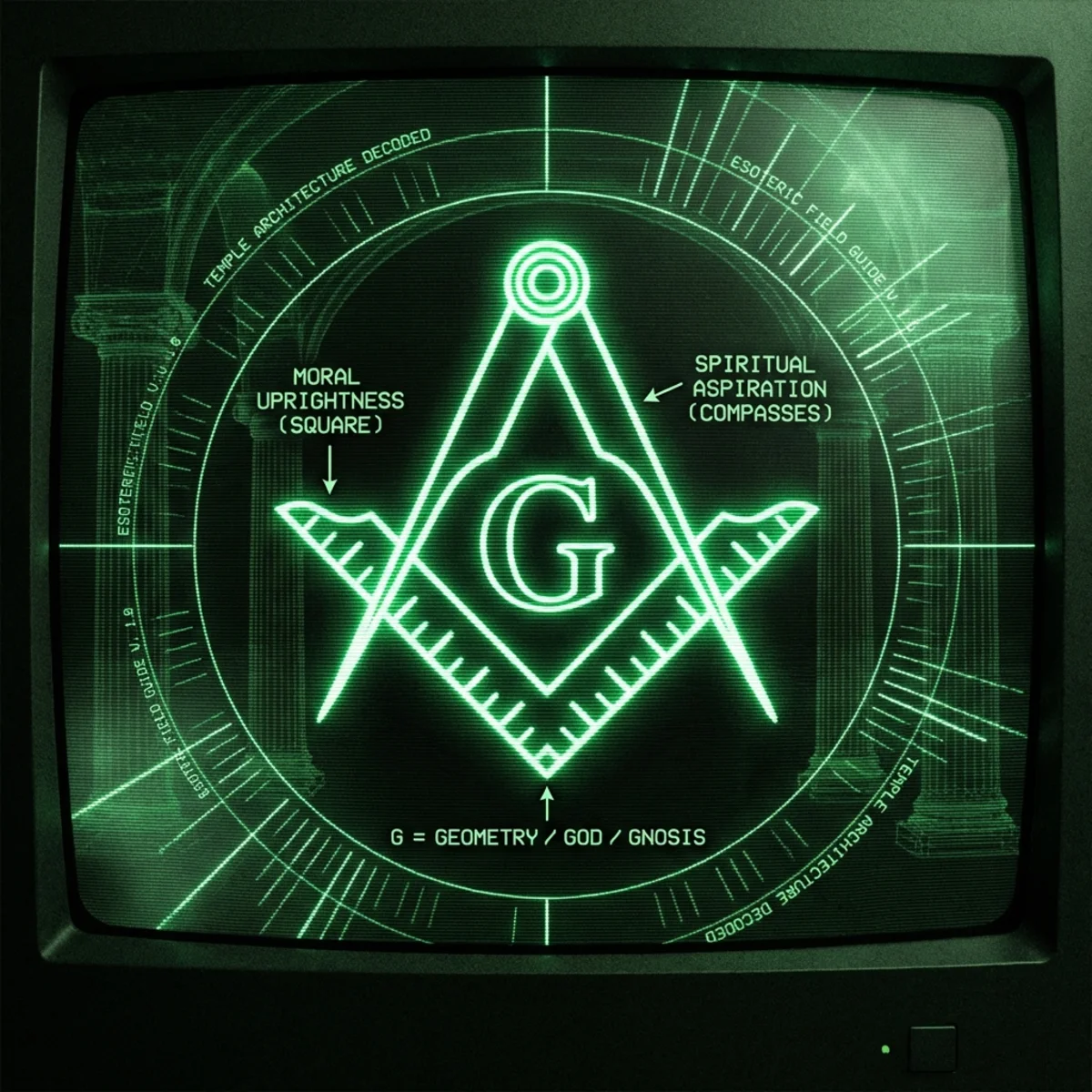
Deep dive on the Masonic square‑and‑compasses with the letter G—its meanings, origins, and esoteric layers—read against ancient ‘sacred geometry’ and craft cosmology.

How a child-god’s fatal toy became a philosophical symbol for embodiment, matter and selfhood—from Neoplatonists to today’s classicists.
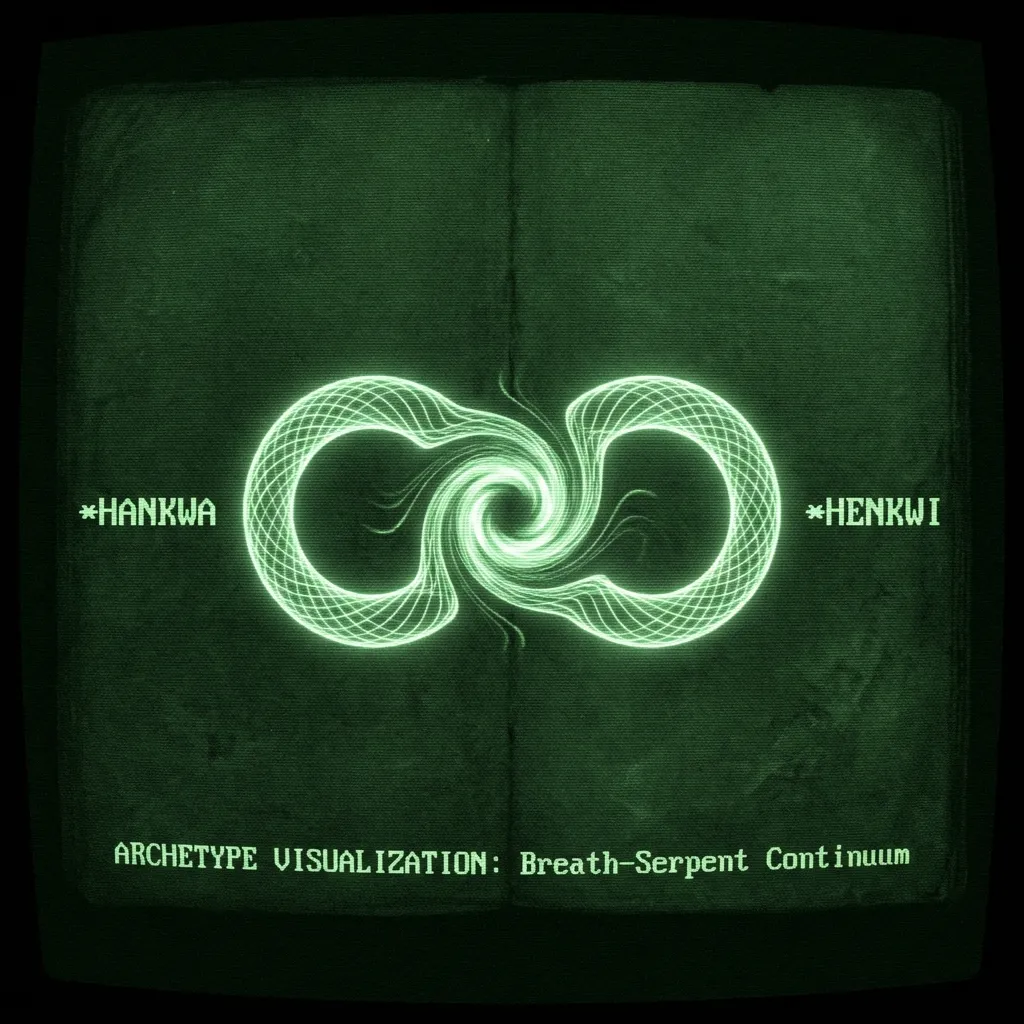
Exploring the hypothesis of two intertwined Proto-Sapiens roots, *hankwa (breath, life, soul) and *henkwi (snake, dragon), by examining proposed cognates across global language families and their implications for the Snake Cult of Consciousness.
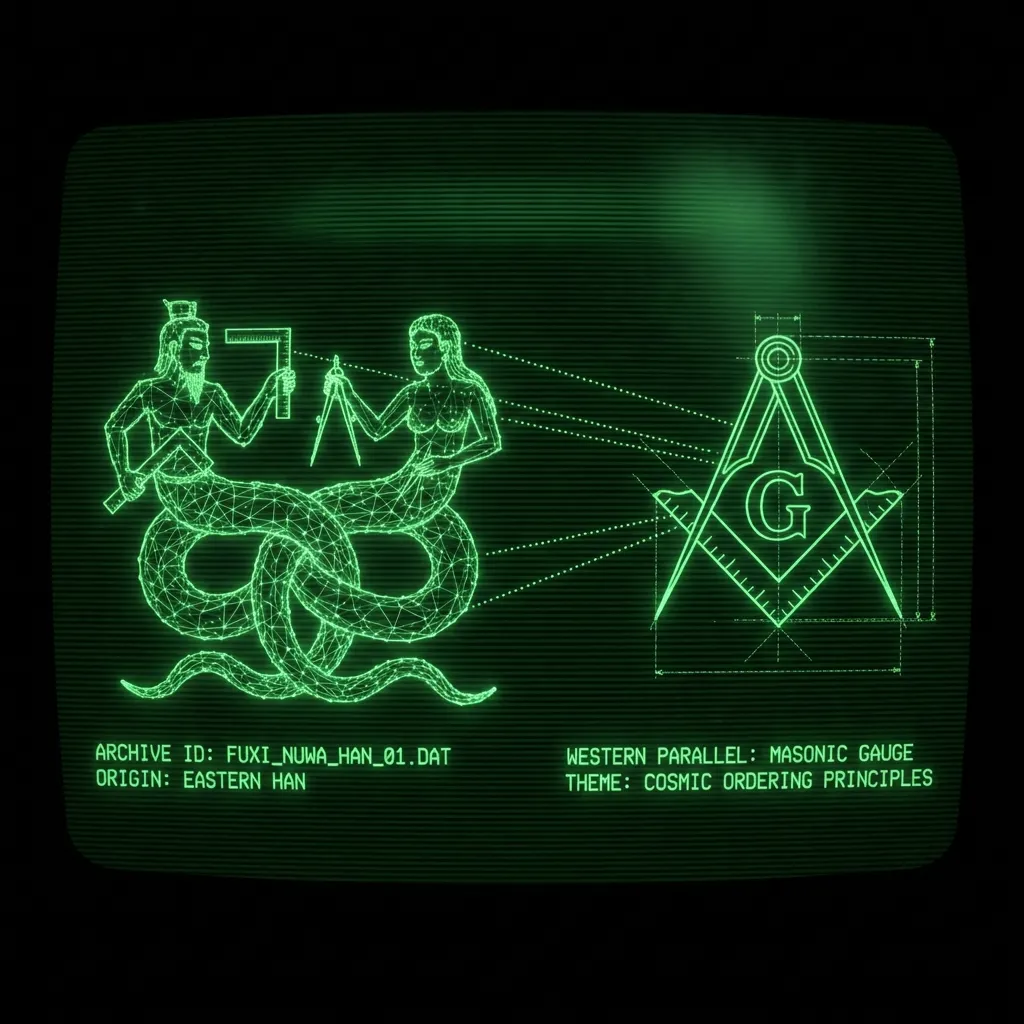
Comparative survey of the square-and-compass symbol from Han-dynasty Fuxi & Nüwa to modern Freemasonry and Latter-day Saints.
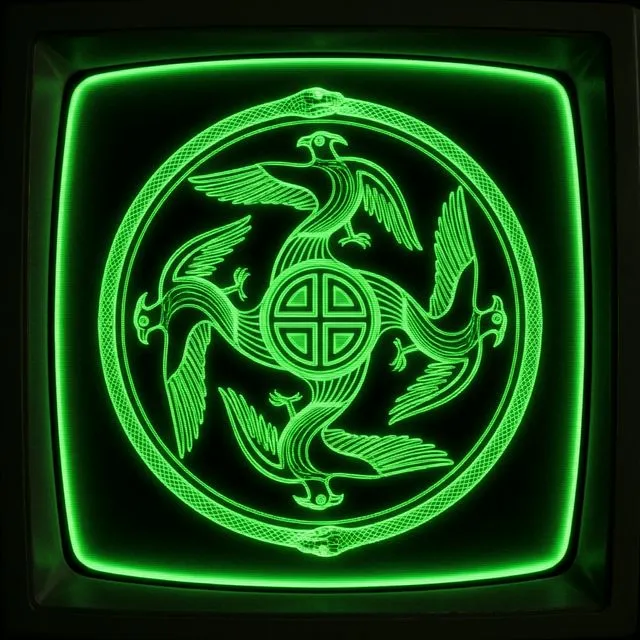
Survey of the swastika’s ancient global presence and theories (diffusion vs. independent invention) explaining its origins and spread.
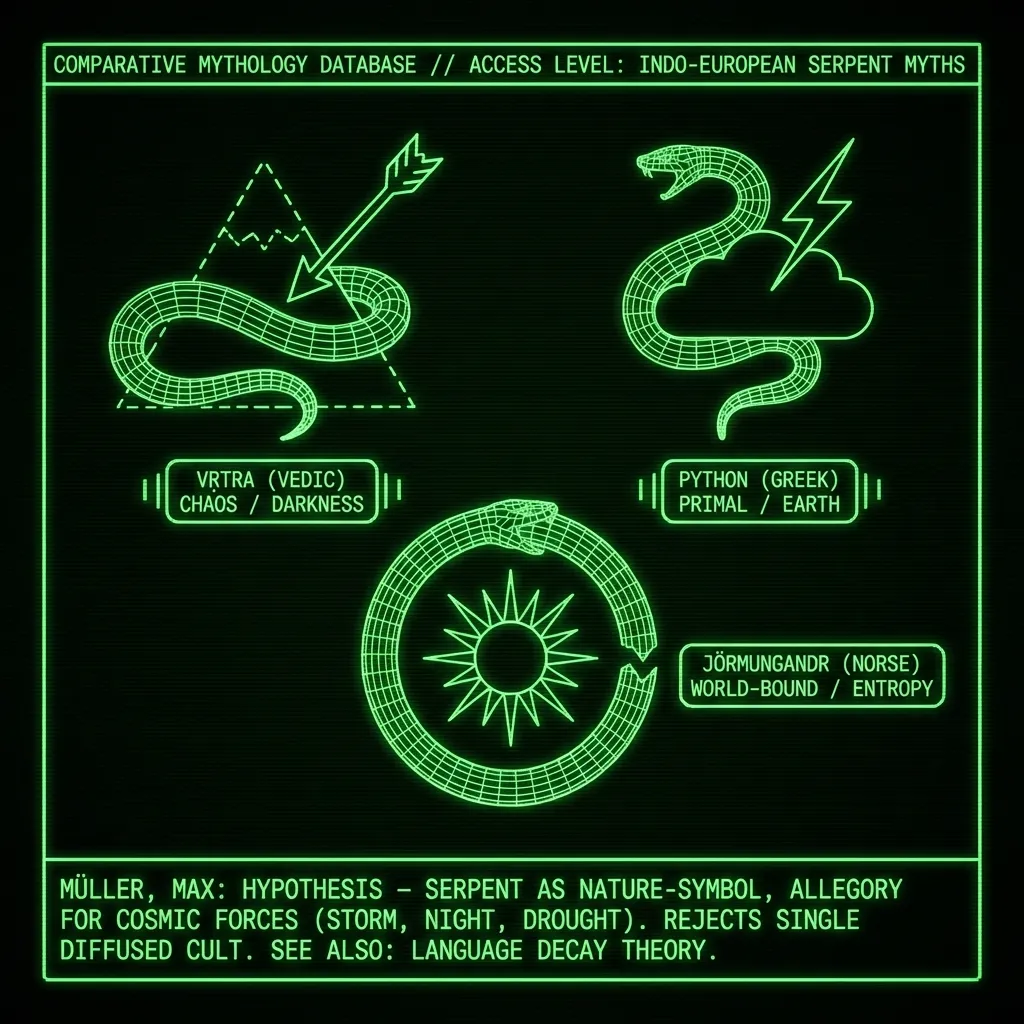
Analyzing Max Müller’s 19th-century work on serpent worship, focusing on his identification of serpent symbolism in Vedic and Indo-European traditions and comparing his findings with global serpent myths relevant to the Snake Cult hypothesis.
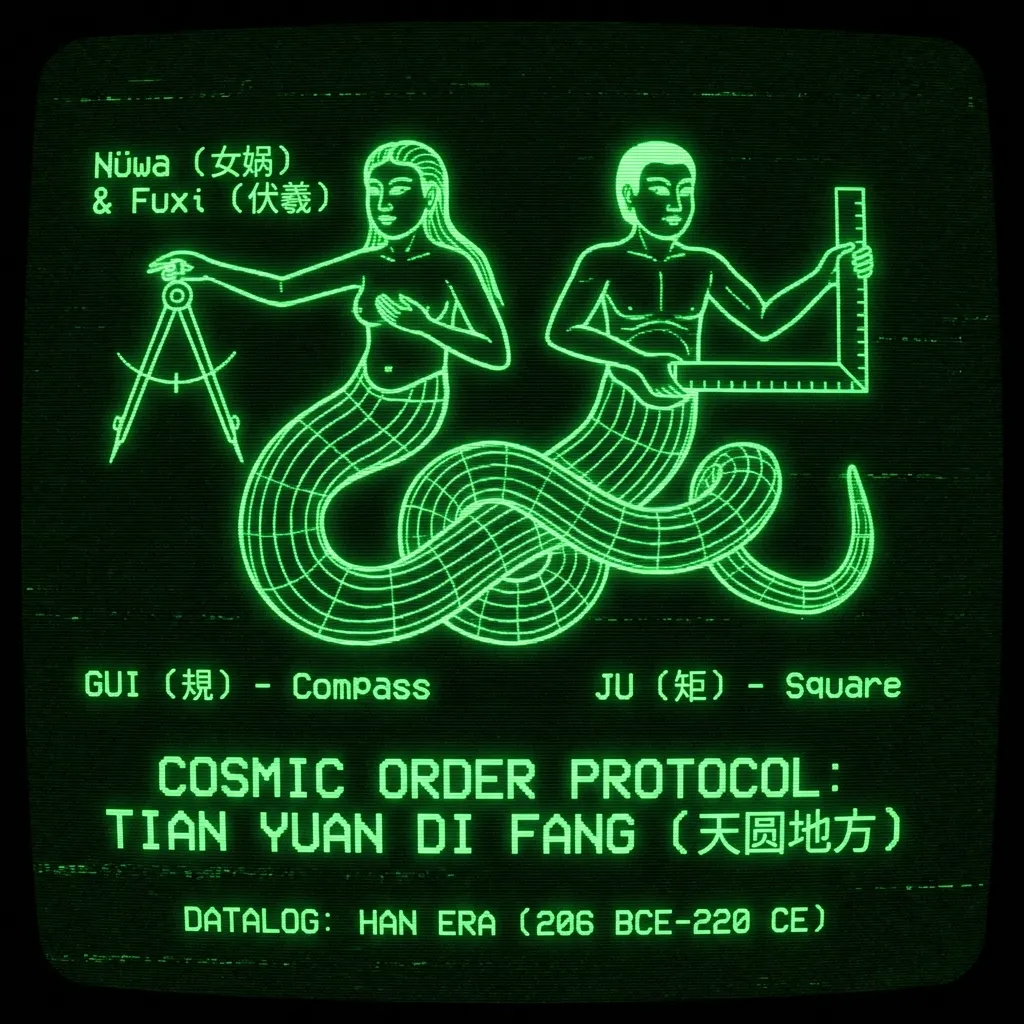
An exploration of the serpentine creator deities Nüwa and Fuxi in Chinese mythology and their parallels in world mythologies.