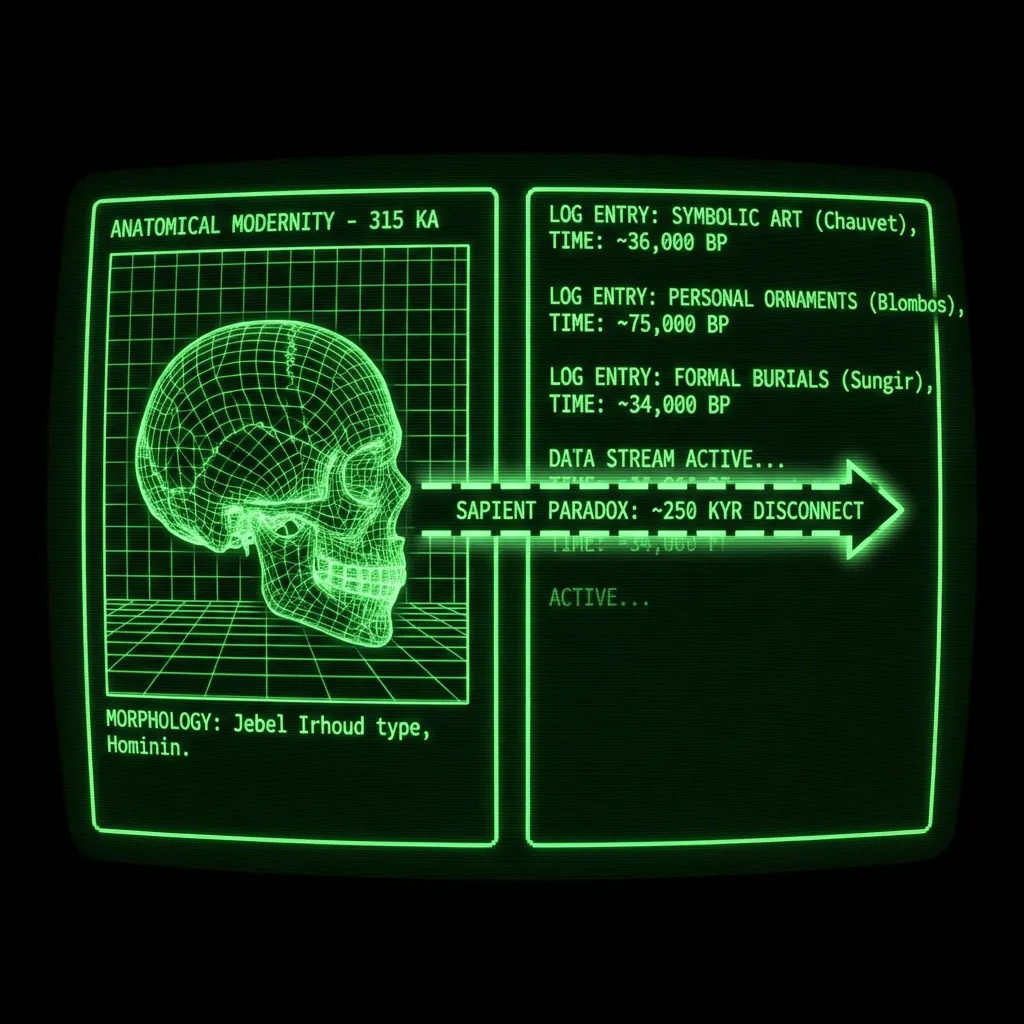
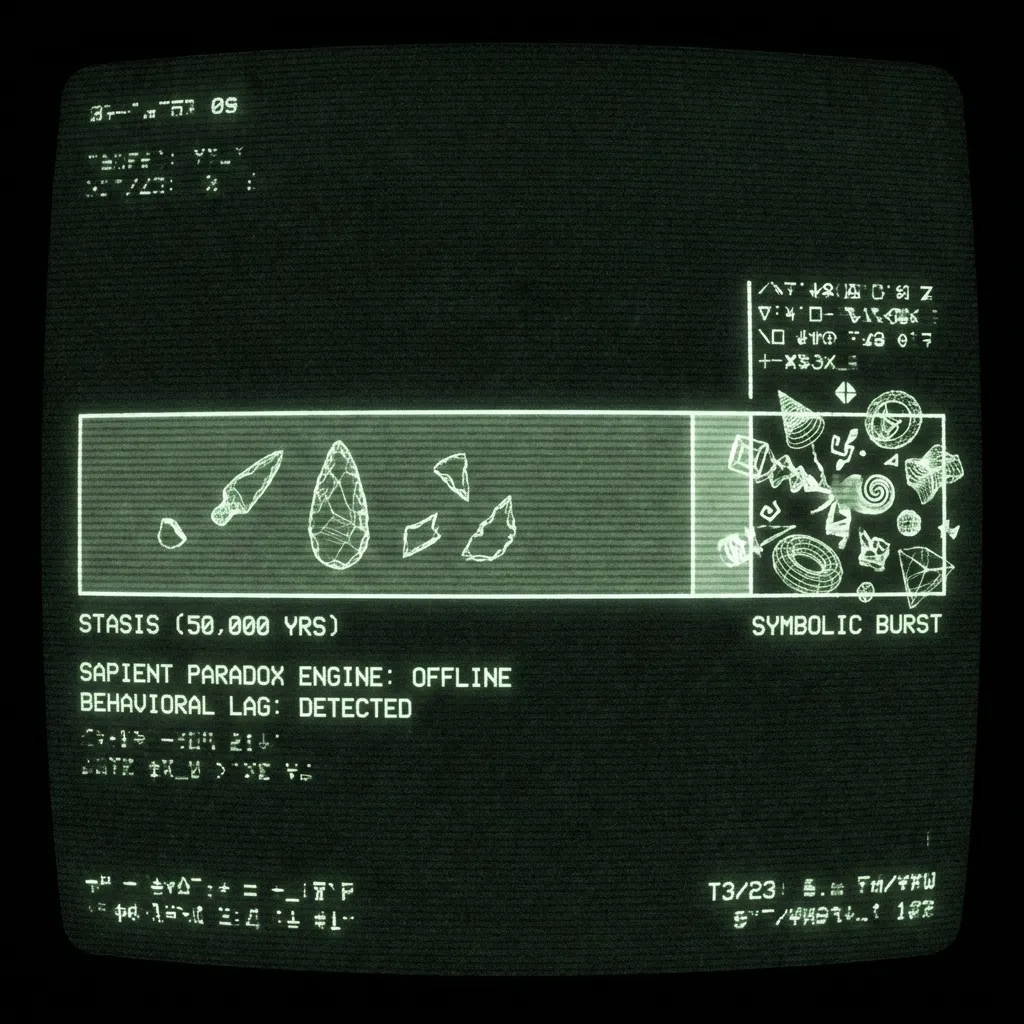
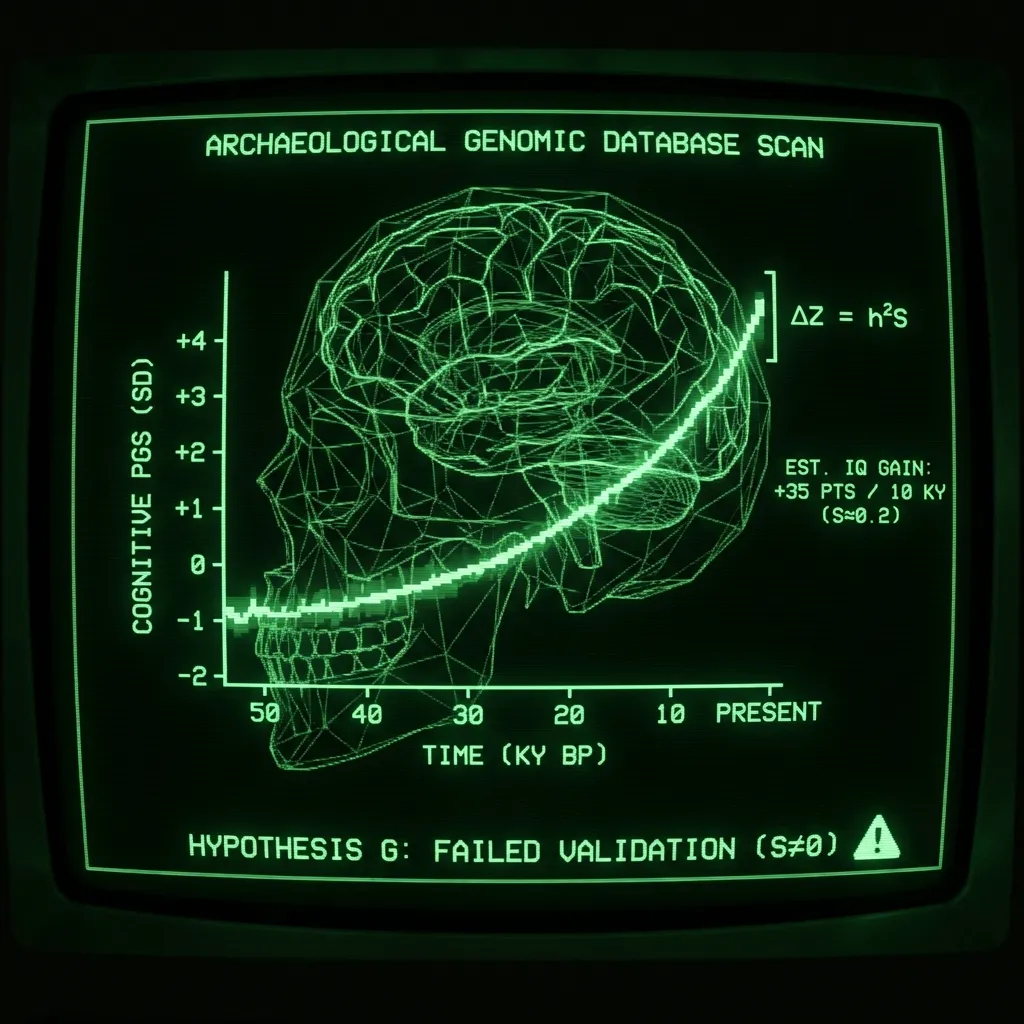
A comprehensive analysis of the Sapient Paradox, synthesizing archaeological findings (tools, art, burials) with paleogenetics (brain-related gene sweeps, population bottlenecks) to evaluate theories for the delayed emergence of behavioral …
A concise overview of the Sapient Paradox – the puzzling gap between when anatomically modern humans appeared and when behaviorally modern traits (like art, complex tools, symbolism) emerged.
Examining the archaeological record of Australia (Sahul) – early colonization, persistent simple technologies, late emergence of complex art – as a key case study supporting the Sapient Paradox and the late development of behavioral …
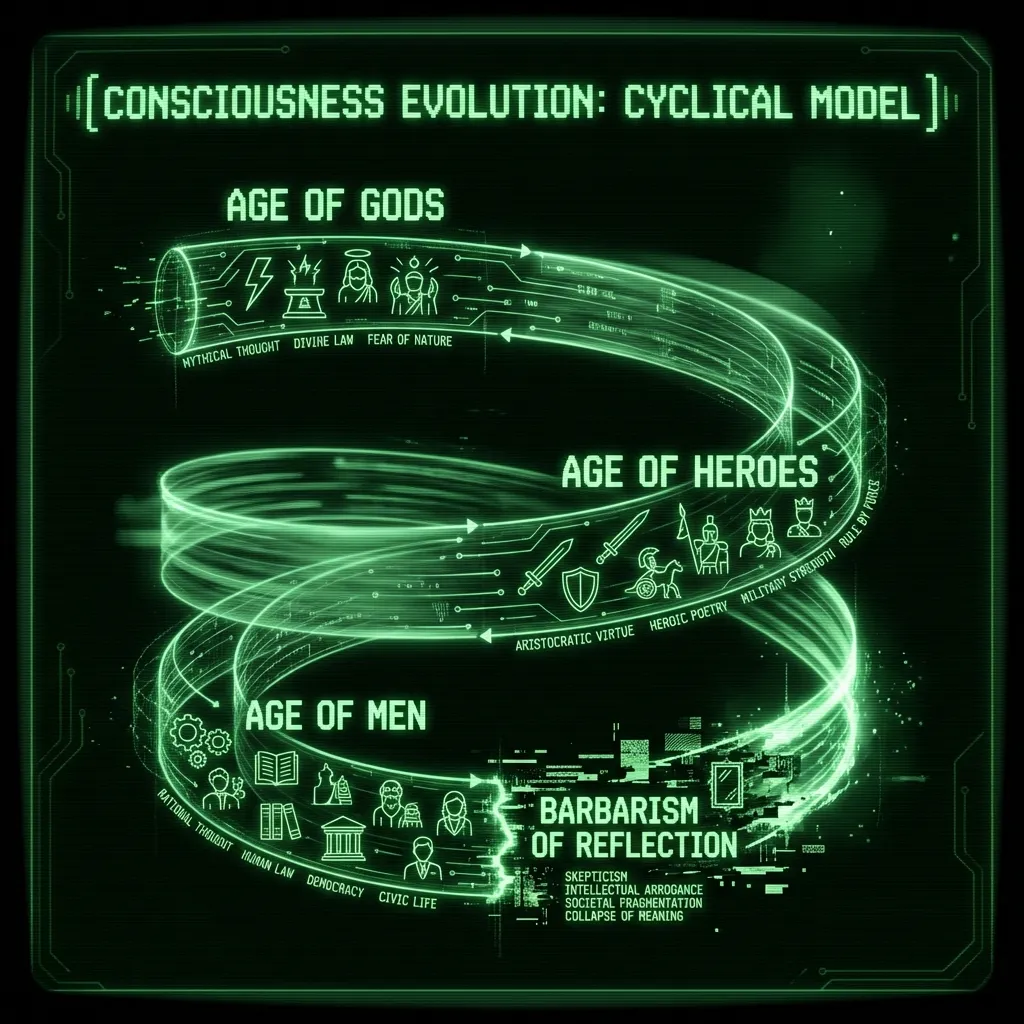
A comprehensive survey of thinkers who proposed evolutionary models of human consciousness, from Hegel and Comte to Gebser and Wilber, mapping stages from primitive to modern awareness.
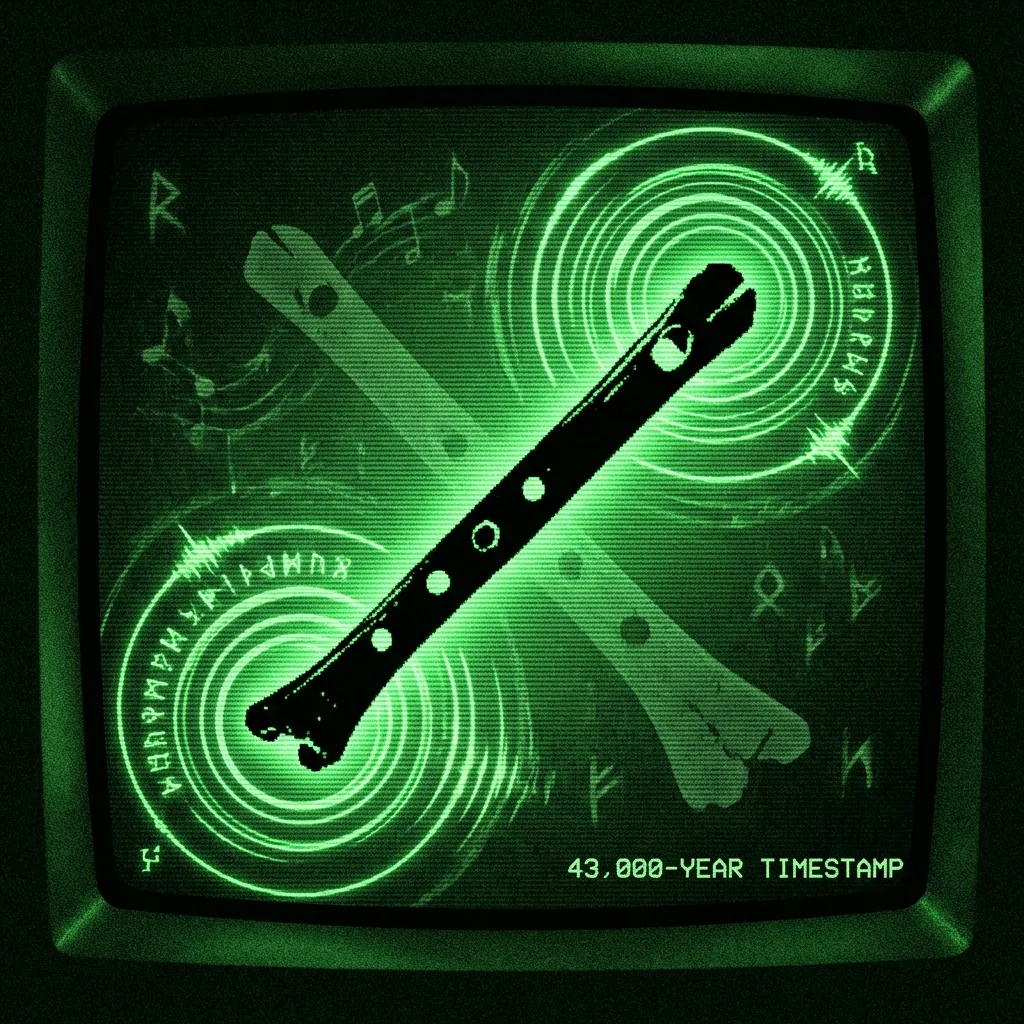
A comprehensive survey of the world's earliest known musical instruments from archaeological evidence, including Paleolithic bone flutes, ancient drums, bullroarers, and the first stringed instruments.
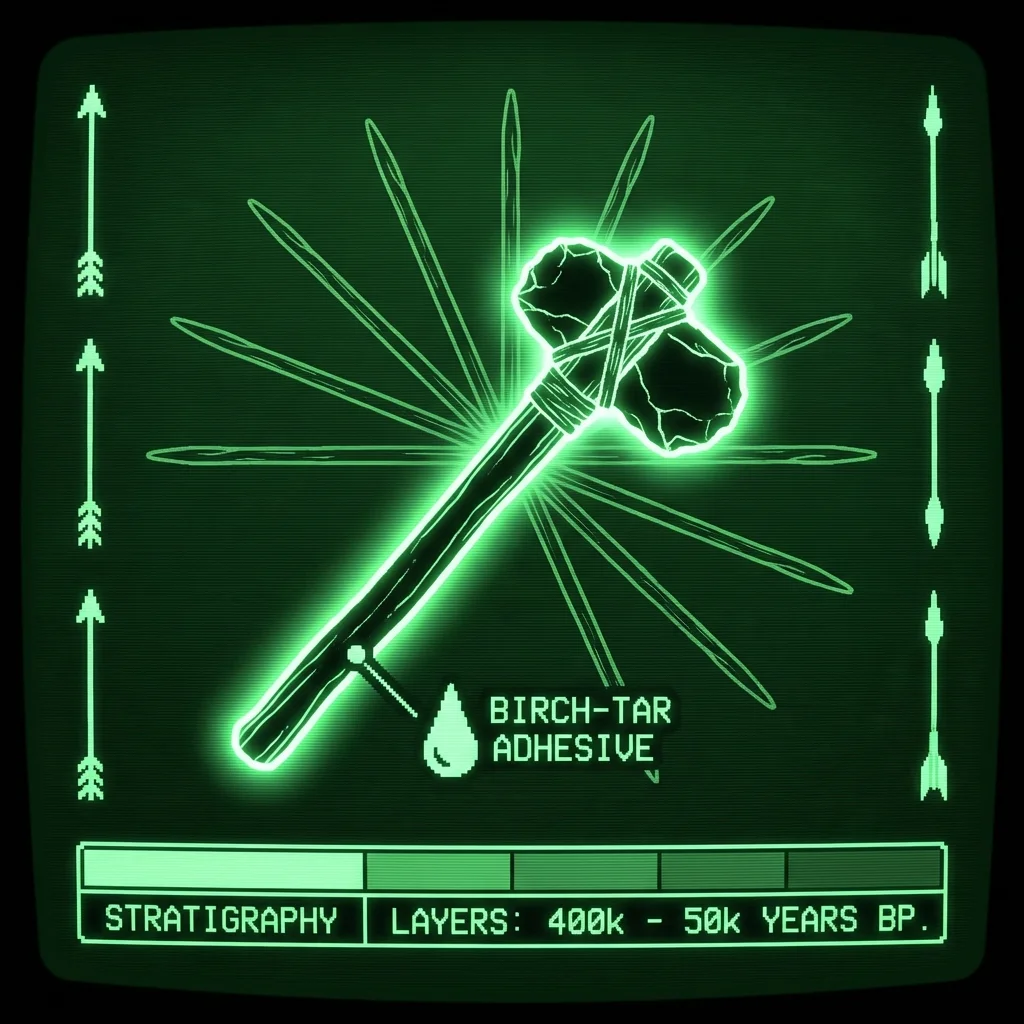
A comprehensive survey of the earliest complex tools made by early humans, from hafted axes and spears to bows, woodworking implements, and symbolic artifacts, examining archaeological evidence and scholarly debates.
A stricter audit of the archaeological record that only counts true symbols-ritual burial and figurative art-and shunts beads, ochre crayon-shavings, and doodles to the kiddie table.