A thought‑experiment aligning the Book‑of‑Mormon Jaredites with the Late‑Pleistocene Clovis horizon and recasting Nephite arrivals as a first‐millennium‑BC Atlantic influx.
Jaredites As The Clovis Culture
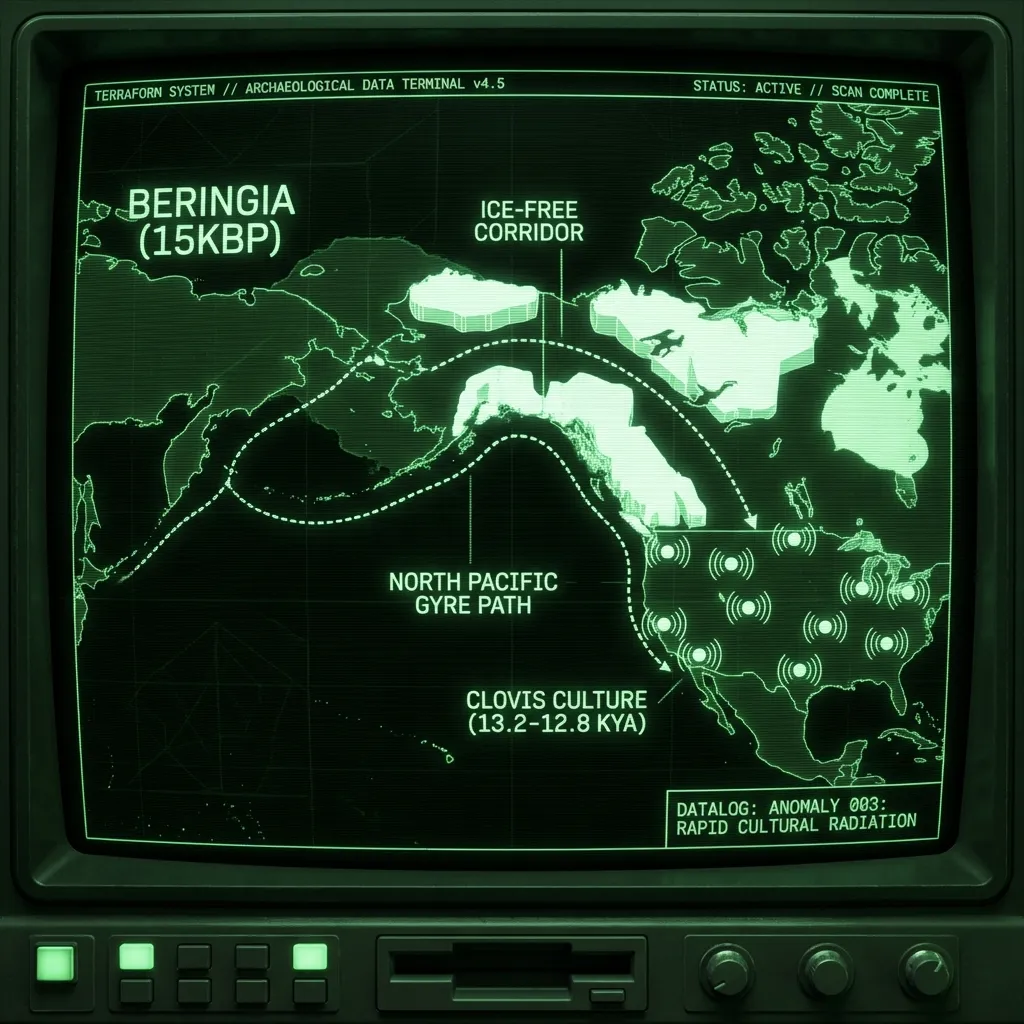
A thought‑experiment aligning the Book‑of‑Mormon Jaredites with the Late‑Pleistocene Clovis horizon and recasting Nephite arrivals as a first‐millennium‑BC Atlantic influx.
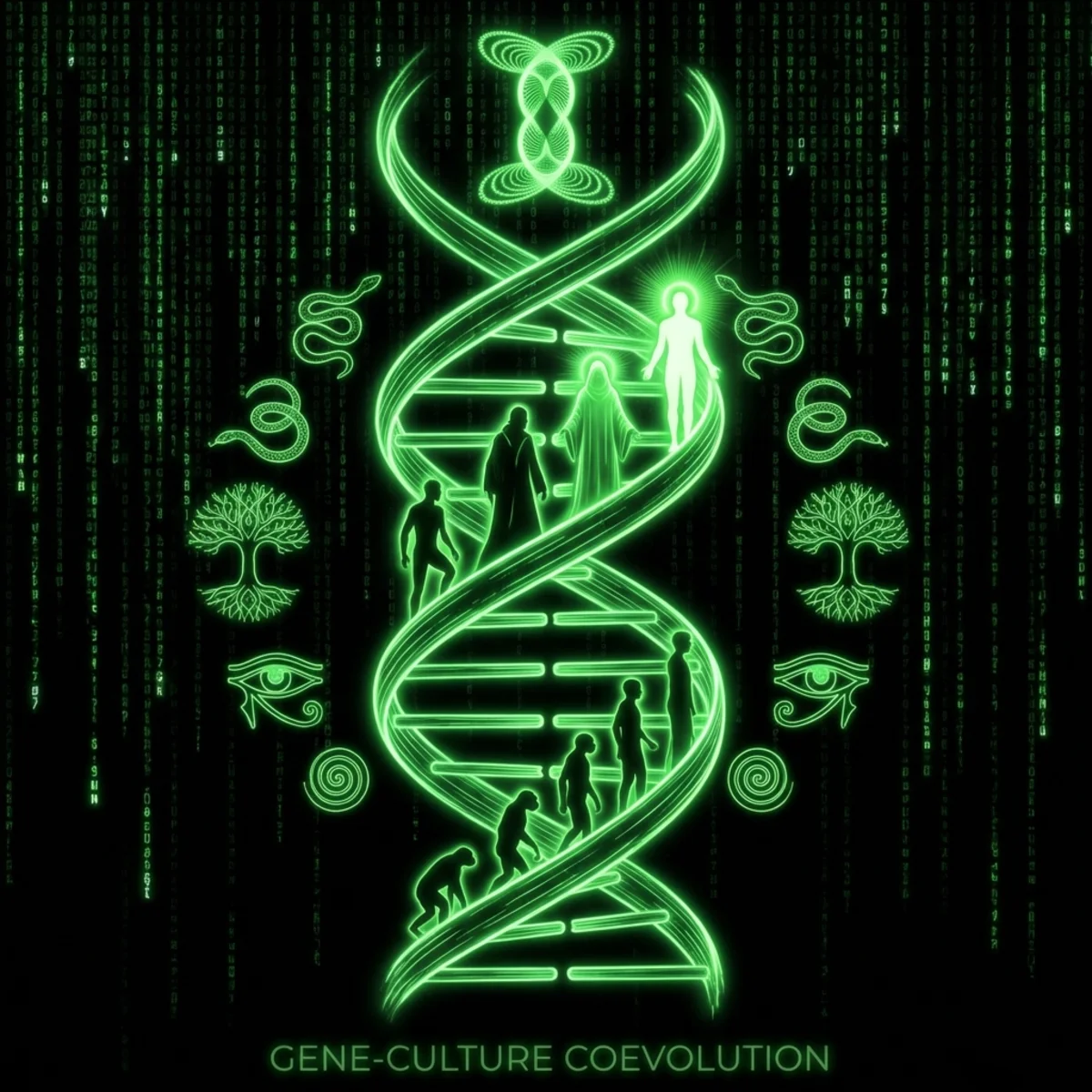
A comprehensive interdisciplinary theory proposing that human consciousness originated as a cultural invention in prehistoric times, likely pioneered by women and spread through ritual and language.
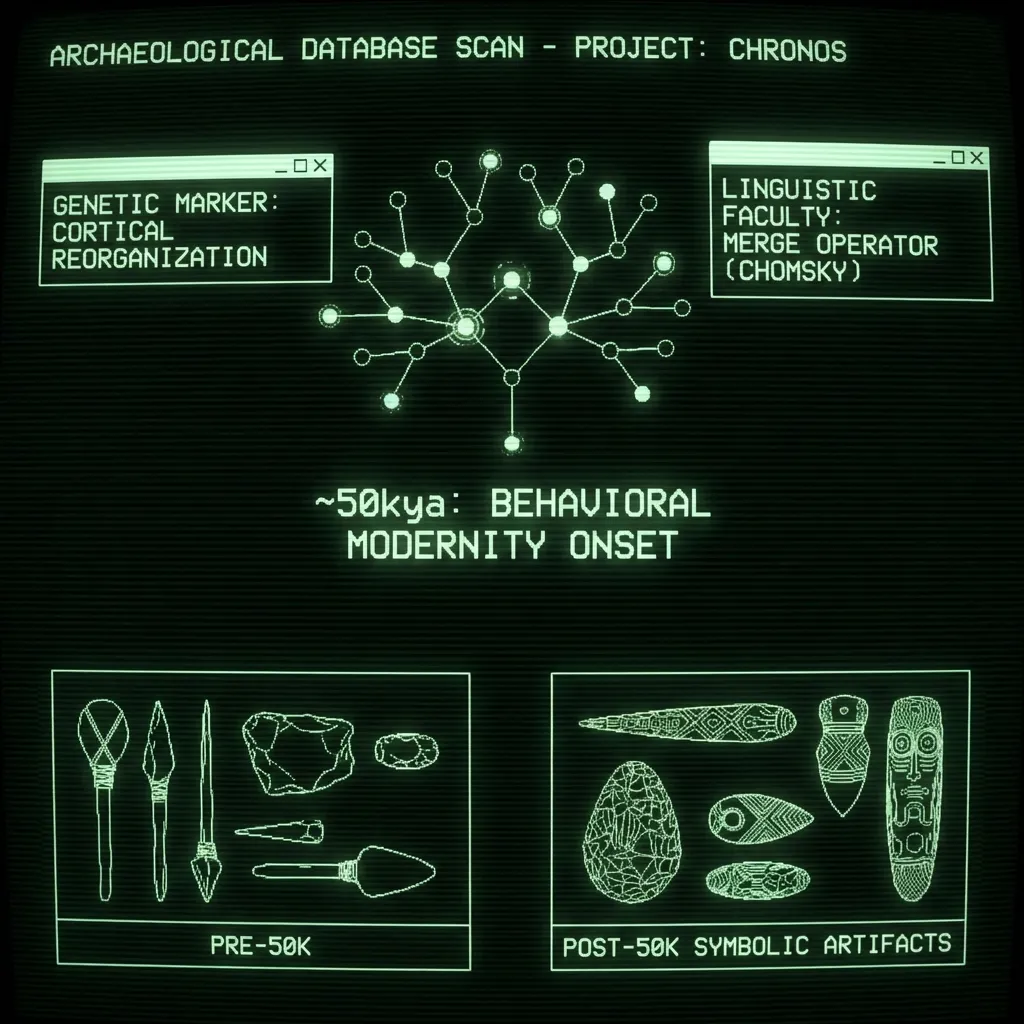
Guide to seven leading theories of the Upper Paleolithic cognitive revolution—what changed, when it happened, and why it sparked modern human behavior.
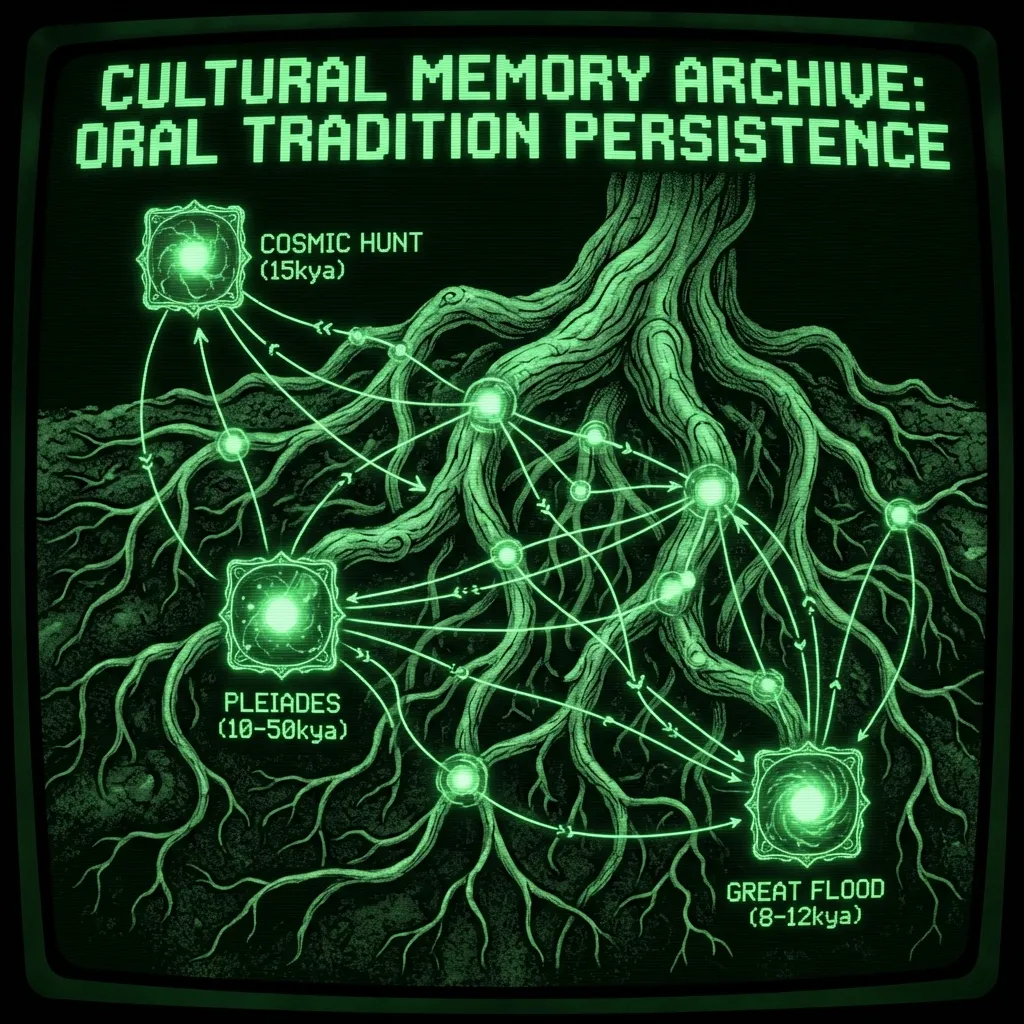
Examines the surprising stability of mythic motifs over millennia, suggesting myths like the Cosmic Hunt or Serpent symbolism could encode memories of real cognitive shifts, supporting the Eve Theory’s timeframe.
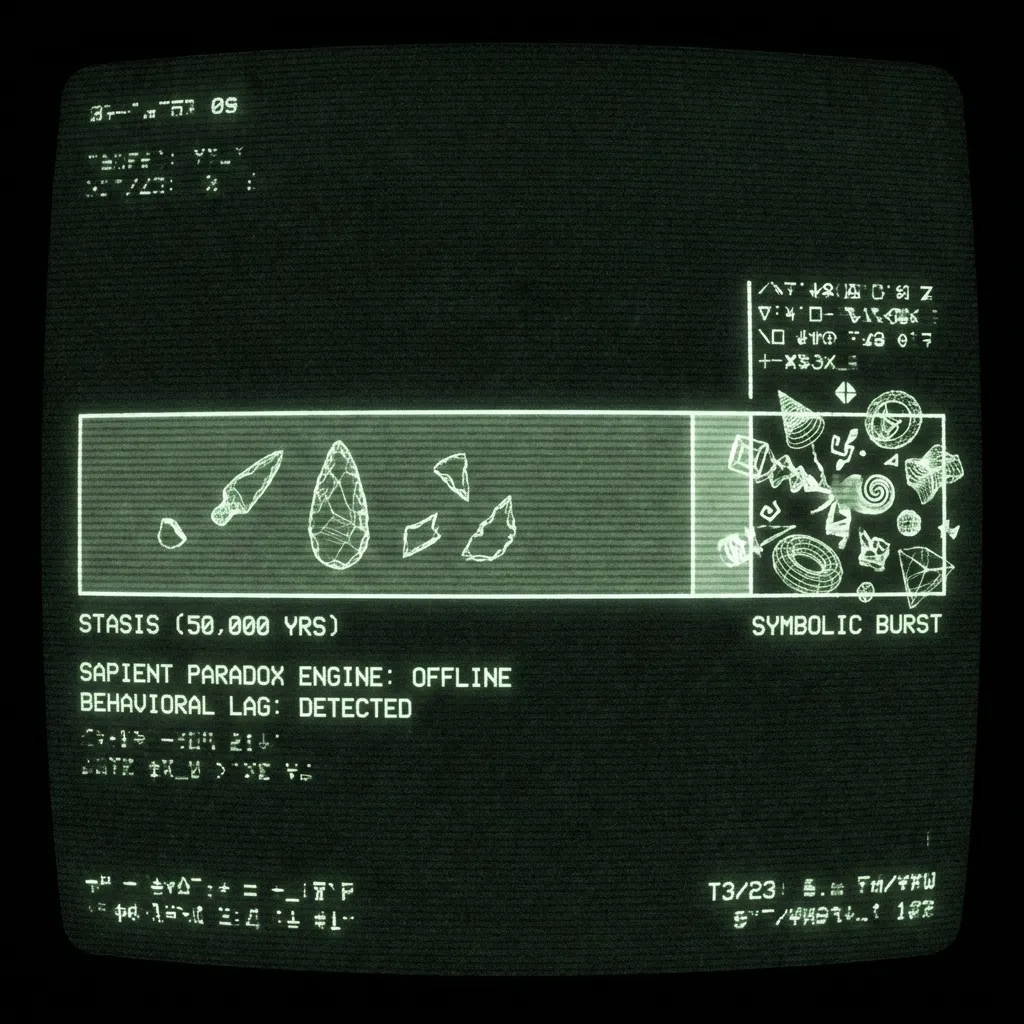
Examining the archaeological record of Australia (Sahul) – early colonization, persistent simple technologies, late emergence of complex art – as a key case study supporting the Sapient Paradox and the late development of behavioral modernity.
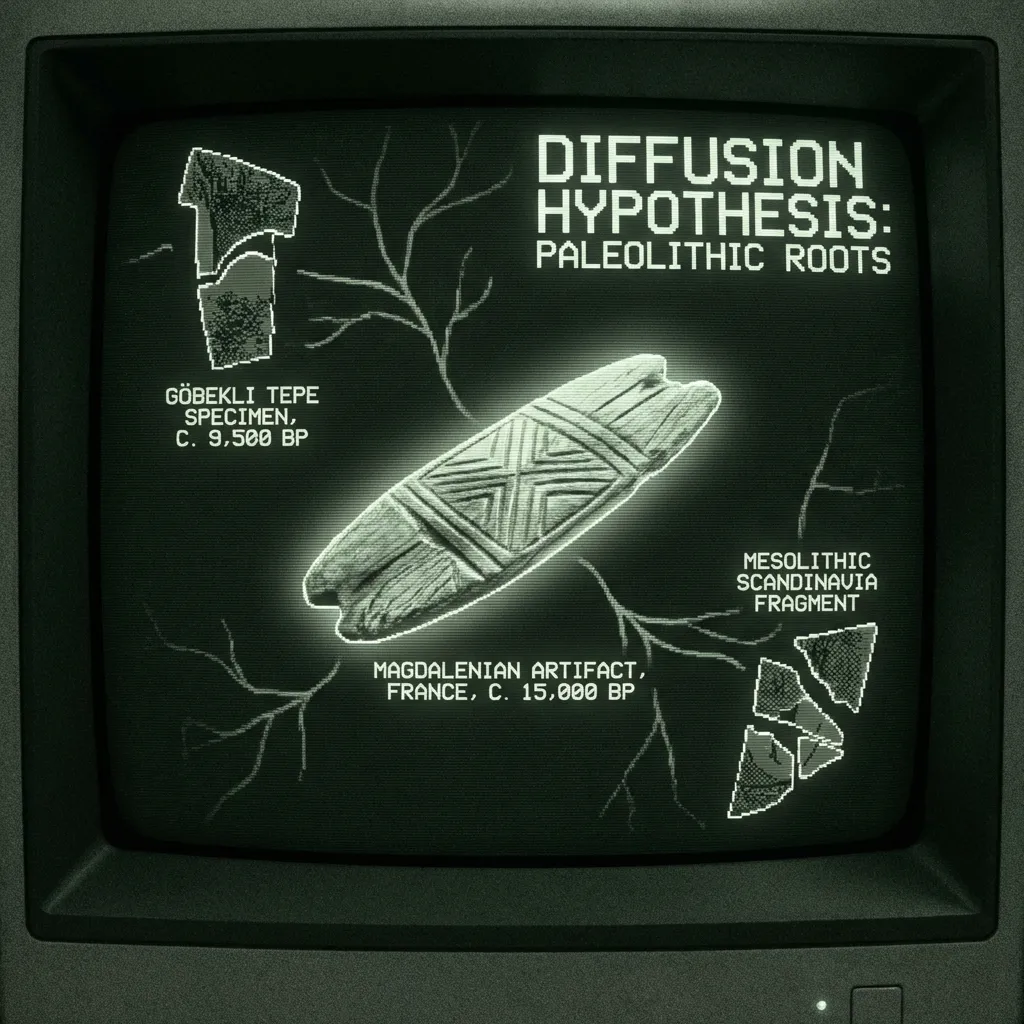
An anthropological examination of the bullroarer, arguing its global distribution and consistent ritual functions point to cultural diffusion from a common prehistoric origin.
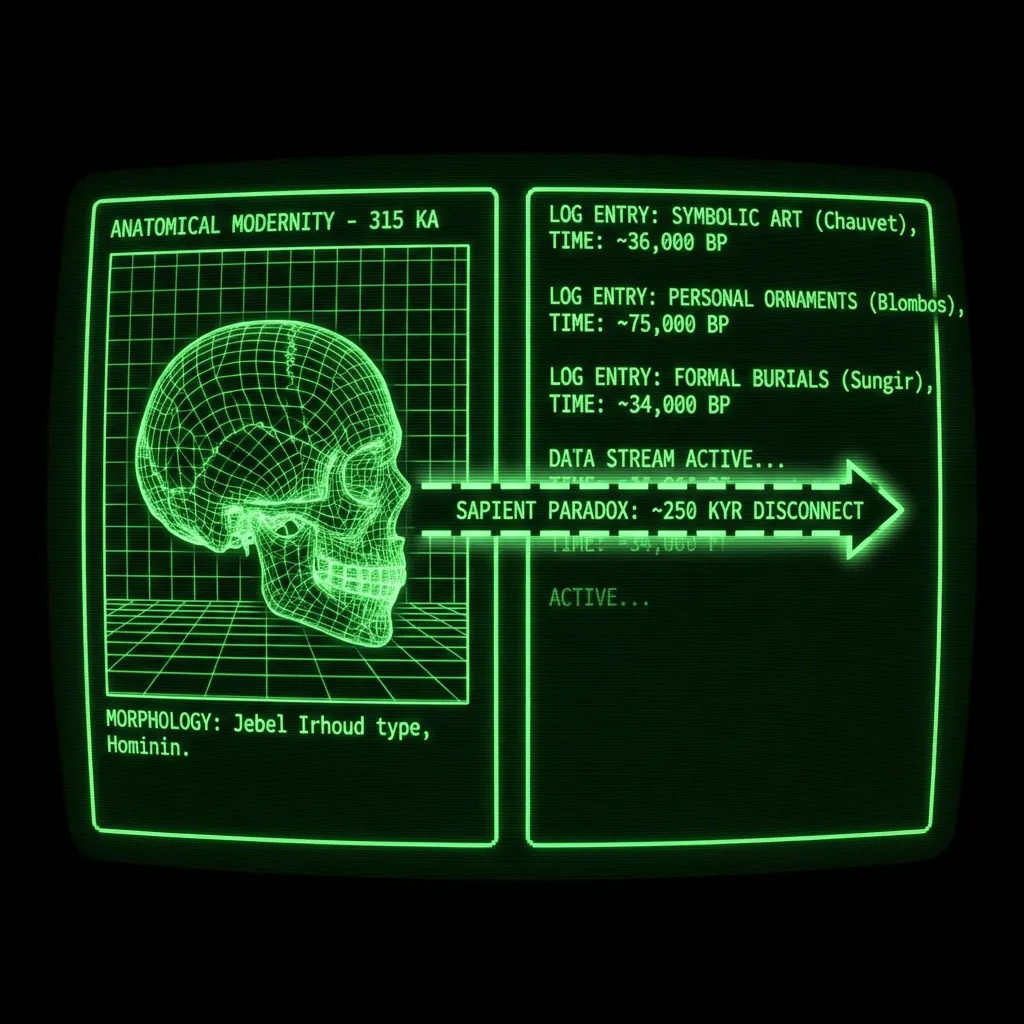
A concise overview of the Sapient Paradox – the puzzling gap between when anatomically modern humans appeared and when behaviorally modern traits (like art, complex tools, symbolism) emerged.
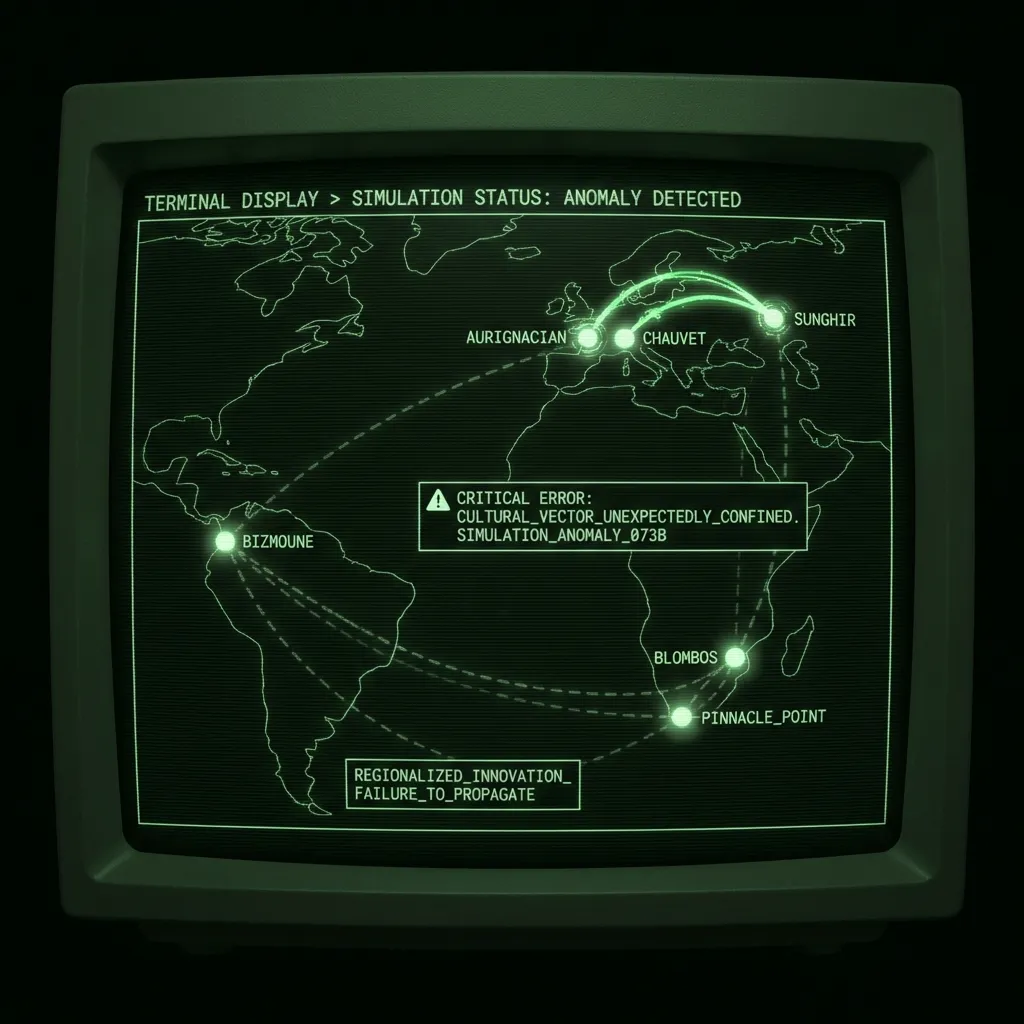
A comprehensive analysis of the Sapient Paradox, synthesizing archaeological findings (tools, art, burials) with paleogenetics (brain-related gene sweeps, population bottlenecks) to evaluate theories for the delayed emergence of behavioral modernity.
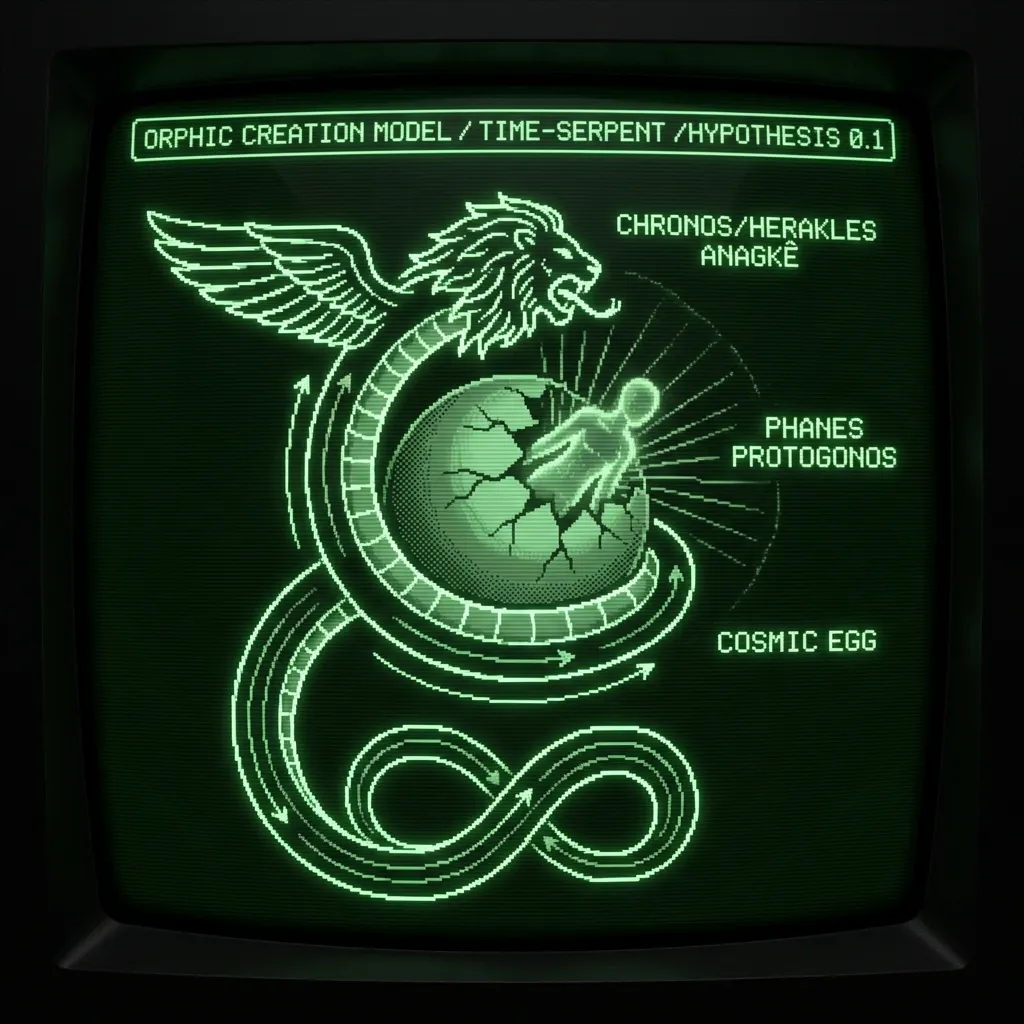
From Göbekli Tepe initiation lore to Orphic world-egg cosmology, tracing Herakles’ twin careers as Adamic hero and winged time-serpent.
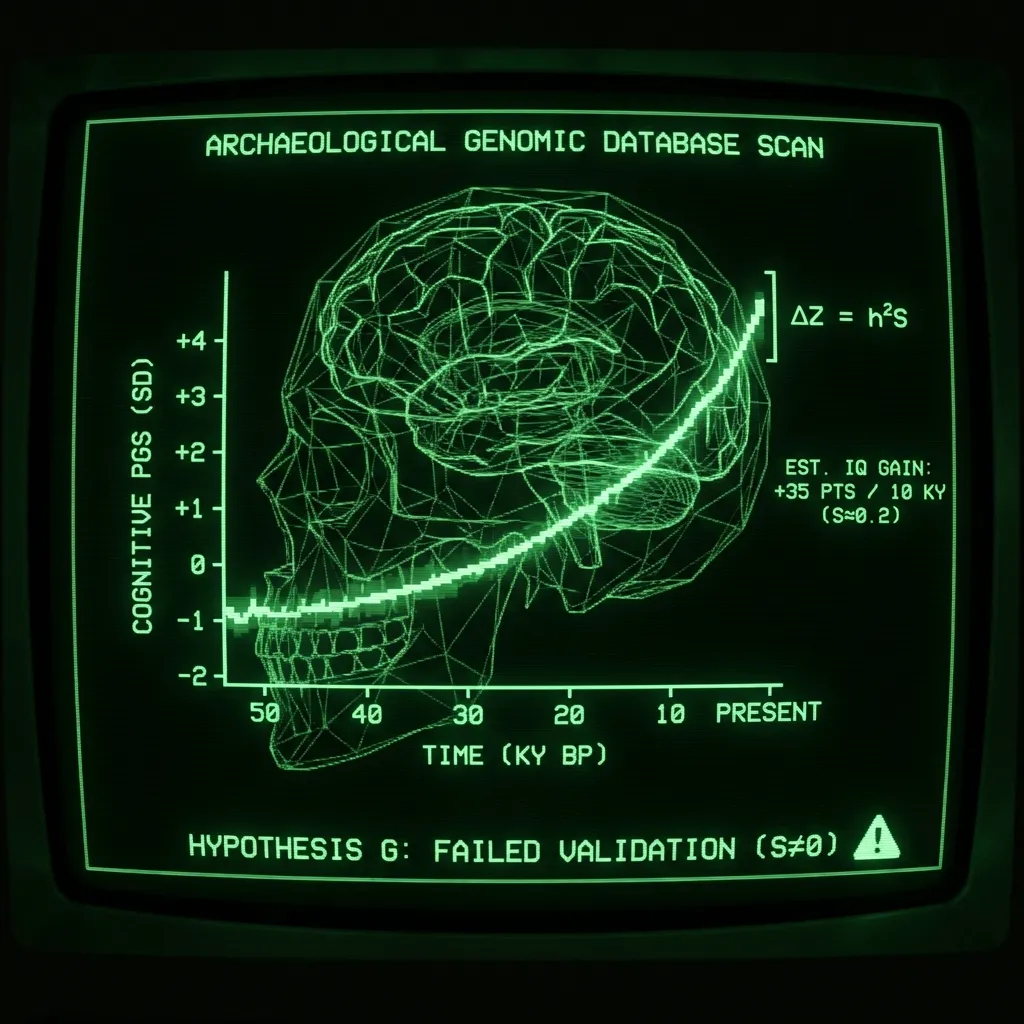
Why the blank-slate claim that cognition hasn’t evolved since the Upper Palaeolithic fails basic population genetics—and what ancient DNA now shows.