Bristol’s late-15th-century hunts for the phantom isle “Brasil”: what the sources say, what they imply, and how rumor primed England’s leap across the Atlantic.
Bristol’s Hunt for Hy-Brasil: Pre-Columbian Rumors and Atlantic Voyages
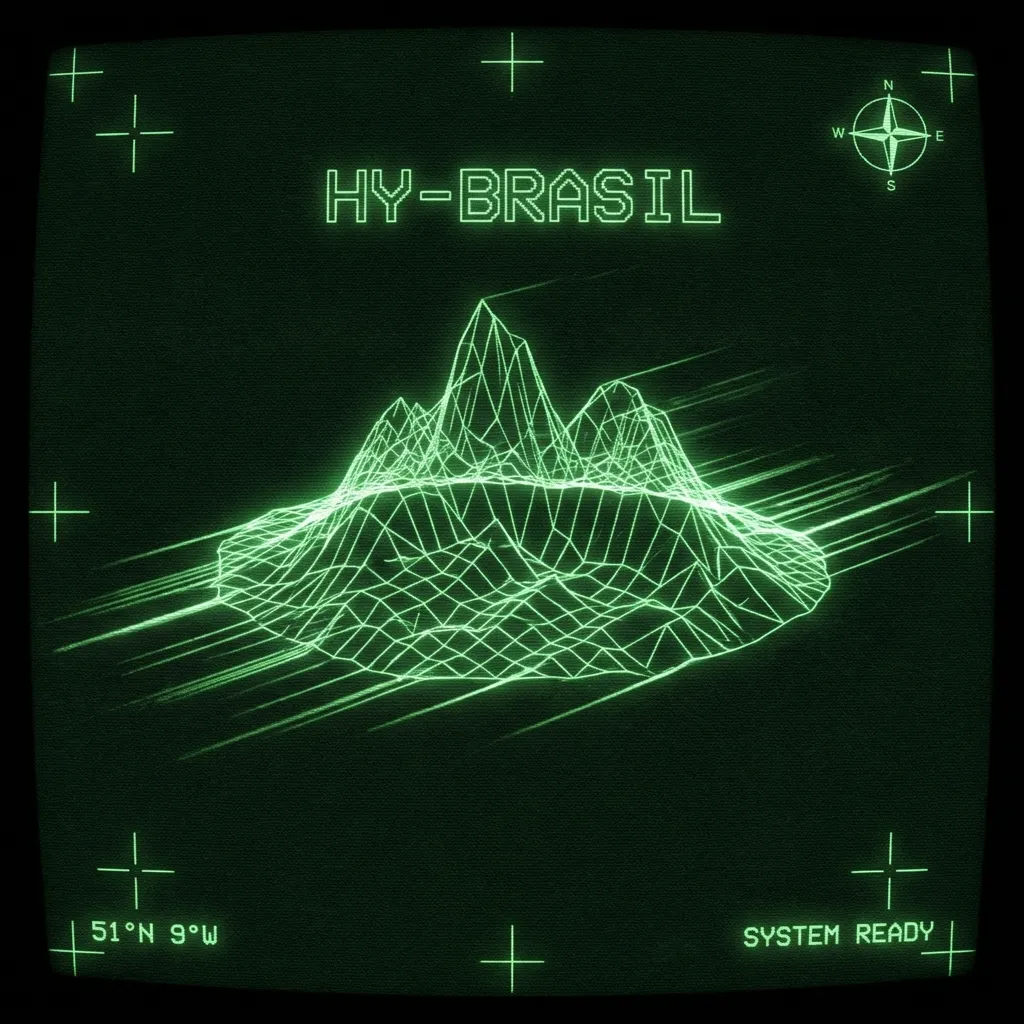
Bristol’s late-15th-century hunts for the phantom isle “Brasil”: what the sources say, what they imply, and how rumor primed England’s leap across the Atlantic.
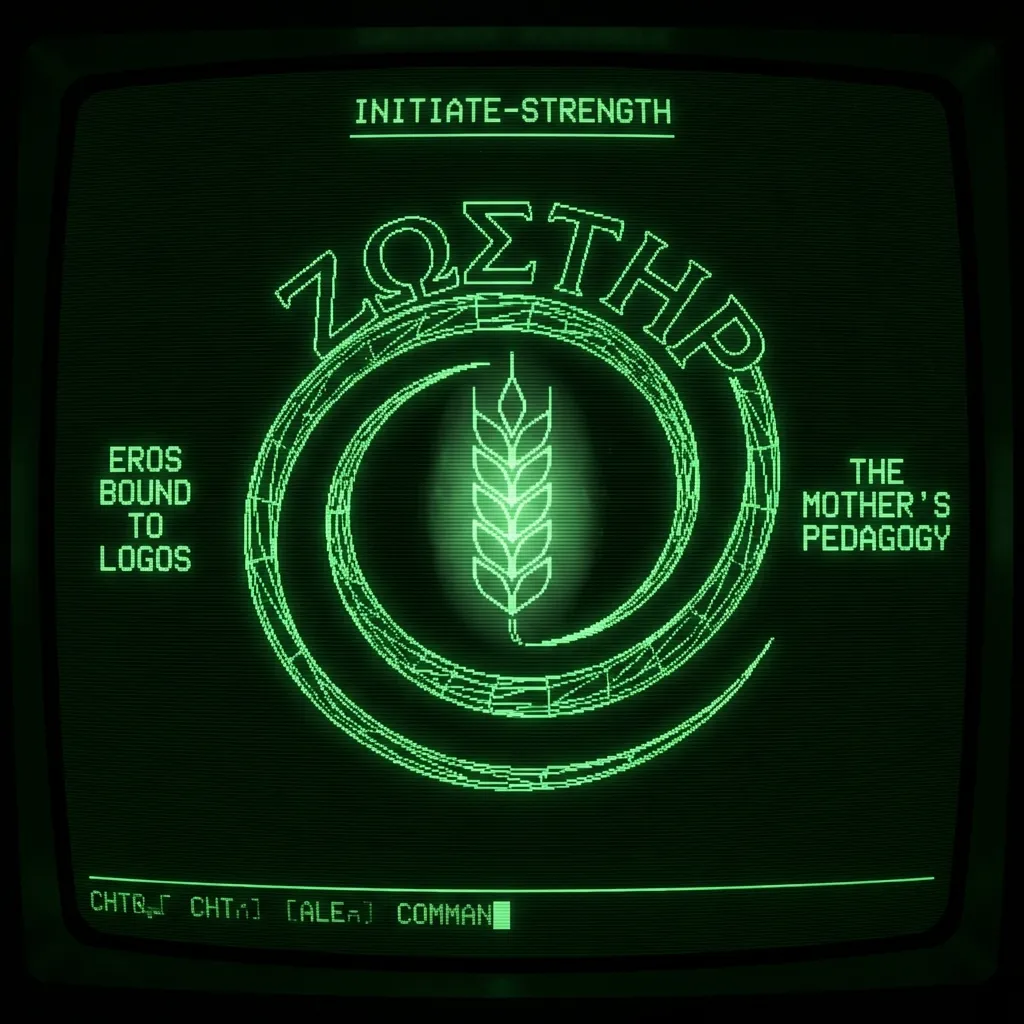
Reading Heracles’ labors—especially Hippolyta’s girdle and the Eleusinian initiation—as ritual memories where male consciousness apprentices to the Great Mother’s sovereignty.
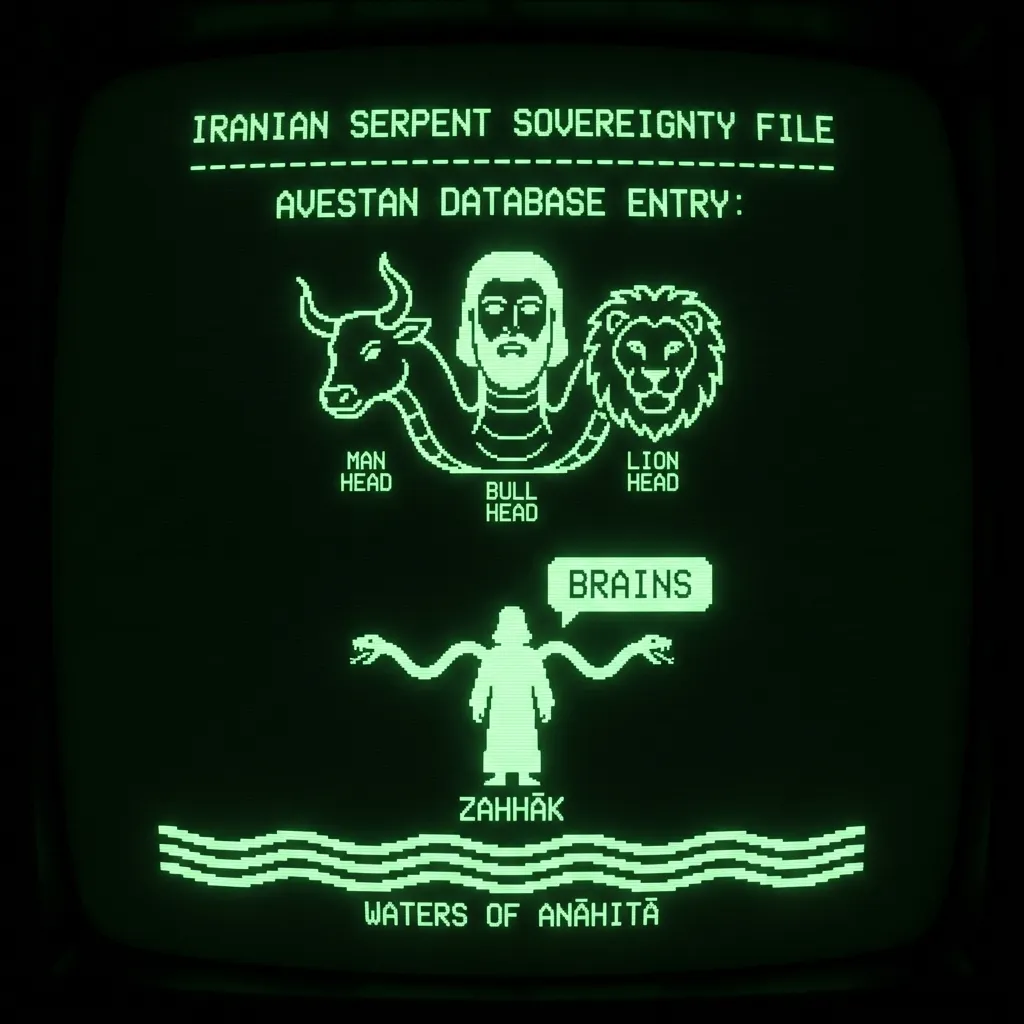
A Persian deep‑dive into serpent myths—Zahhāk to Shahmaran, Anāhitā to Gōčihr—linking archaeology, Avesta, and epic to the Eve/Snake Cult model of consciousness.
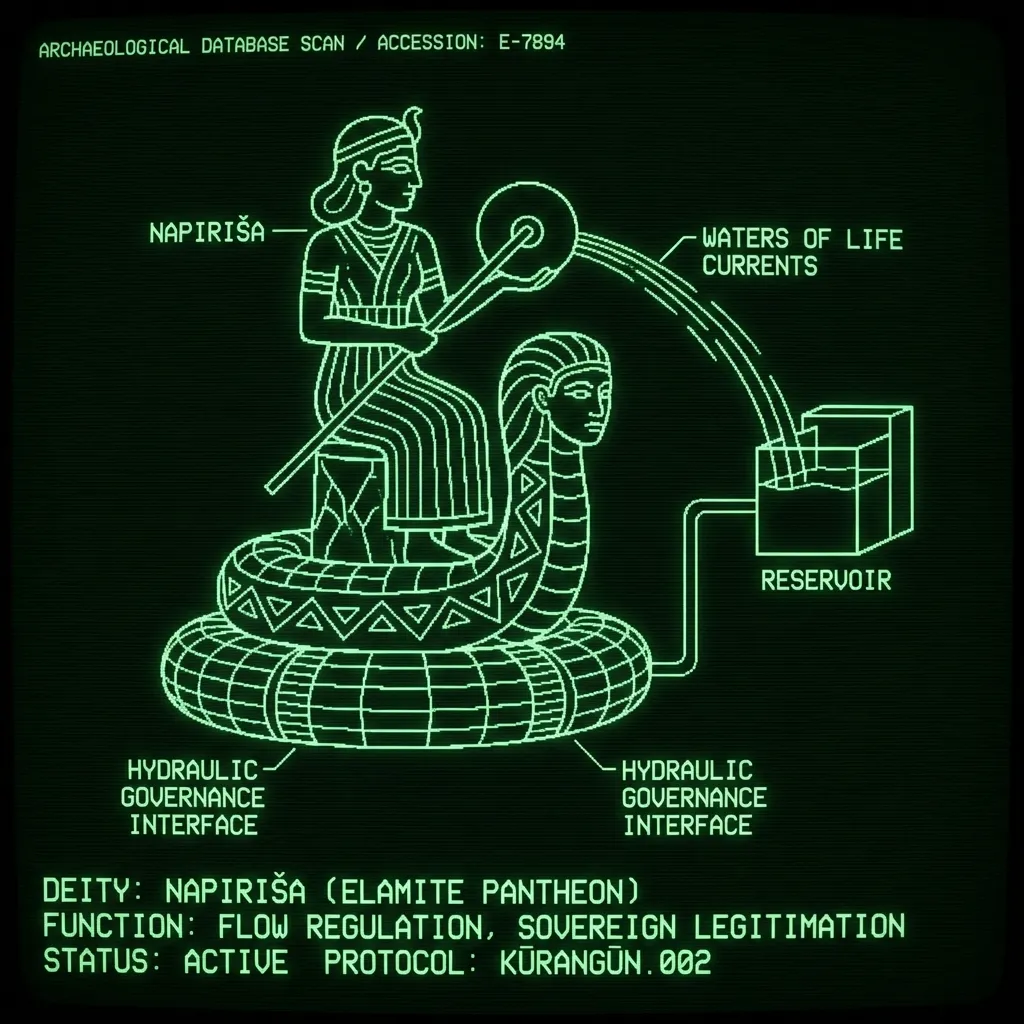
Across the Iranian Plateau, snake imagery worked as a ritual interface for water, time, and sovereignty—keys for Eve Theory and the Snake Cult of Consciousness.
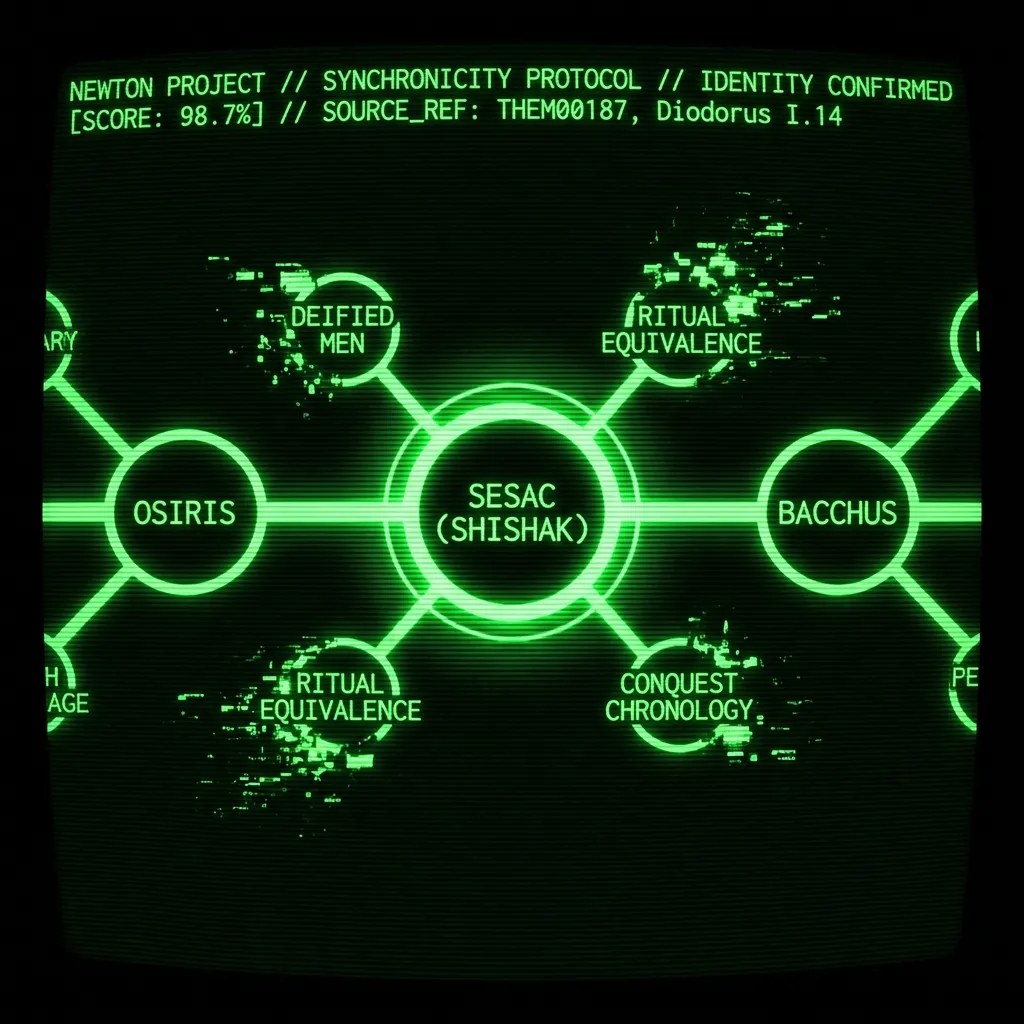
Newton’s euhemerist move: why he equates Dionysus/Bacchus with Osiris and the historical Egyptian king Sesac (a.k.a. Sesostris/Shishak), and how Bacchic rites mirror Osirian cult.
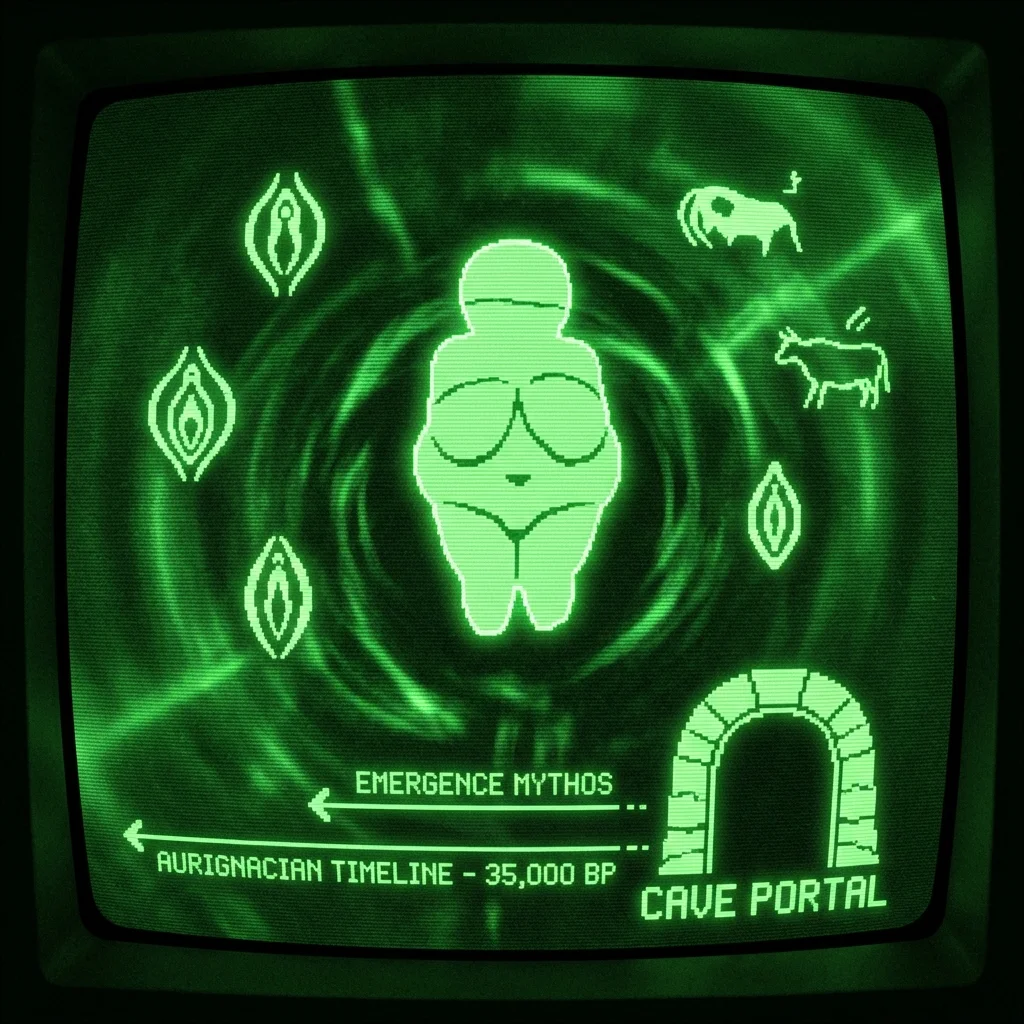
Do emergence-style creation myths reach back to the Paleolithic? A critical synthesis of phylogenetic work, Pueblo/Andean data, and Paleolithic ‘Venus’ iconography that centers women as cosmogenic agents.
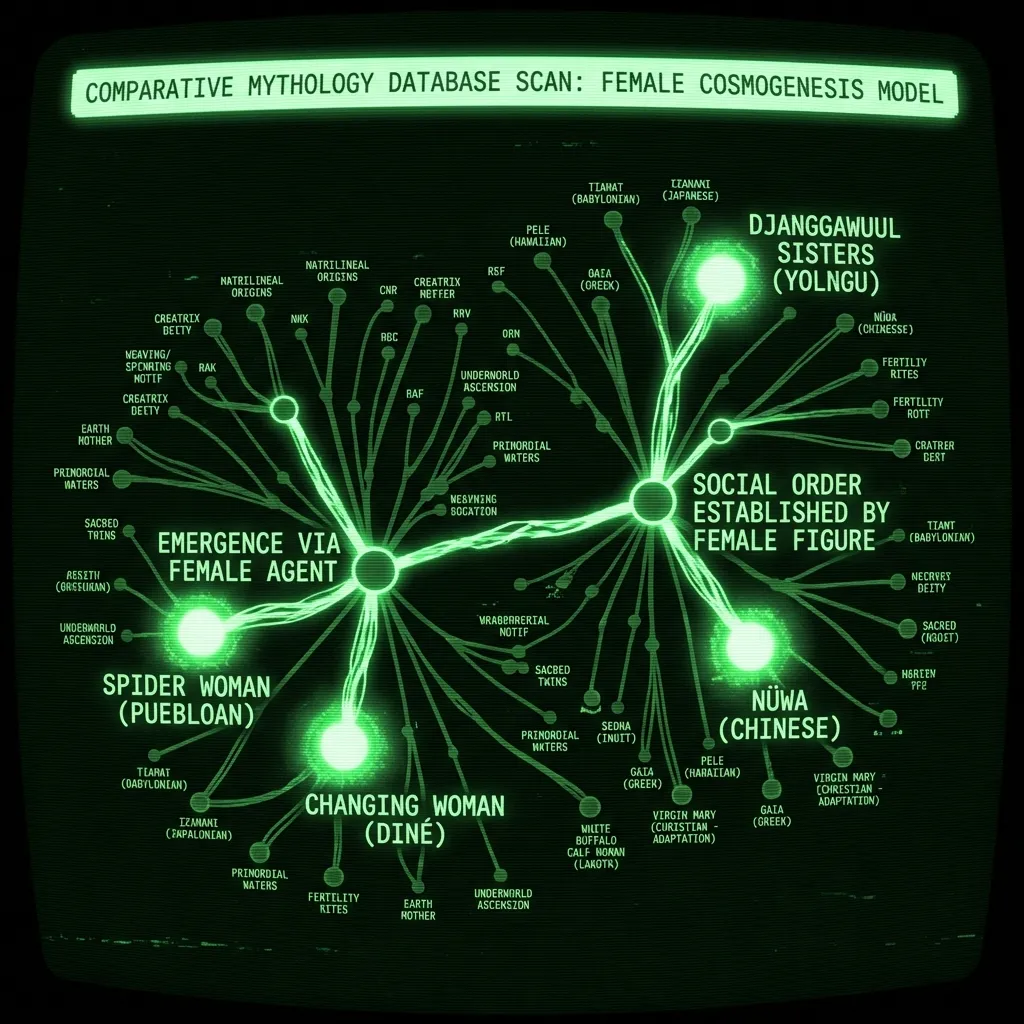
Defines ‘female‑led cosmogenesis’ and argues that Paleolithic art and cross‑cultural myth patterns support multiple active female creators over a monolithic Great Mother, with phylogenetic and archaeological evidence.
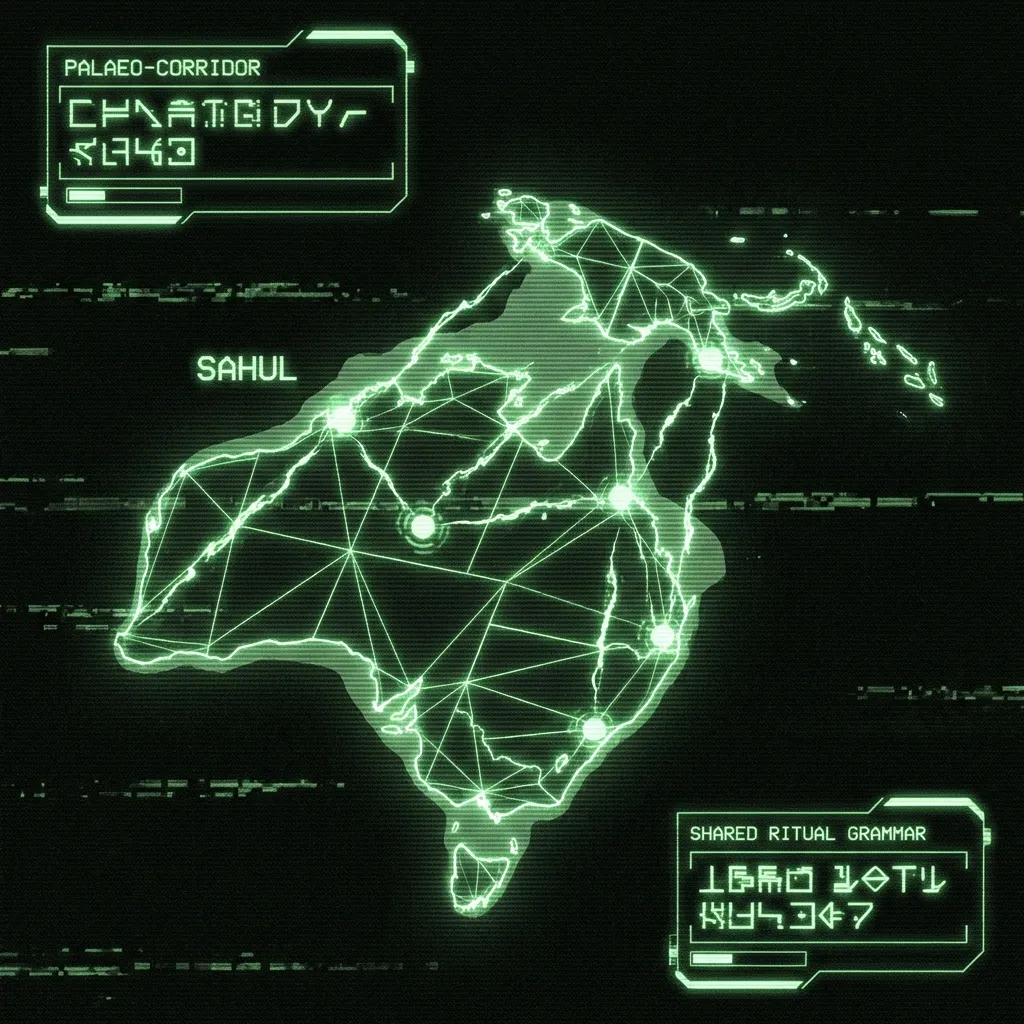
A concise case for historical links between Australian bullroarer–initiation and PNG Tambaran/flute cults, framed by Sahul-era connectivity.
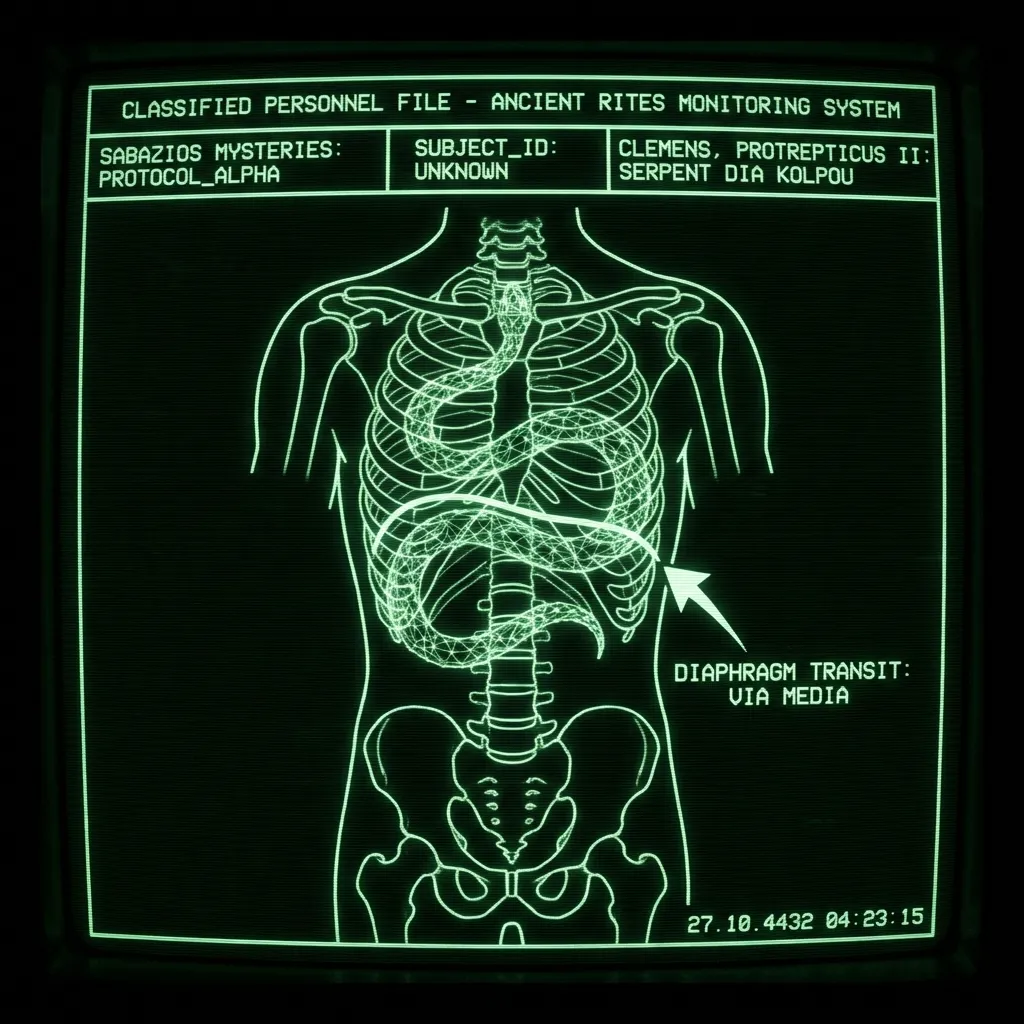
Comparative cases where initiates are called ‘snake‑bitten’ or ‘swallowed’—from Cape York’s dunggul to Sabazios, Yuruparí, the Ophites, Hopi Snake Dance, and Wawilak—w/ primary sources.
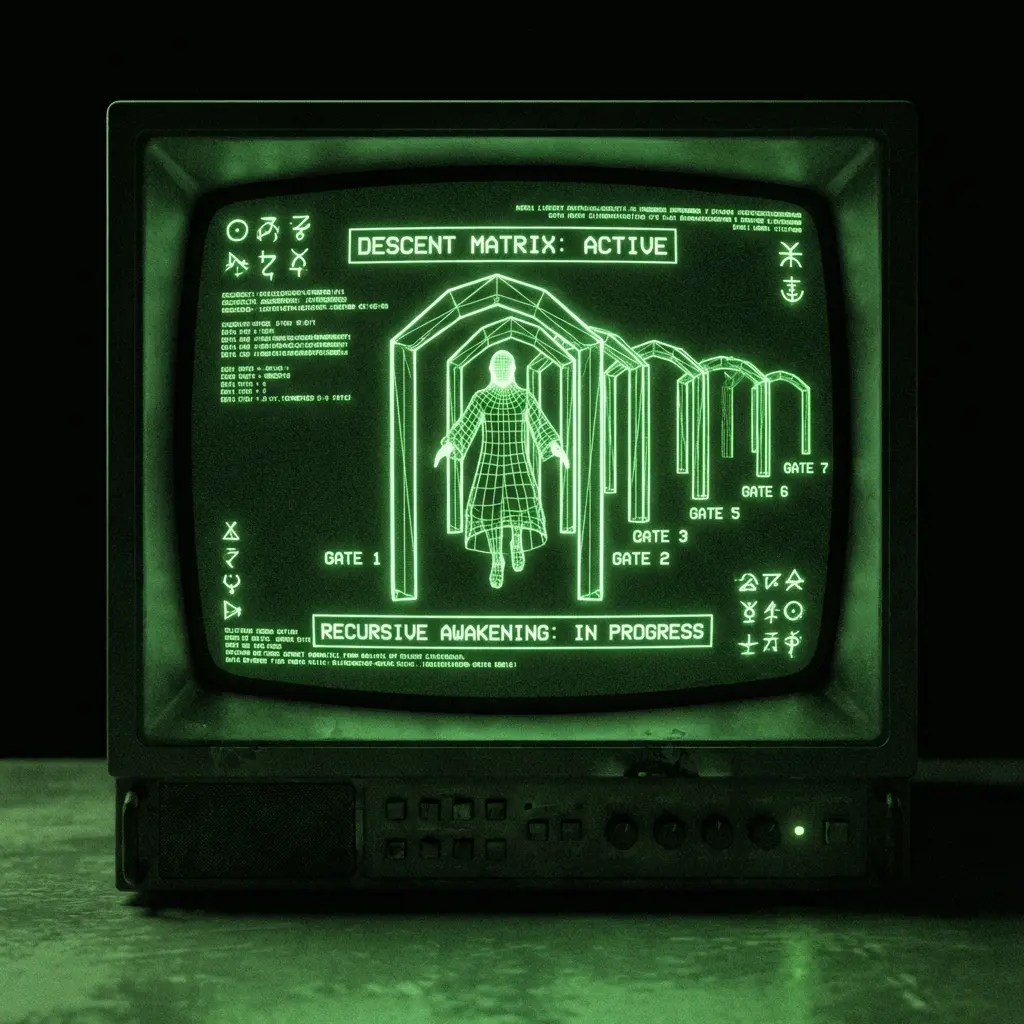
Comparative dossier on the feminine underworld descent motif—Inanna, Persephone, Xquic, Psyche—its seasonal aetiologies, ritual death‑rebirth patterns, and alignment with EToC, drawing on primary texts.