The Dead Songs We Still Sing
Ritual language survives after meaning dies: bullroarers, hook-swinging, magic spells, and songs sung long after words go dark.
~/topics/linguistics
Browse all tags · Search articles
Ritual language survives after meaning dies: bullroarers, hook-swinging, magic spells, and songs sung long after words go dark.
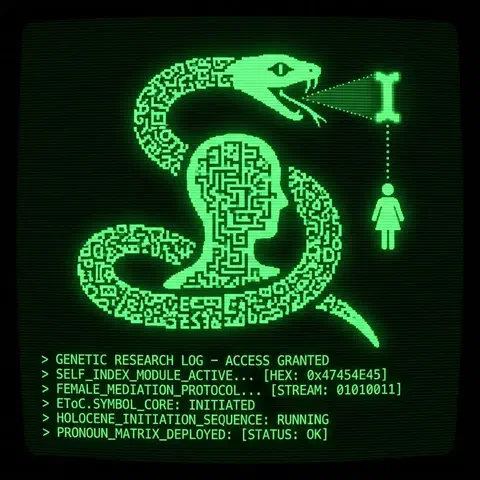
A two-stage account of consciousness: language and stories coalesce ~60 ka; the narrative ‘I’ emerges in the Holocene via women-led serpent ritual networks and pronoun tech.
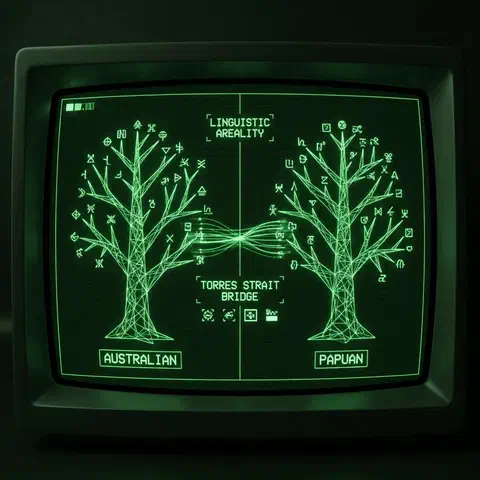
A synthesis of evidence for Australia–PNG linguistic ties—Torres Strait contact, Sahul-era areality, and who argued for them—with primary citations.
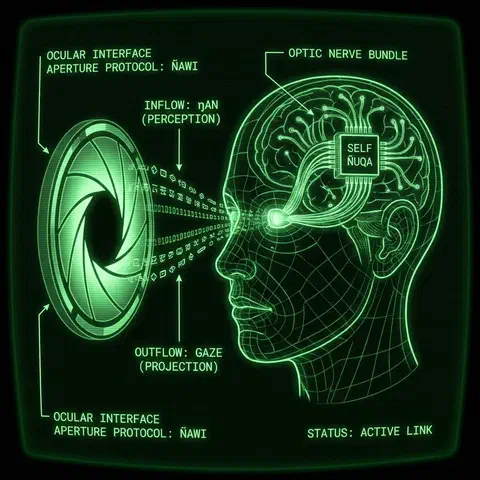
How Quechua ñawi—eye, opening, portal—complements the Proto‑Sapiens *ŋAN ‘breath/soul,’ from textiles to star‑lore, and why that matters for consciousness.
On Cape York, dunggul names both ‘snake’ and ‘bullroarer.’ What this polysemy reveals about initiation, being ‘snake‑bitten,’ and the ritual voice.
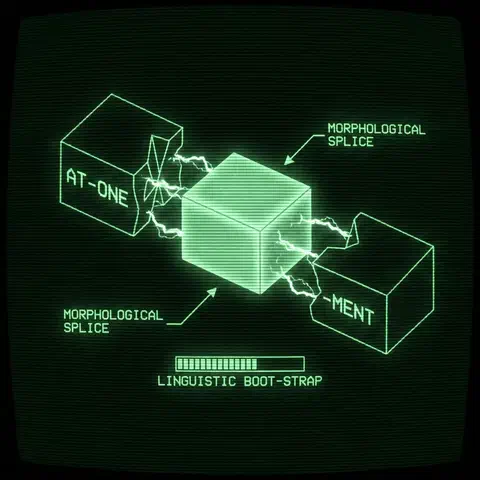
A deep dive into how the word **atonement** grew from the Middle‑English phrase “at one” plus the French‑derived suffix **‑ment**, and what that splice reveals about the youth of English.
Survey of the unique lexemes cultures coined for the Great Flood—and, rarer still, for the age before it—spanning Sumer to Māori, Hebrew to Quechua.
Exploring how ultra-stable words like pronouns and numerals preserve deep traces of linguistic ancestry across continents.
Do the widespread 1sg *n-/m-* and 2sg *b-/w-* paradigms signal an African macro-family, or are they just the linguistic fingerprints of 12 000 years of contact?
How the Soviet Union’s unique mix of ideology and academia produced an outsized cadre of linguists obsessed with linking the world’s languages.
Exploring the hypothesis of two intertwined Proto-Sapiens roots, *hankwa (breath, life, soul) and *henkwi (snake, dragon), by examining proposed cognates across global language families and their …
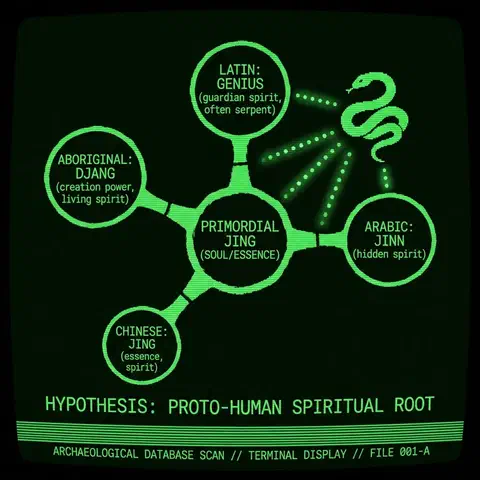
Explores the speculative Jing hypothesis proposing that a primordial word sounding like 'jing' or 'gen' once meant soul or spirit across ancient cultures worldwide.
Tracing the Proto‑Indo‑European root *ǵneh₃‑ that links Sanskrit *jñā‑*, English *know*, and Greek *gnō‑/gnosis*.
Expert consensus places Proto-Afroasiatic at ~11,000 years old, making it the oldest securely demonstrated language family despite methodological limits.